NFL
Equity Metrics
September 24, 2026
National Fertilizers Limited
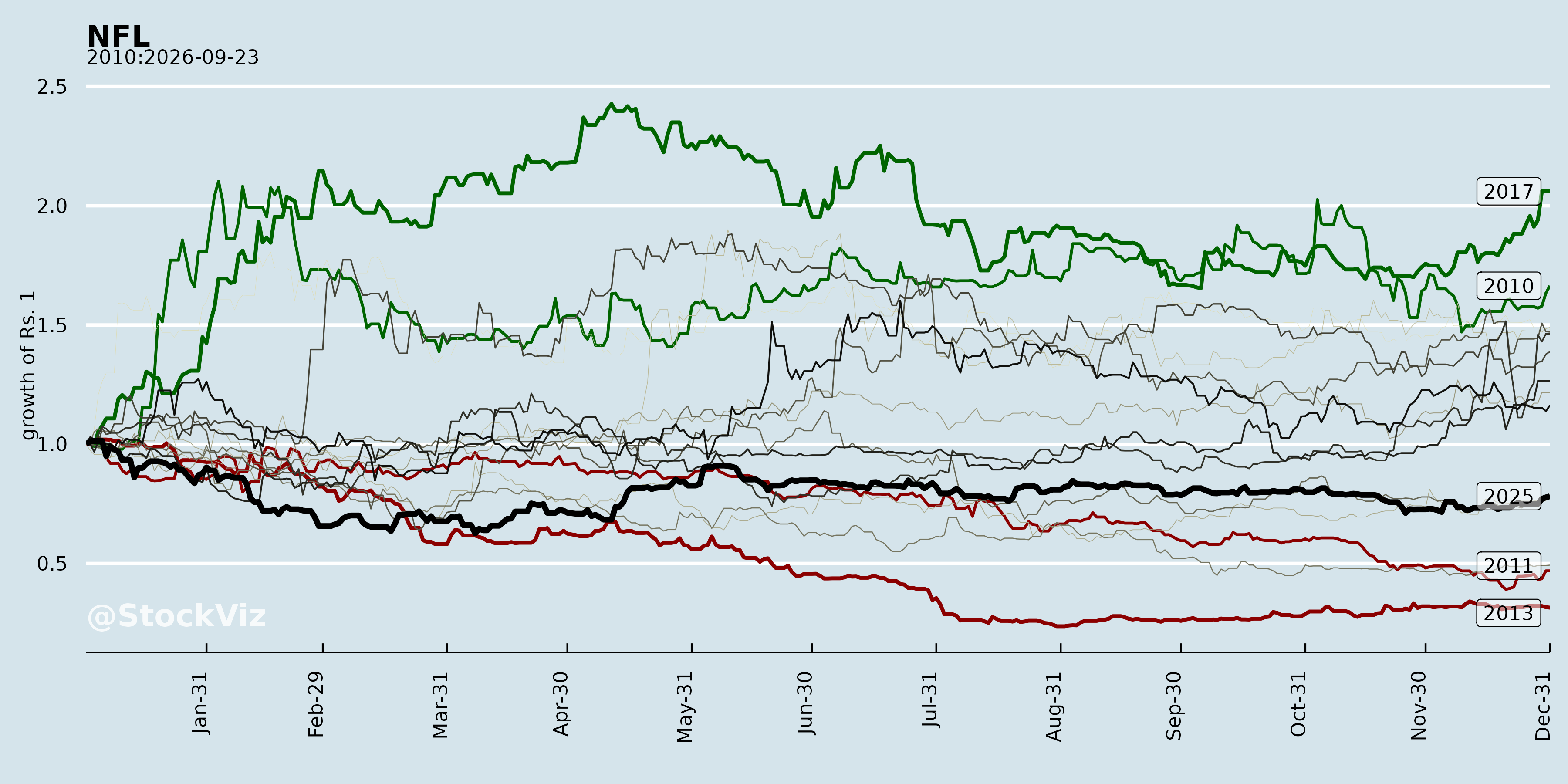
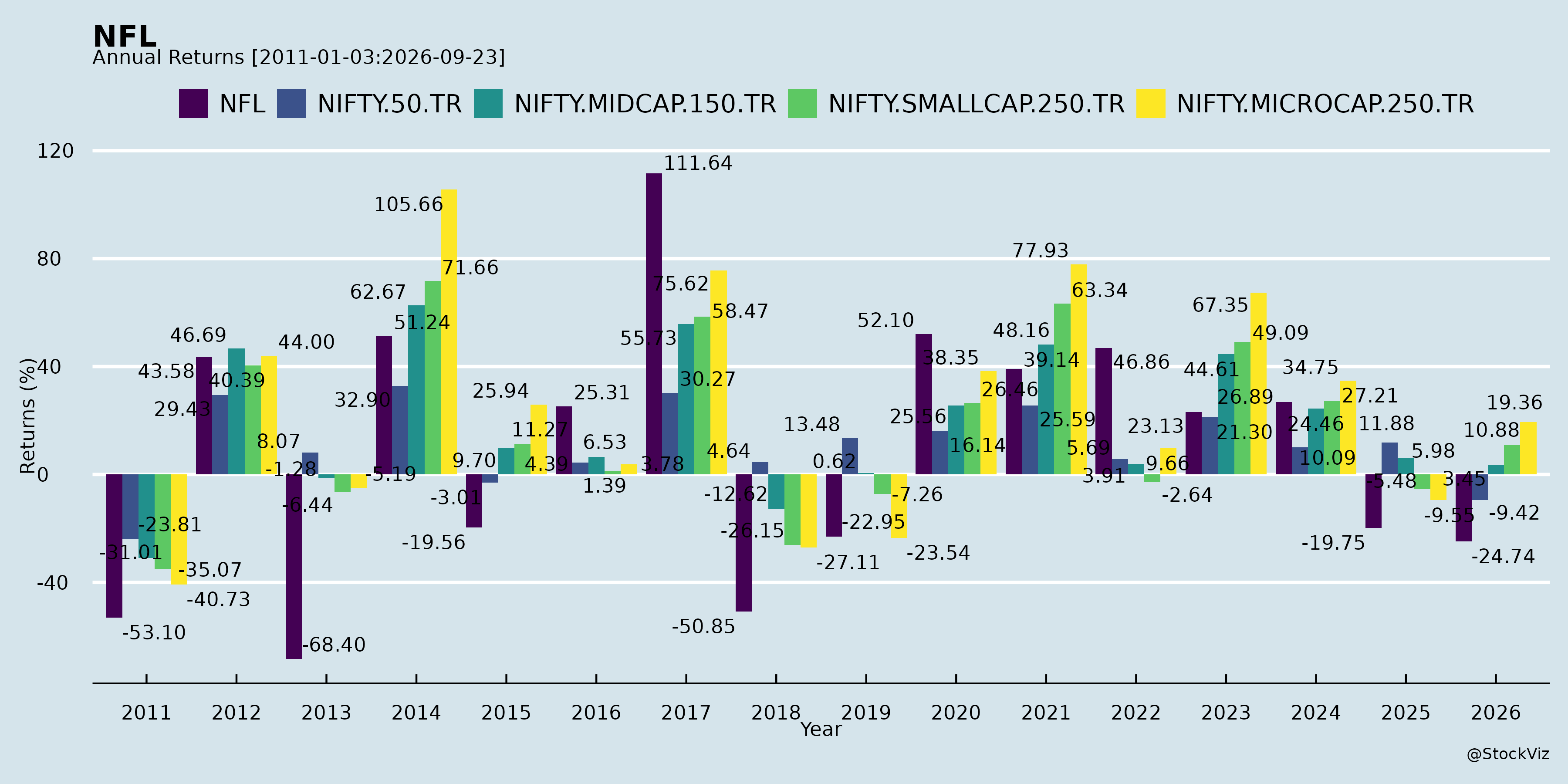
Annual Returns
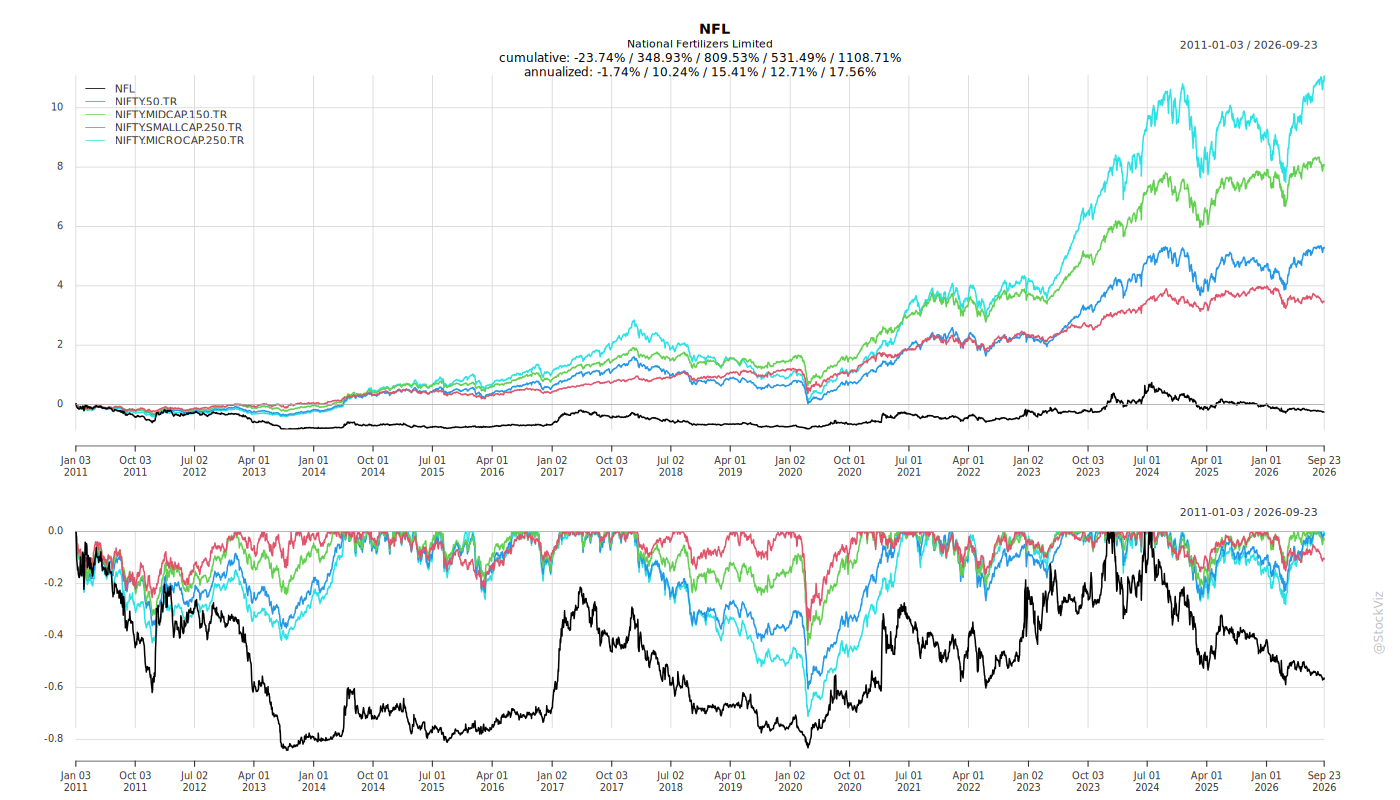
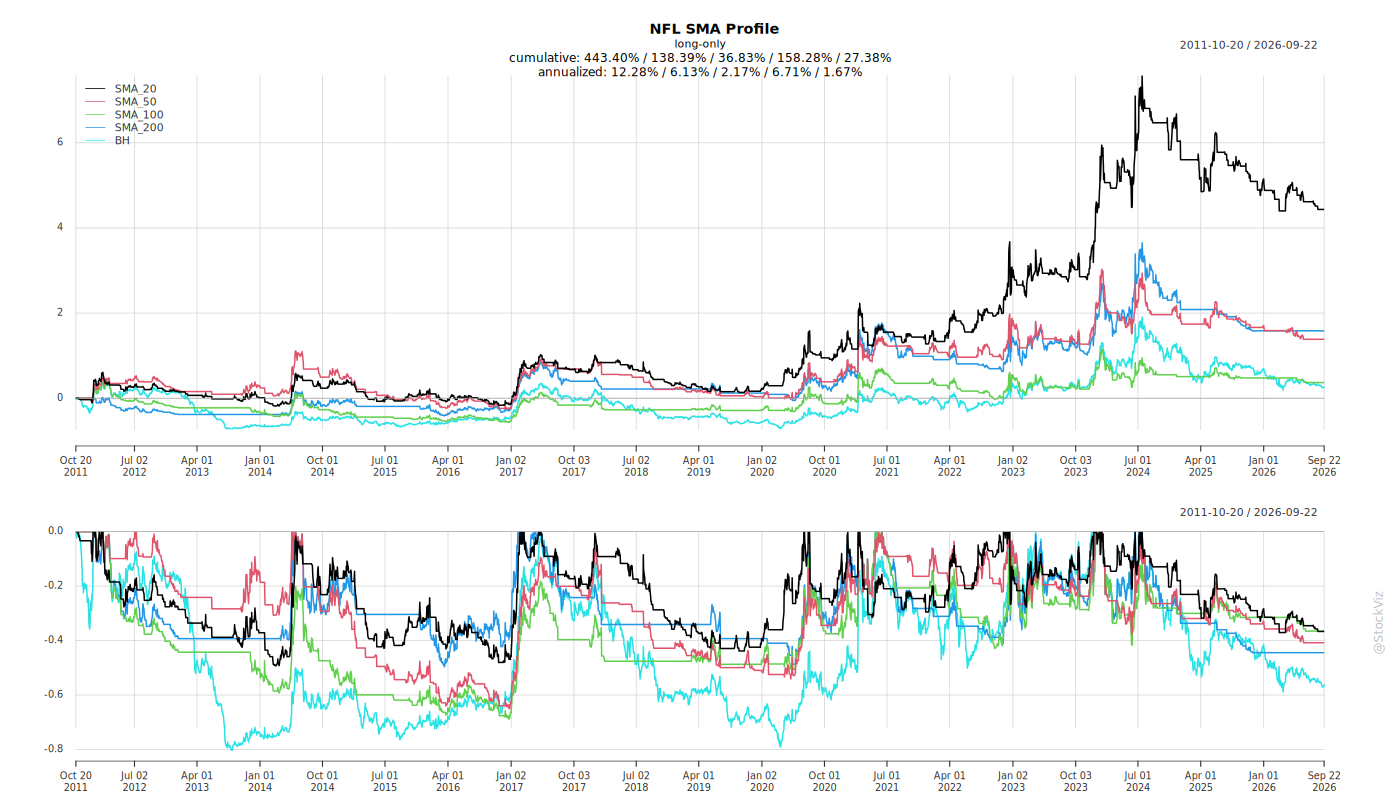
Cumulative Returns and Drawdowns
Fundamentals
Ownership
Margined
AI Summary
asof: 2026-09-17
National Fertilizers Limited: Recent Developments and Outlook
Headwinds and Challenges
The company’s urea business operates under strict government regulation, which keeps operating margins low. Implementation of Target Energy Norms under the New Urea Policy (NUP-2015) is reducing profit margins at the Vijaipur-I plant. Operations face natural gas and RLNG supply constraints linked to geopolitical factors, alongside tightening energy norms.
The phosphatic and potassic fertilizer segment is exposed to high import dependence and volatile prices for both finished fertilizers and raw materials. Working capital requirements are increasing following the implementation of Direct Benefit Transfer (DBT).
Tailwinds and Growth Prospects
Domestic demand is supported by favorable monsoon conditions, and government policy continues to back fertilizer consumption, including subsidies and the promotion of balanced fertilization. The company is pursuing capacity expansion through brownfield projects, notably the Namrup-IV complex being developed through the newly formed AVFCCL joint venture.
Diversification is underway into non-subsidized products, agro-chemicals, bio-fertilizers, and industrial products. The company also points to global strategic collaborations, including a urea production facility project in Russia.
Key Risks
The principal risks center on regulatory and policy dependence: energy norm tightening under NUP-2015, strict urea regulation, and the margin pressure these create. Supply-side risk comes from natural gas and RLNG availability constraints tied to geopolitical factors. Market risk arises from import dependence and price volatility in phosphatic and potassic fertilizers and raw materials. Financial risk includes rising working capital needs after DBT implementation.
Management Guidance Versus Observed Performance
Management envisages growth in both top and bottom lines, driven by maximizing energy-efficient urea production, scaling up Bentonite Sulphur, bio-fertilizers, industrial products, and agro-chemicals, expanding agri-input trading, and executing capital expenditure projects including the Namrup-IV complex and new Urea Gold and Bentonite Sulphur plants. The stated strategy focuses on enhancing long-term profitability through non-subsidized products.
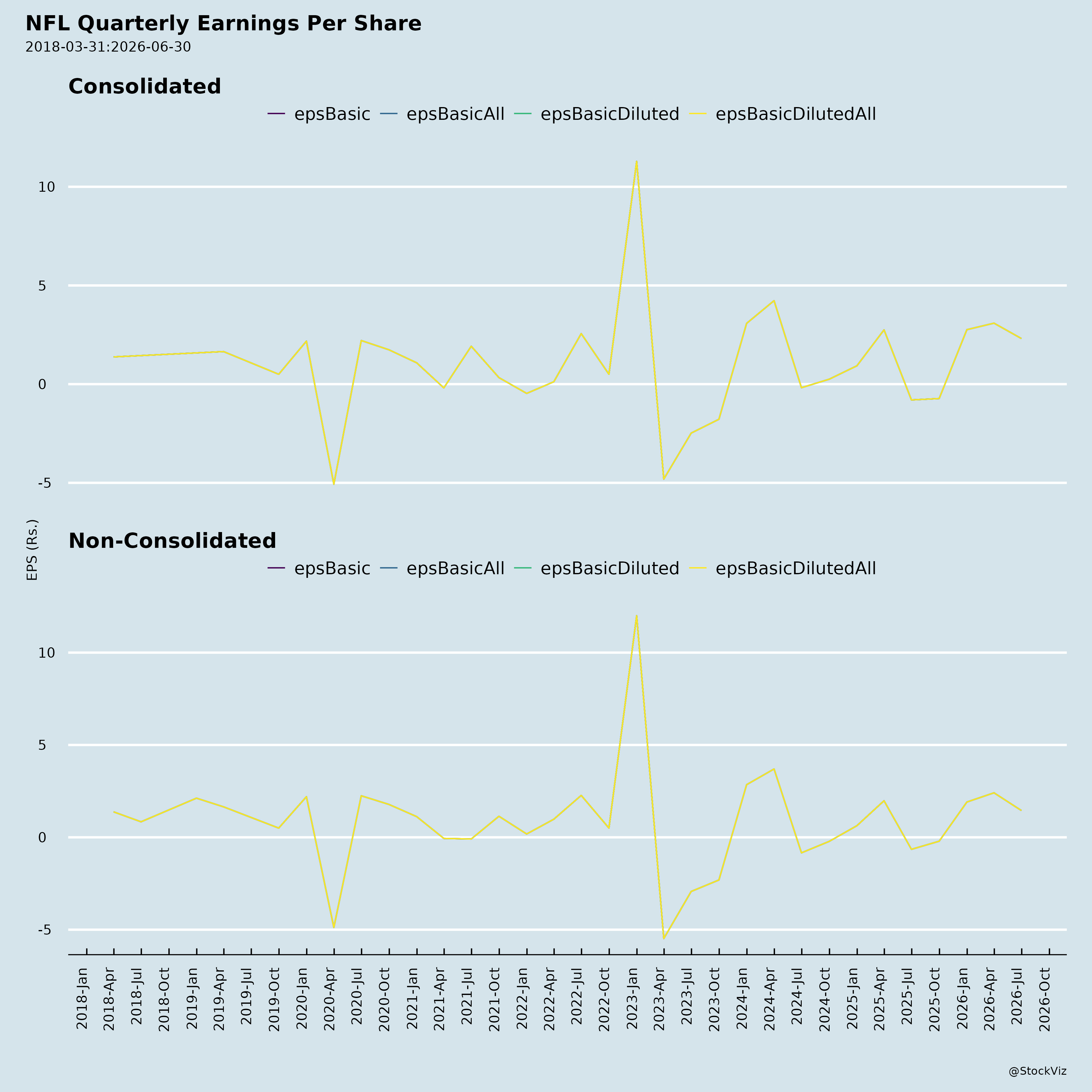
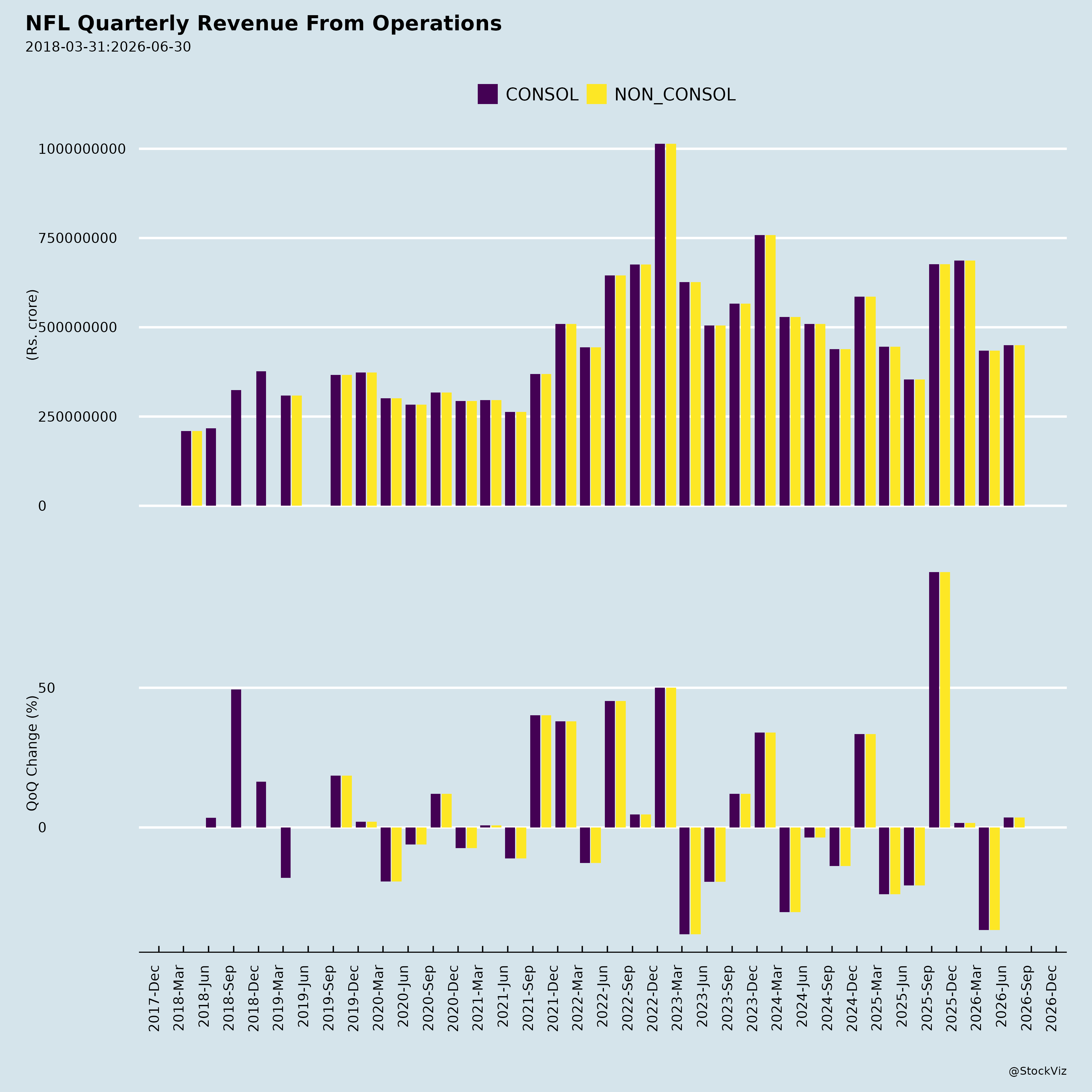
Observed results for the quarter ended June 30, 2026 provide mixed evidence relative to this guidance. Standalone revenue from operations rose to ₹4,50,039 lakh from ₹3,53,417 lakh in the same quarter a year earlier, and the company returned to profit with standalone profit after tax of ₹7,091 lakh against a loss of ₹3,210 lakh a year earlier. On a consolidated basis, profit after tax was ₹11,338 lakh, helped by a share of joint venture profit of ₹4,247 lakh.
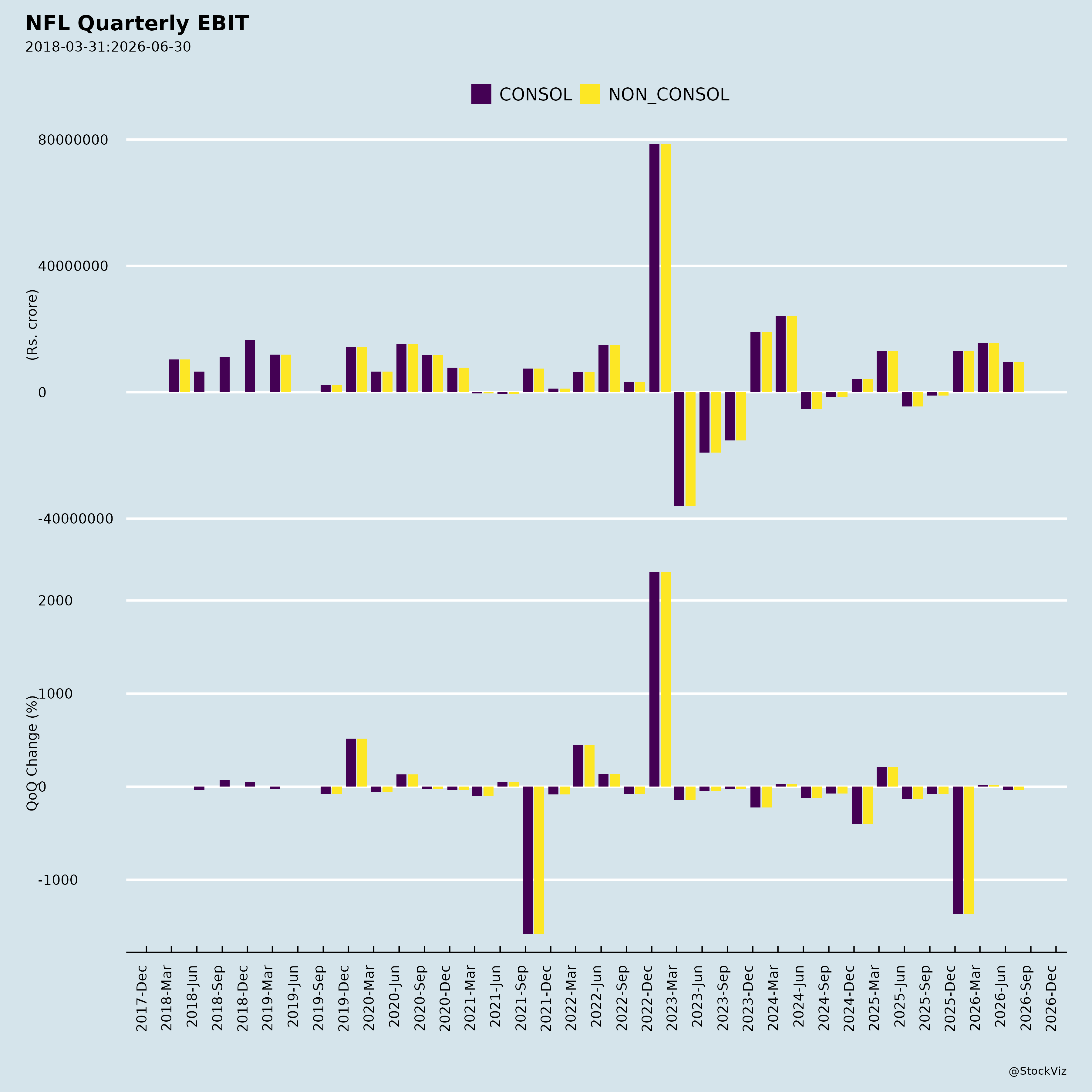
However, sequential performance weakened: standalone profit after tax fell from ₹11,819 lakh in the quarter ended March 31, 2026 to ₹7,091 lakh, and consolidated profit after tax fell from ₹15,154 lakh to ₹11,338 lakh. Standalone operating margin declined to 3.63% from 5.09% in the prior quarter, and net profit margin declined to 1.58% from 2.72%. Segment results for manufactured fertilizers were roughly flat sequentially at ₹10,201 lakh versus ₹10,147 lakh, while manufactured chemicals fell to ₹1,897 lakh from ₹4,676 lakh and the “Others” segment fell to ₹2,992 lakh from ₹7,392 lakh.
For the full year ended March 31, 2026, standalone profit before tax was ₹23,267 lakh and consolidated profit before tax was ₹27,451 lakh, with consolidated profit after tax of ₹21,149 lakh. Subsidy income recognition affected the quarter: ₹1,341 lakh was recognized on sale of closing DAP and TSP stock as at March 31, 2026, following Department of Fertilizers operational guidelines dated January 5, 2026 for Rabi 2025 shipments, and ₹1,700 lakh was accounted for the period April 1, 2025 to March 31, 2026 after the Department of Fertilizers notification dated July 30, 2026 fixed New Energy Norms applicable from April 1, 2025 valid until March 31, 2028.
The Board recommended a final dividend of ₹1.04 (10.40%) per equity share of ₹10 each for FY 2025-26, subject to shareholder approval, with a record date of September 14, 2026 and payment on or before October 21, 2026. The 52nd Annual General Meeting is fixed for Tuesday, September 22, 2026 at 2:30 P.M. through video conferencing or other audio-visual means.
Copyright © 2023 SAS Data Analytics Pvt. Ltd. All rights reserved.