Fertilizers
Industry Metrics
September 24, 2026
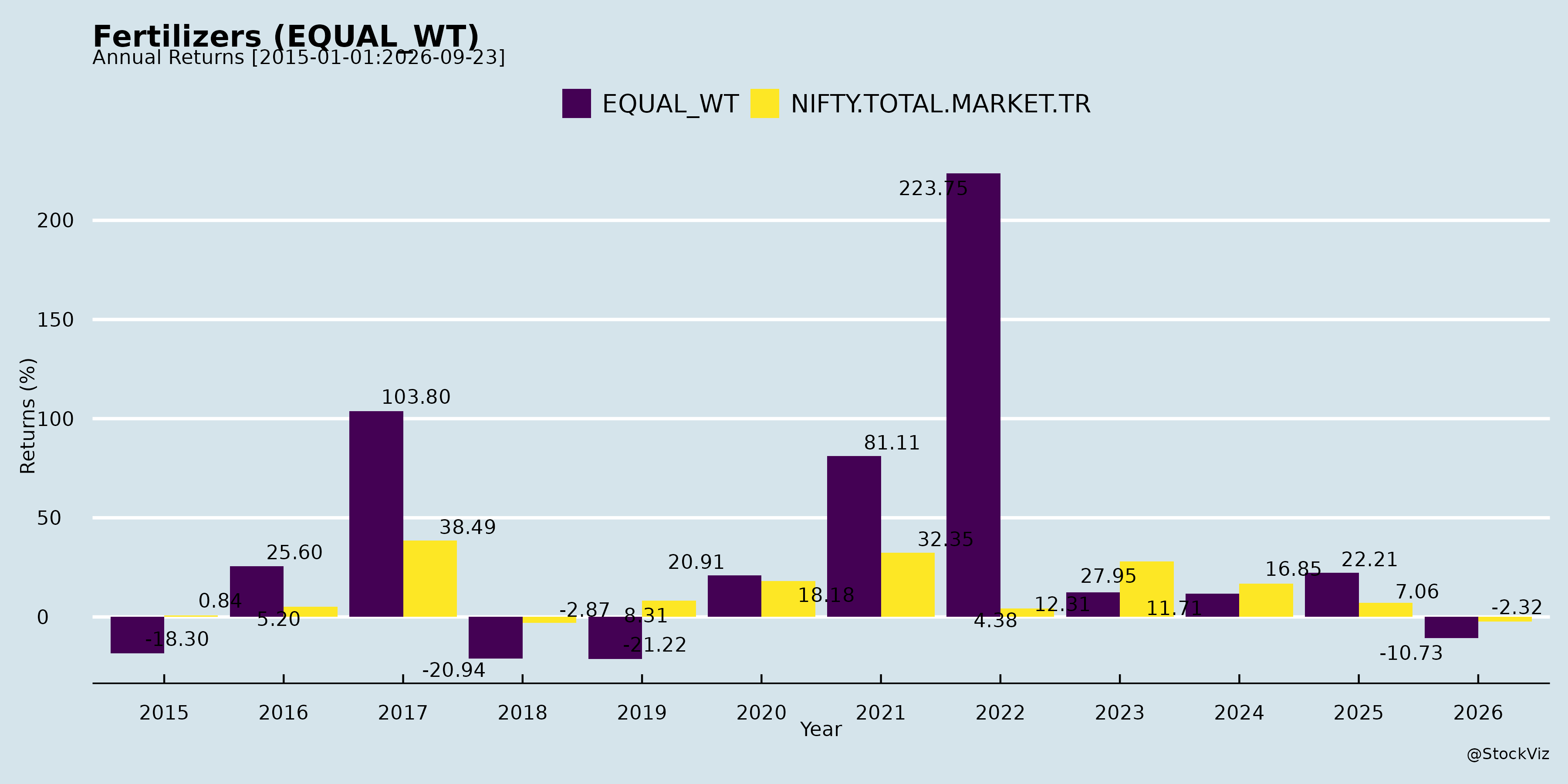
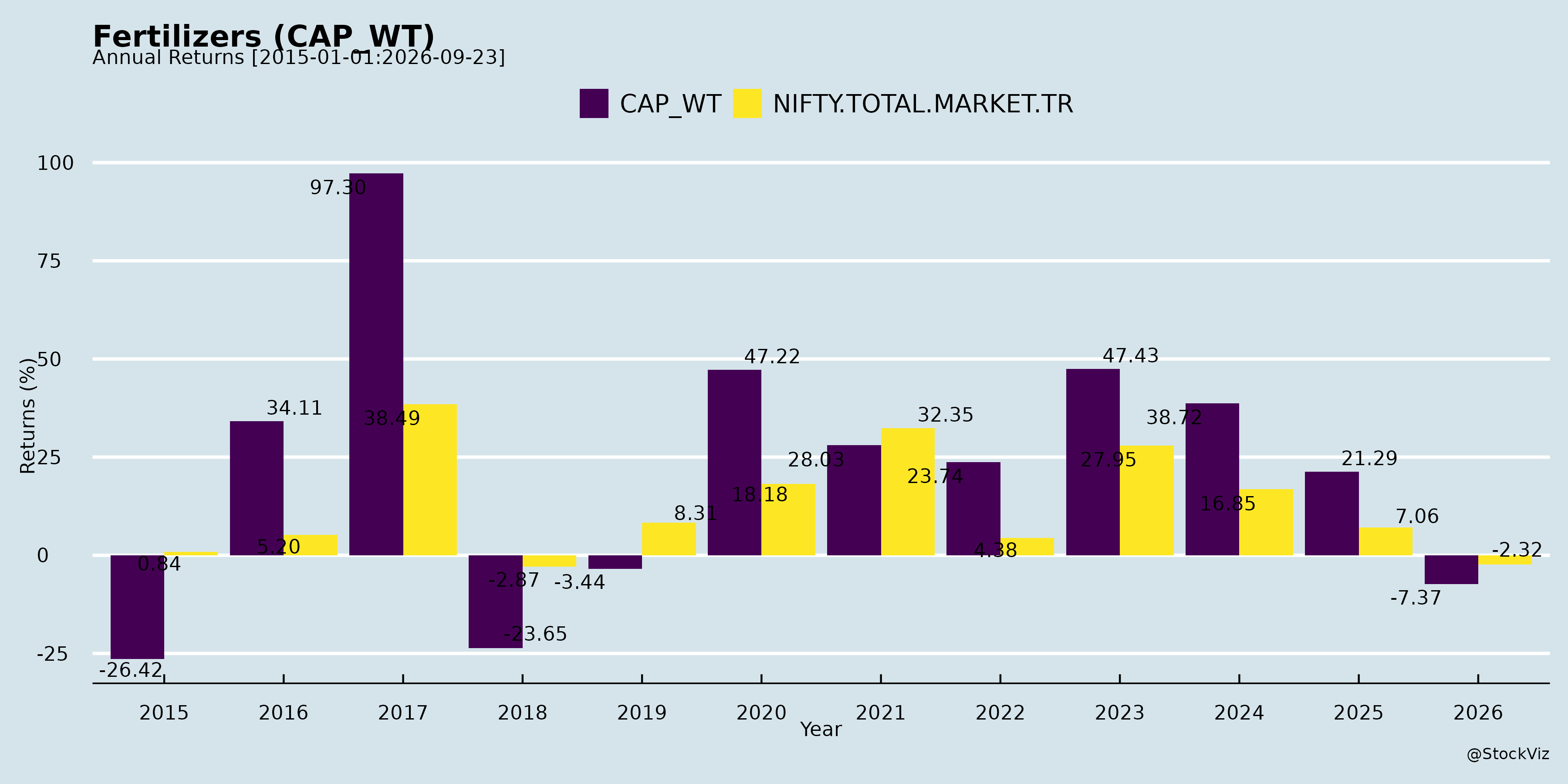
Annual Returns
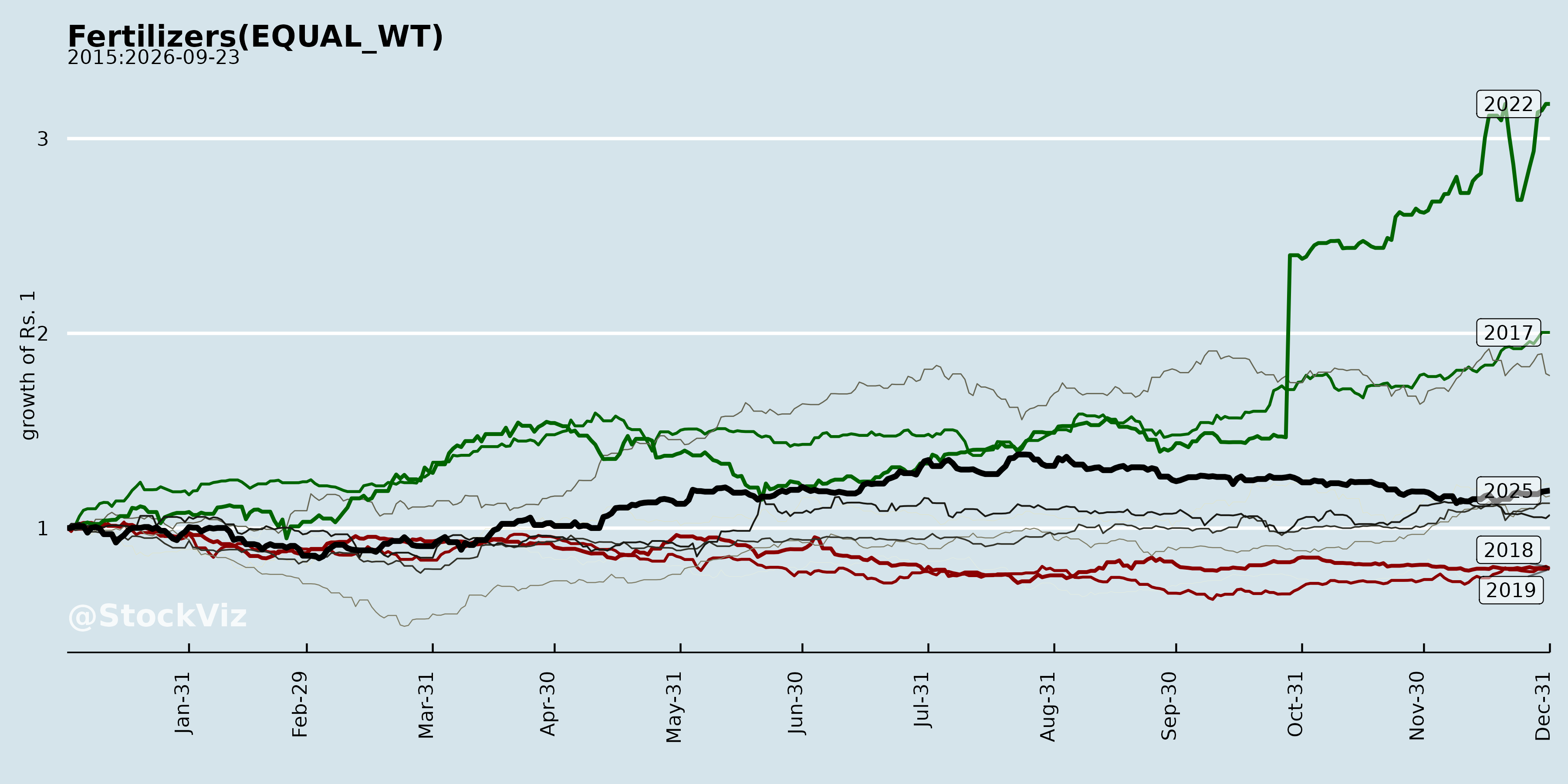
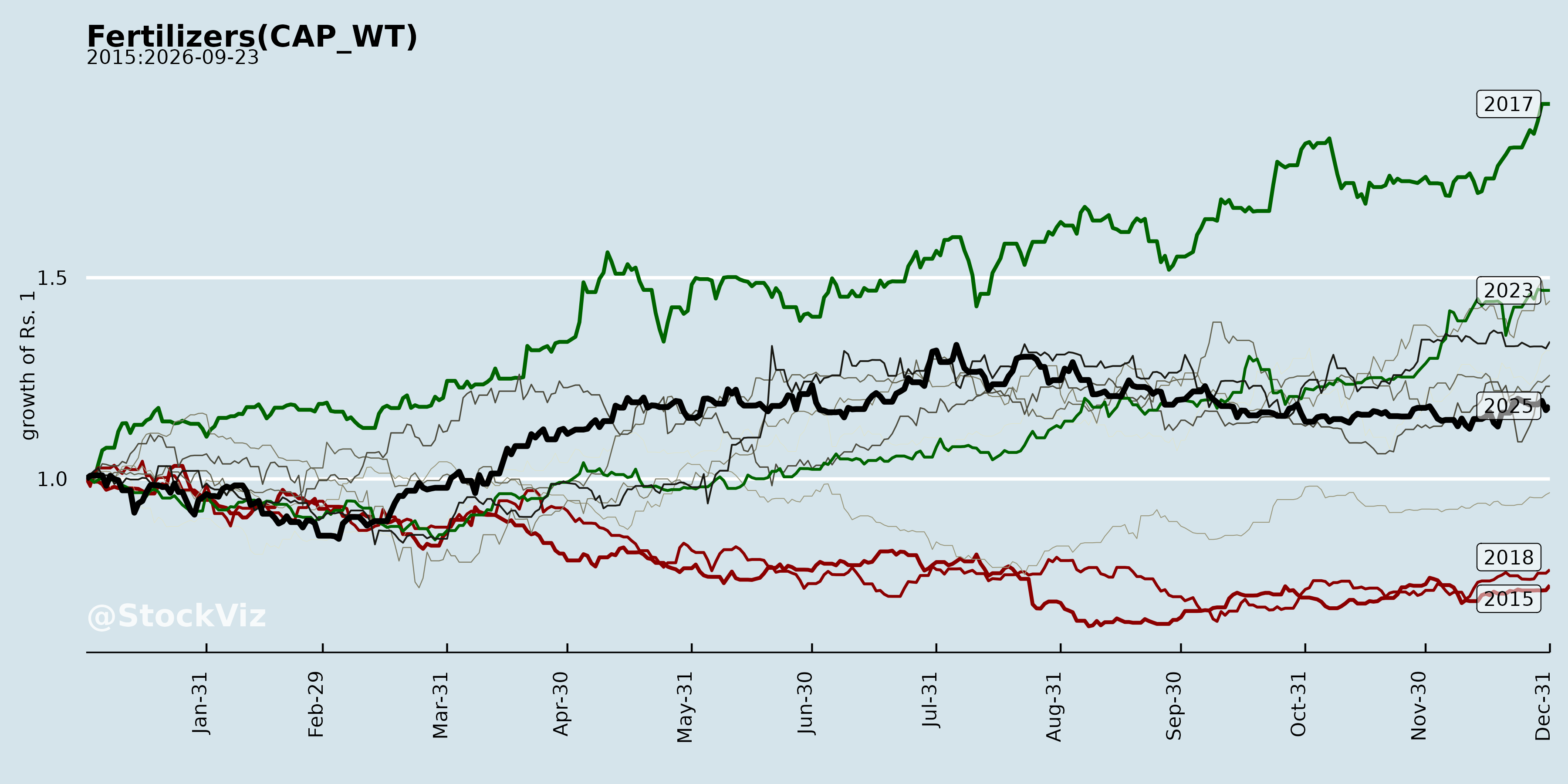
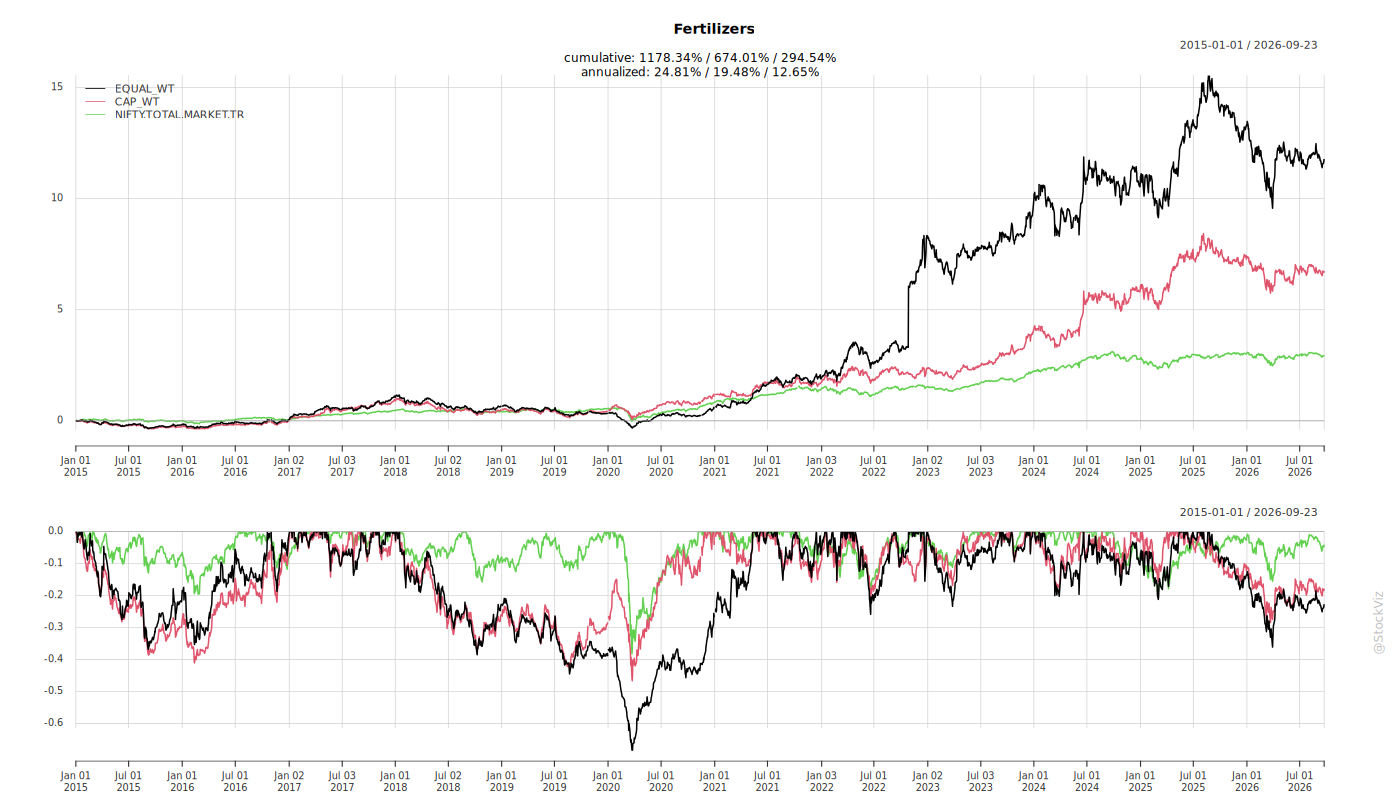
Cumulative Returns and Drawdowns
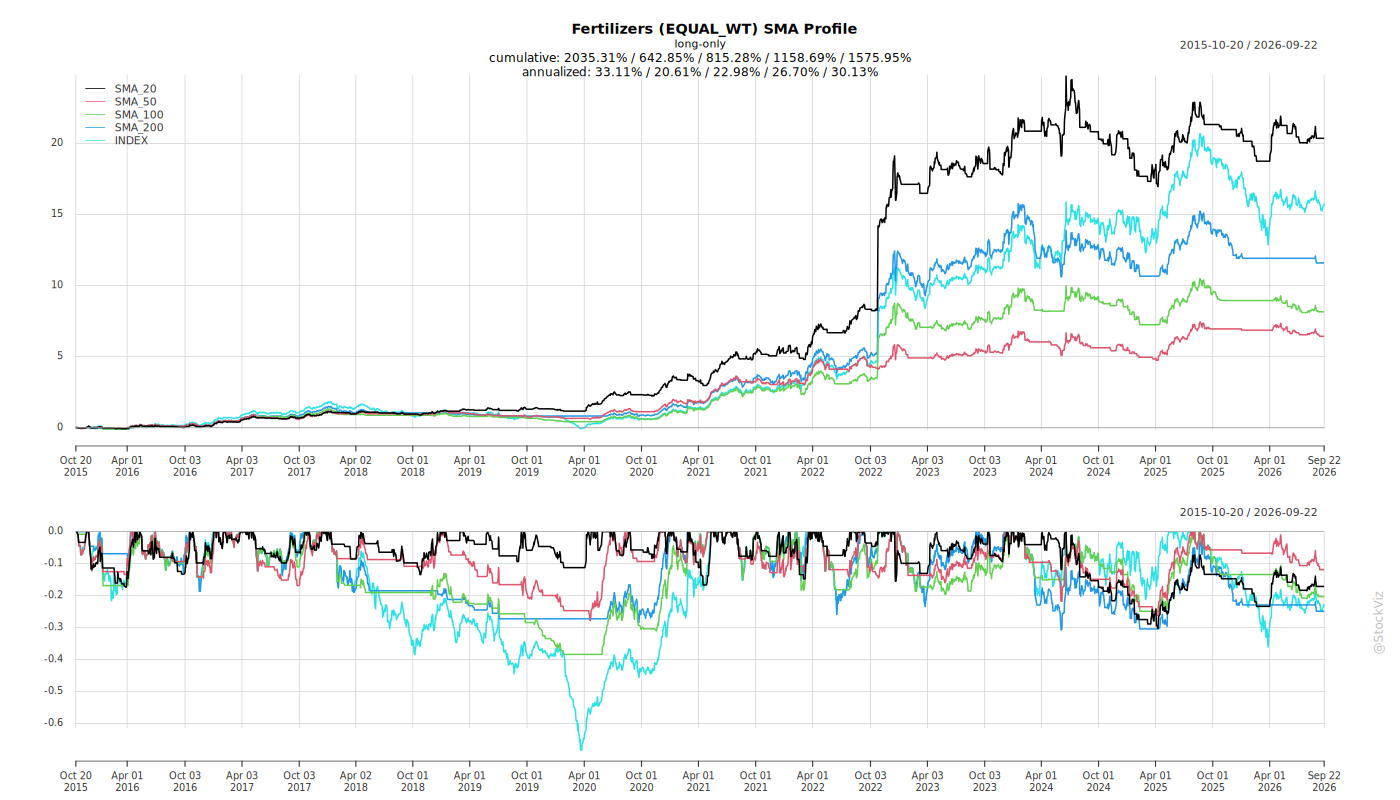
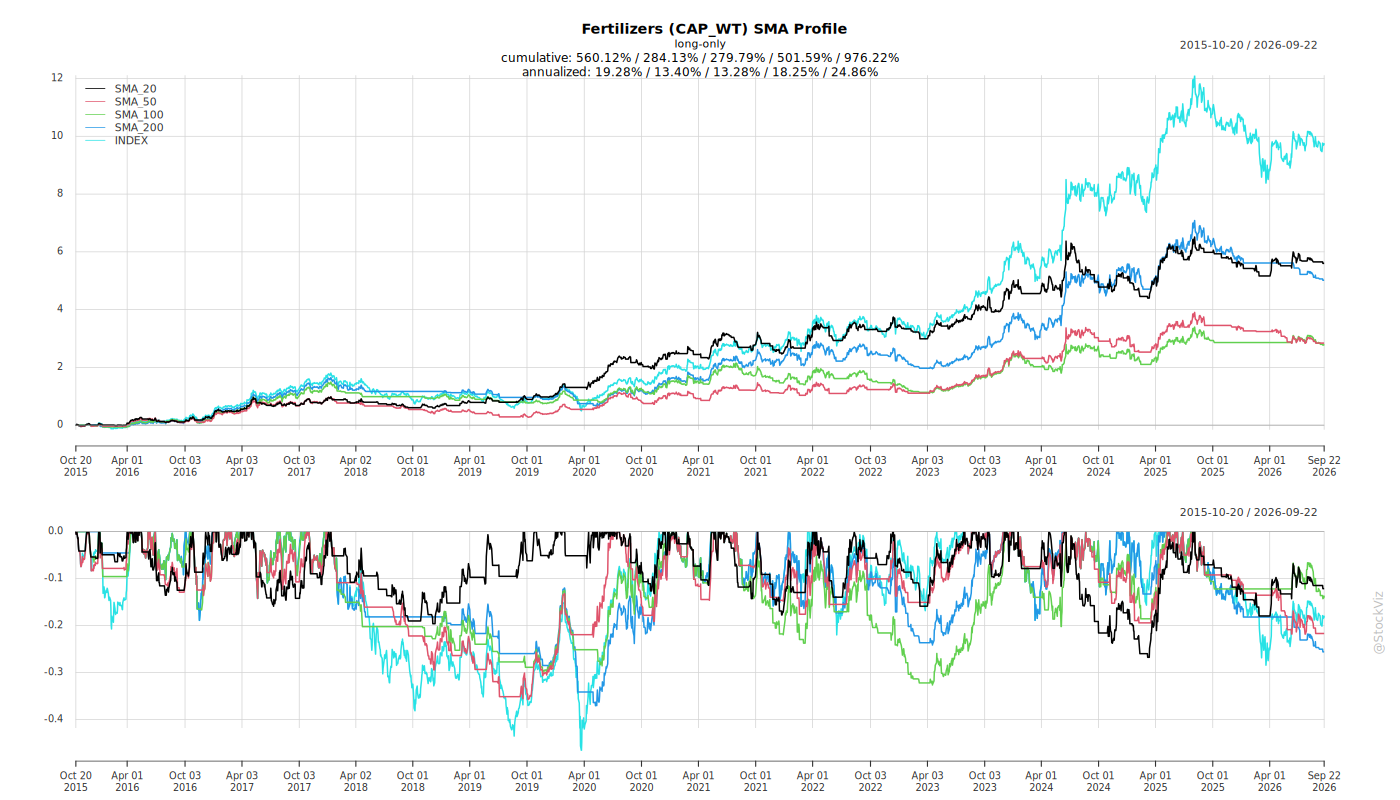
SMA Scenarios
Current Distance from SMA
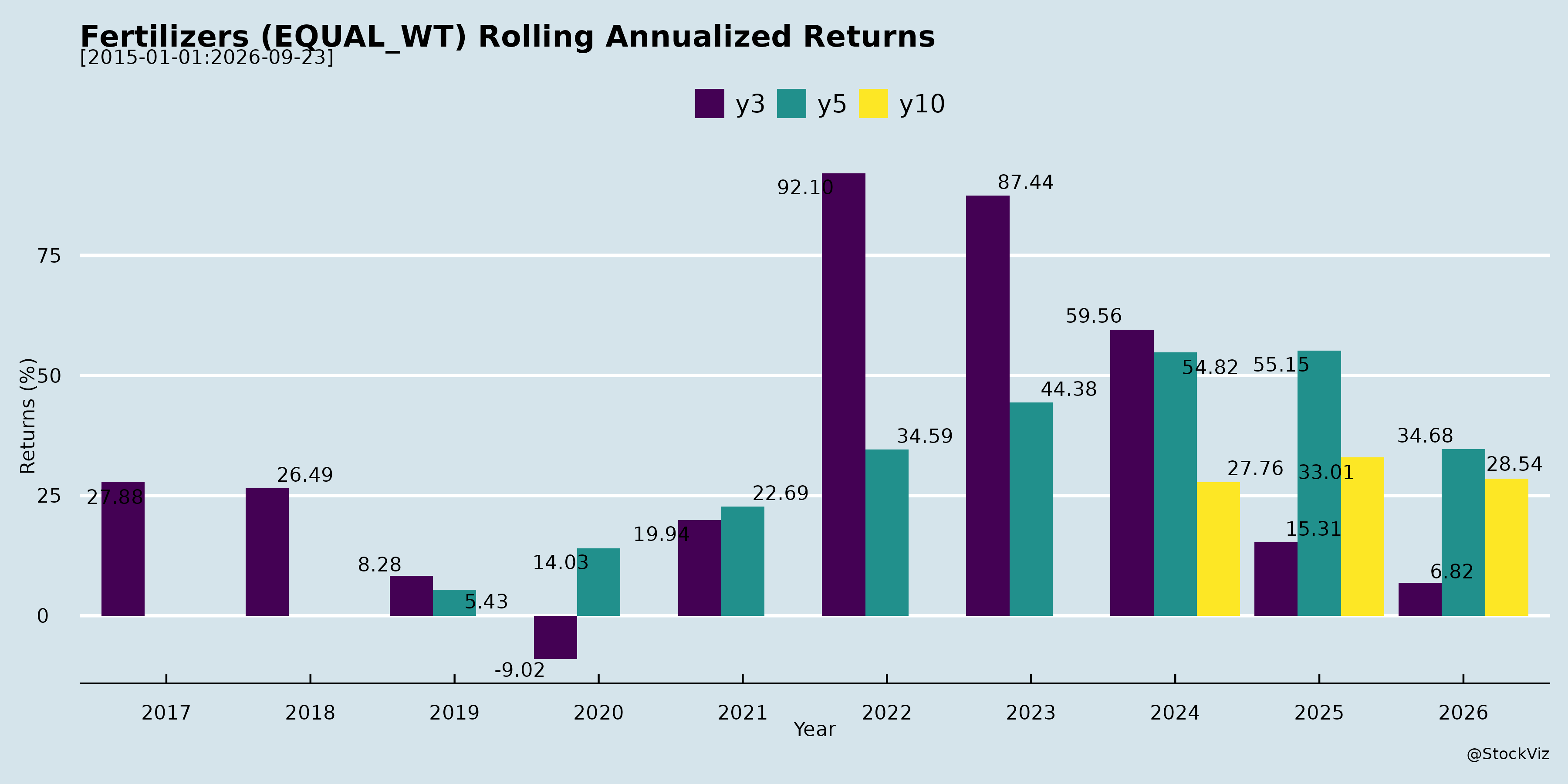
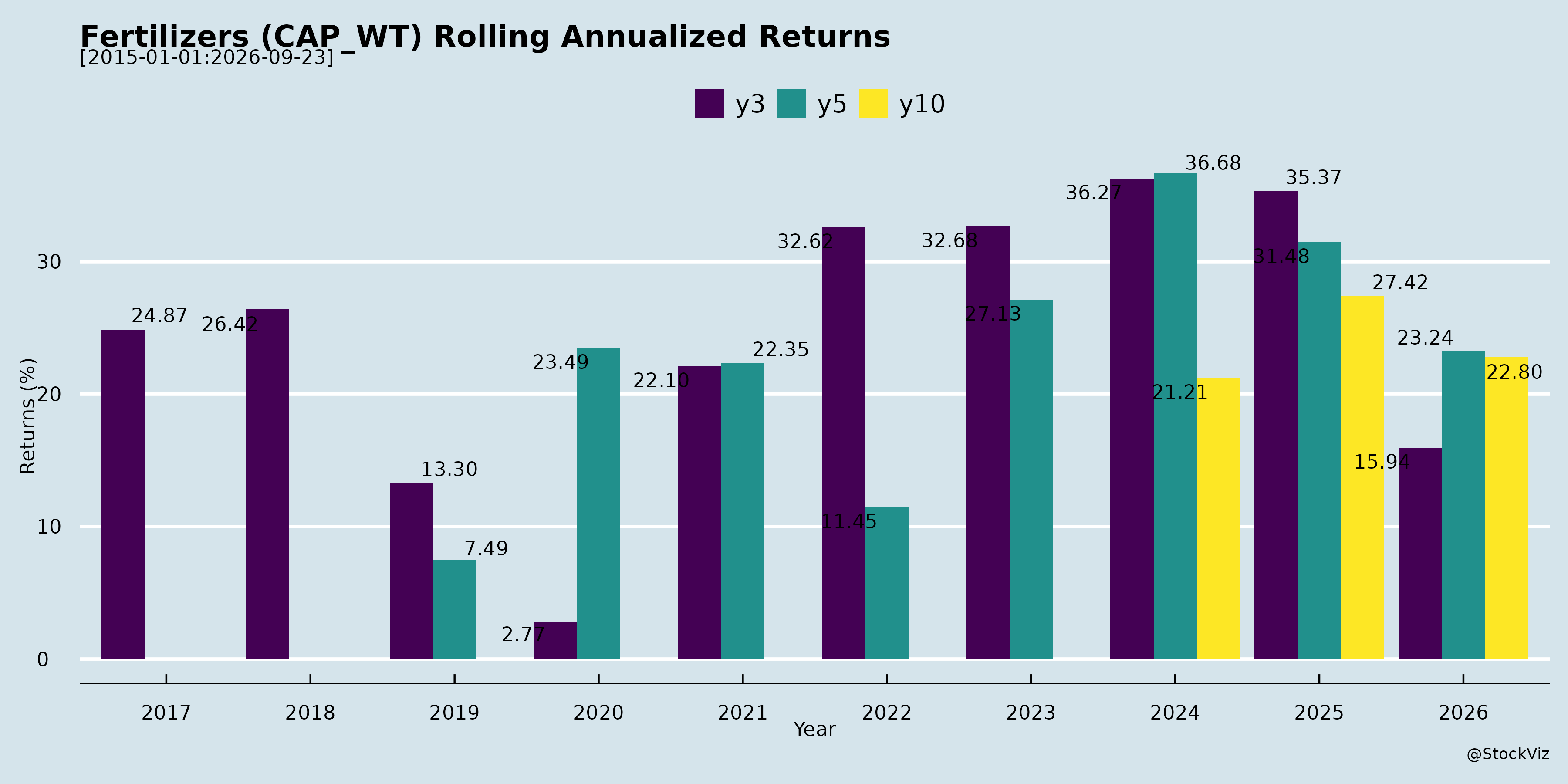
Rolling Returns
Fundamental Ratios
AI Summaries
How have the challenges and oppurtunities evolved over time?
asof: 2026-04-15
The Evolution of Challenges in the Fertilizer and Agrochemical Industry
Over time, the fertilizer industry has faced a series of escalating operational, environmental, and macroeconomic challenges.
- Extreme Global Supply Chain and Input Cost Volatility: Historically, the industry has been heavily reliant on imports, securing up to 90% of key intermediates from global markets [1, 2]. Recently, this dependence has exposed manufacturers to severe cost shocks. Unprecedented spikes have been seen in raw material prices, such as phosphoric acid costs jumping by 34%, sulphuric acid by 91%, and sulphur skyrocketing by 130% to heights of $550 per ton [3, 4]. These price surges have been driven by varied geopolitical and regional factors, including the Iran-Israel conflict affecting gas and ammonia supply, supply outages in Saudi Arabia and Trinidad, increased demand from China’s LFP (Lithium Iron Phosphate) battery sector, and supply disruptions from Russia [3, 5].
- Environmental Degradation and Agronomic Shifts: Decades of excessive and unbalanced urea application have severely degraded soil health. In India, the ideal NPK (Nitrogen, Phosphorus, Potassium) ratio of 4:2:1 has skewed drastically to 7.7:3.1:1, rendering approximately 83% of the soil phosphorus deficient [6]. Furthermore, unseasonal rains, delayed monsoon withdrawals, and lower crop acreages for highly consuming crops (like chillies and grapes) have frequently dampened fertilizer and crop protection consumption [7, 8].
- Operational and Margin Pressures: Increasing logistics and freight costs, coupled with currency depreciation, have squeezed profit margins significantly [7, 9]. Companies have also grappled with localized operational hurdles, such as safety issues and manpower shortages resulting in extended plant shutdowns, as well as the financial impact of adopting new governmental labor codes [10, 11].
The Evolution of Opportunities and Strategic Responses
In response to these complex challenges, the industry’s opportunities have evolved from basic capacity scaling to a focus on backward integration, sustainable product diversification, and digital modernization.
- Shift Toward Balanced Nutrition and Premiumization: To combat soil degradation and high DAP (Diammonium Phosphate) import costs, there is a structural shift towards balanced fertilization [12]. Companies are successfully promoting Single Super Phosphate (SSP) and NPK complexes as cost-effective, indigenous alternatives to DAP, especially beneficial for oilseeds and pulses due to their sulphur and calcium content [6, 12-14]. Furthermore, there is rapid growth (13–15% CAGR) in premium segments like biologicals, water-soluble fertilizers, and specialty nutrients, driven by sustainability goals and strict regulatory norms [15, 16]. Breakthroughs like Nano DAP have also seen strong double-digit growth and widespread acceptance, particularly in the horticulture segment [17].
- Aggressive Backward Integration and Supply Security: To insulate themselves from global price volatility, integrated players are heavily investing in captive raw material sourcing [12]. Companies are establishing in-house sulphuric and phosphoric acid plants to reduce reliance on expensive market purchases, which directly protects margins [18, 19]. Strategic mining investments, such as acquiring rock phosphate mines in Senegal, have stabilized raw material availability and improved cost-negotiating power [20-22]. Domestic rock phosphate beneficiation has also become a highly profitable niche with limited competition [23, 24]. Looking toward the future, companies are entering long-term contracts for Green Ammonia to secure sustainable, domestic supply chains [5, 25].
- Diversification into Non-Subsidized Industrial Chemicals: To reduce dependency on government subsidies and controlled pricing, fertilizer companies are establishing a second growth engine in industrial chemicals [26]. This includes massive expansions into Technical Ammonium Nitrate (TAN), fueled by India’s infrastructure boom and coal mining needs [27, 28]. Companies are also optimizing the production of Caprolactam, Melamine, and proprietary products like HX Crystal—taking advantage of improving global spreads and better export realizations compared to domestic markets [29-31].
- Supportive Policy Frameworks and Export Expansion: The government’s Nutrient Based Subsidy (NBS) scheme continues to be a stabilizing factor, allowing market-linked pricing flexibility for non-urea products [1, 32]. New initiatives like PM-PRANAM further incentivize the use of alternative and balanced fertilizers [33]. Additionally, newly executed Free Trade Agreements (FTAs) and CEPAs (such as with the European Union) are opening lucrative export avenues for Indian agrochemicals, bio-products, and Contract Development and Manufacturing Organization (CDMO) services by mitigating previously high tariff barriers [34-36].
- Digitalization and Precision Agriculture: The integration of technology is revolutionizing both operations and farmer engagement. Opportunities have expanded into “Drone-as-a-Service” for precision spraying, AI-enabled multi-lingual agricultural stacks, and direct digital farmer advisory platforms [37-39]. Administratively, the introduction of paperless, integrated digital fertilizer claim processes has accelerated the settlement of government subsidies, easing working capital constraints [33].
What are the headwinds affecting this industry?
asof: 2026-04-15
The fertilizer and agrochemical industry is currently navigating several significant headwinds, ranging from severe supply chain disruptions and escalating input costs to adverse weather patterns and policy limitations.
Surging Raw Material Costs One of the most immediate challenges is the sharp escalation in the prices of essential raw materials. The industry has faced massive cost inflations, with sulphur prices surging by up to 130%, reaching as high as $550 per metric ton [1, 2]. Sulphuric acid prices also spiked by 91%, while phosphoric acid saw a 34% increase, moving from $1,250 to $1,290 per ton [1, 2]. Additionally, ammonia prices experienced firming trends, rising to elevated levels of around $525 to $530 per metric ton [1, 3].
Geopolitical and Global Supply Chain Disruptions The domestic industry relies on imports for approximately 90% of its key intermediates, leaving it highly vulnerable to global commodity volatility [4]. Supply constraints have been heavily exacerbated by global geopolitical issues, including: * The Iran-Israel conflict, broader Middle East tensions, and ongoing tariff wars [5, 6]. * Export curbs and halts from major global suppliers, including China and Russia, which have restricted the outflow of critical materials like DAP, sulphur, and sulphuric acid [6, 7]. * Unexpected supply outages in major ammonia-producing regions such as Saudi Arabia and Trinidad [1]. * Competing industrial demand, where materials like sulphur are seeing increased consumption from the LFP (lithium iron phosphate) battery sector in China and nickel refining in Indonesia [1].
Currency Depreciation The Indian Rupee depreciated by close to 7% year-to-date, driven by a widening trade deficit and higher capital outflows by Foreign Portfolio Investors (FPIs) [8]. Because the industry is heavily import-dependent, this currency depreciation directly inflates procurement costs and puts immense pressure on fertilizer profit margins [9, 10].
Adverse Weather Conditions Unseasonal rains and the late withdrawal of the Southwest monsoon caused significant crop damage in select pockets of West and South India [8]. This adversely affected the acreage of high-agrochemical-consuming crops like chillies and grapes, resulting in reduced pesticide spraying and a 7% decline in overall fertilizer consumption during the quarter [8, 9, 11].
Subsidy and Policy Limitations While government frameworks provide baseline stability, the industry faces severe margin pressure when the Nutrient Based Subsidy (NBS) rates do not fully compensate for the rapid, exponential increases in global raw material costs [10, 12]. Ultimately, industry returns remain capped and are heavily dictated by government subsidy structures, policy shifts, and raw material cycles [13].
Margin Compression in Industrial Products Companies operating diversified industrial chemical segments faced specific profitability headwinds due to a declining Caprolactam-Benzene spread. This spread dropped significantly from $588 per metric ton to $495 per metric ton, squeezing margins in this value chain [14, 15].
Long-Term Soil Degradation On a structural and agronomic level, the excessive historical usage of urea has severely skewed the ideal nutrient ratio of Indian soils. This imbalance has led to long-term soil degradation, leaving 83% of the soil phosphorus deficient and threatening sustainable agricultural yields [16].
What are the key things to understand about this industry?
asof: 2026-04-15
The Indian fertilizer and agricultural chemicals industry is a massive, structural pillar of the economy, driven by the non-negotiable food demand of a population exceeding 140 crore [1, 2]. Globally, India stands as the second-largest consumer and the third-largest producer of fertilizers, with the domestic market projected to grow steadily from approximately USD 46 billion in 2025 to USD 63 billion by 2030 [3].
To truly understand the dynamics, challenges, and future trajectory of this industry, several key facets must be examined:
1. High Dependence on Imports and Global Commodity Volatility The industry relies heavily on imports to meet its raw material needs, procuring over 50% to 90% of critical inputs like rock phosphate, sulfur, potash, and ammonia from international markets [3-6]. Because of this reliance, domestic manufacturers are highly vulnerable to global commodity price volatility, freight costs, and supply chain disruptions [3, 7, 8]. For example, geopolitical tensions, such as the Iran-Israel conflict, or export curbs from major suppliers like China, can cause severe supply-side constraints and trigger drastic price hikes for essential raw materials like sulfur and phosphoric acid [5, 9-11]. Consequently, an integrated company’s ability to navigate global cost environments directly dictates its profitability [12, 13].
2. A Heavily Regulated and Subsidized Environment Government policies and subsidies are the bedrock of the fertilizer sector, designed to ensure affordability for farmers while controlling leakages. The subsidy framework operates primarily in two ways: * Urea: Urea pricing is tightly regulated, with maximum retail prices (MRP) fixed by the government [14, 15]. Manufacturers operate on a cost-plus reimbursement model, ensuring demand stability but capping potential returns [3, 15]. * Non-Urea (P&K Fertilizers): Complex fertilizers and Phosphatic & Potassic (P&K) products fall under the Nutrient Based Subsidy (NBS) scheme, which provides a fixed, per-kilogram subsidy based on the nutrient content [3, 14]. This regime allows manufacturers more pricing flexibility and market-linked margins [16]. Furthermore, the government’s implementation of the Direct Benefit Transfer (DBT) system, which links subsidy disbursements to actual point-of-sale transactions, has vastly improved transparency in the industry [17].
3. A Structural Shift Towards Balanced Fertilization Decades of excessive urea application have severely degraded India’s soil health, skewing the soil’s NPK (Nitrogen, Phosphorus, Potassium) ratio to 7.7:3.1:1 against the ideal ratio of 4:2:1, rendering 83% of the soil phosphorus deficient [18]. To combat this, there is a structural shift in consumption patterns driven by increasing agronomic awareness and government initiatives [12, 13]. Farmers are gradually moving away from traditional DAP and Urea toward balanced nutrient solutions, including NPK complexes and Single Super Phosphate (SSP) [12, 13]. SSP has emerged as a highly cost-effective, indigenous alternative that not only addresses phosphorus deficiency but also enriches the soil with sulfur, calcium, and essential micronutrients [19, 20].
4. Backward Integration as a Core Competitive Advantage Because the industry is squeezed by fluctuating global raw material costs, backward integration is a critical driver of superior profit margins [21-24]. Companies that produce their own sulfuric acid in-house, or possess rare domestic capabilities like rock phosphate beneficiation, secure a massive cost advantage over their peers [22, 23, 25]. This self-reliance ensures quality control, operational reliability, and insulation from external market shocks, allowing these integrated players to safely capture evolving demand patterns [12, 13, 23].
5. Expansion into Specialty Nutrients and Crop Protection Chemicals (CPC) While traditional bulk fertilizers provide a stable revenue base, the industry is increasingly diversifying into higher-margin, non-subsidized segments. There is significant headroom for growth in agrochemicals, as India’s domestic crop protection usage remains relatively low at around 0.6 kg per hectare [26, 27]. Rising pest resistance, climate variability, and the demand for higher crop yields are driving the adoption of specialty nutrients, water-soluble fertilizers, and bio-stimulants [3, 14, 26]. Biologicals, in particular, are seeing rapid growth (13-15% CAGR) due to stricter environmental regulations and a global push for sustainable farming [26].
6. Sustainability and Technological Integration Looking to the future, the sector is embracing digitalization and green energy. Companies are utilizing “Seed-to-Harvest” advisory models and AI-enabled platforms (like the Agri-Stack) to directly engage farmers and promote precision farming [28-30]. On the manufacturing side, there is a strategic push toward sustainable operations, with leading players investing in captive solar power, green ammonia tie-ups, and energy-efficient infrastructure [9, 10, 31-33]. These green initiatives are meant to secure long-term raw material availability while supporting the government’s goals of “Atmanirbhar Bharat” (self-reliant India) [14, 34, 35].
What are the tailwinds affecting this industry?
asof: 2026-04-15
Strong Agricultural and Macroeconomic Fundamentals The foundation of the industry is bolstered by a stable agricultural environment and robust underlying demand. India’s population of over 1.4 billion creates a non-negotiable demand for food and essential consumption, making fertilizers a critical, continuous input [1, 2]. Recently, the country has benefited from favorable weather conditions, including normal Northeast monsoon rainfall at 102% of the long-period average, which has improved reservoir storage to 107% of the previous year’s levels [3, 4]. This has led to an increase in Rabi season crop sowing areas by 2.8% to 3% year-on-year, particularly in essential crops like wheat and rice [3-5]. Consequently, the total foodgrain production for the Kharif season of FY26 is estimated to hit a record 173.33 million tonnes [5]. Additional drivers include rising irrigation coverage and higher cropping intensity [6].
Structural Shift Towards Balanced Fertilization There is a notable shift in product consumption patterns as farmers move away from excessive urea usage toward balanced plant nutrition. High prices and availability constraints of DAP (Diammonium Phosphate) have driven a gradual shift towards more cost-effective solutions like NPK complexes and Single Super Phosphate (SSP) [7-11]. The government and industry associations are actively educating farmers on the benefits of SSP as an indigenous alternative that addresses micronutrient deficiencies in soils [10]. The consumption share of NPK fertilizers has moved up significantly, reaching 60% of consumption compared to 50% just two years prior [12, 13].
Growth in Specialty Nutrients and Biologicals Farmers are increasingly focusing on yield optimization, which is driving the demand for next-generation agricultural inputs. There is rapid growth in the adoption of water-soluble fertilizers, micronutrients, and biologicals, with the biologicals market growing at a 13-15% CAGR [14]. This transition is heavily supported by the expansion of horticulture, precision farming, and higher-value crop cultivation [6, 14, 15]. Additionally, domestic agrochemical consumption in India is currently very low (around 0.6 kg/hectare), leaving massive headroom for volume growth as farmers tackle rising pest pressures and climate variability [14].
Favorable Government Policies and Subsidies Consistent government support remains a key stabilizing factor for the sector. The Nutrient Based Subsidy (NBS) framework provides pricing flexibility and helps offset global input cost pressures, lowering the burden on farmers [16-18]. Recent positive policy moves include upward revisions to the SSP subsidy and the extension of freight subsidies to ensure affordable and timely availability [11, 19]. Furthermore, the government’s sustained focus on food security, Minimum Support Price (MSP) support, and rural income growth continues to empower farmer purchasing power [6].
Regulatory Digitization and Formalization The industry is benefiting from modernization in regulatory and administrative frameworks. The Department of Fertilizers recently launched an integrated digital fertilizer claim process that enables paperless transactions and faster settlement of subsidy claims [20, 21]. Furthermore, the introduction of the draft Pesticides Management Bill 2025 and the Draft Seeds Bill aims to formalize the sector, improve product traceability, ensure time-bound generic approvals, and reduce overall compliance burdens [3, 4, 20, 21].
Export Opportunities and Free Trade Agreements (FTAs) India is expanding its footprint in the global agrochemical and chemical markets. The recent execution of Free Trade Agreements (FTAs) and Comprehensive Economic Partnership Agreements (CEPAs), such as the India-EU FTA, is expected to significantly improve market access [22-24]. These agreements are anticipated to eliminate certain duties, boosting the export competitiveness of Indian agrochemicals, specialty fertilizers, biological products, and industrial chemicals like Melamine and Caprolactam [25-28]. It also opens doors for more Contract Development and Manufacturing Organization (CDMO) opportunities [27, 28].
Push for Self-Reliance (Atmanirbhar Bharat) The industry is actively working to reduce its historical reliance on imported raw materials. Domestic capacity additions are improving supply security and reducing import dependence, successfully meeting nearly 73% of the country’s total fertilizer requirement through domestic production in 2025 [5, 18]. Companies are heavily investing in backward integration (such as in-house phosphoric and sulfuric acid production) and securing long-term supply agreements for rock phosphate and ammonia, which cushions them against global supply chain disruptions and volatile commodity prices [5, 29, 30].
What is the general outlook of this industry?
asof: 2026-04-15
The general outlook for the fertilizer, agrochemical, and agricultural inputs industry is highly constructive, characterized by robust baseline demand, a structural shift toward premium and balanced nutrients, and strong government policy support. However, this optimism is balanced by ongoing challenges related to global supply chain vulnerabilities and raw material cost volatility.
Strong Domestic Demand and Agricultural Stability The foundation of the industry’s growth is India’s massive and non-negotiable food demand, driven by a population of over 140 crore, which ensures that domestic fertilizer manufacturers are unlikely to face significant demand pressures [1, 2]. The agricultural sector is demonstrating stability supported by healthy reservoir and river water levels, alongside a favorable monsoon forecast of approximately 95% of the long-period average, which averts stress on farming activities [3-6]. Consequently, total foodgrain production for the Kharif season was estimated at a record 173.33 million tonnes, and Rabi sowing areas have shown solid year-on-year growth [7-9]. Driven by these fundamentals, the Indian fertilizer market is expanding at a steady CAGR of around 6% and is projected to grow from roughly USD 46 billion in 2025 to USD 63 billion by 2030 [10].
Structural Shift Towards Balanced Fertilization and Premiumization Historically, excessive use of urea skewed the ideal nitrogen-phosphorus-potassium (NPK) ratio in Indian soil, leading to significant phosphorus deficiency and soil degradation [11]. In response, the industry is undergoing a major structural shift toward balanced fertilization. There is increasing adoption of more cost-effective and balanced nutrient solutions, such as NPK complexes and Single Super Phosphate (SSP) [12-14]. The share of NPK fertilizers in overall consumption has increased notably in recent years, reflecting growing farmer awareness [15-18].
Simultaneously, the industry is seeing rapid growth in the high-margin specialty segments. Biologicals, water-soluble fertilizers, and specialty micronutrients are expanding at an accelerated pace (with biologicals seeing a 13–15% CAGR) due to the rising cultivation of higher-value crops like horticulture, the expansion of precision farming, and an increased regulatory focus on soil health and sustainability [10, 19, 20].
Input Cost Volatility and Supply Chain Constraints A primary headwind for the industry is its heavy exposure to global input cost volatility. Because the domestic industry relies on imports for nearly 90% of key intermediates, global supply-side constraints have a direct impact on cost structures [21, 22]. Recent periods have seen sharp escalations in the prices of key raw materials like Phosphoric Acid, Sulphur, and Ammonia, driven by geopolitical tensions (such as the Iran-Israel conflict), tightness in gas-linked production, and supply outages in major global hubs like Russia, Saudi Arabia, and Trinidad [23-28]. As a result, backward-integrated players with in-house production capabilities for intermediates (like Sulphuric Acid and rock phosphate beneficiation) are structurally better positioned to navigate this volatility and protect their profit margins compared to non-integrated peers [12, 13, 29, 30].
Robust Government Subsidies and Push for Self-Reliance To insulate farmers and manufacturers from these global price shocks, the Government of India provides substantial financial and policy support. The Nutrient Based Subsidy (NBS) framework remains a vital stabilizing factor, helping to offset input cost pressures while allowing manufacturers flexibility in pricing non-urea products [21, 22, 31, 32]. The government has maintained adequate subsidy budget allocations, facilitating healthy working capital levels for manufacturers [33-36].
Furthermore, under the Atmanirbhar Bharat (self-reliant India) initiative, the government is aggressively pushing to reduce import dependence. In 2025, nearly 73% of the country’s total fertilizer requirement was met through domestic production [9, 37]. The government is also prioritizing long-term international supply agreements for critical raw materials to safeguard against global supply chain disruptions [9, 38].
Export Opportunities and Favorable Trade Agreements The outlook for exports is highly promising due to ongoing trade facilitation measures. The recently announced India-EU Free Trade Agreement (FTA) is expected to significantly improve market access and competitiveness for Indian chemical exports [39-41]. This agreement opens up lucrative possibilities for exporting agrochemicals, specialty fertilizers, and bio-products, and boosts prospects for Contract Development and Manufacturing Organizations (CDMO) in the agri-input sector [42-44].
Regulatory Formalization and Industrial Chemical Expansion Domestically, the regulatory landscape is modernizing. The release of the Draft Pesticides Management Bill 2025 and the Draft Seeds Bill is expected to lead to greater formalization of the sector, improved traceability, and time-bound approvals for generics [7, 8, 45, 46].
Looking beyond traditional agriculture, there is massive headroom for growth in crop protection, as India’s current agrochemical consumption is very low (around 0.6 kg/hectare) compared to global averages [19, 20]. Additionally, many fertilizer companies are successfully diversifying into industrial chemicals—such as Technical Ammonium Nitrate (TAN) and Caprolactam—which serve the booming mining, infrastructure, and defense sectors [32, 40, 41, 47, 48]. These industrial segments offer significantly higher margins and reduce the industry’s reliance on highly regulated, subsidy-driven agricultural revenue streams [32].
Copyright © 2023 SAS Data Analytics Pvt. Ltd. All rights reserved.