MAANALU
Equity Metrics
November 18, 2026
Maan Aluminium Limited
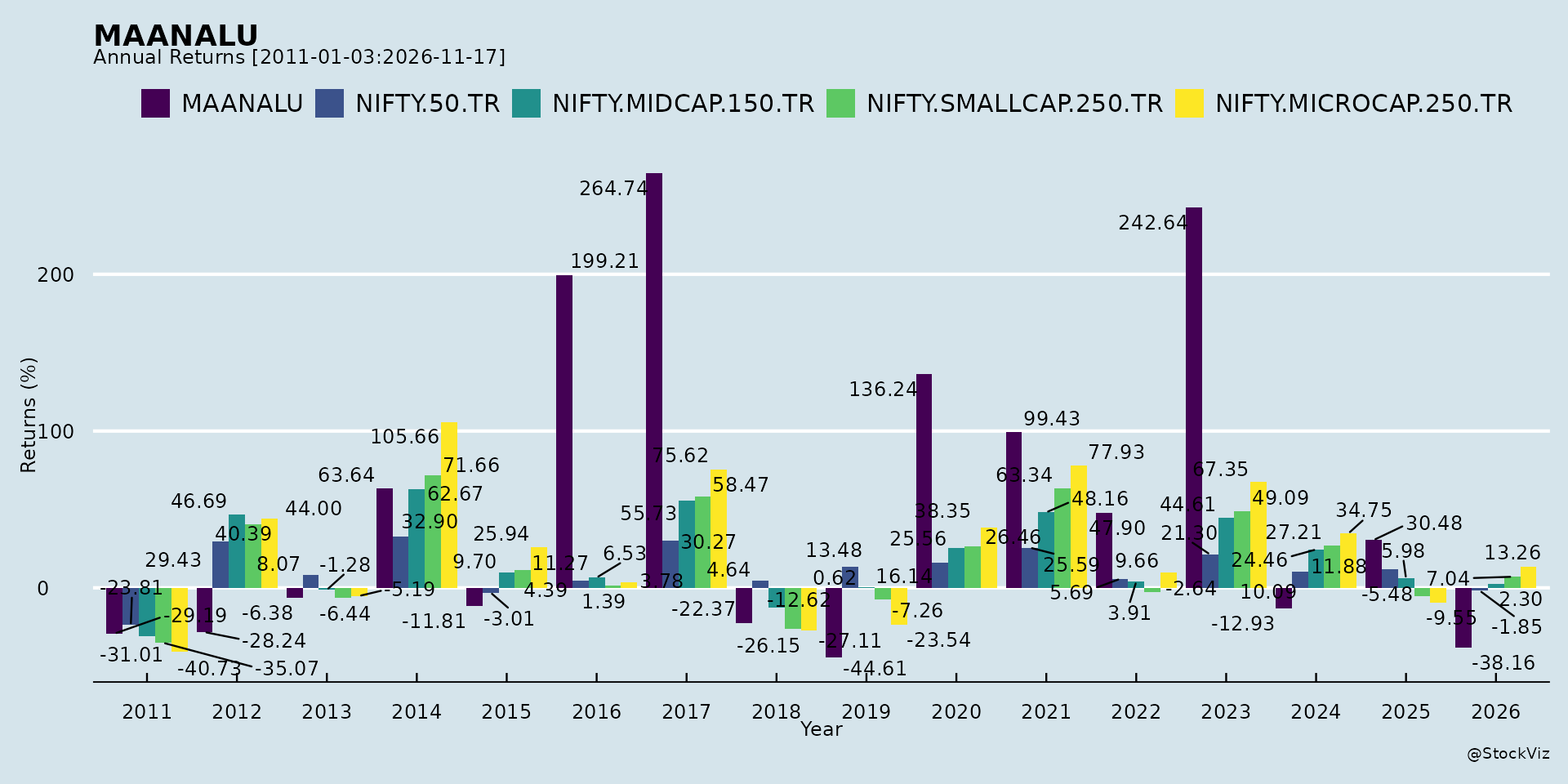
Annual Returns
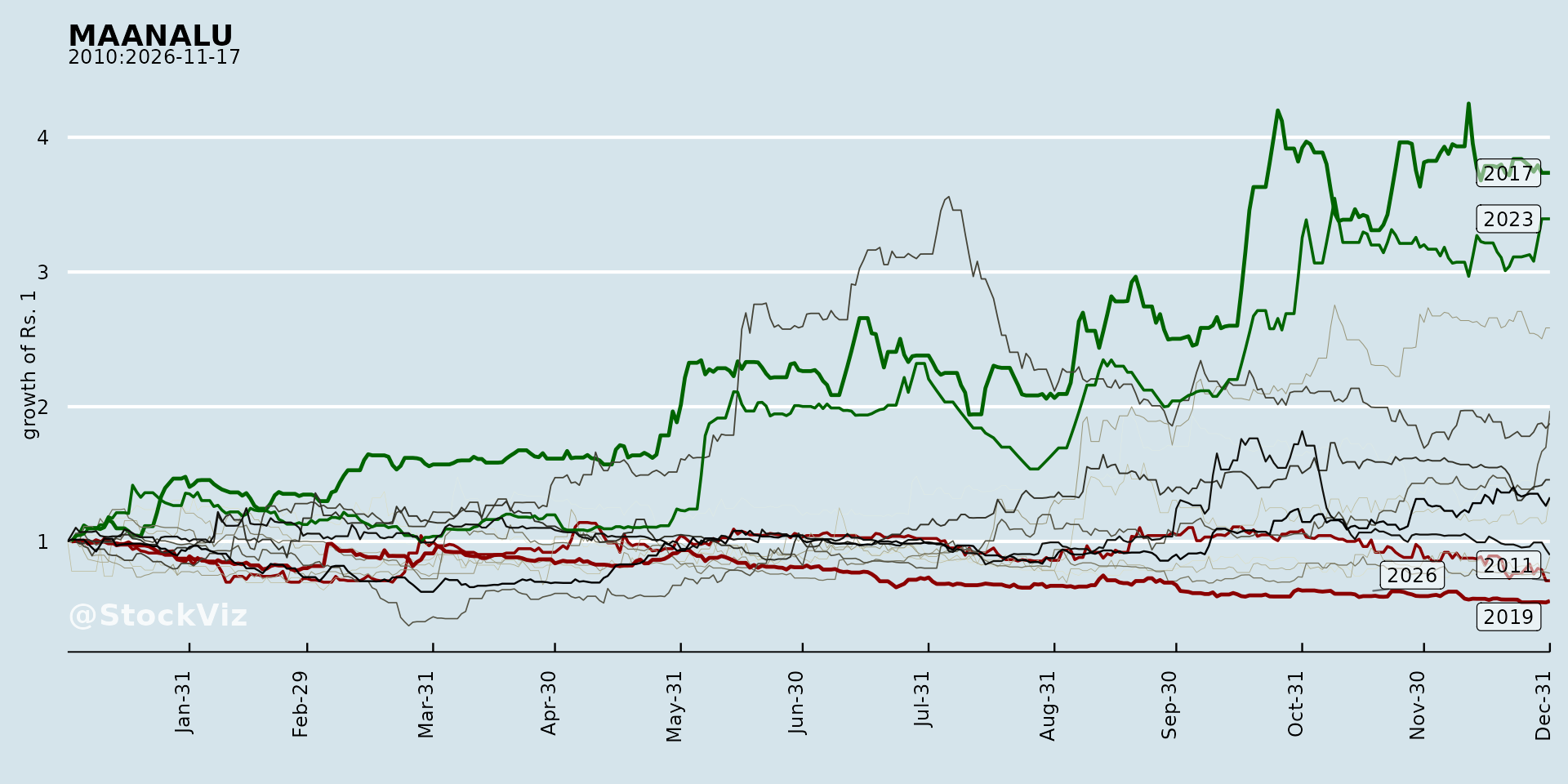
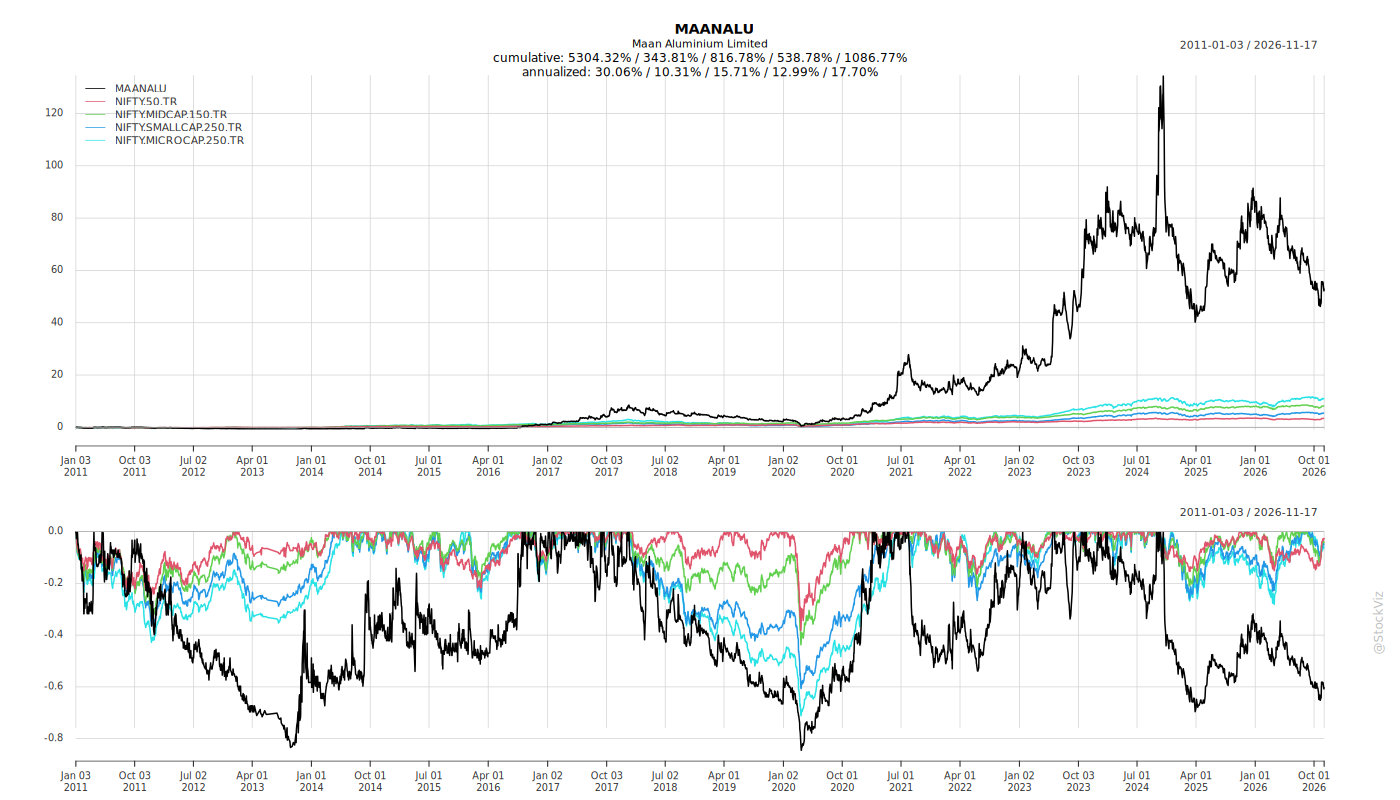
Cumulative Returns and Drawdowns
Fundamentals
Ownership
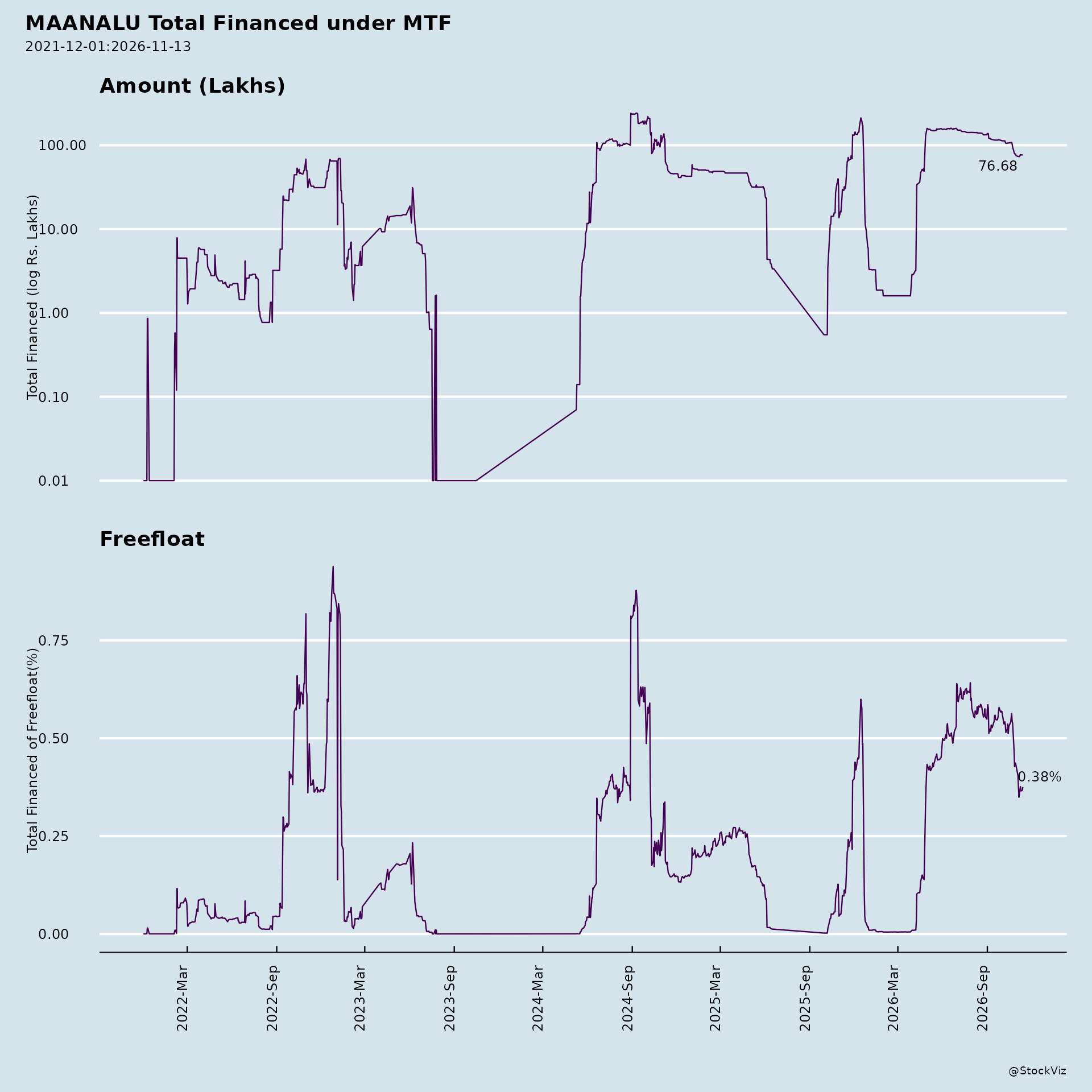
Margined
AI Summary
asof: 2026-09-18
Maan Aluminium (MAANALU) — Recent Announcements Summary
1. Headwinds and Challenges
Export market disruption from duties. Management states that the market has been “pretty sluggish” following duties that impacted a major part of the export business. Exports, previously as high as 60–70% of the mix, have fallen to roughly 45% of manufacturing revenues. The company is attempting to realign this lost business toward high-value domestic customers, a conversion process management describes as time-consuming.
Freight, logistics and geopolitical pressure. Shipping delays and backed-up logistics persist, linked to the Strait of Hormuz situation and broader Middle East conditions. Freight prices have multiplied five- to ten-fold in some cases, raising overall costs significantly and causing customers to hold back. Management notes it cannot control these factors and cannot give guidance on when conditions will improve, despite earlier expectations that a cooling of the Middle East conflict would ease the situation.
Input cost inflation. Elevated gas prices (linked to the Middle East crisis) have raised operating costs. The company has passed on roughly 50% of the cost increase to customers over the last two quarters and is working to recover the balance as short- and medium-term contracts renew.
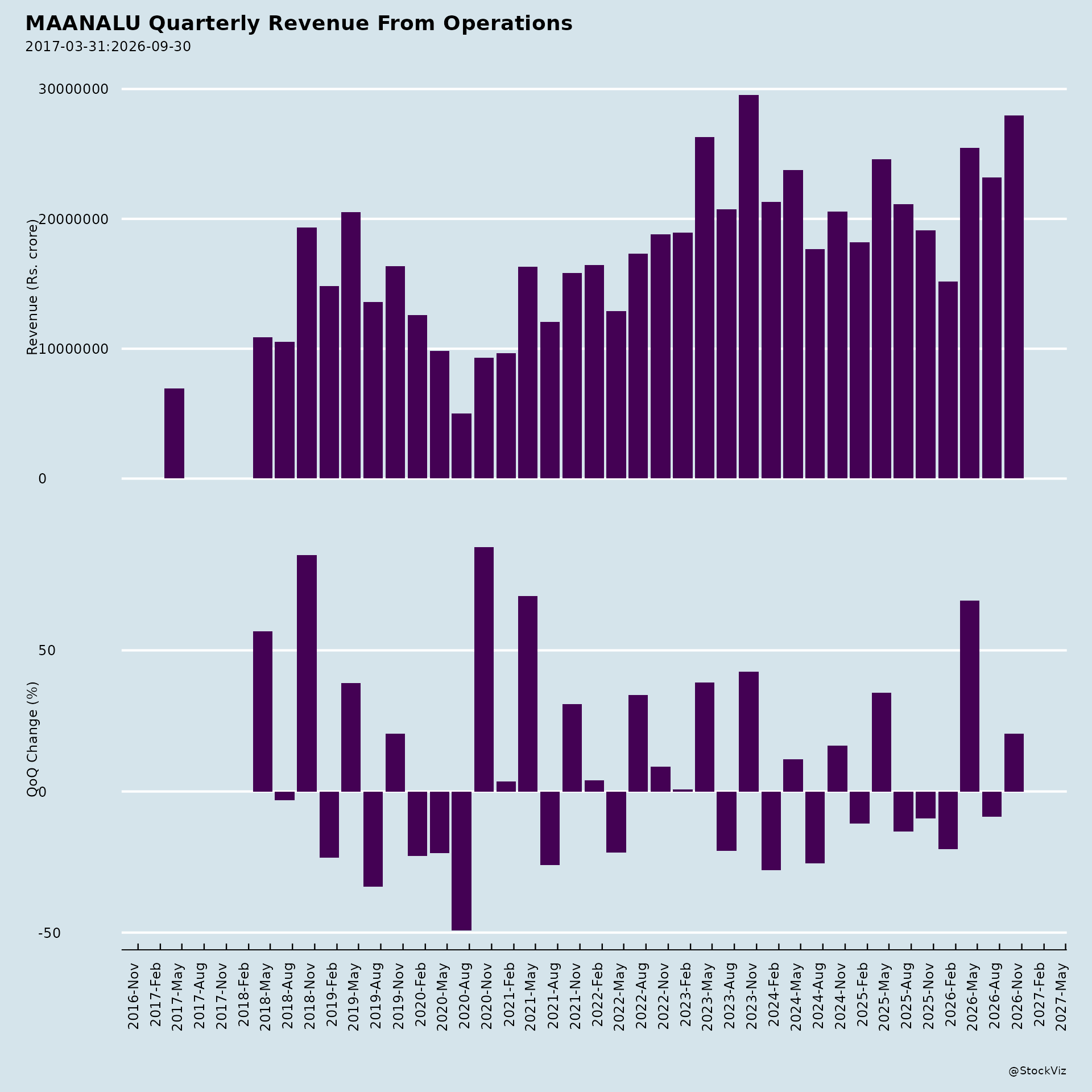
Sequential revenue moderation. Q1 FY27 revenue of INR232 crores was lower than Q4 FY26 revenue of INR255 crores, attributed to normal quarterly fluctuations in volumes, product mix and business activity.
Working capital elongation. Working capital days have increased from FY25 to FY26, driven by higher raw material procurement to support capex and, in some cases, customer credit periods. Management expects this to reduce once ramp-up stabilizes.
AGM-related risk disclosure. The company’s forward-looking statement disclosure cites risks including performance of the Indian and international economies, industry performance, competition, ability to implement strategy, future growth and expansion levels, technological implementation, changes in revenue/income/cash flows, market preferences, and market risk exposure. A separate document notes delay in finalizing orders and realization of payments, resulting in inadequate profits in financial years.
2. Tailwinds and Growth Prospects
Transformation to high value-added manufacturing. Maan Aluminium is repositioning from a conventional aluminium extrusion player into a high value-added aluminium converter, with an integrated platform spanning foundry (12,000 TPA), extrusion (24,000 TPA), anodizing (3,600 TPA) and machining (1,400 TPA). The strategy aims to improve earnings quality, customer relationships and long-term margins.
Value-addition margin uplift. Plain extrusion margins are described as ranging 6–10%, while adding value (anodizing, powder coating, machining) can add margins of 15%-plus. Current utilization of anodizing is 45–50% and machining about 55%, leaving room for margin accretion as these ramp up.
Dewas precision tubing project. Described as one of India’s first aluminium precision tubing facilities, targeting aerospace, defense and automotive applications. Roughly INR15–20 crores of capex has been spent; the plant is targeted to come online within 6–8 months, with management hoping for mid-next-year start-up. Expected to be low-volume but high-margin, with asset turns projected at two to three times at peak utilization.
Pithampur Italian press ramp-up. The Italian press is online, with a planned three-year ramp-up of 35%/50%/75%. About 25% ramp-up has been achieved; management hopes for significant contribution by mid-next year, supported by development of aerospace-grade, defense-grade and special automotive alloys.
Export diversification. Manufacturing serves customers across the United States, UAE, Australia, U.K., Qatar and Israel, with approximately 45% of manufacturing revenues from exports.
Capex roadmap. A cumulative planned capex of approximately INR166 crores over three years, including INR90 crores for new plants under development, with 43% for the existing Pithampur unit and 57% for new plants. These amounts are described as indicative and subject to management review.
AGM-related outlook. Management expects a substantial increase in approval and implementation of various orders leading to good improvement in operating margins, alongside scaling up operations to increase revenues.
3. Key Risks
- Export demand and trade policy risk: Duties and geopolitical developments have already reduced export share materially; recovery timing is uncertain.
- Freight and logistics risk: Multiplied freight costs and shipping delays are compressing margins and deterring customers.
- Commodity price risk: Mitigated by hedging most positions on LME/MCX based on orders, with unhedged positions kept below 5%; trading is pass-through.
- Execution and timeline risk on capex: The Dewas project is technically complex, requires compliances, testing and customer onboarding; management explicitly declines to commit to dates, noting past experience that Indian project timelines can slip.
- Ramp-up and utilization risk: New capacities require customer development and utilization ramp-up; the Italian press is at roughly 25% of its planned ramp.
- Working capital and return risk: Elongated working capital cycle; management emphasizes return on capital and cash generation discipline.
- Forward-looking statement risk: As disclosed, actual results may differ materially due to numerous known and unknown risks and uncertainties.
4. Management Guidance vs. Observed Performance
Volume guidance. Management had previously guided for flattish volumes in Q1 FY27. Observed: Q1 FY27 production was approximately 1,558 metric tons (extrusion), with management reiterating a flattish full-year outlook and expecting ramp-up only toward the end of the year or beginning of next year.
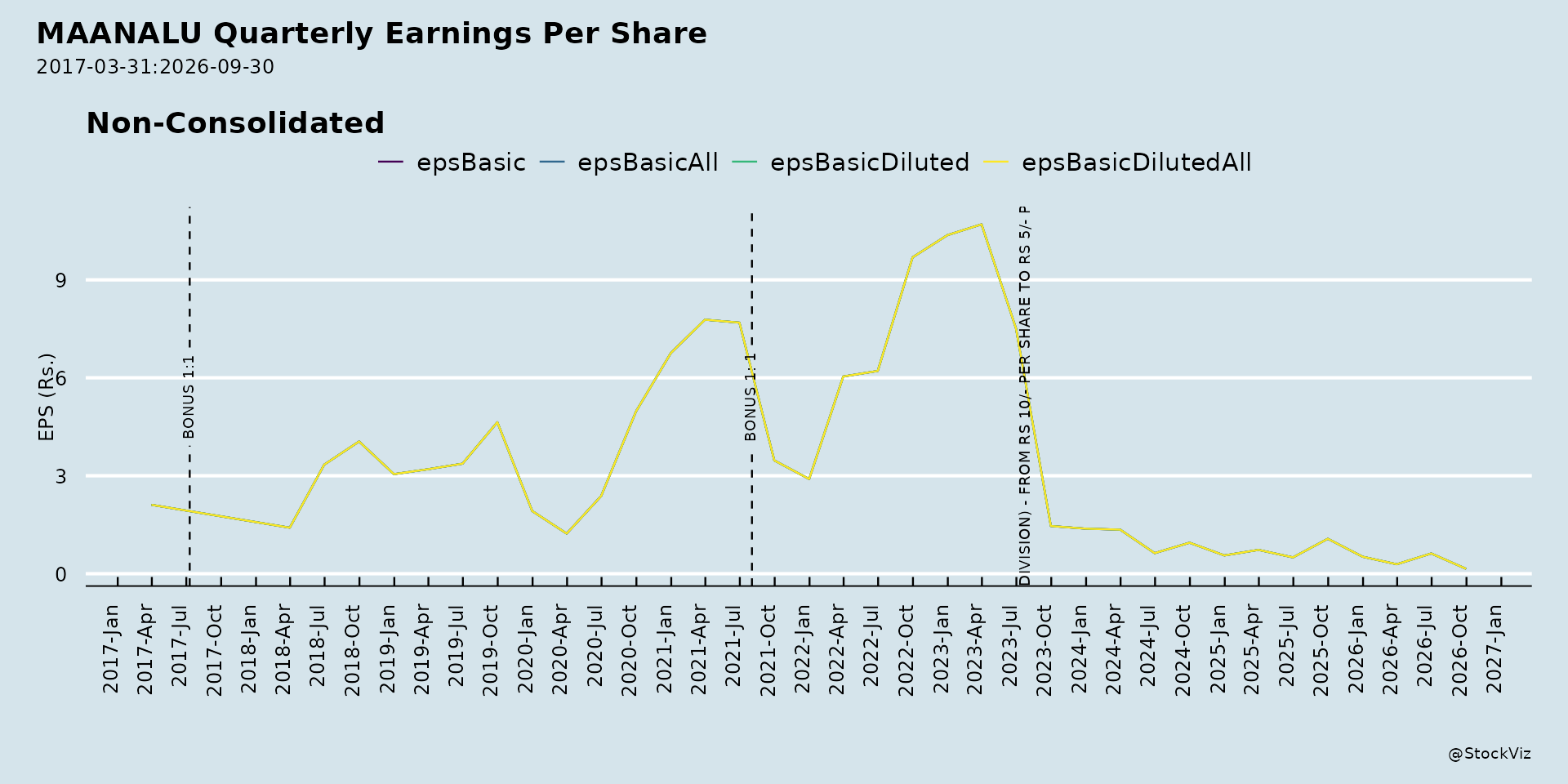
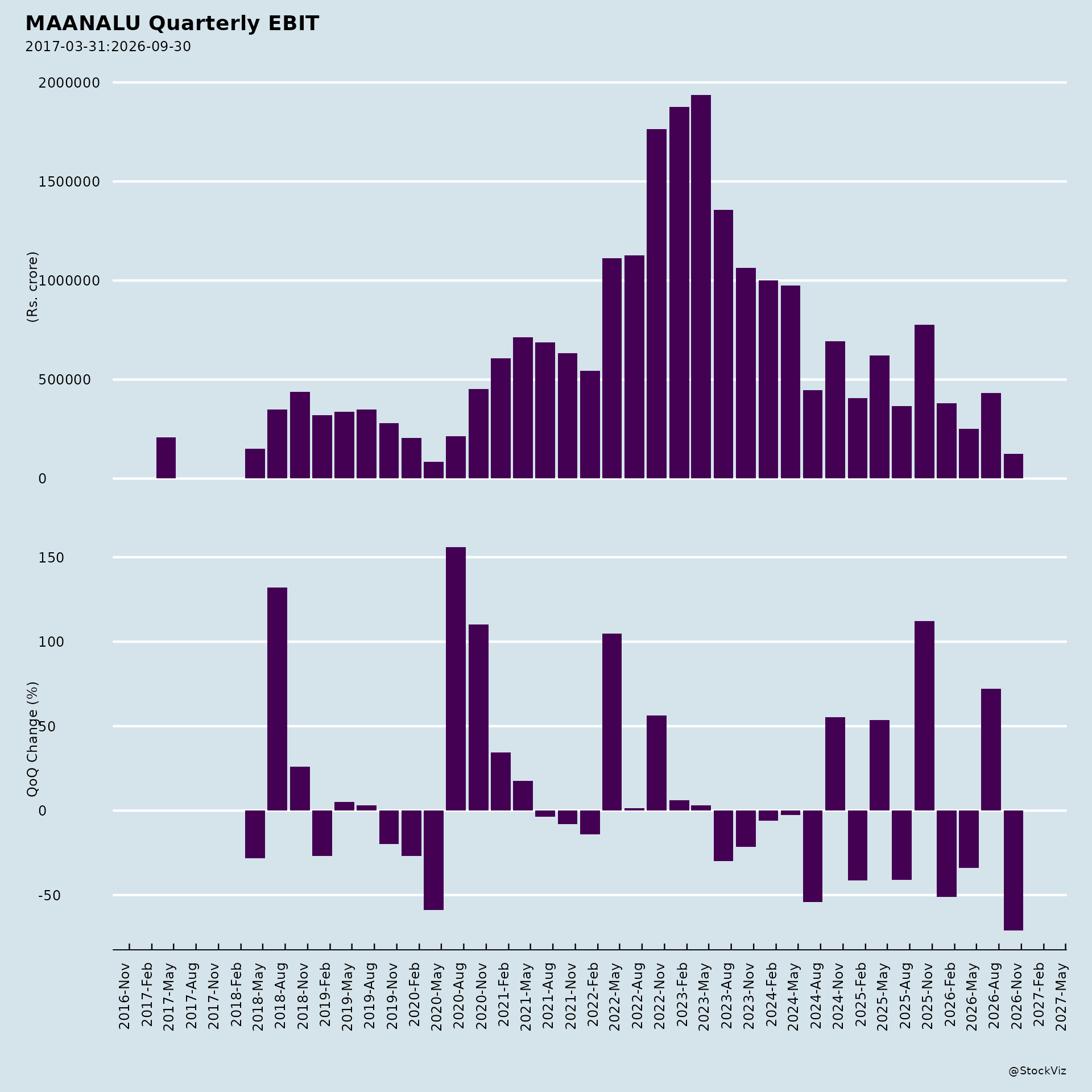
Profitability trend. Despite sequential revenue decline (INR255 crores in Q4 FY26 to INR232 crores in Q1 FY27), EBITDA rose from INR5 crores to INR7 crores (about 40% QoQ), with EBITDA margin improving from around 2% to approximately 3%. PAT rose from INR2 crores to INR3 crores, and basic EPS from INR0.29 to INR0.52. Management characterized this as reflecting better operating performance and cost discipline.
FY26 context. FY26 revenue of approximately INR809 crores was broadly in line with FY25’s INR810 crores. EBITDA rose from approximately INR30 crores to INR31 crores (around 21% growth as presented), while PAT declined from approximately INR16 crores to INR13 crores — reinforcing management’s stated focus on operating efficiency, product mix and higher-value manufacturing.
Capex guidance vs. execution. Of the planned INR45 crores for FY27 (Dewas), less than INR5 crores was spent in Q1 FY27, with major capex expected in H2 FY27 pending an overseas visit to finalize the extrusion press and machinery. Management reaffirmed no debt is anticipated, citing sufficient capital and deleveraging.
Cost recovery guidance. Management stated roughly 50% of the gas cost increase has been passed to customers, with the balance expected to be recovered over the next quarter or two as contracts renew.
Employee cost guidance. Management expects employee expenses not to increase materially even as new capacities come online, as the technical team has already been hired and onboarded over the last two quarters.
Overall FY27 stance. Management reiterated a focus on profitable growth, improving the manufacturing mix, completing capex cycles, disciplined working capital, efficient capital allocation and strengthening return ratios, while declining to provide specific revenue forecasts.
CNBC-TV18: ratings, targets and commentary
No recorded CNBC-TV18 statements for this ticker.
Management comments
No recorded management comments with an explicit designation and affiliation for this ticker.
Copyright © 2023 SAS Data Analytics Pvt. Ltd. All rights reserved.