Trading & Distributors
Industry Metrics
September 24, 2026
Annual Returns
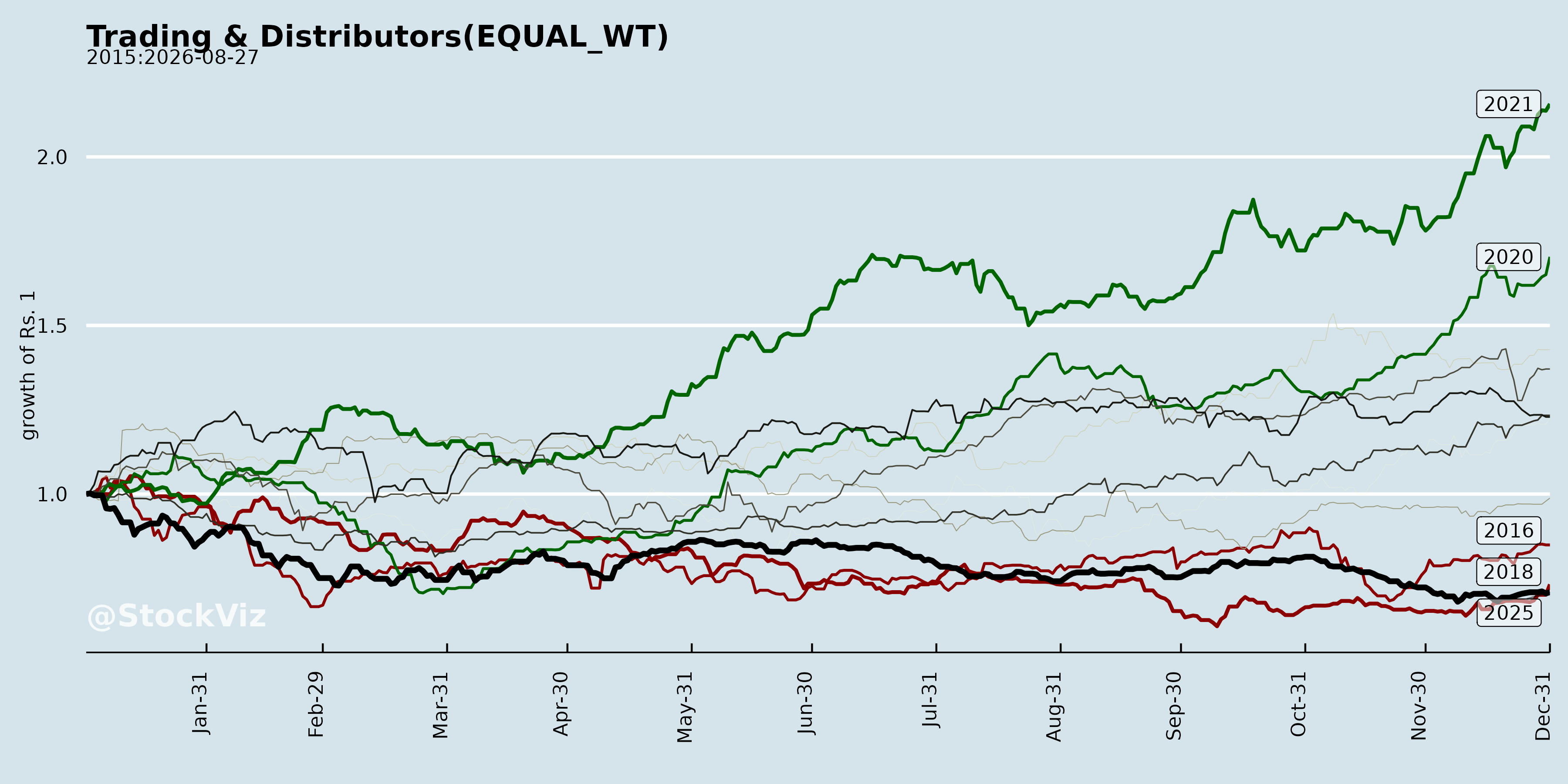
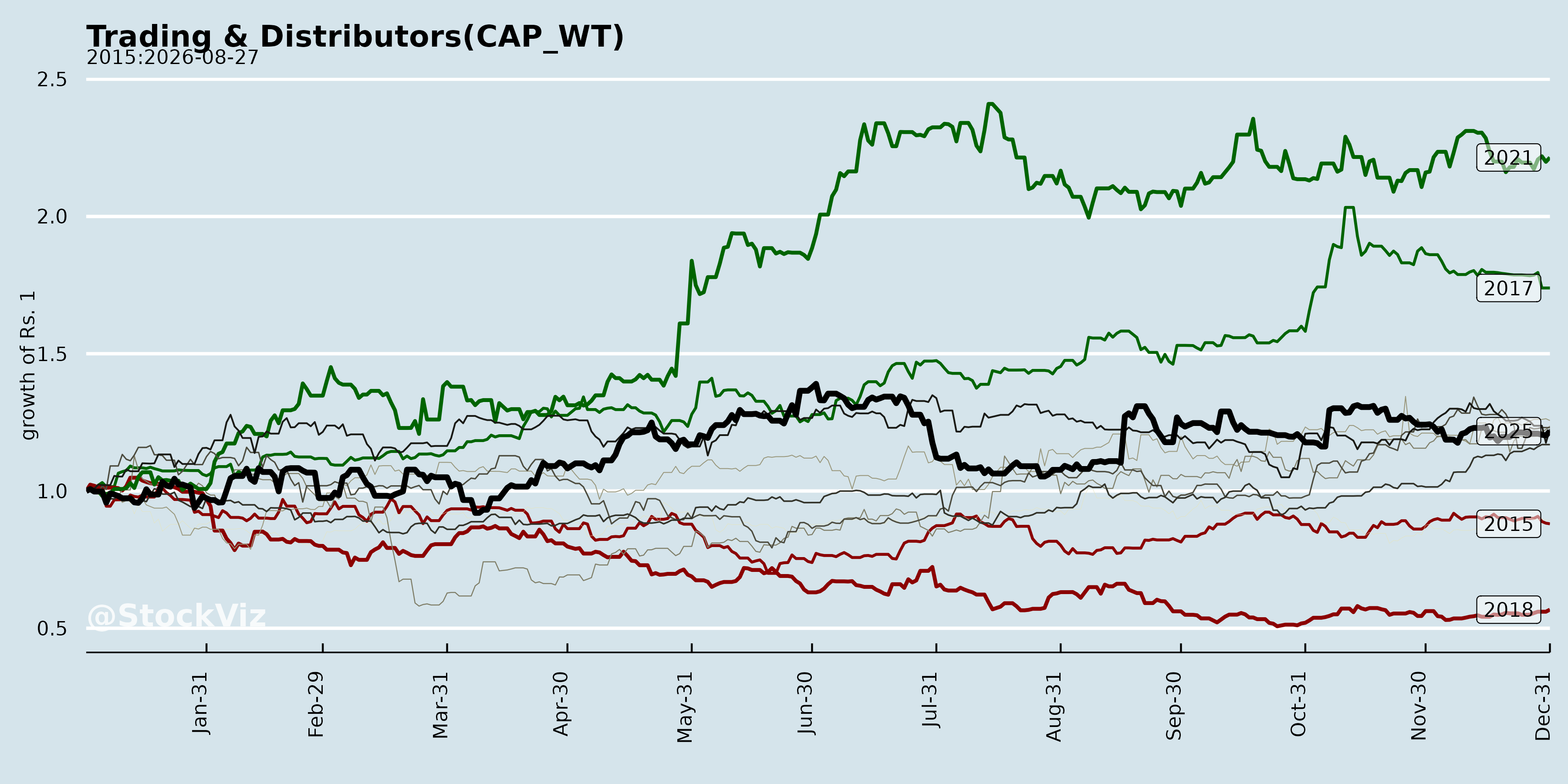
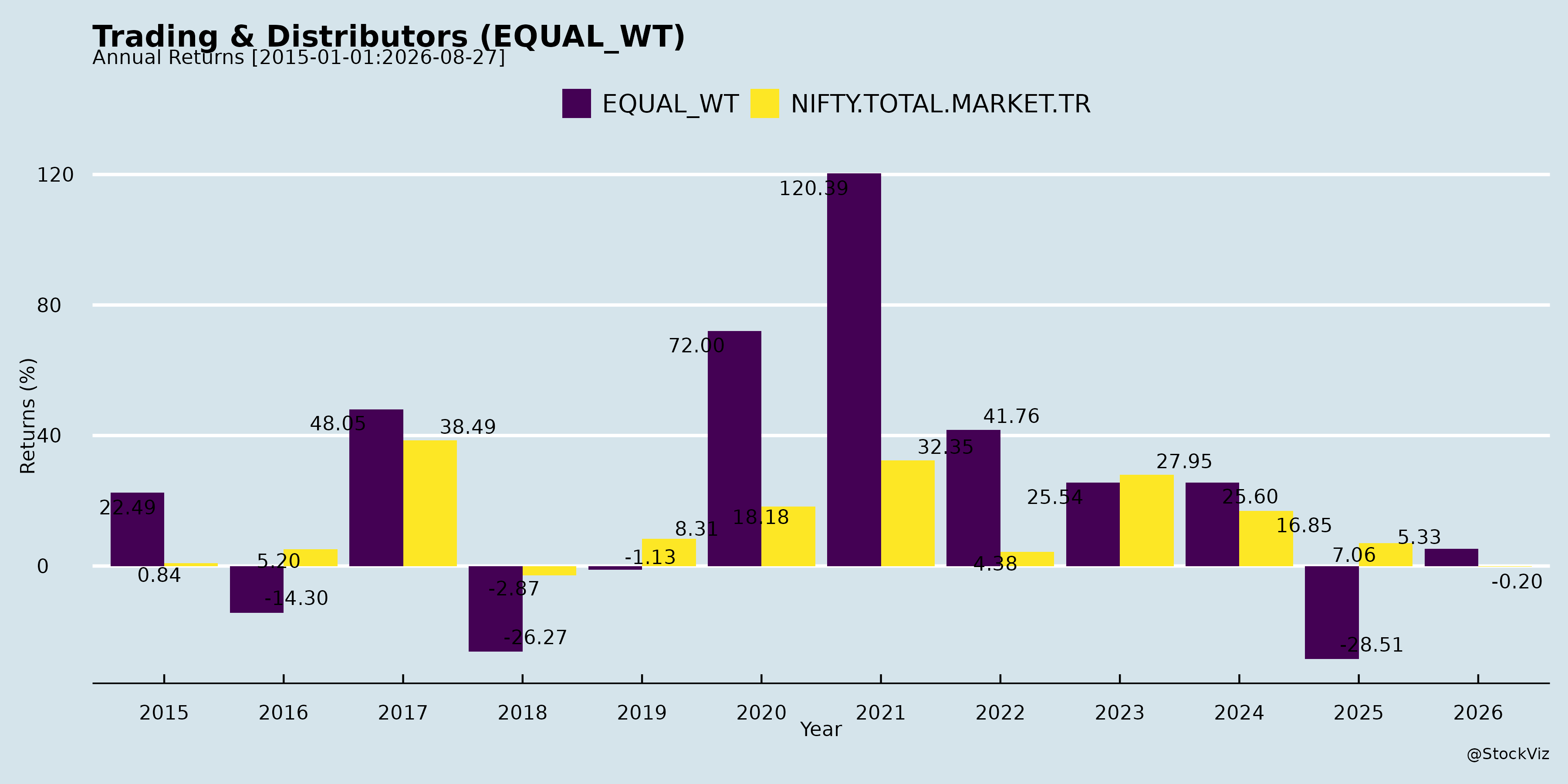
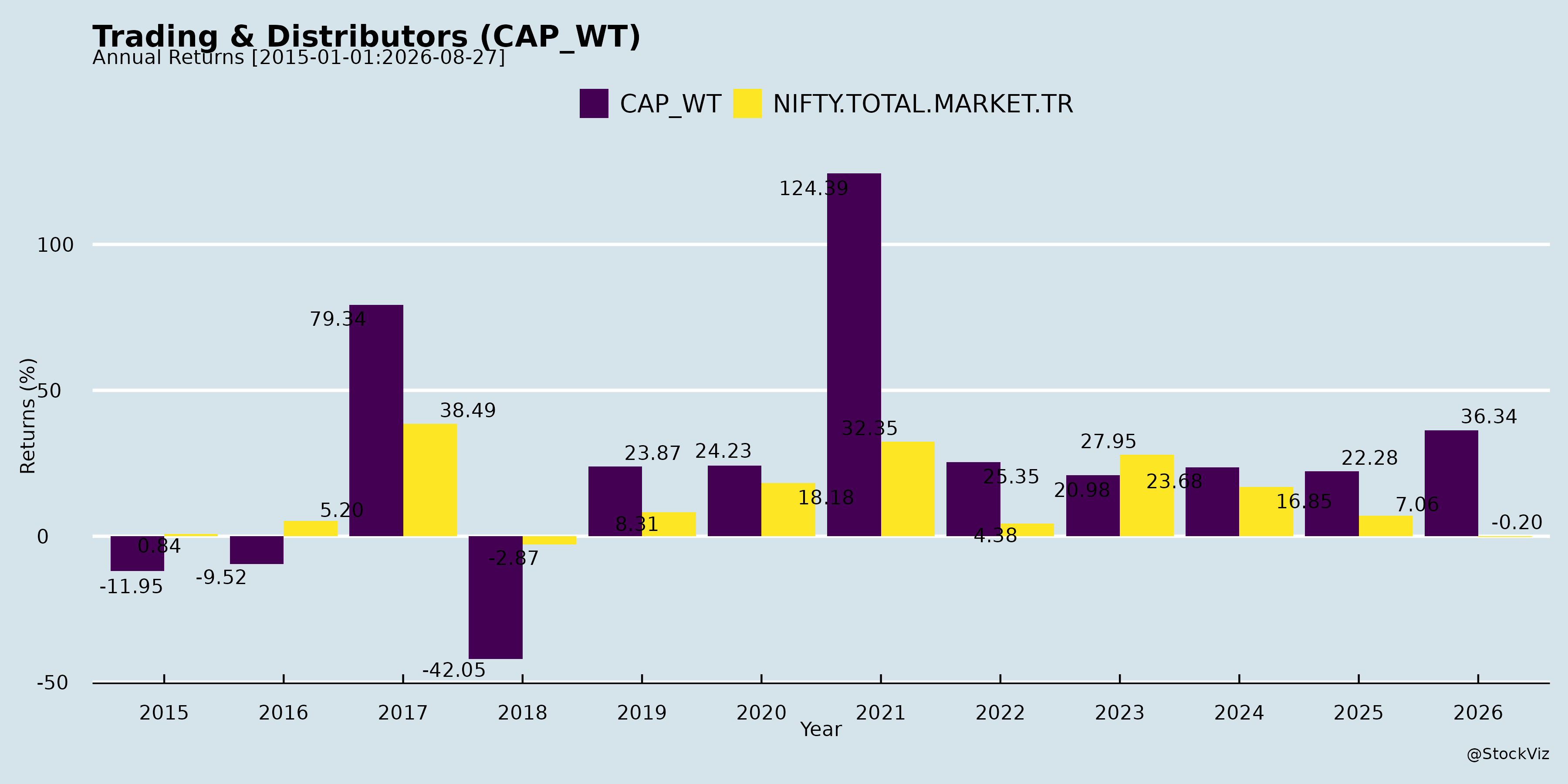
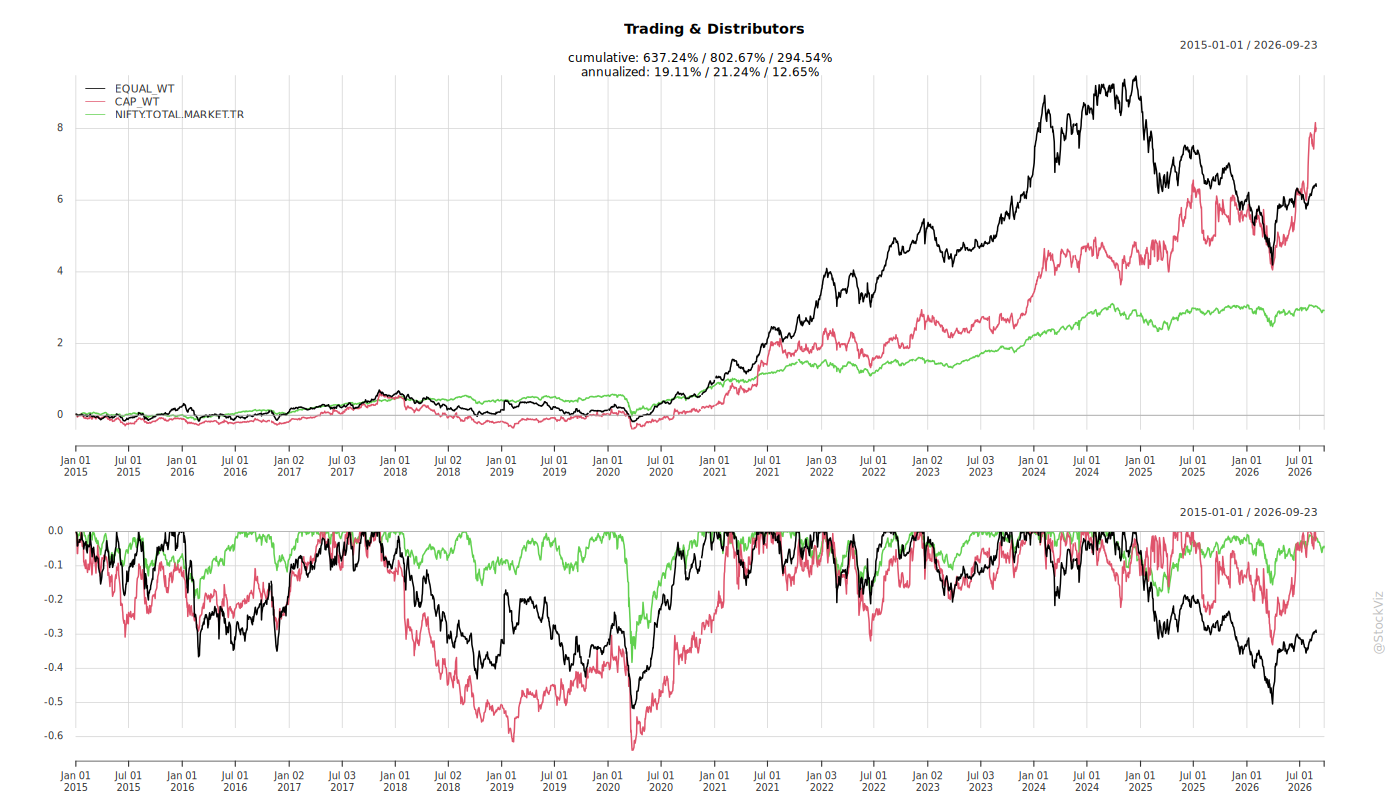
Cumulative Returns and Drawdowns
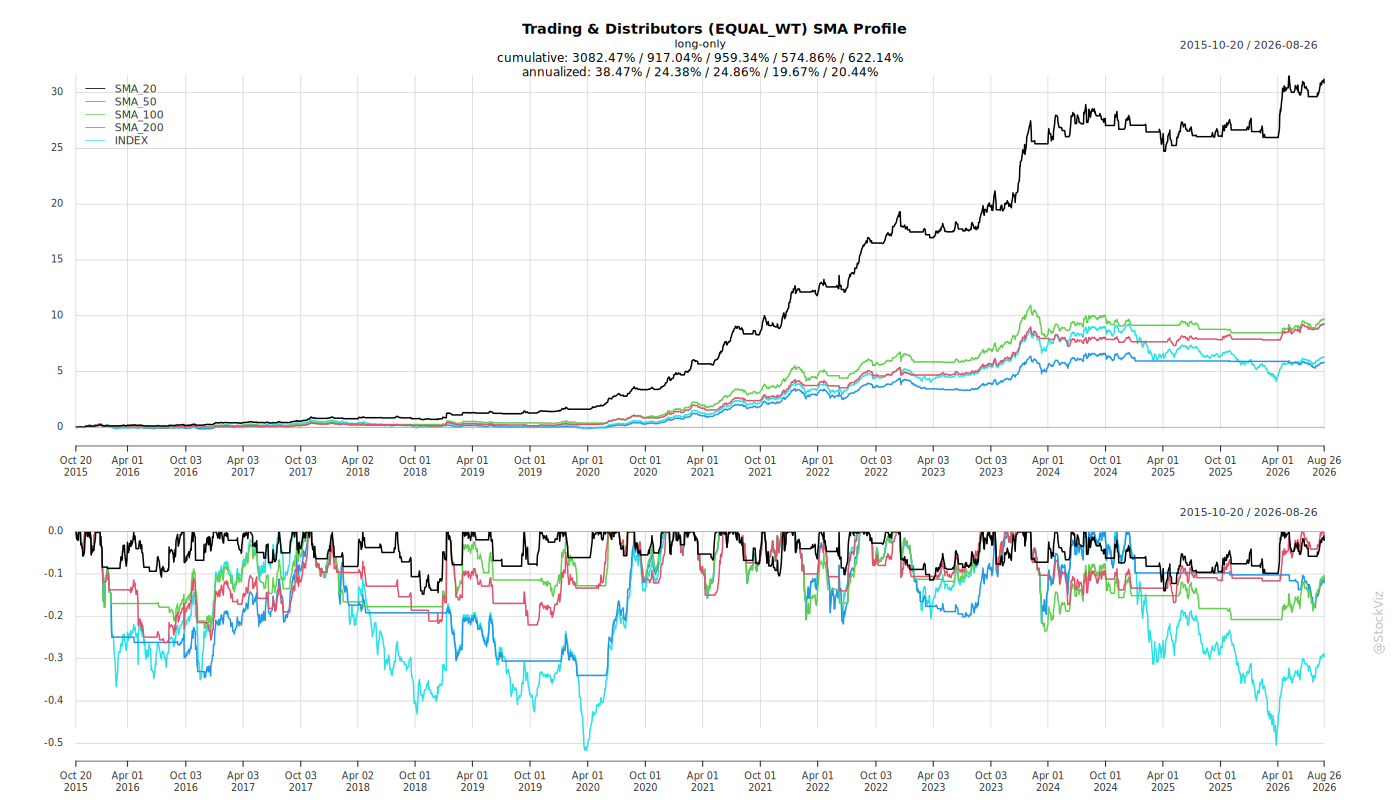
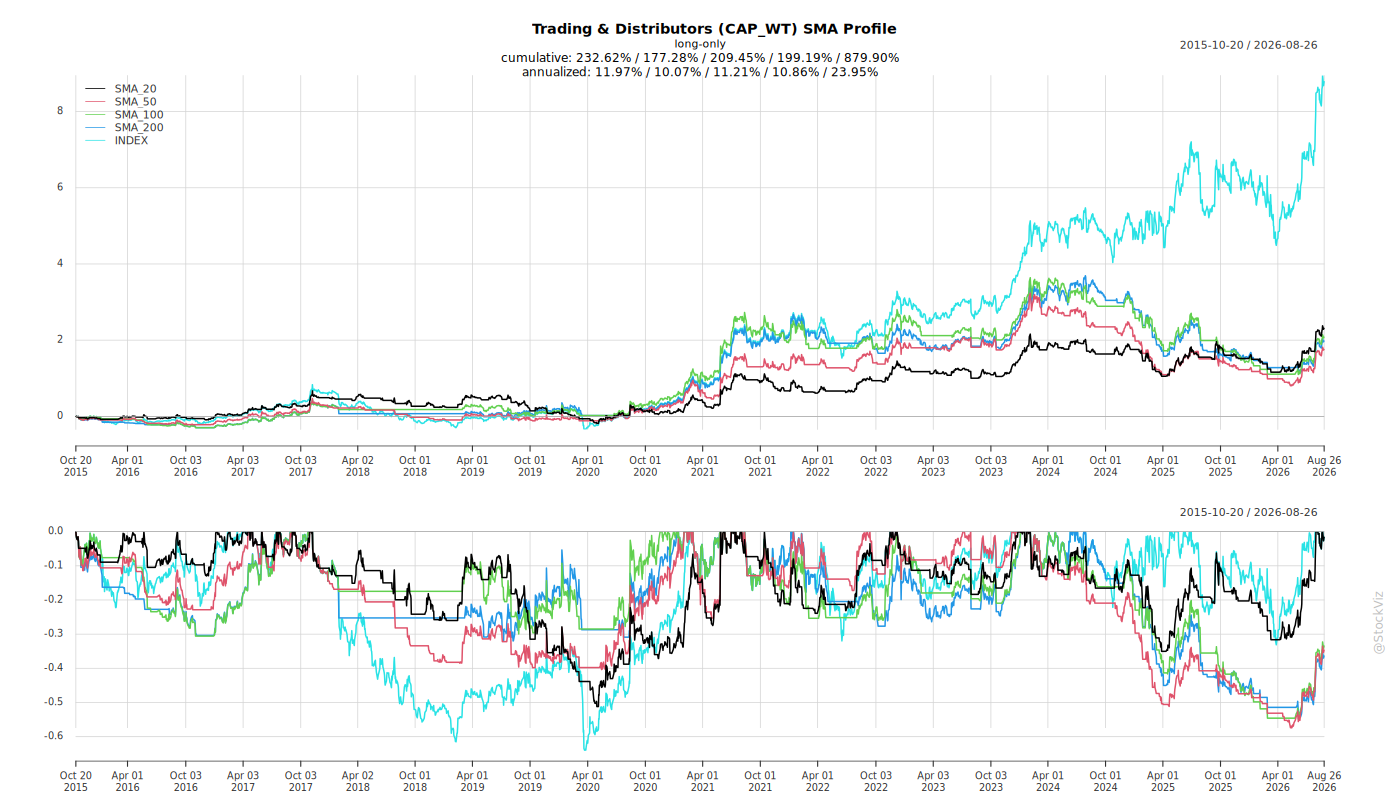
SMA Scenarios
Current Distance from SMA
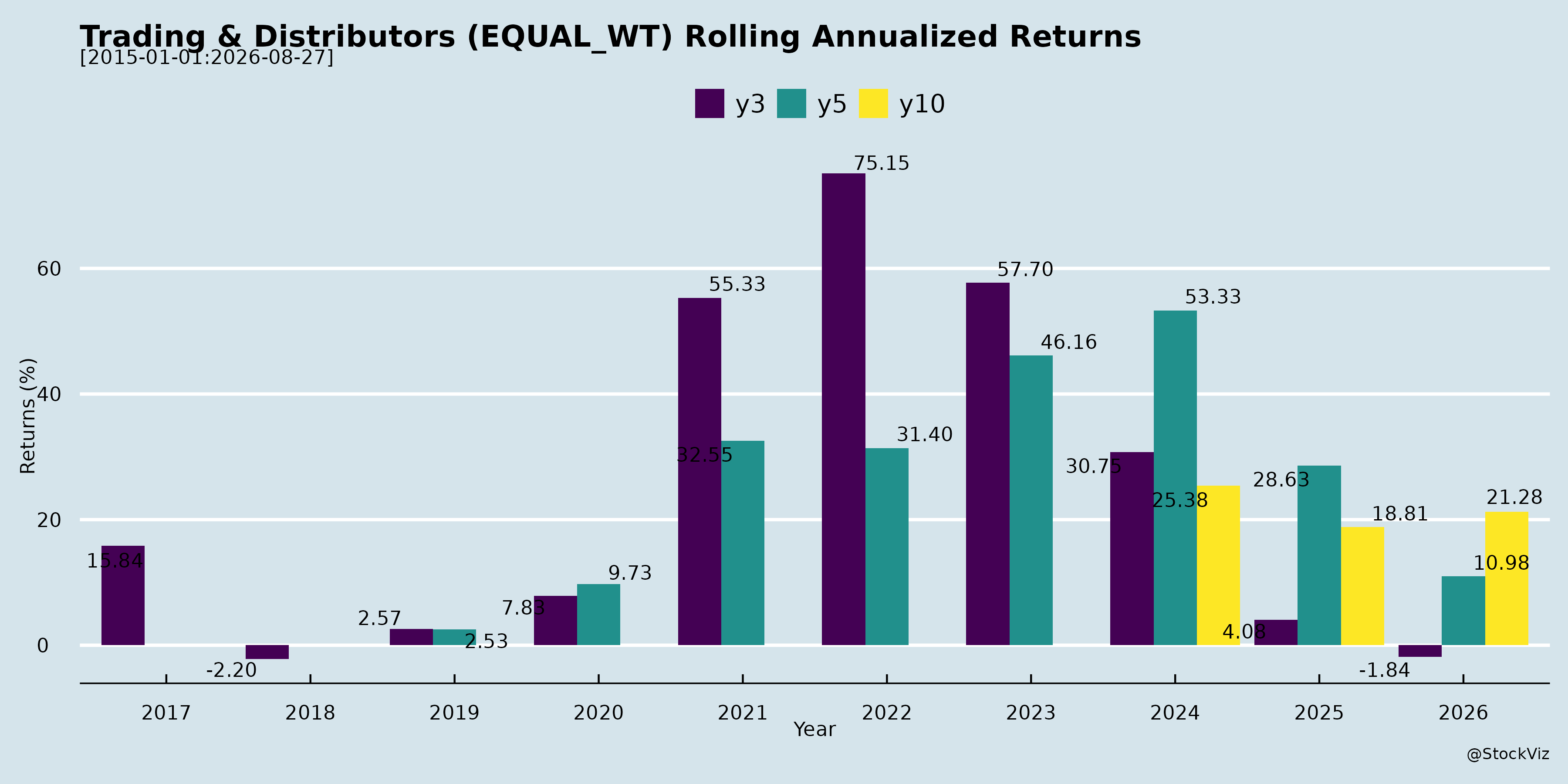
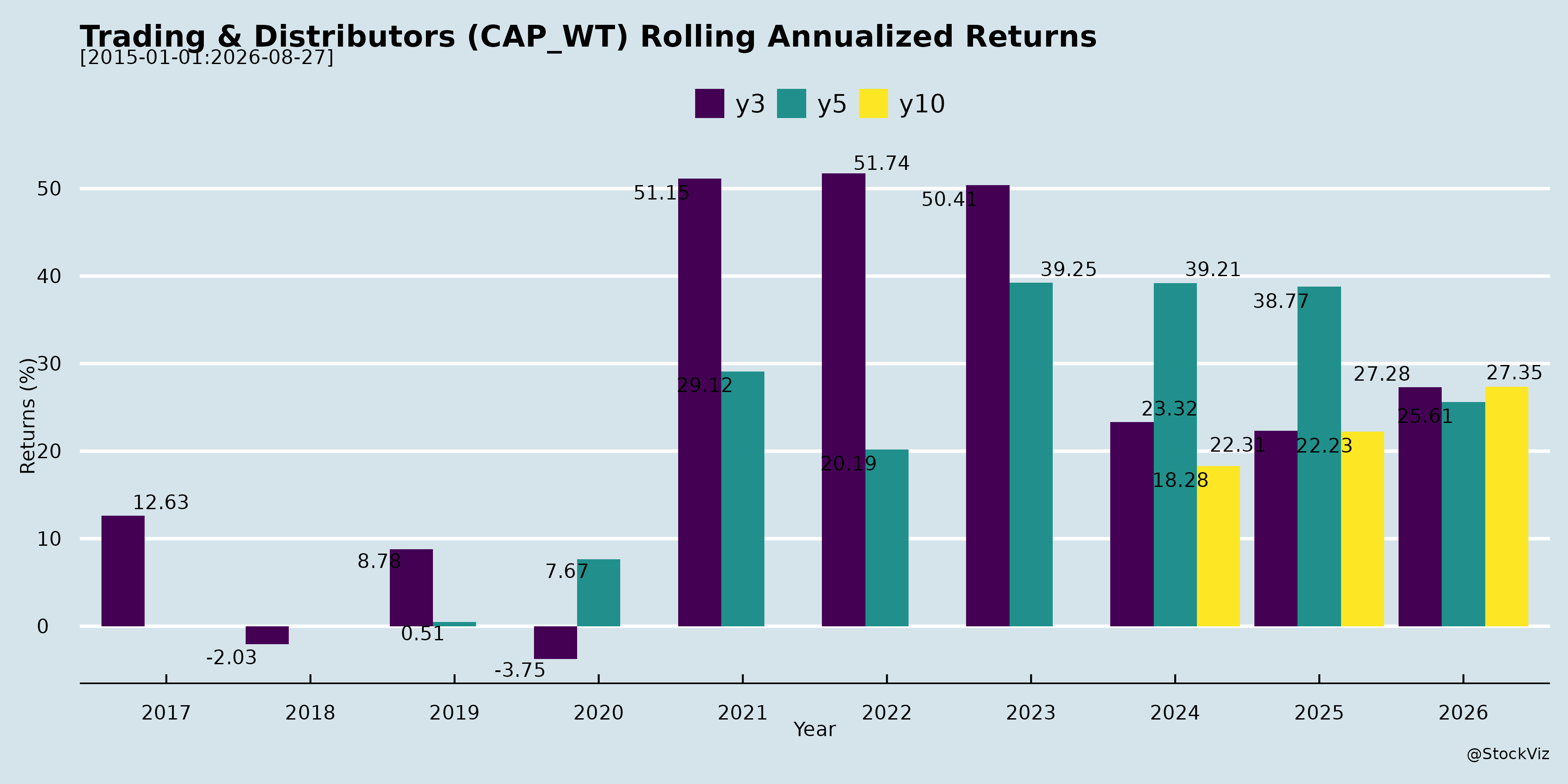
Rolling Returns
Fundamental Ratios
AI Summaries
How have the challenges and oppurtunities evolved over time?
asof: 2026-04-15
Based on the provided sources, the challenges and opportunities for the companies discussed have evolved significantly over time. Many of these organizations are shifting their core business models to adapt to changing market dynamics, government policies, and technological advancements.
Here is a detailed breakdown of how their challenges and opportunities have evolved:
Evolution of Business Models
A key theme across multiple companies is the strategic transition from traditional, lower-margin models to value-driven, asset-light, or tech-enabled frameworks: * Creative Newtech: The company’s business model has evolved from traditional distribution to a brand-led growth strategy, operating through two main pillars: the brand business and the market entry specialist [1, 2]. This shift gives them sharper focus on profitability and a clear path to long-term scalability, aiming to evolve from a mere “enabler” to a “creator” by launching their own brands [2, 3]. * Shankara Buildpro: Following its demerger, the company marked a new chapter by operating as a focused, pure-play building materials marketplace [4, 5]. It has transitioned into an asset-light platform, resulting in higher capital efficiencies and superior return on capital employed (ROCE) [4, 5]. * Vintage Coffee & Beverages: Historically focused heavily on bulk sales, the company has strategically shifted toward value-added consumer packs (such as doy-packs, tins, and glass jars). Two years ago, their sales mix was 80-85% bulk; today, it is evolving towards a target of 70% consumer packs and 30% bulk, which yields higher realization and better EBITDA margins [6-8]. * Redington: The company is currently evolving from a traditional distribution-led model into a comprehensive technology solutions provider, focusing on next-generation tech like Cloud, Cybersecurity, and AI-enabled services [9-11].
Evolving Opportunities
As these companies mature, they are capitalizing on specialized industry trends, government initiatives, and geographic expansions: * Government Initiatives and Infrastructure Growth: * Creative Newtech is heavily leveraging the government’s “Make in India” drive to expand local value creation, specifically targeting the booming surveillance and data center sectors, which are growing at 17-18% and 16% CAGRs, respectively [2, 12-14]. * Shankara Buildpro is benefiting from a substantial increase in infrastructure spending by the central government, which has kept steel demand highly robust [15]. * MSTC has defined its “blue-sky” areas around software platform development, securing government contracts to operate India’s first electronic exchange for trading Extended Producer Responsibility (EPR) certificates and a platform for DGFT’s tariff rate quota allocations for gold bullion [16, 17]. * Premiumization and Capacity Expansion: Vintage Coffee is seizing the rapidly growing demand for freeze-dried coffee, which is growing at 8-10% globally and offers approximately 40% higher realization than standard spray-dried coffee [18-20]. They are expanding their overall capacity aggressively to 16,500 metric tons by FY27 to capture this market [21]. * Geographic Expansion: Companies are scaling beyond their traditional borders. Vintage Coffee is targeting new, high-demand geographies like South Korea, the Middle East, Australia, and New Zealand [22]. Similarly, Creative Newtech is expanding its Honeywell brand licensing footprint across 40 countries in the Middle East and Southeast Asia [23].
Evolving Challenges
While growth prospects are strong, these companies have had to navigate an evolving set of operational, financial, and regulatory challenges: * Working Capital and Supply Chain Pressures: * Creative Newtech has seen its working capital cycle increase from 51 days to 58 days, driven by the enterprise business which now demands 60 to 65 days of credit [24, 25]. * Vintage Coffee is dealing with extended working capital cycles (around 110 days) heavily impacted by logistics issues and longer transit times for imported coffee beans and international exports [26, 27]. * Shankara Buildpro faces a disparity in working capital needs; while steel turns over in 27 days, non-steel categories require a much longer 48-day cycle due to display and inventory holding requirements [28, 29]. * Regulatory Hurdles and Policy Changes: * Shankara Buildpro’s non-steel business has suffered sluggish demand largely due to changes in state government policies in southern India, such as delays in e-khata approvals and new electricity connection rules in Karnataka and Telangana, which stalled construction activities [30-32]. * Both Shankara Buildpro and MSTC faced margin contractions due to changing labor codes that necessitated additional gratuity provisions for employees [33, 34]. * High Upfront Costs and Market Volatility: * For Creative Newtech, evolving into a brand creator means absorbing heavy upfront, one-time expenses for product design, marketing, and navigating complex certifications (like BIS, STQC, and UL), which can take 12 to 14 months to yield returns [35-37]. * Shankara Buildpro continuously battles steel price volatility, which occasionally leads to inventory losses, requiring very careful purchase planning and price guarantees from suppliers [38-40]. * Vintage Coffee must mitigate the risks of highly volatile global raw coffee prices, which they manage through year-long contracts with quarterly price fixations [41, 42]. * Legacy Litigation and Bad Debts: MSTC is burdened by historic litigation and massive long-standing trade receivables (amounting to over Rs. 1,69,873 lacs) related to defaulted payments from foreign buyers who have gone into liquidation [43, 44].
What are the headwinds affecting this industry?
asof: 2026-04-15
The non-steel segment of the building materials industry (which encompasses products such as tiles, plumbing, and sanitary ware) has recently faced several significant headwinds that have led to tepid demand and slower growth [1-3]. While the steel demand in this sector has remained robust due to infrastructure spending, the non-steel side has been hampered by the following challenges [3-5]:
- Weak Export Markets and Price Volatility: The industry has been negatively impacted by weak export markets, alongside ongoing volatility in raw material pricing [1, 2].
- Adverse Weather Conditions: Elongated and longer-than-usual monsoons have caused widespread delays and postponements in overall construction activities [1, 2, 6, 7].
- Government Policy and Regulatory Interventions: Changes in government policies have heavily hindered construction, particularly in certain Southern States [1, 2, 6, 7]. For example, in Karnataka, the implementation of a new “e-khata” requirement created significant administrative backups, delaying the delivery of properties to builders and ultimately to end customers [8, 9]. Furthermore, new rules regarding electricity connections drafted by local electricity boards (BESCOMs) in Karnataka and Telangana caused additional project delays [10, 11]. There was also a broader slowdown in government approvals at various state levels last year, which further postponed construction projects [8, 9].
- Post-COVID Construction Cycle Gap: The industry is experiencing a delayed ripple effect from the COVID-19 pandemic [12, 13]. Because there was a significant slowdown in new real estate project launches during the pandemic, and buildings typically take 3 to 4 years to construct, there is currently a temporary gap in the number of projects reaching the finishing stages where non-steel products are most needed [12, 13].
What are the key things to understand about this industry?
asof: 2026-04-15
The Building Materials Industry: Steel vs. Non-Steel Dynamics A critical dynamic in the building materials marketplace is the stark contrast between steel and non-steel product categories, which operate with different demand drivers, margin profiles, and working capital needs: * Broad End-Use Protects Steel Demand: The steel sector is experiencing robust growth because its applications extend far beyond basic real estate. Demand is continuously fueled by central government infrastructure spending, automotive manufacturing, OEMs, airports, railways, and the construction of warehousing and storage facilities for start-ups [1-3]. * Non-Steel Vulnerabilities: Conversely, non-steel categories (like tiles, plumbing, and sanitary ware) are heavily dependent on pure construction and real estate activities [1, 4, 5]. This makes the segment highly vulnerable to industry headwinds such as weak export markets, elongated monsoons, raw material volatility, and local government policy changes (such as new e-khata requirements and electricity connection rules that delay project completions) [4-7]. * Margins and Capital Cycles: While steel drives volume, it operates on lower gross margins of around 4% to 5% and has a highly efficient working capital cycle of about 27 days [8-11]. Non-steel products yield higher gross margins of 8% to 10% but require a longer working capital cycle of around 48 days because retailers must hold higher inventory for display purposes [8-11].
Surveillance and Data Center Infrastructure These two segments are recognized as foundational pillars for the future of connected infrastructure, heavily influenced by government regulations and technological advancements: * Surveillance as an AI Tool: The surveillance market in India is expanding at a CAGR of 17% to 18% [12, 13]. Crucially, cameras are no longer just capturing devices; integrated with AI, they are now utilized to gather data, process information, and execute immediate actions [14, 15]. * High Barriers to Entry: The Indian government’s “Make in India” initiative and strict cybersecurity concerns have made STQC certification a massive hurdle for surveillance companies [12, 13, 16]. To qualify, products cannot be Chinese-made, the coding software and PCB designing must be developed in India, and manufacturers must pass rigorous cybersecurity checks [12, 13, 16]. Government tenders, such as massive railway and Smart City initiatives, are primary growth engines for certified brands [14, 17, 18]. * Data Center Localization: The data center market is growing at a 16% CAGR, largely driven by the government’s push for data localization, which mandates that data must be kept within the country or specific states [19-22]. This is driving immense demand for passive structured cabling, such as fiber optic and CAT-6 copper cables [19, 21].
The Value-Added Instant Coffee Market The global instant coffee market is undergoing a significant premiumization shift, which alters how manufacturers operate and generate profit: * The Rise of Freeze-Dried Coffee: Global consumption is pivoting rapidly toward convenience-led, value-added products, with the freeze-dried coffee segment growing at 8% to 10% annually [23-26]. This shift is highly lucrative for manufacturers because freeze-dried coffee yields realizations that are 30% to 40% higher than conventional spray-dried or agglomerated coffee [27-30]. * Insulation from Commodity Volatility: While global raw coffee prices are notoriously volatile, value-added coffee manufacturers are well-insulated [31, 32]. They operate on a cost-plus margin basis, entering into annual contracts with fixed quarterly prices [33-36]. When raw material prices fluctuate, the average price adjustments are systematically passed on to the customers, protecting the manufacturer’s bottom line [37-40].
Consumer Electronics and Appliance Retail Navigating the consumer electronics space requires adapting to highly varied geographic market structures and long brand-building cycles: * Fragmented Go-To-Market Strategies: Consumer purchasing habits vary wildly by geography. In India, online sales make up only 8% to 10% of the market, with traditional offline retail dominating at 80% to 90%, though quick-commerce is actively disrupting both [41, 42]. By contrast, the Middle East relies almost entirely on large-format modern retail (with only 2% online sales), and markets like Indonesia are heavily driven by live commerce platforms like TikTok [43, 44]. * Market Scale Disparities: Identifying the right geographical targets is essential for scaling. For instance, the air purifier market in India is valued at roughly INR 2,000 crores, whereas the US market is exponentially larger at approximately INR 24,000 crores, driven by a broader consumer focus on high-quality indoor environments [45-48]. * The Cost of Brand Creation: Establishing a new consumer electronics brand requires significant upfront investments in certifications (like BIS, UL, ETL) and a long gestation period [49-52]. It typically takes 12 to 14 months to build sufficient online reviews, influencer backing, and channel awareness before a product begins to yield sustainable profits [53-56].
Technology Solutions and B2B E-Commerce * Enterprise Tech Modernization: The broader technology sector is evolving from traditional hardware distribution into comprehensive solutions provisioning. Customers are accelerating their capital investments into AI-enabled modernization, digital transformation, cloud computing, and cybersecurity infrastructure [57-59]. * E-Commerce Policy Platforms: In the B2B exchange sector, growth is increasingly driven by government regulatory frameworks. For example, electronic trading platforms are expanding beyond traditional commodities (like iron ore and coal) into highly specialized regulatory markets, such as executing Tariff Rate Quotas for gold bullion and operating exchanges for Extended Producer Responsibility (EPR) certificates [60-64].
What are the tailwinds affecting this industry?
asof: 2026-04-15
Technology, IT Infrastructure, and Data Centers * Adoption of AI and Digital Transformation: There is a strong acceleration in customer investments toward AI-enabled modernization, digital transformation, cloud technologies, and cybersecurity [1-3]. Additionally, the market is experiencing robust demand for PCs, particularly driven by the rising adoption of AI-enabled enterprise PCs [4]. * Data Localization and Expansion: The data center space is booming, growing at a 16% CAGR [5, 6]. A major tailwind for this sector is the government’s push for data localization, with both state and central governments mandating that data be kept within the country or state [5, 7].
Surveillance and Security * Government Initiatives and Infrastructure Spend: The surveillance industry in India is growing at a rapid CAGR of 17% to 18% [8, 9]. This growth is heavily supported by the “Make in India” initiative, which encourages domestic manufacturing of cameras, drones, and robotics [10, 11]. Massive public sector projects are acting as major catalysts, such as the government’s Smart City initiatives and a ₹24,000 crore tender floated by the Railways to install surveillance cameras in all railway coaches [12-15]. * Technological Advancements: Surveillance devices are evolving from simple capturing tools to intelligent systems. With AI integrated on the backend, cameras can now gather data, process it, and trigger immediate actions, making software a major driver of quality and growth in the sector [13, 15, 16].
Building Materials and Steel * Increased Infrastructure Spending: The steel industry is experiencing strong demand supported by a substantial increase in infrastructure spending by the central government [17, 18]. * Broadening End-Use Applications: Growth is being fueled by large-scale construction across various sectors, including new airports, train stations, railways, and a surge in warehousing and storage facilities for startups, alongside sustained demand from automotives and OEMs [19, 20].
Coffee and Beverages * Convenience and Premiumization: The global instant coffee market is showing steady growth driven by increasing consumption, convenience-led demand, and the rising acceptance of customized and private-label products across various geographies [21, 22]. * Surge in Freeze-Dried Coffee: There is a significant shift toward premiumization, with freeze-dried coffee consumption growing much faster than traditional spray and agglomerated coffee. The segment is experiencing an 8% to 10% year-on-year growth globally, driven by consumer preference for its flavor and convenience [23, 24].
Environmental, Recycling, and Sustainability * Extended Producer Responsibility (EPR) Mandates: Strict environmental regulations are driving new business opportunities. Government initiatives mandate EPR obligations for conglomerates that consume massive amounts of plastics and packaging [25]. Original Equipment Manufacturers (OEMs) are driving up feedstock volumes to comply with these frameworks [26, 27]. This regulatory push is also creating the need for entirely new markets, such as electronic exchanges for trading EPR certificates [28-30]. * Vehicle Scrapping: The ecosystem for End-of-Life Vehicles (ELV) is improving, leading to an uptick in the number of vehicles coming in for scrapping [31, 32].
Consumer Electronics and Wellness * Pollution Awareness and Lifestyle Changes: The air purifier market is seeing rapid sales growth due to severe indoor and outdoor pollution challenges in major cities [33-36]. Furthermore, a fundamental lifestyle shift toward proactively building clean air environments is sustaining long-term demand in this category [33, 35].
What is the general outlook of this industry?
asof: 2026-04-15
Technology and Connected Infrastructure The outlook for the technology infrastructure sector is highly positive, driven heavily by modernization, artificial intelligence (AI), and government mandates. Customers are accelerating their investments in AI-enabled modernization, digital transformation, cloud adoption, and secure infrastructure [1, 2]. Two specific pillars within this sector show exceptional growth trajectories: * Data Centers: The data center space is booming, currently growing at a 16% CAGR [3, 4]. A major driver for this expansion is the push for data localization by various governments, which mandates that data be kept within the country or state [3, 4]. This has created a robust market for structured cabling, fiber optics, and other passive data center products [5, 6]. * Surveillance Systems: The surveillance industry in India is growing at a CAGR of 17% to 18% [7, 8]. This growth is largely government-agnostic globally, as countries increasingly prioritize domestic manufacturing and software development to mitigate cybersecurity threats [7, 8]. In India, massive initiatives such as “Make in India,” Smart City projects, and large-scale railway tenders (including a INR 24,000 crore tender for railway coach cameras) are massive catalysts for the industry [9-14]. Furthermore, surveillance cameras are no longer just capturing devices; with AI on the backend, they are evolving into sophisticated data-gathering and processing tools capable of generating immediate actionable insights [11, 14].
Building Materials and Construction The building materials industry currently presents a stark contrast between its steel and non-steel segments: * Steel Products: The demand for steel has remained robust across regions and is expected to sustain its strong momentum in the coming quarters [15, 16]. This is largely supported by an increase in central government infrastructure spending, which has led to a substantial rise in steel buildings and industries [15, 16]. The end-use cases for steel are broad and expanding, encompassing automotive, OEMs, airports, train stations, and a surge in warehousing and storage facilities for start-ups [17, 18]. * Non-Steel Products (Tiles, Sanitaryware, Plumbing, etc.): The outlook here has been tepid recently due to severe industry headwinds, including weak export markets, volatile raw material pricing, elongated monsoons, and delays caused by local government policy changes (such as electricity connection rules and e-khata requirements in Southern states) [19-26]. However, the management anticipates a rebound in demand driven by the real estate cycle [27, 28]. Projects that were launched post-COVID are expected to reach their finishing stages starting around Q2 of FY 2027, which should trigger a recovery in non-steel construction materials [27, 28].
Beverages (Instant Coffee Market) The global instant coffee market exhibits steady, continuous growth, heavily supported by increasing consumption, convenience-led demand, and a rising acceptance of customized and private-label products across geographies [29, 30]. * Raw Material Stability: The industry is currently benefiting from robust raw material availability due to good global coffee output (such as strong rainfall in Brazil) [31, 32]. Prices are anticipated to remain stable or drop slightly, which will reduce working capital requirements and aid profitability for value-added manufacturers [31, 32]. Furthermore, the industry remains largely unaffected by geopolitical tensions in the Middle East, as major coffee-producing nations are located outside of that region [33]. * Freeze-Dried Coffee Boom: The premium freeze-dried coffee segment is significantly outpacing traditional spray-dried coffee. It is growing at 8% to 10% year-on-year globally, with notable regional growth in the Middle East (4.4%), North America (7%), and South America (20%) [34-37]. Demand is so intense that most global manufacturing plants for freeze-dried coffee are entirely sold out for the year [34, 36]. Realizations (profitability) in this segment are also approximately 30% to 40% higher than conventional spray-dried and agglomerated coffee [38-41].
B2B E-Commerce and Electronic Exchange Platforms The outlook for specialized B2B e-commerce platforms is highly optimistic, particularly regarding the trading of industrial commodities and environmental certificates. * Core Commodities: The trading of iron ore and coal continues to be a primary growth driver for e-commerce revenues, a trend that is expected to continue for at least the next two years [42, 43]. * Environmental and Quota Exchanges: There is massive growth potential in newly developed electronic platforms. For example, the creation of the country’s first electronic exchange for trading Extended Producer Responsibility (EPR) certificates is expected to contribute significantly to industry revenues as the framework stabilizes and expands to include more product categories [44-49]. Similarly, newly developed platforms for transparently allocating tariff rate quotas for goods like gold bullion are paving the way for the future digital trading of other critical commodities [50-53].
Copyright © 2023 SAS Data Analytics Pvt. Ltd. All rights reserved.