Tour Travel Related Services
Industry Metrics
November 18, 2026
Annual Returns
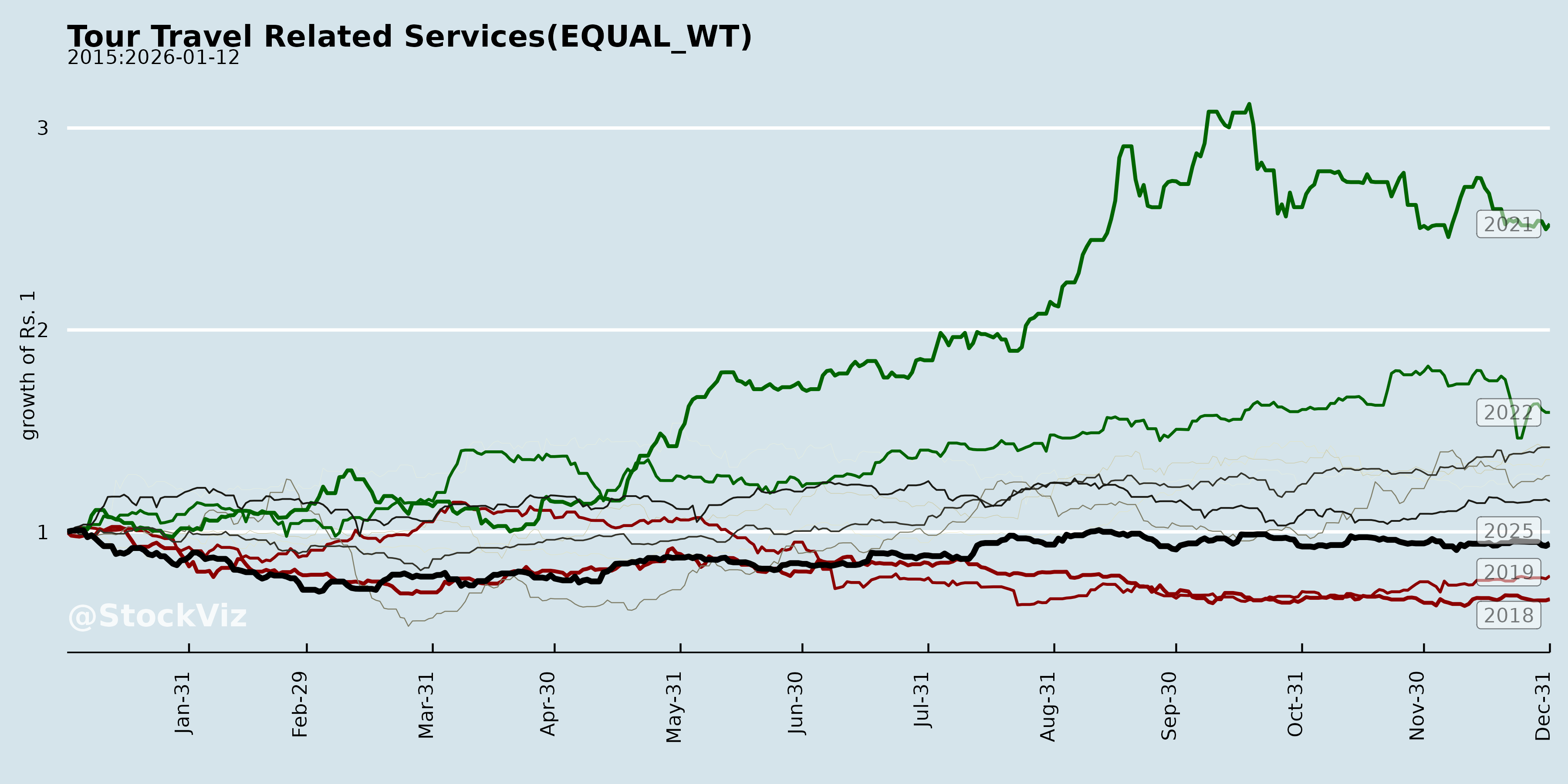
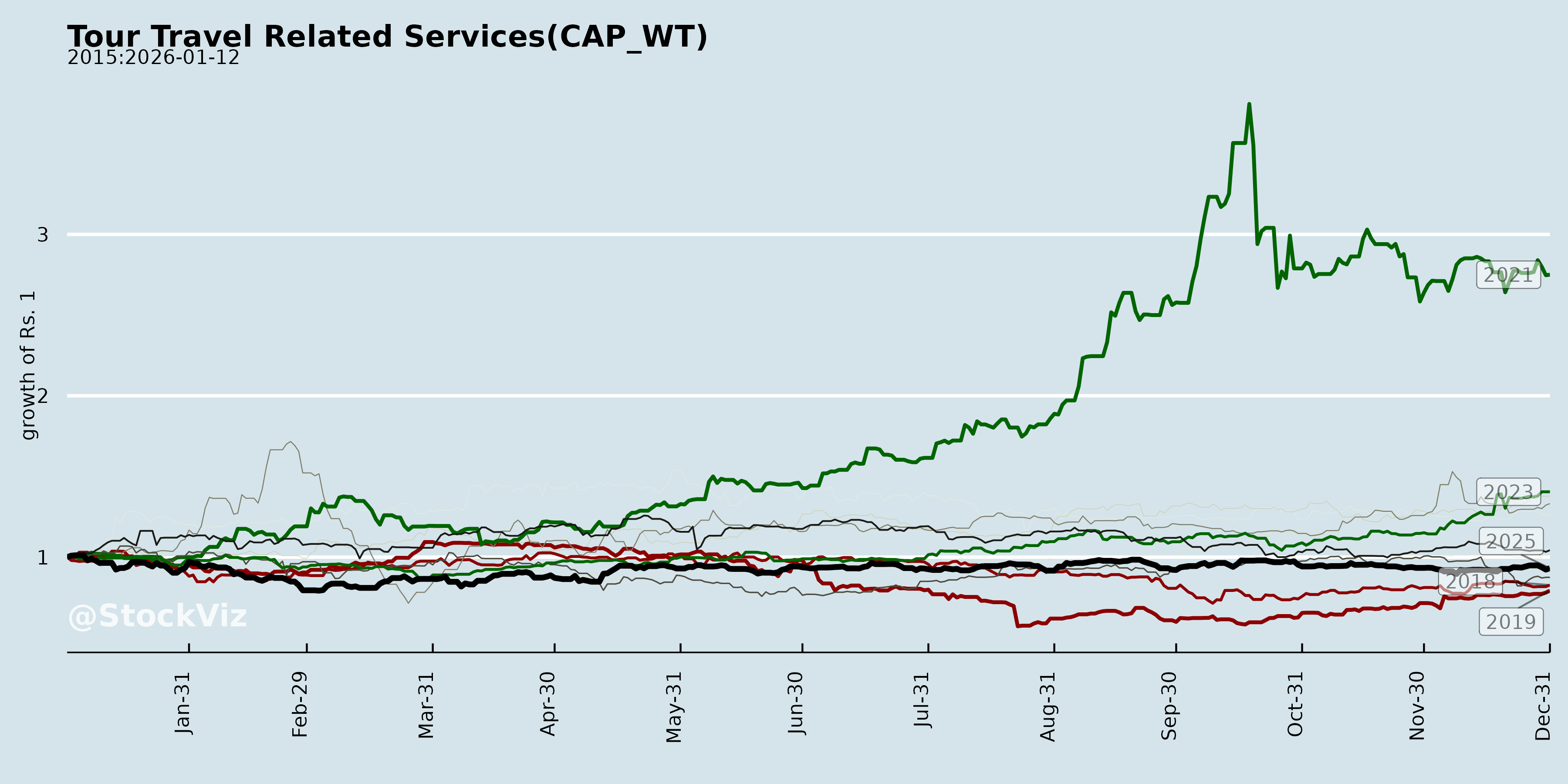
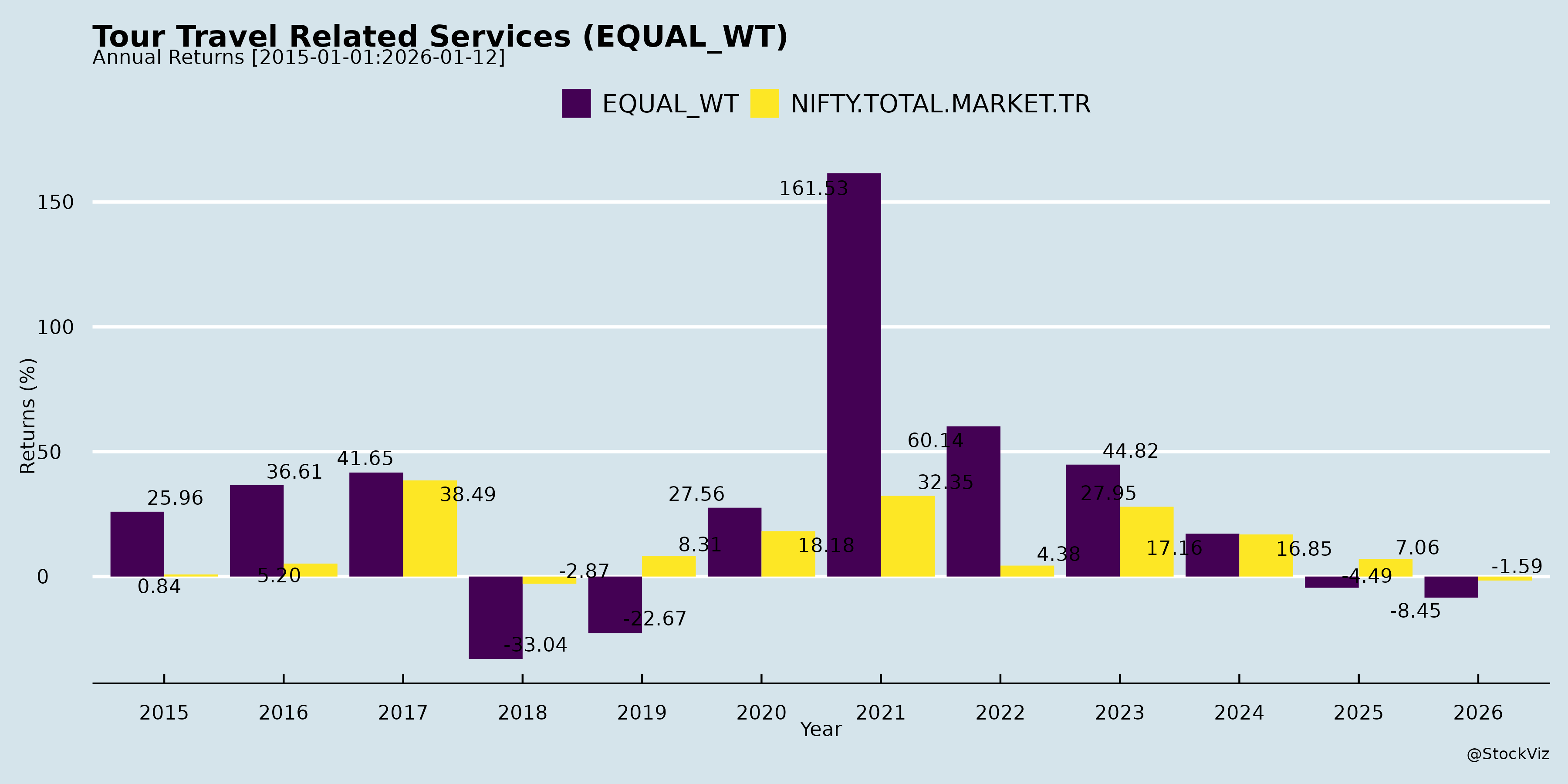
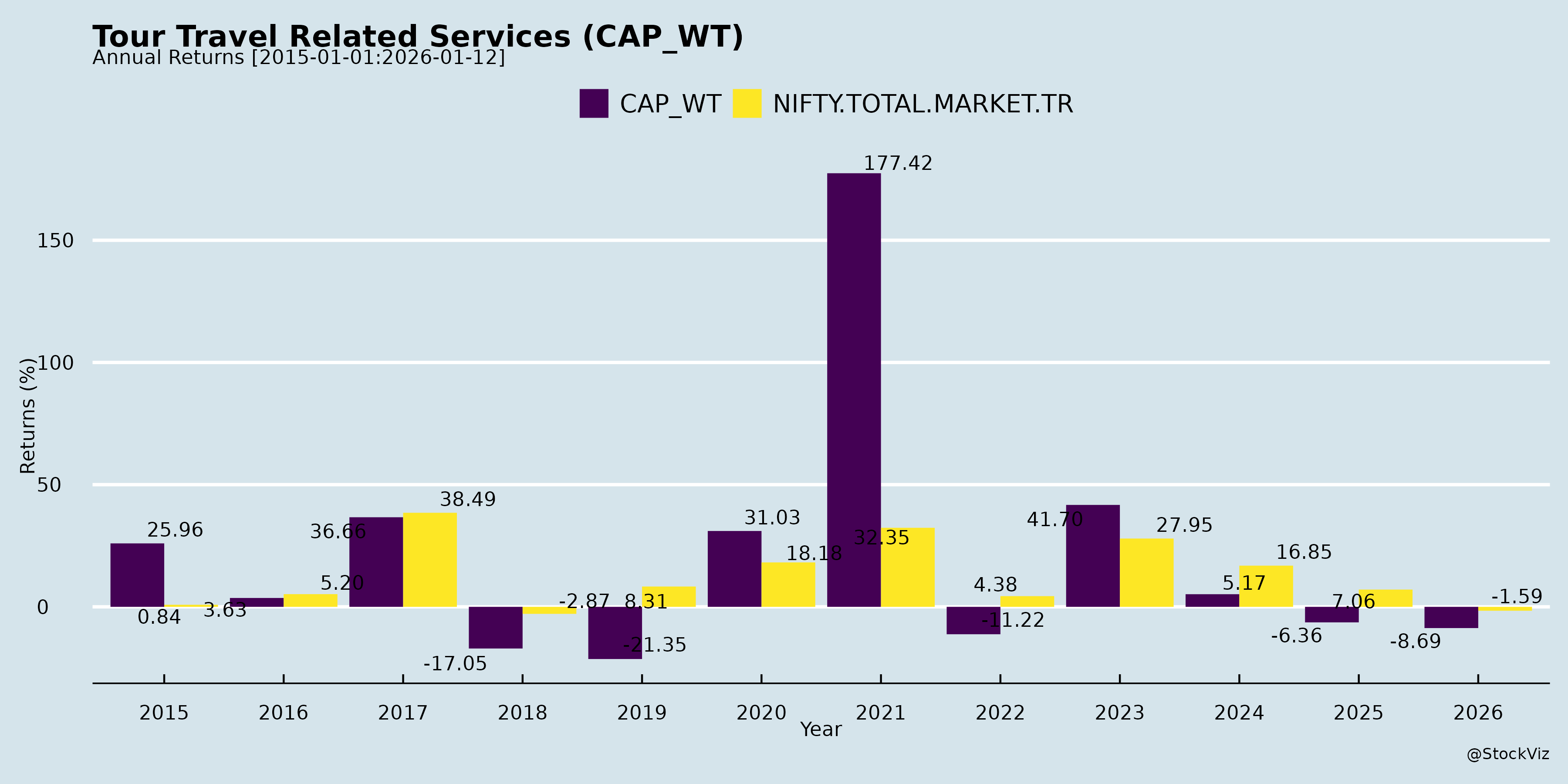
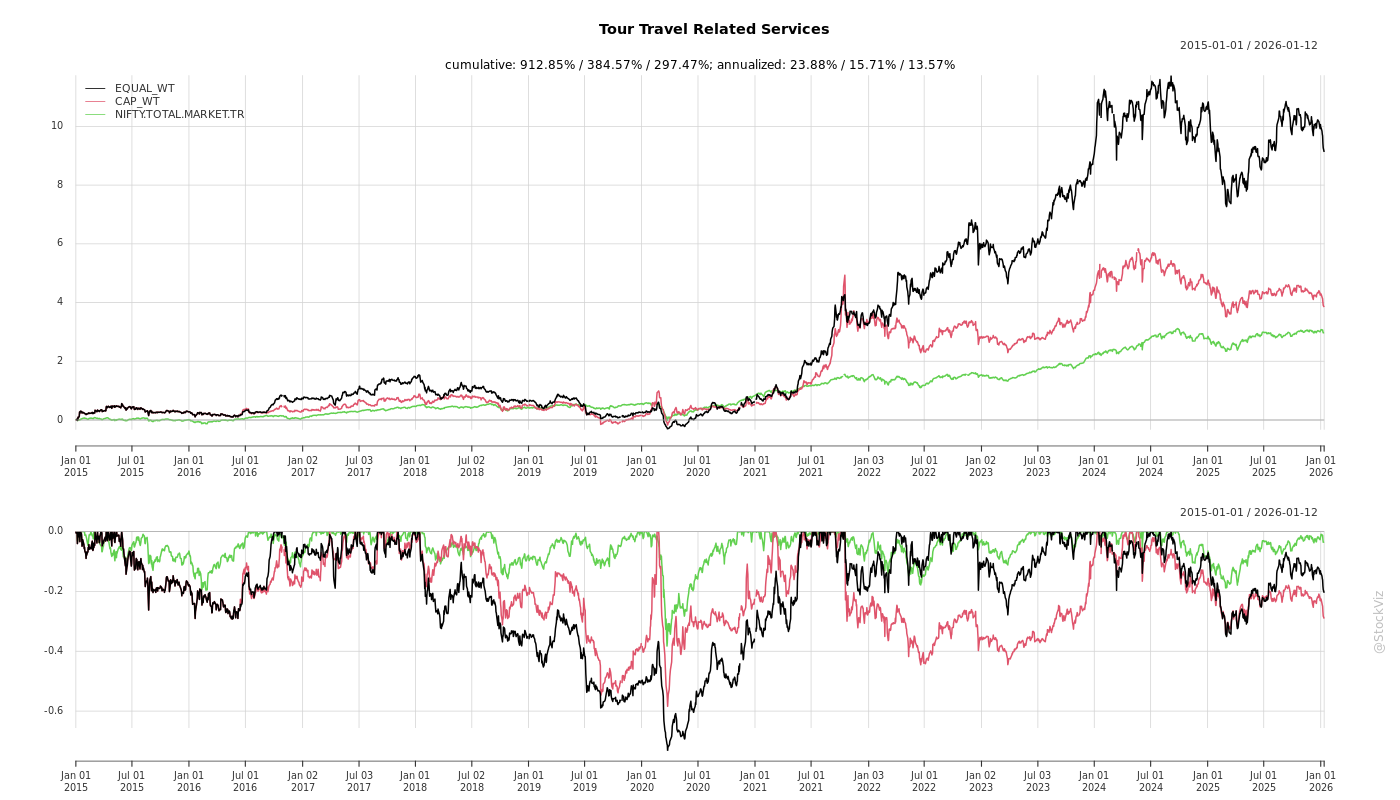
Cumulative Returns and Drawdowns
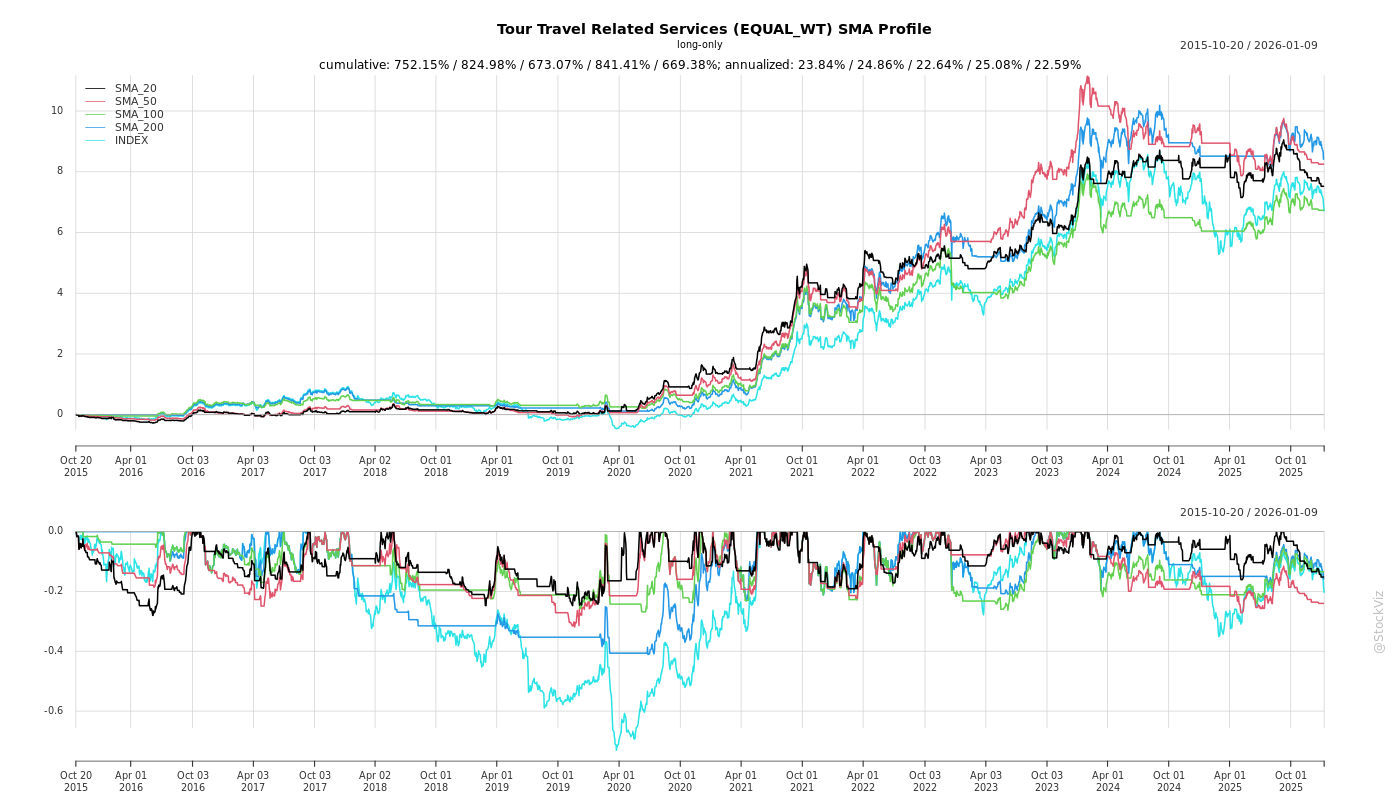
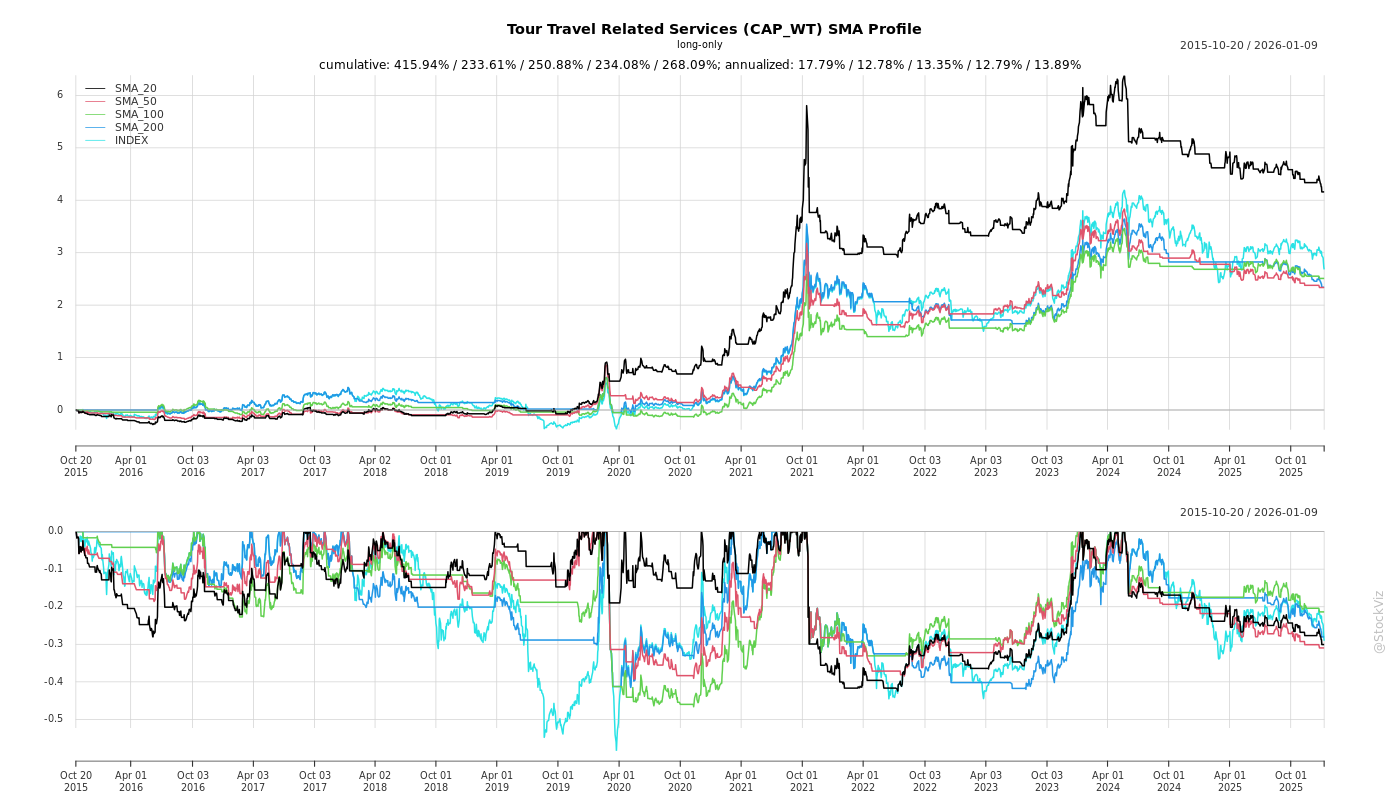
SMA Scenarios
Current Distance from SMA
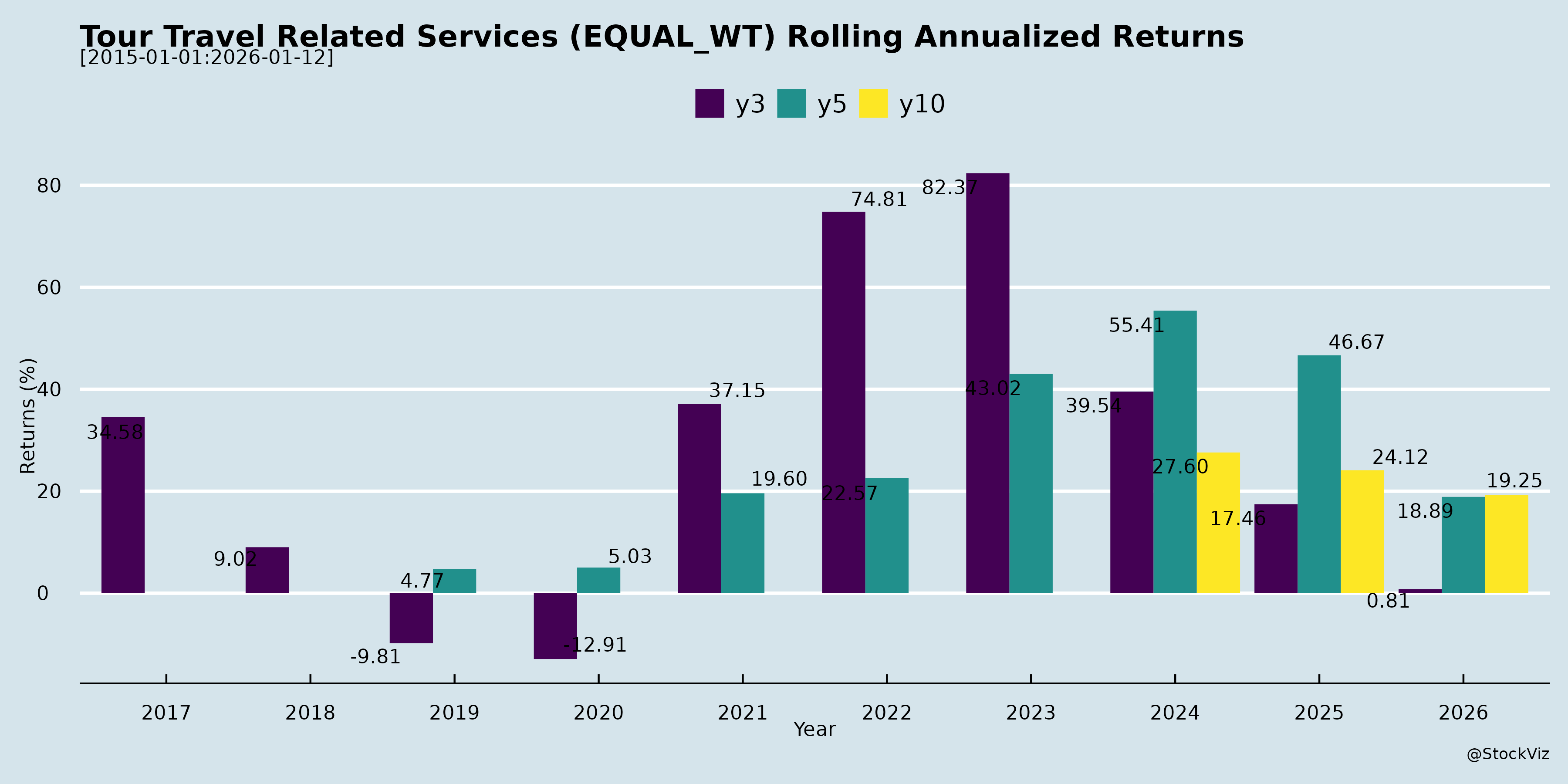
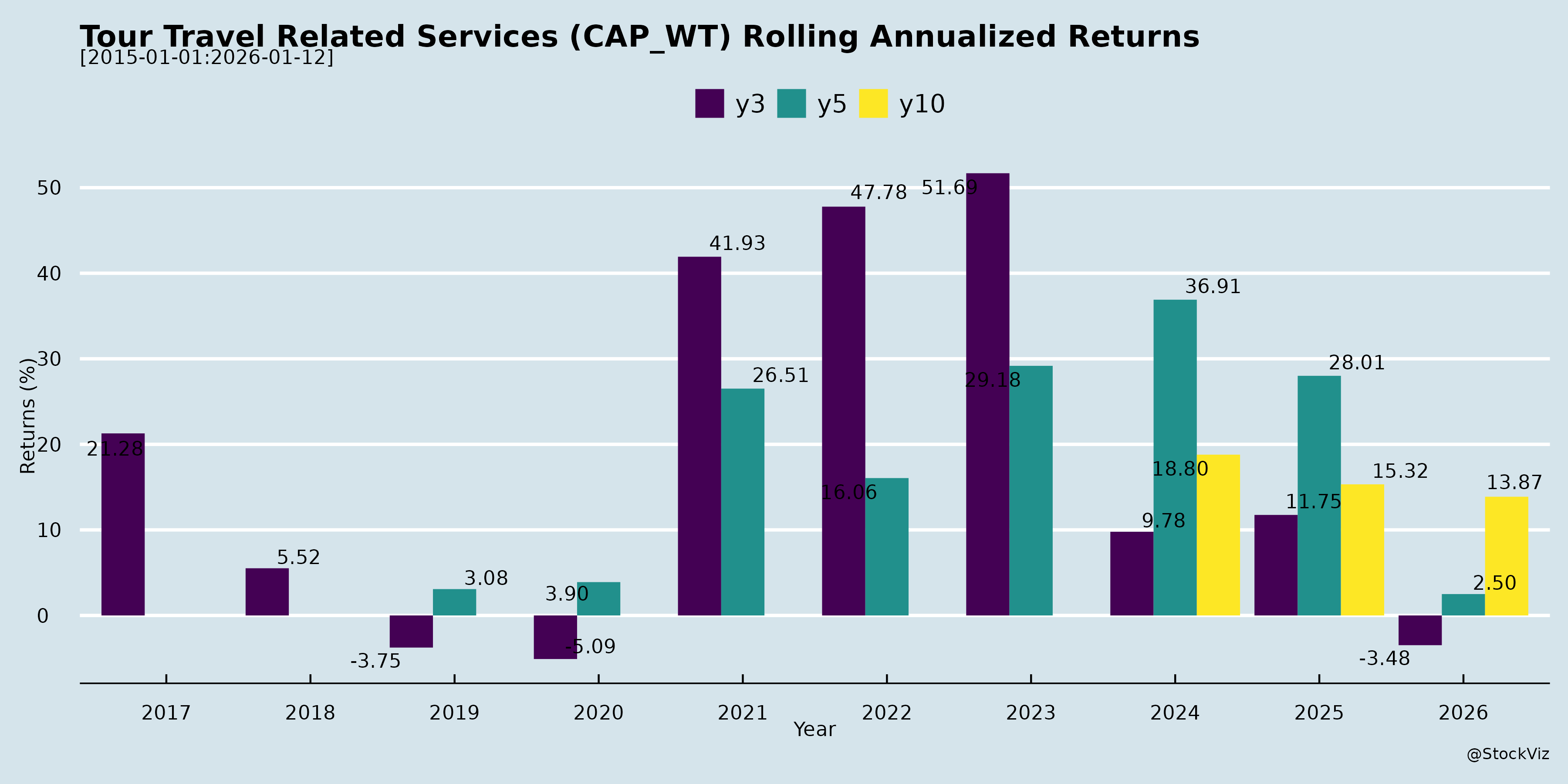
Rolling Returns
Fundamental Ratios
AI Summaries
How have the challenges and oppurtunities evolved over time?
asof: 2026-04-16
The travel and tourism industry has experienced a significant evolution in its challenges and opportunities, driven by technological advancements, macroeconomic shifts, and changing consumer behaviors. Over time, companies have had to navigate operational complexities and industry disruptions, while simultaneously unlocking new avenues for growth through strategic acquisitions, artificial intelligence, and premiumization.
Evolving Challenges
1. Integration and Operational Complexities As companies expand through acquisitions, integrating legacy systems and differing business models has presented significant challenges. For example, TBO Tek’s consolidation with Classic Vacations brought operational complexities, as Classic Vacations relies on highly legacy systems, requiring a platform migration project spanning several quarters [1], [2]. Furthermore, Classic Vacations’ business involves multi-hotel, multi-product luxury itineraries booked far in advance, which go through several iterations before travel occurs, making revenue recognition highly complex [3], [4]. Because of this long window between booking and check-in, the business operates on a highly negative working capital cycle [5].
2. Supply Chain Disruptions and Macroeconomic Headwinds The travel sector remains highly vulnerable to external shocks. In December, industry-wide flight disruptions impacted multiple companies; ixigo experienced a two-fold surge in customer reach-outs and a five-fold increase in the usage of its flight-tracking products [6], [7]. Similarly, Yatra Online noted that disruptions in the domestic aviation industry, combined with a tough macroeconomic environment, pushed significant amounts of Corporate and MICE (Meetings, Incentives, Conferences, and Exhibitions) business into subsequent quarters [8]. TBO Tek also faced disruptions with a major carrier during the same period, though they managed to pull through with good growth [9]. Additionally, global companies like TBO face foreign exchange (Forex) fluctuation risks, which necessitate hedging practices that involve additional costs [10].
3. The Threat of AI Disintermediation The rapid rise of Artificial Intelligence (AI) initially introduced existential fears for travel distribution platforms. Companies identified major threats, including the possibility of AI bots replacing travel booking channels and bypassing Online Travel Agencies (OTAs) by going directly to source APIs [11], [12], [13]. There were also concerns that AI could replace the expertise of human travel advisors, particularly for price-sensitive, single-product bookings [13]. Furthermore, as frontier AI models make software generation cheap and customizable, platforms feared losing their value proposition if their core differentiation was only in their front-end user interface [14].
4. Data Privacy and Regulatory Constraints As companies seek to cross-sell and monetize their massive user databases, they must navigate strict data privacy regulations. For instance, IRCTC, which books around 1.6 million tickets daily, has plans to leverage this data to cross-sell value-added services like hotels and flights on a unified portal; however, they are constrained by the necessity to strictly comply with Digital Personal Data Protection (DPDP) guidelines, limiting how freely customer data can be shared or monetized with third parties [15], [16], [17].
5. Agent Attrition and Churn In heavily populated but lower-income markets like India and Indonesia, B2B travel platforms face high churn rates among travel agents [18], [19]. This churn is generally not due to agents bypassing platforms to deal directly with suppliers, but rather due to high attrition rates where small, often one-person travel agencies frequently close down and restart [20], [21].
Evolving Opportunities
1. Macroeconomic Tailwinds and Demographic Shifts India is on track to become the third-largest global economy and the world’s fourth-largest domestic travel market by 2030 [22]. This presents a massive opportunity as the number of middle and high-income households expands, driving an inflection point in discretionary spending [23], [24]. There is also a notable shift in travel behaviors, such as Gen Z driving a 20x year-on-year increase in bus bookings for spiritual events like the Kumbh, and an increasing preference for new international hotspots like Japan, South Korea, and Vietnam [25]. Deep penetration into Tier II and III cities has further widened the addressable market for digital travel platforms [26].
2. Strategic Acquisitions and Ecosystem Expansion Companies are aggressively using Mergers & Acquisitions (M&A) to expand their geographic and product footprints: * TBO Tek: The acquisition of Classic Vacations granted TBO access to approximately 10,000 active, high-luxury travel advisors and deep consortium relationships in North America, paving the way for massive cross-selling opportunities [27], [28], [29]. * EaseMyTrip: To expand its non-air segments, EaseMyTrip acquired Spree Hospitality, aiming to grow its portfolio to 200 hotel properties over five years [30], [31]. They also acquired YoloBus to capture the premium intercity bus market, and subsequently launched Easy Green Mobility to capitalize on India’s EV bus market, which is projected to grow at a 24% CAGR through 2030 [32], [33], [34].
3. Transitioning AI from a Threat to an Operational Lever While AI posed initial threats, travel platforms have actively transformed it into a core growth driver: * Customer Service Automation: During the December aviation disruptions, ixigo’s AI voice and chat agent, TARA, handled over 150,000 calls end-to-end, resolving 89.9% of chats and 76.12% of voice calls autonomously [35], [36]. * Revenue Optimization: Companies are using AI for dynamic pricing, personalized loyalty discounts, and upselling value-added services [37], [35]. EaseMyTrip utilizes AI-driven dynamic pricing to optimize travel revenue and smart voice recognition to simplify bookings [38]. * Agent Empowerment: TBO Tek is deploying AI itinerary creators and agentic AI workflows to empower travel agents, allowing them to upsell and redesign workflows for higher efficiency [39]. BLS International is also strengthening its technology suite via AI and advanced analytics to enhance security and scalability in its visa and digital services [40], [41].
4. Premiumization and Luxury Travel There is a distinct evolution toward high-value, complex travel that resists AI commoditization. Luxury travel behaves differently, requiring human reassurance for multi-country, personalized itineraries [13], [42]. To capitalize on this, TBO expanded its Platinum Program, a curated luxury hotel collection that offers premium agents exclusive access and benefits, which positively drives up the platform’s overall take rates and margins [43], [29], [44].
5. Cross-Selling and Integrated Service Platforms To maximize customer lifetime value, platforms are evolving into comprehensive travel ecosystems. IRCTC is expanding its catering footprint alongside the introduction of 260 new Vande Bharat trains, while simultaneously integrating with food-delivery giants Swiggy and Zomato [45], [16]. This allows IRCTC to offer diverse e-catering options without cannibalizing its base catering revenue, creating a win-win situation [16], [46]. Furthermore, by building unified portals, companies are effectively cross-selling flights, trains, cabs, and hotels, turning low-margin utility usage into high-margin transaction value [47], [17].
What are the headwinds affecting this industry?
asof: 2026-04-16
The travel and online travel agency (OTA) industry is currently navigating several significant headwinds, ranging from severe domestic aviation disruptions to broader macroeconomic and geopolitical challenges.
Here is a detailed breakdown of the primary headwinds affecting the industry:
1. Severe Airline Operational Disruptions and Regulatory Changes One of the most prominent headwinds in recent quarters has been a major disruption in the domestic aviation industry, specifically triggered by the implementation of stricter Flight Duty Time Limitation (FDTL) norms in December [1, 2]. * Elevated Cancellations and Delays: The new FDTL norms led to widespread airline operational disruptions, resulting in a spike in last-minute flight cancellations and delays, particularly involving leading carriers like IndiGo [1, 3-5]. This created a highly stressful environment for travelers and a massive operational burden for booking platforms [5]. * Financial and Working Capital Strain: These flight disruptions had a direct negative impact on revenues and working capital. For example, Yatra reported an estimated Air Gross Bookings impact of approximately INR 480 million due to these disruptions [6]. Furthermore, because advance payments had already been made to vendors, last-minute cancellations caused severe working capital blockages and drove up finance costs [6]. * Customer Service Costs: The crisis forced companies to absorb direct financial hits to maintain customer trust. Platforms like ixigo experienced a 2x surge in customer support reach-outs and opted to proactively refund full ticket amounts, convenience fees, and assured fees, which directly impacted their Q3 EBITDA by approximately Rs. 2 Crores [5, 7].
2. Impact on High-Margin Corporate and MICE Travel The aforementioned aviation disruptions disproportionately impacted the highly lucrative corporate travel sector, specifically the MICE (Meetings, Incentives, Conferences, and Exhibitions) business [6, 8]. * Deferred Bookings and Revenue Slippage: Due to the severe travel uncertainty, large corporate groups were forced to defer their travel plans [6]. As a result, companies saw significant portions of their anticipated MICE revenue—with Yatra noting over INR 300 million—slip out of the current quarter and get pushed into subsequent quarters like Q4 and Q1 [6, 8].
3. Foreign Exchange (Forex) Volatility and Taxation Challenges For companies operating on a global scale, fluctuations in foreign exchange rates present a persistent operational and financial headwind [9, 10]. * Hedging Costs: To mitigate the risks associated with differences in payables and receivables across dozens of currencies, companies are forced to actively hedge their positions [10, 11]. This necessary risk management introduces direct hedging costs and mark-to-market (MTM) impacts on unhedged positions, which weigh on the financials [12, 13]. * Regional Taxation and FX Hurdles: Expansion into emerging international markets comes with localized fiscal challenges. For instance, companies expanding into Latin American markets, such as Brazil, have reported facing ongoing taxation complexities and FX-related headwinds that create friction in regional profitability and operations [14, 15].
4. Macroeconomic and Geopolitical Uncertainties The industry continues to operate within a broadly “tough macro environment” characterized by various external pressures [8, 16]. * Temporary Geopolitical Disruptions: Ongoing global geopolitical tensions have periodically disrupted the tourism sector, forcing operators to rely on cost rationalization and improved product mixes to offset the negative impacts [17, 18]. * Compressed Booking Windows: Historically, macroeconomic and geopolitical uncertainties have caused the window between booking a trip and the actual check-in date to compress, altering traditional working capital cycles and making revenue forecasting more difficult, though some companies note this trend has recently begun to stabilize [19, 20].
What are the key things to understand about this industry?
asof: 2026-04-16
The Indian travel and tourism industry is experiencing robust, accelerated growth fueled by rising incomes and digital penetration. By 2030, India is projected to add 140 million middle-income households and 50 million high-income households [1]. As the country reaches a discretionary spending inflection point of approximately $4,000 GDP per capita, it will trigger a massive shift in travel demand [2]. The Indian online travel market is anticipated to surge from $12 billion in 2022 to $60 billion by 2030, driven by a growing internet user base that is expected to reach 1 billion by 2025 [3]. Another projection estimates the online travel market will reach $31.38 billion by 2030, reflecting a compound annual growth rate (CAGR) of 10.5% [4].
Online Travel Agencies (OTAs) are significantly outpacing the overall travel market. The Indian OTA market is projected to grow at a CAGR of 18% from FY23 to FY28, compared to the overall travel market’s 9% growth rate [5]. To capture this growth, companies in the industry are transitioning into comprehensive “one-stop travel ecosystems” that offer end-to-end solutions [6, 7]. These platforms provide a vast array of services, including domestic and international flight ticketing, hotel bookings, homestays, holiday packages, bus and rail ticketing, cab rentals, and visa processing [8-10]. This strategy helps operators cross-sell and upsell value-added services, thereby deepening customer relationships and expanding their share of the customer’s wallet [11, 12].
The industry features distinct margin profiles depending on the travel product, with hotels providing significantly higher margins than air travel. While airline ticketing delivers significant gross transaction volume (GTV), it operates on structurally lower take rates and relies heavily on commission models largely outside of the platform’s direct control [13, 14]. For example, TBO Tek reported an air take rate of around 2.2% to 2.6%, whereas their hotel and ancillary business yielded a much higher take rate of 7.8% to 10.5% [15, 16]. Consequently, gross profit is viewed as a more analytically robust metric for evaluating a platform’s true economic health than top-line revenue, since revenue often includes substantial pass-through commissions to travel agents [17-21]. Additionally, the B2B hotel segment operates on a highly favorable negative working capital cycle, where companies collect funds at the time of booking but pay suppliers closer to or after check-in [22, 23]. In contrast, the airline business is typically working-capital neutral [23].
Artificial Intelligence is a critical disruptor and enabler within the travel tech space. Industry players are aggressively deploying AI for revenue optimization, personalized dynamic pricing, itinerary creation, and customer service automation via chatbots and voice assistants [24, 25]. AI also plays a crucial role during large-scale industry disruptions by providing travelers with automated, real-time tracking and support [26]. However, the rise of AI also poses structural threats to traditional booking channels and search engines. There is fear that agentic AI bots could bypass OTAs entirely to access source APIs and inventory directly, diminishing the value of basic search interfaces [27-29]. Despite these fears, established B2B travel platforms maintain deep competitive moats through complex infrastructure, vast global supply contracts (e.g., over 1 million hotels), payment rails spanning multiple currencies, and localized compliance layers that cannot be easily replicated by AI software alone [30, 31].
Despite the rise of digital platforms, luxury and complex travel remains highly dependent on offline human advisors. Point-to-point, price-sensitive demand is heavily commoditized and easily self-booked online [32]. In contrast, premium luxury travel involves high-value, multi-country itineraries that require human reassurance, curation, and expertise [32, 33]. This segment remains largely offline, relying on deep consortium relationships and high-end travel advisors who cater to clients who treat travel planning similarly to wealth management [32, 34]. For instance, Classic Vacations, a luxury brand, generates over 80% of its business offline with a network of around 10,000 active, high-luxury travel advisors and average hotel booking sizes reaching $8,600 [35-37]. Online players are structurally unsuitable to service this specific operational complexity [38].
Public infrastructure projects and government digitization efforts provide major tailwinds for the industry. The Indian government’s Digital India program and the National Digital Tourism Mission are actively working to digitize the tourism sector and improve broadband access [4]. Furthermore, significant capacity expansion in public transport, such as the Indian Railways’ plan to introduce 260 Vande Bharat train sets and double passenger capacity across 48 cities by 2030, provides massive operational growth opportunities for associated catering and ticketing businesses [39, 40].
What are the tailwinds affecting this industry?
asof: 2026-04-16
India is on track to become the third-largest global economy and the world’s fourth-largest domestic travel market by 2030, driven by a confluence of macroeconomic, technological, and infrastructural tailwinds [1].
Macroeconomic Growth and Favorable Demographics A primary tailwind accelerating the industry is the inflection point in discretionary spending, which typically triggers rapid growth once a country reaches approximately $4,000 GDP per capita [2]. By 2030, India is projected to add 140 million middle-income households and 50 million high-income households, significantly shifting the income pyramid upward and expanding the consumer base capable of affording travel [3].
The Digital Revolution and Next-Gen Commerce The ongoing digital revolution is fundamentally reshaping the travel landscape. India’s online travel market is anticipated to soar from $12 billion in 2022 to $60 billion by 2030 [4, 5]. The country’s internet user base is expected to hit 1 billion by 2025, and online shoppers are projected to grow to 500 million by 2030 [3, 4]. The market will be further bolstered by the addition of 90 million new digitally-driven households by 2030—a next-generation demographic raised in a liberalized economy where online commerce is embedded in their lifestyle [3]. This digital transformation is supported by government initiatives like the Digital India program and the National Digital Tourism Mission [5]. Consequently, Online Travel Agencies (OTAs) are projected to outpace the broader travel market, growing at a CAGR of 18% from FY23 to FY28, compared to the overall travel market’s 9% growth [6]. Already, digital penetration is remarkably high in certain sectors, with nearly 89% of reserved railway tickets currently booked online [7, 8].
Artificial Intelligence and Technological Automation The aggressive integration of Artificial Intelligence (AI) is creating massive revenue and cost-saving opportunities for travel platforms [9]. AI is providing deep operational leverage through autonomous operations, hyper-personalized trip planning, dynamic pricing, and automated trip management [10-12]. AI-driven customer support systems are transforming efficiency; for instance, AI voice and chat agents are successfully resolving up to 90% of chat queries and over 76% of voice calls entirely autonomously, significantly reducing costs and managing scale during industry disruptions [13-15]. Furthermore, Agentic AI and chatbots are evolving into new demand channels that can directly search for inventory, negotiate deals, and complete bookings, potentially disrupting traditional search engine moats [16, 17].
Infrastructure Upgrades and Capacity Expansion Massive government investments in transportation infrastructure are acting as a major catalyst for the industry. The Indian Railways plans to double passenger capacity across 48 cities by 2030 [18]. A significant driver for rail catering and tourism is the introduction of modern train sets, with the rail ministry planning to launch 260 new Vande Bharat trains, directly enhancing revenue opportunities for connected businesses [19, 20]. Road travel is also experiencing a major shift; with 53 million people traveling intercity via trains and buses daily, the electric vehicle (EV) bus market in India is projected to grow at a massive 24% CAGR from 2024 to 2030, paving the way for green mobility expansions [4, 21].
Evolving Consumer Trends and Premiumization Consumer behavior is shifting toward higher-value products, with a noticeable trend toward premiumization and luxury travel experiences [11, 22]. There is a rapidly growing market for complex, multi-country luxury itineraries and high-touch experiential travel [23, 24]. Other distinct consumer trends driving growth include: * “Faith at Scale” (Religious Tourism): Massive year-over-year spikes in bookings to pilgrimage destinations like Prayagraj, Varanasi, and Ayodhya [25]. * Pop Culture Tourism: Streaming and OTT platforms are fueling travel demand to niche domestic locations, notably driving double-digit growth in flights to Northeast India [25]. * Surging Outbound International Travel: International travel is growing even faster than domestic travel, with new global hotspots emerging in countries like Japan, South Korea, Vietnam, Oman, and Kazakhstan [25, 26]. Furthermore, broad-based double-digit growth is being recorded across the Middle East, Africa (MEA), and Asia-Pacific (APAC) regions [27, 28].
Corporate Travel Ecosystem Expansion The corporate and B2B travel segments are demonstrating sustained recovery and momentum [29-31]. As businesses increasingly adopt structured travel procurement systems and online booking platforms, travel tech companies are heavily capitalizing on this by expanding into massive international corporate travel economies, such as Brazil and the broader Latin American market, to capture emerging B2B opportunities [32-34].
What is the general outlook of this industry?
asof: 2026-04-16
The general outlook for the travel and tourism industry is exceptionally robust, particularly driven by India’s trajectory to become the world’s fourth-largest domestic travel market and the third-largest global economy by 2030 [1]. This growth is fundamentally underpinned by powerful demographic and macroeconomic shifts. Rising per capita incomes are expected to drastically alter the income pyramid, with a critical inflection point for discretionary spending occurring at approximately $4,000 GDP per capita [2]. Over the next few years, India is projected to add 140 million middle-income households and 50 million high-income households by 2030, vastly expanding the consumer base capable of affording travel and premium experiences [3].
A digital revolution is redefining the travel landscape, supported by expanding internet penetration and e-commerce adoption. India’s internet user base, currently at approximately 821 million (representing a 55% penetration rate), is expected to scale rapidly to reach 1 billion users by 2025 [4]. Concurrently, the number of online shoppers is projected to grow from 330 million today to 500 million by 2030 [3]. This digital shift is further fueled by the addition of 90 million new digitally-driven households and the maturing of a generation raised in a liberalized economy, which makes online commerce a core lifestyle component [3]. Government initiatives such as the Digital India program and the National Digital Tourism Mission are also playing a crucial role by enhancing nationwide digital infrastructure and digitizing the tourism sector [5].
The Indian online travel market is experiencing accelerated growth, significantly outpacing the broader travel market. The overall Indian travel market is expected to grow at a Compound Annual Growth Rate (CAGR) of 9% from FY23 to FY28, reaching INR 5,904 billion [2, 6]. However, the Online Travel Agency (OTA) market is projected to grow at double that rate, achieving an 18% CAGR over the same period, while the broader online travel market grows at 13% [6, 7]. In terms of valuation, the Indian online travel market is anticipated to reach USD 19.05 billion in 2025 and surge to USD 31.38 billion by 2030 (a 10.5% CAGR), with some projections estimating it could reach as high as USD 60 billion by 2030 [4, 5]. Online penetration is expected to deepen across all booking segments by FY28: air travel from 70% to 81%, hotels from 32% to 44%, rail from 81% to 86%, and intercity bus from 19% to 28% [6]. Looking at segment-specific market size CAGRs between FY23 and FY28, the hotel sector leads with 18% growth, followed by air travel at 12%, intercity buses at 7%, and rail at 6% [2, 6].
Significant infrastructure expansions in rail and road transport are acting as major industry catalysts. The Indian government plans to double rail passenger capacity across 48 cities by 2030 [7]. Furthermore, the Ministry of Railways is introducing 260 Vande Bharat train sets over the coming years, which is expected to substantially boost related businesses like railway catering and passenger volumes [8-10]. On the road network, 53 million people travel intercity via trains and buses daily, a segment growing at a 10% CAGR [11]. The electric vehicle (EV) bus market presents another massive growth avenue, projected to grow at a 24% CAGR between 2024 and 2030, creating an annual demand for 125,000 to 150,000 EV buses over the next decade [4].
The industry outlook is also heavily influenced by the imminent rise of Agentic Commerce and Artificial Intelligence (AI). AI platforms and chatbots are expected to emerge as major new demand channels for travel distribution [12]. This technological shift poses a disruption risk to traditional B2C OTAs and search engines, as AI bots could bypass intermediaries and connect directly to source APIs and inventory [13]. Consequently, marketing budgets historically allocated to SEO and sponsored listings are expected to migrate toward AI platforms [13]. However, the impact of AI will vary significantly by travel segment. Commoditized, price-sensitive, and single-product bookings face a high risk of AI disruption, while the luxury travel sector behaves entirely differently [14]. Demand for high-touch, experiential travel is growing rapidly, and luxury travelers continue to value the human reassurance, curatorial expertise, and dedicated support required to fulfill complex, multi-country, high-value itineraries that AI cannot yet fully replicate [15, 16].
Copyright © 2023 SAS Data Analytics Pvt. Ltd. All rights reserved.