Specialty Chemicals
Industry Metrics
September 24, 2026
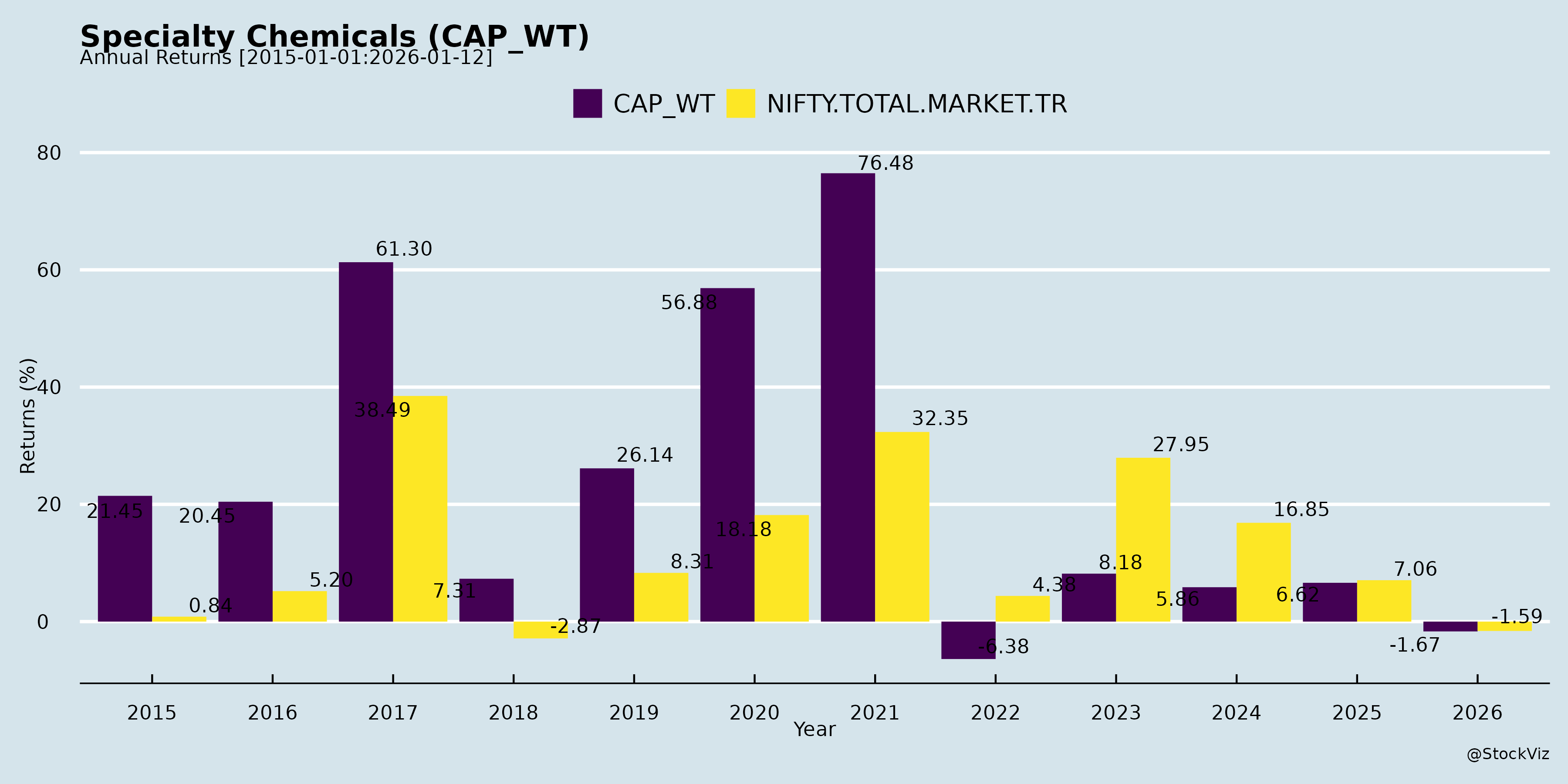
Annual Returns
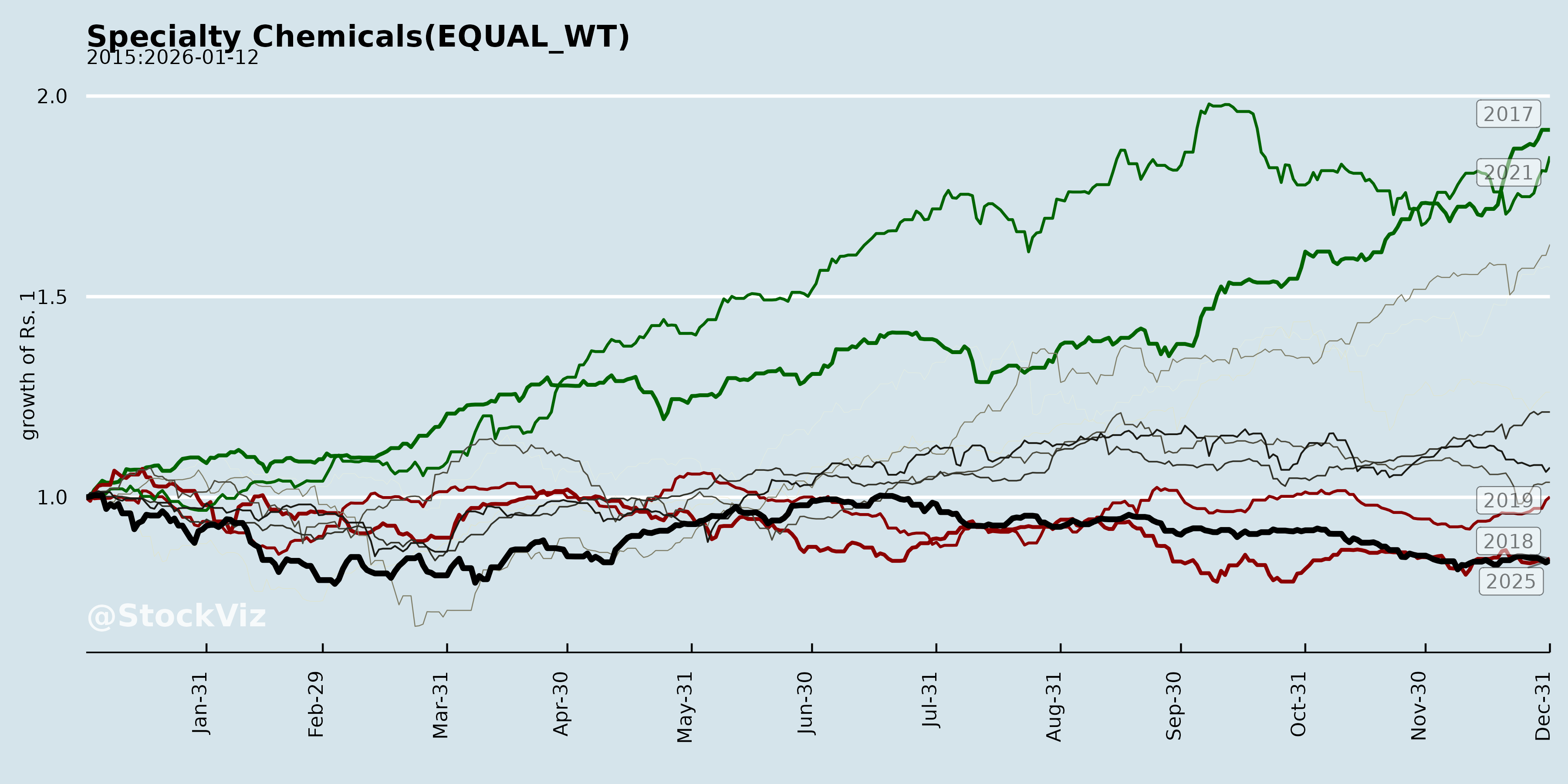
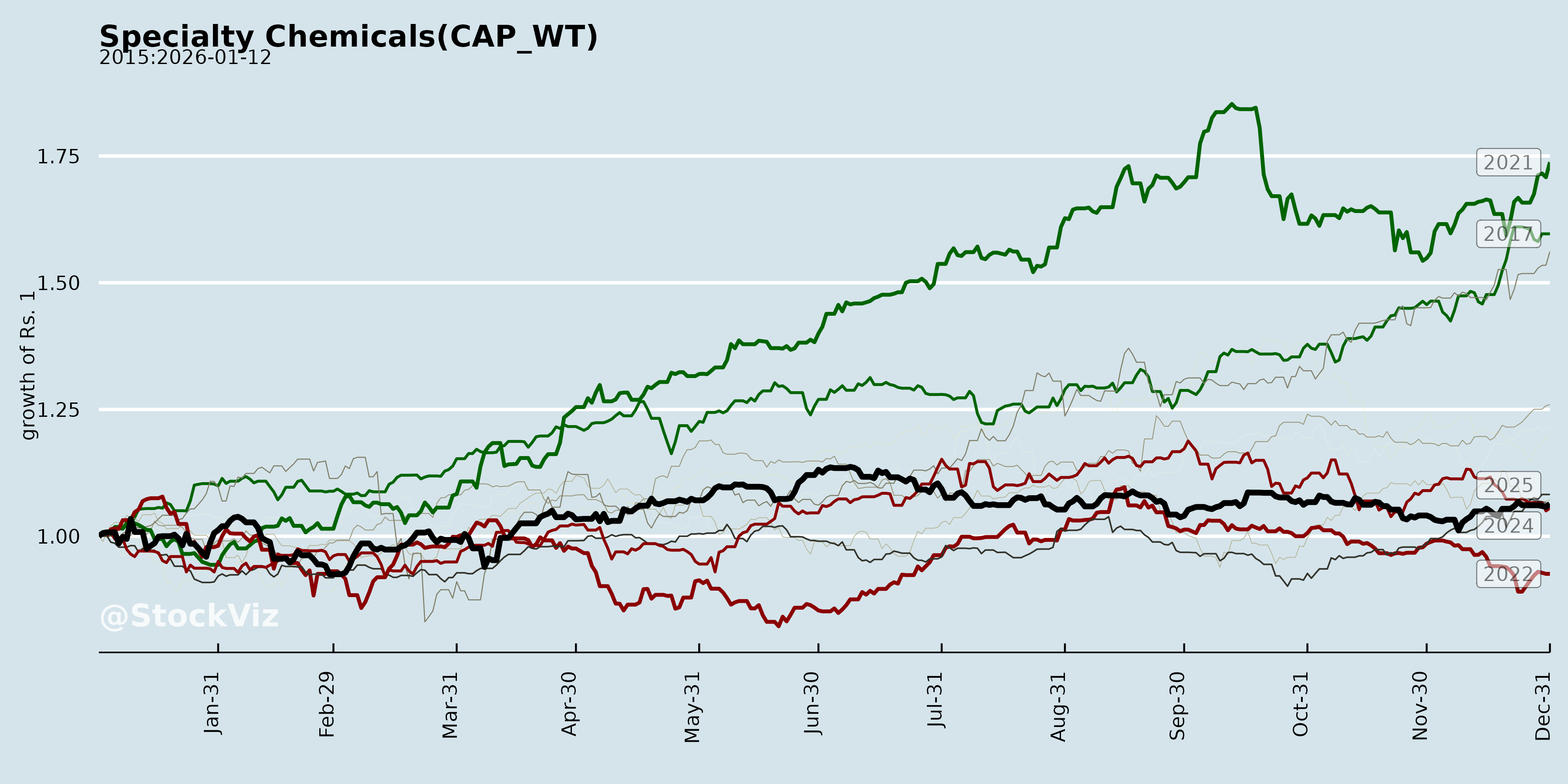

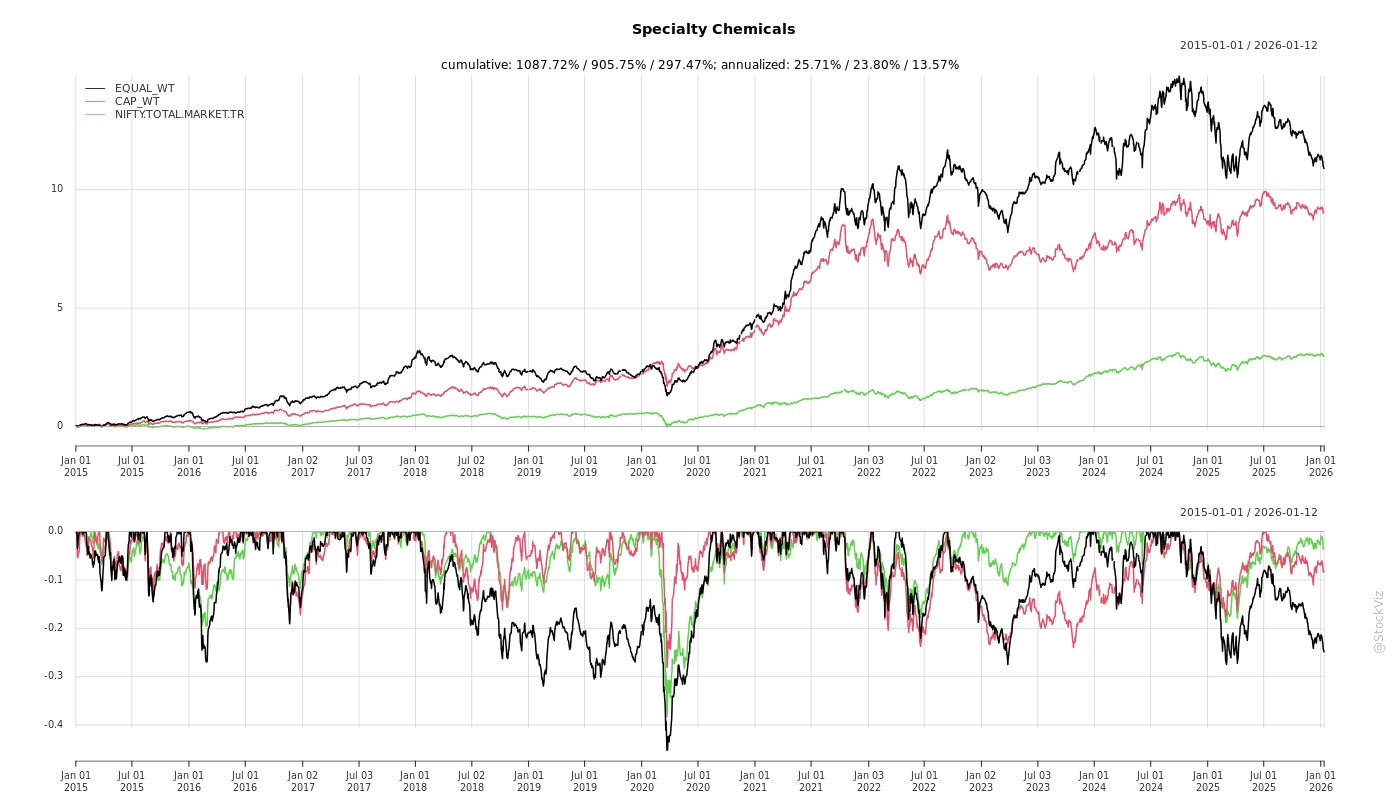
Cumulative Returns and Drawdowns
SMA Scenarios
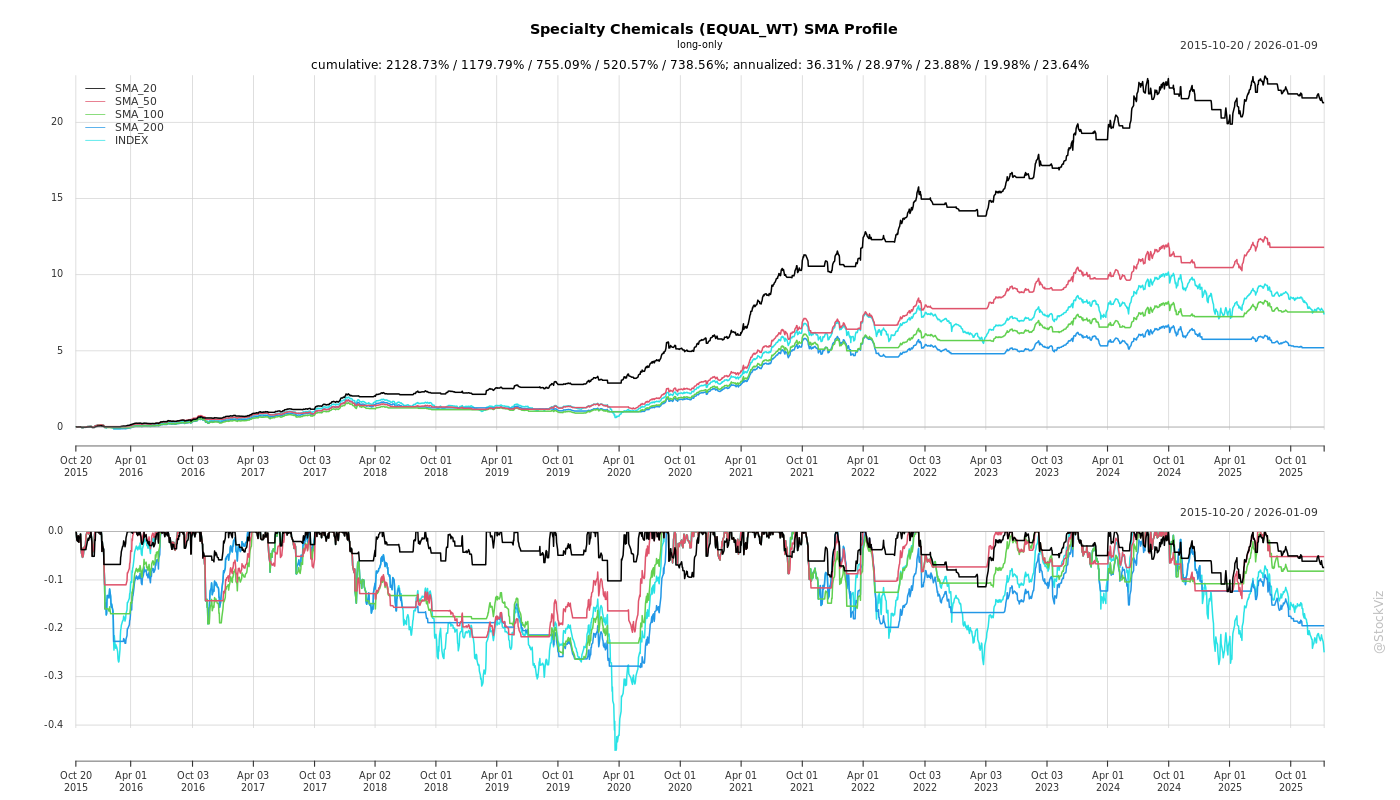
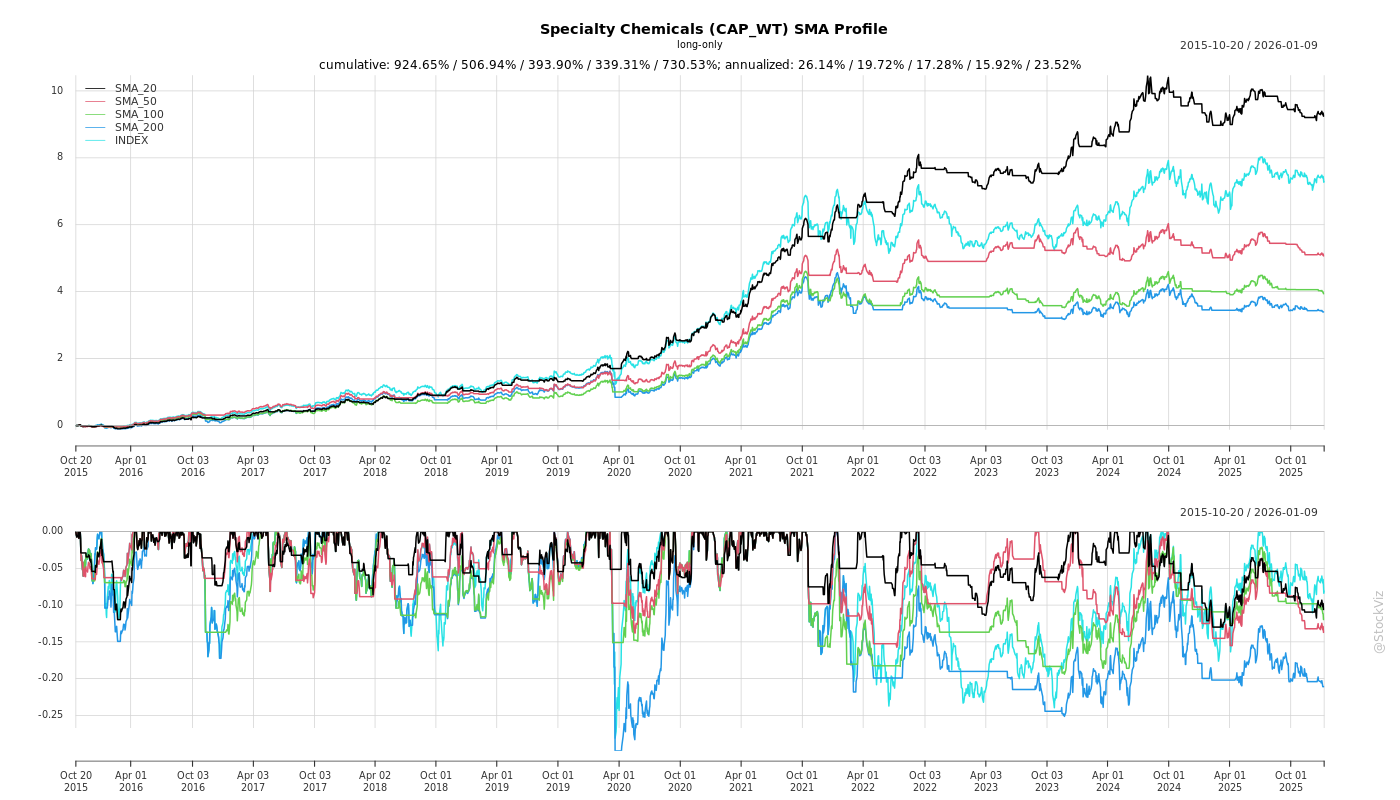
Current Distance from SMA
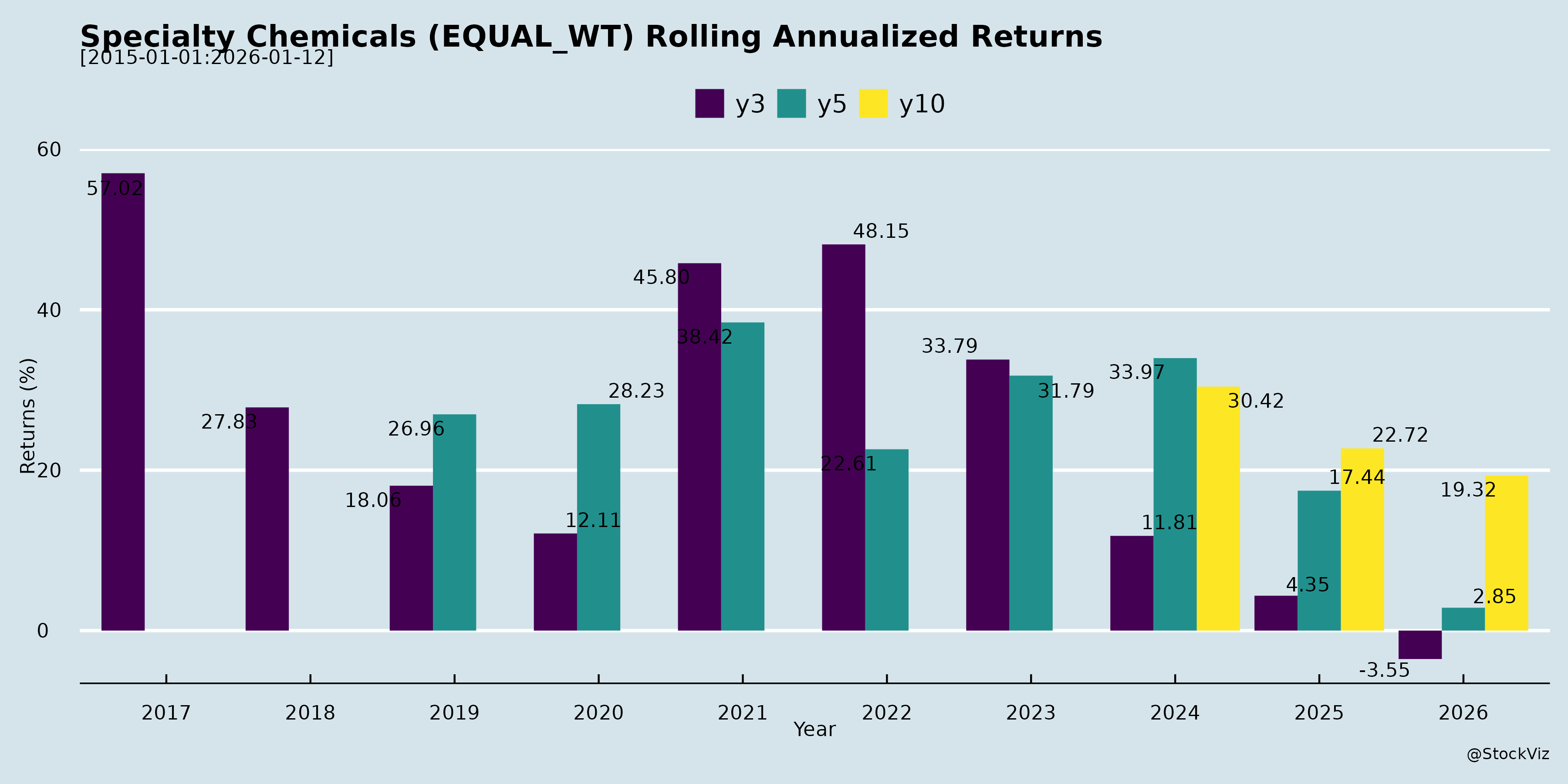
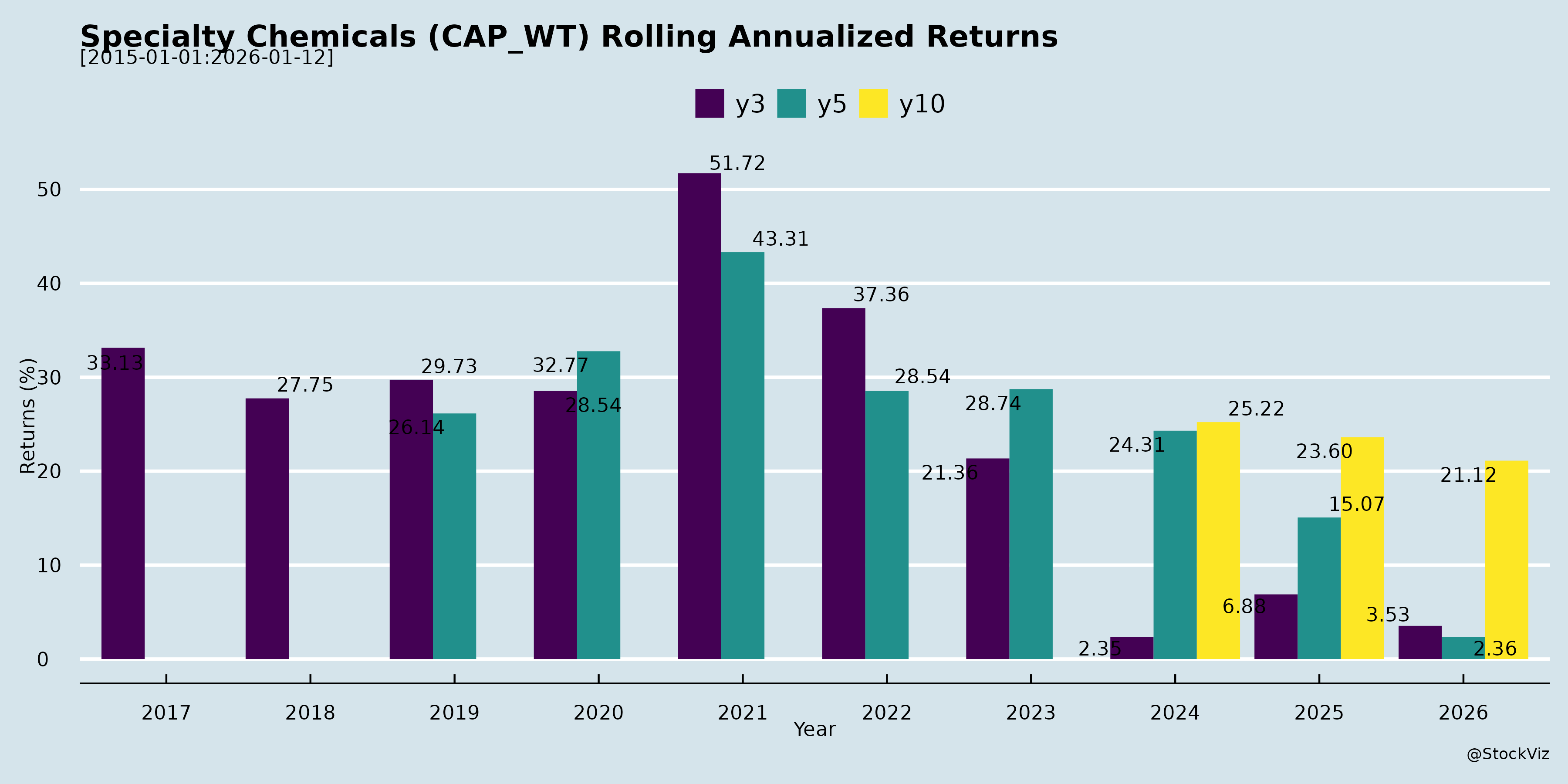
Rolling Returns
Fundamental Ratios
AI Summaries
How have the challenges and oppurtunities evolved over time?
asof: 2026-04-16
The chemical industry has navigated a highly dynamic landscape over recent years, transitioning from pandemic-era surges into a complex environment marked by geopolitical tensions, shifting trade policies, and volatile supply chains. Over time, companies have had to adapt to severe macroeconomic hurdles while simultaneously positioning themselves to capitalize on emerging global trade agreements and new-age industrial demands.
The Evolution of Challenges
1. Post-COVID Normalization and Macroeconomic Headwinds In the initial phase post-COVID, the industry experienced a “sweet spot” characterized by a massive upsurge in demand, particularly in sectors like pharmaceuticals [1, 2]. However, this momentum eventually subsided into a “lull period” as businesses settled into normal cycles, which brought about a new set of hurdles including sluggish global consumption and uneven demand patterns across key end-segments [1-4].
2. Geopolitical Tensions and Unpredictable Tariff Disruptions Over time, the global operating environment has been severely disrupted by regional conflicts, such as the Russia-Ukraine war, which strained supplies, and escalating geopolitical tensions [5-7]. A major, evolving challenge has been the overhang of U.S. tariff policies. Unanticipated, high tariffs—such as a 55% tariff in the United States—have heavily impacted export viability and placed immense pressure on the market [8-10]. Because customers remain uncertain about what the final tariff costs will be by the time shipments arrive, they have become risk-averse, leading to delayed purchases, demand deferments, and a reluctance to commit to long-term inventory [11-13].
3. Chinese Overcapacity and Aggressive Pricing Historically, the industry did not fully anticipate the sheer scale of China’s overcapacity, which has been a massive determinant of global profitability [8, 14]. Over the last few years, aggressive dumping of chemicals by Chinese manufacturers at rock-bottom prices has caused severe pricing pressures, margin compressions, and hyper-competition that has impacted practically the entire chemical sector [8, 12, 15-17]. Furthermore, Indian manufacturers have faced inherent disadvantages against China regarding energy costs and the steady-state availability of power [18].
4. Raw Material and Feedstock Volatility The industry has suffered from high-frequency fluctuations in the prices of key raw materials and feedstocks, such as acetic acid, phenol, and fatty alcohols [19-22]. For instance, steep drops in feedstock prices have completely altered customer behavior; instead of engaging in long-term contracts, buyers are resorting to short-term, one-to-three-month deals in anticipation that prices might drop further, making business management highly unpredictable [22, 23].
5. The Vicious Agrochemical Cycle A significant sectoral challenge has been the prolonged struggle within the agrochemical space. The agrochemical cycle has proven to be “quite vicious,” suffering from demand-supply imbalances, subdued pricing, and structural deferments of orders, forcing companies that heavily relied on this segment to urgently rethink their exposure [24-29].
The Evolution of Opportunities
1. Shift in China’s Industrial Strategy While China has been a historic challenge, recent policy shifts present a major structural opportunity. China is currently adopting an “anti-involution” strategy aimed at curbing hyper-competition, excess capacity, and aggressive dumping [15, 30]. As part of this, China has removed VAT subsidies on exports for several chemical value chain products, which is immediately expected to drive more rational global pricing and improve margins for competing Indian manufacturers [31, 32]. Additionally, restructuring and plant shutdowns in Europe and Far East Asia are creating supply gaps that Indian companies are well-positioned to fill [33-36].
2. Landmark Free Trade Agreements (FTAs) A massive tailwind for the industry is the recent conclusion of the India-EU Free Trade Agreement and favorable US trade deals [37-41]. While the immediate impacts may take time to materialize, these agreements are expected to generate immense long-term growth opportunities, increase bilateral trade, and foster strategic partnerships for high-end specialty chemicals in developed markets [30, 38, 39, 42].
3. Government Support and “New-Age” Industries Domestic policy support is creating entirely new verticals for chemical manufacturers. The launch of India’s Semiconductor Mission 2.0, which focuses on semiconductor manufacturing and data centers, provides a massive runway for growth in the Advanced Materials space and electronic chemical value chains [43-48]. Furthermore, companies are seizing opportunities in the rapidly growing electric vehicle (EV) and energy storage system (ESS) segments globally [49, 50].
4. Strategic De-risking and Diversification To combat the volatility of the agrochemical cycle, companies are actively pivoting their portfolios. There is a strong, strategic shift towards pharmaceutical intermediates, Contract Development and Manufacturing Organizations (CDMO), and performance solutions [27, 48, 51-53]. Because pharma is considered a “tougher nut to crack” with higher barriers to entry, successful qualification in this space promises more stable, high-margin returns [52, 54, 55]. Companies are also aggressively diversifying their geographic footprint, targeting relatively untapped markets in Latin America, the Middle East, and Europe [56-59].
5. The Transition Toward Safety and Sustainability A unique opportunity has evolved from global health and safety concerns. Driven by strict regulations and consumer awareness, there is a growing movement to replace carcinogenic industrial dyes with synthetic, food-grade colors in applications ranging from fertilizers and agricultural products to home care and sanitation [60-62]. This opens up an entirely new, highly lucrative sector for specialty ingredient manufacturers.
What are the headwinds affecting this industry?
asof: 2026-04-16
The Chemical and Specialty Chemicals industry is currently navigating a highly complex and dynamic operating environment, facing a multitude of global and domestic headwinds. These challenges span aggressive competition, geopolitical and trade uncertainties, demand softness, and supply chain disruptions.
Here is a detailed breakdown of the primary headwinds affecting the industry:
Aggressive Chinese Competition and Overcapacity A dominant challenge across the sector is the persistent pricing pressure driven by overcapacity and aggressive, often irrational, pricing from Chinese competitors [1-3]. In an effort to manage their own economic slowdowns and deflationary cycles, Chinese manufacturers have been dumping excess inventory—such as chemical intermediates, refrigerants, and agrochemicals—into global and Indian markets at all-time low prices [4-9]. This has resulted in severe margin compression for Indian players, who are forced to lower prices to protect their market share and volumes [1-3, 10, 11]. Furthermore, the lack of anticipated anti-dumping duties on certain imports has left domestic manufacturers exposed to this unabated dumping [12-21].
U.S. Tariff Policies and Geopolitical Tensions Reciprocal tariffs imposed by the U.S. on Indian exports have created significant uncertainty, leading to cautious ordering patterns and the deferment of demand by key international customers [22-38]. Customers in the U.S. have adopted a “wait and watch” approach or resorted to hand-to-mouth buying, which has disrupted sales planning and export viability for Indian chemical manufacturers [39-46]. Additionally, broader geopolitical risks, regional conflicts, and the Russia-Ukraine war have strained global supplies and prompted the rerouting of supply chains [47-52].
Subdued Global Demand and Inventory Destocking The industry is experiencing an uneven and muted demand pattern across key downstream sectors, including textiles, coatings, plastics, and printing inks [53-56]. * European Market Weakness: Europe continues to face severe headwinds, characterized by weak demand and permanent plant closures driven by uncompetitive manufacturing costs and strict energy policies [48, 49, 57-66]. * Inventory Rationalization: Due to the volatile pricing environment, customers globally have focused on rationalizing their inventories rather than making long-term commitments, resulting in delayed project off-takes [67-72].
Raw Material Price Volatility and Feedstock Imbalances The industry is caught between deflationary trends in some raw materials and elevated costs in others: * Deflationary Impacts: Key feedstocks like acetic acid and aromatic value chains saw price drops of over 20% over recent years. While this sounds beneficial, in a commoditized market, the lower input costs must be passed on to customers, which ultimately shrinks the overall top-line revenue and spread margins for manufacturers [73-80]. * Elevated Costs and Duty Inversions: Conversely, some companies face elevated raw material prices exacerbated by high custom duties (around 16.5%), while competing against finished imported goods that carry much lower duties (e.g., 7.5%). This inverted duty structure severely restricts pricing flexibility and squeezes profitability [6, 7, 26, 27, 81, 82].
Reformulation Risks in Consumer Segments In the fast-moving consumer goods (FMCG) and performance surfactant segments, an unusually wide and prolonged price spread between fatty alcohols and crude petroleum has forced major Tier-1 customers to reformulate their products to use cheaper alternatives [83-88]. This shift away from traditional specialty ingredients has weighed heavily on sales volumes and required chemical suppliers to spend time and resources developing alternative surfactant systems [83, 86, 89, 90].
Agrochemical Sector-Specific Challenges The agrochemical space has faced a particularly vicious cycle over the last two years [91, 92]. * Weather Disruptions: A prolonged and excessive monsoon season, including unseasonal torrential rains, disrupted agronomic cycles, delayed sowing, and caused crop damage [93-96]. This led to a massive accumulation of channel inventory that has yet to fully clear [94, 96, 97]. * Generic Cannibalization: The availability of highly affordable generic chemicals from China has disincentivized the market from adopting new, innovative molecules, thereby delaying the ramp-up of custom manufacturing (CDMO) projects for Indian suppliers [8, 9, 98, 99].
Logistical and Regulatory Disruptions * Supply Chain Shocks: U.S. sanctions on Iranian suppliers disrupted the availability of basic petrochemicals like methanol and ammonia, forcing distributors to abruptly readjust their supply chains [100-103]. Additionally, shifts in global distributor networks have caused lead times for certain raw materials (like boron) to jump from a few days to over 100 days, massively increasing working capital requirements [104-109]. * Domestic Frictions: In India, the rationalization of GST rates caused temporary demand disruptions as FMCG value chains deferred purchases to adjust their inventories [28, 29, 89, 90, 110-112]. Furthermore, severe weather conditions, such as unusually rough seas during the Northeast monsoon, prevented feedstock ships from berthing, which halted production for some coastal manufacturing facilities [13, 14, 16, 17, 113, 114].
What are the key things to understand about this industry?
asof: 2026-04-16
The Global Scale and India’s Expanding Position The Global Specialty Chemical Industry is massive, valued at $941 billion in 2025, and is projected to reach $1,430 billion by 2036, growing at a CAGR of 3.9% [1]. The Asia Pacific region is the dominant force, forecasted to capture around 50% of the market share by 2036 [1]. China remains the largest market globally due to heavy R&D investments, but India is rapidly expanding its footprint [1, 2].
Currently, India is the third-largest consumer of polymers, the fourth-largest producer of agrochemicals, and the sixth-largest producer of chemicals globally [3]. Supported by a network of over 200 national laboratories and 1,300 R&D centers, India’s 2030 vision is to emerge as a leading global manufacturing hub, targeting a 5-6% share in the worldwide chemical value chain [3].
High Entry Barriers and Customer Stickiness One of the most defining characteristics of the specialty chemical industry is its incredibly high barriers to entry [4]. The industry is not built on quick transactional sales but on deep, legacy relationships and trust [5, 6]. * Lengthy Approval Cycles: Customer approval times are notoriously long. It can take four to six years—and sometimes up to a decade—for a new supplier to be approved by massive multinational companies [4, 7, 8]. Suppliers must provide hundreds of kilos of free samples to prove the consistency and safety of their products [7, 9]. * High Switching Costs: End-users often have internal specifications that are more stringent than standard regulations [8]. Because of these strict quality control norms, the cost and risk for a customer to change vendors are very high, leading to significant customer stickiness [8]. * Regulatory Hurdles: The market is highly regulated, requiring complex approvals (such as US FDA certifications) and deep technical know-how to develop high-performance, safe chemical solutions [4].
Market Segmentation and Key Drivers The industry relies on application-specific, high-performance solutions rather than bulk commodities [1]. It covers a wide array of sub-segments including agrochemicals, dyes and pigments, construction chemicals, specialty polymers, water treatment, and active pharmaceutical ingredients (APIs) [2, 10].
A notably fast-growing sub-segment is the Flavors and Fragrances (F&F) market. In India alone, the F&F market reached INR 4,592 Crore in 2024 and is expected to grow at a 6.75% CAGR to INR 8,513 Crore by 2033 [11]. This growth is heavily driven by increasing disposable incomes, rapid urbanization, and a strong consumer shift toward natural, organic, and plant-based products in the FMCG, cosmetics, and food and beverage sectors [11-13].
Strategic Tailwinds and Geopolitical Shifts Several macro-level events are currently shaping the trajectory of the industry: * China-Plus-One Strategy: Global supply chain realignments are driving multinational companies to diversify away from China, presenting a massive growth opportunity for Indian specialty chemical exports [2]. * Free Trade Agreements (FTAs): Recently concluded FTAs between India and regions like the EU and the US are expected to generate significant long-term export opportunities and strategic partnerships for high-end specialty chemicals [14-21]. * China’s “Anti-Involution” Policy: The industry is closely monitoring China’s shift toward an “anti-involution” strategy, which aims to curb hyper-competition and the dumping of excess capacity at lower prices. This stricter supply-side discipline is anticipated to lead to more rational global pricing over time [15, 17].
Current Challenges and Headwinds Despite strong long-term fundamentals, the global operating environment remains complex and volatile [22, 23]. * Pricing Pressures and Chinese Competition: The industry is currently battling severe pricing pressures, elevated energy costs, and aggressive competition from Chinese suppliers holding excess inventory [20, 21, 24-26]. * Tariffs and Trade Actions: Ongoing trade actions, specifically reciprocal tariffs imposed by the US on Indian exports, have disrupted supply chains and impacted the viability of certain export volumes [22, 23, 25, 27, 28]. * Demand Deferments: Due to macroeconomic uncertainties, customers have become cautious with their purchasing patterns. Instead of long-term contracts, many are looking at short-term deals (1-3 months) and deferring orders to manage their own cash flows and inventory [29-33]. * Agrochemical Imbalances: The agrochemical cycle has experienced significant downturns and demand-supply imbalances recently, prompting many specialty chemical companies to actively de-risk their portfolios by expanding into the pharmaceutical and CDMO (Contract Development and Manufacturing Organization) spaces [18, 19, 34, 35].
What are the tailwinds affecting this industry?
asof: 2026-04-16
Favorable Trade Agreements and Tariff Reductions Recent geopolitical shifts have created a highly advantageous trade environment for the industry. The newly concluded India-EU Free Trade Agreement (FTA) is widely viewed as a landmark deal that will generate massive growth opportunities, support bilateral trade, and foster strategic partnerships in high-end specialty chemicals over the mid-to-long term [1-11]. In addition, the recent bilateral U.S.-India trade deal has drastically reduced reciprocal tariffs on Indian exports from 50% to 18% [12-17]. This reduction mitigates severe export headwinds, restores competitiveness for Indian manufacturers in the lucrative U.S. market, and provides clear visibility for volume recovery and margin expansion across multiple chemical segments [10-13, 18-21].
China’s “Anti-Involution” Strategy and Pricing Rationalization The sector is significantly benefiting from a major policy shift in China known as the “anti-involution” strategy, which is designed to curb hyper-competition, excess capacity, and the historical dumping of chemicals at depressed prices [2, 4, 22, 23]. Chinese authorities have mandated capacity cutbacks—such as instructions to reduce capacity by 20%—forcing their domestic industry to prioritize profitability over sheer production volume [24, 25]. As China enforces this stricter supply-side discipline and removes certain export subsidies, Indian companies anticipate a more rational global pricing environment, acting as a structural catalyst for sustainable margin recovery [2, 4, 8, 9, 18, 19, 26, 27].
Push for Domestic Manufacturing and Import Substitution India’s overarching structural shift toward self-reliance is a major growth engine. Government policies focused on strengthening domestic manufacturing, such as “Make in India” and “Viksit Bharat”, along with strong domestic import-substitution trends, are heavily encouraging local capacity expansion [5-7, 28, 29]. The industry is exceptionally well-positioned to capitalize on the China-plus-one strategy, as global supply chains actively seek to de-risk by securing reliable, long-term, integrated supply partners outside of China [30-32].
Surge in High-Tech, EV, and Renewable Energy Applications The chemical sector is experiencing massive demand pull from the rapid scaling of next-generation technologies: * Semiconductors and Electronics: India’s Semiconductor Mission 2.0 is establishing a localized manufacturing ecosystem that demands critical chemical supplies and gases [29, 33]. Globally, substantial investments in the semiconductor industry and ongoing chip shortages are driving explosive demand for high-performance fluoropolymers, such as PFA [34-39]. * Data Centers and AI: The rapid global build-out of Artificial Intelligence (AI) and machine learning infrastructure requires advanced cooling solutions. This has unlocked a multi-billion-dollar market for two-phase liquid cooling systems and new-generation refrigerant gases [40-43]. * Electric Vehicles (EVs) and Energy Storage: The macro transition toward EVs and Battery Energy Storage Systems (BESS) is creating robust demand for specialized chemical materials [34, 37, 42, 43]. This includes advanced polymer compounds like PPS for EV automotive parts [44, 45], as well as lithium electrolyte salts [46]. Notably, U.S. non-FEOC (Foreign Entity of Concern) requirements for 45X tax credits are providing a substantial tailwind for non-Chinese suppliers of these crucial battery materials [46].
Robust Domestic Macroeconomics and FMCG Growth India remains the world’s fastest-growing major economy, propelled by increasing disposable incomes, rapid urbanization, and a large, expanding population [47, 48]. This robust economic foundation and continuous infrastructure investment fuel steady demand in heavy sectors like construction and tires, as well as in the fast-moving consumer goods (FMCG) market [10, 11, 49-51]. Furthermore, recent GST rate rationalization in India is viewed by the industry as a highly positive structural reform that will ultimately boost long-term demand across the FMCG value chain [14, 16, 52, 53].
Evolving Consumer Preferences and Sustainability Regulations A fundamental consumer shift is underway toward natural, organic, and sustainable products. There is surging demand for health and wellness foods, driven by rising consumer awareness and government regulations banning synthetic flavors, which is rapidly expanding the natural aroma chemicals market [48, 54, 55]. Concurrently, certain industries, such as personal care and hygiene, are actively migrating away from carcinogenic synthetic dyes and increasing their reliance on safer food colors [56]. On the regulatory side, stringent environmental frameworks like the Kigali Amendment are forcing the phase-out of older refrigerants, establishing guaranteed, long-term global demand for ecologically compliant, new-generation gases [57-60]. To capture these efficiencies, leading companies are also realizing higher margins through internal digital and AI-driven productivity gains [61, 62].
What is the general outlook of this industry?
asof: 2026-04-16
Global and Indian Market Projections The general outlook for the chemical and specialty chemical industry is structurally positive over the medium-to-long term, despite near-term turbulence. Globally, the Specialty Chemical Industry was valued at $941 billion in 2025 and is projected to reach $1,430 billion by 2036, reflecting a compound annual growth rate (CAGR) of 3.9% [1, 2]. The Asia Pacific region is expected to dominate this growth, capturing around 50% of the market share by 2036 [1].
India is positioned as a primary growth engine within this landscape. The Indian Specialty Chemical Industry was valued at $65 billion in 2024 and is projected to reach $92 billion to $93 billion by 2033, growing at a CAGR of 3.8% [2, 3]. Looking at the broader sector, the entire Indian chemical industry is expected to reach $383 billion by 2030 [2]. India’s strategic vision for 2030 is to emerge as a leading global hub for chemical manufacturing, aiming for a 5-6% share in the worldwide chemical value chain [3]. Currently, India is the 3rd largest consumer of polymers, the 4th largest producer of agrochemicals, and the 6th largest producer of chemicals globally [3]. Domestic growth is predicted to be robust at 13-15%, while exports and revenues from India are forecasted to grow between 18-20% [2]. Specialty chemical subsegments are expected to be the primary drivers, ultimately capturing an 80% share of India’s chemical exports [4].
Current Industry Headwinds and “The Perfect Storm” Despite the optimistic long-term projections, the industry is currently navigating a highly complex and turbulent operating environment. Companies have faced a combination of severe challenges: * Geopolitical and Economic Volatility: The industry has been hampered by ongoing trade realignments, regional conflicts, global demand softness, and fluctuating raw material and energy costs [5-9]. * Chinese Overcapacity and Dumping: A massive headwind has been Chinese overcapacity. Driven by sluggish internal consumption, Chinese manufacturers have heavily dumped chemicals at lower prices into global markets, creating hyper-competition and severe deflationary pricing pressure across almost the entire chemical sector, including agrochemicals and pharmaceuticals [10-14]. * U.S. Tariff Disruptions: Severe trade actions and tariff uncertainty in the U.S. market resulted in cautious customer behavior, inventory destocking, and temporary deferment of demand, significantly impacting export volumes [5, 7, 15-17]. * Subdued Downstream Demand: Prolonged weakness in key end-use sectors like textiles, coatings, printing inks, and agrochemicals forced many manufacturers globally and in India to reduce production, sometimes dropping to 35-50% capacity utilization while sitting on high inventory [7, 18-20].
Emerging Green Shoots and Positive Catalysts While the past few quarters have been challenging, several structural shifts and macro events are providing a much more constructive outlook for the coming years: * Rationalization of Trade Barriers: The recent reduction in U.S. tariffs from 50% to 18% is acting as a major relief, restoring Indian export competitiveness and bringing previously deferred customer orders back to the table [21-23]. Additionally, the newly concluded India-EU Free Trade Agreement (FTA) is a landmark deal. It provides seamless access to one of the world’s largest markets, lowers trade barriers, and encourages European firms to integrate Indian manufacturers into their high-value supply chains [24-26]. * China’s “Anti-Involution” Strategy: To curb excess capacity and destructive price wars, China has initiated an “anti-involution” policy. This strategy enforces stricter supply-side discipline, including government mandates to cut capacity by 20% in some sectors, forcing Chinese players to focus on higher-quality, profitable growth rather than just sheer volume [10, 11, 14, 27, 28]. This pivot is expected to systematically correct the deflationary pricing environment and improve margins globally [29, 30]. * “China-Plus-One” and Supply Chain Diversification: Global innovators increasingly prefer reliable, integrated, and long-term supply partners outside of China, directly benefiting agile Indian firms [4, 31]. * Boom in Advanced Materials and Next-Gen Tech: Government initiatives like the “Make in India” campaign and the newly launched India Semiconductor Mission 2.0 are generating immense opportunities for advanced materials and electronic chemicals [32]. There is also a structural demand surge driven by electric vehicles (EVs), battery energy storage systems, AI infrastructure, and data centers (e.g., two-phase liquid cooling systems), which require highly specialized fluoropolymers and chemical solutions [33-35].
Conclusion The general outlook for the chemical industry is one of transition from a cyclical trough to sustained structural growth. While pricing pressures and overcapacity overhangs may linger for a few more quarters [36, 37], the combination of tariff rationalizations, new Free Trade Agreements, China’s capacity discipline, and booming demand from next-generation technologies ensures that the industry is poised for significant volume recovery, better pricing stability, and margin expansion in the near future [10, 11, 17, 21].
Copyright © 2023 SAS Data Analytics Pvt. Ltd. All rights reserved.