Speciality Retail
Industry Metrics
November 18, 2026
Annual Returns
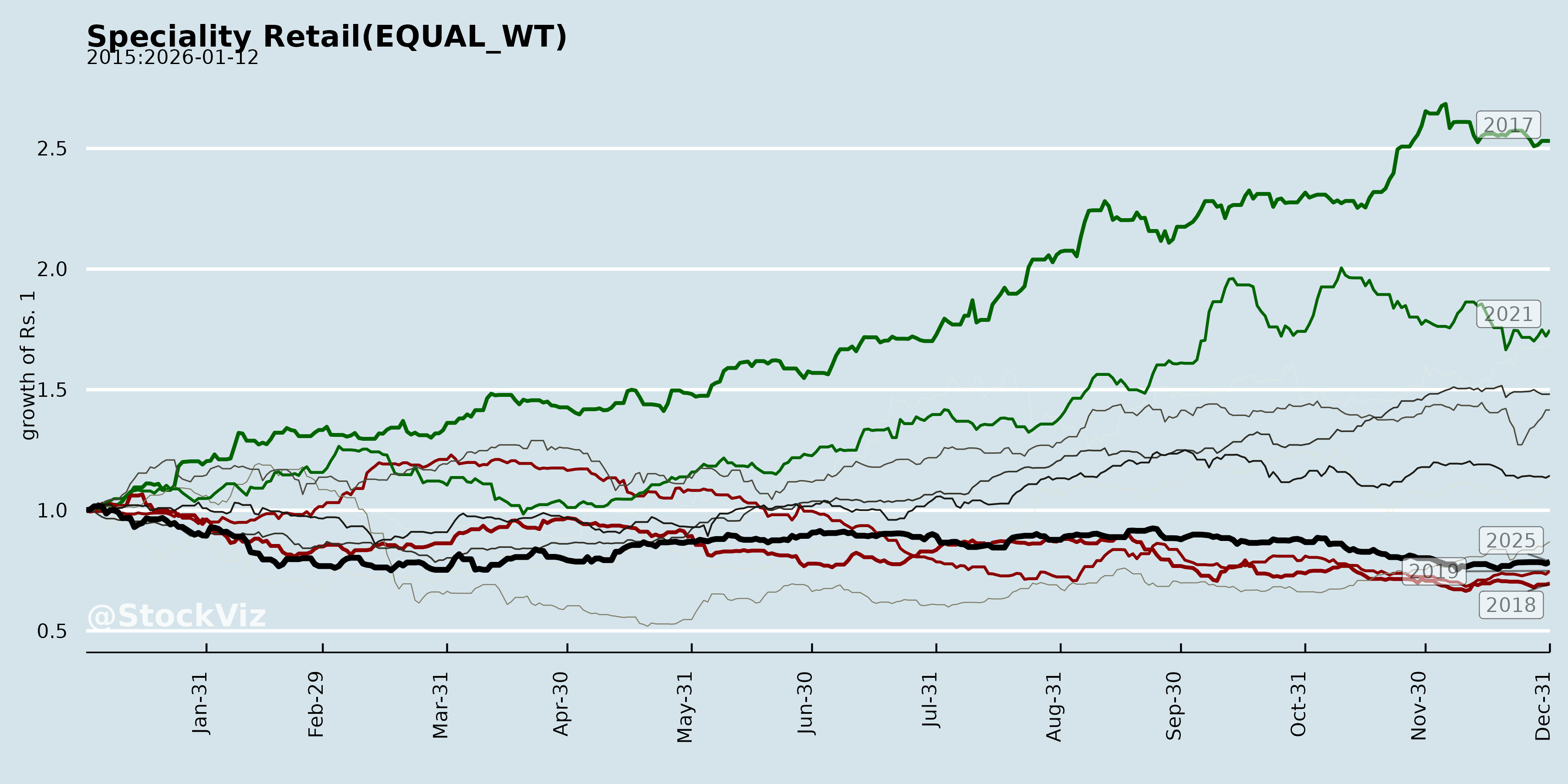
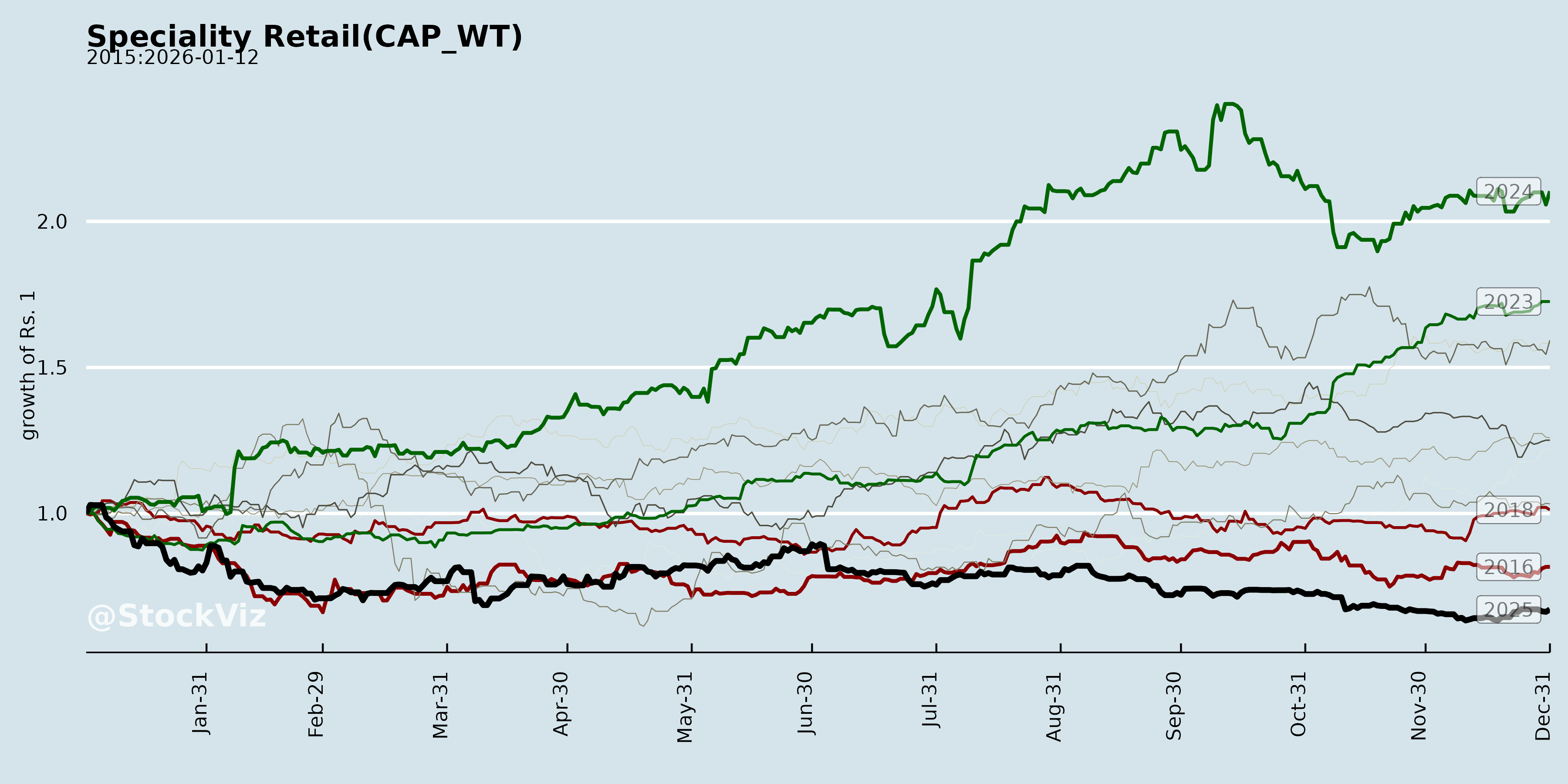
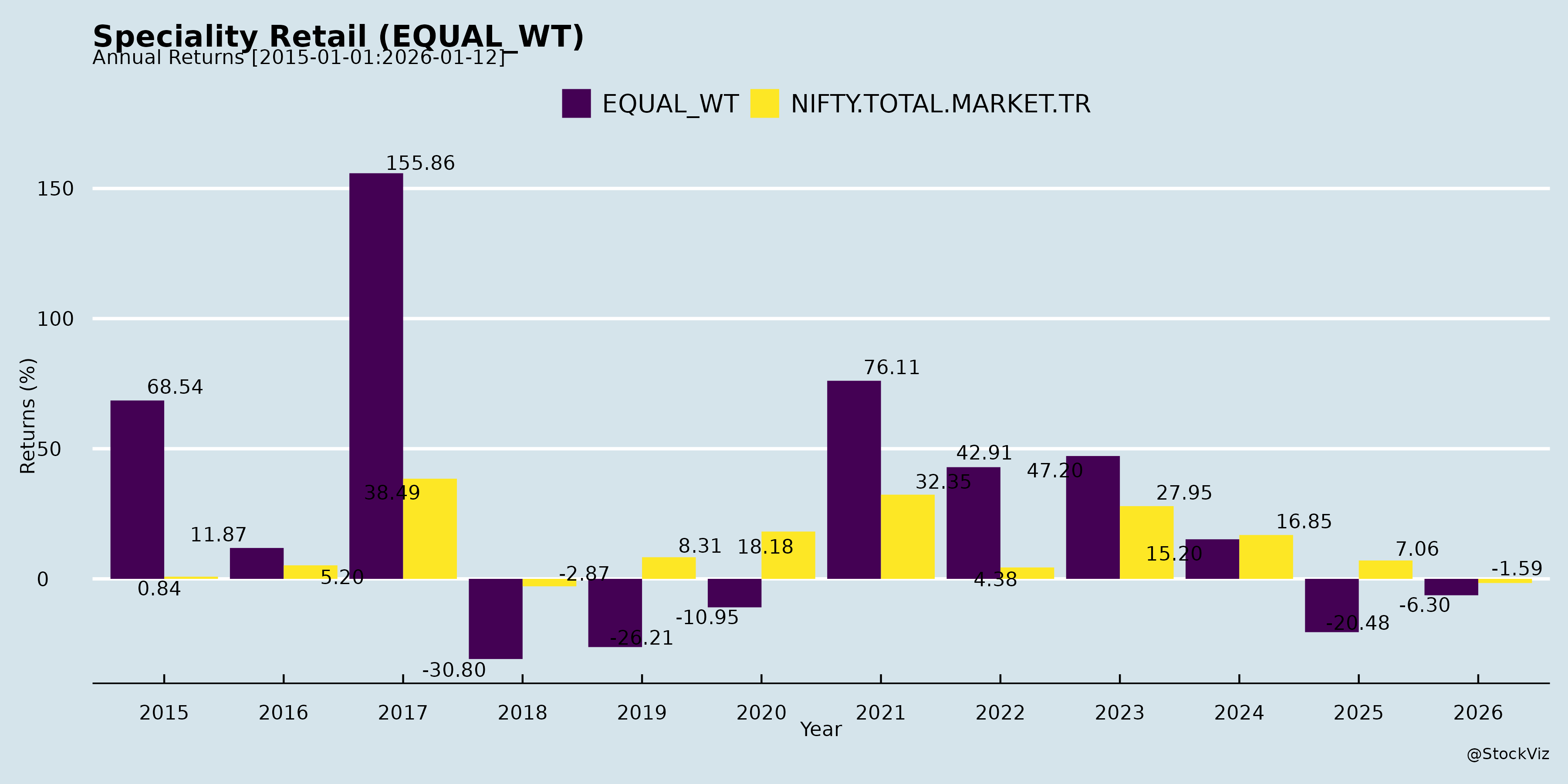
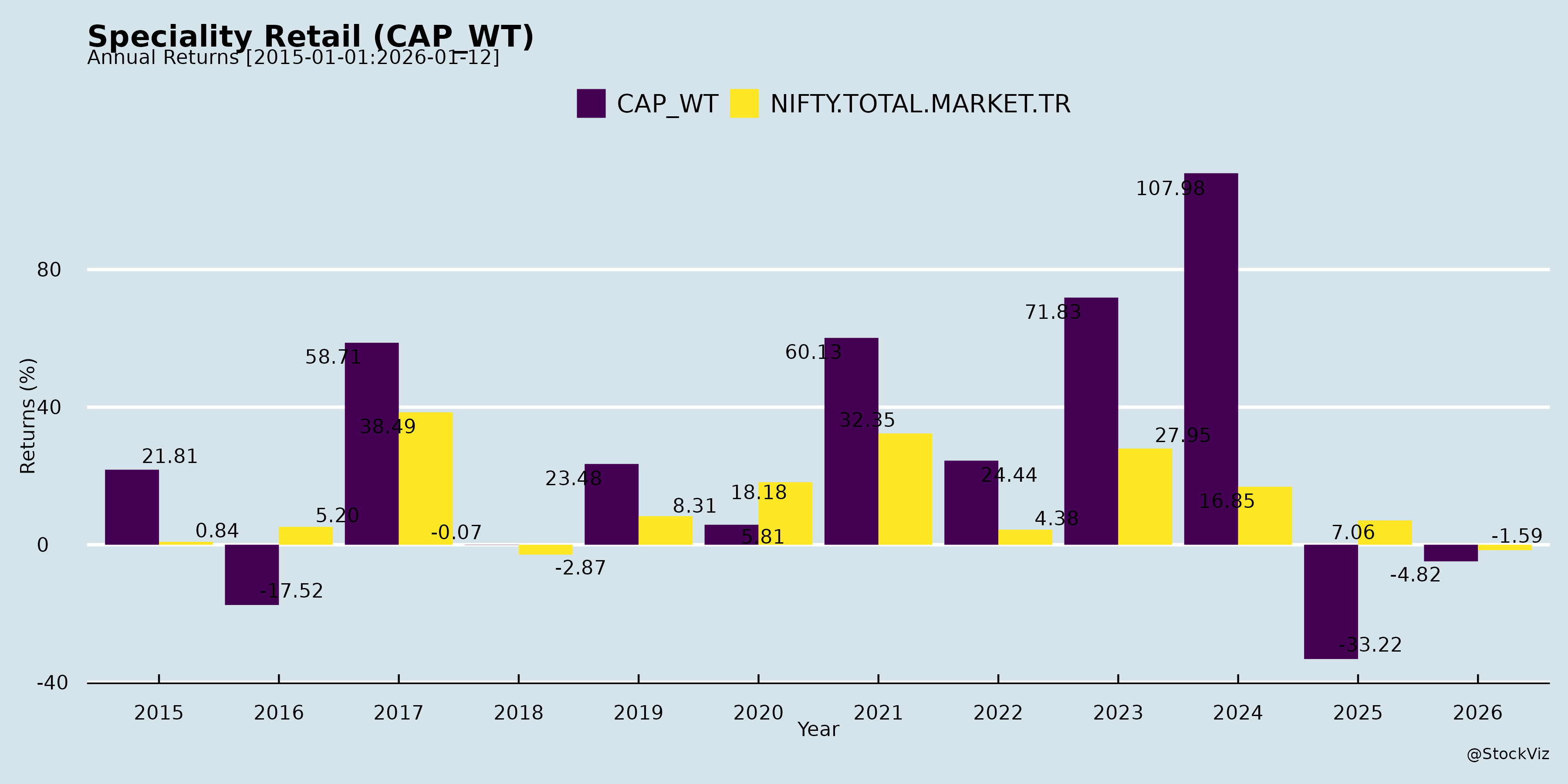
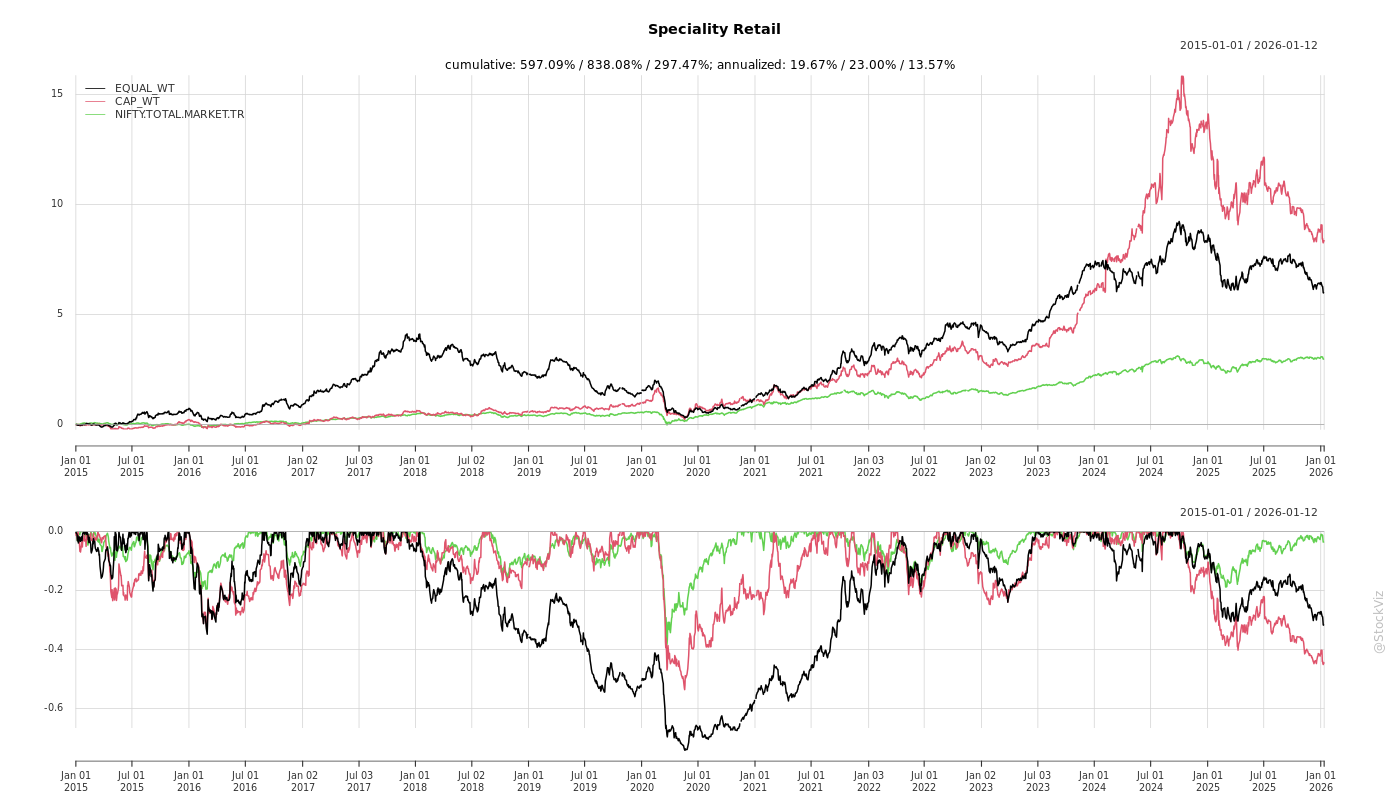
Cumulative Returns and Drawdowns
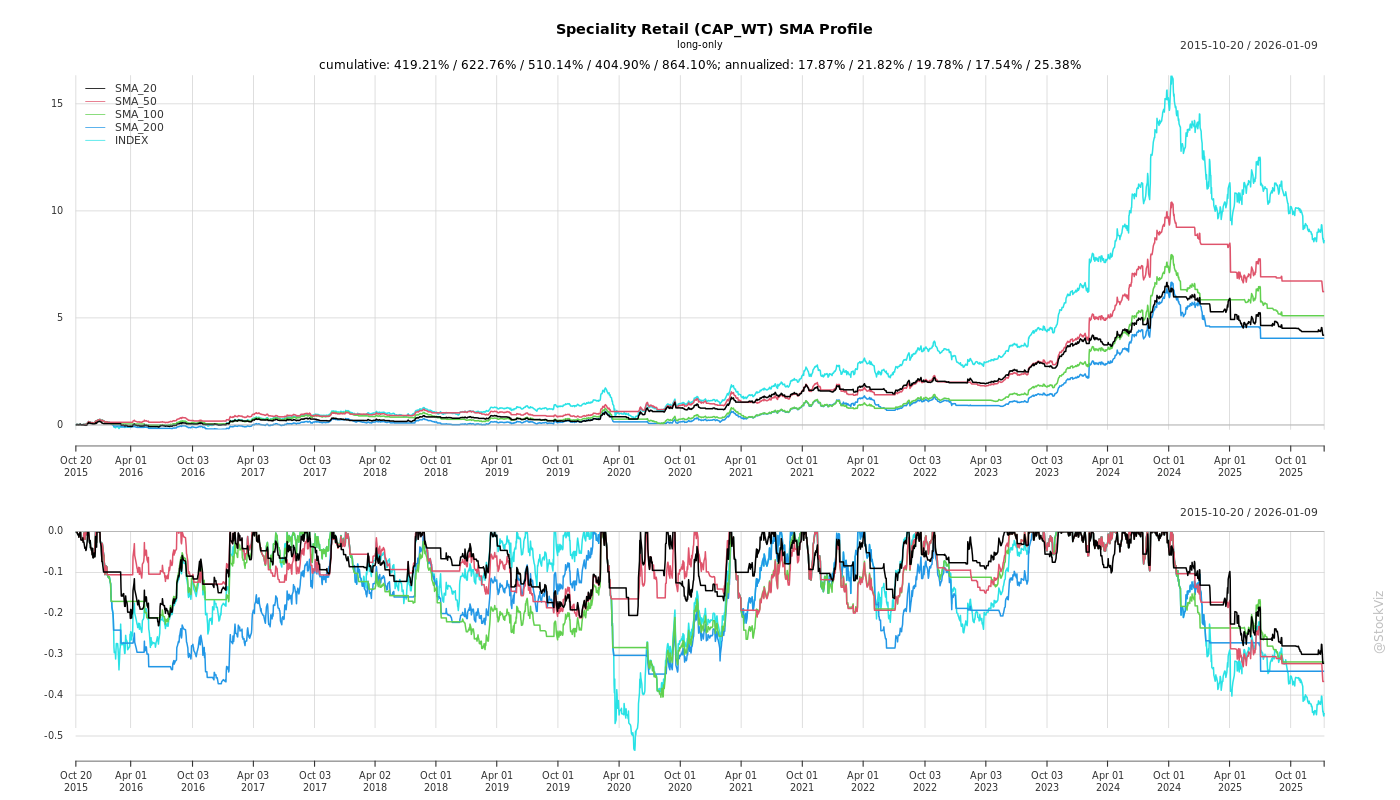
SMA Scenarios

Current Distance from SMA
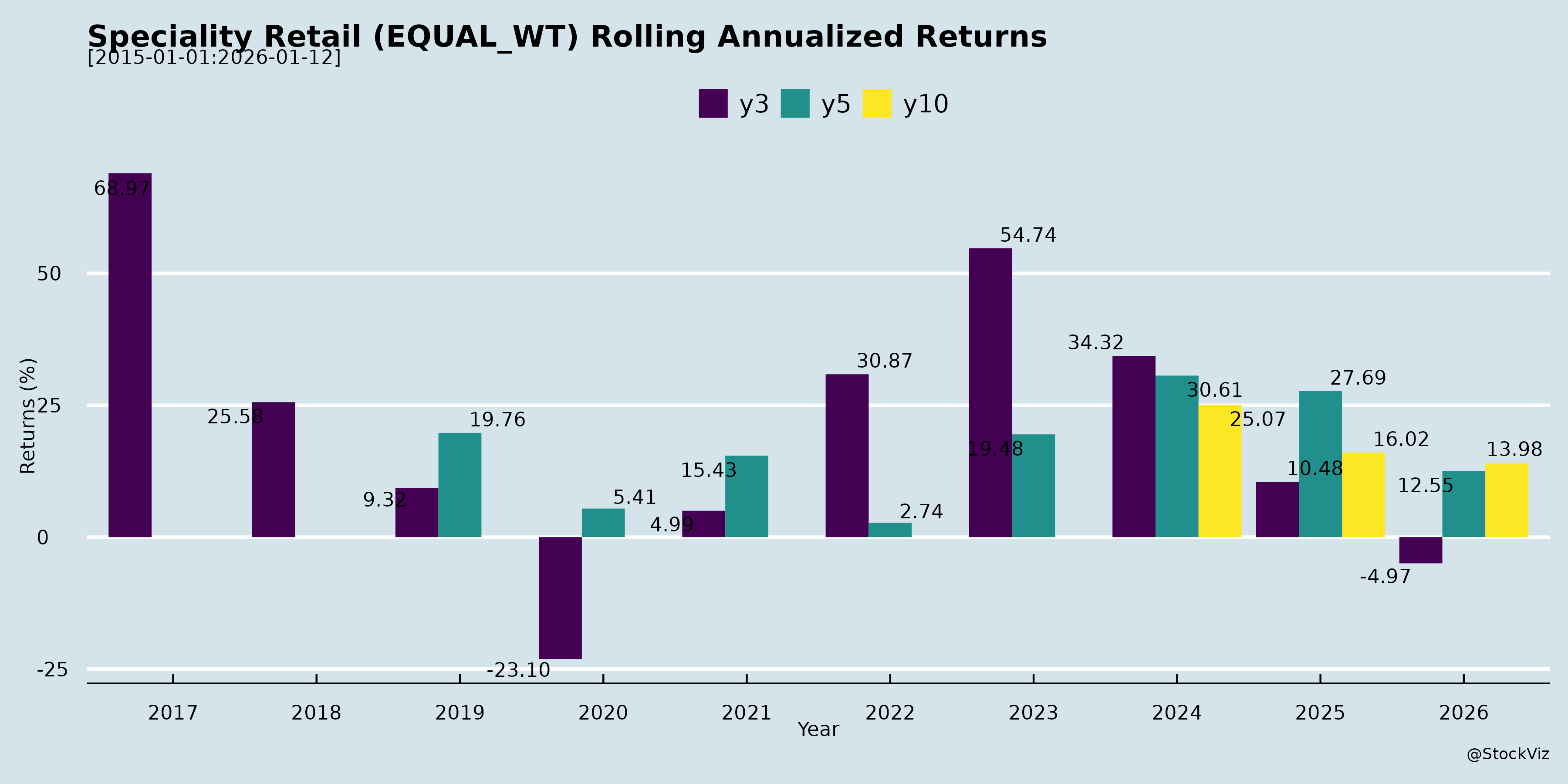
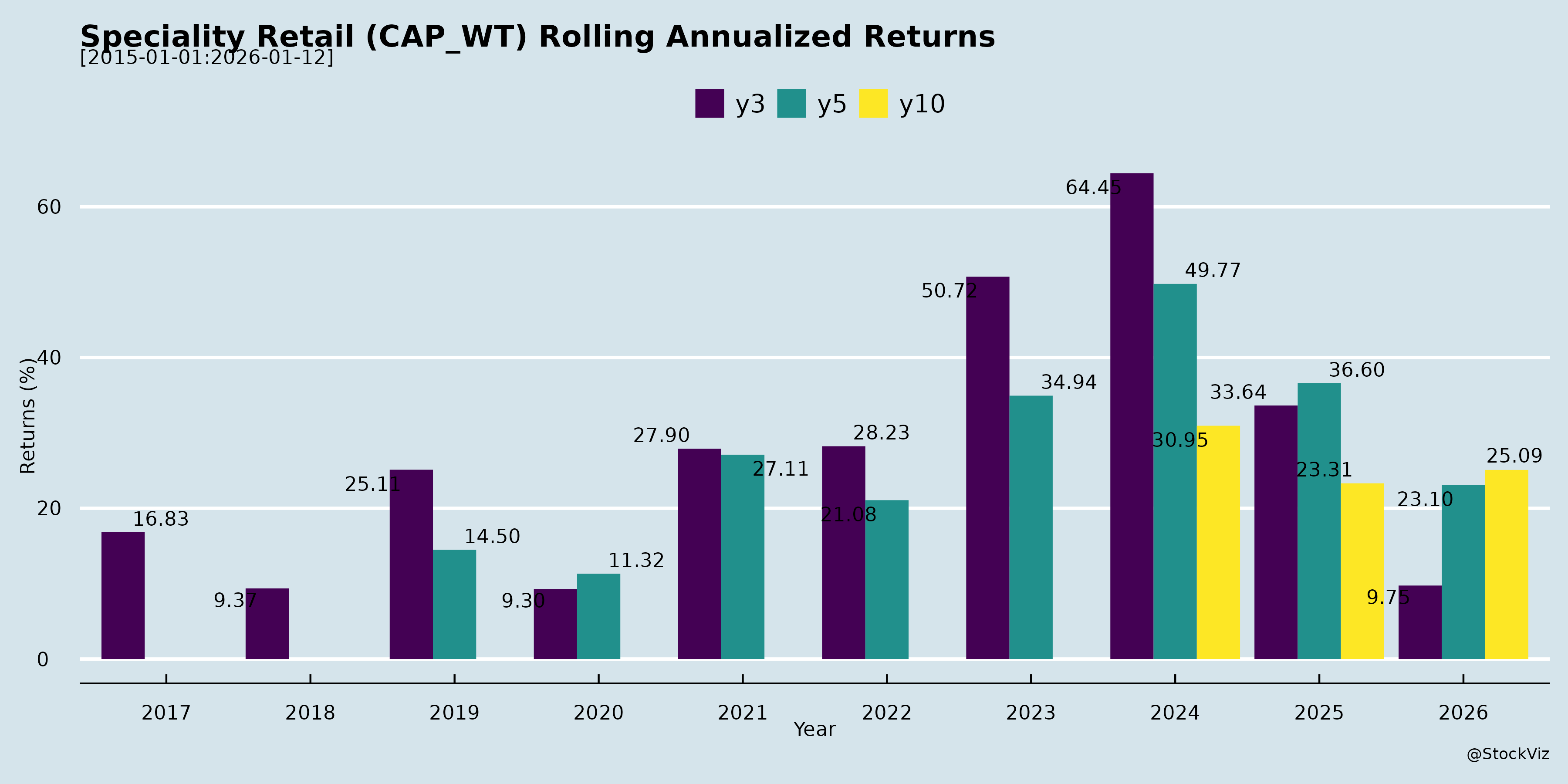
Rolling Returns
Fundamental Ratios
AI Summaries
How have the challenges and oppurtunities evolved over time?
asof: 2026-04-16
Over time, companies across the retail, fashion, and building materials sectors have navigated a highly dynamic landscape. While historical hurdles such as raw material costs or localized distribution characterized earlier periods, recent years have introduced complex macroeconomic pressures alongside rapid technological advancements. In response, businesses have fundamentally evolved their strategies, turning operational bottlenecks into long-term structural opportunities.
Here is a detailed breakdown of how challenges and opportunities have evolved over time:
The Evolution of Challenges
1. Macroeconomic, Geopolitical, and Regulatory Hurdles Companies have increasingly had to navigate unpredictable external shocks that impact consumer demand and supply chains. * Regulatory & Tax Shifts: The transition to a new GST regime—specifically the rate increase from 12% to 18%—created temporary headwinds for brands like PVH (Arvind Fashions) and MUFTI (Credo Brands), forcing them to absorb costs or hike prices, which dampened consumer purchasing in the short term [1-4]. Furthermore, the implementation of BIS norms caused temporary supply chain disruptions in categories like footwear [5, 6]. * Geopolitical and Supply Chain Disruptions: Global events, such as elections in manufacturing hubs like Bangladesh, have forced companies like Arvind Fashions to build up inventory early to de-risk supply chain delays, temporarily tying up working capital [7, 8]. Lenskart highlighted how currency depreciation against imported frames historically absorbed the cost efficiencies they gained through operational improvements [9]. * Climate and Bureaucratic Delays: The building materials sector, represented by Shankara Building Products, faced slowdowns in construction activities across states like Karnataka and Kerala due to prolonged monsoons, delays in government approvals, and slower money rotation [10, 11]. Similarly, Baazar Style Retail noted that heavy rainfall and regional unrest impacted their Same-Store Sales Growth (SSSG) during peak festival seasons [12, 13].
2. Intensifying Competition and Market Saturation The rise of digital-first brands and aggressive expansion by organized players have heightened competitive intensity. * Crowding in High Streets: Retailers like V2 Retail note that competition has become the “new reality,” with virtually all of their 300+ stores facing organized competition [14, 15]. Baazar Style Retail also highlighted that value retail expansion has led to crowding in high street locations [16, 17]. * D2C and PE-Funded Rivals: Traditional brands are facing immense pressure from direct-to-consumer (D2C) start-ups backed by private equity, which aggressively chase market share, sometimes at the expense of profitability [18-21]. * Cannibalization of Sales: As companies deepen their penetration using cluster-based expansion strategies, they often face the challenge of cannibalizing their own sales. Baazar Style Retail reported an 8% decline in mature store SSSG because they intentionally opened new stores in existing, highly profitable clusters to capture broader market share [12, 13, 22, 23].
3. Operational and Margin Pressures * Talent Retention: At the floor level, employee attrition remains a significant hurdle, as staff working on minimum wage often jump ship for minor salary increments [24, 25]. At the corporate level, finding strong leadership, such as a suitable CEO for scaling operations, is recognized as a long-term challenge [26, 27]. * Inventory and EOSS Shifts: Evolving consumer buying patterns and shifts in the festive/wedding calendar have forced retailers like ABFRL (Pantaloons) to consciously postpone End of Season Sales (EOSS), which temporarily impacts reported quarterly revenue growth [28, 29].
The Evolution of Opportunities
1. Market Creation and Deeper Penetration (Tier II, III, and Rural) The narrative has shifted from merely capturing existing market share to expanding the Total Addressable Market (TAM). * Organizing the Unorganized: With organized retail penetration still vastly low, companies have a multi-decade runway to convert unorganized consumers. Lenskart noted that the Indian eyewear market currently stands at ₹79,000 Cr, but the actual need-based market exceeds ₹4,00,000 Cr, presenting a massive opportunity to provide first-time vision correction [30, 31]. * Regional Expansion: Retailers like V2 Retail and Baazar Style are rapidly scaling by targeting neo-middle-class populations in Tier II, Tier III, and rural markets, where rising disposable incomes are driving a shift toward organized retail [32-34]. Baazar Style plans to accelerate its expansion from 40-50 stores to 60-80 stores annually, targeting over 500 stores in three years [35, 36].
2. Premiumization and Adjacent Category Expansion To combat margin pressures and cater to an evolving, aspirational consumer base, brands are pivoting toward premiumization and diversifying their product mixes. * Elevating the Brand: MUFTI is undergoing a “MUFTI 2.0” transformation, focusing on premiumizing store experiences and elevating merchandise to shift historical brand perceptions [37, 38]. Arvind Fashions is leveraging premiumization in brands like U.S. Polo Assn., offering better product-market fits which have been enthusiastically received by consumers [39, 40]. * Cross-Selling and Adjacencies: Companies are finding massive growth by adding high-frequency, complementary categories. Baazar Style Retail secured a strategic investment from Cupid Ltd. to introduce personal care and wellness products, aiming to increase footfall and diversify revenue beyond just fashion [35, 36, 41, 42]. Similarly, Arvind Fashions has seen 20%+ growth in adjacent categories like footwear and innerwear [5, 6].
3. Digital Transformation, AI, and Omnichannel Synergy Technology has evolved from a back-end support function to a core driver of operating leverage and customer acquisition. * AI-Powered Retail: Lenskart has transformed into an “AI-powered eyewear + data company,” utilizing proprietary models like GeoIQ for predictive site selection, facial recognition for personalized frame recommendations, and remote optometry to profitably serve smaller catchments [43-46]. * Omnichannel Ecosystems: Brands are prioritizing Direct-to-Consumer (D2C) channels. Arvind Fashions grew its online B2C segment by nearly 50%, utilizing it to control pricing, reduce discounting, and better understand consumer culture [47-50]. Flying Machine is also targeting Gen Z through a dedicated D2C platform [51, 52]. * Supply Chain Tech: Baazar Style is investing heavily in digital infrastructure, deploying SAP ERP, Infor WMS, and Domo Analytics to optimize inventory turns and enhance supply chain visibility [53, 54].
4. Supply Chain Integration and Corporate Restructuring To sustain profitable growth, organizations are restructuring to unlock value and heavily investing in backward integration. * Backward Integration: Lenskart is aggressively moving frame and lens manufacturing to India (via facilities in Bhiwadi and Hyderabad) and securing joint ventures in Thailand and South Korea. This shift reduces currency exposure, lowers logistics costs, and dramatically improves product margins [9, 55-58]. * Value Unlocking via Demergers: Companies like ABFRL and Shankara Building Products are utilizing demergers to create focused, agile entities. ABFRL’s demerger is intended to create an entity that can aggressively reinvest cash back into growth [59, 60]. Shankara is spinning off its marketplace business (“Shankara BuildPro Limited”) into a separately listed entity to better focus on driving value in retail while revamping its core manufacturing arm with new leadership and machinery [61-64].
What are the headwinds affecting this industry?
asof: 2026-04-16
Based on the provided sources, companies across the retail, apparel, and building materials industries are facing several significant headwinds. These challenges range from macroeconomic pressures to supply chain disruptions and regulatory changes:
1. Subdued Demand and Cautious Consumer Sentiment Multiple companies note that the consumption environment has been damp over the last few years, characterized by cautious consumer sentiment and lower store footfalls [1-4]. The apparel industry experienced a particularly muted third quarter, with festive season sales falling short of expectations [4, 5]. Furthermore, the competitive intensity and overall consumption in the lower- to mid-market segments have been particularly challenging over the last 12 to 24 months [6].
2. Unfavorable Shifts in Festive and Wedding Calendars A major headwind for the retail and apparel sector has been the shifting calendar for key shopping events: * Festive Shifts: A portion of the festive season shopping shifted to the second quarter compared to the previous year, negatively impacting Q3 reported sales for masstige and premium brands [7]. Additionally, festivals like Eid shifted from the third quarter to late March/April, which impacted average selling prices and volume momentum for some retailers [8]. * Shorter Wedding Season: The wedding calendar was highly concentrated, with the last major wedding dates ending early in December (around December 5th) [9, 10]. This early halt to the wedding season caused demand to evaporate in the latter half of the quarter for brands highly dependent on occasion-wear [11, 12].
3. Regulatory and Tax Headwinds Changes in government regulations and taxes have created both margin pressures and consumer sticker shock: * GST Reforms: Transitioning to a new Goods and Services Tax (GST) regime, where rates for certain apparel increased from 12% to 18%, made it difficult for consumers to absorb price hikes [13, 14]. Some companies consciously absorbed the tax increase rather than raising prices, which led to temporary pressure on gross profit margins [4, 15]. * Labor Codes: The implementation of India’s new Labour Codes (which consolidates 29 existing labor laws) has resulted in non-recurring statutory impacts for some businesses, primarily leading to higher employee benefit expenses and gratuity liabilities due to the revised definition of wages [16, 17]. * Compliance Norms: The industry also faced temporary disruptions caused by the implementation of Bureau of Indian Standards (BIS) norms, particularly affecting categories like footwear [18].
4. Geopolitical and Supply Chain Disruptions Retailers reliant on cross-border manufacturing faced geopolitical supply chain disruptions [13]. For example, the movement of key inventory and goods from Bangladesh was delayed due to upcoming elections and regional instability, forcing companies to consciously inward inventory early to de-risk their supply chains, which artificially inflated inventory levels and delayed participation in the wedding season [19, 20].
5. Intensifying Competition The competitive landscape has become highly intense, leading to widespread margin pressures across the industry [21]. Value retailers are seeing crowded high streets and fierce competition from new entrants, while established brands are battling aggressive, private-equity-funded Direct-to-Consumer (D2C) companies that are rapidly expanding their market share [22-25].
6. Weather and Regional Disturbances Unfavorable weather conditions and regional unrest have also hindered growth. Heavy rainfall in states like Bengal, prolonged monsoon seasons, and political unrest in parts of Assam and Tripura severely impacted same-store sales growth during peak festival periods [26, 27].
7. Sector-Specific Slowdowns (Construction & Infrastructure) For companies operating in the building materials and home improvement sectors, there has been a noticeable slowdown in construction activities, particularly in states like Karnataka, Kerala, and Telangana [28]. This tepid demand is attributed to longer monsoons, delays in government project approvals, and slower money rotation in the market [27, 28].
What are the key things to understand about this industry?
asof: 2026-04-16
The transition from unorganized to organized retail is presenting a massive, multi-decade growth opportunity. The sources indicate that the retail market—particularly in India—is characterized by deep under-penetration of organized players [1], [2]. To capture this, companies are aggressively deploying a disciplined, cluster-based expansion strategy targeting Tier-II, Tier-III, and rural markets [3], [4]. Because these smaller cities often have only a handful of organized retailers, they offer significant headroom for rapid, profitable growth driven by rising disposable incomes [1], [5].
Retailers are sharply dividing into two primary strategic models: Premiumization and Value Fashion. * Premiumization: Many established brands are deliberately elevating their product aesthetics, innovating their assortments, and upgrading in-store experiences to target younger, more aspirational consumers [6], [7], [8]. This shift aims to reduce dependency on heavy discounting, drive higher average selling prices, and protect long-term brand equity, even if it requires substantial near-term investments in advertising and store renovations [6], [7], [9]. * Value Fashion: Conversely, the value segment is thriving by targeting the “neo-middle-class” and youth demographics with high-quality, trend-forward apparel at highly accessible price points [10], [11]. These value retailers focus on high sales volumes, rapid inventory turnover, and cost efficiency to maintain profitability while passing on benefits to the consumer [12].
Technology, Artificial Intelligence, and Omnichannel ecosystems are replacing traditional retail models. According to the sources, modern retail success is increasingly dictated by data science rather than gut-based decisions [13]. Retailers are heavily investing in Direct-to-Consumer (D2C) channels to stay closer to consumer trends, improve feedback loops, and maintain better control over pricing [14], [15]. Advanced AI platforms are being used to predict store-level revenue, analyze catchment mobility patterns to prevent cannibalization before opening a store, automate hiring processes, and deliver personalized product recommendations [13], [16], [17]. Consequently, physical stores are evolving from mere inventory warehouses into sophisticated “experience centers and order booking engines” supported by centralized supply chains and rapid delivery networks [18].
Operating leverage and Private Labels are the primary engines for structural margin expansion. A key financial dynamic to understand is that successful growth in this industry is measured by EBITDA (profitability) growing significantly faster than revenue [19], [20]. This structural operating leverage is achieved through several levers: * Spreading fixed head-office and store costs over a rapidly expanding retail footprint [21], [22]. * Improving Sales Per Square Foot (PSF) and driving high like-for-like (LTL) store growth [12], [22]. * Gaining economies of scale in sourcing and manufacturing as volume increases [22], [23]. Furthermore, companies are aggressively increasing the share of their Private Labels (in-house brands) to command higher gross margins, build exclusive brand loyalty, and optimize pricing power [24], [11].
Companies are transforming into “House of Brands” and expanding into adjacent categories to widen their Total Addressable Market (TAM). To capture a larger share of the consumer’s wallet, retailers are diversifying beyond their core offerings [25]. The sources highlight that expanding into adjacent categories such as footwear, innerwear, personal care, beauty, and wellness acts as a massive growth booster [26], [27], [28]. These high-frequency categories serve to drive consistent footfall, increase the average basket size, and complement the core fashion or lifestyle business without cannibalizing it [29], [30].
The industry is highly vulnerable to seasonal calendars and short-term macroeconomic headwinds. The rhythm of this industry is deeply tied to the calendar. Revenue and demand fluctuate heavily based on the timing of major festivals (like Diwali, Durga Puja, or Eid), seasonal changes (like the high-ticket winter wear season), and the schedule of auspicious wedding dates [31], [32], [33], [34], [35]. While temporary macro headwinds, supply chain disruptions, or shifts in these festive dates can cause short-term softness in demand, companies generally view these as transient [36], [37]. The consensus across the sources is a strong confidence in long-term, sustained demand fueled by demographic shifts and the ongoing formalization of the sector [38], [39], [40].
What are the tailwinds affecting this industry?
asof: 2026-04-16
Government Stimulus and Tax Reforms The industry is experiencing a boost from external macroeconomic tailwinds, particularly government initiatives, stimulus measures, and structural reforms such as GST rationalization [1-3]. These government actions are expected to positively trickle down to aid higher consumer disposable incomes, leading to an improvement in overall demand and consumption across categories in the medium term [1, 2, 4-6].
Shift from Unorganized to Organized Retail There is a massive structural opportunity stemming from the shift from unorganized to organized retail [7, 8]. The unorganized sector currently has a very high penetration compared to organized players, meaning there is significant headroom for growth, particularly as organized retail remains largely under-penetrated in Tier 2 and Tier 3 cities [9-12].
Rising Disposable Incomes and Regional Traction Driven by rising disposable incomes, companies are witnessing strong traction in Tier 2 and Tier 3 markets [7, 8]. Retailers have found success through a balanced mix of rural market entry and deeper penetration into these growing regional centers [13-15].
Changing Consumer Demographics and Evolving Trends Favorable demographic shifts are acting as a major tailwind, highlighted by the strong participation of value-conscious youth in Tier 1 cities [7, 8]. Furthermore, evolving consumer lifestyles, such as a growing focus on health and fitness, are creating strong momentum for specific categories like activewear and sports footwear [16, 17]. Overall premiumization is also driving growth, with consumers showing a greater appetite for premium fashion, luxury retail, and upgraded product mixes as Indian consumption grows [18, 19].
Category-Specific Tailwinds (Eyewear and D2C Models) In the eyewear segment, structural tailwinds are dramatically expanding the total addressable market. This is driven by rising refractive errors and increasing market penetration (which is projected to grow from ~50% today to over 65%), alongside a shift toward premiumization [18]. Additionally, in mature international markets like Japan, persistent retail inflation and declining real wages are actually serving as a structural tailwind for value-focused, Direct-to-Consumer (D2C) brands, as these economic pressures accelerate the decline of traditional optical chains [20].
What is the general outlook of this industry?
asof: 2026-04-16
The general outlook for the retail and consumer goods industry—spanning apparel, value fashion, eyewear, and building materials—presents a bifurcated picture: near-term caution mixed with robust medium-to-long-term optimism.
While the industry is currently navigating subdued demand and shifting seasonal patterns, companies remain highly confident in the structural growth story driven by market formalization, rising disposable incomes, and government policies.
Here is a detailed breakdown of the industry outlook:
Near-Term Environment: Muted Demand and Cautious Sentiment In the short term, the industry is facing a mixed to subdued environment. Several fashion and apparel retailers report that recent quarters have been marked by cautious consumer sentiment, lower footfalls, and a highly competitive environment [1-4]. The lower-to-mid segment of consumption has been particularly challenging over the past 12 to 24 months due to heightened competitive intensity and inflation [5, 6]. Furthermore, shifts in the calendar for festive and wedding seasons have temporarily disrupted sales momentum for multiple brands [7-10].
Similarly, the building materials sector has faced its own set of strong headwinds, including a slowdown in construction activities, prolonged monsoon seasons, delayed government approvals, and slower money rotation in the market [11-14].
Medium to Long-Term Optimism: Macro Tailwinds and Government Reforms Despite the near-term softness, management teams across the industry maintain a very positive long-term outlook. Retailers anticipate a rebound in consumption in the coming year, specifically targeting the Spring/Summer 2026 seasons [15-18].
This optimism is heavily underpinned by macroeconomic factors: * Government Initiatives: Companies expect that recent government initiatives, GST rationalization, and consumption stimulus will have a positive trickle-down effect, ultimately aiding higher consumer disposable incomes and boosting demand across categories in the medium term [15, 17, 19-22]. * A Huge Wedding Season: Retailers are also looking forward to a massive upcoming wedding season to serve as an immediate catalyst for demand [23, 24].
Structural Growth Drivers: Unorganized to Organized Shift A defining theme of the industry’s outlook is the massive, ongoing structural shift from unorganized, local markets to organized retail formats. * Tier-II and Tier-III Traction: Retailers are witnessing immense traction in Tier-II and Tier-III cities. This is being driven by rising disposable incomes and the fact that many smaller cities still only have two or three organized retail players, leaving a “huge headroom to grow” [25-28]. * Massive Total Addressable Market (TAM): The sheer scale of under-penetration in India guarantees a long growth runway. For example, in the eyewear sector, while the current market size is valued at ₹79,000 Crores, the actual need-based market is projected to exceed ₹4,00,000 Crores, with over 500 million people needing vision correction [29, 30]. In fashion, established brands also see the potential to double or triple their store counts (e.g., growing from 500 to 1,500 stores) simply because they have only scratched the surface of the geographic demand [31, 32].
Strategic Industry Responses: Aggressive Expansion and Premiumization Because the long-term outlook is so strong, companies are not retreating; instead, they are leaning into growth: * Accelerated Store Rollouts: Retailers are aggressively pursuing physical expansion. Value fashion brands are accelerating their pipelines to add anywhere from 60 to 150 new stores annually, recognizing that capturing territory now yields highly profitable growth [19, 20, 33, 34]. Data-driven models suggest some sectors have the capacity to absorb thousands of new stores nationwide [35, 36]. * Brand Premiumization: To capture evolving consumer aspirations and improve margins, multiple brands are purposefully reinventing their store experiences, elevating merchandise quality, and shifting toward a more premium brand positioning [37-42].
In conclusion, while the industry must navigate a temporary period of tepid demand and competitive margin pressures, the overarching outlook is decisively bullish. The combination of an expanding middle class, favorable demographics, and the formalization of retail is setting the stage for sustained, compounding growth over the next decade [29, 43-45].
Copyright © 2023 SAS Data Analytics Pvt. Ltd. All rights reserved.