Software Products
Industry Metrics
September 24, 2026
Annual Returns
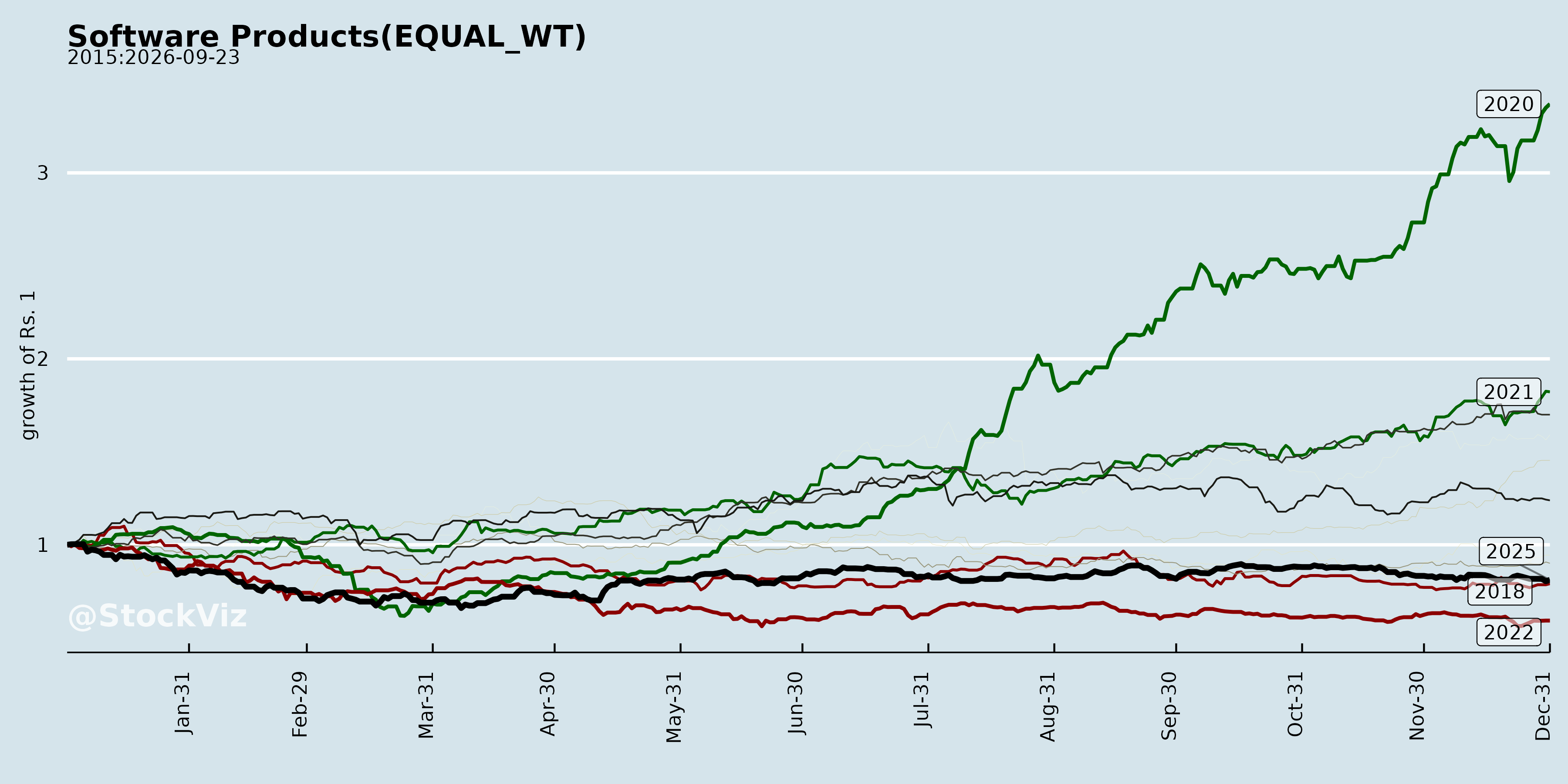
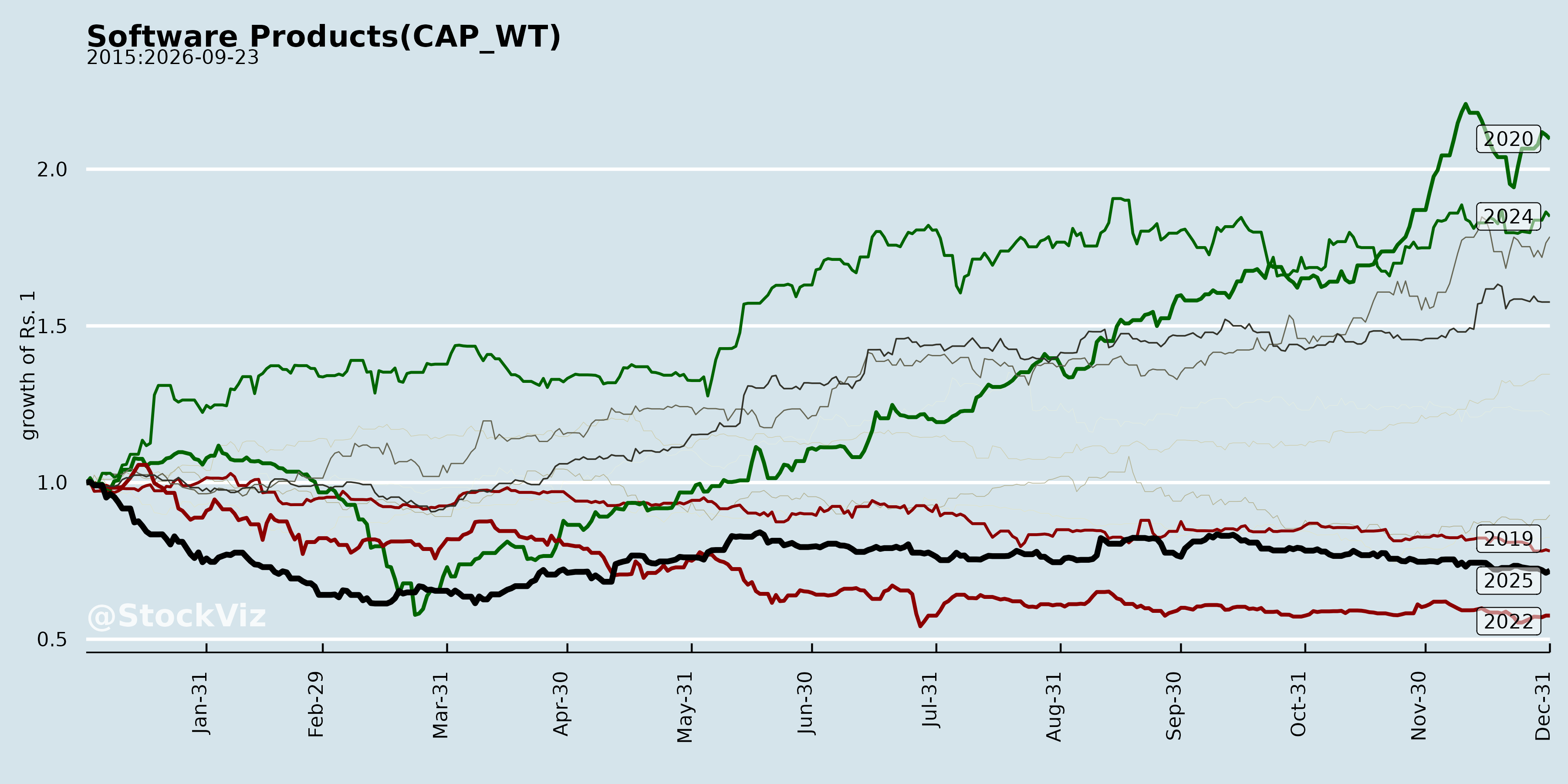
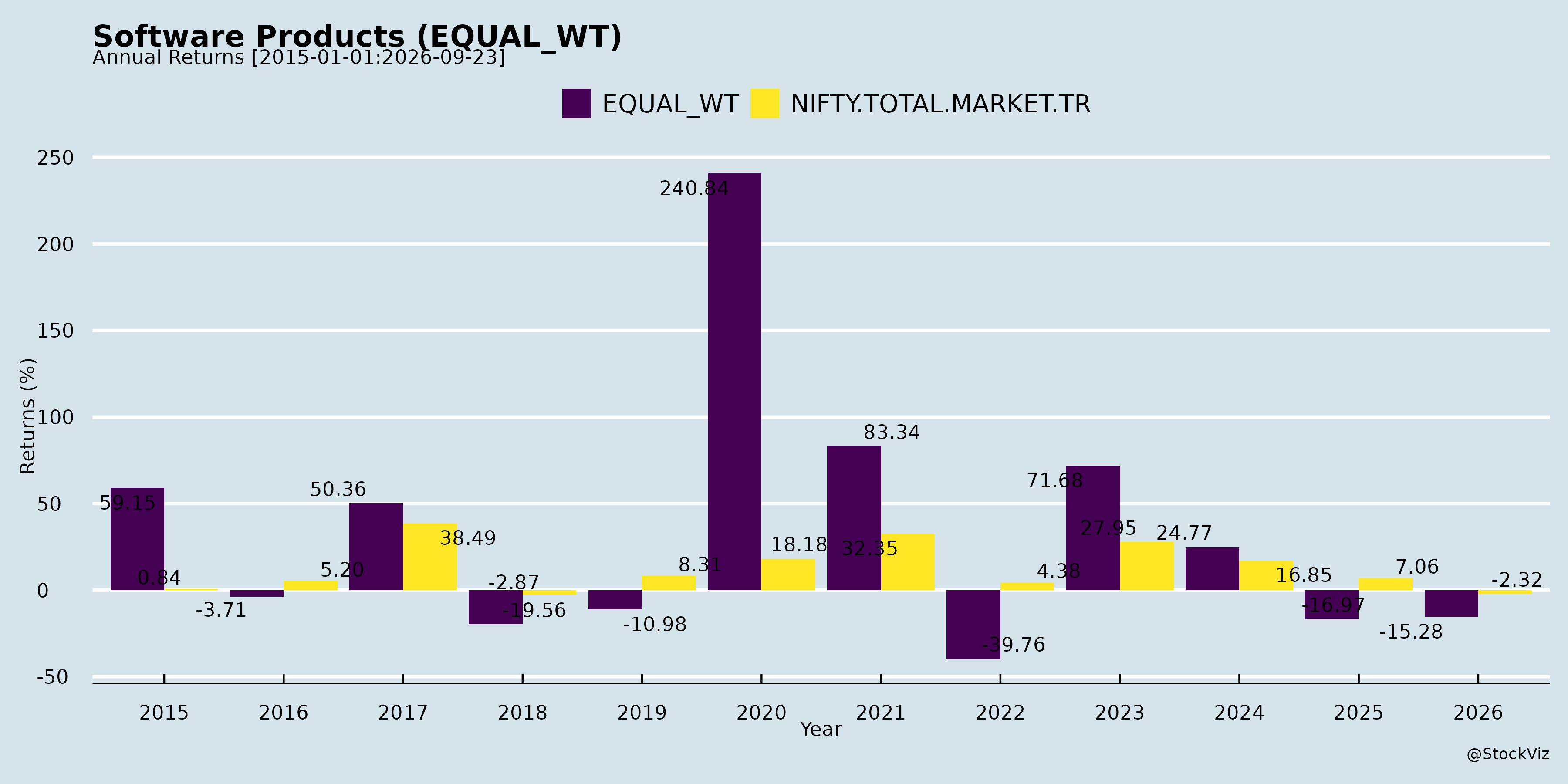
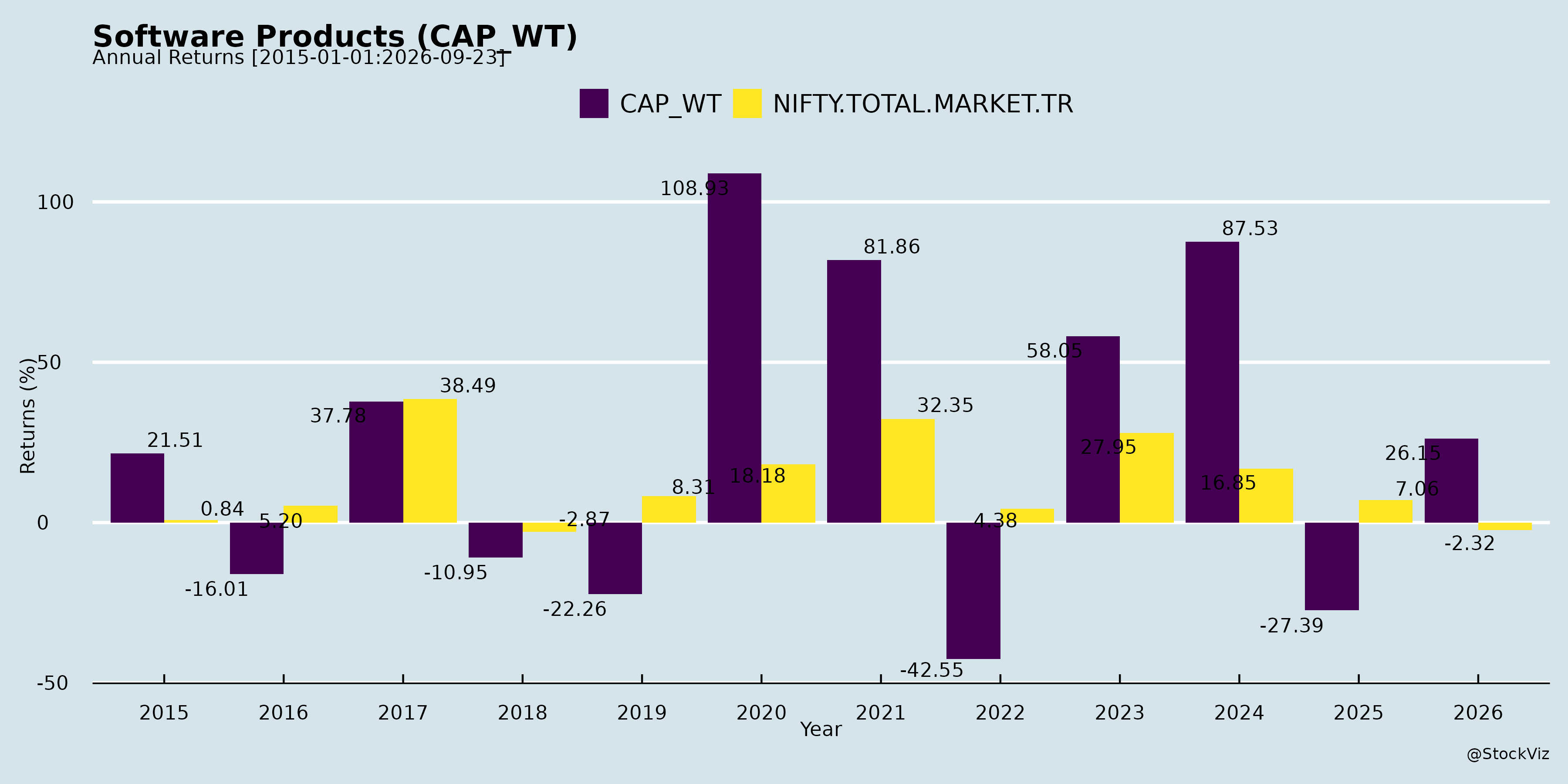
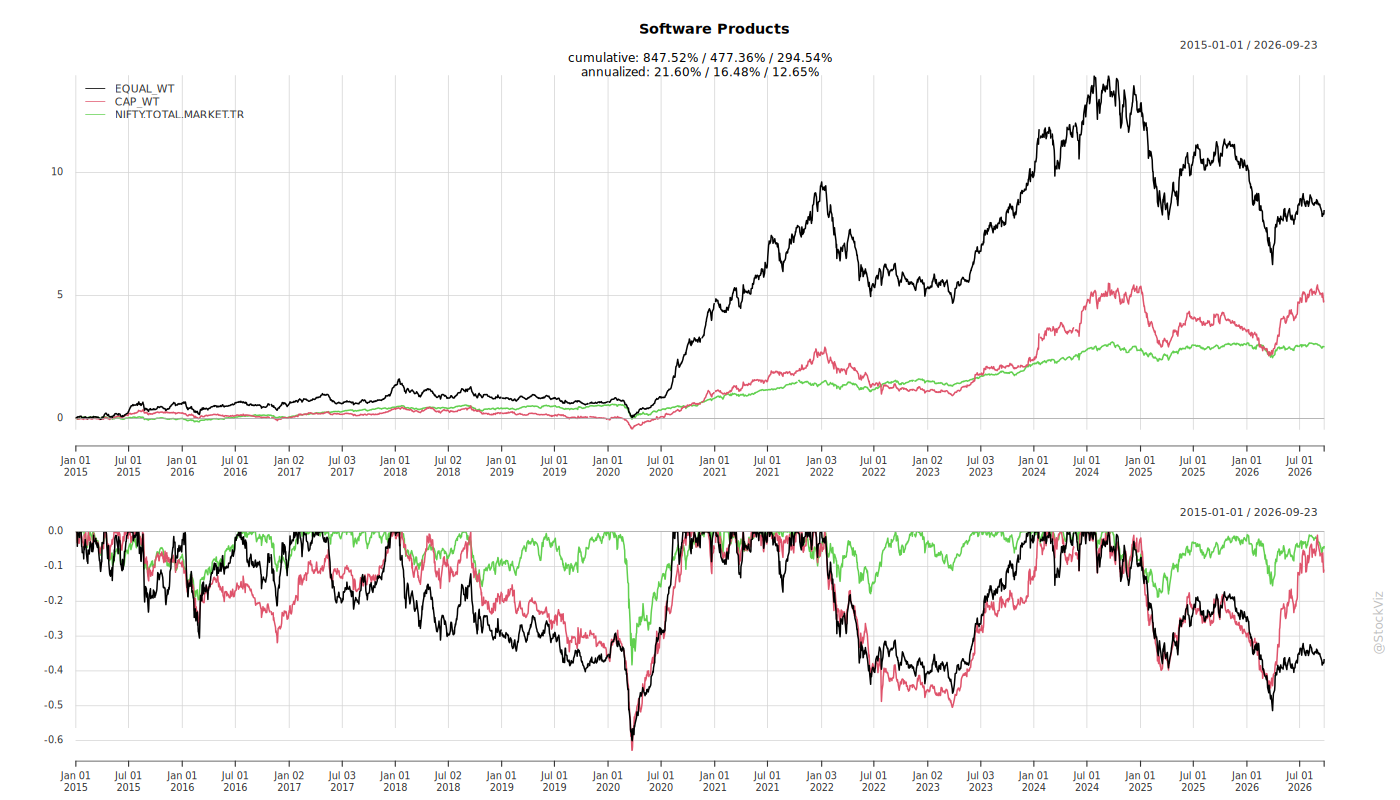
Cumulative Returns and Drawdowns
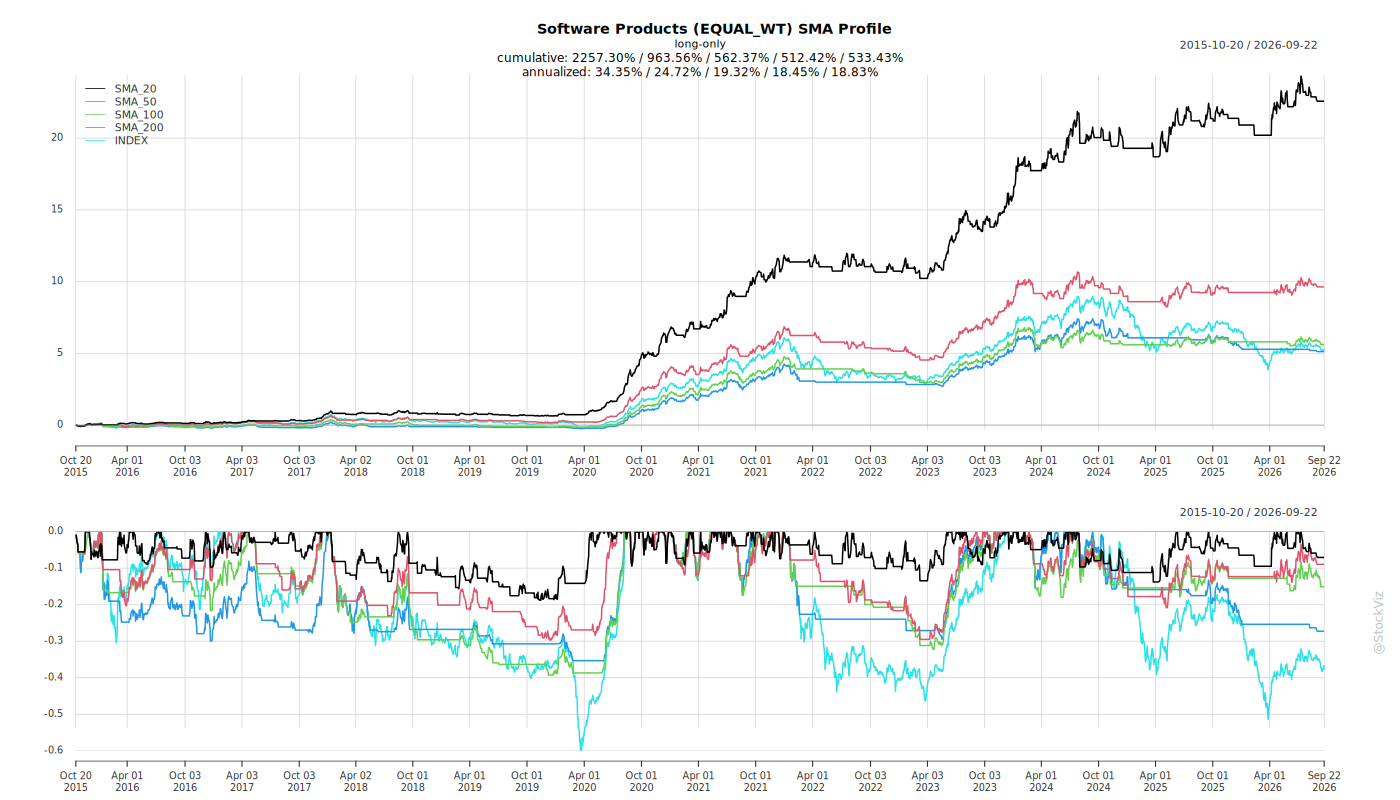
SMA Scenarios
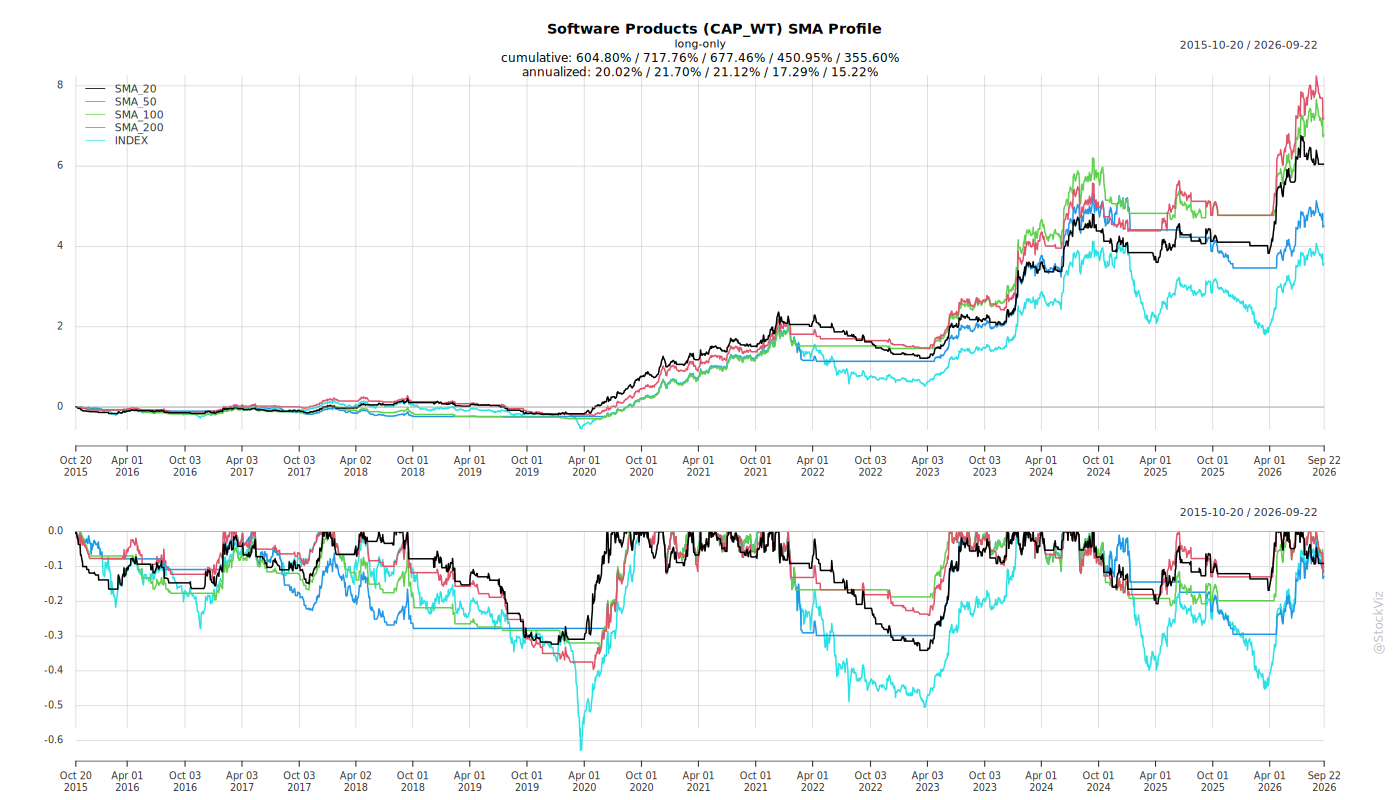
Current Distance from SMA
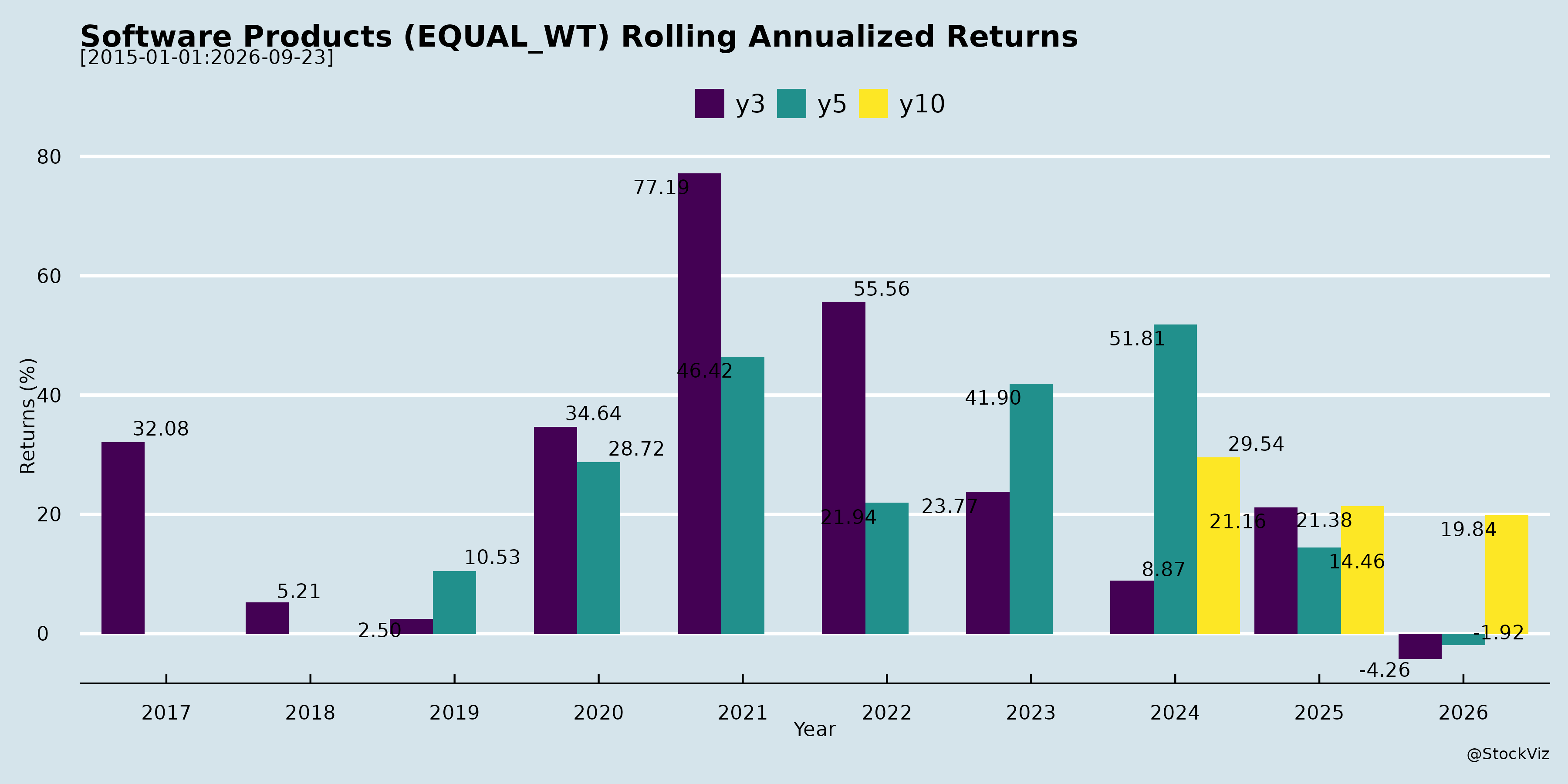
Rolling Returns
Fundamental Ratios
AI Summaries
How have the challenges and oppurtunities evolved over time?
asof: 2026-04-15
Over time, the landscape of technology and business has shifted significantly, with earlier hurdles evolving into complex operational roadblocks, and broad digital trends sharpening into highly specialized, AI-driven opportunities.
The Evolution of Challenges
- From Broad Market Growth to Sector-Specific Headwinds: While early periods saw widespread growth, recent times have introduced distinct market challenges. The start-up ecosystem is currently experiencing heavy headwinds and cash-burning phases, prompting technology enablers to shift their focus away from onboarding new start-ups toward scaling their own profitable in-house products and corporate services [1-3]. Similarly, while e-commerce saw massive pandemic-era spikes, large pockets of the market have recently experienced sluggish growth [4, 5].
- Delays Driven by AI Integration: As clients increasingly demand AI features, the complexity of projects has grown. Companies have reported delayed deliveries and deferred billing simply because customers requested sudden changes in scope to include new AI elements and wanted to thoroughly rationalize these deployments before proceeding [6-10].
- Policy Paralysis and Bureaucracy: Adopting new technology in institutional settings has proven difficult. In the education sector, there is policy paralysis regarding AI adoption, with schools remaining skeptical about whether AI will adversely affect students or enable cheating [11, 12]. In the government sector, even when central funding is available, projects frequently face execution delays and constraints at the state level where disbursements and approvals occur [13-15].
- Escalating Fraud and Revenue Leakage: In the telecom industry, the challenges of revenue leakage have multiplied, growing at nearly six times the rate of overall industry growth [16, 17]. The problem has evolved from traditional telecom leakage into new-age leakage vectors, such as device and equipment theft, account takeovers, and subscription fraud [17, 18].
The Evolution of Opportunities
- The Maturation of Artificial Intelligence: The initial euphoria and false expectations surrounding AI (such as businesses assuming they could program everything themselves using basic generative models like ChatGPT) have subsided [19]. This realization has led to a renewed market appreciation for specialized tech companies, translating into faster Proof of Concept (POC) conversions and revenue as clients recognize the need for expert execution [19, 20].
- GenAI Transforming Project Economics: AI is no longer just a feature; it is bending project economics. By utilizing GenAI, companies are dramatically reducing software development life cycle (SDLC) timelines, cutting deployment times from months to weeks, and driving higher margin annuity revenues [21, 22]. Products are evolving to become “AI-first,” acting as copilots that allow complex operations—like warehouse management or marketing automation—to be executed through simple conversational text and voice prompts [23-25].
- The Rise of Niche, High-Value Markets:
Opportunities have shifted toward specialized, massively growing
sectors:
- AgeTech: The eldercare technology market in India is currently estimated at $15 billion and is growing at 30% to 40% year-on-year. This is being aggressively propelled by assisted living needs, home healthcare, and technologies like IoT, fall detection, and electronic health records [26-29].
- Advanced E-commerce Models: The “dropship” model has evolved to contribute nearly half of the e-commerce market and is expected to reach 65% in the coming years. This shift provides brands with greater control over customer experience while remaining capital-light, opening up a massive pool of new enterprise acquisition opportunities [30-32].
- Telecom AI Security: A new $4.3 billion total addressable market has emerged in telecom fraud prevention—the vast majority of which did not even exist three years ago—allowing providers to secure networks against advanced threats using AI [17, 18].
- Geographic and Demographic Shifts in Retail: Demand engines are evolving geographically. Non-metro Tier 3-5 cities are now growing twice as fast as their metropolitan peers [33, 34]. This is being driven by the “2Hs” (Highways and Highstreets) and the “3Fs” (Fuel, Food, and Fashion), which signal a democratization of purchasing power and highlight the need for AI-enabled retail intelligence to map hyperlocal product assortments [33, 34]. Furthermore, there is a distinct macro-level opportunity emerging from the shift in government demand from “Made in India” to “Owned in India” platforms [35, 36].
What are the headwinds affecting this industry?
asof: 2026-04-15
Startup Ecosystem and Emerging Technologies The startup sector is currently facing significant challenges primarily driven by volatility in funding within the emerging technology space [1]. There are consistent, heavy headwinds affecting new startups, and market conditions are not expected to quickly turn the corner [2]. Many startups that have only recently begun generating revenue are still in a cash-burning phase, forcing them to maintain highly conservative cost structures as they struggle to secure their next rounds of funding [3].
E-Commerce and Retail Space The e-commerce industry is experiencing sluggish growth in large pockets, meaning the overall market is no longer expanding at the highly accelerated levels seen during the pandemic years [4, 5]. Platform providers in this space are dealing with customer churn in the long-tail segment, particularly among clients with low transaction volumes or those forced to wind down their operations due to tough overall market conditions [6, 7]. The primary reasons for this churn include businesses shutting down entirely, companies deciding to move away from e-commerce, or sellers shifting their operational models from dropshipping to an outright or “fulfilled-by” model [8, 9].
Government Projects and Public Sector Engagements Companies executing government contracts are encountering headwinds in the form of bureaucratic delays and stalled project work [10, 11]. A major disruption comes from the delay in fiscal grants provided to states for national flagship projects, which leaves companies with very little headroom to finish work and execute billing [10, 11]. Political events, such as urban state elections in regions like Maharashtra and Bihar, have also stalled work entirely during election periods [10, 11]. Furthermore, projects funded and managed directly by state governments are prone to execution and funding challenges; initiatives where the state is instrumental in both approving and granting funds are notably more complex and face higher risks of delays compared to those managed by centralized nodal agencies [12, 13].
Education Sector In the education technology space, there is a noted “policy paralysis” among schools regarding the adoption of Artificial Intelligence [14]. Educational institutions are highly skeptical about the integration of AI, expressing concerns over whether it will adversely affect students or enable them to cheat on homework [14, 15]. This hesitation is compounded by a lack of clear government direction and policies, leading to very low market absorption rates for AI-driven educational products [14].
Telecom Sector The telecommunications industry is battling severe revenue leakages. Telco revenue losses are growing at almost six times the rate of overall industry growth, with operators leaking approximately 2.46% of their revenues (a roughly $42 billion problem) largely driven by emerging fraud vectors [16].
Regulatory, Macroeconomic, and Operational Risks Across various technology and software sectors, businesses face a variety of structural and macroeconomic headwinds. Regulatory shifts can pose sudden financial burdens; for example, recent labor code changes in India forced a major financial software provider to absorb a one-time expense impact of Rs. 50 Crore [17]. In the cybersecurity space, companies have reported being impacted by seasonality and general softness in the consumer segment [18]. Additionally, broad forward-looking risks affecting these tech industries include intense competition, client concentration, liability for contractual damages, the potential withdrawal of tax incentives, political instability, and the unauthorized use of intellectual property [16, 19].
What are the key things to understand about this industry?
asof: 2026-04-15
The Transformation to “AI-First” Architectures A central defining feature of the modern technology and software industry is the evolution from merely adding AI-enabled features to becoming fundamentally “AI-first.” In this model, core platform functionalities are entirely delivered through Artificial Intelligence [1, 2]. * Generative AI and Co-pilots: Companies are deploying GenAI solutions to act as operational co-pilots, allowing users to execute complex actions—such as warehouse management, shipping label generation, and inventory checks—through simple multilingual text prompts [3, 4]. * Conversational Commerce: Automated, human-like voice agents are being used to proactively call customers and resolve checkout abandonments without human intervention, expanding commerce scalability [5, 6]. * Drastic Reduction in Development Timelines: The implementation of GenAI has dramatically bent project economics. Software Development Life Cycles (SDLC) that previously took multi-years are now being completed in months, and AI/ML models can be built in weeks rather than months [7, 8]. * Data Science as the True Foundation: While “AI” serves as a popular industry buzzword, industry leaders acknowledge that the all-encompassing reality behind these applications is deep Data Science. Success in this industry heavily relies on core competencies in data engineering and machine learning rather than just utilizing readily available AI tools [9, 10].
SaaS Business Models and Financial Mechanics The industry relies heavily on Software-as-a-Service (SaaS) models, which offer highly predictable revenue streams and robust financial profiles. * Asset-Light Cash Generation: Because of the asset-light nature of SaaS products, businesses experience significant operating leverage, converting a large portion of their adjusted EBITDA directly into operating cash flows [11, 12]. * Recurring Revenue and High Switching Costs: Top-tier companies in this space enjoy up to ~70% recurring revenue and an immense 95% customer retention rate [13, 14]. Long-term contracts (often tied-in for 1 to 2 years) and deep integration into a client’s daily tech stack create incredibly high switching costs that protect incumbent providers from new market entrants [1, 15-17]. * Transaction-Based Pricing: Pricing power is achieved by putting enterprise clients on minimum guarantee plans that bundle a specific number of transactions. Once this baseline quota is exhausted, clients pay incremental step-up revenue based on product-specific metrics (e.g., number of videos processed, labels printed, or items shipped) [18-23]. * Gestation Periods: Investors and operators must understand that B2B SaaS solutions inherently require a gestation period. It typically takes a bare minimum of 12 to 18 months for customer cohorts to mature and for expansion revenue to materialize [24, 25].
Hyper-Specialization Across Industry Verticals Rather than building one-size-fits-all software, the industry thrives on building highly configurable platforms tailored to distinct operational verticals: * Telecommunications: Telecom operators suffer massive revenue leakages globally, estimated at 2.46% of revenues, equating to a ~$42 billion problem [10]. The industry addresses this by deploying AI agents for fraud management, revenue assurance, and partner ecosystem management [10, 26]. * E-Commerce & Retail: E-commerce SaaS platforms are highly customized. While they maintain plain vanilla configurations for general use, they build generic features based on unique industry needs—such as unique serialization tracking for fashion clients, or ultra-small label printing for cosmetic brands [27-32]. AI is also being leveraged for dynamic, real-time hyper-personalization and promotional effectiveness (aiRA) to boost customer loyalty [33, 34]. * Geospatial, IoT & Mobility: The integration of IoT (Internet of Things) and mapping technology is unlocking large addressable markets. Solutions range from Advanced Driver Assistance Systems (ADAS) and High Definition (HD) maps to smart city projects optimizing electric vehicle (EV) routing, parking, and congestion management [35-37]. * Fintech & Core Banking: Platforms in this space operate at a staggering scale, managing massive volumes like $15 trillion in yearly transactions and over $1.2 trillion in global loans [38]. Offerings range from transaction banking suites to automated contract review and risk compliance using optical character recognition (OCR) and NLP [39-41].
The Gap Between Hype and Execution (The Power of POCs) A crucial dynamic to understand is the market’s realization regarding AI capabilities. Initially, there was euphoria that basic tools (like ChatGPT) could solve any programming or automation issue. However, enterprises quickly realized that without proper architecture, unguided AI starts giving “more wrong answers than right answers” [42].
Because of this, the industry relies heavily on executing Proof of Concepts (POCs). By successfully demonstrating stunning accuracy and an unmistakable difference compared to in-house or manual efforts during these trial periods, specialized tech companies are able to rapidly convert corporate interest into paid contracts and sustainable revenue [43-45].
What are the tailwinds affecting this industry?
asof: 2026-04-15
The technology, SaaS, and analytics industries are currently benefiting from several distinct structural tailwinds and market shifts across various sub-sectors:
1. E-Commerce and Retail Expansion * Underpenetration and the Rise of “Dropship” Models: The Indian e-commerce market remains significantly underpenetrated, providing long-term structural tailwinds [1]. Specifically, the dropship model is growing faster than other models and is expected to command about 65% of the e-commerce market in the next few years. This is driven by brands wanting greater control over the customer experience and platforms preferring the model because it is less capital-intensive [2]. * Decentralization of Retail Demand: Retail demand is rapidly decentralizing. Tier 3 to 5 cities are growing almost twice as fast as metros, fueled by higher disposable incomes and rising aspirations [3]. Furthermore, highway and high-street retail corridors are emerging as new demand engines, driving the need for localized, AI-driven retail analytics [3, 4]. * Changing Marketplace Mandates: Evolving marketplace rules, such as the new requirement for mandatory video-based proof in return claims, are forcing sellers to adopt new SaaS tools and automation solutions to remain compliant and efficient [5].
2. Accelerated Artificial Intelligence (AI) Adoption and Maturation * Bending Project Economics: Generative AI is fundamentally changing business models by drastically reducing Software Development Life Cycle (SDLC) timelines. AI and Machine Learning models that used to take months to build can now be configured in weeks, accelerating time-to-revenue and expanding gross margins [6, 7]. * Telecom and Financial Sector Transformation: In the telecom industry, AI is viewed as the “last frontier,” unlocking an estimated $30 billion to $40 billion in new spending every year, especially as upcoming 6G networks will be natively built on AI and intelligent agents [8, 9]. Similarly, the banking and financial sector is aggressively accelerating its digital transformation toward AI-driven, real-time, and embedded financial services [10]. * Maturation of AI Expectations: The market has moved past the initial “euphoria” where companies falsely believed they could build complex programming solutions themselves using basic tools like ChatGPT. Businesses have now realized that specialized data science experts are required to ensure high accuracy in real-world environments, creating strong demand for dedicated AI/ML service providers [11].
3. Cybersecurity and Regulatory Compliance * Data Privacy Regulations: The enforcement of the Digital Personal Data Protection (DPDP) Act is serving as a major catalyst, translating into early customer traction and growing pipelines for enterprise privacy and cybersecurity solutions [12]. * Zero Trust and Cloud Adoption: The cybersecurity landscape is being driven by organizations accelerating their multi-year journeys toward Security Service Edge (SSE) and Zero Trust (ZT), along with a broader consolidation of security stacks and growing adoption of cloud-native applications [13].
4. High-Growth Niche Sectors (AgeTech and Connected Auto) * Booming AgeTech Market: The “aging” or eldercare market in India is currently estimated at close to $15 billion. Technology spending in this space (driven by IoT, Electronic Medical Records, and fall detection) is expected to aggressively jump from 5% to 10% in the near future. The Total Addressable Market (TAM) for tech adoption in independent and assisted senior living is growing at a massive 30% to 40% year-on-year [14, 15]. * Connected Vehicles & “Owned in India”: There is a continuous rise in technology infusion within the automotive sector, specifically in connected 2-wheelers, 4-wheelers, and commercial vehicles [16, 17]. Additionally, a strong government push shifting focus from “Made in India” to “Owned in India” is accelerating the adoption of indigenous tech platforms (like integrated geoportals) over foreign alternatives [18].
What is the general outlook of this industry?
asof: 2026-04-15
The general outlook across the technology, data science, and SaaS industries is highly optimistic, driven by a shift from theoretical AI hype to practical, enterprise-scale implementation, though certain segments like early-stage start-ups are currently facing headwinds. The landscape is characterized by expanding total addressable markets (TAM), structural tailwinds in e-commerce and retail, and significant digital transformation spending in telecommunications, cybersecurity, and niche sectors like AgeTech.
Here is a detailed breakdown of the industry outlook based on the provided sources:
1. Maturation of Artificial Intelligence and Data Science The market is moving past the initial euphoria of generic AI tools. While there was a widespread assumption that anyone could easily program or build solutions using tools like ChatGPT, this false expectation has subsided as companies realize that practical, enterprise-level execution often yields “wrong answers” without expert intervention [1]. Consequently, there is a renewed demand for specialized data science and technology companies that can deliver high accuracy and actual business value [1, 2]. Organizations are aggressively adopting a “Generative AI-first” approach to bend project economics, drastically reducing software development life cycles from multi-year projects to just a few months [3, 4].
2. A Shift in the Start-Up Ecosystem vs. Corporate Sector The start-up sector is currently experiencing heavy headwinds and significant challenges due to volatility in emerging tech funding [5-7]. Many tech enablers are shifting their primary focus away from cash-burning start-ups (especially pre-revenue or seed-stage) and pivoting aggressively toward the corporate segment to ensure stable revenue generation [5, 6, 8]. Despite these immediate challenges, industry experts anticipate a resurgence and turnaround in the start-up ecosystem within the next two to three quarters [7, 9].
3. Telecommunications and Cybersecurity: “The Last AI Frontier” The telecommunications sector is currently undergoing a massive transformation, described as a 3-to-5-year window that will establish the next generation of industry leaders [10]. Telco is viewed as the “last AI frontier,” operating within a $1.7 trillion industry that is expected to see $30 billion to $40 billion in new spending annually [10]. Concurrently, the cybersecurity and fraud management landscape is expanding rapidly. The total addressable market for fraud management has surged to $4.3 billion—much of which comes from new-age leakage vectors that did not even exist three years ago [11, 12]. Overall cybersecurity trends indicate a strong industry push toward consolidating security stacks, adopting Zero Trust (ZT) architectures, and integrating Generative AI into defense mechanisms against rising malware and ransomware threats [13, 14].
4. E-commerce and Retail Expansion The e-commerce and retail tech space enjoys robust structural tailwinds, as the Indian market remains significantly underpenetrated, offering a total market opportunity of over $1 billion for operations and logistics SaaS platforms [15, 16]. The “dropship” e-commerce model is vastly outpacing other supply chain methods and is projected to capture about 65% of the market in the coming years [17, 18]. In broader retail, consumer demand is drastically shifting geographically. Tier 3 to Tier 5 cities are growing almost twice as fast as metropolitan areas, fueled by rising aspirations and disposable incomes [19, 20]. Highways and high-street (2H) retail corridors are forming new retail hubs, requiring brands to adopt highly granular, AI-enabled geospatial intelligence to tailor their pricing and distribution strategies to local consumer nuances [19, 20].
5. Niche Growth Vectors: AgeTech and IoT New technological verticals are demonstrating aggressive growth trajectories: * AgeTech (Senior Care Technology): The aging market in India is currently estimated at $15 billion [21]. Currently, technology spending in this sector sits at a conservative 5%, but it is projected to aggressively double to a 10% tech spend within a 3- to 4-year outlook, growing at a rapid pace of 30% to 40% year-on-year [22]. This growth will be heavily propelled by IoT, fall detection, and electronic medical records (EMR) [22]. * IoT & Mobility: Internet of Things (IoT) businesses are experiencing steady, accelerated growth, particularly driven by automotive original equipment manufacturers (OEMs), video telematics for fleet operators, and unified logistics platforms [23, 24].
Finally, domestic technological development is shifting from a ‘Made in India’ approach to an ‘Owned in India’ mandate, particularly driving demand for indigenous foundational platforms in government and defense sectors [25, 26].
Copyright © 2023 SAS Data Analytics Pvt. Ltd. All rights reserved.