Restaurants
Industry Metrics
October 23, 2026
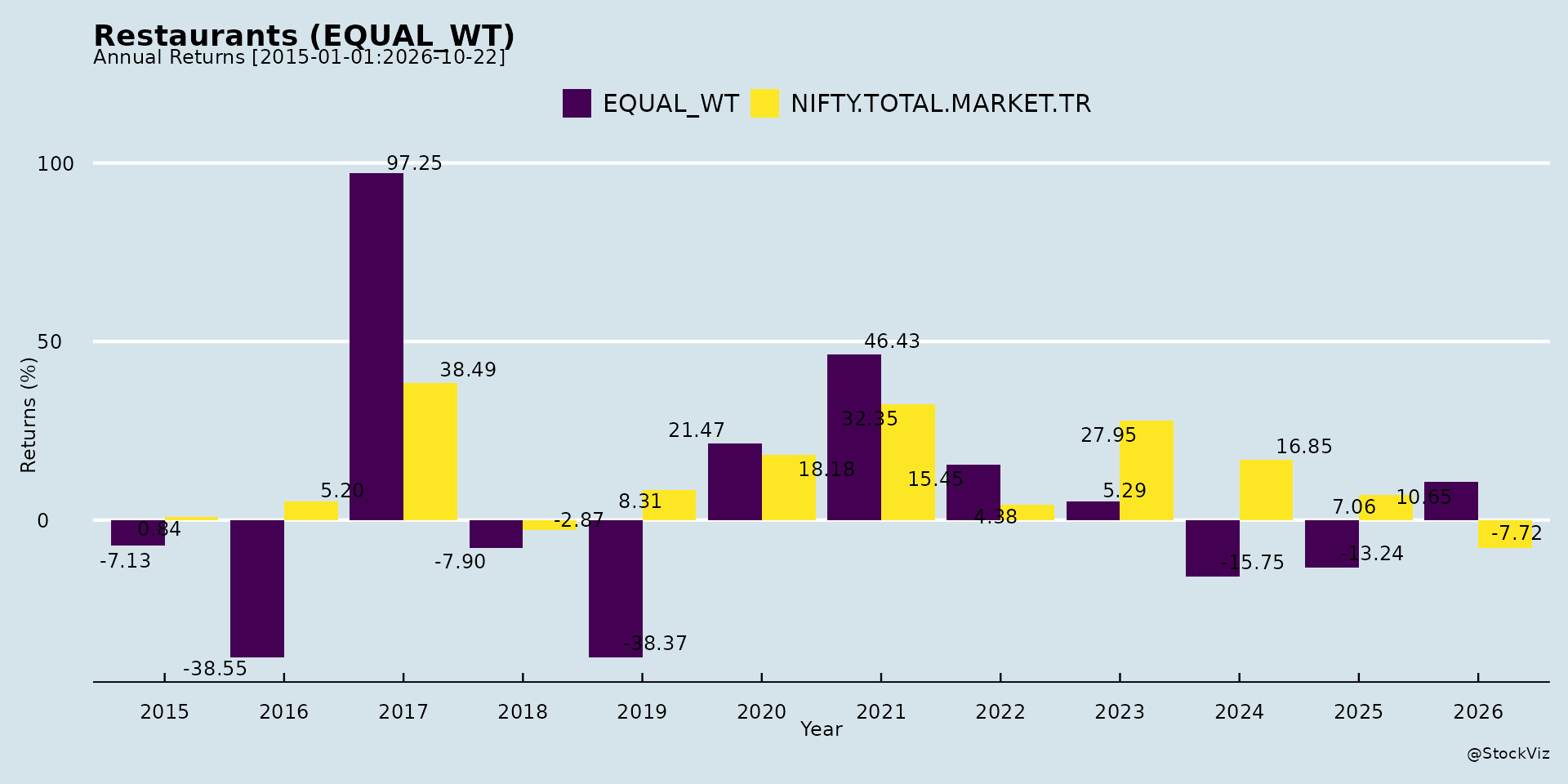
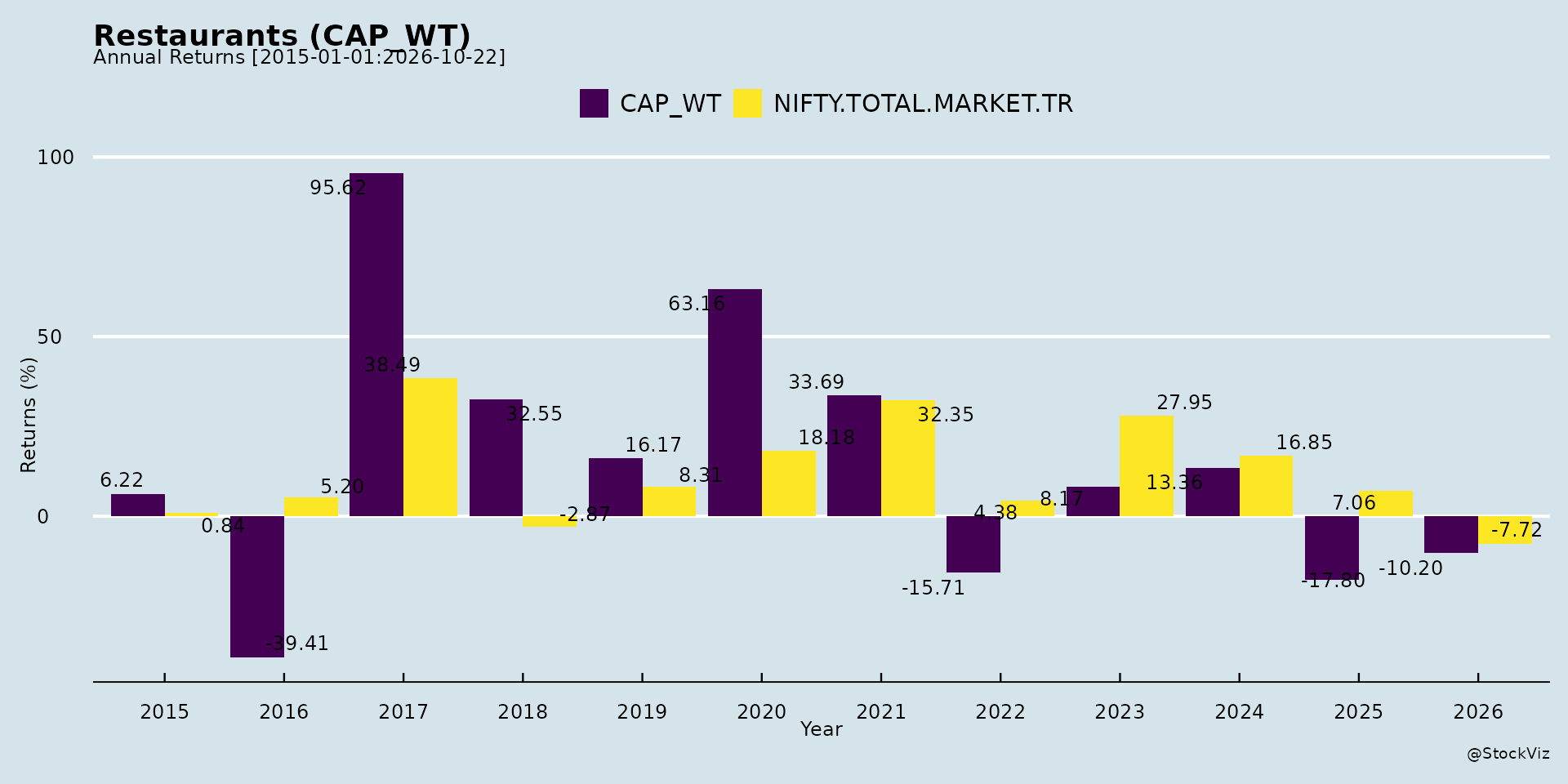
Annual Returns
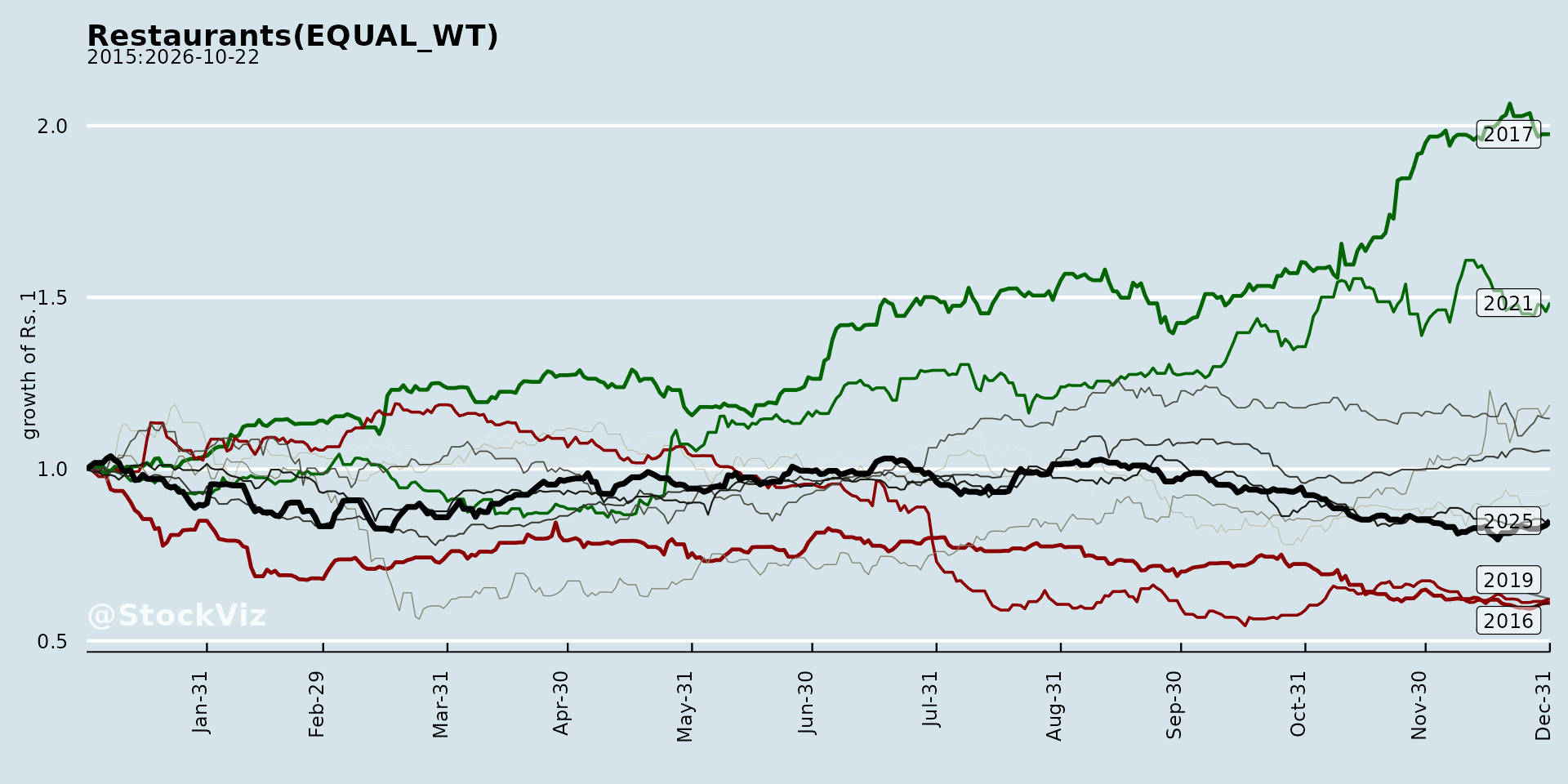
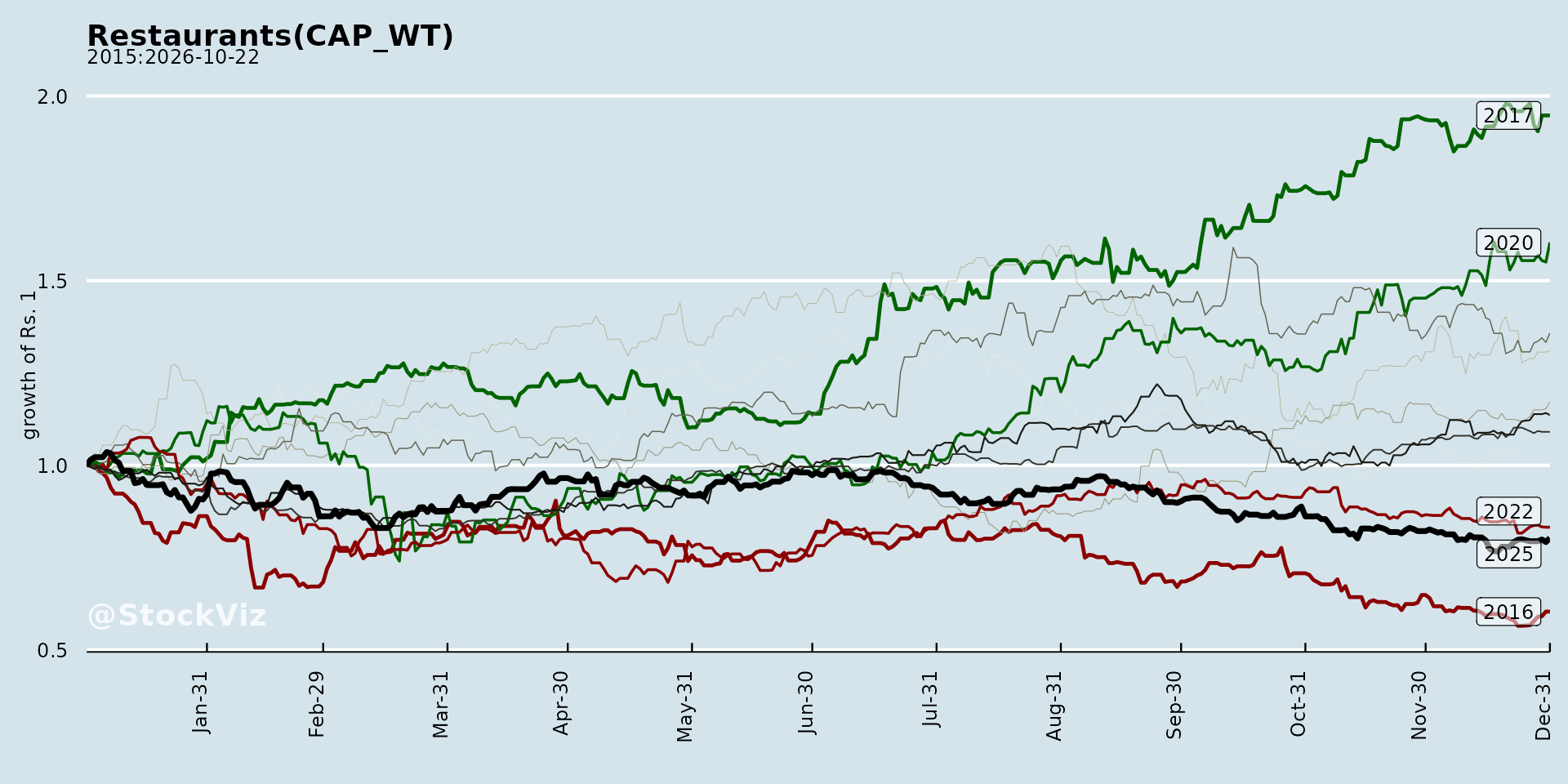
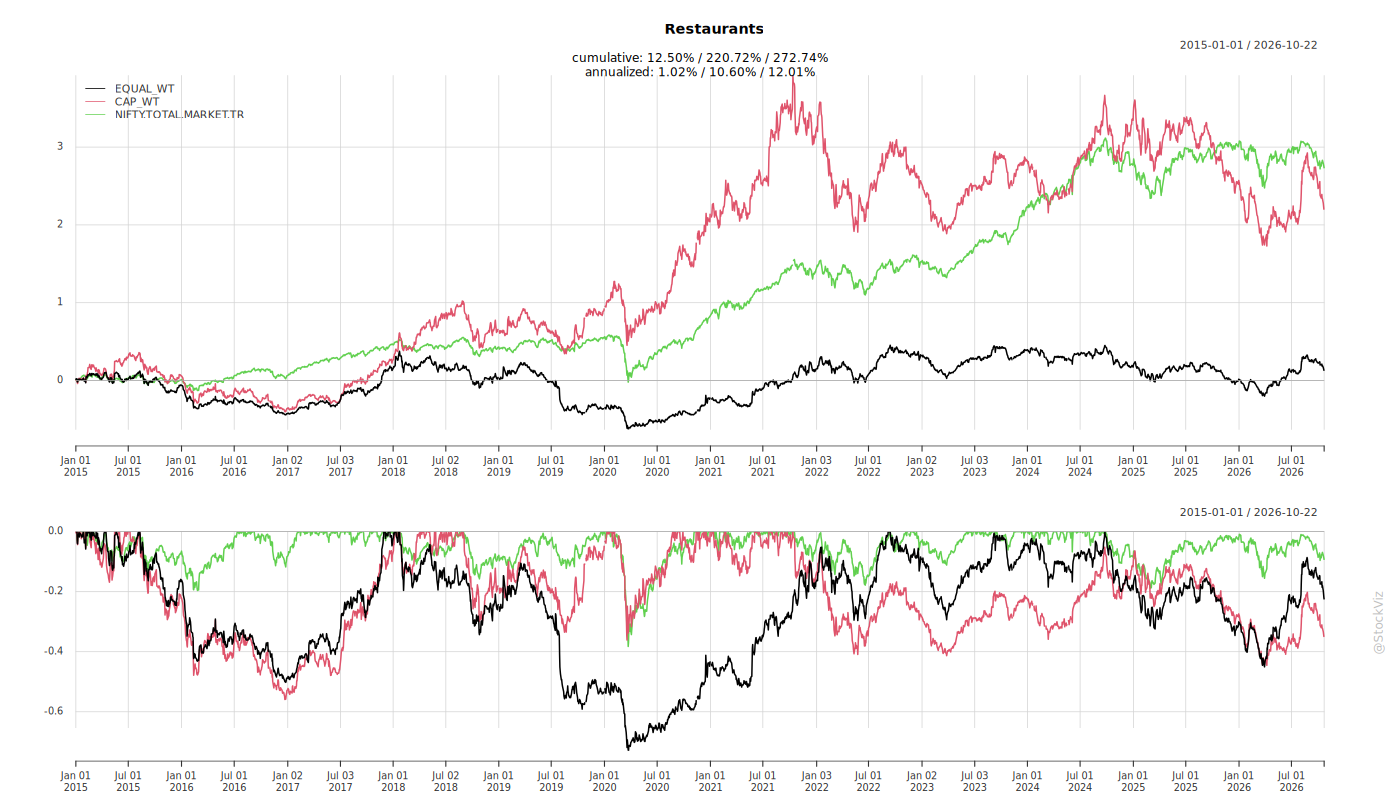
Cumulative Returns and Drawdowns
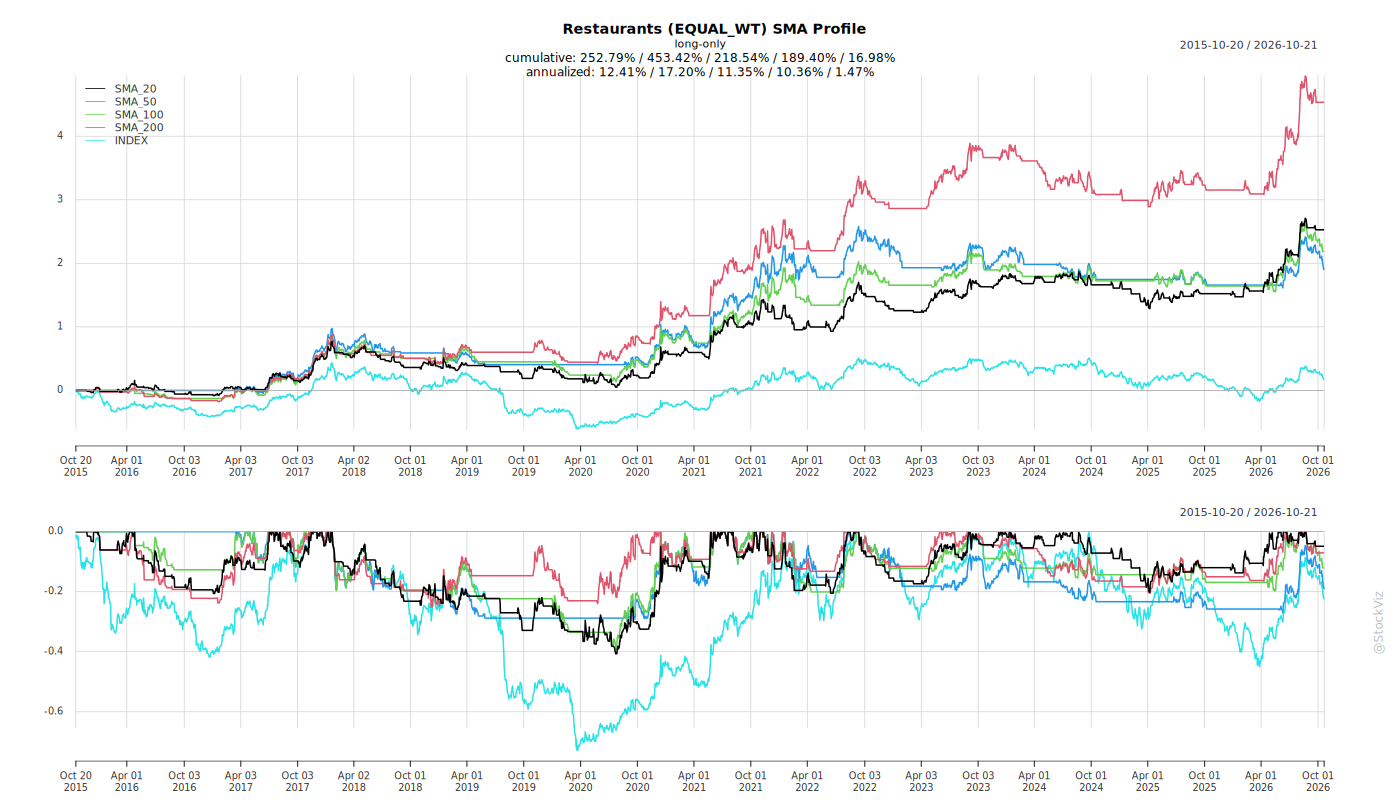
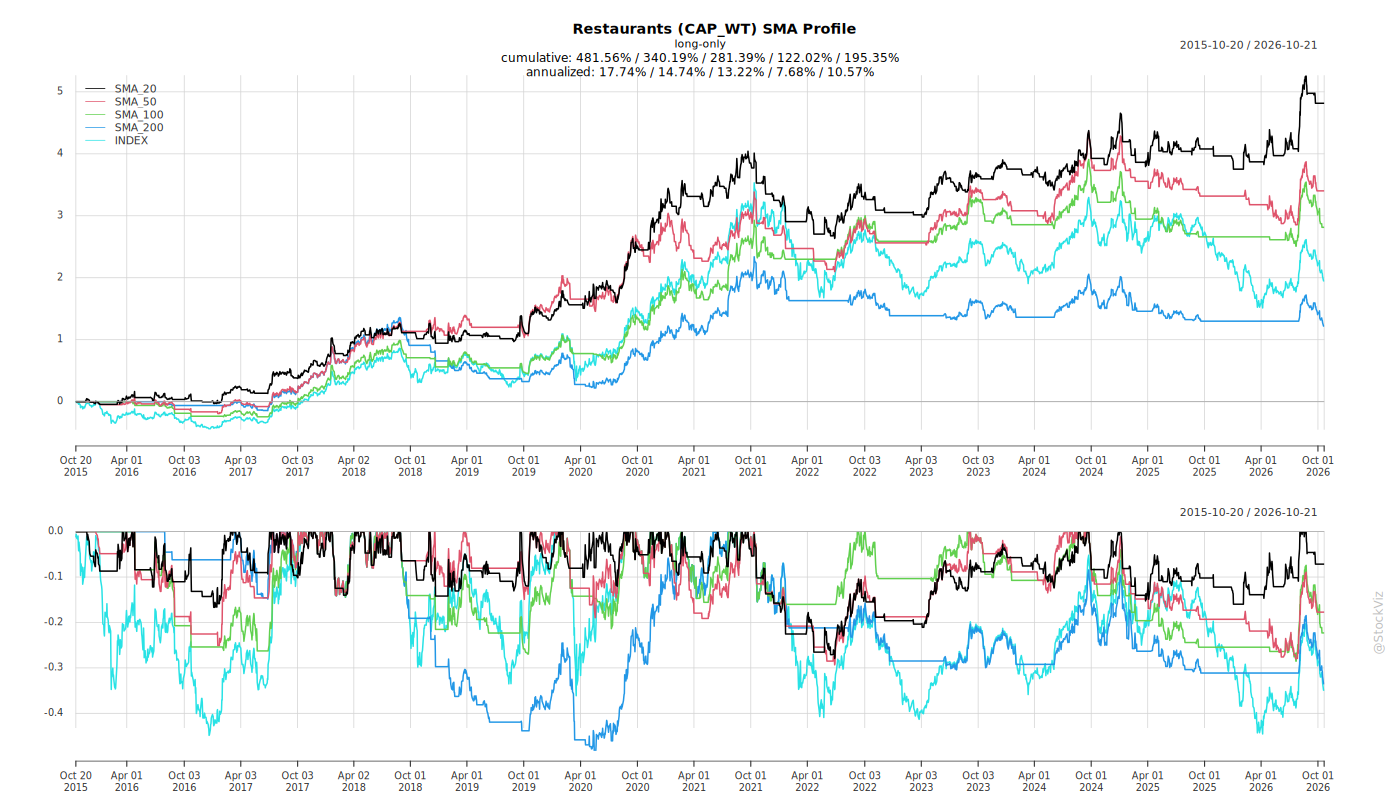
SMA Scenarios
Current Distance from SMA
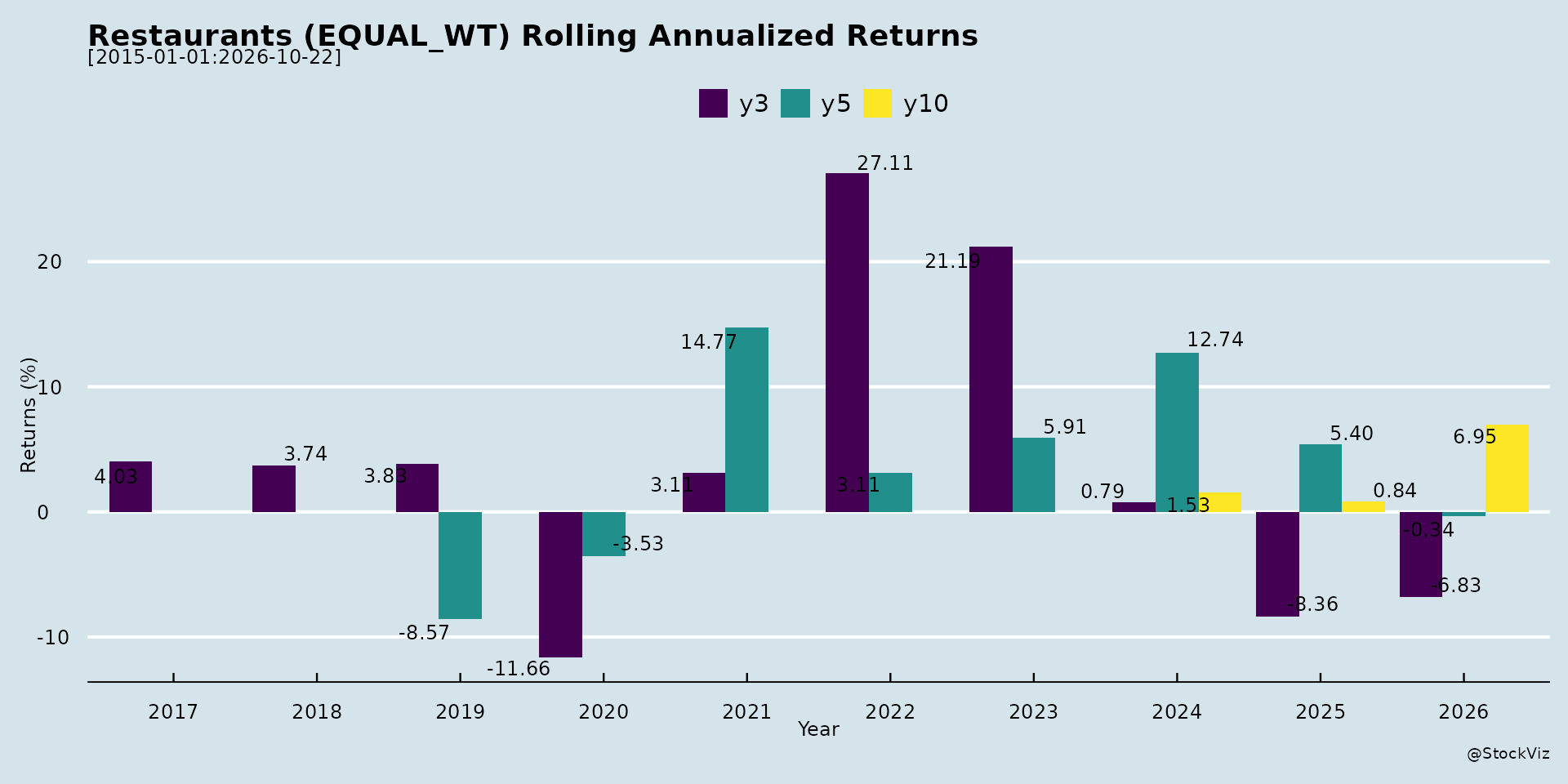
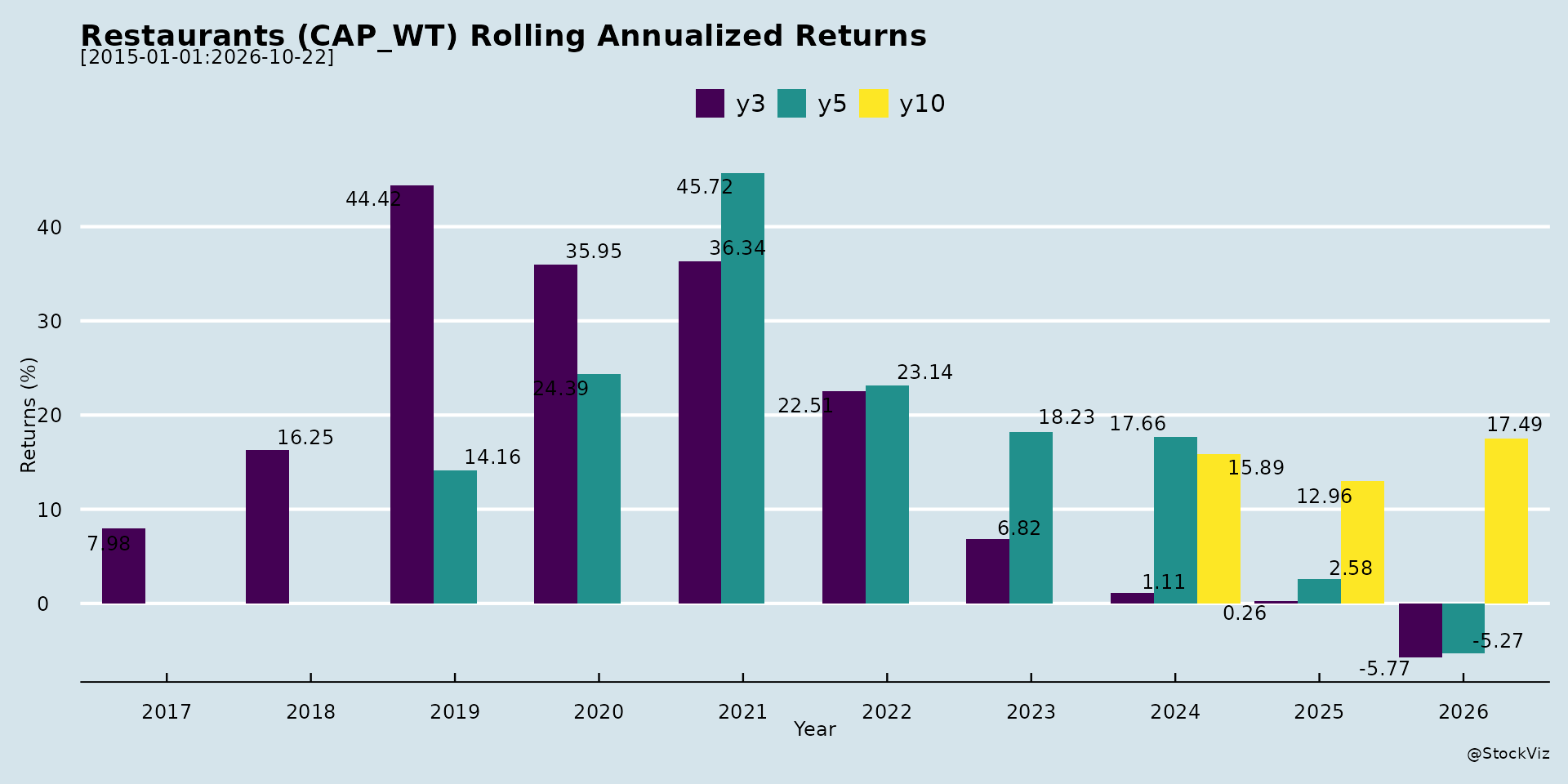
Rolling Returns
Fundamental Ratios
AI Summaries
How have the challenges and oppurtunities evolved over time?
asof: 2026-04-16
The restaurant and quick-service restaurant (QSR) industry has undergone a significant transformation, with challenges and opportunities evolving from traditional dine-in struggles during the pandemic to a highly digitized, multi-brand, and efficiency-driven landscape today.
The Evolution of Industry Challenges
- Pandemic Disruptions and Consolidation: The COVID-19 pandemic severely impacted traditional dine-in networks. For example, Speciality Restaurants had to shut down around 32 restaurants and consolidate its operations in major cities like Bombay and Calcutta [1, 2].
- Macroeconomic and Dine-in Pressures: More recently, the broader industry has faced periods of negative same-store sales growth (SSSG) [3, 4]. Driving consistent weekday dine-in traffic remains a hurdle, with Mondays and Tuesdays historically being the weakest days [5, 6].
- Pricing and Margin Depletion: Finding the right value proposition has been challenging. Sapphire Foods noted that their ₹299 EPIC Saver campaign failed to yield desired results, leading to a 12% decline in Pizza Hut’s SSSG and negative EBITDA margins [7, 8]. Internationally, Restaurant Brands Asia (Burger King/Popeyes) faced margin depletions in Indonesia because they had to rely heavily on discounting to promote chicken—a highly commoditized product in that market [9-12]. They also faced operational hurdles with Popeyes in Indonesia due to a low store count and a lack of a significant marketing path [13-16].
The Evolution of Strategic Opportunities
- The Shift to Digital and Delivery: The pandemic fundamentally altered the social fabric, linking at-home “binge-watching” with a habit of ordering food delivery [17, 18]. For fine-dining operators like Speciality Restaurants, delivery grew from just 5-6% of their business to 24% [19, 20]. QSRs have capitalized on this heavily; Jubilant FoodWorks (Domino’s) now processes ~70% of its online orders through its own app, boasting 15 million active monthly users and utilizing AI to power store operations and ensure 20-minute delivery guarantees [21, 22]. Similarly, Burger King now processes 92% of its orders digitally via apps and self-ordering kiosks [23, 24].
- Value-to-Premium Menu Stratification: To combat foot traffic challenges, companies are using aggressive entry-level pricing to acquire customers, before migrating them to higher-margin items. Sapphire Foods successfully pivoted to a ₹99 Krisper Chicken Burger meal to drive transactions [7]. Burger King has leveraged its strong value pillar to introduce consumers to the brand and is now aggressively communicating its core and premium “deluxe” burger ranges to boost margins [23, 25-27]. Domino’s utilizes a multi-platform approach—creating distinct, ₹1,000 Crore opportunities across chicken, cheese, and breakfast categories [21].
- Laser-Focus on Unit-Level Economics: Operators are intensely focused on cutting costs to improve profitability. Burger King has overhauled its supply chain by bringing food closer to its restaurants and introducing new suppliers, drastically reducing transportation costs and helping push gross margins toward 70% [28-31]. They also designed a new broiler in-house that reduces utility expenses [32-35]. Furthermore, restaurant operators are moving away from the steep delivery discounts of the past, focusing instead on targeted, profitable engagement strategies [36-39].
- Optimizing Store Formats: The era of massive dining rooms is giving way to optimized, smaller footprints. Brands are finding that 1,000 to 2,000 square foot locations effectively balance lower capex and reduced staffing needs with high revenue potential [40-44].
- Diversification and “House of Brands” Expansion: To capture varied consumer preferences, companies are evolving into multi-brand platforms. Barbeque Nation is rebranding to “United Foodbrands” to seamlessly integrate acquisitions like Toscano and Salt alongside indigenous brands like Dum Safar [45-47]. Devyani International acquired Sky Gate Hospitality (Biryani By Kilo and Goila Butter Chicken) to expand its Indian cuisine portfolio and realize operational synergies through amalgamation [48-50].
- Capturing Untapped Micro-Markets: There is a massive push into non-traditional, strategic locations. Companies are heavily expanding into airports, highways, metro stations, colleges, and hospitals [51-53]. Travel Food Services, for example, has rapidly scaled to 494 Travel QSR outlets across major travel hubs, integrating tech to allow seamless bank-to-lounge access for travelers [54-56].
- Strong Demographic Tailwinds: Ultimately, the long-term opportunities are buoyed by India’s favorable demographics. With 65% of the population under 35, rising per capita income, and eating-out frequency projected to grow from 60-65 times to 90-95 times annually by 2030, the underlying market for food services is expected to reach $80 billion by 2028 [57, 58].
What are the headwinds affecting this industry?
asof: 2026-04-16
Based on the provided sources, the food services and restaurant industry is currently navigating several significant headwinds, ranging from macroeconomic pressures to intense competition and operational disruptions.
Here are the primary challenges affecting the industry:
1. Industry-Wide Negative Same-Store Sales Growth (SSSG) The industry has experienced a broader slowdown, with negative sales reporting observed at the industry level over the past three to four quarters, a sharp contrast to the 6% to 7% positive SSSG seen in the past [1, 2]. Specific brands have directly felt this impact; for instance, Barbeque Nation reported lower year-over-year revenues due to negative SSSG and sluggish store expansion [3, 4], while Sapphire Pizza Hut witnessed a 12% decline in SSSG alongside negative restaurant EBITDA [5].
2. Intense Competition and Aggressive Pricing Pressures High competitive intensity is forcing companies to continually adjust their pricing and discount strategies, which can squeeze profit margins: * Price Wars: Competitors are becoming highly aggressive with value combos. For example, McDonald’s slashed its meal combo prices from INR 119 down to INR 99, putting pressure on competitors to maintain value gaps [6, 7]. * Failed Campaigns and Pivots: Some premium value campaigns have failed to yield desired results (such as a ₹299 EPIC Saver campaign), forcing brands to pivot to cheaper alternatives like a ₹99 burger meal to attract new customers and drive transactions [8]. * Commoditization of Menu Items: In international markets like Indonesia, staple items like chicken are treated as commodities, leading to heavy discounting to capture market share, which in turn causes severe gross margin depletion [9, 10].
3. Rising Operating Costs and Regulatory Changes Labor costs and changing government regulations are directly impacting restaurant profitability: * Wage Increases: Significant hikes in minimum wages have eaten into EBITDA margins in markets like Sri Lanka [11]. * Labor Codes: Companies have reported one-time financial impacts due to changes in labor codes [12]. * Service Charge Regulations: The industry is dealing with the impact of government directives stating that service charges are not compulsory and cannot be mandated by companies, potentially affecting overall revenue and staff compensation models [13].
4. Macroeconomic and Geopolitical Uncertainties Broader economic and geopolitical factors remain a concern for consumer spending. The industry has had to actively work to recover from the lingering impacts of the “larger geopolitical scenario” [14]. Additionally, there are looming concerns regarding AI-driven job losses in the IT sector, which could potentially impact restaurant revenues in major tech hubs like Pune and Bangalore—though some fine-dining brands have noted that their specific customer base has shielded them from immediate impacts so far [13, 15].
5. Environmental and Operational Disruptions Unforeseen external events continue to disrupt normal business operations across different sub-sectors: * Weather Events: Cyclone-related costs have negatively impacted profit margins in certain geographical areas like Sri Lanka [11]. * Aviation Disruptions: For travel-focused QSRs and airport lounges, business volumes suffered a temporary decline due to aircraft maintenance issues following a tragic aircraft accident, as well as general airline-related disruptions [16].
6. Financial and Liquidity Crises Some segments of the industry are facing severe financial distress. For example, Coffee Day Enterprises Limited reported defaults on interest and principal repayments on loans due to an ongoing “Liquidity Crisis” [17]. Furthermore, brand-specific financial struggles have led to the rationalization and closure of loss-making stores, as seen with the Pizza Hut brand [18]. Certain international ventures are also struggling due to a lack of significant marketing and clear growth paths, such as the Popeyes business in Indonesia [19].
What are the key things to understand about this industry?
asof: 2026-04-16
India’s food services market is experiencing robust growth and is projected to reach $80 billion by 2028, growing at a Compound Annual Growth Rate (CAGR) of over 8.1% [1]. This expansion is primarily driven by higher disposable incomes, favorable demographic shifts, and the rationalization of taxes such as the GST [1]. Within this broader market, the Quick Service Restaurant (QSR) segment is exceptionally fast-growing, with projections indicating it will reach $11.0 billion by 2028, up from $4.3 billion in 2019 [2]. Despite this rapid growth, India is still considered an underserved market with massive headroom for further expansion [3].
To deeply understand this industry, several core operational, financial, and strategic dynamics must be examined:
1. Diverse Business Models and Formats The industry spans multiple specialized segments, including Casual Dining Restaurants (CDR), Premium CDR, and Quick Service Restaurants (QSR) [4], [5]. Operators are maximizing their reach by utilizing a highly diversified portfolio of formats such as standalone restaurants, drive-thrus, 24x7 outlets, food courts, and dessert kiosks [6]. Additionally, there is a specialized focus on “Travel QSRs” and lounges located at airports, highways, and railway stations to cater to the evolving demands of passengers and commuters [7], [8].
2. The Shift Towards Digitalization and Food Tech Technology is deeply embedded across customer touchpoints and internal operations [9]. For many major players, digital channels dominate, with some brands reporting that up to 92% of all their orders are serviced digitally through self-ordering kiosks, table ordering, and mobile apps [10]. Leading food-tech companies are leveraging Artificial Intelligence (AI) to power store operations, improve network expansion, and offer hyper-personalized immersive shopping experiences [11], [9]. Companies are increasingly investing in their own proprietary apps and loyalty programs—some boasting millions of active monthly users—to ensure a higher customer lifetime value and drive direct-to-consumer (D2C) sales without relying solely on third-party aggregators [9].
3. Delivery Dynamics and Consumer Habits The social fabric has shifted significantly, with consumer habits like “binge-watching” OTT content and avoiding city traffic driving a massive surge in food delivery [12]. While some restaurant chains rely on third-party aggregators like Zomato and Swiggy—where maintaining a high Average Order Value (AOV) is critical for managing commission costs and profitability [13], [14]—other industry leaders have built formidable in-house logistics. For example, owning a unique last-mile delivery capability with dedicated fleets allows certain brands to guarantee delivery times as low as 20 minutes while ensuring the product never leaves the company’s hands [11]. To ensure delivery remains profitable, companies are meticulously tracking data on customer ordering patterns, dayparts, and product mixes to optimize discounts and promotions [15], [16].
4. Supply Chain Optimization and Margin Expansion A critical lever for profitability in this industry is the supply chain. Companies are laser-focused on bringing food preparation and suppliers geographically closer to their restaurants [17], [18]. By localizing the supply chain and introducing competitive supplier bases, brands can significantly reduce transportation costs, minimize transit times, and guarantee product freshness, all of which directly translate to improved gross margins [19], [18], [20]. Backend processes are further strengthened by automated vendor management, cloud-based business intelligence tools, and robust ERP systems to support immense scale [21].
5. Unit Economics and Financial Metrics Success in the food services industry relies heavily on strong unit-level economics [22], [23]. Key performance indicators include: * Same Store Sales Growth (SSSG): A vital metric tracking the revenue growth of existing, mature stores [24]. While the industry historically enjoyed positive SSSG of 6% to 7%, recent quarters have seen overall industry-level negative sales reporting, forcing brands to rely on strong value propositions and increased foot traffic to maintain positive growth [25], [26]. * Store Payback Period: Well-managed stores typically target a payback period of 2.5 to 4.0 years, coupled with high Return on Invested Capital (ROIC) ranging from 34% to nearly 60% depending on the brand format [27]. * Cost Control: Brands aggressively pursue line-by-line operational efficiencies, such as negotiating rent reductions, utilizing solar panels, and installing advanced equipment (like energy-efficient broilers) to drastically cut utility expenses [28], [23]. Through these measures, top operators manage to maintain stable gross margins around 75% [29].
6. Customer Centricity and Value Pillars The fundamental pillars of the restaurant system remain Quality, Service, Cleanliness, and Value [6]. Customer retention is actively managed through sophisticated Customer Relationship Management (CRM) tools that deploy targeted offers, redemption coupons, and strategic “value combos” to drive frequency and footfall, particularly on historically slower days like Mondays and Tuesdays [14], [30]. Gathering real-time qualitative feedback and linking employee incentives to a Guest Satisfaction Index (GSI) are practices used to ensure continuous improvement in the dining experience [21].
7. Inherent Risks and Vulnerabilities Despite strong growth projections, the industry is sensitive to several external variables. Financial performance can be materially impacted by macroeconomic conditions, shifting consumer demand, competitive intensity, and changes in the financial stability of third-party vendors [31], [32]. Furthermore, operators must navigate volatility in commodity and input costs, currency exchange rate fluctuations, stringent government regulations, taxation changes, and even unpredictable events like natural calamities and climatic conditions [31], [32], [33].
What are the tailwinds affecting this industry?
asof: 2026-04-16
Favorable Macroeconomic Conditions and Rising Incomes The food services industry is heavily supported by a strong macroeconomic environment, with India’s GDP projected to grow at 6.2% in FY2026 and the country being on track to become a $5 trillion economy by FY2028 [1]. This economic expansion is driving rising per capita and disposable incomes, which are further bolstered by favorable tax slabs and GST rationalization [1, 2]. As a result of these strong economic fundamentals, the Indian food services market is projected to experience robust growth at a Compound Annual Growth Rate (CAGR) of over 8.1%, eventually reaching an estimated $80 billion by 2028 [2].
Massive Headroom for Market Penetration The Quick Service Restaurant (QSR) sector in India is currently highly underserved, providing massive headroom for long-term growth [3]. To illustrate this potential, if India reaches the per capita income level of Thailand, the QSR store count in the country could potentially mushroom by up to six times its current size [4]. Specific food categories also remain largely untapped; for example, pizza currently accounts for less than 1% of the overall food service market [4]. Furthermore, out of India’s 350 million households, there are only about 25 million monthly transacting users on food delivery aggregators, leaving an enormous runway for new customer acquisition [4].
Favorable Demographics and Changing Consumer Habits A major tailwind for the industry is the strong and growing demand from younger demographics, specifically Millennials, Gen Z, and Gen Alpha [4]. Because these consumers are highly receptive to casual dining models, capturing them early leads to early adoption that can lock in customers for a lifetime [4-6].
Additionally, the social fabric and consumer habits have structurally shifted in favor of the industry [7, 8]. The rise of OTT platforms and binge-watching has transformed ordering food into a regular habit, which has caused delivery sales to surge [7, 8]. For some traditionally fine-dining operators, this shift in consumer behavior has caused delivery to grow from a mere 5-6% to as much as 24% of their business [9, 10].
Digital Transformation and Customer Engagement Technological integration across the industry is driving both operational efficiency and revenue growth. Companies are increasingly leveraging self-ordering kiosks, table ordering, and proprietary mobile apps to service a vast majority of their orders [11]. By utilizing these digital tools alongside robust Customer Relationship Management (CRM) systems, brands are able to directly engage consumers, push profitable app-exclusive deals, and significantly increase the frequency of customer visits [12, 13]. Growing monthly active users on proprietary apps allows companies to build loyalty and drive targeted acquisition and retention strategies [14, 15].
Travel Infrastructure Expansion For the specific segment of travel QSRs and airport lounges, recovering passenger traffic and extensive infrastructure developments serve as massive growth drivers [16, 17]. The steady rebound in airline passenger volumes is being complemented by the upcoming launches of major new transit hubs, such as the Navi Mumbai Airport and the Noida Airport, which are expected to significantly contribute to the industry’s growth momentum moving forward [16].
What is the general outlook of this industry?
asof: 2026-04-16
The general outlook for the food service and Quick Service Restaurant (QSR) industry is highly optimistic, characterized by robust expansion, massive untapped potential, and structural shifts toward digital and delivery models. The industry is poised for a multi-year growth trajectory driven by strong macroeconomic fundamentals, evolving consumer demographics, and operational maturation among key players.
Strong Macroeconomic and Demographic Drivers The foundational growth of the industry is anchored by India’s robust economic outlook, with the GDP projected to grow at 6.2% in FY2026 and the country set to become a US$ 5 trillion economy by FY2028 [1]. This favorable macroeconomic environment is accompanied by rising per capita income—which grew at a CAGR of 10.9% during FY2025—and higher disposable incomes spurred by tax and GST rationalizations, all of which will strongly drive higher discretionary spending [1-3].
Demographics are acting as a major tailwind. India has a notably young population, with 65% under the age of 35, and early adoption among millennials, Gen Z, and Gen Alpha is locking in customers for a lifetime [2, 4]. Furthermore, growing urbanization is expected to result in 37% of the population living in urban centers by FY2026, contributing 75% to India’s GDP by 2030 [2]. Consequently, the frequency of eating out in India is projected to surge from 60–65 times annually in FY2023 to 90–95 times by 2030 [2]. Driven by these factors, India’s broader food services market is expected to grow at a robust CAGR of over 8.1%, reaching $80 billion by 2028 [3].
Massive Headroom for Growth and Penetration India remains a highly underserved QSR market with significant room for penetration [4]. Current data shows India has approximately 55 stores per million urban population, which is vastly lower compared to other markets globally [4]. Industry projections estimate that as India reaches Thailand’s per capita income level, the QSR store count in the country could mushroom up to 6X its current size [4]. Additionally, specific categories have vast untapped potential; for example, pizza still constitutes less than 1% of the overall food service market [4].
Operational Shifts: Digitalization and Delivery The industry has undergone a permanent structural shift in how consumers interact with restaurant brands. * Digital Transformation: Companies are heavily investing in food-tech and digital integration. For some major operators, up to 92% of all orders serviced are now digital, encompassing app ordering, table ordering, and self-ordering kiosks [5]. Monthly active users on restaurant apps are growing rapidly—with some brands seeing 21% to 47% year-over-year increases—allowing companies to build loyalty and utilize direct Customer Relationship Management (CRM) for targeted, profitable promotions [6-8]. * The Stickiness of Delivery: The delivery habit, accelerated by the pandemic and changing social fabrics such as “binge-watching” OTT content, has become deeply ingrained [9]. Even for fine-dining and premium casual dining operators, delivery revenue share has skyrocketed from historical levels of 5-6% to around 24% [10].
Laser Focus on Profitability and Margins While driving top-line sales, the industry is simultaneously focused on expanding bottom-line profitability and unit-level economics [11]. Companies are achieving this through two main prongs: * Supply Chain Efficiencies: Operators are successfully expanding their gross margins by localizing their supply chains. By bringing food production and suppliers closer to the restaurants, companies are significantly reducing transportation times and costs [11-13]. * Rationalizing Delivery Costs and Store Economics: Profitability is being enhanced by strategically reducing delivery discounts and relying on data-driven customer engagement instead of blind acquisition costs [13, 14]. At the store level, continuous line-by-line cost focus—such as negotiating rent reductions and installing energy-efficient equipment like new broilers—is actively bringing down utility and operational expenses [11, 15].
Aggressive Network Expansion Strategies To capture the rising demand, industry players are charting aggressive expansion strategies. Companies are not only deepening their presence in Metro and Tier I cities but are also expanding aggressively into Tier II and Tier III markets [16]. Furthermore, operators are targeting high-footfall “white spaces” and alternative channels, building networks across highways, airports, major railway stations, and metro interchange stations [17-19]. Strategic acquisitions, introducing new consumer-facing brands, and rationalizing any loss-making stores are being actively employed to build larger, diversified portfolios capable of industry-leading margins [20-22].
Copyright © 2023 SAS Data Analytics Pvt. Ltd. All rights reserved.