Residential Commercial Projects
Industry Metrics
September 24, 2026
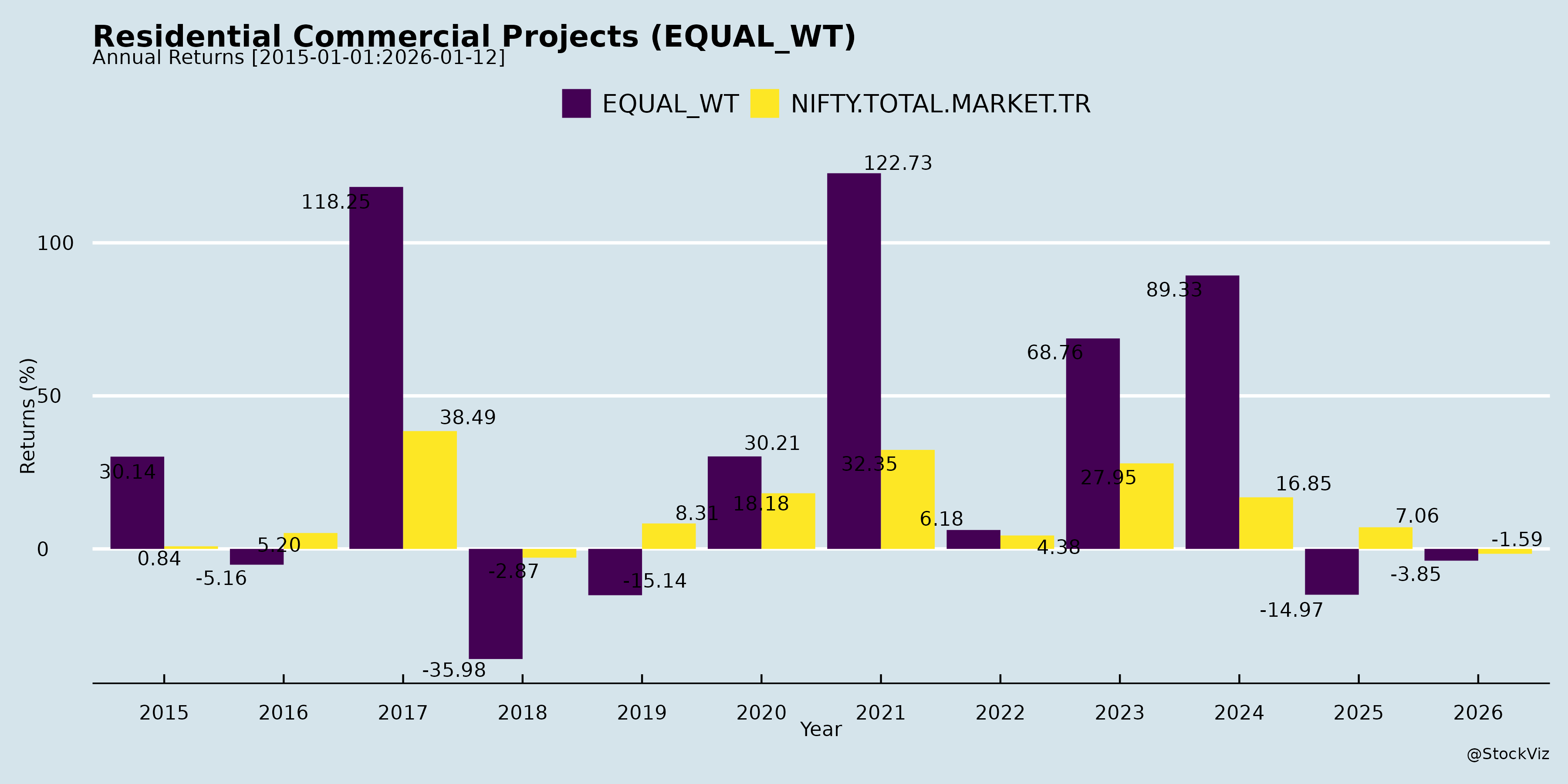
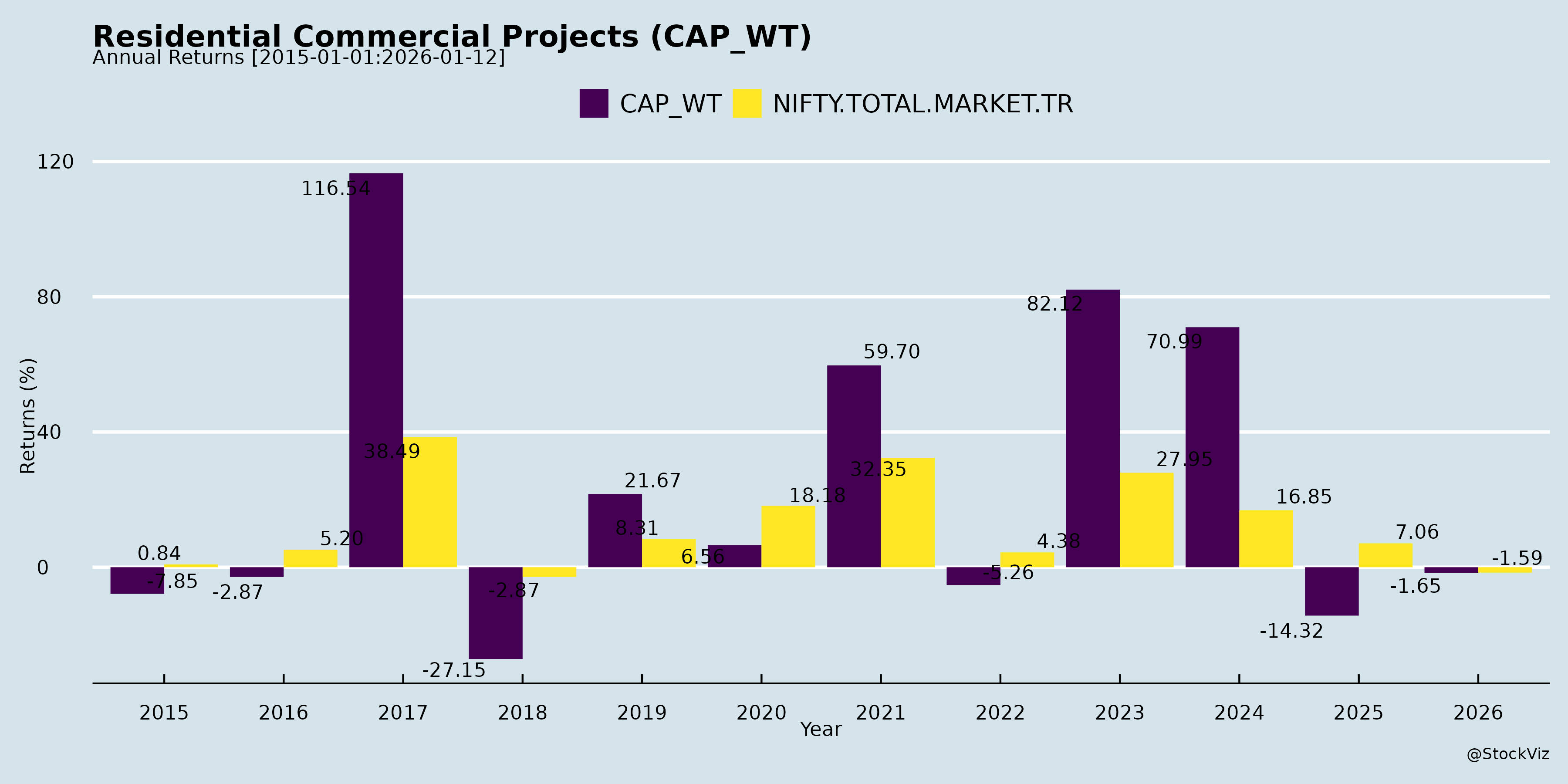
Annual Returns
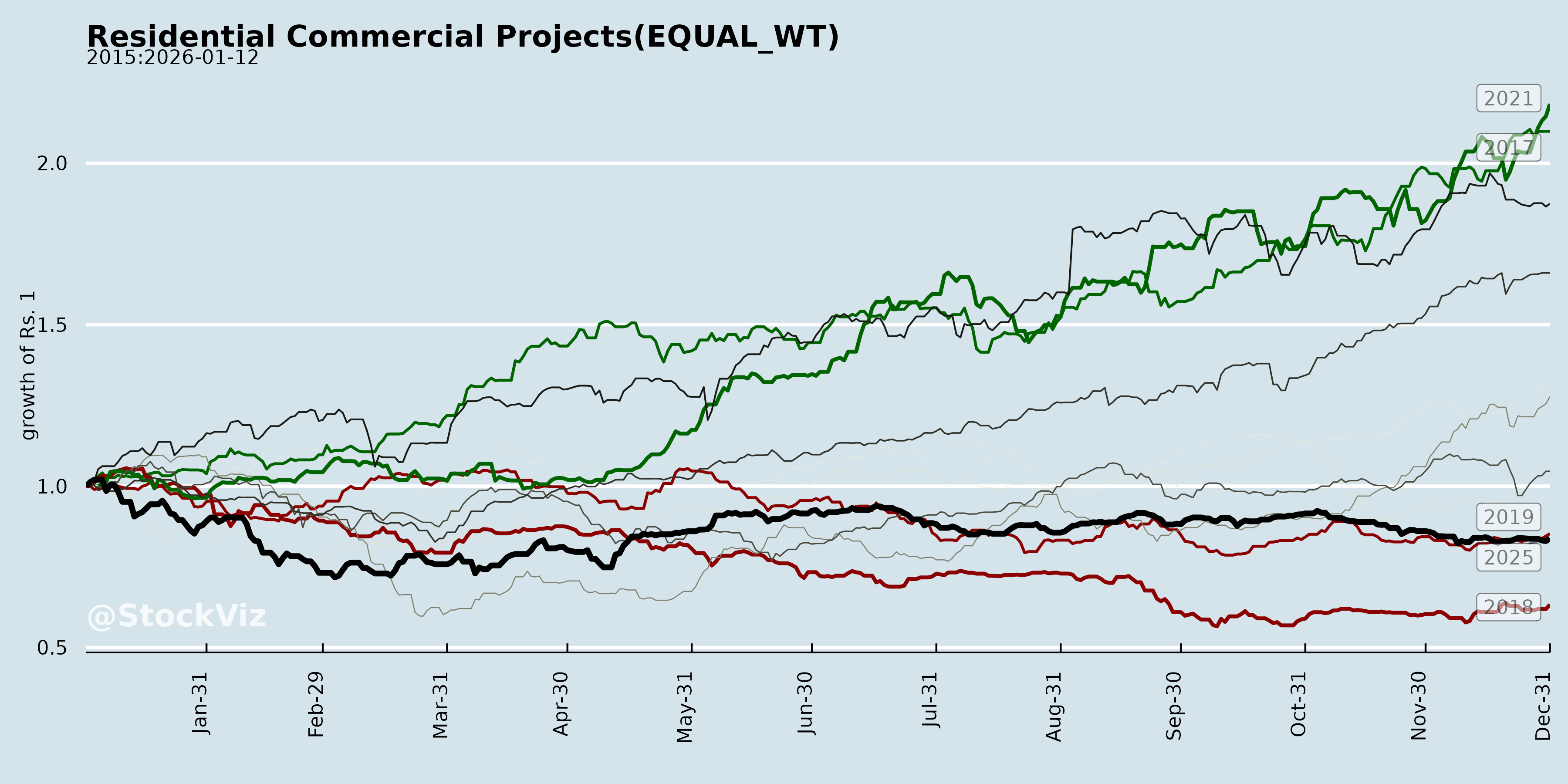
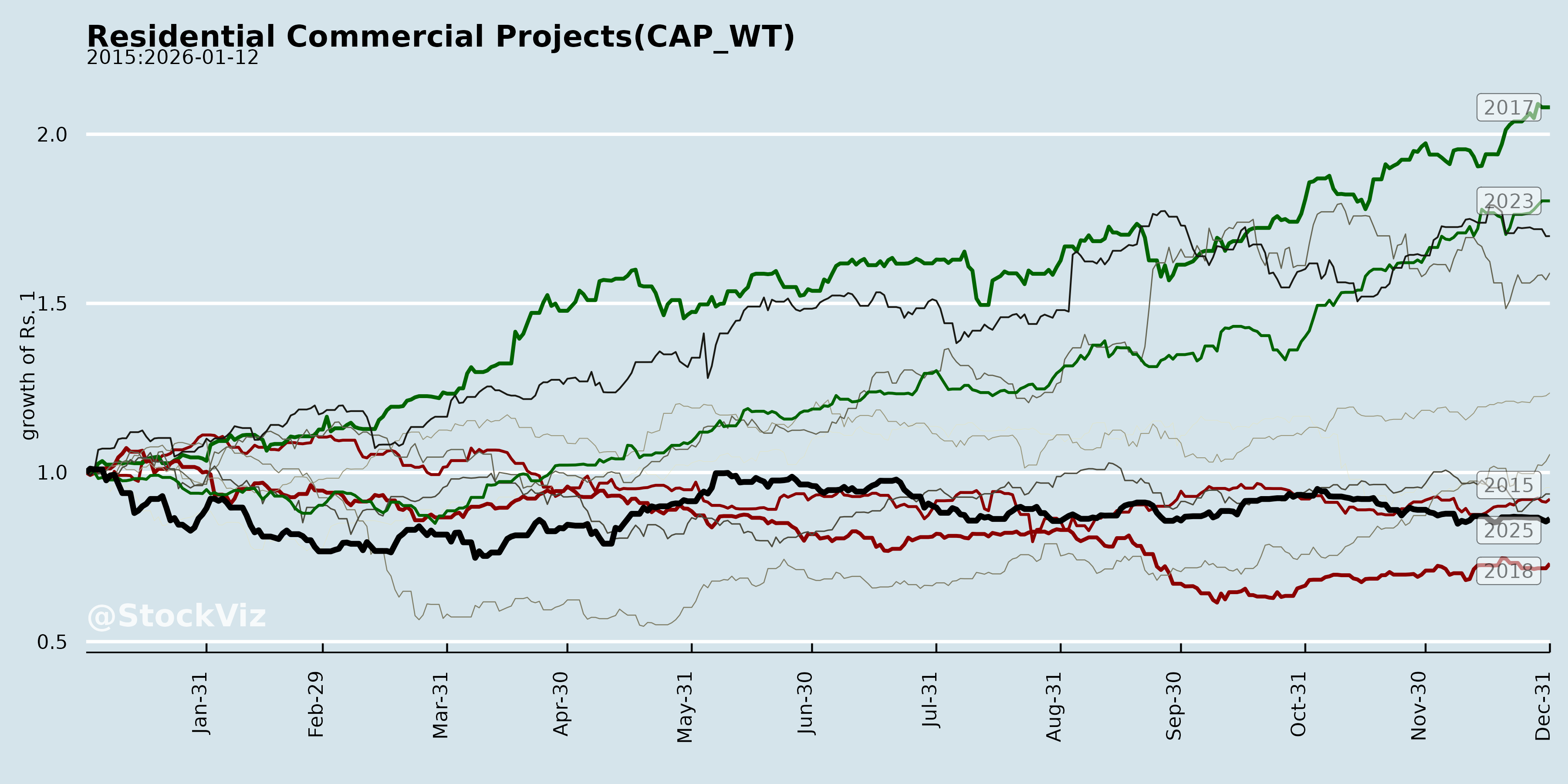
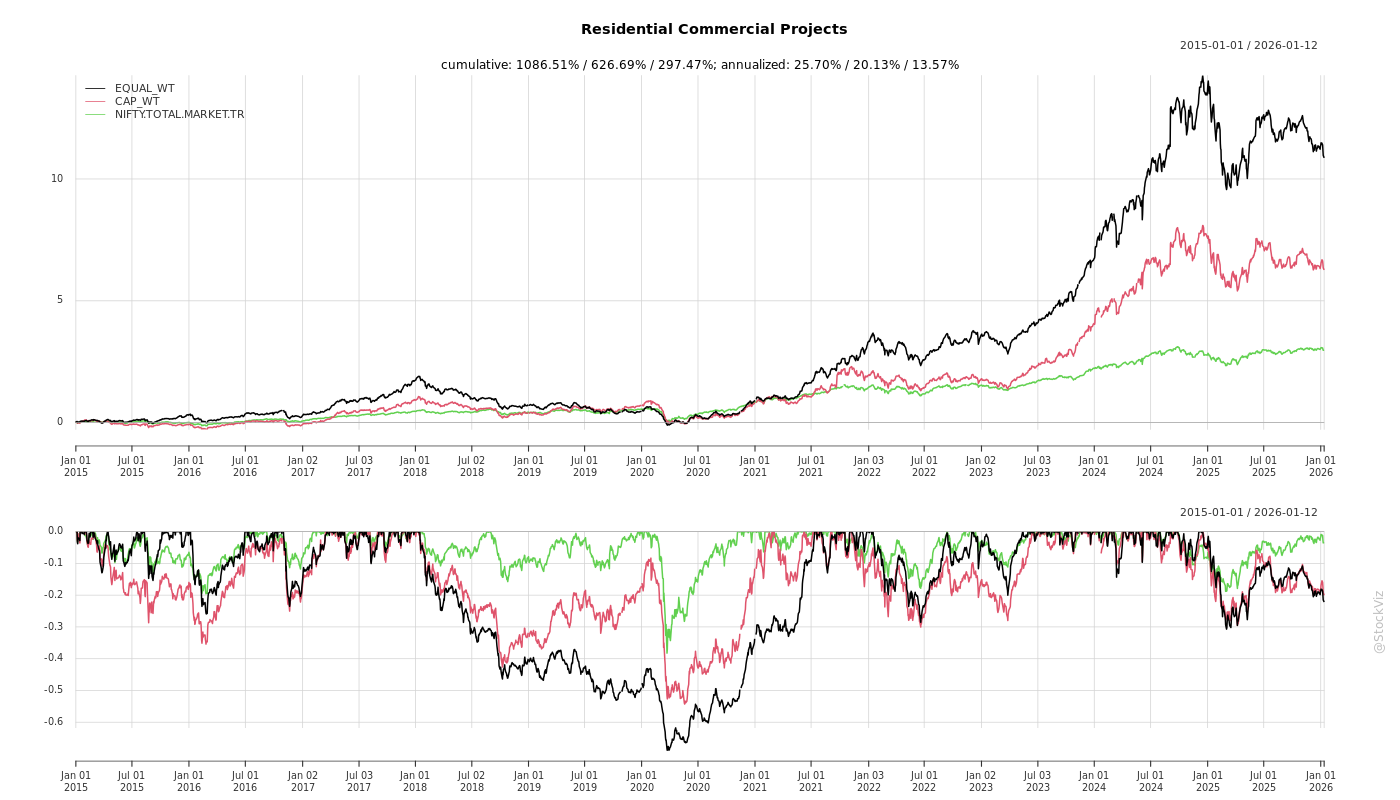
Cumulative Returns and Drawdowns
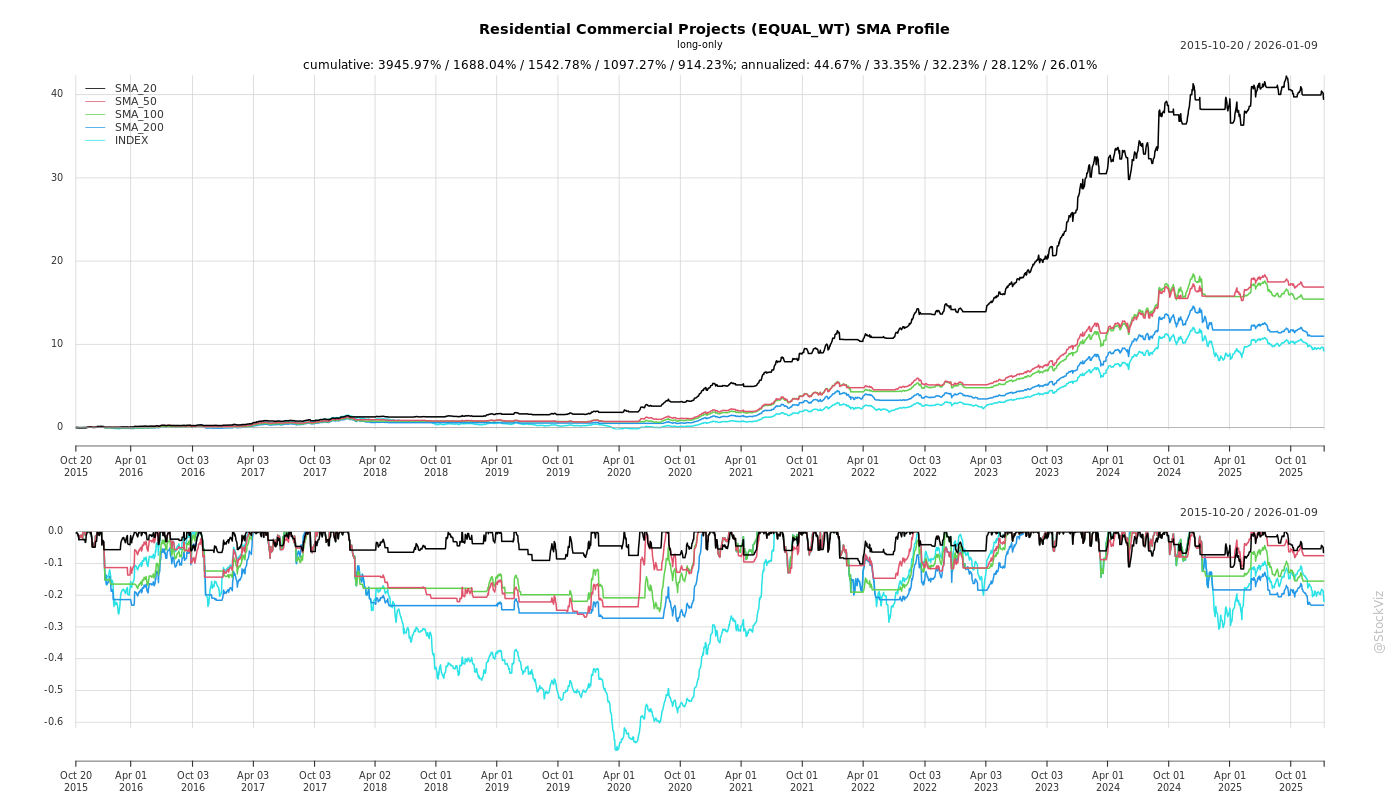
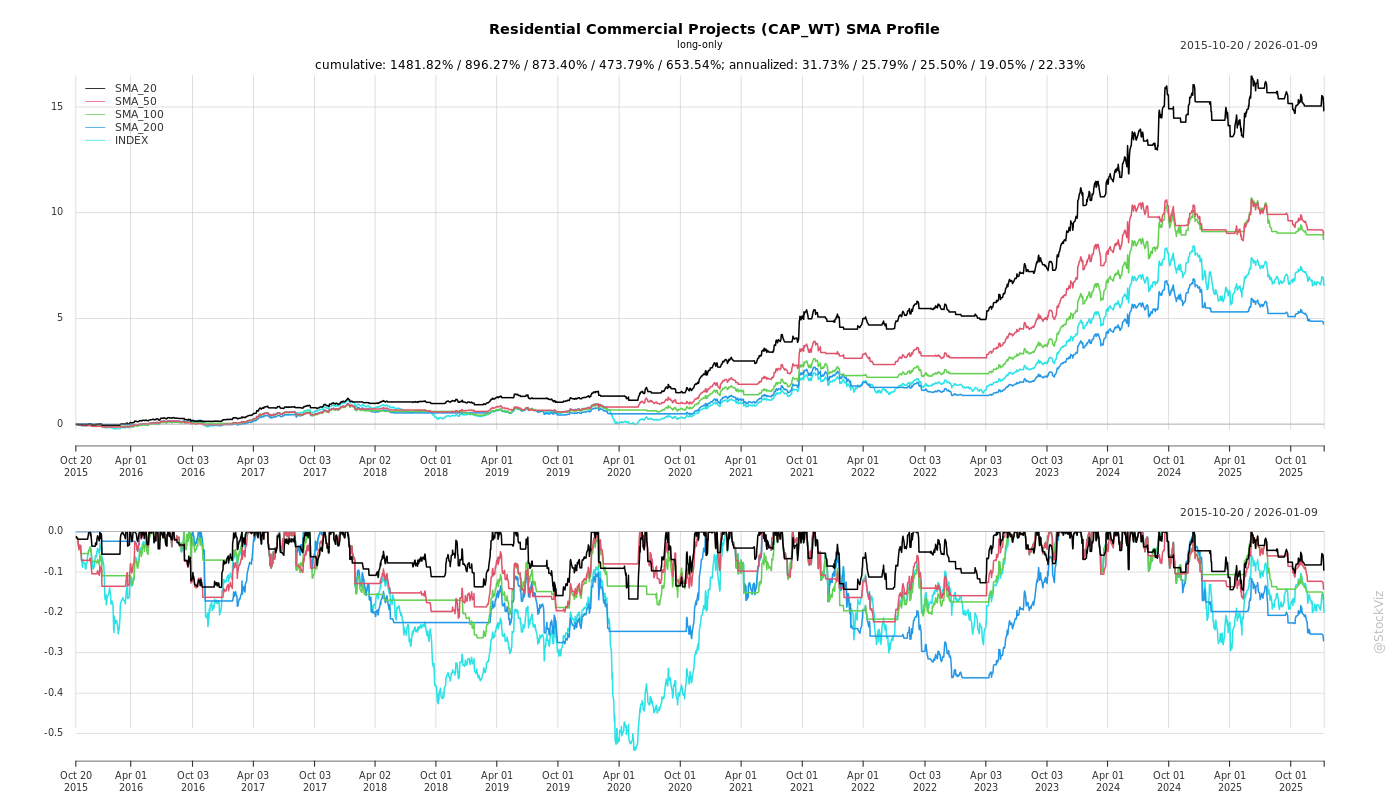
SMA Scenarios
Current Distance from SMA
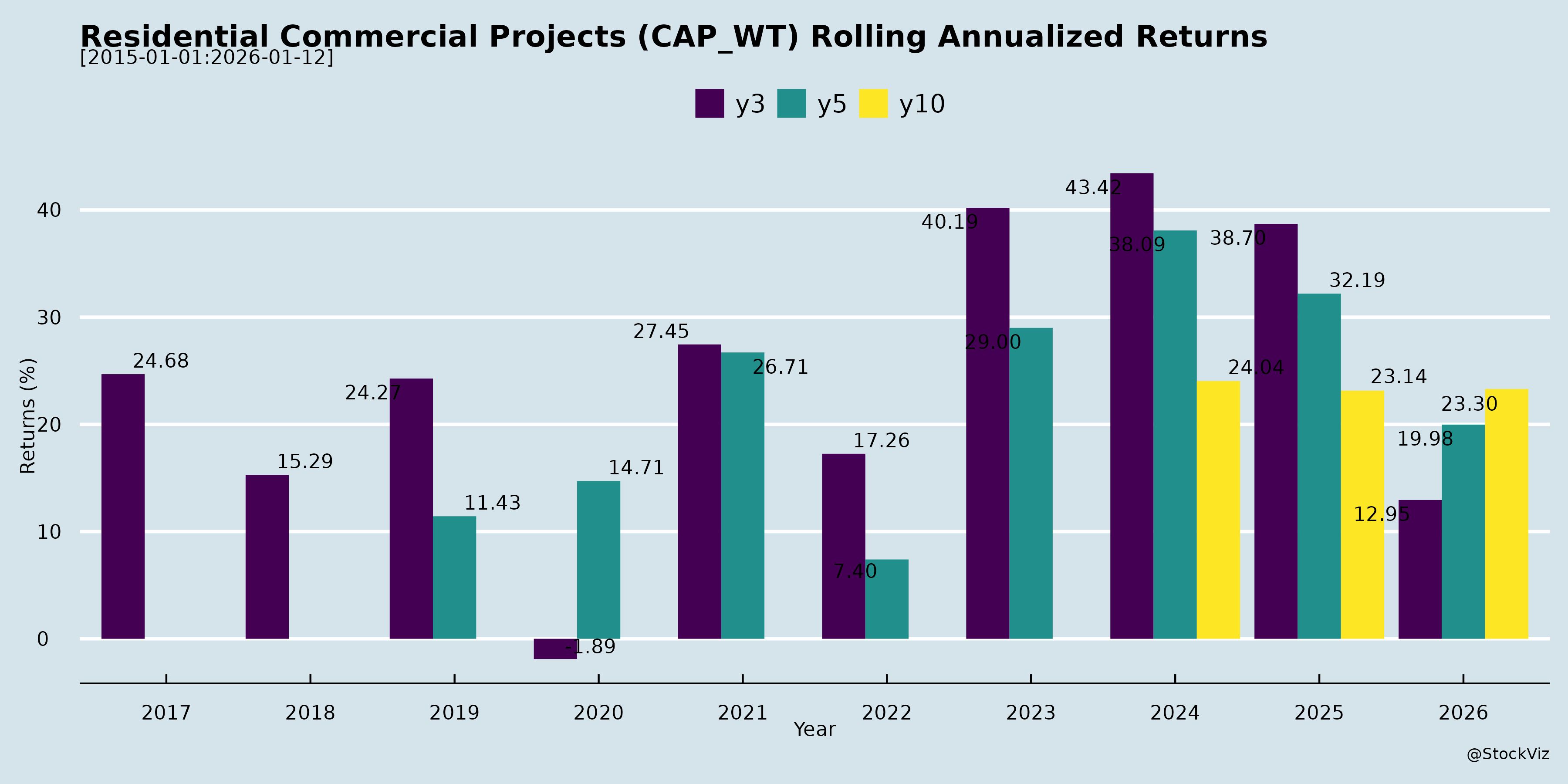
Rolling Returns

Fundamental Ratios
AI Summaries
How have the challenges and oppurtunities evolved over time?
asof: 2026-04-14
The Evolution of Opportunities in the Real Estate Sector
The real estate sector is undergoing a massive structural transformation, driven by an expanding economy, demographic shifts, and evolving consumer preferences.
Macro-Economic Expansion and Government Vision The Indian real estate market is on the cusp of unprecedented growth, projected to expand nearly 20-fold from approximately USD 300 billion to between USD 5 and 10 trillion by 2047 [1, 2]. This long-term trajectory aligns closely with the government’s Viksit Bharat 2047 vision, which heavily emphasizes large-scale infrastructure investments, inclusive economic growth, and an improved ease of doing business [1, 2]. Furthermore, the government’s focus on urbanization beyond major metros into Tier-2 and Tier-3 cities is broadening the economic base and unlocking vast new investment opportunities [3].
The Shift Towards Premiumization and Lifestyle-Led Housing A profound shift in buyer behavior has reshaped the housing market, transitioning from purely need-based purchases to aspirational, upgrade-driven homeownership [4, 5]. The sub-50 lakh affordable housing segment is actively shrinking, while the premium segment is expanding aggressively, with homes priced above Rs. 1 crore now making up 50% of all transactions [6, 7]. Modern homebuyers are no longer just looking for a roof over their heads; they are seeking a comprehensive lifestyle upgrade characterized by health, wellness, and community-centric amenities [6, 7]. Concurrently, there is a booming demand for ultra-luxury projects, provided they are situated in unique, irreplaceable locations offering unrestricted views of golf courses, lakes, forests, or the sea [8-11].
Demographic Shifts Driving the Senior Living Market An aging demographic has unlocked a massive, multi-decade structural opportunity in the senior living segment [12, 13]. India adds approximately 19,500 seniors (aged 60+) every single day, and the senior population is projected to surge from 160 million to nearly 190–195 million by 2030 [12-14]. Today’s retirees are more financially independent, socially active, and health-conscious, driving a shift away from traditional old-age homes toward managed, lifestyle-oriented retirement communities [15]. The organized senior living market is expected to grow by about 300% by 2030, potentially reaching an industry value of INR 64,500 crore [14].
Infrastructure Boom and Redevelopment Major infrastructure upgrades are actively reshaping urban growth corridors. For instance, in Ahmedabad, developments like GIFT City, Metro Phase 2, and the infrastructure push for the 2030 Commonwealth Games are catapulting real estate demand and corporate leasing [16-19]. Meanwhile, in mature, land-scarce markets like Mumbai, the redevelopment of older buildings and slum rehabilitation schemes have emerged as key structural drivers for new supply and long-term value creation [20-23].
Technological Advancements and Sector Consolidation Regulatory reforms and a push for greater transparency have accelerated the industry’s shift toward organized, execution-focused developers [3]. To handle scale, leading developers are embracing digital transformation and advanced construction technologies. For example, some companies are implementing 4D and 5D building information modeling (BIM) platforms at scale, integrating design, scheduling, and cost workflows to enable faster, more sustainable, and cost-efficient project delivery [24-27].
The Evolution of Challenges in the Real Estate Sector
Despite robust growth, the industry has had to navigate persistent and newly emerging headwinds across regulatory, economic, and operational fronts.
Regulatory Hurdles and Approval Delays A significant operational challenge has been the shifting landscape of regulatory approvals. Recently, new regulations mandated that Environmental Clearances (EC) must be obtained before securing Commencement Certificates (CC) and RERA registrations [28-31]. This requirement has caused a “one-time correction” in the industry, resulting in frustrating delays for new project launches [28, 30, 32, 33]. Additionally, procedural delays in securing Occupancy Certificates (OCs) have temporarily moderated delivery milestones for some developers [34].
Market Moderation and Price Elasticity Constraints While overall demand remains deep, certain segments have faced localized slowdowns. The overall inventory overhang in the market has crept up slightly from 13 months to 15 months [35, 36]. Developers have noted a specific slowdown in hyper-expensive luxury markets (such as projects in Gurgaon priced at Rs. 7 to 10 crores and above), highlighting that buyer pools shrink and price elasticity hits a ceiling at extreme ticket sizes [37-42].
Macroeconomic Uncertainty and Cost Pressures The real estate sector operates against a backdrop of international macroeconomic uncertainties, geopolitical tensions, and an unpredictable global trade environment [43-46]. Fluctuations in energy and commodity prices periodically push up construction costs, requiring developers to carefully manage price corrections to protect their EBITDA margins [46-52].
Labor Shortages and Skill Mismatches A critical bottleneck in labor-intensive industries like construction is the widening gap between available labor and required industry skills [53, 54]. Government initiatives aimed at boosting employment—such as the Prime Minister’s Internship Scheme (PMIS), Employment-Linked Incentive (ELI), and the National Apprenticeship Promotion Scheme (NAPS)—have struggled to scale effectively [53, 54]. These programs are hampered by weak industry-academia linkages, low stipends that fail to attract talent, and outdated training syllabuses that do not match the rapid technological shifts happening on actual factory and construction floors [55-58].
Legacy Liquidity and Stalled Projects Finally, the ghosts of past economic recessions continue to challenge parts of the sector. Some development groups are still dealing with severe liquidity crunches stemming from past demand slowdowns, which previously led to defaults on borrowings, unpaid statutory liabilities, and delayed employee salaries [59-61]. In extreme cases, companies are working under the guidance of the Supreme Court to complete and hand over thousands of stalled residential units to distressed homebuyers, relying on the sale of non-core assets to fund these deficits [62, 63].
What are the headwinds affecting this industry?
asof: 2026-04-14
The real estate and construction industry is currently facing several significant headwinds, ranging from macroeconomic pressures to regulatory bottlenecks and shifting market dynamics.
Macroeconomic and Geopolitical Pressures The industry is navigating challenges stemming from sluggish macroeconomic scenarios and international uncertainties, including geopolitical tensions and an uncertain global trade environment [1-3]. Global geopolitical developments, particularly their potential impact on energy prices, are identified as key ongoing risks [4]. Historically, recessions and slowdowns in demand have severely impacted the sector, leading to a lack of adequate finance to fund the execution and completion of ongoing projects [5-7]. This has resulted in tight liquidity situations, causing dangerous delays and defaults in the payment of principal and interest on borrowings, statutory liabilities, and employee salaries [6, 7]. Furthermore, economic slowdowns and continued recessionary tendencies can make cash realisations from customers exceptionally slow [8].
Regulatory Hurdles and Approval Delays A major operational headwind involves significant delays in obtaining project approvals. New regulatory frameworks, such as the requirement to secure an Environmental Clearance (EC) before obtaining a Commencement Certificate (CC) and subsequent RERA approvals, have noticeably delayed project launches across the industry [9-11]. In certain regions, environmental clearance offices temporarily ceased operations due to stay orders, creating a backlog that pushed planned project launches into subsequent financial years [12, 13]. Additionally, developers face localized regulatory bottlenecks, including pending height clearances and eco-sensitive zone approvals, which stall development [14]. Legal challenges also pose a threat; for example, Public Interest Litigations (PILs) challenging land usage have resulted in court-mandated halts on construction activities, freezing project progress and tying up capital [15, 16].
Market Slowdowns and Rising Inventory Overhang There are indicators of a slight moderation and sluggishness in buyer demand in specific pockets of the market. Overall inventory overhang has been observed to rise, moving from roughly 13 months to 15 months, indicating a slower absorption rate compared to previous periods [17]. This slowdown is particularly pronounced in the ultra-luxury segment in certain geographies, such as Gurgaon [18]. In these markets, homes priced at a premium (e.g., Rs. 7 to 10 crores and above) are experiencing slower sales velocities, as the pool of buyers capable of affording these high ticket sizes is significantly smaller than that for mid-market or standard premium products [18, 19]. Developers note that pushing ticket sizes beyond a certain threshold eliminates price elasticity, leading to a sudden drop in sales velocity [20].
Cost Escalations Finally, the industry is grappling with rising construction input costs driven by broader commodity upcycles [21, 22]. While developers often attempt to hedge against this by recovering the increased costs through price corrections as project construction progresses, these escalating material expenses remain a constant pressure point that threatens to compress profit margins [22, 23].
What are the key things to understand about this industry?
asof: 2026-04-14
The Indian real estate industry is currently undergoing a massive structural transformation, with projections estimating that the market size could grow nearly 20-fold from approximately USD 300 billion today to USD 5-10 trillion by 2047 [1-4].
To deeply understand this industry based on the provided sources, several key themes, growth drivers, niche opportunities, and inherent risks must be examined:
1. A Major Shift Towards Premiumization and Lifestyle Living There is a fundamental transition occurring in buyer behavior, moving away from purely need-based purchasing toward aspirational, upgrade buying [5, 6]. * Shrinking Affordable Segment: The sub-50 lakh affordable housing segment is shrinking, while the premium and luxury segments are expanding aggressively [7, 8]. * High-Ticket Dominance: Homes priced above Rs. 1 crore now account for roughly 50% of all transactions in India’s top cities [7, 8]. * Experiential and Wellness-Led Design: Buyers are no longer just looking for a roof over their heads; they are seeking a comprehensive lifestyle [7, 8]. In the luxury space, consumer preferences have shifted beyond conventional specifications to prioritize open environments, natural light, spatial orientation, wellness amenities, and privacy [9-11].
2. Core Demand Drivers and Infrastructure Development The real estate sector is highly sensitive to external macroeconomic factors and local infrastructure. * Infrastructure as a Catalyst: Large-scale infrastructure developments, such as new metro lines and improved road networks, drastically reduce travel times and create significant demand in emerging micro-markets [12-15]. * Economic and Demographic Tailwinds: Sustained demand is supported by steady migration, strong employment generation, rising incomes, and government policies like GST rationalization [14-16]. * Organic Demand: Interestingly, in certain underpenetrated markets like Lucknow, strong demand is highly organic and largely untethered from external factors like fluctuating interest rates or the presence of IT sectors [17-20].
3. High-Growth Niche Markets Developers are increasingly diversifying their portfolios to capture demand in highly profitable, under-supplied sub-sectors: * Senior Living: The senior living segment represents a massive, largely unaddressed market [21-23]. With India’s population of people aged 60+ expected to grow from roughly 160 million to 190-195 million by 2030, the organized senior living market could grow by 300% [23]. This segment benefits from minimal competition, cheaper land requirements, higher pricing power, and better margins [21, 22]. * Commercial and Industrial Real Estate: There is tremendous growth in strategic industrial clusters and corporate leasing [24, 25]. The commercial segment is seeing strong Grade A office absorption, heavily driven by Global Capability Centers (GCCs) and new-age businesses [26-28].
4. Redevelopment as a Primary Source of Supply In mature, land-scarce urban centers like the Mumbai Metropolitan Region (MMR), the availability of clear, empty land is extremely limited [29, 30]. Consequently, the redevelopment of older housing societies and slum rehabilitation projects has emerged as a key structural driver for new supply and long-term value creation [29-33].
5. Sector Consolidation and Execution Discipline Regulatory reforms (such as RERA) and demands for greater transparency have accelerated a shift in market share toward organized, reliable developers [34]. * Execution Excellence: Timely delivery and quality construction are now critical competitive advantages [35, 36]. * Capital and Operational Efficiency: Successful developers increasingly utilize lean land acquisition strategies (treating land as a raw material rather than hoarding it) and in-house construction management to maintain better control over quality, timelines, and profit margins [37, 38].
6. Inherent Risks and Industry Challenges Despite strong growth, the real estate business model carries distinct operational and financial vulnerabilities: * Approval Bottlenecks: Securing regulatory permissions, such as Environmental Clearances (EC) and Occupancy Certificates (OC), can be a lengthy process. Procedural delays frequently postpone project launches and push back the timeline for revenue recognition [39-43]. By law, revenue is usually only recognized once the Occupancy Certificate is received and possession is handed over to the buyer [44, 45]. * Pricing Elasticity and Slowdowns: Overpricing is a major pitfall [18, 20]. While the mid-market and premium segments are booming, there are early signs of a slowdown and rising inventory overhang in specific ultra-luxury markets where ticket sizes have become prohibitively expensive (e.g., Rs. 7-10 crores and above) [46-50]. * Liquidity and Contractual Risks: The industry is highly capital-intensive. Economic recessions or sluggish demand can lead to delayed customer payments, tight liquidity, and stalled construction [51, 52]. Furthermore, real estate contracts are rigid; builders cannot easily substitute units or utilize them for alternative purposes if a customer defaults, and unresolved customer disputes can lead to RERA issuing strict recovery certificates against developers [53-55]. * Commodity Price Fluctuations: Rising costs of raw materials can threaten profitability, though developers typically attempt to hedge against this by adjusting property prices upward as project construction progresses [56-60].
What are the tailwinds affecting this industry?
asof: 2026-04-14
The real estate industry is currently benefiting from a wide array of powerful tailwinds, spanning favorable macroeconomic policies, shifting demographic trends, evolving consumer preferences, and massive infrastructure investments.
Macroeconomic and Regulatory Factors * Favorable Monetary Policies: The sector has significantly benefited from a 100 basis points repo rate cut by the Reserve Bank of India, bringing the rate down to 5.5% [1]. This move, alongside a reduction in the Cash Reserve Ratio (CRR), has improved market liquidity, lowered borrowing costs for both developers and homebuyers, and made housing much more affordable [2]. * Economic Stability and Growth: Cooling inflation, rising household incomes, and robust domestic consumption are collectively maintaining positive buyer sentiment and a stable home-buying environment [2-4]. India’s strong macroeconomic fundamentals are reflected in resilient GDP growth (estimated at 7.6% for FY26) and record-high GST collections [4, 5]. * Government Interventions and Trade: Pro-growth policies, such as the rationalization of GST, along with strategic international developments like the newly concluded trade deal with the EU, are providing substantial support to the economy and housing demand [3, 6]. Furthermore, the government’s “Viksit Bharat 2047” vision—which emphasizes ease of doing business and inclusive growth—is projected to help the real estate market grow nearly 20-fold, from $300 billion to between $5 trillion and $10 trillion by 2047 [7-10].
Changing Consumer Preferences and Premiumization * Aspirational Upgrades: There is a clear structural transition occurring from purely need-based purchasing to “upgrade buying,” driven by a desire for aspirational home ownership and lifestyle-led housing [11, 12]. Consumers are increasingly looking for homes that offer comprehensive lifestyle amenities rather than just a roof over their heads [13, 14]. * Growth in Premium and Luxury Segments: The sub-50 lakh affordable housing segment is shrinking, while the premium and mid-premium segments are expanding aggressively [2, 13, 14]. Currently, homes priced above Rs. 1 crore account for 50% of all transactions [13, 14]. This demand is characterized as deep, genuine, and driven by end-users rather than speculative investors [15, 16]. * Ultra-Luxury and Coastal Living: High-net-worth individuals (HNIs), NRIs, and business families are driving strong demand for ultra-luxury and coastal properties, seeking privacy, panoramic waterfront views, and location-driven value [17].
Demographic Shifts and Urbanization * The Senior Living Boom: India’s aging demographic represents a massive, multi-decade structural demand driver for the industry [18, 19]. With approximately 19,500 Indians turning 60+ every day (adding 7 million seniors annually), the 60+ population is projected to approach 190–195 million by 2030 [18-20]. The organized senior living market is expected to grow by roughly 300% by 2030, as current demand for lifestyle-oriented retirement communities far exceeds the existing supply [20]. * Urbanization Beyond Metros: Steady migration inflows and strong employment generation are driving demand in major urban centers [21]. Additionally, urbanization is rapidly expanding into Tier-2 and Tier-3 cities, broadening the economic base and unlocking entirely new real estate investment opportunities [22].
Infrastructure Development * A massive wave of infrastructure development is fundamentally reshaping city growth corridors [23, 24]. Better road connectivity, new Metro lines, and large-scale strategic projects (like the expansion of GIFT City and the infrastructure push for the Commonwealth Games 2030 in Ahmedabad) are reducing travel times, making city living more convenient, and directly triggering real estate growth [21, 23, 24].
Commercial and Industrial Real Estate Demand * The commercial real estate segment is maintaining a strong growth trajectory, with India’s total Grade A office stock projected to surpass 1 billion square feet in 2026 [5]. This is heavily driven by robust absorption from Global Capability Centers (GCCs) and the expanding IT and IT-related services sectors [5, 25]. * On the industrial side, there is tremendous growth and preference for strategic industrial clusters and parks, with high demand for industrial plot leasing [26].
Industry Consolidation and Redevelopment * Shift to Organized Developers: Regulatory reforms and a push for greater transparency are accelerating a shift toward organized, branded developers [22]. Buyers are prioritizing quality, trust, and timely execution, which gives a distinct advantage to established corporate players [3, 27]. * Redevelopment as a Supply Driver: With limited land availability in core urban areas, societal and slum redevelopment has emerged as a key structural driver for creating new housing supply and unlocking long-term value in mature markets [11, 12, 15, 16, 28].
What is the general outlook of this industry?
asof: 2026-04-14
The general outlook for the Indian real estate industry is exceptionally positive and structurally robust, demonstrating significant resilience despite global geopolitical uncertainties and macroeconomic challenges [1-5]. The sector is currently undergoing a massive structural transformation, with the market size projected to grow nearly 20-fold from approximately USD 300 billion today to between USD 5 trillion and USD 10 trillion by 2047 [6, 7]. This rapid expansion aligns closely with the government’s Viksit Bharat 2047 vision, which emphasizes large-scale infrastructure investments and inclusive economic growth [7].
Several macroeconomic tailwinds are laying a strong foundation for this growth, including resilient GDP growth estimated at around 7.6% for FY 2026, stable inflation, improved liquidity, and robust domestic consumption [5, 8-10]. Furthermore, softer interest rates, low mortgage rates, and pro-growth government policies, such as GST rationalization, continue to sustain a highly favorable home-buying environment [8, 9, 11, 12].
Key Consumer Trends and Demand Drivers: Demand in the residential sector is fundamentally sound, characterized as deep, genuine, and end-user driven rather than speculative [13, 14]. This
Copyright © 2023 SAS Data Analytics Pvt. Ltd. All rights reserved.