Refineries & Marketing
Industry Metrics
September 24, 2026
Annual Returns
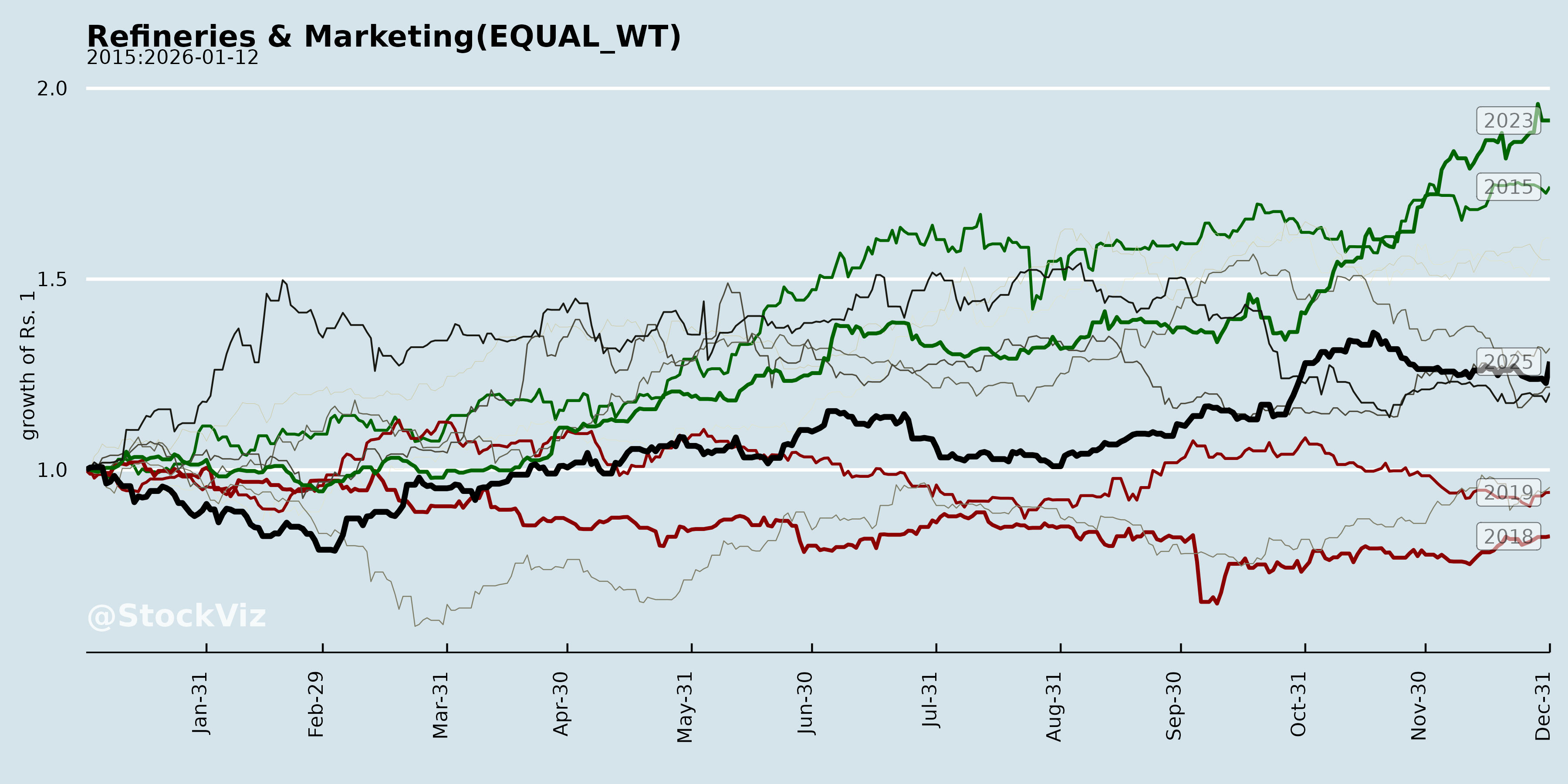
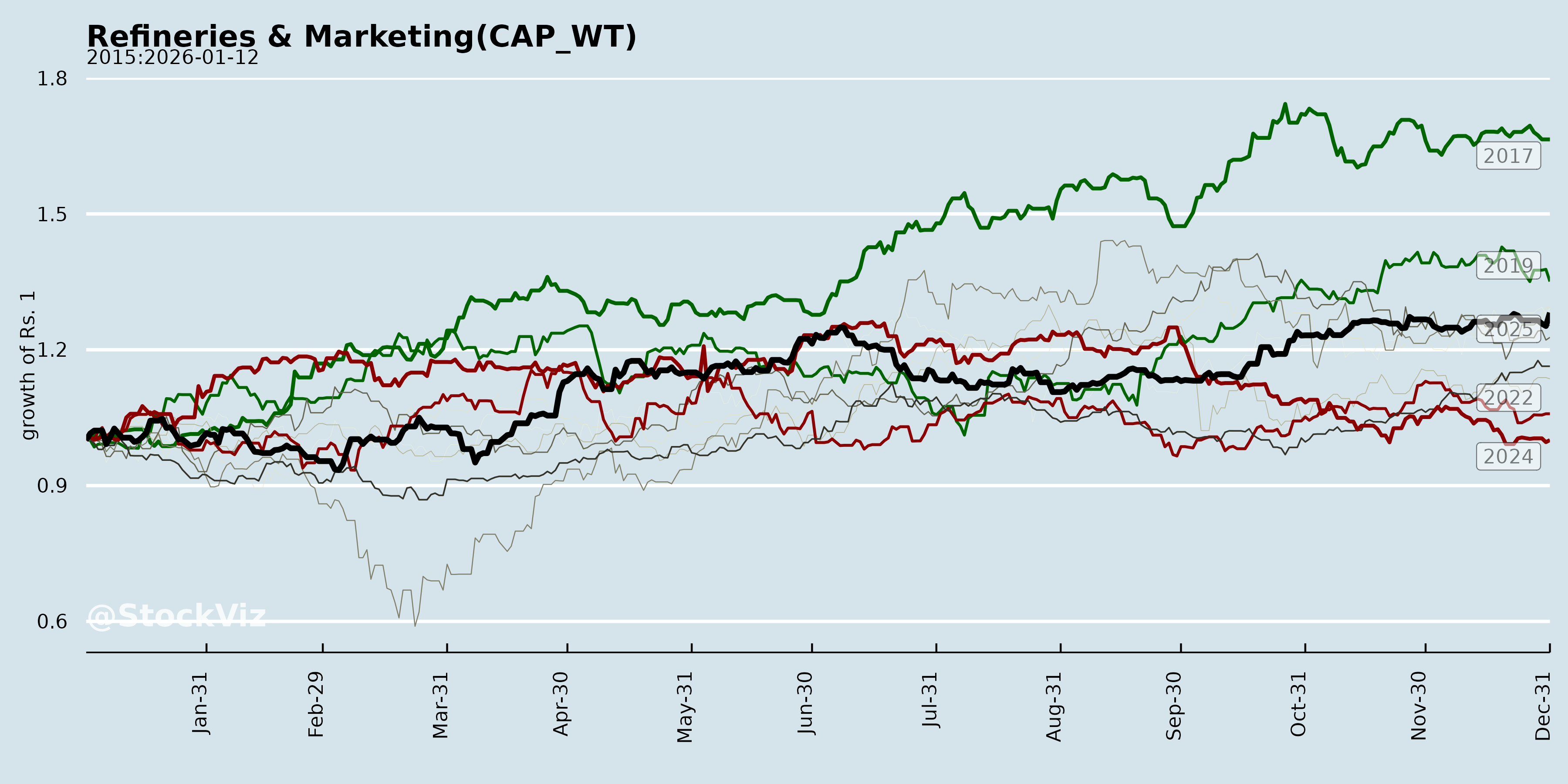
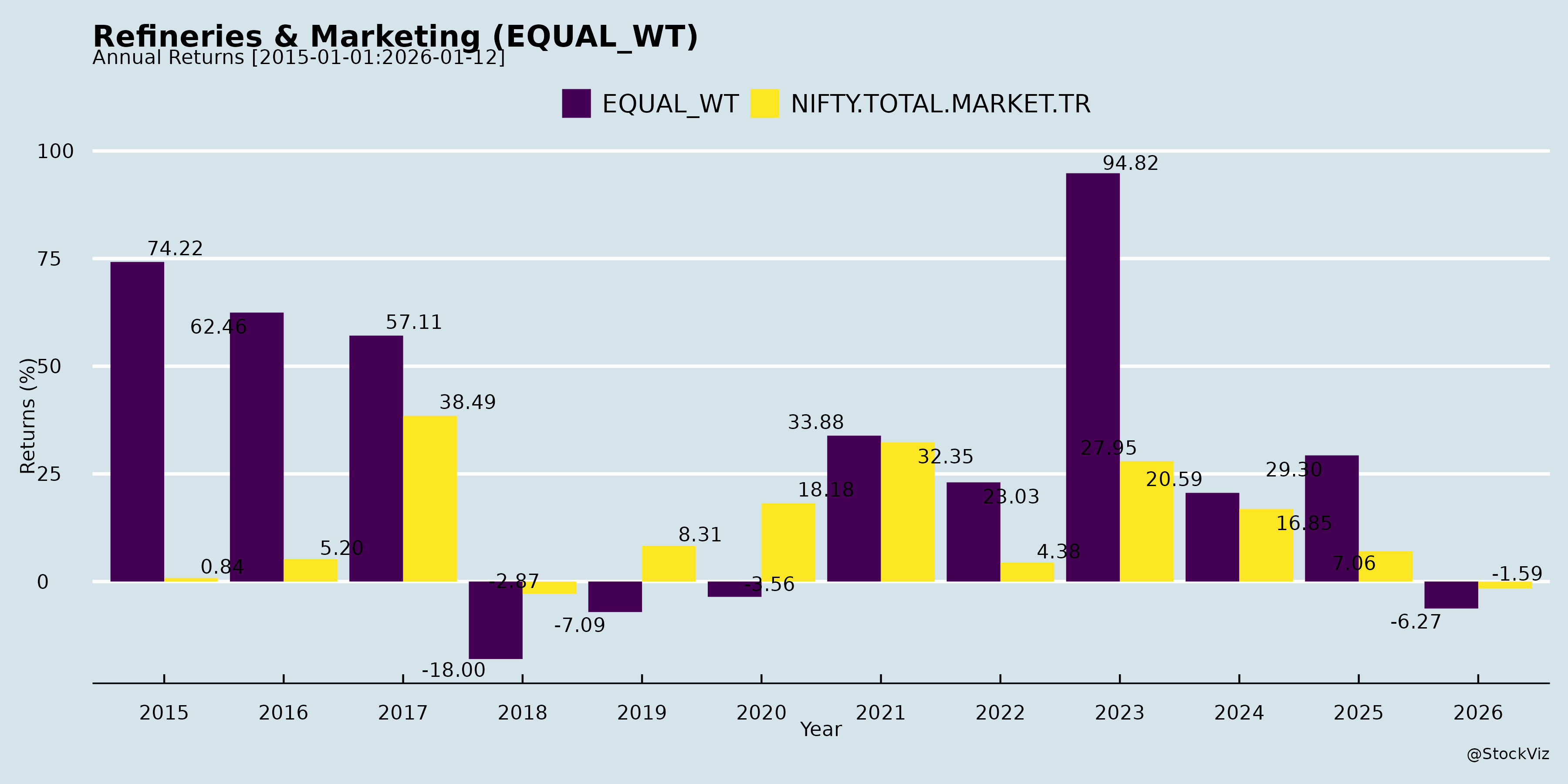
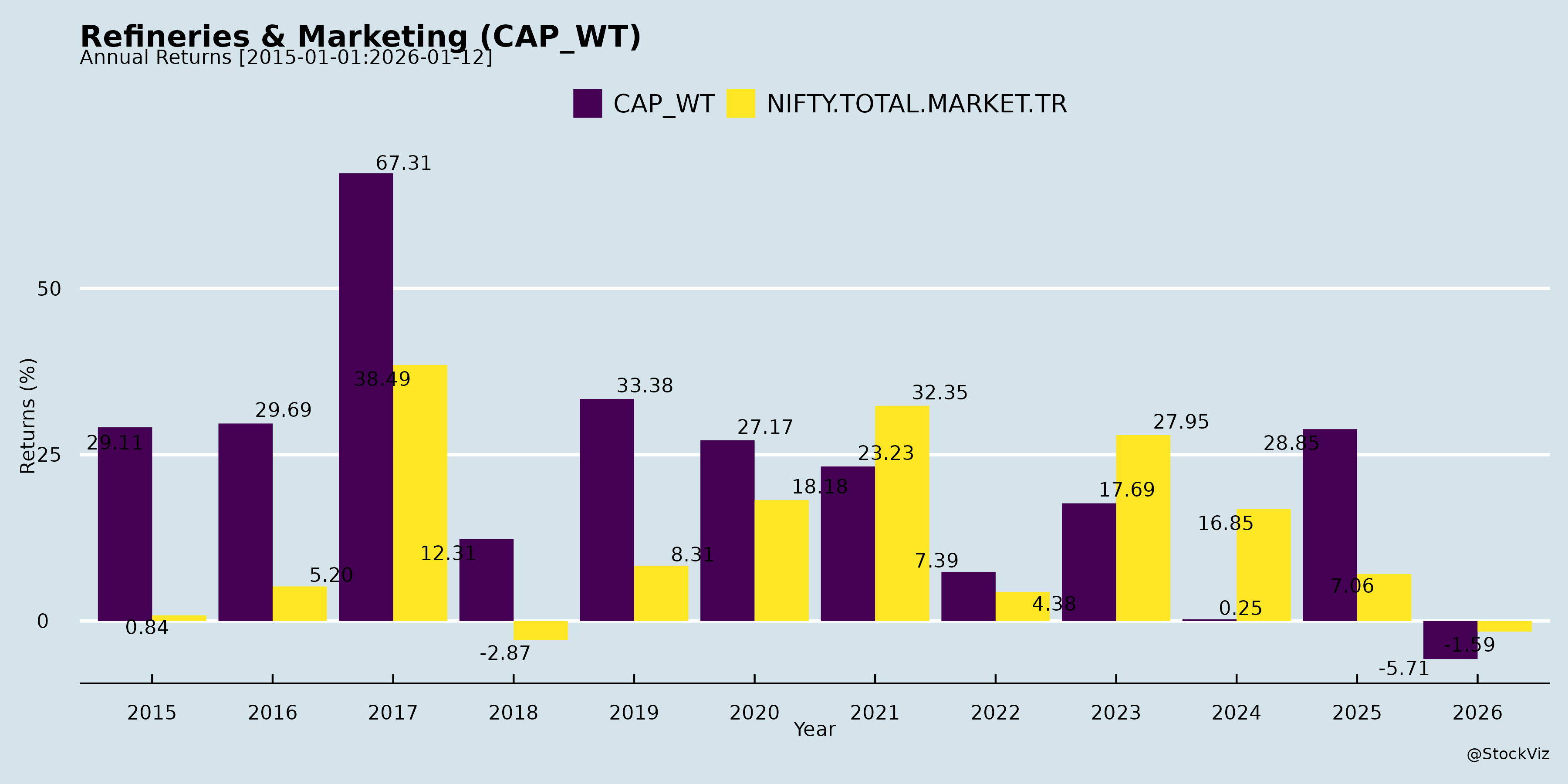
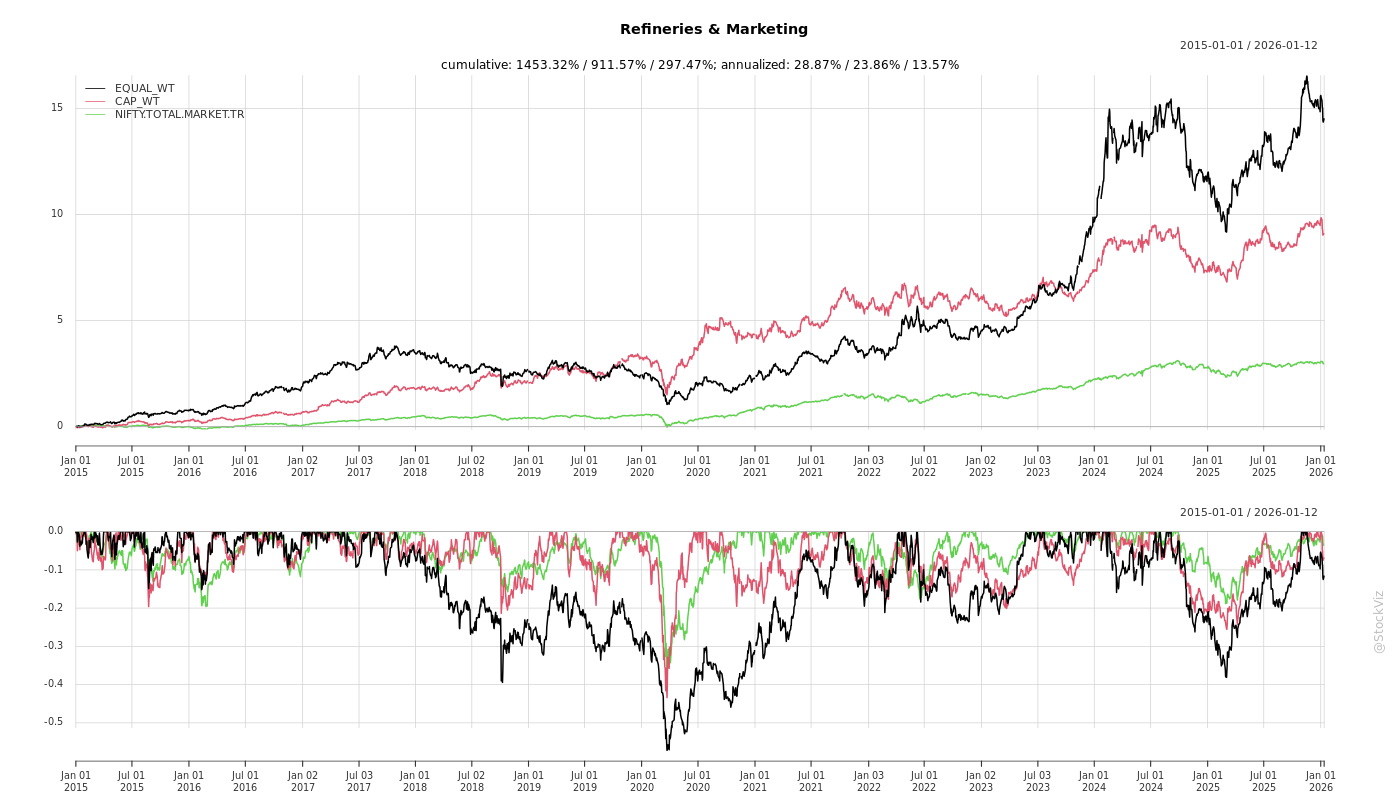
Cumulative Returns and Drawdowns
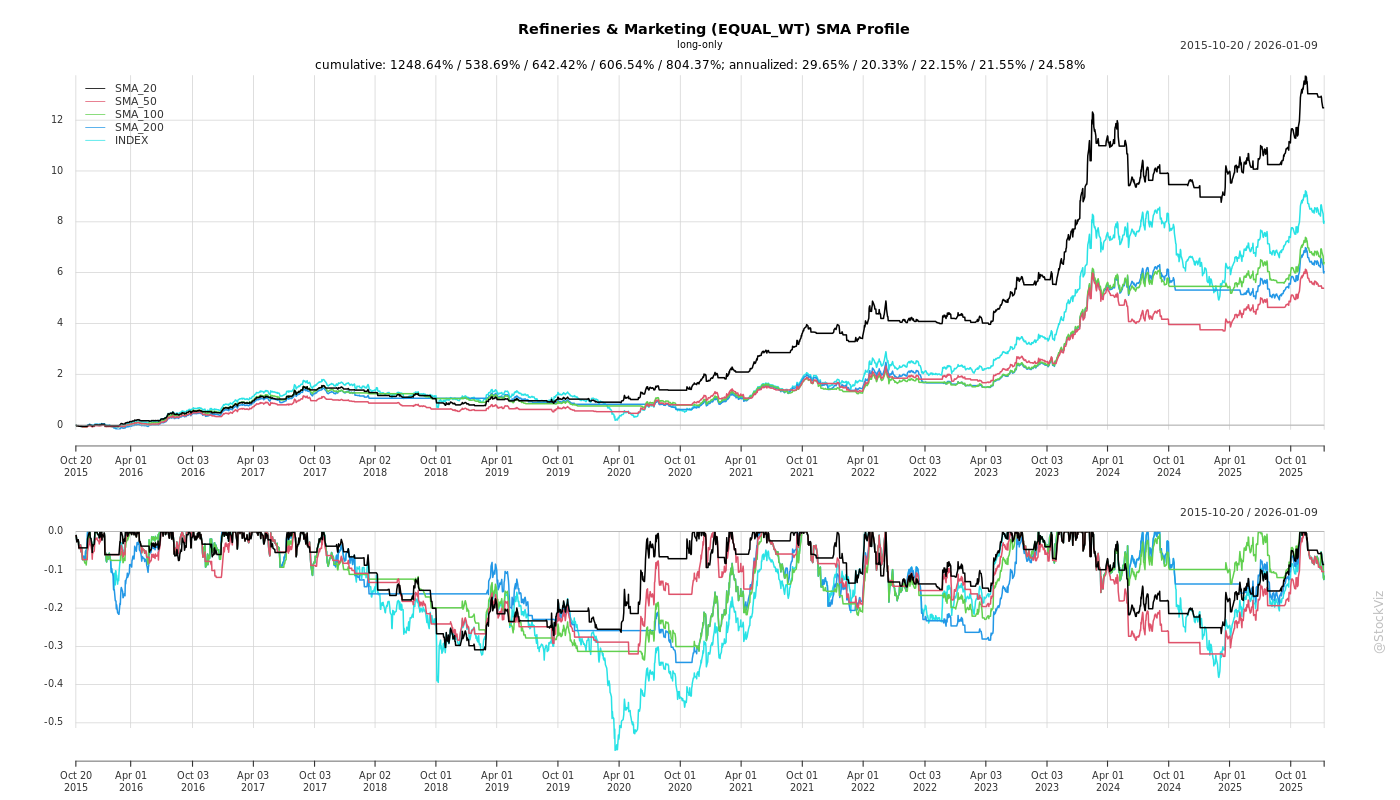
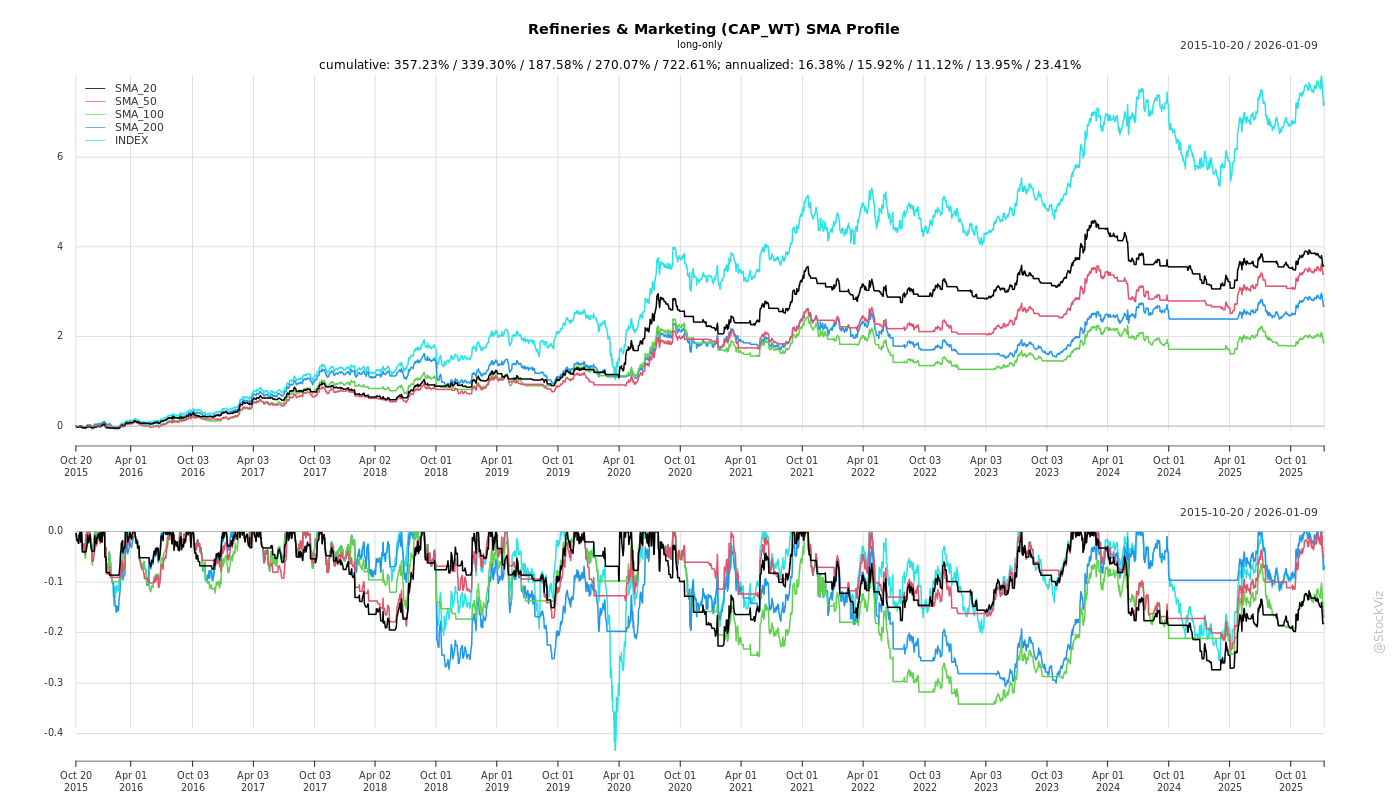
SMA Scenarios
Current Distance from SMA
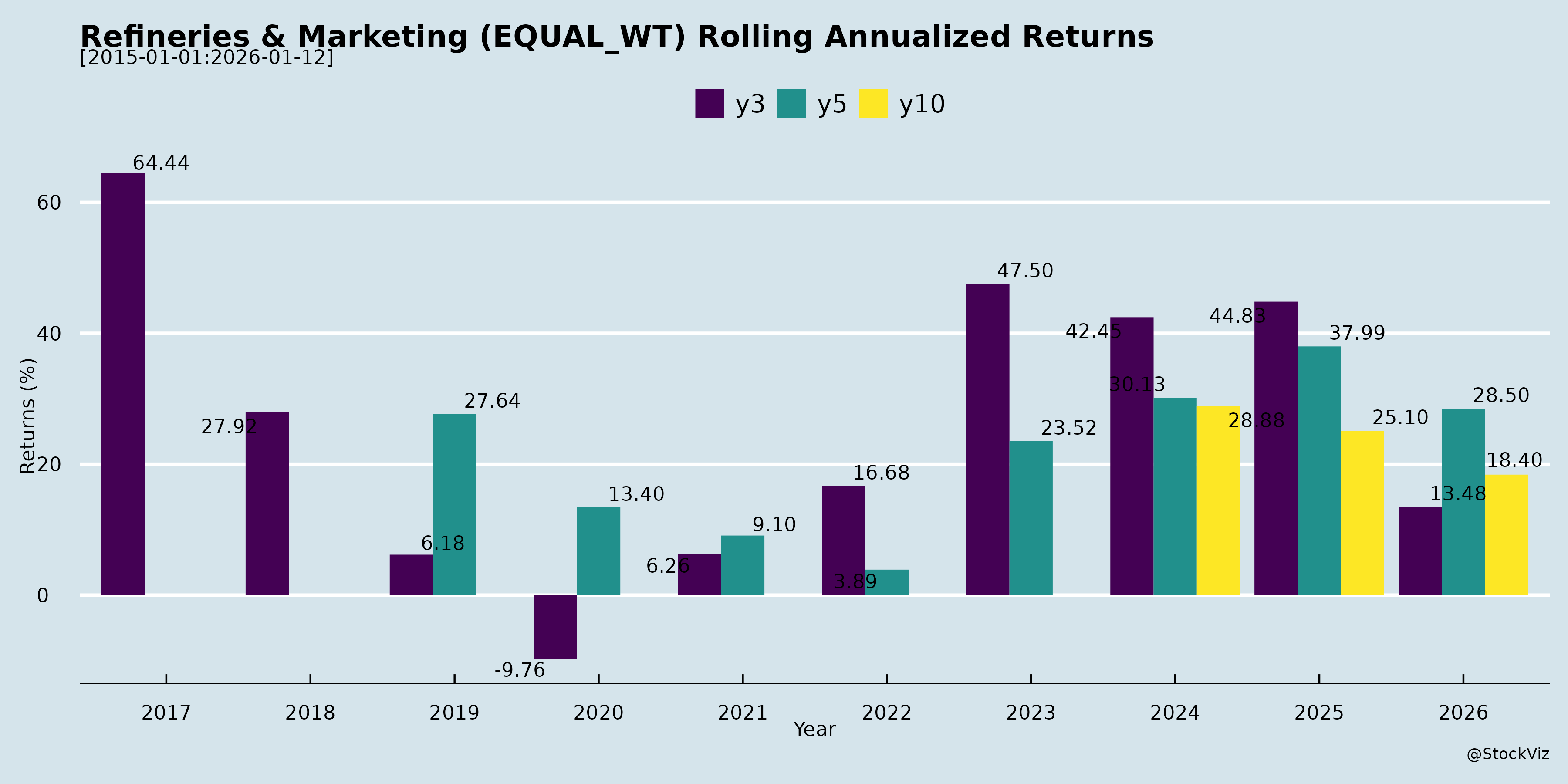
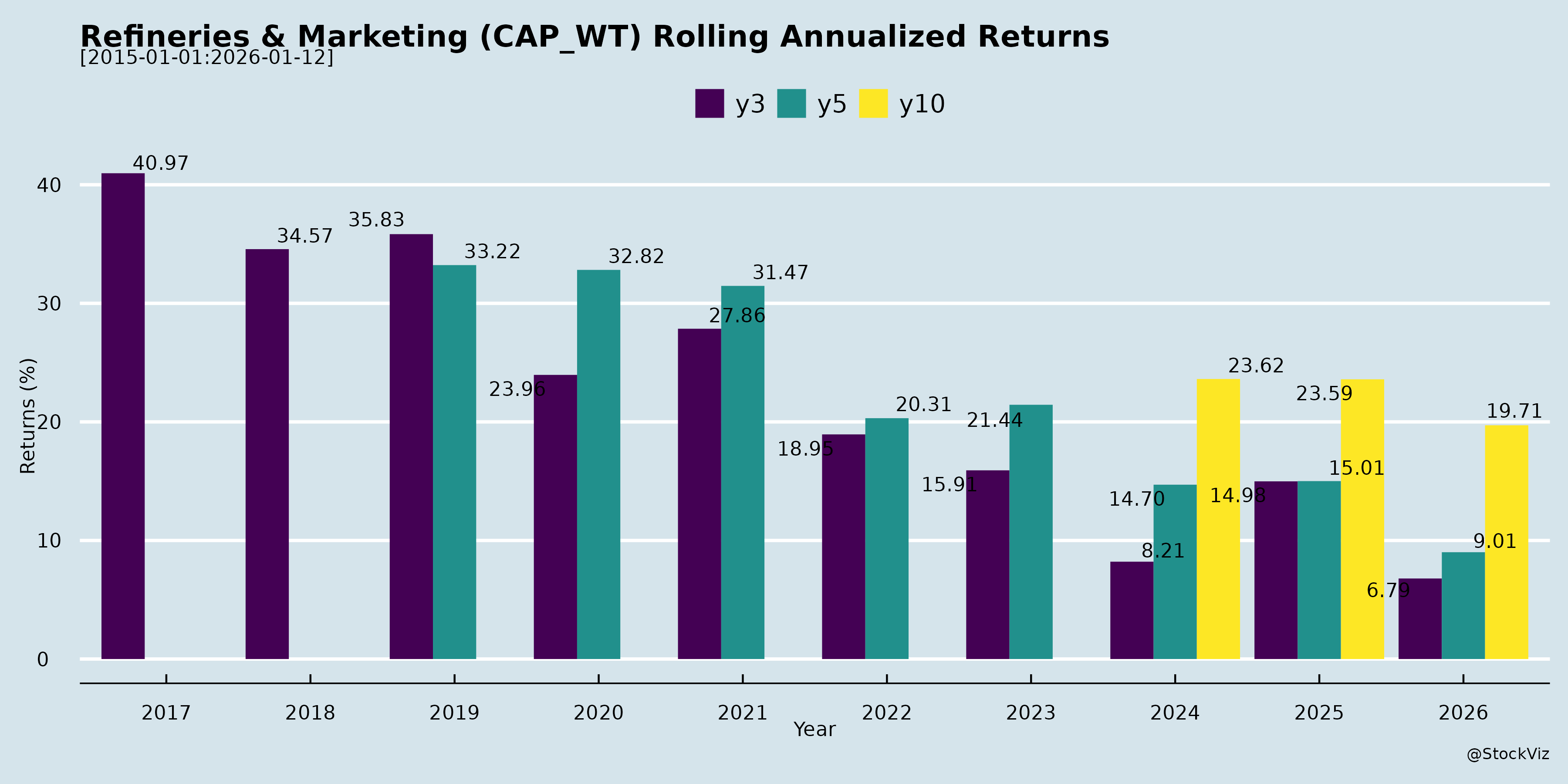
Rolling Returns
Fundamental Ratios
AI Summaries
How have the challenges and oppurtunities evolved over time?
asof: 2026-04-16
The challenges and opportunities across the industries represented in the sources—particularly within the energy, refining, and consumer goods sectors—have evolved significantly over time. Companies are transitioning from traditional operational models toward sustainable technologies, while simultaneously navigating complex geopolitical, regulatory, and market challenges.
Here is a detailed breakdown of how these opportunities and challenges have evolved:
The Evolution of Opportunities
1. Shift Towards Clean Energy and Sustainability A major evolution in opportunities is the aggressive transition toward renewable energy, low-carbon fuels, and sustainable technologies to meet global decarbonization goals: * Green Hydrogen: Bharat Petroleum Corporation Limited (BPCL), through its joint venture NeuEN Green Energy, secured a landmark contract to supply 10,000 tonnes per annum (10KTPA) of green hydrogen to Numaligarh Refinery [1]. This project integrates renewable energy with advanced storage solutions [2]. * Sustainable Aviation Fuel (SAF): Multiple refiners are capitalizing on the aviation sector’s push for net-zero emissions. Indian Oil Corporation Limited (IOCL) signed a Letter of Intent with Akasa Air to explore the future supply of SAF [3]. Similarly, Mangalore Refinery and Petrochemicals Limited (MRPL) is investing Rs. 364 crores in a Bio-ATF plant to comply with international CORSIA carbon-offsetting norms by 2027 [4], while Chennai Petroleum Corporation Limited (CPCL) has successfully conducted trial runs for SAF [5]. * Clean Technologies & Biofuels: Hindustan Petroleum Corporation Limited (HPCL) partnered with Thermax to jointly develop emerging technologies such as AEM electrolyzers, CO2 capture solutions, and bio-pyrolysis [6]. Meanwhile, Kotyark Industries Limited, a key player in biofuel/biodiesel, successfully migrated to the main boards of the NSE and BSE to enhance its market visibility and attract wider institutional investment to support its green energy initiatives [7, 8].
2. Strategic Retail and Infrastructure Expansion To combat the volatility of wholesale and export markets, companies are evolving their business models to capture higher and more stable margins directly from consumers: * Retail Network Expansion: MRPL realized that retail is a “big game changer” for refining. To reduce reliance on volatile export sales, MRPL is expanding its retail footprint, moving from 200 current outlets to a target of 500 in three years, and 1,000 within five years [9, 10]. * Natural Gas Infrastructure: HPCL signed an MoU with the Indian Gas Exchange (IGX) to develop a digital, market-driven platform for transparently booking regasification services at HPCL’s Chhara LNG Terminal, supporting the evolution of a more competitive gas market [11].
3. Product Upgrades and Diversification Companies are consistently identifying opportunities to upgrade low-value outputs into high-margin products: * Refining Value Additions: CPCL has successfully introduced pharma-grade hexane, opening inroads into entirely new markets, and is at an advanced stage of upgrading Naphtha and HSD into highly profitable Lube Oil Based Stock (LOBS) Group-II and III [12, 13]. MRPL is also set to commission an Isobutyl Benzene (IBB) pilot plant, targeting the pharmaceutical base market [4]. * FMCG Diversification: In the consumer goods sector, Reliance Consumer Products Limited acquired Southern Health Foods (makers of the “Manna” brand) to capture opportunities in the rapidly growing health-focused and millet-based packaged foods market [14, 15].
The Evolution of Challenges
1. Extreme Market and Geopolitical Volatility Refiners have had to adapt to highly unpredictable global markets: * Fluctuating Margins and Cracks: The profitability of refiners is heavily dependent on international product “cracks” (the price difference between crude oil and refined products). Companies like CPCL and MRPL noted that crack spreads for vital products like High-Speed Diesel (HSD) fell from highs of $13–$15 per barrel down to sub-$10 levels, significantly impacting profit margins [16-18]. * Geopolitical Sanctions and Supply Chain Disruptions: International sanctions (such as the 18th sanctions package regarding Russian crude) have introduced complexities in crude sourcing. Companies must strictly comply with evolving international regimes while attempting to secure cost-effective heavy crudes [19-21]. Furthermore, Middle East tensions have caused spikes in shipping freight rates, squeezing operational economics [22].
2. Regulatory and Compliance Hurdles As the regulatory landscape becomes stricter, companies face evolving compliance challenges: * Corporate Governance Penalties: Public Sector Undertakings (PSUs) face unique structural challenges. For instance, CPCL was fined over Rs. 5.4 lakhs each by the BSE and NSE for failing to appoint a Woman Independent Director. However, CPCL noted this was beyond their control, as the power to appoint directors in a government company vests entirely with the Ministry of Petroleum and Natural Gas (MoP&NG) [23, 24]. * Environmental Directives: BPCL faced regulatory action from the Central Pollution Control Board (CPCB), which directed the company to deposit an environmental compensation of Rs. 1 crore for failing to comply with prescribed timelines [25].
3. Structural Financial Pressures * Valuation and Market Perception: Despite strong physical throughput, Oil Marketing Companies (OMCs) suffer from subpar stock market valuations. Investors remain cautious because product pricing and taxation (such as the Special Additional Excise Duty or SAED) are still largely perceived to be controlled by the government, posing a risk that sudden taxes could be imposed during a crisis [26]. This is exacerbated by a very low free float of shares available to the public [26]. * Operational Trade-offs: Heavy capital structures also expose these companies to foreign exchange losses on External Commercial Borrowings (ECBs), forcing them to carefully weigh the costs of early debt reduction against currency market volatility [27]. Furthermore, mandatory Maintenance & Inspection (M&I) shutdowns inevitably disrupt production availability and elevate operating costs temporarily [28].
What are the headwinds affecting this industry?
asof: 2026-04-16
The petroleum refining and marketing industry is currently navigating several significant headwinds that impact profitability and operational efficiency:
Declining International Product Cracks A primary challenge affecting industry profitability is the broad reduction in international product cracks, which represent the margin between the cost of crude oil and the selling price of refined products [1, 2]. For instance, cracks for major products like High-Speed Diesel (HSD) recently dropped from strong levels of $13 to $15 per barrel down to $10 or even sub-$10 levels [1, 2]. Because refineries have constant operating costs, every $1 to $2 decline in these cracks directly and negatively impacts overall profit [3, 4].
Crude Price Volatility and Sourcing Complexities The industry faces ongoing uncertainties driven by the inherent volatility of crude oil prices [5, 6]. Furthermore, sourcing commercial crude has been complicated by international sanctions, creating a highly complex and unstable market environment that management teams do not expect to stabilize immediately [7, 8].
Geopolitical Tensions and Freight Rates Geopolitical issues, specifically tensions in the Middle East, have caused supply disruptions and spikes in shipping freight rates [9, 10]. While these freight rates have gradually moderated from their recent peaks, they still remain elevated compared to earlier baseline levels [9, 10].
Government Pricing Controls and Taxation Risks Despite broad deregulation in the space, there is a lingering impact of government control over pricing and taxation, which suppresses the market valuation of Oil Marketing Companies (OMCs) [11, 12]. The industry faces the persistent risk of unpredictable government interventions, such as the fear that sudden taxes like the Special Additional Excise Duty (SAED) could be reimposed during a market crisis [11, 12]. Additionally, companies frequently have to absorb under-recoveries on the sale of products like domestic LPG when the market-determined price is kept lower than the effective cost to the customer, leading to the accumulation of massive net negative financial buffers [13, 14].
Foreign Exchange Exposure Currency volatility serves as another headwind, as unfavorable movements in the foreign exchange market can lead to forex losses [15, 16]. This becomes particularly challenging when companies are managing or attempting to pay off foreign-denominated debt, such as External Commercial Borrowings (ECBs) [15, 16].
Operational Disruptions from Maintenance Necessary Maintenance and Inspection (M&I) shutdowns are highly disruptive to output [17, 18]. These large-scale scheduled shutdowns remove significant product processing capacity from the market and involve substantial startup and shutdown expenses, which temporarily elevates operating costs and weighs down profitability [17, 18].
What are the key things to understand about this industry?
asof: 2026-04-16
Profitability is intrinsically tied to Gross Refining Margins (GRM) and international product cracks. A refinery’s primary earnings are determined by the difference between the cost of crude oil and the international parity prices of finished products like High-Speed Diesel (HSD), Aviation Turbine Fuel (ATF), and Motor Spirit (MS) [1, 2]. When international product “cracks” (the price difference between crude and the refined product) are high, company profits surge; conversely, when cracks fall, profitability and subsequent shareholder dividends drop significantly [3-6]. Refiners consistently measure their efficiency by comparing their GRM to international benchmarks, such as the Singapore GRM, and aim to earn a premium over it through high capacity utilization and operational reliability [7-10].
Strategic crude sourcing requires balancing long-term stability with opportunistic, discounted purchases. Refineries typically secure a stable base of their crude requirements (around 55% to 60%) through long-term contracts from the Middle East, utilizing grades like Saudi Arab, Basrah Heavy, and Basrah Medium [11-16]. The remaining 30% to 40% is sourced from the spot market as “opportunity crudes” (such as Russian, US, or West African crudes) to capitalize on significant discounts and improve the bottom line [15-22]. However, capitalizing on these opportunity crudes involves navigating complex geopolitical environments and ensuring strict compliance with international sanctions [23-26].
Refinery complexity and operational efficiency are critical competitive advantages. Highly complex refineries possess the technical capability to process a wide variety of heavy and sour crudes (such as Merey or Maya), which are cheaper to procure and thus economically advantageous [27-32]. Operational excellence is tracked using stringent metrics like the Energy Intensity Index (EII), MBN (a measure of energy efficiency based on complexity), and fuel/loss percentages [33-38]. Additionally, the industry is heavily affected by cyclical Maintenance and Inspection (M&I) shutdowns, which temporarily reduce product processing availability, elevate operating costs, and impact overall efficiency [4, 6, 39, 40].
There is a major strategic shift toward expanding retail marketing networks. Refiners are increasingly looking beyond basic refinery transfers and volatile export markets by directly entering the retail fuel space. Retail margins are generally superior and offer much greater revenue stability [41, 42]. For example, companies are planning aggressive retail expansions—scaling from hundreds to thousands of outlets over a few years—while simultaneously investing hundreds of crores in supporting infrastructure like pipelines and storage depots [41-45]. This aggressive strategy is evidenced by major players like IndianOil commissioning a record 909 retail outlets recently to capture highway market share [46].
The industry is rapidly pivoting toward clean energy, sustainability, and biofuels. To meet global net-zero emissions targets, refiners are investing heavily in new energy technologies. A major focus is the development of Sustainable Aviation Fuel (SAF) to comply with international carbon offsetting schemes like CORSIA [47-50]. Energy companies are signing letters of intent to supply SAF to commercial airlines [51, 52]. Furthermore, traditional refiners are forming joint ventures and memorandums of understanding to deploy green hydrogen, electrolyzers, carbon capture solutions, and bio-pyrolysis [53-55]. Companies specifically dedicated to this transition, such as Kotyark Industries, are scaling up the manufacturing of biodiesel and green energy from multi-feedstock sources [56].
Capital expenditure is highly focused on petrochemical integration and value-added products. Because basic refining is subject to volatile margins, companies are continuously developing schemes to upgrade low-value components into higher-margin products [57, 58]. This includes creating specialized, value-added outputs like pharma-grade hexane, Lube Oil Based Stock (LOBS) Group II and III, and Isobutyl Benzene (IBB) for the pharmaceutical industry [11, 13, 34, 36, 49, 50, 59, 60]. Consequently, significant capital is allocated not just to routine maintenance, but to growth projects and the establishment of intermediate plants to boost petrochemical intensity [61-64].
What are the tailwinds affecting this industry?
asof: 2026-04-16
Robust Domestic Demand and Supply Shortfalls A primary tailwind driving the petroleum and refining industry is the steady growth in domestic demand, which has led to clear supply shortfalls in specific regional markets. For instance, the southern Indian market is experiencing a shortfall in Motor Spirit (MS) production compared to demand, estimated at close to 20 Thousand Metric Tonnes (TMT) per month [1, 2]. Nationally, demand growth projections remain strong, with MS expected to grow at around 6% and High-Speed Diesel (HSD) forecasted to grow at 3% [3, 4]. Refiners are actively adjusting their product slates to increase MS production to capitalize on these supply-demand gaps and improve their margins [1-4].
Strategic Expansion into Highly Profitable Retail Markets To capture better margins and reduce reliance on fluctuating global markets, refining companies are aggressively expanding their proprietary retail outlet networks. The industry views retail expansion as a major “game changer” because the margins available at the retail level are significantly superior to those obtained through refinery transfers [5, 6]. Furthermore, while export sales can be volatile and present occasional pitfalls, a robust domestic retail network provides long-term revenue stability [5, 6]. Companies are targeting exponential growth in this area, planning to scale from a few hundred outlets to thousands over the next three to five years [5, 6].
Accelerated Transition to Green Energy and Decarbonization The global and national mandate to transition to low-carbon energy sources is creating massive new growth avenues and investment tailwinds across the sector: * Sustainable Aviation Fuel (SAF): The aviation sector’s push toward net-zero emissions has made SAF a critical growth pathway [7, 8]. Refiners are conducting trial runs of SAF and investing heavily in dedicated Bio-ATF plants (such as a ₹364 crore facility) to supply blended fuel globally by 2027, ensuring compliance with international Carbon Offsetting and Reduction Scheme for International Aviation (CORSIA) norms [9-12]. Indian Oil Corporation has also signed a Letter of Intent with Akasa Air to advance future SAF supply and scale low-carbon fuels [7, 8]. * Green Hydrogen and Electrolyzers: There is strong momentum in large-scale green hydrogen development. For example, a joint venture between Bharat Petroleum Corporation Limited (BPCL) and Sembcorp is developing a 10KTPA green hydrogen production facility at the Numaligarh Refinery, which will integrate renewable energy with advanced storage solutions for round-the-clock decarbonized operations [13, 14]. Additionally, companies like HPCL are partnering with tech firms to commercialize AEM Electrolyzers and CO2 capture solutions [15]. * Biofuels and Bio-Pyrolysis: Companies in the biofuel sector, such as Kotyark Industries, are scaling up capacities to produce biodiesel and crude glycerine from multi-feedstock to support India’s transition to cleaner energy [16]. Refiners are also exploring the joint development of bio-pyrolysis oil processing [15]. * Natural Gas Infrastructure: The industry is deepening the natural gas ecosystem by enhancing access to LNG regasification infrastructure (like the Chhara LNG terminal) through digital, market-driven platforms, which accelerates the adoption of natural gas in India’s energy mix [17].
Favorable Product Cracks and Refining Margins Despite the inherent volatility of crude oil prices and the loss of some discounted opportunity crudes (like Russian barrels), the industry has benefited from highly profitable international product cracks [18, 19]. The crack spreads—the price difference between crude oil and finished products—have seen periods of significant strengthening, with HSD cracks jumping to $21 per barrel before moderating to a still-healthy $14–$15 per barrel range [20-23]. This strong pricing environment for finished products more than offsets the loss of cheaper crude sourcing, leading to robust EBITDA and overall profitability [18, 19, 24, 25].
Continuous Operational Efficiencies and High-Value Upgrades Refiners are successfully driving down costs and improving yields through aggressive operational excellence programs. Companies are consistently achieving crude throughputs well above their installed nameplate capacities (e.g., operating at 113% to 120% capacity) [26-29]. Furthermore, they are drastically reducing their Energy Intensity Index (EII) and fuel and loss metrics, optimizing energy utilization across their plants [26, 27, 30, 31]. To further boost margins, refiners are actively debottlenecking operations and upgrading low-value streams into high-margin, value-added products, such as pharma-grade hexane and Group II and III Lube Oil Based Stock (LOBS) [30, 32, 33]
What is the general outlook of this industry?
asof: 2026-04-16
The general outlook for the petroleum refining and marketing industry reflects a period of robust domestic demand, strategic retail expansion, and a definitive pivot towards renewable and clean energy technologies, while continuously navigating global market volatilities.
Domestic Demand and Supply Dynamics There is a healthy and growing domestic demand for petroleum products in India. National growth projections anticipate a 6% growth for Motor Spirit (MS/petrol) and a 3% growth forecast for High-Speed Diesel (HSD) [1, 2]. Certain regions are experiencing distinct supply-demand gaps; for instance, the southern market faces a clear shortfall in MS production of approximately 20 TMT per month, prompting refineries to strategically maximize their MS output to capture these specific growth opportunities [1-4]. On the supply side, no new major domestic refining capacities are coming online immediately [5, 6]. Planned capacity additions, such as the HPCL Rajasthan refinery and IOCL expansions, are aligned with future demand but are expected to take two years or more to materialize [5, 6]. Globally, while new capacities are emerging in regions like Africa, others are being retired in developed countries, meaning that short-term demand-supply gaps will continue to dictate periodic market fluctuations [7, 8].
Margin Volatility and Geopolitical Factors The industry is managing significant uncertainties stemming from crude price volatility and complex geopolitical sanctions [9-12]. Market dynamics regarding international sanctions are still evolving, creating a complex environment for commercial crude sourcing that has yet to fully stabilize [11, 12]. Furthermore, freight rates experienced spikes due to Middle East tensions, though they have gradually started to normalize and come down from their peak levels [13, 14]. Refining profitability remains heavily dependent on international product cracks, which have seen noticeable fluctuations [15, 16]. While international cracks for key products like HSD dropped from previous highs of $13-$15 per barrel down to sub-$10 levels at times [17, 18], they have also shown periods of strong recovery, maintaining a generally healthy Gross Refining Margin (GRM) environment [19, 20]. However, industry management expects that excessively high GRM spikes are not sustainable in the long run [19, 20].
Strategic Shift Towards Retail Marketing To combat the volatility of export sales and capture better value, refiners are strategically pivoting towards expanding their direct retail marketing footprints [21, 22]. Retail margins are considered superior to pure refinery-transfer margins, providing a greater sense of revenue stability [21, 22]. For example, base refiners are transforming into full-fledged refining and marketing businesses by aggressively scaling their retail fuel outlets and heavily investing in supporting depot and pipeline infrastructure over the coming years [21-26].
Accelerated Transition to Clean and Sustainable Energy A major pillar of the industry’s future outlook is the strong commitment to decarbonization, green energy, and sustainable products: * Sustainable Aviation Fuel (SAF): Refineries are actively preparing for global carbon offsetting mandates (like CORSIA) by investing heavily in SAF. MRPL is establishing a Bio-ATF plant expected to supply blended ATF globally by 2027 [27, 28]. Similarly, CPCL has successfully conducted SAF trial runs [29, 30], and Indian Oil Corporation has entered into agreements with airlines to explore the future supply of SAF, viewing it as a critical pathway for the aviation sector’s net-zero transition [31, 32]. * Green Hydrogen: The industry is taking significant steps into the green hydrogen value chain. BPCL has formed a joint venture to develop a 10KTPA green hydrogen production facility powered by renewable energy, which is set for commercial operations by 2028 [33]. The competitively discovered tariffs for these projects highlight the increasing cost competitiveness, maturity, and scalability of green hydrogen in India [33, 34]. * Biofuels and Advanced Technologies: Companies are scaling up the manufacturing of biodiesel and its by-products from multi-feedstock sources [35]. Additionally, major players like HPCL are collaborating to develop and commercialize emerging clean technologies, including AEM Electrolyzers, CO2 capture solutions, and bio-pyrolysis oil processing [36]. These initiatives are aimed at supporting India’s transition to cleaner energy and driving long-term industrial decarbonization [33, 36].
Copyright © 2023 SAS Data Analytics Pvt. Ltd. All rights reserved.