Power Generation
Industry Metrics
September 24, 2026
Annual Returns
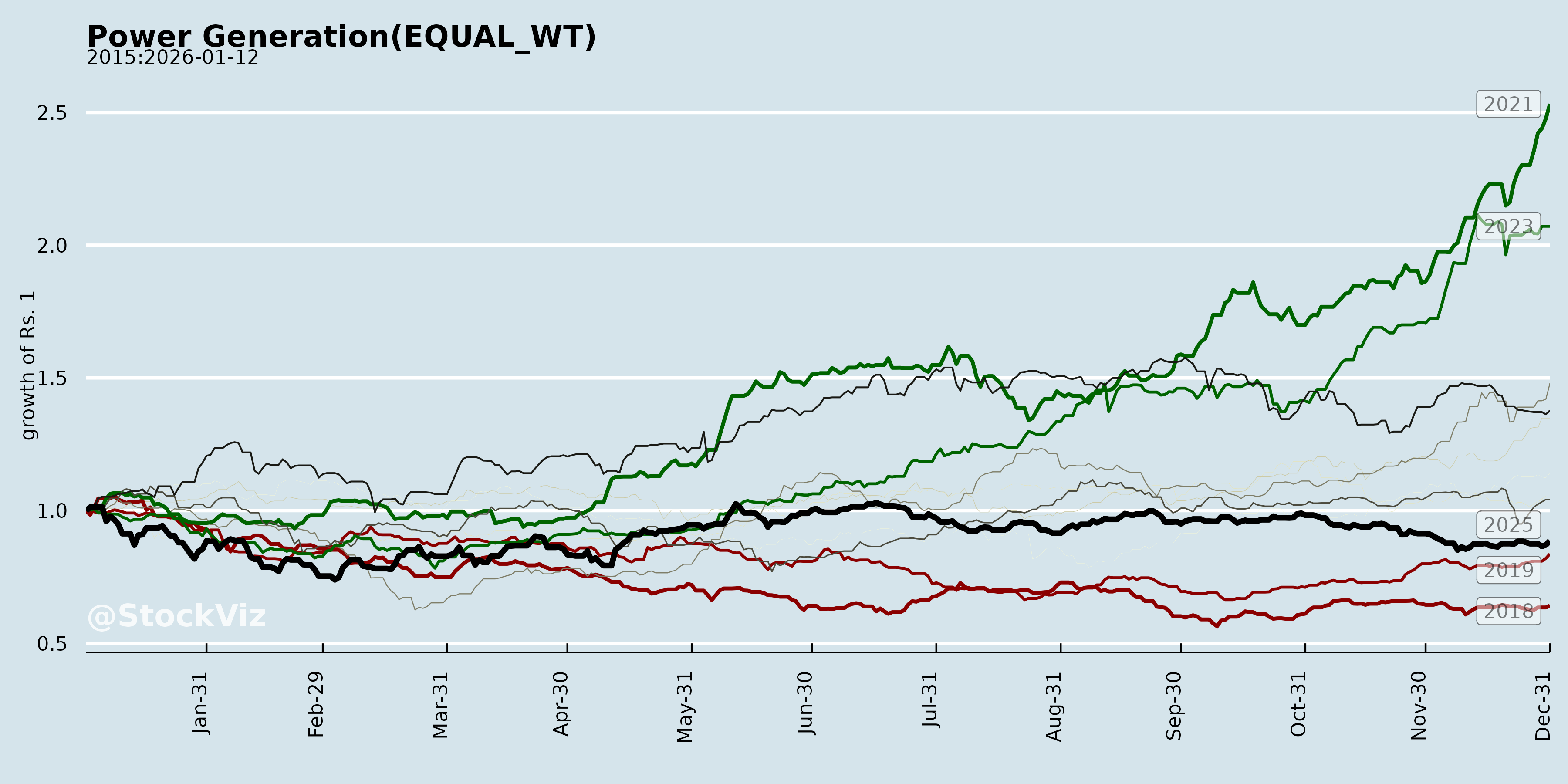
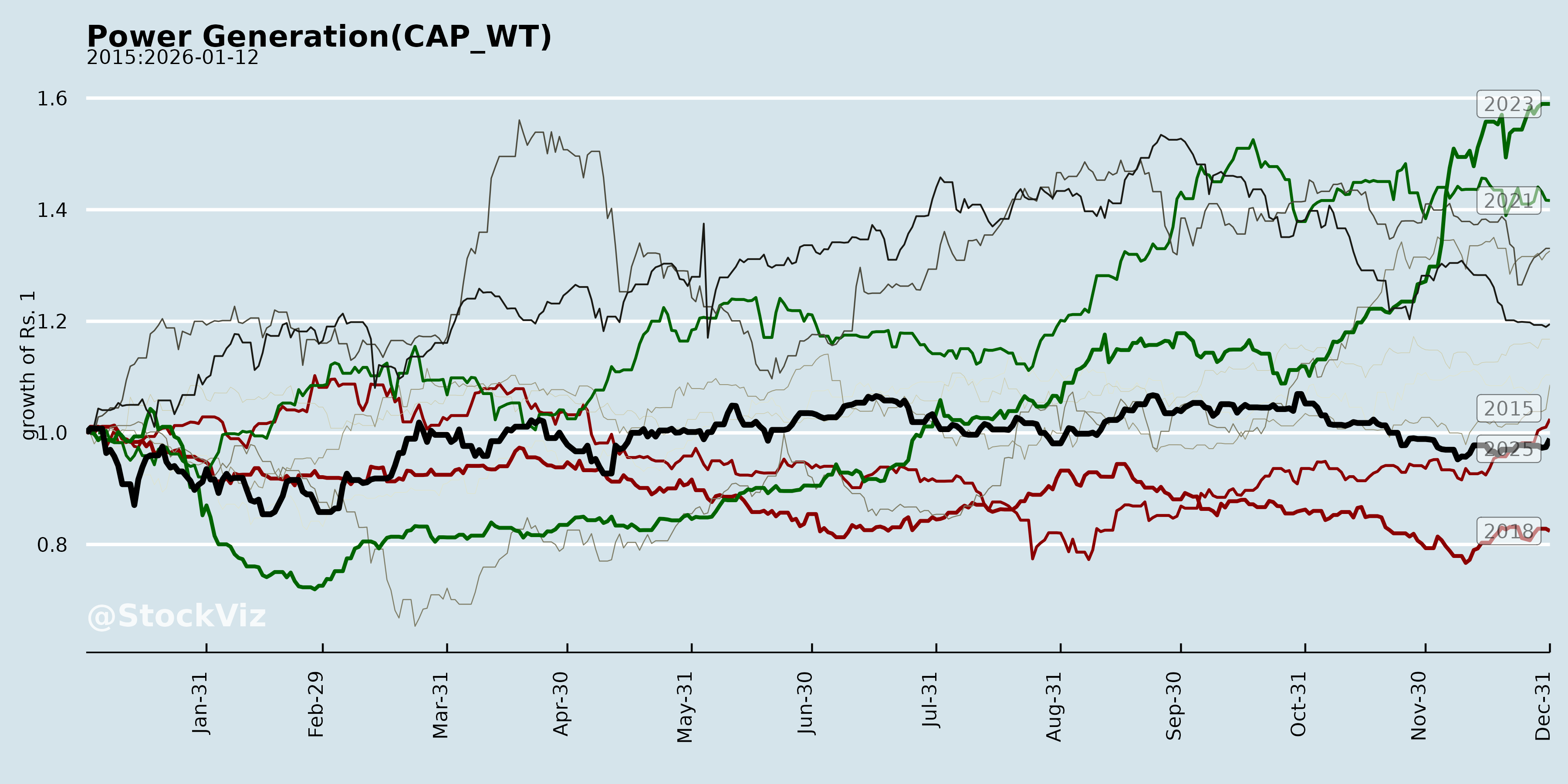
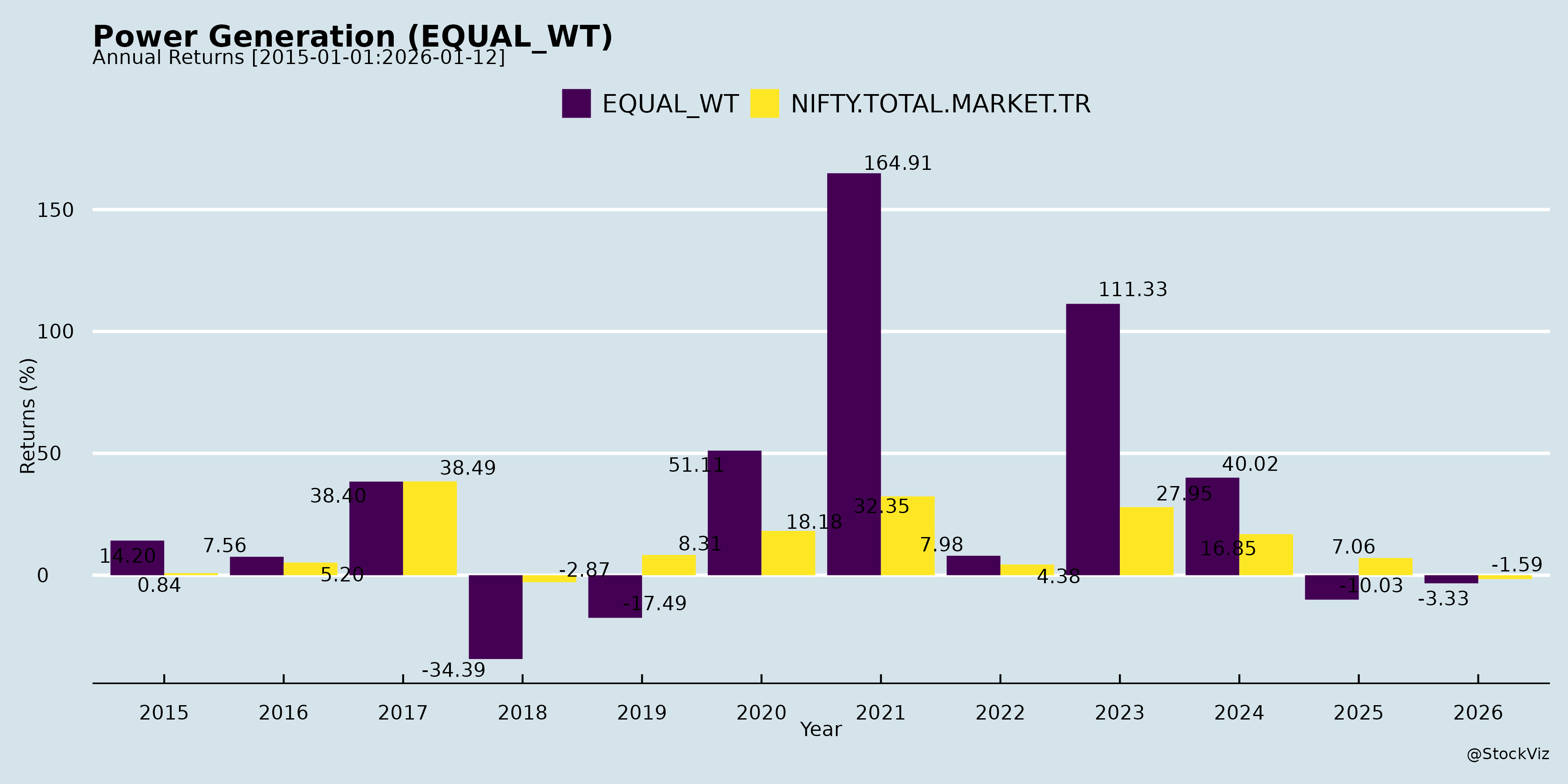
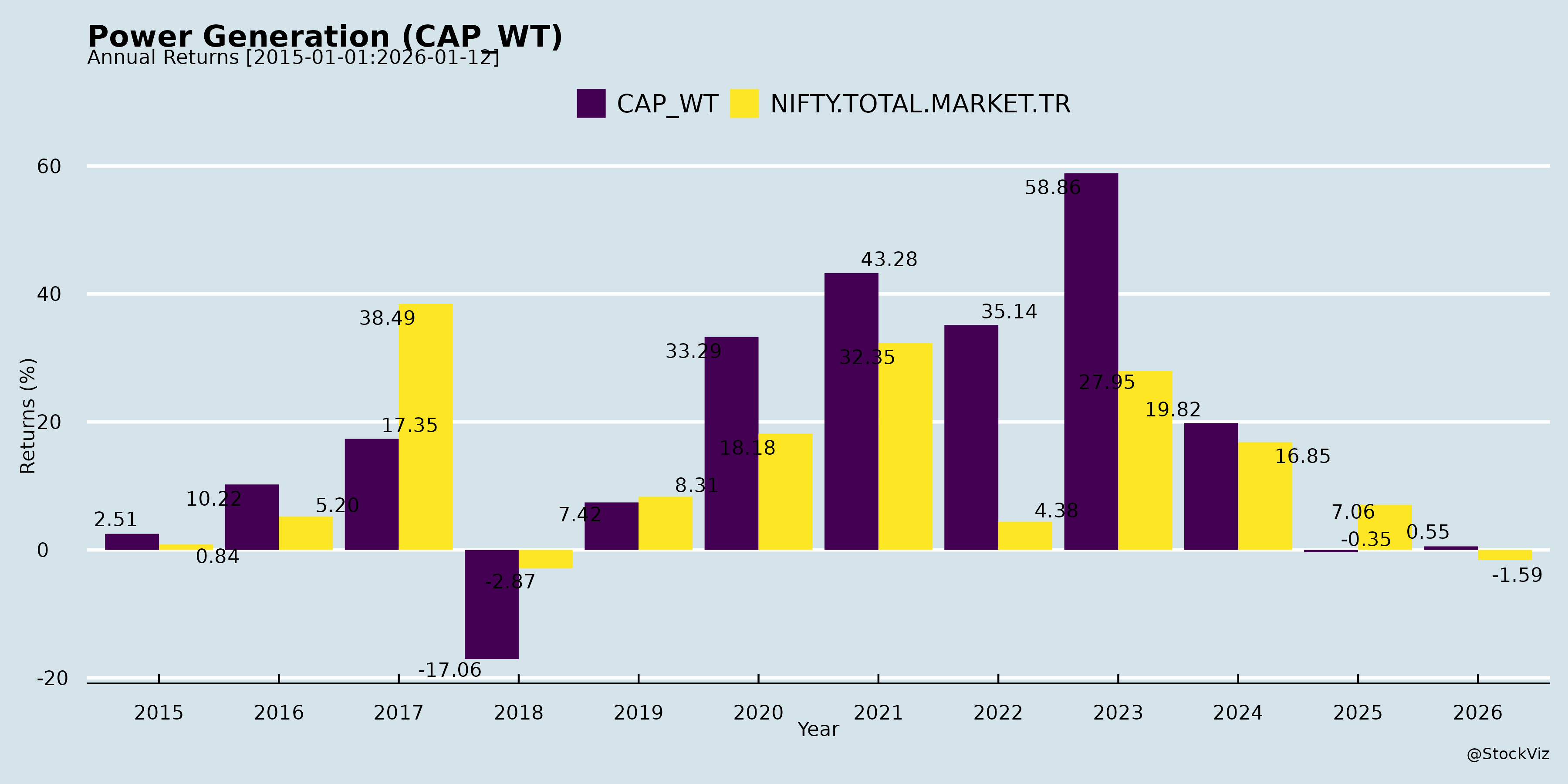
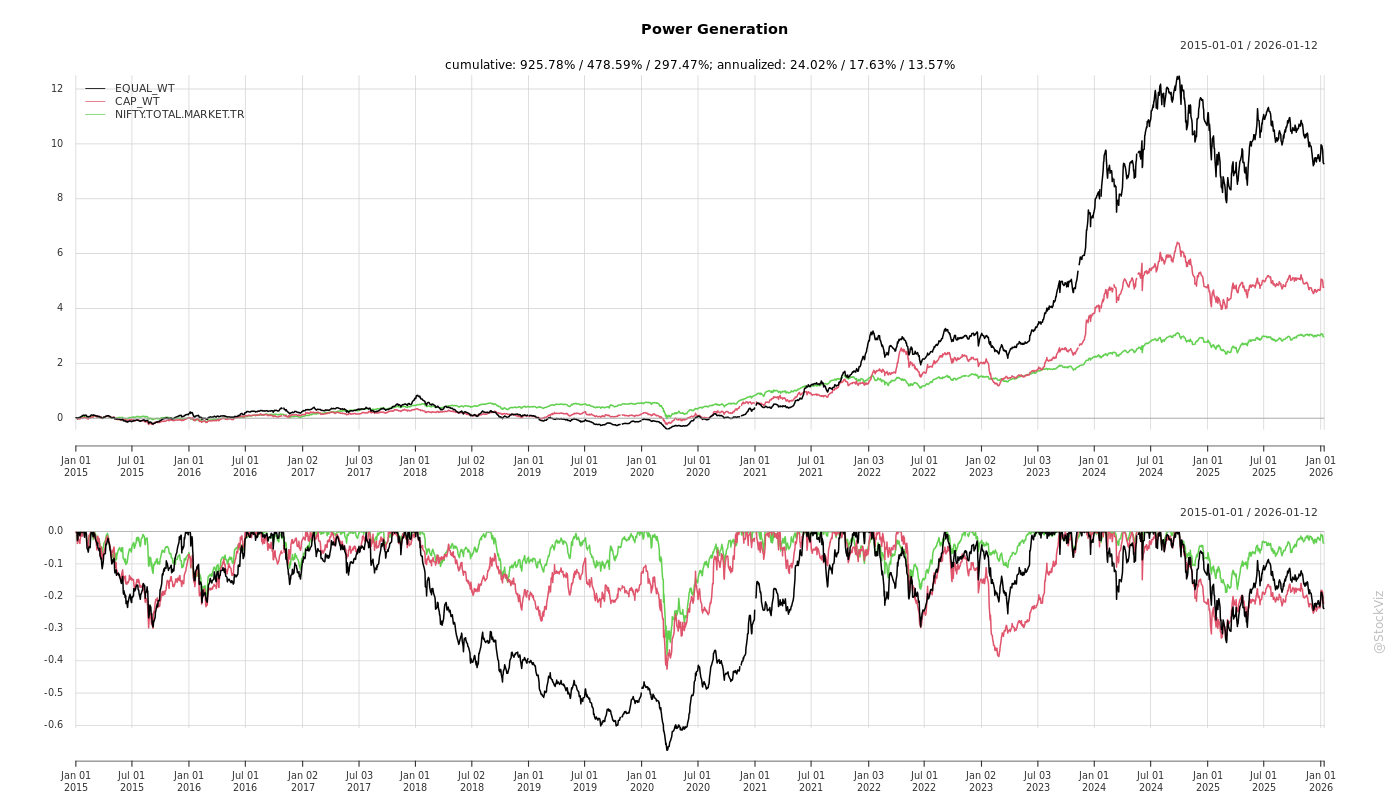
Cumulative Returns and Drawdowns
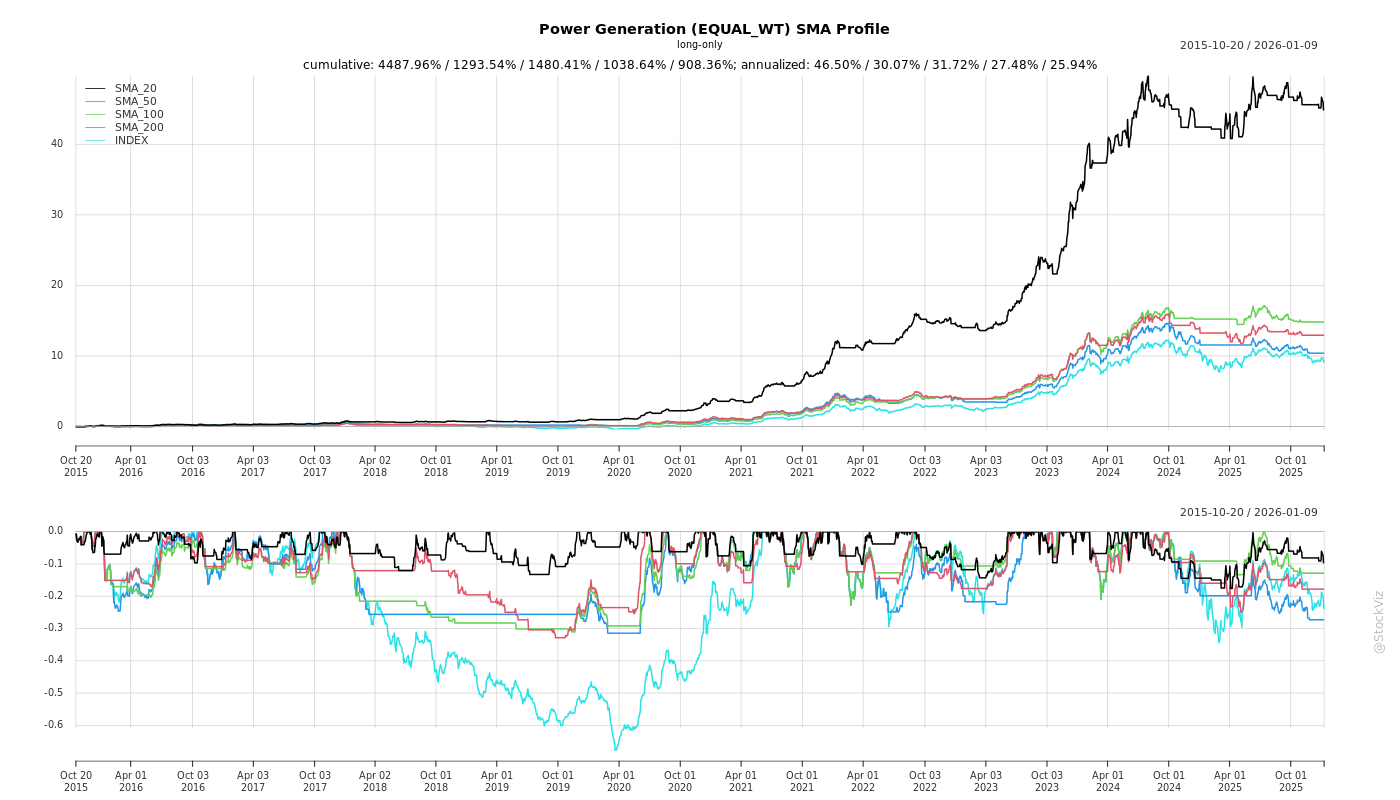
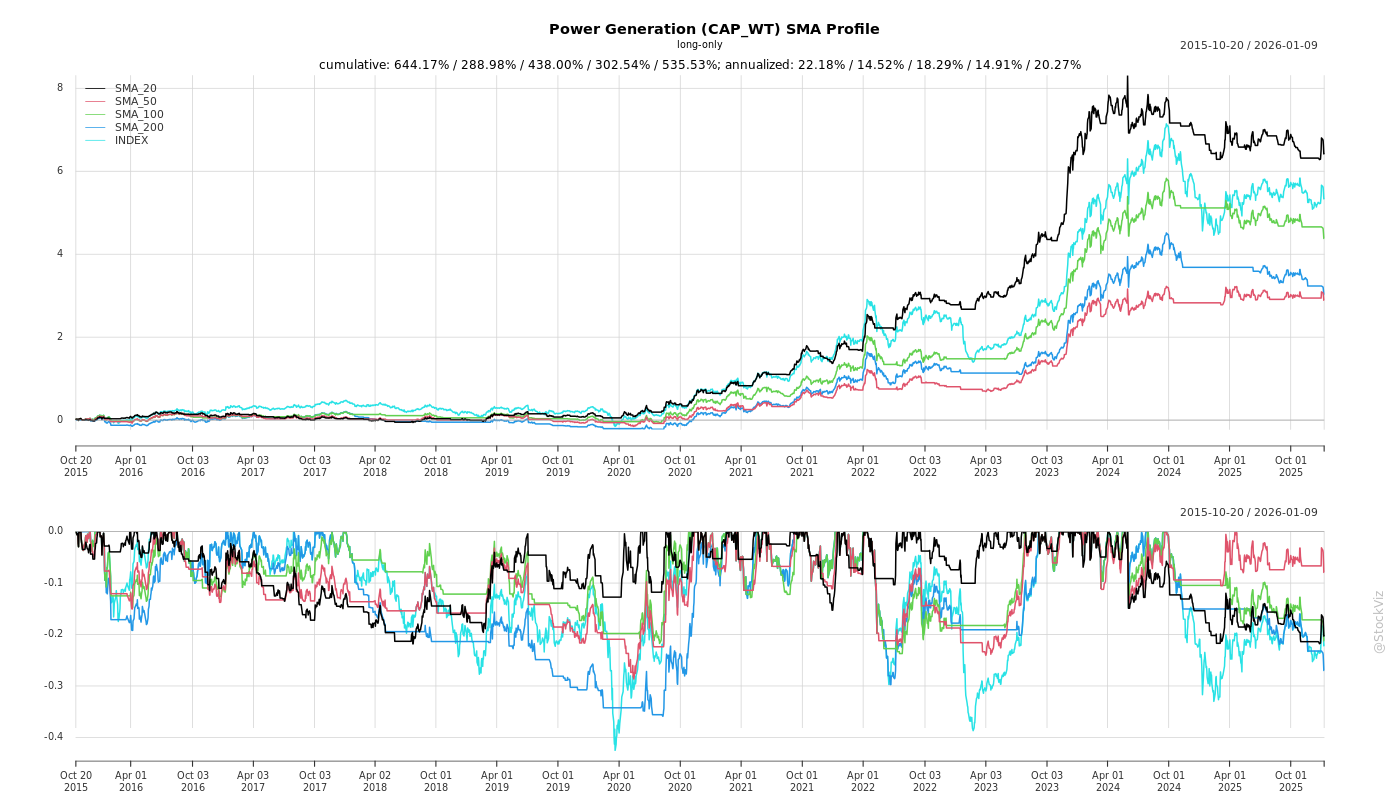
SMA Scenarios
Current Distance from SMA
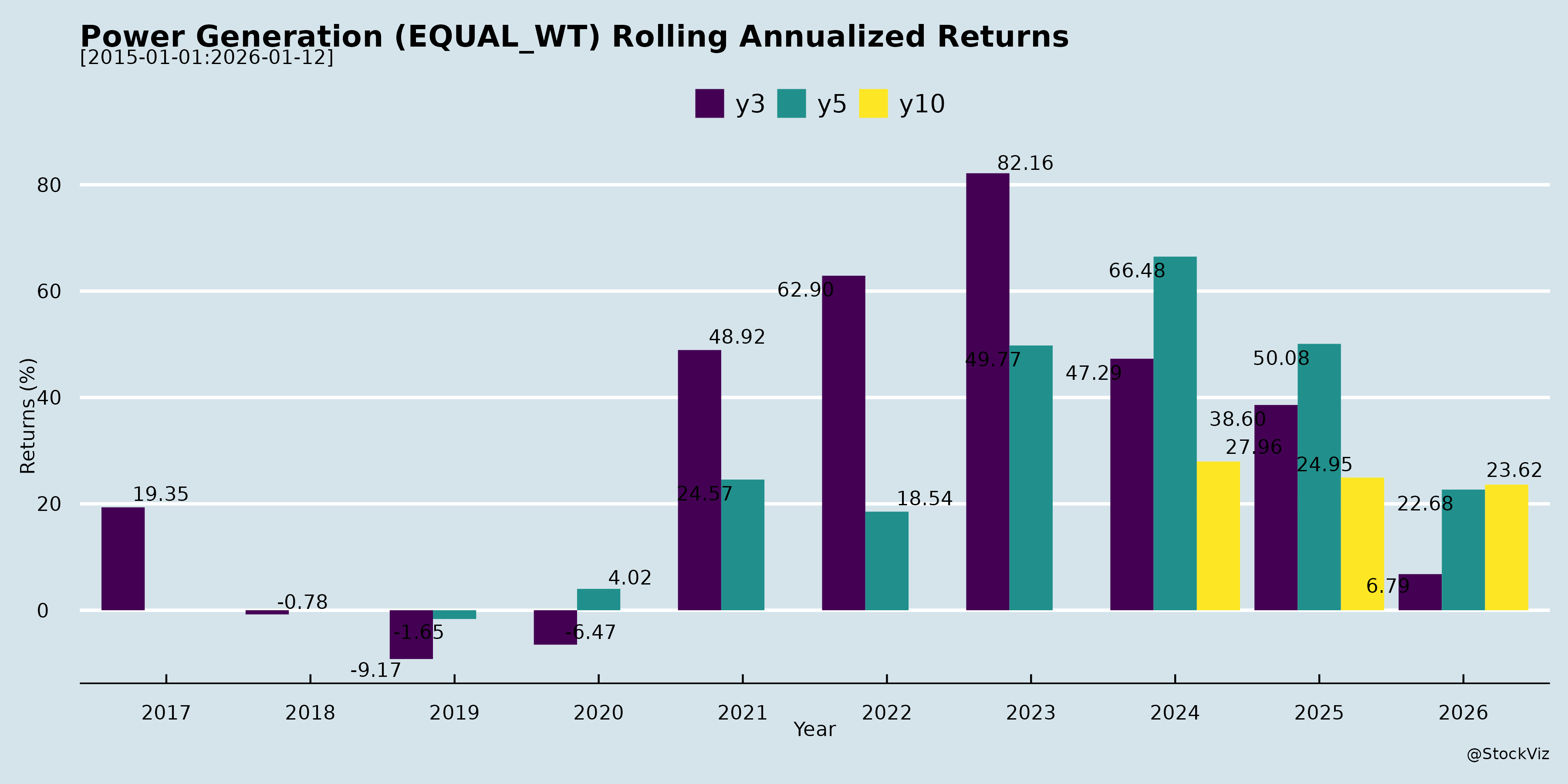
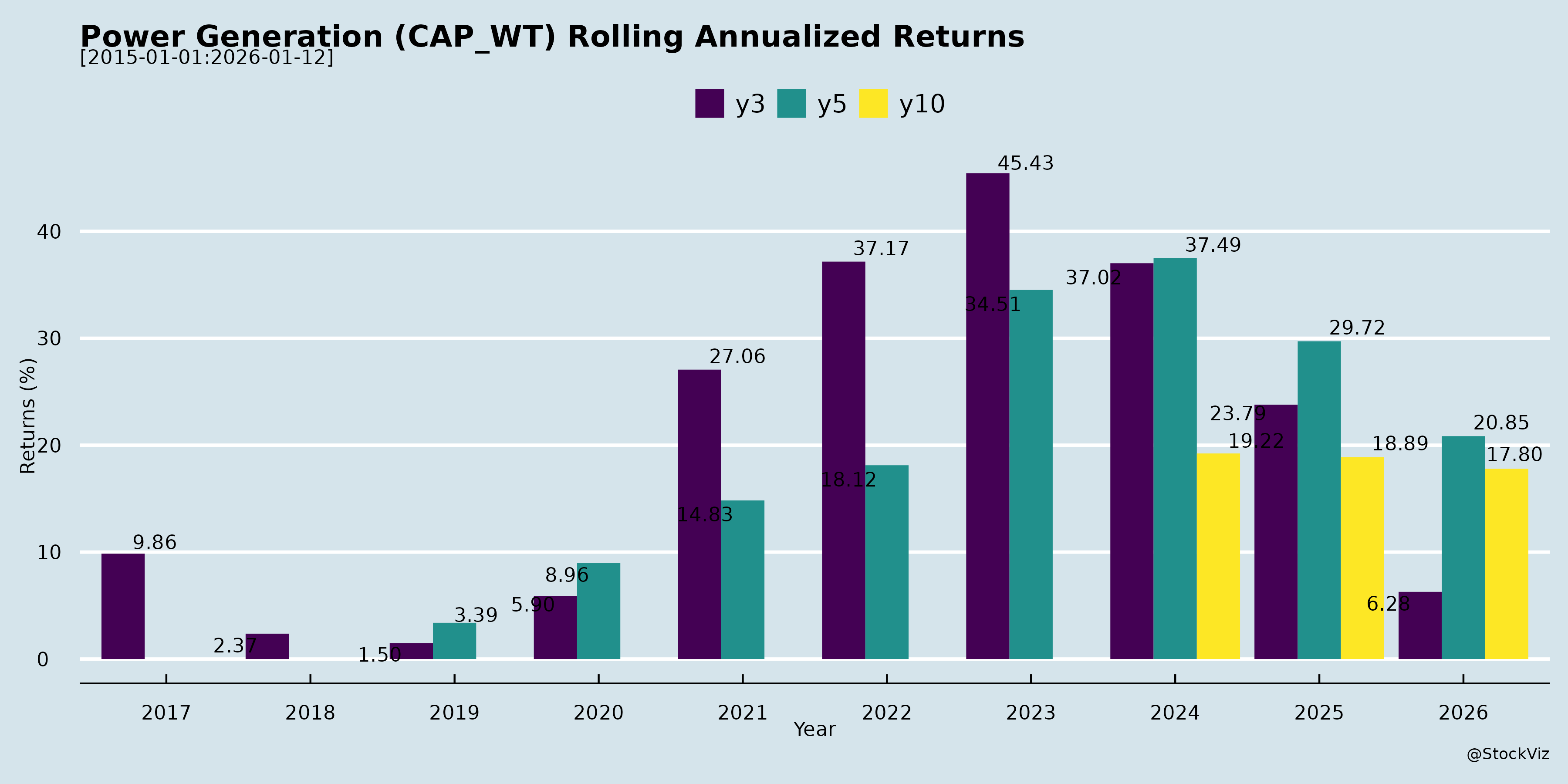
Rolling Returns
Fundamental Ratios
AI Summaries
How have the challenges and oppurtunities evolved over time?
asof: 2026-04-15
The evolution of challenges and opportunities in the energy sector reflects a broader transition from addressing basic capacity and generation hurdles to managing complex, integrated, and technology-driven ecosystems.
Evolution of Challenges Over Time
Climatic Vulnerability and Seasonality: Weather patterns and seasonality have historically dictated the operational success of renewable energy generation. Wind power operators continually navigate quarterly volatility, as generation typically peaks during the first half of the year (Q1 and Q2) and significantly drops during the later months [1-3]. Extreme weather events have also increasingly disrupted operations; for instance, SJVN faced substantial revenue and incentive losses of up to INR 50 to 60 crores due to severe floods and high silt levels in the Himalayas, which forced the closure of major hydro plants like Nathpa Jhakri and Rampur [4, 5].
Infrastructure and Grid Connectivity Bottlenecks: While the ambition to build renewable capacity has surged, the supporting infrastructure has struggled to keep pace. A primary challenge today is a lack of adequate transmission lines and grid connectivity, which delays the commissioning of newly constructed plants and the evacuation of power [6-8]. In many cases, grid connectivity is not expected to be available until 2029 or 2030, leading distribution companies (Discoms) to hesitate in signing Power Purchase Agreements (PPAs) for projects that cannot promptly deliver power [9, 10]. CleanMax, for instance, has noted significant transmission bottlenecks outside of its control for its CTU-connected plants in Rajasthan and Karnataka [11, 12].
Aging Assets and Land Scarcity: Early renewable energy adopters are now grappling with obsolete technology. Companies like Orient Green Power and Indowind operate wind turbines that are over 20 years old with very low capacities (e.g., 250 KW), resulting in degraded Plant Load Factors (PLFs) in the single digits (6-7%) and barely breaking even on operational costs [13-17]. Simultaneously, the sector faces severe land acquisition deficits and geographical hurdles. NLC India is experiencing a deficit in land availability for its Neyveli lignite mining operations, necessitating costly contingency mining [18, 19], while hydro projects frequently encounter severe, unforeseen geological problems during underground excavations [20, 21].
Shifting Buyer Preferences: The market demand has evolved away from plain, intermittent renewable energy. Discoms are increasingly refusing to sign PPAs for standalone solar or wind projects because daytime solar generation does not align with evening peak demand [9, 10]. Buyers now demand Round-The-Clock (RTC) supply or Firm and Dispatchable Renewable Energy (FDRE) integrated with battery storage, rendering older, standalone models less competitive [9, 10, 22].
Evolution of Opportunities Over Time
Hybridization and Energy Storage Integration: To overcome the challenges of intermittency and shifting buyer demands, the industry is heavily pivoting toward hybrid models and energy storage. Companies are integrating solar and wind assets with Battery Energy Storage Systems (BESS) and Pumped Storage Plants (PSPs) to provide firm, dispatchable power [22-24]. ACME Solar, for example, is commissioning large-scale BESS projects connected to the Inter-State Transmission System (ISTS) to operate on a merchant basis, capturing premium revenues by discharging stored power during peak demand hours [25, 26]. Similarly, NHPC is actively evaluating 5,500 to 6,000 MW of Pumped Storage Plants to fulfill the critical need for grid-scale energy storage [27, 28].
Repowering and Asset Optimization: The introduction of new state-level regulatory frameworks, such as the Tamil Nadu Repowering Policy, has created a massive opportunity to extract more value from existing land and grid connections [29, 30]. Companies are tearing down obsolete, low-yield wind turbines and replacing them with modern, high-capacity machines. Orient Green Power expects this repowering initiative to boost the PLF of older sites from 6-7% to over 30%, multiplying their EBITDA potential [15, 16, 31-33]. Furthermore, these policies allow repowered wind projects to be seamlessly converted into wind-solar hybrids, optimizing daytime and nighttime generation on the same plot of land [31, 34, 35].
Surge in C&I Markets and Big Tech Partnerships: The rapid expansion of artificial intelligence (AI) and data centers has opened a highly lucrative customer base for renewable providers. CleanMax reports that Data and AI customers now account for 42% of its contracted capacity, having grown 10-fold in less than two years [36, 37]. Providers are leveraging Environmental Attribute Purchase Agreements (EAPAs) wherein global tech giants guarantee a fixed tariff for 25 years. Under these agreements, the generator sells power to the grid at market rates, and the tech company pays the delta to meet the agreed-upon price, securing bankable, long-term revenues [38-41].
Technological Advancements and Scale: Operational efficiency is being redefined by next-generation technology. At its massive Khavda renewable energy park, Adani Green Energy is deploying some of the world’s most powerful 5.2 MW onshore wind turbines, bifacial solar modules that capture reflected sunlight, and waterless robotic cleaning systems that maximize generation while preserving local water resources [42-44]. Companies like KP Energy are deploying AI-driven 24x7 Network Operations Centers and SCADA dashboards for predictive maintenance, ensuring grid reliability and minimizing downtime [45].
Diversification into New Energy and Non-Energy Verticals: To insulate themselves from the traditional risks of the power sector, companies are diversifying their portfolios significantly. * Nuclear and Green Molecules: Following the introduction of the SHANTI Nuclear Act, companies like NTPC are empowered to scale clean, reliable baseload nuclear capacity to support India’s Net Zero 2070 goals [46, 47]. Additionally, firms like KPI Green Energy and NTPC are forming joint ventures to produce Green Hydrogen and Green Ammonia for both domestic consumption and export [48-50]. * Agricultural and Alternative Investments: In a distinct approach to diversification, Nava Limited is investing heavily in agriculture in Zambia, developing a large-scale avocado plantation and a sugar processing complex to generate alternative cash flows and build long-term corporate resilience alongside its thermal power business [51, 52].
What are the headwinds affecting this industry?
asof: 2026-04-15
Grid Connectivity and Transmission Bottlenecks A major structural headwind in the renewable energy sector is the lack of adequate transmission infrastructure and delayed grid connectivity. Transmission line shortages and delayed connectivity timelines—sometimes pushed out to 2029 or 2030—are severely holding back the evacuation of power and the construction of new solar plants, particularly in resource-rich states like Rajasthan and Gujarat [1-4]. Even in cases where projects are successfully connected to grid substations, bottlenecks further up the transmission network can cause power backdowns and curtailment issues [5, 6]. For instance, due to such network limitations, NTPC Green Energy previously suffered significant generation losses, dropping around 420 million units in its NGEL portfolio and another 212 million units in its NREL portfolio due to curtailments [7, 8].
PPA Execution Delays and Changing Market Demand The industry is experiencing a mismatch between generation capacity plans and the actual purchasing appetite of Distribution Companies (DISCOMs) [9, 10]. DISCOMs are becoming increasingly hesitant to sign Power Purchase Agreements (PPAs) for standalone solar projects [11, 12]. Instead, they are demanding firm, dispatchable, round-the-clock (RTC) power combined with battery energy storage systems (BESS) or pumped storage to manage peak requirements [11, 12]. Consequently, many renewable developers are stuck with Letters of Award (LOAs) that are not maturing into finalized PPAs [13-16]. Furthermore, “pure vanilla” renewable energy projects (basic solar or wind without storage) are facing thin margins due to aggressive competitive bidding and a race to the lowest tariffs [17]. In the open market, domestic power exchange prices have also seen a declining trend, experiencing a year-on-year drop of about 12% [18-20].
Weather Dependency, Seasonality, and Natural Disasters Power generation, especially from wind and hydro sources, is highly vulnerable to unpredictable weather patterns and monsoons [21, 22]. Wind power generation is heavily concentrated in the first half of the fiscal year, leaving companies with significantly lower generation and subdued performance during the lean second half of the year [23-26]. Severe weather events pose another distinct challenge; for example, massive floods and high silt levels in Himalayan rivers have forced companies to temporarily shut down major hydro plants [27, 28]. These environmentally driven closures directly impact plant availability factors, leading to substantial losses in capacity charges, energy charges, and incentive incomes [27, 28].
Land Acquisition and Geological Challenges Acquiring contiguous land for large-scale utility projects remains a tedious and fragmented process. In India, the average farmer’s landholding is only about 4 acres (enough for just 1.5 MW of solar), which forces companies to negotiate and execute a massive number of individual land deeds [29, 30]. Land deficits can severely threaten business continuity; for instance, NLC India is facing a critical shortage of land for its lignite mining operations at Neyveli, forcing the company to resort to expensive contingency mining and raising material uncertainties about its going concern status [31-33]. Furthermore, hydro projects frequently suffer from unforeseen geological issues, such as difficulties encountered during Head Race Tunnel excavations, which significantly delay project timelines and drive up costs [34, 35].
Rising Input Costs and Regulatory Risks The capital cost for new wind energy capacity has escalated, making it a highly expensive endeavor at approximately Rs. 7.5 to Rs. 8 crores per MW [36, 37]. On the solar front, the implementation of the Approved List of Models and Manufacturers (ALMM) mandate restricts procurement and increases module prices, which subsequently drives up the tariffs offered to end customers [38-40]. Companies must also navigate looming regulatory risks, including the proposed removal of cross-subsidy surcharges and potential changes to energy banking norms, such as grid operators disallowing daytime solar power from being banked for nighttime use [41-43]. Additionally, older wind turbines suffer from higher operations and maintenance (O&M) costs, and operators are forced to pay fixed monthly capacity charges to electricity boards even during lean wind seasons when generation revenues are minimal [44-47].
Operational and Legal Disputes The sector is heavily burdened by protracted litigations and arbitration proceedings. Energy companies are frequently locked in legal battles with DISCOMs and regulatory commissions over delayed project commissioning, tariff reductions, substitution of normative fuel consumption rates, and the recovery of income taxes [31, 48-51]. Operationally, companies must also contend with the risk of localized disruptions, such as strikes by contract workmen, which require contingency planning to prevent sustained output losses [52, 53].
What are the key things to understand about this industry?
asof: 2026-04-15
The power generation and renewable energy industry is characterized by extreme capital intensity, complex regulatory environments, and a rapid technological shift toward consistent, round-the-clock green energy. To deeply understand the dynamics of this sector, one must look at how companies secure funding, mitigate weather-related seasonality, manage execution bottlenecks, and adapt to evolving customer demands.
Here are the key aspects to understand about the industry:
1. High Capital Intensity and Annuity-Like Cash Flows The industry requires massive upfront capital expenditure (capex) to build solar, wind, hydro, and thermal assets [1-3]. Because it is so capital intensive, a company’s debt-to-equity ratio and its ability to secure low-cost borrowing are critical determinants of profitability [4-7]. Once a project is built and stabilized, however, the business yields highly predictable, annuity-like cash flows [8, 9]. This predictability is anchored by long-term Power Purchase Agreements (PPAs), which often span 20 to 25 years with high-quality, creditworthy counterparties (such as AA or AAA-rated corporations or government entities) [10-14]. Furthermore, the industry benefits from significant operating leverage; as revenues grow, operational and administrative costs do not increase at the same pace, leading to expanding EBITDA margins over time [15-18].
2. Deep Vulnerability to Seasonality and Weather Unlike traditional manufacturing, renewable energy production is heavily dictated by natural cycles: * Wind Energy: Wind generation is highly seasonal. The strongest production typically occurs during the southwest monsoon season (Q1 and Q2, from May to October), while the northeast monsoon season (Q3 and Q4) yields significantly lower generation [19-23]. Companies must manage their finances carefully, as they still have to pay fixed charges to electricity boards even during lean wind seasons [24, 25]. * Hydropower: Hydro generation relies heavily on adequate monsoons and manageable water flows. Severe weather events, such as high floods and excess silt in the water, can force companies to shut down plants, negatively impacting their Plant Availability Factor (PAF) and leading to substantial losses in capacity and energy charges [26, 27].
3. The Strategic Shift to Firm, Round-the-Clock (RTC) Power and Energy Storage One of the most significant transformations in the industry is the move away from plain, standalone renewable generation (which is intermittent) toward dispatchable, round-the-clock (RTC) power [28-30]. Customers, particularly state distribution companies (DISCOMs), are increasingly hesitant to sign PPAs for standalone solar because they need assured peak power [28, 31]. To solve this, the industry is aggressively investing in: * Battery Energy Storage Systems (BESS): Batteries store excess energy during non-peak hours and discharge it during peak demand. This helps stabilize the grid and allows companies to generate additional merchant revenue by capturing the price differential between off-peak and peak hours [32-35]. * Pumped Storage Plants (PSP): Large-scale hydro-pumped storage is being developed as a highly attractive and viable solution to complement the massive influx of solar power into the grid [36-39].
4. The Rise of Commercial & Industrial (C&I) Customers and Data Centers While government DISCOMs remain major buyers, renewable companies are increasingly focusing on a “retail” direct-to-customer model targeting large Commercial and Industrial (C&I) clients [40-42]. Data centers and Artificial Intelligence (AI) facilities have emerged as massive growth drivers, sometimes accounting for over 40% of a company’s contracted capacity [43-46]. To serve global tech companies that want to offset their carbon footprint but cannot physically consume the power in India, the industry utilizes Environmental Attribute Purchase Agreements (EAPAs) [47, 48]. Under an EAPA, the energy generator sells physical electricity to the local exchange at market rates. If the market rate is lower than the guaranteed tariff agreed upon with the big tech company, the tech company pays the difference, effectively buying the “green attribute” of the power while ensuring the developer gets a firm, fixed revenue over 25 years [11, 12, 49-51].
5. Execution Bottlenecks: Transmission Infrastructure and Land Acquisition Despite high demand and aggressive government targets, operationalizing new capacity faces severe on-the-ground hurdles: * Grid Connectivity: There is a severe shortage of transmission lines. In many regions, projects are stalled because the power evacuation infrastructure (grid connectivity) will not be available for several years [28, 52-54]. * Land Acquisition: Securing contiguous land is notoriously difficult. Because the average landholding size for a farmer in India is very small (e.g., 4 acres), companies must execute dozens of separate land deeds just to piece together enough space for a meaningful solar or wind farm [55, 56]. In places like Neyveli, land deficits actively impact mining and thermal power operations, requiring contingency planning [57, 58].
6. Asset Optimization: Repowering and Technological Advancements To maximize the value of existing land and grid connections, the industry relies on continuous technological upgrades: * Repowering Older Assets: Wind turbines installed 20+ years ago have reached the end of their original design life and often operate at low single-digit efficiency (PLF) [59-62]. Under new state policies (like in Tamil Nadu), companies are tearing down these older, smaller turbines and replacing them with modern, high-capacity turbines that require less spacing. This “repowering” dramatically boosts efficiency—jumping from a 6% PLF to over 30%—and breathes new life into the asset, extending its viability for potentially another 50 years [60, 63-67]. * Next-Generation Technology: Greenfield expansions are utilizing cutting-edge tech, such as bifacial solar modules (which capture sunlight from both the front and reflections off the ground), massive 5.2 MW wind turbines, and waterless robotic cleaning systems that reduce water waste while maximizing electricity generation [68, 69]. Furthermore, AI-driven Network Operations Centers and SCADA dashboards are deployed to predict maintenance needs and minimize downtime [70].
What are the tailwinds affecting this industry?
asof: 2026-04-15
The power and renewable energy industry is currently benefiting from a confluence of strong macroeconomic, regulatory, and technological tailwinds that are driving rapid expansion and premiumization across the sector.
Strong Policy and Regulatory Support The industry is underpinned by highly ambitious national targets and supportive government frameworks. Under the “India Vision 2030” initiative, the country is targeting 500 GW of non-fossil fuel electricity capacity, which includes 280 GW of solar energy and 250 GWh of battery storage [1]. To achieve this, regulators have introduced a stable policy framework that includes Inter-State Transmission System (ISTS) charge waivers until 2030, a mandatory two-hour energy storage requirement on all new renewable projects, and Green Open Access policies designed to encourage corporate green power procurement [2].
At the state level, policies such as Tamil Nadu’s life extension and repowering framework are allowing operators to overhaul aging, end-of-life wind turbines. This policy enables developers to replace old machines with high-capacity turbines and automatically convert wind projects into wind-solar hybrids, optimizing both land use and grid connectivity while drastically improving Plant Load Factors (PLF) and internal rates of return (IRR) [3], [4], [5], [6]. Furthermore, the Central Electricity Regulatory Commission (CERC) has issued draft regulations permitting the installation of Battery Energy Storage Systems (BESS) at existing thermal generation stations, giving coal-based plants the flexibility to supply additional power during peak hours under a cost-plus framework [7]. The sector is also supported by the newly legislated SHANTI Nuclear Act, which provides a clear pathway to scale clean, reliable baseload nuclear capacity in support of India’s Net Zero 2070 commitments [8].
Surging Power Demand from Emerging and Traditional Sectors Robust economic growth, urbanization, and digitalization are driving a sustained increase in overall power consumption. Power demand has shown strong upward trends, with peak demand touching 245 GW in early 2026 and continuous year-over-year growth in monthly generation [9], [10]. Favorable market prices are also expected to continue due to high peak summer demand [11].
A major specific tailwind is the exponential growth of the Data and Artificial Intelligence (AI) sectors. Data centers and AI companies are becoming a massive growth engine, now constituting up to 42% of the contracted capacity for some renewable energy providers [12], [13]. These technology giants are seeking both direct electricity supply for local data centers and Environmental Attribute Purchase Agreements (EAPAs) to secure carbon offsets [14], [15]. Beyond the tech industry, conventional Commercial and Industrial (C&I) enterprises are aggressively adopting renewable energy, driven by the cost-effectiveness of clean power, strict ESG mandates, and mounting global Scope 3 emission pressures [16], [17]. India is a particularly attractive market for these corporate carbon offsets due to its low cost of renewables and a coal-heavy grid, which makes the carbon intensity of the offsets much higher than in other regions [18].
Shift Toward Premiumized, Firm, and Dispatchable Power The industry is experiencing a structural shift away from plain vanilla renewable generation—which is often characterized by thin margins and aggressive tariff bidding—toward premiumized, integrated energy platforms [19]. State distribution companies (DISCOMs) and corporate clients are increasingly demanding Firm and Dispatchable Renewable Energy (FDRE) and 24x7 round-the-clock (RTC) power supply [16], [20], [21].
This demand for reliability has created a massive tailwind for hybrid projects that combine solar, wind, and pumped hydro or Battery Energy Storage Systems (BESS) [19], [22]. BESS installations, in particular, are highly lucrative as they can run on a merchant basis, generating additional revenue streams by charging batteries during cheap, non-peak hours and discharging them during high-priced peak demand periods [23].
Improved Ecosystem Financial Health and Capital Inflows The financial viability of the power sector’s primary customers—the distribution companies (DISCOMs)—has improved significantly. DISCOMs have recently reported overall profits, driven by lower Aggregate Technical and Commercial (AT&C) losses and improved payment discipline [24]. This turnaround dramatically strengthens payment security for power generators and supports sustainable sector growth [24].
Additionally, the sector is attracting immense global capital. Billions of dollars in Foreign Direct Investment (FDI) are flowing into the renewable space, alongside catalytic investments from Development Finance Institutions (DFIs) like the World Bank and ADB, which are seeding complex renewable, new energy, and distributed storage themes [16]. Concurrently, energy companies themselves are benefiting from credit rating upgrades and debt reduction, which allows them to optimize borrowing costs and access capital at highly competitive interest rates to fund further expansion [25], [26], [27].
Technological Advancements and Operational Efficiencies Technological innovation continues to drive down the Levelized Cost of Energy (LCOE) while improving plant availability. Energy companies are deploying advanced technologies such as massive 5.2 MW onshore wind turbines, highly efficient bifacial solar modules with trackers, and waterless robotic cleaning systems that virtually eliminate water usage while boosting generation [28]. Furthermore, companies are leveraging digital edge capabilities—such as AI and IoT-driven dispatch optimization, predictive maintenance, and energy trading platforms—to reduce downtime, enhance cross-sector value capture, and deliver outsized returns [22], [29].
What is the general outlook of this industry?
asof: 2026-04-15
The general outlook for the power and renewable energy industry is highly positive and supportive, driven by robust long-term demand for clean, reliable power and aggressive national decarbonization targets [1, 2]. The sector benefits from a benign regulatory environment, improving unit economics, and massive capital inflows [3-5].
Ambitious National Targets and Investments The industry is guided by the “India Vision 2030,” which sets a monumental target of achieving 500 GW of non-fossil fuel electricity capacity by 2030, representing a 16% Compound Annual Growth Rate (CAGR) from 2025 to 2030 [6, 7]. Within this, solar energy is targeted to reach 280 GW (a 20% CAGR), and battery storage is forecasted to reach 250 GWh by 2032 [5, 6]. This ambitious scale has made the sector highly attractive for foreign direct investment (FDI); between April 2020 and the first half of 2025, the sector attracted USD 12.7 billion in FDI, with over USD 3.8 billion directed specifically into solar projects over the last three years [5].
Rising Demand and Improved Financial Health The demand for power continues to grow steadily, supported by improving economic indicators. For example, power demand increased by 6.3% in December 2025 and 4.89% in January 2026, with peak non-solar demand touching 245 GW early in the year [8, 9]. Furthermore, the financial health of the sector’s primary customers—distribution companies (Discoms)—has seen a dramatic turnaround. Discoms reported an overall profit of over INR 2,700 crores in FY25, bouncing back from a massive loss of INR 25,553 crores in FY24 [10]. This improvement, driven by lower Aggregate Technical & Commercial (AT&C) losses and enhanced payment discipline, greatly strengthens payment security for power generators and supports sustainable sector growth [10]. Market prices for power also remain highly favorable [11].
Emerging Growth Drivers: Data Centers and Global Tech A major catalyst for recent industry growth is the explosion of data centers and artificial intelligence (AI). For some renewable developers in the Commercial and Industrial (C&I) space, data and AI customers now make up 42% of their contracted capacity, having grown tenfold in less than two years [12, 13]. Additionally, global tech companies are heavily utilizing India for carbon offsets through Environmental Attribute Purchase Agreements (EAPAs) [14]. These international players prefer India over markets like China due to the lower cost of renewables, the high carbon-intensity of India’s coal-heavy grid (which makes the carbon offsets more valuable per ton), and the country’s highly disciplined and welcoming contracting structures [15, 16].
Shift Towards Premium, Round-the-Clock (RTC) Energy The industry is moving away from “plain vanilla” standalone solar or wind projects, which typically suffer from thin margins and aggressive bidding, toward integrated, premiumized platforms that combine solar, wind, and Battery Energy Storage Systems (BESS) [5, 17]. There is a growing mandate for firm, dispatchable, and Round-The-Clock (RTC) power, supported by policies like mandatory 2-hour energy storage systems on new RE projects and green open-access policies for corporate procurement [17-19].
Favorable Regulatory Policies and New Frameworks The sources highlight several beneficial regulatory developments shaping the outlook: * The SHANTI Nuclear Act: This recently legislated act positions nuclear power as a key pillar of India’s long-term baseload energy strategy, allowing generation companies to scale clean baseload capacity to meet the nation’s Net Zero 2070 commitments while reducing dependence on fossil fuels [20]. * Energy Storage at Thermal Plants: The Central Electricity Regulatory Commission (CERC) has issued draft regulations allowing the installation of BESS at thermal generation stations [21]. This enables coal-based plants to remain online and supply additional power during peak hours, helping manage grid requirements [21]. * Wind Repowering Policies: State-level initiatives, such as Tamil Nadu’s repowering policy, provide stability for aging wind assets [4]. Turbine owners can now easily obtain third-party inspections to extend the life of older turbines or choose to repower them using relaxed turbine-spacing rules and hybridized solar models to optimize existing land and grid usage [22-24].
Operational Challenges While the general outlook is exceptionally bright, the industry does face some ongoing operational bottlenecks. There is currently a mismatch between power demand and infrastructure readiness, primarily due to transmission line shortages and delayed grid connectivity [25, 26]. In regions like Rajasthan and Gujarat, connectivity issues have delayed the evacuation of power for commissioned plants, which in turn causes hesitancy among Discoms to sign new Power Purchase Agreements (PPAs) until long-term transmission availability is physically guaranteed [25-27].
Overall, despite localized transmission bottlenecks, the power and renewable energy industry is well-positioned for exponential, profitable growth fueled by government backing, corporate ESG mandates, and the shift toward integrated energy storage solutions.
Copyright © 2023 SAS Data Analytics Pvt. Ltd. All rights reserved.