Port & Port services
Industry Metrics
September 24, 2026
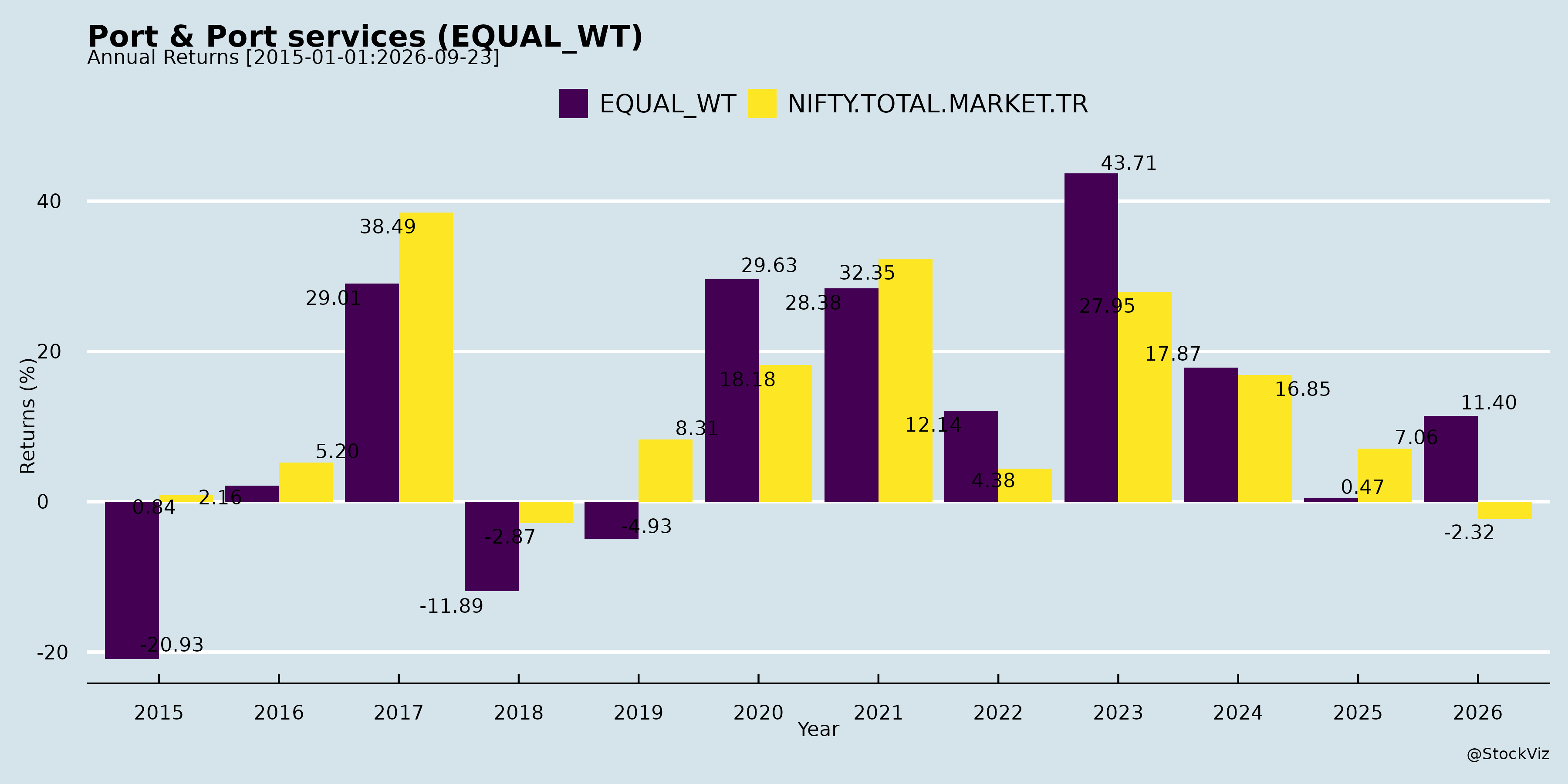
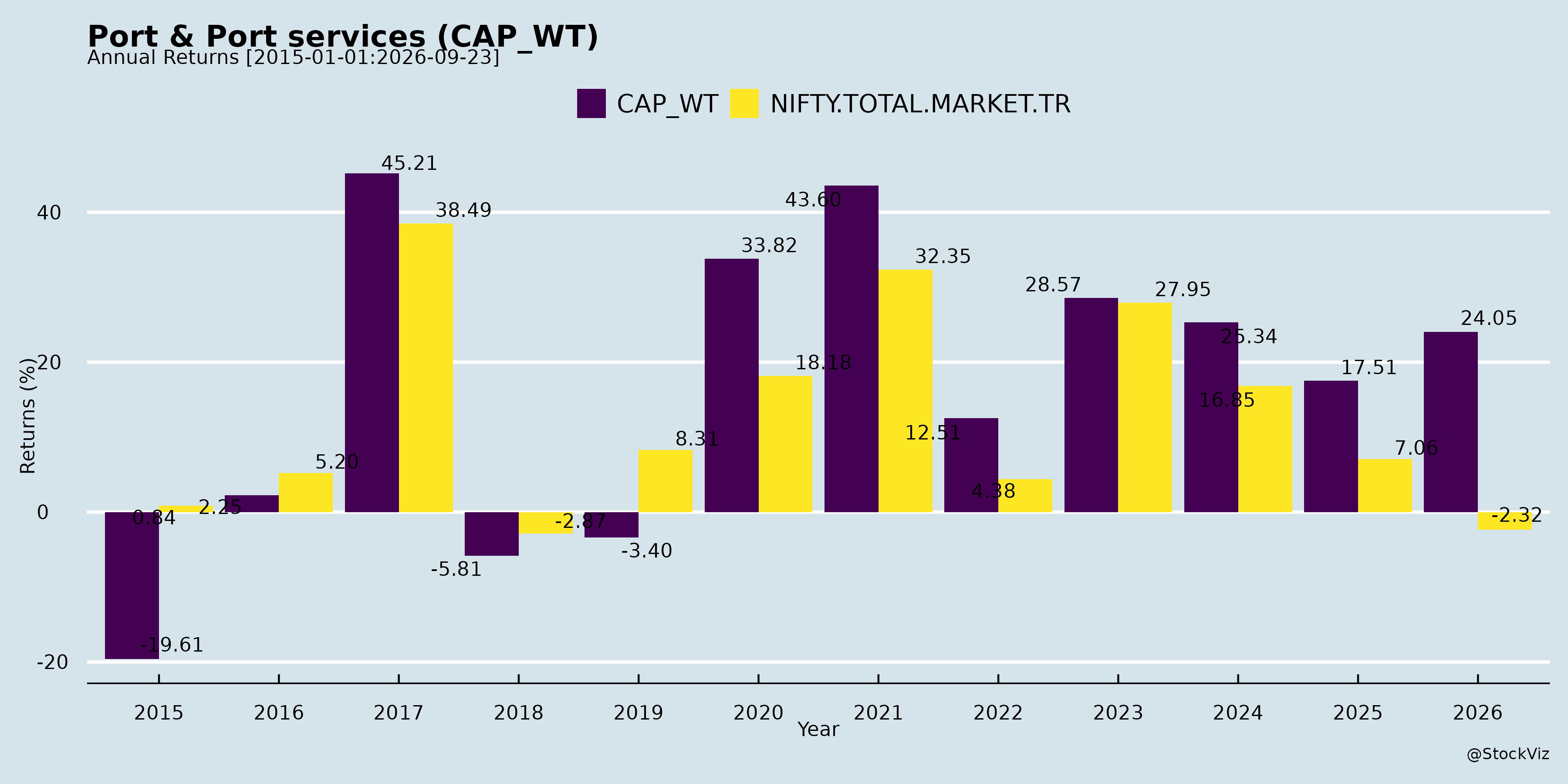
Annual Returns
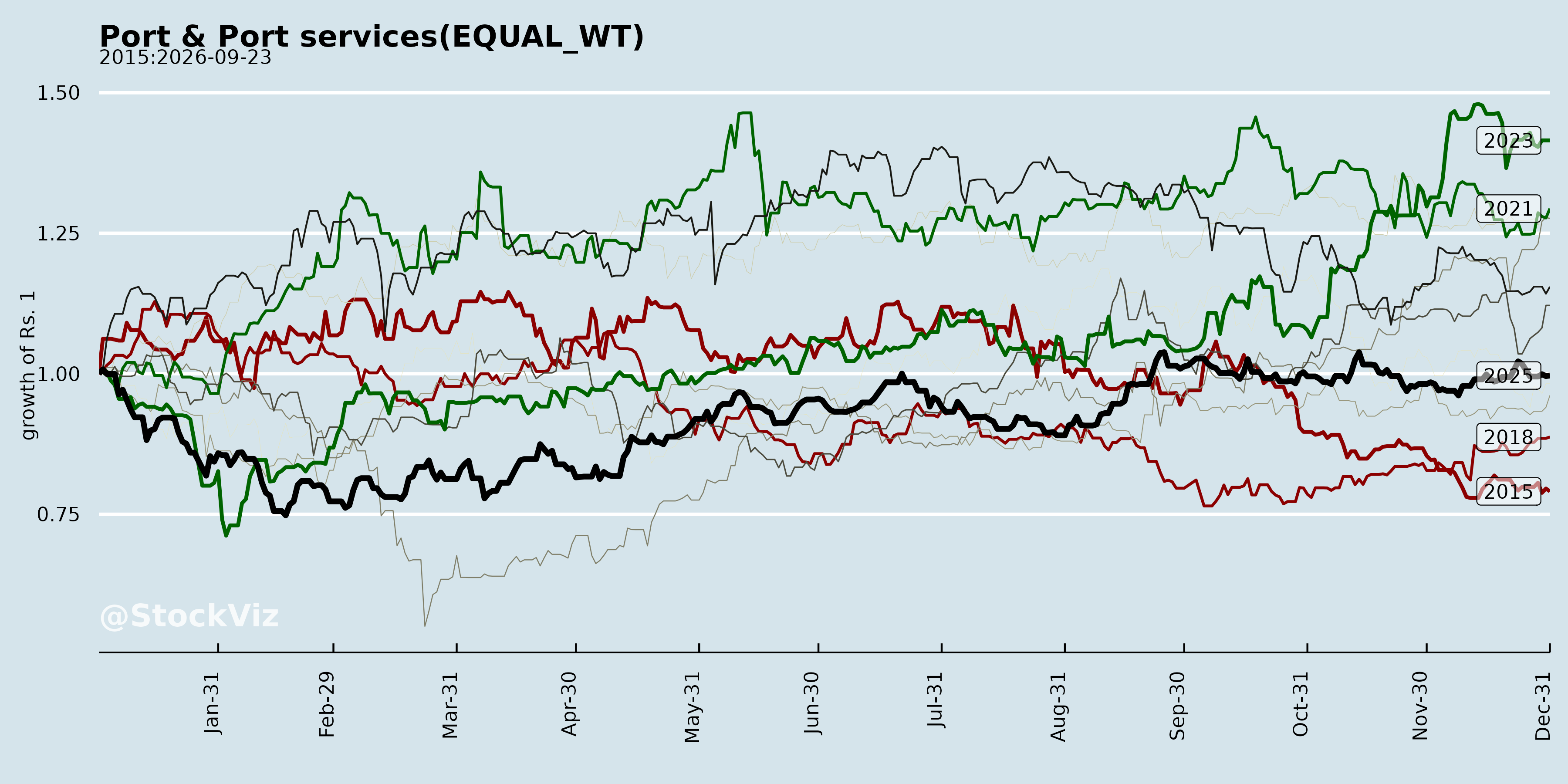
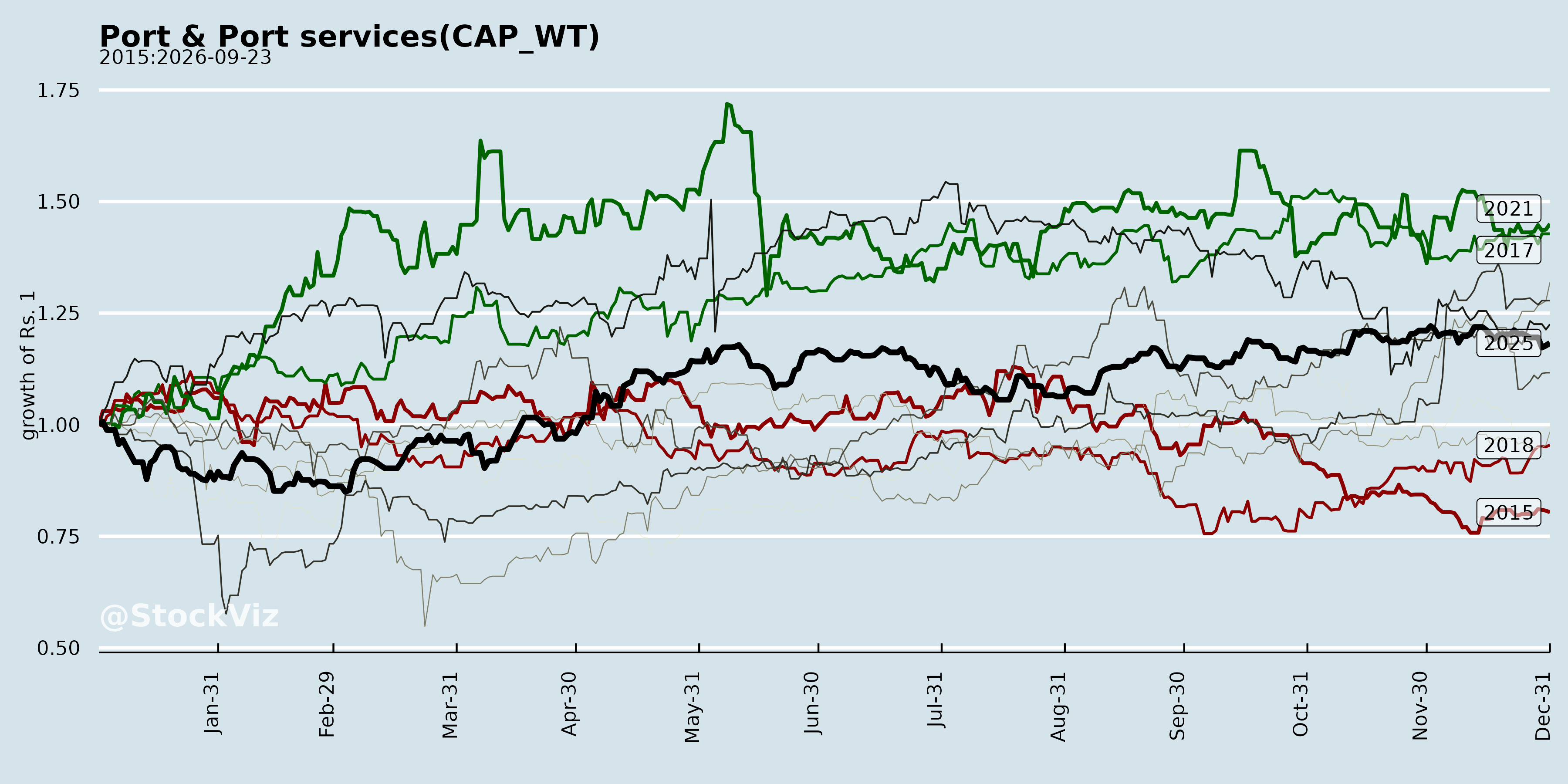
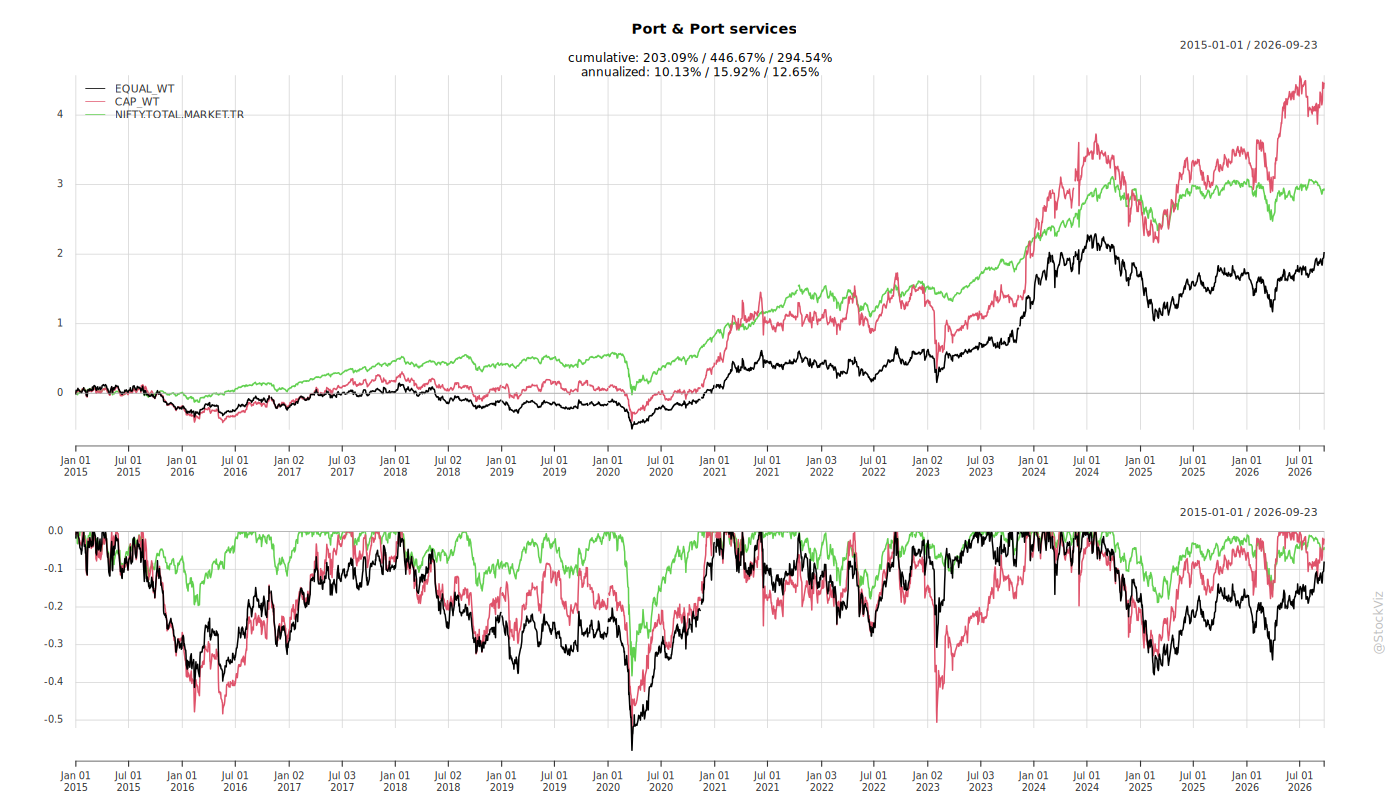
Cumulative Returns and Drawdowns
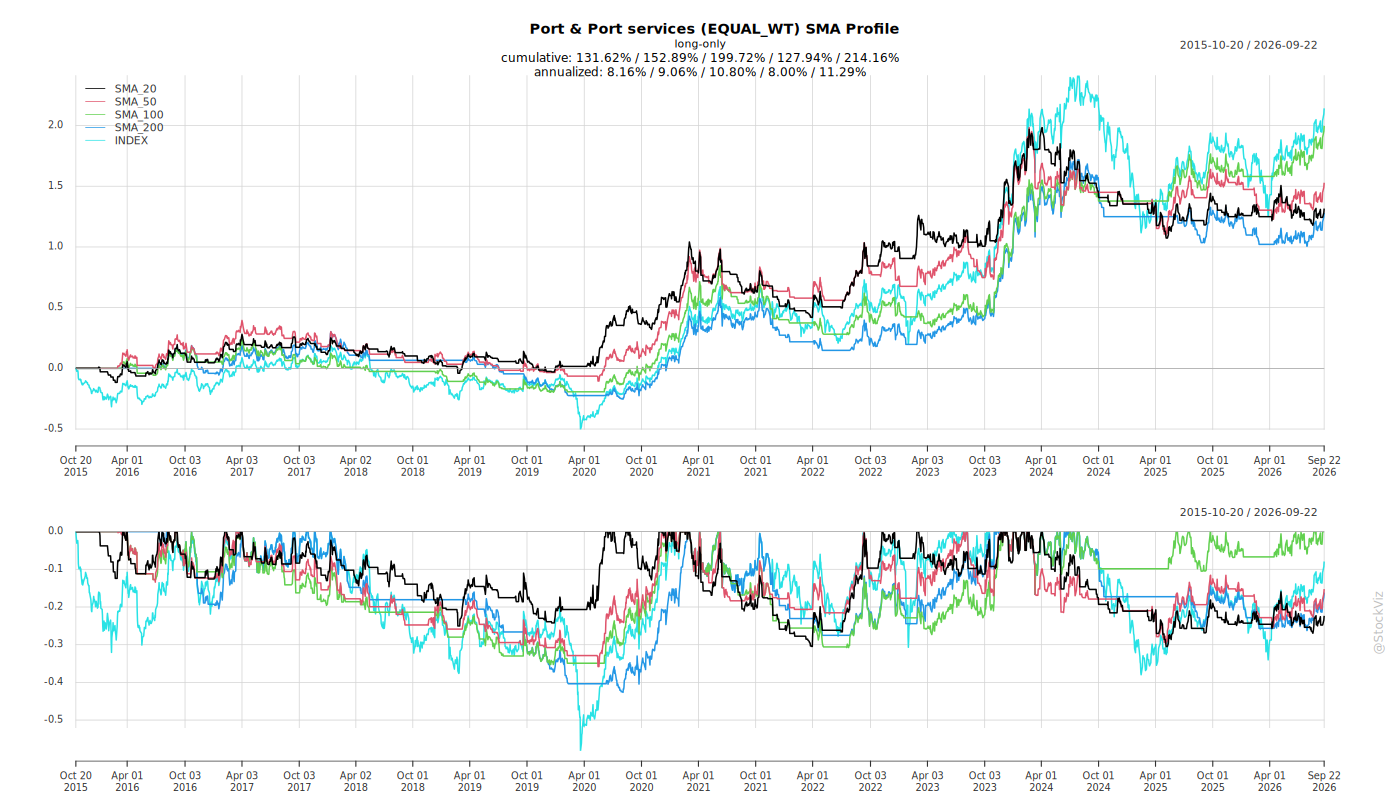
SMA Scenarios
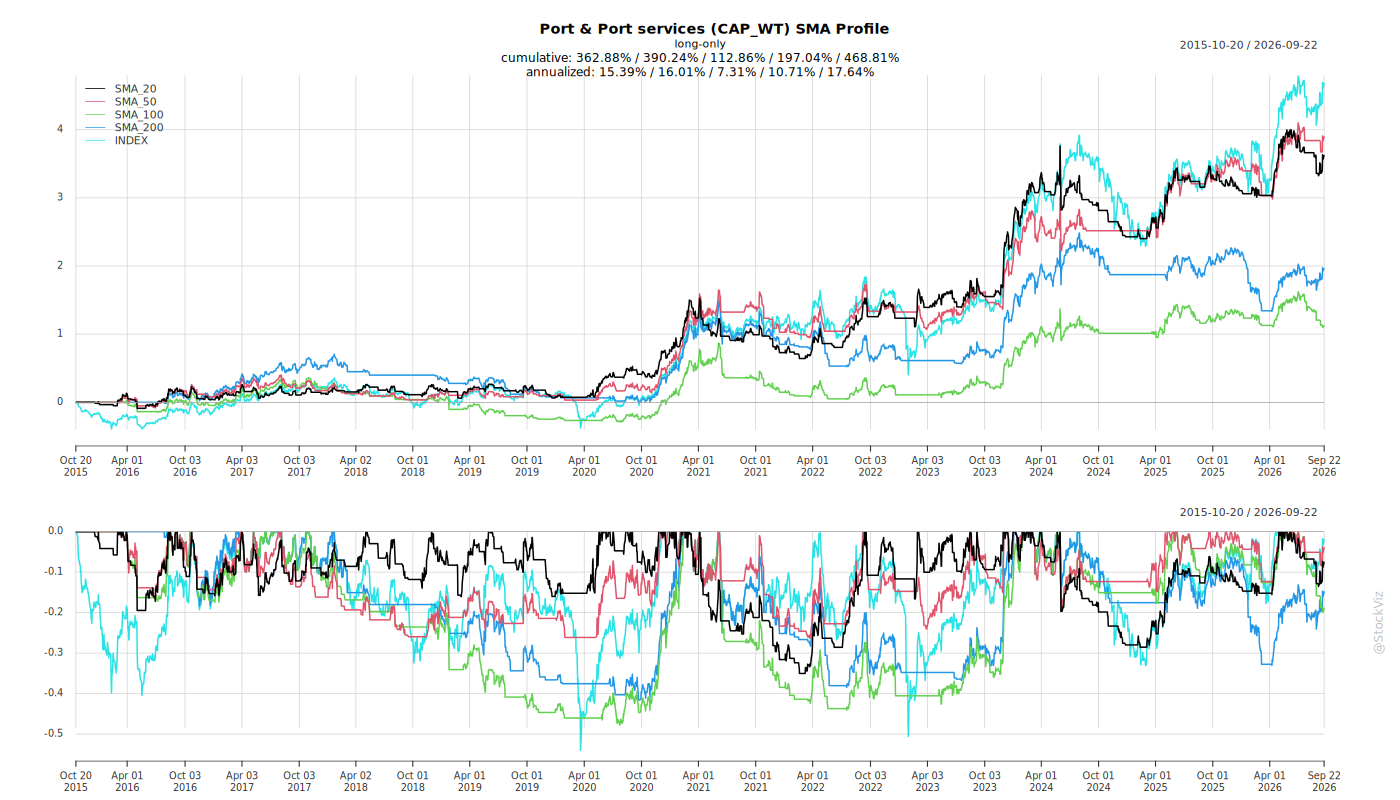
Current Distance from SMA
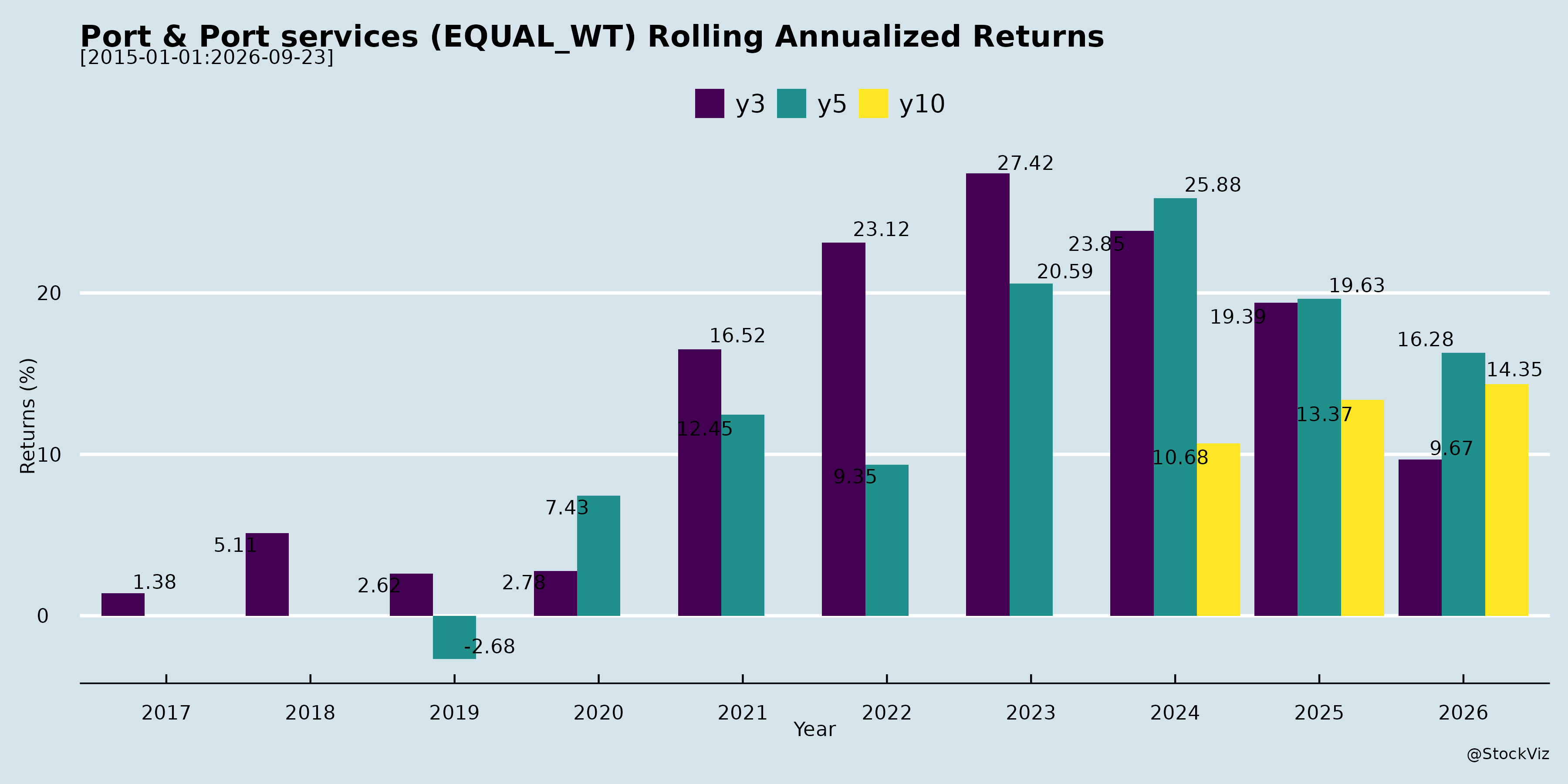
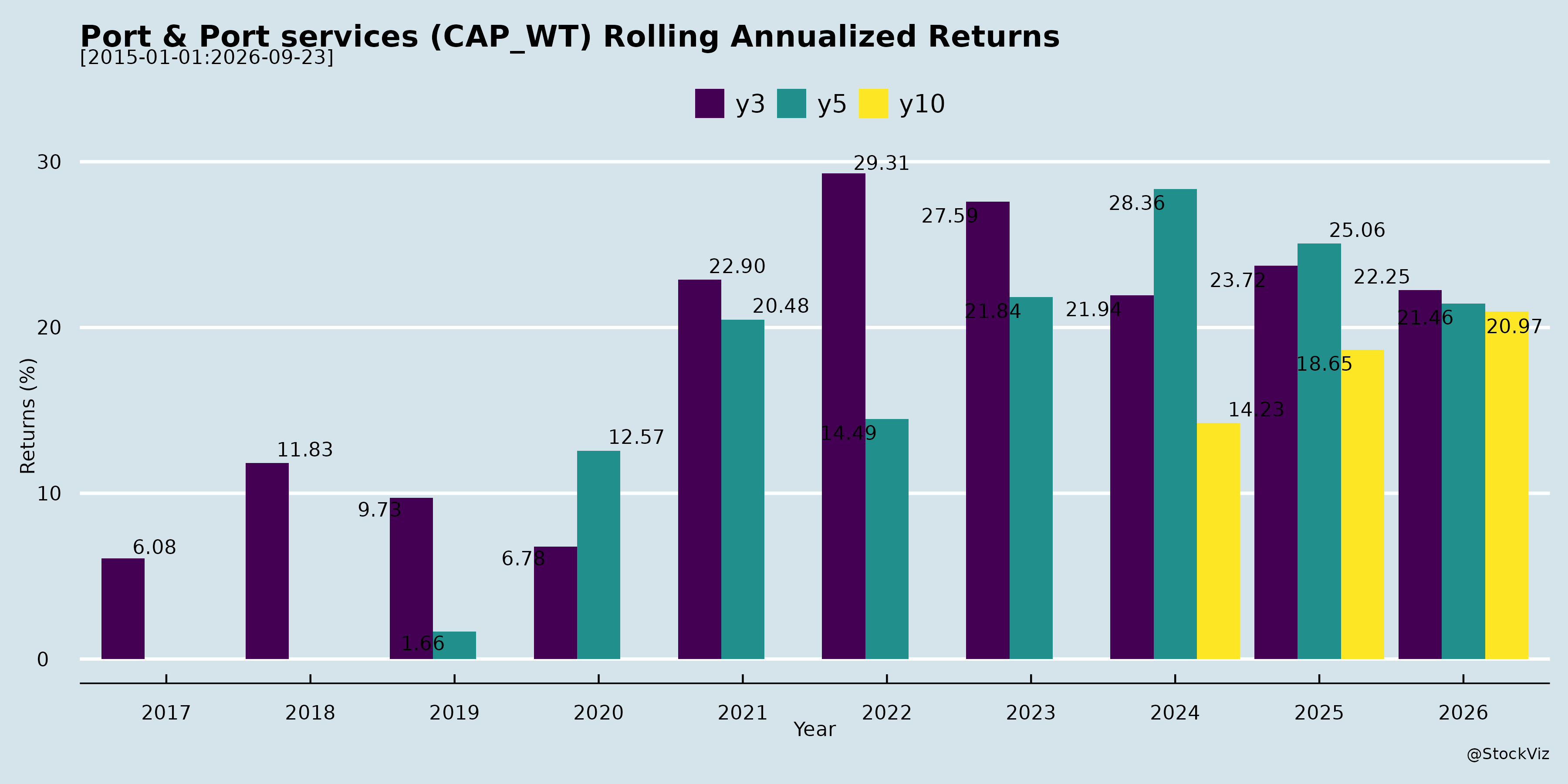
Rolling Returns
Fundamental Ratios
AI Summaries
How have the challenges and oppurtunities evolved over time?
asof: 2026-04-16
Based on the provided sources from various port and logistics companies, the challenges and opportunities in the sector have evolved significantly over time. Companies have shifted from traditional port operations toward integrated, global logistics networks while simultaneously navigating increasingly complex regulatory, legal, and environmental hurdles.
Here is a detailed breakdown of how these dynamics have evolved:
Evolving Opportunities
- Favorable Government Policies and Global Trade Shifts: Over time, new national initiatives have emerged to boost the logistics sector. Programs such as the National Logistics Policy (NLP), Sagarmala, and PM Gati Shakti are enabling service providers to accelerate trade flows, optimize infrastructure, and capture new domestic and global growth opportunities [1, 2]. Furthermore, global trade dynamics are currently being reset, and recent trade agreements signed by India with the European Union and the United States are expected to provide a meaningful boost to manufacturing activity and India’s EXIM (Export-Import) trade [3].
- Transition to Integrated, Multi-Modal Logistics: Companies are expanding their focus from standalone port operations to providing end-to-end supply chain solutions. For example, JSW Infrastructure’s acquisition of Navkar Corporation and various rail logistics businesses (including 22 active rail rakes) marks a strategic shift toward offering last-mile connectivity and an integrated multimodal logistics platform [4, 5]. This is further supported by their development and recent commissioning of Gati Shakti Multi-Modal Cargo Terminals [6-8].
- Global Expansion and Strategic Acquisitions: Opportunities for inorganic growth and global footprint expansion have accelerated. JSW Infrastructure entered a strategic collaboration in Oman to develop a 27 MTPA port, aiming to create an export gateway for critical minerals like limestone and gypsum to supply India’s steel and cement sectors [9]. Similarly, Adani Ports has pursued global acquisitions, including the purchase of the Astra Offshore Group and Australia’s Abbot Point Port Holdings (APPH) [10, 11], while also proactively optimizing its capital structure through tender offers for its senior notes [12, 13].
Evolving Challenges
- Changes in Labor Laws and Regulations: The implementation of new regulatory frameworks has introduced unforeseen financial challenges. The Government of India’s consolidation of 29 existing labor laws into four new Labour Codes (effective November 2025) has forced companies like Adani Ports and Gujarat Pipavav Port to record financial impacts—such as increased past service costs for gratuity—as exceptional items in their financial results [14-17].
- Protracted Legal, Tax, and Compliance Disputes:
Legacy agreements and strict tax enforcements continue to challenge
operators over long periods:
- Gujarat Pipavav Port has been embroiled in an arbitration dispute since 2005 with a customer over a delay in establishing rail connectivity, which recently resulted in a 2024 arbitral award against the company that it is currently fighting in the Bombay High Court [18, 19].
- Gujarat Pipavav is also navigating an ongoing dispute with the Gujarat Maritime Board over the encashment of a bank guarantee and demands for liquidated damages totaling hundreds of millions of rupees [20, 21].
- Allcargo Terminals recently faced an order from the GST & Central Excise Authority denying tax exemptions, resulting in a sudden tax demand and penalty of over Rs. 25.28 crore [22, 23].
- Heightened Governance and External Scrutiny: Companies face significant reputational and legal risks from external scrutiny. Adani Ports had to navigate challenges stemming from a 2023 short-seller report and subsequent SEBI investigations (which were ultimately closed without penalty) [24, 25]. Further, the company recently had to address fallout from a US Department of Justice indictment and SEC complaint against one of its non-executive directors for alleged securities and wire fraud conspiracy [26, 27].
- Environmental Disruptions and Climate Risks: Natural disasters pose a physical and financial threat to port infrastructure. For instance, Cyclone Tauktae hit Gujarat Pipavav Port in May 2021, disrupting operations due to a loss of grid power and causing significant property damage. The financial resolution for this challenge was lengthy, with the company only receiving its final insurance settlement in late 2025 [28, 29].
- Macro-economic and Industry-Specific Risks: As noted by JSW Infrastructure, the sector continually battles inherent industry risks over time. These include fluctuations in earnings, intense competition, wage increases, political instability, and the persistent threat of time and cost overruns on large-scale, fixed-price infrastructure contracts [30].
What are the headwinds affecting this industry?
asof: 2026-04-16
The port, logistics, and infrastructure industry faces a variety of significant headwinds ranging from macroeconomic volatility and regulatory changes to severe environmental and corporate governance challenges.
Macroeconomic and Market Volatility The industry is highly sensitive to general economic conditions that dictate supply, demand, and pricing dynamics in the markets where these companies operate [1-3]. For example, operators have faced periods of lower Export-Import (Exim) volumes for containers [4, 5], as well as volume drops at specific bulk facilities like the Paradip Iron Ore and Coal terminals [6]. Furthermore, shifting global trade dynamics, potential reductions in power demand, and intense competition present ongoing risks to earnings and cost advantages [3, 7].
Regulatory, Legal, and Tax Challenges Changes in government regulations, tax laws, and statutory requirements are major headwinds [1, 2]. Specific challenges include: * Labor Law Overhauls: The Government of India’s decision to consolidate 29 existing labor legislations into four New Labour Codes has created financial and administrative burdens. Companies have had to recognize significant financial implications and exceptional items in their financial results while awaiting the finalization of supporting rules by Central and State Governments [8-10]. * Tax Demands and Penalties: Operators are subject to intense scrutiny from tax authorities, resulting in substantial financial demands. For instance, companies have received orders from the Commissioner of GST & Central Excise levying multi-crore taxes, interest, and penalties under the CGST and IGST Acts [11-13]. * Commercial Disputes and Arbitration: The industry frequently deals with complex legal battles. Companies are engaged in ongoing arbitrations and commercial suits over disputes like the encashment of bank guarantees, multi-million rupee liquidated damages demanded by maritime boards, and customer claims regarding unfulfilled rail connectivity and infrastructure agreements [14-17]. The withdrawal of fiscal governmental incentives and political instability also remain persistent threats [3].
Operational and Environmental Disruptions Natural disasters pose a severe threat to coastal port infrastructure. Extreme weather events, such as Cyclone Tauktae, have previously halted port operations for weeks due to the loss of grid power supply, while simultaneously inflicting heavy damage that required extensive repairs to property, plant, and equipment [18, 19]. Beyond weather, operators struggle with internal operational headwinds such as time and cost overruns on fixed-price and fixed-time frame contracts, risks related to client concentration, and the complexities of successfully integrating potential acquisitions [3].
Corporate Governance and Reputational Risks The sector has recently navigated high-profile corporate governance hurdles. Short seller reports containing severe allegations against major group companies have historically triggered widespread market panic, leading to Supreme Court appeals and extensive investigations by the Securities and Exchange Board of India (SEBI) [20-23]. Additionally, leaders within the industry have been targeted by international authorities; this includes indictments by the United States Department of Justice (DOJ) for alleged securities and wire fraud conspiracies, as well as civil complaints from the US Securities and Exchange Commission (SEC) over alleged omissions of material facts [24, 25].
Labor and Talent Constraints Human capital management presents another headwind. The industry faces rising wage costs in India and persistent difficulties in attracting and retaining highly skilled professionals [3]. Immigration restrictions and the need to manage internal operations during periods of transition further complicate workforce management [3].
What are the key things to understand about this industry?
asof: 2026-04-16
The port, shipping, and multi-modal logistics industry is a complex and highly capital-intensive sector that forms the backbone of global and domestic supply chains. To fully understand this industry, several key operational, strategic, and macroeconomic factors must be considered:
1. Diversified Cargo Handling Port and terminal operators do not rely on a single type of freight; instead, they manage a diverse mix of cargo to optimize revenue and capacity. The primary categories of cargo handled include: * Containers: Measured in Twenty-foot Equivalent Units (TEUs), this is a standard metric for measuring the volume of shipping containers [1-3]. * Dry Bulk: This includes raw materials and commodities such as iron ore, coal, limestone, and fertilizers [1, 2, 4]. * Liquid Cargo: Specialized terminals are equipped with tank storage to handle bulk liquids like LPG and crude oil [2, 5, 6]. * Roll-on/Roll-off (RoRo): This segment caters specifically to the automotive industry, facilitating the transport of vehicles from Original Equipment Manufacturers (OEMs) [2].
2. Shift Towards End-to-End Multimodal Logistics Modern port operators are evolving beyond traditional seaport operations to become integrated logistics providers. A major strategic priority is the development of multimodal logistics platforms that seamlessly connect seaports with Inland Container Depots (ICDs), Container Freight Stations (CFS), and railway networks [7-9]. By offering “last-mile” connectivity and integrated supply chain solutions, companies can better capture market share [6, 7]. For instance, operators are actively investing in rail businesses to secure long-term operational licenses and fully operational rake fleets on Indian Railways networks [7]. Consequently, tracking “logistics rail volume” is now just as critical as tracking seaport cargo tonnage [10].
3. Strong Alignment with National Infrastructure Policies The industry’s growth is heavily guided and supported by national regulatory frameworks and infrastructure initiatives. In India, companies are aligning their strategic expansions with programs like the National Logistics Policy (NLP), Sagarmala, and PM Gati Shakti [11]. These government initiatives are designed to improve port connectivity, optimize infrastructure, and accelerate trade flows [11]. A practical application of this is the development of Gati Shakti Multi-Modal Cargo Terminals, which are built entirely on railway land to expedite domestic freight movement [12, 13].
4. Aggressive Capacity Expansion and Capital Expenditure (Capex) To keep pace with the demands of global trade, companies in this industry must execute massive capital expenditure plans to scale their handling capacities. For example, major players are setting aggressive targets to more than double their cargo handling capacities (e.g., from 177 Million Tonnes Per Annum to 400 MTPA by 2030) using multi-billion dollar capex budgets [6, 12]. Because the industry is so capital-intensive, companies actively manage their liability structures by utilizing a mix of cash reserves and debt, such as floating or repurchasing senior notes and international bonds [14, 15].
5. Increasing Global Footprint and Strategic Partnerships In addition to dominating domestic coastlines, major operators are aggressively expanding their global footprint to secure key nodes in international shipping routes [6, 16]. This is achieved through international acquisitions, such as purchasing foreign port holdings in Australia or the Middle East, and acquiring offshore shipping and maritime service groups [16-18]. For instance, securing ports in locations like Oman allows operators to capture export flows of critical raw materials (like limestone and dolomite) essential for domestic steel and cement sectors [16].
6. Influence of Macroeconomic Trade Dynamics The ultimate driver of this industry is Export-Import (EXIM) trade, making it highly sensitive to global trade dynamics [19]. Strategic shifts in global supply chains provide meaningful momentum to the sector. Additionally, recent international trade agreements—such as those established between India, the European Union, and the United States—serve as direct catalysts for the industry by stimulating domestic manufacturing and increasing overall EXIM trade volumes [19].
What are the tailwinds affecting this industry?
asof: 2026-04-16
Favorable government policies and national infrastructure initiatives are acting as significant catalysts for the ports and logistics industry. Companies are actively aligning their growth strategies with comprehensive national frameworks such as the National Logistics Policy (NLP), Sagarmala, and the PM Gati Shakti program [1, 2]. These initiatives are designed to optimize existing logistics infrastructure, drastically enhance port connectivity, and accelerate both domestic and global trade flows by allowing businesses to capture new growth opportunities [1, 2]. Under the PM Gati Shakti policy, the government is issuing approvals for the construction and operation of Multi-Modal Cargo Terminals (GCT), which allows private operators to develop new cargo facilities directly on railway land, as seen with recent terminal projects awarded in Somathane, Maharashtra, and Arakkonam, Tamil Nadu [3-5]. Furthermore, logistics and infrastructure companies are benefiting from access to specialized Indian Railways programs like the GPWIS (General Purpose Wagon Investment Scheme) and LSFTO (Liberalised Special Freight Train Operator) schemes [6]. These schemes allow companies to secure fully operational railway fleets and long-term licenses, accelerating the transition toward integrated, end-to-end multimodal logistics networks [6].
The resetting of global trade dynamics and strategic international trade agreements are also providing a major macroeconomic boost. As global supply chains are being restructured, recent trade agreements signed by India with major markets like the European Union and the United States are anticipated to provide a “meaningful fillip” to domestic manufacturing activities and significantly increase India’s Export-Import (EXIM) trade [7]. This shifting landscape is securing highly positive long-term growth prospects for Container Freight Station (CFS) and Inland Container Depot (ICD) operations across the country [7].
Strategic locational advantages and high regional resource demands are further driving industry expansion. Port operators are leveraging strategic locations along major global shipping routes to establish natural hubs for export and regional trade connectivity [8]. For example, strategic expansions into regions like Oman offer robust logistics infrastructure and close proximity to South and Southeast Asian markets [8]. This positioning is particularly advantageous for fulfilling the high demand for critical minerals—such as abundant reserves of limestone, gypsum, and dolomite—which are vital raw materials required to sustain India’s rapidly growing steel and cement sectors [8].
Finally, aggressive capacity additions and a focus on multimodal integration are allowing companies to capitalize on these favorable macroeconomic tailwinds. Investments in expanding cargo handling capacities at strategic ports, combined with a focus on deep customer equity, digital automation for contact-less services, and seamless multimodal integration (linking seaports, terminals, ICDs, CFS facilities, and rail networks), are ensuring that operators can swiftly handle diverse cargo and maintain revenue growth that keeps pace with rising trade volumes [6, 7, 9-11].
What is the general outlook of this industry?
asof: 2026-04-16
The general outlook for the port and logistics infrastructure industry is highly positive, characterized by robust volume growth, aggressive capacity expansions, and favorable shifts in global trade dynamics. Companies within the sector are actively investing in end-to-end multimodal logistics platforms and anticipating long-term growth.
Strong Volume and Revenue Growth Operators across the industry are reporting significant operational momentum and financial growth: * Adani Ports handled 42.5 Million Metric Tonnes (MMT) of total cargo in February 2026, representing a 16% year-on-year (YoY) growth led by a surge in containers (up 14%) and dry cargo (up 15%) [1]. For the year-to-date (YTD) period up to February 2026, they handled 454.7 MMT of total cargo, an 11% YoY increase [2]. * JSW Infrastructure reported an 8% YoY increase in cargo handled (31.7 MMT) for Q3 FY2026, which drove a 9% increase in operational revenue for its port segment [3]. The company is targeting consolidated operating revenue of ₹5,400 crore and operating EBITDA of ₹2,600 crore for FY2026, with an expectation that EBITDA will grow by roughly 15% in FY2027 and nearly double by FY2028 [4]. * Allcargo Terminals achieved its highest ever quarterly volumes in Q3 FY2026, reaching 1.76 lakh TEUs, marking an 18% YoY growth [5, 6]. This drove a 17% YoY increase in revenue and a 28% YoY increase in Profit After Tax (PAT) [5, 6]. * APM Terminals Pipavav also saw upward trends in Q3 FY2026, reporting an 11% increase in revenue (driven by bulk, RORO, and ONGC) and a 16% rise in EBITDA [7].
Favorable Trade Dynamics and Market Drivers Industry leaders express strong confidence in the long-term growth prospects of operations like Container Freight Stations (CFS) and Inland Container Depots (ICD) [6]. This optimism is largely fueled by a current reset in global trade dynamics [6]. Specifically, recent trade agreements signed by India with the European Union and the United States are expected to provide a substantial boost to manufacturing activities and India’s export-import (EXIM) trade, which directly benefits port and logistics operators [6].
Aggressive Capacity Expansion and Strategic Investments To capitalize on these favorable conditions, companies are heavily investing in physical infrastructure, strategic acquisitions, and global expansion: * Massive Capex Plans: JSW Infrastructure has embarked on a massive growth plan to increase its cargo handling capacity from the current 177 MTPA to 400 MTPA by FY 2030 (or earlier) through a comprehensive capital expenditure plan of ₹30,000 crores [4]. * Logistics Network Integration: There is a distinct industry shift toward building end-to-end multimodal logistics networks. JSW has earmarked an additional ₹9,000 crores to expand its logistics segment, recently acquiring a rail rakes business for ₹1,212 crore to secure an operational fleet and access Indian Railways’ programs [4, 8]. Similarly, Allcargo Terminals is in the midst of executing a 3-year strategic plan to boost cargo handling capacity at key locations, complemented by focused digital automation initiatives to improve process efficiency [6]. * Global Footprint Expansion: Operators are also looking beyond domestic borders. For example, JSW recently signed an agreement to develop and operate a $419 million, 27 MTPA port in Oman, positioning it as a natural hub for mineral exports bridging markets in South Asia and Southeast Asia [9].
Potential Risks and Uncertainties Despite the strong growth trajectory, the outlook is not without its risks. The industry’s future performance depends heavily on broader economic conditions that affect supply, demand, and pricing [7, 10]. Key uncertainties and challenges that could impact this optimistic outlook include: * Fluctuations in corporate earnings and the ability to effectively manage rapid growth [11]. * Intense competition within the industry, which may affect cost advantages [11]. * Changes in government regulations, tax laws, and potential withdrawals of governmental fiscal incentives [7, 10, 11]. * Operational risks, such as wage increases, the ability to attract and retain highly skilled professionals, and potential time and cost overruns on fixed-price contracts [11]. * Macro-level risks, including political instability and general economic conditions [11].
Copyright © 2023 SAS Data Analytics Pvt. Ltd. All rights reserved.