Pesticides & Agrochemicals
Industry Metrics
October 23, 2026
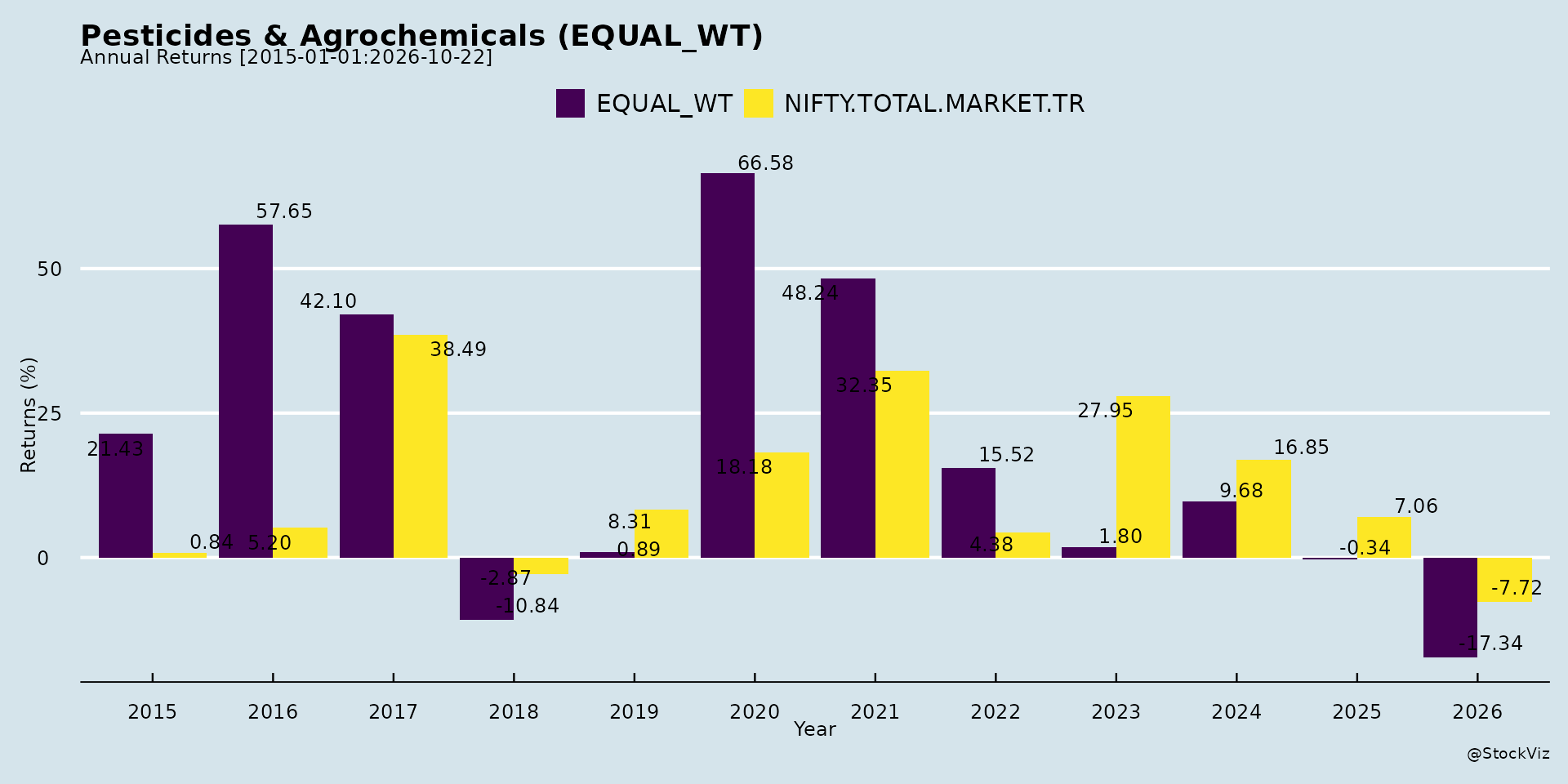
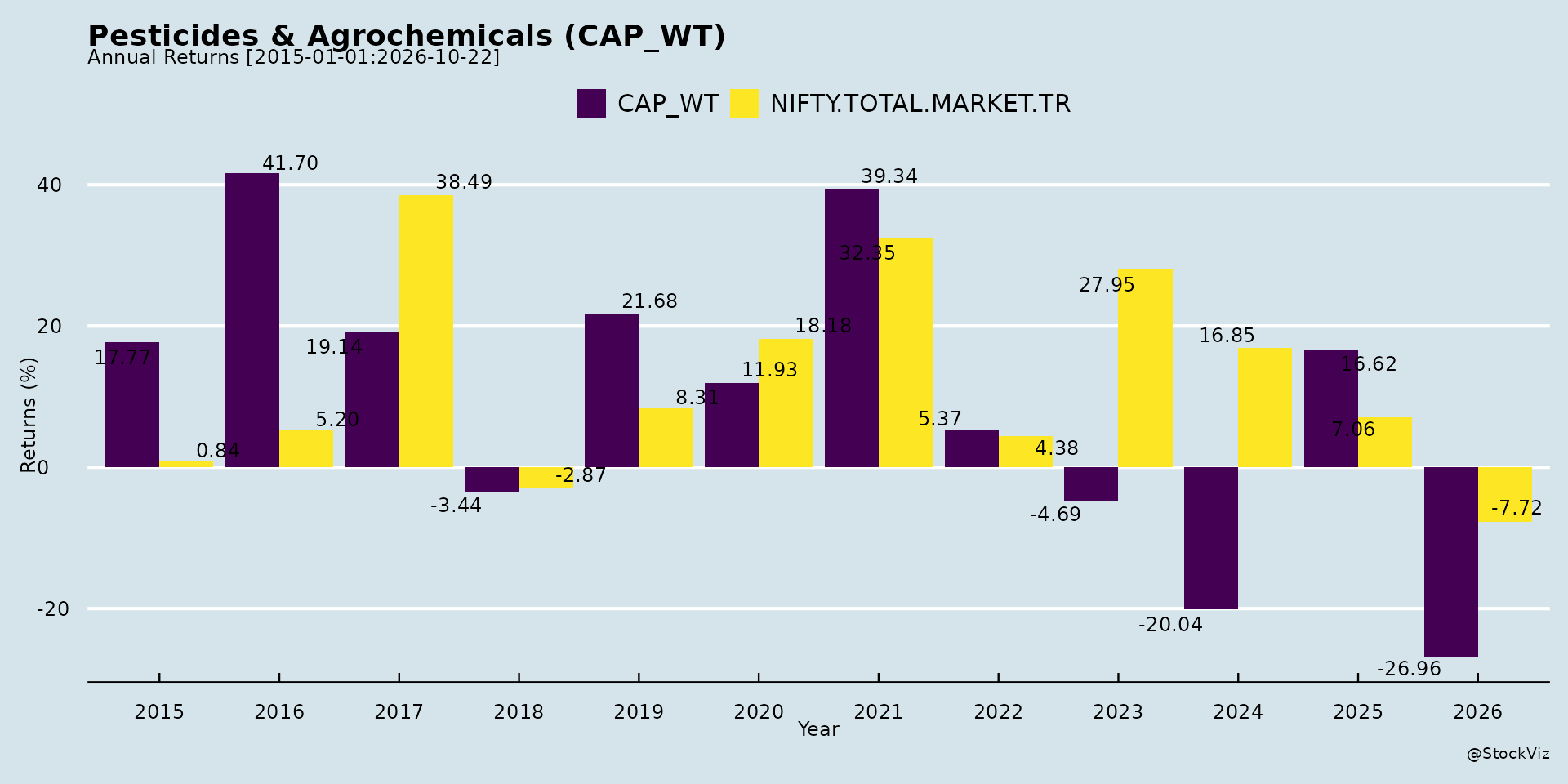
Annual Returns
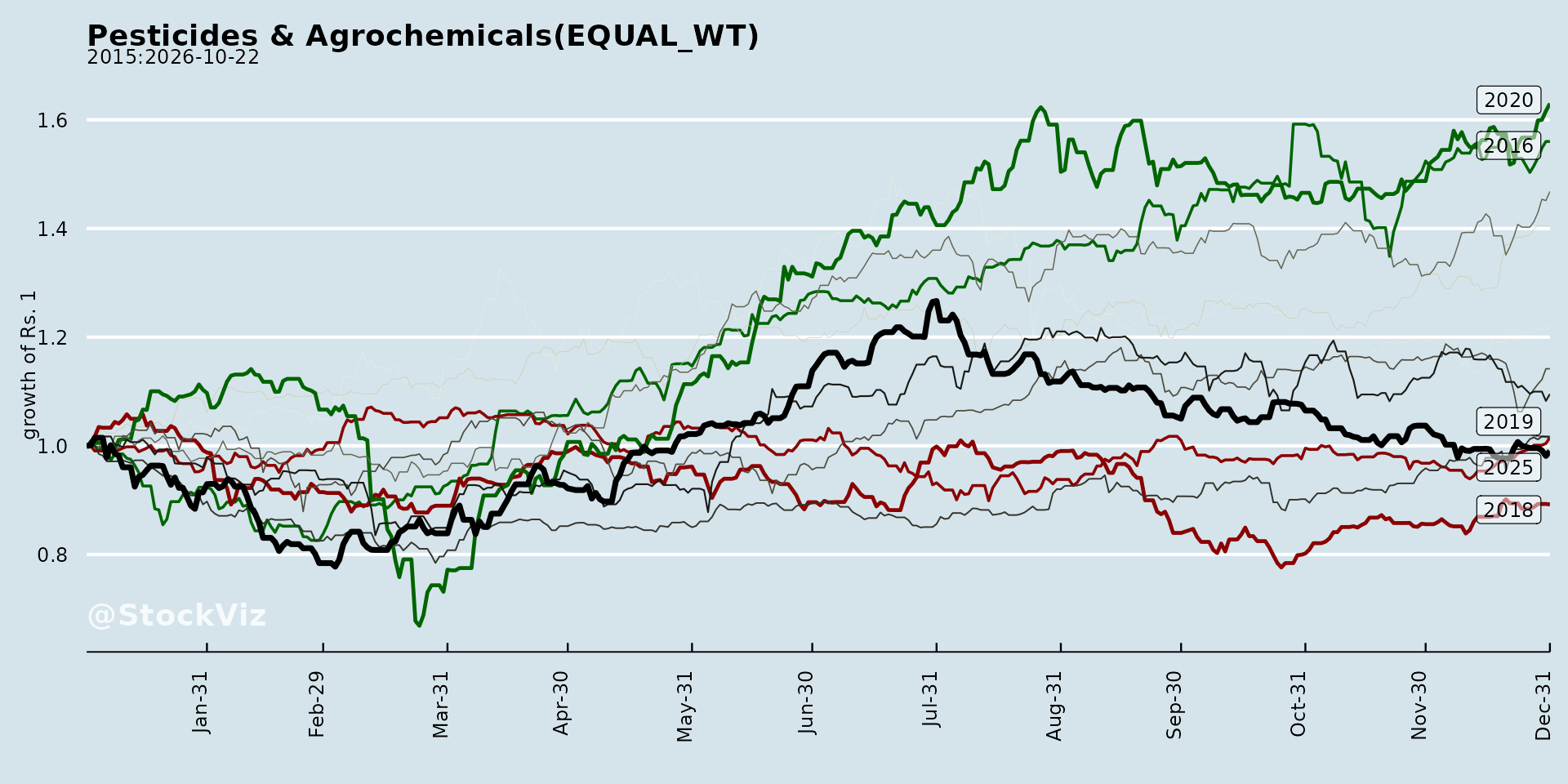
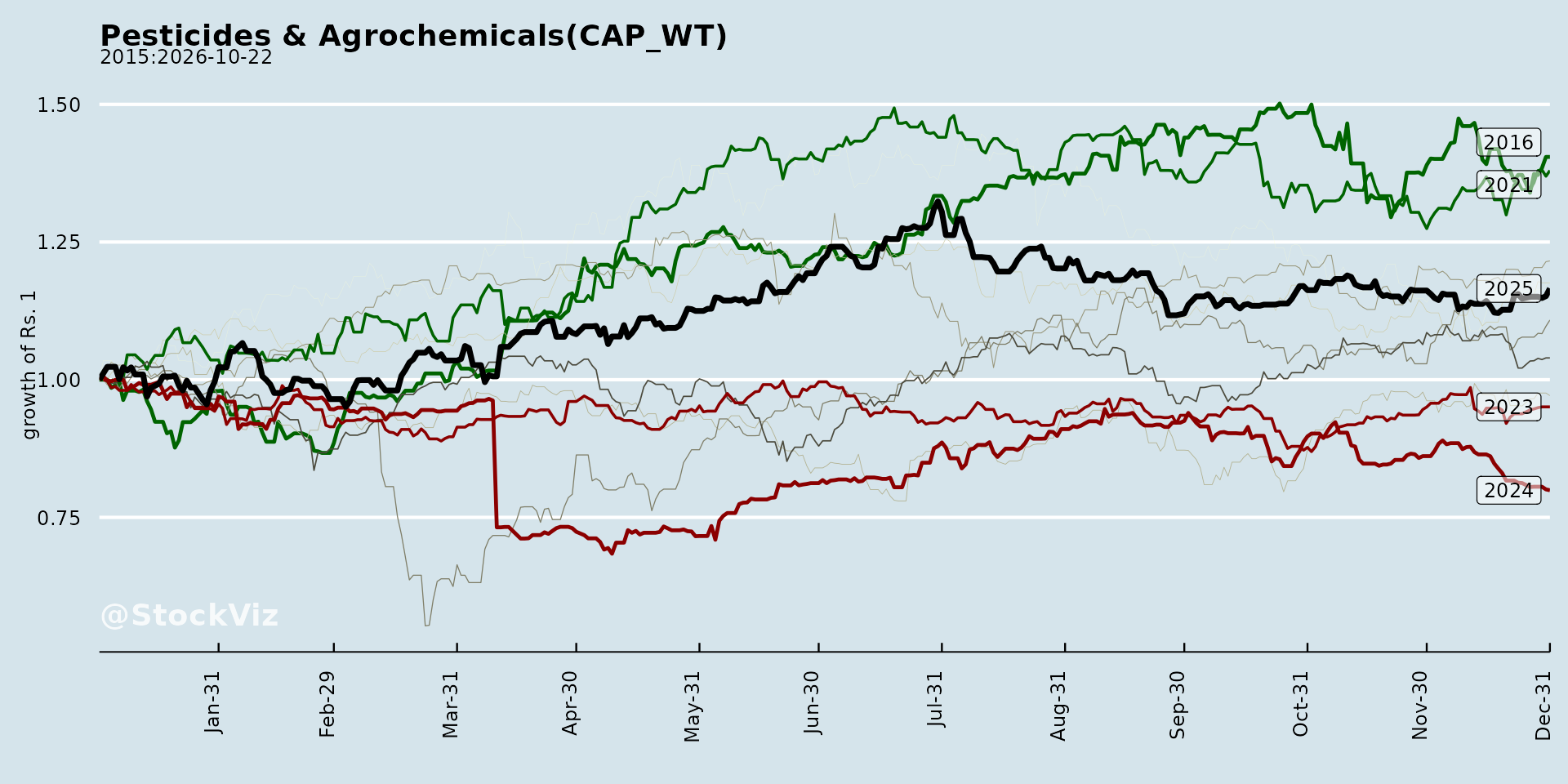
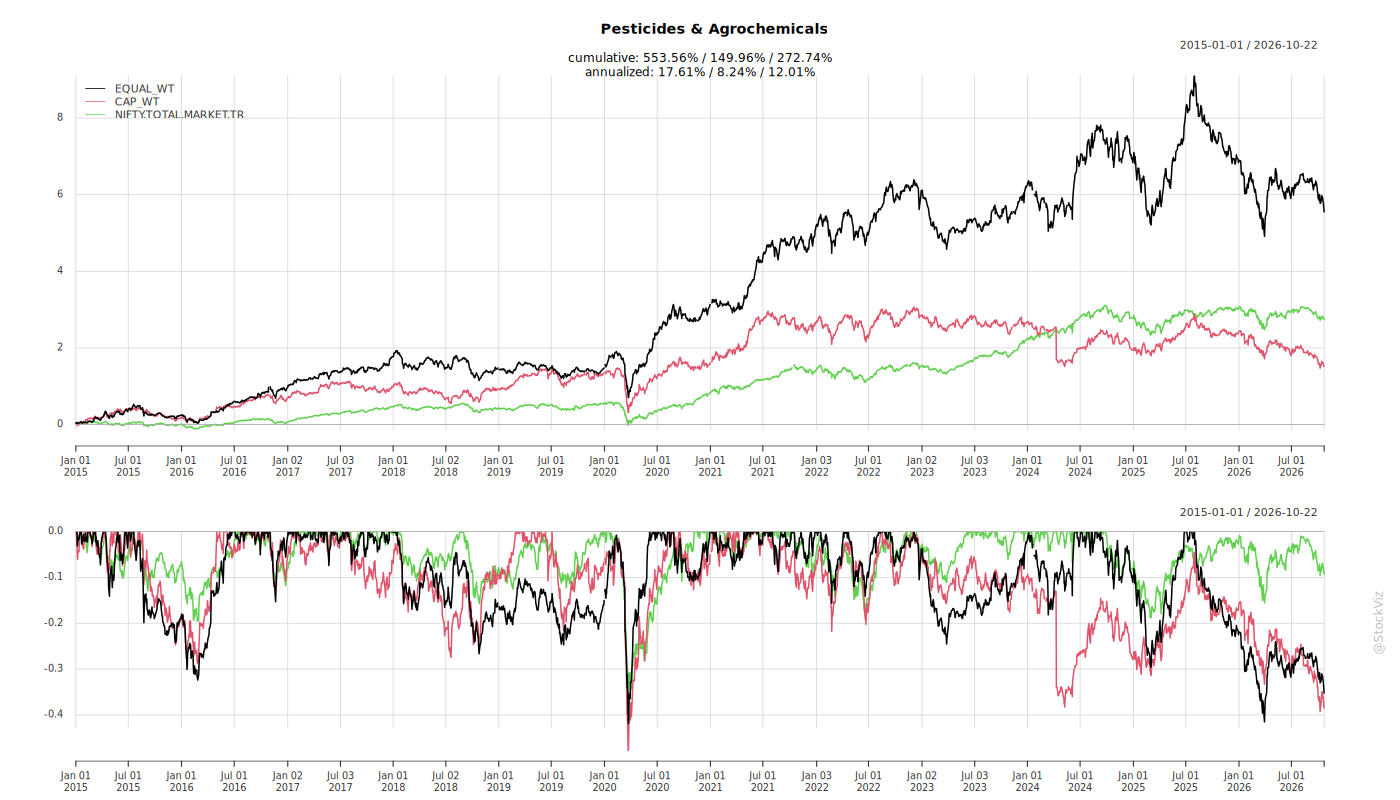
Cumulative Returns and Drawdowns
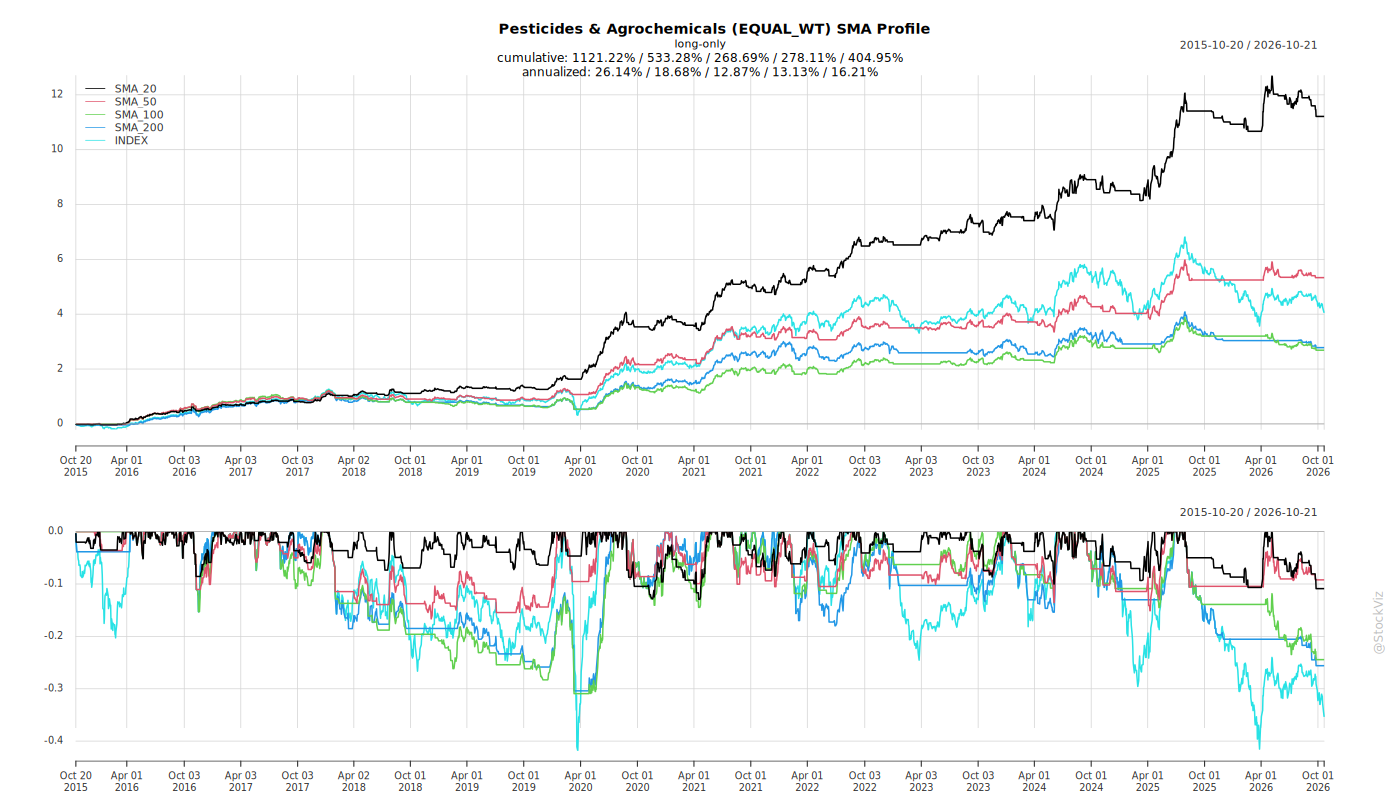
SMA Scenarios
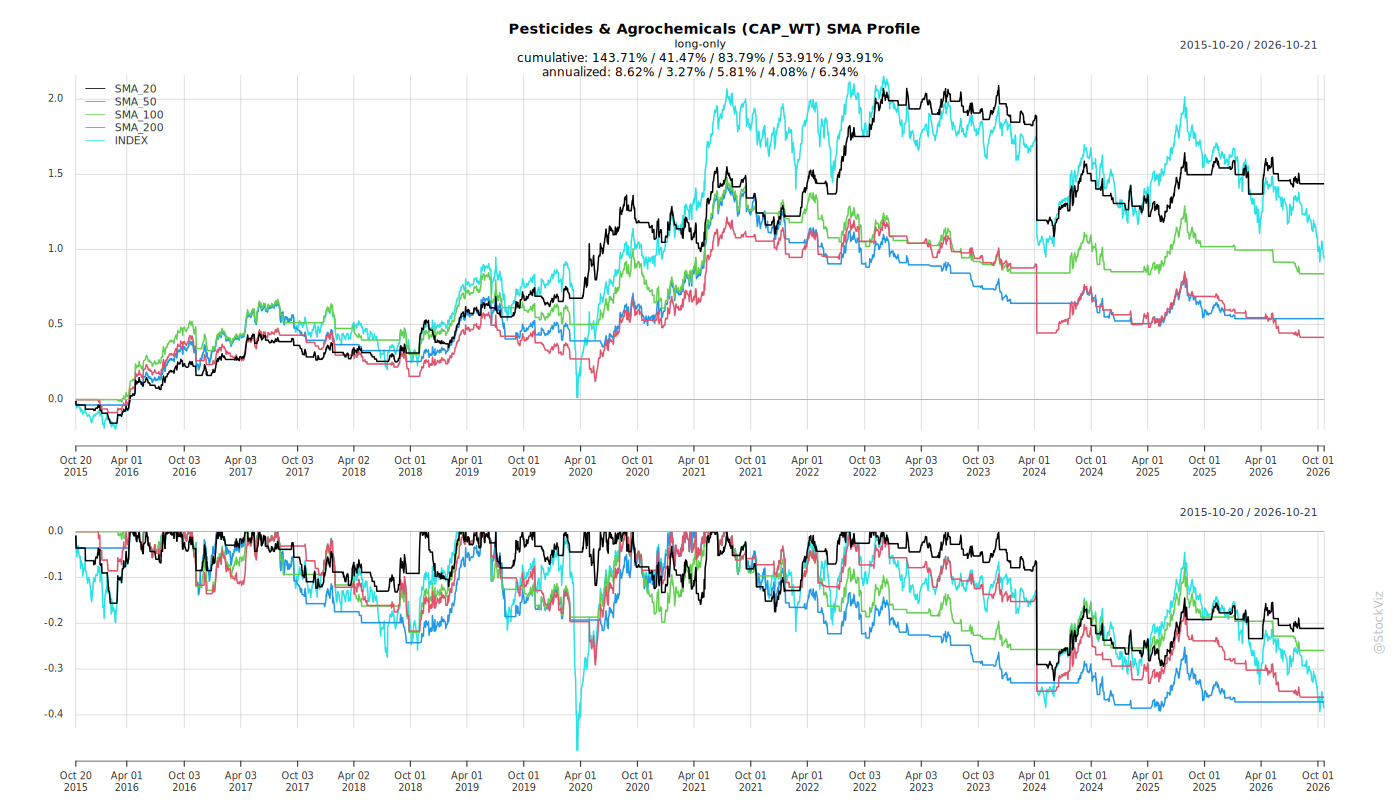
Current Distance from SMA
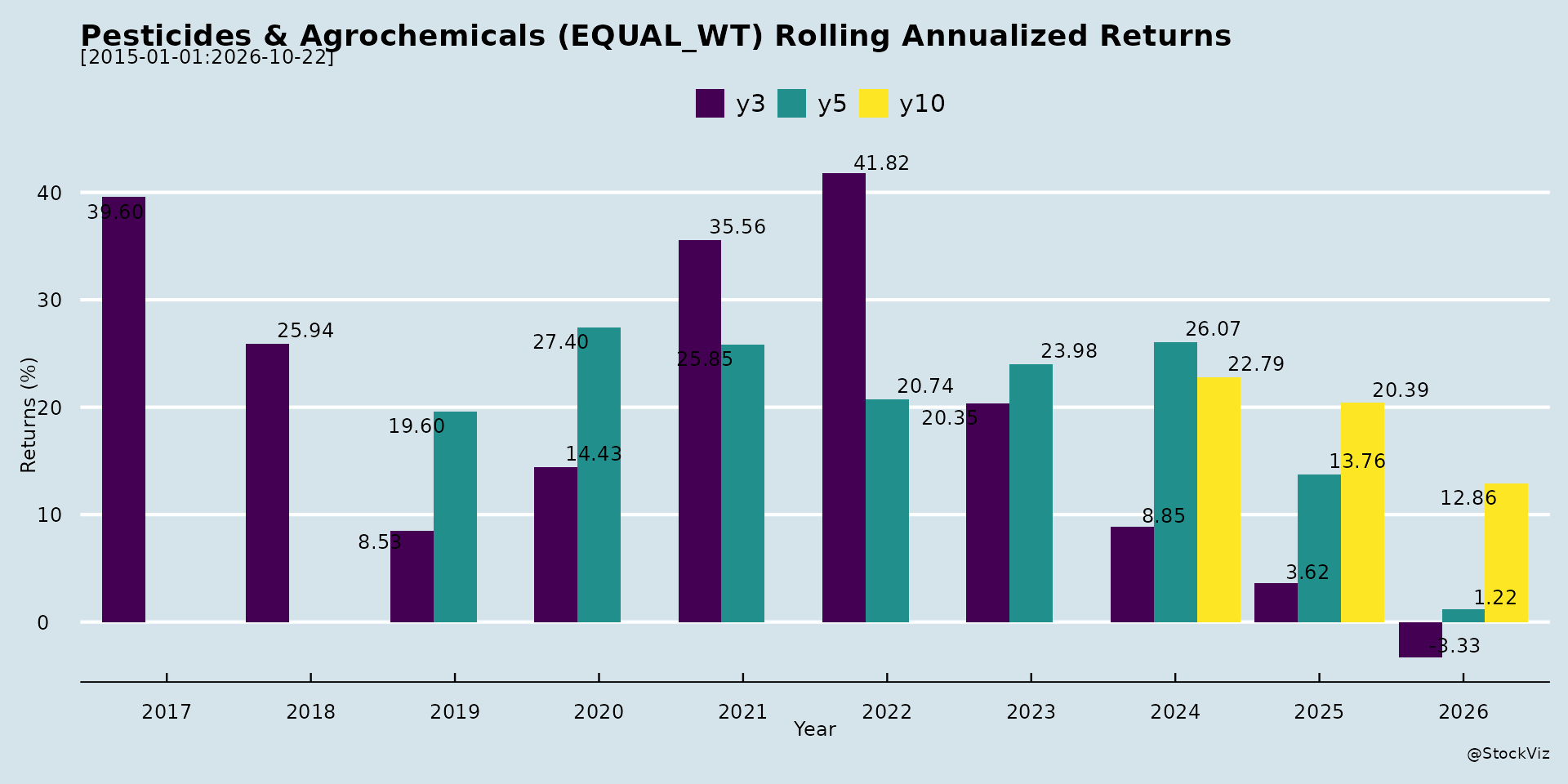
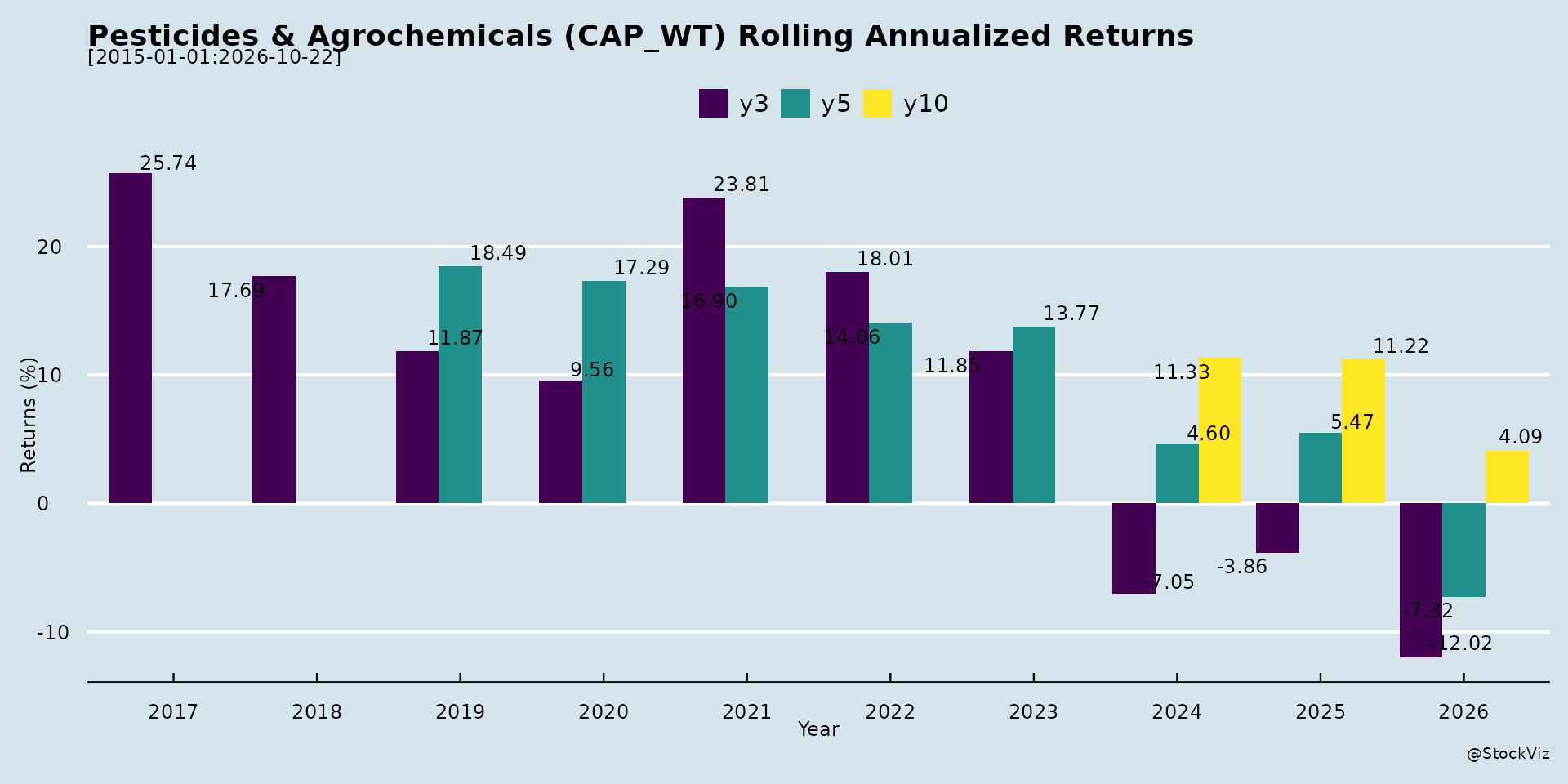
Rolling Returns
Fundamental Ratios
AI Summaries
How have the challenges and oppurtunities evolved over time?
asof: 2026-04-15
Based on the provided sources, the agrochemical and crop protection industry has navigated a highly volatile landscape over the recent years. The evolution of challenges and opportunities is marked by a shift from global supply chain shocks to localized weather and economic pressures, alongside emerging regulatory and product-driven avenues for growth.
Here is a detailed breakdown of how these challenges and opportunities have evolved:
Evolution of Challenges
1. Global Macroeconomic Shocks and Supply Chain Disruptions Historically, the industry experienced unique, one-off global macro events—such as the COVID-19 pandemic and the Russia-Ukraine war—which triggered safety stockpiling by channels and created a pricing “bubble” [1, 2]. Over time, this evolved into severe channel destocking and a stabilization of lower active ingredient (AI) prices, creating structural margin pressures [1, 2]. Furthermore, companies are still navigating the lingering effects of global supply chain disruptions and inflationary pressures on raw materials, as well as competition from Chinese imports [3, 4].
2. Weather Anomalies and Climate Vagaries Unpredictable weather patterns have increasingly posed near-term challenges. Recent quarters witnessed exceptionally high, erratic, and uneven rainfall across regions like North, West, and Central India, coupled with floods in parts of Punjab and Haryana [5, 6]. This extended monsoon disrupted the normal cropping cycle, delayed sowing, and resulted in missed spray programs [5-8]. Ironically, while good for general crop health, these favorable and stable weather conditions during seasons like the Rabi resulted in unusually low disease and pest incidence, which temporarily softened the demand for crop-protection products [5, 6, 9, 10].
3. Depressed Farm Incomes and Market Dynamics A major structural challenge today is the low prices of grain, horticulture, and other crop commodities, which have severely impacted farm economics [1, 11]. During recent harvesting periods, many crops traded at significant discounts (9% to 30%) below their Minimum Support Prices (MSP), materializing into compressed farm incomes and reduced purchasing power for farmers [9, 12, 13]. Concurrently, the industry has struggled with elevated inventories of generic products at the trade level, leading to intense price competition and squeezing gross margins [9, 13].
Evolution of Opportunities
1. Favorable Regulatory and Policy Tailwinds The regulatory landscape is shifting to heavily favor organized, large-scale players. The Draft Pesticide Management Bill 2025 and the proposed Seed Bill 2025 are seen as massive structural positives [14, 15]. These bills prioritize strict quality control, digital traceability (like QR tagging), and stiffer penalties to deter fly-by-night operators and eliminate fake/spurious products [14-17]. Additionally, the Union Budget 2026-27 has increased focus and allocations toward the agricultural ecosystem, specifically in soil health management, organic farming, and rural infrastructure, providing a long-term boost for sustainable farming inputs [18].
2. Upcoming Patent Expiries and Shift to Proprietary Products A historic opportunity is emerging as numerous agrotechnical patents are slated to expire between 2024 and 2030, which will open significant growth avenues for the Indian agrochemical industry in post-patent markets [19]. In response to the high competition in generics, companies are successfully shifting their product mix toward high-margin, newly patented chemistries, bio-stimulants, and plant nutrition [20-22]. The global bio-solutions and post-patent markets are projected to grow faster than the broader crop protection market over the next five years [23].
3. Vast Untapped Domestic Penetration and Crop Intensification To meet the food demands of a growing population by 2050, global crop production must intensify, especially given that up to 40% of global crop production is lost to pests and climate change accelerates pest reproduction [24]. Domestically, India’s agrochemical consumption remains one of the lowest globally at approximately 600 grams per hectare, despite having 150 million hectares of arable land, leaving massive headroom for growth [25]. Additionally, enhanced irrigation facilities and better marketability are enabling Indian farmers to adopt multiple crop cycles per year and shift toward value-added horticulture crops, driving a durable demand for specialized crop solutions [26, 27].
4. Expanding Global Footprint and CDMO Scale-up Indian agrochemical companies are heavily capitalizing on the “China Plus One” strategy and expanding their international footprint. There is robust export demand from high-value markets like the European Union, Australia, the USA, and Latin America [28-31]. Furthermore, companies are actively scaling up Contract Research and Manufacturing Services (CRAMS) and Contract Development and Manufacturing Organizations (CDMO) projects with global innovators, presenting a reliable, compliance-driven pathway to revenue growth [32, 33].
What are the headwinds affecting this industry?
asof: 2026-04-15
The agrochemical and crop protection industry is currently navigating a variety of significant headwinds, ranging from adverse weather conditions to stressed farm economics and supply chain disruptions.
Climatic and Weather Disruptions Weather anomalies have severely impacted the agricultural cycle and chemical application schedules. The industry faced erratic, uneven, and significantly extended rainfall, with October 2025 seeing precipitation 49% above the long-period average [1-4]. This led to flooding in parts of Punjab and Haryana, which disrupted the cropping cycle [3, 5, 6]. Similarly, West and Central India received higher-than-average precipitation, which adversely affected soybean spray programs and delayed purchases [5, 7, 8]. Earlier in the year, delayed monsoons also posed challenges [9, 10], and companies remain cautious about the potential future impacts of El Nino [11, 12].
Lower Pest and Disease Incidence While beneficial for overall crop health, lower pest and disease pressures have directly reduced the demand for crop protection products [6]. Favorable and stable temperatures during the Rabi season led to minimal disease and pest pressure in key crops like wheat, cumin, potato, and onion [8, 13, 14]. Similarly, lower pest incidences in paddy, grapes, and fruits resulted in a muted spraying season and subdued demand [3, 5, 8, 13, 15].
Stressed Farm Economics and Lower Crop Prices Declining crop and horticulture prices have heavily compressed farm incomes, reducing farmers’ purchasing power and willingness to spend on crop production chemicals [13, 16-18]. During the October–December 2025 harvesting period, all Kharif crops (except paddy) traded at discounts of 9% to 30% against their respective Minimum Support Prices (MSP) [14, 18, 19]. This financial strain weakened the demand for high-value and specialty products [13, 14, 18]. Furthermore, specific high-value crops suffered; for example, the chilli segment in South India took a major beating, resulting in significantly lower consumption of specialized chemicals [20-23].
Inventory Overhang and Price Competition Because adverse weather and low pest pressures caused farmers to miss spray programs, channel inventory from previous quarters was carried forward, meaning fresh product placements could not materialize as planned [5, 8, 24]. This has led to elevated generic inventory at the trade level across the industry, which in turn has sparked intense price competition and compressed gross margins [14, 18, 19, 25, 26]. Additionally, there has been price softening in certain molecules due to increased competition from China and generally lower prices for Active Ingredients (AIs) [27-29].
Macroeconomic, Geopolitical, and Regulatory Challenges On a broader scale, the industry is dealing with global supply chain disruptions and inflationary pressures on raw materials [30, 31]. Global operations are also facing structural headwinds such as prevailing geopolitical uncertainties, tariffs, and new bilateral or multilateral trade agreements [29]. Domestically, regulatory hurdles—such as challenges and changes in the biostimulants category—have negatively impacted sales for some market players [20, 32-34]. Furthermore, localized environmental regulations, such as the Graded Response Action Plan (GRAP) in the Delhi NCR region, have caused operational and project expansion delays for certain companies [35, 36].
What are the key things to understand about this industry?
asof: 2026-04-15
Understanding Demand Drivers and Farm Economics The agrochemical industry’s growth is fundamentally tied to farm economics and global commodity prices [1, 2]. Farmer interest in investing in crop protection chemicals is directly correlated with their purchasing power [1]. When crop commodity prices fall, or when harvests trade at significant discounts to Minimum Support Prices (MSP), farm incomes are heavily compressed, leading to delayed purchases and reduced spending on agrochemicals [3-5]. Conversely, the rising cultivation of high-value and horticulture crops—such as grapes, tomatoes, chillies, and potatoes—is a major growth driver, as these crops require more intensive input consumption and present opportunities for premium, specialized products [6-9]. To support this, infrastructural tailwinds like increased warehousing, cold storage, and smooth transportation are vital for sustaining agricultural growth [9, 10].
The Impact of Weather and Climate Vagaries Weather patterns dictate the entire operational cycle of the industry, which is highly seasonal and anchored to primary growing seasons like Kharif and Rabi [11-13]. Erratic weather, such as exceptionally high and uneven rainfall or flooding, can severely disrupt the cropping cycle, delay sowing, and wash out scheduled spraying programs [4, 14-16]. These disruptions often lead to inventory pile-ups that spill over into subsequent quarters [4, 16]. Additionally, climate conditions directly govern pest and disease incidence. Stable temperatures or extended monsoons can result in minimal disease and low pest pressure, directly reducing the immediate demand for pesticides [12, 14, 16, 17]. Macro-weather events like El Niño are also closely monitored by the industry, as they can heavily influence seasonal rainfall and crop yields [18-20].
A Strategic Pivot from Generics to Patented and Specialty Products The industry is currently transitioning away from generic agrochemicals towards proprietary and innovative solutions. The generic market has recently faced challenges such as high channel inventory and aggressive price competition, which erode profit margins [5, 12, 21, 22]. To counter this, organized companies are heavily investing in Research & Development to launch novel chemistries, patented product combinations, and specialized biologicals and plant nutrients [23-29]. These patented and differentiated products offer higher gross margins, faster growth potential, and are seeing strong acceptance from farmers seeking safer, sustainable, and higher-yielding agricultural practices [26, 30-33].
Regulatory Environment and Compliance Regulation acts as a significant structural moat for established companies. The introduction of frameworks like the Draft Pesticide Management Bill and the proposed Seed Bill prioritize stringent quality control, mandatory registrations, digital traceability, and strict penalties for misbranding [20, 34-36]. This regulatory tightening targets spurious, “fly-by-night” operators, thereby expanding the market share and brand equity of organized, compliant players [35-37]. For international expansion, the regulatory landscape requires companies to obtain country-specific registrations, which is a rigorous and expensive process that can take anywhere from two to six years depending on the region [38-41].
Global Supply Chain, Exports, and Backward Integration India is one of the world’s largest exporters of pesticides, capitalizing on its manufacturing advantages to serve markets across Europe, NAFTA, LATAM, and Africa [42-45]. Historically, the global crop protection market experienced a pricing “bubble” driven by COVID-19 safety stockpiling and the Russia-Ukraine war, which subsequently led to an extended period of channel destocking and price corrections [27, 46]. To protect margins and ensure supply reliability amidst these global fluctuations and a historical reliance on Chinese imports, companies are heavily focusing on backward integration [42, 47, 48]. By setting up in-house manufacturing for active ingredients (technicals) and intermediates, companies can achieve cost leadership and greater operational control [48-53].
Long-Term Macroeconomic Tailwinds Despite short-term cyclical challenges, the agrochemical industry benefits from massive long-term tailwinds. A growing global population requires an intensification of crop production to meet future food demands on a limited amount of arable land [31, 54]. Furthermore, climate change is accelerating pest reproduction and disease, increasing the ongoing need for multiple active ingredient solutions and advanced bio-stimulants to mitigate heat and drought stress [54, 55]. Within India specifically, the per-hectare consumption of agrochemicals remains one of the lowest in the world, presenting a significant opportunity for structural, long-term market penetration and double-digit growth [56, 57]. To maximize these global opportunities, leading players are restructuring to create unified, pure-play crop protection platforms that can leverage scale, R&D, and deep global distribution networks [58-60].
What are the tailwinds affecting this industry?
asof: 2026-04-15
The agrochemical and crop protection industry is currently benefiting from a robust confluence of macroeconomic, regulatory, and structural tailwinds. These growth drivers are creating favorable conditions for both domestic expansion and global market capture.
Here is a detailed breakdown of the key tailwinds affecting the industry:
1. Favorable Government Policies and Regulatory Reforms * The Draft Pesticide Management Bill (PMB) 2025 and Seed Bill 2025: These proposed regulatory frameworks act as a massive structural positive for organized, large-scale agrochemical companies [1-4]. The PMB introduces strict rules and stiff punitive measures against fly-by-night operators dealing in misbranded, fake, or spurious products [5, 6]. By enforcing mandatory registrations, digital traceability, and QR tagging, the government is creating high entry barriers for unorganized players, thereby opening up significant market share for established, organized brands [1-7]. * Union Budget 2026-27 Support: The government is demonstrating a continued focus on enhancing the agricultural ecosystem, with increased budget allocations toward soil health management, organic farming, and rural infrastructure, which bodes well for the long-term sustainability of the agrochemical sector [8, 9].
2. The Upcoming “Patent Cliff” and Export Expansion * Surge in Post-Patent Opportunities: The scheduled patent expiry of numerous agrotechnical molecules between 2024 and 2030 is expected to create massive growth opportunities [10, 11]. This allows Indian agrochemical manufacturers to expand their product portfolios and capture significant value in the growing post-patent and generic markets [10-12]. * End of Global Destocking & Strong Export Position: Global channel destocking, which previously suppressed demand, has now ended [13]. Coupled with normalizing inventory levels, improving export traction is providing a highly supportive backdrop for the industry [14, 15]. India is already recognized as one of the world’s largest exporters of pesticides, and current advantages uniquely position the nation to further grow its export market share [16, 17].
3. Macroeconomic and Global Food Demand Drivers * Population Growth and Crop Intensification: A continuously growing global population and the rising use of biofuels are putting upward pressure on food demand [18]. To meet these needs, there is a critical requirement for the intensification of crop production, sustaining consistent demand for crop protection products [18]. Overall, the global agrochemical market is exhibiting steady growth [19, 20]. * Climate Change and Evolving Pest Pressures: Changing climate conditions are accelerating pest reproduction and disease prevalence, currently causing up to 40% of global crop production to be lost [18]. Furthermore, rising biological resistance in insects, weeds, and diseases is increasing the immediate need for advanced, multiple-active-ingredient agrochemical solutions [18]. * Supportive Near-Term Weather Patterns: Following previous periods of erratic weather, current guidance points to a neutral ENSO (El Nino) through the winters, reducing the tail risk of disruptive extreme weather anomalies [1, 3]. Expectations of a normal monsoon and healthy reservoir levels provide a positive outlook for upcoming sowing seasons [14, 15].
4. Shifts in Domestic Agricultural Practices * Massive Room for Penetration: India’s agrochemical consumption is currently one of the lowest in the world, sitting at just over 600 grams per hectare [21, 22]. Given India’s vast arable land of 150 million hectares, the opportunity for upward growth and deeper market penetration is tremendous [21, 22]. * Adoption of Multiple Crop Cycles: Driven by improvements in irrigation facilities and increased marketability of produce, Indian farmers are actively transitioning to multiple crop cycles, often cultivating up to three crops a year in many regions [23, 24]. This directly multiplies the frequency of agrochemical usage. * Rise of Value-Added Horticulture: There is a distinct shift toward value-added horticulture crops, which inherently require higher inputs and crop protection investments compared to traditional grains [25, 26]. * Infrastructural & Economic Tailwinds: Growth in this sector is heavily supported by infrastructural improvements such as better roads, increased warehousing, cold storage, and cold transportation networks [25, 26]. Furthermore, stabilizing crop prices and strengthening rural liquidity are enhancing the purchasing power of farmers, allowing them to invest more reliably in crop protection solutions [14, 15].
What is the general outlook of this industry?
asof: 2026-04-15
The general outlook for the agrochemical and crop protection industry is highly positive in the long term, despite navigating several near-term macroeconomic and weather-related headwinds. The industry is currently in a transition phase, moving past temporary disruptions toward structural growth driven by regulatory reforms, innovation, and global food security needs.
Here is a detailed breakdown of the general outlook for the industry:
1. Recovery from Short-Term Challenges (Weather, Pricing, and Inventory) Recently, the industry faced a subdued environment due to a combination of stressed demand drivers. Unseasonal, erratic, and excess rainfall (including floods in North and West India) disrupted sowing and cropping cycles, while lower pest pressures reduced the immediate need for chemical sprays [1-4]. Furthermore, depressed crop prices compressed farm incomes, which temporarily weakened farmers’ purchasing power for crop protection products [5-9]. Simultaneously, the industry navigated high levels of generic inventory at the trade level, which sparked intense price competition and pressured margins [9-11]. However, the outlook is improving significantly: * Inventory Normalization: Channel inventories are now returning to more sustainable levels, positioning companies to benefit from improving demand trends [12, 13]. * Price Stabilization: The softness in the pricing of technical raw materials is largely bottoming out and stabilizing [14, 15]. * Favorable Weather Forecasts: Predictions indicate a neutral El Nino, reducing the tail risk of disruptive extreme weather [12, 13]. Expectations of a normal monsoon, healthy reservoir levels, and strong crop acreage are collectively creating a supportive backdrop for future seasons [16-18].
2. Favorable Regulatory Tailwinds The regulatory environment is shifting in a way that highly favors organized, large-scale agrochemical companies: * Draft Pesticide Management Bill 2025 & Seed Bill 2025: These proposed regulations prioritize quality control, mandatory registrations, digital traceability, and QR tagging [12, 13, 19, 20]. This legislation introduces strict punitive measures against misbranding and spurious products, effectively creating higher entry barriers for unorganized, fly-by-night operators and allowing organized players to capture more market share [21-24]. * Union Budget 2026-27: The government has maintained a strong focus on enhancing the agricultural ecosystem, with increased allocations toward soil health management, organic farming, and rural infrastructure, boding well for the sector’s long-term sustainability [25, 26].
3. Massive Opportunities from Patent Expiries and Innovation The industry is on the cusp of a major product transformation. The upcoming patent expiries of numerous agrotechnical molecules between 2024 and 2030 will unlock significant multi-billion dollar growth opportunities for Indian agrochemical manufacturers [27, 28]. To capitalize on this, companies are pivoting heavily toward R&D and specialized products. There is a strong industry-wide focus on launching high-margin patented combinations, biologicals, and plant nutrients, which are seeing increasing acceptance and trust from the farming community [29-36]. This shift from generic to patented and differentiated molecules is expected to drive both volume expansion and enhanced profitability [37-41].
4. Strong Long-Term Macroeconomic Fundamentals The structural and macroeconomic factors supporting the agriculture sector guarantee a long runway for growth: * Low Penetration in India: India’s agrochemical consumption remains one of the lowest in the world at roughly 600 grams per hectare, despite having a massive 150 million hectares of arable land. This low baseline means the growth trajectory is overwhelmingly directed northwards as companies increase rural penetration [42-45]. * Changing Agricultural Practices: Indian farmers are increasingly moving toward multi-crop cycles (growing two to three crops a year) due to better irrigation and marketability [42, 44]. Furthermore, there is a distinct shift toward value-added horticulture crops, which naturally require higher inputs and specialized crop protection solutions [46-49]. * Global Food Security & Climate Change: On a global scale, up to 40% of crop production is lost to pests, weeds, and diseases. Climate change and rising temperatures are accelerating pest reproduction and limiting crop suitability [50, 51]. To feed a growing population and combat these challenges, the intensification of crop production and the application of advanced, multi-active ingredient solutions are absolutely critical [50, 51].
In conclusion, while the industry has weathered a cyclical downturn due to climatic and inventory challenges, the general outlook is highly optimistic. A combination of stabilizing global supply chains [52, 53], strong export demand recovery [25, 26], protective government regulations, and a strategic shift toward innovative, patented solutions positions the agrochemical sector for sustained, double-digit growth in the coming years [42, 44, 54].
Copyright © 2023 SAS Data Analytics Pvt. Ltd. All rights reserved.