Personal Care
Industry Metrics
October 23, 2026
Annual Returns
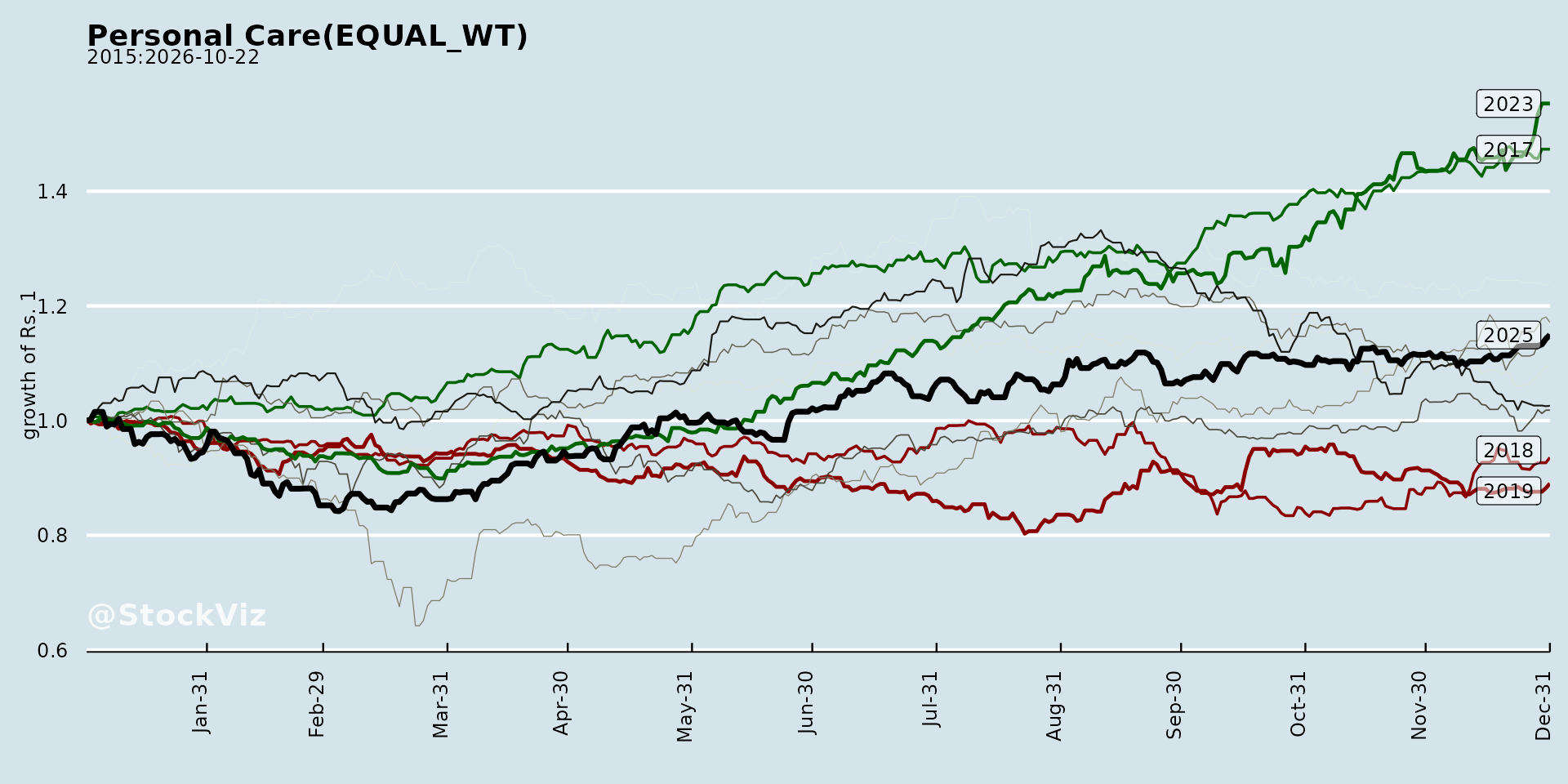
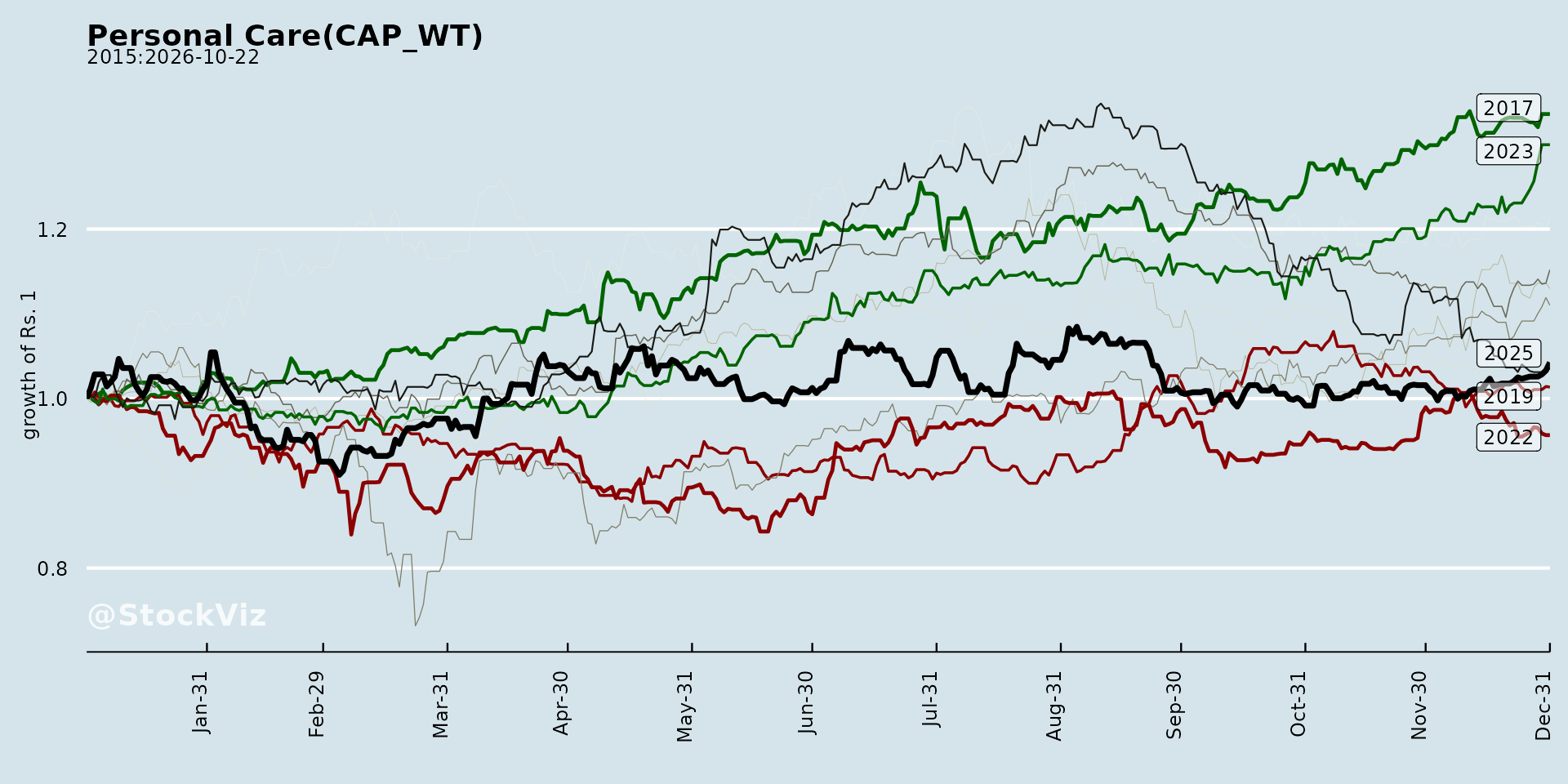
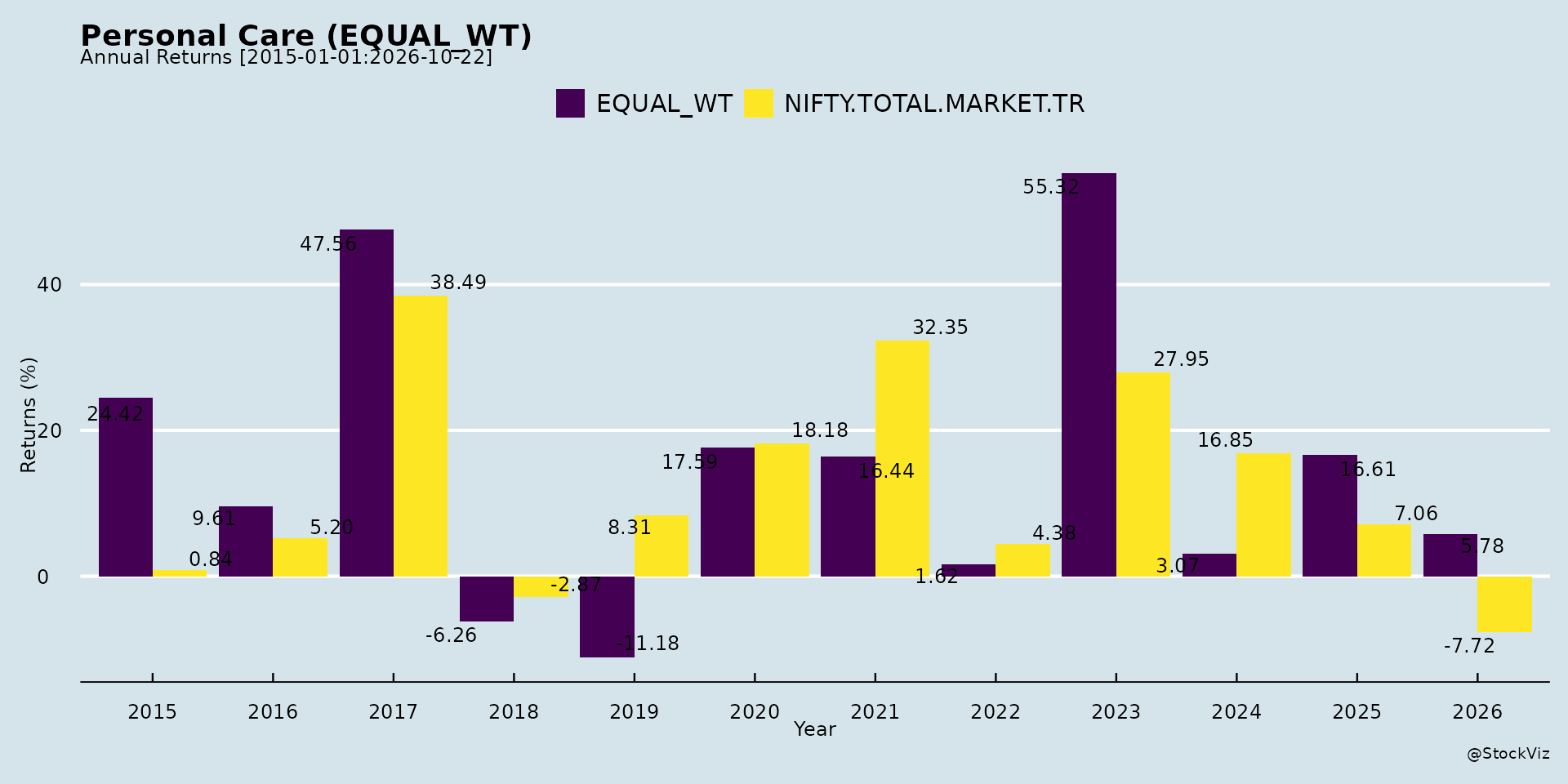
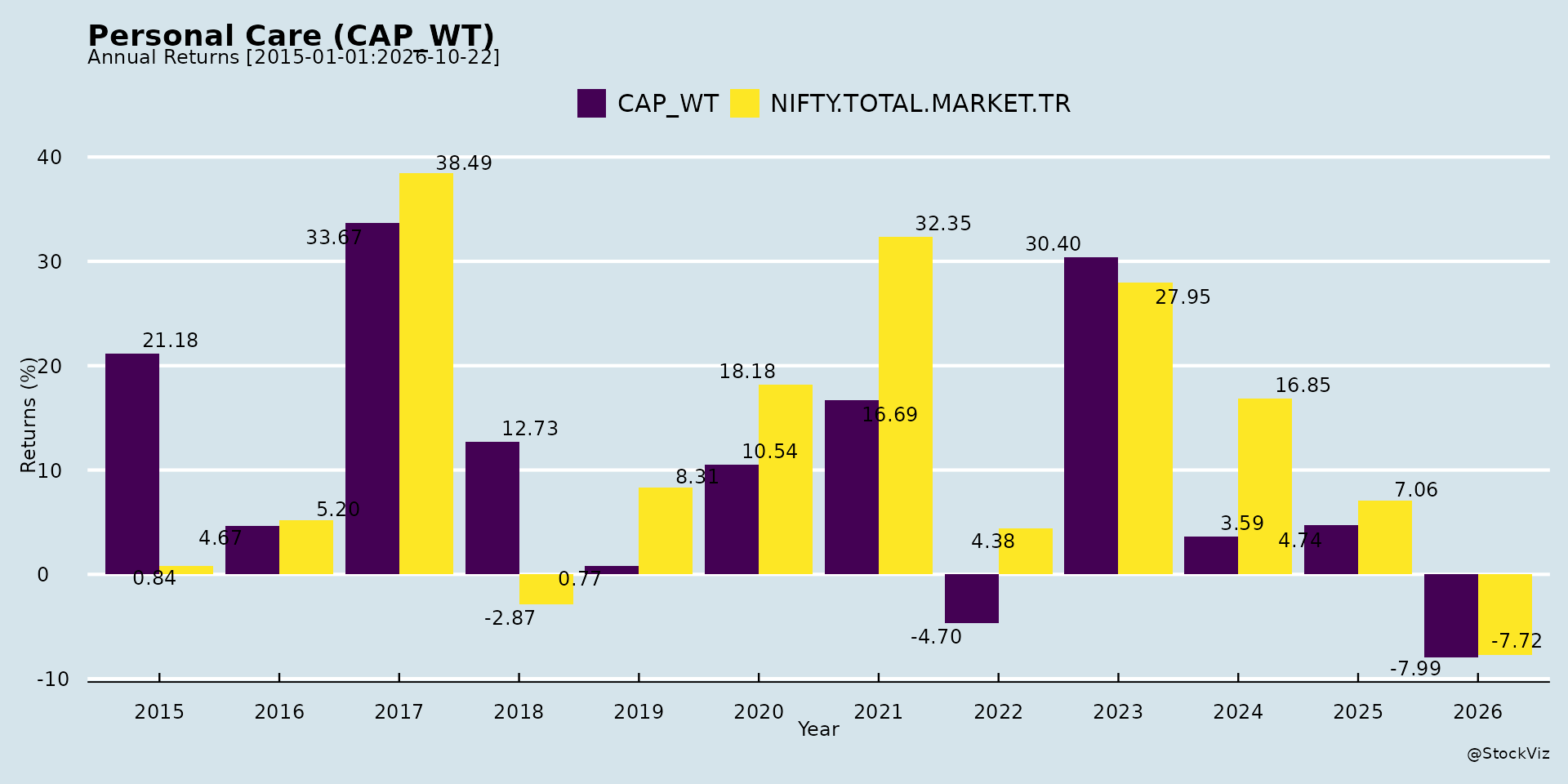
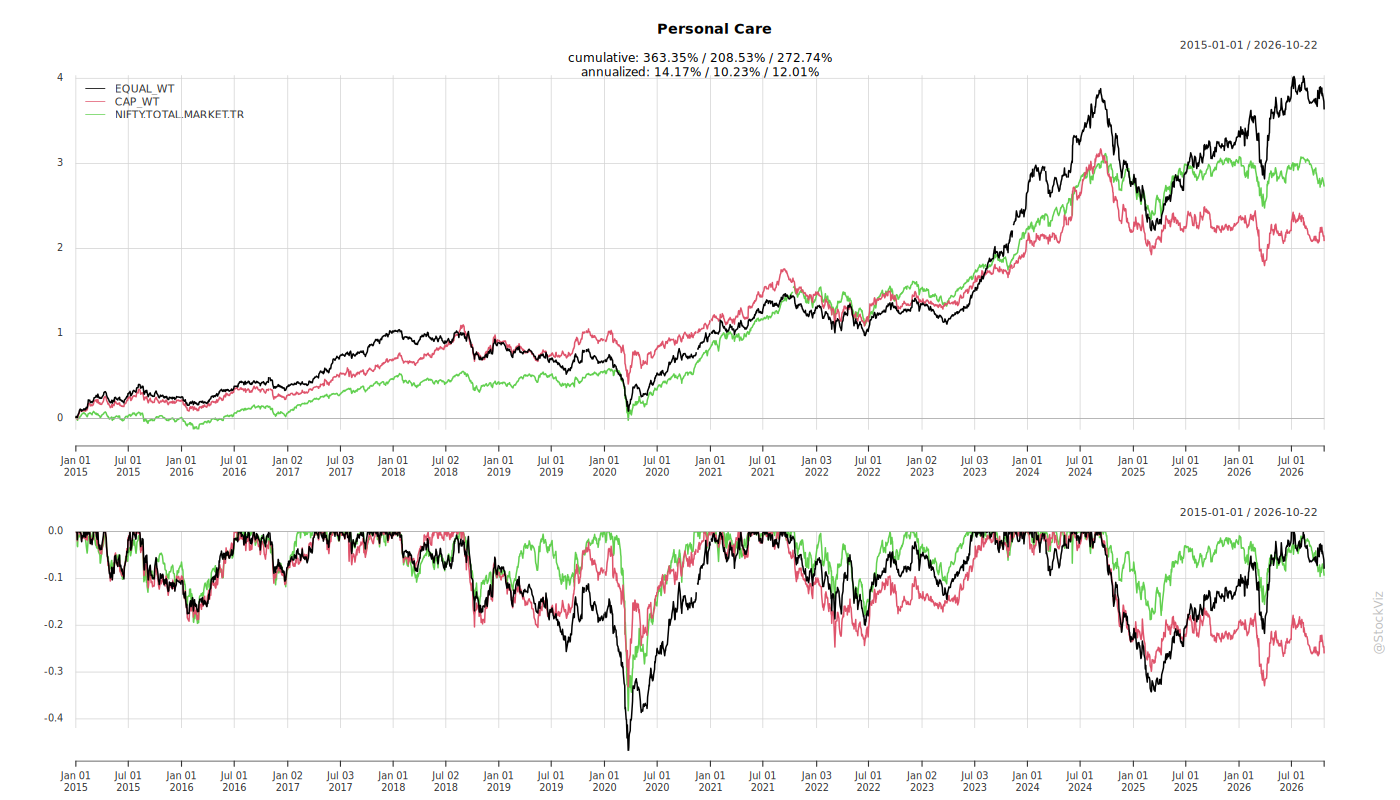
Cumulative Returns and Drawdowns
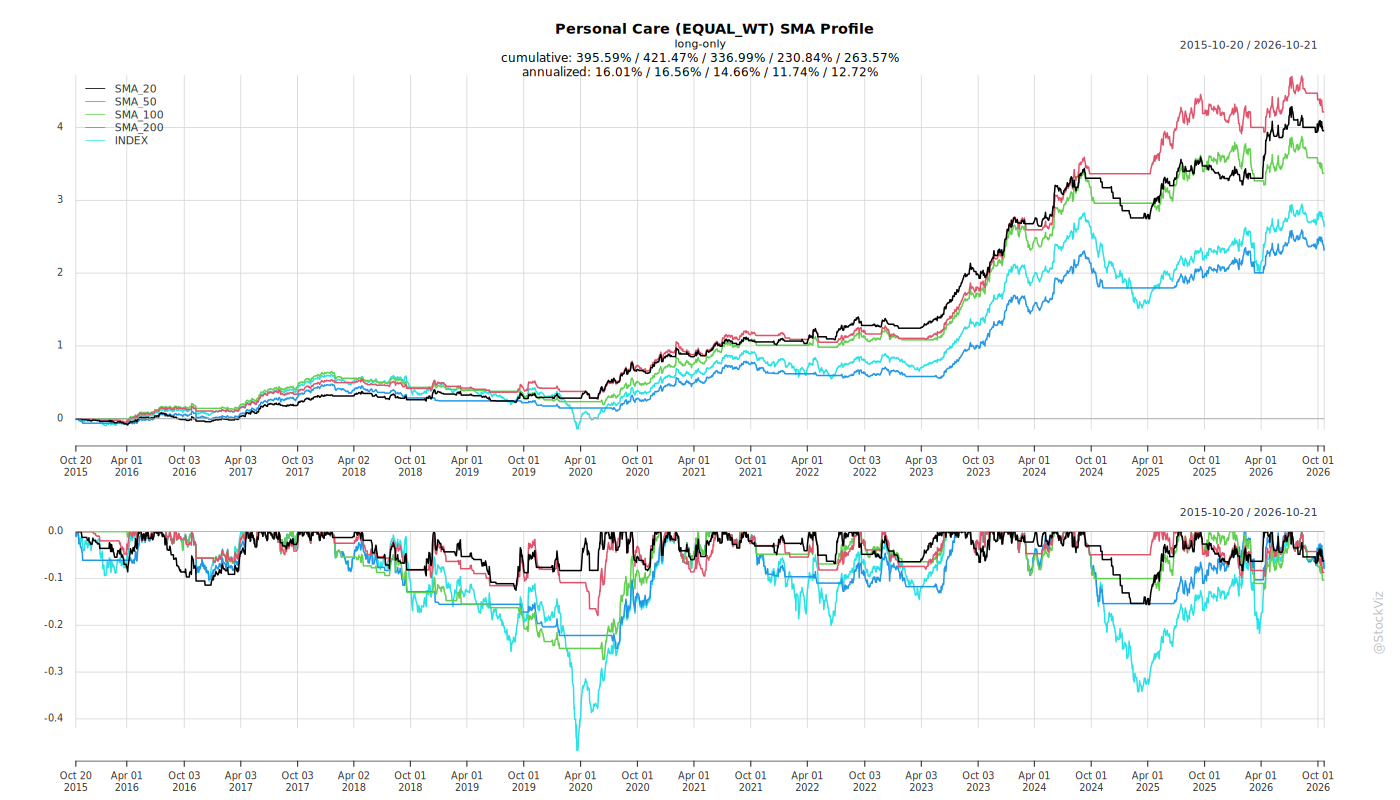
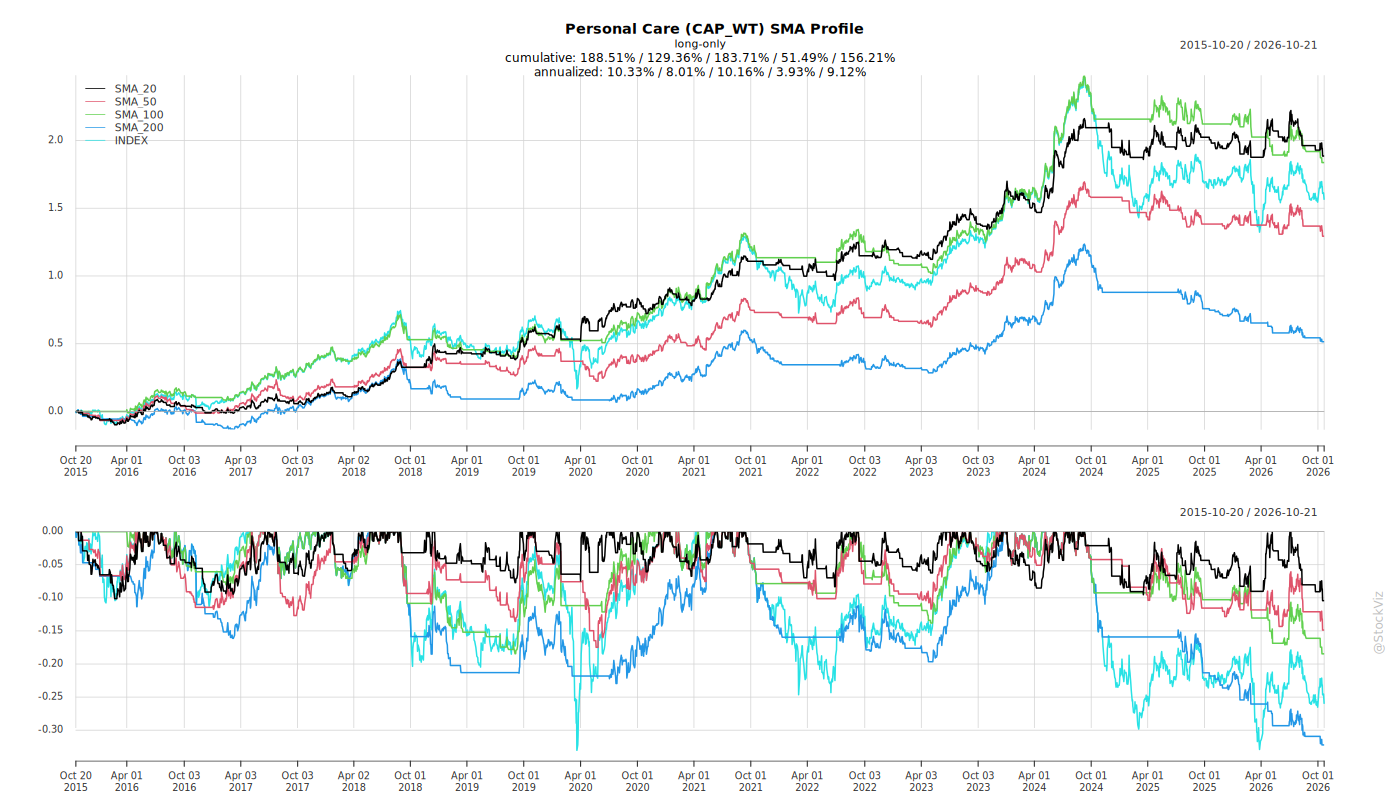
SMA Scenarios
Current Distance from SMA
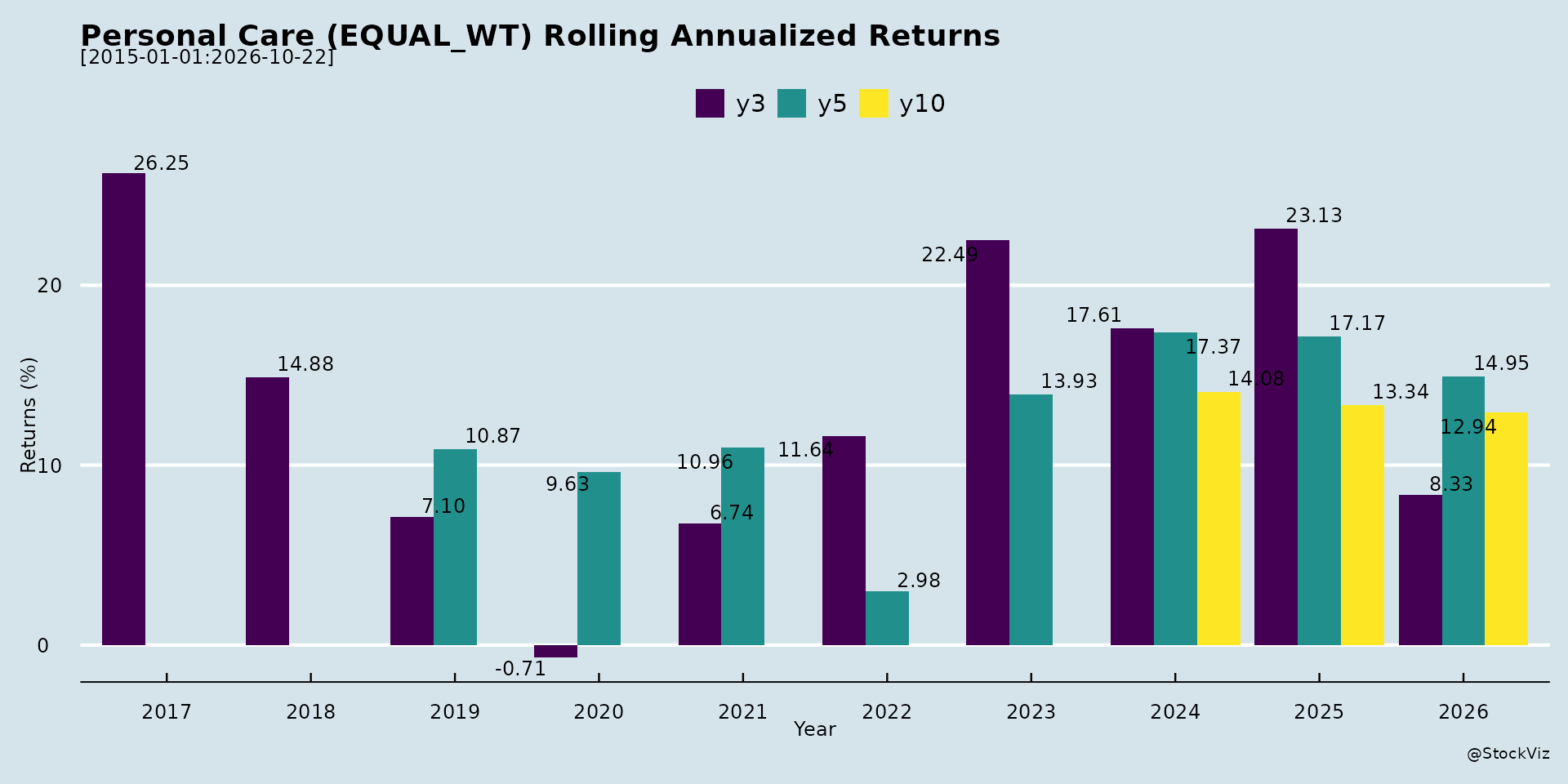
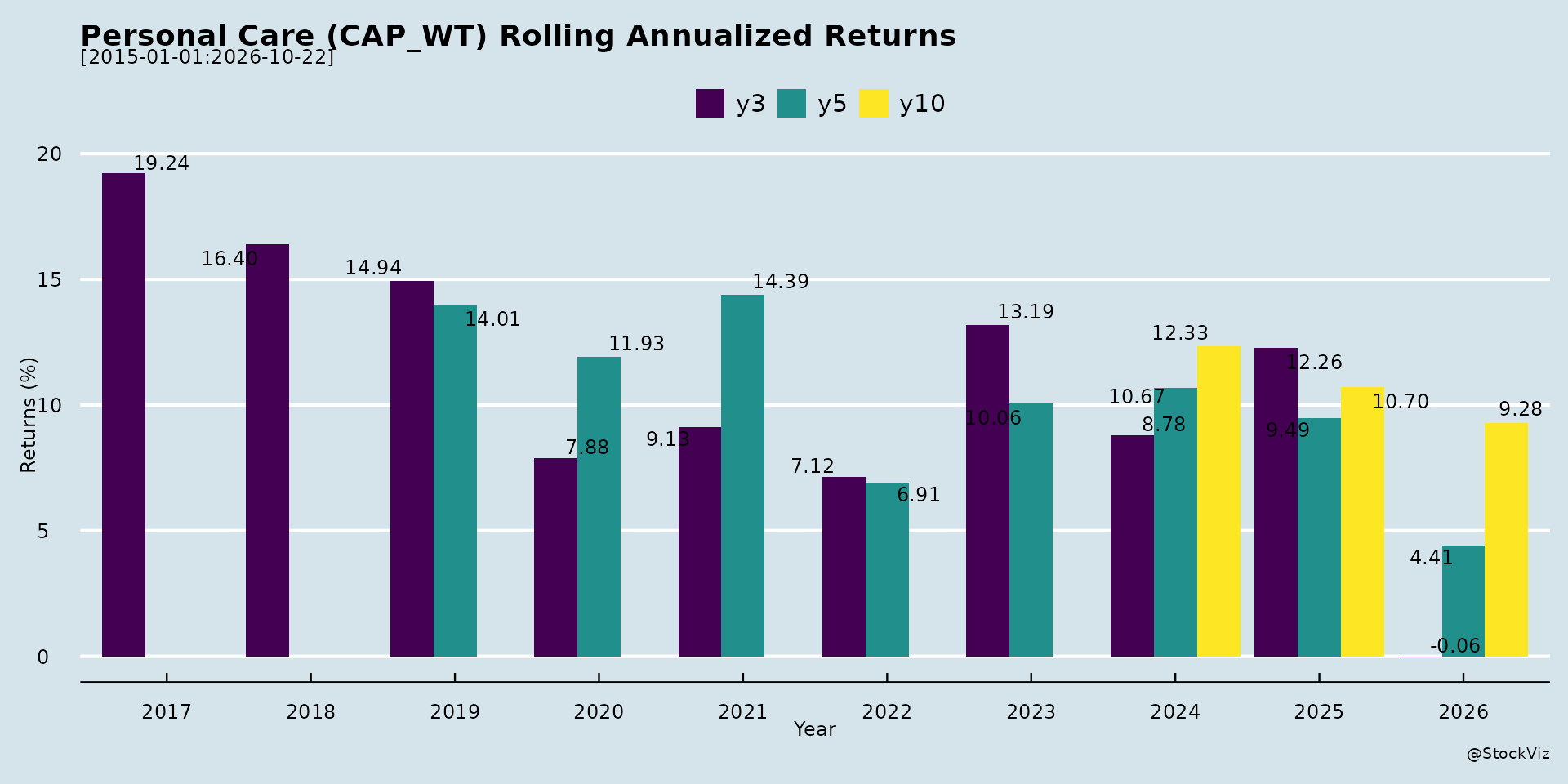
Rolling Returns
Fundamental Ratios
AI Summaries
How have the challenges and oppurtunities evolved over time?
asof: 2026-04-15
Based on the provided sources, the landscape for Fast-Moving Consumer Goods (FMCG) and healthcare companies has evolved significantly, marked by distinct shifts in macroeconomic conditions, regulatory environments, consumer preferences, and technological advancements.
Here is a detailed breakdown of how challenges and opportunities have evolved over time:
The Evolution of Challenges
1. Macroeconomic and Demand Shifts Historically, the Indian economy experienced strong growth, but recently there has been a sharp slowdown compared to the past three years [1]. A major divergence has emerged between rural and urban demand; while rural markets are recovering, urban India continues to face financial challenges, leading to soft and sluggish urban consumption [1-3]. Furthermore, companies are having to navigate cost inflation across raw materials and manpower [4], currency headwinds [5], evolving global trade policies [1], and extreme scenarios like hyperinflation in countries such as Argentina [6].
2. Regulatory and Statutory Hurdles A significant and widespread challenge recently has been adjusting to newly implemented statutory regulations. Specifically, the Government of India notified four new Labour Codes (effective November 21, 2025), which consolidated 29 existing labor laws and altered the definition of wages [7-9]. This change impacted the computation of employee benefit obligations like gratuity and compensated absences, forcing multiple companies (including Godrej Consumer Products, Honasa, Bajaj Consumer Care, P&G, and Colgate-Palmolive) to record significant exceptional costs to account for past service costs [8-12]. Additionally, businesses had to recover from disruptions caused by the implementation of revised GST rates [13].
3. Intense Competition and Operational Risks The competitive landscape has evolved with the entry of direct-to-consumer (D2C) brands and unorganized sector players gaining traction in niche channels [14]. Operationally, companies face hurdles such as supply chain restructuring costs and extraordinary manufacturing disruptions in international markets like Africa and Chile [15]. Transitioning business models also poses risks; for example, Honasa Consumer Ltd. faced significant product return costs when shifting its distribution model to eliminate super stockists in favor of direct distributors in top cities [16]. Furthermore, companies face substantial litigation risks and costs, such as Godrej dealing with a class action suit over hair relaxer products in the USA [12], and Honasa facing an arbitration and legal battle with an overseas distributor in the UAE [17, 18].
4. Public Health Gaps In specific sectors like oral care, shifting habits have created a crisis. Currently, 9 out of 10 Indians suffer from oral health issues, exacerbated by an increased intake of sweets and processed foods, and the fact that 80% of urban Indians do not brush at night [19, 20]. This is heavily compounded by a severe lack of infrastructure in rural areas, where the dentist-to-patient ratio is an abysmal 1:250,000, forcing villagers to travel 50–150 kilometers for care [21].
The Evolution of Opportunities
1. Rural Recovery and Untapped Penetration While urban demand is soft, healthier monsoons and an uptick in rural wages have sparked a healthy recovery in rural demand [1-3]. There is a massive opportunity for growth through simply increasing household penetration. For instance, the feminine hygiene category in India still has a penetration rate of less than 50%, and per capita consumer spending is only one-sixth of the average consumption in China, leaving a massive runway for growth among unserved and underserved cohorts [22-24].
2. Premiumization and Evolving Consumer Preferences As consumers’ aspirations evolve, companies are finding immense opportunities in premium and specialized products [13, 25]. * Health and Wellness: Consumers are actively moving away from carbonated drinks and seeking healthier alternatives, creating a booming market for health beverages like aloe vera fruit juices (AloFrut) and ayurvedic remedies [26]. * Clean Beauty: The luxury and premium skincare segment is seeing robust growth, driven by digital-first, “farm-to-face” brands that focus on clean, nature-derived actives and sustainable sourcing [27, 28]. * Targeted Solutions: Modern consumers have highly personalized needs. In grooming, men frequently transition between full beards and clean-shaven looks, requiring versatile, premium grooming tools [29, 30]. In healthcare, there is a rising demand for specific non-drowsy, modern ayurvedic formulations like Vicks Cough Syrup and sleep supplements [31-33].
3. The Rise of Quick Commerce and Digital Analytics E-commerce and Quick Commerce (Q-commerce) platforms have evolved from being niche add-ons to an integral part of the shopper’s habit [34-36]. Companies are co-creating campaigns with platforms like Zepto to target consumers instantly (e.g., 10-minute delivery for period care products) [35]. Furthermore, companies are leveraging artificial intelligence (AI) and data analytics to optimize physical and digital shelf space, customize store-level product assortments, and accurately anticipate consumer demand to minimize stockouts [5, 37-40].
4. Strategic Mergers, Acquisitions, and Partnerships To rapidly capture new markets and trends, companies are heavily utilizing strategic investments: * Emami Limited acquired Axiom Ayurveda (makers of AloFrut) to formally enter the fast-growing and highly lucrative beverage sector [26, 41]. * Dabur India launched “Dabur Ventures” and invested ₹60 Crore into the luxury D2C brand RAS Beauty to capture the premium digital skincare market [27, 42]. * Cupid Limited made a strategic ₹82.88 crore investment in Baazar Style Retail to immediately gain access to a network of over 260 stores, drastically increasing its FMCG shelf visibility and regional penetration [43, 44]. * Godrej acquired the FMCG business of ‘Muuchstac’ to expand its footprint in the male grooming category [45].
5. Technological Service Innovations To combat structural challenges like the lack of dentists in rural areas, companies are turning to technology. Colgate has partnered with Bajaj Health to integrate a Virtual Consultation platform via QR codes on its toothpaste packaging, bridging the gap between rural consumers and professional dental care without the barrier of physical distance [20, 46].
What are the headwinds affecting this industry?
asof: 2026-04-15
The fast-moving consumer goods (FMCG) and consumer care industry is currently navigating a challenging operating and macroeconomic environment [1]. Several specific headwinds and risk factors are affecting companies within this sector:
Macroeconomic Slowdown and Urban Demand Softness While the Indian economy remains relatively strong compared to global peers, the industry is facing a sharp economic slowdown compared to the past three years, with growth estimated to be around 6.5% for the year [2-4]. Consumer consumption trends are actively shifting [2-4]. A notable divergence currently exists between rural and urban markets: while rural demand is showing signs of a healthy recovery supported by better monsoons and picking up of rural wages, urban demand continues to be soft and faces ongoing financial challenges [2-6].
Inflationary Pressures Companies are working to mitigate cost and currency headwinds, as the industry has experienced a mid-single-digit cost inflation across raw materials and manpower [7-9]. Furthermore, evolving global trade policies are being closely monitored, as they have the potential to further impact overall inflation and consumer demand [2-4].
Regulatory Changes and Statutory Costs Recent legislative shifts in India have introduced new financial burdens for employers. The Government of India’s notification of four new Labour Codes—the Code on Wages, the Code on Social Security, the Industrial Relations Code, and the Occupational Safety, Health and Working Conditions Code—has altered the harmonized definition of wages [10-12]. This regulatory change has triggered one-time, incremental increases in employee benefit expenses and past service costs, specifically concerning gratuity and leave encashment, which companies have had to absorb as exceptional expense items in their financial statements [12-14]. Additionally, the industry has had to recover from trade channel disruptions caused by the implementation of revised GST rates [15].
Geopolitical and General Market Risks The sector remains inherently vulnerable to broader uncertainties that could substantially affect actual results. These headwinds include general industry and market conditions, changes in industry structure, shifts in both domestic and global supply and demand conditions, and volatility in the domestic and international political environment [16, 17]. Businesses are also exposed to risks associated with exchange rate fluctuations, changes in tax regimes, import duties, and ongoing litigation or regulatory proceedings [18, 19].
What are the key things to understand about this industry?
asof: 2026-04-15
Evolving Consumer Preferences and the Drive for Premiumization Consumer preferences in the FMCG and personal care industry are becoming increasingly heterogenous and personalized [1, 2]. Consumers are proving to be more value-conscious rather than simply outlay-conscious, meaning they are willing to pay a premium for products that offer visibly superior propositions and better experiences [3, 4]. In response, companies are executing strong premiumization strategies, launching advanced products like facial adaptive razors, power oral care devices, and first-of-their-kind teeth whitening serums [5-7]. Furthermore, there is a pronounced shift towards health, wellness, and natural alternatives. Consumers are actively moving away from carbonated drinks in favor of healthy, taste-conscious beverages like aloe vera fruit blends, and there is growing demand for Ayurvedic and herbal remedies, such as non-drowsy herbal cough syrups [8-11]. Brands are also recognizing the crucial influence of Gen-Z consumers, who crave real, relatable, and purpose-led content in brand communications [12-14].
Massive Runway for Market Penetration Despite decades of growth, many core categories within the industry remain highly underpenetrated, presenting a massive opportunity for expansion simply by reaching unserved and underserved households [15, 16]. For example, while the feminine care category in India has grown 100 times over the last 30 years, overall penetration is still below 50%, and the value spent per consumer is only a fraction of what is seen in markets like China [15-17]. Similarly, in the oral care sector, statistics reveal an alarming apathy towards preventative care: while 9 out of 10 Indians suffer from oral health issues, only 1 out of 10 visits a dentist annually, driven heavily by a lack of access in rural areas [18-21].
Omnichannel Distribution and Digital Disruption The retail and distribution landscape is undergoing a massive transformation. E-commerce and Quick Commerce have evolved from niche urban add-ons into integral components of everyday shopper habits [22, 23]. Digital-first brands are leveraging data-driven innovation to scale rapidly [24]. Meanwhile, established companies are implementing “Supply 3.0” models to seamlessly integrate product flow from suppliers to retail shelves, and are using proprietary Artificial Intelligence (AI) and machine learning algorithms to analyze consumer behavior and optimize physical and digital shelf assortments at the store level [25-28]. Despite the digital boom, offline retail execution remains critical. Companies are making strategic financial investments to access large, rapidly expanding physical store networks, which significantly strengthens their market access, shelf visibility, and last-mile reach for FMCG products [29-31].
Macroeconomic Dynamics: Rural Recovery vs. Urban Softness The industry is currently navigating a challenging macroeconomic environment characterized by a sharp slowdown compared to the past three years [32, 33]. Within this context, consumer demand is demonstrating a clear divergence: rural demand is showing signs of a healthy recovery, bolstered by healthier monsoons and picking up of rural wages [33-35]. Conversely, urban demand remains soft as urban populations continue to face financial challenges, though government budget interventions are expected to gradually stimulate urban consumption [33-36].
Inorganic Growth Through Strategic M&A To capture growth in emerging consumer trends, leading companies are aggressively pursuing inorganic growth through targeted acquisitions and investments. Instead of building entirely from scratch, companies are acquiring stakes in new-age, high-potential Direct-to-Consumer (D2C) businesses [37]. Recent examples include strategic investments in digital-first luxury “Farm-to-Face” skincare brands, the acquisition of men’s personal care and grooming labels, and full buyouts of Ayurvedic beverage companies to mark formal entries into the fast-growing health beverage segment [10, 38, 39].
Competitive Intensity and Irresistible Superiority The competitive landscape has broadened with the entry of D2C, unorganized, and smaller sector players [40, 41]. However, while these players have seen growth in niche channels, they cumulatively represent less than 10% of the market at a national scale [40, 41]. To maintain leadership, major players rely on a strategy of “constructive disruption” and “irresistible superiority,” ensuring their products excel across five key vectors: product performance, packaging, brand communication, retail execution, and holistic consumer value [8, 42-44].
Sustainability and Regulatory Shifts Sustainability has moved from a parallel agenda to an integral part of corporate strategy. Industry leaders are focusing heavily on Environmental, Social, and Governance (ESG) performance, prioritizing emission reductions, sustainable raw material sourcing, and plastic waste management to shape a greener future [45-48]. On the regulatory side, companies are actively assessing the financial impacts of the Government of India’s new Labour Codes (such as the Code on Wages and Code on Social Security). These sweeping legislative changes directly impact the computation of employee benefit obligations, including gratuity and compensated absences, requiring companies to recognize incremental costs and adapt their financial models accordingly [49-53].
What are the tailwinds affecting this industry?
asof: 2026-04-15
The Fast-Moving Consumer Goods (FMCG) and personal care industry is currently benefiting from several distinct macroeconomic and consumer-driven tailwinds, ranging from rural demand recovery to evolving consumer lifestyle preferences:
1. Rural Demand Recovery and Improving Trade Momentum A significant macroeconomic tailwind for the industry is the healthy recovery in rural demand, which is being driven by healthier monsoons and an uptick in rural wages [1, 2]. Furthermore, both urban and rural trade channels are experiencing improved momentum, indicating a broader demand recovery following past disruptions (such as the implementation of revised GST rates) [3]. This improving demand environment is expected to accelerate overall growth momentum for FMCG companies [3].
2. Low Market Penetration and Untapped Consumer Segments Many segments within the industry still possess a massive runway for growth due to low household penetration. For example, in the feminine hygiene category, overall market penetration remains below 50% [4]. Additionally, the value spent per consumer in India is merely one-sixth of the average consumption seen in markets like China [4]. Companies have significant potential to scale simply by expanding their reach to currently unserved and underserved consumer cohorts [4].
3. Shift Towards Health, Wellness, and Ayurvedic Solutions Consumers are increasingly prioritizing health and wellness, prompting them to seek out healthier alternatives across categories [5, 6]. In the beverage sector, for instance, consumers are moving away from carbonated drinks in favor of healthier options that do not compromise on taste, such as aloe vera and fruit blend juices [5, 6]. Similarly, in the personal healthcare space, there is a growing demand for herbal and Ayurvedic remedies, leading companies to launch innovative products that combine traditional Ayurvedic ingredients (like Tulsi and Ginger) with modern form factors [7, 8].
4. Premiumization and the Rise of Luxury Beauty There is a distinct trend toward premiumization as consumer aspirations evolve and per capita incomes shift. The premium beauty and skincare segment is expected to witness strong growth over the coming decade [9]. Consumers are increasingly drawn to “Farm-to-Face” luxury skincare products that offer clean, sustainable sourcing and are infused with essential oils and nature-derived actives [10]. Major players are actively accelerating their brand investments to advance premiumization strategies within categories like oral care and beauty [3].
5. Demand for Personalization and Versatility Consumer needs are becoming highly heterogeneous and personalized [11]. In male grooming, for instance, preferences are ever-evolving on an individual level, with consumers frequently shifting between clean-shaven looks and sporting beards [12]. This behavioral shift acts as a tailwind for companies that provide versatile grooming tools and appliances that allow consumers to seamlessly transition between different styles and tackle new grooming routines [12, 13].
6. Digital Transformation, Quick Commerce, and D2C Expansion The rapid adoption of new retail channels is fundamentally changing how products reach consumers. E-commerce and Quick Commerce are no longer just urban phenomena or add-on options; they have become an integral part of core shopper habits [14]. This allows companies to curate personalized, memorable shopping experiences and reach consumers during relevant occasions [15]. Additionally, there is strong growth potential in new-age, digital-first Direct-to-Consumer (D2C) businesses, prompting larger FMCG players to acquire stakes in these agile brands [16]. At the retail level, the use of artificial intelligence and data analytics is helping companies create “smart assortments,” optimizing product visibility and ensuring that the right products are available at the right stores to meet localized consumer preferences [17, 18].
What is the general outlook of this industry?
asof: 2026-04-15
The general outlook for the Fast-Moving Consumer Goods (FMCG) and personal care industry in India is cautiously optimistic, shaped by a mix of evolving macroeconomic trends, shifting consumer behaviors, and massive untapped market potential. The Indian economy continues to grow stronger compared to global peers, and while there has been a sharp slowdown relative to the past three years, the estimated 6.5% growth remains well within the 10-year historical trend [1-4]. Within this macroeconomic environment, the industry is witnessing dynamic shifts in demand and operational strategies.
Macroeconomic and Demand Trends The industry is currently navigating a distinct divergence between rural and urban consumption patterns. Rural demand is demonstrating signs of a healthy recovery, bolstered by healthier monsoons in the previous year and a pickup in rural wages [1-6]. Conversely, urban demand continues to remain soft and faces ongoing financial challenges [1-6]. While the government has announced budget interventions intended to alleviate these pressures, the positive impact on urban consumption is expected to take time to materialize [1-6]. Despite these near-term hurdles, non-food inflation remains below the Reserve Bank of India’s medium-term target of 4%, providing a relatively stable cost environment for consumers [1-4].
Significant Headroom for Category Penetration Across several core categories, there is an immense runway for long-term growth simply by reaching currently unserved and underserved households [7-10]. For example, in the feminine hygiene sector, the category has grown over 100 times in the last 30 years, yet overall market penetration remains at less than 50% [7, 9]. Furthermore, the value spent per consumer in India is currently only one-sixth of the average consumption seen in markets like China, highlighting the significant potential for category expansion [7, 9]. While competition from direct-to-consumer (D2C) brands and unorganized sectors is growing in niche channels, they still represent less than 10% of the national market, and this healthy competitive intensity is ultimately viewed as a catalyst for overall category growth [11, 12]. Similarly, in the oral care segment, there is a long runway for growth as companies attempt to educate consumers and encourage trade-ups from manual toothbrushes to advanced power oral care devices [13-16].
Premiumization and Evolving Consumer Preferences A major trend defining the industry outlook is the shift in consumer purchasing psychology. Industry leaders have observed across multiple innovation cycles that modern consumers are increasingly “value-conscious” rather than strictly “outlay-conscious” [17-20]. This means shoppers are highly willing to pay premium prices for propositions that offer noticeable superiority and effectively solve their problems [17-20]. This willingness to trade up is driving strong growth forecasts in specialized segments: * Luxury and Premium Skincare: The premium beauty segment is projected to witness strong growth over the coming decade, particularly for brands that offer a distinct value proposition at the intersection of nature, science, and luxury [21]. * Health and Wellness Beverages: Consumers are increasingly abandoning traditional carbonated beverages in favor of healthier alternatives that do not compromise on taste, opening up substantial growth avenues in the wellness beverage sector [22]. * Personalized Grooming: Male grooming preferences are becoming highly personalized and fluid, with consumers frequently switching between clean-shaven looks and varied beard styles, driving demand for comprehensive, premium grooming systems and trimmers [23-26].
Digital Transformation and Omnichannel Retail The retail landscape is undergoing a structural transformation, with e-commerce and quick commerce no longer functioning as purely urban phenomena, but rather as integral components of everyday shopper habits [27, 28]. Companies are actively co-creating consumer engagements with quick commerce partners like Zepto to deliver swift, 10-minute solutions for urgent personal care needs, such as period care [29-34]. To win on the “digital shelf,” firms are utilizing proprietary tools to optimize content and search visibility, ensuring their products are easily discoverable and backed by positive user reviews [35-38]. In physical retail, advanced Artificial Intelligence (AI) and machine learning algorithms are being deployed to analyze neighborhood trends and consumer behavior, enabling companies to curate highly customized, store-level product assortments and optimize shelf visibility [39, 40].
Supply Chain Excellence and Productivity To sustainably capture these growth opportunities, the industry is heavily focused on embedded productivity and supply chain optimization, often referred to as “Supply 3.0” [41-46]. Rather than viewing productivity merely as cost-cutting, successful FMCG companies are using it to generate fuel for reinvestment into product superiority [37, 47-49]. By leveraging advanced supply planning technologies and enabling unified digital platforms for early ordering, companies are gaining early visibility into demand [41-43, 45, 46, 50]. This proactive approach allows for the efficient planning of raw materials, minimized stockouts, reduced waste, and the seamless flow of products from suppliers all the way to the retailers’ shelves [41-43, 45, 46, 50].
Copyright © 2023 SAS Data Analytics Pvt. Ltd. All rights reserved.