Passenger Cars & Utility Vehicles
Industry Metrics
September 24, 2026
Annual Returns
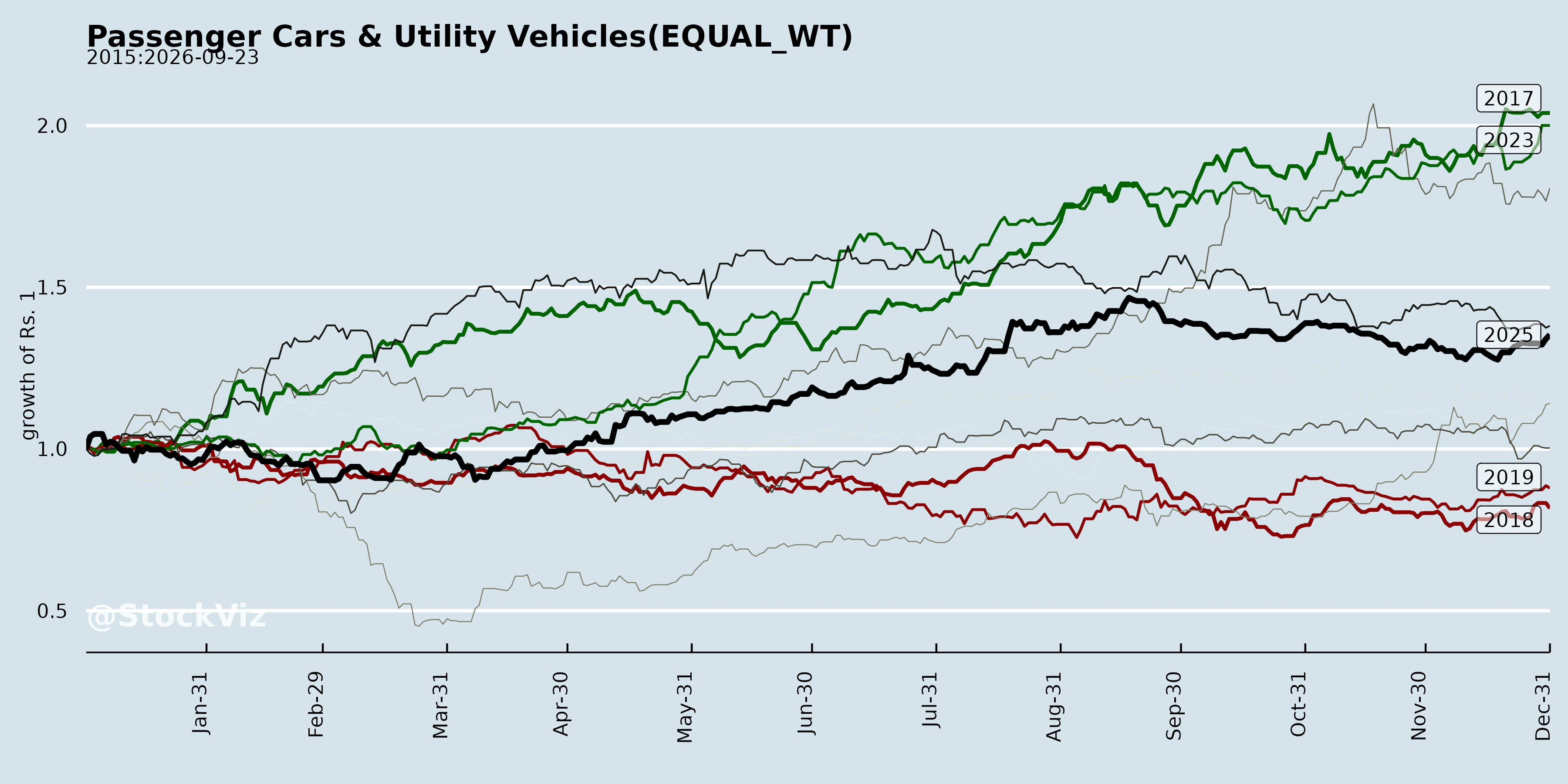
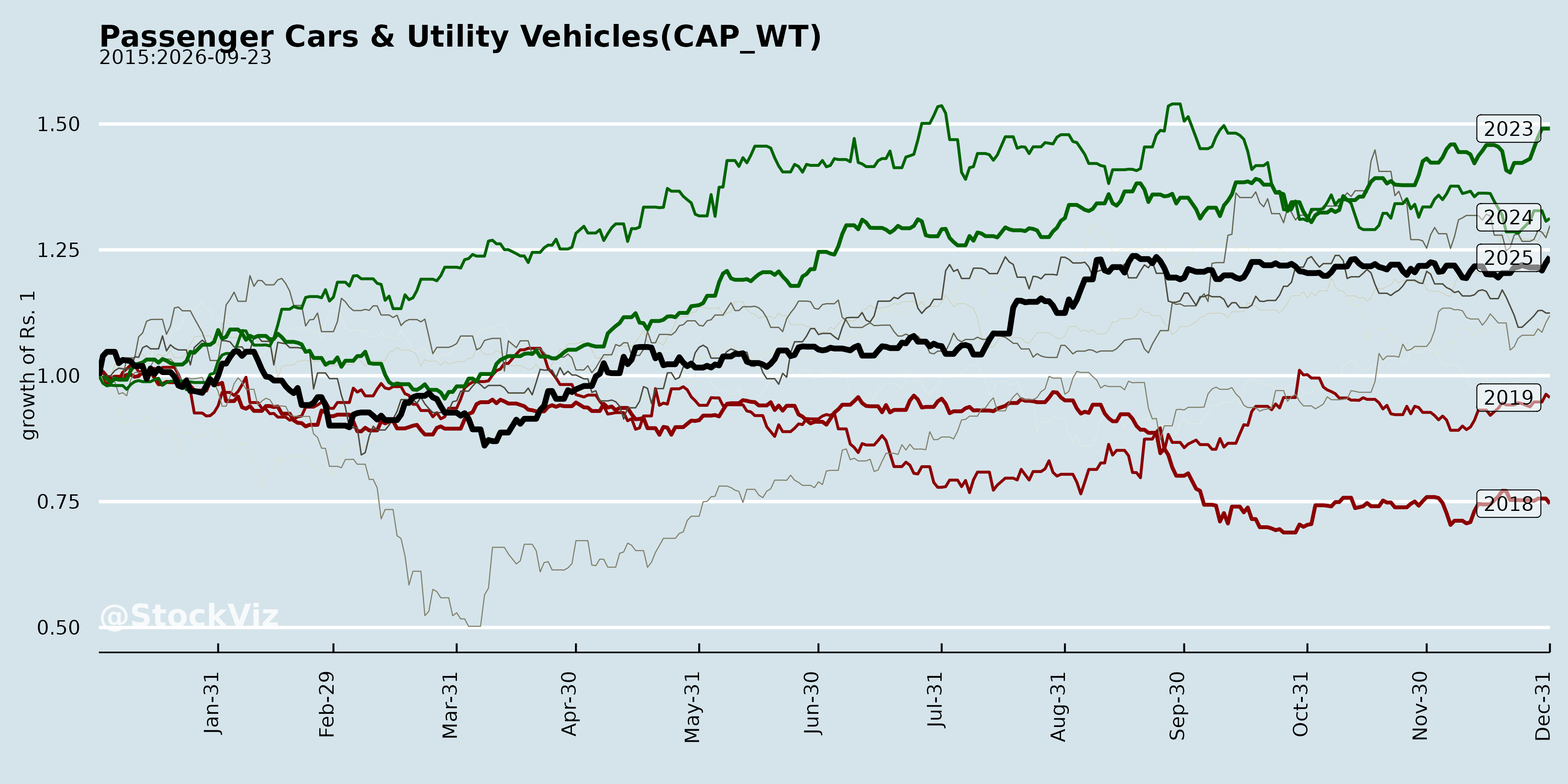
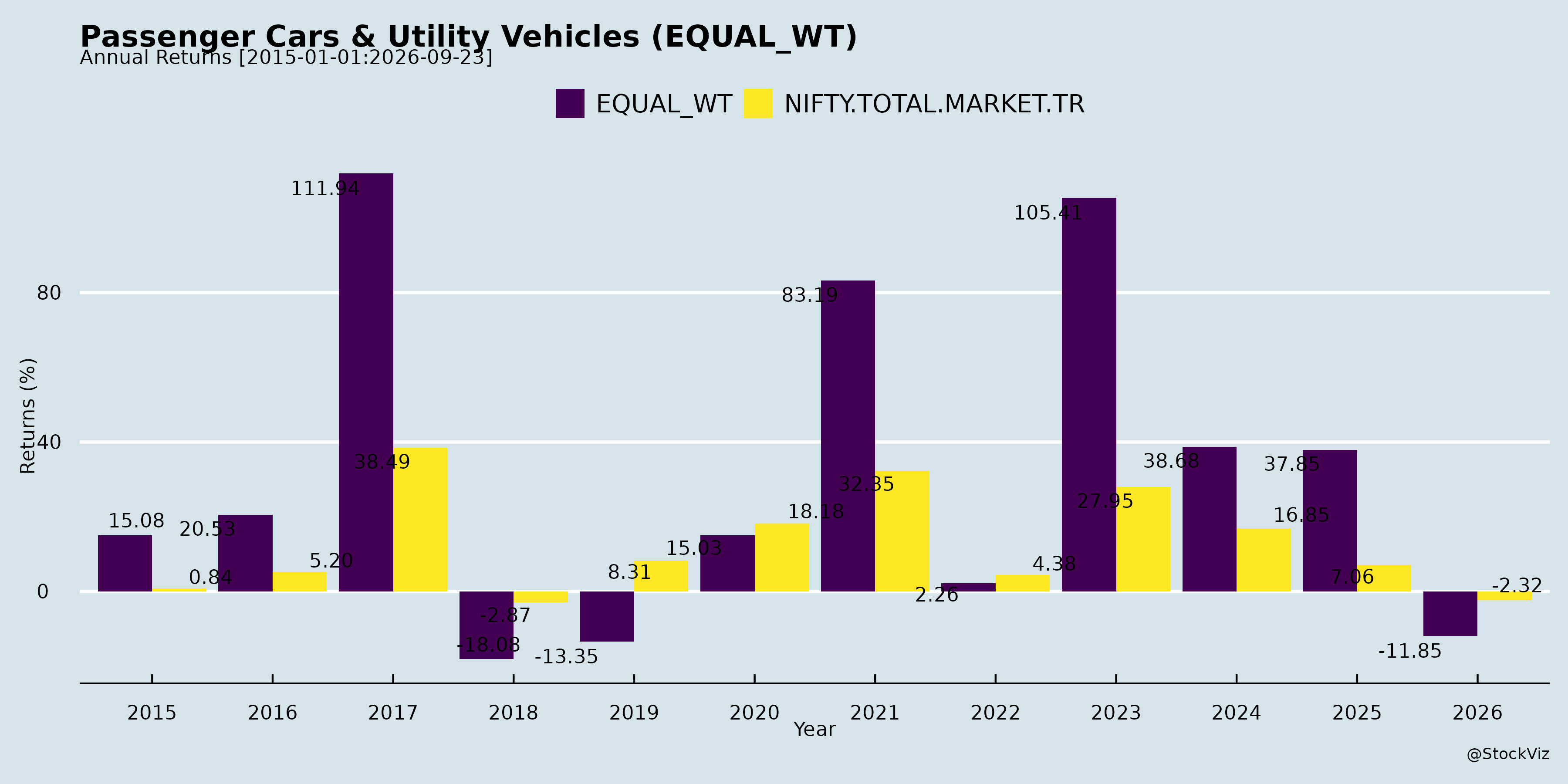
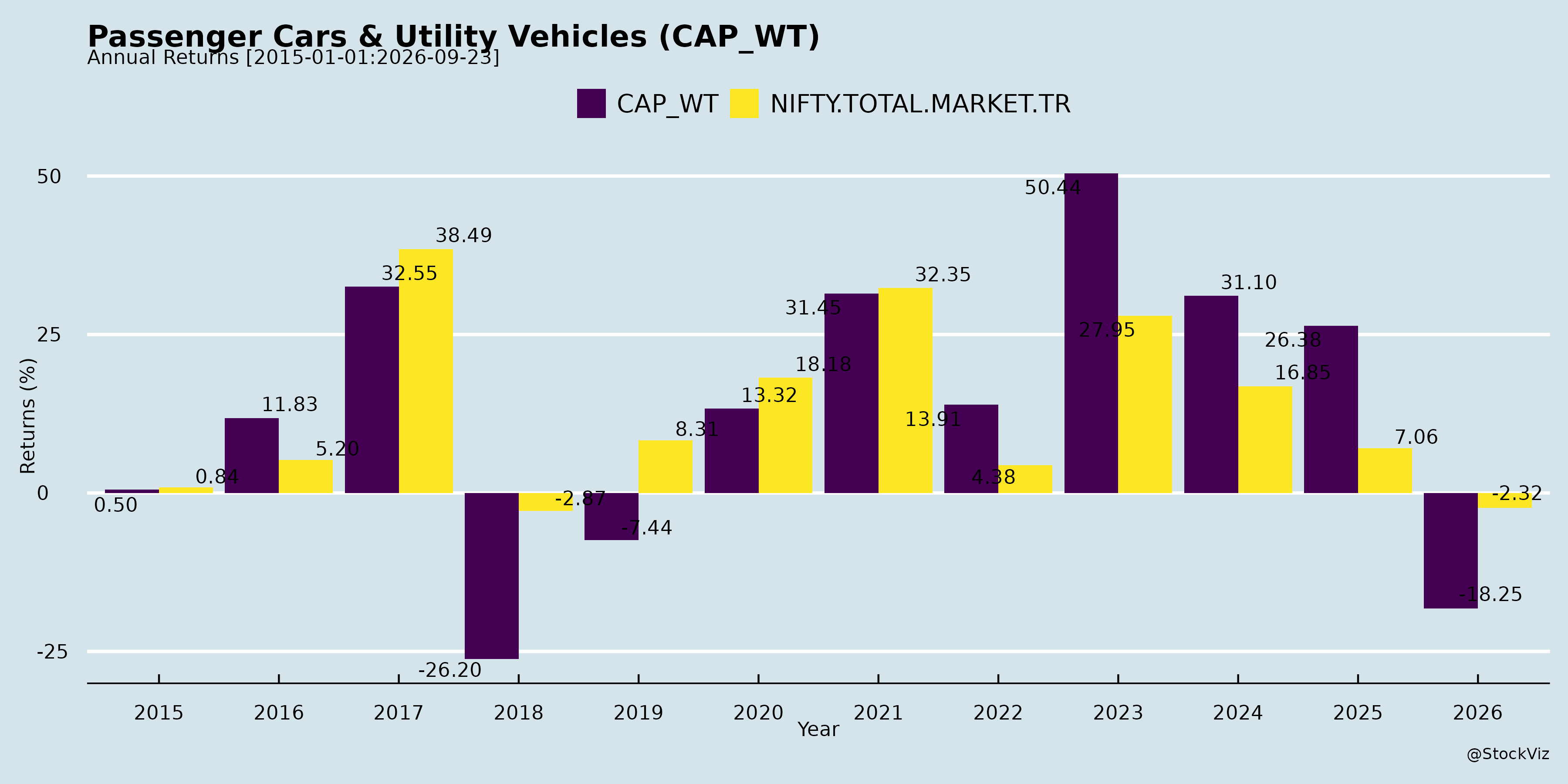
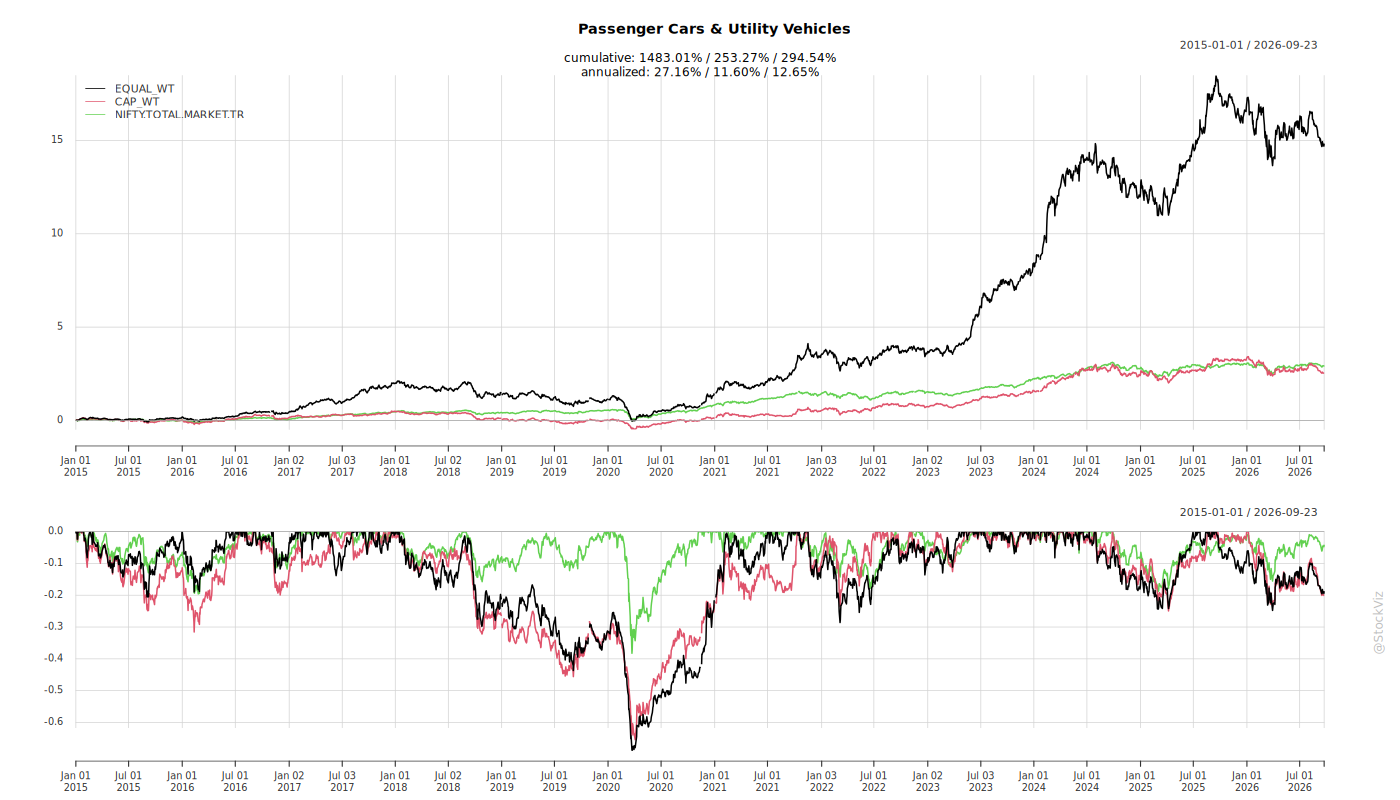
Cumulative Returns and Drawdowns
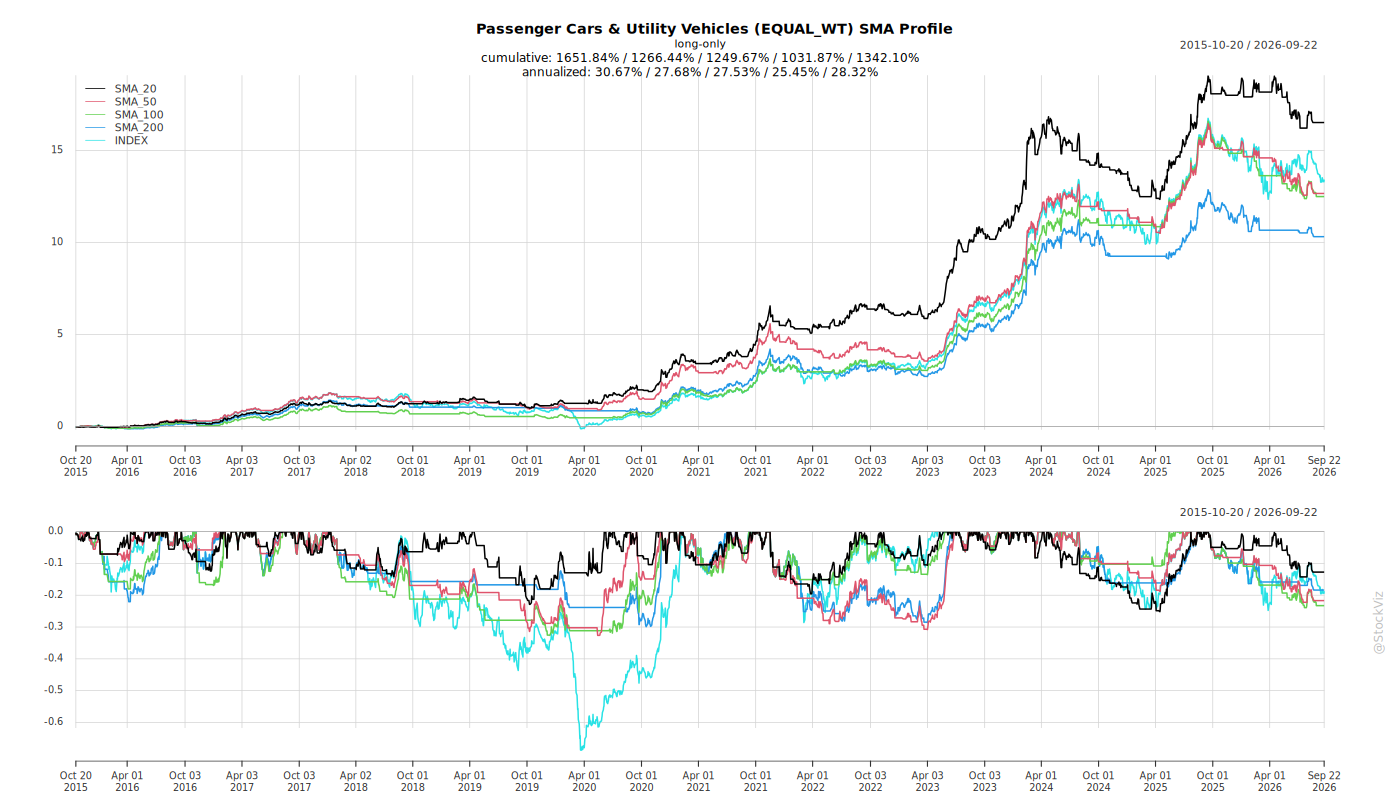
SMA Scenarios
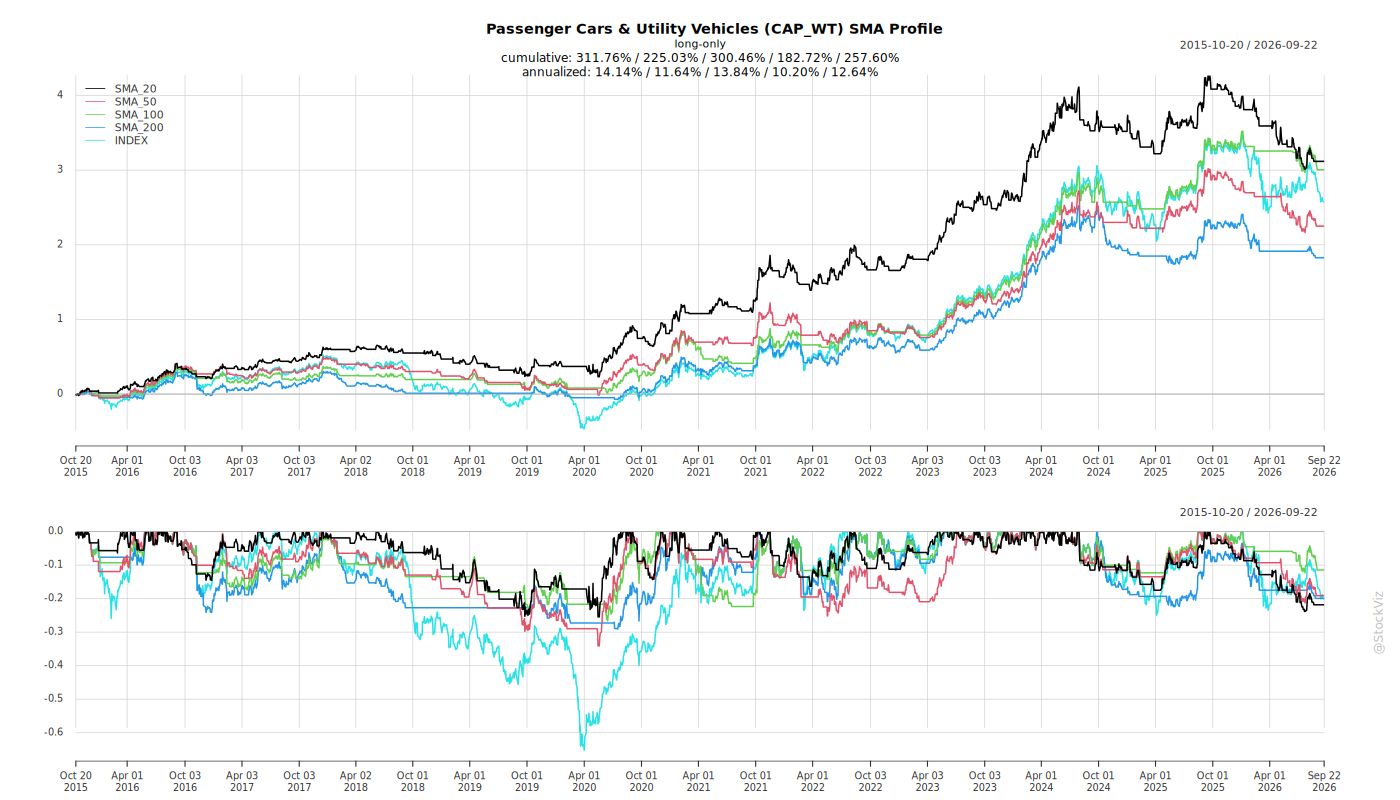
Current Distance from SMA
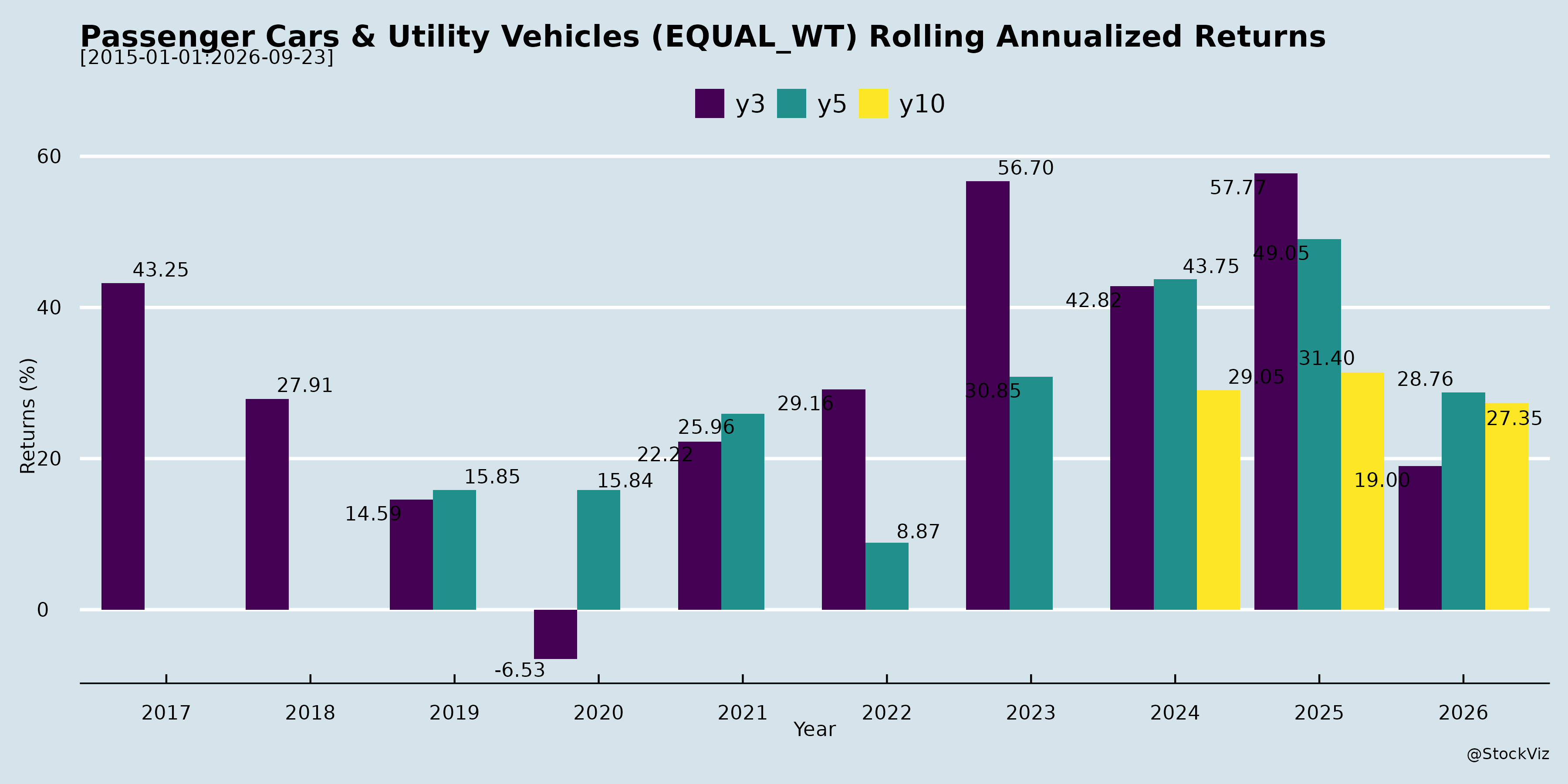
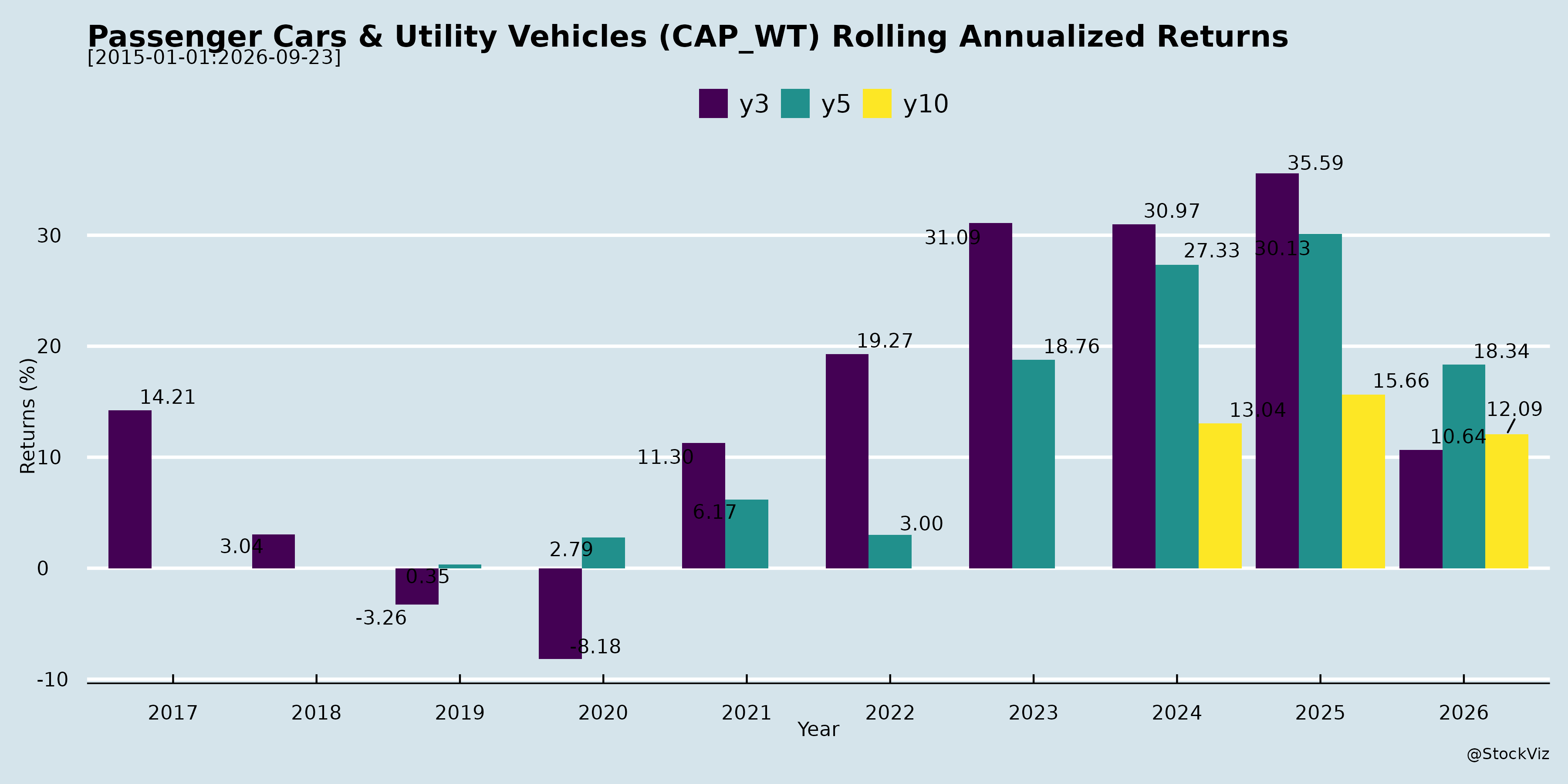
Rolling Returns
Fundamental Ratios
AI Summaries
How have the challenges and oppurtunities evolved over time?
asof: 2026-04-16
The automotive industry has experienced a dynamic evolution of challenges and opportunities over time, driven by macroeconomic shifts, shifting consumer preferences, global volatility, and the transition to sustainable mobility.
Here is a detailed breakdown of how these factors have evolved based on the sources provided:
Evolving Opportunities
1. Favorable Demographics and Rising Buying Power (India) A massive, long-term opportunity is unfolding in India due to a demographic dividend that began in 2018 and is expected to last until 2055, featuring a young, employable population of over 700 million [1-4]. Parallel to this, household incomes are rising, with the largest demand expansion expected in the middle-income segment (earning INR 500,000 to 3,000,000) [1, 3]. Additionally, India’s vehicle ownership penetration is vastly lower than other major markets (around 46 vehicles per 1,000 people compared to over 800 in the US and 223 in China), providing massive headroom for future growth [5, 6].
2. Shifting Consumer Preferences Customer demand has shifted significantly over time, creating lucrative avenues for automakers to pivot their product strategies: * The SUV Boom: The market has seen a rapid structural shift toward Utility Vehicles. For example, the SUV composition ratio in the Indian passenger car market surged from 26.5% in 2019 to 54.7% by 2024 [7-10]. Automakers like Maruti Suzuki and Tata Motors have actively expanded their mid-size and premium SUV lineups to capture this upgraded customer preference [8, 10-13]. * Two-Wheeler to Four-Wheeler Upgrades: Recent GST revisions lowered vehicle prices, significantly accelerating the proportion of first-time car buyers (growing from 41% to 48% in late 2025), presenting an opportunity to capture customers upgrading from two-wheelers [7, 9, 14, 15].
3. Government Policy and Infrastructure Growth Government initiatives are acting as strong tailwinds. The “Viksit Bharat” vision to make India a developed nation by 2047, alongside campaigns like “Make in India,” are heavily pushing domestic manufacturing and expanding export potential [16, 17]. Furthermore, robust government investments in infrastructure, accelerated fleet modernization, and steady freight movement have fueled strong momentum in the commercial vehicle sector [18, 19].
4. Green Mobility and Alternative Powertrains The transition toward carbon neutrality is opening up “multi-pathway” opportunities [20, 21]. While electric vehicles (EVs) are growing—with Tata Motors noting a 14% EV penetration and launching models like the Range Rover Electric—there is also massive growth in hybrid, CNG, and biogas (CBG) technologies [13, 20-24]. Tata Motors, for instance, reported that CNG vehicles made up 28% of its mix [13], and Maruti Suzuki has heavily utilized biogas projects to provide low-cost carbon-neutral fuels while improving rural livelihoods [25-28].
5. Rural Market Resilience For agricultural and utility segments, healthy reservoir levels, favorable kharif harvests, and robust rabi sowing areas have strengthened rural cash flows, driving significant opportunities and boosting tractor demand for companies like Mahindra [29].
Evolving Challenges
1. Global Geopolitical and Economic Headwinds The external environment has become increasingly volatile. Automakers are facing continuous headwinds from global geopolitical tensions (such as those in the Middle East impacting export volumes), elevated crude prices, and volatility in fuel costs [18, 19, 30, 31]. Furthermore, escalating input costs have necessitated marginal price revisions to protect companies from financial impact [32].
2. Supply Chain and Market-Specific Disruptions Supply chain constraints continue to temper market sentiment [18]. Companies operating globally have faced acute, market-specific hurdles. For example, Jaguar Land Rover (JLR) has had to navigate a deterioration of market conditions in China, incremental US tariffs hurting exports, and significant operational challenges like a cyber incident that forced temporary production shutdowns [33-37].
3. EV Adoption Hurdles While electrification is a major opportunity, the transition presents distinct challenges. Customers still harbor deep anxieties regarding battery range, the adequacy of charging infrastructure, high initial acquisition costs, warranty support, and long-term resale value [38, 39]. Automakers are having to proactively invest in widespread charging networks, offer “Battery-as-a-Service” (BaaS) models to lower initial costs, and provide assured buybacks to mitigate these consumer fears [38-41].
What are the headwinds affecting this industry?
asof: 2026-04-16
Based on the provided financial and operational reports from major automotive companies in early 2026, the industry is facing a variety of significant headwinds ranging from macroeconomic pressures to regulatory changes:
Geopolitical and Macroeconomic Challenges * Geopolitical Tensions: Ongoing global geopolitical tensions, particularly in the Middle East, have directly impacted export and sales volumes [1, 2]. * Fuel and Demand Volatility: Elevated crude prices and volatility in fuel costs threaten to temper consumer sentiment and fleet movement [1]. Overall global demand remains challenging, exacerbated by a deterioration of market conditions in China [3-5].
Supply Chain and Operational Disruptions * Supply Chain Constraints: The commercial vehicle sector continues to face headwinds from supply chain constraints [1]. * Cyber Incidents: Operational vulnerabilities were highlighted by a significant cyber incident at Jaguar Land Rover (JLR), which required a production shutdown and delayed global vehicle distribution [6-8]. * Product Transitions: Planned wind-downs of legacy vehicle models (ahead of new launches) have also temporarily suppressed wholesale and retail volumes [4, 5].
Cost Escalations and Tariffs * Input Costs: Escalating input costs, adverse commodity prices, and rising fixed costs are pressuring profit margins [9-11]. To safeguard against these fluctuations, manufacturers like Hyundai have been forced to pass a portion of the impact onto customers through marginal price revisions across their portfolios [11, 12]. * Trade Barriers: Ongoing incremental US tariffs are negatively impacting export volumes to the United States [4, 5, 8].
Regulatory and Compliance Burdens * New Labour Codes: The Indian government’s notification of four consolidated Labour Codes has introduced changes to wage definitions. This has created substantial, non-recurring financial impacts across the industry, as companies are forced to recognize increased past service costs for employee benefits like gratuity and long-term compensated absences [13-16]. * Extended Producer Responsibility (EPR): New environmental regulations regarding End-of-Life Vehicles require Original Equipment Manufacturers (OEMs) to purchase EPR certificates from Registered Vehicle Scrapping Facilities, equivalent to a percentage of the steel used in vehicles sold 20 years ago [17-20]. Because the Central Pollution Control Board has not yet clarified the pricing mechanism or transaction process for these certificates, companies are currently facing uncertain financial obligations [17-22].
Electric Vehicle (EV) Transition Barriers * While companies are pushing toward electrification, the adoption of Battery Electric Vehicles (BEVs) faces persistent consumer headwinds, including range anxiety, insufficient charging infrastructure, high initial purchase costs, and uncertainties regarding warranty support and resale value [23].
What are the key things to understand about this industry?
asof: 2026-04-16
The Indian automotive and mobility industry is currently navigating a period of explosive growth, shifting consumer preferences, and significant regulatory transformations. To understand this industry, several key themes must be highlighted:
1. Massive Headroom for Growth Driven by Demographics The industry is perfectly positioned to benefit from India’s demographic dividend. India has a young, employable population of over 700 million people, driving a new phase of consumption and economic growth [1-4]. The largest expansion in demand is expected to come from the middle-income segment (households earning between INR 500,000 and INR 3,000,000) [1, 3, 5, 6]. Crucially, vehicle penetration in India remains exceptionally low, at roughly 30 to 46 vehicles per 1,000 people, compared to over 800 in the US and over 600 in Japan and the UK [7-10]. This presents a massive opportunity for volume expansion.
2. Record-Breaking Sales and Momentum Reflecting this growth potential, multiple manufacturers are currently reporting all-time high sales figures across different segments: * Passenger Vehicles: Maruti Suzuki India Limited (MSIL) achieved its highest-ever total sales of 2,422,713 units in FY 2025-26, setting new records for both domestic sales and exports [11]. Hyundai Motor India achieved its highest-ever quarterly domestic sales of 166,578 units in Q4 FY26 [12, 13]. Tata Motors also saw its highest-ever quarterly wholesales (171k units) and retail sales (crossing 200k) in Q3 FY26 [14]. * Commercial and Farm Vehicles: The commercial vehicle industry has shown strong momentum driven by government investments and fleet modernization [15, 16]. Mahindra’s Farm Equipment Business reported its highest-ever annual domestic tractor sales of 505,930 units in FY26 [17, 18].
3. The Surge of SUVs and Premiumization There is a rapid shift in consumer preference toward Sports Utility Vehicles (SUVs) [19, 20]. To capture this demand, automakers are heavily expanding their mid, medium, and large SUV and MPV lineups [21, 22]. MSIL’s SUV market share grew from 16.8% to 19.6% driven by a flurry of new launches, with plans to introduce 7 more new SUVs over the next 5-6 years [19, 20]. Automakers are also using differentiated dealership networks to cater to different buyers, such as Maruti Suzuki utilizing “NEXA” outlets for premium customers while using “ARENA” for the wider market [21-24].
4. A “Multi-Pathway” Approach to Carbon Neutrality While the industry is transitioning away from traditional pure-ICE (Internal Combustion Engine) vehicles, it is not relying solely on Battery Electric Vehicles (BEVs). Instead, leading companies are advocating for a “Multi-Pathway” approach tailored to local market conditions [25, 26]. * Alternative Fuels: This approach includes Strong Hybrids (S-HEV), Mild Hybrids (M-HEV), Compressed Biogas (CBG), and Flex-Fuel Vehicles (FFV) [27-30]. * CNG Dominance: Compressed Natural Gas (CNG) is already highly popular. MSIL offers CNG on 15 of its 19 models and commands a 70% market share in passenger CNG vehicles [31, 32]. * EV Penetration: Electric vehicles are still growing steadily. Tata Motors reported a 14% EV penetration rate in its portfolio [33]. In public transport, companies like Olectra Greentech are securing major mandates, such as a recent order to supply 1,085 electric buses to the Telangana State Road Transport Corporation under a Gross Cost Contract (GCC) [34, 35].
5. New Regulatory and Compliance Burdens Automakers are currently adjusting to two major governmental policy shifts in India: * Extended Producer Responsibility (EPR) for Scrapping: Under the Environment Protection (End-of-Life Vehicles) Rules, vehicle manufacturers must fulfill EPR obligations for scrapping old vehicles. They are required to purchase EPR certificates from registered vehicle scrapping facilities, equivalent to a percentage of the steel used in their vehicles manufactured 20 years ago [36-41]. * New Labour Codes: The Indian government is consolidating 29 labor laws into four new Labour Codes (Wages, Industrial Relations, Social Security, and Occupational Safety) [42-46]. Companies are currently evaluating the financial impacts of these codes, particularly how revised wage definitions will increase employee benefit expenses like gratuities and long-term compensated absences [44, 47].
6. Geopolitical and Macroeconomic Headwinds Despite robust domestic demand, the industry remains vulnerable to global volatility. Geopolitical tensions in the Middle East have negatively impacted export volumes for companies like Force Motors [48]. Globally, Jaguar Land Rover (JLR) faced hurdles due to US tariffs, challenges in the Chinese market, and a cyber incident that temporarily halted vehicle production, though it has since recovered [49-51]. Furthermore, escalating input costs and supply chain constraints continue to pressure margins, forcing manufacturers like Hyundai to implement marginal price increases across their portfolios to absorb the shock [16, 52, 53].
7. Strategic Reorganization To remain agile, major conglomerates are restructuring their operations. A notable example is Tata Motors, which is executing a Composite Scheme of Arrangement to demerge its commercial vehicles business into a separate entity, allowing it to consolidate its passenger vehicles and electric mobility businesses more effectively [54, 55].
What are the tailwinds affecting this industry?
asof: 2026-04-16
Macroeconomic and Demographic Factors * Rising Incomes and Buying Power: There is a projected rise in income levels that will support significantly higher consumption and create a larger domestic market [1, 2]. The most substantial demand expansion is specifically expected within the middle-income segment [3, 4]. * Demographic Dividend: The industry is benefiting from a massive demographic advantage, with a young, employable population of over 700 million entering a phase of economic growth and consumption [5, 6]. * Increased Buying Power: A steady rise in GDP per capita is improving vehicle ownership rates and acting as a major inflection point for passenger vehicle demand [7, 8].
Government Initiatives and Infrastructure * Policy and Tax Reforms: The industry has experienced strong demand tailwinds driven by the implementation of GST 2.0 [9]. * Manufacturing and Infrastructure: There is a strong government push for domestic manufacturing through initiatives like “Make in India” and “Atmanirbhar Bharat” (self-reliance), coupled with heavy focus on national infrastructure development [1, 2]. Ongoing government investments and state-led projects are specifically supporting the commercial vehicle sector [10, 11]. * Green Initiatives: The government’s vision for sustainable growth, including the goal of reaching Net Zero by 2070, is a major driver [1, 2]. This includes active promotion of CNG vehicles and the establishment of approximately 8,000 CNG stations to help achieve carbon neutrality [12, 13].
Commercial Vehicle Sector * Fleet Upgrades and Freight: The commercial vehicle industry is showing resilience and momentum underpinned by steady freight movement, robust replacement demand, and an accelerated trend toward fleet modernization [10, 11].
Rural and Agricultural Economy (Farm Equipment) * Favorable Agricultural Conditions: Tractor and farm equipment demand is being boosted by positive rural sentiments [14]. This is driven by robust growth in the rabi (winter) sowing area, healthy reservoir levels, and favorable kharif (autumn) harvests, all of which are strengthening cash flows in rural markets [14].
Consumer Demand and Market Dynamics * Festive Spending: Robust festive seasons, such as the Navratri period, strongly drive customer demand across both passenger vehicles and tractors [9, 14]. * Product and Inventory Strength: Automakers are seeing sustained demand across segments due to strong, exciting product pipelines, strengthened value propositions, and healthy inventory levels [9]. * Export Growth: The industry is also benefiting from an expanding export potential, supported by the country’s improving global competitiveness [1, 2].
What is the general outlook of this industry?
asof: 2026-04-16
The general outlook for the automotive and commercial vehicle industry is highly optimistic and robust, driven by strong domestic demand and macroeconomic tailwinds, though it is tempered slightly by global economic and geopolitical challenges [1-3].
Macroeconomic and Demographic Tailwinds The long-term future of the industry, particularly in India, looks exceptionally promising [4]. This optimism is supported by the government’s “Viksit Bharat” vision to become a developed nation by 2047, alongside strong structural initiatives like “Make in India” and “Atmanirbhar Bharat” (self-reliance), which prioritize domestic manufacturing and infrastructure development [4].
Crucially, the market is entering a phase of demographic dividend, characterized by a young, employable population of over 700 million people that is expected to drive long-term consumption and economic growth [5]. Furthermore, rising household income levels—especially the rapid expansion of the middle-income segment—are increasing consumer buying power [5, 6]. This rising purchasing power is anticipated to trigger a major inflection point for passenger vehicle demand, significantly expanding the domestic market while the country also improves its global competitiveness to boost export potential [4, 7].
Passenger Vehicles and the SUV Boom In the passenger vehicle (PV) sector, industry leaders remain highly confident about continued growth, citing positive demand momentum spurred by favorable policies like GST 2.0 and strong festive season sales [8, 9]. The market is also seeing a noticeable increase in first-time car buyers [10].
A dominant trend shaping the outlook is the rapidly growing share of Sports Utility Vehicles (SUVs) within the broader passenger car market [11]. To secure and expand market share, automakers are heavily focusing on upgrading consumer preferences by launching new mid-size, medium, and large SUVs [11, 12]. For instance, Maruti Suzuki plans to introduce seven new SUVs over the next five to six years to capture this demand [11]. Overall, manufacturers expect to accelerate their growth and improve profit margins by relying on strong product pipelines, healthy inventory levels, and sustained demand across all vehicle segments [9, 13, 14].
Commercial Vehicles and Farm Equipment The commercial vehicle (CV) segment has demonstrated strong momentum and resilience [1, 2]. Looking ahead, the immediate outlook remains robust, underpinned by ongoing government infrastructure investments, steady freight movement, and the accelerated modernization of commercial fleets [1]. However, the trajectory for the upcoming financial year (F27) is viewed as “mixed”—while replacement demand and government-led projects will support vehicle volumes, potential volatility in fuel costs and supply chain constraints could temper overall market sentiment [2].
For the farm equipment and tractor business, the outlook is decidedly positive [15]. Robust growth in rabi sowing areas, healthy reservoir levels, and favorable kharif harvests are strengthening cash flows in rural markets [15]. These positive economic sentiments in rural areas, combined with major festive seasons, are expected to serve as a strong catalyst for tractor demand [15].
Sustainability and the Transition to Zero Emissions The industry is firmly focused on sustainable growth, aligning with national goals to achieve Net Zero emissions by 2070 [4]. Rather than relying exclusively on Battery Electric Vehicles (BEVs), the industry is adopting a “multi-pathway” approach to carbon neutrality that is tailored to different regions and market needs [16, 17].
This strategic transition involves a three-step approach: * Initial Stage: Reducing reliance on diesel vehicles while introducing Compressed Natural Gas (CNG), hybrid vehicles, and BEVs [17, 18]. * Acceleration Phase: Expanding the use of biofuels, Flex Fuel Vehicles (FFVs), high-mix Compressed Biogas (CBG), hybrid FFVs, and scaling up BEVs and their charging infrastructure [17-19]. * Final Phase: The full-scale development and market saturation of Zero Emission Vehicles (ZEVs), which will include BEVs, hydrogen-fueled vehicles, and CBG/FFV models [17, 18].
Global Challenges and Headwinds Despite the strong domestic outlook, the industry acknowledges that the overall global demand environment remains volatile and challenging [3, 20]. Automakers remain attentive to several external headwinds that could impact business operations, including global geopolitical tensions (such as those in the Middle East), elevated crude oil prices, ongoing incremental US tariffs, and deteriorating market conditions in regions like China [1, 2, 14, 21, 22]. To navigate this, companies are executing enterprise programs aimed at enhancing savings, managing cash flows, and driving up brand-led demand [3].
Copyright © 2023 SAS Data Analytics Pvt. Ltd. All rights reserved.