Packaging
Industry Metrics
September 24, 2026
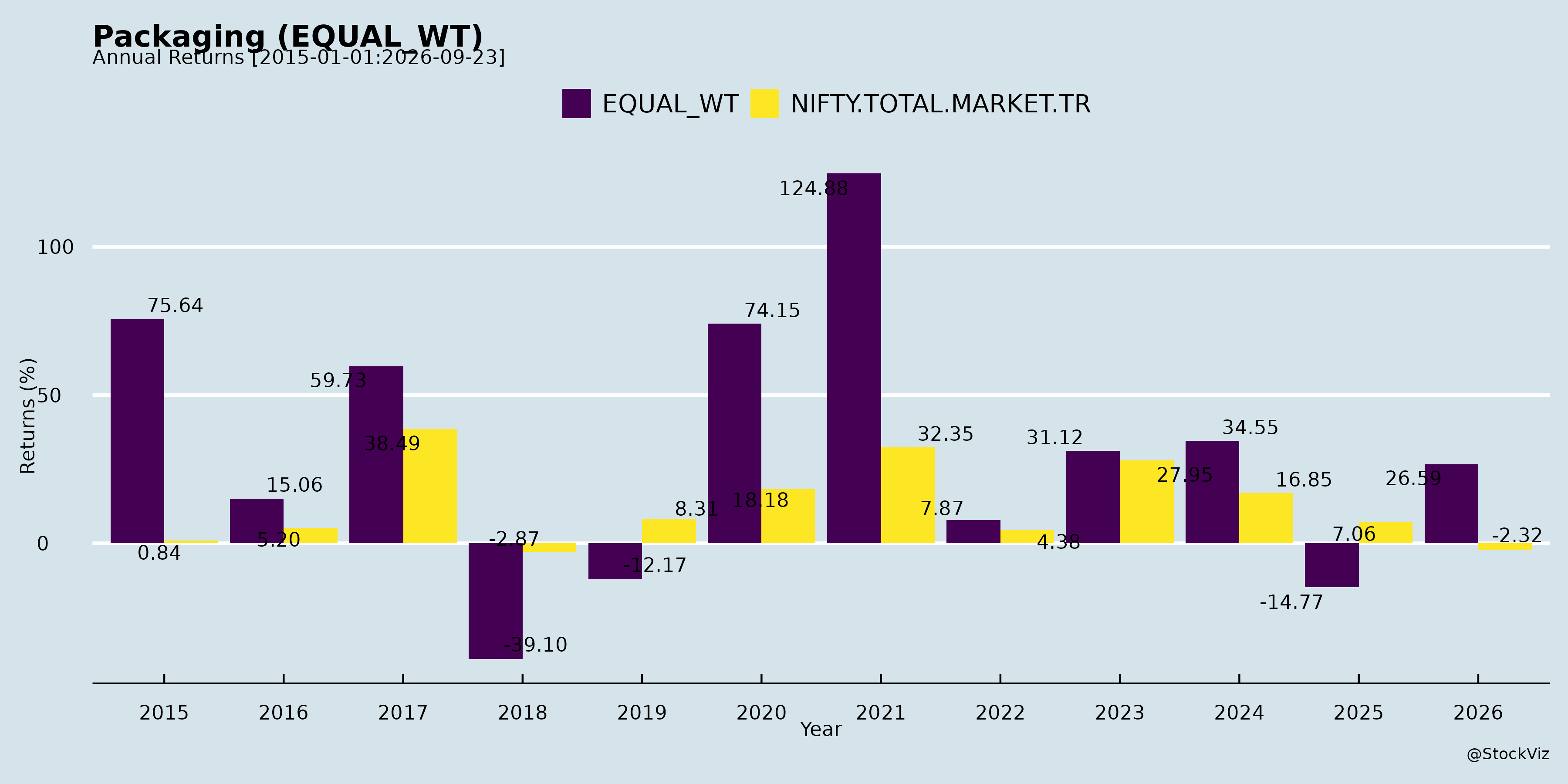
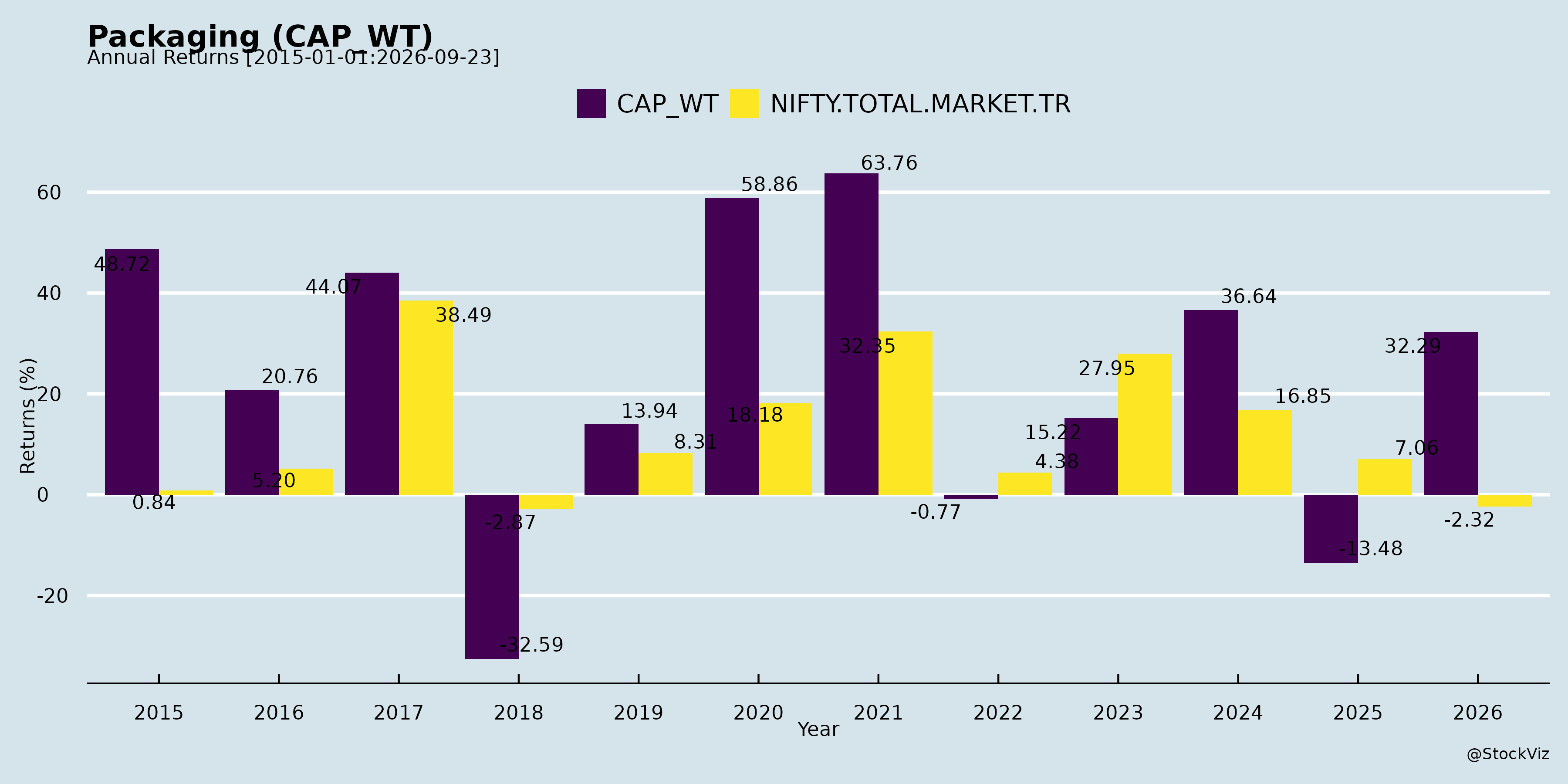
Annual Returns
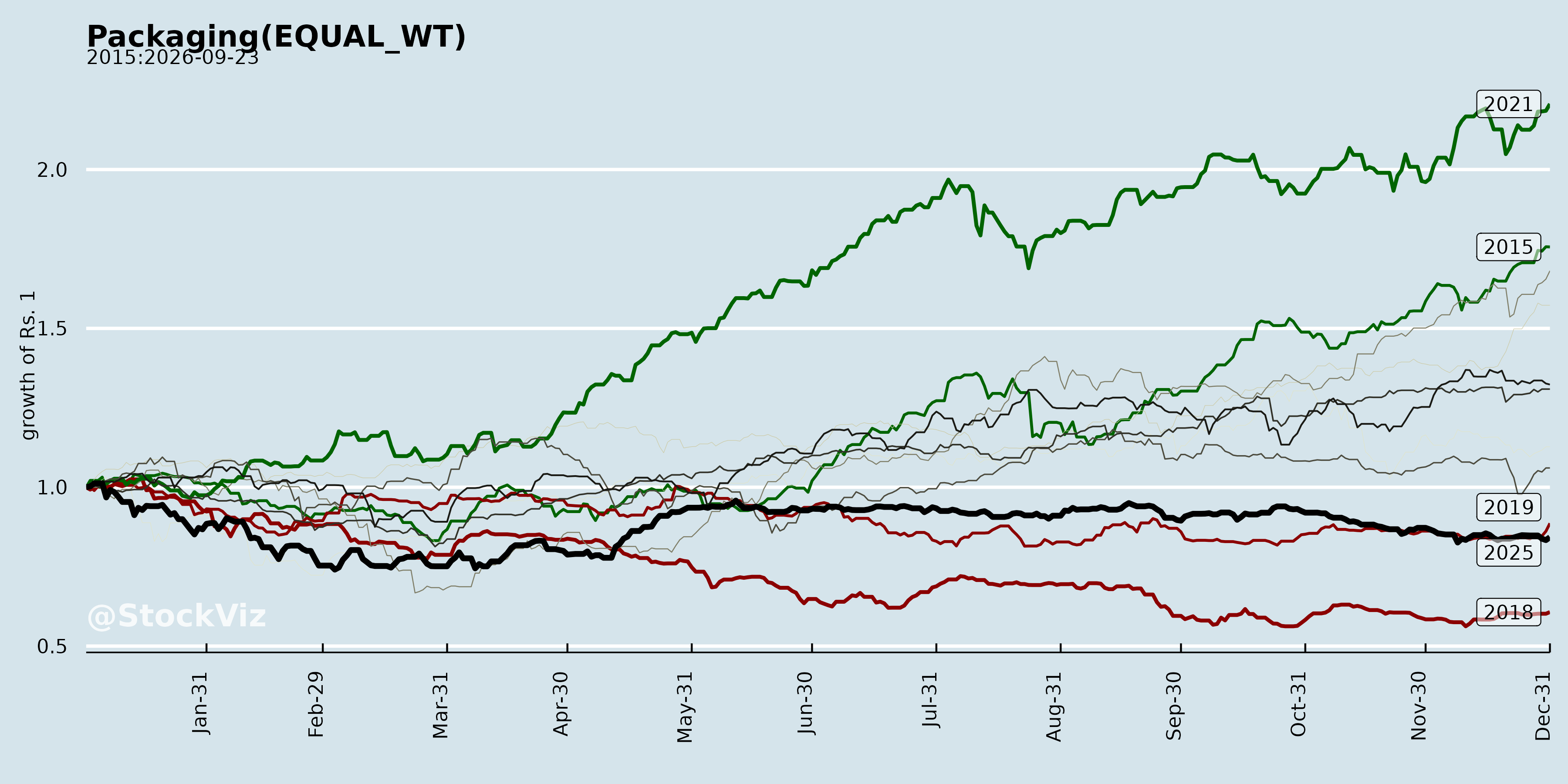
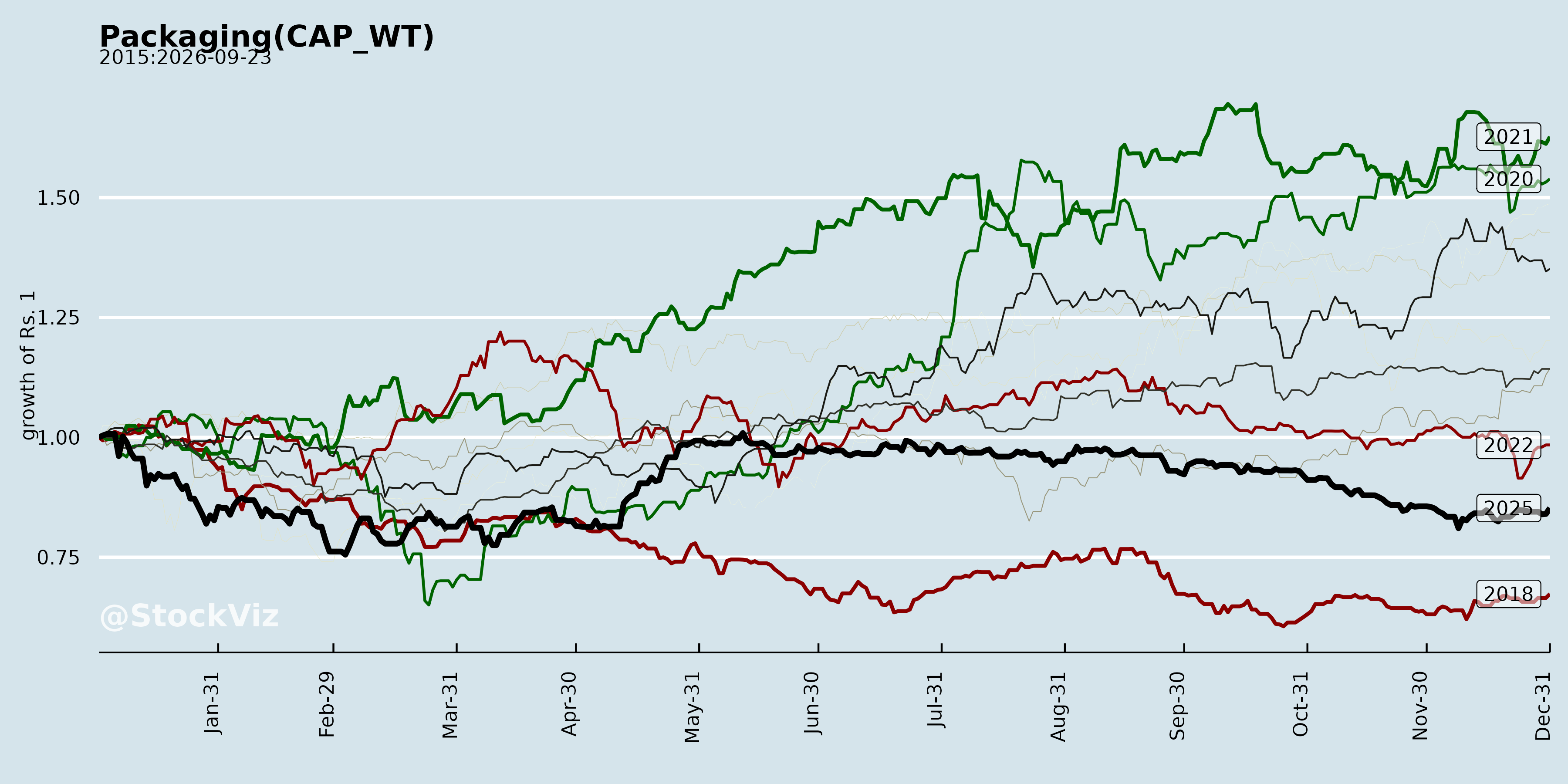
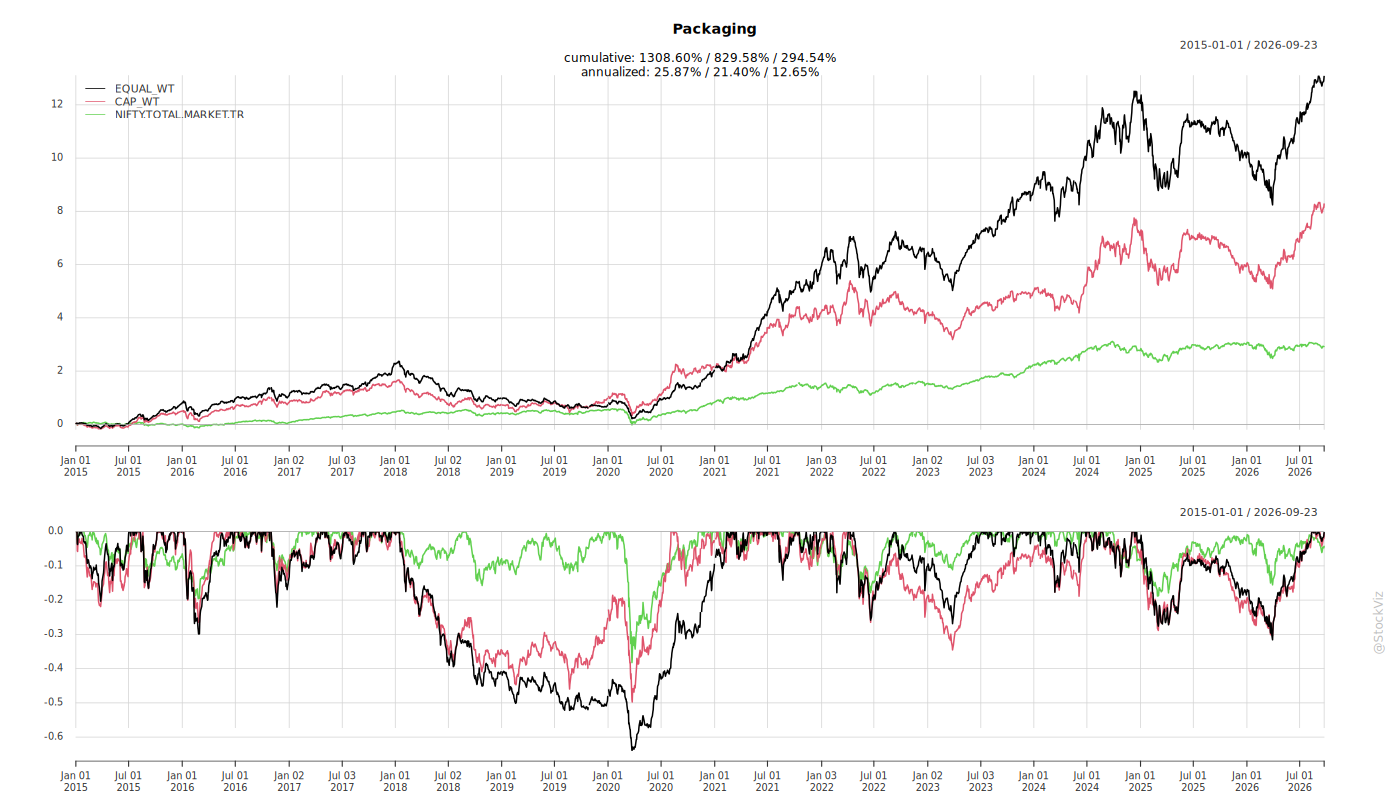
Cumulative Returns and Drawdowns
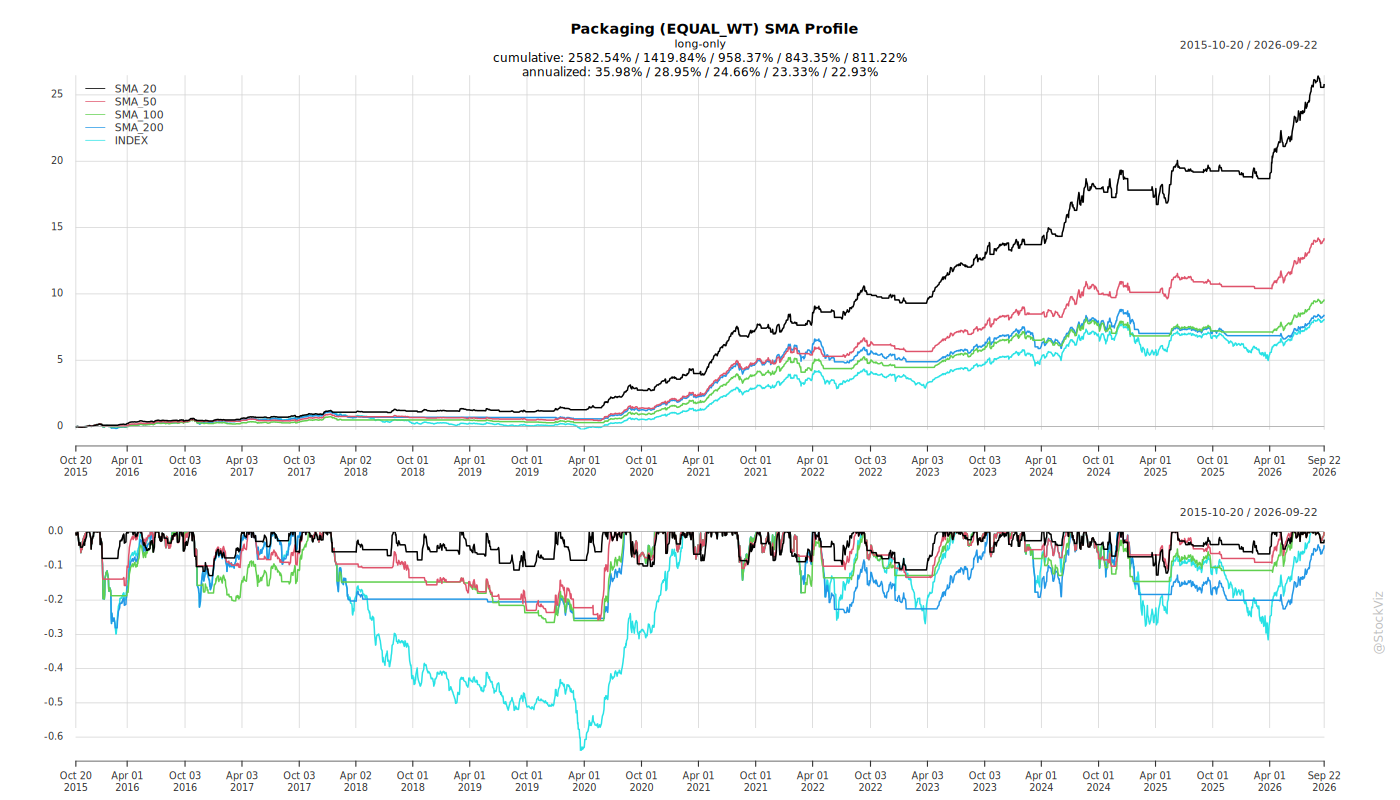
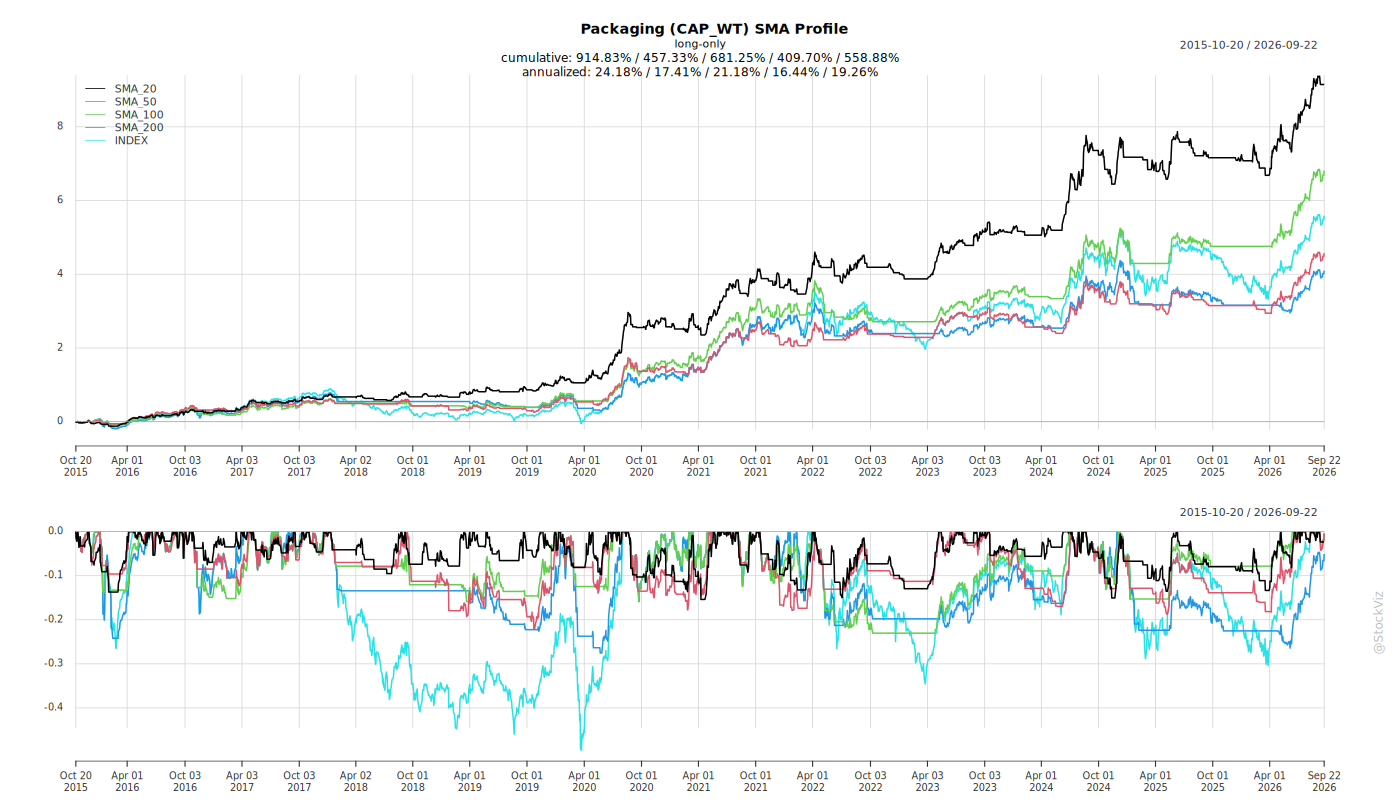
SMA Scenarios
Current Distance from SMA
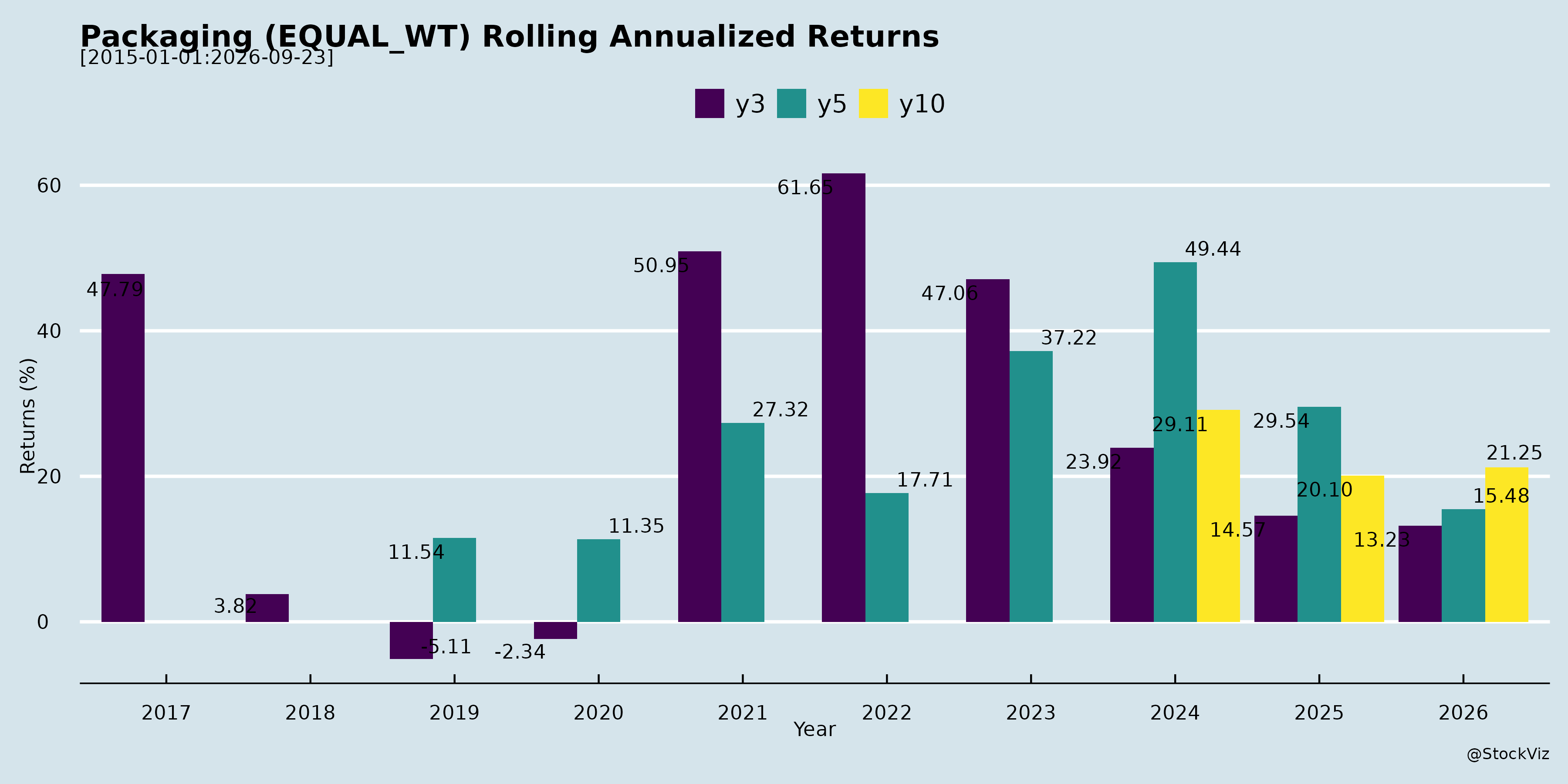
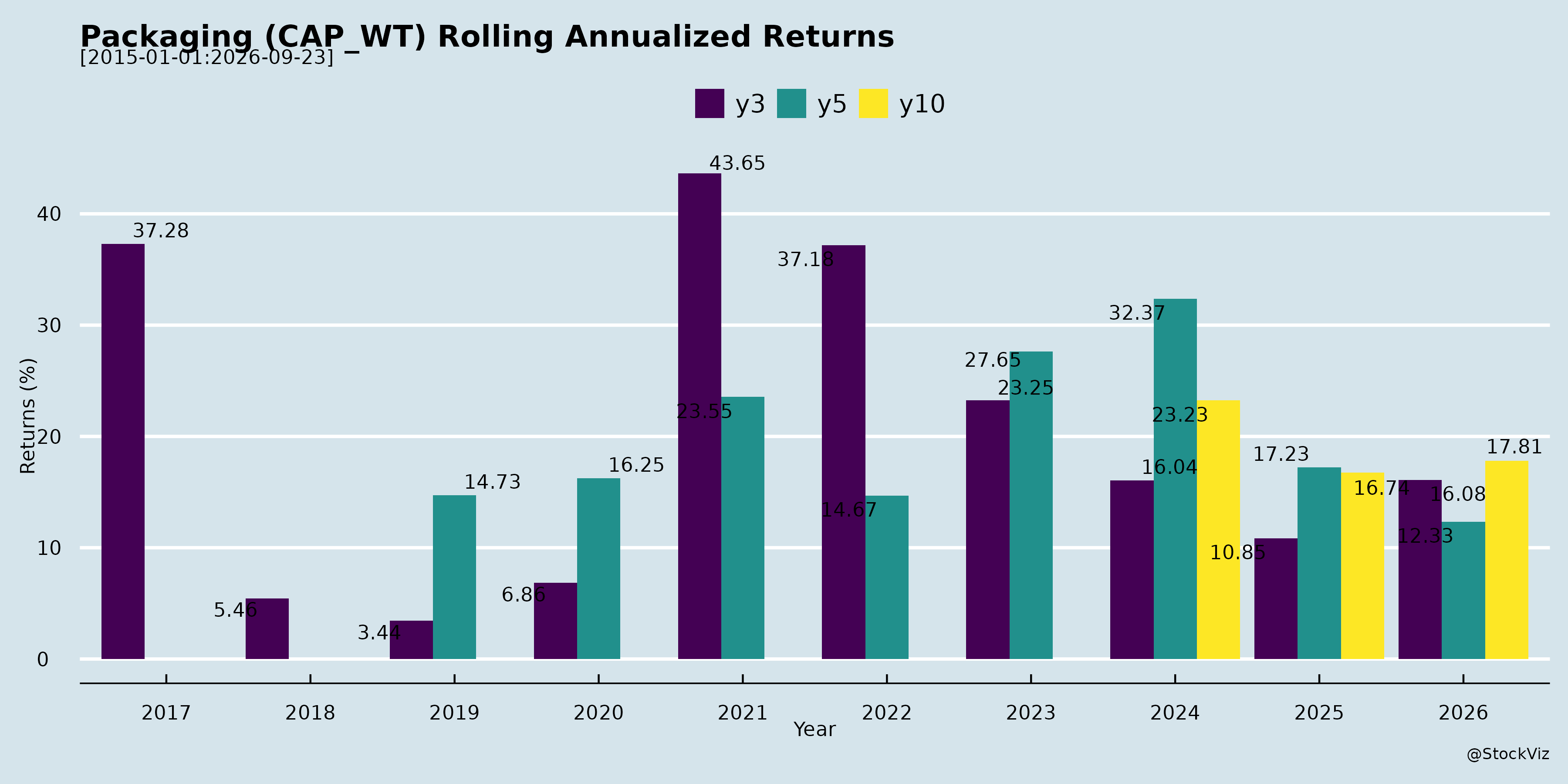
Rolling Returns
Fundamental Ratios
AI Summaries
How have the challenges and oppurtunities evolved over time?
asof: 2026-04-16
The packaging and packaging film industry has navigated a complex landscape over time, shaped by changing macroeconomic conditions, evolving consumer preferences, and stringent environmental regulations. The evolution of this industry can be understood through the dynamic shifts in both the opportunities it captures and the challenges it faces.
Evolution of Opportunities Over Time
1. Demographic Shifts and Emerging Market Growth Over time, fundamental demographic changes such as population growth, rapid urbanization, the rise of nuclear families, and the penetration of e-commerce have become primary growth drivers [1]. In developing nations like India, polymer consumption remains largely underpenetrated, suggesting a massive 4x to 7x growth potential fueled by rising GDP per capita and increased consumer spending [2]. Furthermore, emerging markets in Southeast Asia, Africa, and Latin America present highly lucrative opportunities, as these underpenetrated regions typically grow at twice the rate of developed markets [3].
2. The Transition to Sustainable and Circular Packaging Perhaps the most significant opportunity has arisen from the global push for sustainability and Extended Producer Responsibility (EPR) regulations [4, 5]. Companies have successfully evolved to turn plastic waste into wealth by manufacturing Post-Consumer Recycled (PCR) films, biodegradable biomass, and greenhouse-emission-free fuels [6]. Regulatory requirements—such as those mandating that packaging laminates fulfill a 10% PCR obligation—have directly boosted demand for specific substrates like BOPET [7]. Companies are also capitalizing on sustainability by launching chemical recycling-based rPET films and pushing innovations like the recyclable “Blueloop” product line [8, 9].
3. Product Diversification and Premiumization To combat commoditization, the industry has heavily pivoted toward highly differentiated specialty products [10, 11]. There is a concerted strategic effort across the industry to move from being single-format suppliers to multi-format platforms, combining rigid and flexible packaging capabilities alongside specialty caps and closures [12-14]. High-margin applications have expanded far beyond traditional FMCG into technological developments like Solar PV, Lithium-Ion Batteries (LiB) for Electric Vehicles, and Multi-Layer Ceramic Capacitors (MLCC) [4, 15, 16]. Companies are increasingly targeting to derive upwards of 70% of their revenues from these high-margin specialty and new business segments [11, 17].
4. Favorable Global Trade Developments Recent geopolitical realignments and Free Trade Agreements (FTAs) have opened new doors for global expansion. For example, recent trade engagements with the EU and the US are expected to accelerate exports, foster deeper global partnerships, and lower capital costs [18]. Specifically, the reduction of previously prohibitive tariffs in the US (dropping from 50% to 18%) and lower flexible packaging tariffs in the EU and UK are highly positive developments that make Indian exports vastly more competitive [19-21].
Evolution of Challenges Over Time
1. Geopolitical Headwinds and Macroeconomic Instability While trade agreements offer hope, the broader geopolitical environment has historically posed severe challenges. Demand in Western markets has frequently been muted due to reciprocal tariff uncertainties, broader geopolitical risks, and high inflation [1, 22]. In the Americas, demand softness has been exacerbated by government shutdowns, subdued consumer sentiment, and food inflation, which negatively impact Consumer Packaged Goods (CPG) sales volumes [22]. Furthermore, tariff-driven uncertainty in the US has historically caused a diversion of US-bound packaging films to other regions, leading to severe oversupply in non-US markets [22].
2. Intense Competition and Global Oversupply The Indian FMCG packaging market is characterized as exponentially more competitive than other global markets, demanding extreme cost-efficiency to meet aggressive customer price points [23]. Furthermore, there is a looming threat of global overcapacity, particularly due to massive new capacity additions scheduled for commissioning in China, which threaten to disrupt supply-demand balances [4]. Domestically, the rapid commissioning of new BOPP lines by peer companies has heavily intensified competition in the flexible packaging space [24].
3. Supply Chain Volatility and Shifting Customer Demands The industry frequently struggles with short-term inventory fluctuations. For instance, FMCG brand owners deferring new price rollouts and liquidating inventory destocking have caused temporary, but severe, slumps in demand for packaging raw materials [25]. Because FMCG and food companies experience highly seasonal demand, packaging suppliers face immense pressure to deliver strictly on time, making it difficult for smaller players to retain clients without vast, multi-locational supply networks [26].
4. Regulatory and Operational Hurdles Regulatory shifts present a double-edged sword; while they drive sustainability, unexpected changes in government policies, taxation, and new labor codes regularly introduce operational frictions [27, 28]. Additionally, while sustainable products like recyclable packaging are superior for the environment, their market growth has sometimes fallen short of expectations due to slow customer adaptation and the hesitance of end-users to pull these innovations into the market [9, 28].
5. Human Resource Retention Internally, the industry faces continuous pressure regarding workforce stability. Retaining skilled personnel who have been trained within the company is a recurring challenge, requiring companies to utilize financial motivators like Employee Stock Ownership Plans (ESOPs) to prevent staff from switching to competitors after a few years [29].
What are the headwinds affecting this industry?
asof: 2026-04-16
The packaging and films industry is currently navigating a complex environment characterized by multiple macroeconomic, geopolitical, regulatory, and competitive headwinds.
Geopolitical and Trade Disruptions Global trade policy uncertainties have significantly impacted the industry. High reciprocal tariffs imposed by the US have been a major stumbling block, disrupting export volumes and leading to oversupply in non-US markets such as the Middle East, Africa, and Europe [1-5]. Furthermore, geopolitical tensions, including the Middle East crisis, are causing supply chain disruptions and logistical challenges [6-8]. Companies have also faced macroeconomic volatility, where the sharp depreciation of the Indian Rupee against the US Dollar and Euro has resulted in notable mark-to-market and reinstatement losses on foreign exchange liabilities [4, 9, 10].
Overcapacity and Chinese Dumping The industry is suffering from global overcapacity, particularly driven by capacity additions in China [3, 11-13]. This overcapacity has led to aggressive predatory pricing and the dumping of cheap packaging films (such as BOPET and BOPP) into the domestic market [1, 4, 9, 14]. This influx of low-priced imports creates surplus supply, exerting sustained downward pressure on pricing, realizations, and overall profit margins for domestic manufacturers [1, 3, 15, 16].
Macroeconomic and Consumer Demand Softness Demand has been tepid across several key global markets. In the Americas, an unprecedented US government shutdown, persistent food inflation, and subdued consumer sentiment have led to lower discretionary spending and a decline in Consumer Packaged Goods (CPG) sales volumes [2, 15, 17, 18]. Similarly, European markets have experienced demand softness and an influx of cheaper imports that have weighed on volumes and pricing [15, 19]. In Southeast Asia, specific regional issues—such as adverse weather patterns and tax policy changes in Vietnam that led to the closure of thousands of stores—have negatively impacted operations [20, 21].
Domestic Regulatory and Tax Challenges In India, changing regulations have created localized headwinds: * Labor Codes: The implementation of new labor codes has forced companies to account for one-time increases in gratuity and leave encashment liabilities, impacting operational profitability [4, 5, 22]. * GST Transitions: Adjustments and disruptions related to Goods and Services Tax (GST) transitions have temporarily dampened volume growth [23-25]. * End-User Taxation: Sharp tax increases on specific products, such as a major price and tax hike on cigarettes (the first of its kind in almost five years), threaten to negatively impact packaging volumes in those inelastic categories [26, 27]. * Sustainability Regulations: Customers are occasionally showing slow adaptation to new sustainable and recyclable packaging requirements, delaying the commercial rollout of eco-friendly products [28-30].
Raw Material Volatility and Realization Pressures The industry is highly sensitive to raw material price fluctuations. Sudden drops in raw material prices have led to non-repetitive inventory losses and forced companies to lower their selling prices, subsequently depressing realization rates and revenue per kilogram [5, 31-33]. Conversely, geopolitical crises have simultaneously caused raw material cost inflation, requiring companies to negotiate price pass-throughs with customers [8, 34]. Because the FMCG packaging market is fiercely competitive, companies often have to pass raw material cost savings directly to clients to stay competitive, capping their ability to expand margins [32, 35, 36]. Furthermore, FMCG brand owners have engaged in inventory destocking, temporarily subduing the purchase of new packaging materials until older inventories are fully absorbed [15, 25, 37].
Seasonal and Operational Constraints Finally, packaging volumes are highly susceptible to seasonal patterns. The third quarter (winter months) is traditionally a weak period for segments like ice cream, yogurt, and paints [38-40]. Additionally, extended monsoon seasons severely restrict the movement of goods, which has led to noticeable dips in specific segments such as lubricant packaging [41-43]. Some companies have also faced distinct operational setbacks, such as the loss of specific public sector tenders or unanticipated machinery shutdowns [5, 44, 45].
What are the key things to understand about this industry?
asof: 2026-04-16
Demand Drivers and Market Growth The packaging industry is experiencing robust growth fueled by macro-economic and demographic trends. Key drivers include population growth, rising urbanization, the shift towards nuclear families, and increasing purchasing power in developing countries [1]. Consumer behavior is also evolving with the penetration of e-commerce, changing retail formats, and a heightened focus on hygiene, which has accelerated a continuous shift from loose to packaged products and from rigid to flexible packaging [1, 2].
In the industrial segment, fundamentals are exceptionally strong. The global industrial packaging market is projected to expand from USD 83.04 billion in 2025 to USD 116.68 billion by 2030, representing a 7.0% CAGR [3]. A significant catalyst for this growth in India is the ongoing shift of chemical manufacturing from China to other Asian economies, which is unlocking substantial opportunities for high-performance industrial packaging like Intermediate Bulk Containers (IBCs) [3].
Sustainability and Stringent Regulations Sustainability is no longer optional but a regulatory and commercial necessity. Extended Producer Responsibility (EPR) regulations are fundamentally reshaping the industry across food, pharmaceutical, and FMCG sectors [4]. In India, the Plastic Waste Management Rules (PWMR) now mandate minimum levels of recycling and the use of recycled plastic content [5, 6]. For instance, regulations mandate a 10% recycled content usage in flexible packaging and 30% in rigid packaging by certain deadlines [6, 7]. Failure to meet these targets results in environmental compensation penalties calculated per ton of shortfall [5, 8].
To adapt, the industry is heavily investing in green technologies. Companies are developing Post-Consumer Recycled (PCR) PET films, mono-PET structures for easier circularity, and investing in both mechanical and chemical recycling [9-12]. Initiatives also include converting plastic waste into fuel, biomass, and highly advanced food-grade recycled resins [12, 13]. Because PCR obligations for certain laminates must be fulfilled specifically by BOPET content, customers are increasingly replacing other substrates with BOPET, creating a significant demand boost for these films [14, 15].
Fierce Competition and Pricing Dynamics The Indian packaging market is highly fragmented in the rigid space and heavily consolidated in the flexible space [16, 17]. The domestic FMCG market is notoriously competitive due to tight consumer price points, creating immense pressure on packaging suppliers to operate at low costs [18, 19].
The industry frequently grapples with overcapacity and intense competition, leading to soft pricing environments and pressured margins [20]. Pricing for films like BOPET operates on “import parity pricing,” meaning domestic prices are benchmarked against international dollar pricing plus import duties and freight [21, 22]. A major ongoing threat is the massive addition of new manufacturing lines in China, which occasionally diverts excess supply into global markets [23, 24]. To protect domestic manufacturers from this predatory pricing, the Indian Directorate General of Trade Remedies (DGTR) has initiated anti-dumping investigations into BOPET film imports from China [25, 26]. Conversely, sectors like paperboard packaging are shielded from dumping due to government-imposed minimum import prices on virgin paperboard [27, 28].
Strategic Industry Approaches To combat commoditization and margin pressure, successful packaging companies are adopting several key strategies: * Focus on Specialty and D-PAC Portfolios: Companies are actively pivoting from standard products to Differentiated Products, Applications, or Customers (D-PAC) [29, 30]. Specialty films command higher contribution margins, offer pricing stability, and create high entry barriers due to stringent quality qualifications required by major FMCG brands [29, 30]. Some major players aim to increase their specialty product share to 70% of their total revenue over the next few years [31-34]. * Backward and Forward Integration: Vertical integration is a critical competitive advantage. Backward integration into resin production reduces costs, ensures supply security, and protects proprietary film compositions [10, 35]. Forward integration into downstream capabilities (like coating, metallizing, or converting) allows companies to offer customized, high-value solutions directly to end-users [10, 36]. * Multi-Format Expansion: To capture more market share, companies are expanding from single-format suppliers to multi-format partners. For example, flexible tube manufacturers are acquiring rigid plastics capabilities (like bottles and closures) to offer comprehensive packaging portfolios to beauty, cosmetic, and pharma brands [37-39]. * Understanding Capacity Realities: In certain packaging processes, operating at 100% capacity is physically impossible. For instance, in injection molding, a capacity utilization of 75% is considered excellent. This is because product mixes rarely match machine capacities perfectly—differing mold depths, widths, and grammages force companies to run smaller products on larger machines, lowering overall output efficiency [40-42].
Geopolitics and Global Trade The packaging industry is highly sensitive to geopolitical risks and tariffs. In recent years, reciprocal tariffs and uncertainties in Western markets muted demand and caused an oversupply in non-US markets as shipments were diverted [1, 43, 44]. However, recent Free Trade Agreements (FTAs) between India and regions like the EU and the UK are reducing tariffs on flexible packaging [45-47]. This not only opens direct export doors for packaging manufacturers but also creates a “second-order benefit” as other Indian industries (like textiles and toys) increase their exports and consequently require more domestic packaging [45, 46, 48].
What are the tailwinds affecting this industry?
asof: 2026-04-16
Favorable Macroeconomic and Demographic Shifts The industry is benefiting from broader macroeconomic growth, particularly in developing economies like India. As the world’s fourth-largest economy, India possesses a significantly underpenetrated polymer consumption market that has the potential to grow 4 to 7 times its current size [1, 2]. Key demographic drivers fueling this growth include population expansion, increasing urbanization, a trend toward nuclear families, and rising disposable incomes [3, 4]. Furthermore, evolving retail formats—such as the rapid penetration of organized retail, e-commerce, and quick commerce—along with a heightened consumer focus on safety and hygiene, are directly increasing per capita packaging material consumption [4-6]. There is also a continuous structural shift from rigid to flexible packaging, and from loose goods to packaged products [4].
Favorable Trade Agreements and Tariff Reductions A major tailwind for the industry is the recent finalization of favorable bilateral trade agreements, including Free Trade Agreements (FTAs) between India and major markets like the US, the EU, and the UK [7-10]. A notable upcoming trade deal with the US is set to dramatically reduce tariffs on Indian exports from 50% to 18% [9, 11]. These trade engagements are expected to significantly boost export sentiment, margins, and volumes, while simultaneously enabling faster technology adoption, fostering deeper global partnerships, and lowering capital costs for domestic manufacturers [12-15].
Supportive Government Regulations and Policies The industry is experiencing a demand surge driven by evolving regulatory mandates focused on sustainability. Extended Producer Responsibility (EPR) regulations and Plastic Waste Management Rules (PWMR) now mandate specific levels of recycled content—ranging from 10% up to 40-50%—in flexible packaging and pails [6, 16-18]. This has forced FMCG brands to rapidly adapt, directly accelerating the demand for substrates like BOPET and recycled PET (rPET) [19-21]. To meet these aggressive sustainability obligations and compensate for the lack of recycled content in other layers, many customers are actively converting their packaging from other plastics (like BOPP) over to BOPET [19, 20, 22]. Additionally, structural policy measures such as GST rationalization and the Union Budget 2026-27—which focuses on manufacturing, infrastructure, rural income, and logistics—are providing a supportive backdrop to boost FMCG consumption and domestic manufacturing competitiveness [6, 13, 23, 24].
Anti-Dumping Protections Domestic players are poised to benefit from government protection against predatory pricing. The Directorate General of Trade Remedies (DGTR) has initiated an anti-dumping investigation into BOPET film imports from China and other nations [16, 17, 25]. The implementation of these anti-dumping duties is expected to meaningfully improve the supply-demand balance, help local companies capture a larger market share, and lead to a significant expansion in profit margins [26, 27].
Growth in Novel Industrial Applications Beyond traditional FMCG and food packaging, technological advancements are unlocking fresh demand in high-growth industrial sectors. There is an accelerated demand for specialty packaging films in energy transition end-uses, such as solar panel backsheets, lithium-ion batteries for electric vehicles, and Multi-Layer Ceramic Capacitors (MLCC) [4, 28, 29].
What is the general outlook of this industry?
asof: 2026-04-16
The general outlook for the packaging and packaging films industry is highly constructive and resilient, with companies believing the sector is currently recovering from the bottom of its cycle [1-3]. The industry’s growth is being shaped by strong domestic consumption, regulatory changes promoting sustainability, and favorable global trade realignments.
Key Growth Drivers and Demand * Macro-Economic Factors: The industry’s structural growth remains intact, supported by rising consumption, increasing urbanization, shifting demographics toward nuclear families, and the penetration of e-commerce and organized retail [4-6]. * Format Shifts: There is a continued shift from rigid to flexible packaging, as well as a transition from loose to packaged products driven by a heightened focus on safety and hygiene [7]. * Segment Projections: Global demand for thin BOPET films is expected to remain resilient, growing at over 5% annually [8]. Furthermore, the global industrial packaging market is projected to grow from USD 83.04 billion in 2025 to USD 116.68 billion by 2030, reflecting a healthy 7.0% CAGR [9].
Regulatory and Sustainability Tailwinds * Recycling Mandates: Extended Producer Responsibility (EPR) regulations and the Plastic Waste Management Rules (PWMR) are acting as massive catalysts. For instance, the PWMR mandated a 10% constant usage of recycled content in flexible packaging starting April 2025 [10, 11]. Because this obligation can specifically be fulfilled by BOPET content, it has significantly boosted BOPET film demand, as customers are shifting their laminate structures away from other substrates to comply [12, 13]. * Circular Economy: There is a widespread industry focus on transitioning to eco-friendly, sustainable solutions, including the use of Post-Consumer Recycled (PCR) materials, rPET chips, and the development of mono-material structures that are easier to recycle [14, 15].
Favorable Trade and Geopolitical Shifts * Tariff Reductions: The finalization of a trade deal between the US and India is expected to reduce tariffs from 50% down to 18% [16]. This relief, alongside new free trade agreements with the EU and UK, is expected to drastically improve export sentiment, boost margins, and revive volumes in overseas markets [16-18]. * Protection Against Dumping: The industry has faced margin pressures due to predatory pricing and dumping from China [16]. However, the Directorate General of Trade Remedies (DGTR) has initiated anti-dumping investigations into Chinese BOPET film imports, which is expected to bring meaningful upside and relief to domestic manufacturers [10, 16, 19]. Additionally, protectionist measures like a Minimum Import Price (MIP) on virgin paperboard have been imposed to prevent dumping [20, 21]. * Supply Chain Relocation: The ongoing shift of chemical and industrial manufacturing from China to other Asian economies, particularly India, is unlocking significant new opportunities for industrial packaging providers [9, 22].
Supply and Capacity Dynamics While there has been an oversupply in the market due to new capacity additions primarily concentrated in China, the impact on markets outside of China is expected to be limited. Chinese producers largely serve their own domestic demand and non-packaging applications (like optical films), while trade barriers and quality preferences limit their penetration in other regional markets like Southeast Asia [23, 24]. Excluding China, global capacity utilization is remaining stable, and the rationalization of older, less efficient lines is expected to further improve overall utilization rates in the medium term [25]. Overall, demand growth is projected to outpace capacity additions, leading to a balanced supply-demand environment [26].
Sector-Specific Nuances * Pharma and FMCG: Rigid packaging for pharmaceuticals is experiencing excellent growth, with companies venturing into new, high-margin products like eye-droppers and nasal sprays, targeting over 30% volume growth [27, 28]. The Food and FMCG sectors are also seeing strong double-digit growth [29]. * Lubricants: Conversely, the outlook for lubricant packaging is more neutral to stagnant (around 2% to 3% annual growth), as some packaging companies intentionally step away from low-end, highly competitive segments [30, 31].
Copyright © 2023 SAS Data Analytics Pvt. Ltd. All rights reserved.