Other Electrical Equipment
Industry Metrics
September 24, 2026
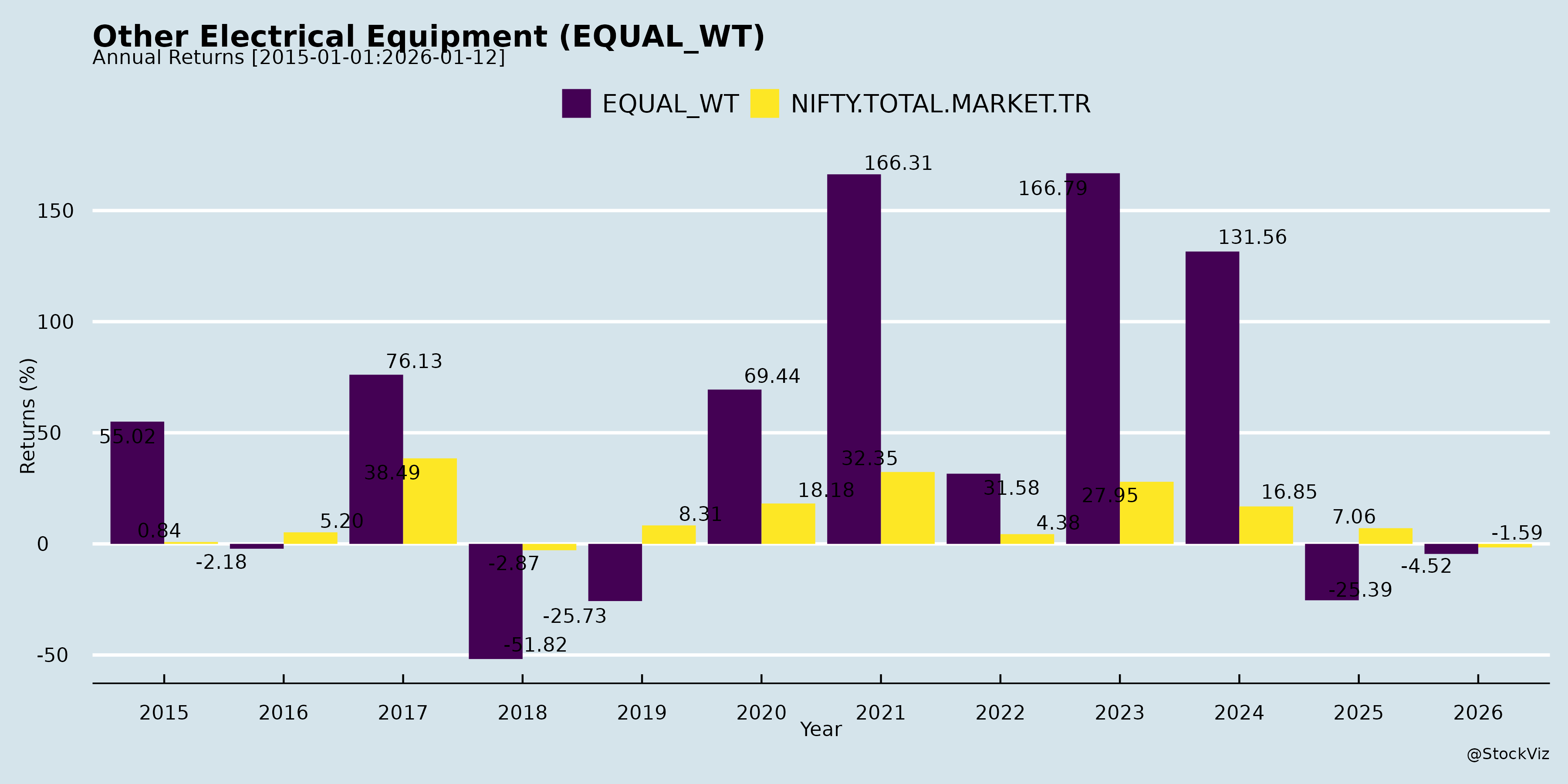
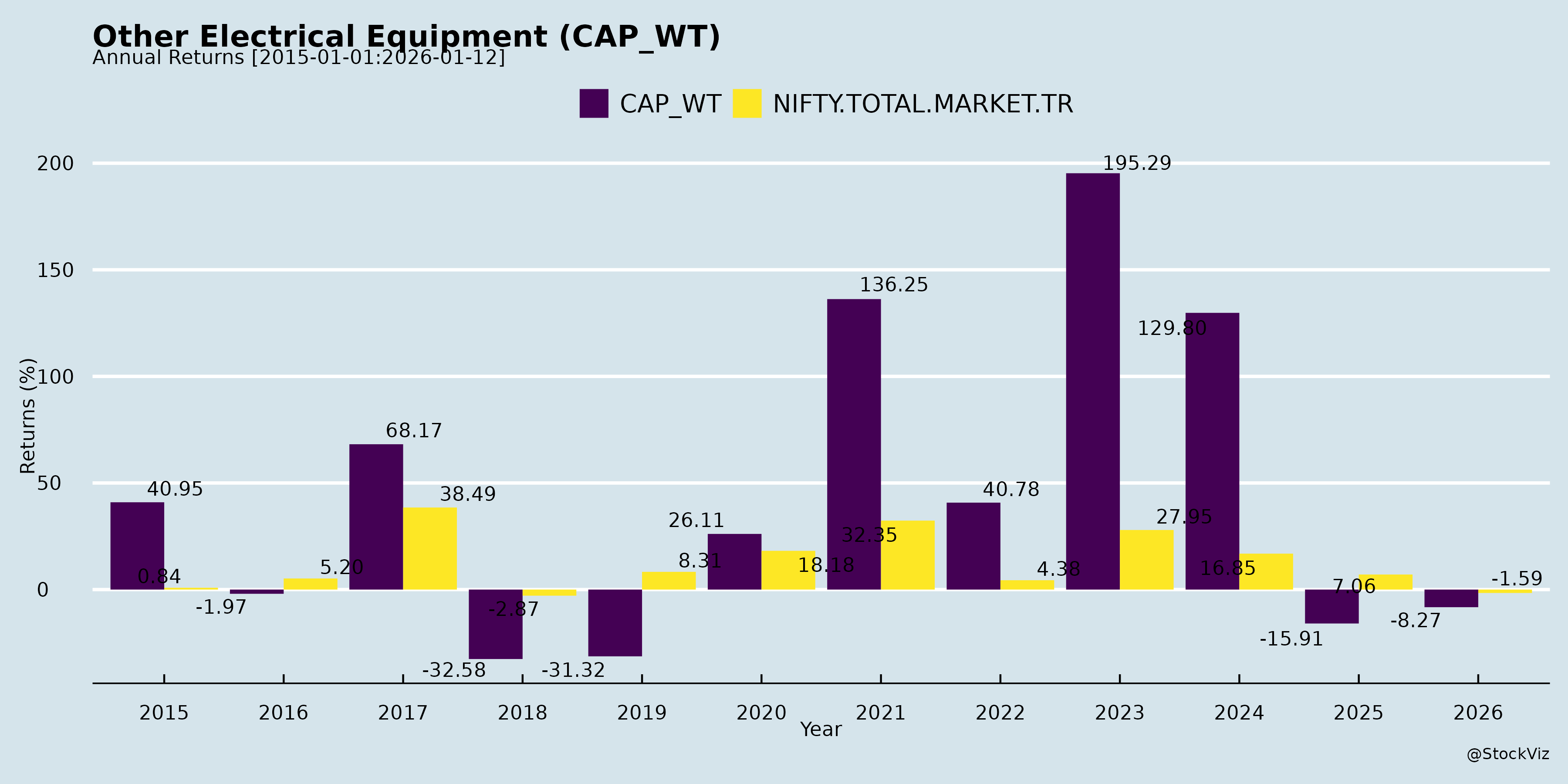
Annual Returns
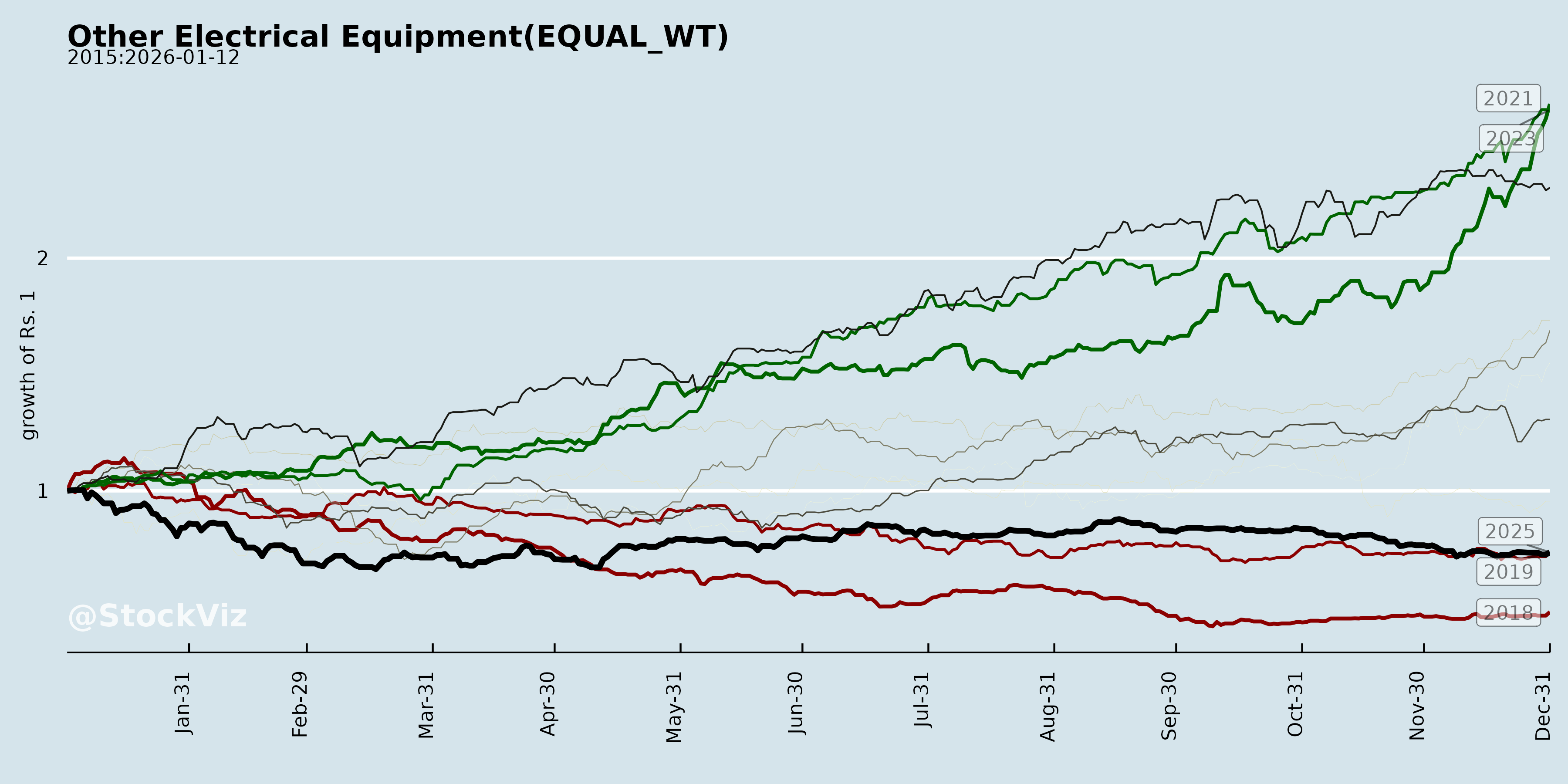
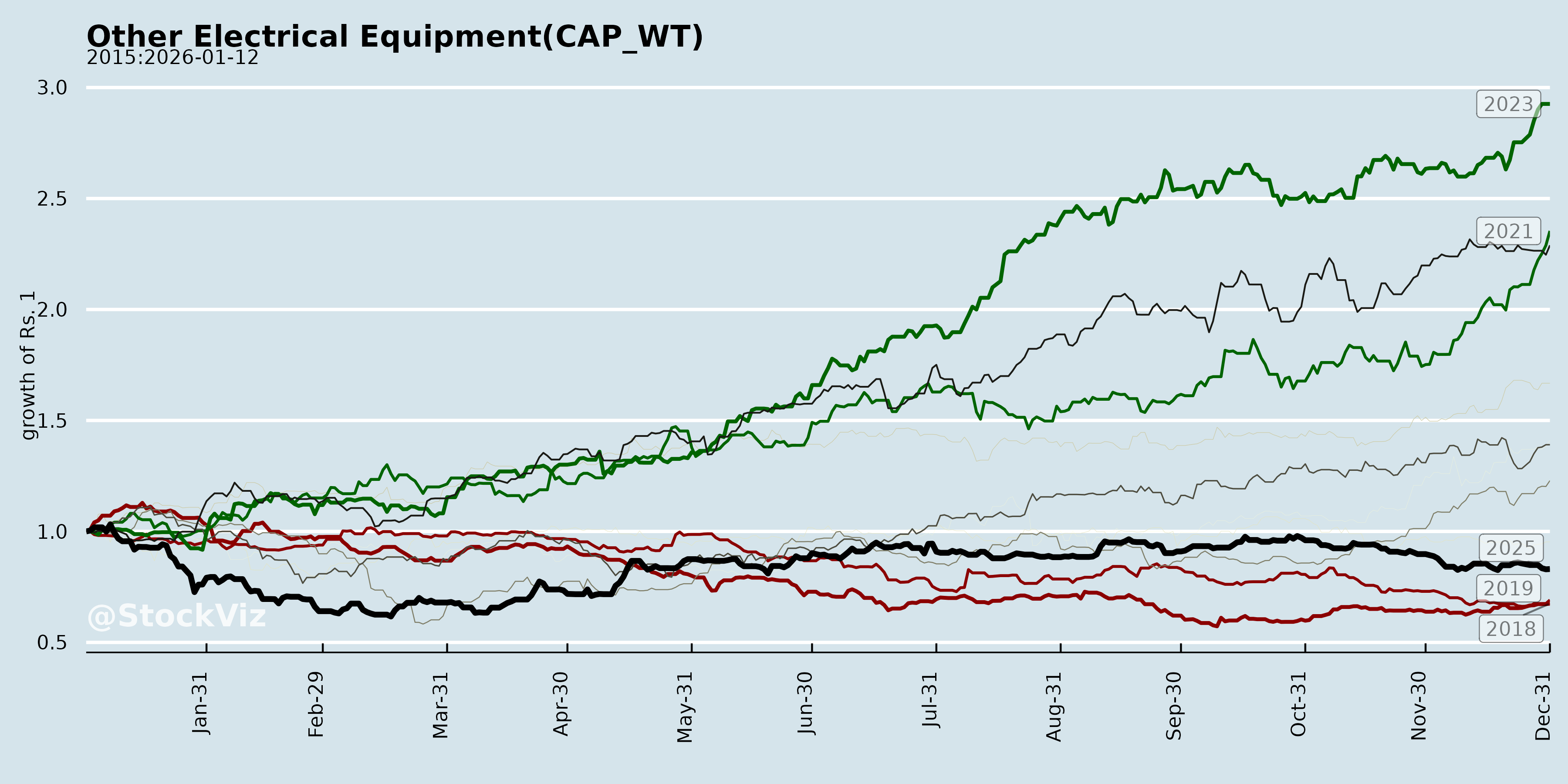
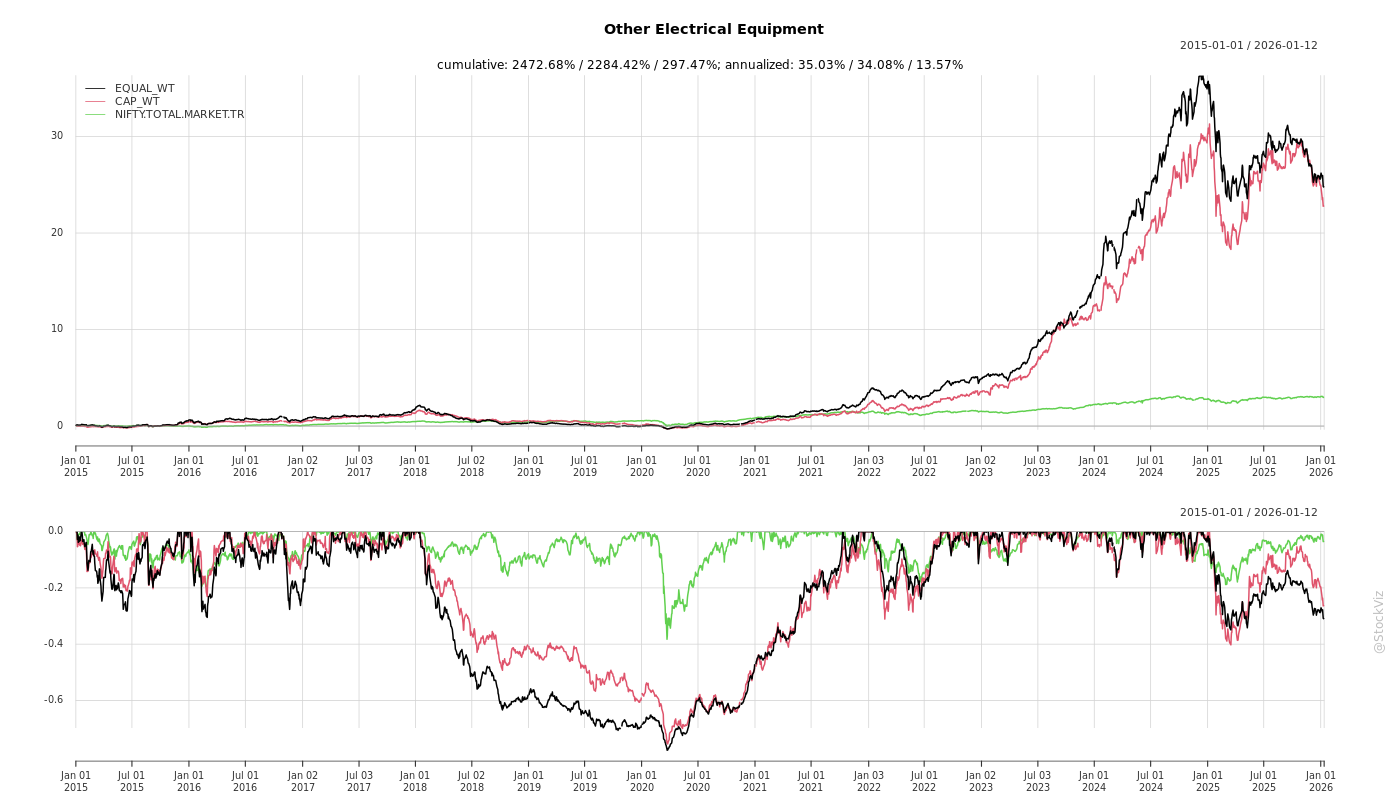
Cumulative Returns and Drawdowns
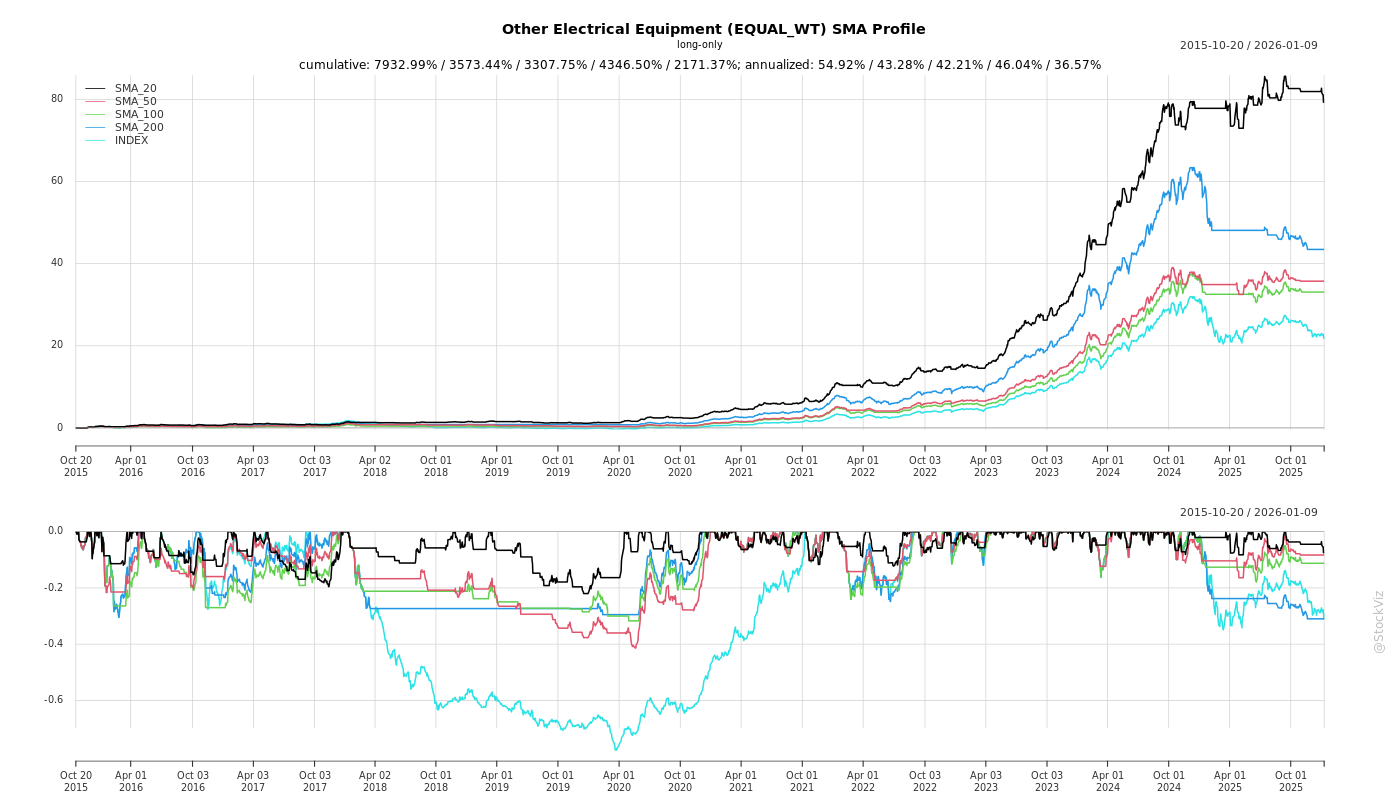
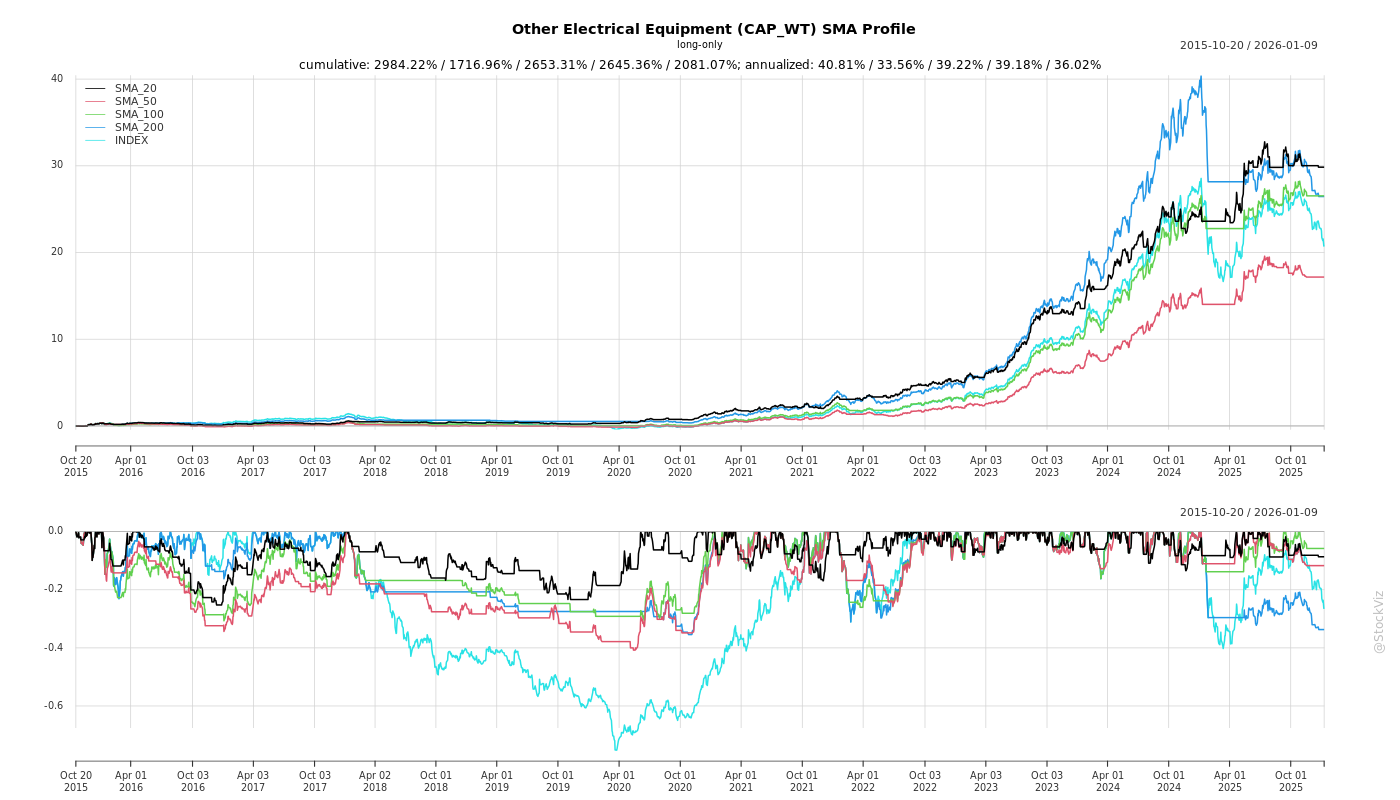
SMA Scenarios
Current Distance from SMA
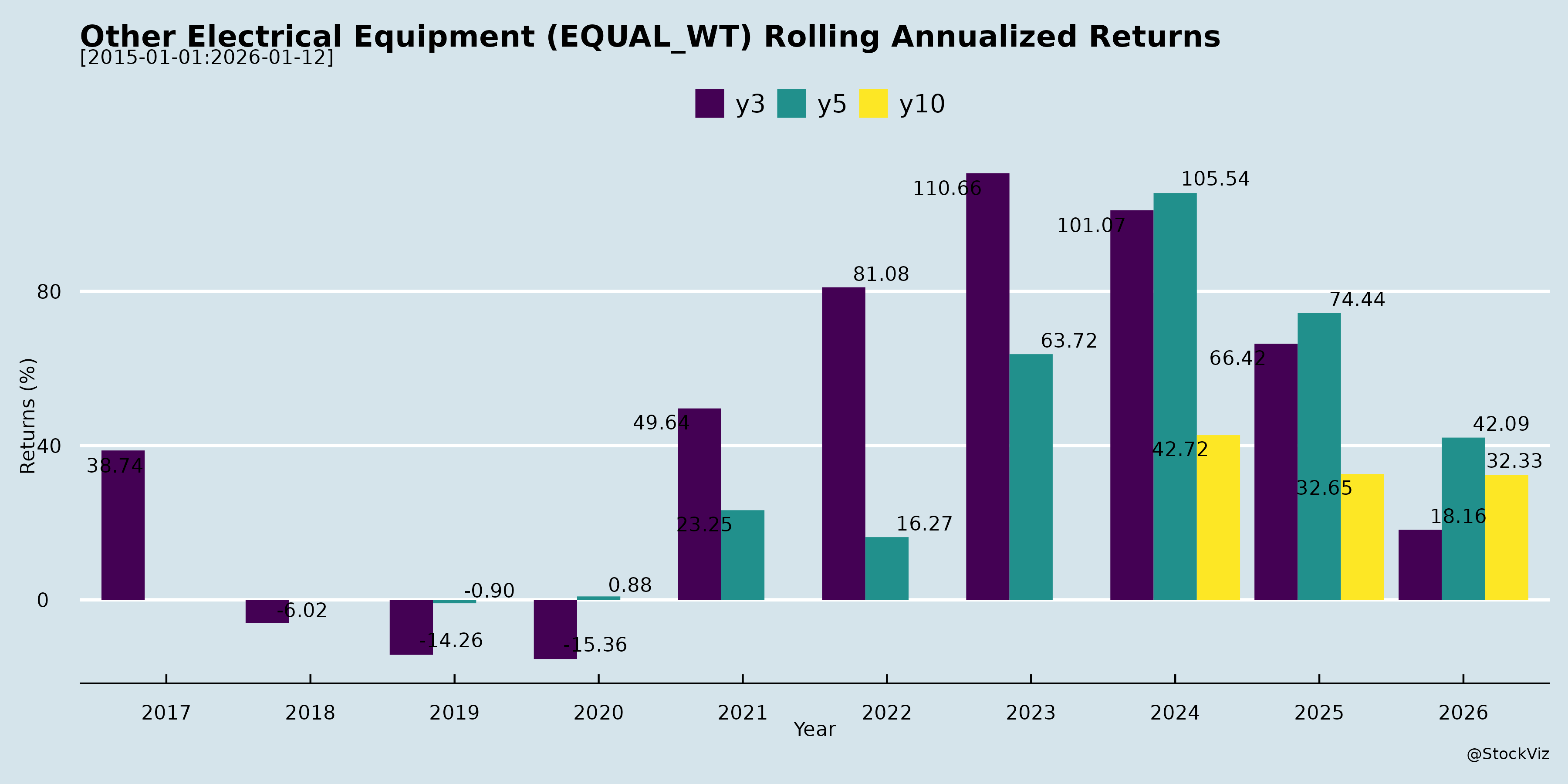
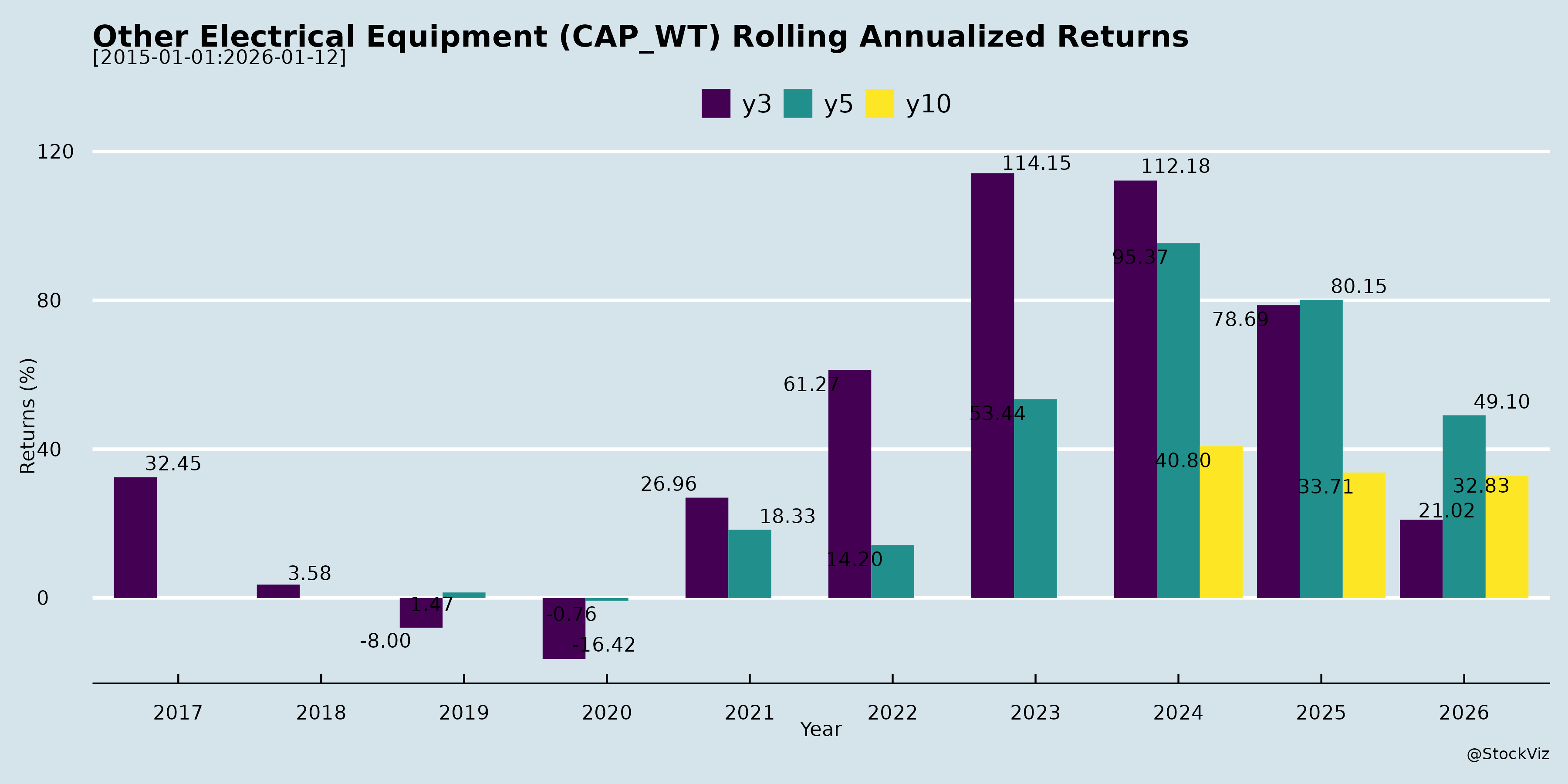
Rolling Returns
Fundamental Ratios
AI Summaries
What are the headwinds affecting this industry?
asof: 2026-04-16
The electrical, renewable energy, and power infrastructure industries are currently navigating several significant headwinds, ranging from geopolitical trade policies and raw material volatility to sector-specific overcapacity and policy shifts.
Geopolitical and Trade Barriers International trade dynamics are creating substantial hurdles for companies focused on export-led growth. The European market has been relatively subdued, experiencing soft demand across industrial, automation, and power infrastructure sectors [1, 2]. This softness is partly attributed to a shift in European government spending priorities toward defense [1, 2]. In the United States, trade policies have introduced strict tariffs. The Trump administration has implemented a flat 18% import duty on products from India, completely eliminating the previous 0% tariff advantage that Indian exporters enjoyed [3, 4]. Furthermore, there is significant uncertainty regarding an additional 25% tariff connected to Russian oil purchases, which remains unclear and creates logistical and pricing challenges for companies exporting to the US [5, 6].
Supply Chain and Raw Material Volatility The cost environment has become highly volatile, with the prices of key inputs rising sharply [7, 8]. * Metal and Silver Costs: Heavy price increases in copper and aluminum have disrupted the market, leading to temporary material shortages and increased costs for Engineering, Procurement, and Construction (EPC) projects [9, 10]. In the solar panel manufacturing sector, the cost of silver—a critical component—has surged significantly, causing a net cost increase of about 1.5 to 1.7 cents per watt over the last year [11, 12]. * Domestic Capability Gaps: Despite government import duties aimed at promoting domestic manufacturing, India currently lacks sufficient anodizing facilities for aluminum frames [13, 14]. Consequently, companies are still heavily reliant on importing these components from China [13, 14]. * Battery Imports: In the rapidly growing Battery Energy Storage System (BESS) sector, the industry remains entirely dependent on imported lithium battery cells, as there is currently no domestic manufacturing capacity for these specific cells [15, 16]. * Automotive Shifting to China: Companies supplying high-pressure aluminum die-casting parts to the automotive sector are bleeding revenue because business across Tier 1, Tier 2, and Tier 3 levels has aggressively shifted to China, forcing Indian manufacturers to undergo a lengthy transition to non-automotive customers [17, 18].
Solar Industry Specifics While solar demand is growing, the manufacturing side is battling severe module overcapacity [19]. Currently, India has an ALMM-I listed solar module supply of approximately 173 GW, compared to an estimated annual demand of only 75 GW [19, 20]. This massive 2.3x oversupply is causing market spreads to rationalize and put pressure on smaller players [19, 20]. Furthermore, solar project developers are facing execution hurdles, most notably unsigned Power Purchase Agreements (PPAs) and transmission infrastructure delays [21, 22]. Solar manufacturers also struggle with unpredictable quarterly revenue volatility due to the fluctuating customer demand mix between Domestic Content Requirement (DCR) modules and non-DCR modules, which are priced differently [23, 24].
Electric Vehicle (EV) Infrastructure Challenges The EV charging market is currently experiencing a slowdown in tendering activity [25]. The government recently halted the FAME 3 scheme and replaced it with the PM E-drive scheme, which removes direct subsidies for EV chargers [26, 27]. Instead, the new scheme focuses subsidies entirely on broad infrastructure development, requiring operators to shoulder the Capex for the chargers themselves [26, 27]. Additionally, the adoption of commercial e-mobility, such as e-tractors, is hindered by higher upfront costs, increased downtime required for charging, and a severe lack of accessible charging infrastructure [28].
Labor and Macro-economic Pressures The sudden and massive scale-up in infrastructure and power projects has resulted in a shortage of skilled technical manpower in the core engineering sector, making rapid project execution difficult [29, 30]. Finally, the persistently high-interest-rate environment continues to take a toll on the market, increasing the cost of funding for capital-intensive EPC and manufacturing expansions [10, 31].
What are the tailwinds affecting this industry?
asof: 2026-04-16
Government Initiatives and Domestic Policy Support The Indian government’s continued focus on SMEs, labor-intensive manufacturing, and access to credit serves as a significant structural tailwind [1, 2]. There is a strong emphasis on the “Make in India” initiative and supply chain localization, which is strengthening the operating environment and improving cost-competitiveness [3, 4]. The Union Budget has further bolstered the domestic manufacturing ecosystem and increased infrastructure spending by INR 1 lakh crores [5-7].
Specific government schemes are driving massive, multi-year demand across the energy and electrical sectors: * Solar Initiatives: The PM-Surya Ghar rooftop solar market is experiencing immense growth, with 2.7 million homes solarized in the last 18 months and another 7.3 million installations expected in the next 24 months [8, 9]. The KUSUM scheme (including KUSUM 2.0 for agrivoltaics) and the PMSGY scheme are also showing sustained increases in installations [8-10]. * Grid and Distribution: The government is accelerating smart metering, feeder segregation, and the reduction of AT&C losses through initiatives like the Revamped Distribution Sector Scheme (RDSS) [11-13]. * Regulatory Protection: The implementation of ALMM-2 (Approved List of Models and Manufacturers) for private rooftop and open access markets, along with Domestic Content Requirement (DCR) mandates, is heavily boosting domestic demand for solar cells and modules [10, 14, 15].
Infrastructure, Urbanization, and Industrial Expansion There is a massive capital expenditure push underway in transmission expansion, renewable integration, and urban infrastructure [16, 17]. * Transportation Networks: India plans to add 50 new airports over the next 5 years, with a long-term vision of developing 350 airports by 2047 [11, 12]. Over 1,000 kilometers of metro rail projects have been approved across multiple cities, and there are substantial ongoing investments in high-speed rail networks [11, 12, 18, 19]. * Urbanization: Rapid urbanization is shifting rural areas to semi-urban, and tier-two cities are upgrading to first-tier and metro status, which inherently drives demand for power distribution and electrical EPC execution [20, 21]. * Digital Economy and AI: The world is increasingly looking at India as a primary hub for manufacturing and data centers [20, 21]. The rise of Artificial Intelligence (AI) is leading to massive investments in data centers across India, the US, and the Middle East, directly driving demand for advanced electrical components like busduct systems, customized measurement products, and specialized cooling solutions [22-25].
Renewable Energy, Electric Vehicles, and the Global Energy Transition The transition towards sustainable energy and mobility is creating unprecedented demand: * Solar Scale-Up: The solar industry has achieved tremendous scale, growing at more than 50% annually, making India the third-largest solar market in the world [26, 27]. A very large pipeline of signed Power Purchase Agreements (PPAs) provides strong demand visibility over the next three years [26, 27]. * Energy Storage (BESS): Globally, solar and wind capacities are projected to triple by 2030 [28]. This massive influx of intermittent renewable energy requires 10 times more energy storage, driving explosive growth in Battery Energy Storage Systems (BESS) [28]. * Electric Vehicles (EVs): The global EV fleet is projected to reach over 250 million vehicles by 2030 [29]. This transition is creating a massive requirement for EV charging infrastructure, traction batteries, and grid-balancing technologies [29-31]. Heavy-duty commercial vehicles, such as 46 to 55-tonne tractors, are also on the cusp of large-scale EV adoption due to favorable user economics [32, 33]. * Grid Modernization: Over 800 GW of new transmission infrastructure will be needed globally by 2030 to ensure energy security and support grid modernization [29]. Alongside renewables, conventional energy sources like nuclear and thermal power are also seeing capacity expansions, requiring comprehensive transmission and distribution networks to prevent generated power from being wasted [34, 35].
Favorable Trade Developments and Global Market Expansion Geopolitical shifts and new trade agreements are opening lucrative export avenues: * Trade Agreements: Recent positive policy developments include the India-EU free trade agreement and progress on India-U.S. trade arrangements, which involve proposed reductions in reciprocal tariffs [3, 4, 36, 37]. These agreements create a highly supportive, long-term environment for exporting electronics and engineering goods [38, 39]. * Emerging Markets: There is significant untapped potential in emerging markets like the Middle East, Africa, and South America, where investments in energy infrastructure and industrial capacity remain structurally robust [40-43]. The Middle East, in particular, is rapidly transforming into a new AI and innovation center with massive investments, presenting a huge potential market for electrical and instrumentation partnerships [22, 23]. * Supply Chain Diversification: Globally, there is a push for non-Chinese cell origin compliance and supply chain diversification, which positions Indian manufacturers advantageously in markets like the US, Europe, and APAC [44-46].
Copyright © 2023 SAS Data Analytics Pvt. Ltd. All rights reserved.