Other Bank
Industry Metrics
September 24, 2026
Annual Returns
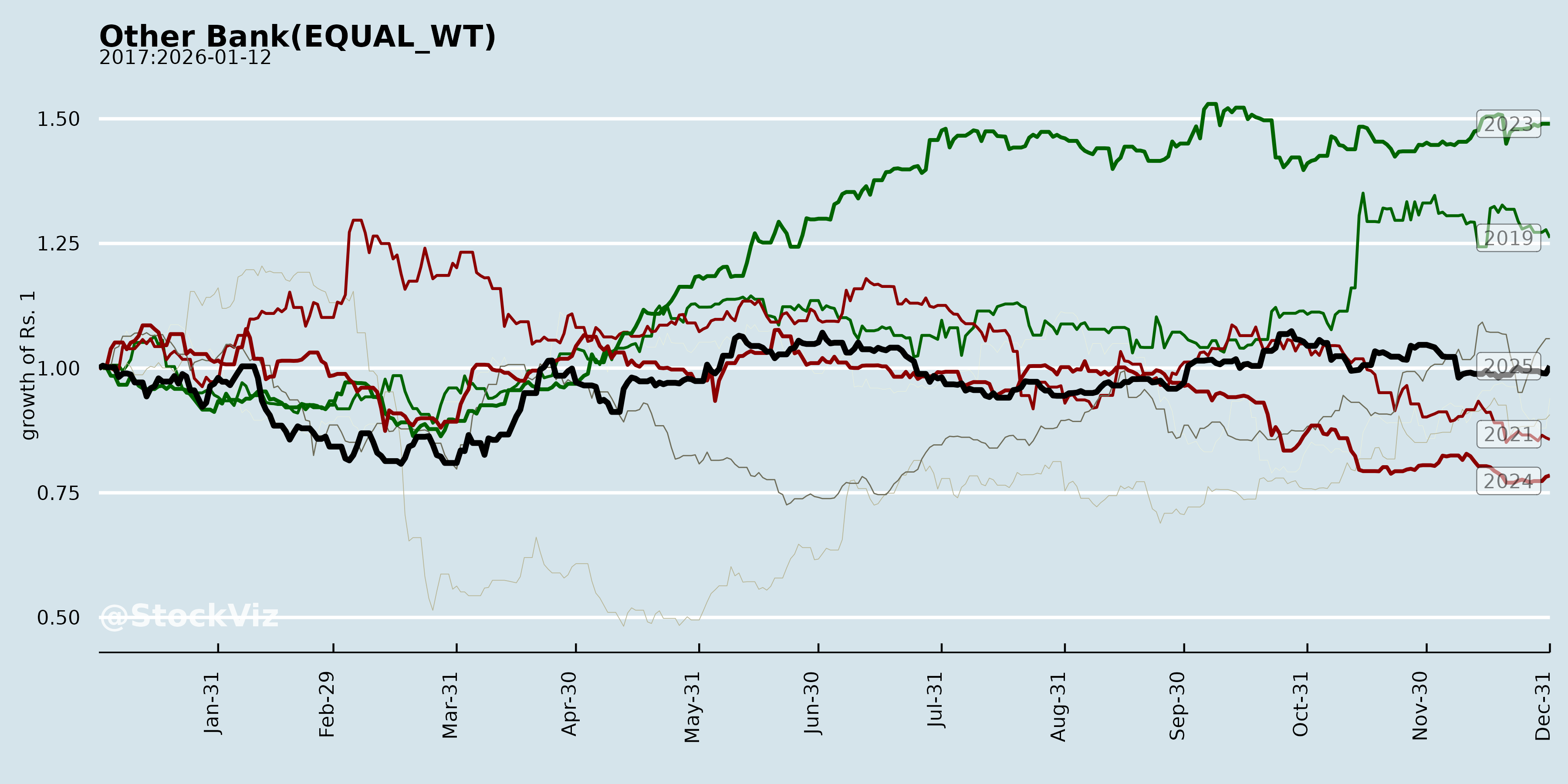
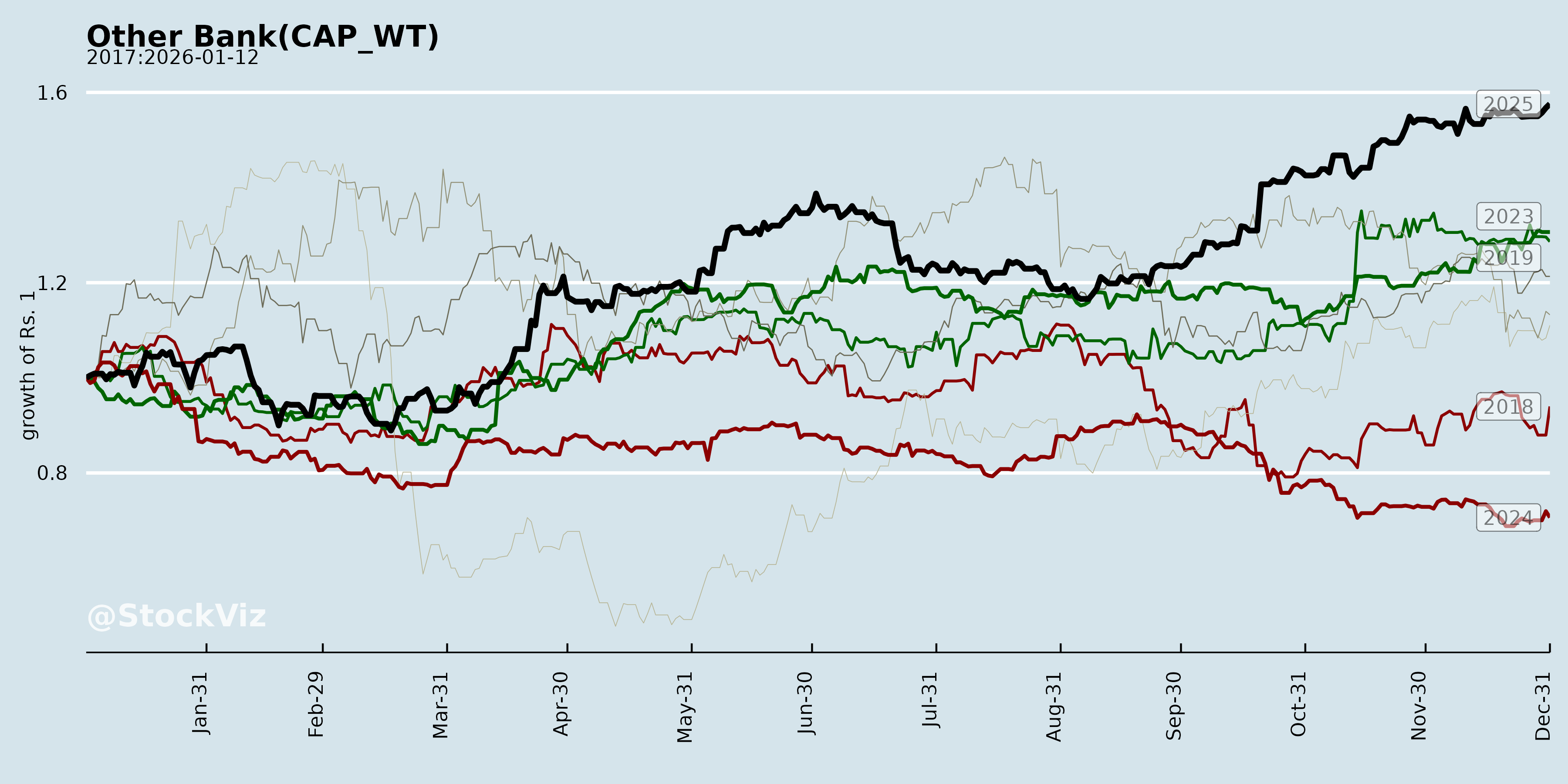
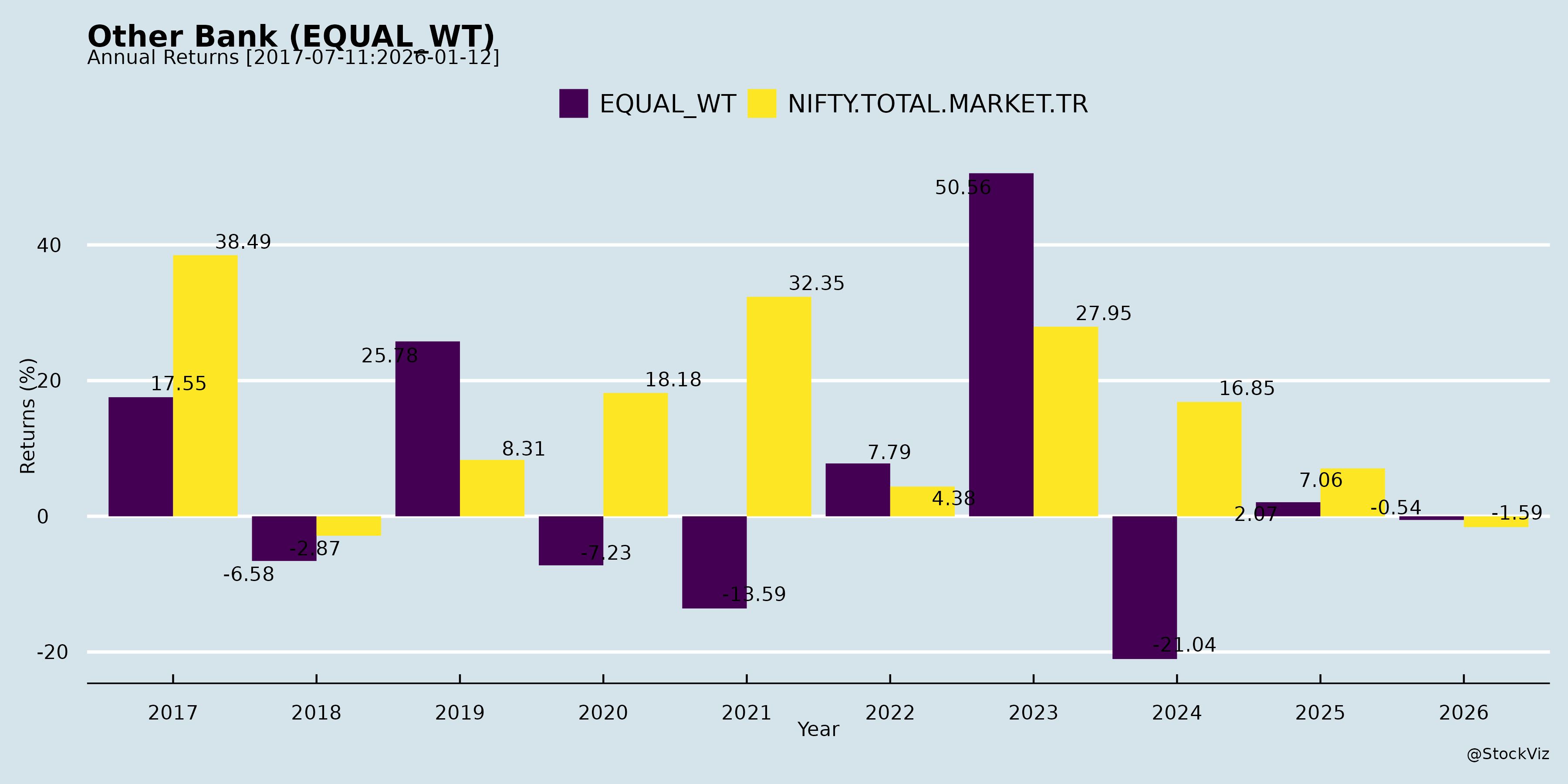
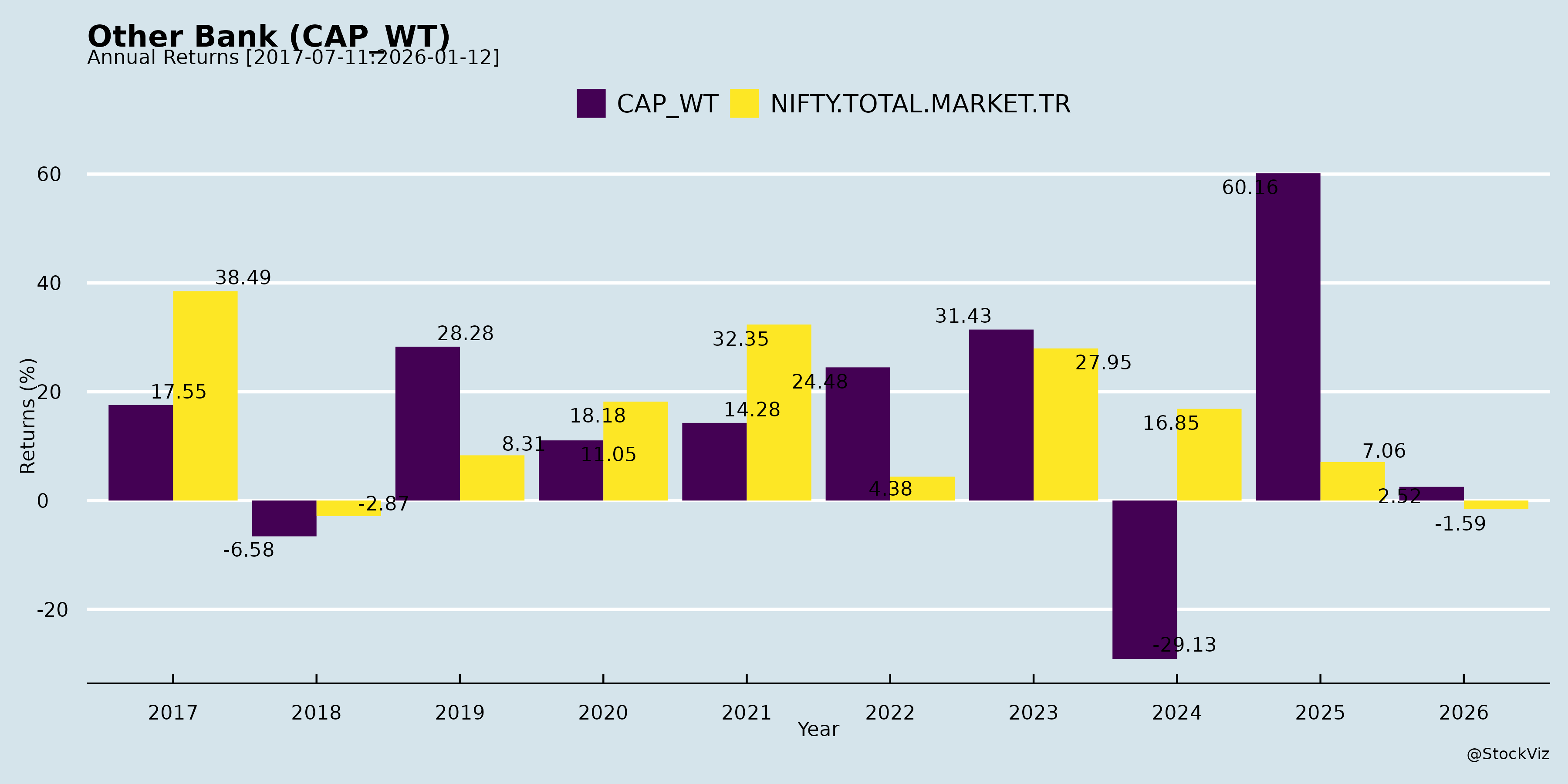
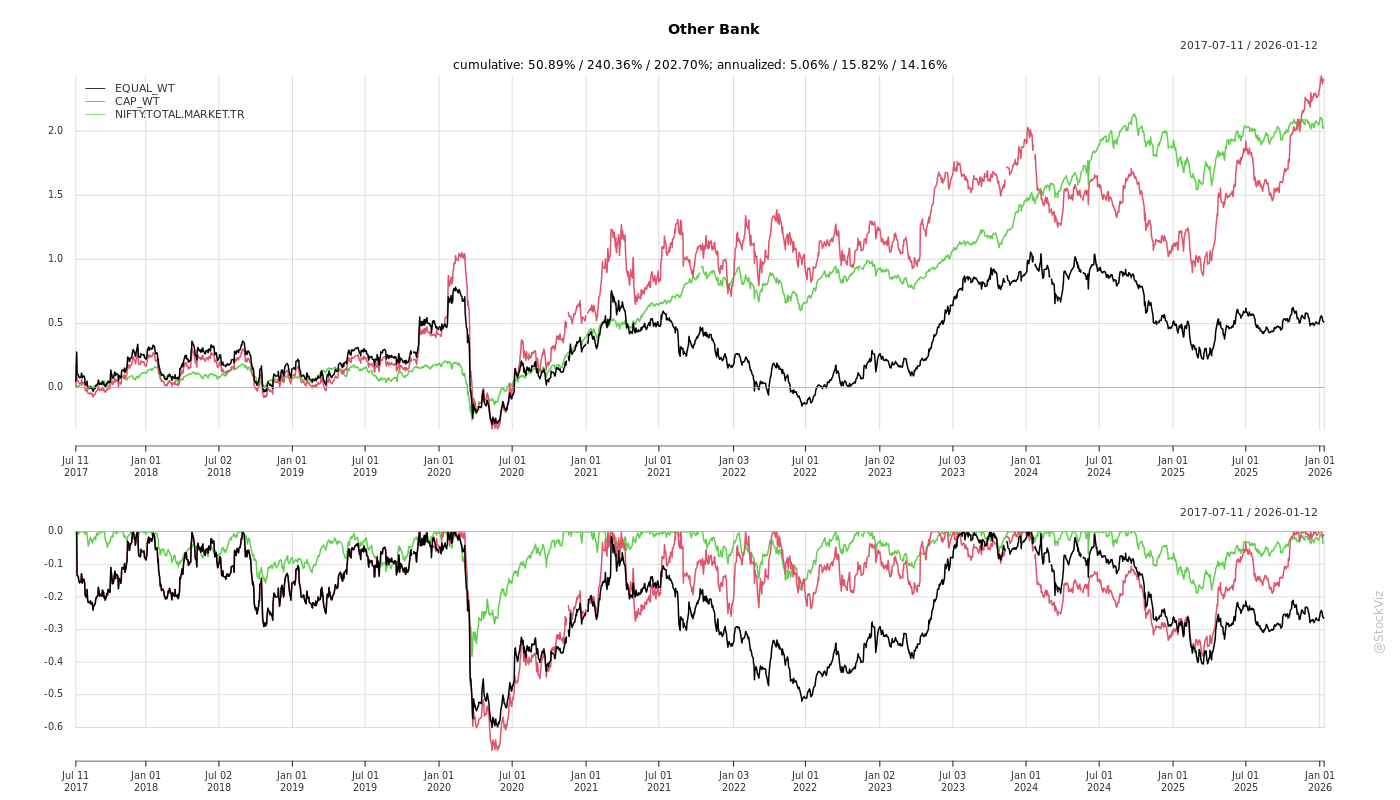
Cumulative Returns and Drawdowns
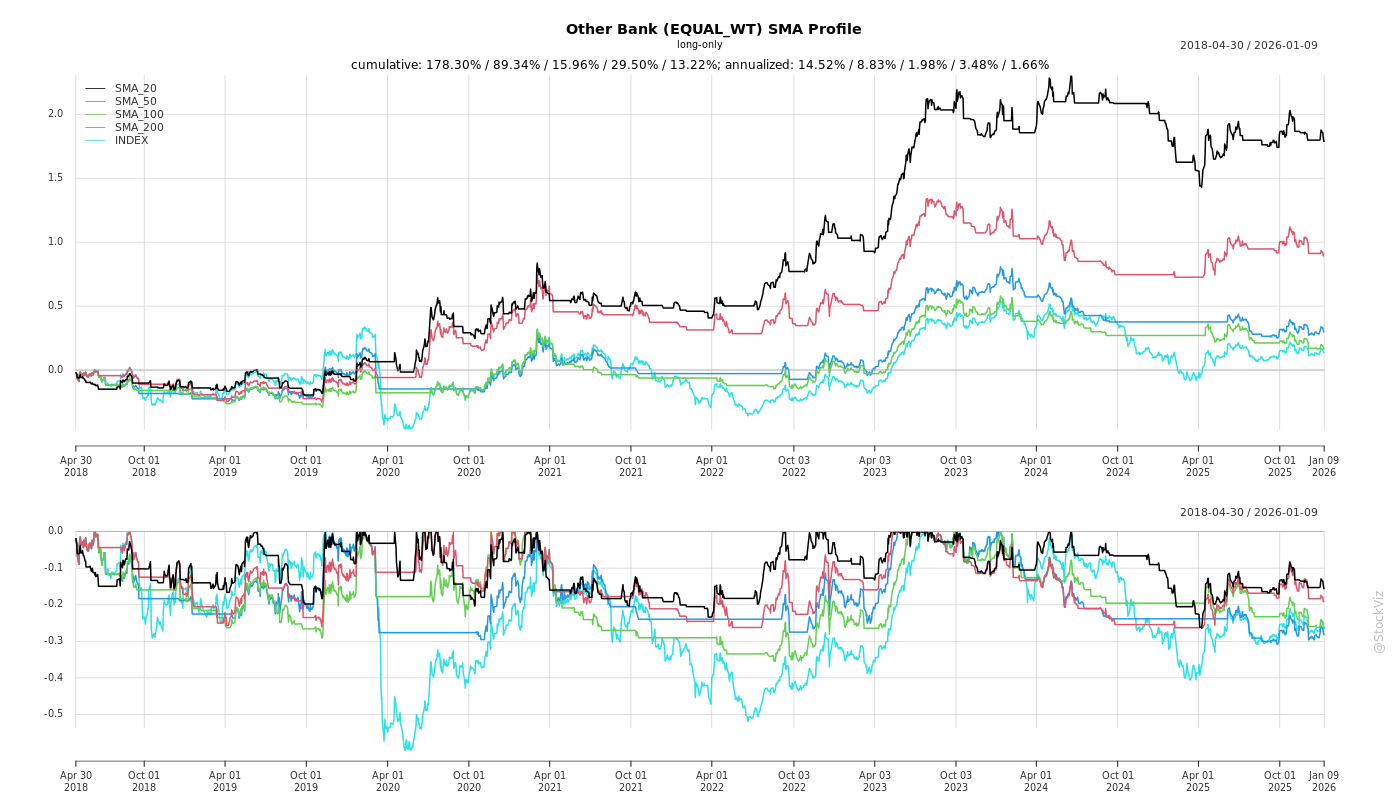
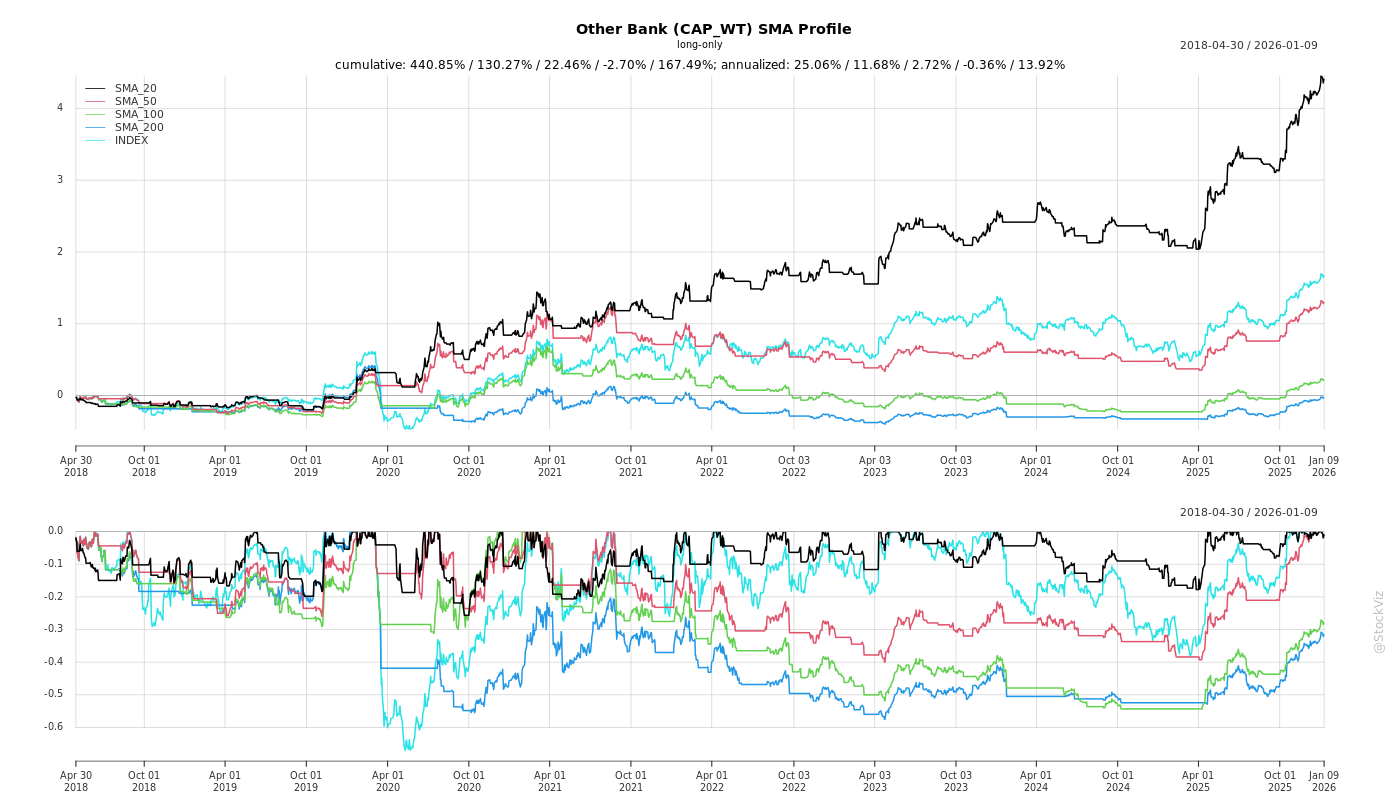
SMA Scenarios
Current Distance from SMA
Rolling Returns


Fundamental Ratios
AI Summaries
How have the challenges and oppurtunities evolved over time?
asof: 2026-04-15
Based on the provided sources, the challenges and opportunities for Small Finance Banks (SFBs) have evolved significantly over time. The sector has transitioned from navigating industry-wide stress in unsecured lending and regulatory hurdles toward building resilient, diversified, and digitally-enabled operations focused on secured assets.
Here is a detailed breakdown of how these challenges and opportunities have evolved:
Evolution of Challenges
1. Asset Quality and Unsecured Microfinance Stress Over the past few quarters, a major challenge for SFBs has been managing stress and non-performing assets (NPAs) originating from unsecured microfinance portfolios. * ESAF Small Finance Bank noted that the microfinance sector faced nearly five quarters of industry-wide stress, which historically resulted in significant losses for the bank before stabilizing in Q3 FY26 [1, 2]. * Jana Small Finance Bank experienced a drop in its Q3 FY26 Profit After Tax (PAT) to ₹10 crore, primarily due to higher credit provisioning required to absorb increased NPA flows [3]. The bank recognized that the operating environment necessitates a highly cautious approach, especially in unsecured segments [4]. * Utkarsh Small Finance Bank reported a substantial net loss of ₹375 crore in Q3 FY26, driven by legacy stress and emerging stress indicators in its unsecured Joint Liability Group (JLG) portfolio [5, 6]. To combat this, the bank had to purposefully contract its JLG book and enforce tighter underwriting norms [6].
2. Regulatory and Compliance Hurdles Banks have continually had to adapt to evolving legal and regulatory frameworks, which sometimes incur unexpected financial or operational costs: * Both Equitas Small Finance Bank and Capital Small Finance Bank faced one-off cost impacts during Q3 FY26 due to the implementation of the New Labour Code, requiring them to make exceptional incremental provisions for past employee services [7, 8]. * Fino Payments Bank has been navigating a GST investigation pertaining to program managers, which led the bank to pay ₹10.18 crores under protest [9, 10]. Furthermore, the bank faced leadership operational challenges when its MD & CEO became unavailable for over 45 days pending a reassessment of his “fit and proper” status [11]. * Ujjivan Small Finance Bank faced a strategic hurdle when its application to voluntarily transition into a Universal Bank was returned by the Reserve Bank of India (RBI). The RBI advised the bank to reapply only after demonstrating further progress in diversifying its loan portfolio [12, 13].
Evolution of Opportunities
1. Strategic Shift Towards Secured Lending To mitigate the risks of unsecured microfinance, SFBs are increasingly capitalizing on the opportunity to build secured, high-quality asset portfolios. * ESAF Small Finance Bank successfully executed its “MARG” (MSME, Agri, Retail, and Gold loans) strategy, intentionally shifting away from unsecured lending [14, 15]. As a result, its secured assets surged to constitute 63% of gross advances (up from 45% a year prior), heavily driven by an 89% year-on-year growth in gold loans [16-18]. * Utkarsh Small Finance Bank strategically expanded its secured lending to 50% of its gross loan portfolio to reduce the cyclicality in credit costs associated with traditional micro-banking [19]. * Ujjivan Small Finance Bank capitalized on housing, MSME, gold, and vehicle loans to increase its secured book share to 48.1%, helping the bank achieve its highest-ever quarterly disbursements of ₹8,293 Crore [20-22]. * Suryoday Small Finance Bank similarly evolved its portfolio, with non-Inclusive Finance loans growing to account for 54.9% of its total advances [23].
2. Leveraging Guarantee Programs for Risk Mitigation To manage the remaining unsecured portfolios, banks have evolved their risk management by utilizing institutional guarantee schemes. Jana Small Finance Bank is now covering all new unsecured disbursals under guarantee programs, anticipating that eligible claims starting in FY27 will improve the bank’s Return on Assets (RoA) by 50 to 70 basis points [4]. Similarly, Suryoday Small Finance Bank has covered approximately 98% of its Inclusive Finance portfolio under the Credit Guarantee Fund for Micro Units (CGFMU) scheme [24].
3. Granular Deposit Generation and Lowering Cost of Funds Banks have successfully transitioned toward highly granular, retail-focused liability franchises, moving away from expensive bulk deposits. * Utkarsh Small Finance Bank reduced its share of institutional term deposits from 29.9% to 18.4%, focusing instead on low-cost Current and Savings Account (CASA) and retail term deposits [25]. * Benefiting from an improved macroeconomic environment and deposit rate strategies, banks like Equitas and Ujjivan reported lower costs of funds, which subsequently supported robust Net Interest Margins (NIM) and profitability [22, 26, 27].
4. Technological and Digital Transformations The digital landscape has provided a significant opportunity to scale operations, improve monitoring, and capture new customer segments. * ESAF Small Finance Bank is implementing “ESAF 2.0 StratoNeXt”, a digital transformation initiative targeted for Q2 FY27 to enhance risk management, data governance, and operational efficiency [28, 29]. * Utkarsh Small Finance Bank launched its “Utkarsh 2.0” program, deploying automation to strengthen credit-guardrail controls and monitor borrower behavior [6]. * Suryoday Small Finance Bank has capitalized heavily on fintech partnerships, resulting in digital deposits crossing ₹1,400 crore and its UPI-linked credit line scaling to over 5 lakh customers [30, 31].
What are the headwinds affecting this industry?
asof: 2026-04-15
The Small Finance Bank (SFB) industry is currently navigating a variety of headwinds, ranging from asset quality stress in unsecured portfolios to rising compliance costs and regulatory hurdles.
1. Asset Quality Stress in Unsecured and Microfinance Portfolios Several banks in the industry have reported rising non-performing assets (NPAs) and stress, particularly in unsecured and Joint Liability Group (JLG) loans: * Utkarsh Small Finance Bank reported a substantial net loss of ₹375 crore in Q3 FY26, which was driven by legacy stress and emerging stress indicators within its unsecured JLG portfolio [1, 2]. To mitigate this, the bank implemented tighter underwriting norms and moderated disbursements, resulting in a planned contraction of its JLG book [2]. * Jana Small Finance Bank noted that its profit after tax (PAT) was lower than expected due to higher credit provisioning necessitated by increased NPA flows [3]. The bank acknowledged that the operating environment requires a cautious approach, particularly regarding unsecured lending segments [4]. * Suryoday Small Finance Bank faced elevated bad loans, reporting a Gross NPA of 6.6% and a Net NPA of 4.3% in Q3 FY26 [5]. The bank also saw its 1-EMI adjusted collection efficiency drop to 88.7%, down from 90.6% in the same quarter of the previous year [6]. * ESAF Small Finance Bank noted that it is currently emerging from “nearly 5 quarters of industry-wide stress” in the microfinance segment, forcing the bank to take a highly calibrated approach to its risk and fresh disbursements [7, 8].
2. Exceptional Costs from the New Labour Code Implementation The rollout of the New Labour Code has forced several SFBs to absorb one-time, exceptional costs related to past employee services and gratuity, heavily impacting their short-term profitability: * Capital Small Finance Bank reported a one-time charge of ₹5.13 crore during the quarter to cover past employee services consequent to the new code [9, 10]. * Equitas Small Finance Bank had to make a much larger incremental provision of ₹29.52 crore in Q3 FY26 for the same reason [11]. * Ujjivan Small Finance Bank also highlighted that its PAT was weighed down by a one-time gratuity expense linked to the new labor codes [12].
3. Regulatory Hurdles for Universal Bank Transition For SFBs looking to grow into Universal Banks, the Reserve Bank of India (RBI) has strictly enforced diversification criteria, creating roadblocks for institutional expansion: * The RBI returned Ujjivan Small Finance Bank’s application for voluntary transition to a Universal Bank, citing that while the bank had made efforts to diversify its loan portfolio, there was still “scope for progress in this area” [13, 14]. * Similarly, Jana Small Finance Bank had its application returned by the RBI due to the non-fulfilment of the criteria outlined in the regulatory circulars [15].
4. Tax Investigations and GST Demands The industry is facing stricter scrutiny from tax authorities, resulting in unexpected financial demands: * Jana Small Finance Bank received an order from the Central Tax GST Commissionerate confirming a tax demand of over ₹14.32 crore, alongside an equivalent penalty of ₹14.32 crore, over disputes regarding the lapsing and capitalization of input tax credits [16, 17]. * Fino Payments Bank faced a GST investigation concerning third-party program managers, resulting in the bank paying ₹10.18 crores under protest while they contest the charges [18-20].
5. Governance and Government Empanelment Issues Specific institutions have faced sudden operational and governance setbacks that reflect broader regulatory vigilance: * Fino Payments Bank’s Managing Director & CEO was unavailable for over 45 days pending a re-assessment of his “fit and proper” status by the bank’s board and the RBI, requiring the appointment of an interim CEO [21, 22]. * AU Small Finance Bank was abruptly de-empanelled for government business by the Government of Haryana [23, 24]. This followed an investigation into suspected unauthorized and fraudulent transactions between a government account and another customer account [23, 25]. As a result, the bank’s deposits from the Haryana government dropped from ~₹735 crore to ~₹538 crore in a matter of days [26].
What are the key things to understand about this industry?
asof: 2026-04-15
The Small Finance Bank (SFB) industry in India is characterized by several key strategic, operational, and financial dynamics. Understanding this industry requires looking at its core customer base, its shifting loan portfolio strategies, liability management, and how it handles risk.
Core Mission of Financial Inclusion The foundational purpose of this industry is to drive universal financial access by serving unbanked and underbanked segments of the population [1-3]. SFBs tailor their products to individuals with limited access to formal financing channels, micro and small entrepreneurs, and the low-to-middle-income segments at the “bottom of the pyramid” [1, 3, 4]. Operationally, their micro-banking activities are often heavily concentrated in rural and semi-urban locations, though they also cater to affluent and mass-affluent customers nationwide [1, 5, 6].
Strategic Shift Toward Secured Lending A defining trend across the industry is a deliberate and structural shift away from unsecured microfinance loans toward secured lending [7-9]. Banks are actively undertaking this transition to reduce portfolio concentration, minimize volatility, lower credit costs, and build long-term balance sheet resilience [8, 10, 11]. * Diversified Secured Products: To achieve this, SFBs are scaling up loans backed by collateral, heavily focusing on Micro, Small and Medium Enterprises (MSMEs), Agriculture, Affordable Housing/Mortgages, Commercial Vehicles, and Gold loans [6, 8, 9, 12, 13]. * Portfolio Mix: As a result of this de-risking strategy, several banks report that secured assets now constitute anywhere from 48% to over 70% of their total gross advances, with targets set to increase this share even further in the coming years [9, 14-17].
Building Granular Liability and Deposit Franchises On the liability side, SFBs are highly focused on building stable, retail-focused deposit franchises rather than relying on bulk institutional deposits [4, 13, 18]. * Retail Term Deposits and CASA: Growth is primarily driven by acquiring New-to-Bank customers and expanding Retail Term Deposits and CASA (Current Account Savings Account) balances [12, 18, 19]. * CASA Ratios: Maintaining a healthy CASA ratio—which typically ranges between 20% to over 35% across the sector—is crucial for securing a granular liability base and lowering the overall cost of funds [12, 18-23]. For many of these banks, retail deposits now make up an overwhelming majority, ranging from 81% to 93% of their total deposit base [13, 23, 24].
Asset Quality and Risk Management Managing Non-Performing Assets (NPAs) and maintaining asset quality is a constant priority, especially given the historical risks associated with unsecured microfinance [25, 26]. * Microfinance Stabilization: Following periods of industry-wide stress, the microfinance environment has shown signs of stabilization, supported by tighter industry discipline, structured graduation of borrowers from group to individual loans, and improved collection efficiencies [27, 28]. * NPA Resolution: To clean up their balance sheets, SFBs utilize rigorous credit underwriting, technical write-offs, and the sale of stressed assets and NPAs to Asset Reconstruction Companies (ARCs) [14, 25, 27, 29-33]. The ongoing shift toward secured lending is also directly credited with improving asset quality metrics, as secured segments inherently exhibit significantly lower NPA levels [8, 13, 34].
Digital Transformation and Expanding Delivery Channels To scale efficiently and improve customer experience, SFBs are heavily investing in technology and digital delivery channels [16, 35]. They are moving beyond traditional branch networks by expanding digital deposits, forming fintech partnerships, and offering services like Internet and Mobile Banking, digital onboarding, UPI-linked credit, and secured credit cards [6, 16, 36, 37]. This technological push is not only aimed at growth but also at strengthening risk management, data governance, and regulatory compliance frameworks [35].
What are the tailwinds affecting this industry?
asof: 2026-04-15
Strong Macroeconomic Fundamentals and Economic Recovery The Indian economy is experiencing strong growth momentum, underpinned by robust domestic demand, lower inflation, and structural reforms pertaining to GST and labor [1, 2]. Strong GDP growth, which recorded at 8.2% for Q2 FY26, has created a highly conducive environment for systemic credit growth and improved asset quality across the sector [3]. This stronger-than-expected economic recovery has provided banks with improved visibility on credit expansion [4, 5].
Favorable Monetary Policy and Lower Cost of Funds The industry is benefiting significantly from accommodative regulatory and monetary measures enacted by the Reserve Bank of India (RBI) [6, 7]. Key drivers include: * Interest Rate Cuts: In 2025, the RBI implemented a cumulative repo rate cut of 125 basis points, bringing the rate down to 5.25% following a sharp moderation in inflation [8, 9]. * Reduced Borrowing Costs: This softer interest rate regime has successfully moderated deposit pricing, directly leading to a lower overall cost of funds for banks [10-12]. * Regulatory Relaxations: Banks are also benefiting from other supportive regulatory moves, such as Cash Reserve Ratio (CRR) relaxations, which are helping to improve net interest margins [13].
Stabilization of the Microfinance Sector After approximately five quarters of industry-wide stress, the microfinance segment is showing clear signs of normalization and stabilization [14, 15]. This recovery is characterized by a generally positive microfinance environment with sequentially improving collection efficiencies [14-17]. The stabilization is being driven by better borrower behavior and tighter, more disciplined industry practices, placing microfinance portfolios on a much stronger footing [14, 15, 18, 19].
Sustained Demand for Secured Credit There is a steady and consistent demand for retail and MSME (Micro, Small, and Medium Enterprises) credit [20]. In particular, banks are seeing strong traction in secured and cash-flow-linked lending products, including mortgages, vehicle loans, agriculture loans, and gold loans [6, 7, 20, 21]. This demand allows institutions to successfully execute risk-calibration strategies, shifting their balance sheets away from unsecured loans toward highly resilient secured asset classes [22-25].
Digitalization and Fintech Integration The industry is experiencing a tailwind from the rapid scaling of digital business models. Banks are successfully expanding their deposit franchises and driving retail growth through digital channels, fintech partnerships, and new digital product offerings such as UPI-linked credit and secured credit cards [26].
What is the general outlook of this industry?
asof: 2026-04-15
The general outlook for the small finance banking industry is characterized by a conducive macroeconomic environment, steady credit demand, and a strategic shift towards secured lending and disciplined growth.
Macroeconomic and Regulatory Environment The Indian economy is demonstrating strong growth momentum, driven by robust domestic demand, structural reforms related to GST and labor, and lower inflation [1]. Strong GDP growth, which reached 8.2% in Q2 FY26, has translated into a highly supportive environment for credit growth and improved asset quality [2]. Furthermore, the sector is benefiting from regulatory and monetary measures introduced by the RBI aimed at strengthening the overall banking industry [3]. A sharp moderation in inflation and a stronger-than-expected economic recovery prompted the RBI to reduce the repo rate by a cumulative 125 basis points during 2025, bringing it down to 5.25% [4, 5]. This overall conducive macro environment provides improved visibility on credit growth across the system, which is expected to meaningfully benefit the banking sector [5].
Microfinance Stabilization and Unsecured Lending Caution After approximately five quarters of industry-wide stress, the microfinance segment is now showing clear signs of stabilization [6]. The operating environment has begun to normalize, supported by tighter industry discipline, better borrower behavior, and sequentially improving collection efficiencies [6]. While the positive microfinance environment is expected to support continued growth [7], the operating environment still requires a cautious approach, particularly in certain unsecured lending segments [8]. Some institutions have noted residual stress and regulatory transitions affecting the operating environment, prompting them to adopt a cautious posture by implementing tighter underwriting norms and moderating disbursements in unsecured Joint Liability Group (JLG) portfolios [9, 10].
Strategic Shift Towards Secured Assets and Diversification To combat volatility and ensure long-term resilience, banks are making a decisive, structural shift toward secured lending [3, 9]. There is steady demand for retail and MSME credit, particularly in secured and cash-flow-linked products [11]. Institutions are actively expanding their secured portfolios—such as MSME, housing, gold, vehicle, and agricultural loans—to build a more balanced and diversified loan mix [3, 9, 12]. This transition aligns with strategic goals to move toward more stable asset classes, reduce the cyclicality of credit costs, and de-risk the overall business [9, 13].
Future Outlook and Growth Strategies Looking ahead, banks are well-positioned to sustain consistent, profitable growth, backed by strong capital adequacy, robust liquidity buffers, and a stable operating environment [11, 14]. As the sector continues to balance growth with asset quality, the focus remains on disciplined execution, strengthening core franchises, and improving balance sheet efficiency [11, 15]. Financial institutions are prioritizing sustainable profitability and structural improvements over short-term volatility [10, 15]. To drive future momentum, banks are making strategic investments in technology, scaling digital products (such as UPI-linked credit and secured credit cards), expanding into contiguous geographies, and driving granular CASA and term deposit growth through digital initiatives [10-12].
Copyright © 2023 SAS Data Analytics Pvt. Ltd. All rights reserved.