Oil Exploration & Production
Industry Metrics
November 18, 2026
Annual Returns
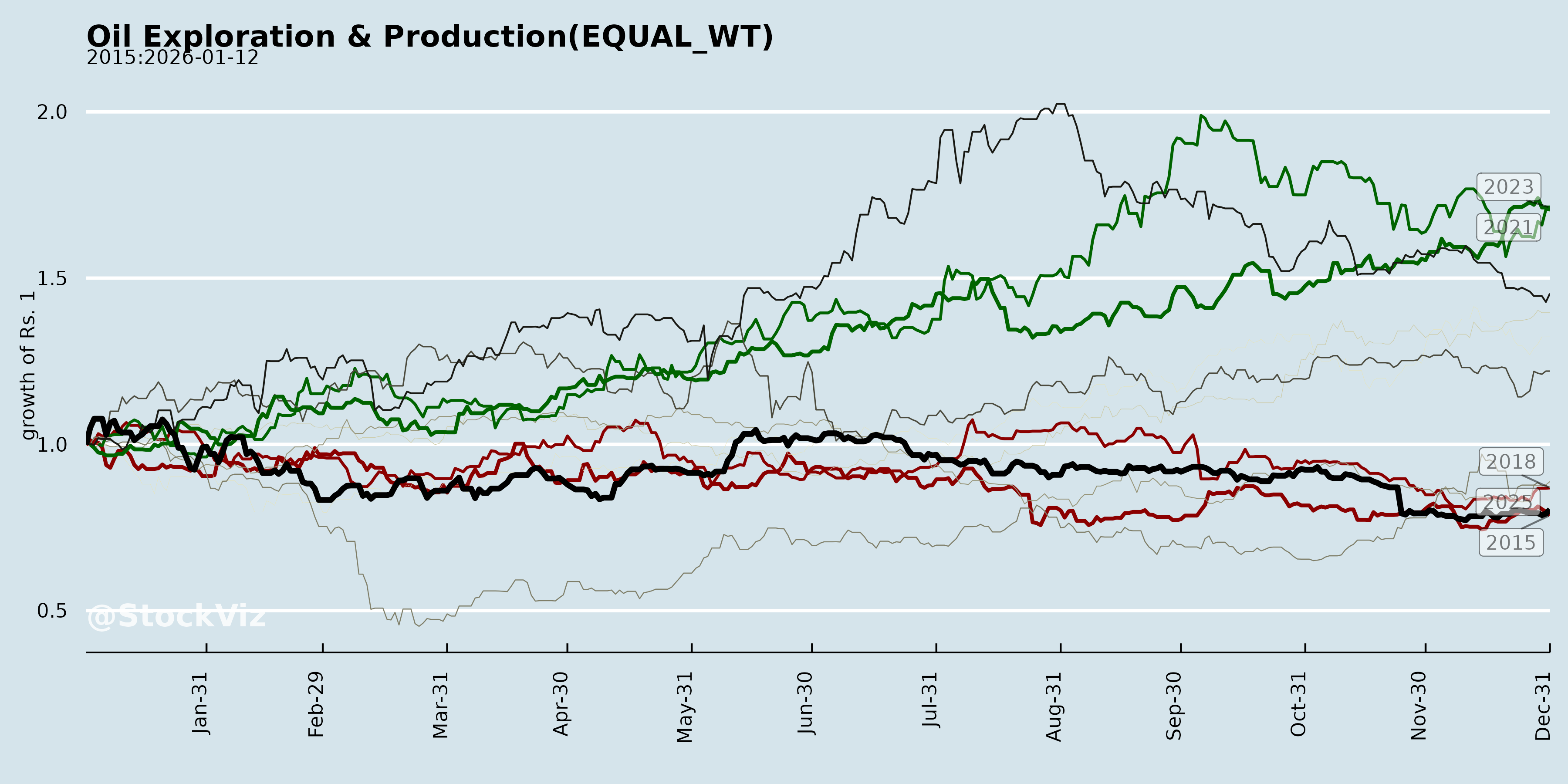
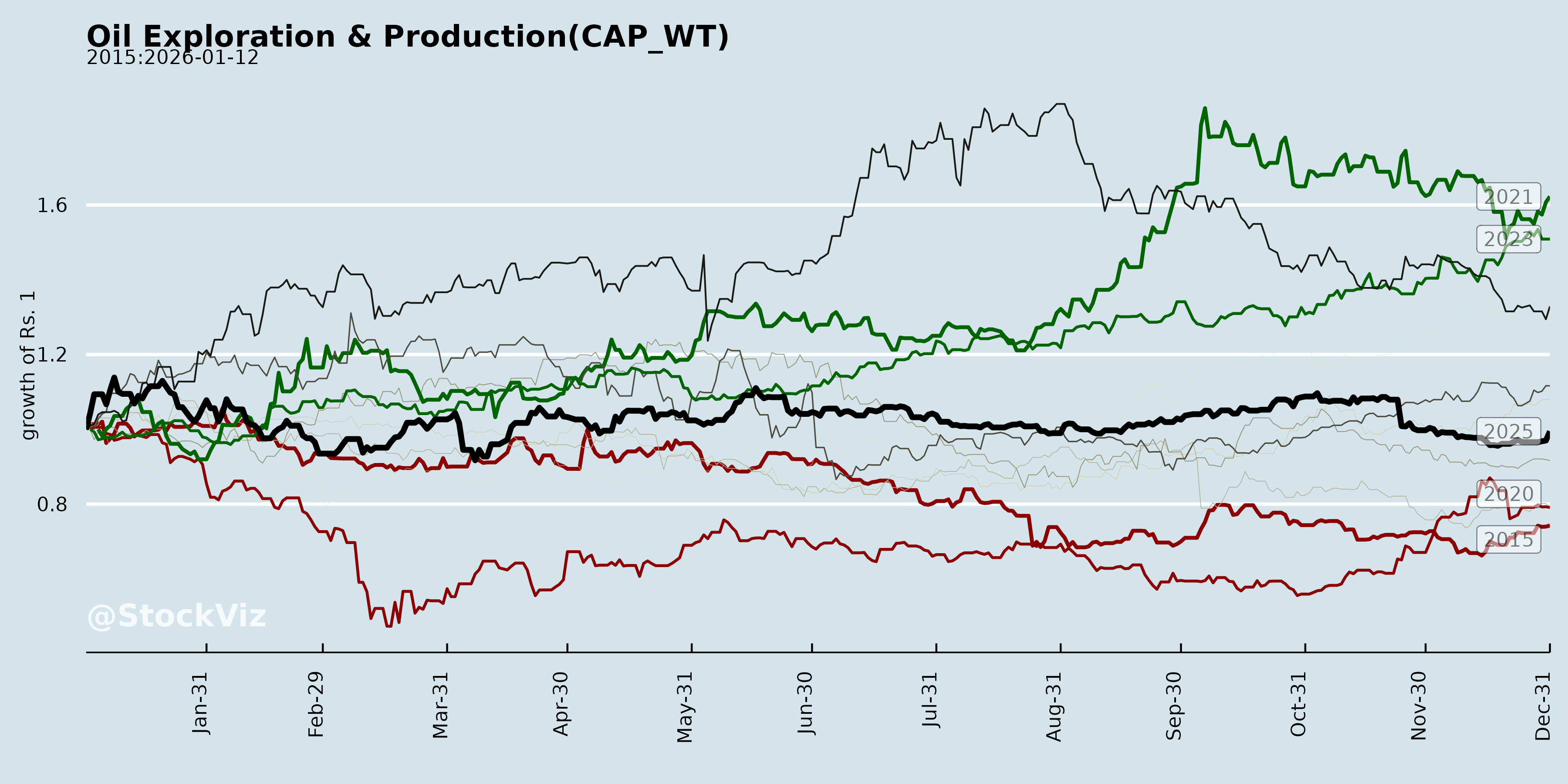
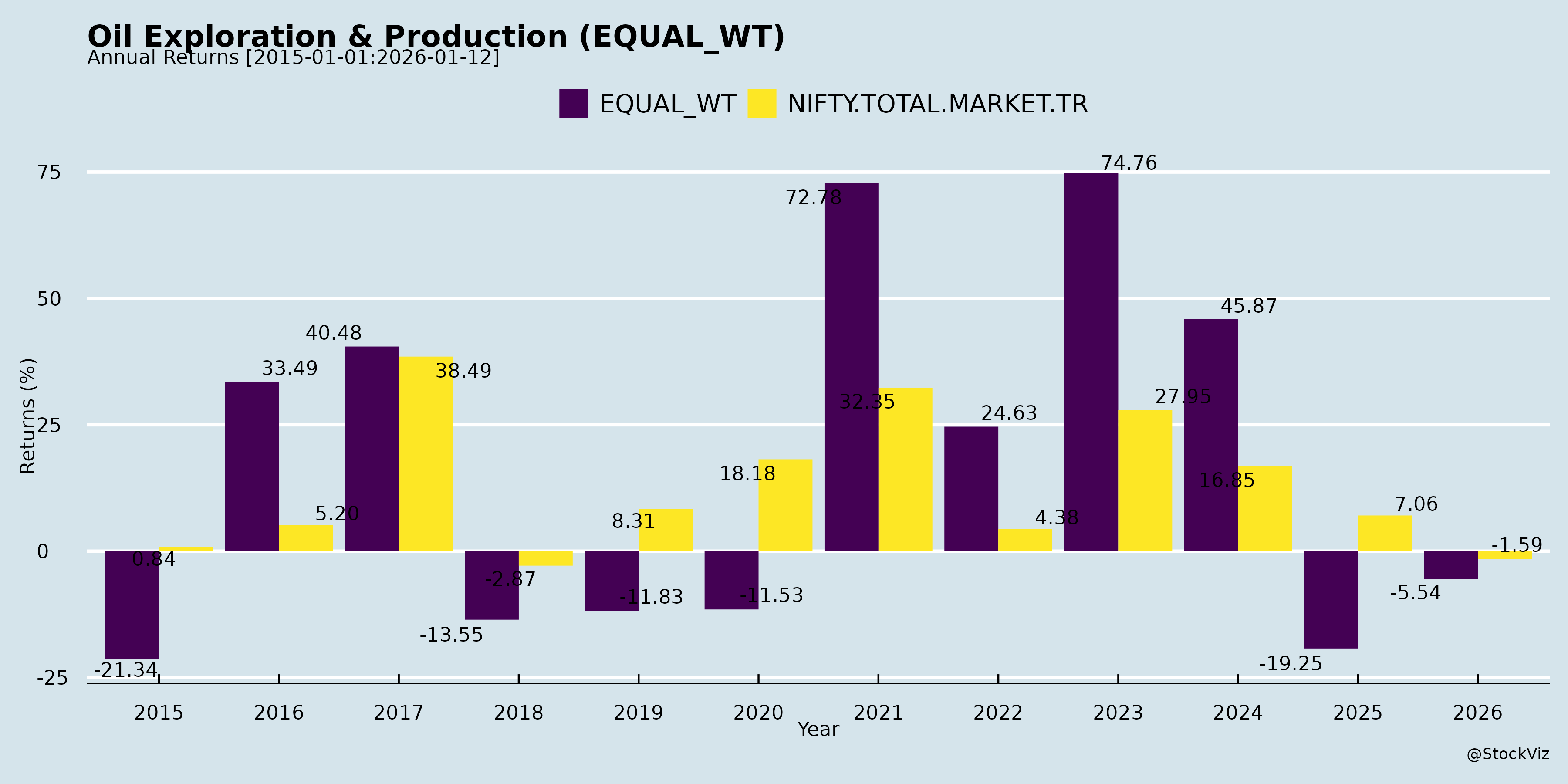
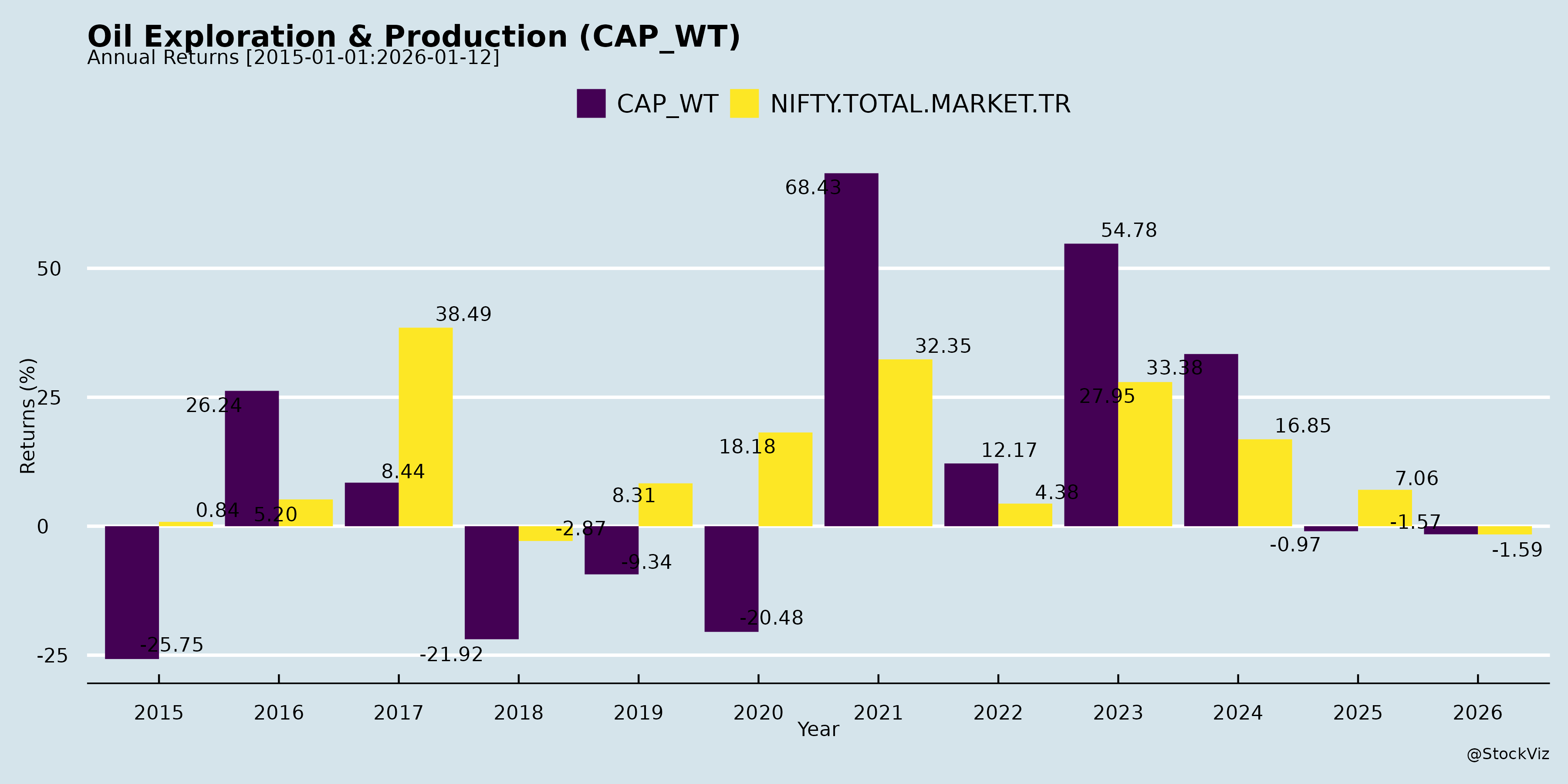
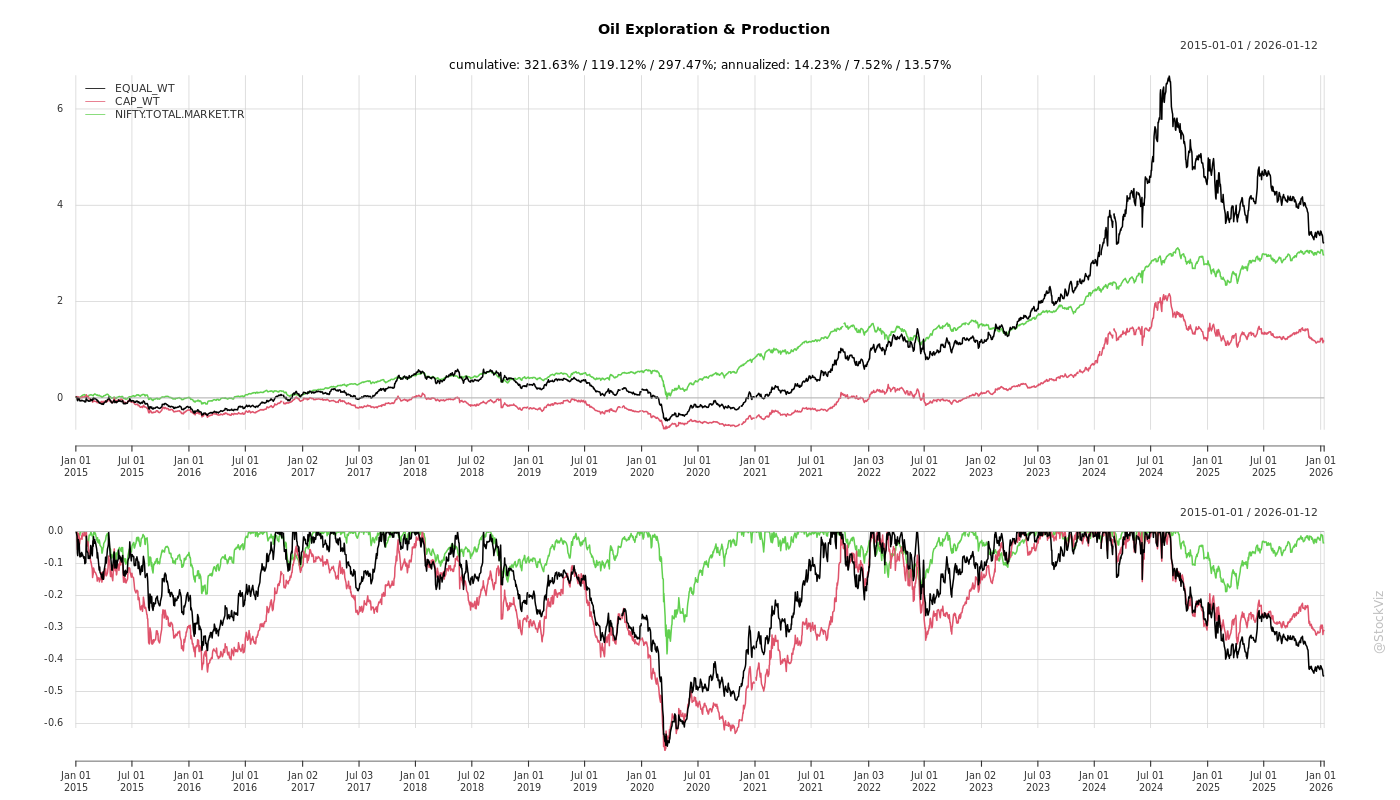
Cumulative Returns and Drawdowns
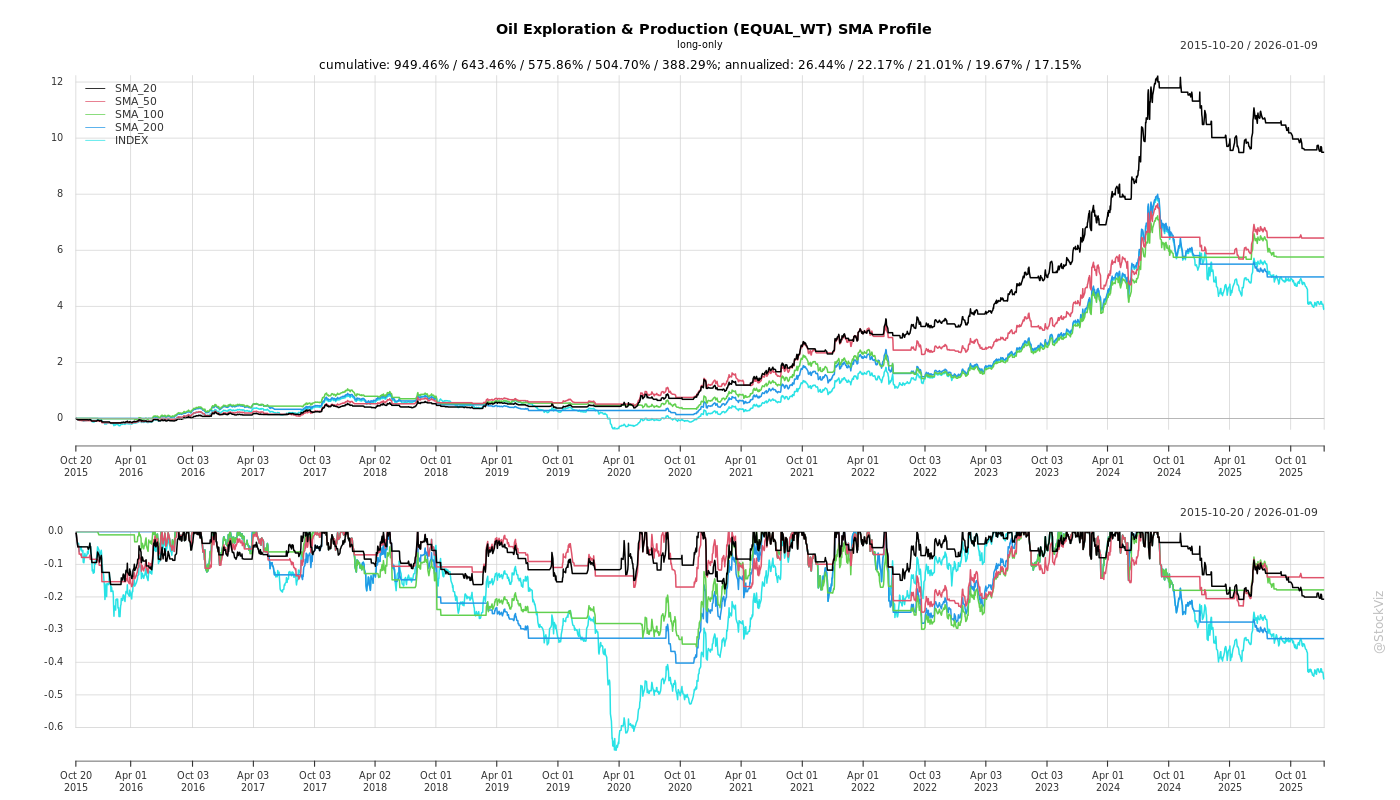
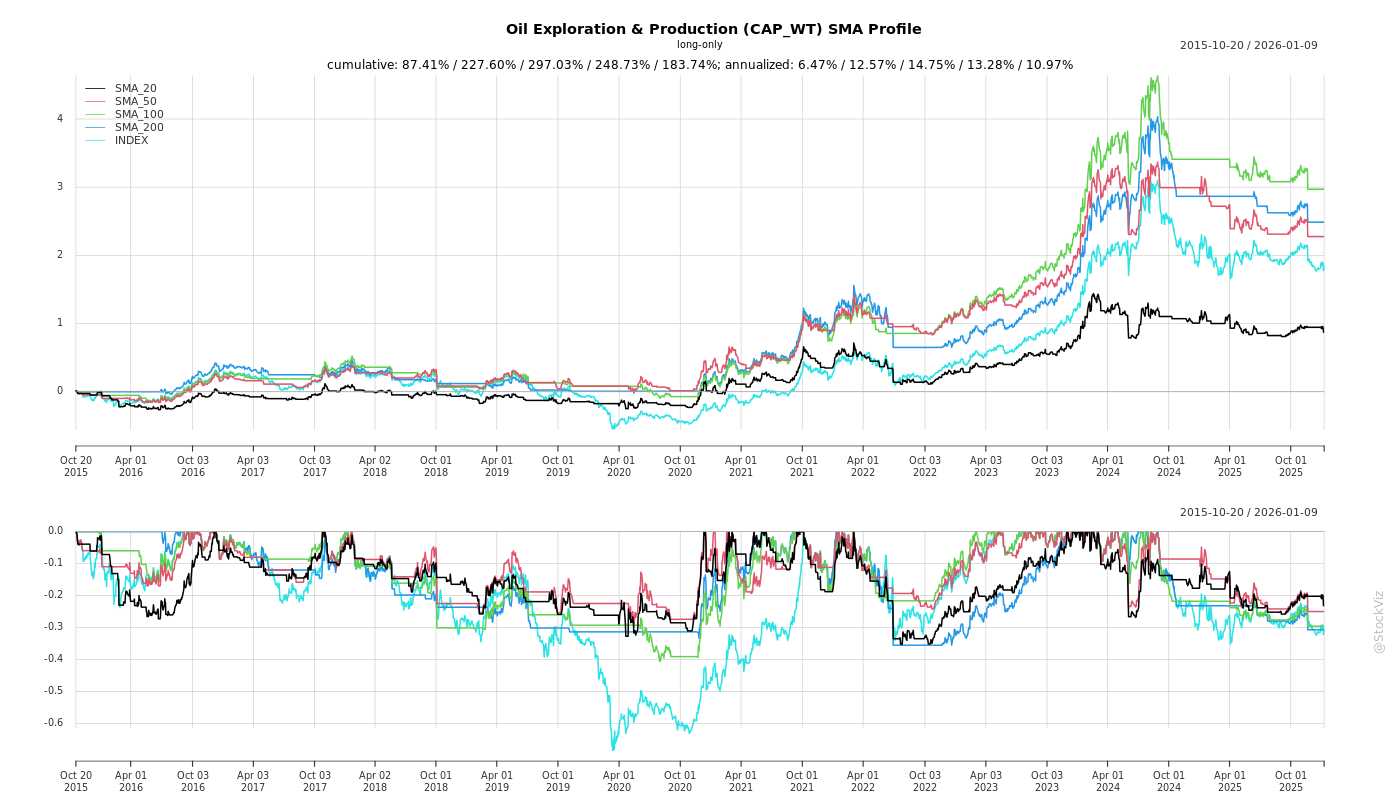
SMA Scenarios
Current Distance from SMA
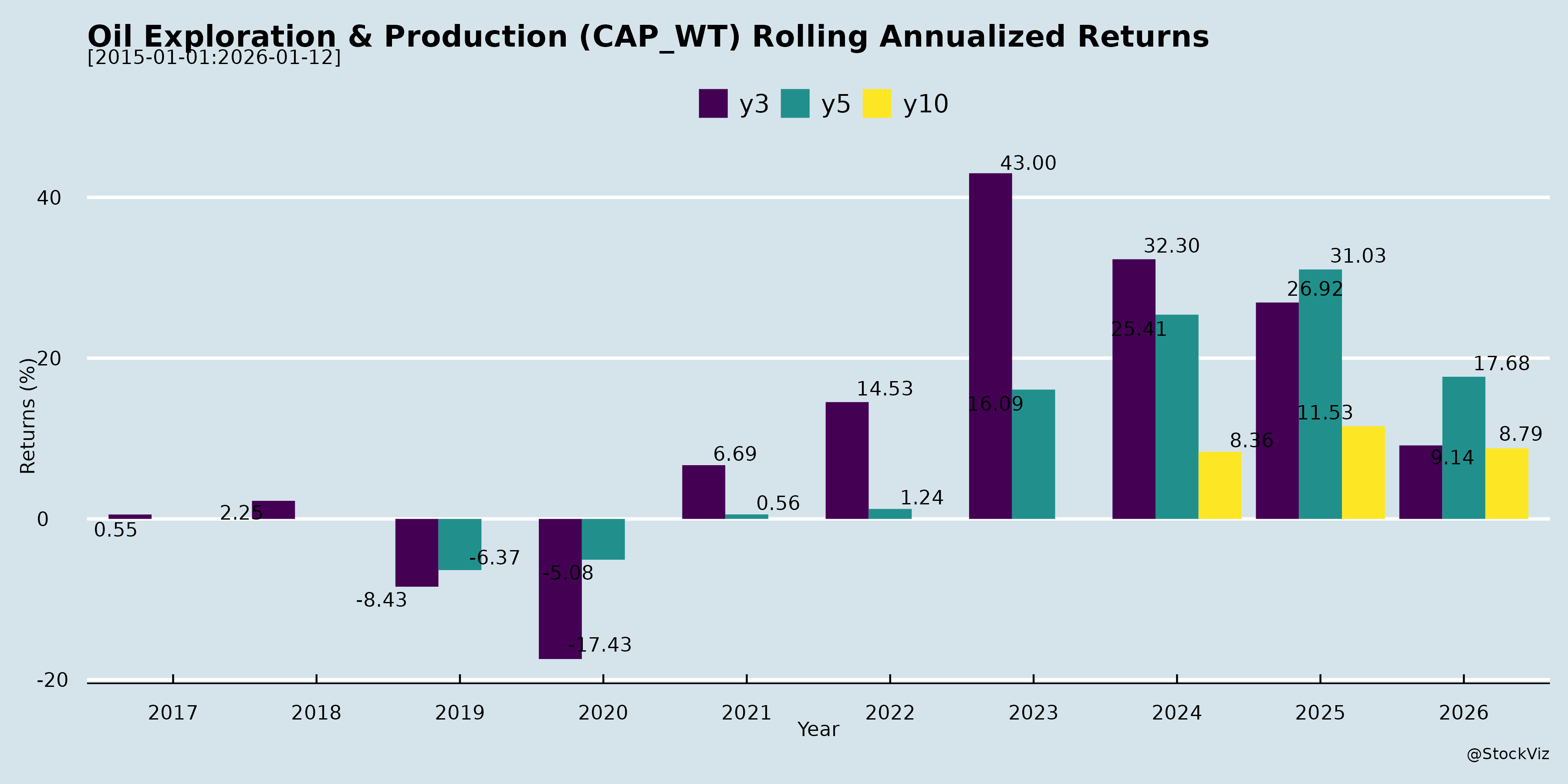
Rolling Returns

Fundamental Ratios
AI Summaries
How have the challenges and oppurtunities evolved over time?
asof: 2026-04-15
The oil and gas sector in India is undergoing a significant transformation, with both opportunities and challenges evolving in response to government policies, technological advancements, infrastructure development, and complex geopolitical and environmental realities.
Evolving Opportunities
- Shift Toward a Diversified Energy Mix: Historically reliant on traditional fossil fuels, India is rapidly moving towards a more sustainable and diversified energy mix. The government aims to increase the share of natural gas in the primary energy mix from 6-7% to 15% by 2030 [1]. This policy shift has created immense opportunities for private sector participation and expansion into clean fuels like Coal Bed Methane (CBM), hydrogen, and biofuels, allowing companies like Prabha Energy to actively commercialize unconventional resources like the North Karanpura CBM Block [1-3].
- Massive Infrastructure & Pipeline Expansion: The development of widespread pipeline networks is unlocking previously stranded assets. The upcoming completion of the Northeast Gas Grid (IGGL) and the Duliajan-Numaligarh Pipeline (DNPL) is a game-changer for producers in the region [4-6]. For instance, Hindustan Oil Exploration Company (HOEC) expects that connecting to the grid will allow them to triple the production of their Dirok field, scaling up to its full 45 million standard cubic feet per day capacity [6-9]. Oil India Limited (OIL) is similarly upgrading its DNPL capacity from 1 to 2.5 million standard cubic feet per day to evacuate more gas to the Numaligarh Refinery [4, 5].
- Advancing into Deepwater Frontiers: Exploration strategies have evolved from shallow and onshore drilling to deepwater and ultra-deepwater offshore blocks. Oil India has expanded its acreage to 100,000 square kilometers, with 50,000 dedicated to challenging offshore terrains like the Andaman, Mahanadi, and Kerala-Konkan basins [10-12]. To mitigate the massive risks and costs associated with these new frontiers, domestic players are evolving by forming collaborative frameworks with international oil companies like TotalEnergies for advanced seismic data processing, risk-sharing, and technological oversight [13, 14].
- Downstream & Petrochemical Integration: Companies are capitalizing on the entire value chain by expanding refining and petrochemical capacities. The Numaligarh Refinery (NRL) is undergoing a massive expansion from 3 to 9 MMTPA, and there are strategic investments being planned for high-end petrochemical complexes, such as BPCL’s Andhra Pradesh refinery, designed to maximize petrochemical intensity [15-17].
Evolving Challenges
- Rising Operational Complexity and Contractual Costs: As easy-to-access reserves deplete, companies are forced to drill deeper. Previously targeting depths of 4,000 meters, companies like Oil India are now targeting horizons of 5,500 to 6,000 meters, requiring advanced semi-submersible rigs, drill ships, and extensive 3D seismic data acquisition [11, 18, 19]. This significantly increases operational durations and contract costs [20, 21]. Furthermore, unconventional extraction like CBM involves massive de-watering costs and challenges in handling large volumes of wastewater [22-24].
- Infrastructure Bottlenecks and Evacuation Constraints: While pipeline expansion is an opportunity, the delay in its execution remains a severe challenge. The lack of connectivity forces companies to constrain production or resort to temporary measures, like converting old crude lines to gas lines or reinjecting gas into storage [6, 7, 25-28]. Furthermore, operating in remote regions like Jharkhand exposes companies to logistical nightmares due to underdeveloped roads, unstable power grids, and a lack of water infrastructure [29-32].
- Commercial Disputes and Financial Overhangs: The industry continues to be plagued by prolonged financial disputes that can paralyze capital expenditure. For example, HOEC’s offshore PY-1 and B-80 drilling campaigns were delayed due to resource constraints after HPCL blocked Rs. 259 crores in payments over alleged crude oil contamination [33-37]. Additionally, regulatory ambiguities, such as ongoing high-value litigation across the industry regarding whether GST applies to royalty payments on oil and gas production, continue to create financial uncertainty [38-41].
- Safety, ESG, and Environmental Risks: With heavier extraction processes, occupational health and safety challenges have intensified. ONGC recently faced a series of severe ESG incidents, including a fatal fire at its Borholla station, massive blowouts in Andhra Pradesh, and a platform fire at Mumbai High Asset [42]. Additionally, securing land for exploration continues to trigger disputes over land compensation and usage, leading to long litigations and delayed developments [24, 43].
- Skilled Manpower Shortages: The technical demands of modern extraction (like hydraulic fracturing and deepwater drilling) have outpaced the supply of skilled engineers, geologists, and technicians [44, 45]. This shortage increases recruitment costs and heightens the risk of operational errors, equipment breakdowns, and safety violations [46, 47].
- Geopolitical Vulnerabilities: Global macroeconomic and political instability directly affects international asset portfolios. A prime example is Oil India’s exposure in Russia, where production at Licence-61 was suspended, the operating entity (LLC Stimul-T) entered bankruptcy administration, and roughly $300 million in dividends from Russian assets remains stuck in Moscow accounts [48-50].
What are the headwinds affecting this industry?
asof: 2026-04-15
The oil and gas exploration and production industry faces a multitude of systemic, operational, and macroeconomic headwinds that can severely impact project viability and financial performance.
Inherent Geological and Operational Risks The extraction and production of natural gas and crude oil is a highly risky activity involving significant uncertainties, as subterranean reservoirs are rarely perfectly predictable [1]. Initial estimates of economically recoverable reserves rely on seismic data and surveys that may not capture the full complexity of the subsurface, meaning actual outcomes frequently fall short of initial estimates [2], [3]. Once drilling begins, operators face ongoing technical challenges such as equipment failure, blowouts, and well integrity issues, which can lead to severe operational delays, accidents, and escalating costs [4]. Furthermore, a productive well can suddenly become uneconomic if pernicious substances are encountered, and over time, production naturally declines [4], [5]. In specific sectors like Coal Bed Methane (CBM), the industry faces exorbitant de-watering costs; extracting gas requires sourcing, storing, and disposing of massive volumes of water, demanding expensive infrastructure and wastewater treatment facilities [6], [7], [8].
Price Volatility and Regulatory Pressures Commodity prices are inherently unstable. Natural gas prices fluctuate significantly due to global supply-and-demand dynamics, geopolitical tensions, and macroeconomic trends, making long-term revenue forecasting exceptionally difficult [9]. On top of global market forces, changes in government policies—such as price controls, subsidies, and taxation—can artificially depress gas prices [10], [11]. When government interventions cause a decline in prices, companies face reduced profit margins, diminished growth opportunities, and potential price wars with competitors in oversupplied regions [11], [12]. The industry is also heavily regulated; compliance with increasingly stringent environmental, health, and labor laws requires substantial capital, and any toxic emissions or safety incidents can result in massive fines or criminal liabilities [13], [14], [15].
Infrastructure Deficits and Land Disputes Operational efficiency is heavily hindered by a lack of robust infrastructure in many operating states [16]. The absence of developed road, rail, and water networks complicates the transport of heavy equipment and raw materials to remote drilling sites [16], [17]. Furthermore, unreliable electricity grids force companies to invest heavily in backup power generation, driving up operating expenses [17]. Even after successful extraction, companies frequently suffer from delays in connecting their gas blocks to the national gas grid pipeline network due to regulatory hurdles, logistical difficulties, and material shortages [18], [19]. Additionally, because exploration occurs on and beneath the surface, securing land leases frequently leads to prolonged disputes and litigation with landowners regarding compensation and land usage, which can significantly stall field development [20], [21].
Long Gestation Periods and Capital Intensity Exploration and production is a long-gestation business, meaning there is a multi-year gap between initial field development and the actual monetization and sale of natural gas [22]. During this extended period, businesses must survive severe cash flow crunches and high financing costs [22]. The industry is also highly capital-intensive and prone to technological obsolescence [23], [24]. As extraction methods and equipment standards evolve rapidly, companies are forced to make continuous, substantial capital investments to upgrade their technology; failure to keep pace can render current operations inefficient or completely obsolete [23], [25].
Labor Shortages and Machinery Breakdowns The industry relies heavily on an unbroken supply of highly specialized resources. There is a frequent shortage of skilled labor, such as geologists, engineers, and drill operators [26]. This scarcity not only delays exploration timelines but also forces companies to pay premium wages to attract and retain talent, squeezing profit margins [26], [27]. Concurrently, the continuous use of heavy machinery in harsh environments inevitably leads to frequent wear and tear and expensive breakdowns [28]. Sudden equipment failures result in significant production downtime, missed revenue targets, and heavy repair or replacement costs [28], [29].
Competition from the Energy Transition Finally, the industry faces an existential headwind regarding the slow mainstream adoption of natural gas as a transition fuel [30]. While India aims to increase the share of natural gas in its energy mix, widespread adoption is currently crippled by underdeveloped pipeline infrastructure across large, rural portions of the country [31]. Furthermore, the transition away from coal is slow due to the massive upfront costs required to retrofit existing power plants [32]. Simultaneously, the rapid advancement and declining costs of renewable energy (like solar and wind) and alternative green fuels (like hydrogen) threaten to bypass natural gas altogether, creating long-term viability risks for gas exploration companies [33].
What are the key things to understand about this industry?
asof: 2026-04-15
The oil and gas exploration and production (E&P) industry is highly capital-intensive and characterized by long gestation periods. Companies must make substantial upfront investments in infrastructure, technology, and resources to build the necessary foundation for success [1]. Because it can take years to fully develop a natural gas or oil field, there is a multi-year gap between starting the development activity and actually selling the product, requiring businesses to survive prolonged periods of cash flow crunches and high financing costs [2]. Because of this, the industry relies heavily on continuous access to capital through debt or equity financing to fund ongoing capital expenditures [3].
Exploration and extraction involve significant subsurface uncertainties and inherent risks. Estimates of economically recoverable reserves and resources are heavily dependent on geological surveys, seismic data, and simulation models, which can be incomplete or imprecise [4], [5]. Even with advanced technologies like deeper horizon seismic imaging and drilling that reaches depths of 5,500 to 6,000 meters, predicting the exact size, shape, and productivity of a reservoir remains challenging [5], [6], [7]. Exploration in unproven or challenging environments, such as deepwater or deep shale, carries the risk of resulting in dry wells or unproductive fields [8]. Furthermore, unforeseen geological challenges can cause natural gas reservoirs to deplete prematurely or yield lower-than-anticipated production [8], [9].
Operational success is heavily dependent on specialized infrastructure, skilled labor, and third-party contractors. The extraction process requires extensive infrastructure, including roads, railways, and pipelines to transport equipment, materials, and the extracted hydrocarbons [10]. A major bottleneck in the industry is the reliance on pipeline connectivity; delays in connecting a gas block to the national gas grid due to regulatory approvals, land acquisition, or logistical difficulties can severely extend the timeline for monetizing gas discoveries [11], [12]. Additionally, companies rely on third-party contractors for drilling, maintenance, and logistics, which introduces risks related to quality control, safety standard adherence, and project delays [13], [14]. The industry also faces the constant risk of machinery breakdowns in harsh environments and shortages of highly skilled labor (such as geologists, engineers, and drill operators), which can lead to costly downtime and reduced profit margins [15], [16], [17].
The industry is highly sensitive to market price volatility and macroeconomic factors. Natural gas and crude oil prices fluctuate significantly due to global supply-demand dynamics, geopolitical tensions, and broader economic conditions [18], [19]. A prolonged drop in these prices can make certain extraction projects financially unfeasible and deter investment [20], [21]. Furthermore, because the sale price of natural gas is typically benchmarked against international prices quoted in US dollars, companies are exposed to currency exchange risks; an appreciation of the Indian Rupee (INR) against the dollar results in lower realized revenue for domestic producers [22], [23].
Operations entail severe environmental, health, and safety hazards. The extraction of natural gas, particularly through methods like hydraulic fracturing, is highly water-intensive and incurs substantial costs for sourcing, transporting, and disposing of large volumes of wastewater [24], [25]. Furthermore, the industry poses risks of releasing hazardous toxins into the air and water, which can harm the environment and human health [18]. Safety incidents, such as well blowouts, equipment failures, or gas leaks, can jeopardize the safety of workers and local communities, leading to operational shutdowns, legal liabilities, regulatory fines, and severe reputational damage [9], [26], [27].
Regulatory compliance and evolving government policies shape the business landscape. The E&P sector is heavily regulated by the government through frameworks like the New Exploration Licensing Policy (NELP) and the Hydrocarbon Exploration and Licensing Policy (HELP) [28]. Companies must continuously navigate complex regulatory requirements, including environmental clearances and land rights [29], [30]. Changes in tax regimes—such as ongoing legal disputes over the applicability of the Goods and Services Tax (GST) and Service Tax on royalties paid to the government—can introduce significant financial uncertainties [31], [32], [33].
The sector is at a pivotal stage of transformation driven by the energy transition. In India, the government aims to increase the share of natural gas in the primary energy mix from its current 6–7% to 15% by 2030, supported by efforts to expand city gas distribution and promote clean fuels like Coal Bed Methane (CBM) [34], [35]. However, the widespread adoption of natural gas faces structural challenges, including underdeveloped pipeline infrastructure and the country’s historical reliance on coal [36], [37]. As the government also heavily encourages renewable energy sources (solar, wind) and green fuels like hydrogen, the declining costs of renewables may pose competitive threats and delay the mainstream adoption of natural gas [38], [39].
What are the tailwinds affecting this industry?
asof: 2026-04-15
Fast-Growing Market and Shift in Energy Mix: India currently stands as one of the world’s fastest-growing energy markets, which is providing significant momentum for the oil and gas industry as the nation steadily transitions toward a more diversified and sustainable energy mix [1]. As part of this broader energy transition, natural gas is increasingly being recognized and utilized as a cleaner alternative to heavier fossil fuels like coal and oil [2].
Government Reforms and Policy Liberalization: The Indian government has implemented progressive reforms specifically designed to promote and boost domestic exploration and production [1]. By liberalizing industry policies, the government is fostering a more supportive regulatory environment and actively encouraging greater private sector participation in the energy market [1], [3].
Ambitious Natural Gas Consumption Targets: While natural gas currently accounts for only about 6% to 7% of India’s primary energy mix, the government has set an ambitious goal to more than double this figure, aiming to increase the share of natural gas to 15% by the year 2030 [1].
Significant Infrastructure Expansion: To facilitate this planned surge in natural gas consumption, there are dedicated efforts underway to enhance the country’s natural gas distribution infrastructure [1]. A major component of this tailwind is the ongoing expansion of city gas distribution networks to reach more consumers [1], [3].
Promotion of Clean and Unconventional Fuels: The sector is also benefiting from state support for alternative and unconventional fuels. The government is actively promoting the development of Coal Bed Methane (CBM), hydrogen, and biofuels [3]. More specifically, the Central Government has laid out a plan to increase CBM gas production to 5.0 MMSCMD by the 2027–28 financial year, creating direct strategic opportunities for exploration and production companies operating in the unconventional hydrocarbon space [3], [4].
What is the general outlook of this industry?
asof: 2026-04-15
India’s oil and gas sector is currently at a pivotal stage of transformation, functioning as one of the fastest-growing energy markets globally as it transitions toward a more diversified and sustainable energy mix [1]. The general outlook for the industry is characterized by ambitious growth targets and strong government backing, although it must navigate significant infrastructure limitations and competitive challenges.
Government Targets and Sector Growth The government is actively driving the industry’s expansion through progressive reforms aimed at liberalizing policies, promoting domestic exploration and production, and enhancing natural gas distribution infrastructure [1]. Currently, natural gas constitutes around 6–7% of India’s primary energy mix, but the government has set an ambitious target to increase this share to 15% by 2030 [1], [2].
This anticipated growth relies heavily on expanding city gas distribution networks, encouraging private sector participation, and advancing clean alternative fuels such as Coal Bed Methane (CBM), hydrogen, and biofuels [2]. As part of this push, the Central Government specifically plans to boost CBM gas production to 5.0 MMSCMD by the 2027–2028 financial year [2].
Barriers to Mainstream Adoption Despite the positive trajectory and strong policy support, the widespread adoption of natural gas as a mainstream fuel in India faces several substantial hurdles: * Infrastructure Limitations: A primary barrier to expansion is the country’s underdeveloped pipeline network [3]. Widespread natural gas distribution demands extensive pipeline infrastructure to transport fuel from production sites to end consumers and power plants [3]. Currently, large portions of the country—especially rural and remote areas—lack the necessary infrastructure to support widespread natural gas usage [3]. * Historical Reliance on Coal: India has a deep-rooted reliance on coal for electricity generation and industrial use due to its abundance and overall cost-effectiveness [3], [4]. Transitioning away from coal may be a slow process because existing power plants are largely designed to run on coal; adapting to natural gas requires massive upfront investments and significant structural changes [4]. * Competition from Renewable Energy: India’s ambitious national targets for renewable energy, such as solar and wind power, alongside government-sponsored green fuel initiatives like the National Hydrogen Mission, pose strong competition [4], [5]. As the costs of renewable energy continue to decline, these sources are becoming highly cost-competitive and attractive alternatives, which could potentially delay or reduce the country’s transition to natural gas [4], [5].
Operational and Financial Challenges The inherent nature of the exploration and production industry also dictates its economic outlook: * High Capital Intensity and Long Gestation Periods: The industry demands substantial upfront capital expenditure (Capex) and involves exceedingly long gestation periods [6]. It can take years of thorough planning, design, regulatory approvals, and development before a natural gas field is fully operational and generating sales [6], [7]. Companies must survive this multi-year development gap, navigating cash flow crunches, regulatory hurdles, and high financing costs before returns eventually materialize [7]. * Price Volatility and Policy Risks: The outlook is heavily influenced by the fact that natural gas prices are highly susceptible to global supply-demand dynamics, geopolitical tensions, weather patterns, and government policies [8], [9]. Government interventions—such as subsidies, price controls, and taxation—can lead to sudden price declines [9]. Such price volatility makes it inherently difficult to predict revenues and plan long-term investments, potentially making certain projects financially unfeasible and reducing the sector’s overall attractiveness to investors [8], [10].
Copyright © 2023 SAS Data Analytics Pvt. Ltd. All rights reserved.