Medical Equipment & Supplies
Industry Metrics
November 18, 2026
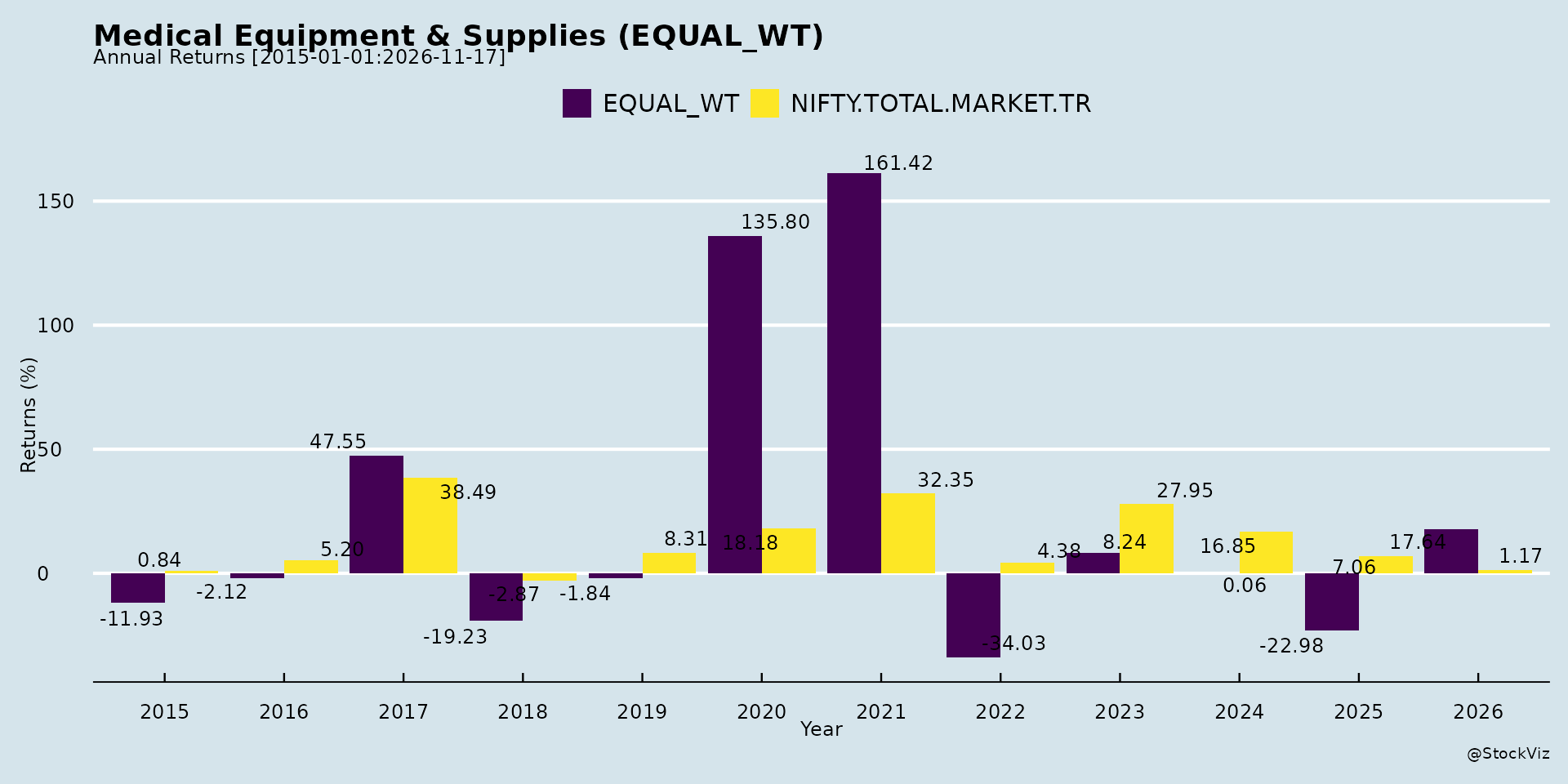
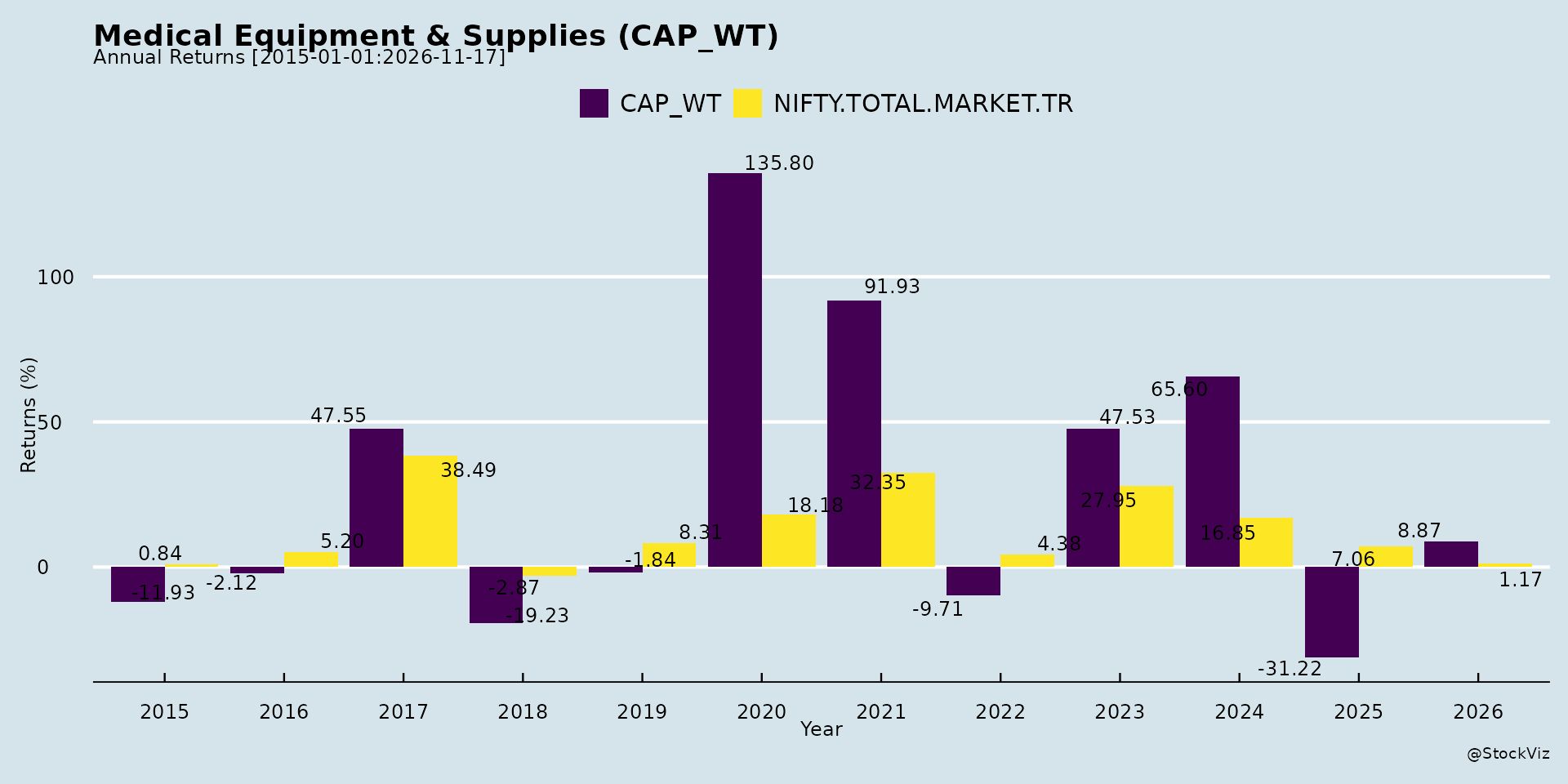
Annual Returns
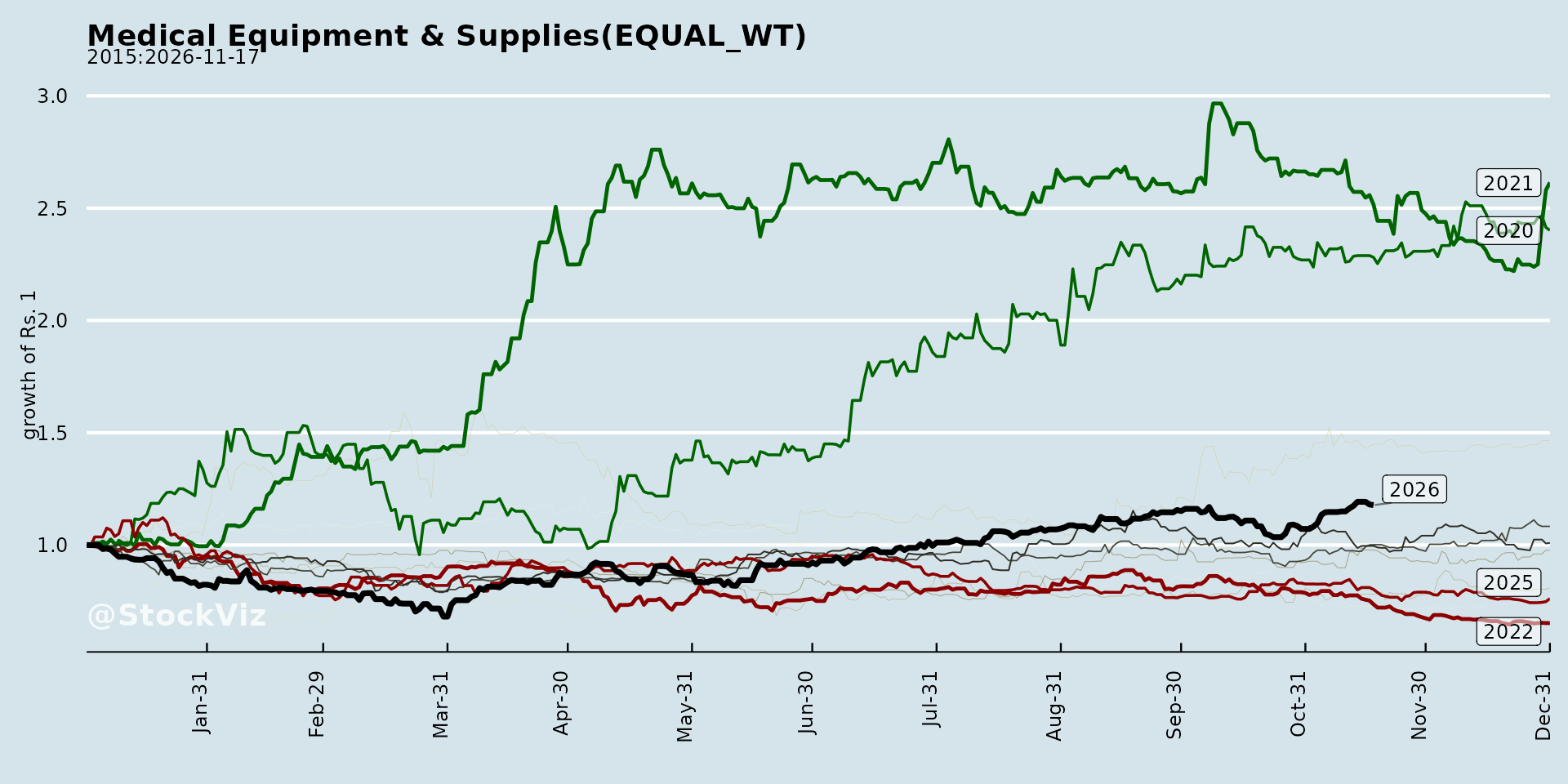
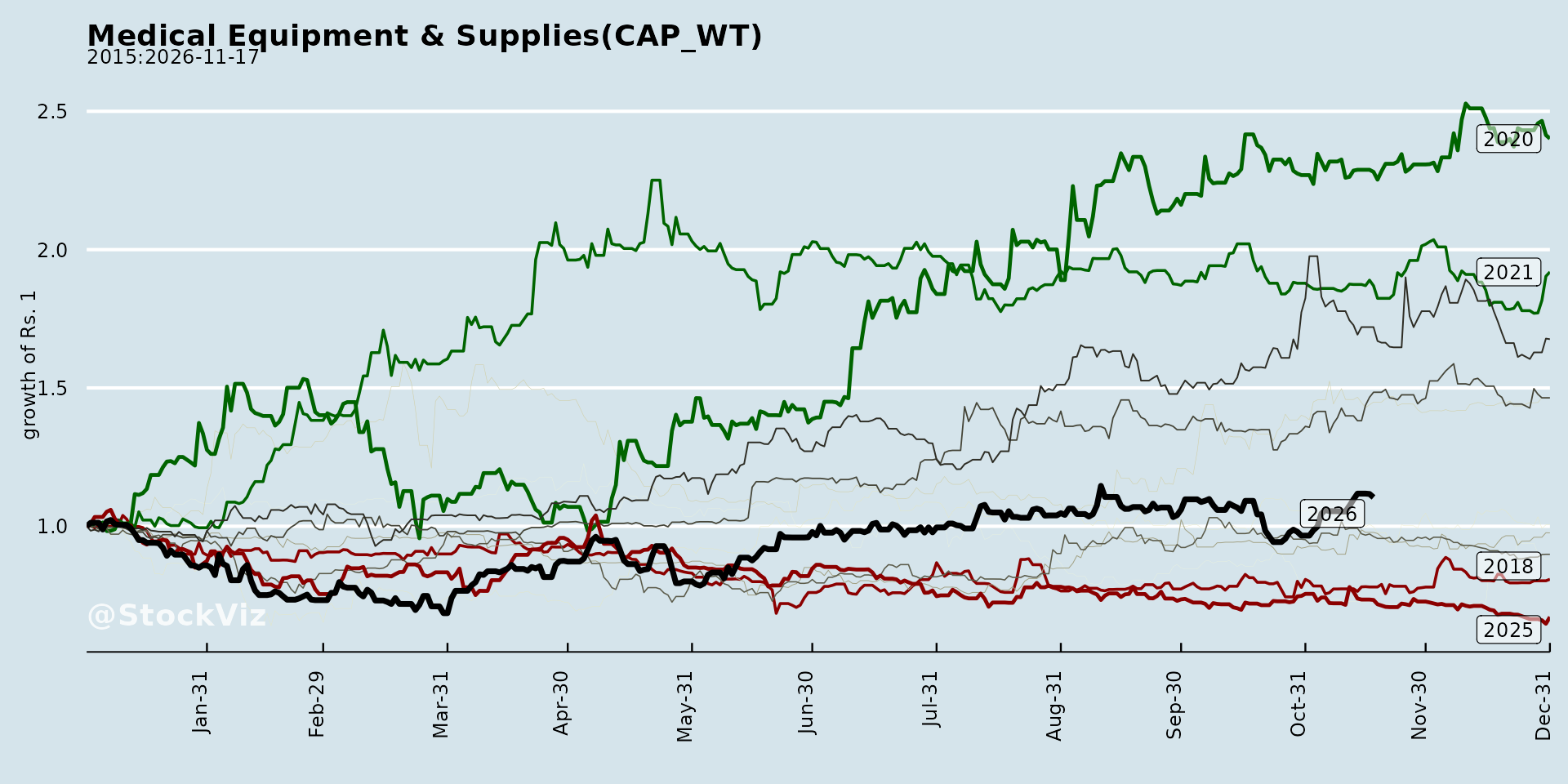
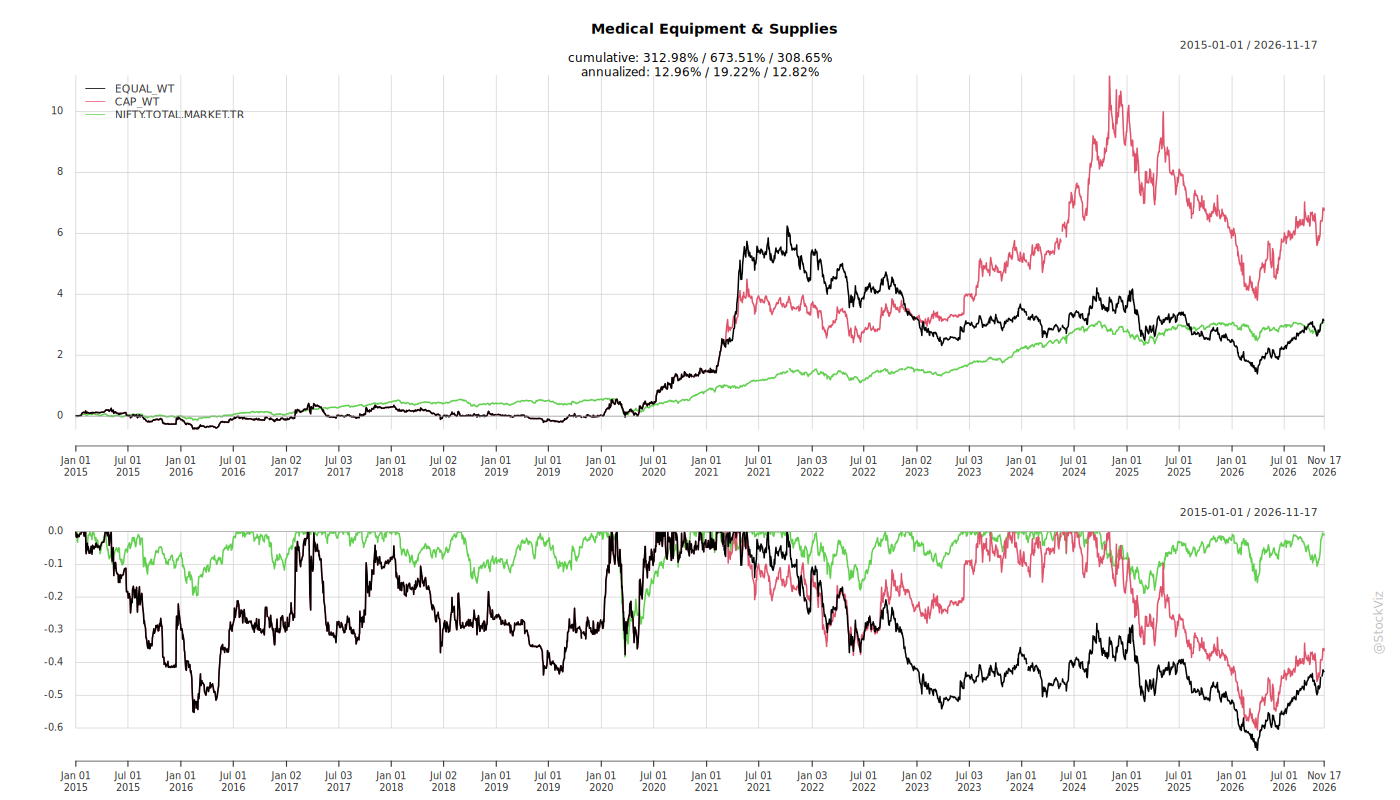
Cumulative Returns and Drawdowns
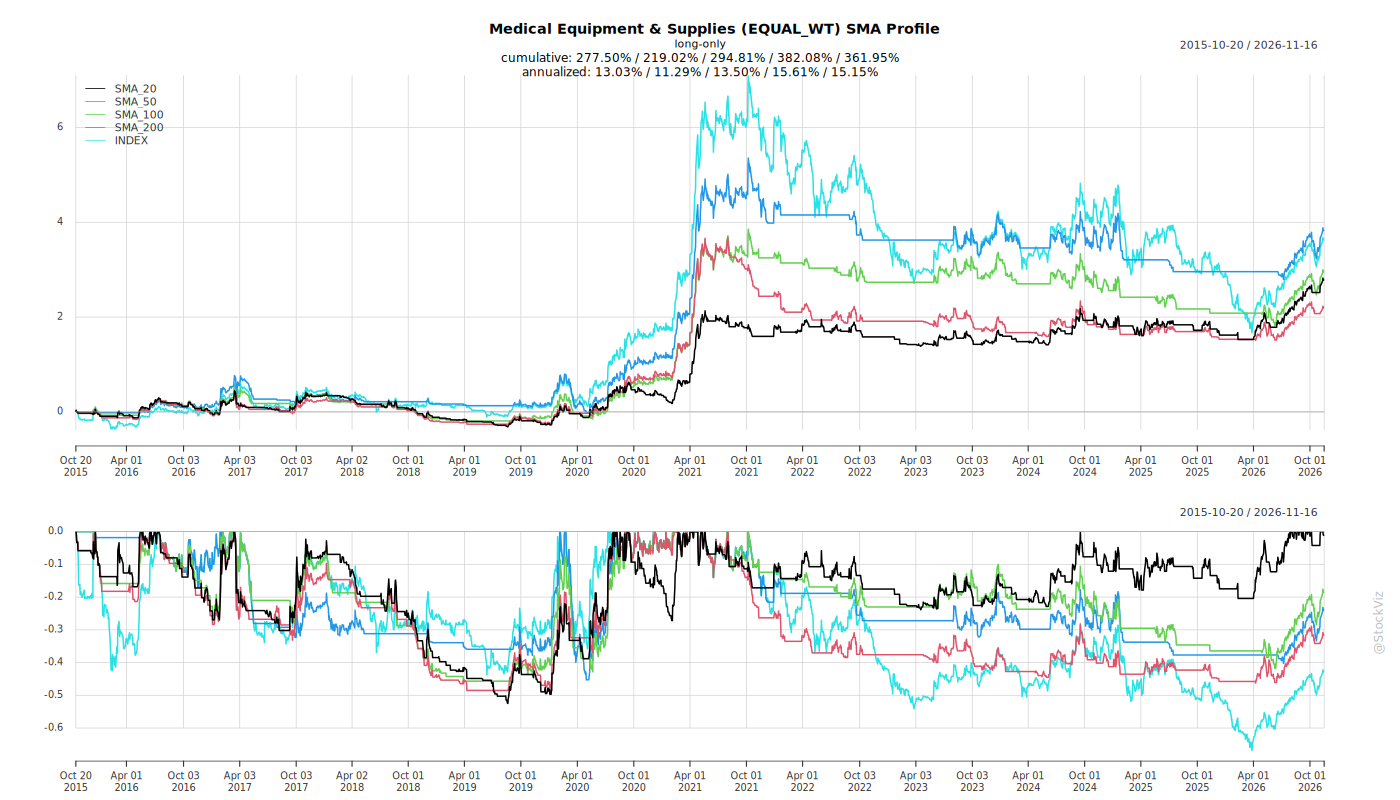
SMA Scenarios
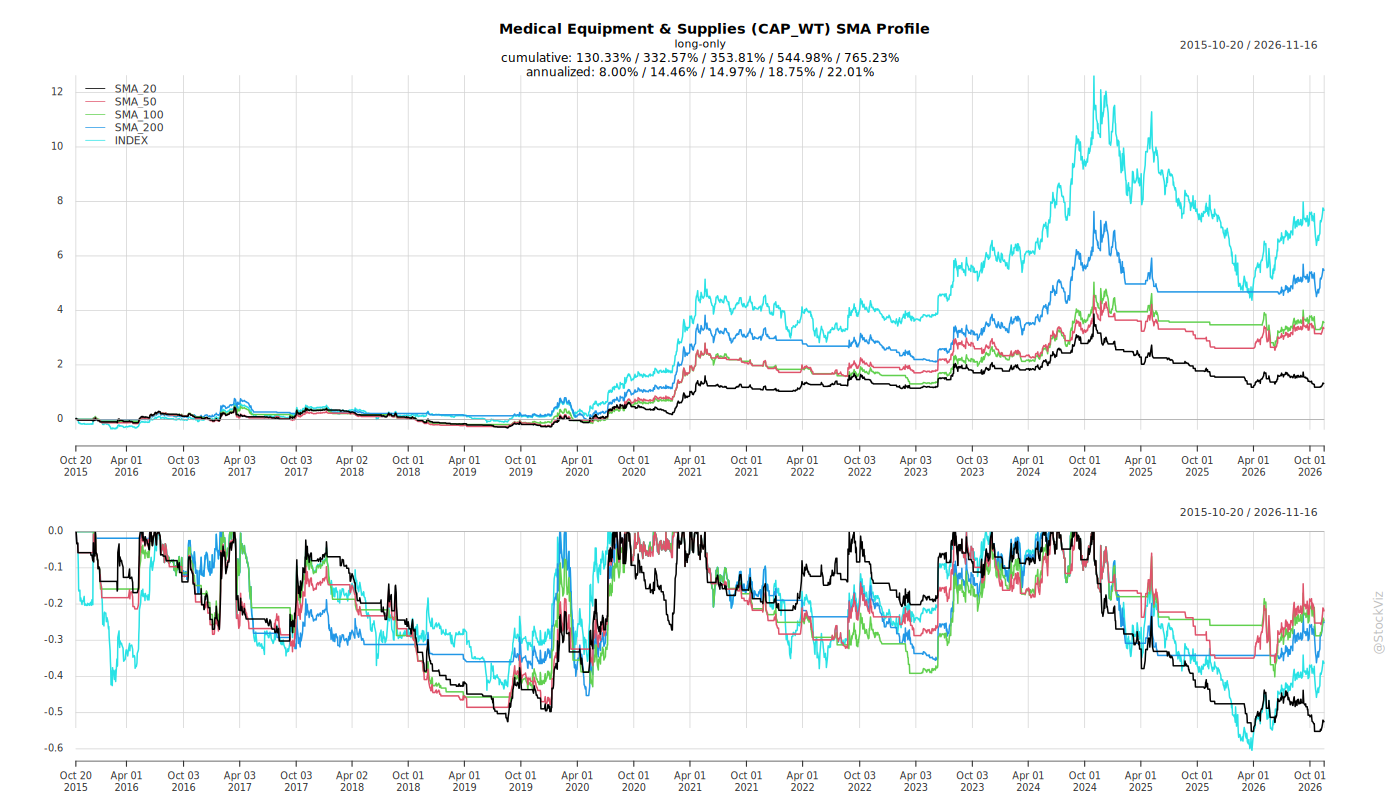
Current Distance from SMA
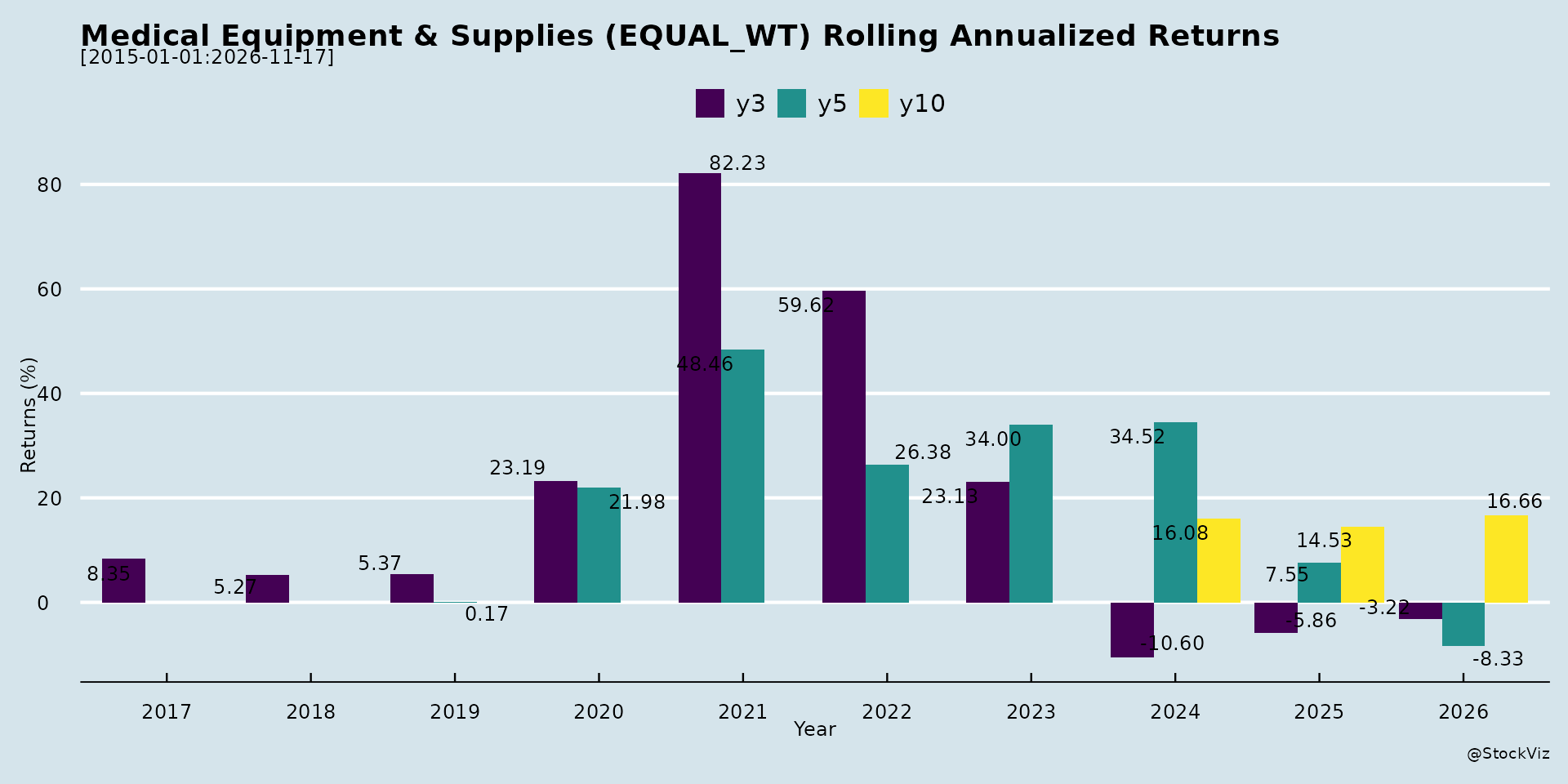
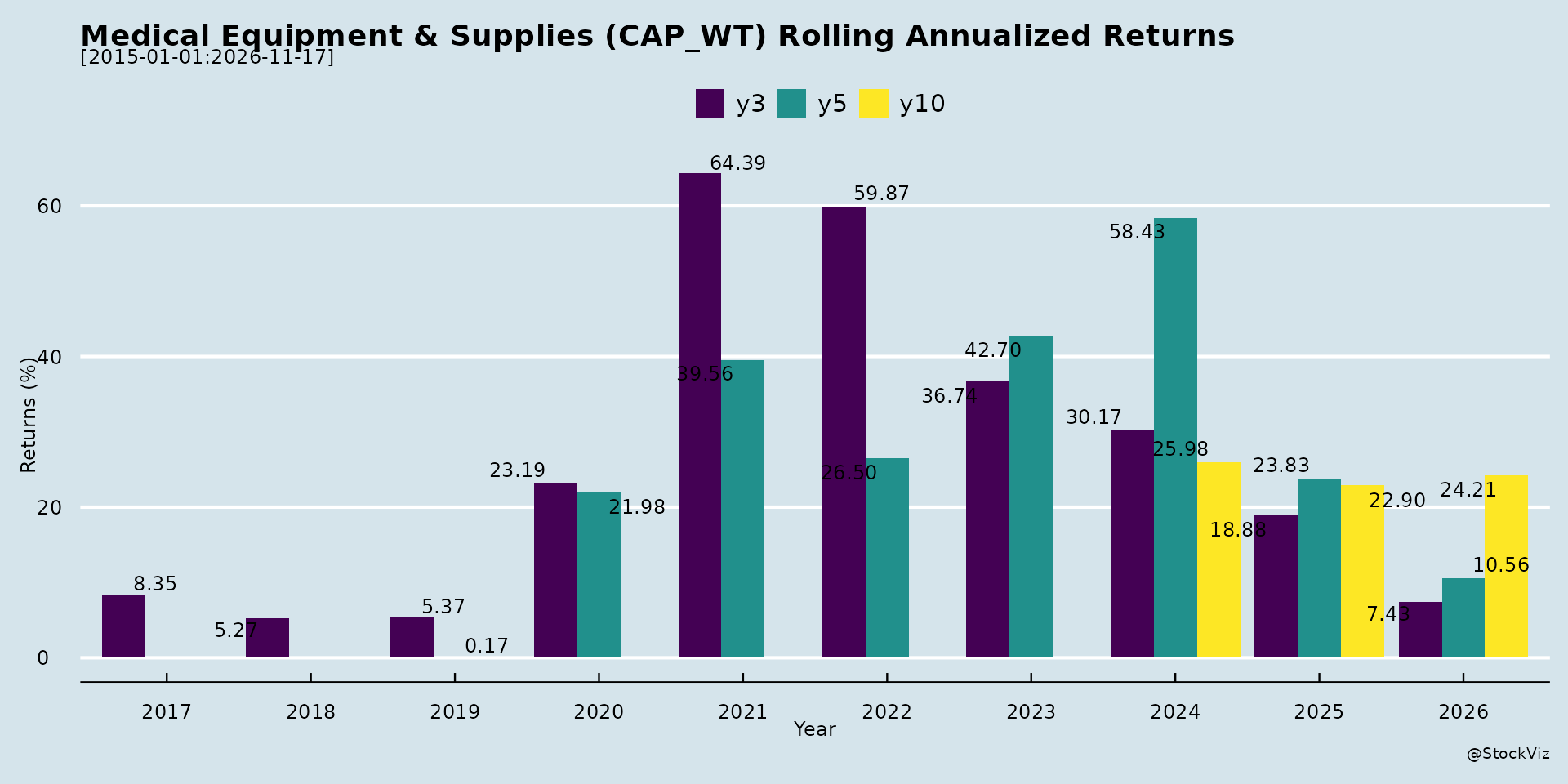
Rolling Returns
Fundamental Ratios
AI Summaries
How have the challenges and oppurtunities evolved over time?
asof: 2026-04-14
The medical device and healthcare landscape has experienced a significant evolution over time, marked by a dynamic shift in both the opportunities available and the challenges companies must navigate. Companies are continuously adapting to technological advancements, changing government policies, post-pandemic market corrections, and global macroeconomic pressures.
Here is a detailed breakdown of how these opportunities and challenges have evolved over time:
The Evolution of Opportunities
1. Transitioning Up the Value Chain to High-Complexity Technologies Over time, companies have recognized the limitations of legacy, cost-intense systems and basic consumables, pivoting instead toward high-tech, complex medical solutions [1, 2]. * Advanced Diagnostics and AI: There is a historic shift from basic disease care to early detection and preventive healthcare powered by artificial intelligence, cloud-based platforms, and portable technologies [3-5]. For instance, Fischer Medical Ventures is evolving its diagnostic imaging by integrating AI into interoperative MRIs (iMRI) to revolutionize neurosurgery with real-time visualization [6, 7]. Similarly, Nureca has expanded its “Connected Health” ecosystem, using AI-generated solutions and smart applications like Dr Trust 360 to provide personalized diet plans and predictive health tracking [8-10]. * Complex Medical Devices: Companies like Poly Medicure are fundamentally upgrading their business models, transitioning from low-technology infusion products to high-growth segments such as cardiology, critical care, and orthopedics [2, 11]. This includes securing approvals for high-end, next-generation products like Intravenous Lithotripsy (IVL) systems and Drug-Eluting Balloons (DEB) [12, 13]. Tarsons Products is also expanding from standard plastic labware into complex cell culture and bioprocess containers [14, 15].
2. Favorable Government Policies and Trade Agreements Government initiatives have increasingly become a structural tailwind for the healthcare sector. * Domestic Healthcare Expansion: In India, programs like Ayushman Bharat, the National Health Mission, and the Digital Health Mission are vastly expanding access to quality healthcare in urban and rural areas [3, 16]. Furthermore, government initiatives like the “Make in India” and Production Linked Incentive (PLI) schemes are encouraging domestic innovation, enabling local companies to capture substantial market share [17-20]. Additionally, increased budgetary allocations—such as a INR 100 billion fund to develop an end-to-end biologics and biosimilars ecosystem—are driving massive demand for laboratory consumables [21, 22]. * International Free Trade Agreements (FTAs): Recent developments in trade agreements between India, the EU, and the U.S. have provided critical relief and massive long-term opportunities for exporters [23-25]. For example, proposed tariff cuts in the U.S. (from 50% to 18%, or 15% to 18% depending on the product category) will significantly enhance the global cost-competitiveness of Indian medical devices [23, 26]. Laxmi Dental also expects to benefit from the normalization of U.S. tariffs and positive developments regarding the EU FTA [27].
3. Strategic Acquisitions and Inorganic Global Growth To accelerate their market presence and bypass the lengthy gestation periods of product development, companies are increasingly relying on strategic acquisitions. Poly Medicure’s acquisitions of European companies like PendraCare and Citieffe provide immediate access to “Made in Europe” advantages, high-end patented technologies, EU MDR/US FDA regulatory approvals, and established global distribution networks [28-31].
The Evolution of Challenges
1. Aggressive International Dumping and Price Wars A major evolving challenge is the intense competition and dumping of cheap products by foreign competitors, particularly Chinese manufacturers. * Global markets have seen Chinese companies significantly increase their exports by drastically reducing prices [32, 33]. In India, Chinese companies are utilizing Free Trade Agreement (FTA) routes to import products at zero duty, heavily undercutting domestic manufacturers who struggle to compete with China’s massive volume scale [34-36].
2. Post-COVID Domestic Overcapacity and Margin Pressures The COVID-19 pandemic created an inflated, artificial demand for certain medical and laboratory supplies, leading companies to heavily invest in capacity expansion [37, 38]. Now that the pandemic has subsided, the industry is grappling with excess capacity, transforming the landscape into a “buyer’s market” [39, 40]. This has resulted in aggressive price-cutting strategies by domestic players desperate to sweat their idle capacities, which keeps overall industry pricing and margins under intense pressure [37, 38, 41, 42].
3. Geopolitical and Macroeconomic Uncertainties Global economic instability remains a persistent headwind. Companies report that their export businesses have faced significant challenges due to heightened geopolitical tensions, ongoing trade and tariff-related disruptions, and global freight crises [24, 25, 43, 44]. Additionally, unfavorable currency fluctuations and high U.S. tariffs have negatively impacted gross margins in the short term for companies heavily reliant on exports [27, 44].
4. Evolving Regulatory and Compliance Burdens As companies expand globally and move up the value chain, regulatory compliance has become significantly more burdensome. * International Certifications: Obtaining certifications like the EU MDR and US FDA is a time-consuming process that often takes 3 to 5 years, delaying international revenue realization for newly developed products [45, 46]. * Domestic Labor Laws: Domestically, the implementation of the New Labour Codes by the Government of India has unexpectedly impacted profitability. Several companies, including Laxmi Dental and Poly Medicure, have had to record massive one-time “Exceptional Items” (e.g., INR 57.79 million and INR 6.8 crores, respectively) to account for increased provisions toward past service costs for gratuity and compensated absences [47-50].
5. Friction in Government Procurement Channels While overall government healthcare spending is a boon, the actual procurement mechanisms have become a challenge. Companies note that doing business with the government, specifically through the Government e-Marketplace (GeM) system, has taken a setback due to an uncompromising focus on the lowest bidder (L1 process), lack of transparency regarding specific clinical needs, and significant payment delays [51-54]. As a result, companies are deliberately reducing their exposure to government tenders, pivoting to target private and corporate hospital networks where business is steadier and margins are healthier [51, 55-57].
What are the headwinds affecting this industry?
asof: 2026-04-14
Aggressive Product Dumping and Price Competition The industry is currently facing immense pressure from aggressive pricing strategies and product dumping, particularly orchestrated by Chinese manufacturers [1-3]. Globally, Chinese companies have utilized a strategy of drastically reducing prices and dumping products to capture market share across various regions [3]. In the domestic Indian market, Chinese competitors are leveraging Free Trade Agreement (FTA) countries to import products at zero duty, which poses a severe threat to domestic manufacturing and export growth [4-6]. Industry leaders note that without systemic government intervention, such as anti-dumping duties, it is nearly impossible for domestic medical device manufacturers to survive against these zero-duty imports [6, 7]. Furthermore, heightened competitive intensity across various domestic product segments has kept overall pricing under continuous pressure [8, 9].
Post-COVID Excess Capacity The COVID-19 pandemic created an artificial, inflated period of demand that prompted many companies to heavily invest in expanding their manufacturing capacities [10, 11]. Because these expanded facilities carry large fixed-cost burdens, many competitors have been driven to slash prices to all-time lows in a desperate attempt to sweat their unutilized capacities [11]. This dynamic has firmly established a buyer’s market, intensifying domestic competition and making it difficult for companies to maintain historical margins [12, 13].
Geopolitical and Macroeconomic Uncertainties The sector is battling a challenging global environment characterized by macroeconomic uncertainties, a freight crisis, and severe geopolitical tensions [14-16]. Trade-related disruptions and elevated tariffs—such as higher US tariffs—have directly compressed gross profit margins for certain exporters [1, 16, 17]. Weakness in international markets, particularly sluggish conditions in the broader European and German economies, has hindered organic export growth [18, 19]. Furthermore, political transitions, such as the change in government in the U.K., have caused delays of up to a year and a half for major healthcare contracts with institutions like the NHS [20].
Regulatory Hurdles and Government Procurement Challenges Companies face substantial friction when dealing with government contracts and international regulatory bodies. The regulatory approval cycle is notoriously long, often taking three to five years to secure global market approvals for critical, Class 3 implantable devices [21]. Internationally, long waiting periods for individual country regulatory clearances continue to slow down rapid global expansion [22]. On the procurement side, supplying to state governments often results in lower prices, delayed payments, and tender-driven uncertainties, prompting some companies to deliberately shrink their exposure to government business [23-25]. Furthermore, platforms like the Government e-Marketplace (GeM) prioritize the lowest bidder (the L1 process), which forces research institutes and hospitals to buy from vendors who may not perfectly fit their technical needs, thereby stunting the growth of high-quality domestic suppliers [26, 27].
Dominance of Global Multinationals Breaking into high-end medical device and diagnostic markets is complicated by the entrenched dominance of large global multinationals [28, 29]. These established players command the high-end segments with legacy systems, massive product baskets, and deep pockets [29, 30]. Domestic players frequently struggle to compete due to constraints related to technology, debt, regulatory certifications, and the ability to meet global quality benchmarks [31]. Additionally, in automated diagnostic laboratory settings, global equipment manufacturers often enforce OEM agreements that require customers to purchase their specific consumables, effectively locking smaller competitors out of those lucrative, recurring revenue streams [32].
What are the key things to understand about this industry?
asof: 2026-04-14
Growth and Market Potential The plastic labware industry in India is experiencing strong momentum and is projected to grow at a healthy compound annual growth rate (CAGR) over the next five to seven years [1]. This expansion is fundamentally supported by the broader growth of healthcare, diagnostics, biotechnology, and pharmaceutical research activities [1]. India’s market remains largely underpenetrated compared to the global landscape, presenting substantial long-term growth opportunities [2]. In the wider medical technology sector, the global Medtech market is valued at approximately US$ 650 billion with a 5% growth rate, while the Indian market is expanding more rapidly at around 13% [3]. The global diagnostic imaging market specifically was valued between $45 billion and $50 billion in 2024, and it is expected to grow at a CAGR of 5% to 6% to reach nearly $70 billion by 2030, with the Asia-Pacific region serving as the fastest-growing area [4, 5].
Government Initiatives and Structural Tailwinds The industry’s growth is heavily bolstered by structural demand tailwinds and government policies [6]. The Union Government has placed a renewed emphasis on healthcare and pharmaceuticals, evidenced by a 10% increase in overall budgetary allocation [2]. Notably, a specific allocation of INR 100 billion over five years aims to develop an end-to-end biologics and biosimilars ecosystem in India, which covers R&D, talent development, clinical trial infrastructure, and faster regulatory approvals [2, 6]. Furthermore, government programs such as Ayushman Bharat, the National Health Mission, and the Digital Health Mission are redefining healthcare access for millions and shifting the medical focus from disease care to early detection [7]. The government’s “Make in India” and Production Linked Incentive (PLI) schemes for medical devices are also transforming the landscape by encouraging domestic innovation and self-reliant manufacturing [8].
Competitive Landscape and Pricing Pressures Despite the positive outlook, the domestic market is currently facing intense competition and aggressive pricing strategies [9]. The COVID-19 pandemic created an inflated, artificial demand over a 24 to 30-month period, which led many companies to spend heavily on expanding their manufacturing capacities [10, 11]. Consequently, many existing players now carry significant fixed cost burdens, pushing them to lower prices to new depths just to utilize their excess capacity [11, 12]. Currently, this dynamic has created a strong buyer’s market [12].
Another major challenge is the aggressive dumping of cheaper products by Chinese suppliers [13, 14]. Chinese manufacturers often utilize Free Trade Agreement (FTA) countries to bring their products into India at zero duty, heavily disrupting domestic manufacturers [15, 16]. Competing purely on price against Chinese companies is extremely difficult because their manufacturing volumes are ten to twenty times larger than those in India [17, 18].
Procurement Dynamics Domestic sales, particularly for government institutions, are heavily controlled by the Government e-Marketplace (GeM) portal [19]. This system relies on an L1 (lowest bidder) procurement process, which is often unorganized and can force institutions to purchase products that do not perfectly align with their specific research or clinical needs [19, 20]. Because of this lack of customization and transparency, standard government laboratory business has taken a setback and is no longer viewed as a primary growth driver for top-tier players focusing on high-quality consumables [20, 21].
Technological Shifts and Clinical Innovation To escape intense commoditization and price wars, companies are transitioning from low-technology products to high-complexity, high-growth segments [22, 23]. There is a noticeable shift in laboratories towards automation, requiring products like automation-compatible pipette tips over standard manual liquid transfer vessels [24]. In diagnostic imaging, there is a massive shift towards integrating artificial intelligence (AI), machine learning, and cloud-based platforms [4, 25]. The market is rapidly demanding AI-enabled, portable, and cloud-connected diagnostic solutions that enhance accuracy and workflow efficiency, particularly in underserved regions [4, 26].
Because high-end medical devices require significant skill to sell and operate, successful companies must invest heavily in clinical engagement [17, 27]. Manufacturers can no longer rely solely on distributors; they must deploy clinical study teams to directly engage with hospitals, doctors, and nurses to educate them on the clinical advantages and technological superiority of their products [17, 28, 29].
Global Trade and Export Dynamics International expansion is a critical component of the industry. Free Trade Agreements (FTAs) have become vital tools for Indian manufacturers to gain a competitive edge [30]. For instance, the execution of the India-EU FTA eliminates the standard 6% import duties, while the India-U.S. FTA significantly reduces tariffs from 50% down to 18%, providing a new lease of life for Indian exporters [30, 31]. While geopolitical tensions and international trade disruptions occasionally present uncertainties, the stabilization of global markets allows Indian manufacturers to leverage their core advantages: cost-effective manufacturing, process efficiency, shorter lead times, and consistent product quality [32, 33].
What are the tailwinds affecting this industry?
asof: 2026-04-14
Favorable Government Policies and Budgetary Support The Indian government is heavily prioritizing the healthcare, pharmaceutical, and biopharma sectors to build self-reliance and expand access. Recent Union Government announcements highlight a 10% increase in the overall budgetary allocation for healthcare and pharmaceuticals, alongside a dedicated INR 100 billion allocation over five years to develop an end-to-end biologics and biosimilars ecosystem [1]. Large-scale government programs such as Ayushman Bharat, the National Health Mission, and the Digital Health Mission are rapidly expanding healthcare access and redefining service delivery across urban and rural areas [2, 3]. Furthermore, the “Make in India” initiative and Production Linked Incentive (PLI) schemes are actively encouraging domestic innovation, prompting local sourcing by biopharma companies, and supporting local manufacturing of advanced medical technologies [4, 5]. There are also specific national campaigns, such as India’s commitment to becoming a TB-free nation and expanding integrated oncology networks under the National Cancer Grid, which demand advanced diagnostic infrastructure [6, 7].
Lucrative International Trade Agreements (FTAs) The medical device and healthcare equipment industry is benefiting significantly from the progression of trade agreements between India and major global markets like the European Union, the U.K., and the U.S. [8-10]. These agreements are expected to enhance the global competitiveness of Indian medical devices by substantially reducing tariffs. For instance, the reduction of U.S. tariffs down to 18% makes Indian-manufactured disposables highly cost-effective, unlocking major export growth potential and boosting investor confidence in Indian MedTech manufacturing [11-13]. Additionally, there is active engagement with the government to implement anti-dumping duties to protect local manufacturers from aggressively priced Chinese imports, which, if formalized, would heavily protect and stimulate domestic production [14-16].
Technological Advancements and AI Integration There is a profound industry-wide shift toward the integration of Artificial Intelligence (AI), machine learning, and cloud-based technology, which is improving diagnostic accuracy, workflow efficiency, and remote accessibility [17]. Companies are strategically transitioning from basic, low-technology offerings to high-complexity, high-growth clinical segments such as advanced cardiology, critical care, and orthopedics [18]. In the diagnostic space, the market is quickly adopting AI-enabled, portable, and cloud-connected solutions (like interoperable MRIs used during surgeries) that facilitate real-time, high-precision visualization and decentralized models of care [19-21].
Rise in Preventive Healthcare and Early Detection The healthcare landscape is undergoing a structural transformation from reactive disease care to early detection, wellness, and preventive healthcare [2, 22]. Driven by growing health awareness, rapid urbanization, and a surge in non-communicable diseases, there is soaring demand for health screening, telemedicine, and digital diagnostics [19, 23]. This proactive approach to health management is allowing diagnostic and preventive health companies to secure higher margins and build sustainable, recurring revenue models based on screening [24-26].
Underpenetrated Domestic Markets and Infrastructure Expansion The Indian market remains largely underpenetrated compared to the global landscape, offering vast, untapped long-term growth potential [27]. This is supported by the rapid expansion of healthcare infrastructure, such as the increasing installation of high-end diagnostic systems (like MRI and CT machines) across Tier-2 and Tier-3 cities, driven by both private sector investments and public health mandates [23, 28]. Furthermore, the establishment of new institutions like the National Institute of Pharmaceutical Education and Research and the overall expansion of clinical trial infrastructure are accelerating research-driven activities, directly driving incremental demand for medical devices and laboratory consumables [27, 29].
What is the general outlook of this industry?
asof: 2026-04-14
The general outlook for the healthcare, medical device, and life sciences industry is highly optimistic, characterized by rapid modernization and a historic transformation across global and domestic markets. The sector is experiencing a fundamental shift away from traditional disease care toward early detection, digital health, and patient-centric, preventive service delivery [1], [2].
Market Size and Growth Projections The industry demonstrates strong structural demand and robust growth forecasts across various sub-segments: * Broad MedTech: The global Medtech market is valued at approximately $650 billion and is growing at about 5%, while the Indian market is accelerating at a much faster rate of ~13% [3]. The Indian medical technology space is widely considered a “sunrise sector” expected to achieve a macro growth rate of 15% to 20% [4], [5]. * Diagnostic Imaging: The global diagnostic imaging market, valued between $45 billion and $50 billion in 2024, is projected to grow at a Compound Annual Growth Rate (CAGR) of 5% to 6%, reaching nearly $70 billion by 2030 [6], [7]. Regionally, the Asia-Pacific market is the fastest-growing area, fueled by large-scale investments in countries like India, Indonesia, and the Philippines [8], [9]. * Home Healthcare & Wellness: The market size for healthcare products (such as BP monitors, nebulizers, and massagers) in India and neighboring countries is projected to grow at a 9.9% CAGR from 2025 to 2030, reaching an estimated INR 5,203 crores [10]. * Plastic Labware & Biopharma: The plastic labware industry in India is gaining momentum and is expected to grow at a healthy CAGR over the next 5 to 7 years [11], [12]. India remains largely underpenetrated in this space compared to the global market, offering substantial long-term growth potential [11], [12]. Furthermore, the orthopedics market, particularly the trauma and extremities sub-segment, is noted as the fastest-growing and most resilient category globally [13].
Key Drivers of Growth Several powerful catalysts are pushing the industry forward: * Government Initiatives and Public-Private Partnerships: In India, massive government programs like Ayushman Bharat, the National Health Mission, and the Digital Health Mission are redefining and expanding access to affordable healthcare across urban and rural populations [1], [14], [2], [15]. For instance, government mandates requiring tertiary hospitals to have MRI machines are expected to push domestic MRI demand from around 500 units per year to over 1,000 units annually over the next few years [16], [17]. * Budgetary and Manufacturing Support: Recent union budgets have placed a renewed emphasis on healthcare with a 10% increase in overall allocation, alongside a specific INR 100 billion allocation over five years to develop India’s biologics and biosimilars ecosystem [18], [19]. Furthermore, the “Make in India” initiative and Production Linked Incentive (PLI) schemes for medical devices are actively encouraging domestic innovation, import substitution, and self-reliance [14], [20], [15], [21]. * Technological Integration (AI & Cloud): The integration of Artificial Intelligence (AI), machine learning, and cloud-based platforms is revolutionizing the sector [6], [7]. Companies are leveraging AI to enhance diagnostic accuracy, workflow efficiency, and to deploy portable, decentralized models of care [22], [8], [23], [9]. This extends to consumer products as well, where connected health applications use AI-generated solutions to make proactive healthcare management highly personalized and accessible [24].
Industry Challenges and Headwinds Despite the positive trajectory, the industry faces notable hurdles: * Dumping and Import Dependency: While domestic manufacturing is a priority, certain segments like renal care are severely impacted by aggressive “dumping” from Chinese suppliers [25], [26]. Because some products can enter India at zero duty through Free Trade Agreement (FTA) countries, domestic manufacturers struggle to compete on price, prompting industry leaders to seek government protection and anti-dumping duties since the nation remains 70% import-dependent for many medical devices [27], [28], [29]. * Overcapacity and Price Wars: The COVID-19 pandemic created an artificial, inflated demand period, causing many companies to aggressively expand their manufacturing capacities [30], [31]. As demand normalized, this overcapacity specifically in segments like plastic labware has resulted in a “buyer’s market,” characterized by intense price competition and pressured profit margins [32], [33], [34], [35]. * Geopolitical and Trade Uncertainties: The industry has experienced disruptions due to geopolitical tensions and international trade tariffs [36], [37]. However, the outlook here is turning constructive; recent developments surrounding trade agreements (such as the India-EU and India-US FTAs) and the normalization of US tariffs are expected to significantly boost the competitiveness of Indian exports in advanced global markets [38], [36], [39], [37], [40], [41].
Copyright © 2023 SAS Data Analytics Pvt. Ltd. All rights reserved.