Media & Entertainment
Industry Metrics
November 18, 2026
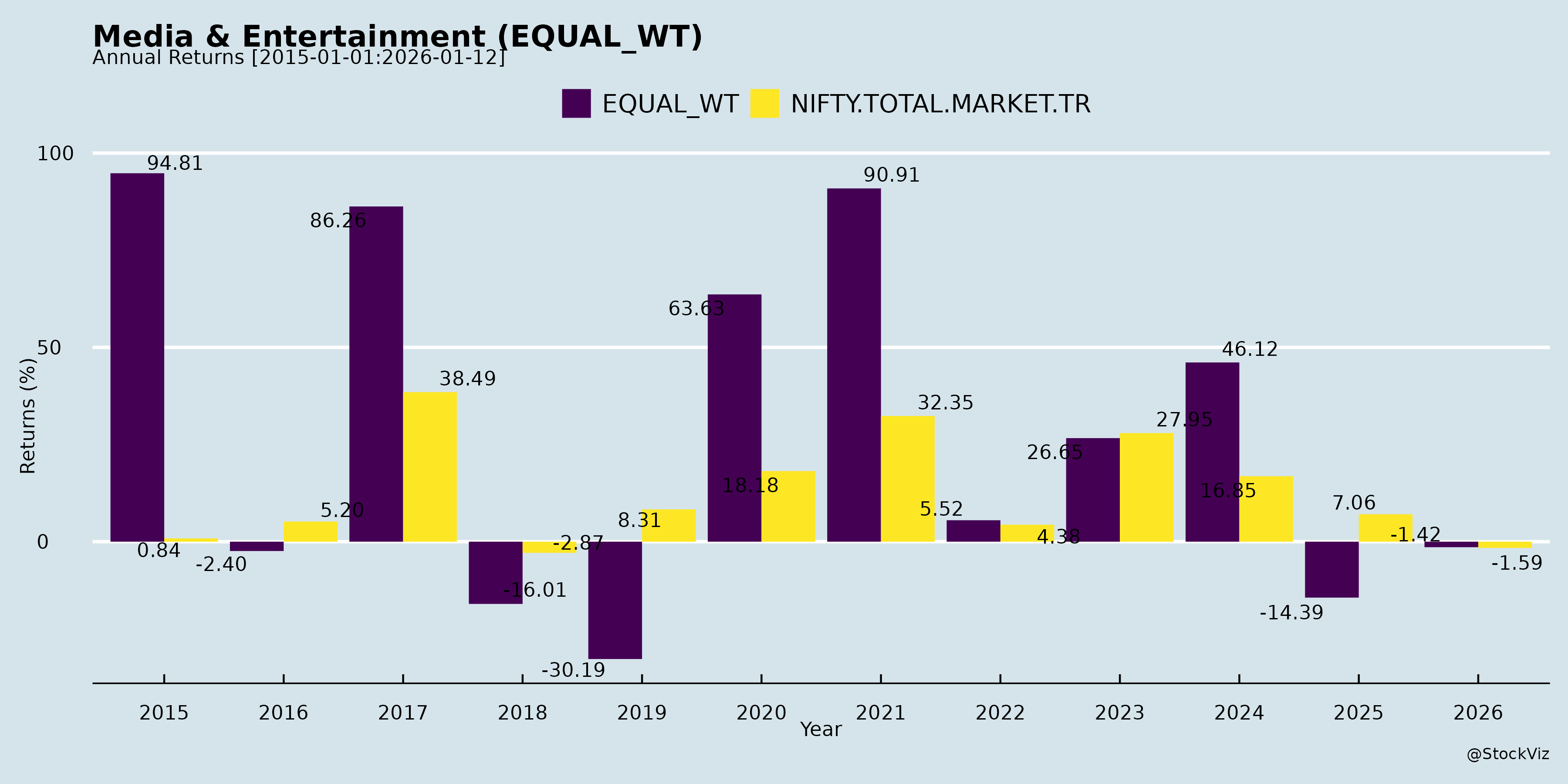
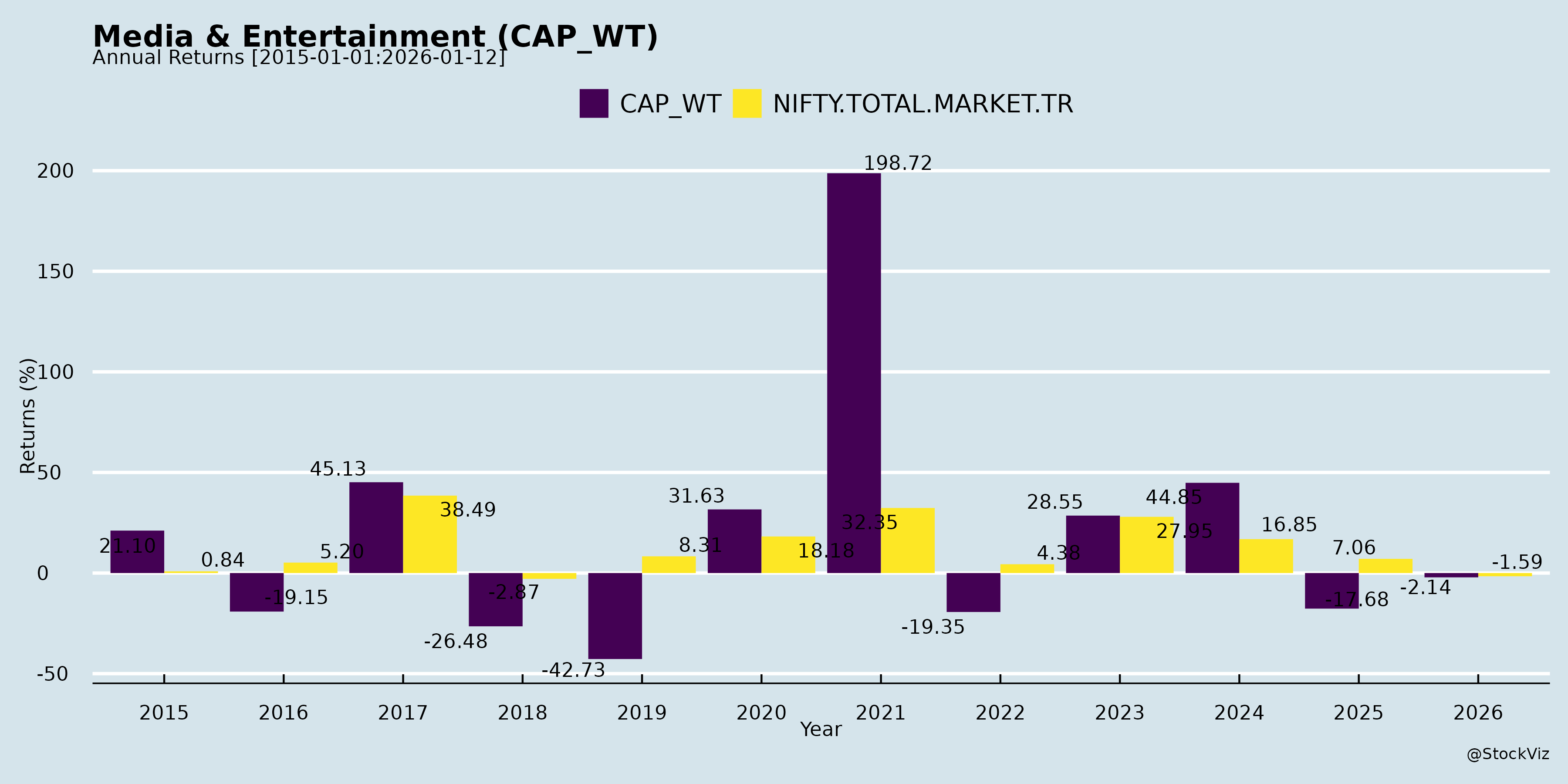
Annual Returns
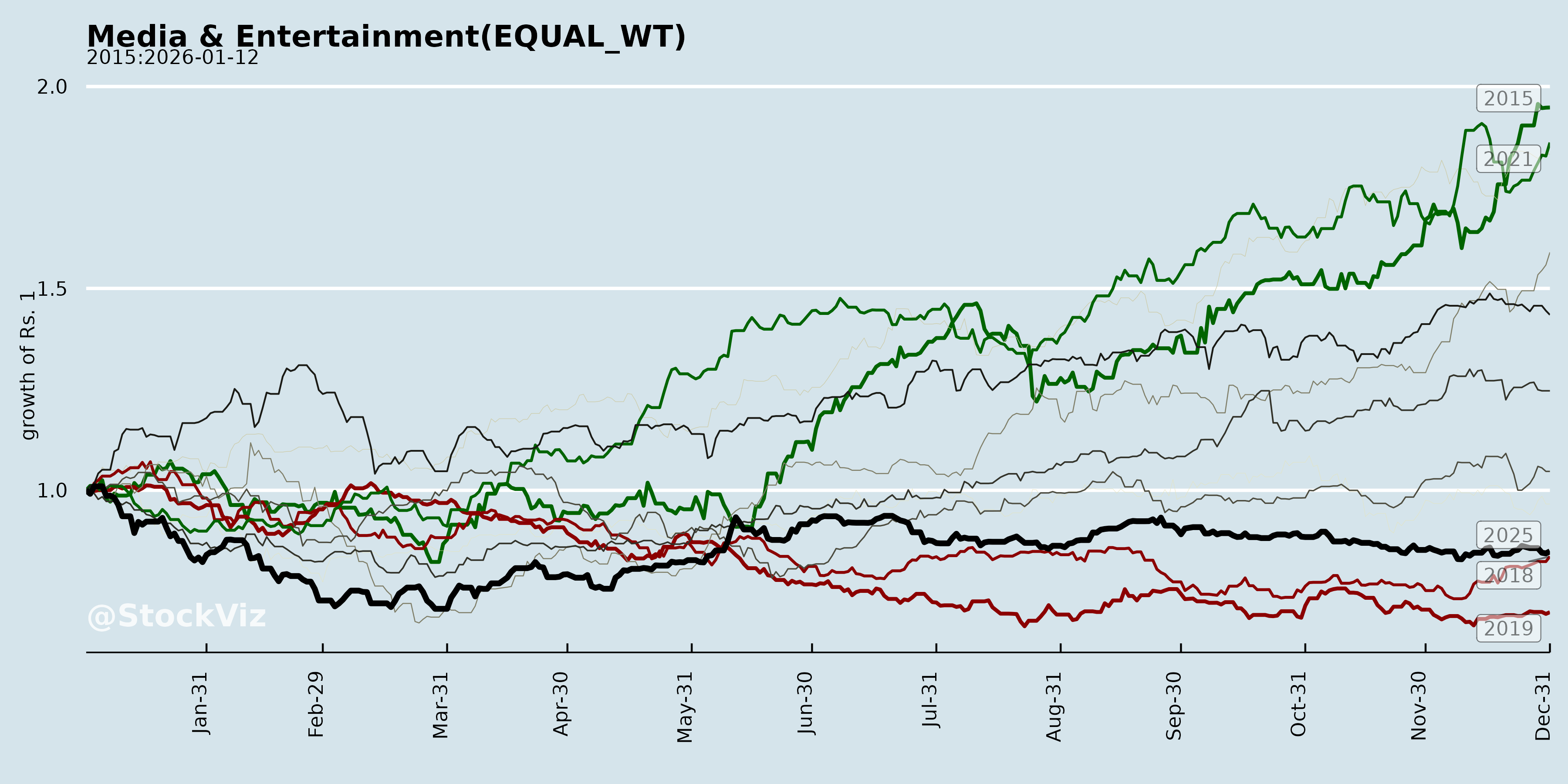

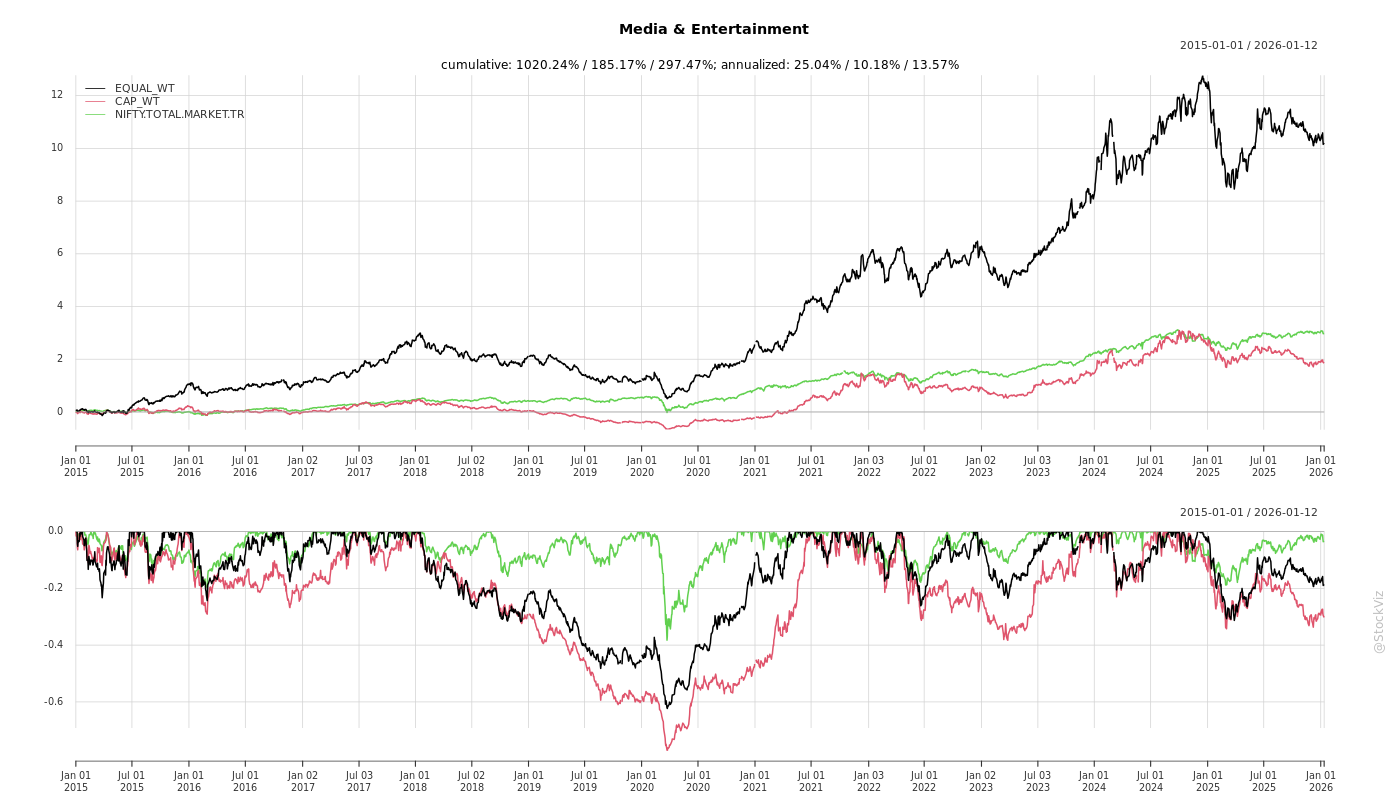
Cumulative Returns and Drawdowns
SMA Scenarios
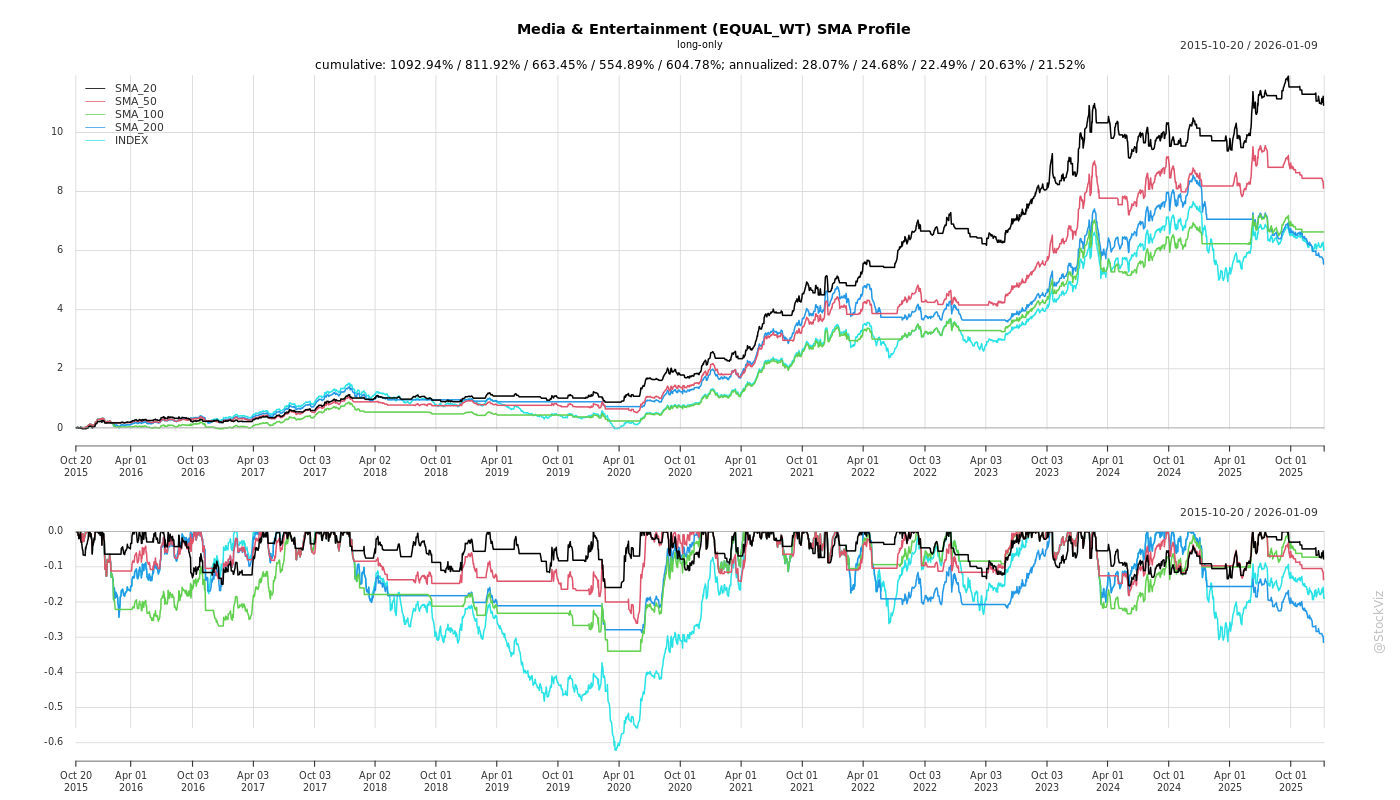
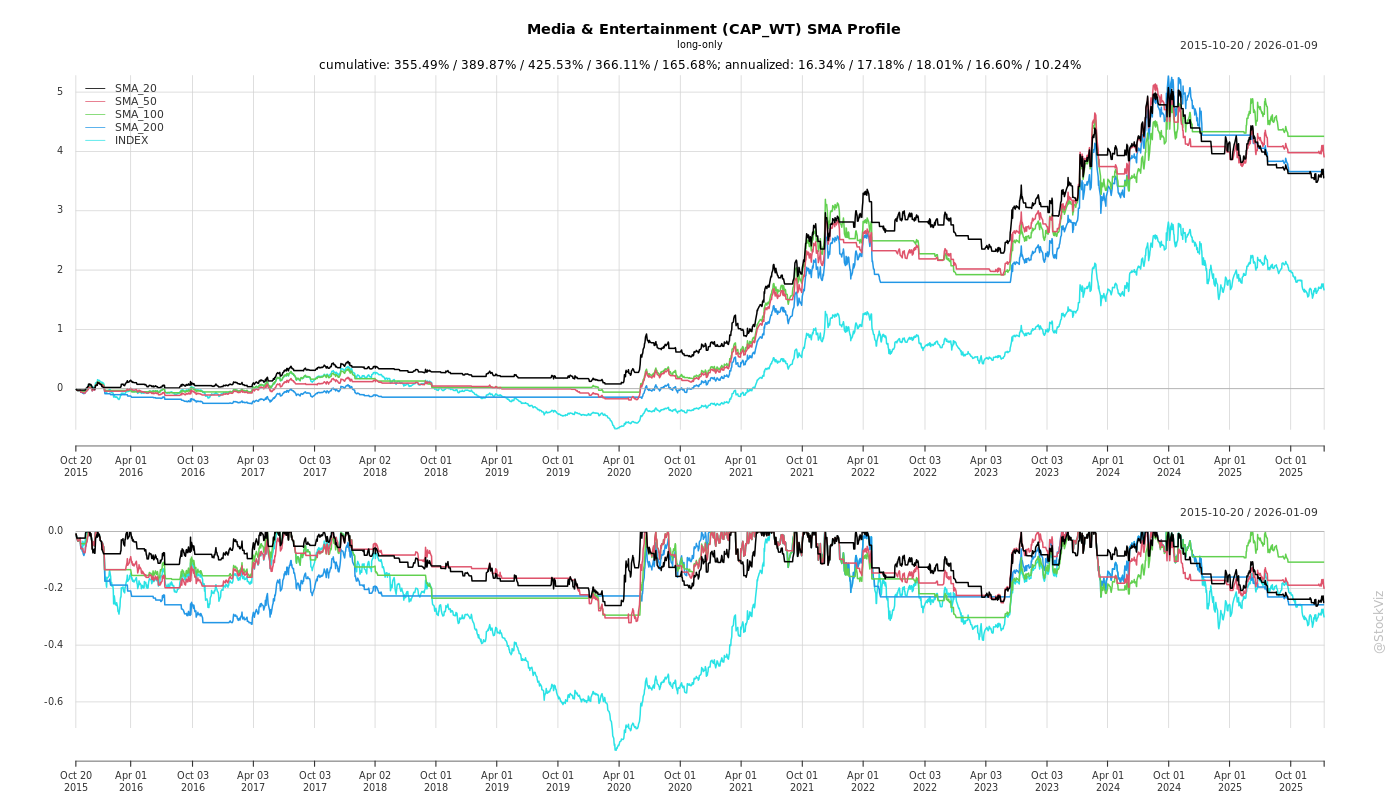
Current Distance from SMA
Rolling Returns
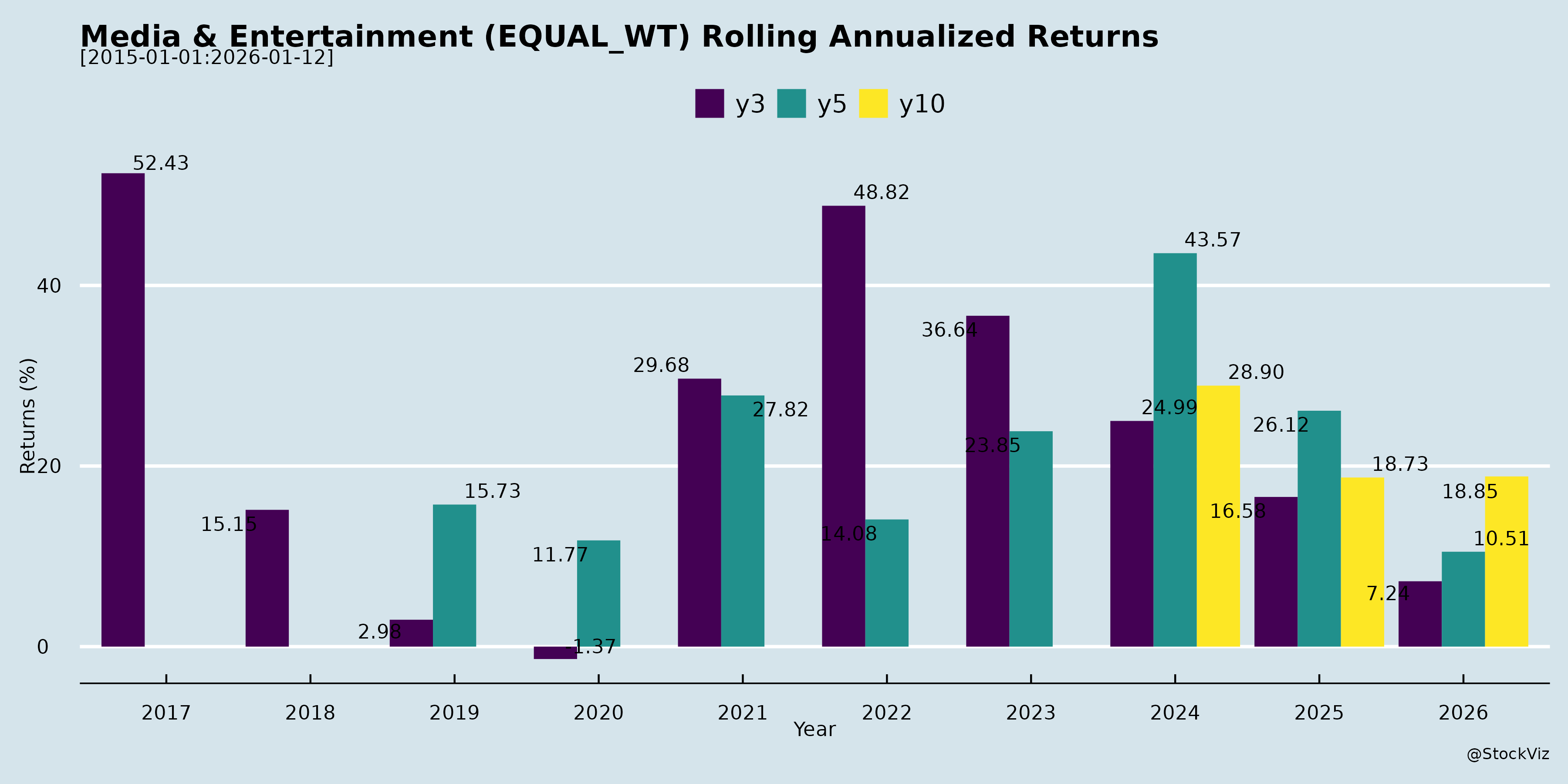
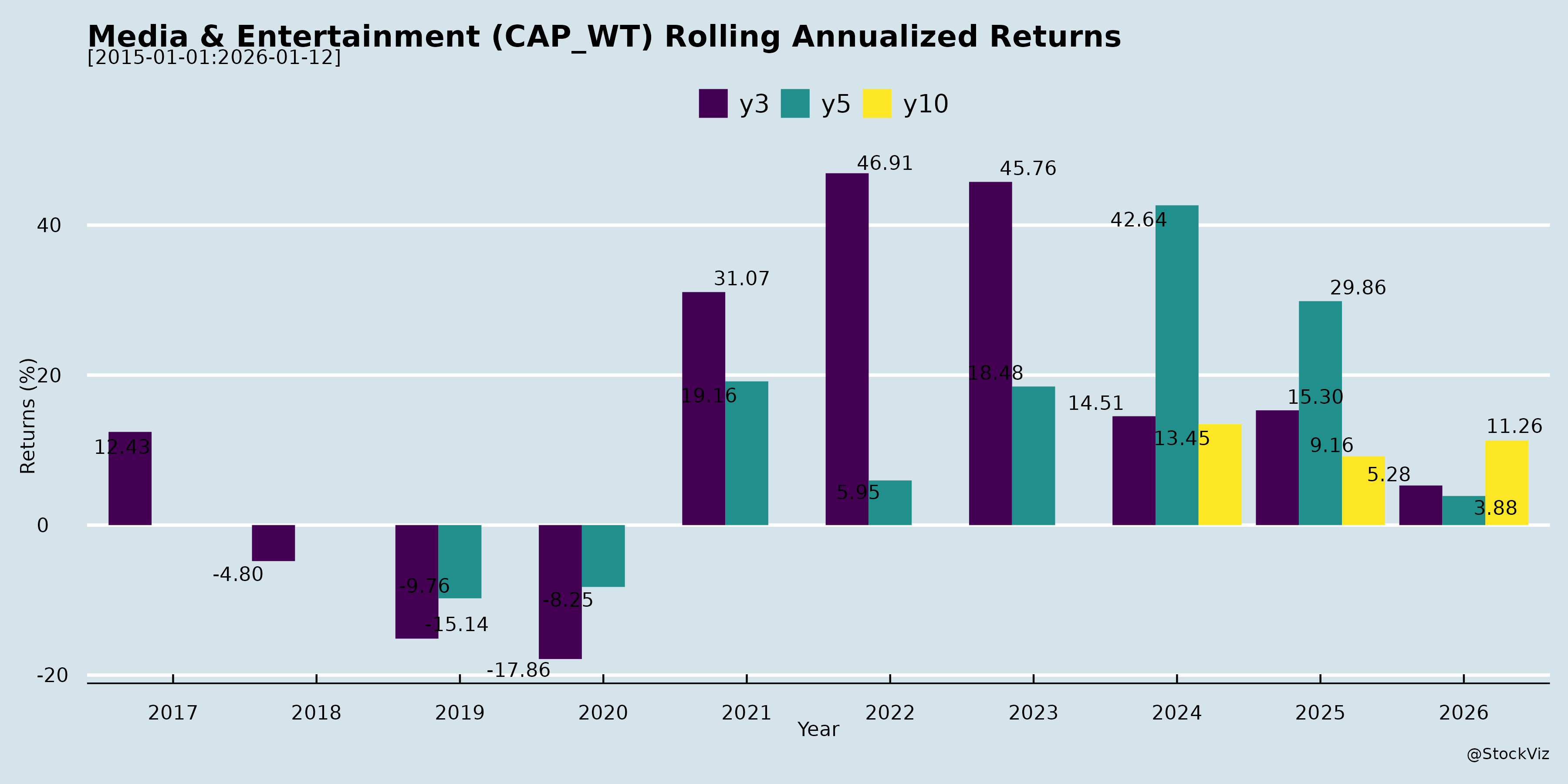
Fundamental Ratios
AI Summaries
How have the challenges and oppurtunities evolved over time?
asof: 2026-04-15
The evolution of media and entertainment companies over time reveals a distinct shift from relying solely on traditional broadcasting to adopting diversified, digital-first, and technologically advanced strategies. Companies have had to adapt to significant headwinds in traditional advertising and intense market competition by unlocking new revenue streams, forging strategic partnerships, and leveraging artificial intelligence.
Here is a detailed breakdown of how challenges and opportunities have evolved over time based on the sources:
The Evolution of Challenges
1. Softness in Traditional Advertising and Revenue Pressures A persistent challenge across the industry has been the weakness in traditional advertising environments. Companies like Shemaroo Entertainment, Network18, and ENIL (Entertainment Network India Limited) have all witnessed prolonged softness in advertising, particularly from the fast-moving consumer goods (FMCG) sector [1-5]. For traditional mediums like radio, the environment remains highly challenging; ad rates are still roughly 25% to 30% lower than pre-COVID levels [6-9]. Furthermore, companies have noted that radio ad volumes have occasionally experienced negative growth [10, 11].
2. Increased Competition and Shifting Audience Attention The re-entry of major broadcast players into the “Free Dish” (Free-to-Air) space temporarily disrupted the market and created uncertainty, leading to initial drops in viewership shares for existing players, though this has since begun to stabilize [2, 3, 12, 13]. Additionally, external factors such as a packed sports calendar (like cricket world cups) have drawn viewership away from traditional entertainment [1, 14, 15].
3. The Struggle to Break “Free” Consumption Habits As companies pivot to digital subscriptions, they face the hurdle of changing consumer behavior. For years, audiences have been accustomed to consuming pirated or free digital content (especially in music) [16, 17]. Companies like ENIL (which operates Gaana) note that getting consumers to pay for music subscriptions requires patience, as platforms must avoid the trap of constantly dropping prices or giving away products for free, which undermines sustainable business models [18-23].
4. Transitional and Accounting Headwinds Transitioning business models has also required painful operational cleanups. Shemaroo Entertainment, for instance, has had to endure eight quarters of accelerated inventory charge-offs to lighten its balance sheet, putting temporary but significant pressure on its profit margins [24-27]. Other physical retail operations, such as Saregama’s Carvaan, have seen a drop in sales volume and top-line revenue as the company transitions away from traditional distribution channels to exclusively e-commerce and modern retail outlets [28].
The Evolution of Opportunities
1. The Digital Boom and Hybrid Business Models To counter traditional market softness, the industry has aggressively capitalized on the surge in digital consumption. Digital revenues are now becoming central pillars for these companies. For example, digital revenues from ENIL’s Gaana platform doubled year-over-year, eventually contributing to nearly 50% of the company’s core radio revenues [29-31]. To maximize monetization, companies are shifting from purely Subscription Video on Demand (SVOD) models to hybrid models that include Advertising Video on Demand (AVOD) [32, 33]. Furthermore, publishers are massively expanding their YouTube footprints, generating billions of views and tapping into robust digital advertising ecosystems [34-37].
2. Leveraging Artificial Intelligence and Tech Innovation Innovation in Artificial Intelligence (AI) has emerged as a major opportunity to cut costs and enhance deliverables: * Content Generation: Saregama is leveraging Generative AI to transform its video content creation, leading to up to 70% cost savings and 80% faster execution [38]. * Virtual Talent: Music Broadcast Limited (Radio City) introduced an AI radio jockey, “RJ Sia,” utilizing the technology for smarter copywriting, content creation, and seamlessly integrated advertiser solutions [39, 40]. * High-Fidelity Digital Humans: Prime Focus Limited’s BRAHMA AI partnered with Google Cloud to scale Hollywood-grade, multilingual, interactive “digital humans” for global enterprise communication [41-43].
3. De-risking Production and Strategic Partnerships Rather than relying solely on box-office performance or ad-hoc sales, companies are securing their futures through pre-sales and long-term alliances: * De-risked Film Models: Balaji Telefilms has adopted a de-risked movie production model where rights are sold before a film’s release, effectively recovering 85% to 90% of production costs upfront [44, 45]. * Content and Licensing Alliances: Balaji Telefilms entered a multi-year strategic partnership with Netflix to develop storytelling projects across various formats [46-49]. Similarly, Saregama took a significant minority stake in Bhansali Productions to secure exclusive, predictable access to marquee Hindi film music [50, 51], and Network18 renewed its partnership with CNN International for an additional 10 years [37, 52].
4. Diversification into New Verticals and Tier-2/3 Markets Companies are expanding beyond their legacy formats to capture new audience demographics: * Live Events: The live events industry is experiencing rapid growth driven by rising disposable incomes. Saregama has successfully scaled this vertical through international music tours (like Diljit Dosanjh’s Aura Tour) and expanding comedy shows [53-55]. * Niche Apps and Creator Ecosystems: Balaji launched niche platforms like Kutingg (vertical short-format content) and AstroGuide (a premium astrology app that saw rapid downloads) [33, 56, 57]. Network18 launched Creator18 to expand its advertising reach by exclusively onboarding over 60 digital creators [37, 58]. * Integrated Solutions: Radio operators are transitioning into holistic “solutions businesses.” Instead of just selling radio spots, they are offering integrated marketing solutions combining radio, digital outreach, podcasts, and on-ground events [59-62]. Additionally, they are focusing growth efforts on Tier 2 and Tier 3 cities, where advertiser spending is steadily increasing [63, 64].
What are the headwinds affecting this industry?
asof: 2026-04-15
The media and entertainment industry is currently navigating a variety of complex headwinds, ranging from macroeconomic slowdowns to intense digital competition. Based on the provided sources, the primary challenges affecting the industry include:
Subdued Advertising Spending and Weak Macro Environment A massive hurdle across the entire industry is a soft, cautious advertising market driven by a weak macroeconomic environment [1-3]. Advertisers have significantly scaled back their budgets, leading to sustained pressure on both top-line revenues and ad rates [2, 4]. * FMCG Slowdown: Traditional media is heavily dependent on the Fast-Moving Consumer Goods (FMCG) and consumer goods sectors, which have experienced a prolonged period of weak demand and inventory de-stocking [5-7]. Consequently, advertising spend from these crucial sectors has remained soft, forcing media companies to plan for a “moderate” rather than optimistic environment [8, 9]. * Inventory Demand Drops: The caution among advertisers is tangible. For example, advertising inventory demand for the TV News industry witnessed a year-on-year decline of more than 10% [10]. * Depressed Ad Rates: In the radio sector, the subdued market means that ad rates are still struggling to recover, currently hovering at only around 75% of their pre-COVID levels [11, 12].
Structural Pressures on Traditional Media Traditional broadcasting and radio are facing distinct, long-term operational pressures as the industry naturally shifts [4, 13]. * Free Dish Disruption: In the television space, the re-entry of the “big four” major broadcasters into the Free Dish General Entertainment Channel (GEC) space intensified headwinds [14, 15]. This move created immense market uncertainty and temporarily cannibalized the viewership shares of existing regional and mid-tier players [16-18]. * Digital Cannibalization: The industry is witnessing a clear structural change where digital business models are growing rapidly, keeping legacy, traditional mediums under sustained, long-term pressure [6, 7, 19].
Calendar Shifts and Sporting Events External scheduling factors and shifting event timelines have disrupted normal revenue streams and viewership habits. * Packed Sports Calendars: A highly congested sports calendar, particularly featuring massive events like Cricket World Cup tournaments, has diverted both audience attention and lucrative advertising budgets away from regular entertainment and radio channels [14, 15, 20]. * Festive Shifts: The industry also suffered from a “festive shift.” Unlike the previous year where major Indian festivals fell squarely in the third quarter, the current year saw these events spread across the second and third quarters [21, 22]. This fragmentation of the holiday season led to a drop in concentrated inventory levels and put further pressure on ad pricing [23-25].
High Base Effects from Previous Year’s Elections Media companies are also battling unfavorable year-on-year growth comparisons due to a high base effect [2, 20]. The corresponding quarter in the previous year benefited from substantial political and election-related advertising spending driven by state assembly elections [26, 27]. The absence of this massive political ad influx in the current year has exacerbated revenue degrowth metrics [26, 27].
Intense Digital Competition and Rising Marketing Costs While digital and streaming segments are the clear growth engines for the industry, they are facing their own unique, highly competitive headwinds. * Unsustainable Pricing Wars: In the audio streaming market, intense competition has led to severe pricing pressure. Global giants like Spotify temporarily slashed their subscription prices, forcing local competitors into a defensive position to retain their user base [28, 29]. Management notes that these tactical price drops make the underlying business models unsustainable [28, 30]. * Escalating Customer Acquisition Costs: The cost of acquiring digital users is rising sharply. Because the broader digital ecosystem—which now includes cash-rich sectors like real-money gaming and short-form video dramas—is competing for the same digital ad space, performance marketing costs are escalating across the board [31-33]. This puts pressure on digital margins and forces companies to aggressively hike their marketing investments just to maintain platform visibility and user engagement [34, 35].
What are the key things to understand about this industry?
asof: 2026-04-15
The Growth and Scale of the Media & Entertainment (M&E) Sector The Indian Media and Entertainment (M&E) sector is on a strong growth trajectory, expected to grow at 7% per annum overall [1]. According to the sources, the sector was projected to increase by 10.2% to reach Rs. 2.55 trillion (USD 30.8 billion) by 2024, with a 10% Compound Annual Growth Rate (CAGR) pushing it to Rs. 3.08 trillion (USD 37.2 billion) by 2026 [2]. The single biggest driver of this expansion is Digital Advertising, which grew by 17% to reach INR 700 billion, fueled by an explosion in content consumption on digital platforms [1].
The Digital and OTT Revolution The industry is experiencing a massive shift toward digital consumption. Indians spent an average of 4.95 hours per day on phone apps in 2024, representing a 3.1% growth over the previous year [3]. In aggregate, India spent over 1.1 trillion hours on digital platforms—more than any other global market—which indicates immense potential for ad-funded products and branded content [3]. Furthermore, online video viewers reached 551 million in 2024 (capturing around 98% of active smartphones) and are estimated to cross 625 million by 2027 [4].
This digital boom is transforming the Over-The-Top (OTT) landscape: * Revenue from OTT video subscriptions in India is expected to grow from approximately USD 0.88 billion in 2023 to over USD 1.2 billion by 2026 [5]. * The overall OTT segment is projected to grow at a CAGR of 14.1% to reach Rs. 21,032 crore (USD 2.55 billion) by 2026 [5]. * Subscription services will dominate, with their share of OTT revenue expected to rise from 90.5% in 2021 to 95% by 2026 [5]. * The Indian OTT audience universe currently stands at 481.1 million people, including 138.2 million active paid subscriptions [5]. * Indian platforms are increasingly investing in localizing content to capture diverse audiences and are seeing global success, witnessing a 194% rise in revenue from international viewers over the last two years [3, 4, 6]. * Companies are evolving their strategies from purely Subscription Video on Demand (SVOD) to a hybrid SVOD and Advertising Video on Demand (AVOD) model to maximize their subscriber base and revenue collections [7, 8].
Untapped Potential in the Music Industry Globally, the recorded music industry is expanding, having grown 4.8% to reach USD 29.6 billion in 2024 [9]. However, India’s music subscription penetration remains among the lowest globally, which provides massive growth headroom [9]. The Indian music industry was valued at INR 32,000 million in 2024 and is expected to grow by approximately 14% over the next three years [10].
This growth is propelled by several key drivers: easy access through 750 million smartphones, affordable data, a significant drop in piracy, streaming platforms turning to paid models, and the rise of short-format apps inviting advertising [9, 10]. A subscription-led monetization boom is anticipated in India as digital payments expand and premium content adoption increases [9].
Film and Video Segment Dynamics The film industry was valued at INR 187,000 million in 2024, with a projected 4.4% growth over the next three years [11]. This is supported by an expanding base of 30 million connected TVs (expected to reach 48 million by 2027) and over 476 million YouTube users [11].
Despite these positive infrastructure drivers, theatrical exhibitions have faced some recent headwinds. Gross box office collections dipped to INR 114 billion in 2024 from INR 120 billion in 2023 [6]. Admissions fell by around 5% to just over 857 million, though this was partially offset by an increase in average ticket prices from INR 130 to INR 134 [6]. Consequently, companies in the film business are focusing on “de-risked” business models, where a large percentage of production costs (average 85-90%) are recovered before a movie is even released through pre-sale digital, satellite, and music rights [12, 13].
Explosive Growth in Live Events and Artiste Management These sub-segments are exhibiting some of the highest growth rates in the sector: * Live Events: Valued at INR 1,00,000 million in 2024, this segment is expected to grow at 18% over the next three years. Growth is driven by rising disposable incomes, improved infrastructure, and a general lack of alternative entertainment options [11]. * Artiste Management: Valued at INR 22,000 million in 2024, this segment is projected to grow by 24% over the next two years. Brands are shifting their focus to drive awareness through relatable influencers rather than traditional celebrities, capitalizing on the fact that users spend 40% of their mobile time on social media platforms [11].
Pressures on Traditional Media While digital thrives, traditional media forms (television, print, outdoor, music, radio) are facing a challenging environment. Although they still accounted for 57% of the M&E sector revenue in 2023, traditional businesses are under persistent pressure due to a soft advertising scenario, especially from Fast-Moving Consumer Goods (FMCG) advertisers [2, 14, 15].
In the radio industry, for instance, advertising remains weak as advertisers exercise caution [16]. To counter this, traditional media companies are: * Pivoting to Digital Solutions: Transforming into comprehensive solutions businesses that combine traditional reach (like radio) with digital and on-ground extensions to solve client marketing challenges [17-19]. * Targeting Tier 2 and Tier 3 Markets: Shifting focus to smaller, regional markets where there is increased spending from clients [20, 21]. * Strict Cost Controls: Implementing sustainable cost cuts, transitioning to leaner vertical teams, and rationalizing content to protect bottom-line profitability amid soft top-line revenues [22-25].
The Disruption of Artificial Intelligence (AI) The sources highlight that AI is becoming a transformative force in the industry, both for cost reduction and product innovation. * Cost and Efficiency: Leveraging Generative AI is transforming video content creation, leading to approximately 70% cost savings and up to 80% faster execution [26]. * Product Innovation: Companies are introducing innovations like AI radio jockeys (e.g., “RJ Sia”) to create smarter copywriting, content, and advertiser-integrated solutions [27]. * Enterprise Scaling: Technologies are being developed to create high-fidelity, interactive “digital humans” for global enterprises. The total addressable market for these AI-driven workflows across media, advertising, and other sectors is expected to exceed USD 130 billion by 2030 [28, 29].
What are the tailwinds affecting this industry?
asof: 2026-04-15
The Media and Entertainment (M&E) industry is benefiting from a multitude of strong tailwinds across digital streaming, smartphone penetration, advertising, music, live events, and technological advancements. The broader M&E sector in India is projected to grow at a 10.2% rate, reaching Rs. 2.55 trillion in 2024, with an expected compound annual growth rate (CAGR) of 10% to hit Rs. 3.08 trillion by 2026 [1].
Explosion in Digital Consumption and OTT Expansion A primary catalyst for the industry is the massive shift toward digital consumption, which is successfully offsetting the headwinds faced by traditional broadcast segments [2-4]. * Surging OTT Revenues: The overall Over-The-Top (OTT) segment is anticipated to grow at a 14.1% CAGR, reaching Rs. 21,032 crore by 2026 [5]. Revenue from subscriptions for OTT video platforms alone is expected to increase from $0.88 billion in 2023 to over $1.2 billion by 2026 [5]. * Global Audience Reach: Indian OTT platforms are seeing tremendous international traction, having witnessed a 194% rise in revenue from international viewers over the last two years [6]. * Evolving Business Models: Platforms are increasingly transitioning from a purely subscription-based video-on-demand (SVOD) model to a hybrid model that incorporates advertising-based video-on-demand (AVOD) [7, 8]. This strategic evolution is leading to larger subscriber bases and better overall revenue collection [7].
Widespread Smartphone Penetration and Affordable Data The proliferation of cheap data and access to approximately 750 million smartphones in India has fundamentally transformed content consumption habits [9, 10]. * Indians spent an average of 4.95 hours per day on phone apps in 2024, marking a 3.1% growth over the previous year [11]. * The number of online video viewers climbed to 551 million in 2024—capturing around 98% of active smartphones—and is estimated to cross 625 million by 2027 as smartphone penetration deepens [11].
Strong Momentum in the Music Industry The music segment is poised for approximately 14% growth over the next three years, driven by several highly favorable factors [10]. * Low Penetration with High Upside: India’s music subscription penetration is currently among the lowest globally, offering immense headroom for growth as digital payments expand and audiences increasingly adopt premium content [12]. * Structural Industry Shifts: The music industry is benefiting from a steep fall in piracy, the transition of streaming audiences to paid models, and the rise of short-format apps that attract heavy advertising [10]. Globally, the recorded music revenue also grew by 4.8% in 2024, reaching $29.6 billion [13].
Advertising Growth and Geographical Shifts Digital advertising has become the biggest driver of the M&E sector, growing by 17% to reach INR 700 billion due to the explosion of digital content consumption [14]. In the traditional broadcasting and radio spaces, there are also emerging tailwinds: * FMCG and Festive Recovery: The advertising environment has shown gradual signs of recovery supported by festive demand, with hopes that the stabilization of GST rate cuts will spur renewed spending from fast-moving consumer goods (FMCG) advertisers [15-18]. * Rise of Tier 2 and Tier 3 Markets: Businesses are noting a shift in the advertising market toward Tier 2 and Tier 3 cities, where there is an observable increase in client spending [19, 20].
Boom in Artiste Management and Influencer Marketing The Artiste Management sector is projected to grow by 24% over the next two years to reach a size of INR 22,000 million [9]. This is largely fueled by brands pivoting away from traditional celebrities in favor of relatable online influencers to drive consumer awareness [9]. With users spending 40% of their mobile phone time on social media platforms, influencers provide a highly engaged avenue for advertisers [9].
Growth in Live Events and Experiential Entertainment The live events industry is expected to grow by 18% over the next three years, reaching INR 1,00,000 million [9]. This sector is being propelled forward by rising consumer disposable incomes, improvements in domestic infrastructure, and a general lack of alternative out-of-home entertainment options [9].
Technological Advancements: Connected TVs and AI * Artificial Intelligence: Companies are beginning to leverage Generative AI to revolutionize video content creation, leading to enhanced efficiency that boasts up to 70% cost savings and 80% faster execution [21]. Additionally, there is notable growth in the Visual Effects (VFX) and animation segments [22, 23]. * Connected TVs: There is a significant shift of affluent audiences toward Connected TVs, which are expected to grow rapidly from 30 million units to 48 million units by 2027 [9, 24]. This shift is driving new premium ad-funded products and branded content opportunities [11].
What is the general outlook of this industry?
asof: 2026-04-15
The general outlook for the Media and Entertainment (M&E) industry is a tale of two distinct trajectories: rapid, robust expansion in digital segments and sustained pressure on traditional media formats. Overall, the Indian M&E sector is poised for strong growth, with projections estimating a growth rate between 7% and 10% annually, potentially reaching Rs. 3.08 trillion (US$ 37.2 billion) by 2026 [1, 2].
Here is a detailed breakdown of the industry’s outlook across its key segments:
The Unstoppable Rise of Digital Media The overarching trend established across the industry is that digital businesses will continue to grow and dominate, while traditional models will face structural pressures [3, 4]. * Digital Advertising & OTT: Digital advertising is the biggest driver of the sector, having recently grown by 17% due to an explosion in content consumption on digital platforms [2]. The overall Over-The-Top (OTT) video segment is projected to grow at a Compound Annual Growth Rate (CAGR) of 14.1%, reaching Rs. 21,032 crore by 2026 [5]. * Subscription Growth: There is a progressive shift toward paid subscriptions as platforms evolve from SVOD (Subscription Video on Demand) and AVOD (Advertising Video on Demand) hybrid models [6, 7]. For OTT video platforms, subscription revenue is expected to grow from ~$0.88 billion in 2023 to over $1.2 billion by 2026, making up 95% of total segment revenues [5].
Pressure and Gradual Recovery in Traditional Media (TV & Radio) Traditional businesses, such as terrestrial radio and linear television, continue to operate in a tough environment characterized by a subdued and cautious advertiser sentiment [8-10]. * Advertising Headwinds: The TV news industry, for example, saw advertising inventory demand decline by more than 10% year-on-year [11]. Similarly, the radio industry is facing a weak advertising environment with lower inventory utilization and rates that remain below pre-COVID levels [9, 12]. * Cautious Optimism: Despite these challenges, there are early signs of demand stabilizing [9, 10]. Companies are witnessing a gradual recovery supported by festive demand, improving sentiment, and growth in Tier 2 and Tier 3 markets [13, 14]. However, industry leaders are maintaining a “cautiously optimistic” approach, building their future plans on moderate assumptions rather than aggressively optimistic growth targets [15-17]. Management teams hope that government steps to boost consumer spending will ultimately translate to increased consumption and higher ad revenues [18].
The Role of FMCG Advertisers The recovery of traditional media revenues is heavily dependent on traditional advertisers, particularly in the Fast-Moving Consumer Goods (FMCG) and consumer goods sectors [8, 19]. After a long spell of weak demand and inventory destocking, the FMCG industry is expected to bounce back [20, 21]. The stabilization of recent GST rate cuts is anticipated to encourage improved FMCG advertising spends in upcoming quarters [3, 22, 23].
Strong Growth in Music, Live Events, and Artiste Management Beyond screen-based entertainment, several other niches in the M&E sector are forecasting highly aggressive growth: * Music Industry: Expected to see a 3-year growth rate of approximately 14%, driven by cheap data, widespread smartphone access, and the transition of streaming platforms to paid models [24]. Furthermore, India’s music subscription penetration is currently among the lowest globally, indicating massive untapped potential and a large “upside” for digital audio players as consumers adopt premium content [25]. * Live Events & Experiential: Fueled by rising disposable incomes, better infrastructure, and a post-pandemic appetite for entertainment, the live events industry is projected to experience an impressive 18% growth over the next 3 years [26]. * Artiste and Influencer Management: As brands pivot toward driving awareness through relatable influencers rather than traditional celebrities, the artiste management industry is slated for a massive 24% growth over the next 2 years [26].
In summary, the industry is undergoing a structural transformation. While legacy platforms like radio and linear TV are battling cautious ad-spending and waiting for FMCG budgets to fully unlock, the digital, music, and live experiential sectors are experiencing a boom that will carry the broader industry to new heights over the next few years.
Copyright © 2023 SAS Data Analytics Pvt. Ltd. All rights reserved.