Logistics Solution Provider
Industry Metrics
October 23, 2026
Annual Returns
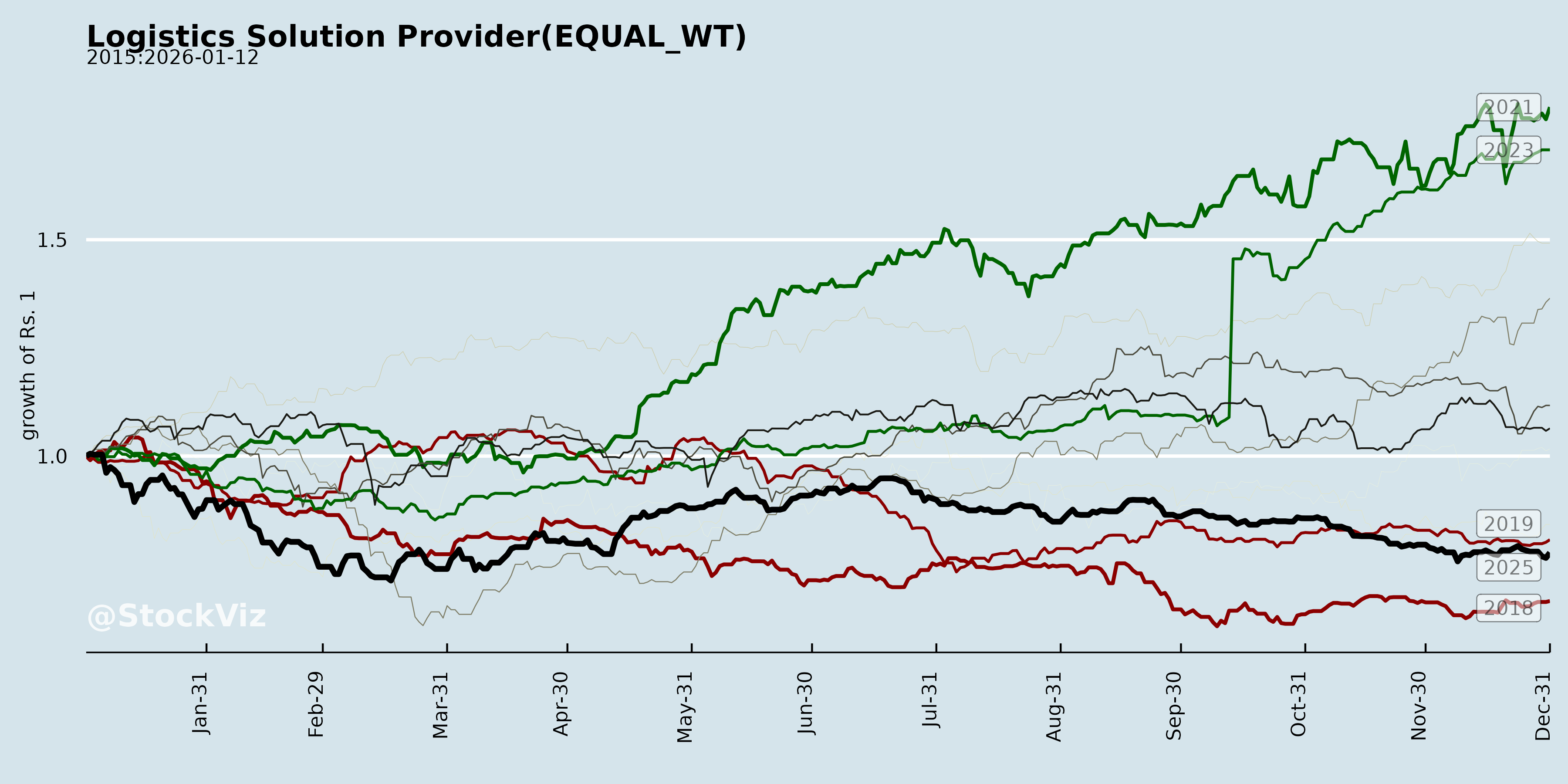
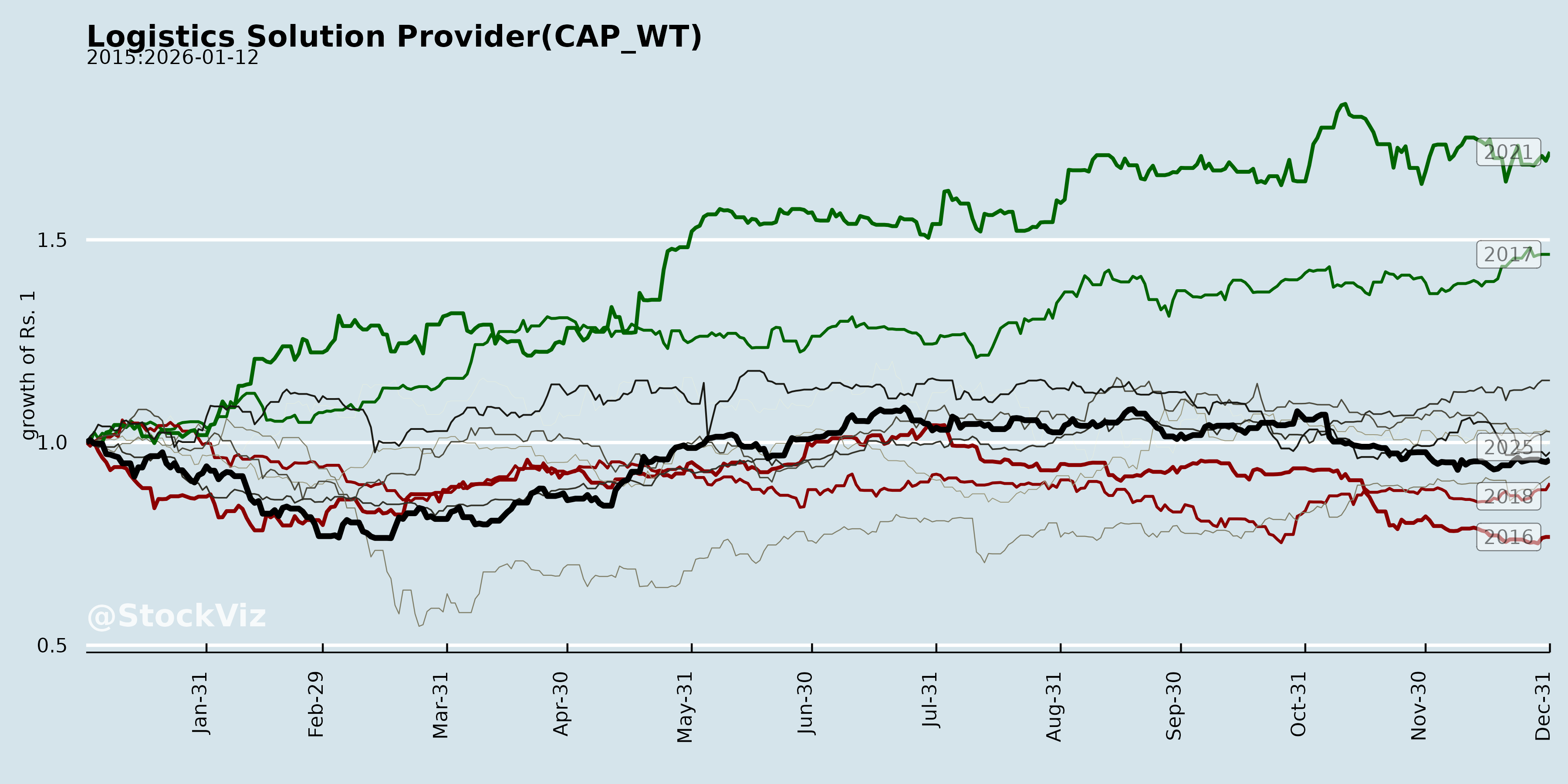
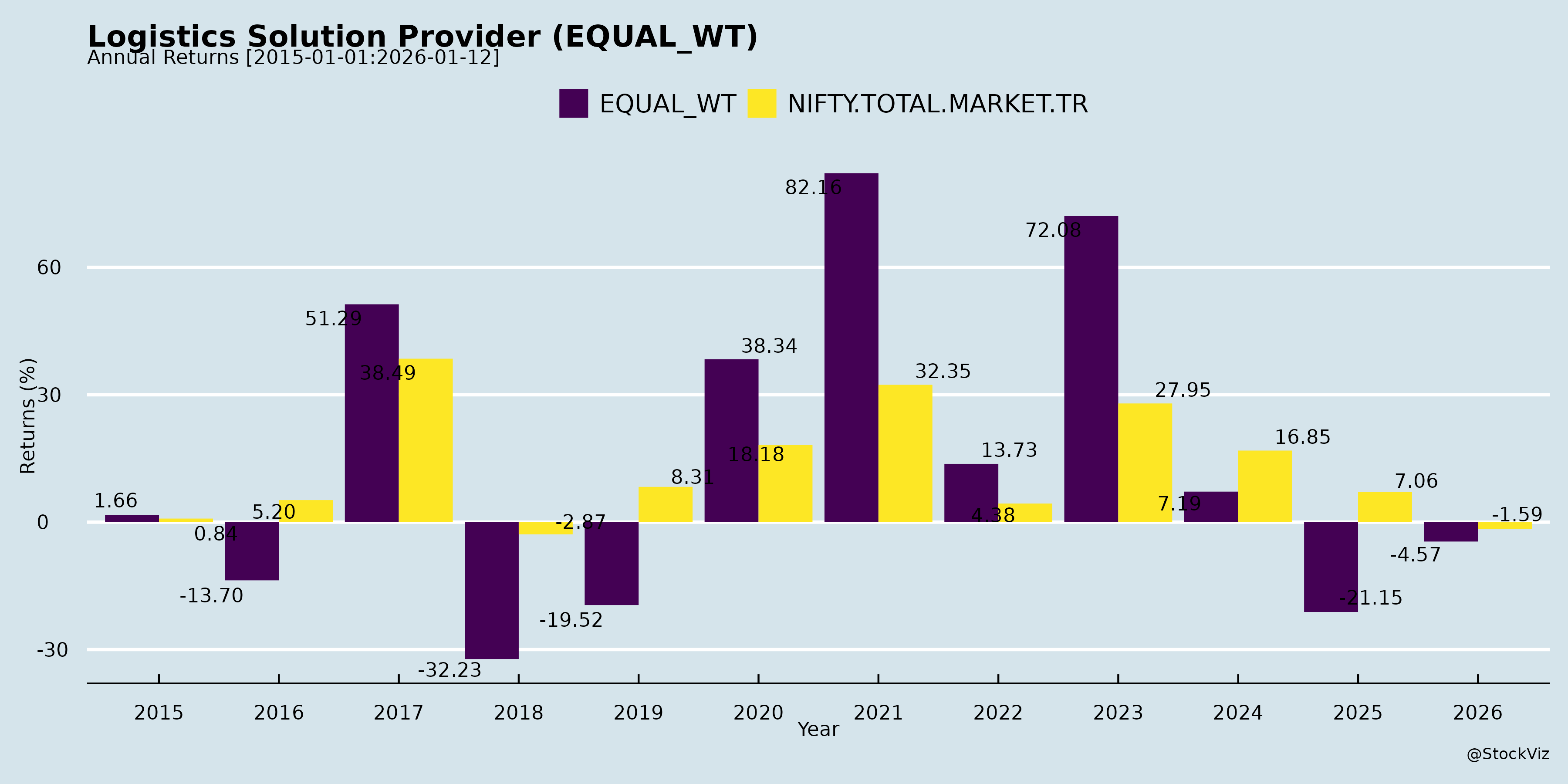
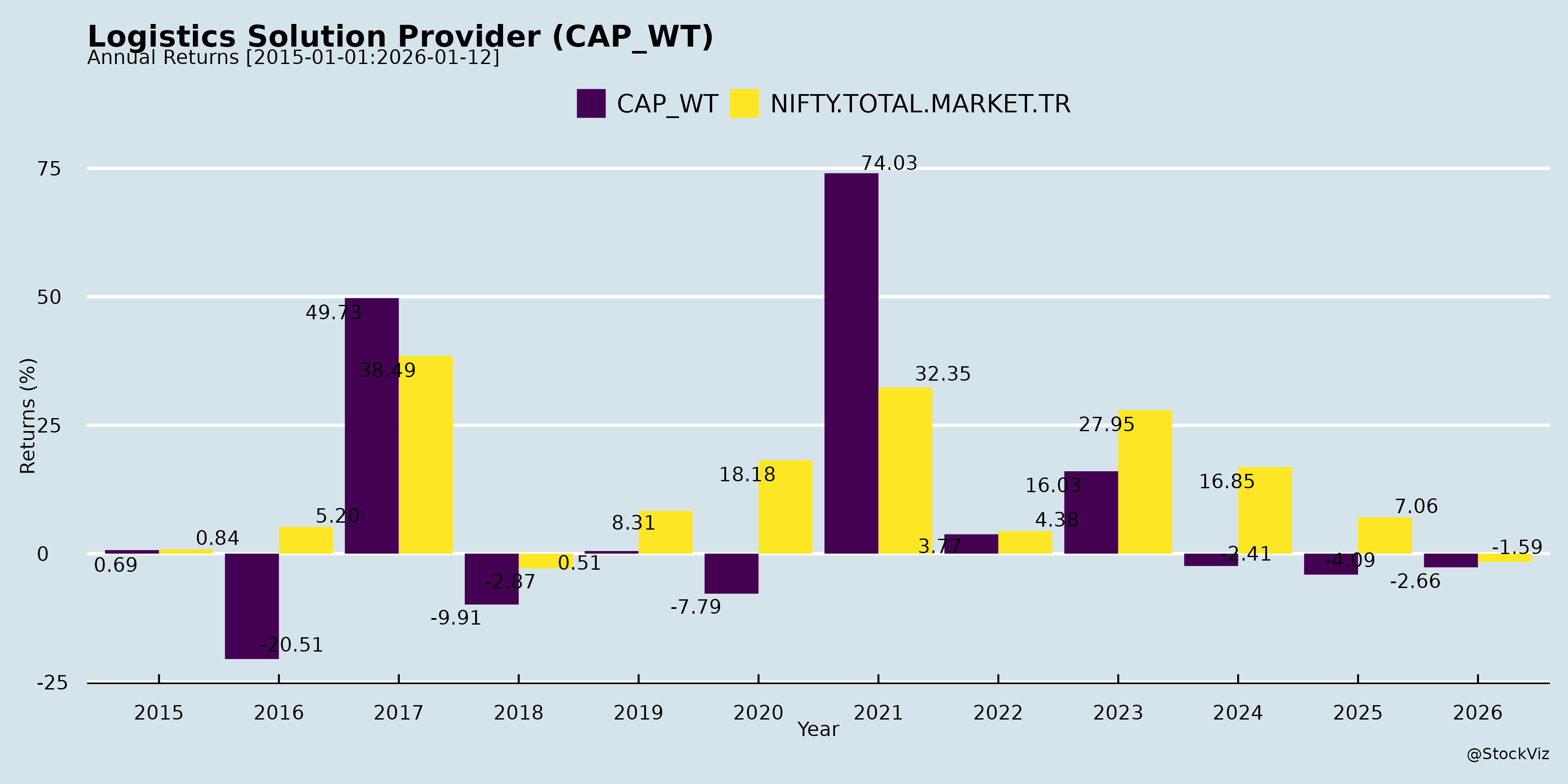
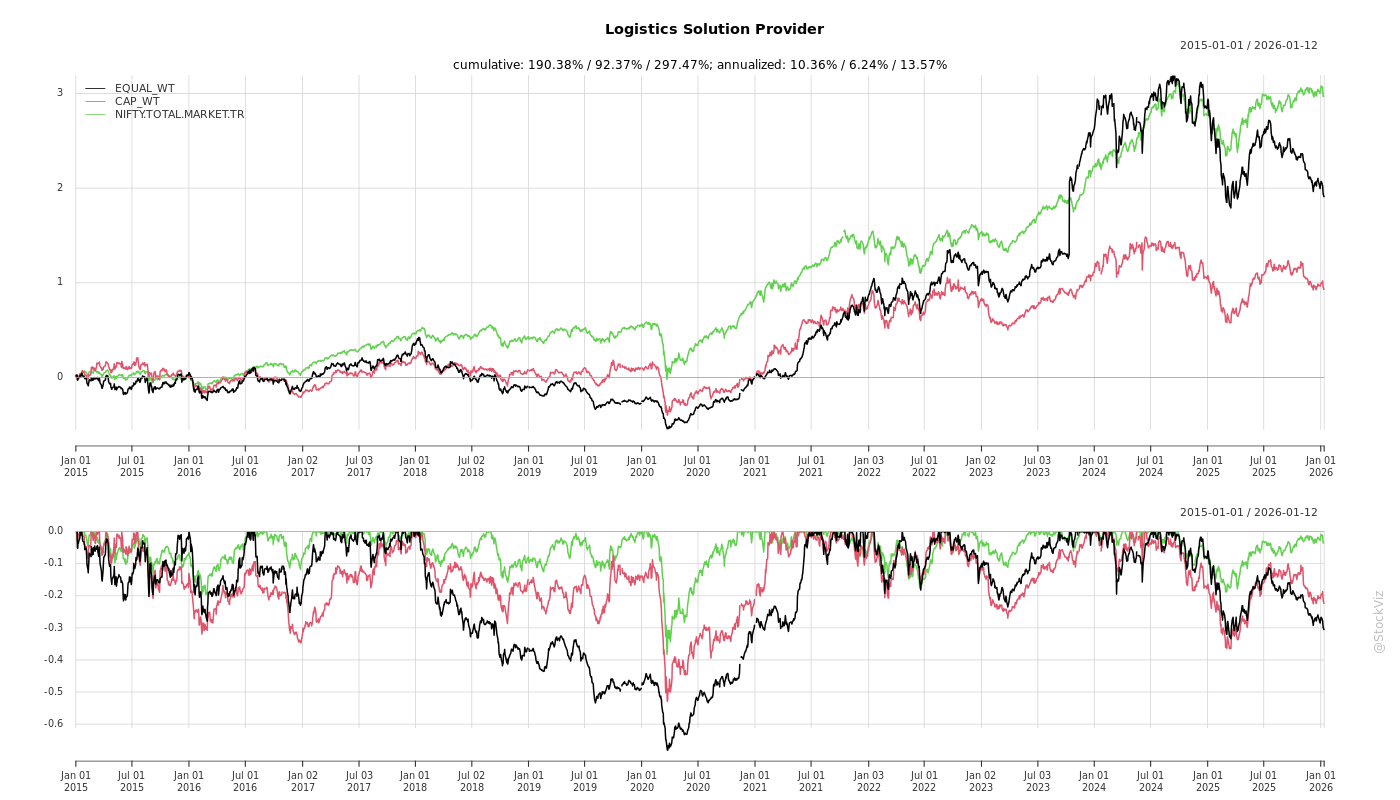
Cumulative Returns and Drawdowns
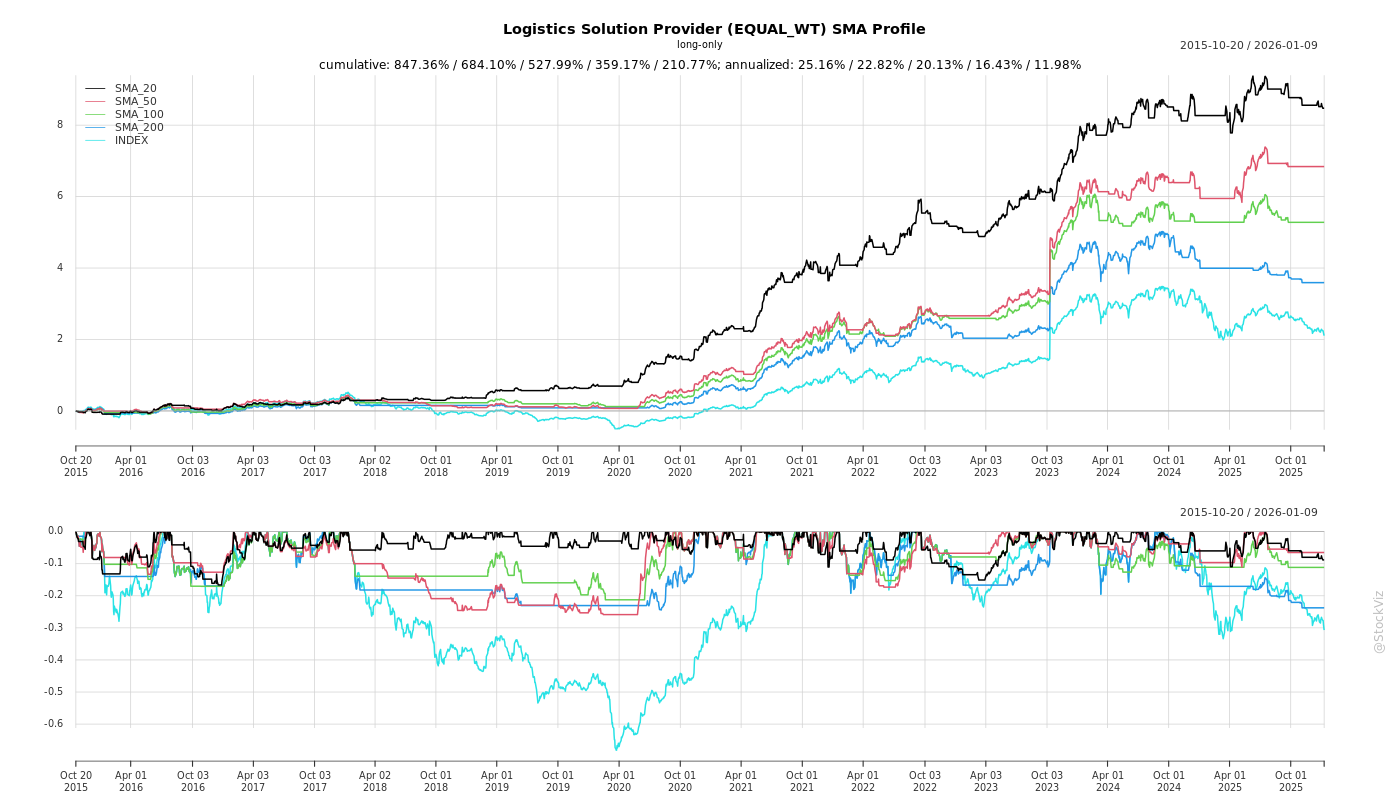
SMA Scenarios
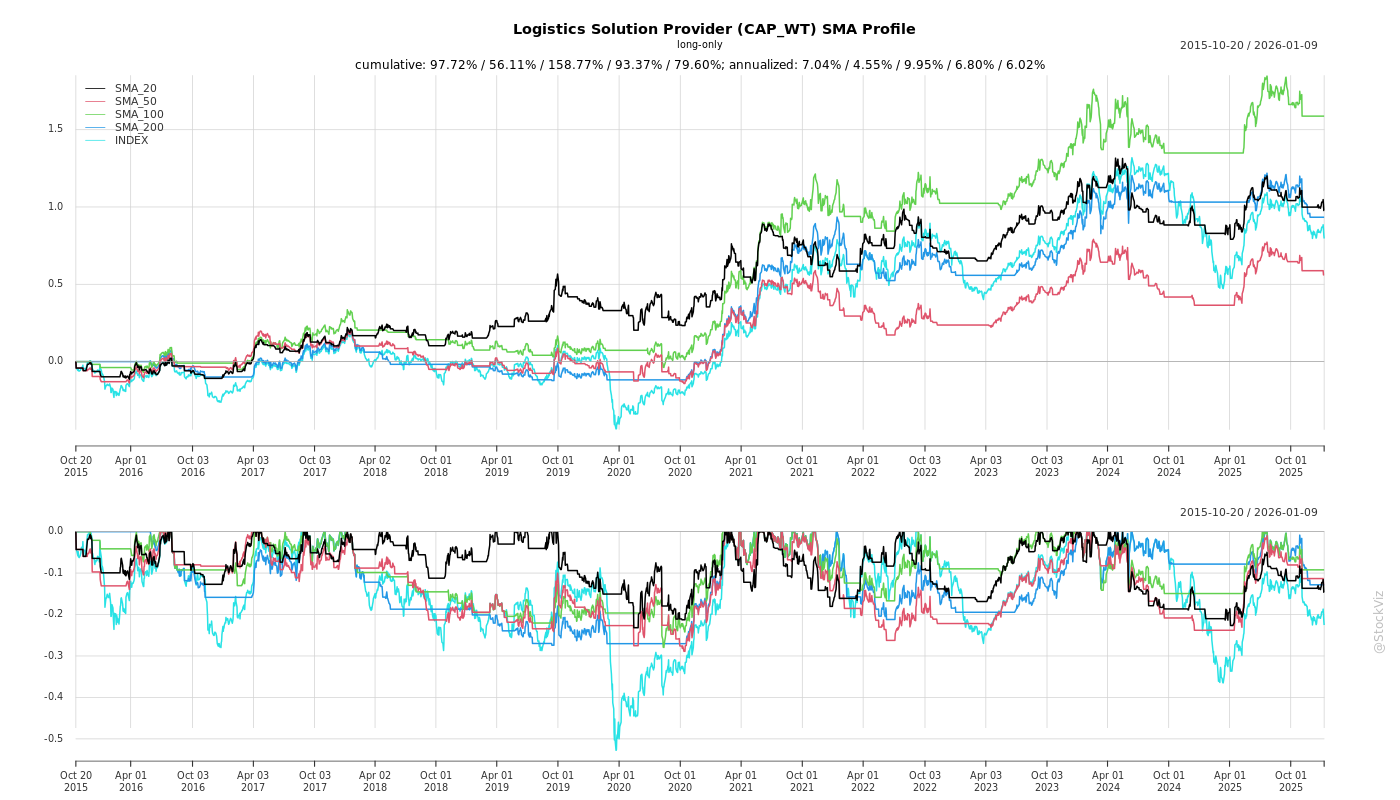
Current Distance from SMA
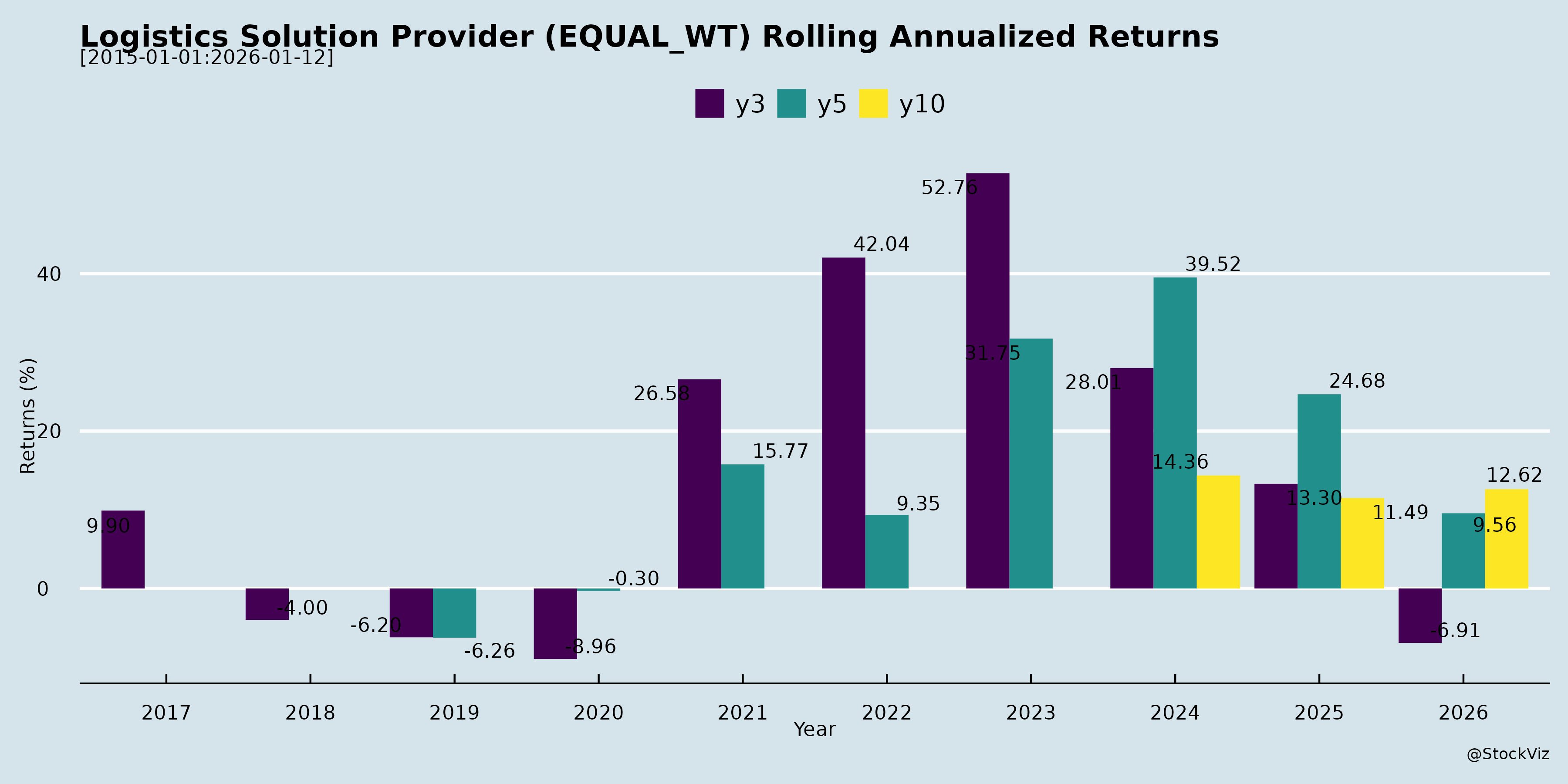
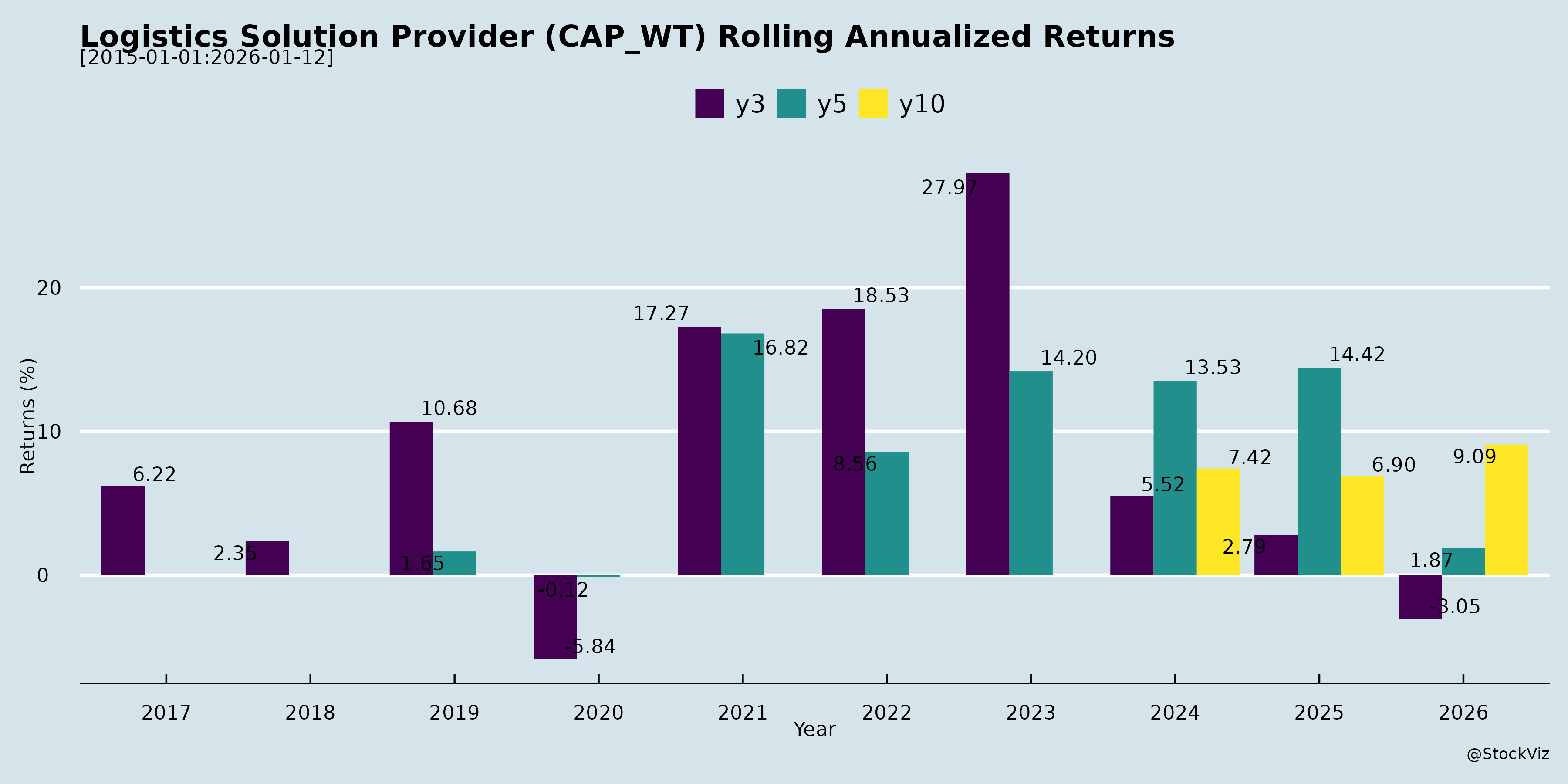
Rolling Returns
Fundamental Ratios
AI Summaries
How have the challenges and oppurtunities evolved over time?
asof: 2026-04-15
The logistics and supply chain industry has evolved significantly over time, transitioning from basic transportation and single-segment focuses to highly integrated, technology-driven, and diversified operations. As the industry has matured, companies have had to navigate a shifting landscape of macroeconomic headwinds, operational bottlenecks, and emerging growth avenues.
Evolving Challenges
Global Trade and Geopolitical Headwinds: The export and EXIM (Export-Import) businesses have faced considerable turbulence due to shifting global dynamics. Companies have had to navigate US tariffs, broader geopolitical tensions, and specific business constraints in regions like the Gulf [1, 2]. Looking ahead, the broader logistics sector acknowledges that near-term global trade conditions and tariff shifts remain highly dynamic and challenging [3, 4].
Cost Pressures and Regulatory Shifts: While some broader business cost pressures have stabilized, labor costs have continued on an upward trajectory [5, 6]. This is largely driven by evolving government regulations aimed at regularizing the workforce and mandating social security benefits through strict labor laws [5, 6].
Capacity Management and Asset Utilization: The industry has historically grappled with massive inefficiencies in asset utilization. For example, road transportation dominates the sector, yet approximately 85% of this capacity belongs to fragmented, single-operator industries suffering from chronic under-asset utilization [7, 8]. Additionally, managing sudden network capacity spikes remains an operational challenge; instances where e-commerce festive peaks coincide with tax-driven volume surges pose acute risks to service quality [9].
Margin Dilution from Diversification: As companies expand their service mixes to capture market share, they often face margin compression. For instance, businesses shifting from predominantly frozen warehousing to including chilled and dry storage have had to navigate lowered overall profit margins exacerbated by broader macroeconomic impacts [10].
Evolving Opportunities
Technological Advancement and Automation: To combat inefficiencies, logistics providers are heavily investing in proprietary technology. There are massive opportunities in automated serviceability, capacity management systems, AI-driven agentic solutions, and robotics for loading/unloading and warehouse sortation [9, 11]. Furthermore, digital aggregator platforms are emerging to “uberize” the trucking industry, aiming to increase asset utilization for single-fleet operators while creating massive entrepreneurship opportunities in Tier 2, 3, and 4 cities [7, 8, 12, 13].
Sectoral Diversification: Logistics players are actively moving away from dependency on single legacy industries. A major evolution is the strategic push into high-growth, non-core sectors. Key growth areas include renewables and solar energy (with dedicated verticals handling specialized solar logistics), pharmaceuticals, electronics, electric vehicles (EVs), and Direct-to-Consumer (D2C) brands [14-19]. Some companies have also unlocked recurring revenue streams by expanding into adjacent markets like record management, mobility, and manpower services [20, 21].
Favorable Policy Tailwinds and Multimodal Infrastructure: Changes in government policy, such as the reduction of certain tariffs from 25% to 18% and the removal of penalty tariffs, have improved the overall business scenario [5, 6]. The government’s heavy focus on infrastructure development has opened doors for logistics companies to handle large-scale movements in the steel, cement, and mining sectors [22, 23]. To optimize this, the industry is aggressively shifting towards multimodal transportation—integrating road, rail, and coastal networks to drive structural cost efficiencies and improve margin sustainability [22-24].
Market Consolidation and Inorganic Growth: The maturation of customer supply chain requirements has created a highly favorable environment for strategic acquisitions. As sub-scale and inefficient players face operational and financial headwinds, larger integrated companies are leveraging buyouts to consolidate the market [25]. This allows established providers to seamlessly acquire niche capabilities, increase their geographic footprint, and absorb incremental revenues at high margins [20, 25].
What are the headwinds affecting this industry?
asof: 2026-04-15
Geopolitical Instability and Global Trade Uncertainties The logistics and freight industry is heavily impacted by global geopolitical tensions and trade policy changes. Export and EXIM (Export-Import) businesses have faced significant turbulence due to the overall geopolitical situation, business constraints in the Gulf region, and the ongoing Red Sea crisis [1-3]. Shifting trade policies and tariff-related uncertainties, particularly involving the US, have caused disruptions, leading to a decline in European business and reduced trade volumes from Asia to North America [4-7]. These factors have culminated in softer global trade activity and cautious shipment planning by customers, which directly hampers volume growth across key international routes [8].
Freight Rate Volatility and Excess Capacity Companies are grappling with severe fluctuations and downward pressure on freight rates. Recent quarters have seen some of the lowest freight levels in years, which directly depresses top-line revenue for logistics providers operating on cost-plus models [9-12]. The industry is experiencing a normalization of realizations alongside excess capacity in certain shipping corridors, leading to heightened rate volatility and a highly competitive pricing environment [6, 13].
Escalating Costs and Regulatory Labor Changes Rising operational costs are a major headwind. The industry is facing widespread price inflation, driven heavily by increased toll taxes and escalating labor costs [14, 15]. Labor expenses are specifically on an upward trend due to government efforts to regularize the workforce and mandate social security benefits [16, 17]. For example, the implementation of new labor codes requires a minimum base salary of 50% of total fixed wages, which triggers both one-time and recurring increases in employee-related provisions such as gratuity, leave encashment, health insurance, and provident fund contributions [18]. Furthermore, companies are contending with broader operational infrastructure challenges, wage increases in India, and the risk of time and cost overruns [19, 20].
Intense Competition and Margin Compression The logistics sector is highly competitive, leading to intense pricing pressures that negatively impact both revenue and margins [20, 21]. Large institutional clients frequently leverage their size to squeeze prices and compress profit margins for service providers [22, 23]. Concurrently, many players in the market face severe structural headwinds, including poor or negative incremental margins, a lack of operating leverage, capital constraints, and limited technological capabilities [24].
Sector-Specific Slowdowns and Changing Business Mixes Specific segments within the broader market are also experiencing unique challenges: * Air Cargo: After experiencing a surge during the COVID-19 pandemic, the air cargo business is seeing volume growth slow down once again [25, 26]. * Retail and Textiles: There has been reduced demand in the lifestyle, textile, and high-fashion sectors, resulting in fewer international purchases and a notable decline in air freight volumes for these specific goods [4, 5, 27, 28]. * Warehousing: Changes in the operational mix, such as an increased proportion of dry warehousing compared to specialized frozen or chilled storage, have brought down overall warehousing margins, further exacerbated by broader microeconomic factors [29, 30].
What are the key things to understand about this industry?
asof: 2026-04-15
The Core Structure and Segments of the Industry The logistics and supply chain industry is a vast, multifaceted ecosystem primarily divided into domestic transportation (road, rail, and air), cross-border transportation (air and ocean shipping), and warehousing and supply chain services [1]. Historically characterized by a large number of unorganized players, the industry is rapidly formalizing and evolving from basic transportation providers into comprehensive, integrated third-party (3PL), fourth-party (4PL), and even fifth-party (5PL) logistics solution providers [1-5].
To serve a diverse client base, companies offer a wide spectrum of services, including full truckload (FTL) and part truckload (PTL) freight, express parcel transportation, customs clearance, freight forwarding, and project logistics for heavy or over-dimensional cargo (ODC) [6-9]. Specialized capabilities are also a major component, such as temperature-controlled cold-chain logistics for pharmaceuticals and perishables, and bonded warehousing where businesses can defer duty payments on imported goods [10-13].
Market Consolidation and Strategic Expansion The Indian logistics market is currently undergoing a period of consolidation, driven by increasingly sophisticated customer requirements and the financial and operational headwinds faced by sub-scale, inefficient players [14]. Larger, integrated logistics companies are actively utilizing acquisitions and strategic investments to absorb incremental revenues at high margins and build niche capabilities [14]. These strategic buyouts target adjacencies like robotics, rapid commerce, cross-border e-commerce, and specialized domestic air freight [14].
Furthermore, major domestic companies are increasingly mirroring multinational corporations by outsourcing their in-house logistics [15]. This rising trend of “in-plant logistics” allows logistics providers to secure long-term, high-margin business-to-business (B2B) contracts by supplying skilled manpower, forklifts, and back-to-back vendor management directly at the client’s manufacturing sites [15].
The Transformative Role of Technology and Automation Technology is arguably the most critical differentiator in the modern logistics landscape. Companies are making front-loaded investments in digital capabilities, automation, and robotics to create resilient, future-ready logistics ecosystems [16-18]. Key technological advancements include: * Warehouse and Facility Automation: The deployment of automated storage and retrieval systems, mobile robotics, and automated truck loading/unloading solutions significantly increases in-facility productivity and handles greater sorting complexity [17, 18]. * Advanced Data and AI: Leading players use proprietary location intelligence (like geocoding and address standardization), dynamic pricing, and agentic AI algorithms to completely system-direct mid-mile operations, reduce delivery return rates, and achieve high-speed dispute resolution [18]. Enterprise Warehouse Management Systems (WMS) and Transport Management Systems (TMS) ensure precise stock handling and real-time fleet tracking via GPS and geo-fencing [19, 20]. * Digital Freight Platforms: Digital aggregator platforms (such as TrucksUp and FreightJar) are revolutionizing the heavily fragmented road transportation sector, where up to 85% of trucks are owned by single operators [21-23]. These platforms function like “Uber for trucks,” matching verified load listings with available vehicles to drastically reduce the idle time and empty running of trucks, cutting wait times from days down to a few hours [23-25].
Customer Dynamics: Express Services, SMEs, and Pricing Power Customer profiles in this industry generally range from massive institutional clients to Small and Medium Enterprises (SMEs) [26, 27]. While institutional clients provide volume, they often squeeze margins and highly negotiate prices [28, 29]. Consequently, logistics firms place a high emphasis on SMEs, supported by government initiatives to fund SME growth and create distinct manufacturing clusters [30, 31]. Maintaining a diversified customer base ensures that companies are not overly dependent on a single client [28, 29].
In segments like Express and PTL delivery, customers are highly sensitive to delivery speed, network reach, and quality metrics (such as damage-free and short delivery times) rather than just price [6, 32, 33]. Because of this demand for guaranteed service quality, logistics providers possess pricing power; realization per unit has remained steady or improved despite intense industry competition, allowing companies to successfully execute annual contractual pricing changes [6, 34, 35].
Operational Models: Asset-Light vs. Multimodal Integration Logistics providers adopt varied operational models to maintain profitability. Many pursue an “asset-light” or “asset-right” strategy, completely outsourcing their vehicle fleets [5, 36-39]. This provides high flexibility, allowing them to dynamically shift from smaller 16-tonne trucks to larger 25-tonne trucks to maximize capacity utilization and drive down per-unit costs as demand fluctuates [36, 37].
Simultaneously, there is a massive push toward Multimodal Logistics—building an integrated backbone that seamlessly combines road, rail, coastal shipping, and air transport [5, 40, 41]. Expanding rail-based operations and deeply integrating them with road and sea networks drives structural cost efficiencies, improves overall asset utilization, and ensures margin sustainability [40].
High-Growth Sectors and Sustainability Tailwinds The logistics industry is buoyed by robust demand across several specific verticals, including automotive, consumer durables, fast-moving consumer goods (FMCG), engineering, and defense [42-44]. E-commerce remains a massive driver, necessitating massive sort centers capable of handling over a million shipments a day through high-efficiency “single-touch” workflows for same-day and next-day deliveries [42, 45]. The renewable energy sector is another major tailwind; logistics companies are experiencing formidable growth by handling the import, heavy lifting, and distribution of solar panels, plants, and machinery for large-scale solar infrastructure projects [46-50].
Finally, Sustainability has become a central focus for the industry [51]. Companies are aggressively introducing LNG-powered fleets, utilizing electric vehicle (EV) scooters for last-mile delivery, and building Flagship Green Integrated Ground Hubs [51-53]. These initiatives reduce emissions, align with global environmental standards, and support sustainable, long-term industry growth [5, 51, 53].
What are the tailwinds affecting this industry?
asof: 2026-04-15
Macroeconomic and Geopolitical Tailwinds The logistics and transportation industry is benefiting from the stabilization of international trade dynamics and the softening of previously turbulent geopolitical issues [1, 2]. The resolution of United States tariff matters and the settling of European trade lanes are providing a positive boost to export-import (EXIM) businesses [2-4]. The industry is further supported by major trade agreements, such as the EU-India Free Trade Agreement and US trade deals, which are anticipated to drive significant export traction in sectors like handicrafts, textiles, leather, and chemicals [5-7]. Domestically, sustained consumption momentum is acting as a strong catalyst, fueled by rising disposable incomes in Tier 2 and Tier 3 cities [8, 9]. This growth is supported by a favorable macroeconomic environment characterized by low inflation and low interest rates [10]. Additionally, the reduction of specific tariffs from 25% to 18% and the removal of penalty tariffs are expected to revitalize freight movement for industries such as lifestyle and textiles [8, 11, 12].
Government Initiatives and Infrastructure Development There is a sustained government focus on building infrastructure, ports, and logistics networks, which provides long-term visibility and constructive fundamentals for the sector [5, 6]. The continued building of roads and heavy infrastructure projects is expected to remain a primary governmental focus until at least 2029, directly benefiting the logistics of steel, cement, and mining [13, 14]. Strategic initiatives like the PM Gati Shakti National Master Plan are accelerating multimodal connectivity and encouraging the use of innovative, low-carbon transport solutions [15]. Furthermore, the government has placed a high emphasis on supporting Small and Medium Enterprises (SMEs) through dedicated funding in the budget, which protects and grows a vital customer base for the express logistics segment [16, 17]. Upcoming infrastructure milestones, such as the connection of the Dedicated Freight Corridor (DFC) to JNPT, are also expected to facilitate the efficient shift of cargo volumes and improve double-stacking percentages [18].
High-Growth End Markets The e-commerce sector continues to be a massive structural growth driver, with expectations of 15% to 20% annual volume growth in the medium term [19]. This surge in online consumption and demand for faster deliveries is significantly boosting both ground express and air cargo markets [19-22]. The renewable energy sector is another major tailwind, specifically driven by the massive expansion of solar and electric vehicle (EV) supply chains [8, 23]. The solar industry is experiencing large-scale capital expenditure and component demand, positioning solar EXIM logistics for multi-year expansion, particularly in critical manufacturing nodes like Gujarat [24-27]. Demand also remains robust across other diverse manufacturing verticals, including the automotive, defense, pharmaceutical, and bulk commodities sectors [12, 28, 29].
Structural Industry Shifts and Modernization The logistics industry is undergoing a structural transformation toward supply-chain formalization and consolidation [9, 30]. There is a growing trend of large Indian companies and multinational corporations outsourcing their in-house logistics operations to specialized third-party (3PL) and in-plant logistics providers, which secures long-term contracts and higher margins for the industry [31, 32]. Additionally, the sector is experiencing consolidation, where larger, technology-enabled logistics companies are capturing market share from sub-scale or inefficient players who are struggling with capital constraints, lack of operating leverage, and poor service margins [19, 30].
The rapid adoption of technology, automation, and data intelligence is allowing companies to optimize route planning, better orchestrate capacity during peak seasons, and reduce the overall cost of delivery [9, 33, 34]. Finally, the transition toward integrated multimodal supply chains—combining road, rail, air, and coastal transport—is enhancing overall network efficiency and increasing resilience against natural calamities and trade disruptions [35-37].
What is the general outlook of this industry?
asof: 2026-04-15
The general outlook for the logistics industry is highly positive and constructive, driven by a combination of domestic economic growth, regulatory tailwinds, and structural industry transformations, despite some recent global market volatility.
Global Trade and Geopolitical Environment Recently, the international and export-import (EXIM) logistics business has navigated a turbulent environment marked by global rate volatility, excess shipping capacity, US tariff uncertainties, and geopolitical constraints in the Gulf region [1-4]. Despite these headwinds, industry leaders are bullish about the coming quarters, anticipating favorable tailwinds as the US trade lane stabilizes and tariff matters are resolved [5, 6]. Long-term sector visibility is strongly supported by the easing of US tariff pressures and the anticipated EU–India Free Trade Agreement [7, 8]. These international trade deals are expected to significantly boost export volumes, particularly for commodities like handicrafts, textiles, leather, and chemicals [9, 10]. Additionally, domestic regulatory reliefs, such as the reduction of certain tariffs from 25% to 18% and the removal of penalty tariffs, have significantly improved the broader business scenario [11, 12].
Key Domestic Growth Drivers Within India, the logistics sector is poised for substantial growth aided by supply-chain formalization, sustained consumption momentum, and widespread infrastructure development [13-15]. * Infrastructure and Core Sectors: The government’s continued focus on developing infrastructure, ports, and logistics is acting as a massive catalyst [7, 8]. Logistics providers view infrastructure-related sectors—such as steel, cement, and mining—as primary growth engines expected to dominate through at least 2029 [16-19]. * Renewable Energy: The renewable energy sector, specifically solar, is generating substantial specialized logistics demand as companies execute large capital expenditures (CAPEX) and import heavy plant machinery [20, 21]. * E-commerce and Tier-2/Tier-3 Expansion: Driven by rising disposable incomes, domestic consumption is expanding rapidly, with notable growth originating from Tier-2 and Tier-3 cities [22, 23]. E-commerce remains a robust growth driver, with parcel volumes projected to grow at 15-20% annually over the medium term [24]. * SME Support: The government is placing high emphasis on Small and Medium Enterprises (SMEs), including earmarking special funds to help them grow [25-28]. Because SMEs form a critical segment of the Indian economy and supply chain, this support directly benefits express logistics providers [25, 27].
Industry Consolidation and Technological Transformation The Indian logistics market is expected to undergo significant consolidation over the next several years [29]. As customer supply-chain requirements become increasingly sophisticated, sub-scale and inefficient players are facing structural headwinds—such as escalating costs, negative margins, and capital constraints—allowing larger, technologically equipped companies to capture greater market share [24, 29].
To capitalize on this, logistics providers are fundamentally transforming from traditional transporters into comprehensive, end-to-end multi-modal supply chain companies [30, 31]. To sustain their growth trajectories and improve profitability, companies are making front-loaded investments in resilient network infrastructure, digital capabilities, automation, and green logistics ecosystems [13, 32].
Copyright © 2023 SAS Data Analytics Pvt. Ltd. All rights reserved.