Life Insurance
Industry Metrics
September 24, 2026
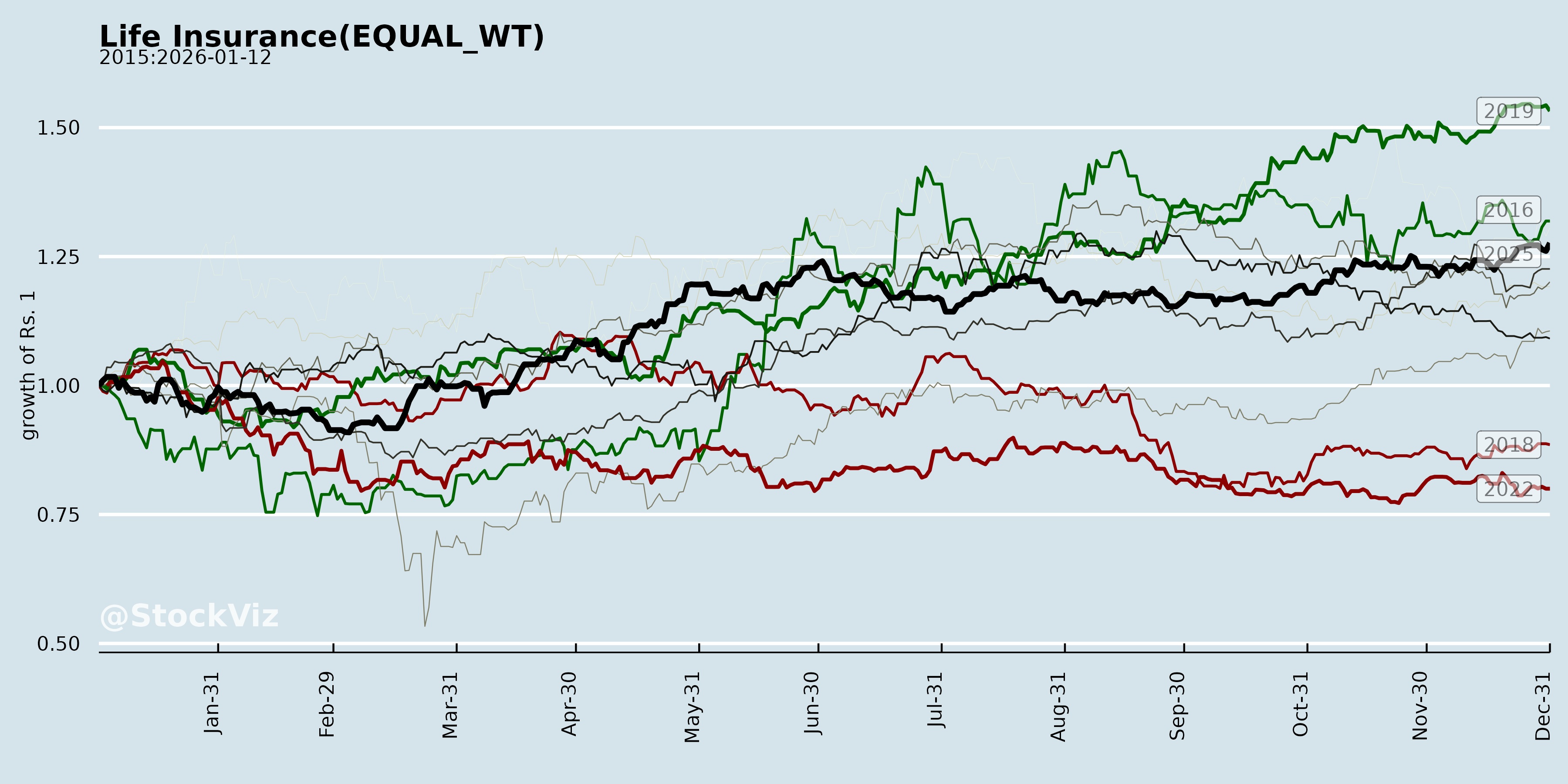
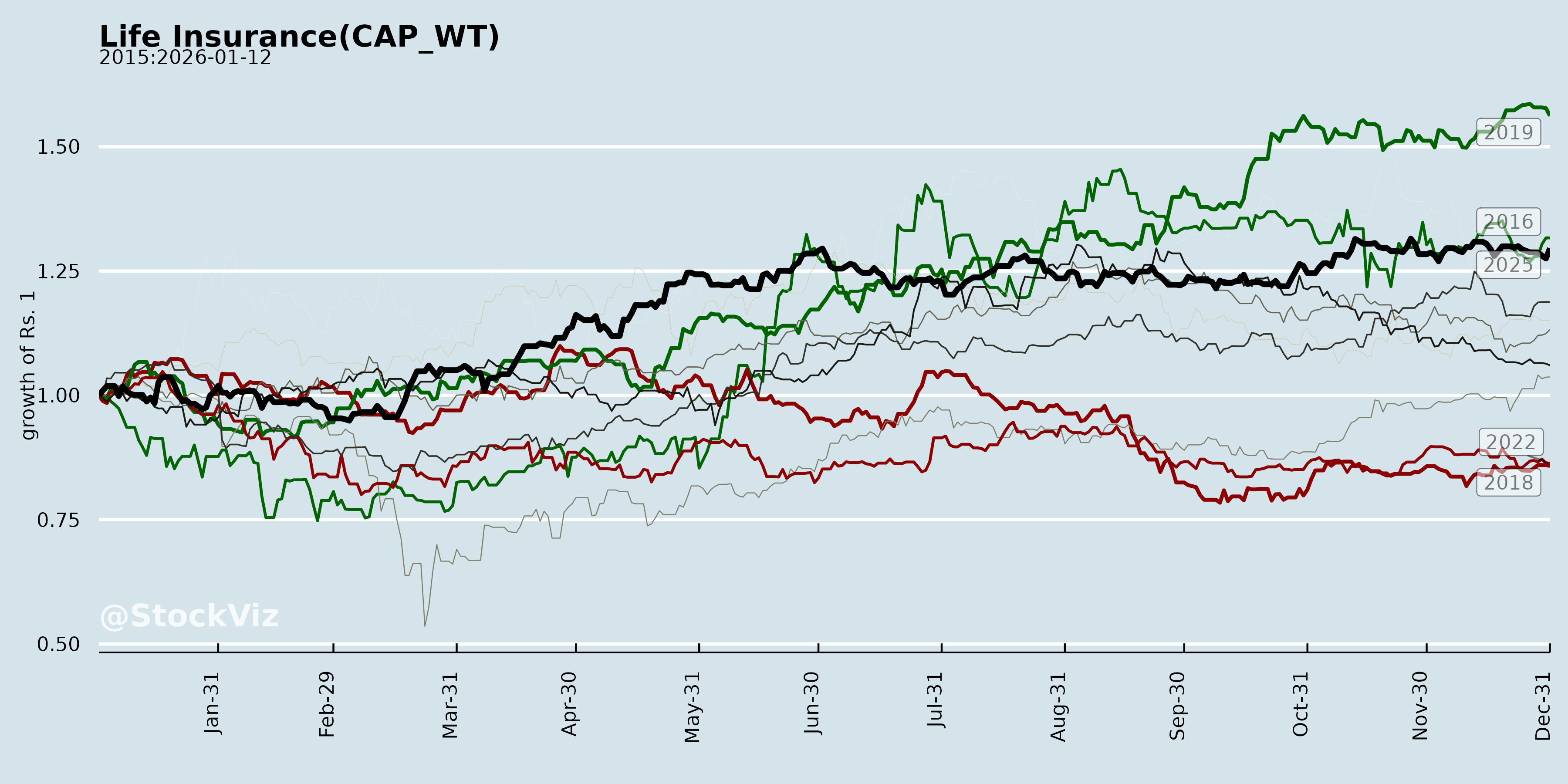
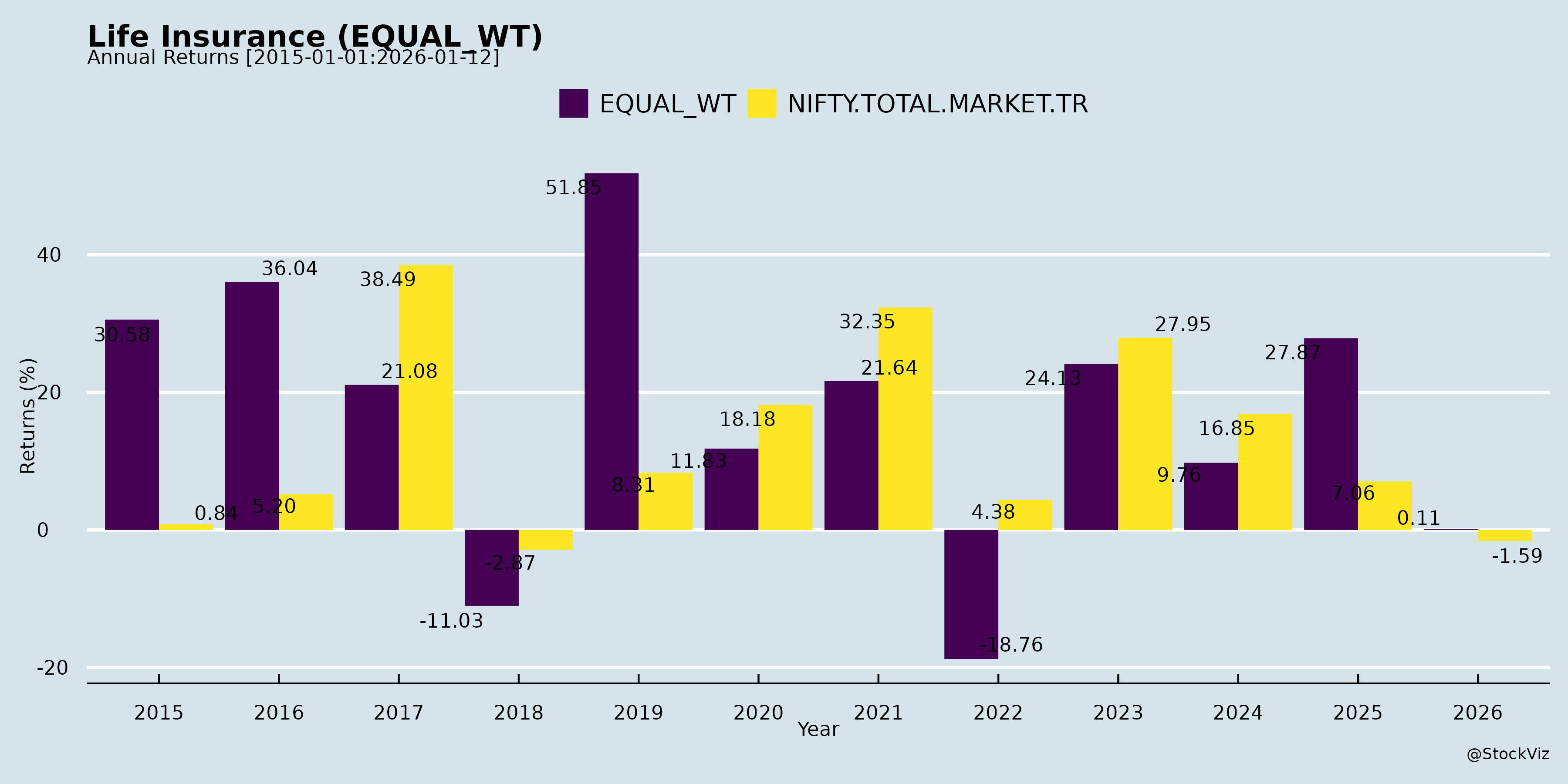
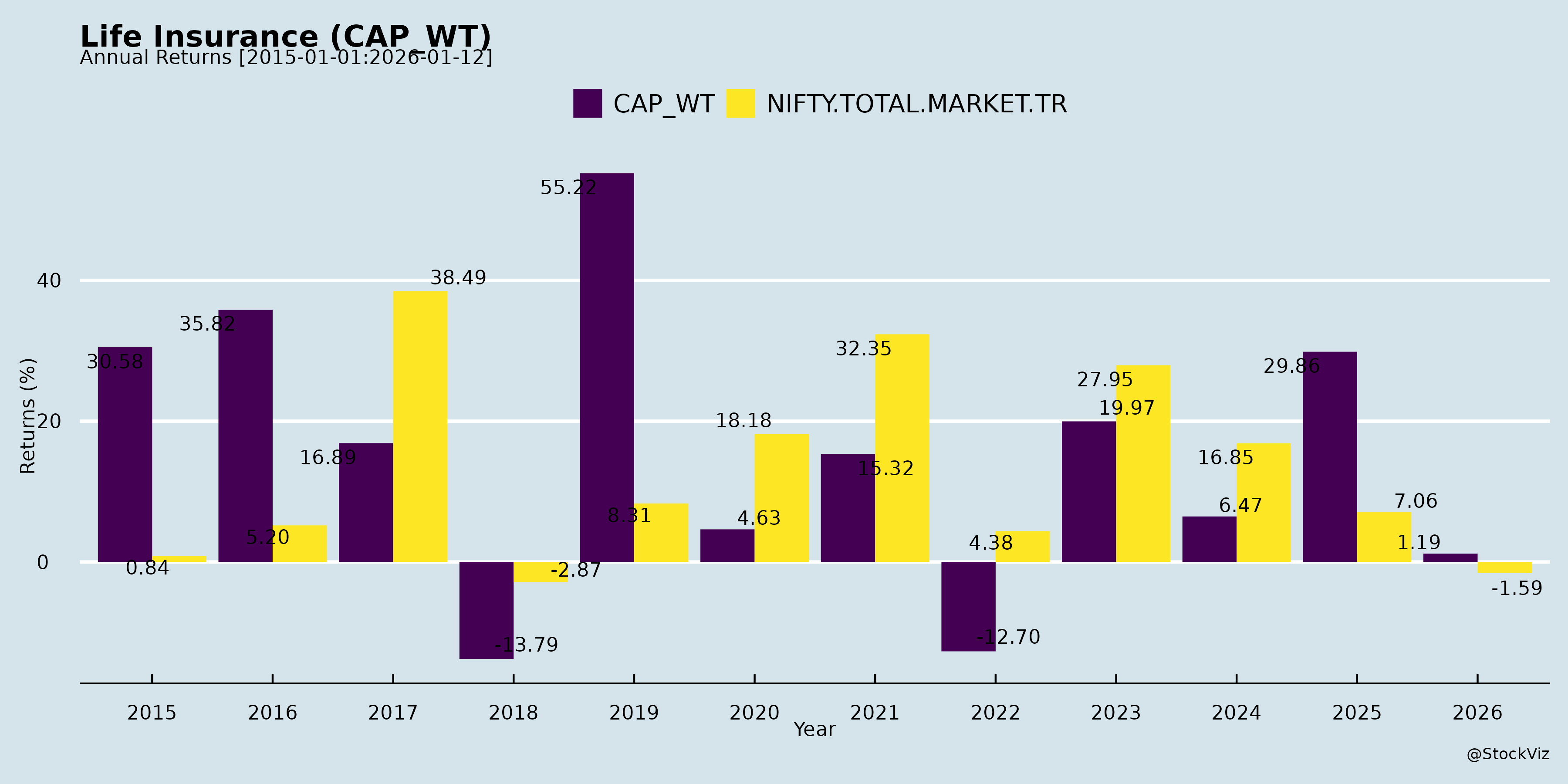
Annual Returns
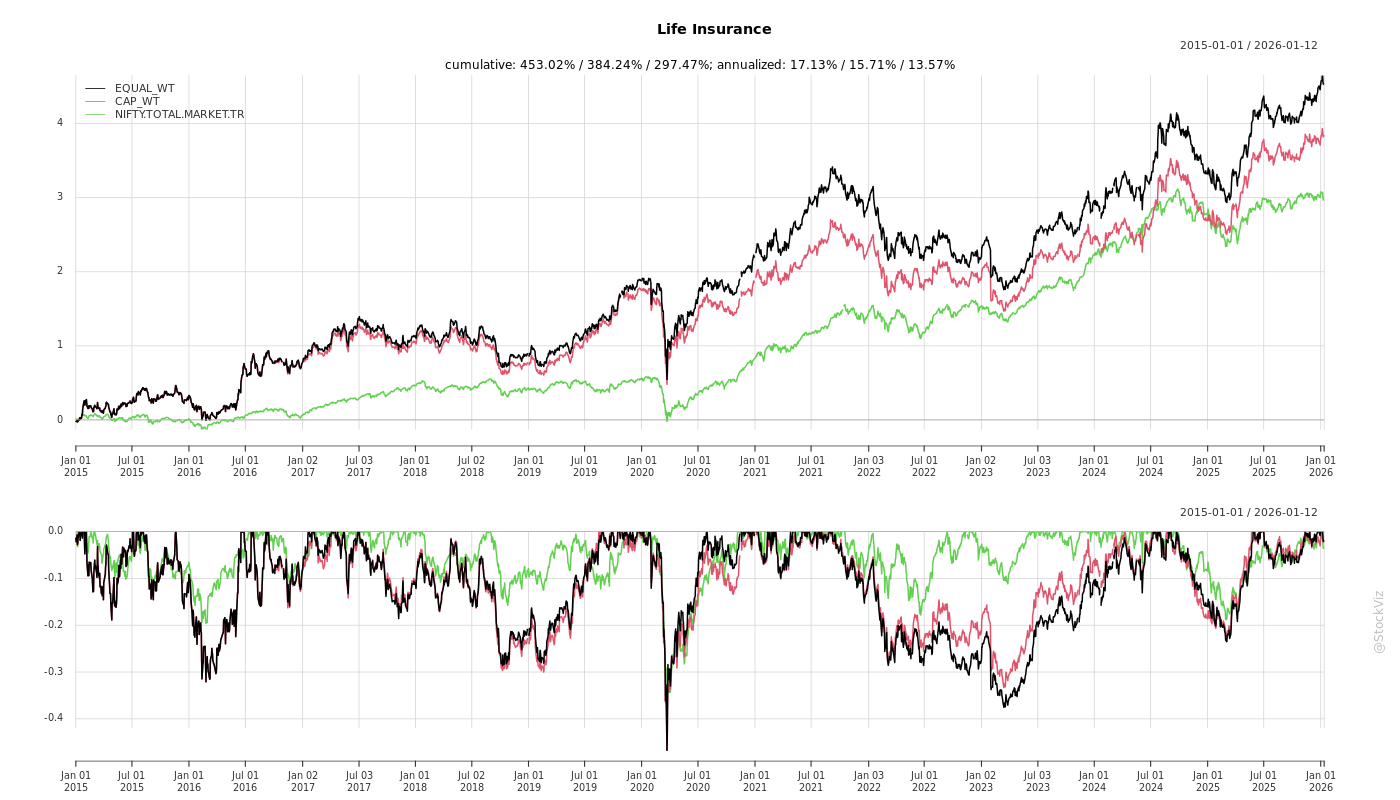
Cumulative Returns and Drawdowns
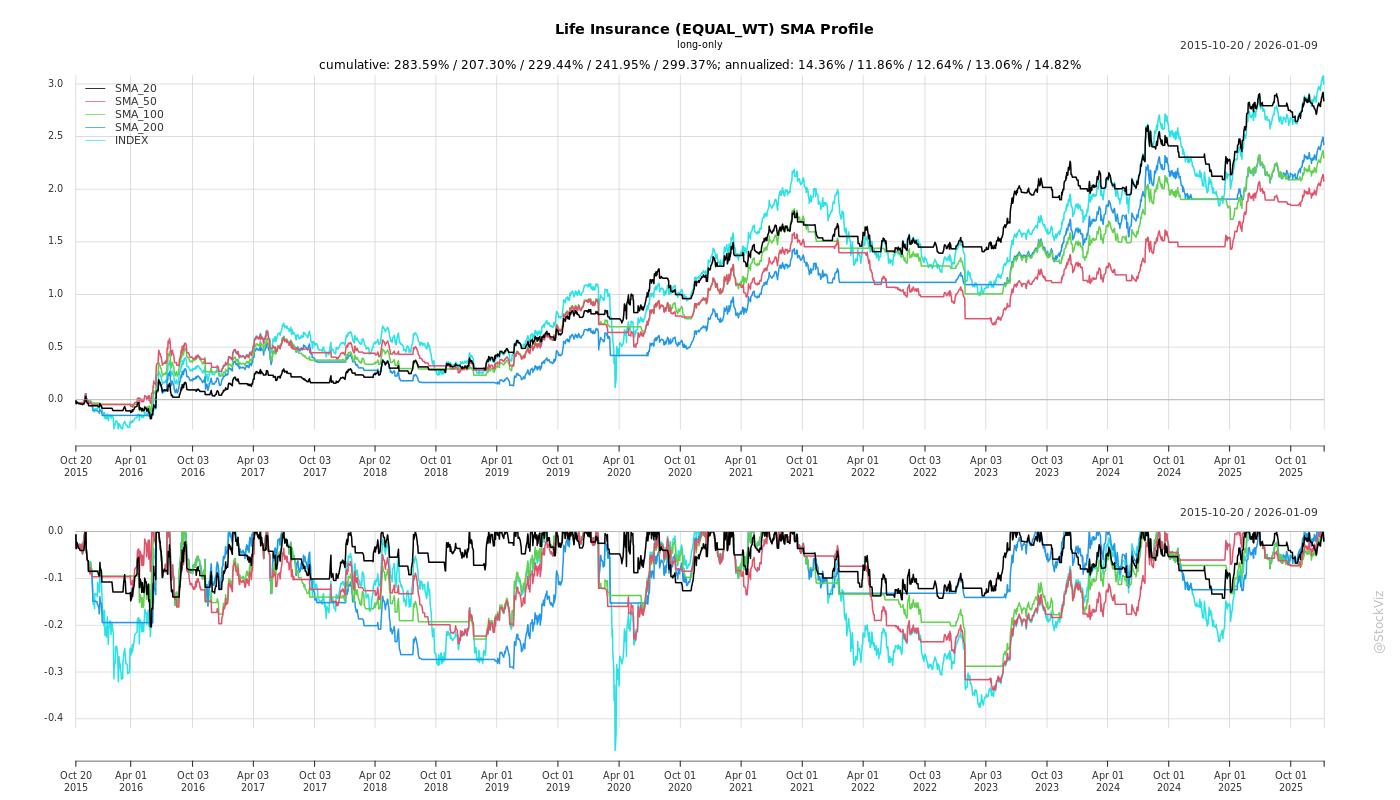
SMA Scenarios
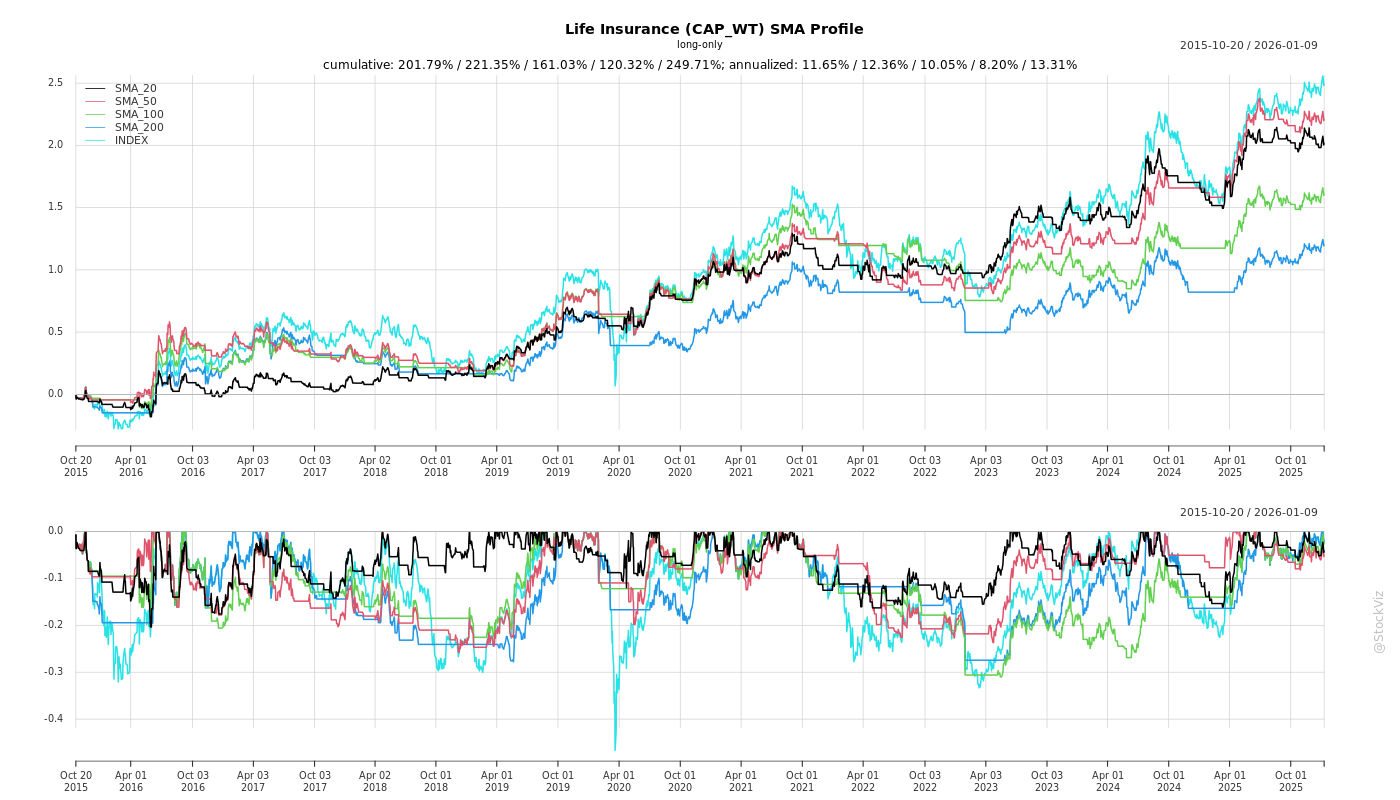
Current Distance from SMA
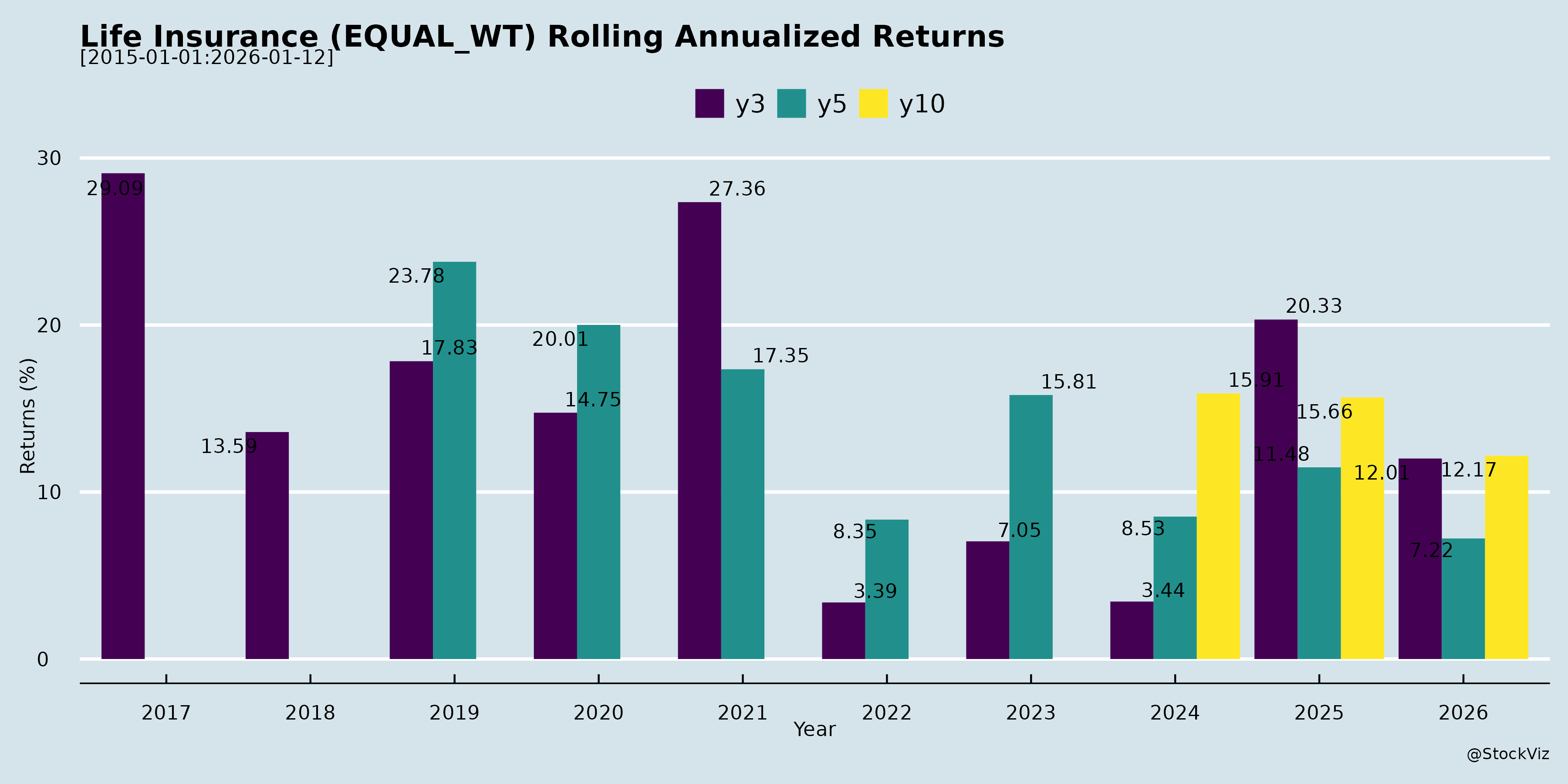
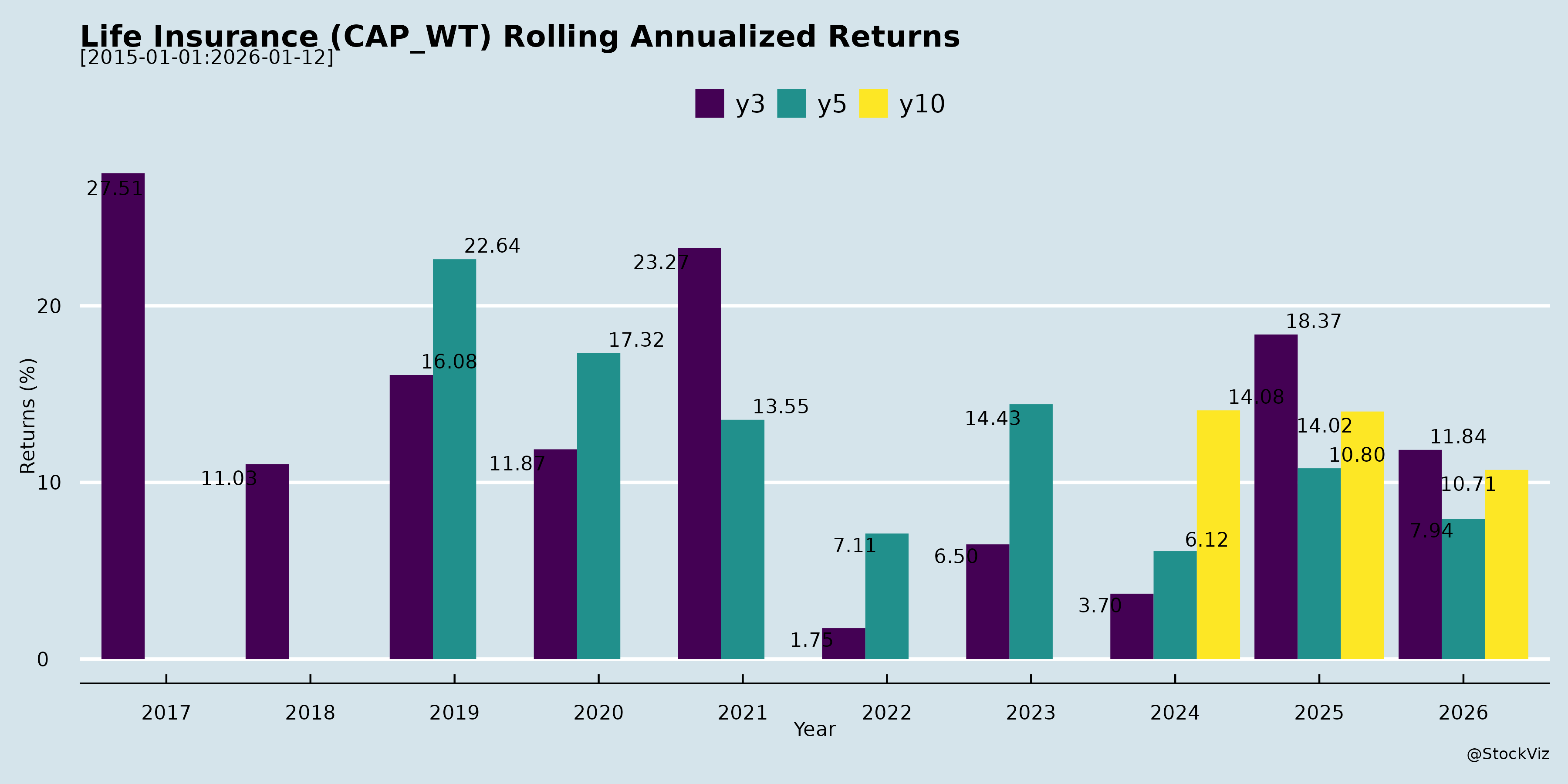
Rolling Returns
Fundamental Ratios
AI Summaries
How have the challenges and oppurtunities evolved over time?
asof: 2026-04-15
Challenges in the Life Insurance Sector
The life insurance industry has navigated several significant hurdles over time, ranging from sudden global crises to structural regulatory shifts:
- Regulatory and Tax Reforms: The sector has had to adapt to tighter tax exemptions, specifically the removal of tax exemptions for traditional savings policies with premiums exceeding Rs 5 lakh [1], as well as for Unit Linked Insurance Plans (ULIPs) with premiums over Rs 2.5 lakh [2]. Furthermore, new surrender value regulations have challenged margins by mandating higher surrender values after the completion of a policy’s first year [3].
- Shifts in Distribution Dynamics: The introduction of an “open architecture” model allowed banks to partner with up to three different life insurers [2]. While this increased consumer choice, it eliminated exclusivity benefits for certain insurers, such as the loss of exclusivity that HDFC Life previously held with HDFC Bank [2].
- Unforeseen Global Crises: The COVID-19 pandemic brought acute operational hurdles, characterized by strict lockdowns that heavily disrupted traditional face-to-face communication and sales [2]. Concurrently, insurers had to manage a significant and sudden rise in mortality claims [2].
Opportunities in the Life Insurance Sector
Despite these challenges, the landscape is rich with long-term growth opportunities driven by demographics, technological evolution, and enabling policies:
- Favorable Macroeconomics and Demographics: India is positioned as the fifth-largest and fastest-growing major economy, supported by a burgeoning middle class and rising affluence [4]. Furthermore, with a median age of just 28, India boasts a massive demographic dividend and is projected to remain the youngest economy until 2070, providing an expansive, long-term customer base [5, 6].
- Massive Protection and Retirement Gaps: India remains vastly under-insured and currently has the highest mortality protection gap in the region, providing immense headroom for growth [6-8]. Concurrently, the country’s retirement savings gap is projected to grow by 10% annually, reaching ~$96 trillion by 2050 [9, 10]. This is driven by rising life expectancies and an elderly population (aged 60+) that is expected to multiply 2.5 times by 2050, creating booming demand for annuity and pension solutions [10-12].
- Regulatory and Policy Enablers: Government initiatives are actively working to deepen insurance penetration. The “Bima Trinity” initiative aims to catalyze growth through Bima Sugam (a unified digital platform), Bima Vistaar (affordable bundled products), and Bima Vahak (a women-led rural distribution system) [7, 13]. Furthermore, the Sabka Bima, Sabki Raksha (Amendment of Insurance Laws) Bill of 2025 seeks to allow up to 100% Foreign Direct Investment (FDI), which will boost capital, capability, and competition [14].
- Technological and Digital Transformation: Insurers have transformed the challenge of disrupted physical sales into an opportunity by aggressively accelerating tech enablement [2]. Companies are utilizing artificial intelligence (AI), machine learning, and data analytics to implement zero-touch automated underwriting, instant policy issuance, hyper-personalized customer nudges, and significantly faster claim settlements [15-18].
- Rise in Retail Indebtedness: Retail credit has grown at a compound annual growth rate (CAGR) of 16% over the last decade [8]. This rising indebtedness spurs a direct need for credit life insurance, presenting opportunities to increase attachment rates and value penetration [8].
What are the headwinds affecting this industry?
asof: 2026-04-15
Regulatory and Taxation Reforms The life insurance industry has faced substantial headwinds from evolving tax laws and regulatory mandates. A primary challenge has been the removal of tax exemptions for traditional savings policies with premiums exceeding ₹5 lakh [1]. Similarly, tax exemptions have been eliminated for Unit Linked Insurance Plans (ULIPs) with premiums greater than ₹2.5 lakh [2]. Additionally, recent Surrender Value (SV) regulations have required insurers to increase the surrender value paid to customers after the completion of the first policy year [3]. These regulatory adjustments have placed downward pressure on the Value of New Business (VNB) margins and growth [4, 5]. The sector has also been impacted by GST modifications, specifically the unavailability of input tax credits effective September 22, 2025, which has driven changes in operating assumptions and cost structures [5-7]. More broadly, ongoing revisions to capital requirements, solvency rules, accounting standards, and other tax legislations remain a persistent regulatory risk [8, 9].
Shifts in Distribution Dynamics and Competition Changes in distribution frameworks have altered the competitive landscape. The introduction of an “open architecture” model allows banks to partner with up to three different insurance providers [2]. While this broadens consumer choice, it has led to the loss of exclusivity in lucrative bancassurance tie-ups, intensifying market competition and forcing insurers to aggressively defend their market share within partner banks [2, 8, 9].
Macroeconomic and Market Volatility Insurance providers are highly sensitive to broader economic fluctuations. Key financial headwinds include volatility in interest rates and equity markets, which directly influence investment variances, reference rate yield curves, and embedded value calculations [10-12]. Insurers must continually navigate exposure to these market risks, which can disrupt expected investment income, capital accumulation, and long-term cash flow projections [8, 13].
Actuarial and Operational Risks The industry must also account for unpredictable demographic and behavioral variables. Mortality and morbidity trends represent a significant headwind when actual experience deviates from projections, such as the sudden rise in claims and disrupted face-to-face communications witnessed during the Covid-19 pandemic [2, 8]. Persistency and lapse risks are another major concern; insurers face the continuous challenge of maintaining high policy renewal rates and mitigating “mass lapses,” particularly in ULIPs once the initial surrender penalty periods expire [8, 11]. Finally, companies must battle operational headwinds related to rising maintenance and acquisition expenses, which require constant cost optimization to prevent margin erosion [7, 10, 11].
What are the key things to understand about this industry?
asof: 2026-04-15
Understanding the Indian life insurance industry requires looking at its macroeconomic drivers, the structural gap it aims to fill, the specific products it offers, its distribution methods, and the unique financial metrics used to evaluate its performance.
Here is a detailed breakdown of the key concepts, dynamics, and metrics that define this sector:
1. Massive Growth Potential and Demographic Tailwinds The Indian life insurance market is currently the 9th largest globally and is projected to become the 5th largest by 2032 [1]. This growth is heavily supported by demographic tailwinds. India possesses a young population with a median age of 28 years [1], a growing working-age demographic, rapid urbanization, and rising affluence [2]. The number of middle-income households is expected to nearly double, reaching 181 million between FY22 and FY30 [3]. Overall, India’s insurable population is estimated to hit roughly 1 billion by 2035 [3]. Because of these factors, life insurance premiums are forecast to grow at an annual average of 9% in real terms over the next decade [2, 4].
2. Under-Penetration and the Protection Gap Despite its rapid growth, India remains a vastly under-insured market compared to regional peers like Singapore, Malaysia, and Thailand [1, 5]. * Penetration & Density: Life insurance penetration (measured as premiums as a percentage of GDP) and insurance density (premium per capita in USD) are still exceptionally low [3, 5, 6]. * The Protection Gap: India has the highest mortality protection gap among its peers [1]. Furthermore, the total “Sum Assured” (the guaranteed amount paid out upon death) as a percentage of GDP is only about 23% in India, compared to 332% in Singapore and 143% in Malaysia [7]. This signals a massive, untapped opportunity for insurers to sell pure protection products.
3. Key Product Categories Life insurers offer a diverse mix of products catering to different customer life stages, such as wealth creation, child education, family protection, and retirement [8]. The primary product categories include: * Protection: Pure risk policies (like Term Life and Credit Life) that pay out a sum assured in the event of the policyholder’s death [9, 10]. * Participating (Par) Savings: Traditional savings plans where the policyholder shares in the profits of the company’s participating fund through bonuses [11, 12]. * Non-Participating (Non-Par) Savings: Traditional plans that offer guaranteed returns without sharing in the company’s profits [9, 11]. * Unit Linked Insurance Plans (ULIPs): Market-linked plans that combine life insurance protection with wealth creation through investments in equity or debt funds [11, 13]. Private players have been increasingly shifting toward ULIPs alongside a strong focus on protection [14]. * Annuity/Pension: Products designed to provide a steady income post-retirement. Demand for annuities is expected to soar due to increasing life expectancy and an aging population [15].
4. Distribution Channels (How Insurance is Sold) Insurance is distributed through a diversified architecture to maximize reach [16]: * Bancassurance (Banca): The dominant channel for private insurers, involving partnerships with banks to sell insurance to the bank’s customer base [14, 17, 18]. Current “open architecture” regulations allow a single bank to tie up with up to three different life insurers [19]. * Agency: A proprietary network of individual human agents advising and selling to customers [16, 17, 20]. * Direct & Digital: Selling directly to consumers through websites, dedicated call centers, and digital platforms, a channel that has gained significant momentum in recent years [17, 21, 22]. * Non-Bank Alliances: Distribution through brokers, corporate agents, and other financial institutions [23].
5. Unique Financial Metrics and KPIs To evaluate the health, growth, and profitability of a life insurance company, the industry relies on specific actuarial and financial metrics: * Annualized Premium Equivalent (APE): A standard measure of new business sales, calculated as the sum of all annualized first-year regular premiums plus 10% of single (lump sum) premiums [24-27]. * Value of New Business (VNB) & VNB Margin: VNB calculates the present value of expected future earnings from the new policies written during a specific period. The VNB Margin (VNB divided by APE) is the core measure of new business profitability [26, 28-31]. * Embedded Value (EV): The total consolidated value of the shareholders’ interest in the life insurance business. It combines the company’s net asset value with the present value of future profits expected from existing in-force policies [26, 29, 30, 32, 33]. * Persistency Ratio: This measures customer retention—the percentage of policies that continue paying their renewal premiums. Tracked closely at milestones like the 13th month and 61st month, high persistency is critical for long-term profitability [26, 33-35]. * Solvency Ratio: A regulatory measure of financial stability, comparing the available solvency margin to the required solvency margin to ensure the company can meet its long-term obligations [18, 26, 36].
6. Regulatory and Structural Enablers The industry operates in a dynamic regulatory environment designed to boost penetration and inclusion. Key government and regulatory initiatives include the “Bima Trinity” (comprising Bima Sugam, a unified digital platform; Bima Vistaar, affordable bundled products; and Bima Vahak, a women-led rural distribution system) [3, 5]. Additionally, proposed legislative changes like the Sabka Bima, Sabki Raksha Bill seek to allow up to 100% Foreign Direct Investment (FDI) to boost capital and competition [10]. However, insurers must also adapt to regulatory headwinds, such as the removal of tax exemptions for high-value ULIPs and traditional savings plans, and new regulations increasing surrender values for customers [19, 37, 38].
7. Role in Nation-Building Beyond individual protection, the life insurance industry is a massive engine for macroeconomic growth. Insurers mobilize long-term household capital and direct it into the economy. For instance, life insurers subscribe to approximately 20% of all Government Securities (G-Secs) issued in India, and more than 15% of traditional fund assets under management are heavily invested in infrastructure and social sectors [39, 40].
What are the tailwinds affecting this industry?
asof: 2026-04-15
The Indian life insurance industry is currently benefiting from several strong demographic, economic, and regulatory tailwinds:
Favorable Demographics and Economic Growth * Young and Working Population: India possesses a strong demographic dividend as the youngest economy, a status it is expected to maintain until 2070 [1]. A high share of the working population, combined with rapid urbanization, acts as a primary propellant for the sector’s long-term growth [2]. * Rising Affluence and a Booming Middle Class: The industry is benefiting from rising overall affluence and a burgeoning middle class [2, 3]. The number of middle-income households is projected to nearly double, reaching 181 million between FY22 and FY30 [4]. A significant proportion of this growth is emerging from semi-urban and rural areas, often referred to as the “emergence of Bharat” [3, 4]. * Increasing Life Expectancy: Advancements in medical science are improving life expectancy, which in turn is driving up the demand for retirement solutions, pension-based products, and annuities [5].
Vast Market Under-Penetration * Low Insurance Density and Coverage: India remains vastly under-insured in terms of both market penetration and insurance density compared to its global peers [6, 7]. Furthermore, India currently has the lowest sum assured as a percentage of GDP among peer nations, highlighting a massive opportunity to expand protection coverage [8]. * Expanding Insurable Population: The country’s insurable population is estimated to reach approximately 1 billion by the year 2035 [4]. Combined with increasing financial literacy, this under-penetration presents a major runway for growth [8]. * Credit Growth: An increase in retail loans and overall credit indicates a strong corresponding opportunity to expand group protection products [9, 10].
Supportive Government and Regulatory Reforms * The Bima Trinity Initiative: This major regulatory push is designed to catalyze industry growth and financial inclusion through three core pillars: Bima Sugam (a unified digital insurance platform), Bima Vistaar (affordable bundled insurance products), and Bima Vahak (a women-led rural distribution system) [4, 6]. * GST Reforms: Recent GST reforms introduced by the Government of India have directly supported accelerated protection-led growth [11]. * FDI and Legislative Amendments: The industry’s momentum is being further reinforced by the Sabka Bima, Sabki Raksha (Amendment of Insurance Laws) Bill, 2025. This bill seeks to build a more enabling ecosystem and deepen coverage by allowing up to 100% Foreign Direct Investment (FDI) to boost capital, operational capability, and competition within the sector [11].
What is the general outlook of this industry?
asof: 2026-04-15
The general outlook for the Indian life insurance industry is exceptionally positive, characterized by rapid expansion, robust economic tailwinds, and massive untapped market potential. Over the next decade, Swiss Re forecasts that life insurance premiums in India will grow at an annual average of 9% in real terms, positioning the country to become the fifth-largest life insurance market globally by 2032 [1, 2].
Vast Under-Penetration and Market Expansion The Indian market remains significantly under-insured in terms of both insurance penetration and density when compared to regional peers like Malaysia, Thailand, and China [2, 3]. India currently has the highest mortality protection gap in the region, a gap that is projected to continue growing at approximately 4% per annum [3, 4]. Additionally, India possesses the lowest sum assured as a percentage of GDP among its peers, representing a substantial opportunity for market penetration driven by increasing financial literacy and a growing need for life cover [5]. Overall, the country’s insurable population is estimated to reach approximately 1 billion by the year 2035 [6].
Demographic and Economic Tailwinds The sector’s growth is fundamentally supported by India’s “demographic dividend” [7]. India boasts one of the youngest populations globally with a median age of 28, a demographic advantage it is expected to retain until 2070 [3, 7]. This young, working-age population is accompanied by rising affluence and rapid urbanization [1, 8]. The number of middle-income households is projected to nearly double to 181 million between FY22 and FY30, with a vast majority of this increase originating from semi-urban and rural “Bharat” areas [6, 8].
Economically, India is forecast to remain the fastest-growing major economy, with real GDP expected to grow at an average of 6.6% annually between 2024 and 2028 [9]. This economic prosperity is translating into higher household financial savings, which may more than double in the next five years [9]. Life insurance is expected to capture an increasingly larger share of these household savings [9, 10].
Surging Demand for Specific Product Segments * Protection and Credit Life: A steady increase in retail indebtedness—with retail loans growing at a 16% CAGR over the last decade—is creating a strong demand for credit life and group protection products [4, 10, 11]. First-time buyers are making up a vast majority of new protection sales, shifting toward higher sum assured coverage [12]. * Annuities and Pensions: Medical advancements have improved life expectancy, leading to an average post-retirement period of 20 years [13, 14]. Coupled with a decline in average household sizes, the demand for reliable retirement and pension products is soaring [13, 14]. India’s retirement savings gap is expanding by 10% annually and is expected to reach $96 trillion by 2050, while total Pension Assets Under Management (AUM) is projected to hit ₹118 trillion by 2030 [14].
Regulatory and Ecosystem Enablers Recent progressive regulatory measures have acted as significant growth catalysts. The introduction of a “0% GST reform” in September 2025 on individual policies has greatly improved product affordability, triggering a strong acceleration in the retail protection segment [15-19].
Further market deepening is being driven by the “Bima Trinity” initiative, which aims to catalyze growth through unified digital platforms (Bima Sugam), affordable bundled products (Bima Vistaar), and a women-led rural distribution system (Bima Vahak) [2]. Moreover, the proposed Sabka Bima, Sabki Raksha (Amendment of Insurance Laws) Bill, 2025, seeks to allow up to 100% Foreign Direct Investment (FDI) in the sector, a move expected to drastically boost capital, capabilities, and healthy market competition [19].
Contribution to Nation-Building Beyond providing financial security to families, the life insurance industry is a core pillar of India’s macroeconomic framework [20]. Life insurers are vital in mobilizing long-term household capital, directing over 15% of traditional fund AUM toward infrastructure and social sectors, and subscribing heavily to long-term government bonds, thereby directly funding national growth [20, 21].
Copyright © 2023 SAS Data Analytics Pvt. Ltd. All rights reserved.