Iron & Steel Products
Industry Metrics
September 24, 2026
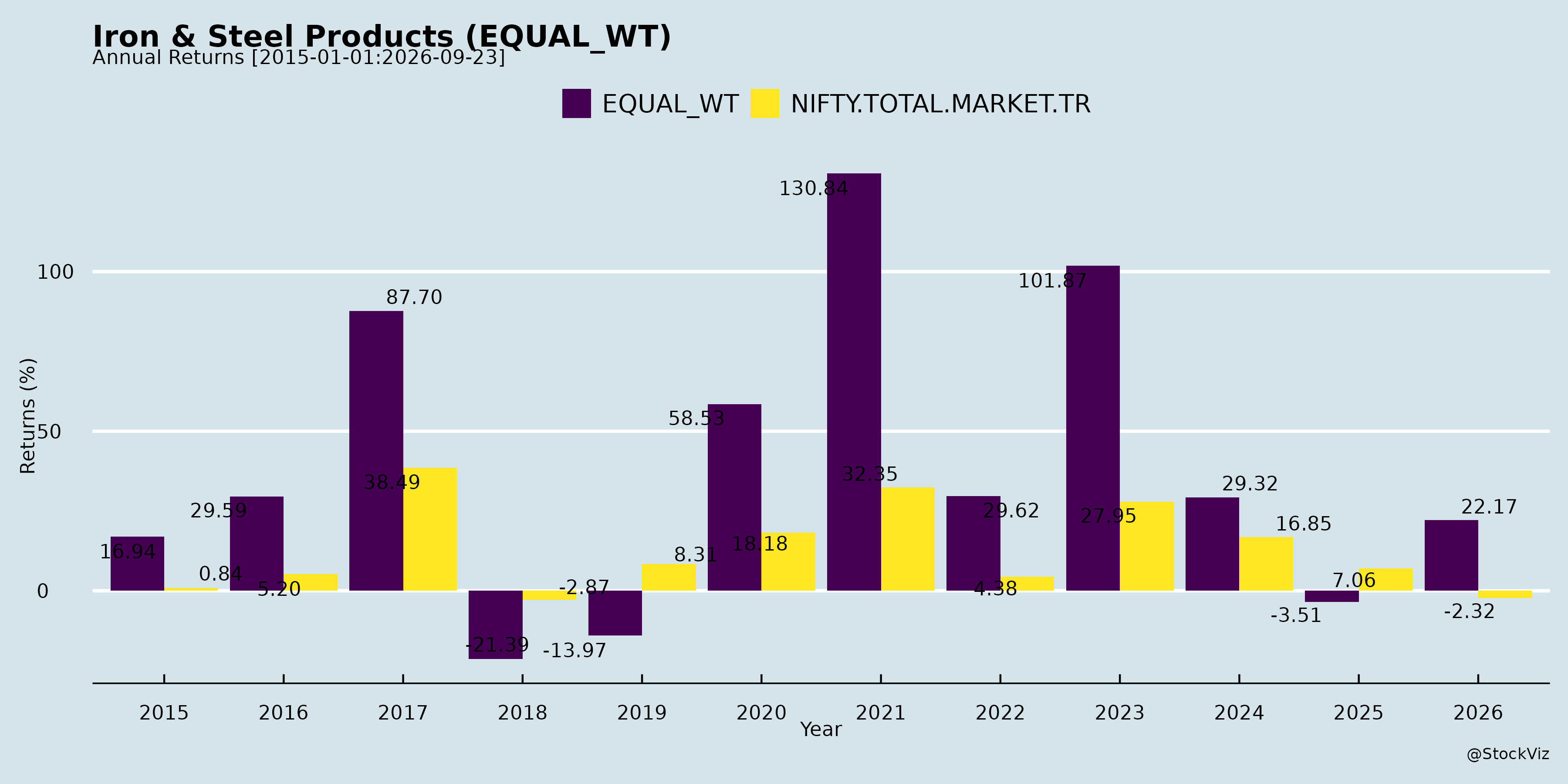
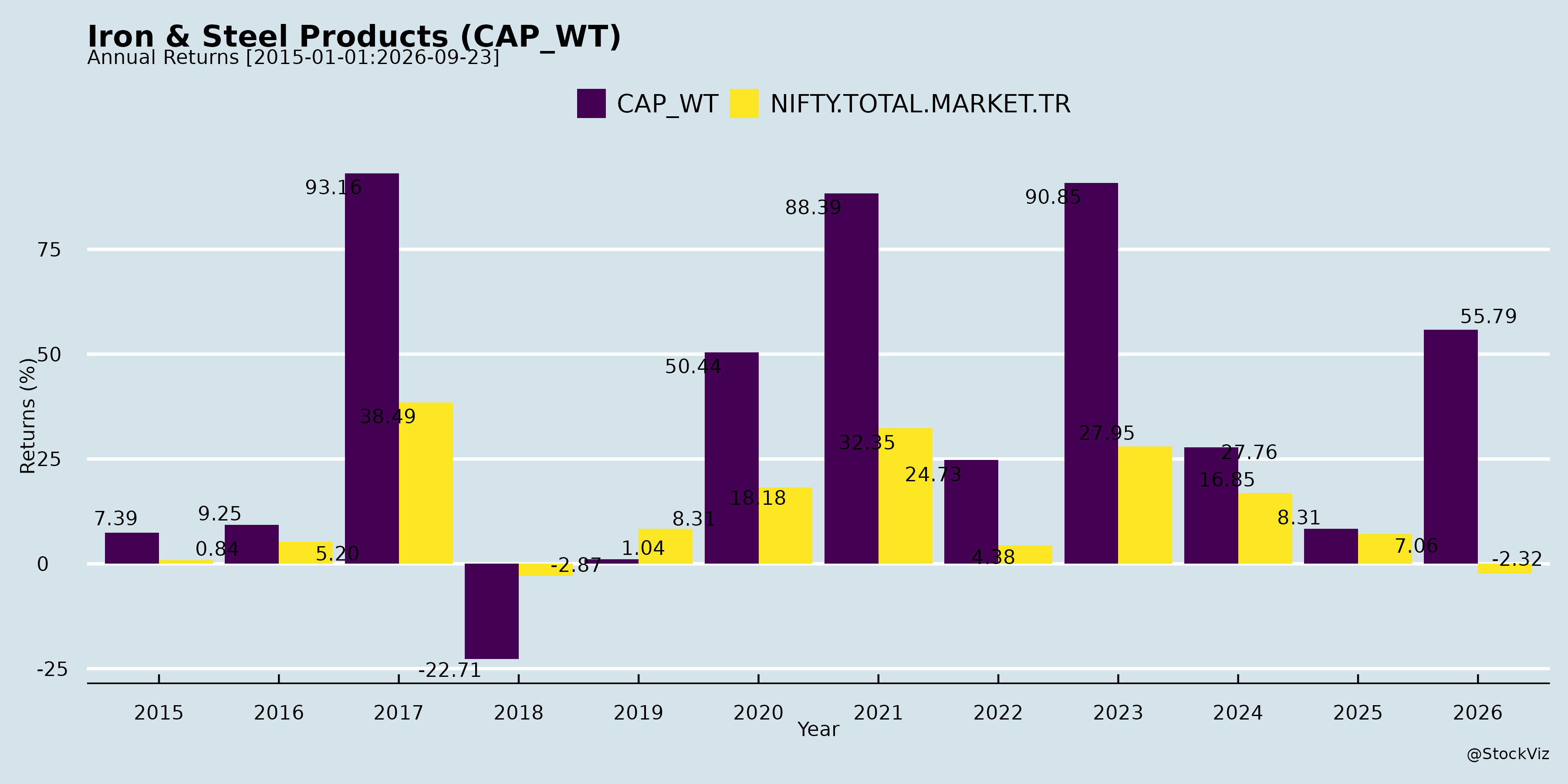
Annual Returns
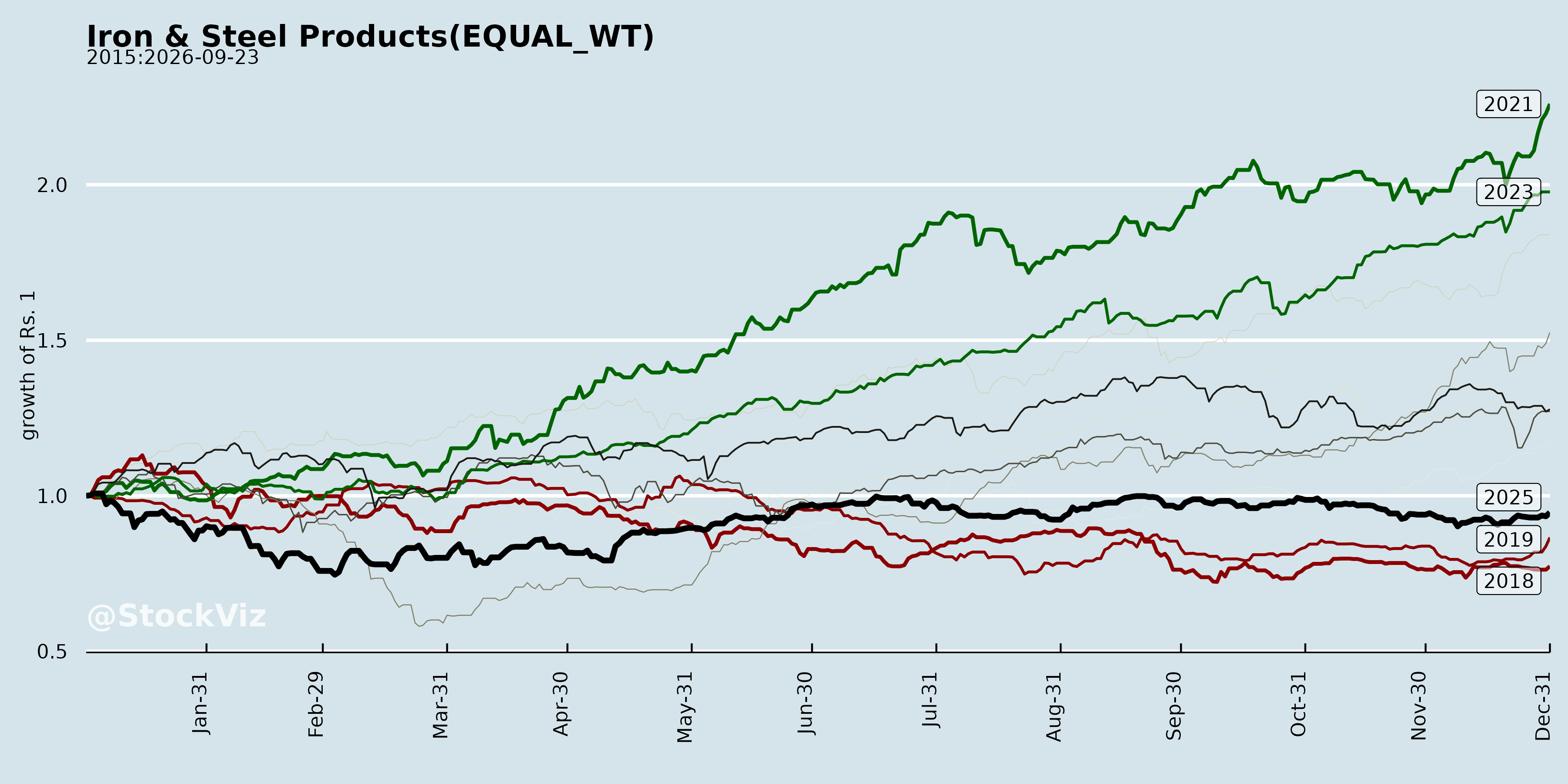
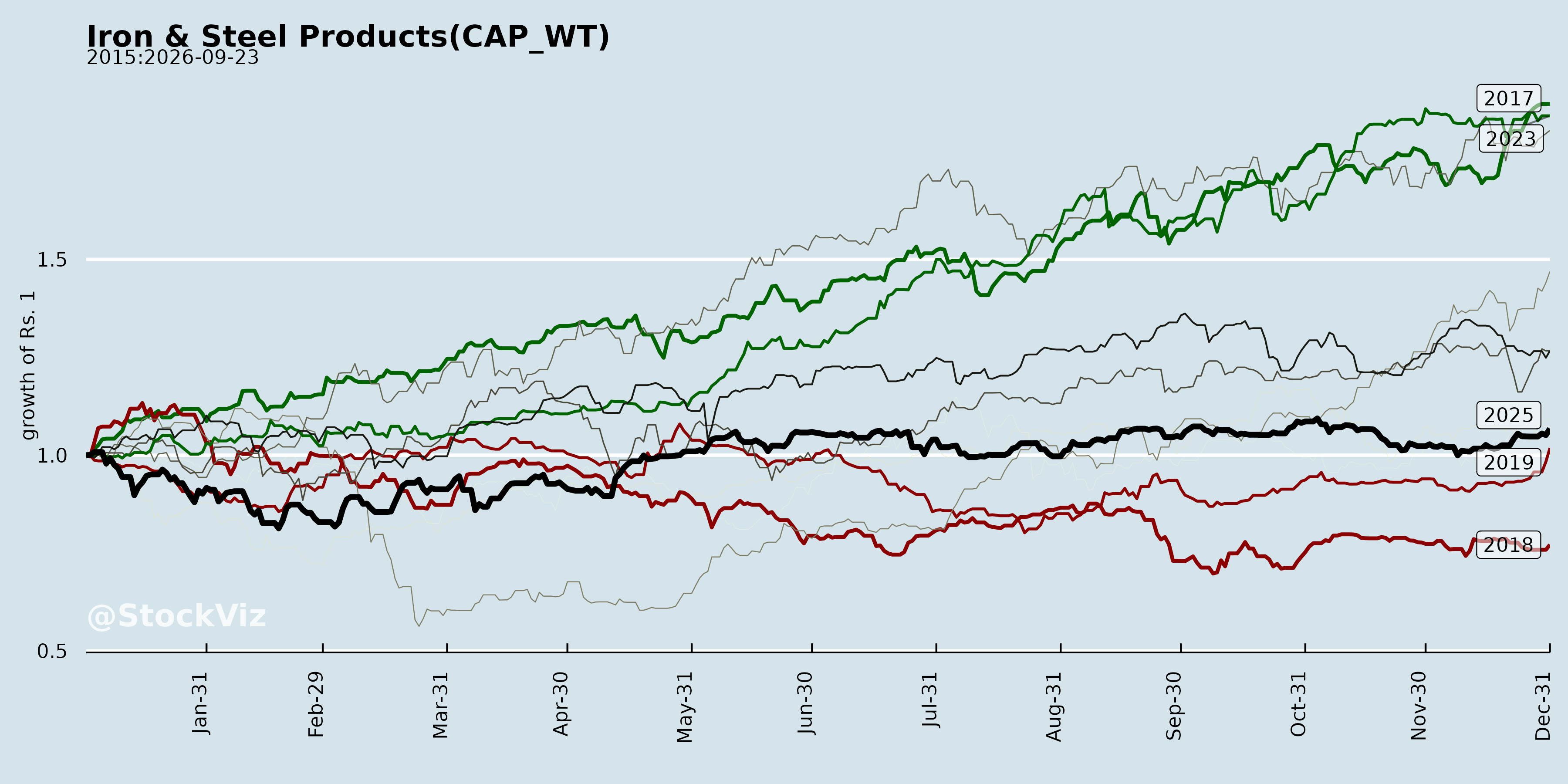
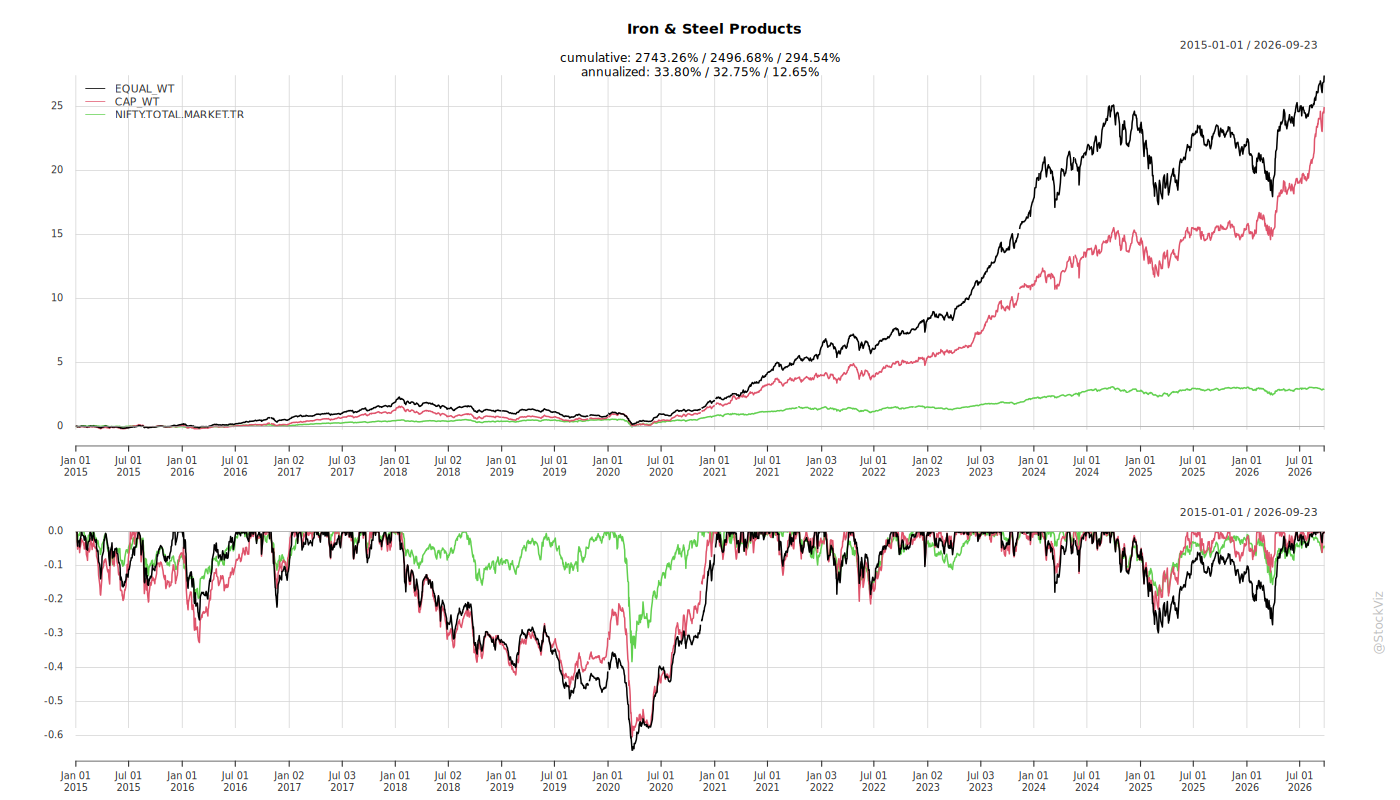
Cumulative Returns and Drawdowns
SMA Scenarios
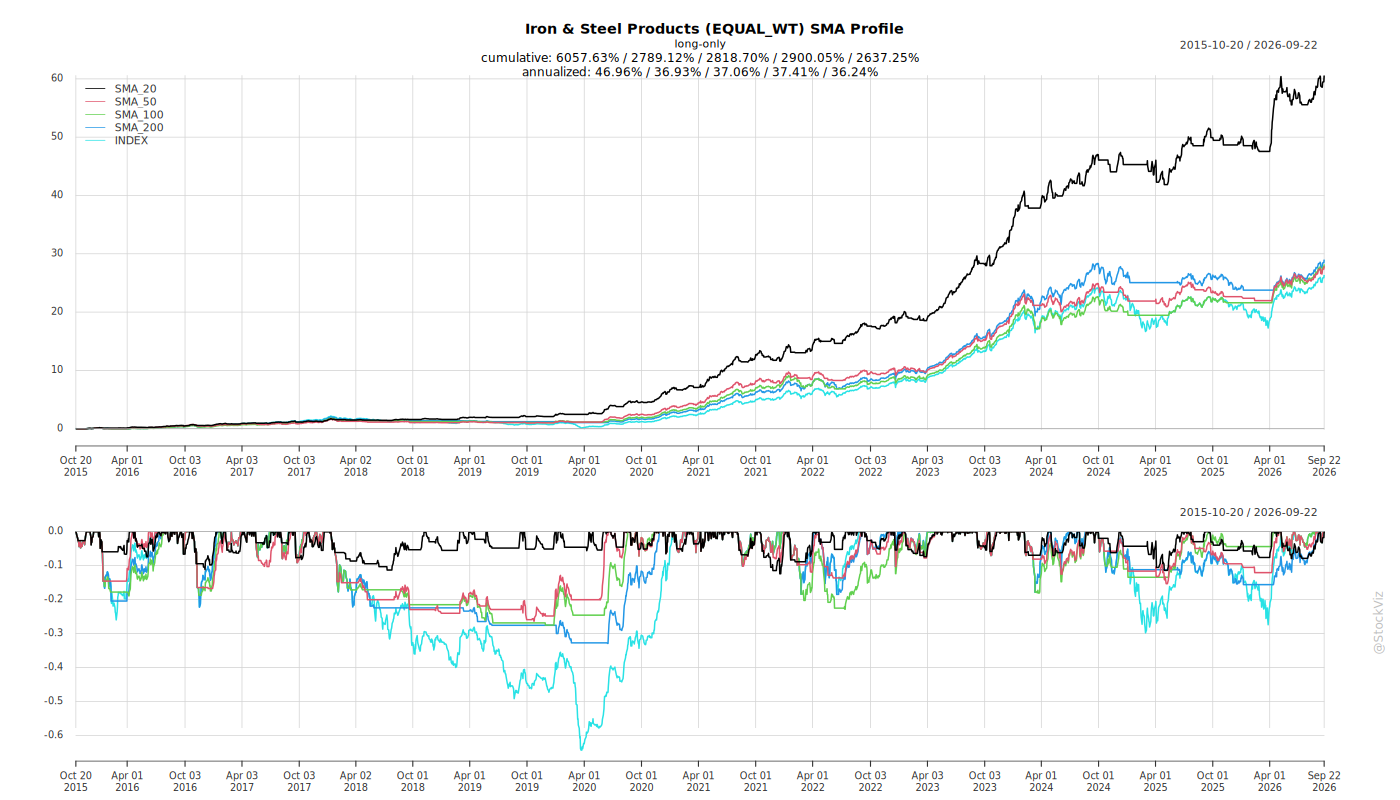
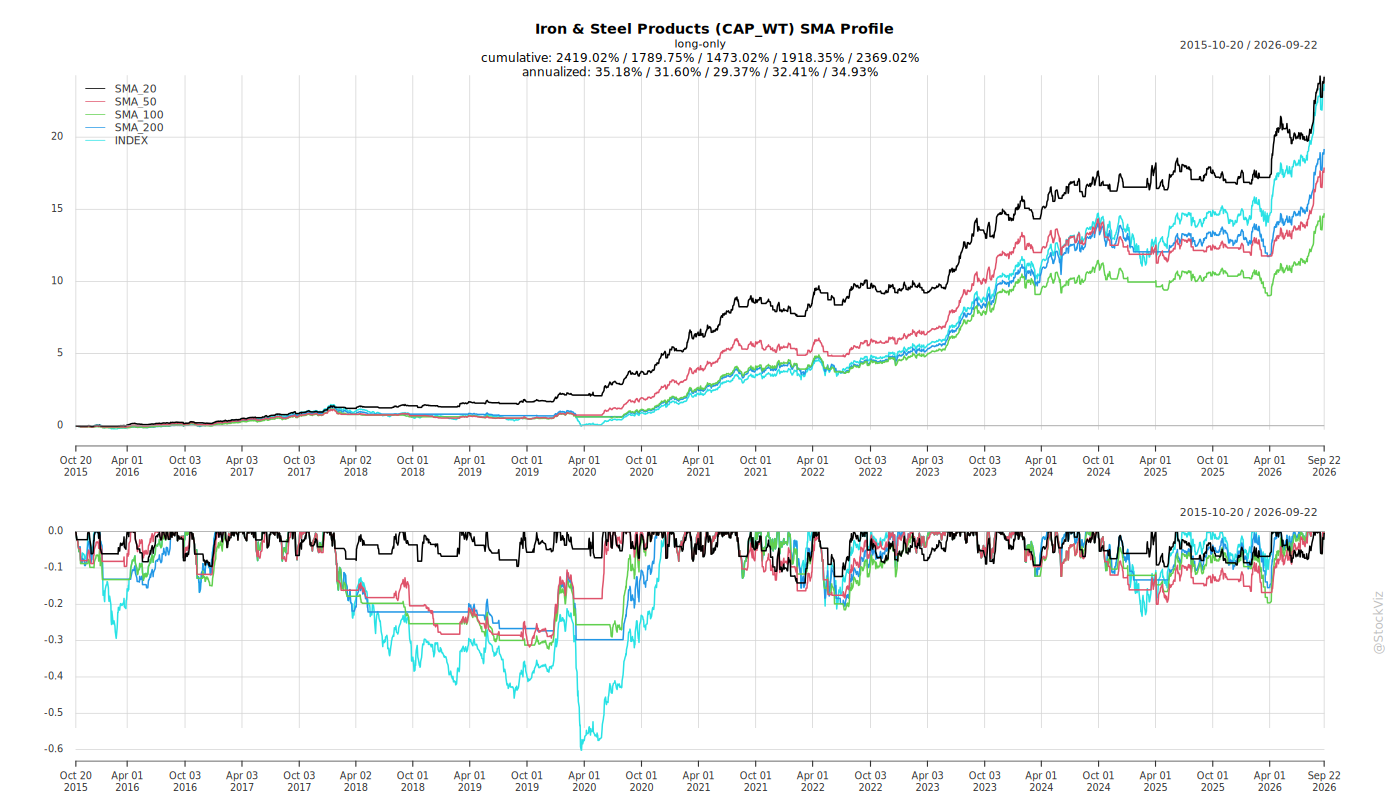
Current Distance from SMA
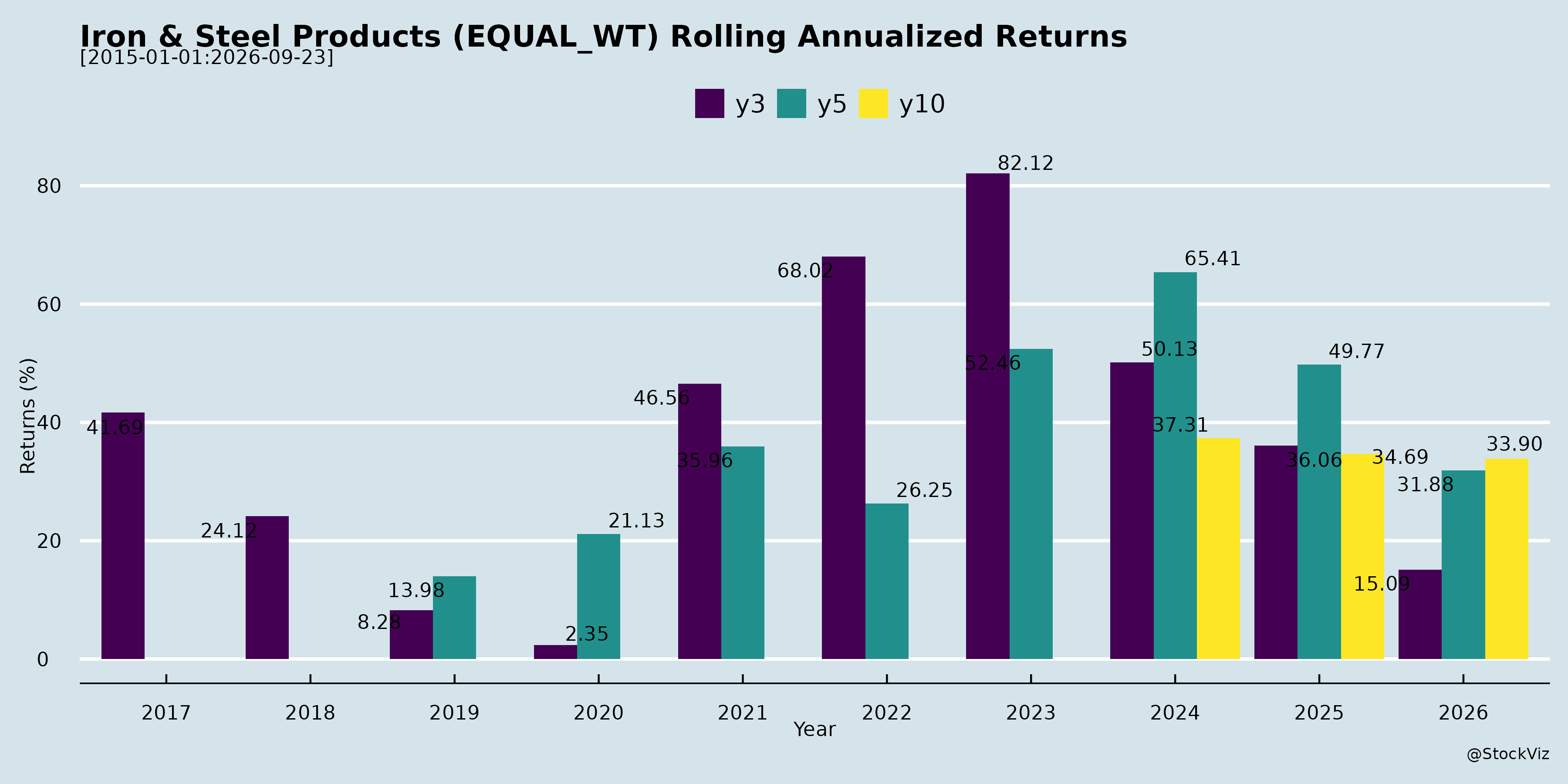
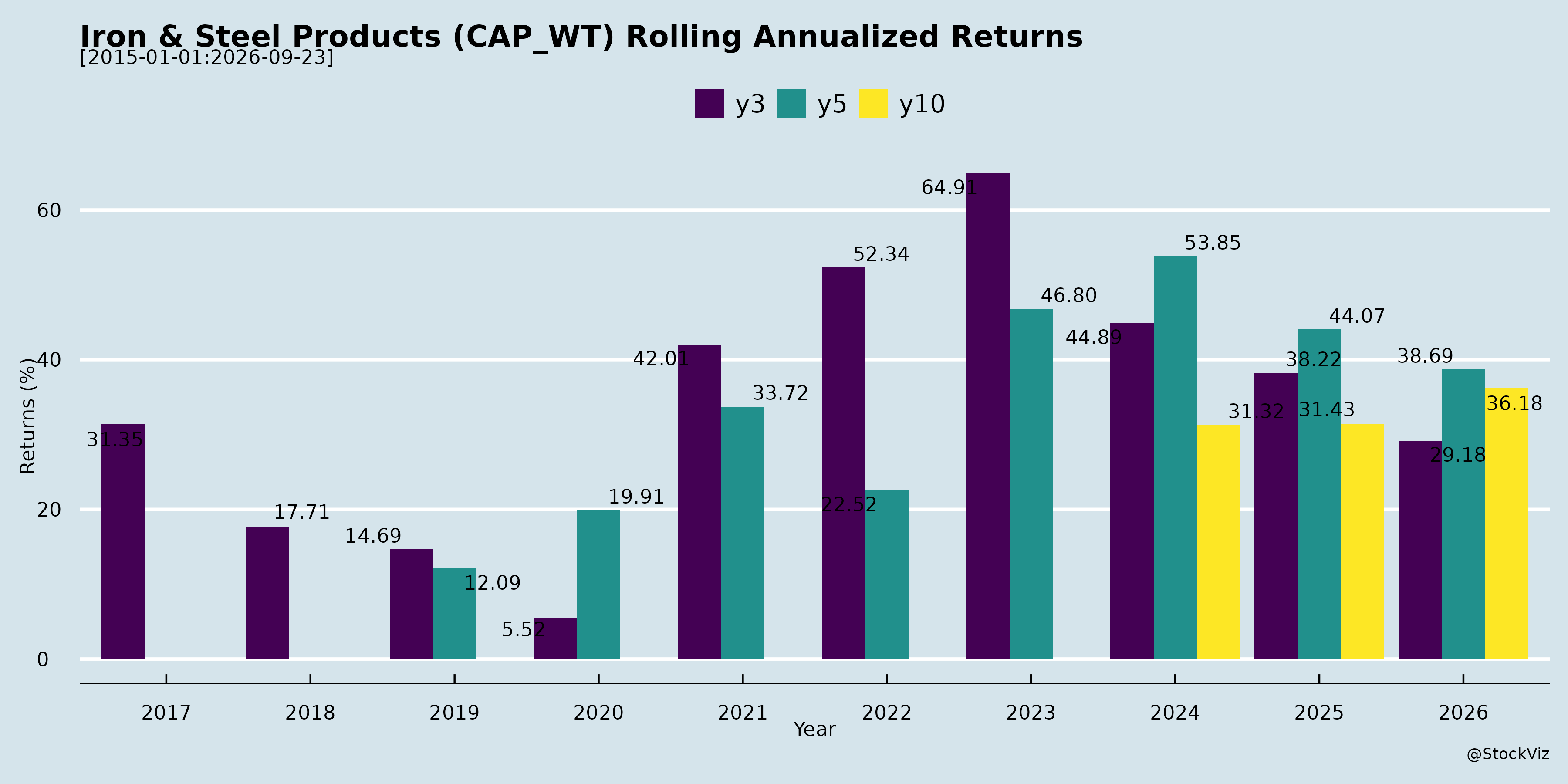
Rolling Returns
Fundamental Ratios
AI Summaries
How have the challenges and oppurtunities evolved over time?
asof: 2026-04-15
The evolution of challenges and opportunities within the steel, metals, and infrastructure sectors reflects a transition from navigating volatile commodity pricing and import dumping to capitalizing on advanced manufacturing, global trade pacts, and green energy initiatives.
The Evolution of Challenges Over time, the industry has faced a complex array of domestic and global headwinds that have pressured margins and forced operational shifts: * Surge of Low-Cost Imports and Price Volatility: Domestic manufacturers have faced immense pressure from a surge of low-cost imports, particularly from Asian nations, driving global steel prices to near five-year lows [1], [2], [3]. This influx squeezed margins and created demand-supply mismatches, while unethical competition and sub-par quality products made certain segments, such as the aluminium flipping coil market, temporarily unviable to operate [4], [5]. * Raw Material Cost Escalation: The industry has had to navigate severe raw material price volatility, with non-ferrous metals like zinc and aluminium experiencing steep price hikes from $2,700-$2,800 per ton to $3,200-$3,500 per ton [6], [7], [8]. * Regulatory and Global Trade Barriers: Exporters are increasingly encountering global trade barriers, notably quota restrictions in Europe and Canada, as well as the impending Carbon Border Adjustment Mechanism (CBAM) in Europe [9], [10]. Although certain products like wire ropes are not impacted until the 2028 cycle, companies are already being forced to calculate direct and indirect emissions to prepare for future financial levies [10], [11], [12]. * Sluggish Government Spending and Execution: Subdued demand in specific infrastructure areas has been heavily linked to temporary delays in government funding at both central and state levels, causing slow execution for initiatives like the Jal Jeevan Mission and resulting in industry-wide production drops for products like ductile iron pipes [13], [14]. * Technological Obsolescence: Rising production costs combined with technology obsolescence have severely drained resources for some companies, leading to the complete shutdown and closure of older, inefficient iron and steel plants [15], [16], [17].
The Evolution of Opportunities Despite these challenges, companies have pivoted to highly lucrative, future-ready opportunities driven by policy support, product premiumization, and sustainability: * Unprecedented Infrastructure and Policy Push: Demand fundamentals remain incredibly strong due to rapid urbanization and the rapid launch of highways, bridges, airports, and new cities [18]. Government policies such as “Make in India”, the AMRUT program, and the Parvatmala Pariyojana—which earmarks Rs 1.25 lakh crores for over 250 ropeway projects—are acting as massive catalysts for domestic structural steel and wire rope demand [1], [19], [20], [21]. The long-term growth story targets an Indian steel capacity of 500 million tons by 2047 [2]. * Government Safeguards and Favorable Trade Pacts: To combat the influx of cheap imports, the Indian government introduced a 12% safeguard duty, which successfully halted dumping, stabilized domestic steel prices, and immediately improved profitability for domestic producers [22], [23], [24], [25]. Furthermore, newly signed Free Trade Agreements (FTAs) between India and the U.S., as well as the EU, are structurally positive milestones expected to reduce trade barriers, improve export competitiveness, and drive long-term volume growth for value-added products [26], [27], [28], [29]. * Premiumization and Expansion into Niche Sectors: To escape commoditized pricing pressures, companies are aggressively climbing the value chain. Manufacturers are diversifying into the non-automotive special steel segment—which makes up 60% of the global special steel market—targeting aerospace, defense, railways, oil and gas, and wind turbines [30], [31], [32]. Significant product innovations include the development of India’s first hydrogen-compliant pipelines for the European market, carbon capture pipes, electropolished tubes, and upgrading facilities to 100% Aluminium-Zinc coating technology to drive EBITDA margin expansion [33], [34], [35], [36], [37]. * Transition to “Green Steel” and Sustainability: The global shift toward sustainability has transitioned from a concept to an imminent reality, creating opportunities for companies to position themselves as technology partners in the green revolution [38], [39]. Manufacturers are actively reducing their carbon footprint and operational costs by installing captive solar power plants—saving up to 30-50% on electricity expenses—utilizing recycled steel scrap, and launching closed-loop steel recycling initiatives with major automotive OEMs [40], [41], [42], [43], [44].
What are the headwinds affecting this industry?
asof: 2026-04-15
Volatility in Raw Material Prices and Inventory Losses The industry has been severely impacted by raw material price volatility, particularly abrupt corrections in steel and hot-rolled coil prices [1], [2]. This downward trend in pricing forced companies to absorb one-time inventory losses of approximately ₹500 per tonne and put significant pressure on industry-wide spreads and profit margins [3], [2]. Conversely, prices for non-ferrous metals like zinc and aluminum have sharply escalated to levels between $3,200 and $3,500 per ton, directly inflating input costs for manufacturers of coated steel products [4].
Subdued Demand and Delayed Government Spending A major headwind has been sluggish demand directly tied to government-funded infrastructure initiatives. There has been a significant slowdown in oil and gas tender activity, as well as drinking water and urban infrastructure projects [5], [6]. This is largely due to unutilized government budgets and temporary funding holds under schemes like the Jal Jeevan Mission (JJM) at both the central and state levels [5], [7]. This drop in demand has caused a severe demand-supply mismatch, resulting in a collapse in net sales realizations, swelling inventories, and widespread cash crunches across the supply chain [7].
Construction Slowdowns and Capital Expenditure Delays The sector is navigating a general slowdown in broader construction activity and highly uneven demand conditions across end markets [1], [8]. Localized regulatory challenges, such as pollution-related construction bans in the Delhi NCR region, have directly hampered the sales volume of structural steel and TMT bars [9], [10]. Furthermore, capital expenditure cycles by large steel plants have slowed down, and delayed site readiness at customer ends has restricted product offtake and deferred order executions [11], [12].
Surge in Low-Cost Imports and Hyper-Competition Domestic manufacturers are battling a massive influx of cheaper imports, primarily from Asian nations leveraging global steel prices that have hovered near a 5-year low [13], [2]. This dynamic has severely squeezed margins and compressed domestic pricing power [13], [2]. Additionally, the industry is dealing with intense hyper-competition, aggressive underbidding on fixed-rate contracts, and unethical market practices involving the circulation of sub-par quality products [5], [14], [15]. In allied sectors such as paint manufacturing, new market entrants have similarly triggered aggressive pricing and discount wars that constrain profitability [16], [17].
International Trade Barriers and Export Restrictions Exporters are facing severe geopolitical and regulatory hurdles that threaten global volume growth. In the United States, changing tariffs and anti-dumping duties have stalled new product development and caused a slowdown in demand for scaffolding and large diameter pipes [18], [15]. Meanwhile, exports to Europe and Canada are being increasingly constrained by stringent quota restrictions and the implementation of the Carbon Border Adjustment Mechanism (CBAM) [19], [20]. These new regulations have created market uncertainty, causing European buyers to delay purchases, while also widening the price gap between domestic and international steel [19], [21].
Cash Flow and Liquidity Constraints Finally, delayed government payments and delayed cash flows, particularly for water pipeline and infrastructure projects, have constrained liquidity [5]. The liquidity challenges within the domestic water sector have negatively cascaded down to impact production schedules, sales, inventory management, and trade receivables for many operators [22].
What are the key things to understand about this industry?
asof: 2026-04-15
Robust Demand and Domestic Growth Drivers The Indian steel and metal manufacturing industry is experiencing exceptionally strong demand fundamentals, with domestic steel demand projected to grow by 9% in 2026, significantly outpacing other major global economies [1]. The domestic steel market is expected to expand from USD 102 billion in 2025 to USD 166.96 billion by 2030 [1]. This growth is heavily fueled by rapid infrastructure development—spanning highways, bridges, airports, and new cities—alongside government-led initiatives such as “Make in India,” the national infrastructure pipeline, and the Jal Jeevan Mission (JJM) [2-5]. Furthermore, emerging sectors such as renewable energy (solar structures), electric vehicles (EVs), and advanced engineering are driving significant incremental consumption [6-9].
Backward and Forward Integration A critical competitive advantage within this industry is the reliance on fully integrated operational models. To maintain cost efficiency and secure supply chains, companies are heavily investing in backward integration, such as owning captive iron ore mines, sponge iron plants, coke ovens, and captive power plants [10-16]. This self-sufficiency reduces dependency on volatile external raw material markets and optimizes resource utilization [11]. Additionally, advanced techniques like the hot charging process—where raw materials are converted directly into finished goods—eliminate unnecessary logistics, reduce coal consumption, and prevent burning losses, directly boosting profit margins [17]. Forward integration into customized product lines allows these companies to swiftly respond to shifting market demands [12].
Shift Toward Value-Added Products To combat market volatility and improve earnings quality, the industry is aggressively pivoting towards specialized, high-margin, value-added products [18, 19]. Rather than relying solely on commodity steel, manufacturers are expanding their portfolios to include Alu-Zinc coated steel, pre-painted steel, flux-cored arc welding consumables, and precision components like specialized washers and aerospace fasteners [20-24]. Furthermore, companies are actively working to diversify into non-automotive special steels catering to defense, railways, aerospace, bearings, and oil and gas, which globally represent a massive segment of the special steel market [25, 26].
Pricing Mechanisms and Margin Protection Raw material prices—including steel, zinc, and aluminium—are highly volatile, with non-ferrous metals recently seeing significant price spikes [27, 28]. To protect their bottom lines, companies in this sector predominantly utilize a strict cost pass-through model [29, 30]. Whether commodity prices increase or decrease, these changes are passed on to consumers and channel partners almost immediately, often with a minimal time lag of just 5 to 8 days, or within the same month [31-34]. This widespread industry practice ensures that extreme fluctuations in commodity prices have a negligible impact on overall corporate profitability [31-34].
Challenges from Cheap Imports and Tariffs Despite strong domestic demand, the industry has faced intense pressure from a surge of low-cost imports from Asian nations, where global steel prices have recently hovered near five-year lows [3, 35]. This dumping squeezed margins and created uncertainty regarding future capital expenditures [36]. In response, the Indian government intervened by imposing safeguard and anti-dumping duties on products like hot-rolled coils and sheets [37-41]. These regulatory measures have successfully stabilized domestic steel prices, halted dumping, and provided manufacturers with much-needed pricing visibility for the near future [42, 43].
Export Headwinds and Global Trade On the global front, exporters are navigating a complex regulatory landscape. The industry is facing significant headwinds in key markets like Europe and Canada due to strict quota restrictions and the upcoming Carbon Border Adjustment Mechanism (CBAM) [44-46]. CBAM will eventually require manufacturers to account for direct and indirect emissions, threatening to impose financial levies on traditional steel products [47, 48]. To mitigate these geographical risks, Indian companies are redirecting their focus toward emerging markets in the Middle East and Africa [44, 49, 50]. Conversely, recent Free Trade Agreements (FTAs) between India and the US, as well as the EU, are viewed as structurally positive developments that could lower trade barriers and significantly enhance export competitiveness over the long term [51-54].
The Transition to Green Steel and Sustainability The Indian steel industry is being forced to adapt to stringent environmental standards, making the transition to “green steel” an inevitability [55-57]. Companies are increasingly adopting sustainable practices such as implementing zero-waste mining technologies, setting up large-scale captive solar power plants, and establishing closed-loop steel recycling initiatives [55, 58-60]. While green steel may not immediately command premium pricing, it is becoming a critical prerequisite for generating market goodwill and ensuring compliance with future government policies and international regulations like CBAM [47, 48, 61-63].
What are the tailwinds affecting this industry?
asof: 2026-04-15
The steel, pipes, construction, and related manufacturing industries in India are currently experiencing several strong tailwinds that are driving growth, expanding market access, and improving profitability.
Here are the primary tailwinds affecting this industry:
1. Massive Government Spending and Infrastructure Push A primary catalyst for the industry is the government’s heavy emphasis on infrastructure and construction. The Union Budget announced massive capital investment outlays ranging from INR 11 lakh crores to INR 12.25 lakh crores, which is expected to significantly boost demand across the sector [1, 2]. * Structural Drivers: The industry is benefiting from rapid urbanization, rising per capita water demand, climate-resilient infrastructure needs, and the replacement of aging pipelines [3]. * Specific Mega-Projects: Key government initiatives, such as the Jal Jeevan Mission, are expected to see fresh capital infusions to improve safe drinking water networks [3, 4]. Furthermore, the announcement of 7 new bullet train corridors and investments in port construction are slated to massively boost demand for engineering structures, scaffolding, and steel products [5, 6]. * Overall Market Growth: Driven by this infrastructure development, housing projects, and a booming engineering sector, India’s steel demand is projected to outpace other major economies, growing by 9% in 2026 [7].
2. Favorable Global Trade Agreements (FTAs) and Tariff Reductions Recent developments in global trade are proving to be structurally positive for Indian manufacturers, creating meaningful opportunities to scale up exports. * New FTAs: The signing of new Free Trade Agreements with the European Union and the United States is expected to enhance market access, reduce trade barriers, and improve export competitiveness, particularly for value-added products [8, 9]. The India-EU FTA has even been described as the “mother of all deals,” offering immense long-term benefits for exporters [10]. Trade agreements with Oman, the UK, and Australia are also contributing to a positive export outlook [11, 12]. * Easing of Tariffs: The recent easing of US tariffs has renewed optimism in global markets and is expected to positively impact volumes and profitability [13, 14]. Interestingly, for some precision component manufacturers, previous US tariff structures actually acted as a tailwind by accelerating their transition from exporting lower-margin raw strips to highly profitable, fully manufactured components [15].
3. Implementation of Protectionist Safeguard Duties To combat an influx of cheap imports from foreign markets that was squeezing margins, the government introduced a 12% safeguard duty on hot-rolled coil and other steel products on December 30, 2025 [16]. This decisive action has effectively stopped the dumping of steel for the next three years, stabilizing domestic prices, restoring pricing discipline, and leading to immediate margin improvements across the sector [16-18].
4. “Make in India”, Import Substitution, and the “China Plus One” Strategy The industry is experiencing a massive boost from government policies promoting domestic manufacturing. * Policy Support: The National Steel Policy, the ‘Make in India’ campaign, and the ‘Atmanirbhar Bharat’ vision are creating a resilient economic bedrock that actively encourages domestic manufacturing across appliances, machinery, and consumer goods [7, 19, 20]. * Supply Chain Shifts: Indian manufacturers are increasingly capturing market share due to global supply chain realignments, specifically the “China Plus One” strategy. Global buyers are shifting their sourcing away from China, and significant manufacturing capacity from Europe is relocating to India [21, 22]. Furthermore, Production Linked Incentive (PLI) schemes are aiding companies in diversifying into specialty steels to support import substitution [23].
5. Surging Demand from Emerging Technologies and Green Sectors Beyond traditional construction, the industry is finding highly lucrative opportunities in next-generation sectors. * Data Centers and AI: The growing global energy demand from Artificial Intelligence (AI) data centers is creating entirely new opportunities for line pipe applications [24]. Engineering firms are also expanding into advanced liquid cooling solutions specifically tailored for next-generation data centers and AI infrastructure [25, 26]. * Renewables and Biofuels: Massive investments in renewable energy are driving demand for solar mounting structures and specialized tubes, particularly in hubs like Gujarat and Rajasthan [27, 28]. Additionally, the government’s aggressive fuel blending programs and policy support for biofuels have created a massive runway for biotechnology and equipment integration within ethanol distilleries [29, 30].
What is the general outlook of this industry?
asof: 2026-04-15
The general outlook for the steel, pipes, and broader metallurgical industry presents a fascinating paradox. The sources indicate that while the external environment is currently challenging due to global price volatility, the long-term structural fundamentals remain incredibly robust [1].
Here is a detailed breakdown of the industry’s outlook across key themes:
1. Strong Long-Term Growth and Infrastructure Demand The overarching sentiment across the industry is highly optimistic for the medium to long term [2, 3]. India’s steel demand is projected to grow by 9% in 2026, significantly outpacing other major global economies [4]. The domestic steel market is expected to expand from USD 102 billion in 2025 to USD 166.96 billion by 2030, with a visionary national target of reaching 500 million tons of production by 2047 [5, 6].
This growth is anchored by a massive push for infrastructure. Projects spanning highways, bridges, airports, and smart cities are being launched at an unprecedented pace [1, 7]. Government capital investment outlays—exceeding INR 11 to 12.25 lakh crores—alongside initiatives like Make in India, Atmanirbhar Bharat, and the Jal Jeevan Mission (JJM) are creating a resilient economic bedrock for steel consumption [4, 8-11]. Furthermore, specialized infrastructure megaprojects, such as the Parvatmala Pariyojana for ropeways (estimated at INR 1.25 lakh crores) and the expansion of high-speed rail/bullet train corridors, are generating massive targeted demand for structural steel and wire ropes [12-14].
2. Near-Term Headwinds and Price Volatility Despite the booming domestic demand, the industry is navigating a turbulent short-term environment. The sources highlight a severe influx of low-cost imports and dumping from certain Asian nations, driven by global steel prices hitting a 5-year low [10, 15, 16]. This dynamic temporarily turned India into a net importer, squeezing domestic manufacturing margins and forcing companies to absorb inventory losses [16-19].
Additionally, the industry has faced temporary domestic slowdowns due to delayed government tender spending (particularly in water infrastructure) and general election-year lulls [5, 8, 20]. On the global front, export markets are facing hurdles such as quota restrictions in Europe and Canada, high-duty tariffs in the US for certain large-diameter pipes, and the impending rollout of the Carbon Border Adjustment Mechanism (CBAM) in Europe [21-24].
3. Corrective Measures and Favorable Trade Pacts To combat these immediate challenges, decisive governmental action has been taken. The introduction of a 12% safeguard and anti-dumping duty on December 30, 2025, has been a major turning point, effectively halting cheap imports and helping to stabilize domestic steel prices, restore pricing discipline, and improve margins [25-31].
Furthermore, evolving global trade dynamics are providing structural tailwinds. Recent free trade agreements (FTAs) between India and the US, the EU, and Oman are widely viewed as structurally positive [32-35]. These deals are expected to improve export competitiveness, reduce trade barriers, and open meaningful opportunities for Indian manufacturers, particularly in value-added segments [32, 33, 36].
4. Strategic Pivot to Value-Added Products (VAP) and New Sectors To insulate themselves from commodity price swings, companies are aggressively moving up the value chain. Instead of relying solely on general-purpose or commoditized steel, manufacturers are pivoting toward specialized, high-margin products [37-40].
The sources note a strong strategic push into emerging, high-growth sectors with significant entry barriers, including: * Aerospace, Defence, and Nuclear: Supplying highly engineered tubes, precision pipes, and specialized alloys [14, 41-45]. * Renewable Energy & EVs: Creating solar mounting structures and specialized tubular products for the electric vehicle supply chain [41, 46-48]. * Biotechnology: Integrating technology solutions for the ethanol and biofuel sector to capitalize on government blending programs [49, 50].
5. The Shift Toward “Green Steel” and Sustainability Sustainability is no longer optional; the sources emphasize that the Indian steel industry must go green [51]. Companies are actively preparing for global environmental standards by launching closed-loop steel recycling initiatives, integrating captive solar power plants to reduce energy costs by up to 30-35%, and maximizing the use of recycled aluminum and steel scrap [48, 51-54]. While widespread commercial premiums for “green steel” may still be a few years away, manufacturers view these investments as critical for long-term viability and eventual compliance with international mechanisms like CBAM [55-57].
In conclusion, while the industry is currently weathering a storm of price volatility and import pressures, the fundamental outlook is overwhelmingly positive. Companies with strong balance sheets, diversified product mixes, and a focus on operational efficiency are well-positioned to capitalize on India’s massive infrastructure boom over the next decade [2, 58-60].
Would you like me to create a formalized tailored report summarizing this industry outlook for your reference?
Copyright © 2023 SAS Data Analytics Pvt. Ltd. All rights reserved.