Integrated Power Utilities
Industry Metrics
September 24, 2026
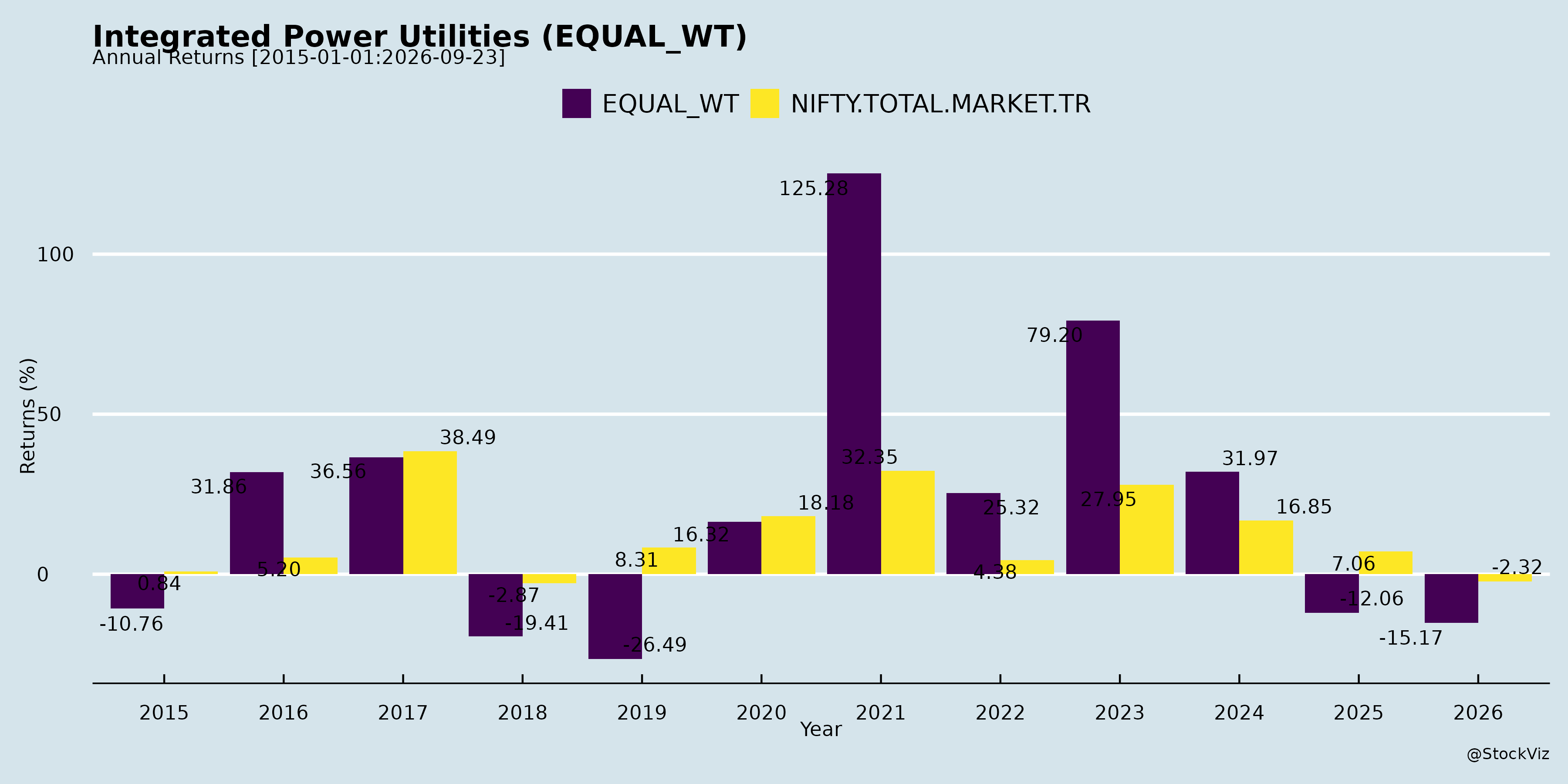
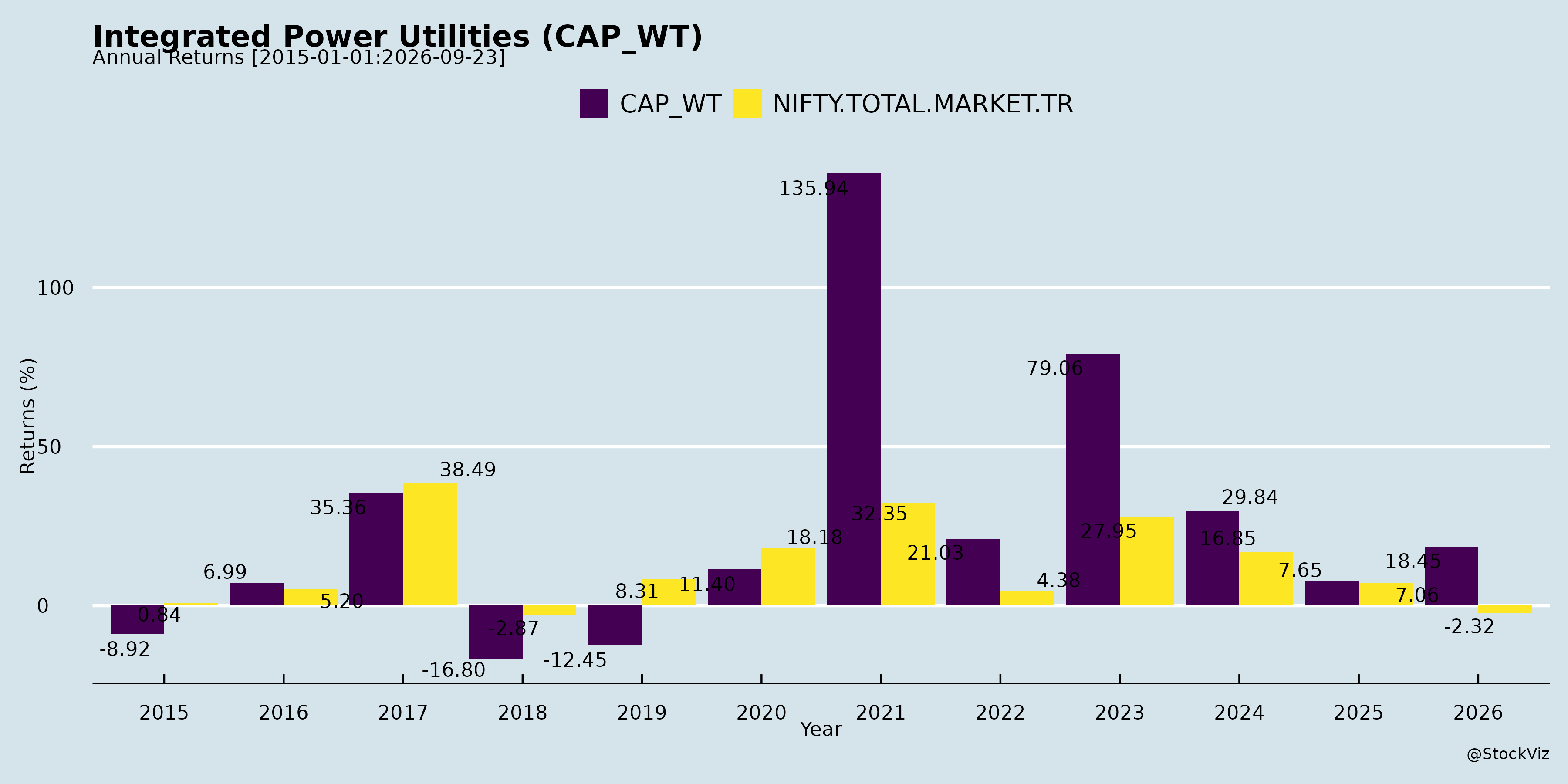
Annual Returns
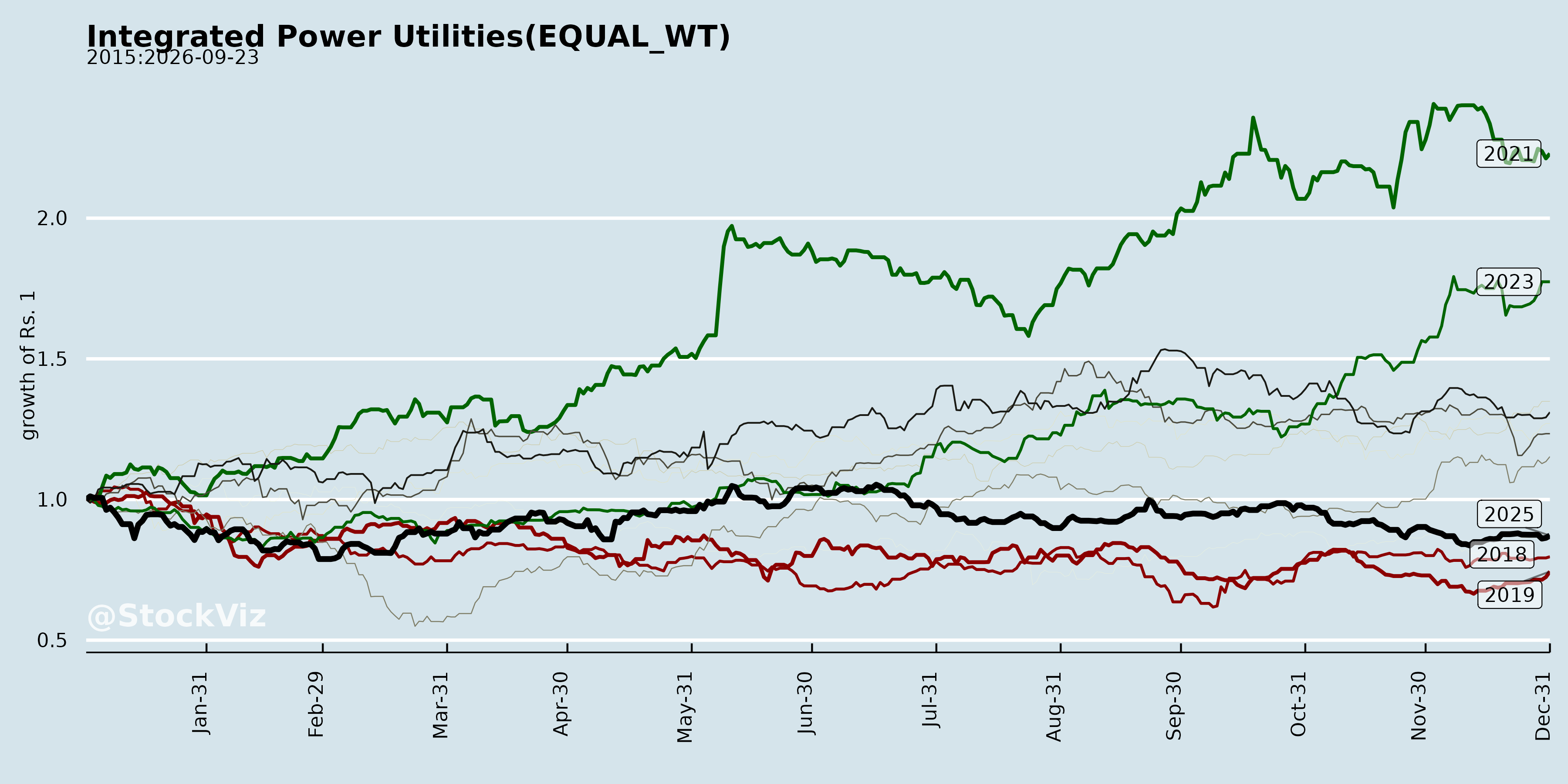
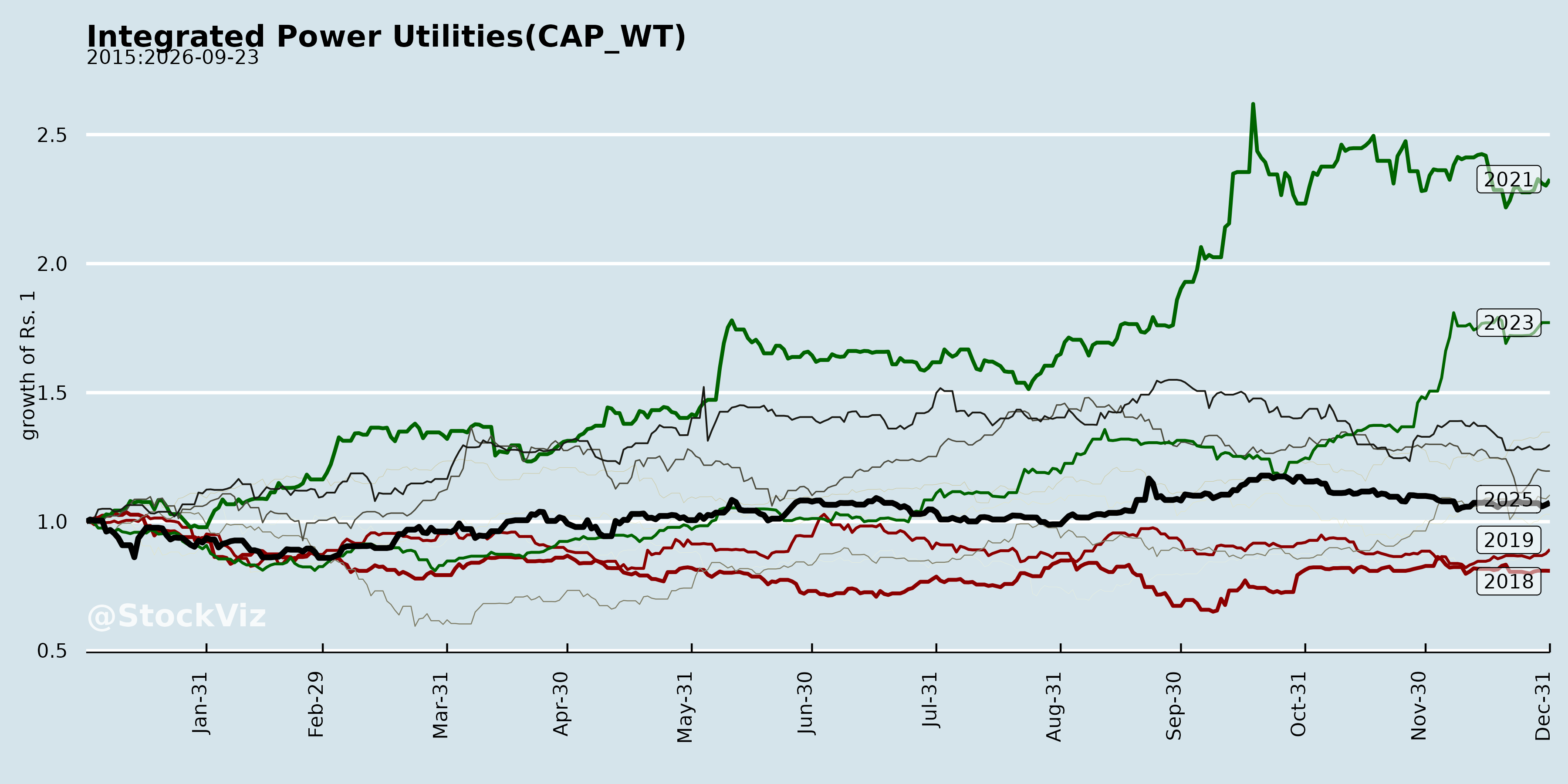
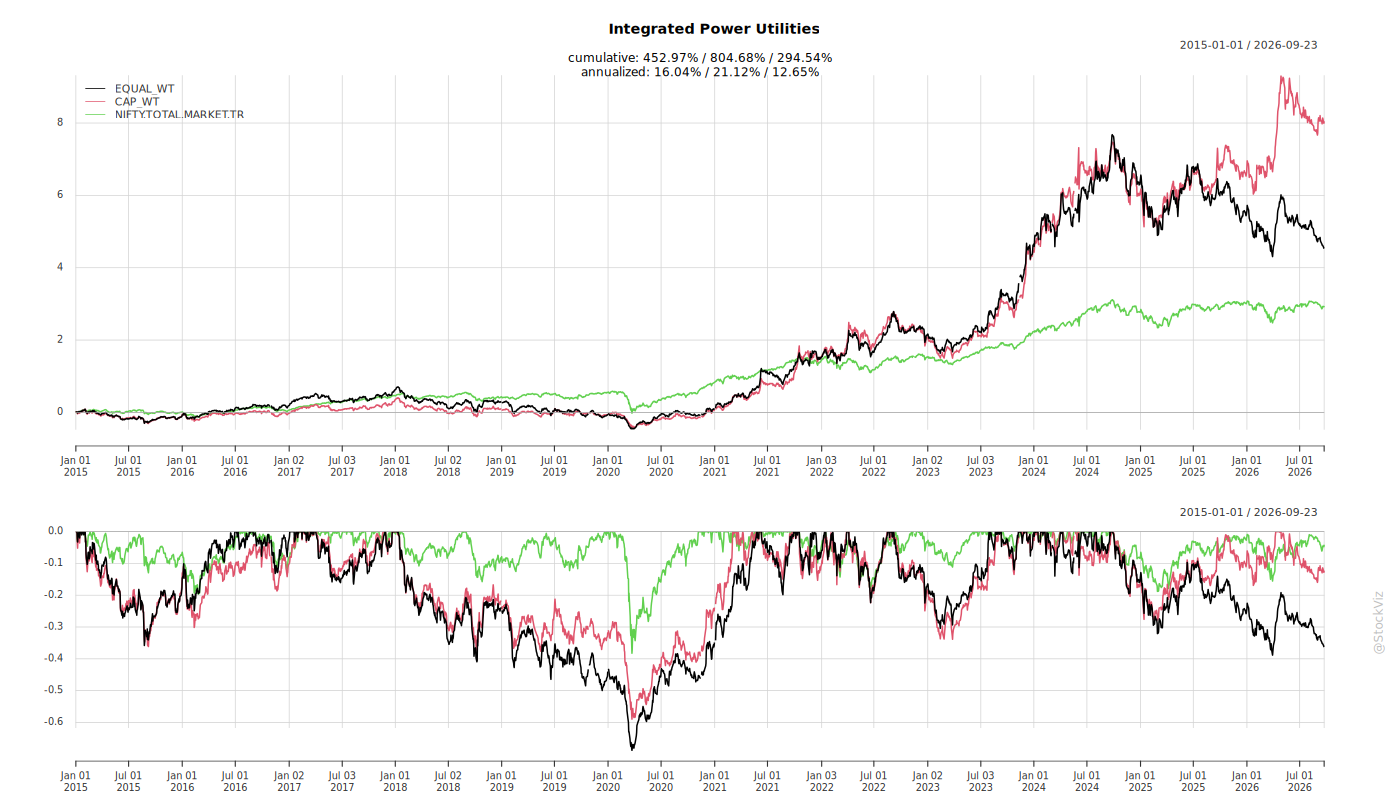
Cumulative Returns and Drawdowns
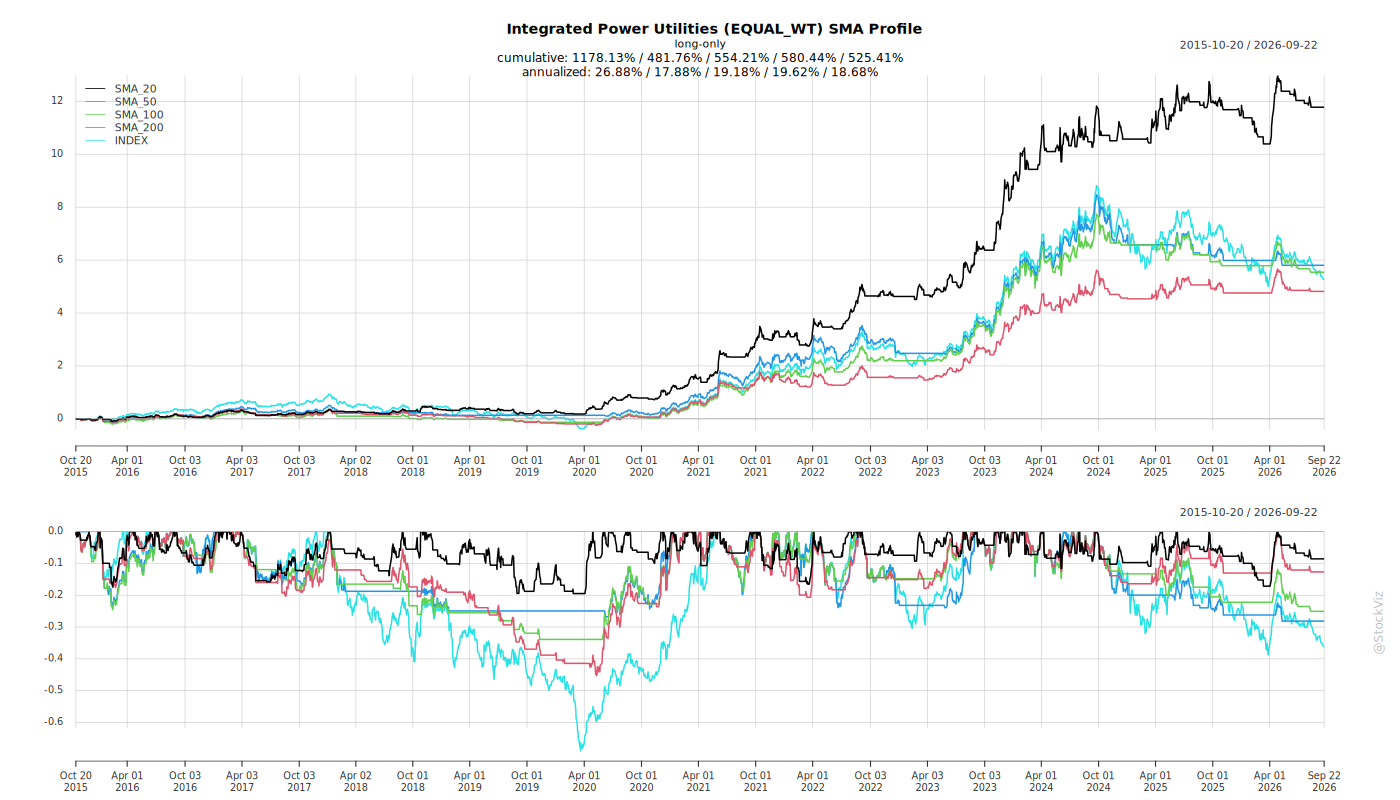
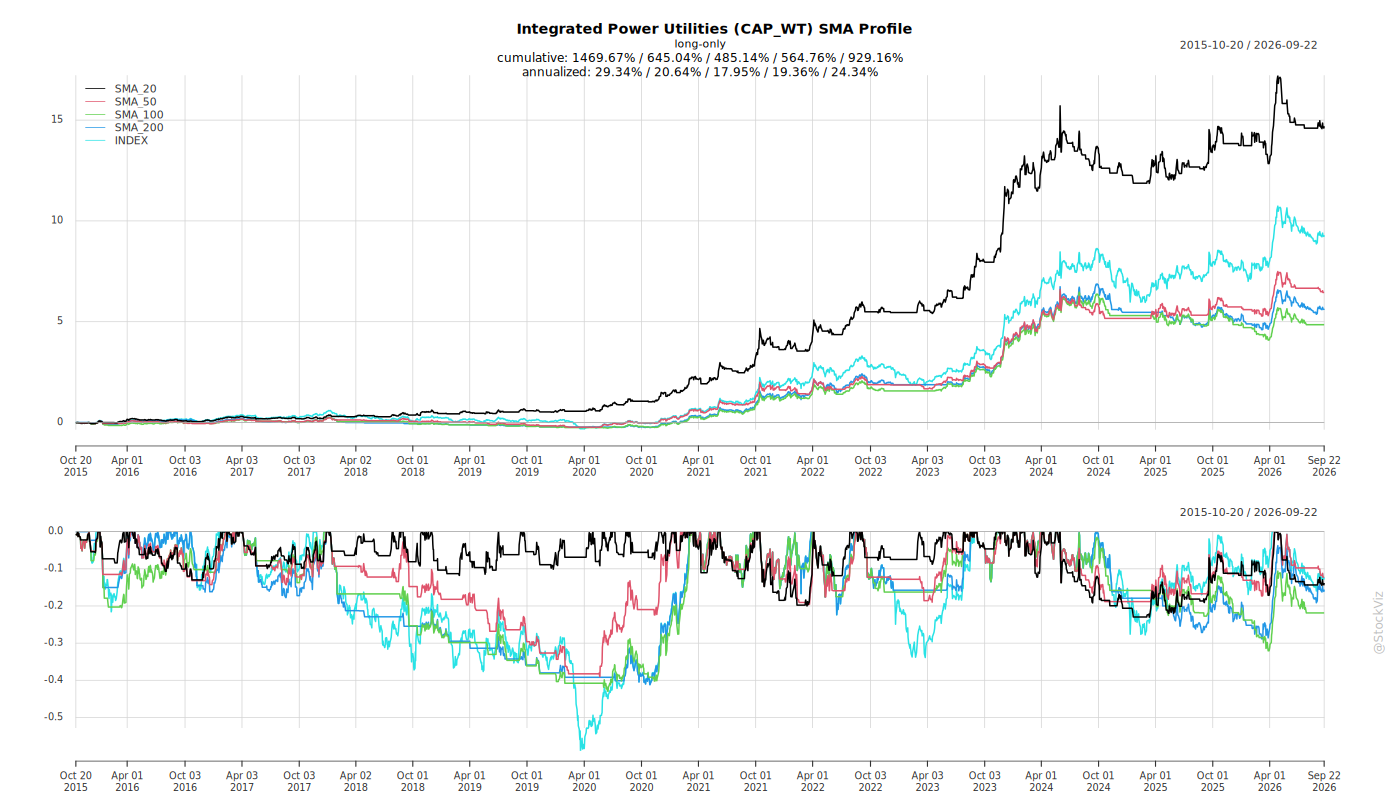
SMA Scenarios
Current Distance from SMA
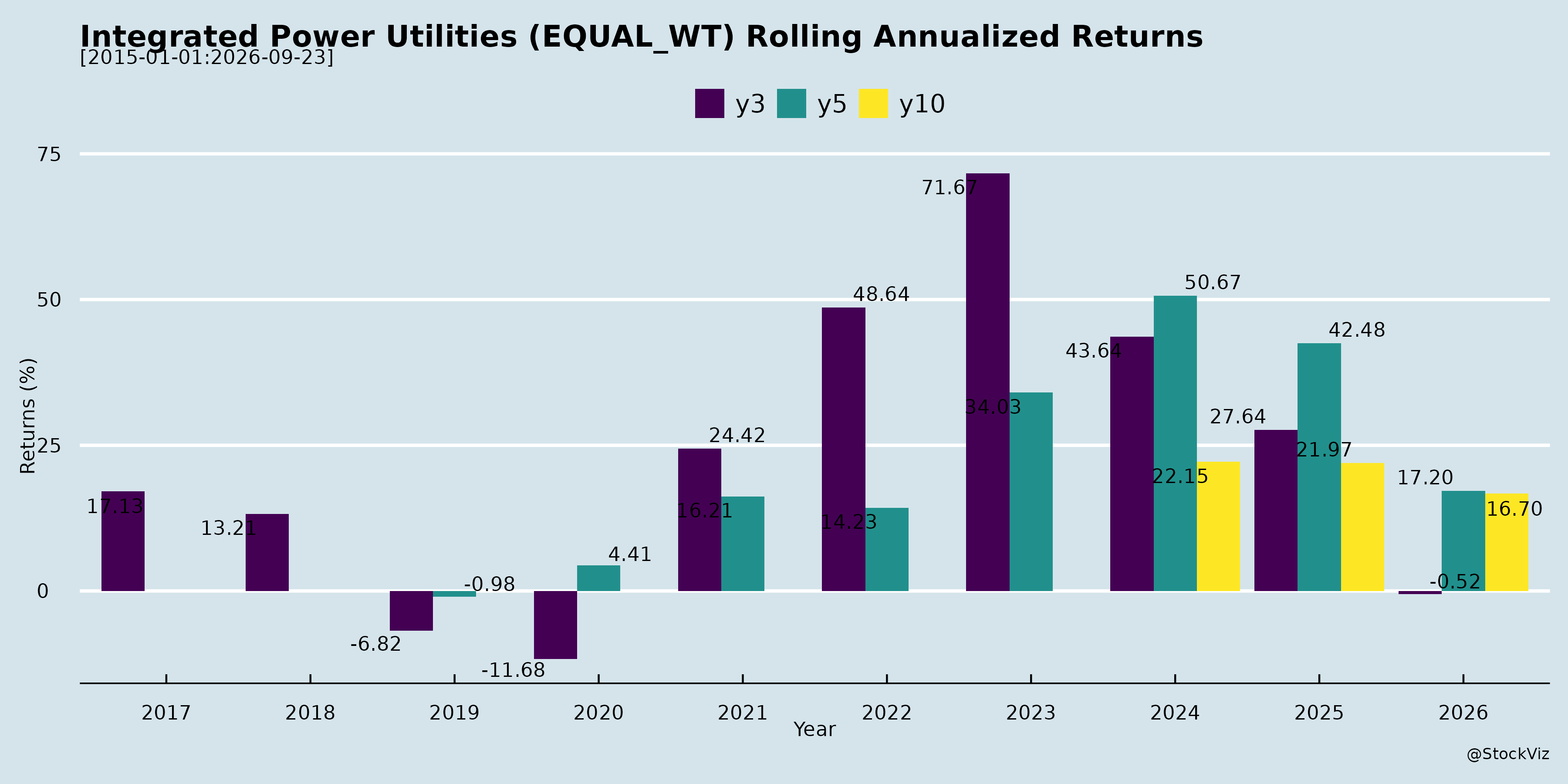
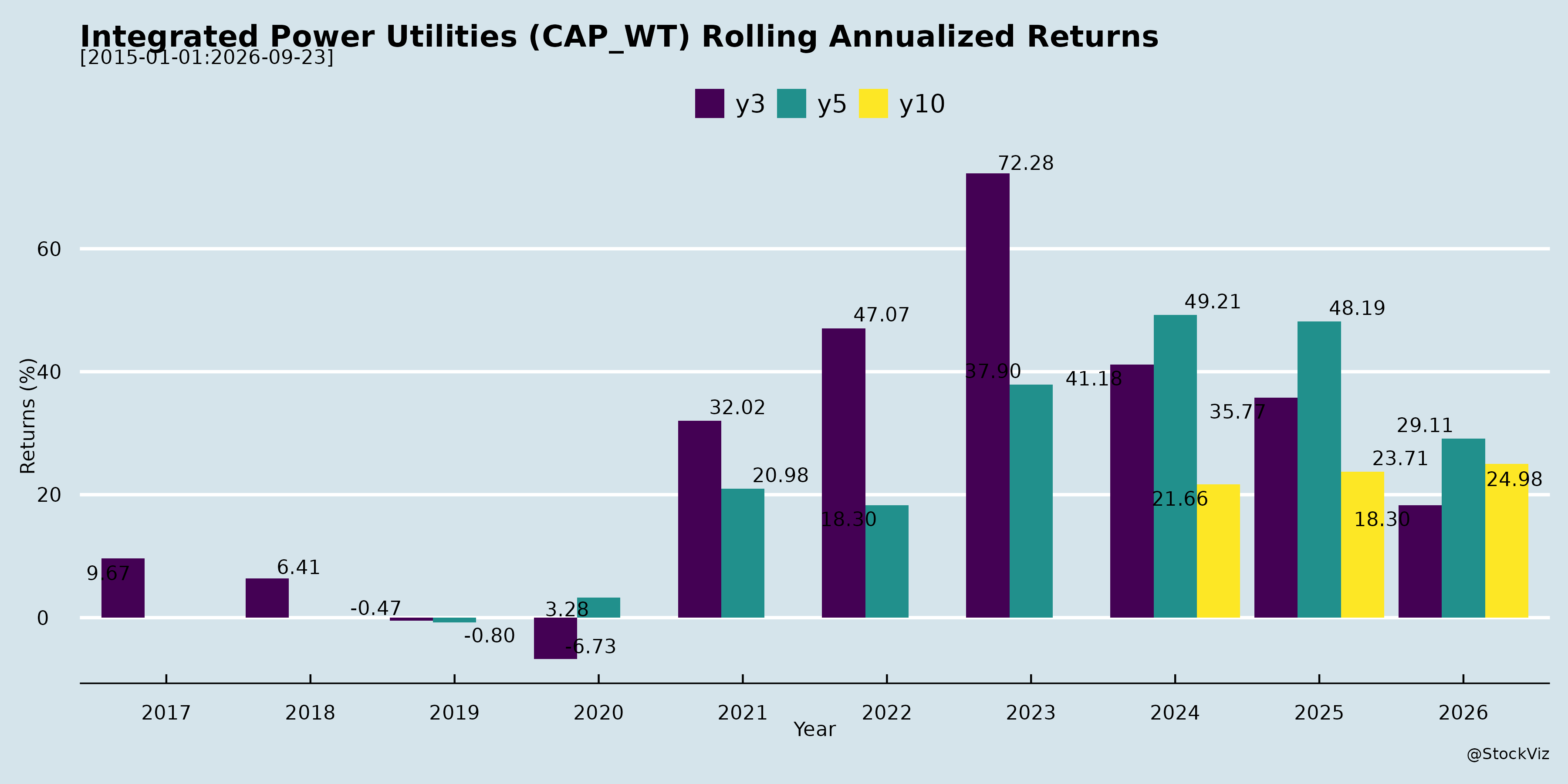
Rolling Returns
Fundamental Ratios
AI Summaries
How have the challenges and oppurtunities evolved over time?
asof: 2026-04-15
Based on the provided corporate and financial documents, the challenges and opportunities in the power and infrastructure sectors have evolved significantly. Companies are navigating a complex transition, moving away from legacy operational and financial hurdles toward modernization, renewable energy integration, and strategic consolidation.
Here is a detailed breakdown of how these dynamics have evolved:
Evolving Opportunities
1. The Shift Toward Renewable Energy and Energy Transition A major opportunity across the sector is the aggressive pivot toward clean energy: * Adani Power recently secured a Letter of Award (LoA) from the Maharashtra State Electricity Distribution Company Limited (MSEDCL) for the long-term supply of 2,500 MW of Renewable Energy (RE) Round-The-Clock (RTC) power for a 25-year period [1, 2]. * CESC Limited is heavily investing in the green energy space. Its subsidiary, Purvah Green Power Private Limited, incorporated two new wholly-owned eco-energy entities to explore renewable opportunities [3, 4]. Furthermore, CESC issued Letters of Award to multiple entities—including Purvah, Vismaya Renewables, Hexa Climate Solutions, and Sprng Energy—to supply a combined 600 MW of Wind-Solar Hybrid Power on a long-term basis [5-7].
2. Technological Advancements and AI Integration To adapt to the changing energy landscape, companies are integrating advanced technology. Tata Power collaborated with Databricks to build an enterprise-wide Data and AI platform [8]. This platform is designed to accelerate the energy transition by enabling intelligent grid management, advanced power planning, accurate renewable forecasting, and operational excellence across their solar and rooftop businesses [9].
3. Strategic Acquisitions and Capacity Expansion With the goal of achieving scale and fulfilling the growing power demand, companies are aggressively acquiring operating assets and securing new contracts: * Torrent Power entered into a definitive agreement to acquire 100% of Nabha Power Limited (a 1,400 MW supercritical thermal power plant) from L&T for an enterprise value of ₹ 6,889 Crores [10-12]. This expands Torrent’s thermal footprint in northern India without introducing development or execution risks [13, 14]. * Adani Power is executing India’s largest thermal power capacity expansion program of 23.7 GW [15]. The company successfully tied up 90% of its existing capacity in Power Purchase Agreements (PPAs), secured a new 3,200 MW PPA with Assam DISCOM, and made the 600 MW Butibori plant fully operational shortly after acquiring it [16-18]. * Tata Power secured a letter of intent to acquire Jejuri Hinjewadi Power Transmission Limited to build and operate a 400 kV double-circuit transmission line for 35 years [19, 20]. * India Power Corporation Limited acquired 100% equity to make DPSC Distribution Limited a wholly-owned subsidiary to expand its energy supply network [21, 22].
4. Robust Capital Raising Financially strong companies are leveraging their balance sheets to fund growth. For instance, Adani Power raised ₹ 7,500 Crore through AA-rated Non-Convertible Debentures (NCDs) for capacity expansion and working capital [16, 18]. Similarly, Torrent Power’s board approved raising up to ₹ 7,000 Crore through NCDs via private placement [23].
Persistent and Evolving Challenges
1. Market Volatility and Weather Disruptions While overall scale is increasing, environmental factors are creating short-term demand disruptions. Adani Power reported that India’s overall power demand was flat in Q3 FY26 due to an extended monsoon and cooler temperatures [24]. Additionally, rising generation from renewable energy sources temporarily subdued rates and offtake volumes in the merchant and short-term power markets [24, 25].
2. Regulatory Battles, Tariff Disputes, and Fuel Constraints Companies generating thermal power continue to face legacy challenges related to coal availability and tariff compensation: * Adani Power is currently embroiled in multiple litigations spanning several years regarding the shortfall of domestic coal and the use of expensive alternate coal. While the Supreme Court and regulatory bodies like APTEL and MERC have frequently ruled in their favor (granting compensation for plants like Tiroda and Kawai), DISCOMs consistently appeal these decisions, delaying settlements [26-29]. * Adani has also had to deal with environmental compliance challenges, such as the National Green Tribunal (NGT) directing the company to deposit substantial interim environmental compensation (up to ₹ 47.02 Crores) regarding its Udupi thermal plant [30, 31].
3. Severe Financial Distress and Insolvency Proceedings While some companies are thriving, others are heavily burdened by debt and stalled infrastructure projects. Reliance Infrastructure is navigating massive financial distress across its subsidiaries: * Several of its toll road subsidiaries (e.g., TDTR, HKTR, SUTR, TKTR, KMTR) and Mumbai Metro One Private Limited (MMOPL) have entirely eroded their net worth and defaulted on loans [32-36]. * These entities are facing Corporate Insolvency Resolution Process (CIRP) petitions initiated by lenders under the Insolvency and Bankruptcy Code (IBC) [36-38]. Reliance Infrastructure is currently relying on arbitration awards against government bodies like NHAI to recover funds and restructure these debts [34, 39, 40]. * Its Delhi Discoms are also struggling with immense regulatory assets and outstanding Late Payment Surcharges (LPSC) due to under-recovery of expenses, leading to ongoing Supreme Court battles [41-43].
4. Increased Legal and Regulatory Scrutiny Corporations are facing tighter regulatory actions from government bodies: * Reliance Infrastructure has dealt with searches by the Enforcement Directorate (ED), which provisionally attached assets worth ₹ 10,117 crore under the Prevention of Money Laundering Act (PMLA)—though the company clarified that the vast majority of these assets belonged to Reliance Communications, which hasn’t been part of the group since 2019 [44, 45]. The company also received notices from the Serious Fraud Investigation Office (SFIO) and SEBI, eventually leading to the resignation of its statutory auditors [44, 46, 47]. * Torrent Power was recently hit with a GST demand order from the Uttar Pradesh CBIC for ₹ 94.71 Crores in unpaid taxes related to rent on immoveable properties, accompanied by an equivalent penalty of ₹ 94.71 Crores, which the company intends to challenge [48-50]. * Adani Power noted that the US Department of Justice and SEC indicted a non-executive director of its holding company for alleged securities fraud, though the company clarified this had no financial impact on Adani Power itself [51, 52].
Summary: Over time, the power and infrastructure sectors have bifurcated. The challenges have evolved from basic operational roadblocks to complex legal, insolvency, and regulatory battles over historical debt and fuel tariffs. Conversely, the opportunities have rapidly shifted toward future-proofing businesses through massive scale acquisitions, data/AI implementations, and highly lucrative long-term renewable energy contracts.
What are the headwinds affecting this industry?
asof: 2026-04-15
The power and infrastructure industry faces a multitude of headwinds ranging from weather-induced demand shocks and fuel supply constraints to severe financial, regulatory, and legal challenges.
Weather-Induced Demand Shocks and Market Pressures Changes in weather patterns have directly impacted power consumption. For instance, extended monsoons and cooler temperatures have caused temporary demand disruptions, leading to flat all-India energy demand and lower peak demand compared to previous years that experienced strong heat waves [1-3]. This weak power demand, coupled with the rising penetration and generation from renewable energy projects, has subdued electricity rates in the merchant market [3, 4]. Consequently, companies have faced lower offtake under some Power Purchase Agreements (PPAs) and reduced merchant sale volumes [4]. Furthermore, a drop in international coal prices has also contributed to lower PPA rates, impacting overall operating revenues [5].
Fuel Supply Shortages Thermal power generation has been hindered by the non-availability of fuel. Companies have faced shortfalls in domestic linkage coal availability under government policies, as well as coal shortages directly resulting from the cancellation of allocated coal blocks [6, 7]. This forces power plants to rely on alternative or imported coal, which increases generation costs and forces companies into lengthy regulatory processes to claim tariff compensations [6, 8].
Tariff Under-Recovery and Delayed Payments Power distribution companies (Discoms) frequently struggle with financial constraints caused by the under-recovery of actual operational expenses through the tariffs approved by regulatory commissions [9]. Because they cannot recover their costs, Discoms often delay dues owed to power generators and transmission companies [9]. This creates a ripple effect where Discoms are hit with heavy Late Payment Surcharges (LPSC) and face the threat of having their power supply suspended by generating utilities [10, 11].
Financial Stress, Cash Flow Mismatches, and Insolvency Many infrastructure Special Purpose Vehicles (SPVs), particularly in the toll road and metro rail sectors, are battling eroded net worth and continuous losses where current liabilities significantly exceed current assets [12-14]. A fundamental mismatch between operational cash flows and heavy debt servicing requirements has led to widespread loan defaults [13, 15, 16]. Consequently, several companies and their subsidiaries have been dragged into Corporate Insolvency Resolution Processes (CIRP) under the Insolvency and Bankruptcy Code (IBC) by their lenders [15, 17-19].
Project Execution Bottlenecks and Contractual Disputes Infrastructure projects frequently suffer from bureaucratic delays. For example, developers have incurred massive additional costs and damages due to delays by government authorities in handing over unencumbered land and Right of Way required for construction [20]. Additionally, there are severe contractual headwinds, such as the National Highways Authority of India (NHAI) terminating Build, Operate, and Transfer (BOT) concession agreements over alleged defaults, which traps companies in protracted arbitration to recover their investments and termination payments [19, 21, 22].
Intense Legal, Regulatory, and Tax Scrutiny The industry is currently navigating a highly volatile compliance and legal environment: * Domestic Investigations: Companies have been subjected to searches by the Enforcement Directorate (ED), resulting in the provisional attachment of properties and bank accounts under the Prevention of Money Laundering Act (PMLA) and the Foreign Exchange Management Act (FEMA) [23-25]. Businesses have also received Show Cause Notices from SEBI for alleged fraudulent and unfair trade practices, alongside inquiries from the Serious Fraud Investigation Office (SFIO) [23]. * International Legal Action: The industry has been rocked by international legal scrutiny, including indictments by the US Department of Justice (DOJ) and civil complaints by the US Securities and Exchange Commission (SEC) alleging securities fraud, wire fraud conspiracy, and the making of false and misleading statements to investors [26]. * Market Allegations: Companies have had to fend off allegations published in short-seller reports, which have necessitated independent investigations and Supreme Court interventions to resolve [27, 28]. * Tax Demands: Unforeseen tax burdens act as an additional headwind. For example, authorities have levied massive CGST and SGST demands, accompanied by equivalent financial penalties, regarding GST on rent for immovable properties and ancillary services [29, 30].
Ultimately, the sector remains highly sensitive to overarching macroeconomic headwinds, including broader changes in economic conditions that dictate supply and demand, as well as unpredictable fluctuations in government statutes, environmental regulations, and judicial pronouncements [31].
What are the key things to understand about this industry?
asof: 2026-04-15
The Shift Towards Energy Transition and Intelligent Grids A central theme in the modern power and infrastructure industry is the aggressive transition toward renewable energy, clean technologies, and smart grids. Major players are actively diversifying their portfolios to include solar, wind, and hybrid power projects. For example, Tata Power is rapidly expanding its clean energy share, working towards a Net Zero target before 2045, and integrating edge and enterprise data to create intelligent energy ecosystems [1, 2]. To handle this transition, companies are adopting artificial intelligence and unified data platforms to enable near real-time insights for renewable forecasting, advanced power planning, and improved grid flexibility [1, 3]. Similarly, companies like CESC Limited are incorporating wholly-owned subsidiaries specifically to explore new opportunities in the renewable sector and are executing long-term agreements for Wind-Solar Hybrid Power Projects [4-7].
Reliance on Long-Term Contracts and Specialized Operating Models The power industry is highly capital-intensive and relies on long-term revenue visibility to mitigate market volatility. Power Purchase Agreements (PPAs) and Transmission Service Agreements are the lifeblood of the sector, typically spanning durations of 25 to 35 years [8-10]. For instance, Adani Power has tied up approximately 90% of its operating capacity in long and medium-term PPAs, which stabilizes cash flows and limits exposure to the short-term merchant power market [11].
To execute these massive infrastructure projects, companies frequently utilize Special Purpose Vehicles (SPVs) under frameworks such as Build-Own-Operate-Transfer (BOOT) or Design, Build, Finance, Own and Operate (DBFOO) [8, 11]. Furthermore, for thermal power generation, companies rely heavily on long-term Fuel Supply Agreements (FSAs) to secure millions of metric tons of coal, while designing plants with the flexibility to blend domestic and imported coal to hedge against supply shortfalls [12].
Heavy Regulatory Oversight and Complex Financial Disputes The industry operates under strict regulatory frameworks managed by entities like the Central Electricity Regulatory Commission (CERC) and various state commissions. Because tariffs are strictly regulated, companies frequently find themselves in protracted legal and financial disputes. Key areas of contention include: * Tariff Compensation and Fuel Costs: Companies often have to claim compensation for using more expensive alternative coal when domestic coal supplies fall short under government policies (like the SHAKTI policy) or due to the cancellation of allocated coal blocks [11, 13, 14]. These claims frequently require rulings from the Appellate Tribunal for Electricity (APTEL) or the Supreme Court before they can be realized [13, 15, 16]. * Late Payment Surcharges (LPSC): Power generation and transmission companies often face significant delays in receiving payments from state power distribution utilities (Discoms). This leads to massive accumulations of Late Payment Surcharges and regulatory deferral account balances, which sometimes take years to resolve and require supreme court interventions to enforce payment and liquidate regulatory assets [17-20]. * Arbitration for Contract Termination: Infrastructure projects, such as toll roads and metro rails, frequently encounter delays due to issues like land handover or encumbrances. This leads to companies invoking arbitration against government bodies (like the National Highways Authority of India) to claim damages, execution costs, or termination payments, which can run into thousands of crores of rupees [21-24].
Industry Consolidation and the Acquisition of Stressed Assets The sector is experiencing significant consolidation, heavily driven by the acquisition of distressed assets. Many infrastructure and power SPVs that default on loan repayments are pushed into the Corporate Insolvency Resolution Process (CIRP) under the Insolvency and Bankruptcy Code (IBC) [25-28]. Well-capitalized companies utilize this mechanism to expand their footprints. For example, Adani Power acquired Coastal Energen Private Limited and Vidarbha Industries Power Limited after NCLT approved their resolution plans [28-30]. Likewise, Torrent Power expanded its thermal capacity by acquiring Nabha Power Limited for an enterprise value of INR 6,889 Crores, targeting fully contracted assets that provide immediate, value-accretive cash flows without the typical execution risks of building from scratch [31-33].
Vulnerability to Market Dynamics and Weather Operational performance in this industry, particularly the Plant Load Factor (PLF) and energy demand, is highly sensitive to environmental and weather conditions. Extended monsoons, cooler temperatures, or lack of severe heatwaves can lead to significant demand disruptions [34, 35]. Such weather patterns can subdue electricity rates in the merchant market and lower the overall units of power sold [35, 36].
Increasing Importance of ESG (Environmental, Social, and Governance) Metrics Because of the heavy environmental footprint of power generation, demonstrating strong ESG performance is critical for attracting investment and maintaining regulatory compliance. Companies are benchmarked against global standards and are investing in technologies like Ultra Super Critical boilers to reduce carbon emissions and zero liquid discharge systems for water conservation [37-39]. Additionally, these corporations undertake extensive social initiatives, including community healthcare, rural clinics, education sponsorships, and local infrastructure development, to ensure inclusive growth and maintain their social license to operate [38, 40-42].
What are the tailwinds affecting this industry?
asof: 2026-04-15
Strong Long-Term Power Demand: There is an unwavering confidence in the long-term demand for power in India [1]. Specific regional markets, such as northern India, are categorized as high-growth areas for power consumption, prompting companies to actively acquire and expand their generation assets to meet this need [2]. While short-term demand can occasionally be disrupted by weather events like extended monsoons or cooler temperatures, the overall trajectory for energy consumption remains robust [3].
Energy Transition and Renewable Integration: The energy sector is currently undergoing a profound transformation centered around sustainability and the shift toward clean energy [4]. Companies are aggressively expanding their renewable generation capacities and setting ambitious environmental targets, such as Tata Power’s commitment to achieving a Net Zero carbon footprint before 2045 [5]. This transition is heavily supported by large-scale institutional contracts, including Adani Power securing a Letter of Award to supply 2,500 MW of Renewable Energy Round-The-Clock (RE RTC) power for 25 years [6, 7], and CESC Limited awarding long-term contracts for hundreds of megawatts of Wind-Solar Hybrid Power Projects [8, 9]. Additionally, companies are exploring new opportunities through newly incorporated subsidiaries dedicated exclusively to the renewable power sector [10, 11].
Technological Advancements and AI Adoption: To manage the complexities of the modern grid, the industry is establishing future-ready data and artificial intelligence (AI) platforms [4, 12]. By standardizing on platforms like Databricks, power companies can unify data engineering, analytics, and AI to eliminate operational silos [4]. This digital transformation acts as a major tailwind by enabling: * Intelligent Grid Management: Near real-time insights allow for smarter energy distribution and greater grid resilience [4, 12]. * Operational Optimization: Advanced analytics improve power planning, accurate renewable forecasting, and billing and collection efficiencies [12]. * Insight-Led Decision Making: The integration of natural language AI agents empowers employees to quickly generate dashboards and analytics, democratizing data across the organization to drive faster innovation [4].
Evolving Consumer Roles: Customer behavior is rapidly reshaping the industry across residential, commercial, and industrial segments [4]. Customers are no longer just passive consumers; they are evolving into “active energy participants” [4]. By optimizing their own energy usage, these active participants are helping to enhance grid flexibility and overall efficiency, which accelerates the broader energy transition [4].
Continued Relevance and Modernization of Thermal Power: Even as renewable energy scales up, thermal power continues to play an “essential role” in the country’s energy mix and security [1]. The tailwind here is the modernization and cost-efficient expansion of these assets: * Emission Reductions: To meet strict Environmental, Social, and Governance (ESG) standards, the industry is implementing advanced emission management technologies, such as Ultra Super Critical boilers and zero liquid discharge systems, significantly reducing the carbon and water footprints of thermal generation [13]. * Capacity Expansion: Companies are aggressively expanding their thermal portfolios to capture market growth. Adani Power is executing India’s largest thermal capacity expansion program of 23.7 GW [14], and Torrent Power is acquiring high-availability supercritical assets like Nabha Power Limited to scale up operational efficiency and profitability without introducing new development risks [2, 15, 16].
Infrastructure and Transmission Upgrades: The expansion of both renewable and thermal generation requires matching infrastructure. There is a strong pipeline of projects dedicated to building out the nation’s transmission networks, such as Tata Power’s 35-year concession to build and operate 400 kV double-circuit overhead transmission lines and substations [17].
What is the general outlook of this industry?
asof: 2026-04-15
The general outlook for the power and energy industry is highly dynamic, characterized by a rapid transition toward clean energy, the integration of artificial intelligence, and a continued, necessary reliance on thermal power to meet growing demand [1, 2].
Accelerated Energy Transition and Renewable Growth A dominant trend in the industry is the aggressive shift toward renewable and sustainable energy. Companies are heavily investing in clean power initiatives to align with long-term climate goals: * Tata Power is actively expanding its clean energy share and is committed to achieving Net Zero before 2045 [3]. * Torrent Power is currently developing approximately 4.0 GWp of renewable projects and 3 GW of Pumped Storage Capacity, positioning itself as a key player in the nation’s energy transition [4]. * CESC Limited is aggressively expanding into the renewable power sector, incorporating new wholly-owned subsidiaries like Purvah Ecoenergy Solutions to explore green opportunities [5, 6]. The company recently awarded contracts for setting up 600 MW of Wind-Solar Hybrid Power Projects [7, 8]. * Adani Power recently secured a massive contract to supply 2,500 MW of Renewable Energy Round-The-Clock (RE RTC) power [9, 10].
Technological Modernization and AI Integration To manage the complexities of modern smart grids and renewable integration, the industry is turning to advanced data and AI platforms. For example, Tata Power is collaborating with Databricks to build a future-ready AI platform [1]. This technology is intended to drive intelligent grid management, improve billing efficiencies, provide accurate renewable forecasting, and optimize power planning [1]. Furthermore, the industry notes that consumers are evolving into “active energy participants” who optimize their usage and contribute to the flexibility and efficiency of the grid [11].
The Continued Essential Role of Thermal Power Despite the rapid growth of renewables, thermal power remains a critical backbone of the country’s energy mix, particularly in power-deficit and high-growth regions [2, 12, 13]. Major players are actively acquiring and expanding their thermal capacities: * Adani Power is undertaking a massive 23.7 GW thermal capacity expansion program [14]. This includes a recent award to build a 3,200 MW ultra-supercritical thermal power plant in Assam [15]. * Torrent Power is expanding its thermal footprint in the high-growth northern Indian market by acquiring the 1,400 MW Nabha Power Limited, a supercritical coal-fired plant [13, 16, 17].
Weather-Induced Demand Fluctuations While the long-term demand for power is growing, the industry is susceptible to short-term disruptions caused by weather anomalies. For instance, extended monsoons and cooler temperatures recently led to a flat national energy demand (392.2 Billion Units) in Q3 FY26, though the nine-month period overall still saw a 0.5% growth [18, 19]. Additionally, the rising generation of renewable energy has been noted to occasionally subdue rates in the short-term merchant market [19].
Stability Through Long-Term Contracts To insulate themselves from market volatility, power companies are focusing heavily on locking in long-term revenue streams. The industry standard heavily favors securing 25-year Power Purchase Agreements (PPAs) for both renewable and thermal projects to guarantee fully contracted cash flows [8, 10, 20]. Similarly, infrastructure components, such as new 400 kV transmission lines, are being secured with 35-year transmission service agreements [21].
Copyright © 2023 SAS Data Analytics Pvt. Ltd. All rights reserved.