Industrial Products
Industry Metrics
September 24, 2026
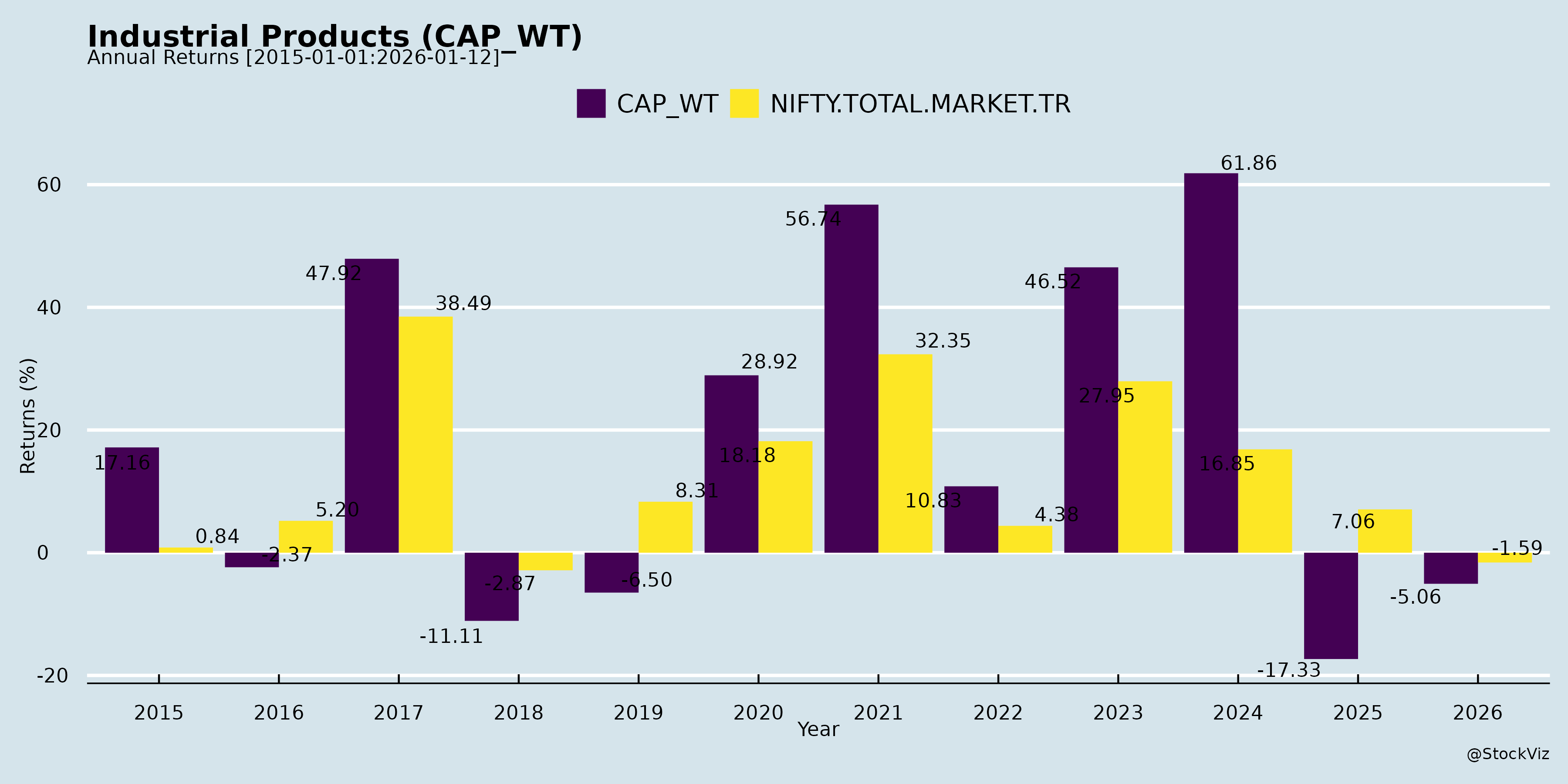
Annual Returns
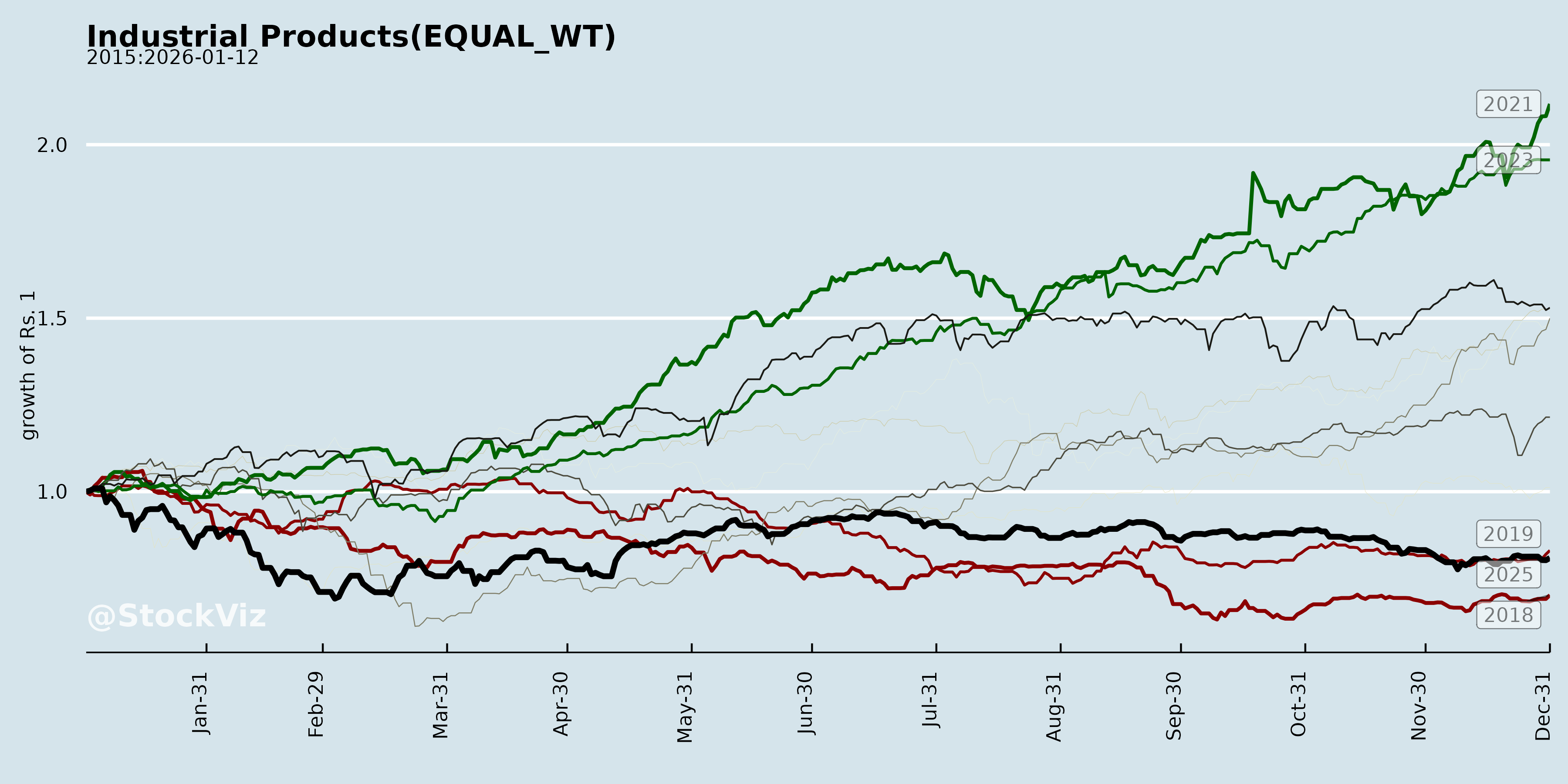
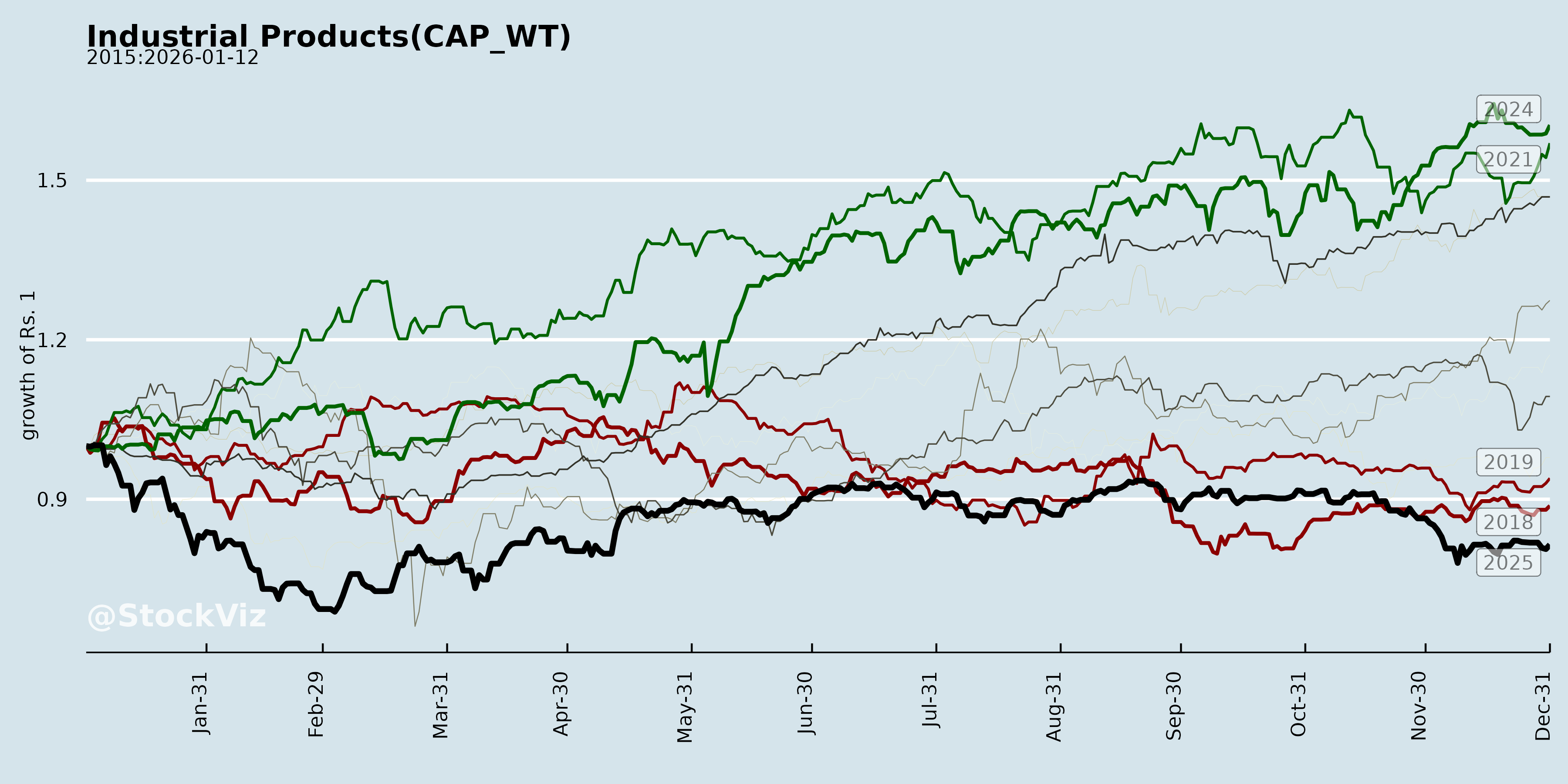

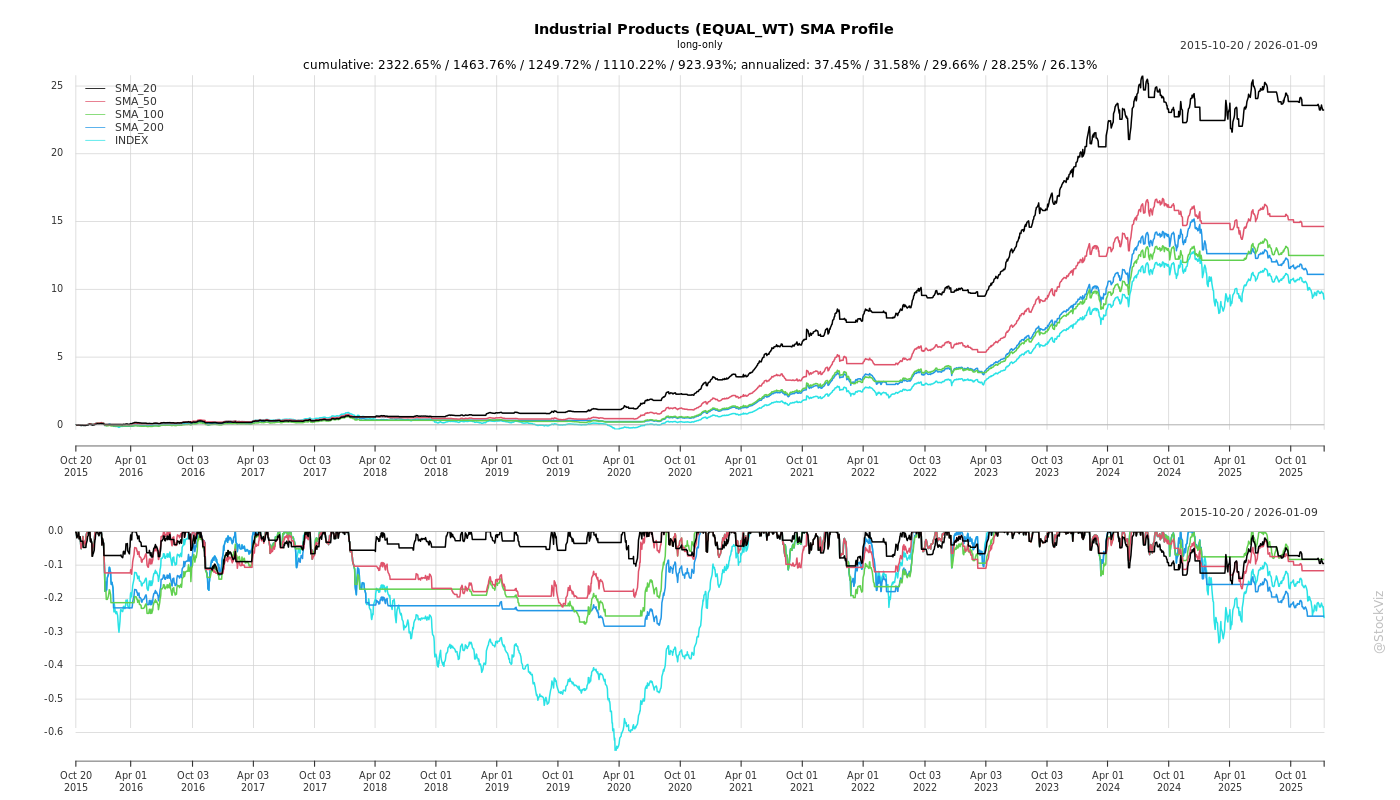
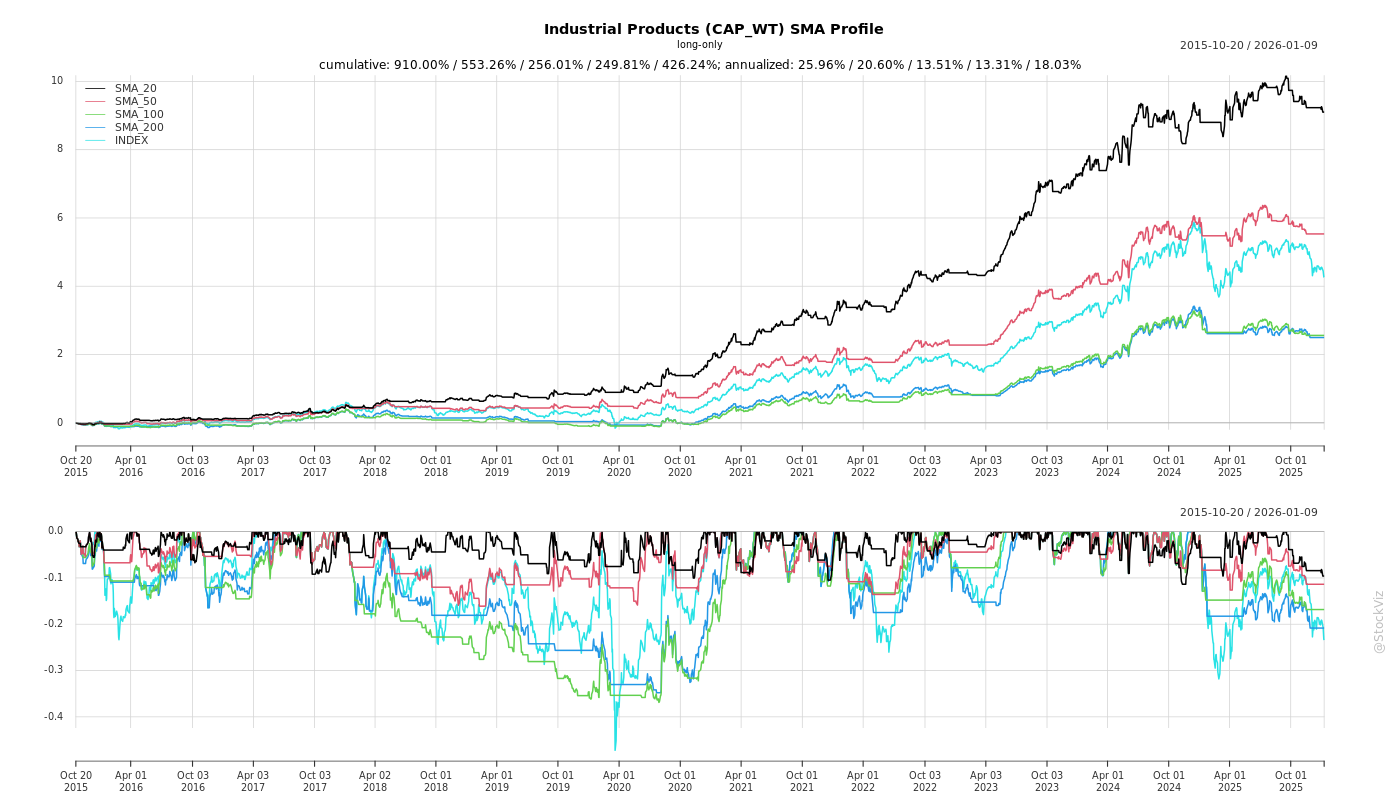
Cumulative Returns and Drawdowns
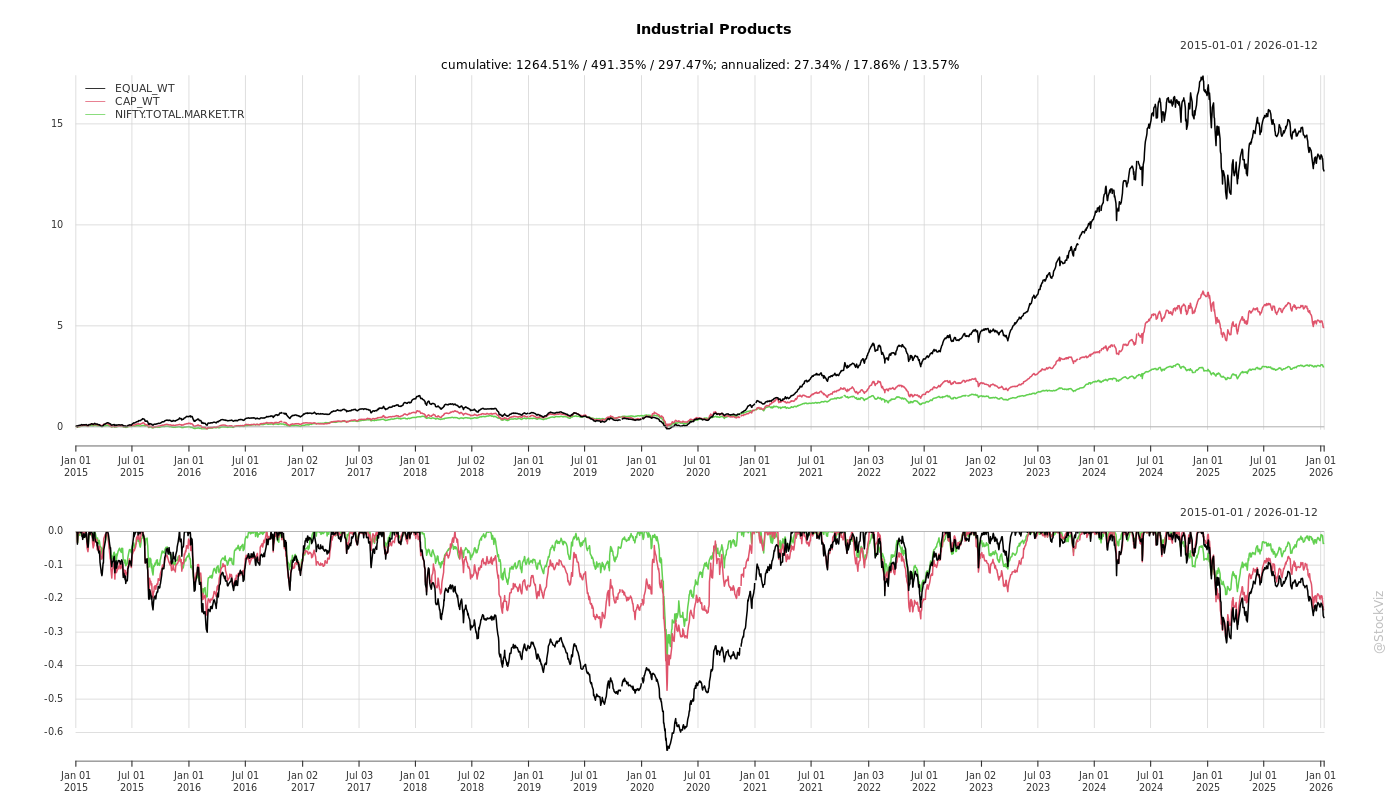
SMA Scenarios
Current Distance from SMA
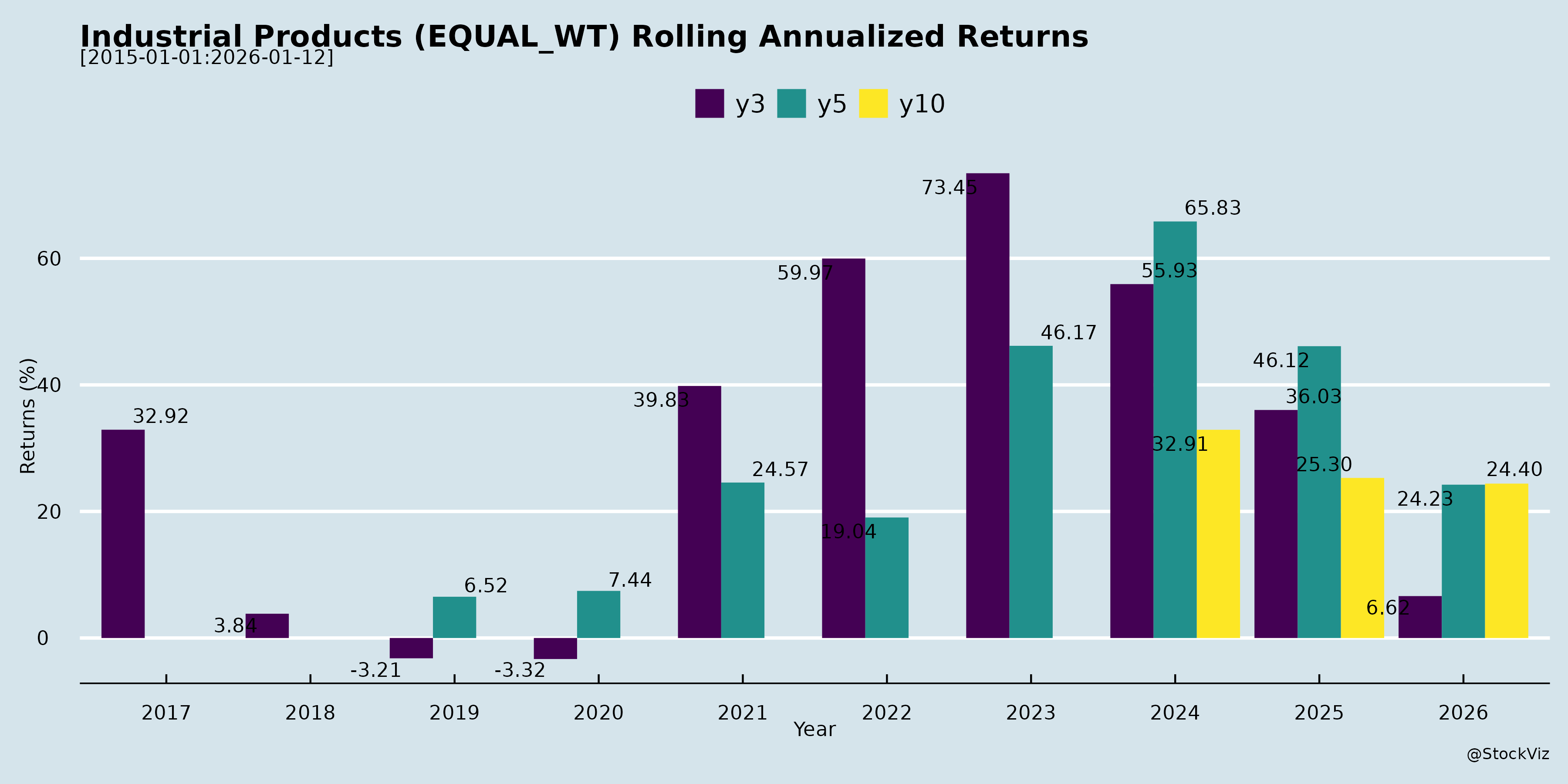
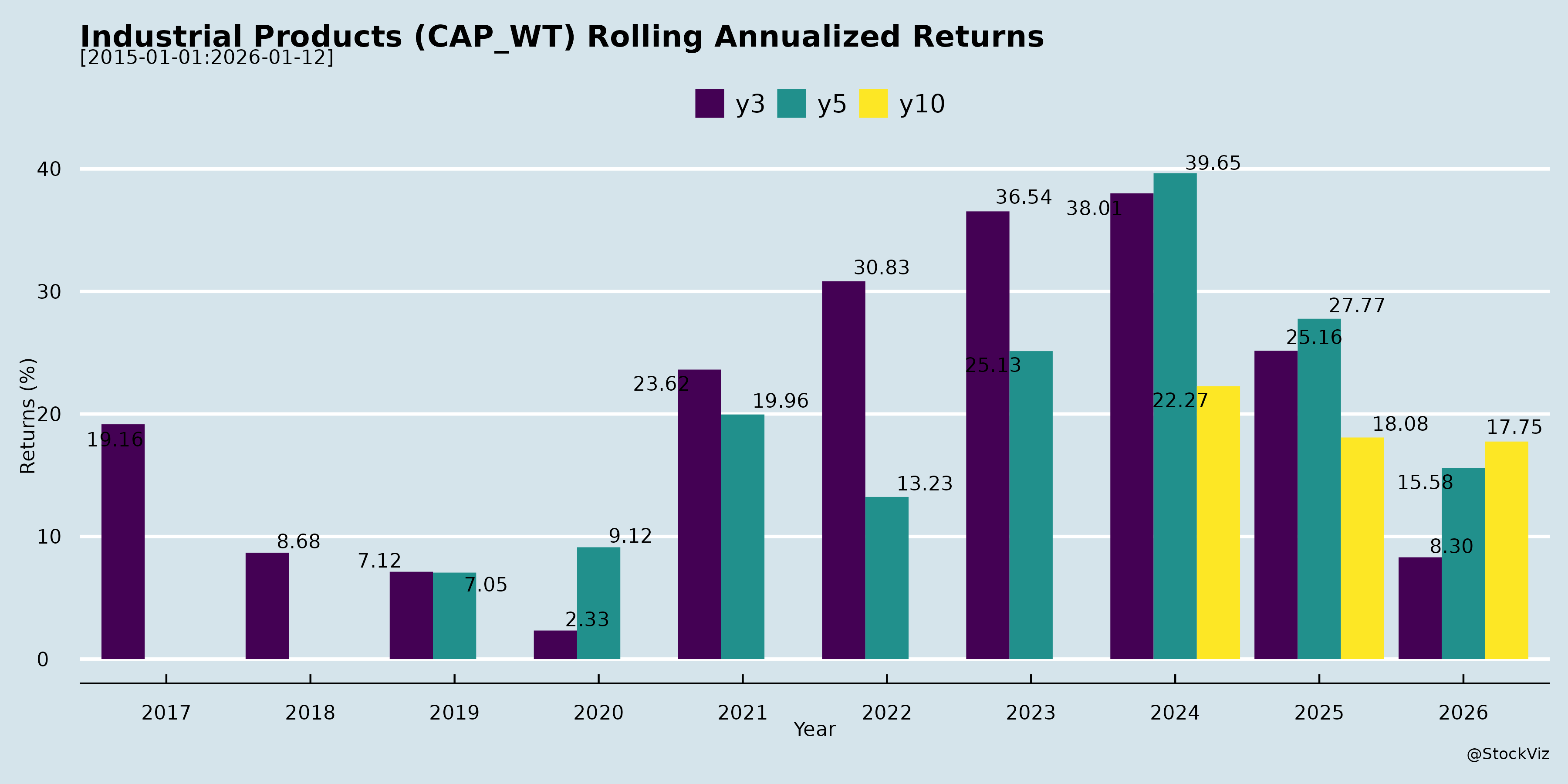
Rolling Returns
Fundamental Ratios
AI Summaries
How have the challenges and oppurtunities evolved over time?
asof: 2026-04-16
Based on the sources provided, the challenges and opportunities for various companies have evolved significantly over time. Businesses have had to navigate a transition from local operational hurdles and market monopolies to navigating complex global trade dynamics, while simultaneously capitalizing on new global markets, technological advancements, and supportive government policies.
Here is a detailed breakdown of how these challenges and opportunities have evolved:
The Evolution of Challenges
- Overcoming Monopolies and Operational Hurdles: Historically, companies faced fundamental supply chain and operational hurdles. For example, International Conveyors Limited (ICL) was initially founded to address the long waiting periods for conveyor belting caused by a monopoly held by Fenner India [1]. Additionally, fundamental operational challenges like manpower shortages have persisted, with companies noting that failing to secure the right manpower for large new manufacturing plants can cause severe disruptions and suffering [2, 3].
- High Entry Barriers and Approval Processes: Entering the equipment manufacturing business is inherently difficult and comes with serious entry barriers [4, 5]. Companies operating globally face tedious, long gestation periods for vendor selection and must navigate dual-stage approval processes, which include getting product approvals from regulatory authorities in importing countries as well as approvals specific to the importing entities [6].
- Domestic Macroeconomic and Regulatory Shocks: In the domestic market, companies have had to shock-proof themselves against unpredictable events. Over an 18-month period, the industry experienced disruptions from the election code of conduct, the temporary market impacts of GST changes, and unseasonal, extended rains [7, 8].
- Global Trade Pressures and Market Volatility: As companies have expanded, they have become exposed to broader macroeconomic headwinds. The European market currently presents a challenging demand environment [9]. Furthermore, global trade pressures—specifically U.S. tariffs—have introduced logistical complexities that have resulted in temporary scheduling delays across the industry [10]. Expanding internationally also poses the challenge of finding the right product-market fit without losing focus and momentum in the home market [11].
The Evolution of Opportunities
- From Domestic Reliance to Global Expansion: Opportunities have shifted from purely domestic plays to aggressive international expansion. During the 1980s and 1990s, ICL primarily relied on Coal India as a domestic customer, but eventually diversified into international markets, grabbing market share in a niche industry [6, 12]. Today, companies are actively working to expand their customer base and penetrate newer geographies like Latin America, Asia Pacific, and the Middle East [13]. Furthermore, there is a strategic opportunity to replace Western suppliers in the U.S., Mexico, Canada, and Europe by developing competitive global capabilities [14, 15].
- Diversification and Technological Advancement: To combat high entry barriers, companies have consciously focused on building highly technology-intensive businesses and establishing technology superiority [4, 5, 16, 17]. This has opened up emerging growth sectors globally, allowing businesses to expand into new product portfolios such as biogas digester systems, large storage tanks, and architectural facade solutions [18, 19]. Companies are also utilizing in-house R&D to develop automated products that require less human handling [13].
- Strategic Market Positioning: To improve margins and reduce concentration risk, companies are advancing into highly specialized sectors like aerospace and defense, which includes ongoing prototype development for Western European defense customers [9].
- Capitalizing on Favorable Policies and Macro Trends: Evolving market demands driven by infrastructure development, urbanization, and renewable energy integration have created sustained growth opportunities [20]. For instance, government initiatives are fueling the need for reliable cold chain systems in the dairy, horticulture, and seafood sectors to prevent spoilage [21, 22]. Additionally, the Union Budget 2026’s increased allocation to the Department of Health and Family Welfare is expected to reinforce long-term investments and create sustained demand for greenfield and brownfield projects in pharmaceuticals, biotechnology, and advanced manufacturing [23].
What are the headwinds affecting this industry?
asof: 2026-04-16
Global trade pressures and tariff uncertainties are creating significant obstacles for companies with international exposure. Specifically, the uncertainty surrounding U.S. tariffs has caused a severe slowdown in deliveries and order intakes for exports to the American market [1-4]. The unpredictable nature of these tariffs—including threats of aggressive rate hikes—has spooked the market, leading to deferred business decisions, stalled projects, and a freeze on major orders [5-7]. In other global regions, tariff concerns have dampened market confidence and extended the customer decision-making process [8, 9]. Additionally, delayed resolutions regarding the India-US trade deal have temporarily impacted business and order pipelines [10].
Adverse weather conditions and extreme seasonality have heavily suppressed demand and delayed project execution across multiple sectors. The La Niña effect resulted in above-normal, incessant rainfall spanning from May through October, which severely impacted the micro-irrigation industry by suppressing both farmer demand and the physical installation of systems [11-14]. These unseasonal rains caused massive distress in the agricultural sector, leading to roughly 11 lakh farmers in Gujarat applying for loan or interest waivers [15, 16]. Furthermore, prolonged monsoons bring construction and execution at project sites to a standstill for the prefabricated building sector, as customers are unable to draw materials or perform necessary civil activities during heavy rains [17-20].
Volatility in commodity prices and competitive pricing pressures are straining profitability. Surges in raw material costs, such as sudden spikes in steel prices and fluctuating copper prices, are putting downward pressure on gross margins [21-24]. In several instances, companies accepted high-value, long-gestation orders at highly competitive, fixed prices; when input costs subsequently rose or macroeconomic shocks occurred, these aggressive pricing strategies led to margin compression and temporary financial hits [25-28].
Logistical complexities and supply chain bottlenecks continue to be notable headwinds. Global trade pressures have introduced logistical hurdles that result in temporary scheduling delays across the manufacturing industry [29]. Furthermore, shifting shipping lines and global uncertainties have increased logistical lead times by roughly 7 to 12 days, elongating the overall delivery cycles and stretching site consumption patterns [30-33].
A lack of skilled manpower and on-site execution delays present significant operational hurdles. Securing and retaining the right manpower is cited as a primary challenge that can directly cause production suffering [34, 35]. A lack of skilled labor also heavily impacts the on-ground implementation of projects, such as smart metering rollouts [36, 37]. Furthermore, businesses relying on site work frequently face setbacks due to delayed design and engineering approvals from clients, or hold-ups caused by the customers’ own civil contractors [38, 39]. In advanced sectors like robotics, the slow pace of organizational change management and an overall business decision dilemma make customers hesitant to fully adopt new automation technologies [40, 41].
Broader macroeconomic sluggishness and government spending pauses are dampening domestic and international demand. Companies are navigating challenging, subdued demand environments in regions like Europe [42, 43]. Certain sub-sectors, like agrochemicals, are specifically under pressure due to a combination of weak demand and intense Chinese competition [44-47]. Domestically, regulatory hiccups, the election code of conduct, and temporary halts in government infrastructure spending (such as the Jal Jeevan Mission) have created brief but impactful voids in demand [48-50]. Finally, some operations have faced severe interruptions, including the prolonged suspension of manufacturing activities, simply due to a critical lack of working capital [51].
What are the key things to understand about this industry?
asof: 2026-04-16
The industrial manufacturing and precision engineering sector is characterized by highly specialized product offerings, complex supply chains, and extensive integration into global markets. Understanding this industry requires looking at its structural barriers, massive growth drivers, and strategic operational models.
Here are the key things to understand about the industry:
1. High Barriers to Entry and Technological Intensity * Stringent Approvals: The industry features significant entry barriers due to rigorous, dual-stage approval processes required by regulatory authorities and specific importing entities, particularly for critical safety products like conveyor belting [1]. * Complex Engineering: Equipment manufacturing is a difficult business with serious entry barriers, requiring a highly technology-intensive approach to building capacities [2]. Machinery building, for instance, remains quite labor-intensive while demanding highly technical skills from various strata of the workforce [3]. * In-House Capabilities: To maintain margins and market leadership, companies rely heavily on in-house design, R&D, 3D modeling, and the ability to validate and optimize complex prototypes [4, 5].
2. Major Macro Growth Drivers The industry’s expansion is fueled by several sweeping global and domestic trends: * Infrastructure and Urbanization: Rapid urbanization and government focus on replacing aging infrastructure are massive growth drivers, specifically boosting the demand for construction materials, pre-engineered buildings (PEBs), and fastening solutions [6, 7]. * Renewable Energy Transition: Favorable government policies and private capex in wind, hydro, and solar energy are providing a major impetus for precision products [8, 9]. Renewable sources are projected to contribute 95% of the increased global power capacity between CY21-26, driving immense demand for components like specialized fasteners used in wind turbines and solar panels [9]. * E-Commerce and Changing Retail Trends: The rise of quick commerce, organized retail, and online food delivery has created a massive need for “dark stores” and rapid-order fulfillment hubs, which in turn drives demand for tailored temperature-controlled storage, cold rooms, and chest freezers [10]. * Railways and Automotive: Upgrades to high-speed rail systems, increased investments in metro rail, and rising consumption of passenger vehicles are significantly fueling the demand for railway infrastructure, coil springs, and suspension components [8, 9].
3. Global Supply Chain Shifts and Import Substitution * Replacing Western Suppliers: Indian precision engineering companies are actively replacing established Western suppliers (in the US, Mexico, Canada, and Europe) by developing advanced capabilities and mitigating supply chain concentration risks for multi-billion dollar global customers [11, 12]. * Dual Focus: The industry strategy balances a strong focus on domestic import substitution while simultaneously competing effectively in sophisticated export markets, championing the “Make in India, for the World” ethos [13].
4. Business Models and Value-Added Services * Build-to-Print vs. Complete Solutions: Much of the precision component manufacturing relies on a “build-to-print” model where the customer provides the drawings [14, 15]. However, companies differentiate themselves and maintain margins by offering end-to-end value-added processes such as special threading, surface treatment, cladding, welding, and in-house testing [16, 17]. * Customer Retention and Repeat Orders: Profitability in segments like pre-engineered buildings and custom engineering is highly dependent on repeat business rather than one-off project margins [18, 19]. Manufacturers secure repeat flow by acting as long-term partners; for instance, supplying a client with a solar module factory, and later building their cell, wafer, and ingot plants [20, 21].
5. Risk Management and Contract Structuring * Managing Price Volatility: Because projects and products require heavy raw material inputs (like steel), companies manage commodity price volatility through strategic cushioning [22, 23]. In some sectors, contracts feature price variability clauses to safeguard against swings in raw material prices [1]. In others, companies use short-term fixed-price contracts (e.g., maximum five months) backed by 30-45 days of raw material inventory and advance purchase orders to vendors [23, 24]. * Long-Term Contracts: To avoid the tedious gestation periods of vendor approvals, companies often secure long-term contracts (up to 5 years) with approved buyers, providing strong order visibility [1].
6. Vast Total Addressable Markets (TAM) and Diversification The end-user applications for this industry are remarkably diverse, ensuring that companies are not overly reliant on a single sector. * Scale of the Market: Certain niche segments have massive global potential. For example, the global market for Special Fastening Solutions (SFS) is 100 times larger than the market for Disc & Strip Springs (DSS) [25]. * Cross-Industry Reach: Companies in this sector supply customized solutions across aerospace, defense, agrochemicals, pharmaceuticals, oil and gas, metallurgy, and food & beverages [26-30]. This spans from manufacturing highly critical aircraft structures for Tier-I global OEMs like Airbus and Boeing [4, 26] to providing complex modular process skids for refineries [30].
What are the tailwinds affecting this industry?
asof: 2026-04-16
The provided sources cover multiple companies operating across various sectors. Here are the specific tailwinds and growth drivers affecting each of these industries:
Precision Engineering, Fasteners, and Springs * Renewable Energy Boom: Favorable government policies and private capital expenditure in wind and hydroelectric sectors are providing a major impetus for precision products [1]. Globally, renewable sources are expected to contribute 95% to the increased power capacity from CY21 to CY26, driving the need for specialized fasteners used in wind turbines, hydro plants, and solar farms [2]. * Railway Modernization: The upgradation of the Indian railway system to high-speed rail and increased investments in metro rail networks are fueling the demand for railway infrastructure and related components [2]. * Mobility and Agriculture Mechanization: An increase in passenger vehicle consumption and the advanced mechanization of agriculture (such as demand for tractors, mowers, and spraying equipment) are significantly driving the coil spring market [1, 3]. * Infrastructure and Policy Support: Rapid urbanization, increased steel demand, the PLI scheme, and a focus on import substitution are key drivers for industrial precision components [1, 3].
Micro-Irrigation * Favorable Agricultural Conditions: Successive years of good monsoons are paving the way for a better rabi season [4]. * Rising Awareness: There is a growing awareness among farmers regarding the benefits of micro-irrigation, alongside an increasing focus on sustainability in urban regions, which is driving retail demand [4, 5]. * Supportive Environment: A stabilizing raw material price environment and an encouraging government policy environment are acting as early signs of a positive industry shift [4, 5].
Cold Chain and Refrigeration * Quick Commerce and Retail: The rapid rise of quick commerce, organized retail, processed foods, and “dark stores” (new-age fulfillment hubs) is demanding efficient, close-to-consumer cold storage solutions like chest freezers [6]. * Government Initiatives: Programs such as PMKSY and MIDH are actively boosting cold chain infrastructure [6, 7]. * Healthcare and Perishables: There is a rapidly growing need for temperature-controlled storage for pharma and vaccines, combined with the continuous need to preserve dairy, horticulture, and seafood [6, 7].
Aerospace, Defense, and Electronics * Global Supply Chain Integration: India is increasingly integrating into global aerospace supply chains, supported by higher domestic defense allocations [8]. * Trade Agreements and Diversification: Evolving Free Trade Agreements (FTAs) with Europe and the UK are opening new opportunities [9]. As Western countries and major OEMs look to diversify their manufacturing bases away from China, Indian engineering companies are well-positioned to capture this shift [10, 11]. * New-Age Technology Demand: There is robust growth driven by the telecom sector (set-top boxes, GPON), smart energy metering, water purification, and medical technology [12-14].
Pre-Engineered Buildings (PEB) and Construction * Renewable Sector Expansion: Renewable energy companies are heavily engaging in backward integration, requiring extensive PEB infrastructure for new solar module and cell manufacturing factories [15]. * Broad Industrial CAPEX: Strong capital expenditure tailwinds are being observed across the building materials, glass, cement, and automobile sectors [16].
Clean Technology, Power, and Carbon Capture * Policy and Environmental Norms: There is clear policy momentum surrounding carbon capture and clean energy, highlighted by India’s ₹20,000 crore CCUS (Carbon Capture, Utilization, and Storage) initiative and tightening environmental regulations [17]. * AI and Data Centers: The expansion of AI-led data centers is creating massive incremental energy requirements, driving demand for smarter, efficiency-led power infrastructure [17].
Packaging Machinery * Consumer Trends: The packaging industry is benefiting from rising overall consumption, the boom in e-commerce, the growth of packaged foods, and a distinct industry shift from rigid to flexible packaging formats [18].
Mining Equipment and Industrial Belting * CAPEX Revival: A revival in the capital expenditure cycle and continuous investments in the mining sector are creating massive replacement demand for products like conveyor belting [19].
Chemical and Pharmaceutical Processing Equipment * Sectoral Demand: Steady growth and capital investments in the Active Pharmaceutical Ingredient (API) industry and the tech-chemical sectors are driving demand for highly engineered glass-lined equipment and heat transfer systems [20, 21].
What is the general outlook of this industry?
asof: 2026-04-16
The provided sources cover a wide range of industrial sectors. Below is a detailed, comprehensive breakdown of the general outlook for each key industry discussed in the materials.
Macroeconomic and Global Trade Influences Across multiple sectors, the near-term outlook has been influenced by global trade pressures and U.S. tariff uncertainties, which have temporarily delayed capital investments, introduced logistical complexities, and impacted export revenues [1-4]. However, there is broad optimism that these tariff issues will stabilize, allowing companies to return to their previously projected long-term growth trajectories [5-8]. Meanwhile, European markets are currently facing a challenging demand environment and headwinds, though easing inflationary pressures and gradual demand stabilization are expected to support a steady recovery [9, 10].
Micro Irrigation and Agriculture The micro irrigation industry is currently nearing a positive inflection point after a period of subdued growth [11, 12]. The long-term outlook is highly compelling, supported by a stable raw material price environment and successive years of good monsoons that are expected to drive a better rabi farming season [13-15]. Historically, this industry registered a robust 20% Compound Annual Growth Rate (CAGR) between FY16 and FY20, though its typical long-term growth rate averages 6% to 7% [16-19]. The sector’s future is buoyed by ambitious government targets and initiatives to include pressurized piping systems in detailed project reports for major irrigation projects [16, 18, 20, 21].
Electronics System Design & Manufacturing (ESDM) and PCBs The outlook for the electronics manufacturing and PCB sector is highly positive, marked by secular growth across all major verticals, including automotive (30% growth), med-tech (31%), industrial (29%), and IT/railways (70%) [22, 23]. Companies in this space express strong confidence in maintaining a 30% growth rate in both topline revenue and EBITDA in the coming fiscal years [5, 6, 24, 25]. The domestic industries serviced by this sector are experiencing robust growth, and capacity expansions are on track to meet future demand [26-28].
Pre-Engineered Buildings (PEB) and Infrastructure The PEB and structural construction industry is experiencing strong tailwinds driven by capital expenditure across the building materials, glass, cement, and automobile sectors [29, 30]. Furthermore, there is a massive opportunity emerging in the renewable energy sector, as renewable companies increasingly pursue backward integration and require customized factory infrastructure [31, 32]. The outlook is highly aggressive; industry leaders aim to drastically outpace broader market growth, stating that if the overall market grows at 10%, they expect to grow at 20% through specialized services and natural hedging against commodity price volatility [33, 34].
Smart Metering and Electrical Equipment Smart metering serves as a massive, long-term growth driver with clear multi-year visibility [35, 36]. The sector is entering a strong growth cycle over the next 3 to 4 years, backed by substantial order books and clear government policy support [37-40]. Concurrently, the broader consumer and industrial electrical business (including switchgear, wires, and lighting) possesses strong growth momentum, with market players projecting the segment to more than double over the next 3 to 4 years and achieve 20% to 25% topline growth [38, 40-42].
Specialized Processing Equipment (Chemicals, Pharma, and Energy) Demand trends for specialized processing equipment (such as glass-lined reactors and heat exchangers) are encouraging, driven by increased capital expenditure and a favorable market sentiment [43, 44]. The API (Active Pharmaceutical Ingredient) and tech-chem industries are performing well, although the agrochemical sector remains under pressure [2, 3, 45, 46]. The Union Budget 2026’s increased allocation to health and family welfare is expected to reinforce long-term investment momentum across the pharma and biotechnology segments [47]. Furthermore, the biogas and domestic storage solutions sectors in India are highlighted as extremely high-growth areas for the future [48, 49].
Precision Engineering, CNC Machines, and Automotive Components * CNC Machines: The global CNC market is projected to grow at an 8% to 10% CAGR through 2030, heavily driven by the adoption of Industry 4.0 trends [50]. * Precision Springs and Fasteners: The Indian domestic market for precision components like disc, coil, and spiral springs is projected to grow at CAGRs ranging from 9.8% to 18.0% between FY24 and FY27 [51]. This growth is fueled by rapid urbanization, infrastructure replacement, commercial vehicle sales revivals, and renewable sector capex [52, 53]. * Automotive & Commercial Vehicles (CV): The CNG segment within commercial vehicles is showing signs of a sustainable revival and solid growth [54, 55]. * Aerospace & Defense: Increasing integration of domestic manufacturing into global aerospace supply chains, coupled with higher defense allocations, is expected to heavily support demand for complex precision components and metallurgy [9, 56].
Cold Chain and Refrigeration The Indian cold chain market possesses a highly favorable outlook, projected to grow at a CAGR of 10.86% through 2033 [57, 58]. This robust expansion is necessitated by surging consumer demand for perishables, growth in food processing, pharmaceutical requirements, and the rapid expansion of quick-commerce, all of which require reliable cooling systems to prevent spoilage [57, 59, 60].
Plastics, Packaging Machinery, and Conveyor Belting * Machinery: The processing machinery market has grown at about 8.5% over the last four years [61]. However, the plastic extrusion machine segment is currently navigating a transitional phase with a temporary slowdown due to a brief halt in government infrastructure spending (like the Jal Jeevan Mission); a steady demand revival is anticipated following upcoming Union Budgets [62]. * Mining & Conveyor Belting: Continuous investments in the mining sector and a projected ~12% CAGR by 2025 for the cement industry provide a long runway for growth [63, 64]. High entry barriers and a reviving capex cycle are generating high visibility for massive replacement demand in the belting sector [64].
Copyright © 2023 SAS Data Analytics Pvt. Ltd. All rights reserved.