Industrial Minerals
Industry Metrics
September 24, 2026
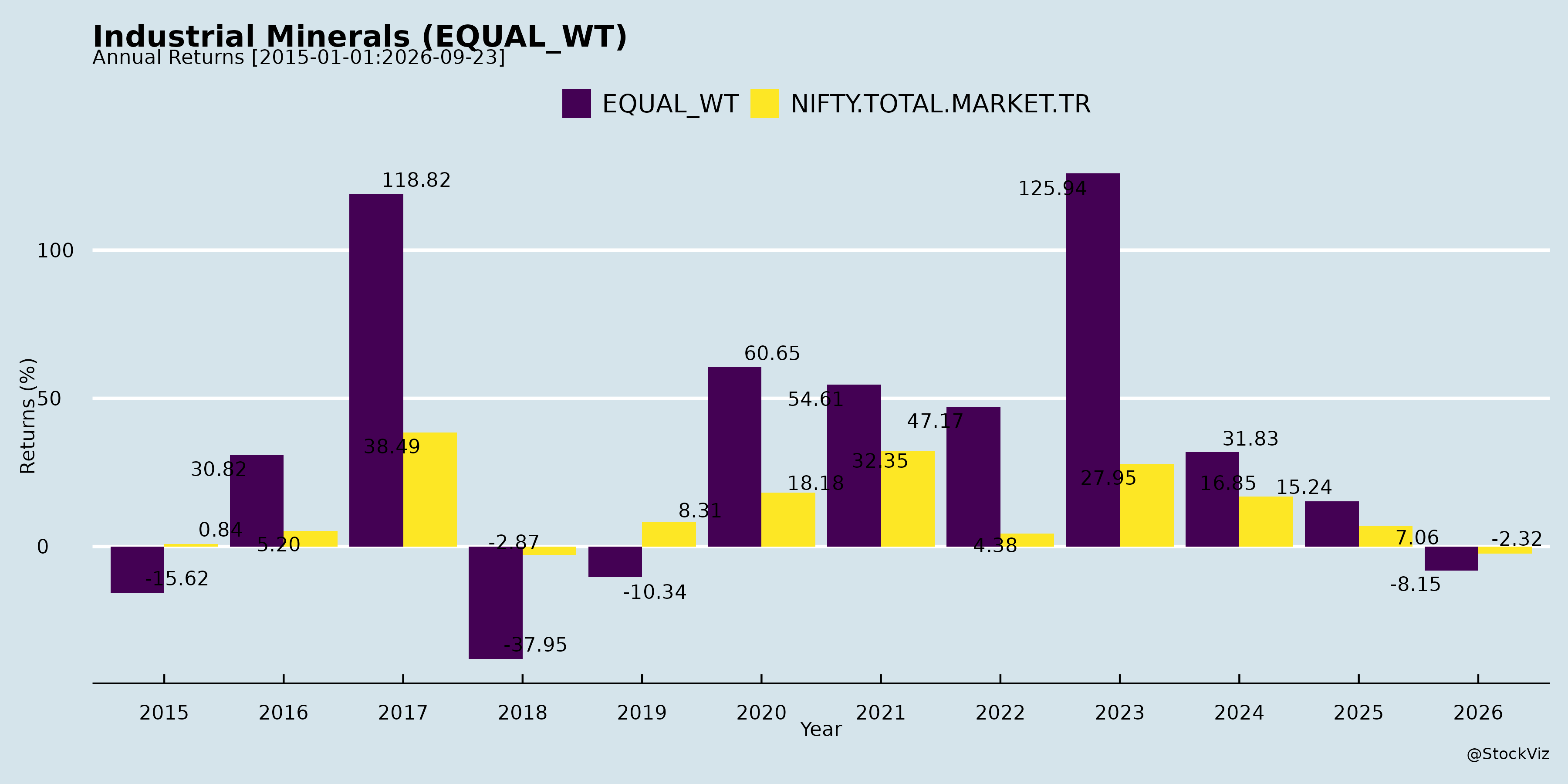
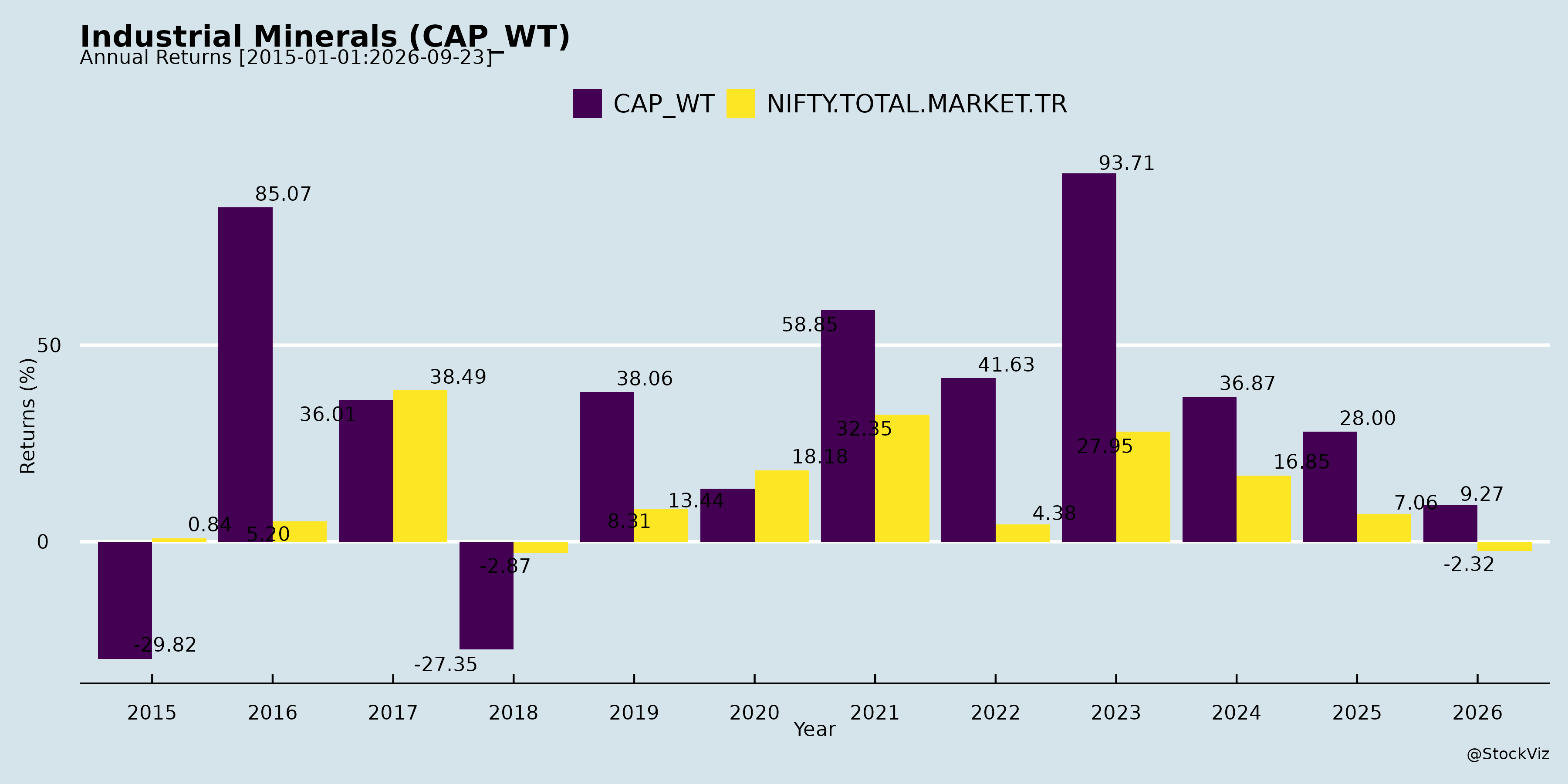
Annual Returns
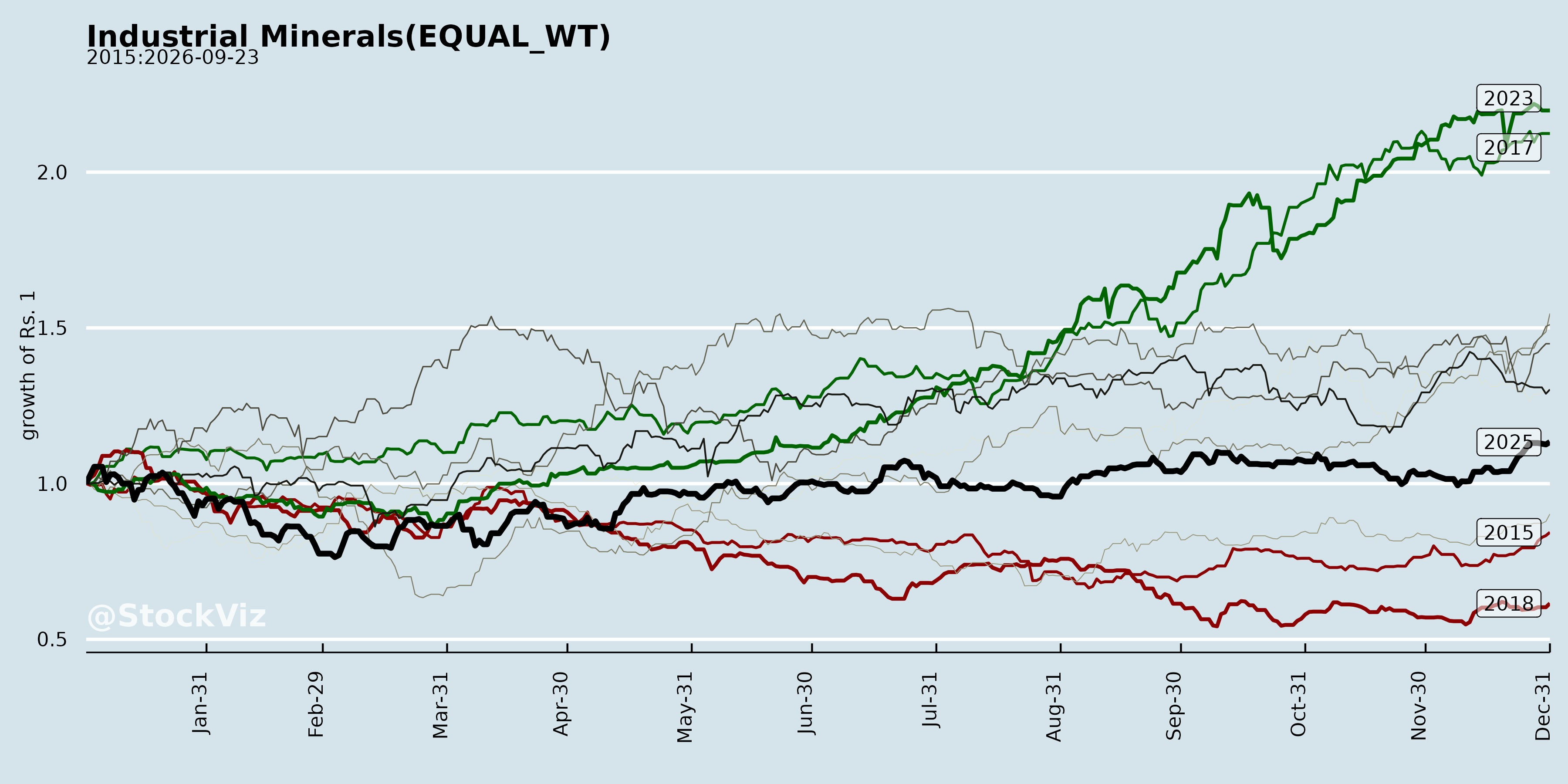
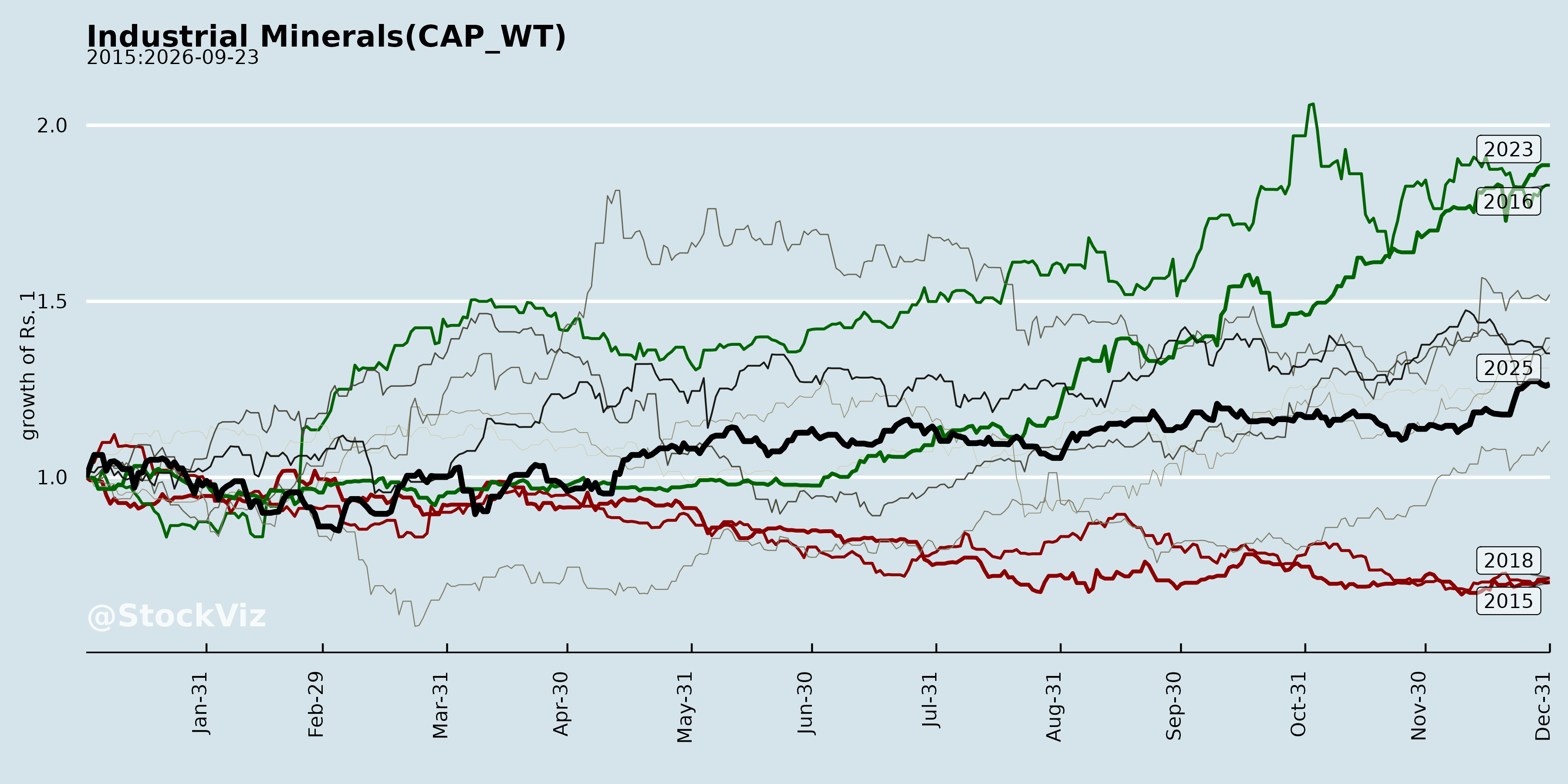
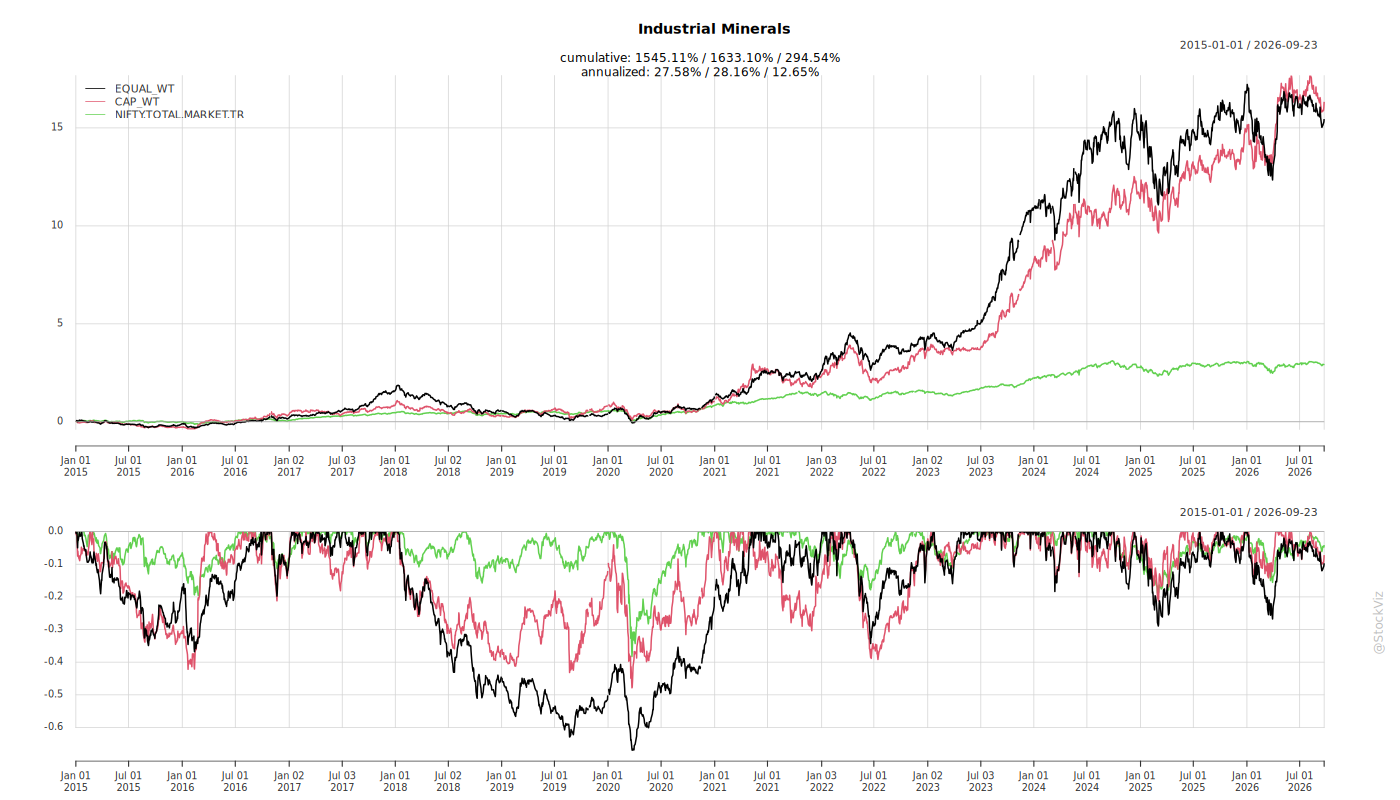
Cumulative Returns and Drawdowns
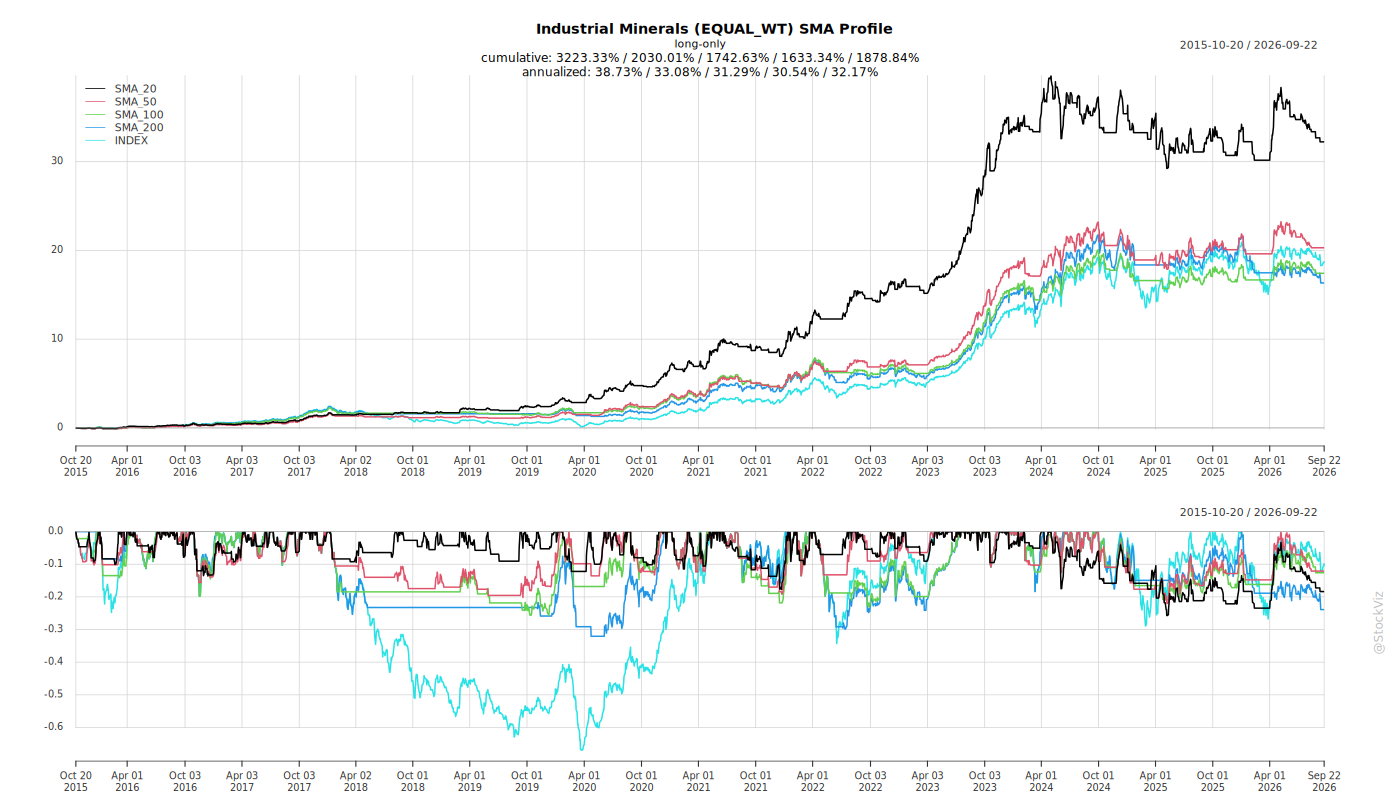
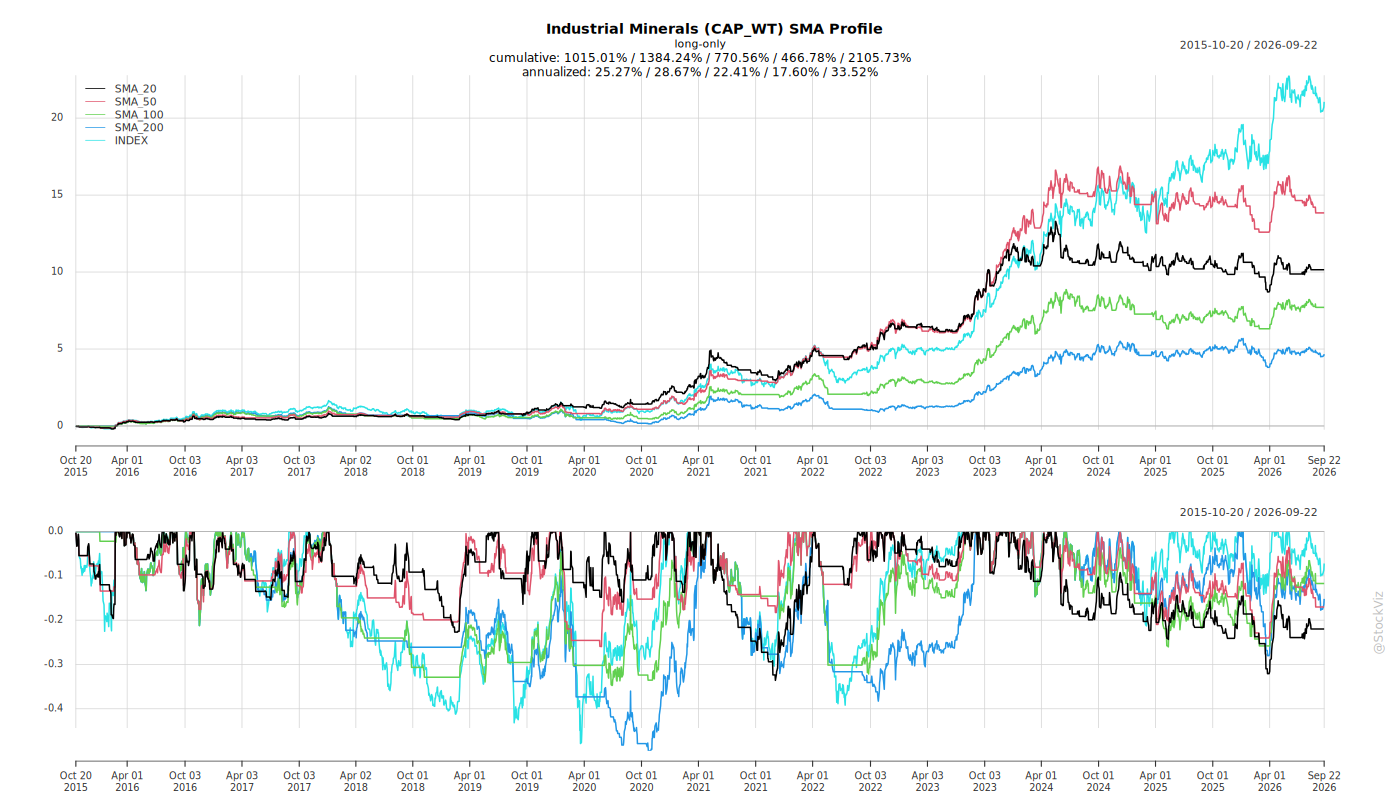
SMA Scenarios
Current Distance from SMA
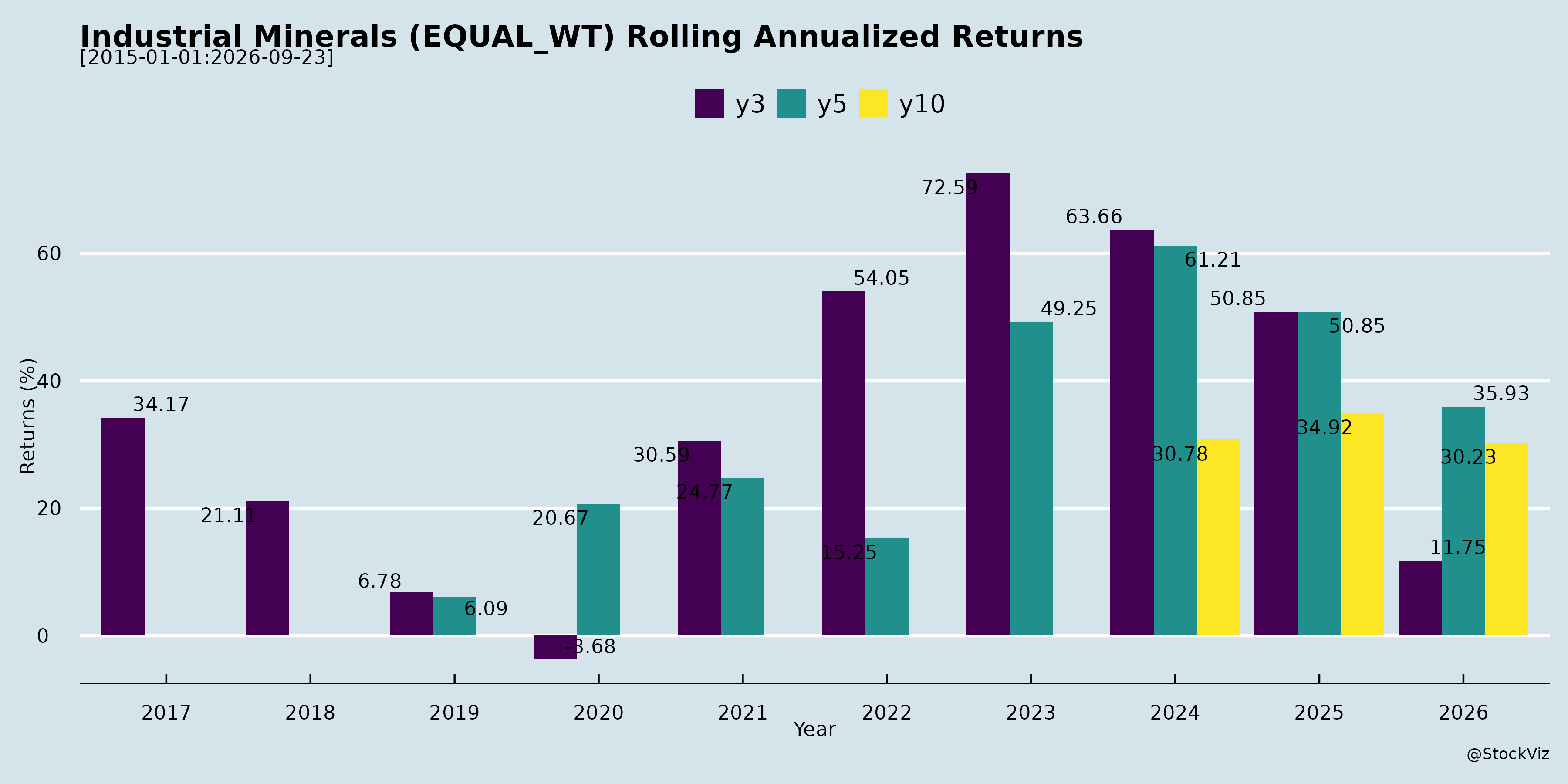
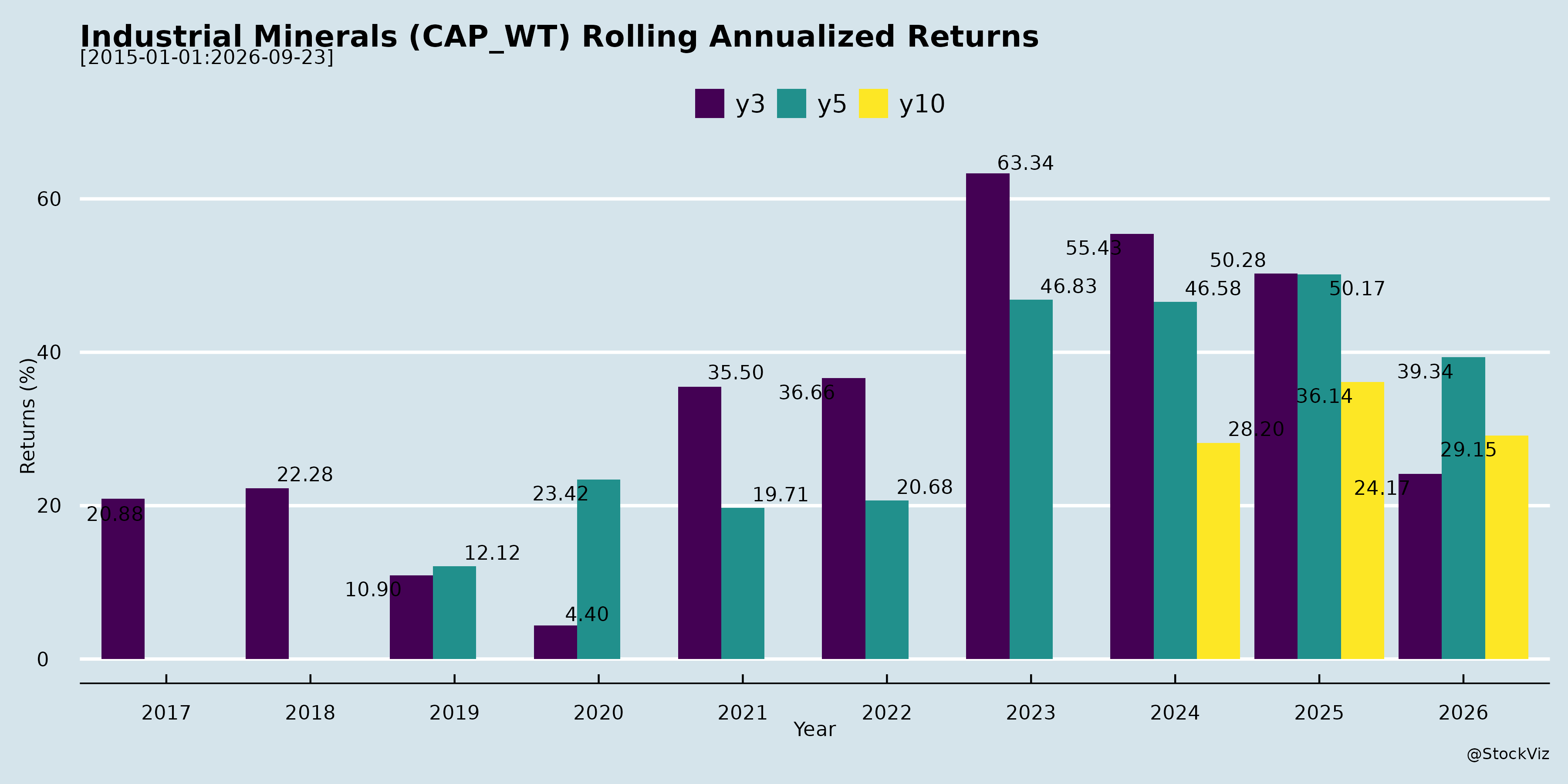
Rolling Returns
Fundamental Ratios
AI Summaries
How have the challenges and oppurtunities evolved over time?
asof: 2026-04-15
The Evolution of Challenges
Across the mining, minerals, and specialty chemicals sectors, companies have historically grappled with a complex array of logistical, regulatory, and market-driven challenges that have evolved significantly over time.
- Logistical and Operational Bottlenecks: Companies like MOIL faced prolonged delays in crucial infrastructure projects, such as the high-speed shaft sinking at the Balaghat and Gumgaon mines, primarily due to COVID-19 disruptions and visa issues for Chinese technical workers [1, 2]. MOIL’s historical reliance on manual labor and the conventional “cut and fill” mining method proved to be highly laborious and inefficient [3, 4]. Similarly, Ashapura Minechem’s operations in Guinea suffered unexpected volume shortfalls due to prolonged monsoons and climate-related logistical difficulties [5, 6].
- Pricing Pressures and Market Volatility: Ashapura Minechem has been forced to navigate a drop in global bauxite prices driven by the resumption of suspended mining leases in Guinea, delays in the US-China long-term trade deal, and a halt on new smelter approvals by the Chinese government [7-10]. In India, Ashapura’s margins were squeezed by a sharp increase in the price of sulfuric acid, a key raw material [11], and a shift toward lower-margin products [12, 13]. 20 Microns faced similar headwinds in the paint industry, where extended monsoons and subdued customer demand led to aggressive competitive pricing, forcing paint manufacturers to squeeze raw material suppliers’ margins [14-17]. MOIL also faced falling Net Sales Realizations (NSR) dictated by external factors like global steel demand and LME prices [18, 19], alongside the challenge of stockpiling lower-grade ores that had very little demand in the domestic blending market [20-23].
- Regulatory, Statutory, and Legal Hurdles: GMDC fell short of its ambitious 10-million-ton lignite target due to severe regulatory and social roadblocks, including a safety incident that forced the closure of its Rajpardi mine and persistent land acquisition delays at its Bhavnagar project [24, 25]. Furthermore, acquiring land and managing resettlement and rehabilitation (R&R) continually pushed back GMDC’s capital expenditure timelines by several quarters [26-29]. NMDC currently faces massive legal and statutory challenges, including Show Cause Notices demanding ₹1,623.44 crores in compensation based on a Supreme Court judgment [30, 31], and penalties of ₹1,620.50 crores for alleged mineral dispatches without timely Railway Transit Passes [30, 32]. Furthermore, the proposed Karnataka Mineral Rights Tax Bill of 2024 threatens NMDC with a massive retrospective contingent liability of approximately ₹15,165.06 crores [33-35].
The Evolution of Opportunities
To combat these historical and ongoing challenges, companies have aggressively evolved their strategies, focusing on capacity expansion, technological modernization, product diversification, and strategic global alliances.
- Aggressive Capacity Expansion and New Asset Development: Driven by India’s National Steel Policy 2017, which envisages 300 million tons of steel production by 2030, MOIL has the opportunity to increase its market share from 20% to 32% by ramping up manganese ore production to 3.5 million tons [36, 37]. GMDC is shifting its focus toward massive volume growth by venturing into coal; its Baitarani West mine in Odisha is projected to become one of the top mines in the country with a peak capacity of 15 to 22.5 million tons [38-41]. GMDC is also exploring advanced technologies like underground coal gasification to journey toward blue hydrogen production [42, 43].
- Technological Modernization and “Green” Mining: To overcome the inefficiencies of manual labor, MOIL is transitioning to fully mechanized, long-hole open stoping methods utilizing remote-controlled Load Haul Dumpers (LHDs) to drastically increase productivity and lower per-ton employee costs [3, 4, 44-47]. Lloyds Metals is pioneering “Green Mining” in Maharashtra by deploying one of the largest EV mining fleets and implementing slurry pipelines for environmentally responsible ore transportation [48].
- Diversification and Value Addition: Instead of letting lower-grade ores sit idle, MOIL is adopting a “waste to wealth” strategy by exploring in-house beneficiation units and leveraging its new appointment as a State Trading Enterprise to export low-grade ores to international markets [49-54]. 20 Microns is mitigating its exposure to the volatile paint sector by penetrating higher-margin plastic and rubber segments [55, 56] and launching innovative value-added products like organic thickeners, pacifiers, and flame retardants [57, 58]. Lloyds Metals is evolving from a mining entity into a fully integrated steel manufacturer with plans for a 3 MTPA Hot Rolled Coil plant [48], and has strategically entered the global battery-metals supply chain by commencing commercial production of copper cathodes from a 12,000 TPA plant in the Democratic Republic of Congo [59, 60]. GMDC is also diversifying into critical minerals by developing an underground copper mine in Ambaji and exploring Rare Earth Elements (REE) used in permanent magnets [61-64].
- Strategic Partnerships and Joint Ventures (JVs): Strategic alliances have become a primary method for mitigating risk and expanding footprints. GMDC recently signed a Memorandum of Understanding (MoU) with NMDC Limited to jointly explore the Rare Earth Elements value chain at the Ambadungar deposit, strengthening India’s domestic capabilities [65, 66]. Lloyds Metals entered a non-binding MoU with Tata Steel to explore synergies in greenfield steelmaking, logistics, and pellet making in the Gadchiroli district [67]. Ashapura Minechem has secured a long-term strategic cooperation agreement with China Railway to jointly develop its Boffa bauxite deposit in Guinea, which will drastically improve its local logistics and port handling efficiencies [68, 69]. NMDC’s subsidiary, Legacy Iron Ore Ltd, has strategically positioned itself for future growth by entering a joint venture in Western Australia to develop magnetite iron ore assets [70, 71].
What are the headwinds affecting this industry?
asof: 2026-04-15
The mining, mineral processing, and associated chemical industries are currently navigating a complex array of challenges. These headwinds span across macroeconomic, environmental, regulatory, and operational spheres.
Macroeconomic and Geopolitical Instability Companies are highly exposed to geopolitical tensions and global instability, which have led to significant supply chain disruptions and logistical bottlenecks [1], [2], [3], [4]. Broader economic challenges, including inflation, high energy prices, and the rising cost of living, continue to create market uncertainties [2], [5]. Furthermore, unresolved international trade negotiations—such as the pending long-term US-China trade deal—have kept buyers on short-term purchasing patterns, thereby delaying sustained demand commitments for end-metals like aluminum [6], [7].
Commodity Price Volatility and Demand Pressures The industry is highly sensitive to the extreme volatility of commodity and raw material prices [8], [9], [4]. Specific pricing pressures include: * Oversupply and Price Drops: Bauxite prices have faced downward pressure due to excess alumina supplies from new refineries and the resumption of operations at previously suspended mining leases in Guinea, adding unforeseen supply to the market [6], [10], [11]. * Market-Linked Realizations: Manganese ore producers have experienced a fall in Net Sales Realization (NSR), which is largely dictated by external factors like global steel demand and London Metal Exchange (LME) pricing metrics [12]. * Downstream Margin Squeezing: Companies supplying downstream sectors, such as the paint industry, are facing stiff pricing pressure. Intense competition among paint manufacturers has led them to aggressively reduce their raw material costs, subsequently squeezing the margins of their suppliers [13], [14], [15]. * Subdued Consumer Demand: Temporary demand softness, exacerbated by delayed festive seasons and generally subdued consumer movement, has hampered sales growth in certain industrial segments [13], [9].
Climatic and Environmental Factors Adverse weather conditions remain a primary physical headwind for the sector. Prolonged and extended monsoons have severely restricted open-pit mining operations, disrupted logistics, and caused companies to miss their targeted production volumes [16], [17], [13], [9]. Broadly, unpredictable climatic changes continue to pose ongoing challenges to consistent extraction, shipping arrangements, and port turnaround times [16], [8], [18].
Regulatory, Policy, and Bureaucratic Hurdles The expansion of mining operations is frequently bottlenecked by bureaucratic delays. * Clearance and Land Acquisition Delays: Projects are routinely pushed back by quarters or even years due to delays in land acquisitions, mining permits, and environmental clearances [19], [20], [4]. * Evolving Compliance Requirements: The introduction of new statutory labor codes and evolving compliance requirements forces companies to reassess wage definitions and increase provisions for employee benefits, raising overall operational costs [4], [21], [22]. * International Policy Shifts: Policy decisions abroad directly impact demand. For instance, the Chinese government has halted approvals for new domestic aluminum smelters to curb capacity, forcing entrepreneurs to look overseas and temporarily suppressing internal bauxite demand [7], [23], [24].
Operational and Infrastructure Challenges Operational setbacks at the ground level significantly impact output and profitability: * Geological and Safety Constraints: Unexpected safety incidents can result in the immediate closure of mines [19]. Additionally, high stripping ratios (the amount of waste material that must be moved to extract the ore) in certain geographies naturally extend the lead time and capital required to reach productive ore [25], [26]. * Logistics Infrastructure Failures: Global mineral supplies have been constrained by international infrastructure issues, such as railway allocation problems in South Africa or the destruction of critical export jetties in Australia [27], [1]. * Supply Chain and Input Costs: Companies face extended delays in receiving critical machinery and spares from abroad, sometimes compounded by international visa issues for foreign technical experts [28], [29]. Finally, sharp increases in specific manufacturing input costs—such as the price of sulfuric acid used in chemical bleaching processes—directly erode profit margins for specialized divisions [30].
What are the key things to understand about this industry?
asof: 2026-04-15
The mining, minerals, and metals processing industry is highly cyclical, capital-intensive, and deeply interconnected with global macroeconomic trends. Understanding this industry requires looking at its market dynamics, operational complexities, cost structures, and strategic shifts toward sustainability and value addition.
Here are the key things to understand about the industry:
1. Global Market Dynamics and Price Volatility * Influence of China and Global Indices: International commodity prices are heavily dictated by Chinese demand and the inventory levels at Chinese ports [1-6]. For example, low inventory levels in China often precede a revival in buying activity and upward price trends [7, 8]. * Geopolitical and Supply Chain Sensitivity: Prices are highly sensitive to global supply disruptions and geopolitical instability [9-11]. Logistical challenges, such as the destruction of port infrastructure in Australia or railway allocation issues in South Africa, frequently cause supply shortages that drive up international prices [1, 3, 9, 12, 13]. * Regulatory Shifts in Major Markets: Policy changes in dominant markets significantly alter supply and demand dynamics. For instance, China’s restriction on new aluminum smelter capacities has pushed entrepreneurs to look for opportunities overseas (e.g., in the Middle East and Indonesia), creating a “new normal” for bauxite and alumina pricing [14-17].
2. Capital Intensity and Long Gestation Periods * Massive Capex Requirements: Mining requires enormous capital expenditure (Capex) primarily allocated to land acquisition, relief and rehabilitation (R&R), and heavy plant and machinery [18, 19]. For instance, large-scale capacity expansions can require planned investments upwards of Rs. 13,000 crores spread over a decade [20, 21]. * Extended Development Timelines: Establishing new mines or sinking deep underground shafts takes years [22-24]. Reaching the maximum production capacity of a new shaft typically takes five to six years due to the need to slowly develop underground drivages and reach the ore body [25-28]. * Statutory and Land Delays: Project timelines are frequently pushed back by several quarters due to the complexities of acquiring land involving human settlements, environmental clearances, and delays in importing critical technical spares [29-32].
3. Operational Shifts: Mechanization and Underground Mining * Transitioning from Opencast to Underground: As surface-level mineral deposits deplete, companies are forced to convert opencast mines into underground mines [33, 34]. Underground mining is inherently more costly and complex than opencast mining [35-37]. * Heavy Focus on Mechanization: To combat rising labor costs and improve efficiency, the industry is transitioning from manual and semi-mechanized cut-and-fill methods to fully mechanized operations [38-42]. * Advanced Mining Techniques: Implementing methods like long-hole open stoping utilizing remotely controlled Load Haul Dumpers (LHDs) makes extraction 5x to 10x more productive, drastically minimizing manual intervention and lowering the per-ton cost of production [39, 43-46].
4. The Importance of Logistics and Geographic Moats * Freight and Demurrage Costs: Ocean freight and transshipment costs constitute a massive portion of the delivered cost of exported minerals [47-49]. Securing long-term freight contracts at below-market index rates and negotiating terms without demurrage (e.g., Customary Quick Despatch) are critical strategies for protecting profit margins [50-54]. * Domestic Import Substitution: Local suppliers possess a significant competitive moat due to inland logistics costs. Buyers relying on imported ores often have to shell out steep premiums (e.g., Rs. 1,500 per ton) just for inland transportation, making domestic sourcing highly attractive and profitable in central and landlocked regions [55-58].
5. Value Addition and Beneficiation (Waste to Wealth) * Upgrading Low-Grade Ores: Mining operations naturally generate a high volume of low-grade fines and ores. Companies are increasingly investing in beneficiation, agglomeration, and briquetting plants near their mines to upgrade these low-quality materials into stable, higher-value grades, thereby turning waste into wealth [59-64]. * Forward Integration: To reduce cyclicality, raw material miners are moving downstream. This includes establishing integrated steel manufacturing plants, wire-rod mills, and producing advanced materials like Electrolytic Manganese Dioxide (used in EV and alkaline batteries) or specialized additives for the paint, plastics, and rubber sectors [65-69]. * Critical Minerals Expansion: The industry is actively pivoting towards “future-facing” sectors, forming strategic collaborations to explore the integrated value chain of Rare Earth Elements (REEs) and copper, which are vital for clean energy technologies, permanent magnets, and advanced manufacturing [70-72].
6. Sustainability, ESG, and Compliance Costs * Green Mining Initiatives: Sustainability is becoming a core operational pillar. Companies are deploying large Electric Vehicle (EV) mining fleets, investing in 100+ MW solar and wind power plants for captive energy consumption, and using slurry pipelines for low-carbon ore transportation [65, 73]. * Stringent Audits and Emissions Targets: Heavy investments are being allocated to energy optimization, waste reduction, and eco-friendly products to meet carbon emission reduction targets, supported by regular environmental and customer sustainability audits [74-76]. * Labor Regulations: Because mining is historically labor-intensive (with manpower accounting for nearly 48% of production costs in some traditional mines), changes in national labor codes and wage revision agreements can trigger significant exceptional financial impacts that companies must constantly provision for [43, 46, 77-79].
What are the tailwinds affecting this industry?
asof: 2026-04-15
Rapid expansion of electrification, electric vehicles (EVs), and clean energy is a massive tailwind for the mining and metals sector. The global demand for copper is surging, driven heavily by electrification, the build-out of renewable energy infrastructure, and the rise of electric mobility [1]. Aluminum is experiencing a robust compound annual growth rate (CAGR) of 7%, with consumption expected to climb even higher due to the increasing production of EVs, aerospace manufacturing, and defense applications [2, 3]. There is also a strategic focus on developing Rare Earth Elements (REEs), which are vital for manufacturing permanent magnets used in clean energy technologies and advanced manufacturing [4, 5].
Aggressive domestic steel production targets are significantly driving the demand for related minerals. Under the National Steel Policy 2017, India envisions a total steel production capacity of 300 million tons by 2030 [6]. To achieve this massive scale, the industry will require approximately 11 million tons of manganese ore, providing a direct growth runway for domestic miners [6]. Additionally, regions like Gadchiroli in Maharashtra are emerging as new steel hubs, further boosting regional industrial growth and mineral consumption [7].
“Make in India” policies and import substitution initiatives are providing substantial structural support. There is a strong national priority to strengthen domestic capabilities in critical minerals and reduce reliance on imports [5]. Because India currently imports large quantities of minerals—such as 6.5 million tons of its 10 million ton manganese requirement—domestic companies have a tremendous opportunity to capture market share by replacing these imported materials [8-10]. Companies producing performance minerals and metal alloys are also benefiting from these policy-supported segments [11, 12].
Global supply chain restructuring and overseas capacity expansions are altering market dynamics favorably for exporters. In the aluminum sector, the Chinese government has capped domestic smelting capacities, prompting Chinese entrepreneurs to establish new smelters in overseas locations with favorable power costs, such as the Middle East and Indonesia [13-16]. Furthermore, international mineral prices have been supported by global supply disruptions, such as logistical bottlenecks in South Africa and a major port disruption in Australia, which have constrained global availability and kept prices competitive for other producers [17-20].
Broad infrastructure upgrades and specialty applications are driving demand for performance minerals and industrial additives. There is increasing demand for specialty mineral applications and innovations across various industries, including paints, coatings, plastics, ceramics, construction chemicals, and rubber [12]. Companies are also gaining significant traction by penetrating underserved Tier 2 and Tier 3 domestic markets, bolstered by overall infrastructure upgrades and seasonal consumption cycles [21, 22].
What is the general outlook of this industry?
asof: 2026-04-15
The general outlook for the mining, minerals, and metals industry is highly optimistic over the long term, driven by surging demand in advanced manufacturing, clean energy, and infrastructure. While the industry has recently navigated short-term volatility, the strategic focus is shifting toward critical minerals, import substitution, and operational efficiency.
Here is a detailed breakdown of the industry’s general outlook based on the provided sources:
1. Surging Long-Term Demand Driven by EVs, Steel, and Infrastructure The demand for core minerals and ultimate metals is projected to remain very high and experience significant growth due to evolving global needs [1, 2]. * Aluminum and Bauxite: The demand for aluminum metal is currently growing at a Compound Annual Growth Rate (CAGR) of 7%, and this growth is expected to accelerate significantly [1, 2]. The rise in Electric Vehicle (EV) production, along with expanding consumption in the aerospace and defense sectors, ensures a strong long-term future for the metal [1-4]. * Steel and Manganese: Manganese is a critical component in steel production—enhancing durability and tensile strength—as well as a key element in lithium-ion and alkaline batteries [5, 6]. The outlook is strongly tied to national infrastructure goals, such as the National Steel Policy 2017, which targets 300 million tons of domestic steel production by 2030 [7, 8]. Achieving this steel production target will require approximately 11 million tons of manganese ore, guaranteeing a massive domestic consumption market [7, 8]. * Copper: The global demand for copper continues to grow robustly [9]. Over the past 50 years, worldwide refined copper usage has more than tripled, propelled by the expansion of electrical and electronic products, building construction, industrial machinery, and transportation equipment [9, 10].
2. Massive Opportunities for Import Substitution A defining characteristic of the current domestic industry outlook is the substantial gap between local demand and domestic supply, which presents a massive opportunity for domestic players to scale up. For instance, the current Indian manganese market requires around 10 million tons annually, but approximately 6.5 million tons are fulfilled through imports [11, 12]. Because domestic producers possess significant logistical cost advantages over imported alternatives, any increase in domestic production capacity is easily absorbed by the market, making import substitution a highly lucrative growth avenue [13-16].
3. Strategic Shift Towards Critical Minerals and Clean Energy To align with future technological and environmental trends, companies in the sector are aggressively pivoting toward critical minerals. There is a concerted industry push to develop an integrated value chain for Rare Earth Elements (REE) and copper [17-19]. These initiatives align with national priorities to strengthen domestic capabilities, reduce import dependence, and supply downstream industries linked to clean energy technologies, permanent magnets, and advanced manufacturing [19].
4. Short-Term Headwinds and Expected Recovery Despite the strong long-term outlook, the industry has recently faced short-term cyclical headwinds. Operations and demand have been temporarily impacted by extended monsoons, geopolitical instability, logistical disruptions (such as international railway and port issues), and commodity price volatility [1, 20-23]. However, the industry anticipates a near-term recovery, believing that the worst of the demand softness is now behind it [24, 25]. A more constructive environment is expected in the second half of the year, supported by stabilizing raw material prices, festive season consumption, and ongoing infrastructure upgradation activities [24-27].
5. Margin Expansion through Value-Addition and Mechanization To mitigate price cyclicality and protect margins, the industry is heavily investing in operational upgrades: * Value-Added Products: Companies are accelerating growth in specialty chemicals, value-added formulations, and import substitutes to capture higher-value market segments [26-29]. * Beneficiation (“Waste to Wealth”): Miners are focusing on the beneficiation of low-grade ores and the creation of briquettes [30, 31]. By committing resources to beneficiation plants, companies can convert previously un-saleable low-grade fines into stable, value-generating products [32-35]. * Mechanization: To lower the cost of production and boost output, traditional labor-intensive mining operations are transitioning to semi-mechanized and fully mechanized underground mining methods, utilizing advanced heavy machinery to drastically improve productivity [36-39].
Copyright © 2023 SAS Data Analytics Pvt. Ltd. All rights reserved.