Hospital
Industry Metrics
September 24, 2026
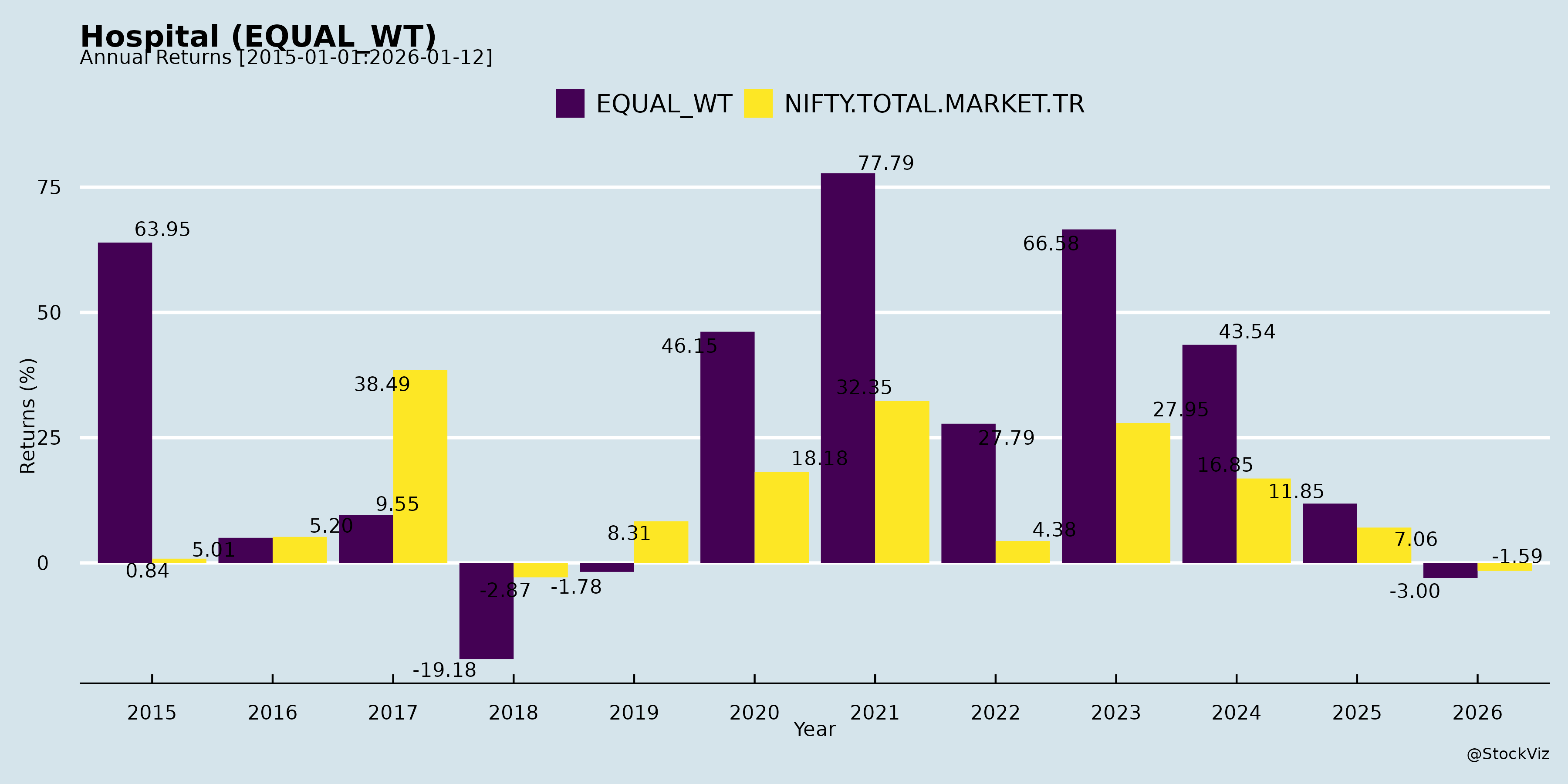
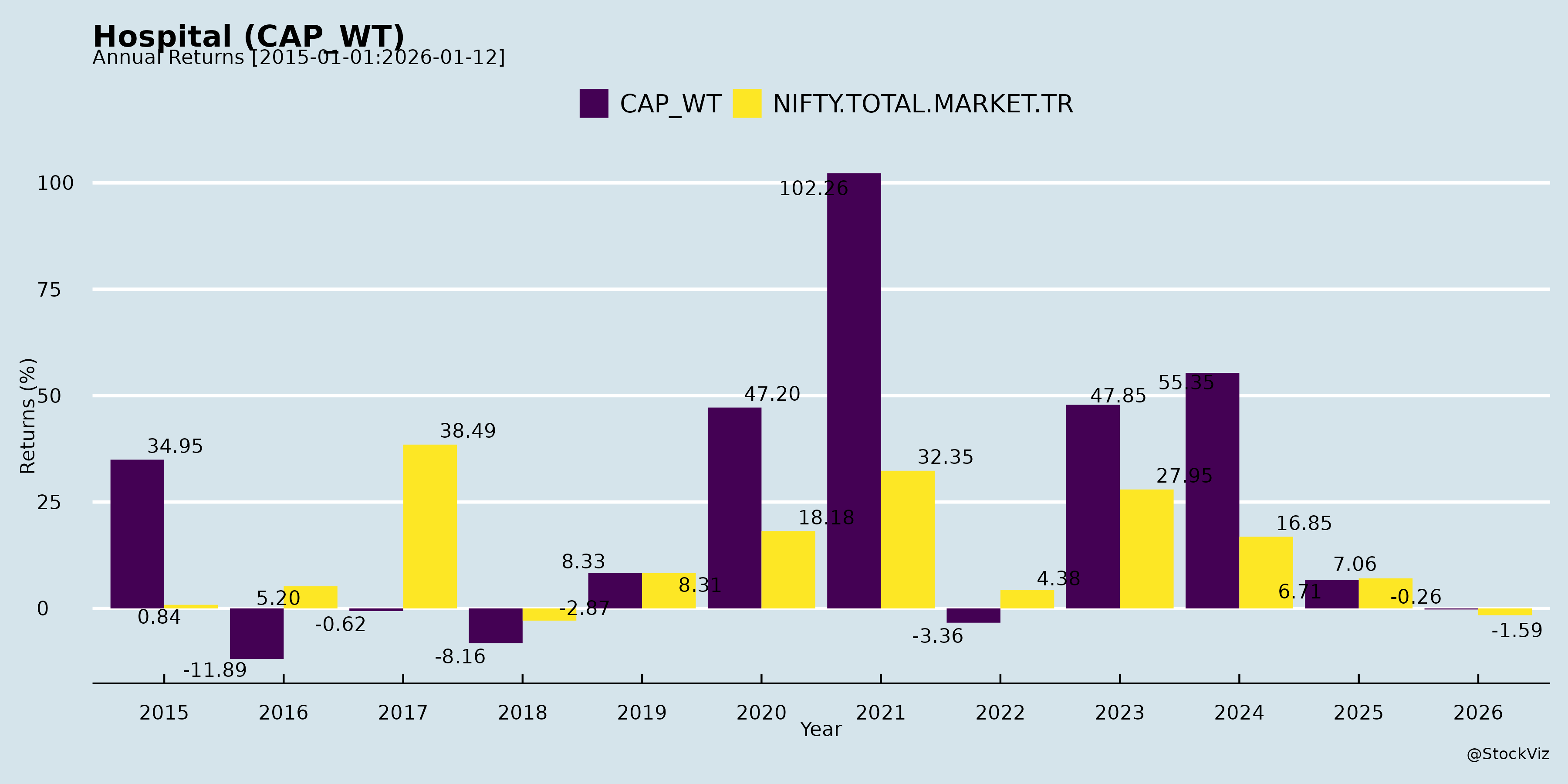
Annual Returns
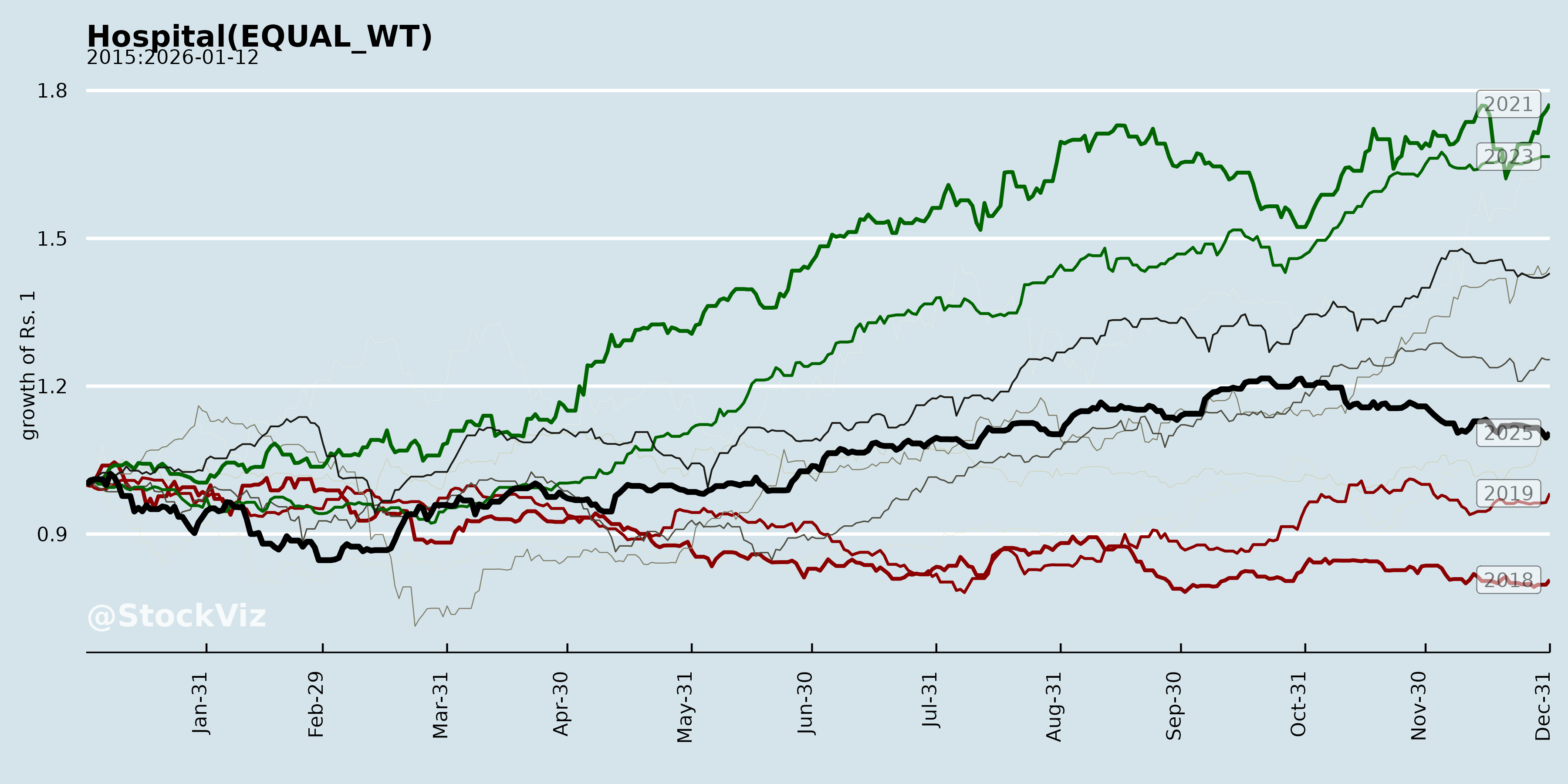
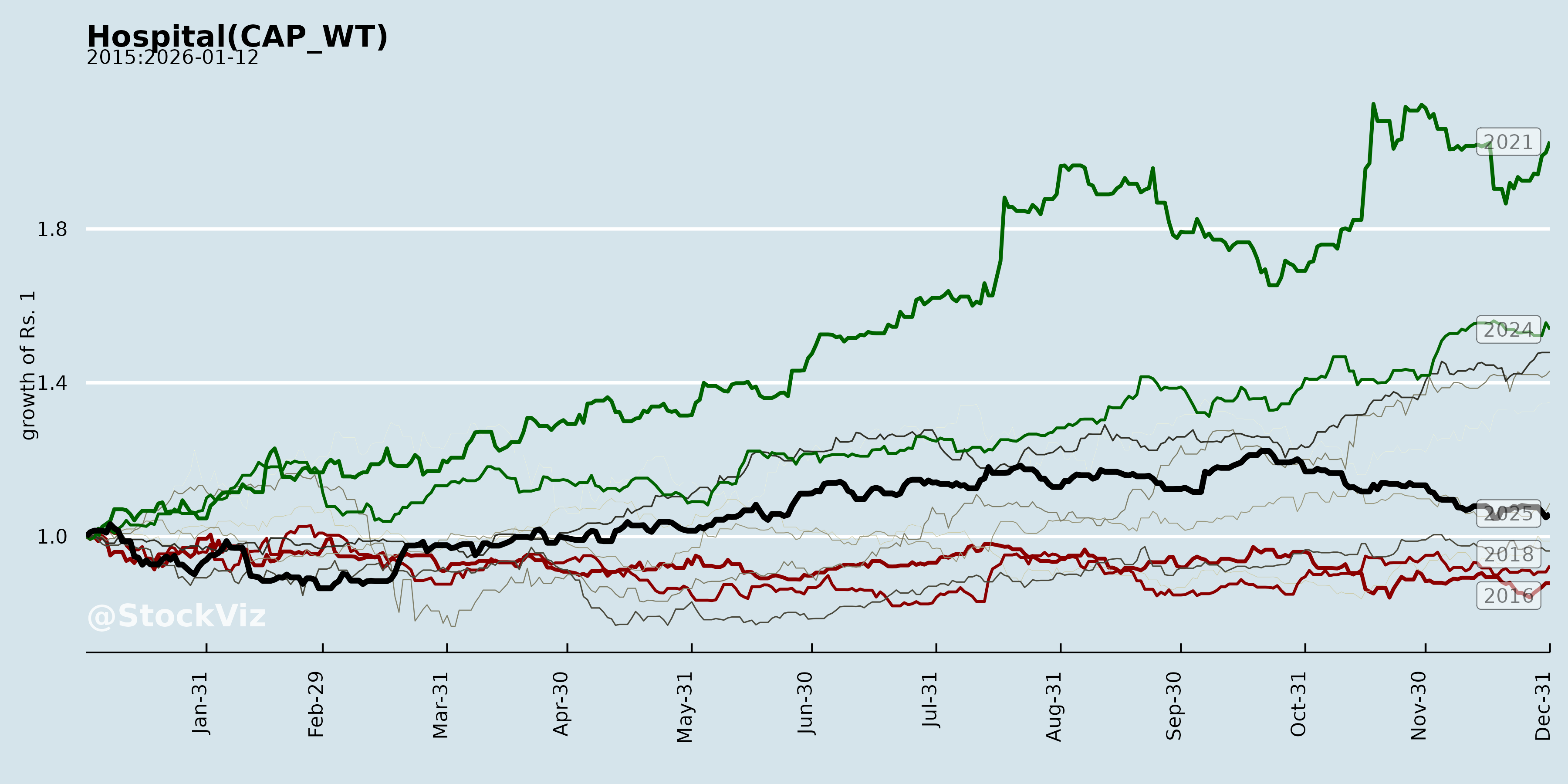
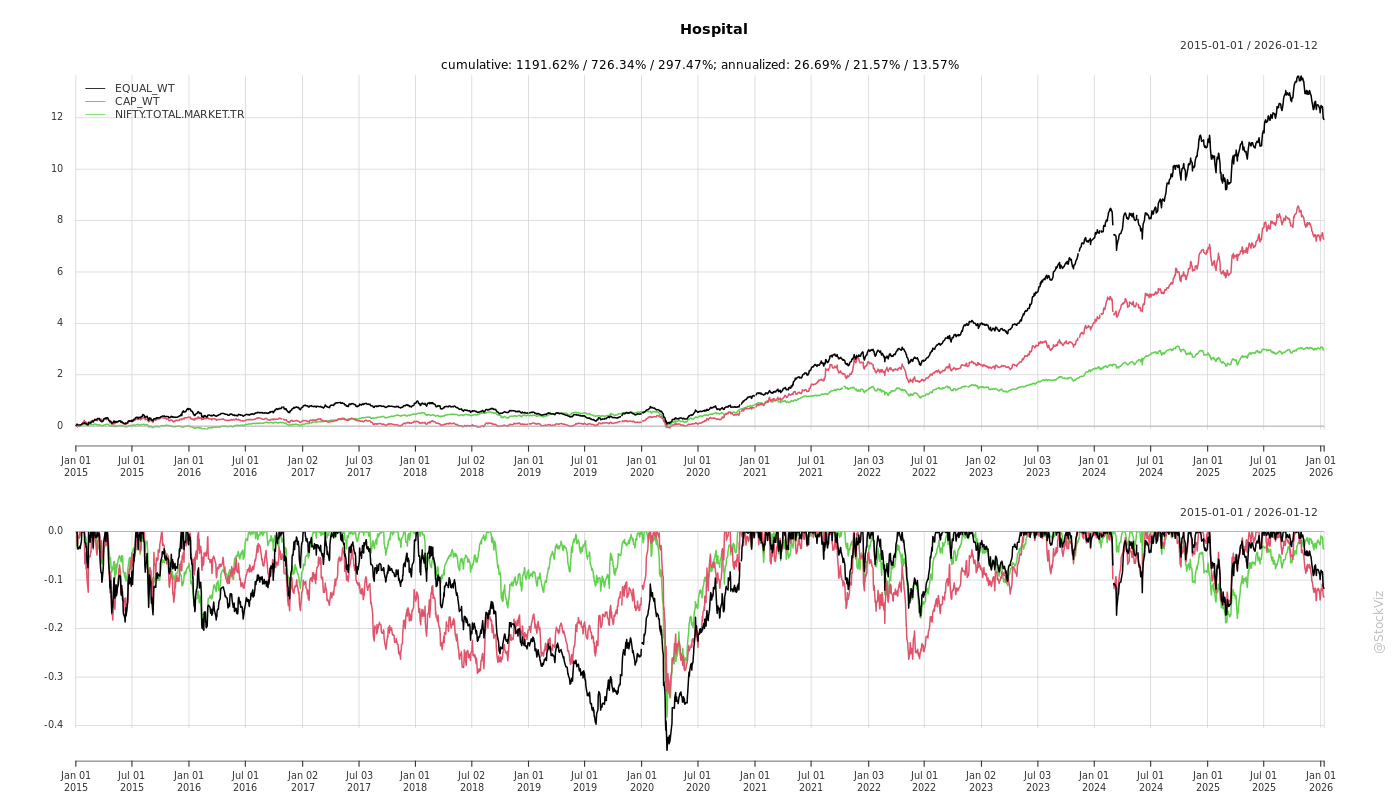
Cumulative Returns and Drawdowns
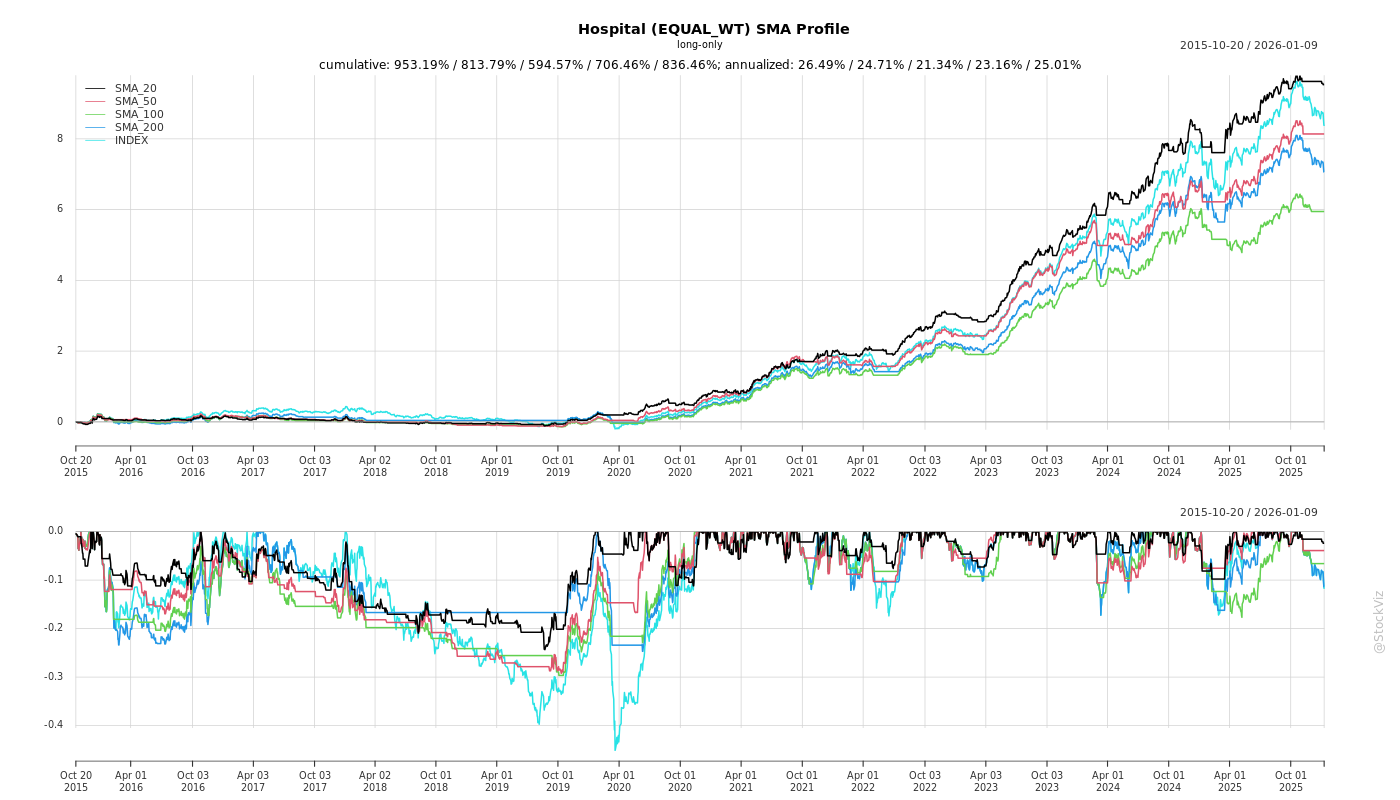
SMA Scenarios
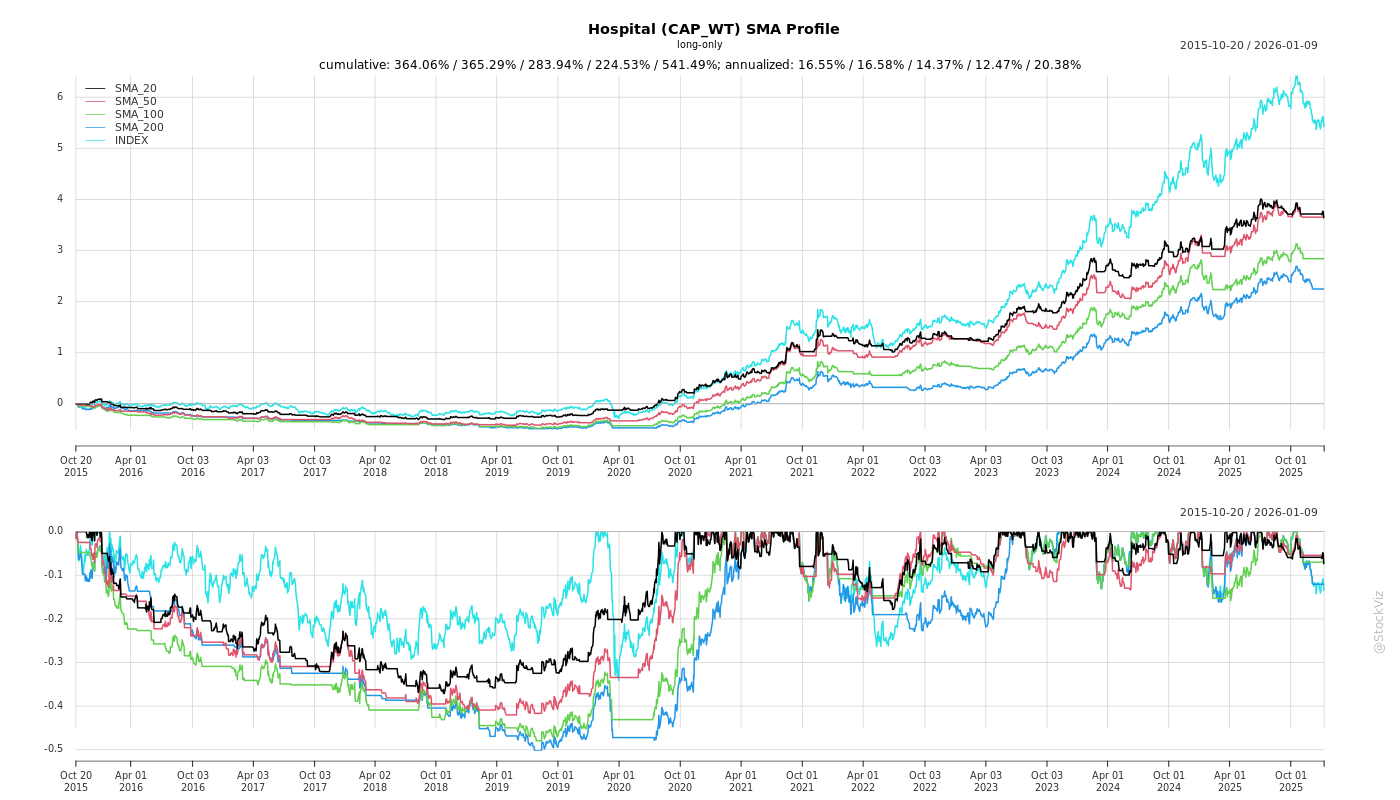
Current Distance from SMA
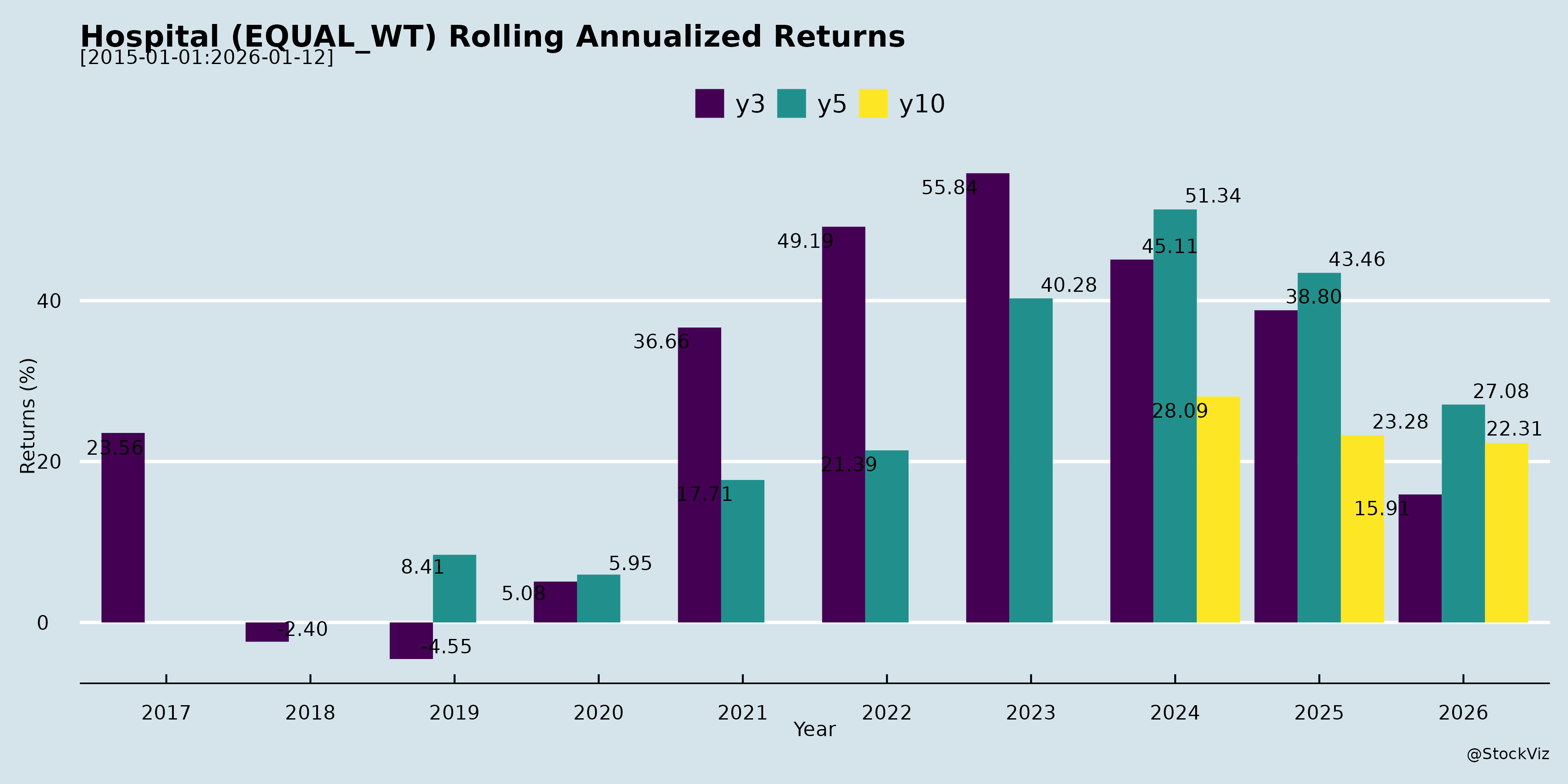
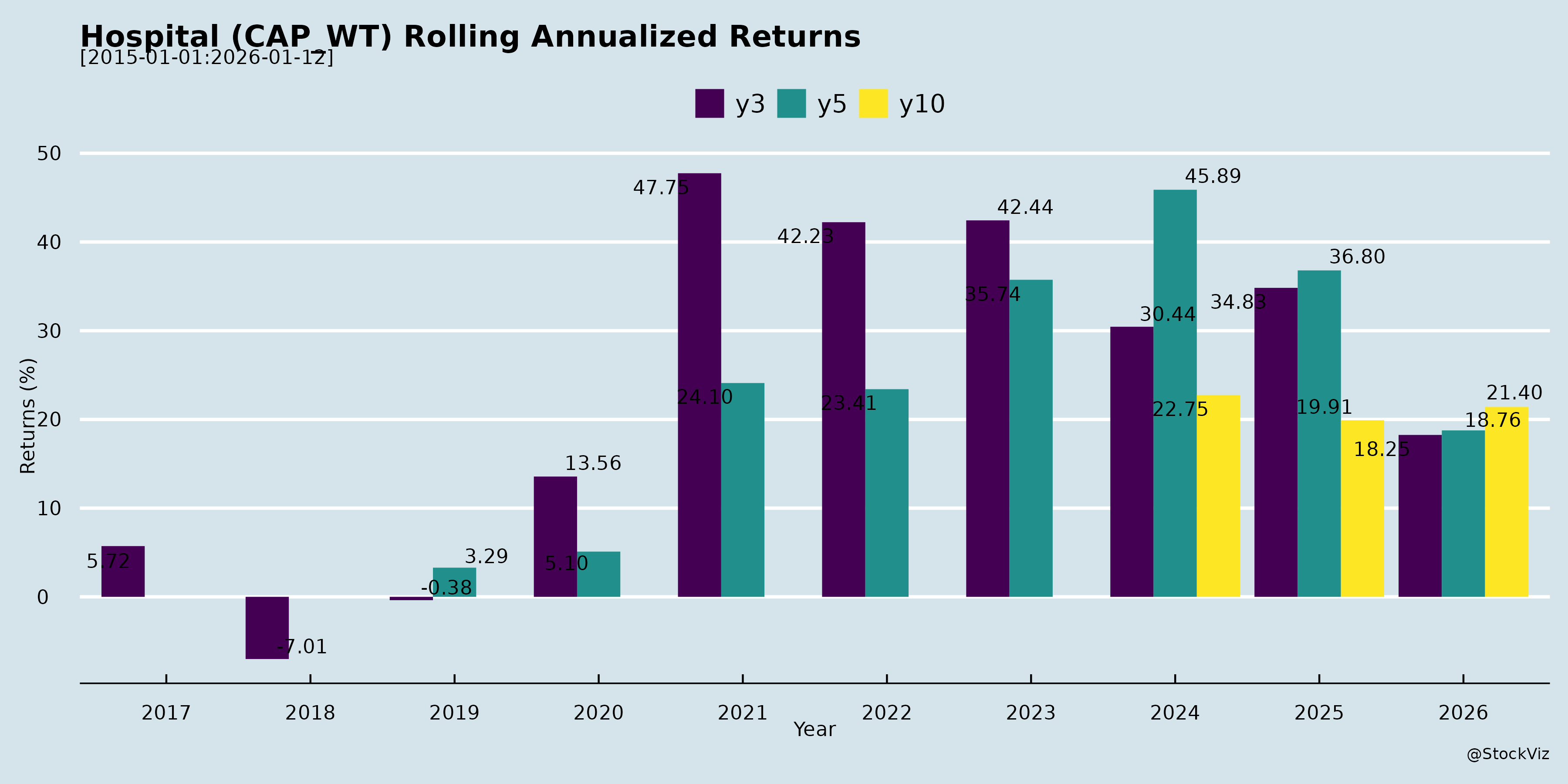
Rolling Returns
Fundamental Ratios
AI Summaries
How have the challenges and oppurtunities evolved over time?
asof: 2026-04-16
The Evolution of Operational and Regulatory Challenges Historically, healthcare providers have faced significant hurdles regarding supply chains, talent retention, and regulatory or insurance pricing pressures. However, these challenges are increasingly being resolved or actively managed: * Insurance and Government Scheme Disruptions: Pricing negotiations and scheme transitions have periodically disrupted patient volumes. For example, Shalby Limited experienced a drop in volumes when it temporarily halted work with two to three major insurance companies during contract negotiations, though the flow of patients rebounded once the contracts were signed [1-3]. Similarly, HealthCare Global Enterprises (HCG) faced temporary volume disruptions due to a 20 to 25-day strike over a state-sponsored scheme in Andhra Pradesh, as well as transition issues in the Odisha state government scheme [4-6]. * Clinician Attrition and Competition: Retaining top medical talent remains a persistent challenge as new infrastructure emerges and competitors offer high prices to secure doctors [7, 8]. Fortis Healthcare noted that its Gleneagles facilities experienced negative growth due to clinician attrition, management changes, and execution issues, which required restructuring to stabilize [9, 10]. * Supply Chain and Capacity Bottlenecks: Shalby’s MedTech (implant) division previously struggled to hit its revenue aspirations due to capacity constraints and unpredictable global regulatory policies [11, 12]. Over time, the company successfully resolved 80% to 85% of its capacity hurdles, drastically reduced its manufacturing costs by 50%, and leveraged internal hospital consumption to offset supply issues [13-15].
The Shift Toward Advanced Clinical Technologies and High-Acuity Care A major opportunity that has evolved over time is the transition from standard treatments to high-acuity, technology-driven procedures, which generate higher margins and improve the Average Revenue Per Occupied Bed (ARPOB): * Robotics and Precision Oncology: Hospitals are heavily investing in robotic surgeries and cutting-edge oncology. HCG has utilized advanced Cyberknife radiosurgery platforms and is integrating MR-LINAC technology, alongside offering rare targeted therapies like CAR-T cell treatments [4, 16, 17]. Shalby has deployed multiple orthopedic robots across its units [18, 19]. Fortis Healthcare saw a massive 52% year-on-year increase in robotic surgeries [20, 21]. * Transplant and Complex Care Capabilities: Apollo Hospitals has scaled its transplant program to become the world’s busiest solid organ transplant center, conducting an average of five solid organ transplants daily, while also scaling its bone marrow transplant capabilities [22-24]. KIMS Hospitals has similarly driven success through complex, life-saving procedures like 12-hour hybrid aortic surgeries, mechanical thrombectomies for strokes, and rare pediatric interventions [25, 26].
Aggressive Strategic Expansion and M&A Healthcare chains are capitalizing on the rising demand for quality care by transitioning from turnaround phases to aggressive, cluster-based structural growth: * Brownfield and Greenfield Growth: Providers are deepening their footprints in underserved or high-density markets. Global Health (Medanta) is tapping into an underserved market by building a 400-bed hospital in Varanasi [27-29]. Jupiter Life Line Hospitals was allotted land for a 400-bed hospital in Mumbai’s Bandra-Kurla Complex and recently operationalized a new 500-bed facility in Dombivli [30, 31]. * Mergers and Acquisitions: Fortis acquired the 125-bed People Tree Hospital in Bengaluru with plans to expand it to 300 beds [32, 33]. Max Healthcare acquired a controlling stake in the 250-bed Kalinga Hospital in Bhubaneswar to establish a foothold in Eastern India [34, 35]. The Park Group of Hospitals expanded aggressively by acquiring Febris Multi-Specialty Hospital and KP Institute of Medical Sciences, aiming to push its total bed capacity to over 5,260 by 2028 [36, 37].
Optimization of Payer Mixes and Digital Patient Acquisition Providers have evolved their business models to improve revenue quality and reduce dependency on lower-margin channels: * Payer Mix Optimization: Yatharth Hospitals showcased highly strategic payer optimization by ensuring that its newly operational hospitals in New Delhi and Faridabad derived 100% of their revenues from Cash and TPA (Third Party Administrator) patients, purposefully operating with 0% government business to maximize initial profitability [38]. At the same time, government rates like ECHS and CGHS have been revised favorably, creating a more accretive environment for hospitals that do serve government patients [2, 39]. * Digital Transformation: Companies are successfully monetizing digital engines. HCG grew its digital revenue by 26% year-on-year by strengthening its proprietary website and mobile app, efficiently improving patient conversion rates while actively reducing its reliance on third-party aggregators [40, 41].
Expanding Medical Value Travel (MVT) and Global Footprints International expansion and medical tourism have become highly lucrative opportunities: * Medical Tourism: Artemis Medicare relies heavily on Medical Value Travel, with overseas patients now contributing a massive 34% to its net revenue [42, 43]. HCG is actively working to double its medical tourism share from 3.5% to 7% by leveraging its specialized oncology expertise [44]. * International Assets: Narayana Hrudayalaya has successfully established a global footprint, reporting robust performance from its Cayman Islands facility and completing the acquisition of Practice Plus Group Hospitals in the United Kingdom to enter the UK healthcare market [45, 46]. Shalby has also aggressively expanded its MedTech business internationally, pushing for commercial traction in North America, Japan, Indonesia, and several emerging markets [47, 48].
What are the headwinds affecting this industry?
asof: 2026-04-16
Intense Competition and Talent Attrition The healthcare delivery sector faces aggressive competition, largely driven by new infrastructure emerging across various cities where competitors are “prepared to pay any price to get that business” [1]. This makes the recruitment and retention of top clinical talent, such as specialized doctors and nurses, increasingly difficult [2]. For instance, Shalby reported revenue drops and decreased volumes after losing key specialists to competitors [1, 3, 4], while Fortis has dealt with clinician attrition and management instability at its newly operated Gleneagles facilities [5].
Insurance and Government Scheme Disruptions * Insurance Stand-offs: Operators frequently face headwinds when negotiating rates with major insurance companies. This can force hospitals to temporarily halt services for insured patients—sometimes for months—leading to significant hits in patient volumes and overall revenue [3, 6]. * Government Scheme Challenges: Reliance on state and central government healthcare schemes exposes hospitals to sudden disruptions. For example, strikes related to state-sponsored schemes have caused material drops in patient volumes [7, 8], while transitions in state schemes have negatively impacted the average revenue per patient (ARPP) [9]. * Pricing and Payment Delays: Changes in Central Government Health Scheme (CGHS) norms, such as the exclusion of certain high-value chemotherapy drugs, as well as confusion over drug pricing in the ECHS scheme, pose ongoing hurdles [10-12]. Furthermore, severe delays in receiving outstanding payments from government health departments have forced some diagnostic providers to completely halt their services [13].
Regulatory and Compliance Hurdles * New Labour Codes: The implementation of New Labour Codes is creating direct financial impacts. Fortis reported a one-time exceptional loss of INR 55 crores due to the new codes [14, 15], and other healthcare providers are closely evaluating their operations to account for future financial impacts once the government notifies the related rules [16, 17]. * Expansion Delays and Rule Changes: Developing new hospital capacities is subject to significant risks, including construction delays and difficulties in securing necessary government approvals, permits, and licenses [18]. In complex markets like Bangalore, these approvals generally take much more time [19]. Additionally, sudden changes in local government rules—such as mandating hospitals to hire full-time specialists instead of relying on visiting doctors—can create immediate staffing and cost challenges [20]. * Taxation Impacts: Reductions in GST on certain medical treatments and medications have had a marginal negative impact on hospital top-line revenues and profit margins [12].
Initial Margin Drag from New Facilities While capacity expansion is a growth driver, the initial gestation period of newly commissioned or acquired hospitals typically causes a short-term erosion of the group’s overall EBITDA margins. It takes several quarters for these new facilities to ramp up patient footfall, optimize clinical resources, and achieve sustainable profitability [21-23].
Supply Chain and Geopolitical Pressures For healthcare companies that also operate MedTech or medical implant divisions, international growth and supply chain stability are susceptible to global headwinds. Regulatory policies in foreign markets and broader geopolitical tensions have previously held back international aspirations [24, 25]. Additionally, poor supply chain planning and inventory shortages (such as a lack of available implants) can severely bottleneck surgical operations [26, 27].
What are the key things to understand about this industry?
asof: 2026-04-16
Aggressive Capacity Expansion and Industry Consolidation A primary growth engine for the healthcare sector is aggressive capacity addition through both organic (brownfield/greenfield) expansions and mergers and acquisitions (M&A). Major players are building cluster-based networks to dominate specific regional micro-markets: * Acquisitions: Companies are acquiring regional hospitals to rapidly scale up. For example, Max Healthcare acquired a controlling stake in the 250-bed Kalinga Hospital in Bhubaneswar to enter the Eastern India market [1, 2], while Fortis Healthcare acquired the 125-bed People Tree Hospital in Bengaluru [3]. Park Group of Hospitals expanded its network by acquiring Febris Multi-Speciality Hospital in Delhi and KP Institute of Medical Sciences in Agra [4]. * Greenfield and Brownfield Expansions: Apollo Hospitals recently launched a 250-bed quaternary care hospital in Pune [5, 6]. Park Group is launching a new facility in Panchkula and expanding its Mohali campus to reach a total capacity of 5,460 beds by 2028 [7, 8]. Similarly, HealthCare Global Enterprises (HCG) is expanding its oncology network with new facilities in North Bangalore and Whitefield [9, 10].
Focus on High-Acuity Specialties and Complex Case Mix Hospitals are increasingly focusing on specialized, high-complexity treatments rather than just general medical care, as this drives better margins and revenue. * The focus is heavily skewed towards tertiary and quaternary care specialties such as Oncology, Neurosciences, Cardiac Sciences, Orthopedics, and Renal Sciences, which contribute the majority of hospital revenues [11, 12]. * Specialty-focused chains are also thriving. For instance, HCG operates as a single-specialty oncology network emphasizing tumor-board-led decisions and advanced therapies like CAR-T [13, 14]. Shalby Limited is a global leader in joint replacements (arthroplasty), which makes up a significant portion of its work, though it is actively growing its oncology, cardiology, and transplant segments [15, 16]. Rainbow Children’s Medicare focuses exclusively on pediatrics, neonatal intensive care, and obstetrics [17].
Crucial Key Performance Indicators (KPIs) To understand the financial health and operational efficiency of this industry, several specific metrics are constantly monitored: * ARPOB (Average Revenue Per Occupied Bed): This metric tracks the revenue generated per patient bed per day or year. Growth in ARPOB is primarily driven by an improved “case mix” (performing more high-end, complex surgeries) rather than just routine price hikes [18, 19]. For instance, Fortis reported an ARPOB of ₹2.56 Crores per annum [18], while Yatharth Hospitals reported an ARPOB of ₹33,744 (daily) [20]. * Occupancy Rate: The percentage of available beds actively filled by patients. Mature hospitals generally operate at optimal occupancy levels of 60% to 70% (e.g., Fortis at 67% [21], Artemis at 62% [22], and Yatharth at 65% [23]). * ALOS (Average Length of Stay): This measures how many days a patient stays in the hospital. A lower ALOS is generally preferred as it indicates efficient treatment and allows for faster bed turnover (higher throughput). Industry averages hover around 3.5 to 4.3 days for multi-specialty hospitals [24-26], while specialized pediatric/maternity hospitals like Rainbow maintain a lower ALOS of around 2.7 days [27].
Strategic Management of the Payor Mix The profitability of a hospital is heavily influenced by who is paying for the services—referred to as the “payor mix.” * Hospitals strategically target a higher mix of Cash and Insurance (TPA) patients, as these segments yield higher realizations and better margins. For example, Yatharth Hospitals noted that its newly operationalized hospitals derived 100% of their revenues from cash and TPA, intentionally keeping government business at 0% to establish a strong payor mix from day one [28]. * While Government Scheme Patients (like CGHS or ECHS) provide high volumes, they often come with lower, fixed pricing. However, recent upward revisions in government scheme rates have made this segment more accretive and favorable for some hospital chains like Shalby [29, 30].
Rapid Adoption of Advanced Technology and Robotics Clinical excellence is increasingly being driven by cutting-edge technology, which improves surgical outcomes and patient recovery times. * Robotic Surgery: Hospitals are investing heavily in robotic platforms. Fortis reported a 52% year-on-year increase in robotic surgeries [18] and launched advanced systems like the Da Vinci Xi and Mako Robotic System [31]. GPT Healthcare has completed over 750 robotic surgeries [32], and Shalby has installed orthopedic robots across multiple units to drive high-end surgical revenue [33, 34]. * Digital Healthcare: Digital channels are becoming major revenue drivers. At Fortis, digital revenues (via website, apps, and campaigns) contributed roughly 30% to overall hospital revenues [35]. HCG similarly saw campaign-led digital revenue increase its share to 27% of overall digital contributions, improving patient conversion and reducing dependence on third-party aggregators [36].
Medical Value Travel (MVT) / International Patients India is a major hub for medical tourism due to its high clinical standards and cost advantages. Hospitals actively market to international patients to boost their margins. * For hospitals like Artemis, overseas patients are a massive driver, contributing roughly 32% to 34% of their total net revenue [22, 26]. * Fortis maintains international patient revenues at about 7.7% to 9% of its total revenue, focusing its direct marketing efforts on emerging markets like West and East Africa, the Middle East, and Central Asia [11, 37].
Asset-Light and Innovative Operating Models To mitigate the high capital expenditures required to build hospitals from the ground up, operators are utilizing alternative business models: * Built-to-Suit and Lease Arrangements: Global Health Limited (Medanta) is setting up a 400-bed hospital in Varanasi where a partner develops the civil infrastructure, and Medanta invests only in the interior fit-outs and medical equipment [38, 39]. * Operation and Maintenance (O&M): Chains like Fortis are entering into O&M agreements, such as their contract to manage five hospitals and a clinic for Gleneagles Healthcare, allowing them to expand operational footprint without the heavy burden of real estate ownership [40, 41].
What are the tailwinds affecting this industry?
asof: 2026-04-16
Demographic Shifts and Changing Disease Profiles The Indian healthcare market is experiencing rapid expansion fundamentally driven by structural changes in the population, particularly rapid urbanization and an aging demographic [1, 2]. Alongside these shifts, the rising prevalence of lifestyle diseases is creating an urgent, sustained demand for advanced medical services and multi-specialty care [1, 2].
Favorable Government Policies and Financial Incentives The Indian government is providing a robust framework of support for the healthcare sector, which acts as a primary catalyst for growth. The government offers various incentives to healthcare providers, including the Ayushman Bharat scheme, viability gap funding, and the provision of land grants [1, 3]. To further encourage sector development, hospitals and healthcare startups can access concessional loans, engage in public-private partnerships (PPPs), and benefit from tax abatements [1, 3]. Additionally, proposals in the Union Budget to support states in establishing regional medical hubs through public-private partnerships are creating substantial tailwinds for the industry’s infrastructure development [4].
Growth in Medical Value Travel (MVT) India’s aspirations to be a premier global healthcare destination are supported by its combination of deep clinical expertise, superior treatment outcomes, and distinct cost advantages [4]. This has established Medical Value Travel as a long-term national mission and a major industry tailwind [4]. Hospitals are actively capitalizing on this trend by targeting international patients and setting up information centers in emerging markets across Africa, the Middle East, and Central Asia to further boost medical tourism [5, 6].
Increasing Focus on Preventive and Mental Healthcare Rising overall health awareness across markets has led to an increased consumer adoption of preventive health testing panels and corporate wellness programs, establishing the wellness and preventive portfolio as a crucial long-term growth driver for diagnostic and healthcare chains [7-9]. Concurrently, growing societal awareness regarding mental health is opening new avenues for specialized care, prompting healthcare chains to launch dedicated, evidence-based mental health and psychiatric facilities to address this previously overlooked demographic [10, 11].
Supply-Demand Imbalances in Specialized Care There remains a significant gap between the supply of and demand for high-quality specialized treatments. For instance, the demand for high-quality cancer care continues to grow much faster than the available supply [12, 13]. Furthermore, a growing middle-class population in thriving, densely populated urban centers is driving a surge in demand for high-quality, complex healthcare services [14, 15]. Because many of these regional markets remain underserved by advanced tertiary care, hospitals are able to step in to capture this demand, often achieving strong profit margins despite the high initial capital expenditure required to establish and operate modern multi-specialty facilities [1, 2].
What is the general outlook of this industry?
asof: 2026-04-16
The healthcare and hospital industry in India is experiencing rapid, robust growth driven by structural demand and capacity expansion. The healthcare market is expanding significantly due to an increasing demand for services fueled by urbanization, a rise in lifestyle diseases, and an aging population [1, 2]. In specialized sectors such as oncology, the demand for high-quality care continues to grow much faster than the available supply [3, 4].
To capitalize on this surging demand, major hospital chains are undertaking aggressive capacity expansion strategies through greenfield projects, brownfield developments, and strategic acquisitions: * Max Healthcare is expanding its footprint into Eastern India by acquiring a controlling 58.4% stake in the 250-bed Kalinga Hospital in Bhubaneswar, a facility that has the potential to be expanded to over 1,000 beds [5, 6]. * Global Health (Medanta) is setting up a new 400-bed multi-specialty hospital in Varanasi under a built-to-suit and lease arrangement to cater to the underserved Eastern Uttar Pradesh market [7-9]. * Fortis Healthcare added approximately 750 operational beds in the first nine months of FY26, which included the acquisition of the 125-bed People Tree Hospital in Bengaluru, a facility that can be expanded to 300 beds [10, 11]. Furthermore, Fortis plans to add over 400 more beds through brownfield expansion in the next fiscal year [12]. * Apollo Hospitals launched the first phase of a new 250-bed quaternary care hospital in Pune, which integrates advanced surgical robotics and precision oncology [13, 14]. * Park Group of Hospitals acquired Febris Multi-Speciality Hospital in Delhi and KP Institute of Medical Sciences in Agra, adding 560 beds, while also launching a new facility in Panchkula, aiming to reach a total capacity of 5,460 beds across its network by March 2028 [15, 16]. * Rainbow Children’s Medicare recently commissioned a 100-bed hospital in Rajahmundry and an approximately 90-bed facility in Electronic City, Bengaluru, alongside upcoming regional hubs planned in Pune, Coimbatore, and Gurugram [17-20]. * Aster DM Healthcare is significantly expanding its Karnataka footprint to 2,573 beds, including a new 159-bed Aster Women & Children facility in Whitefield and an upcoming 500-bed hospital in Yeshwantpur [21, 22].
The industry’s financial outlook and profitability remain highly positive. Despite high initial capital requirements, well-managed multi-specialty startup hospitals can achieve strong profit margins, with the capital expenditure recovery period being as short as the third operational year [1, 2]. Companies are seeing consistent improvements in their Average Revenue Per Occupied Bed (ARPOB) [23, 24]. For instance, Fortis anticipates a continuous 4% to 5% ARPOB growth, which is largely driven by a higher share of complex, high-end procedures rather than just routine price increases [24-26]. Providers are also deliberately optimizing their payer mix to improve revenue quality; companies like Yatharth Hospitals and GPT Healthcare report that their new revenues are predominantly driven by cash and insurance/TPA patients, with little to no reliance on lower-margin government business [27, 28].
There is also a heavy focus on technological advancements and high-acuity care. Hospitals are significantly upgrading their clinical infrastructure to attract complex cases [24, 29, 30]. Fortis reported a 52% year-on-year increase in robotic surgeries, reflecting the growing adoption of high-end medical technology [24]. Shalby Limited has also installed orthopedic robots across several of its units to boost high-end surgery revenues and ARPOB [31, 32]. Apollo’s new Pune facility is specifically equipped with IoT-enabled monitoring and digital health tools to strengthen care continuity [14].
Finally, the industry is receiving significant tailwinds from government initiatives and Medical Value Travel (MVT). The Indian Union Budget has proposed supporting states in establishing regional medical hubs via public-private partnerships, a strategic step aimed at positioning India as a premier global destination for healthcare [33]. Hospital chains are successfully capitalizing on international patients; Artemis Medicare reported a 34.9% increase in overseas patient revenue, which now contributes 34% to its total net revenue [34]. Similarly, HCG is actively working to double its medical tourism contribution from 3.5% to 7% over the next four years by strategically targeting international markets in Africa, the Middle East, and Central Asia [35].
Copyright © 2023 SAS Data Analytics Pvt. Ltd. All rights reserved.