Holding Company
Industry Metrics
October 23, 2026
Annual Returns
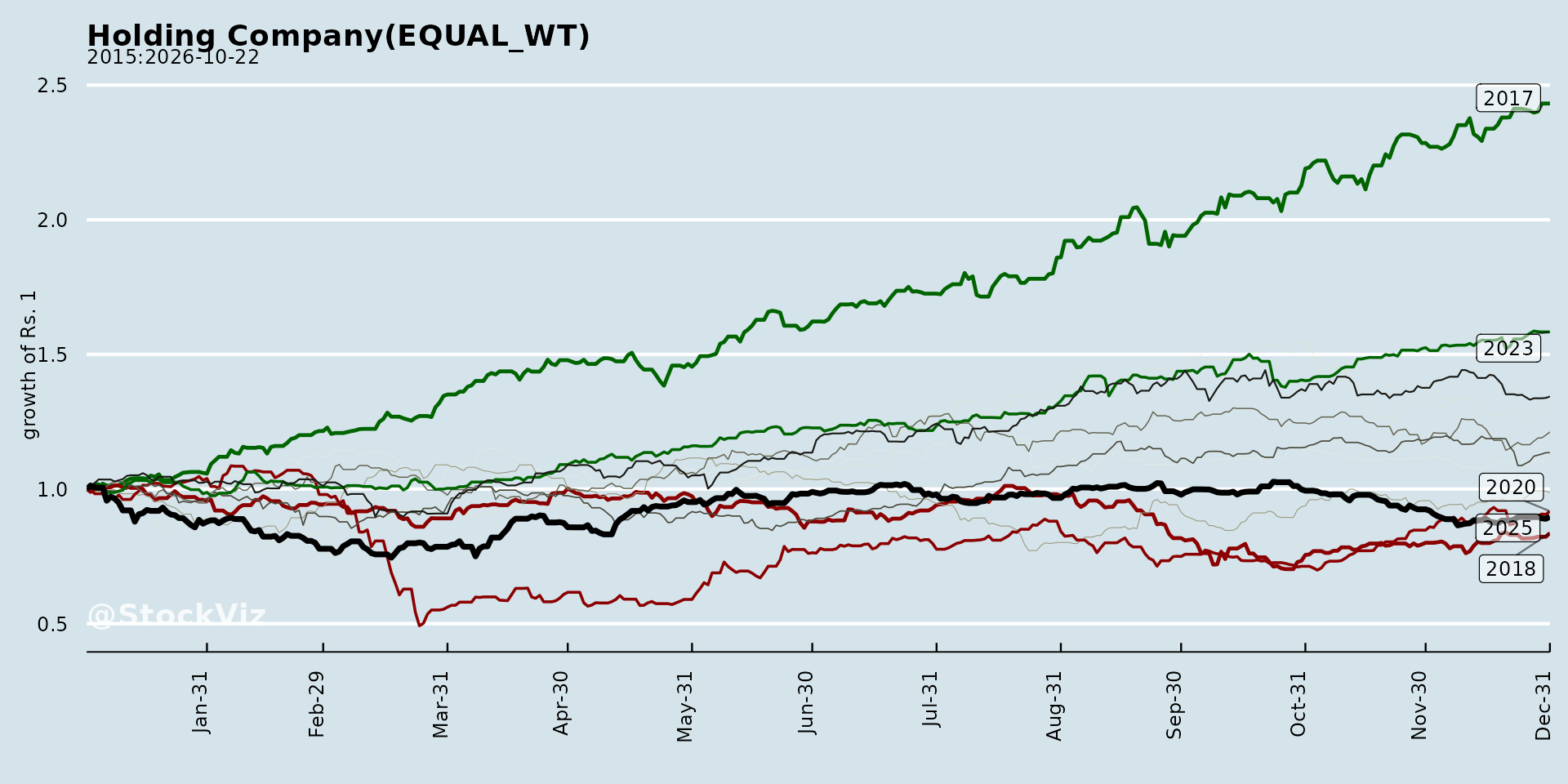
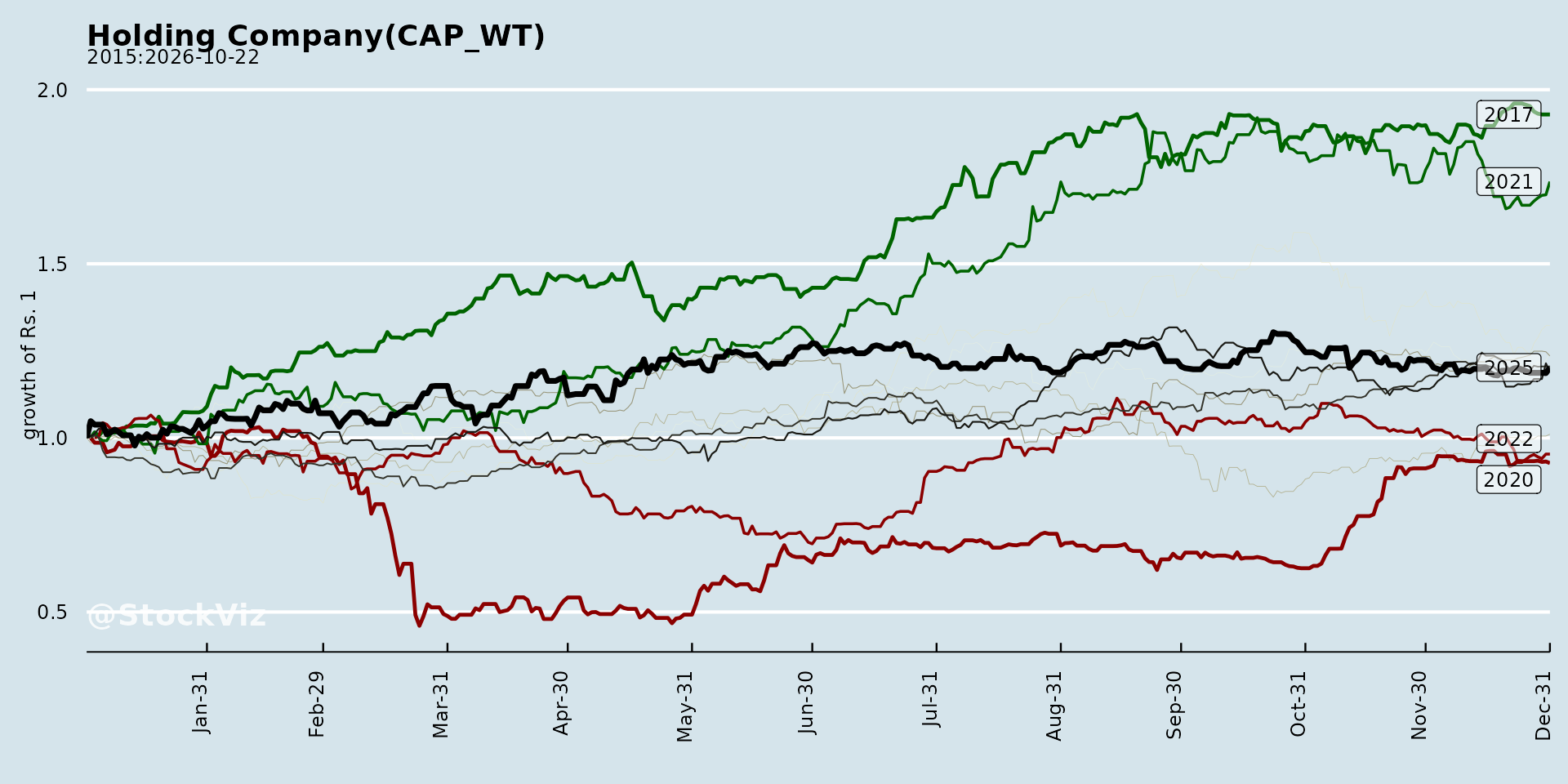
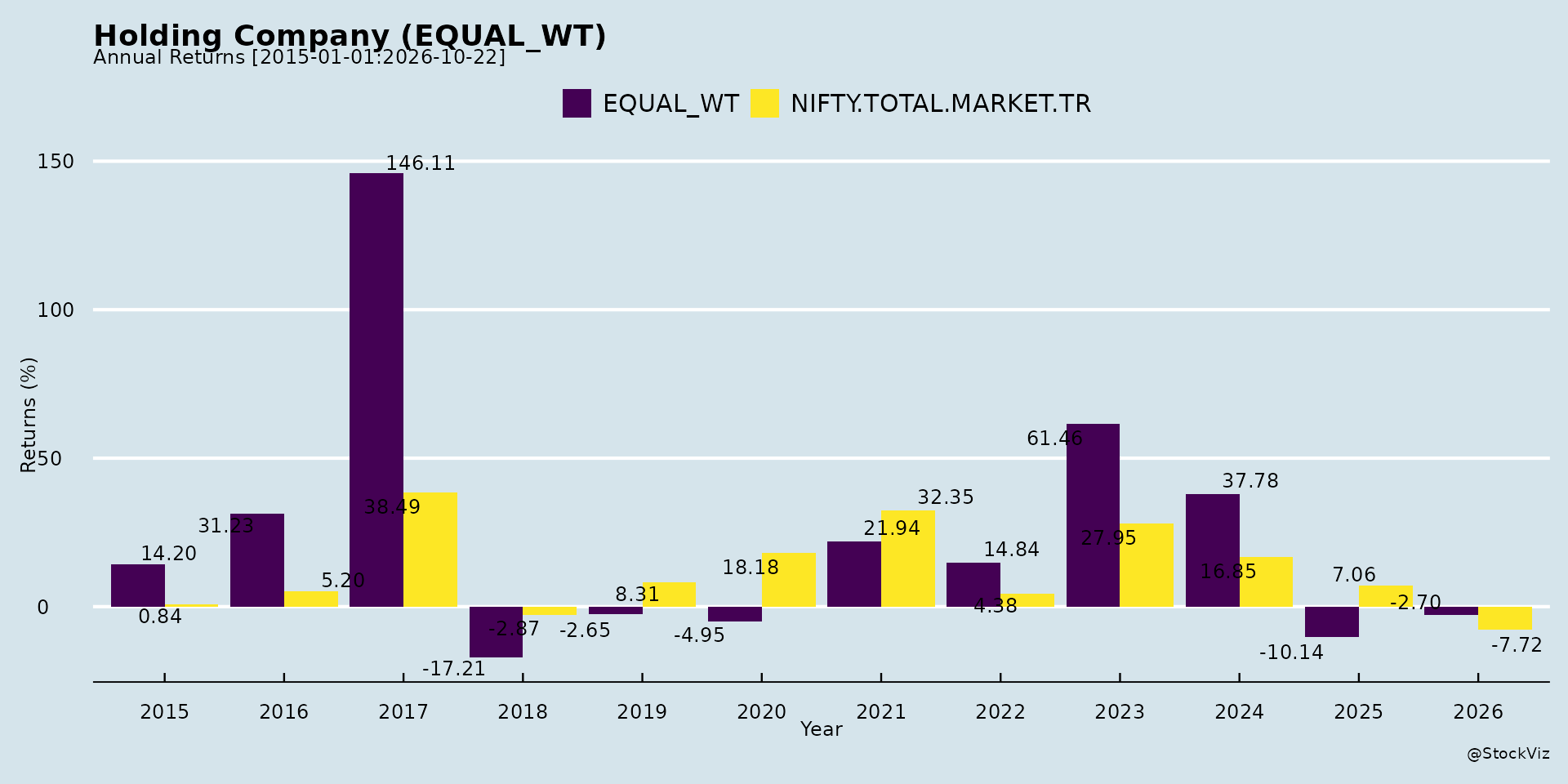
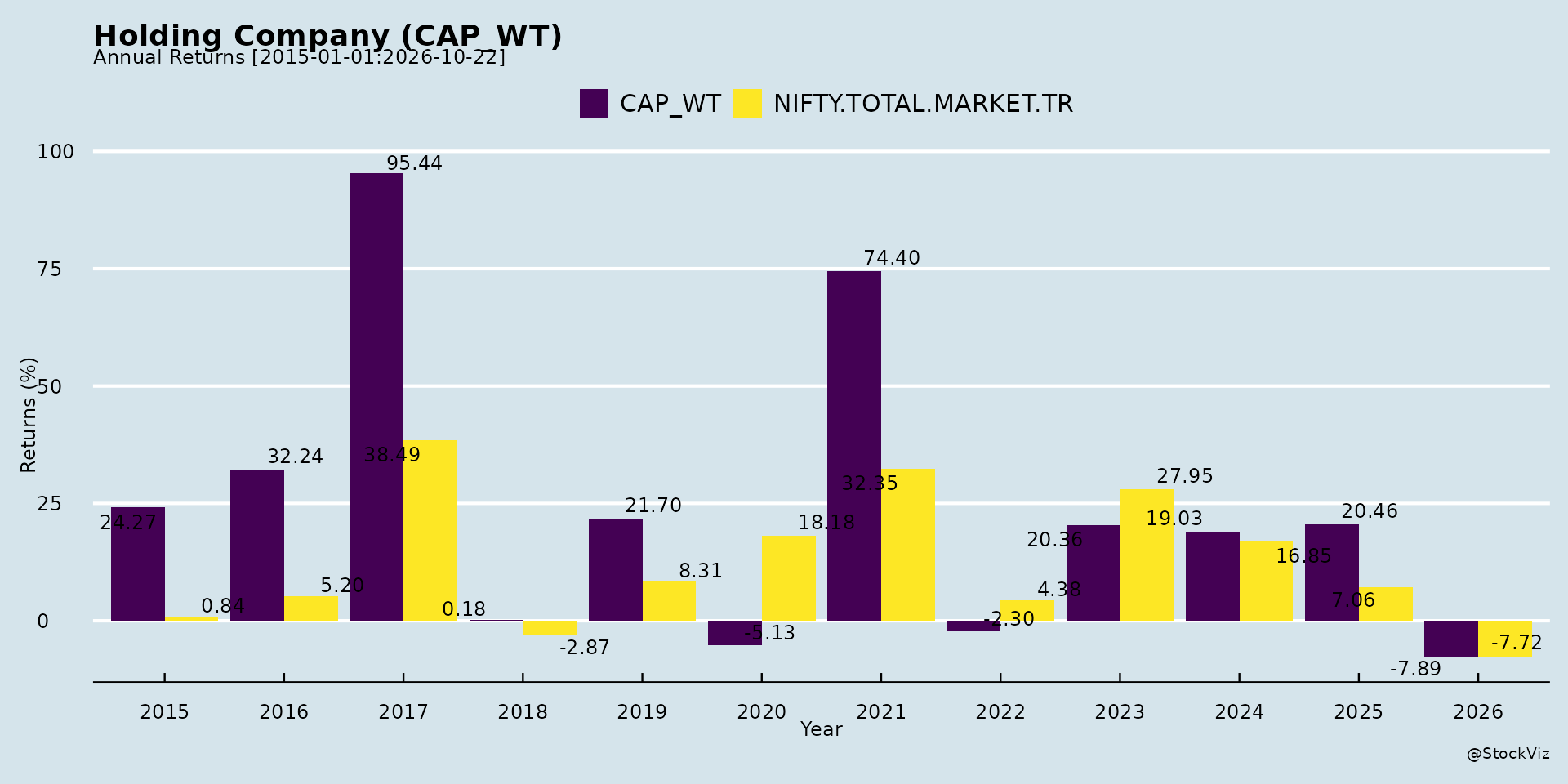
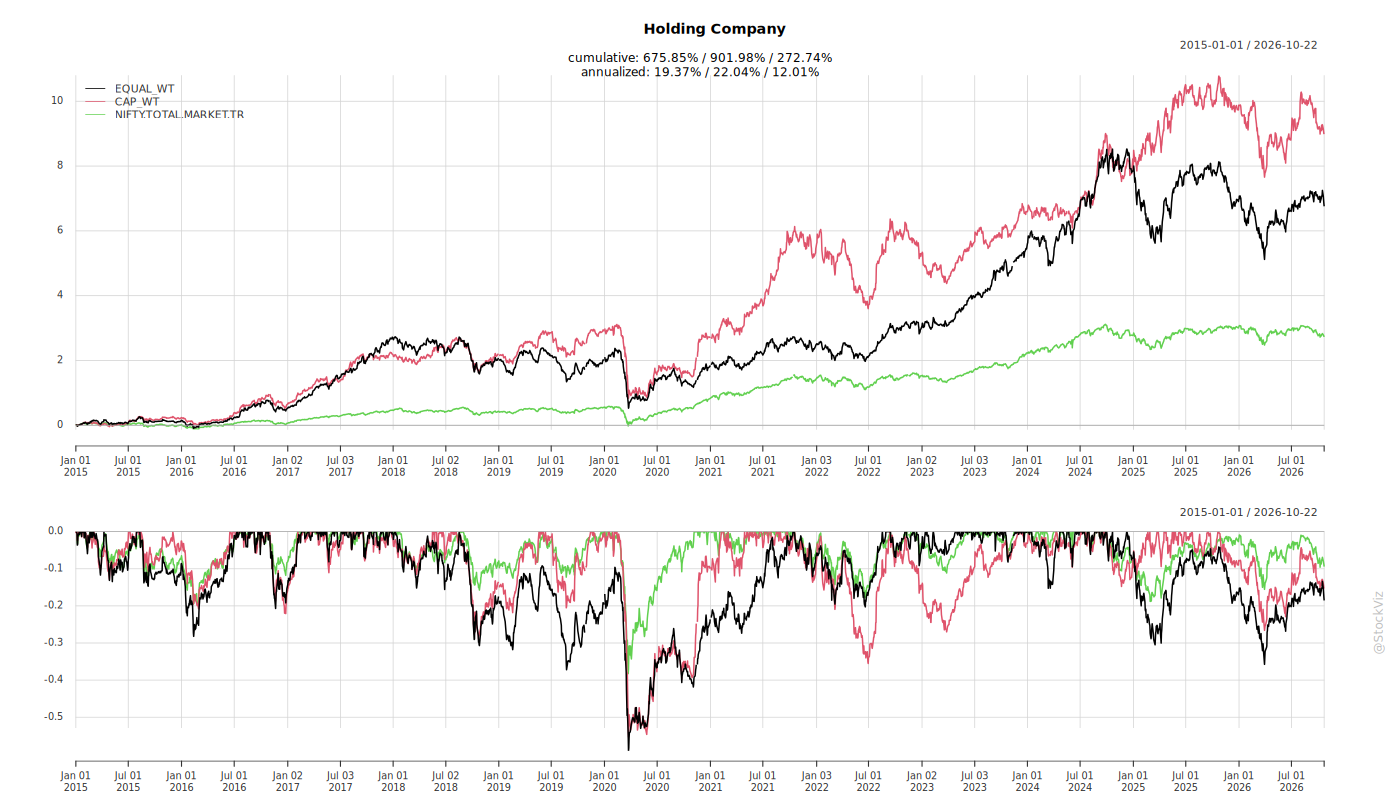
Cumulative Returns and Drawdowns
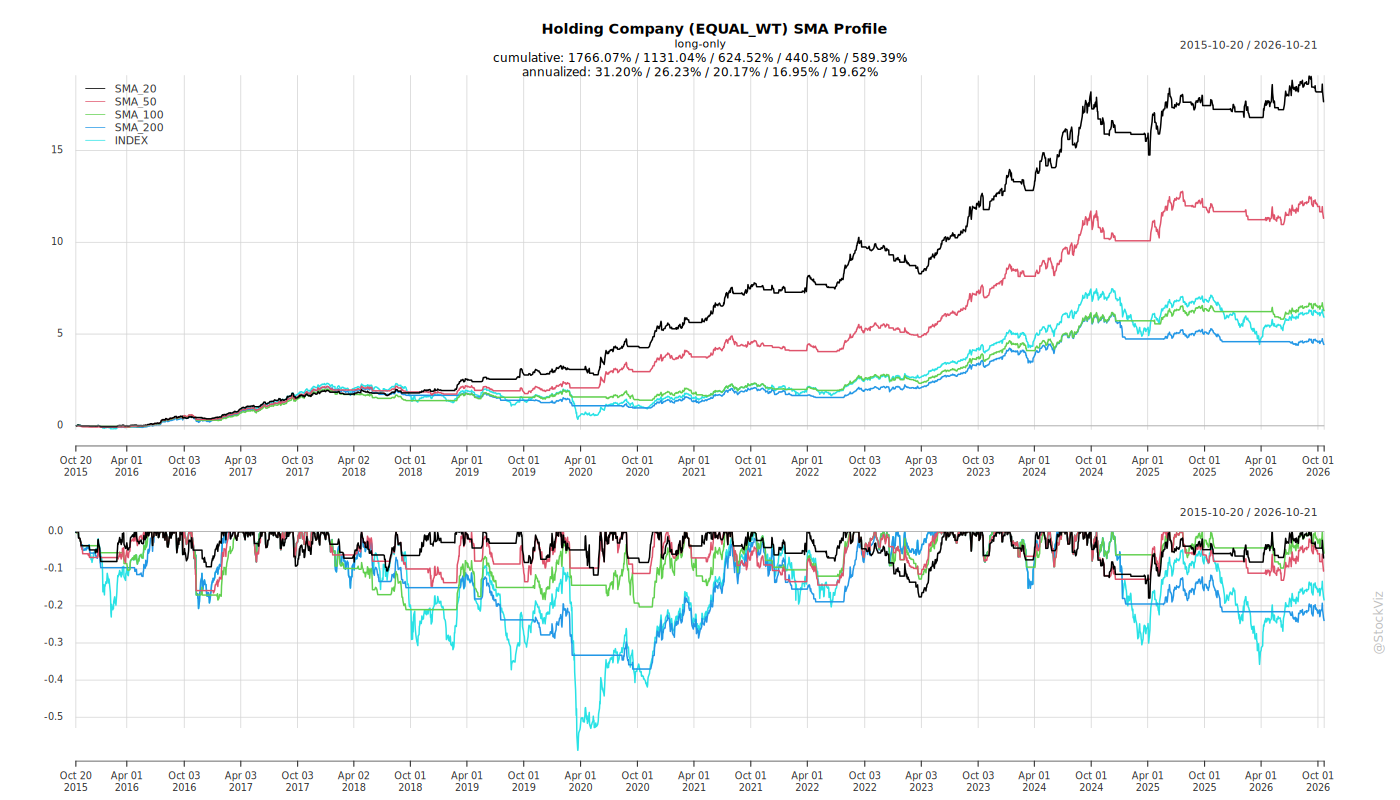
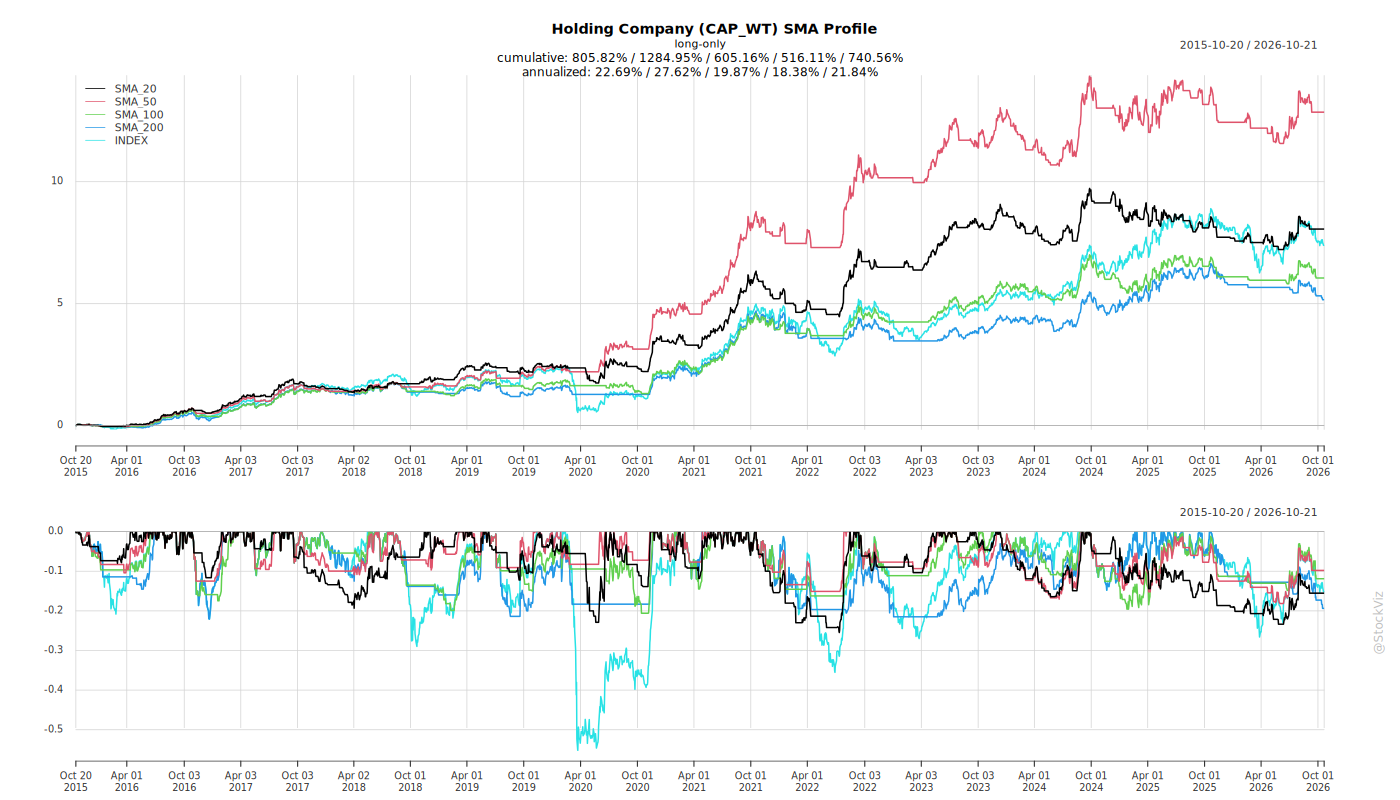
SMA Scenarios
Current Distance from SMA
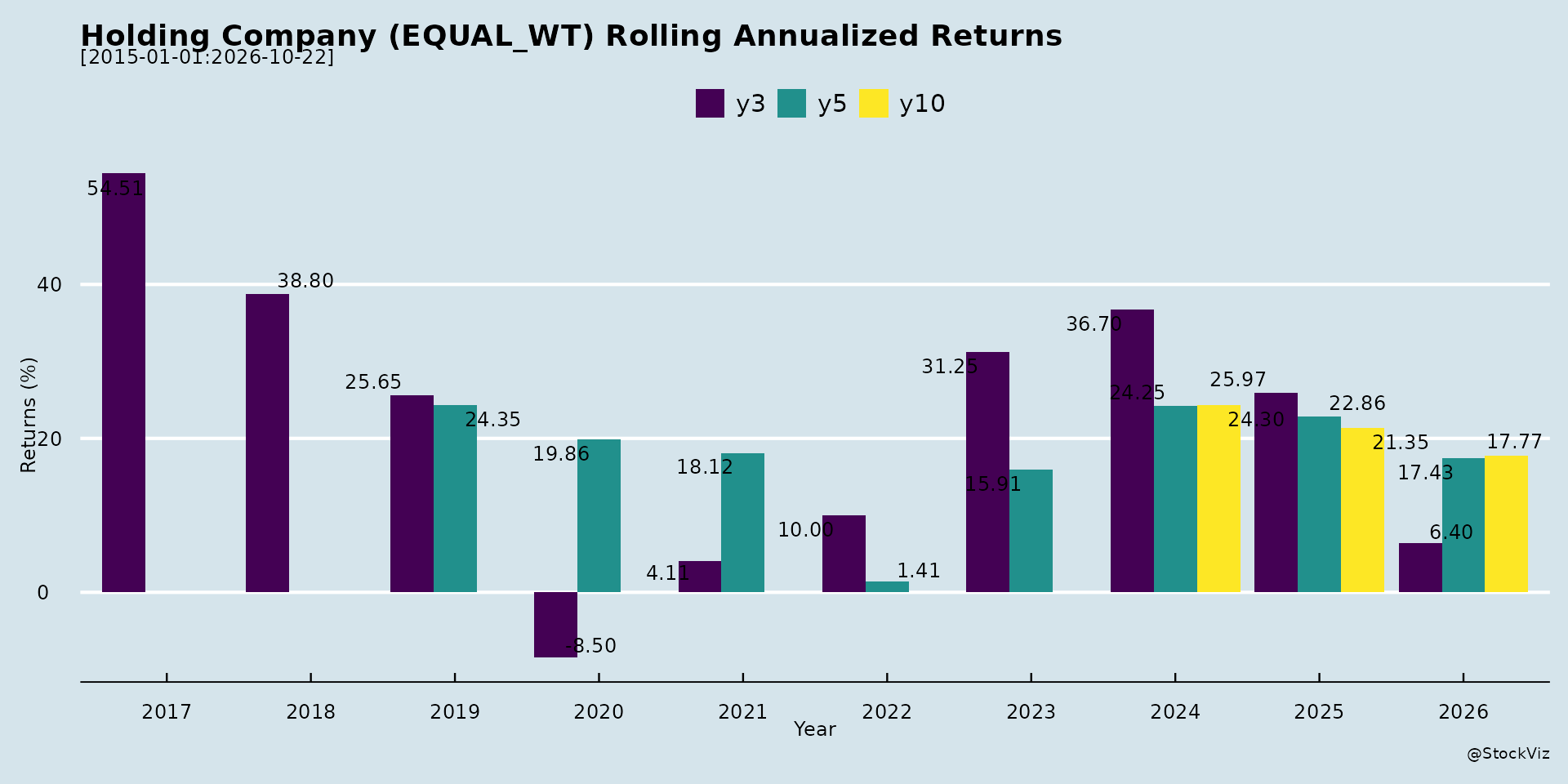
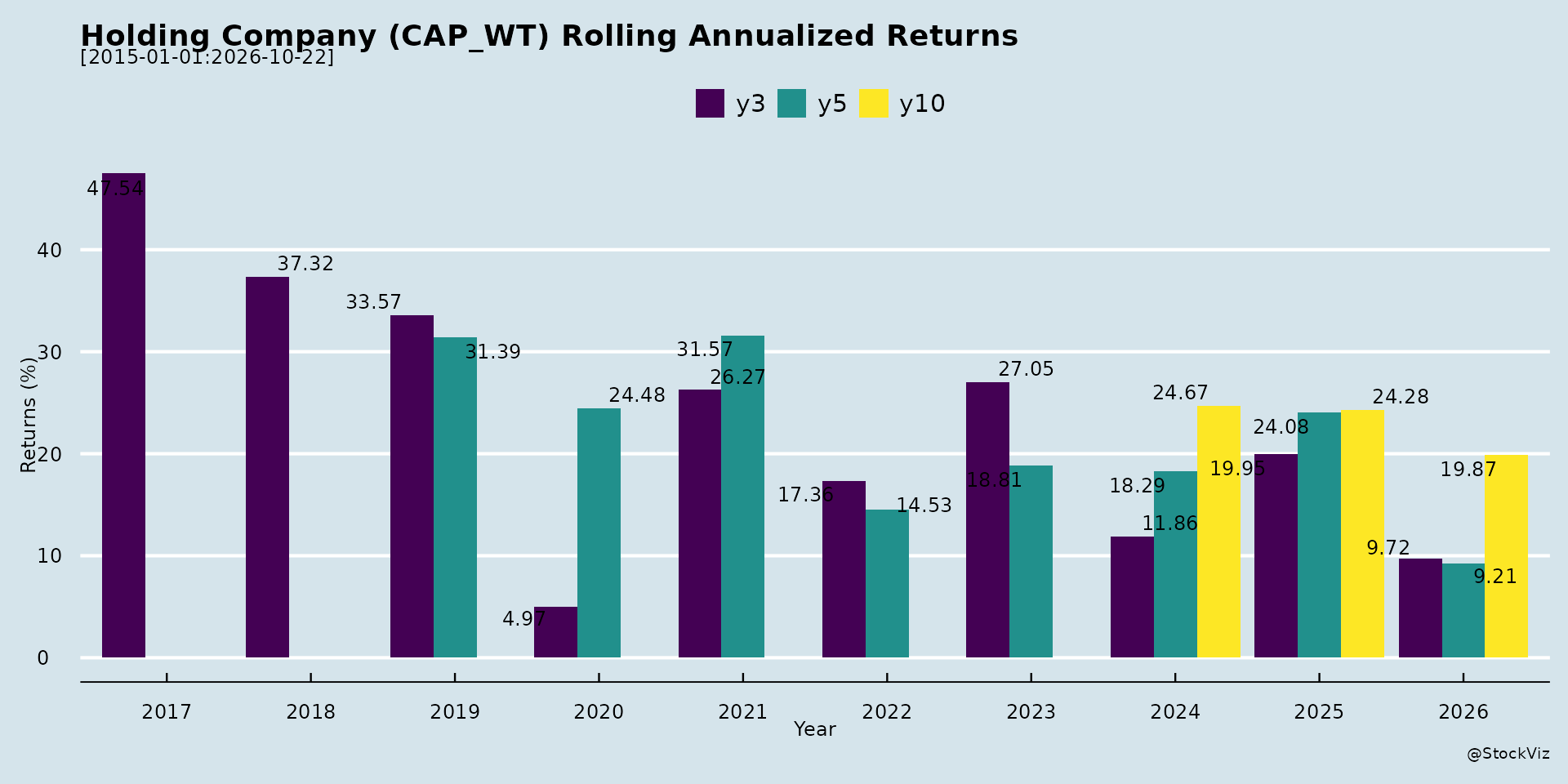
Rolling Returns
Fundamental Ratios
AI Summaries
How have the challenges and oppurtunities evolved over time?
asof: 2026-04-15
The challenges and opportunities across the financial services, insurance, and consumer care sectors have evolved significantly over time, driven by macroeconomic shifts, regulatory changes, and evolving consumer needs.
Evolution of Challenges Over Time
- Macroeconomic and Market Volatility: Over the last decade, companies have had to navigate volatile events such as the COVID-19 pandemic, elections, tariffs, and geopolitical tensions [1, 2]. In the capital markets and corporate advisory space, deal-making has frequently faced disruptions due to market volatility stemming from factors like foreign portfolio investor (FPI) selling, pending U.S. trade deals, and sudden increases in the prices of gold and silver [3, 4].
- Regulatory and Tax Impacts: The introduction of new regulations has created one-off financial burdens. For instance, the notification of new Labour Codes required companies to account for significant one-time charges related to increased past-service gratuity liabilities [5-7]. Additionally, changes in Goods and Services Tax (GST) led to a loss of input tax credit for life insurance companies, which pushed back their value of new business margin improvements by a few quarters [8-11]. In the lending sector, regulatory moves, such as the implementation of a minimum Loss Given Default (LGD) floor, have necessitated accelerated Expected Credit Loss (ECL) provisions [12, 13].
- Sector-Specific Pressures in Insurance: The general insurance industry has faced intense competition and pricing pressures, particularly in crop insurance and motor own-damage (OD) policies [14-16]. The motor OD loss ratio has been elevated across the industry due to a dual challenge: GST changes caused a drop in the Insured Declared Value (IDV) of vehicles, which lowered premium collections, while inflation simultaneously drove up the costs of repairs and spare parts [15, 17-19]. Furthermore, the insurance market operates cyclically; for example, commercial fire insurance prices have recently softened due to a lack of major catastrophe events, though this typically precedes an eventual rise in loss ratios and subsequent price corrections [20, 21].
- Talent Acquisition and Real Estate Cycles: Expanding capital market businesses face an explosion of human resource costs and a limited talent pool, making it difficult to recruit high-quality talent at the right compensation levels [22-25]. In real estate, a multi-year “super cycle” of booming residential sales is normalizing, which means developers will need to spend more time and marketing budgets to sell properties [26-29]. Lenders are also monitoring potential real estate impacts in major IT hubs due to anticipated AI-related job losses in the IT services sector [30, 31]. In affordable housing finance, temporary challenges in collections over a 6 to 9 month period previously led to a spike in non-performing assets (NPAs) [32, 33].
- Consumer Care Constraints: In the senior care market, existing adult hygiene products have persistently fallen short on leakage protection, fit, odour control, and skin safety [34]. Poorly designed top sheets that fail to quickly transfer liquid to absorbent cores cause pooling, sagging, and discomfort, which exacerbates seniors’ fears of stepping out and restricts their independence [34].
Evolution of Opportunities Over Time
- Macro Tailwinds and New Growth Engines: Despite short-term volatility, the broader economic trajectory presents massive long-term opportunities. As investors transition from being traditional savers to seeking higher yields, capital is rapidly moving from the banking system into the capital markets [35, 36]. India is viewed as being on the cusp of becoming one of the world’s largest capital markets, supported by a stable political environment and a charged-up startup and venture capital ecosystem [37, 38]. Furthermore, large-scale government thrusts into infrastructure, manufacturing, defense (Make in India), and the expansion of Global Capability Centers (GCCs) are creating new jobs that are expected to offset potential losses in traditional IT services [39-44].
- Pivot to Fee-Based and Wealth Management Models: Financial firms are actively shifting toward asset-light, high-margin fee-based businesses to ensure earnings stability [45-49]. Companies are scaling their Assets Under Management (AUM) horizontally by expanding their distribution footprints and branches, and vertically by introducing new asset classes [50-53]. The expansion of wealth management businesses has driven significant growth in both recurring AUM and transactional revenues [54-58].
- Alternative Investments and Global Reach: The alternative asset space—such as private credit, real estate funds, and pre-IPO funds—is highly underpenetrated and presents a major growth frontier for mid-market and high-net-worth investors [59-66]. To capitalize on this, companies are expanding their global connectivity by setting up onshore funds, offshore feeder funds, and operations in GIFT City to tap into international capital flows and launch pension fund management businesses [67-72].
- Synergies and the “Flywheel” Effect: As financial platforms scale, they benefit from a powerful flywheel effect. Large corporate advisory and private markets divisions naturally originate deals that can be cross-sold as transactional products to wealth management clients without proportionate increases in origination costs [73, 74]. Conversely, a growing wealth management client base originates private companies that eventually require capital markets support for M&A or IPOs [75, 76].
- Innovation in Product Design and Technology: To combat margin pressures, companies are restructuring their offerings. In life insurance, pivoting toward retail protection, profitable ULIPs, and deferred annuities has yielded record-high value of new business margins [11, 77-81]. Technology and AI are being deployed to reduce transaction costs and improve advisor productivity [82, 83]. In the consumer sector, deep research into seniors’ needs has led to breakthrough innovations like the re-engineering of the adult diaper; new proprietary Smart Liquid Distribution technology utilizes perforated top sheets and uniform distribution architectures to solve long-standing issues of pooling and sagging, thereby enhancing the dignity and mobility of the elderly [34, 84].
What are the headwinds affecting this industry?
asof: 2026-04-15
Capital Markets and Investment Banking The capital markets industry is navigating several macroeconomic and geopolitical headwinds that create short-term market volatility [1, 2]. Specific challenges include FPI (Foreign Portfolio Investor) selling, a pending U.S. trade deal, and sudden surges in gold and silver prices [3]. This volatility often creates an unfavorable environment for transactions, causing deals like IPOs to be delayed or pushed out by a quarter or two [1, 3]. Furthermore, the industry is facing significant human resource challenges due to an explosion in talent costs and a limited pool of high-quality professionals, which puts pressure on compensation and business margins [4-6].
Insurance Sector The insurance space is facing multiple headwinds across both general and life insurance segments: * Motor Insurance: The industry is experiencing elevated Motor Own Damage (OD) loss ratios, driven by intense pricing pressures [7, 8]. Recent GST changes have caused a drop in the Insured Declared Value (IDV) of cars, which directly leads to lower premium collections for the same vehicles [8, 9]. Concurrently, inflation is driving up the cost of spare parts and vehicle repairs, thereby increasing the overall claim outgo [10]. * Crop Insurance: This segment is witnessing de-growth primarily due to intense pricing pressures [11]. * Life Insurance: The industry has observed dips in persistency across certain customer cohorts [12]. Additionally, margins have been negatively impacted by the loss of input tax credits stemming from recent GST changes [13, 14].
Real Estate and Housing Finance The real estate market is transitioning out of its recent “rosy” super cycle of booming residential sales, moving toward a normalized cycle where developers will have to rely more heavily on marketing budgets and dedicated selling time [15-17]. Additionally, there are emerging concerns that AI-related job losses within the IT services sector could negatively impact real estate demand in major IT hubs like Bangalore [18]. In the affordable housing finance segment, lenders have recently faced spikes in Non-Performing Assets (NPAs) due to collection challenges [19, 20].
Macroeconomic and Regulatory Pressures Broader regulatory and economic shifts are also acting as headwinds for the financial services industry. The government’s notification of new Labor Codes has introduced a uniform definition of wages, which has increased past-service gratuity liabilities and forced companies to take significant one-time financial hits to their profits and underwriting results [21-23]. Finally, the dynamic economic environment has prompted some major lenders to implement accelerated Expected Credit Loss (ECL) provisions to enhance balance sheet resilience, severely impacting short-term profitability [21, 24]. Past systemic headwinds affecting asset management have also included broader uncertainties like elections, tariffs, and the COVID-19 pandemic [25].
What are the key things to understand about this industry?
asof: 2026-04-15
The Indian financial services and capital markets industry is currently experiencing a period of significant structural growth and transformation. Based on the provided corporate earnings discussions, several key dynamics define the current landscape of this sector:
1. Massive Macroeconomic Tailwinds and Capital Market Expansion India is on the cusp of becoming one of the largest capital markets in the world, driven by a highly stable political environment, a vibrant startup ecosystem, and substantial government spending on infrastructure and defense [1-6]. A fundamental shift is occurring as citizens transition from being traditional savers to active investors seeking higher yields, moving massive amounts of financial capital away from the banking system and into the capital markets [1, 4, 7]. Historically, as a country’s GDP expands robustly, its capital markets tend to grow at a multiple of 1.5x to 2x of that GDP growth rate [8, 9]. This multiplier effect is currently fueling an exceptionally strong pipeline of Initial Public Offerings (IPOs), Mergers & Acquisitions (M&A), and private equity investments [8, 10-12].
2. Aggressive Expansion in Wealth and Asset Management Financial institutions are heavily investing in physical branch networks, digital infrastructure, and talent acquisition—particularly by expanding their base of Relationship Managers (RMs)—to capture a larger share of growing household wealth [13-17]. There is also a pronounced focus on Alternative Investment Funds (AIFs) [11, 18, 19]. The alternative assets space, including real estate funds, pre-IPO funds, and private credit, is seen as a massive, underserved opportunity in the mid-market segment for high-net-worth investors capable of making larger minimum investments [11, 20-23].
3. Strategic Pivot Toward Scalable, Fee-Based Income A major evolution within the industry is the deliberate shift toward building recurring, fee-based revenue models (such as fund advisory, portfolio management, and distribution) rather than relying solely on transaction or interest income [24-28]. This transition significantly improves the quality, predictability, and stability of earnings [28, 29]. As Assets Under Management (AUM) scale up, the fixed costs of the asset management infrastructure remain largely unchanged; this allows incremental revenue to flow in at much higher margins, generating powerful operating leverage for these firms [30-35].
4. Evolving Private Credit and Syndication Models In the private lending and Non-Banking Financial Company (NBFC) space, firms are increasingly prioritizing syndication over purely holding loans on their balance sheets [36-38]. By structuring and underwriting large credit deals and selling down the majority of the exposure to other institutional investors or credit funds, companies can generate high fee income while optimizing their own capital allocation and risk-adjusted returns [36, 38-40]. This private market activity (including corporate, real estate, and distressed credit) also provides a natural hedge against the inherent volatility of public equity markets [41-43].
5. Cyclicality and Structural Nuances in the Insurance Sector For players operating in the insurance domain, the industry presents unique operational challenges and metrics: * General Insurance (Property & Casualty): This segment is highly cyclical, characterized by “softening” and “hardening” market pricing based on overall loss ratios and the frequency of natural catastrophes [44-46]. For example, the industry routinely faces elevated Motor Own Damage (OD) loss ratios driven by inflation in repair and spare part costs, combined with lower vehicle valuations (Insured Declared Values), which reduce the total premium collected per vehicle [47-49]. Companies must constantly correct these ratios through pricing adjustments, better claim negotiations, and improved underwriting mixes [49, 50]. * Life Insurance: The focus here has shifted heavily toward “sustainable and profitable growth” through product restructuring [51, 52]. Companies are optimizing their product mix across participating (par) plans, non-par savings, annuities, term life, and Unit Linked Insurance Plans (ULIPs) to boost the Value of New Business (VNB) and New Business Margins (NBM), which are the core metrics used to evaluate the profitability of life insurance operations [53-57].
6. Technological Integration and Regulatory Impacts To scale efficiently, financial services firms are integrating digital tools and AI analytics to reduce the cost per transaction and improve advisor productivity [58-60]. Furthermore, because the industry is heavily regulated, short-term profitability is frequently impacted by statutory and regulatory changes, such as adjustments to GST input tax credits or the financial impact of new national Labor Codes on employee benefit liabilities [61-63].
What are the tailwinds affecting this industry?
asof: 2026-04-15
The financial services and capital markets industry is currently benefiting from several strong structural and macroeconomic tailwinds:
- Transformation of Savers into Investors: There is a massive transition of financial capital moving away from the traditional banking system and into the capital markets as individuals seek higher yields [1, 2]. As the country’s financial markets deepen and retail participation grows, a fundamental behavioral shift is occurring where everyday people are evolving from being mere “savers” into active “investors” [3-6].
- Macroeconomic and Political Stability: The industry is supported by an extremely stable economy with very low downside risk, coupled with a highly stable political environment [1, 2]. Because of these strong foundational elements, India is believed to be on the cusp of becoming one of the biggest capital markets in the world [1, 2].
- Vibrant Private Equity and Start-up Ecosystems: The capital markets are being fueled by a highly charged-up start-up ecosystem as well as an incredibly active private equity and venture capital investment environment [1, 2]. On the debt side, the amount of capital that credit funds are eager to deploy into the Indian credit market is currently very exciting [7, 8].
- High Growth in Alternative Investments: The alternative investment space, particularly Alternative Investment Funds (AIFs), has seen substantially higher growth over the last five years [9, 10]. Despite this rapid expansion, the alternative asset space remains significantly underpenetrated and underserved, particularly in the mid-market segment, offering a long runway for growth for asset and wealth managers [11, 12].
- Targeted Government Spending and Job Creation: A major governmental thrust on infrastructure, defense, and manufacturing is expected to drive long-term economic expansion and create significant employment [13-16]. Furthermore, there is strong momentum in the Global Capability Centers (GCC) sector, as international companies increasingly outsource value-added work to India, keeping job growth and sector stability intact [14, 16].
What is the general outlook of this industry?
asof: 2026-04-15
The financial services and capital markets industry in India is currently positioned for robust, transformational growth over the coming years, characterized by a shift in investor behavior, strong deal pipelines, and expanding alternative asset classes, though the insurance sector is navigating some cyclical pricing and claims pressures.
Capital Markets, Wealth Management, and Investment Banking The outlook for the Indian capital markets is exceptionally strong, with the country on the cusp of becoming one of the biggest capital markets globally [1]. Industry leaders anticipate solid growth over a long-term horizon of six to eight years, driven by a highly stable economy with low downside risk, a stable political environment, and a vibrant start-up and private equity ecosystem [1].
A massive structural shift is underway as individuals transition from traditional savers to active investors, moving significant financial capital away from the banking system and into capital markets in search of higher yields [1, 2]. Historical trends in global markets suggest that during periods of solid GDP expansion, capital markets typically grow at 1.5 to 2 times the rate of GDP growth [3]. Consequently, long-term revenue growth for capital market and advisory businesses is projected to be between 13% to 15%, with profitability growth in the high teens as transaction sizes scale and higher-margin products are introduced [4]. While short-term volatility due to geopolitics or foreign portfolio investor (FPI) selling may occur, the fundamental breadth and volume of activities across equity capital markets, private credit, M&A, and private equity are expected to consistently expand [2, 5].
Furthermore, the alternative investment space, particularly Alternative Investment Funds (AIFs), has seen substantial growth over the past five years [6]. This segment is still considered highly underpenetrated and underserved, particularly in the mid-market space, presenting a massive opportunity for asset managers who can offer specialized, global, and customized financial products [6, 7].
Insurance Sector (General and Life) The general insurance industry is currently experiencing intense competition and cyclical margin pressures [8]. For instance, Motor Own Damage (OD) loss ratios have been elevated across the industry [9]. This is primarily attributed to a drop in Insured Declared Values (IDV) caused by GST changes—which lowers the premium collected per vehicle—combined with inflation driving up the cost of repairs and spare parts [10-12]. However, the general insurance market is cyclical; as loss ratios rise to unsustainable levels, the industry naturally corrects through premium increases, better claims negotiation, and improved underwriting mixes [13, 14]. Similarly, the fire insurance portfolio has seen softened pricing recently due to favorable loss ratios and an absence of major natural catastrophe (NATCAT) events, but prices will dynamically adjust if loss ratios climb [15, 16].
In the life insurance sector, the focus has shifted heavily toward “sustainable and profitable growth” rather than purely top-line expansion [17, 18]. Companies are restructuring their product mixes to heavily feature profitable Unit-Linked Insurance Plans (ULIPs), term life, riders, and annuities, catering increasingly to mass-affluent customers [19-22].
Real Estate and Private Credit In the real estate lending and private credit space, the industry is transitioning out of a “super cycle” of booming residential sales into a more normalized cycle [23]. In this normalized environment, marketing and sales will require more effort from developers, which is expected to trigger a significant pickup in construction finance drawdowns [23, 24]. Lending rates are expected to become more attractive, and credit funds are showing high enthusiasm for deploying capital into the Indian credit market, driving a robust pipeline for syndication and distressed credit transactions [24, 25].
Macroeconomic Growth Engines Further boosting the financial sector’s outlook are massive macroeconomic growth engines heavily backed by the government. Extensive government thrust on infrastructure spending, domestic manufacturing, and defense (Make in India) will create substantial job opportunities and capital requirements [26, 27]. Additionally, there is a strategic focus by both the government and large corporations to position India strongly in the Artificial Intelligence (AI) space [28]. These sectors, alongside the booming Global Capability Centers (GCCs) outsourcing value-added work to India, are expected to offset localized job losses in traditional IT services, ultimately fueling corporate deal-making, wealth generation, and retail financial participation [27, 29].
Copyright © 2023 SAS Data Analytics Pvt. Ltd. All rights reserved.