Heavy Electrical Equipment
Industry Metrics
September 24, 2026
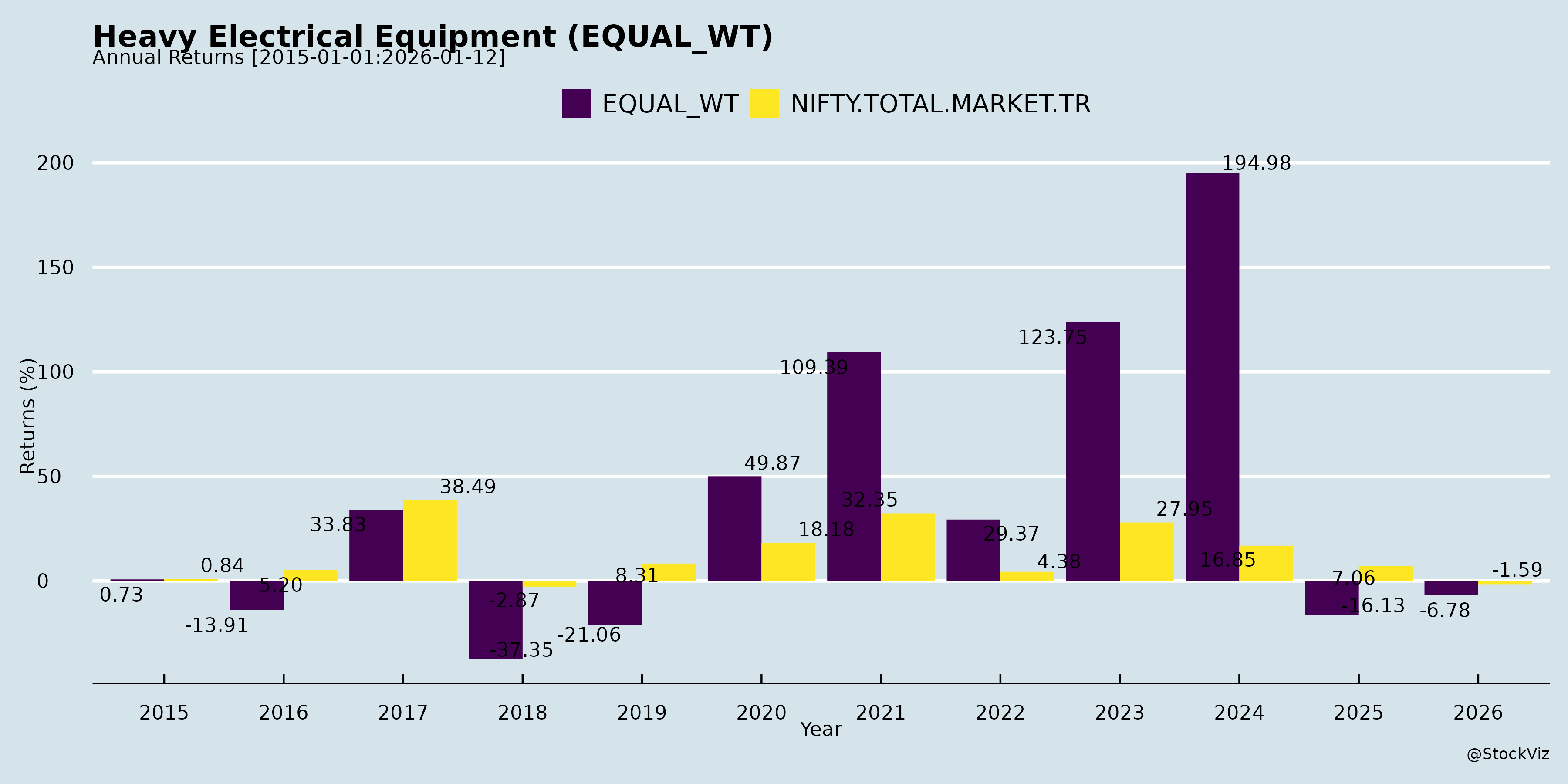
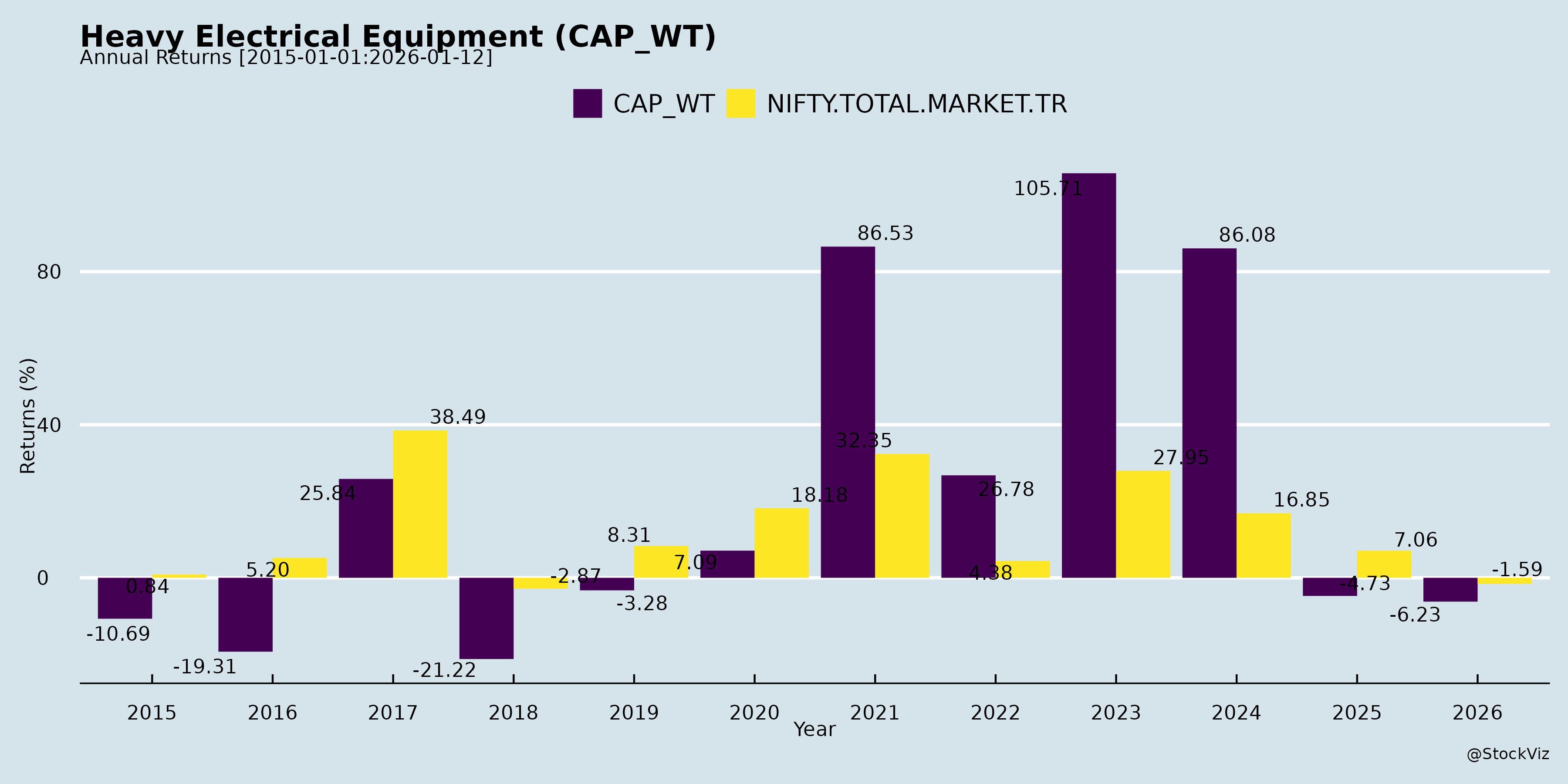
Annual Returns
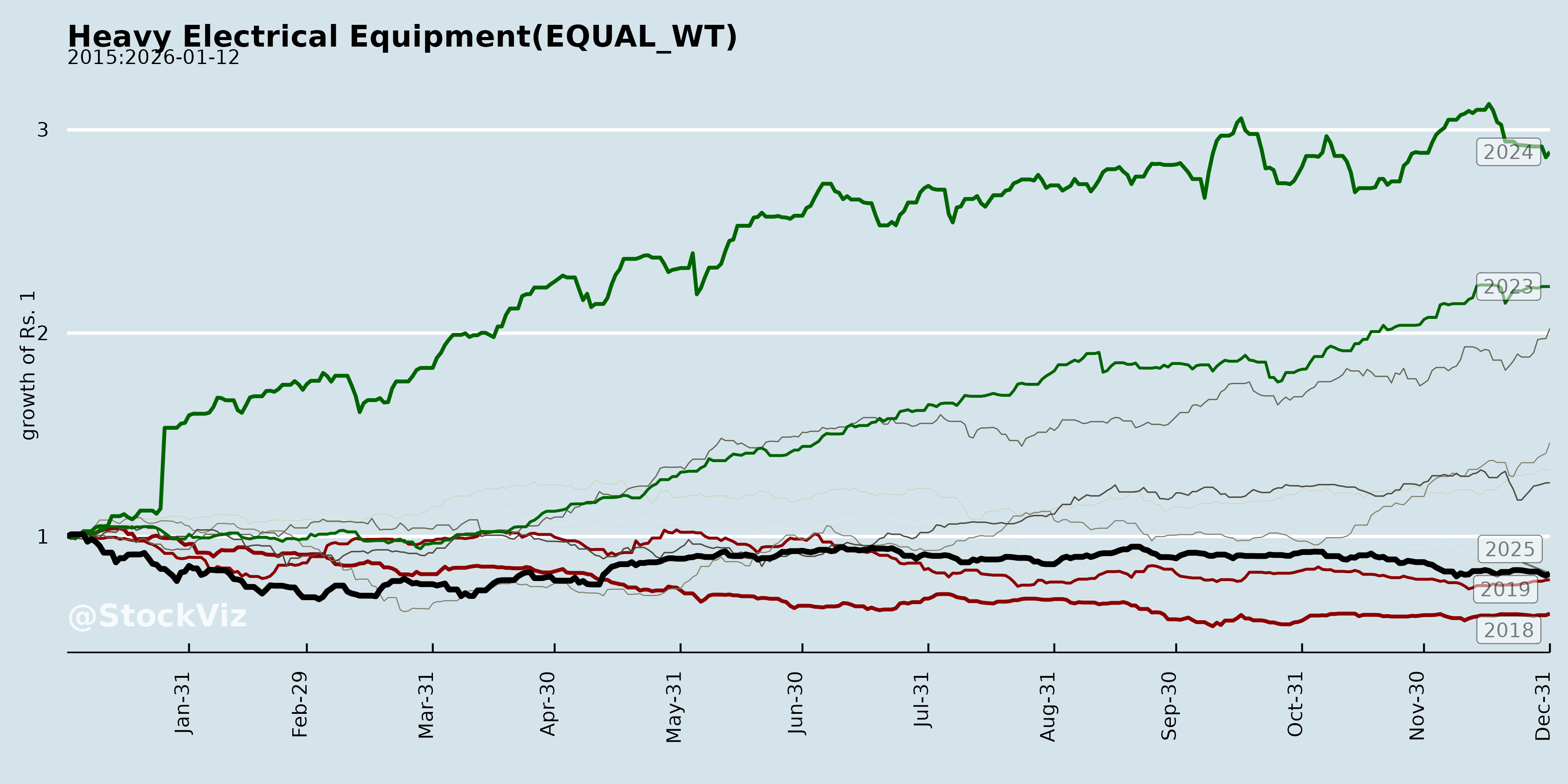
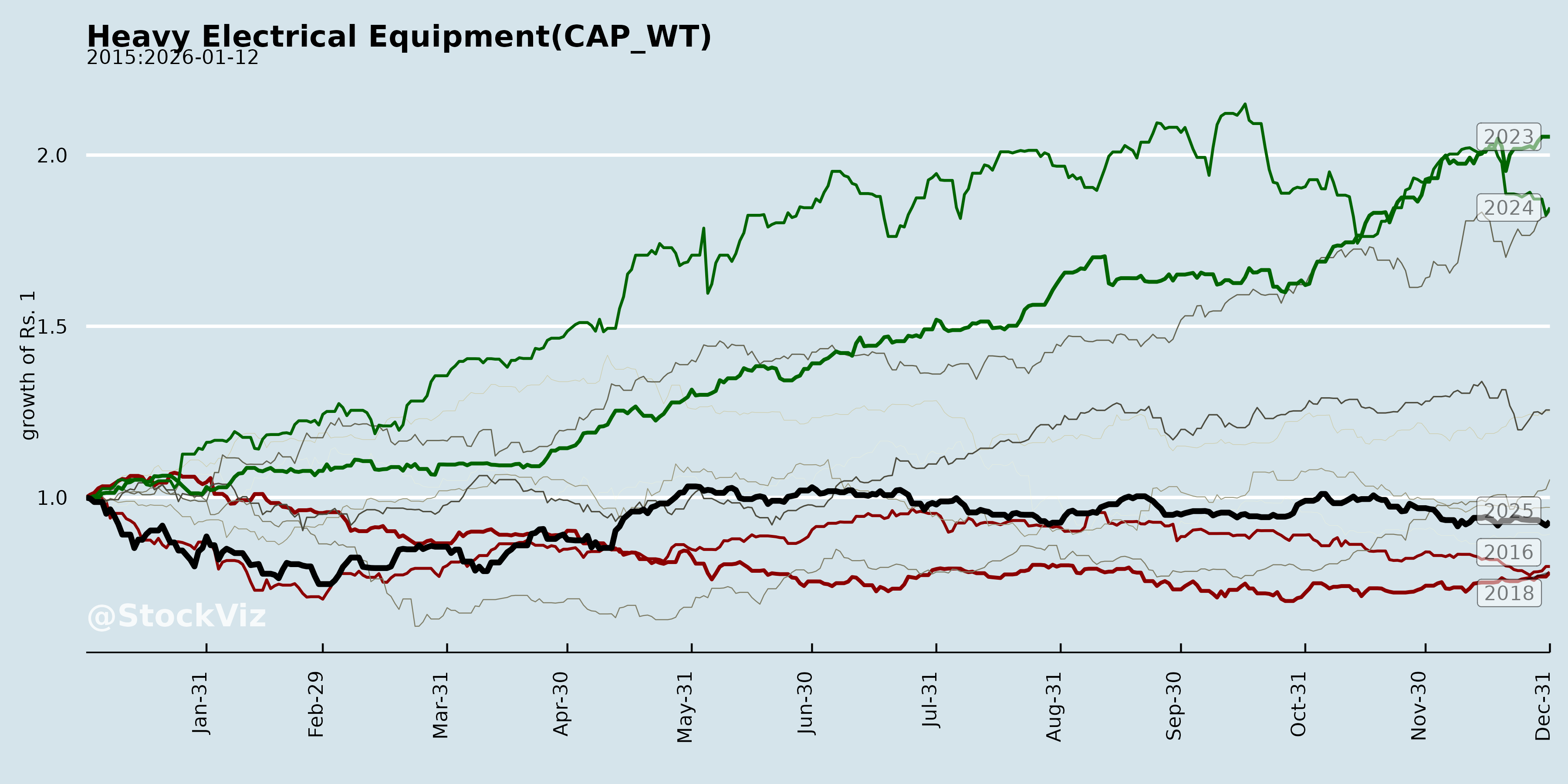
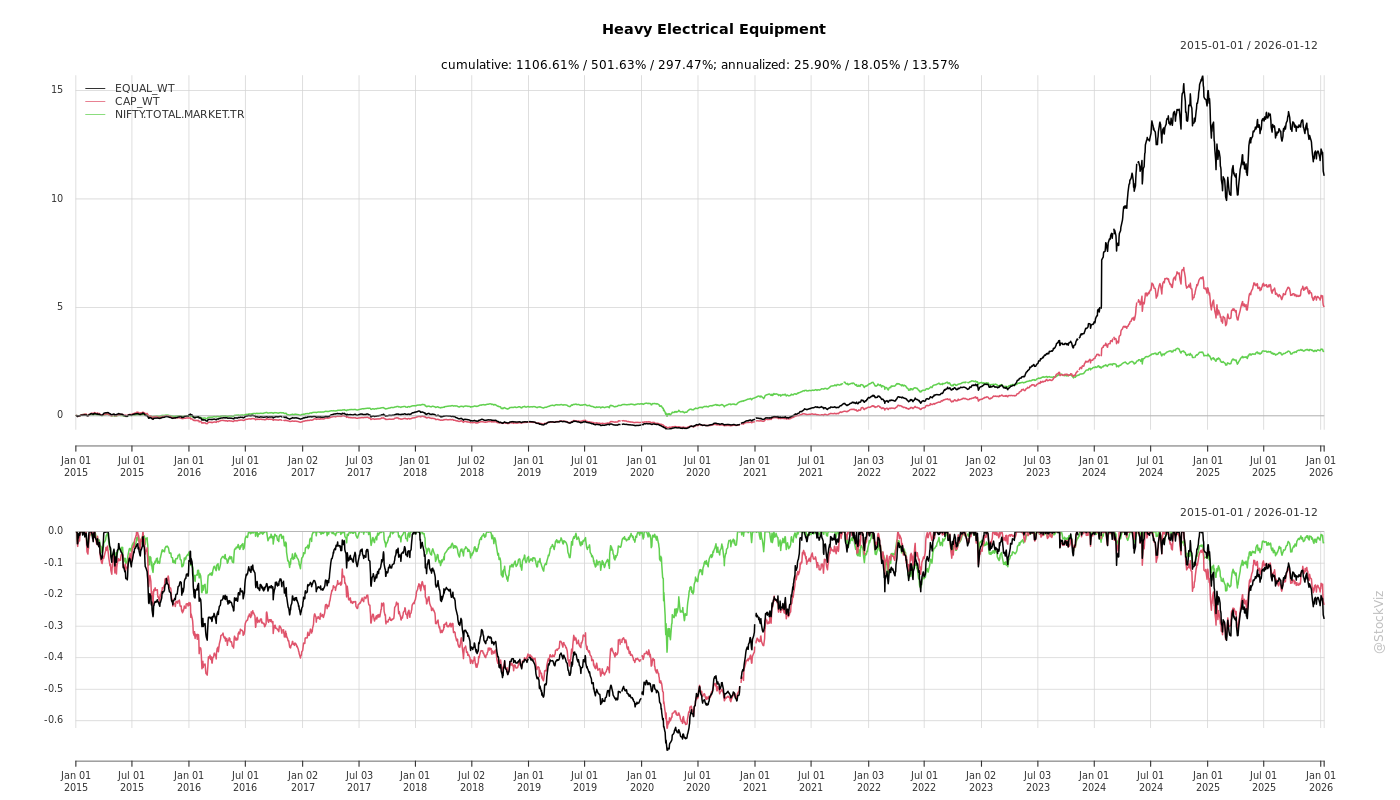
Cumulative Returns and Drawdowns
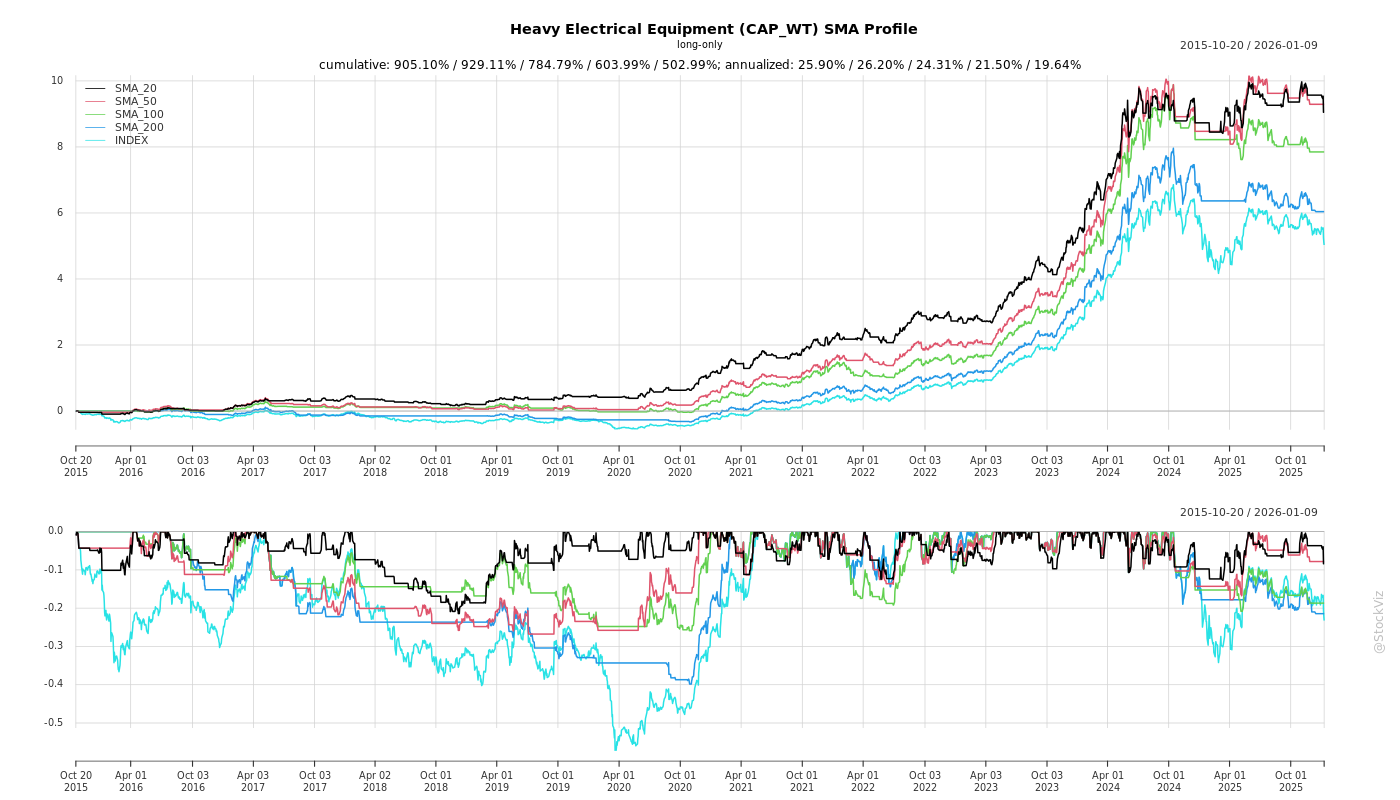
SMA Scenarios

Current Distance from SMA
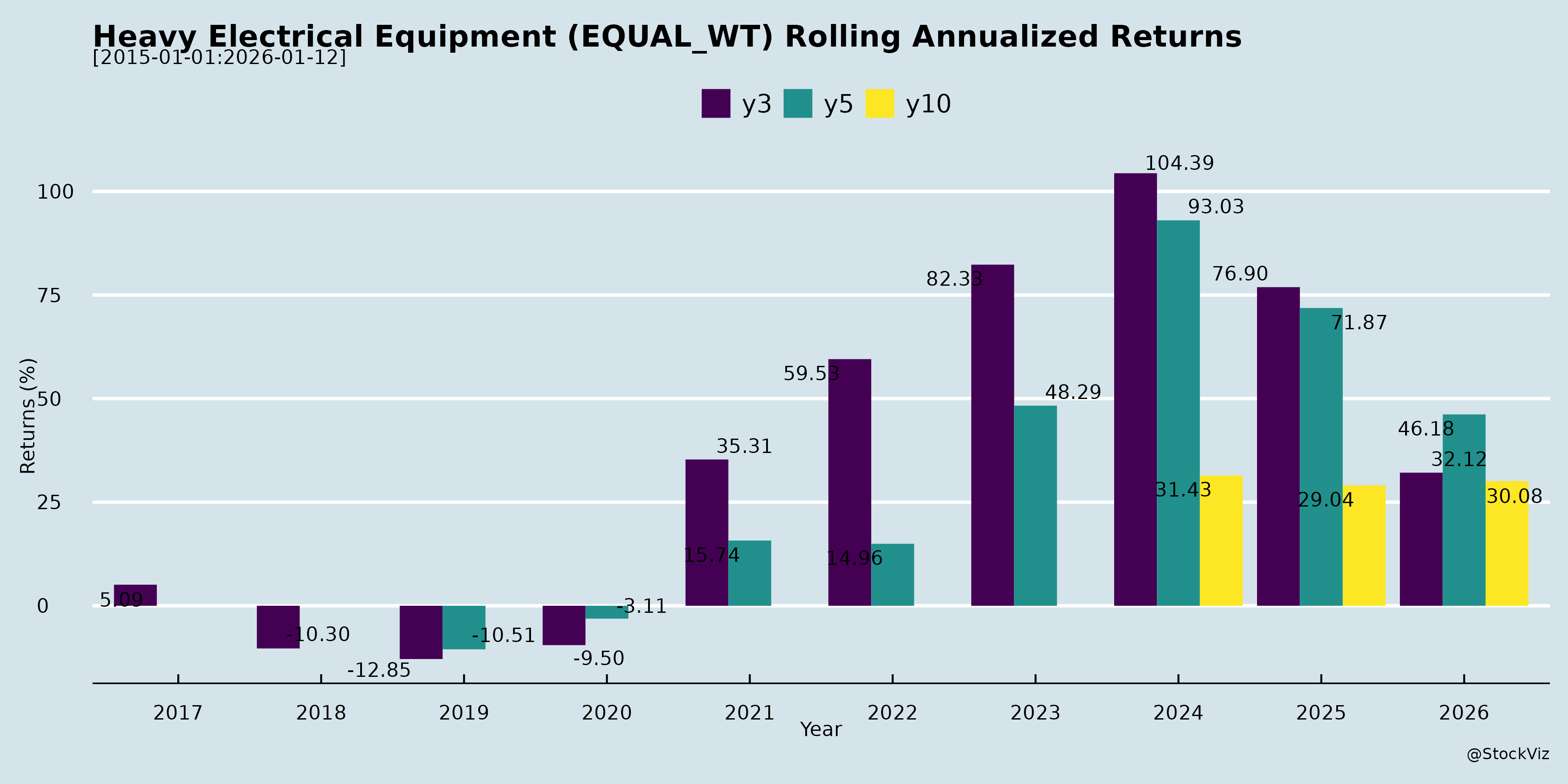
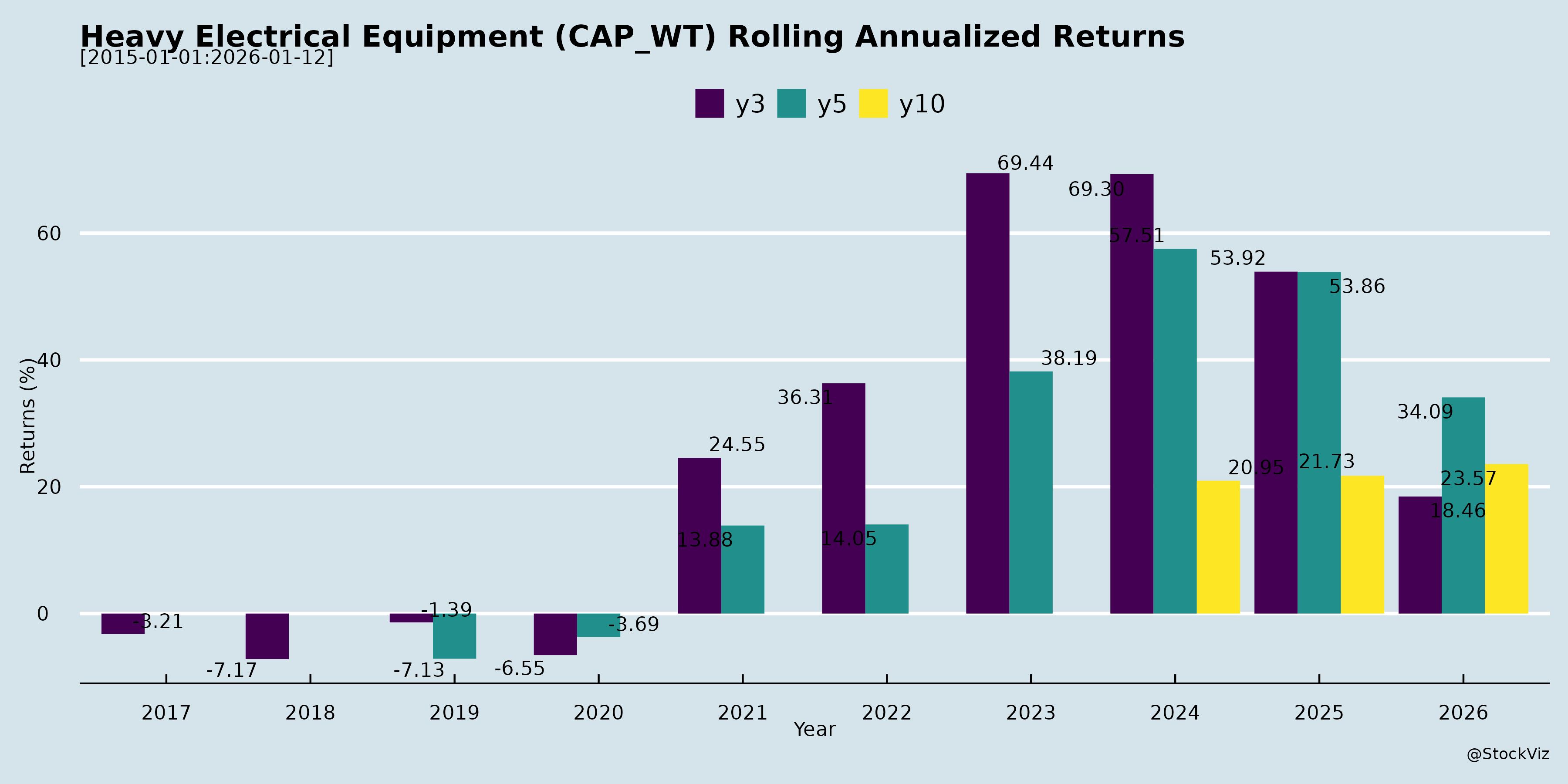
Rolling Returns
Fundamental Ratios
AI Summaries
How have the challenges and oppurtunities evolved over time?
asof: 2026-04-15
Evolution of the Business and Technological Landscape
The energy, infrastructure, and industrial sectors have transitioned from an era of conventional power generation and localized operations to a highly complex, decentralized, and decarbonized global ecosystem. Historically, the focus was primarily on basic capacity addition and stable, centralized power generation, such as coal mining in eastern regions. Today, the landscape is defined by the rapid integration of renewable energy, intense digitalization, and stringent Environmental, Social, and Governance (ESG) mandates [1, 2]. This monumental shift has fundamentally reshaped the nature of both the challenges companies face and the opportunities they pursue.
The Evolution of Challenges
- From Globalized to Regionalized Supply Chains: In the past, industrial manufacturers relied heavily on highly globalized, seamless supply chains. However, recent years have seen a forced shift toward supply chain regionalization and “local-for-local” manufacturing due to heightened geopolitical tensions, trade fragmentation, and elevated tariffs [3-5]. Despite aggressive localization efforts, significant bottlenecks remain in sourcing advanced critical components. For instance, high-tech Insulated-Gate Bipolar Transistors (IGBTs)—which are the core of modern High-Voltage Direct Current (HVDC) power converters—still lack a domestic manufacturing base in India and must be entirely imported [6-9].
- Shifting Project Risks in Infrastructure: In sectors like wind energy, companies previously focused heavily on executing end-to-end turnkey projects. Over time, the business model has evolved into a split between turnkey execution and pure equipment supply to actively mitigate escalating ground-level risks [10-13]. Turnkey projects currently carry substantial, unpredictable liabilities related to land acquisition, bureaucratic delays in substation readiness, and securing high-voltage grid connectivity, making pure equipment supply a safer strategy for preserving working capital [11, 13-15].
- Managing Grid Complexity and Intermittency: The fundamental challenge for power grids has evolved from merely supplying raw electricity to dynamically managing it under highly demanding conditions [16, 17]. The massive influx of intermittent renewable energy (solar and wind) requires the grid to be extraordinarily flexible. This necessitates advanced solutions like synchronous condensers for grid stabilization, battery energy storage systems (BESS), and software to rapidly ramp legacy thermal power plants up and down [18-23]. Furthermore, because new renewable generation is primarily located in different geographic zones (e.g., the northwest) than traditional coal plants, massive new transmission networks must be designed and built entirely from scratch [1, 2].
- Lumpiness of Large-Scale Orders: As companies pivot toward high-value, technologically complex projects (such as large utility steam turbines, massive mobility infrastructure, or major plant upgrades), they face the challenge of “lumpy” and unpredictable order inflows. These long-gestation projects require careful inventory management and can cause notable quarter-to-quarter revenue volatility [24-28].
The Evolution of Opportunities
- The Data Center and AI Boom: A massive, entirely new commercial opportunity has emerged with the explosive growth of global digital infrastructure. Driven by the rapid rise of Artificial Intelligence and cloud computing, hyperscale data centers have become the largest new “guzzlers” of energy, sparking a fierce “race for electrons” globally [29-32]. This sector demands highly reliable low and medium-voltage switchgears, advanced energy-efficient cooling systems, uninterrupted power supplies (UPS), and even captive gas turbines to guarantee continuous, fault-tolerant operations [29-36].
- Accelerated Energy Transition and Grid Expansion: The drive to integrate vast amounts of non-fossil capacity is fueling unprecedented capital investments. India’s transmission network, for example, is expected to surge from 500,000 circuit kilometers to 648,000 circuit kilometers over the next few years, backed by massive capex plans of INR 9 lakh crores extending up to 2032 [37-40]. Opportunities are expanding rapidly in High-Voltage Direct Current (HVDC) systems, which are crucial for grid stability, underground cabling, and flexible long-distance power transfer [41, 42].
- From Product Sales to End-to-End Solutions: Opportunities have shifted from merely supplying hardware boxes to providing comprehensive, technology-driven solutions. Customers now demand end-to-end architectures that incorporate industrial artificial intelligence, virtual PLCs (Programmable Logic Controllers), and the industrial metaverse to dramatically improve manufacturing agility, speed, and energy efficiency [43-48]. Furthermore, heavy industries are seeking to decarbonize by replacing fossil-driven compressors with electrical motors and deploying waste heat recovery systems that capture industrial exhaust to generate clean, captive power [49-54].
- ESG as a Core Competitive Advantage: Environmental, Social, and Governance (ESG) frameworks have evolved significantly, moving from the basic Millennium Development Goals (MDGs) to the broader UN Sustainable Development Goals (SDGs) [55, 56]. Today, ESG is no longer a mere compliance checkbox; it is a critical driver for cost savings, operational efficiency, and attracting long-term ethical investors [57-59]. Companies are actively monetizing sustainability by developing and offering eco-friendly alternatives, such as biodegradable transformer oils, SF6-free clean-air switchgears, and ultra-premium IE5 efficiency motors manufactured entirely without rare-earth metals [60-63].
- Emerging Technological Sectors and Geographies: Completely new application niches have opened up, generating fresh revenue streams in industrial heat pumps, mechanical vapor recompressors (MVRs), and specialized geothermal power turbines [64-67]. Additionally, the electric vehicle ecosystem is moving aggressively toward ultra-fast, high-power distributed charging networks and the electrification of heavy commercial trucks [68-71]. Favorable international trade developments, such as the EU-India Free Trade Agreement, are also anticipated to accelerate clean-energy technology exchange and unlock substantial export markets for domestic manufacturers in the near future [16, 72, 73].
What are the headwinds affecting this industry?
asof: 2026-04-15
The industry faces significant headwinds from ongoing global uncertainties, including geopolitical tensions, trade fragmentation, and volatile currency markets [1-4]. Geopolitical instability brings risks of trade sanctions, heightened tariffs, import/export restrictions, and the breakdown of trade agreements, which can disrupt cross-border partnerships and international business operations [3, 5, 6]. For example, heightened tariffs imposed by the United States and delays in resolving the India-US trade agreement have led to temporary moderations in export order inflows and caused decision-making delays among customers [7-10].
Companies are grappling with commodity inflation and fluctuations in the prices of critical raw materials like steel, copper, zinc, and aluminum [11-15]. There are inherent risks of cost escalation and disruptions in the supply of critical components due to supplier concentration, market volatility, and long lead times [12, 16, 17]. Additionally, the industry’s reliance on specific imported components, such as IGBT semiconductors for HVDC systems, exposes it to global supply chain dependencies because there is currently a lack of local manufacturing for these microelectronics [18-20].
Project execution is frequently hampered by delays in site readiness and infrastructure preparedness at the customer’s end, which can postpone the off-take of equipment like wind turbines and transformers [21-24]. Companies executing transmission and EPC projects face Right of Way (ROW) issues, forest clearance challenges, and land acquisition difficulties [25-29]. Furthermore, inadequate transmission and distribution infrastructure in renewable-rich states can hinder the integration of new projects and lead to grid curtailment [26]. Environmental factors, such as heavy or extended monsoons, also intermittently delay capacity enhancements and project execution timelines [30-32].
The evolving regulatory landscape presents a multifaceted challenge, including the risk of non-compliance with stringent environmental standards, product design regulations, and market access criteria [6, 33]. For exports, companies must navigate complex frameworks like the EU’s Carbon Border Adjustment Mechanism (CBAM), Eco-Design Regulations, and Corporate Sustainability Reporting Directive (CSRD) [34]. Domestically, operations are impacted by the implementation of new Labour Codes and the need to adapt to Quality Control Orders (QCO) and Bureau of Indian Standards (BIS) mandates [5, 11, 35, 36]. Additionally, frequent changes in state and central policies, along with bureaucratic hurdles resulting in delayed Power Purchase Agreements (PPAs) and tariff disputes, negatively impact the economic viability of projects [26, 37].
The sector is experiencing heightened competitive pressure from existing players, new market entrants, and the potential easing of restrictions on Chinese imports [35, 38, 39]. In domestic renewable and transmission bidding, an oversupply of competitive bids has driven down tariffs, which can lead to underutilized capacities against financially constrained Distribution Companies (DISCOMs) [37]. Furthermore, securing timely payments and enforcing PPA terms with these DISCOMs remains a persistent challenge [37]. Customer decision-making processes, particularly in international geographies, are also proving to be slower than anticipated, deferring the translation of strong inquiry pipelines into firm orders [9, 40-42].
As the industry transitions toward advanced automation, digitalization, and specialized engineering, there is a notable difficulty in attracting and retaining skilled digital and engineering talent [35]. This ongoing attrition and the evolving capability requirements demand continuous talent development to plug strategic capability gaps [33, 35].
What are the key things to understand about this industry?
asof: 2026-04-15
The electrical equipment, power transmission, and industrial automation industry is undergoing a massive structural transformation. Spanning the entire electricity value chain—from generation (turbines, renewables) and transmission (transformers, high-voltage networks) to distribution and end-user automation (motors, drives, control systems)—this sector is at the heart of global infrastructure and sustainability goals [1-5].
Here are the key elements to understand about this industry:
1. Primary Growth Drivers * The Energy Transition & Renewable Integration: A global shift toward clean energy requires a robust Transmission and Distribution (T&D) backbone to evacuate power from renewable sources like solar and wind, ensure grid stability, and decarbonize the power system [6-9]. Companies are heavily engaged in building green energy corridors and deploying technologies like High Voltage Direct Current (HVDC) and Flexible AC Transmission Systems (FACTS) to facilitate long-distance power transfer [10-12]. * Data Centers and the AI Boom: The rapid expansion of digital infrastructure, fueled by artificial intelligence and cloud computing, has made data centers a critical growth vertical [13, 14]. Data centers are immense energy consumers (“guzzlers”) that require highly reliable, high-density power distribution, UPS systems, and advanced cooling optimization to operate continuously and efficiently [6, 14-17]. * Infrastructure and Core Industry Upgrades: Sustained investments in nation-building infrastructure—such as railways, metro networks, airports, and smart commercial buildings—are driving steady demand [18-20]. Simultaneously, traditional core industries like steel, cement, and mining are heavily investing in modernization, automation, and energy efficiency to reduce operational costs [21-24].
2. Technological Innovations and Digitalization * Eco-Efficient and Sustainable Products: To minimize environmental impact, the industry is phasing out hazardous materials. Key innovations include replacing traditional mineral oils in transformers with biodegradable ester oils [25, 26], deploying SF6-free switchgears that eliminate harmful greenhouse gas emissions [27-29], and launching ultra-premium efficiency motors (such as IE4 and IE5 classes) that are manufactured without rare-earth metals [30-32]. * Smart Grids and Industrial IoT (IIoT): The integration of AI, the industrial metaverse, and digital twins allows companies to simulate manufacturing processes, optimize energy usage, and predict asset health remotely [23, 33-35]. Smart grid software and advanced distribution automation enhance the operational visibility and resilience of increasingly decentralized power grids [36, 37].
3. Evolving Business Models and Strategies * Shift from Products to Holistic Solutions: Customers are no longer just looking for the cheapest standalone equipment; they demand flexibility, agility, and end-to-end solutions that solve specific problems (e.g., reducing waste, cutting energy costs, or speeding up production cycles) [38, 39]. Manufacturers are partnering with system integrators and software providers to deliver combined electrification, automation, and digitalization packages [39-41]. * Balancing Turnkey EPC and Equipment Supply: Companies in the T&D sector are strategically adjusting their order books. Many are moving toward a balanced mix between full Turnkey EPC (Engineering, Procurement, and Construction) contracts and pure equipment supply. This shift helps mitigate the risks, land acquisition hurdles, and working capital constraints inherently associated with large-scale EPC projects [42-45]. * “Local-for-Local” Manufacturing: To navigate global supply chain volatility, forex fluctuations, and geopolitical uncertainties, companies are actively expanding their domestic manufacturing footprints [46-50]. However, certain highly advanced components—such as Insulated-Gate Bipolar Transistors (IGBTs) for HVDC systems—remain dependent on global supply chains from Europe or Japan, presenting ongoing localization challenges [51, 52].
4. ESG and Stringent Regulatory Compliance Environmental, Social, and Governance (ESG) principles are not just corporate buzzwords in this industry; they are strict regulatory and competitive prerequisites [53]. * Export and Trade Regulations: Companies exporting globally must comply with rigorous frameworks like the EU’s Carbon Border Adjustment Mechanism (CBAM), Eco-Design Regulations, and REACH (restricting hazardous chemicals) [54-57]. * Lifecycle Management: Manufacturers are focusing on the circular economy by sourcing recycled copper and steel, implementing waste reduction in factories, and offering take-back or refurbishment programs for end-of-life equipment to recover valuable materials [25, 58-60].
What are the tailwinds affecting this industry?
asof: 2026-04-15
The electrical equipment, power generation, transmission, distribution (T&D), and industrial automation industries are currently experiencing a robust super-cycle of growth. This growth is being driven by a convergence of powerful macroeconomic, technological, and policy-driven tailwinds that are fundamentally reshaping global and domestic energy landscapes.
Here are the primary tailwinds propelling this industry forward:
1. The Accelerating Energy Transition and Renewable Integration The global shift towards green energy and decarbonization is one of the most significant structural growth drivers for the industry [1-3]. * Massive Capacity Additions: India is aggressively pursuing its target of integrating 500 gigawatts of non-fossil/renewable capacity [4-7]. Because renewable energy sources like solar and wind are often located in specific regions (such as Rajasthan and Gujarat), an entirely new power transmission backbone must be built from scratch to evacuate this power to consumption centers [8, 9]. * Infrastructure Investment: Every new megawatt of renewable capacity demands a robust T&D network to ensure grid stability and deliver reliable electricity [10, 11]. This translates to enormous opportunities in Extra High Voltage (EHV) and High Voltage Direct Current (HVDC) transmission lines, reactive power compensation (STATCOMs), and smart substations [8, 9]. * Decarbonizing Industrial Operations: Industries are increasingly prioritizing energy-efficient, green manufacturing solutions to meet sustainability targets [12-14]. This is driving demand for waste heat recovery systems, ultra-premium efficiency motors, and eco-friendly transformers that utilize biodegradable vegetable oils instead of mineral oils [15-18].
2. The AI Boom and Exponential Data Center Growth The rapid expansion of the digital economy, heavily fueled by artificial intelligence (AI) and cloud computing, has triggered an unprecedented demand for reliable, high-density power infrastructure [19-21]. * Massive Capacity Scale-up: In India alone, data center capacity is projected to surge from approximately 1.5 GW in 2025 to 14 GW by 2035, representing a massive ~$70 billion investment opportunity [19]. * Intensive Power Requirements: Data centers are massive consumers of electricity, and the success of AI infrastructure relies entirely on the availability of reliable, affordable, and sustainable power [22-25]. This creates immense demand for low- and medium-voltage switchgears, power distribution solutions, cooling optimization, and captive power generation (including gas turbines) [22, 23, 26-31]. * Favorable Policies: Initiatives such as long-term tax holidays up to 2047 are making the Indian market highly attractive for global hyperscalers to establish their data centers [32, 33].
3. Robust Government Spending and Policy Support Government capital expenditure and supportive fiscal policies provide a highly constructive backdrop for power infrastructure investments [34, 35]. * Unprecedented Capex Plans: The Indian government has outlined a colossal transmission capex plan of INR 9 lakh crores up to 2032 to strengthen the power grid [36, 37]. Additionally, future projects like the Arunachal Hydro project are expected to generate another INR 6.5 lakh crores in transmission investments [36, 37]. * Surging Electricity Demand: Driven by urbanization and industrial activities, India’s electricity demand has grown at a CAGR of 9.46% between 2022-2024 and is expected to maintain a long-term 5% growth rate [38, 39]. The Draft National Electricity Plan (NEP) 2026 aims to boost per capita electricity consumption from 1,460 kWh to 2,000 kWh by 2030, and over 4,000 kWh by 2047 [10, 11]. * Economic Reforms: Recent rationalizations in GST and income tax relief have eased inflationary pressures, bolstering domestic consumption, which typically precedes a strong rebound in private sector capital expenditure [40, 41].
4. Industrial Automation and Deep Electrification (Industry 4.0 & 5.0) Core industries (such as steel, cement, mining, and oil & gas) are aggressively modernizing their legacy systems to enhance productivity, reduce downtime, and lower their total cost of ownership [42, 43]. * Shift from Fossil Fuels to Electricity: There is a pronounced push to electrify heavy industrial processes [44]. For instance, gas-driven compressors in pipelines are being replaced with electrical motors powered by renewable energy [45, 46]. * Digitalization and AI: Enterprises are heavily investing in Industrial IoT, predictive maintenance, digital twins, and edge-connected drives [43, 47, 48]. Customers no longer just want hardware; they demand comprehensive technological solutions that guarantee flexibility, quality, speed, and waste reduction [49, 50].
5. Global Grid Upgrades and HVDC Expansion As power grids worldwide struggle to keep pace with new energy dynamics, grid modernization has become an imperative [51]. * Aging Infrastructure: Developed economies, particularly the US and EU, face a pressing need to replace aging grid infrastructure, driving substantial export demand for equipment [52]. * Long-Distance Power Transfer: The integration of unsynchronized renewable grids requires advanced Voltage Source Converter (VSC) HVDC technologies, which allow for efficient, low-loss bulk power transfer across massive distances [51]. Furthermore, cross-border transmission opportunities (e.g., links between India, Bangladesh, and Sri Lanka) are opening new avenues for growth [53].
6. Supply Chain Shifts and Expanding Export Opportunities Geopolitical realignments and a focus on supply chain resilience are highly favorable for Indian manufacturers [54, 55]. * Global Equipment Shortages: A worldwide supply shortage of transformers and related equipment has created significant export opportunities for capable local manufacturers [52]. * Favorable Trade Agreements: The political conclusion of the India-EU Free Trade Agreement (expected to enter into force late 2026/early 2027) will deepen trade integration, reconfigure supply chains away from China, and provide a stable framework for Indian energy players to expand exports [56-60]. Similarly, the reduction of US trade tariffs (e.g., reverting to 18% duties) is expected to accelerate order finalizations and reinvigorate capital formations [61-64].
7. Rapid Modernization of Transportation and Infrastructure The massive scale-up in public infrastructure acts as a continuous demand engine for the industry. * Rail and Metro Networks: The Indian Railways’ long-term plans, including semi-high-speed networks, rolling stock upgrades, the deployment of the ‘Kavach’ signaling systems, and metro network expansions, provide high-visibility, double-digit growth opportunities in the mobility sector [65-72]. * Commercial Infrastructure: The ongoing construction of 70-80 new airports, smart buildings, hospitals, and ports drives tremendous demand for building automation, safe low/medium-voltage distribution, and advanced HVAC management systems [73-77]. * E-Mobility and Maritime: A rising focus on electric vehicle (EV) infrastructure, battery manufacturing, and even the electrification of inland waterways (e-ferries) contributes to a broader expansion of the sector’s addressable market [78-82].
What is the general outlook of this industry?
asof: 2026-04-15
The general outlook for the power generation, transmission and distribution (T&D), and electrical equipment industry is exceptionally strong and points toward a multi-year, structural growth cycle. This momentum is driven by a combination of sustained urbanization, the acceleration of industrial activity, and a massive global shift toward energy transition and decarbonization [1-4].
Here are the primary factors shaping the industry’s highly positive outlook:
1. Massive Infrastructure and Grid Modernization Investments The industry is supported by unprecedented government and utility capital expenditure. In India, there is a ₹9 lakh crore transmission capex plan slated up to 2032, with additional opportunities like the Arunachal Hydro project expected to generate further investments [5, 6]. Major clients like the Power Grid Corporation of India have already increased their capex outlays significantly [7, 8]. Furthermore, the Draft National Electricity Plan (NEP) 2026 targets a massive leap in per capita electricity consumption—from 1,460 kWh to 2,000 kWh by 2030, and over 4,000 kWh by 2047—which will require robust, modernized T&D networks to ensure grid stability [9, 10].
2. Large-Scale Renewable Energy Integration The worldwide shift toward non-fossil fuels is fundamentally reshaping the generation mix [3, 4, 9, 10]. The ambitious target to integrate 500 Gigawatts of non-fossil capacity demands entirely new grid infrastructures [11, 12]. Because renewable sources like solar and wind are geographically concentrated (often far from consumption hubs), massive high-voltage direct current (HVDC) transmission lines and substations are becoming essential to evacuate power efficiently [9, 10, 13-16].
3. The Surge of AI-Ready Data Centers and Emerging Tech The rapid expansion of artificial intelligence (AI) and cloud computing has made data centers one of the fastest-growing end-markets. Data centers are massive energy consumers, creating a “race for electrons” [17, 18]. To support these hubs, there is a soaring demand for reliable electrification, gas turbines for captive power, low-voltage/medium-voltage switchgears, and energy-efficient cooling and automation solutions [17-26]. Alongside data centers, emerging sectors such as electric vehicle (EV) manufacturing, semiconductors, and green hydrogen are providing new, lucrative avenues for industrial automation and electrification [27, 28].
4. Revival of Private Sector Capex and Favorable Macroeconomics Demand-side indicators have strengthened considerably. Easing inflationary pressures, income tax relief, and GST rationalization are underpinning a strong consumption outlook, which acts as a catalyst for private sector capital expenditure [29-33]. While core industries like steel and cement experienced some sluggishness in the past, they are showing signs of a capex revival, which directly translates to demand for industrial drives, motors, and automated control systems [34-37].
5. Robust Export Opportunities and Global Trade Global electricity demand is projected to surge by over 70% [38]. This international demand, paired with a global shortage in transformer supply, is creating a highly lucrative export market for domestic manufacturers [39, 40]. Geopolitical shifts, specifically the “China Plus One” strategy, are positioning India as a preferred global manufacturing hub for heavy electrical equipment [3, 4]. Additionally, developments like the India-EU Free Trade Agreement are expected to stabilize climate-aligned trade, enhance technology exchange, and further boost export opportunities [41-43].
Near-Term Challenges to Monitor While the long-term outlook is undeniably bullish, the industry must navigate a few operational realities: * Lumpy Execution and Revenue: Order bookings and revenue recognition in this sector are inherently “lumpy.” Customized, large-scale projects (like large turbines or HVDC plants) can cause significant quarter-to-quarter financial volatility depending on execution timelines [44-49]. * On-Ground Delays: Equipment suppliers are frequently facing project execution delays caused by issues outside their control, such as customer land acquisition hurdles, right-of-way issues, or delayed site readiness [50-53]. * Commodity Price Volatility: Sharp increases in raw materials like copper can temporarily slow down the pace of order closures among corporate clients, though most companies manage this via price escalation clauses in their contracts [54-56].
Copyright © 2023 SAS Data Analytics Pvt. Ltd. All rights reserved.