Healthcare Service Provider
Industry Metrics
November 18, 2026
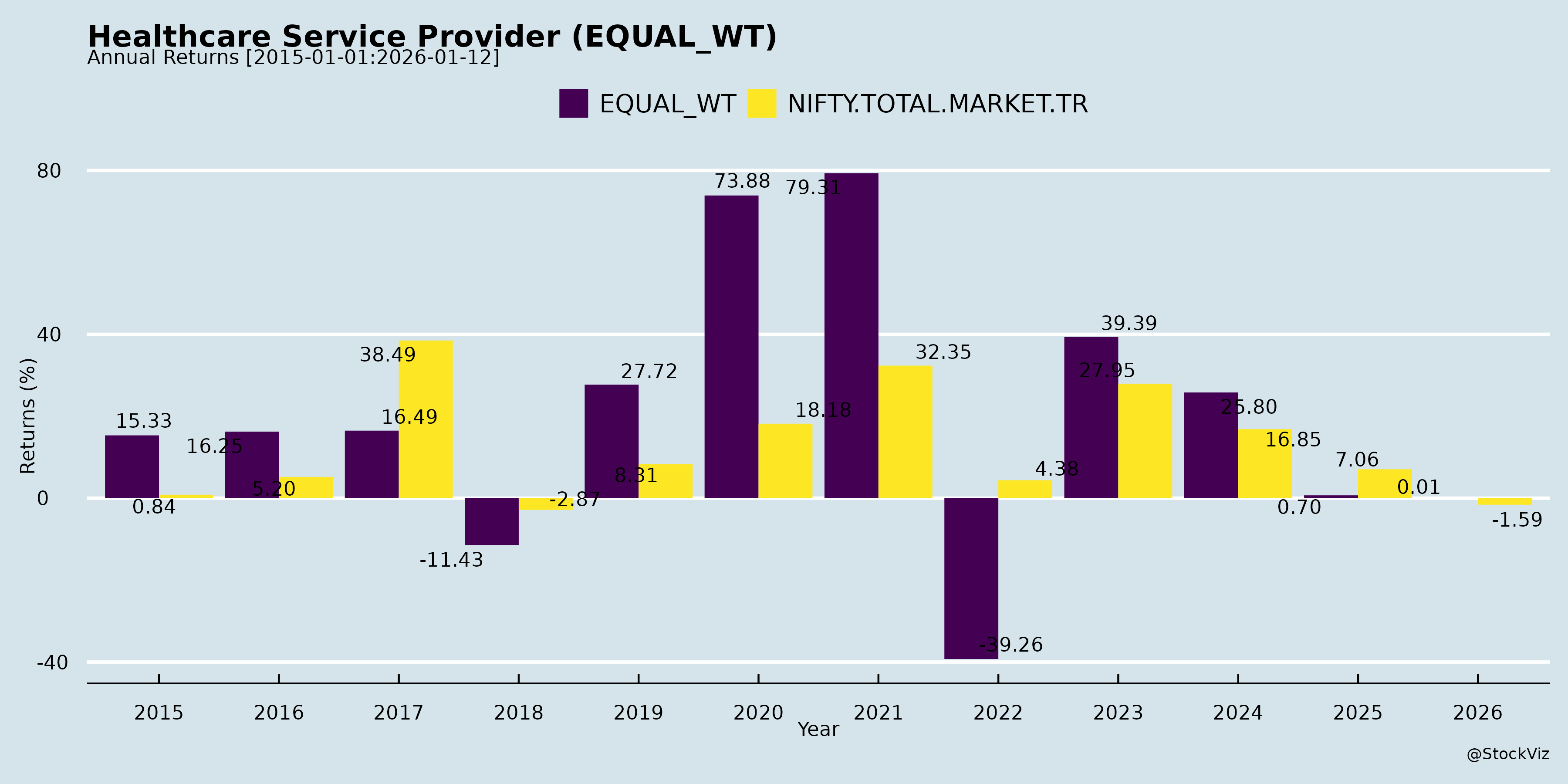
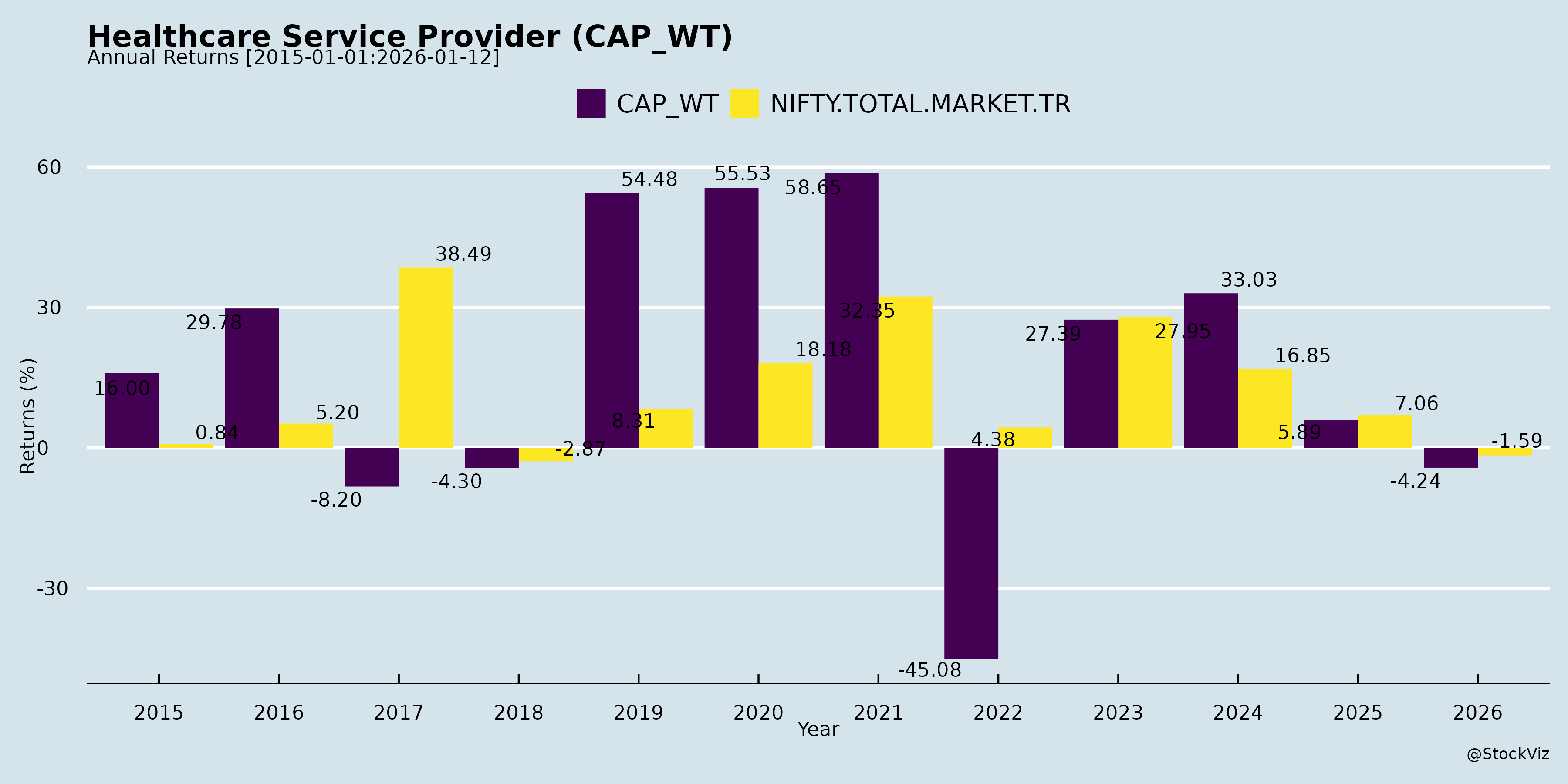
Annual Returns
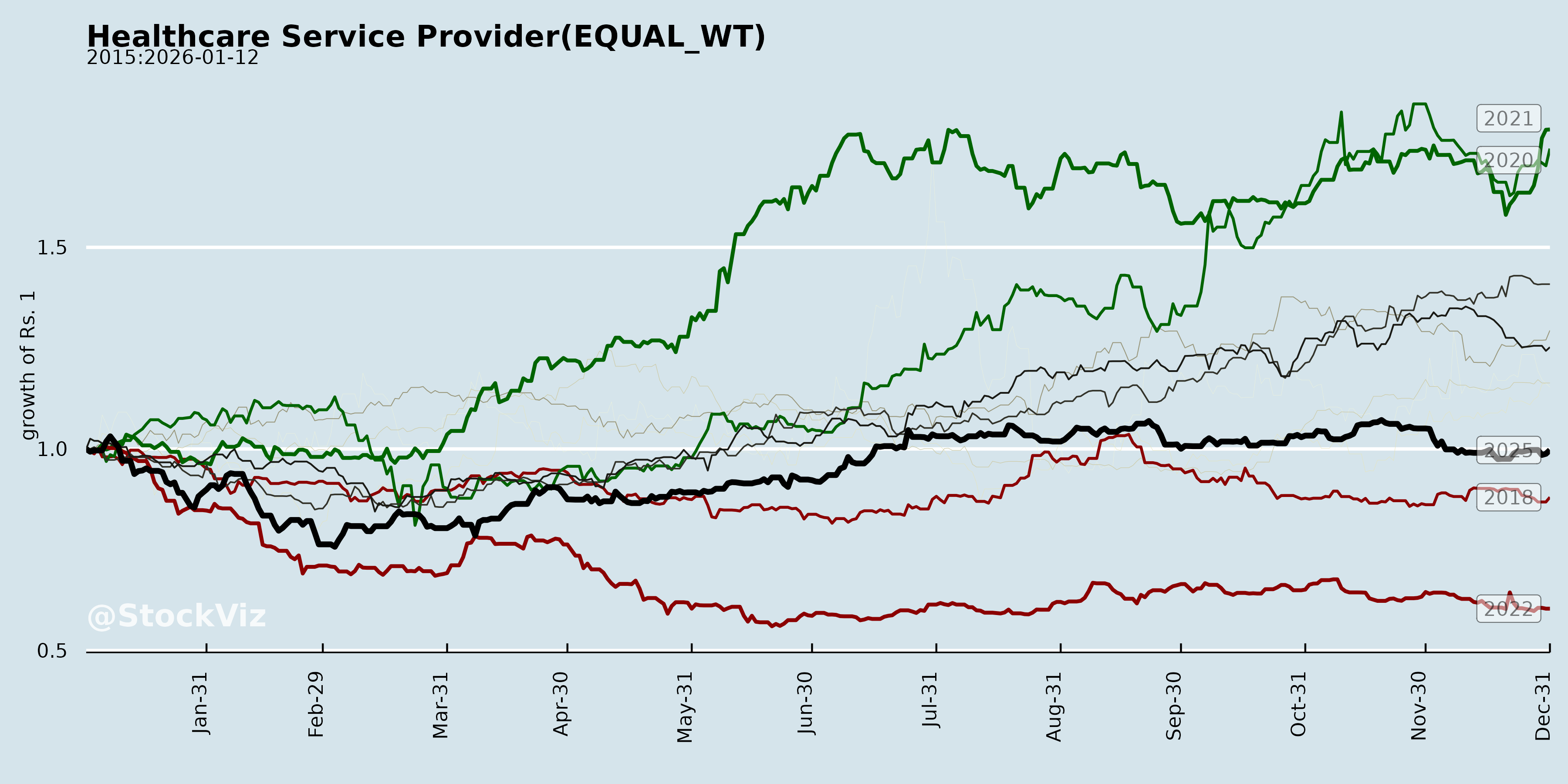
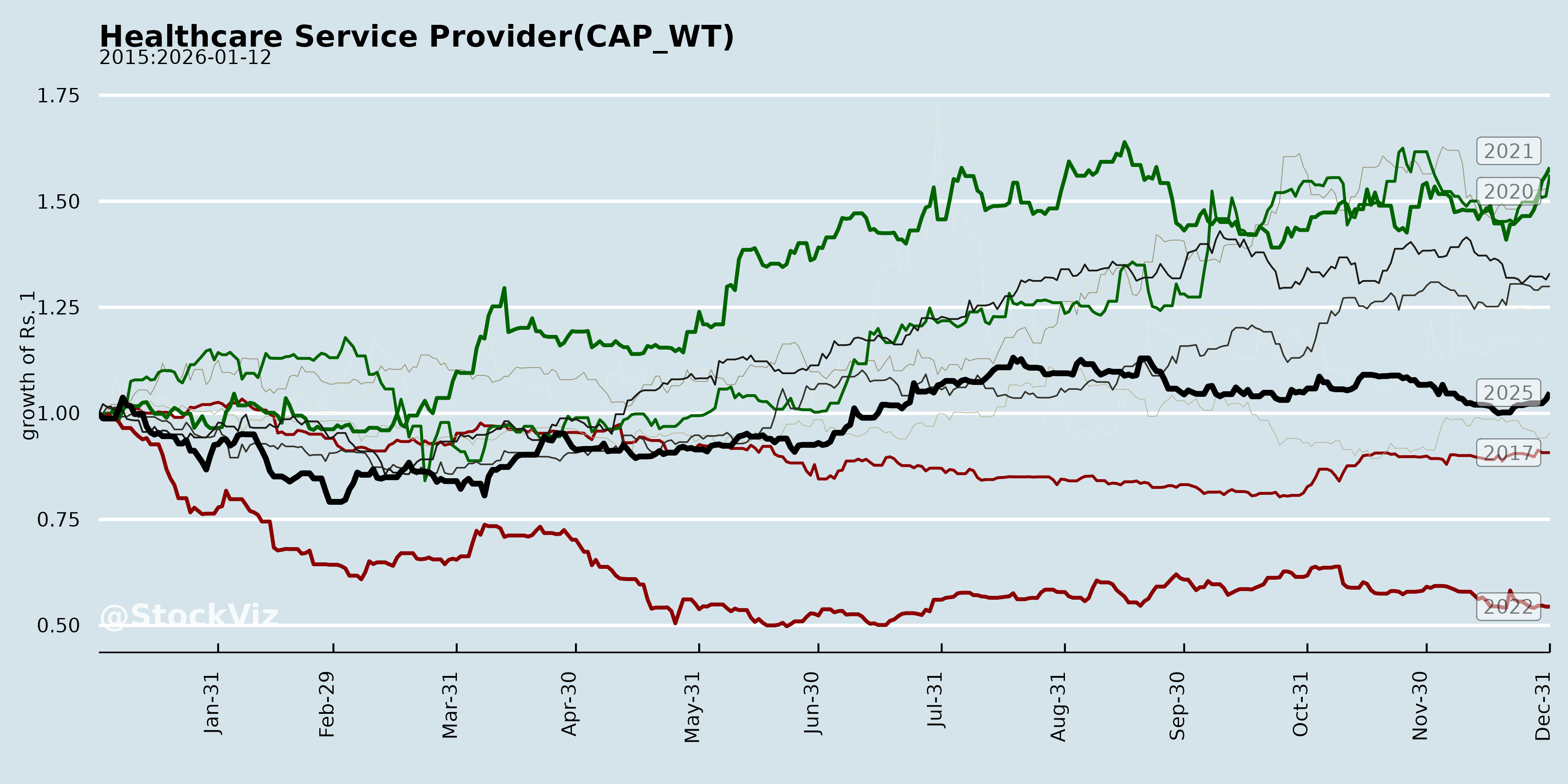
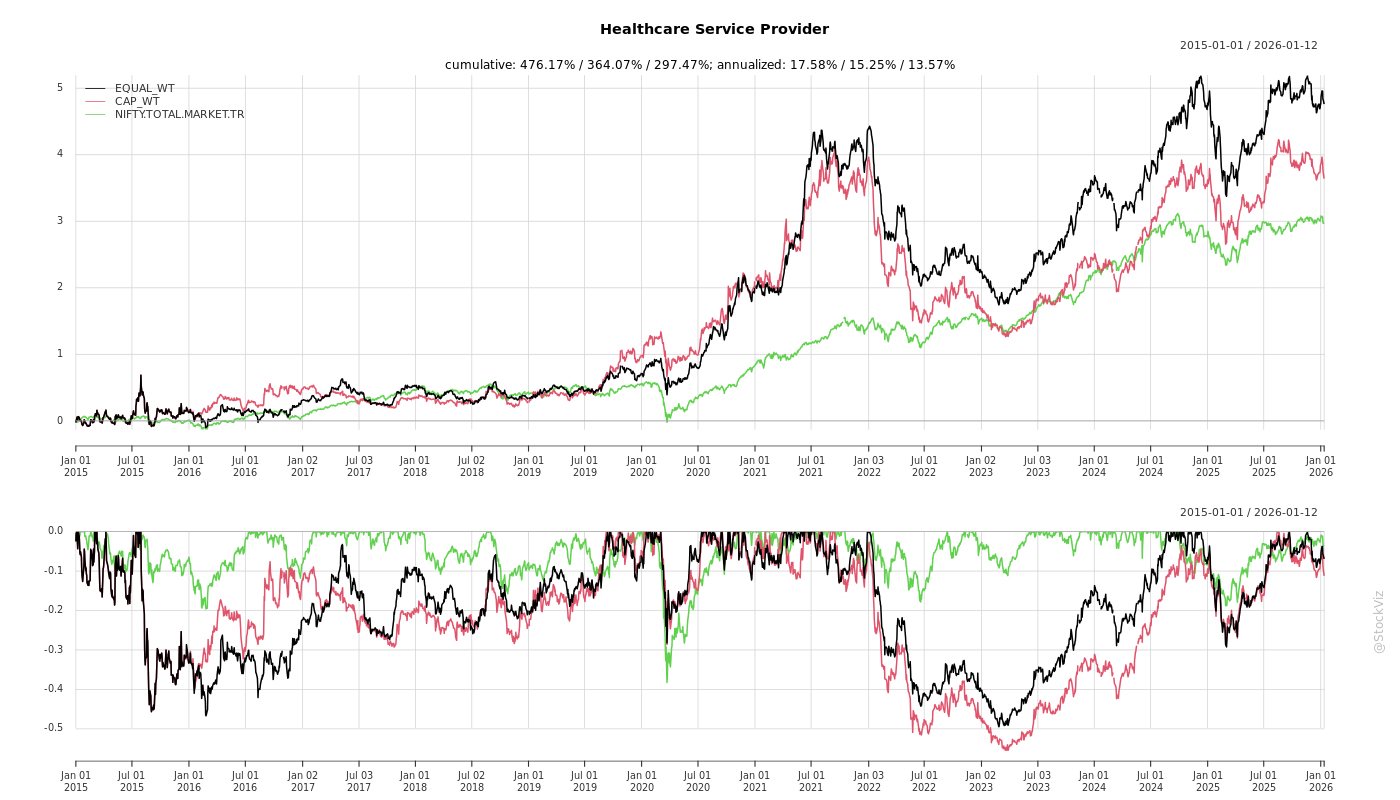
Cumulative Returns and Drawdowns
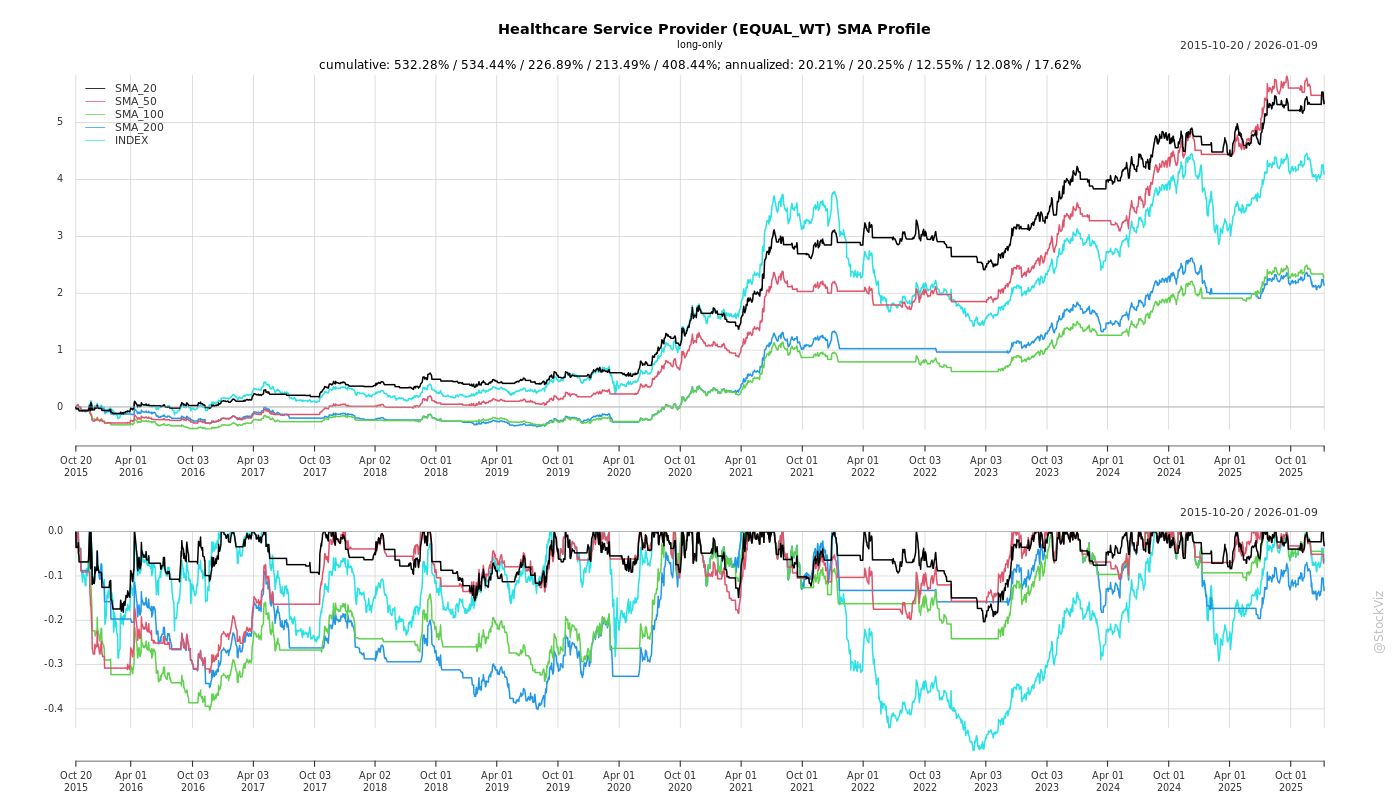
SMA Scenarios
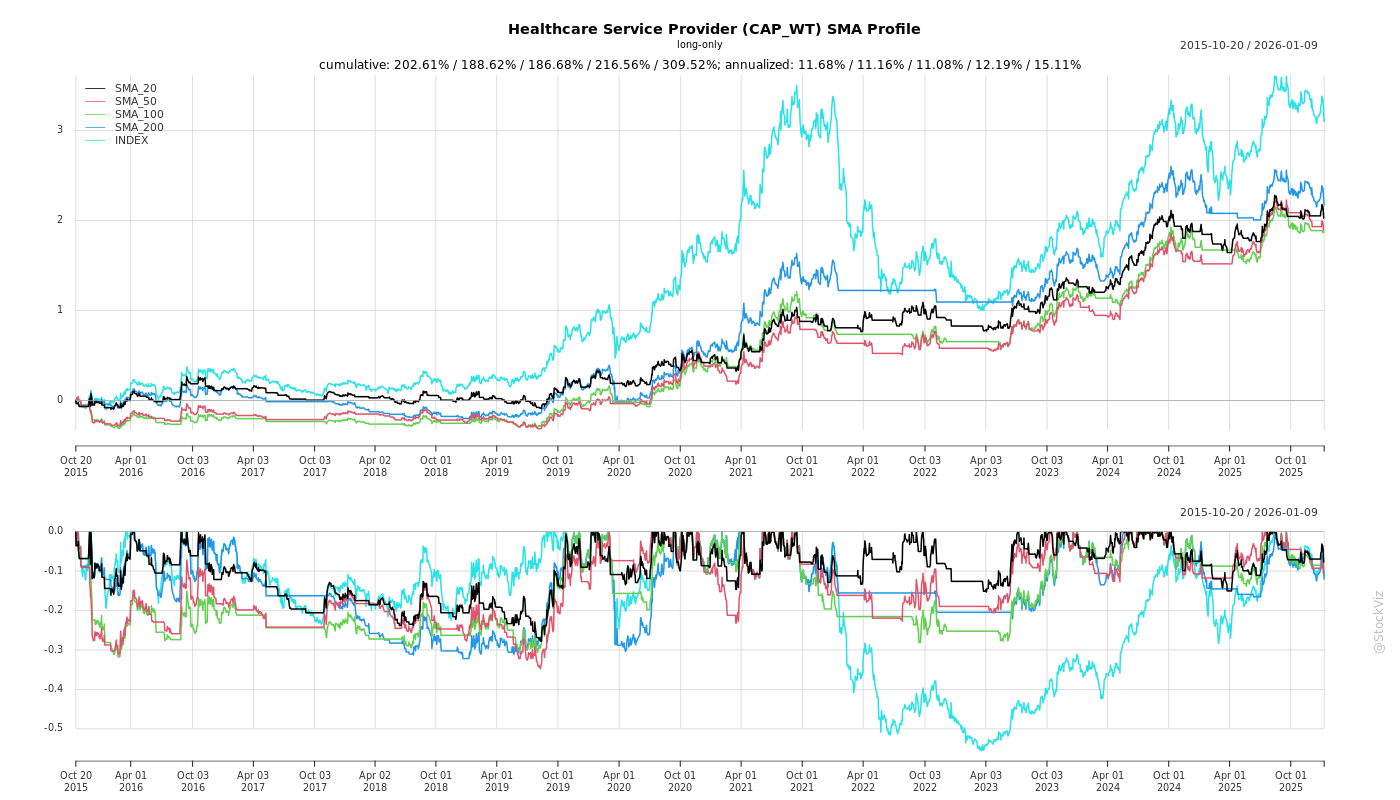
Current Distance from SMA
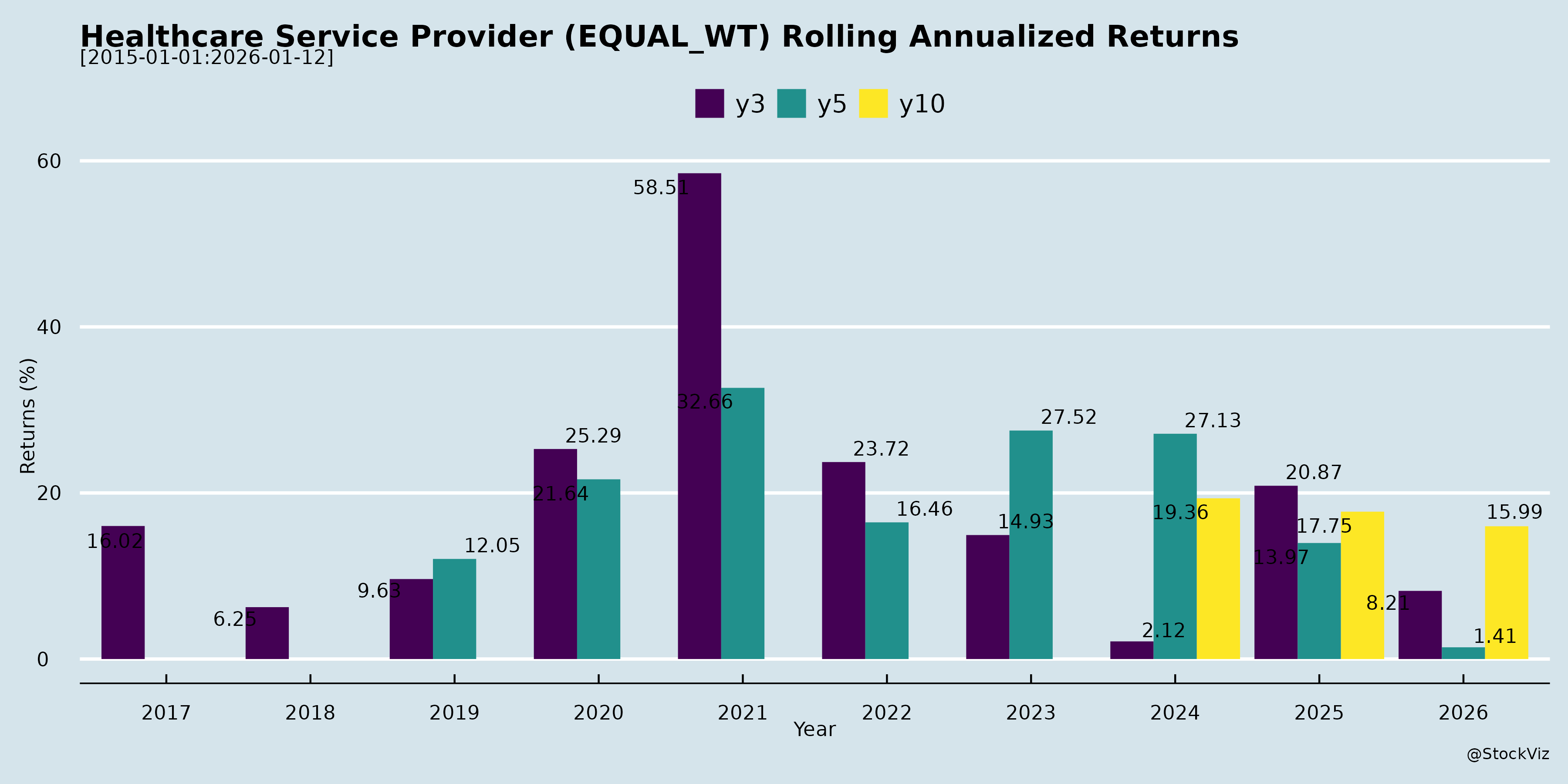
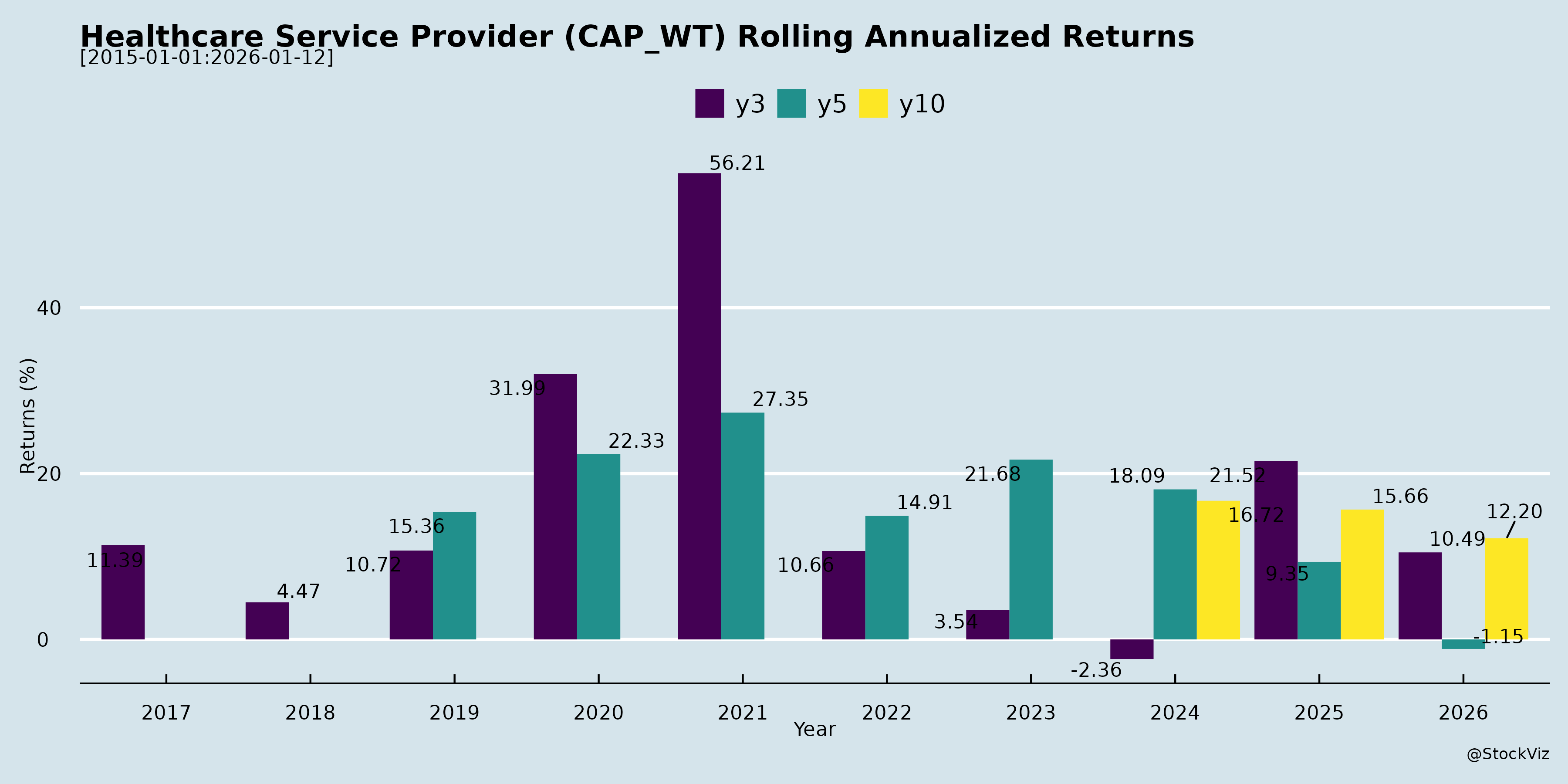
Rolling Returns
Fundamental Ratios
AI Summaries
How have the challenges and oppurtunities evolved over time?
asof: 2026-04-15
The healthcare and diagnostics sectors have experienced a significant transformation over time, shifting from localized, fragmented operations toward organized, highly scalable, and technology-driven ecosystems. As the industry has matured, the nature of both the opportunities available to companies and the challenges they face has evolved considerably.
The Evolution of Opportunities
1. Epidemiological Shifts and Surging Demand Over time, the global rise in non-communicable diseases (NCDs) has created a massive, recurring demand for specialized healthcare. For instance, an estimated 1.4 billion people globally suffer from diabetes and another 1.4 billion from hypertension, driving a sharp increase in Chronic Kidney Disease (CKD) [1, 2]. This presents a life-sustaining, recurring treatment opportunity for dialysis networks, especially since a vast majority of patients in emerging markets still lack access to adequate care [2, 3]. Similarly, the diagnostics sector is at a pivotal inflection point driven by a growing cultural shift toward preventive healthcare and chronic disease monitoring [4].
2. Technological and Clinical Innovations Historically, medical treatments and diagnostics relied heavily on manual, traditional methods. Today, advanced technology is unlocking new avenues for precision and predictability: * Artificial Intelligence (AI): In the IVF and fertility sector, providers like Gaudium IVF are integrating AI-driven embryology systems such as the Sperm Identification Device (SiD) and the Embryo Ranking Intelligent Classification Assistant (ERICA) to improve fertilization and blastocyst development rates [5-7]. Similarly, predictive analytics are being used in dialysis to identify high-risk patients and reduce human error [8, 9]. * Advanced Diagnostics: There is a lucrative shift towards high-value, specialized testing. Companies are successfully moving into complex genomics, molecular testing (like Suraksha Sutra), allergy panels, and complex infection screening [4, 10, 11].
3. Innovative, Asset-Light Business Models To scale rapidly without taking on crippling debt, healthcare providers have evolved their business models: * B2B Partnerships: Diagnostic chains are partnering with health-tech marketplaces (like PharmEasy) and insurance companies (for pre-policy checkups), driving rapid volume growth through shared ecosystems [12-14]. * Reagent Rental Models: Instead of fully buying out expensive diagnostic machines, companies utilize reagent rental models where the equipment is provided with a commitment to purchase reagents, thereby reducing upfront capital expenditures [15-17]. * Public-Private Partnerships (PPPs): By collaborating with state governments, providers like Krsnaa Diagnostics and NephroPlus are securing long-term contracts (ranging from 5 to 15 years) that offer predictable revenue visibility while building high-entry-barrier infrastructure [18-20].
4. Geographical Expansion and Consolidation The industry is moving rapidly from an unorganized structure to an organized one, aiming to capture underpenetrated markets [21]. Domestically, players are deepening their footprint in Tier II and Tier III cities [4, 22]. Internationally, companies are taking their tested operational playbooks to emerging markets like the Philippines, Uzbekistan, Saudi Arabia, and Tanzania, where large populations and higher price premiums (ranging from 3.3x to 13.6x compared to India) offer lucrative growth [23-25].
The Evolution of Challenges
1. High Capital Requirements and Margin Compression As companies aim for long-term market dominance, the initial phases of expansion impose severe short-term financial pressures. For example, building a radiology-led diagnostic network requires upfront equipment investments that are nearly 2.5x higher than traditional pathology models, moderating return ratios during the investment phase [19, 26]. Similarly, the launch and development of new centers consistently lead to short-term EBITDA margin compression before these hubs stabilize [27].
2. The Burden of Scale and Base Effects As businesses grow larger, sustaining exceptionally high percentage growth rates becomes mathematically and operationally difficult. Companies operating on a large base struggle to maintain historical growth momentum without continually making heavy investments [28-30]. The requirement to constantly invest in new specialty tests, technology, and field forces limits the amount of operating leverage and margin expansion that can be realized, even as revenues climb [31, 32].
3. Regulatory, Macroeconomic, and Operational Risks Operating across global boundaries and highly regulated government sectors introduces distinct vulnerabilities: * Regulatory Compliance: Companies must adapt to changing regulations, such as India’s ‘New Labour Codes’, which have necessitated one-time financial provisions for employee retirement benefits and gratuity impacts [33-35]. * Macroeconomic Pressures: Healthcare providers remain exposed to generalized risks including currency exchange fluctuations, interest rate changes, and complex taxation frameworks [36, 37]. Working within government PPP ecosystems also exposes firms to highly regulated frameworks and pre-revenue readiness costs [38, 39]. * Credit and Receivables: Transitioning to B2B models requires careful management of credit terms. Delayed payments or overly generous credit cycles (such as 60+ days) have forced companies to deliberately tighten credit controls, occasionally resulting in planned business degrowth from specific partners [40, 41].
4. Slower-than-Expected Clinical Adoption While the industry jumps at new medical trends, consumer and clinical adoption can sometimes lag. A notable example is the rise of GLP-1 weight-loss medications; while diagnostic companies anticipated a massive spike in preventative testing to monitor liver, kidney, and pancreatic health for users of these drugs, the actual uptick in testing volume has been much slower to materialize than initially expected [42-44]. Additionally, foundational barriers like low patient awareness, geographical disparities, and financial constraints continue to challenge patient adherence to critical treatments like dialysis [3].
What are the headwinds affecting this industry?
asof: 2026-04-15
Seasonality and Demand Fluctuations A recurring operational headwind in the diagnostic and healthcare industry is the impact of seasonality, particularly during the third quarter (Q3). This period is traditionally recognized as a softer quarter due to festivals and seasonal factors that temporarily depress patient footfall and testing demand [1-3].
Intensifying Competition and Pricing Disruptions The industry is facing heightened competitive pressures as the attractiveness of the sector draws new players looking to capture market share, particularly in partnership and B2B models [4, 5]. Furthermore, there is pricing disruption caused by large corporate houses entering specialized testing areas, such as genomics, which forces existing players to adapt to aggressive pricing strategies [6]. To remain competitive and encourage volume growth (such as through health camps), diagnostic chains sometimes resort to heavy discounting on routine tests, which can lower the overall revenue per test [7].
Margin Compression from Front-Loaded Investments and Capital Intensity While expanding networks and launching new centers are vital for long-term dominance, these initiatives create short-term margin compression [8]. Companies must make continuous, heavy investments to scale up specialty diagnostics and field forces, making it difficult to maintain or expand EBITDA margins [9]. Additionally, companies participating in large-scale Public-Private Partnership (PPP) projects experience margin impacts due to front-loaded investments in manpower and readiness ahead of actual revenue generation [10, 11]. The capital intensity is exceptionally high for radiology-led diagnostic models, which require upfront equipment investments that are nearly 2.5 times higher than traditional pathology-led models [12].
Working Capital Constraints and Credit Controls Managing working capital remains a significant challenge, especially for businesses with exposure to government (B2G) contracts. Companies often face hurdles with long-pending government receivables, requiring focused efforts to recover cash and improve working capital efficiency [10]. To mitigate risks associated with delayed payments from institutional or B2B partners, diagnostic companies sometimes have to tighten their credit policies [13, 14]. While necessary for financial health, enforcing stricter credit terms (e.g., reducing extended 60+ day credit periods) can lead to planned revenue degrowth or underperformance in specific segments [13, 14].
Regulatory Changes and Increased Employee Benefit Costs Changes in the regulatory landscape, specifically the Government of India’s introduction of the ‘New Labour Codes’ (which consolidates laws like the Code on Wages, Code on Social Security, etc.), have introduced new financial liabilities [15]. The updated definition of wages and enhanced leave benefits have forced companies to record significant one-time, exceptional provisions for employee retirement benefits [16, 17]. This includes increased liabilities for past service costs related to gratuity and leave balances, negatively impacting statutory profit margins [15].
Macroeconomic and General Industry Risks Finally, the industry remains susceptible to broader macroeconomic variables. Key overarching headwinds include general market and economic downturns, changes in foreign exchange and interest rates, and evolving legislative and regulatory compliance requirements [18].
What are the key things to understand about this industry?
asof: 2026-04-15
The diagnostics and specialized healthcare industry is experiencing significant growth, driven by a structural shift from the unorganized to the organized sector and massive under-penetration in key markets [1, 2]. While the standard organic pathology market grows at about 10% to 11% annually, specific chronic care segments, such as dialysis, are projected to grow at a compound annual growth rate (CAGR) of 20% to 22% in India [3, 4].
To truly understand this industry, several key operational, strategic, and market dynamics must be considered:
1. Diverse and Highly Scalable Business Models Companies in this space leverage various business structures to maximize reach and minimize capital expenditure: * B2B Partnerships and Franchising: Large diagnostic chains act as the backend processing partner for a vast network of front-end businesses, including small semi-urban diagnostic centers, pharmacies, independent doctors, and massive health-tech marketplaces [5, 6]. Franchise networks often operate on a fixed-billing or cash-and-carry model, where the franchisor invoices the franchisee a fixed rate per test, and the franchisee controls the final consumer pricing [7-9]. * Public-Private Partnerships (PPP): Particularly prevalent in radiology-led diagnostics, the PPP model involves collaborating with state governments [10, 11]. While this requires an upfront equipment investment that is roughly 2.5 times higher than traditional pathology models, it creates a high-entry-barrier platform with long-term contracts, predictable revenue visibility, and structurally lower customer acquisition costs [10, 12, 13]. * Asset-Light and Reagent Rental Models: To expand rapidly without massive capital outlays, companies utilize asset-light strategies [14]. In pathology, “reagent rental” agreements are an industry standard; vendors provide expensive testing machines for free in exchange for a binding commitment from the lab to purchase testing reagents exclusively from them [15, 16]. In specialized care like dialysis, providers partner with existing private and government hospitals through revenue-sharing models to utilize existing infrastructure and captive patient flows [17-19].
2. Core Competitive Differentiators To win market share and build strong partnerships, industry leaders rely on a combination of cost leadership, strict quality control, and robust logistics: * Cost Leadership paired with Quality: Delivering services at highly affordable rates is a primary value proposition [12, 20, 21]. However, cost efficiency must be backed by world-class quality. Obtaining prestigious certifications—such as National Accreditation Board for Testing and Calibration Laboratories (NABL), College of American Pathologists (CAP), and Joint Commission International (JCI)—is critical for establishing brand equity, especially since only about 2% of pathology labs in India hold NABL accreditation [22-25]. * Dedicated Logistics and Phlebotomy Fleets: Relying on third parties or franchisees for sample collection can degrade the patient experience. Maintaining a massive, dedicated in-house phlebotomy fleet ensures strict adherence to standard operating procedures (SOPs), on-time arrivals, and superior service levels, creating a moat that is very difficult for competitors to replicate [26, 27]. * Advanced Technology Integration: Technological infrastructure generates deep stickiness with B2B partners. Seamless API integrations allow corporate partners and health-tech apps to easily expose appointment slots, book tests, and deliver reports to patients across hundreds of cities simultaneously [21, 28]. In radiology, cloud-based PACS workflows enable rapid teleradiology deployments and fast reporting turnaround times from specialists globally [29, 30].
3. Market Tailwinds and Demand Drivers * Health-tech and Insurance Booms: Diagnostic providers are riding the immense tailwinds of the growing health-tech sector, where diagnostics act as a core focus for platforms transitioning away from pure medicine delivery [31-34]. Similarly, the rapid growth of the health insurance industry drives massive volumes of mandatory pre-policy medical checkups and free annual health checkups, which diagnostic chains fulfill and bill back to the insurers [35-39]. * Chronic Care Stability: Sectors dealing with chronic illnesses, such as dialysis for End-Stage Renal Disease (ESRD), offer incredibly stable and predictable economics [40, 41]. Because dialysis is a life-sustaining treatment required three times a week, patients spend over 15 hours a week at clinics, leading to a 95% patient stickiness rate [41]. This recurring revenue model stands in stark contrast to acute, episodic care like orthopedics or oncology [14]. * Seasonality: The broader diagnostics industry experiences cyclical demand. The third quarter is traditionally softer due to festive seasons, while the fourth quarter often sees a spike as franchisees aggressively market wellness and preventative packages [42-46].
4. Emerging Investments and Global Expansion * Specialty Testing Portfolios: To sustain high growth rates, companies are heavily investing in expanding their specialty testing menus. This includes rolling out vast allergy testing panels, scaling up genomics testing platforms, and creating specialized diagnostic packages to monitor liver, kidney, pancreas, and cardiac health for patients utilizing new GLP-1 weight-loss medications [47-50]. * Exporting the “India Playbook”: The operational rigor forged in India—characterized by extreme cost discipline, high-volume scale, centralized procurement, and standardized clinical protocols—is highly exportable [51, 52]. Companies are actively replicating this model in under-penetrated international markets like the Philippines, Uzbekistan, Nepal, and Saudi Arabia, where they can capture significantly higher price points per treatment (often 3.3x to 13.6x higher than Indian prices) while maintaining low overhead costs [1, 51, 53, 54].
What are the tailwinds affecting this industry?
asof: 2026-04-15
Rising Burden of Chronic and Non-Communicable Diseases (NCDs): A massive catalyst for the healthcare and diagnostic industry is the escalating global incidence of chronic diseases [1]. Specifically, the rising rates of hypertension (affecting 1 in 6 people) and diabetes (affecting 14% of adults globally) are driving a surge in Chronic Kidney Disease (CKD) [2, 3]. If unmanaged, this rising CKD burden inevitably leads to a higher demand for life-sustaining treatments like dialysis or kidney transplants [2].
Growing Adoption of Preventive Healthcare: The diagnostics sector is currently at a pivotal inflection point due to a shifting consumer mindset toward preventive healthcare [1]. As patients become more proactive about early disease detection and health monitoring, diagnostic volume and specialized testing naturally increase.
Booming Health Tech Platforms and Insurance Linkages: Diagnostic companies are successfully riding the tailwinds of rapidly growing health technology marketplaces. Many health tech platforms are now placing diagnostics front and center alongside traditional medicine delivery, driving massive B2B partnership volumes [4]. Additionally, strong underlying growth in the insurance sector acts as a major tailwind; as more health insurance policies are issued, there is a direct, recurring surge in mandatory pre-policy medical checkups and annual health screenings [5].
Shift Toward Organized Care and Deepening Market Penetration: There is a distinct, ongoing industry transition where patients are shifting from unorganized, standalone centers to structured, organized diagnostic and healthcare networks [6, 7]. This consolidation is paired with the aggressive expansion of organized healthcare infrastructure into historically underserved Tier II and Tier III markets, unlocking new patient demographics and driving sustained volume growth [1].
Significant Global Under-Penetration of Services: A massive gap in accessible care continues to serve as a primary growth driver. For instance, in the dialysis sector alone, an estimated 25 million people globally lack access to necessary services [3]. This deep under-penetration presents a vast, untapped market opportunity for scalable medical networks to capture over the coming years [6, 7].
Favorable Government Initiatives and Public-Private Partnerships (PPPs): The industry is greatly benefiting from both government and private sector initiatives aimed at improving healthcare access, affordability, and clinical quality [8]. The establishment of government-backed healthcare schemes, reliable reimbursement mechanisms, and long-term Public-Private Partnership (PPP) frameworks allows companies to provide essential care to millions of patients while securing highly predictable, long-term revenue visibility [9, 10].
Integration of Artificial Intelligence and Advanced Technologies: The active adoption of precision intelligence is opening new frontiers in specialized medical care. The integration of Artificial Intelligence (AI) into complex medical procedures—such as using AI-driven systems to optimize sperm selection during IVF treatments—is dramatically improving clinical success rates [11, 12]. These technological advancements bring greater predictability, transparency, and trust to the patient journey, driving demand for high-value, modern healthcare solutions [11].
What is the general outlook of this industry?
asof: 2026-04-15
The general outlook for the diagnostic and healthcare services industry is highly positive, characterized by robust growth projections, increasing demand due to chronic diseases, and a structural shift towards organized and specialized care.
Market Growth Rates The pathology diagnostic industry is demonstrating steady organic growth at mid-to-teen rates, typically expanding at around 10% to 11% annually [1-4]. Specialized segments of the healthcare market show even more aggressive growth potential. For example, the Indian dialysis service market is projected to grow at a Compound Annual Growth Rate (CAGR) of 20% to 22% between 2024 and 2029, which significantly outpaces the global dialysis market’s expected growth of approximately 7% [5-7].
Key Industry Drivers and Tailwinds The diagnostics sector in India is currently at a pivotal inflection point driven by several factors [8]: * Rising Chronic Disease Burden: There is an increasing incidence of non-communicable diseases (NCDs) globally, with 14% of adults suffering from diabetes and 1 in 6 people suffering from hypertension [9]. If left unmanaged, these conditions drive a growing crisis of Chronic Kidney Disease (CKD), fueling the demand for diagnostic tracking and life-sustaining treatments like dialysis [8-10]. * Preventive Healthcare & Insurance: There is a growing consumer adoption of preventive healthcare [8]. Additionally, the industry is experiencing strong tailwinds from the insurance sector due to a surge in issued policies that mandate pre-policy medical checkups and offer free annual health checkups [11, 12]. * Health Tech Boom: Diagnostic companies are riding the tailwinds of rapidly growing health tech platforms, for which diagnostics has become a front-and-center focus alongside medicine delivery [13, 14]. * Government Initiatives: Both government and private sector initiatives aimed at improving healthcare access, affordability, and quality of care are acting as catalysts for industry expansion [6].
Emerging Market Trends and Shifts * Transition to Organized Networks: There is a significant shift occurring from unorganized to organized healthcare providers. For instance, the share of organized dialysis networks in India is expected to more than double, growing from 7% in 2019 to 15% by 2029 [15]. * Expansion into Tier II and Tier III Markets: Organized healthcare and diagnostic chains are expanding their geographical footprint, successfully penetrating deeper into Tier II and Tier III cities and towns [8]. * Shift Toward Specialized Testing: The industry is witnessing a favorable shift in test mix toward complex and advanced diagnostics [8]. Companies are successfully scaling high-value, intelligence-driven segments, such as genomics and molecular testing, to advance clinical decision-making [8, 16].
Copyright © 2023 SAS Data Analytics Pvt. Ltd. All rights reserved.