Granites & Marbles
Industry Metrics
October 23, 2026
Annual Returns
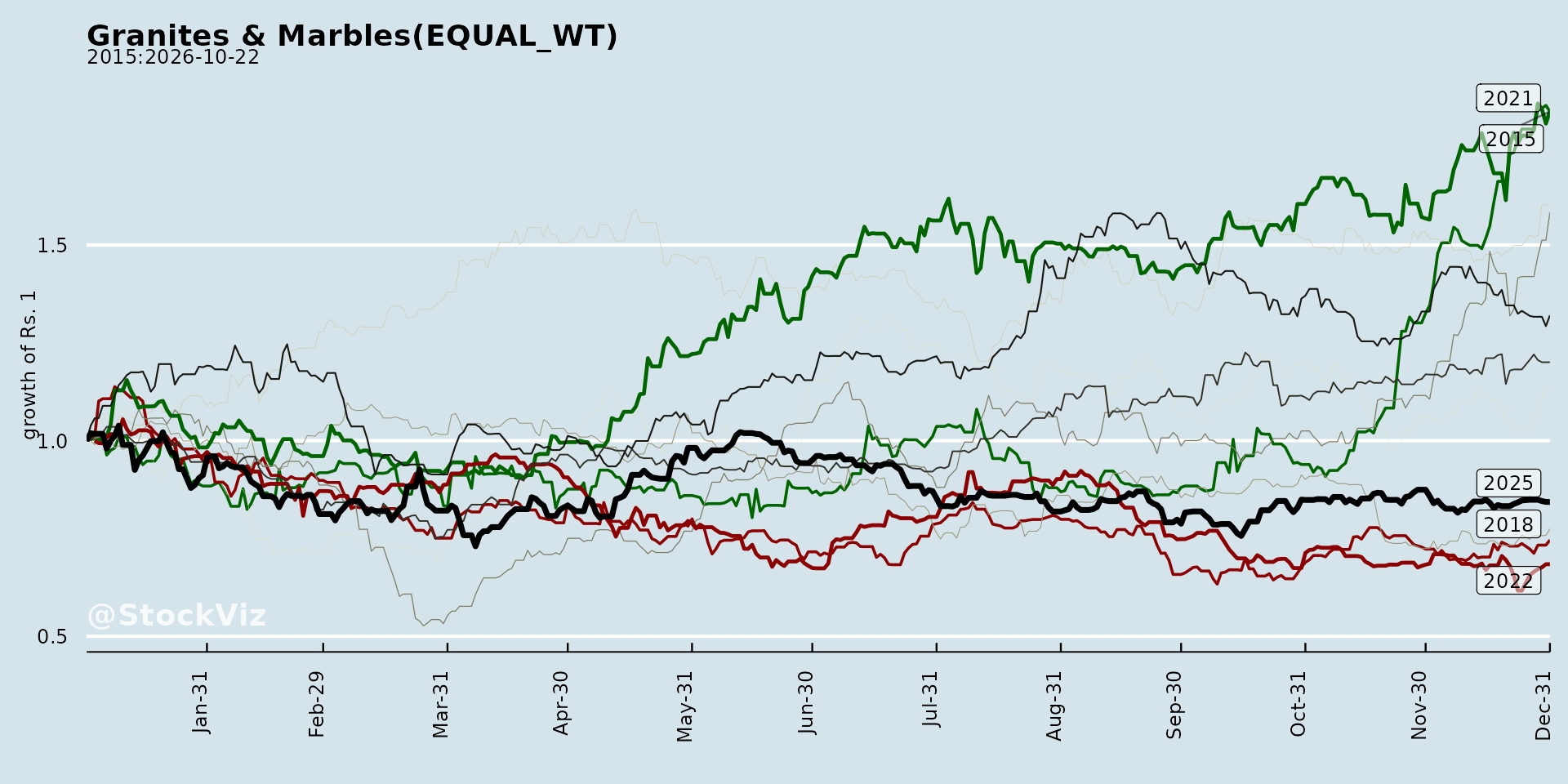
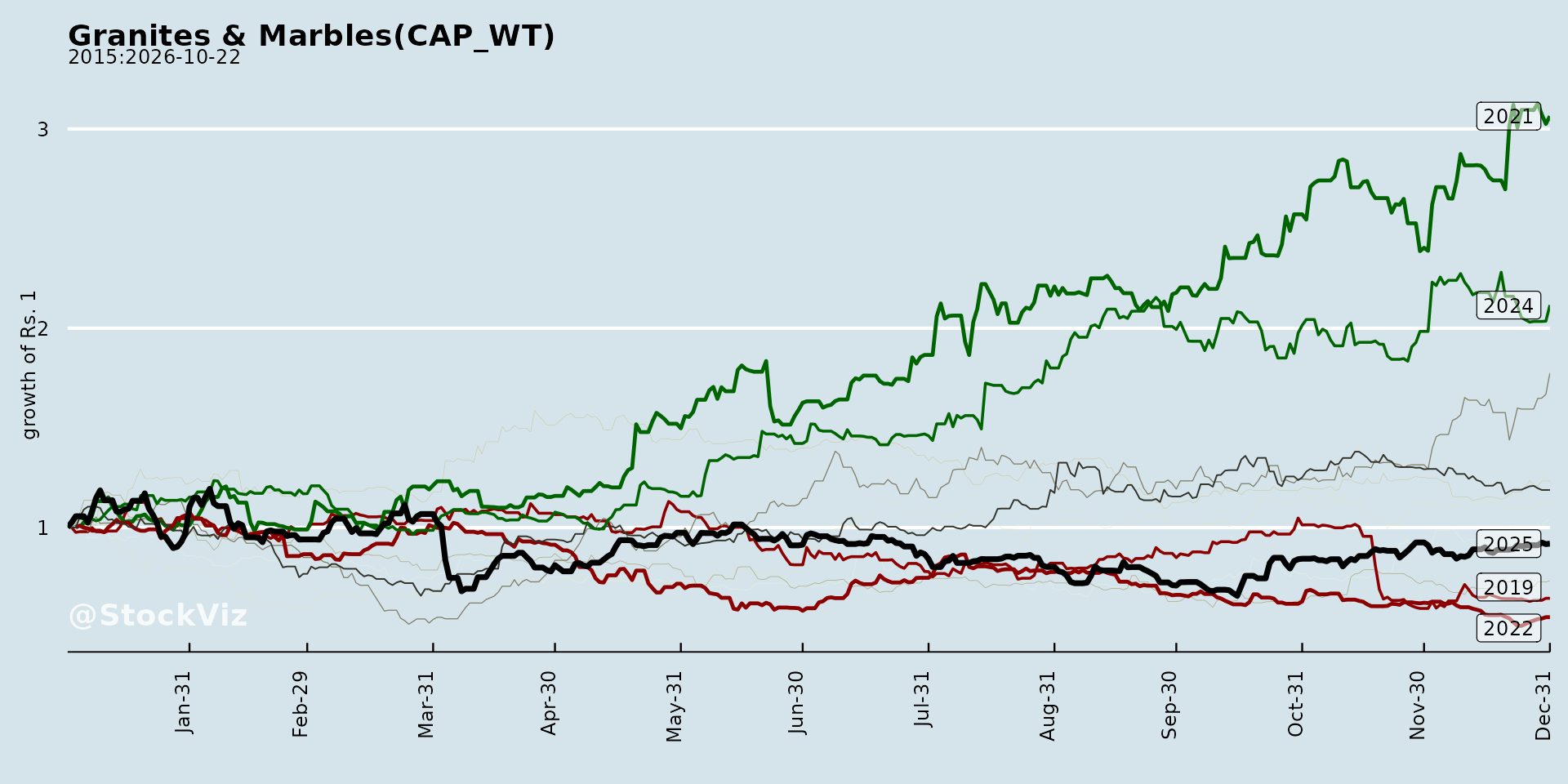
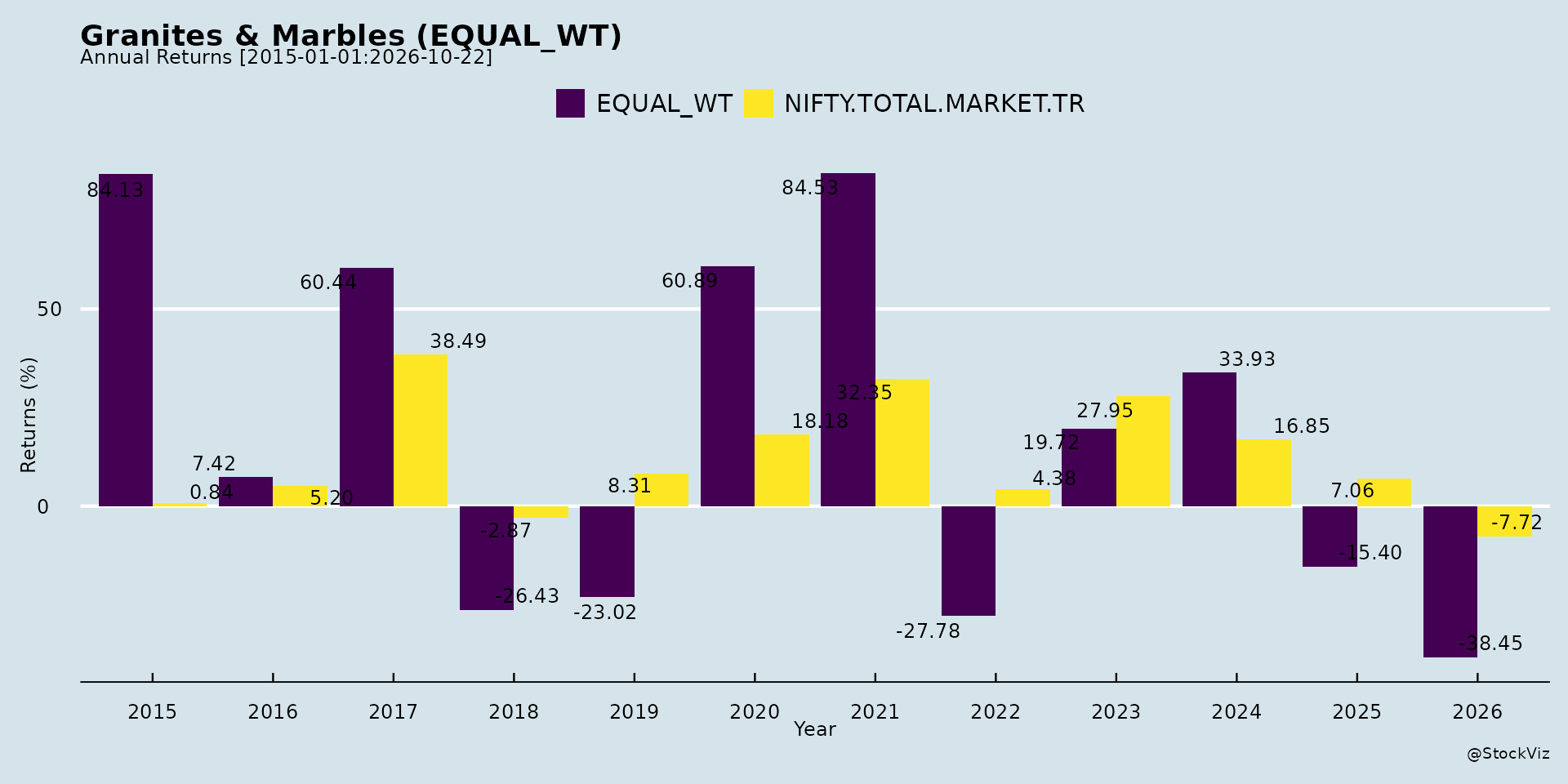
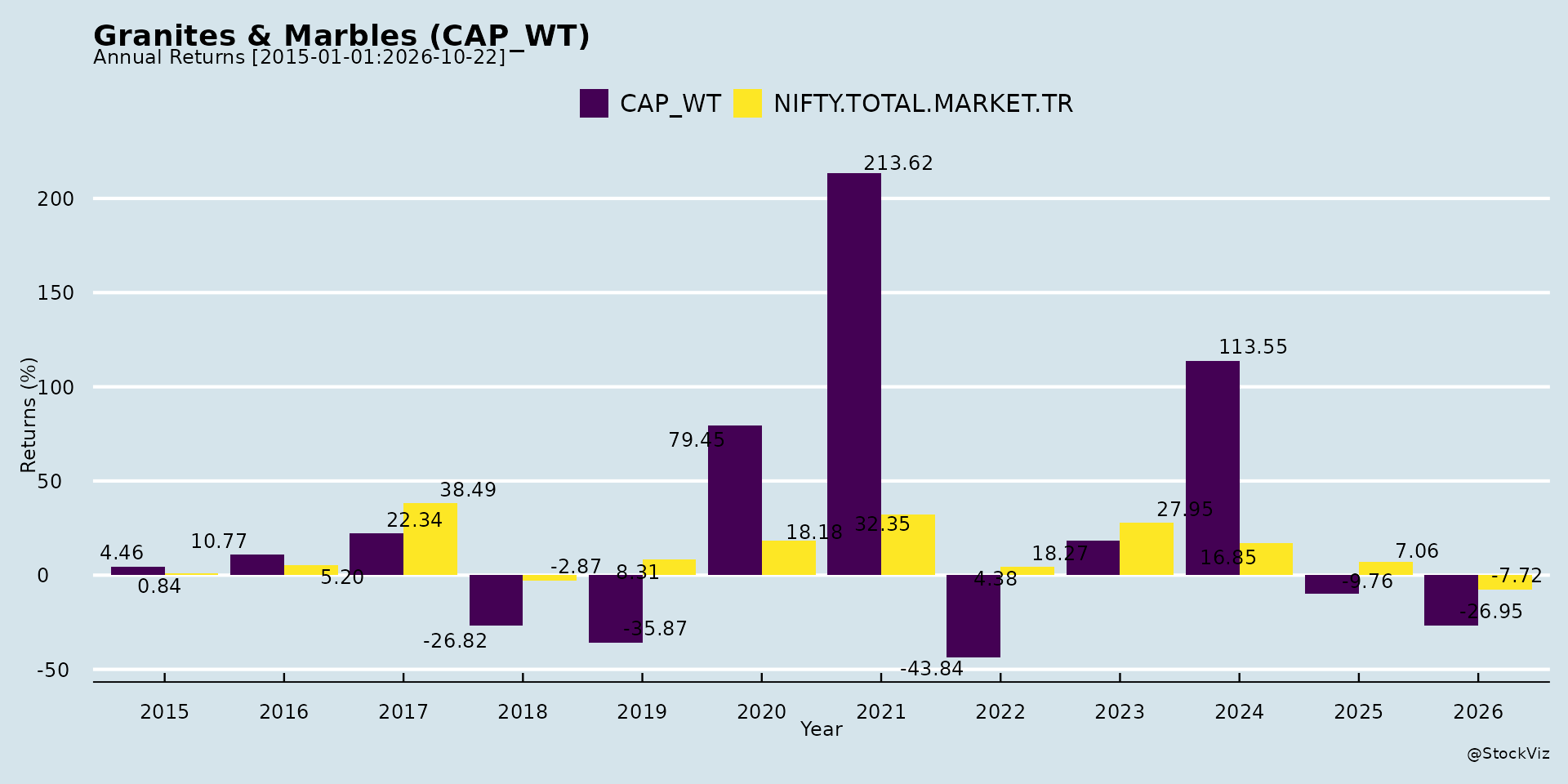
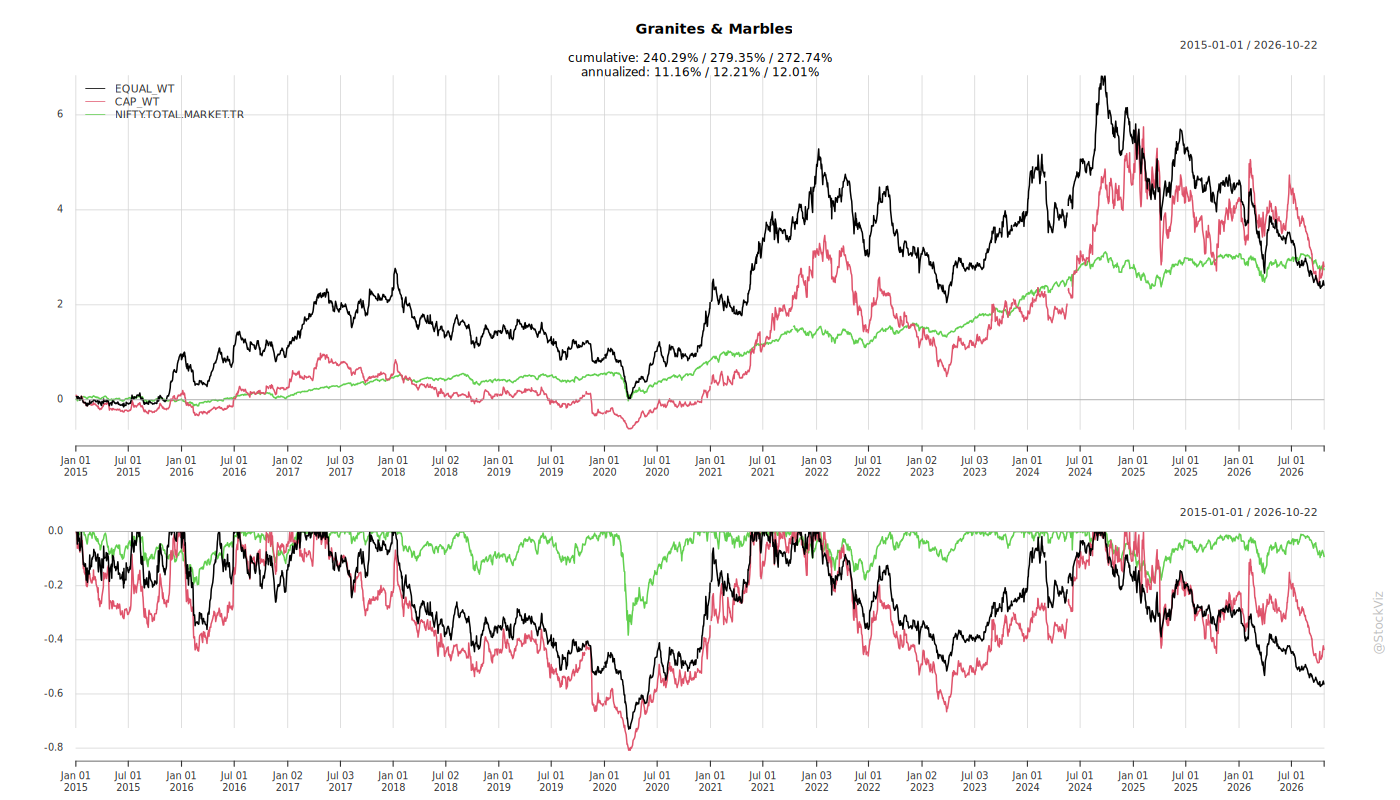
Cumulative Returns and Drawdowns
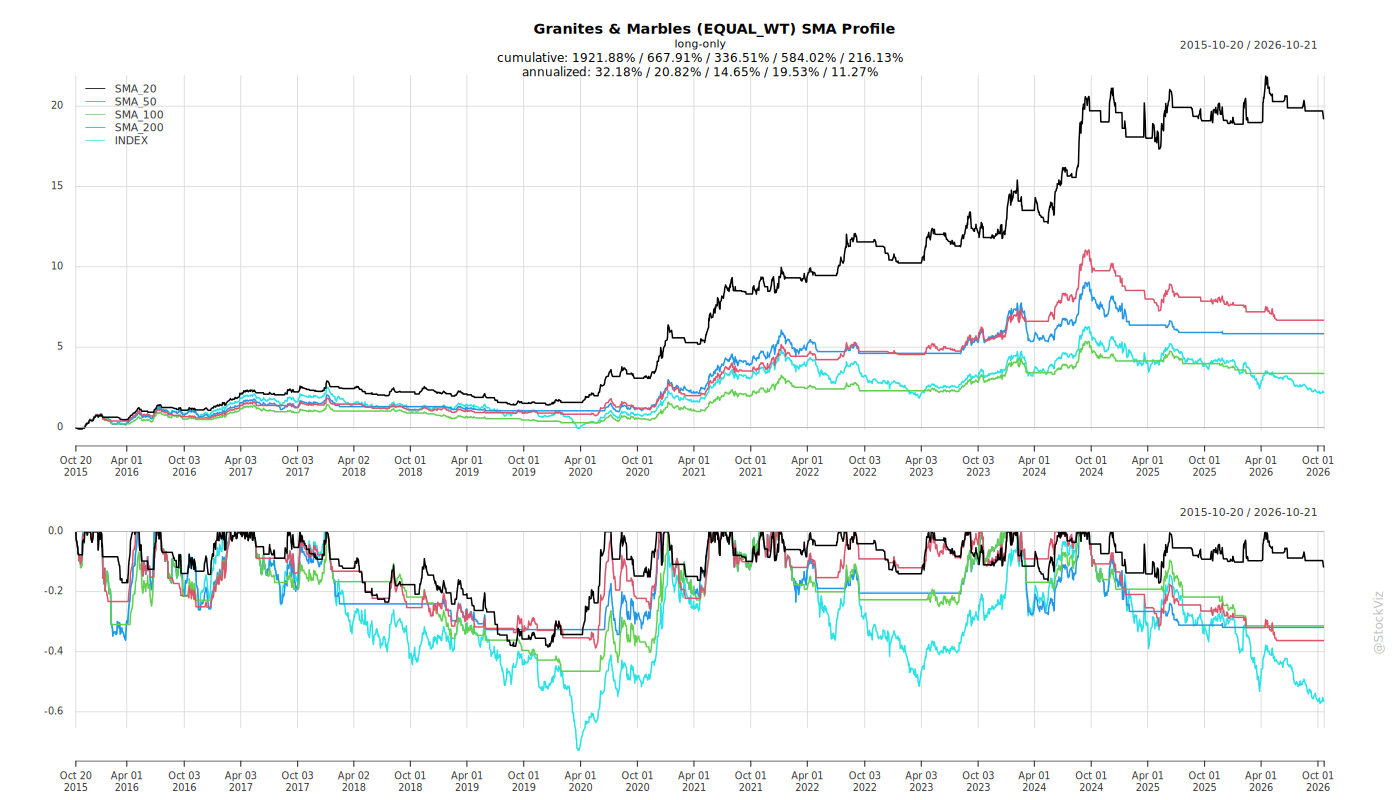
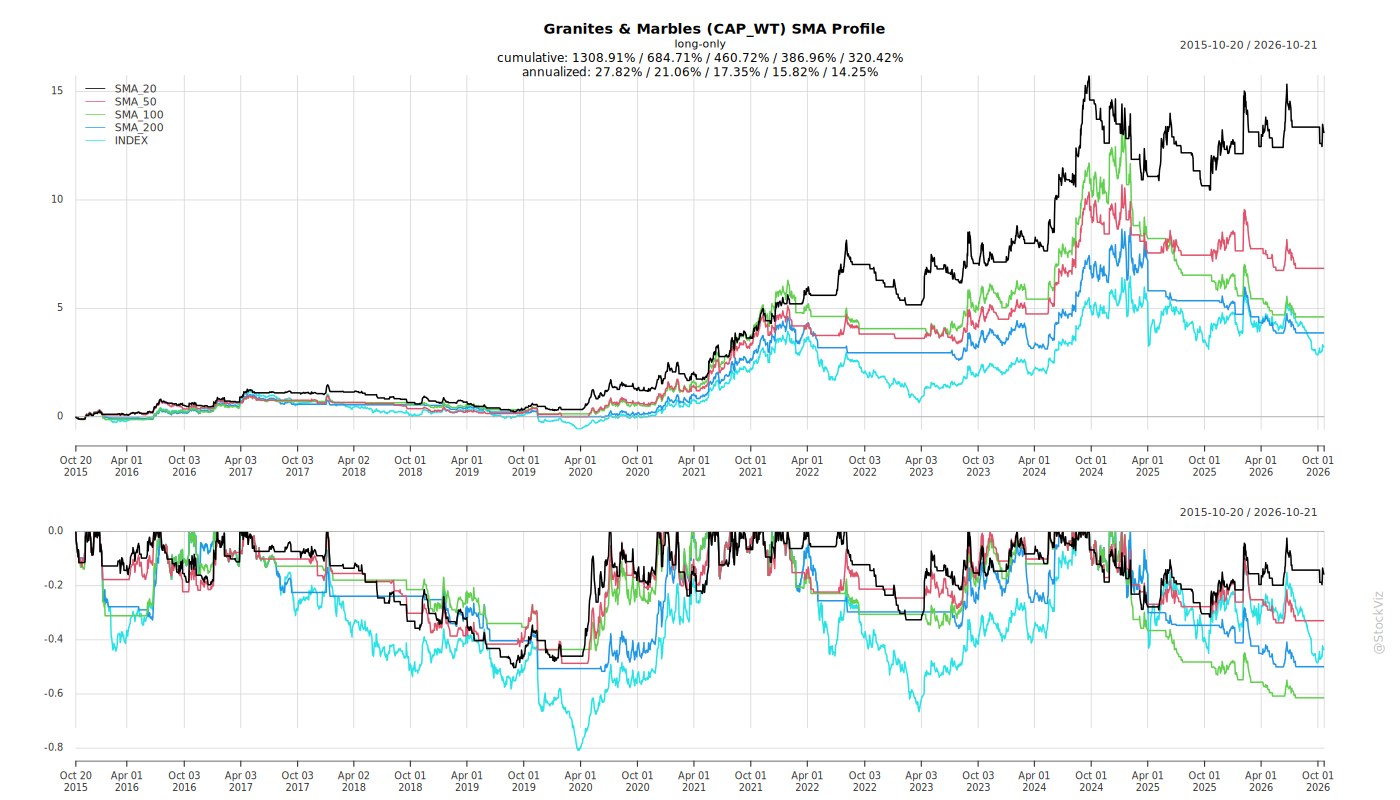
SMA Scenarios
Current Distance from SMA
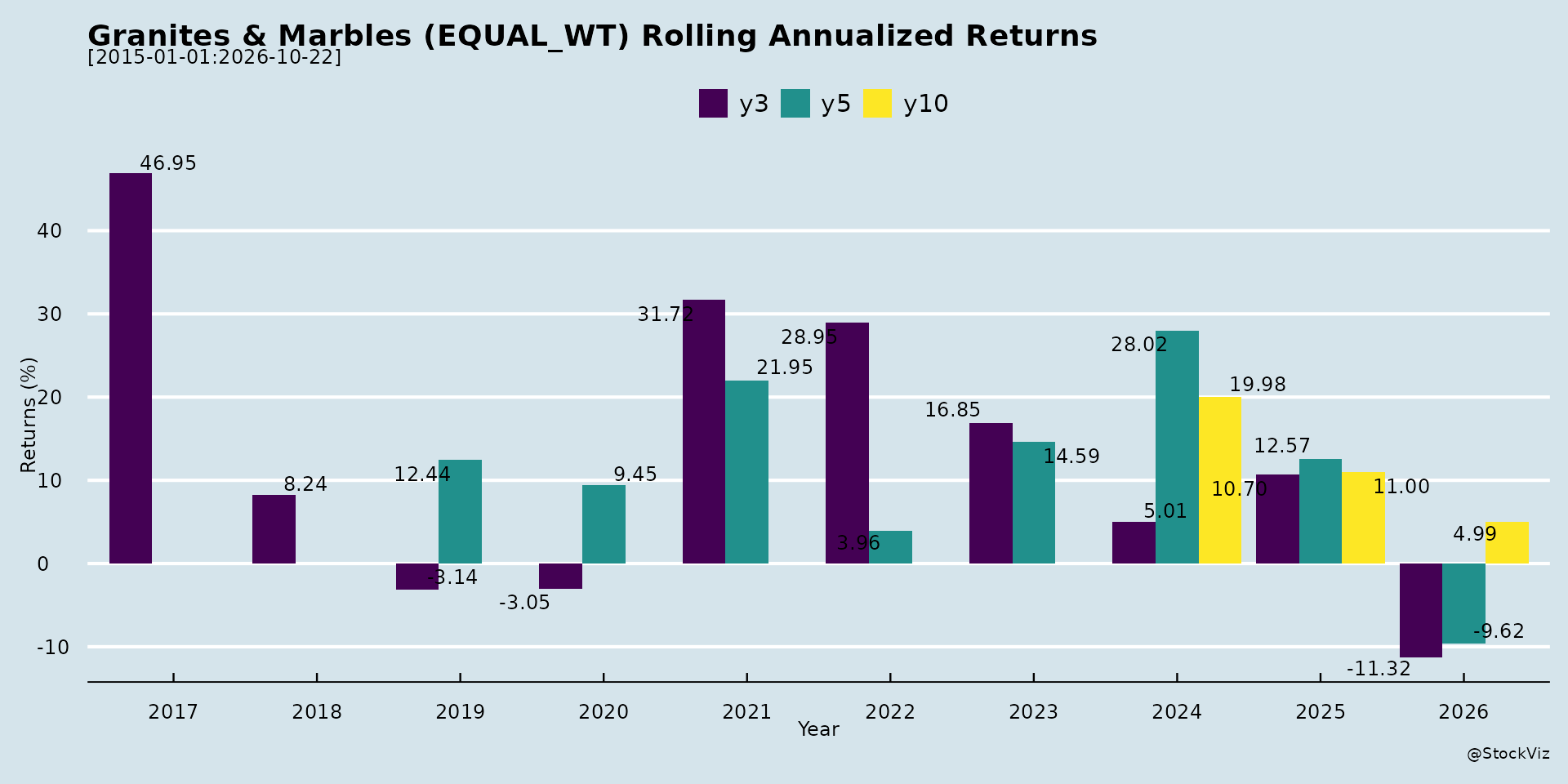
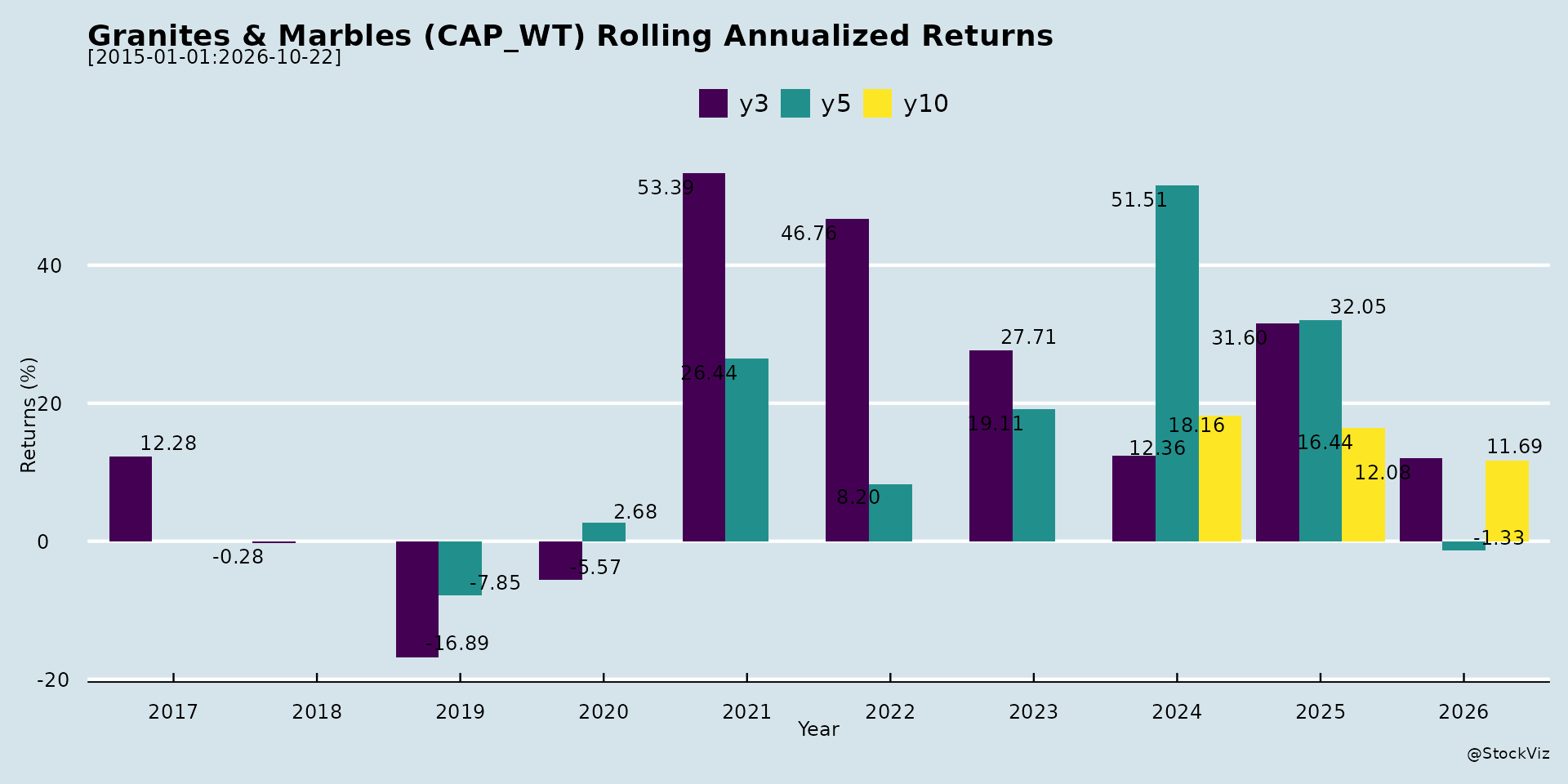
Rolling Returns
Fundamental Ratios
AI Summaries
How have the challenges and oppurtunities evolved over time?
asof: 2026-04-16
The natural and engineered stone industry has experienced significant shifts over time, marked by evolving geopolitical challenges, shifting consumer demands, and strategic adaptations by companies.
Evolving Challenges
1. U.S. Tariff Announcements and Trade Uncertainty A primary challenge disrupting the global value chain has been the uncertainty and imposition of new U.S. tariffs on imported building materials, specifically engineered stone and quartz [1-3]. * Customer Hesitation: This uncertainty has constrained demand, leading customers—especially in the United States—to defer large-scale home improvement projects, such as kitchen and bath remodeling, in favor of lower-cost options [1]. * Order Slowdowns: Companies like Pokarna Limited noted a slowdown in orders beginning in April 2025, as clients waited for definitive tariff resolutions between India and the U.S. [4, 5]. Similarly, Global Surfaces Limited experienced a temporary decline in its Indian operations due to slower customer off-take reacting to potential U.S. trade policy changes [3]. * Elevated Costs and Margin Pressures: Tariffs on Indian quartz, which reached 25% in the U.S. market, are anticipated to result in elevated input and distribution expenditures [2, 6]. Because the end consumer will ultimately face higher prices, manufacturers anticipate strain on pricing and may need to revisit their pricing structures and product palettes to help customers absorb the costs [6-8].
Evolving Opportunities
Despite these hurdles, companies are leveraging new technologies, expanding their geographical reach, and diversifying their business models to create robust opportunities.
1. Geographic Diversification and Hedging Trade Risks To mitigate heavy reliance on the U.S. market and bypass trade shocks, companies are actively diversifying their export targets and manufacturing locations: * Expanding Non-U.S. Markets: Companies are finding encouraging demand in alternative international markets, deepening their engagement with economically aligned countries such as the Czech Republic, Canada, France, Mexico, and Russia [2]. * Dual-Shore Manufacturing: Global Surfaces Limited established a state-of-the-art manufacturing facility in a Free Trade Zone in Dubai (Global Surfaces FZE) [9-11]. This facility acts as a strategic hedge against global trade risks and serves as a core growth engine to supply tariff-sensitive markets across the Middle East and North Africa (MENA), Europe, and North America [3]. This move provides flexibility, supply chain resilience, and protection against external shocks, resulting in a 260.7% year-over-year revenue growth for their Dubai operations [3, 12].
2. Focus on Domestic Market Expansion With international trade volatility, the domestic Indian market has emerged as a strong opportunity: * Real Estate and Luxury Housing: Oriental Trimex Limited is capitalizing on the escalating trend of luxury apartment developments in the National Capital Region (NCR), which has created a vibrant market for high-quality imported marbles and indigenous granites [13, 14]. * Strategic Realignments: Global Surfaces has realigned its sales strategy with a stronger push toward domestic market development to balance geopolitical risks and capture India’s growing demand for quartz surfaces [3]. Pokarna is also expanding its domestic footprint by opening an Experience Center in Hyderabad to strengthen brand visibility and customer engagement [15].
3. Product Innovation and Technological Advancements To maintain margins and stand out in a crowded market, companies are heavily investing in technological innovations and premium product lines: * Premium, Incomparable Products: Pokarna is introducing design-led premium offerings like the KREOS and Chromia lines. Because these advanced technologies produce unique products with no direct market comparison, they help the company maintain its profit margins (historically around 35%) despite the strain of tariffs [7, 15-17]. * Patented Manufacturing Techniques: Global Surfaces acquired exclusive licenses to manufacture “Marquartz” using patented technologies like Non-Push-Up Vein and RIFT VEIN. These methods overcome the uniform appearance of standard quartz by replicating the natural, random veining and intricate patterns found in natural marble and granite, securing a high-value niche in the industry [18, 19]. * Operational Efficiency: Oriental Trimex introduced the SMART CUT ultrathin wire machine for cutting marble blocks. This technology reduces waste by about 20%, optimizes yield, and bolsters profit margins while minimizing labor requirements [20, 21]. They also broadened their offerings to include cost-effective marble-design vitrified tiles to cater to budget-conscious customers [22].
4. Securing Raw Materials through Long-term Mining Leases Companies are securing their upstream supply chains and generating new revenue streams by acquiring long-term quarry leases: * Oriental Trimex was granted a 30-year mining lease by the Odisha Government for Black Granite, which is expected to generate an annual income of Rs 10 crore to Rs 15 crore [21, 23, 24]. * Aro granite industries ltd received a 30-year quarry lease from the Government of Andhra Pradesh for extracting Coloured Quartzite Blocks, securing an estimated 609,620 cubic meters of marketable blocks [25-27].
5. Strategic Asset Reallocation and Business Diversification Companies are optimizing their portfolios to unlock capital and explore highly profitable alternate sectors: * Asset Liquidation: Oriental Trimex is divesting non-core assets, including unused land and a small granite unit, to streamline operations, reduce recurring expenses, and enhance liquidity for focused investments [13]. * Entering New Sectors: Madhav Marbles and Granites Limited pivoted its business strategy. Instead of setting up an engineered stone unit, the company is diversifying into the Real Estate sector by acquiring a 100% stake in a subsidiary to leverage its existing land assets for real estate development [28-30].
What are the headwinds affecting this industry?
asof: 2026-04-16
The most significant headwind affecting the industry is the severe uncertainty surrounding U.S. trade policies and tariff announcements. [1, 2] Specifically, the imposition of a 25% tariff on Indian building materials and engineered stone in the U.S. market is anticipated to result in elevated input and distribution expenditures. [3-6] This lack of clarity regarding final tariff settlements between India and the U.S. has profoundly disrupted the entire value chain. [1, 7-9] Because of this unresolved trade situation, customers are actively withholding or delaying their purchase orders, waiting for definitive tariff resolutions before committing to new inventory. [2, 10-13]
Furthermore, customers are deferring large-scale home improvement projects, such as kitchen and bathroom remodeling, particularly within the United States. [1, 8] Due to the increased costs associated with these impending tariffs, many end-users are currently favoring lower-cost alternative options over premium quartz and natural stone surfaces. [1, 8] This hesitation directly strains product pricing, forcing manufacturers to revisit and potentially restructure their pricing strategies to help distributors and fabricators absorb the increased costs. [4, 6, 10, 12]
Additionally, the industry faces structural and competitive challenges, including overcapacity in the lower end of the product range, which further complicates market dynamics. [14, 15] The combination of these factors creates a broadly challenging business environment where companies must remain highly agile, focus on improving supply chain efficiencies, and actively explore geographic diversification in non-US markets to mitigate their heavy reliance on American consumers. [1, 3, 5, 8]
What are the key things to understand about this industry?
asof: 2026-04-16
Product Categories and Composition The industry primarily revolves around two main product categories: natural stones and engineered stones. * Natural Stones: These include materials like marble, granite, and quartzite, which are rocks quarried directly from the earth [1, 2]. Formed through geological processes over millions of years, they are highly valued for their durability, unique aesthetic appeal, and natural beauty [3]. * Engineered Stones (Quartz): Natural quartz occurs in clusters and does not form large solid blocks, making it inherently unsuitable for direct use in large applications like countertops [4]. To solve this, manufacturers create engineered quartz by binding ground quartz particles (which make up about 90% of the material) with resins, pigments, and other elements (making up the remaining 10%) [4]. This engineering process creates a highly durable, versatile material that is highly resistant to chipping and scratching [4, 5]. * Alternatives: To cater to customers seeking cost-effective flooring and cladding solutions without compromising on luxurious aesthetics, companies also produce marble-design vitrified tiles as an alternative to imported natural marble [6].
Applications and Growth Drivers Products in this industry are heavily utilized for customized slabs and countertops, flooring, indoor wall cladding, vanity tops, reception desks, and staircases in kitchens, offices, laboratories, and other spaces [1, 5].
The industry is currently experiencing significant expansion fueled by several key growth drivers: * Real Estate and Urbanization: Rapid global urbanization and the expansion of real estate, hospitality, and commercial spaces are massively fueling demand [7, 8]. There is an escalating trend of luxury apartment developments, particularly creating a vibrant market for high-quality imported marbles, indigenous granites, and premium engineered surfaces [9, 10]. * Consumer Preferences: Rising disposable incomes and an increasing consumer preference for luxury interiors and visually appealing, customized materials are driving sales [5, 7, 8, 11].
Market Size and Trajectory Both the natural and engineered segments of the industry are projected to grow significantly: * The global engineered stone market reached $27.6 billion in 2024 and is projected to grow at a Compound Annual Growth Rate (CAGR) of 4.8%, reaching $35.5 billion by 2029 [5, 12]. * The global natural stone market reached $40.4 billion in 2024 and is expected to grow at a CAGR of 3.5%, reaching $54.9 billion by 2033 [13]. The Asia Pacific region is the largest global market for natural stone, holding a 38.7% market revenue share as of 2023 [13].
Supply Chain and Business Economics Understanding the complex supply chain is crucial for grasping how the final consumer price is determined. * The Value Chain: Between the stone manufacturer and the end consumer, there are key intermediaries, primarily distributors and fabricators [14]. Fabricators play a major role, and their margins must account for extensive services including handling, transportation, storage, cutting, fabrication, and the financial losses incurred from material wastage during project execution [14]. As a result, the end consumer can end up paying 8 to 10 times the manufacturer’s initial selling price [14, 15]. * Shipping and Tariffs: Manufacturers typically sell their products on a Free On Board (FOB) basis, meaning the freight costs and any applicable import tariffs are paid by the importing dealer or the end consumer upon arrival in the destination market, not by the manufacturer [16, 17]. * Profit Margins: General profit margins in the stone processing industry typically range from 10% to 30% [18].
Global Trade Dynamics and Geopolitics The industry is highly sensitive to international trade policies. * Tariff Challenges: Imposed tariffs on building materials and engineered stones in major markets like the United States have created challenging business environments [19, 20]. High tariffs (such as 25% rates) elevate distribution costs and cause uncertainty, leading some consumers and dealers to delay or defer large-scale home improvement projects, like kitchen and bath remodeling, in favor of cheaper local options [19, 21]. * Trade Opportunities: Conversely, international trade barriers can also present strategic opportunities; for instance, tariffs imposed on Chinese quartz have opened up significant growth opportunities for Indian manufacturers in global markets [8]. * Geographic Diversification: To mitigate trade risks, manufacturers are strategically broadening their market presence in non-US countries like the Czech Republic, Canada, France, Mexico, and Russia [20]. Companies also establish wholly-owned subsidiaries and manufacturing units in Free Trade Zones (such as in Dubai, UAE) to benefit from tax exemptions, export duty waivers, and logistical advantages for serving the Middle East, North Africa, and Europe [22, 23].
Technology and Innovation Innovation is a critical competitive advantage in this sector. * Advanced Processing: Companies are utilizing highly automated, advanced machinery to minimize labor and maximize yield. For example, “Smart Cut” ultra-thin wire machines (using wires just 0.55 millimeters thick instead of traditional 3.5 mm blades) can reduce material waste by about 20%, dramatically bolstering operational efficiency and profit margins [18, 24]. * Design Replication: To overcome the uniform appearance of engineered quartz, the industry utilizes AI-driven manufacturing and patented technologies [8, 25]. Modern techniques, such as proprietary “vein technologies,” allow manufacturers to accurately emulate the random, intricate, and natural splitting patterns of natural stones, achieving premium, highly realistic appearances [25].
What are the tailwinds affecting this industry?
asof: 2026-04-16
Based on the provided sources, the stone and engineered surfaces industry is benefiting from several strong tailwinds, ranging from changing consumer preferences to technological innovations and export opportunities.
Here are the primary growth drivers and tailwinds affecting the industry:
1. Rising Demand for Luxury and Aesthetic Surfaces There is a growing consumer preference for luxury interiors across both residential and commercial spaces [1]. Specifically, there is an increasing demand for durable, aesthetically appealing materials like quartz for countertops in modern kitchens, offices, and laboratories [1, 2]. This trend is directly benefiting companies like Oriental Trimex, which noted that an escalating trend of luxury apartment developments by prominent builders in the National Capital Region (NCR) has created a vibrant market for high-quality imported marbles, indigenous granites, and marble-design vitrified tiles [3, 4].
2. Urbanization and the Construction Boom Rapid global urbanization and the continuous expansion of real estate, commercial infrastructure, and hospitality spaces are heavily fueling the demand for both natural and engineered stones [1, 5]. Even amidst broader economic uncertainties, the hospitality industry remains a strong pipeline for surface providers, as hotel renovations and continuous project executions maintain steady demand [6, 7].
3. Favorable Export Market Dynamics Indian manufacturers are seeing strong growth opportunities in export markets. A significant tailwind for the Indian engineered stone sector is the imposition of tariffs on Chinese quartz, which has redirected demand toward Indian manufacturers [1]. Additionally, companies are seeing encouraging and increasing demand from non-US markets, including the Czech Republic, Canada, France, Mexico, and Russia, providing opportunities to diversify their geographic mix [8, 9].
4. Technological Advancements and Manufacturing Innovations The industry is experiencing a boost from technological advancements that allow for better pattern replication, customized products, and AI-driven manufacturing [1]. Companies are actively leveraging new technologies to improve margins and elevate their product offerings: * Waste Reduction: The introduction of advanced machinery, such as the SMART CUT ultrathin wire machine used by Oriental Trimex, reduces material waste by about 20% and utilizes high automation to minimize labor requirements, thereby bolstering profit margins and operational efficiency [10, 11]. * Product Innovation: The rollout of advanced, design-led premium product lines (such as Pokarna’s KREOS and Chromia technologies) allows manufacturers to offer unique products that lack direct price comparisons, reinforcing their positions as market innovators [12-16].
5. Increasing Disposable Incomes On a macroeconomic level, increasing disposable incomes globally are empowering more consumers to spend on visually appealing, customized, and premium natural stone products, directly contributing to the expansion of the market [5].
What is the general outlook of this industry?
asof: 2026-04-16
The general outlook for the natural and engineered stone industry is a mix of robust long-term growth projections counterbalanced by near-term geopolitical and tariff-related challenges.
Market Size and Growth Projections The industry is expected to see steady financial growth globally over the coming years: * Engineered Stone: The global engineered stone market reached USD 27.6 billion in 2024 and is projected to grow at a CAGR of 4.8%, reaching USD 35.5 billion by 2029 [1, 2]. The Indian engineered stone market is expected to grow at a CAGR of 7-8%, potentially reaching USD 7.3 billion by 2032 [1]. Furthermore, the countertop segment specifically is projected to grow at a 6.7% CAGR, reaching USD 218.9 billion by 2032 [2]. * Natural Stone: The global natural stone market was valued at USD 40.4 billion in 2024 and is expected to grow at a CAGR of 3.5% to reach USD 54.9 billion by 2033 [3]. The Indian natural stone industry was estimated at around USD 4.9 billion in FY 2024 [3].
Key Growth Drivers Several factors are fueling the demand for the industry’s products: * Urbanization and Luxury Real Estate: Rapid urbanization and the expansion of real estate, commercial spaces, and hospitality are major growth engines [4]. For example, escalating luxury apartment developments by prominent builders in India’s National Capital Region (NCR) have created a vibrant market for high-quality imported marbles, indigenous granites, and marble-design vitrified tiles [5, 6]. * Changing Consumer Preferences: There is an increasing preference for luxury interiors and durable, aesthetically appealing materials for countertops in modern kitchens, bathrooms, offices, and laboratories [2, 4, 7]. * Hospitality Sector Strength: The hospitality pipeline remains strong. Because hotel renovation and construction is a continuous process, the industry does not foresee a significant decline in demand from this sector [8, 9].
Near-Term Challenges and Trade Uncertainties Despite strong long-term projections, the current business environment remains challenging, heavily constrained by trade uncertainties [10]. * US Tariffs: The imposition of a 25% tariff on Indian engineered stone and building materials in the United States has disrupted the value chain and led to elevated input and distribution expenditures [10-12]. * Order Deferrals: Due to pricing uncertainty caused by these tariffs, customers in the US are deferring large-scale home improvement projects, such as kitchen and bath remodeling, in favor of lower-cost options [10]. This has led to temporary declines in orders and operations as buyers wait for definitive tariff resolutions before committing to purchases [13-15].
Strategic Industry Responses and Mitigation To navigate these hurdles, companies in the industry are adopting agile business models and diversifying their operations: * Geographic Diversification: To reduce dependence on the US market, companies are actively expanding their footprint in non-US markets such as the Czech Republic, Canada, France, Mexico, Russia, and the Middle East, where demand continues to be encouraging [11, 15]. The industry is also benefiting from tariffs placed on Chinese quartz, which opens up opportunities for Indian exports [4]. * Alternative Manufacturing Hubs: Companies are utilizing foreign manufacturing facilities to bypass trade barriers. For instance, facilities in Dubai’s Free Trade Zone act as a structural hedge against geopolitical risks and serve as a core growth engine for tariff-sensitive markets in the MENA region, Europe, and North America [15-18]. * Domestic Market Focus: Manufacturers are realigning their sales strategies to push toward domestic market development [15]. Initiatives include launching local Experience Centers to strengthen brand visibility and capture the growing demand within India [15, 19]. In some cases, companies are even diversifying entirely into the Real Estate sector if planned stone manufacturing units fail to materialize [20]. * Technological Advancements: The industry is leveraging customized, AI-driven manufacturing and new technologies to improve efficiency and margins [4]. For example, the introduction of the SMART CUT ultrathin wire machine for cutting marble blocks has reduced waste by about 20% and significantly enhanced operational efficiency, which is vital in an industry where profit margins typically range from 10% to 30% [21, 22]. Companies are also introducing advanced, design-led premium product lines (like KREOS, Chromia, and Marquartz) that offer unique aesthetic qualities that competitors cannot easily replicate [19, 23-25].
Copyright © 2023 SAS Data Analytics Pvt. Ltd. All rights reserved.