Furniture Home Furnishing
Industry Metrics
September 24, 2026
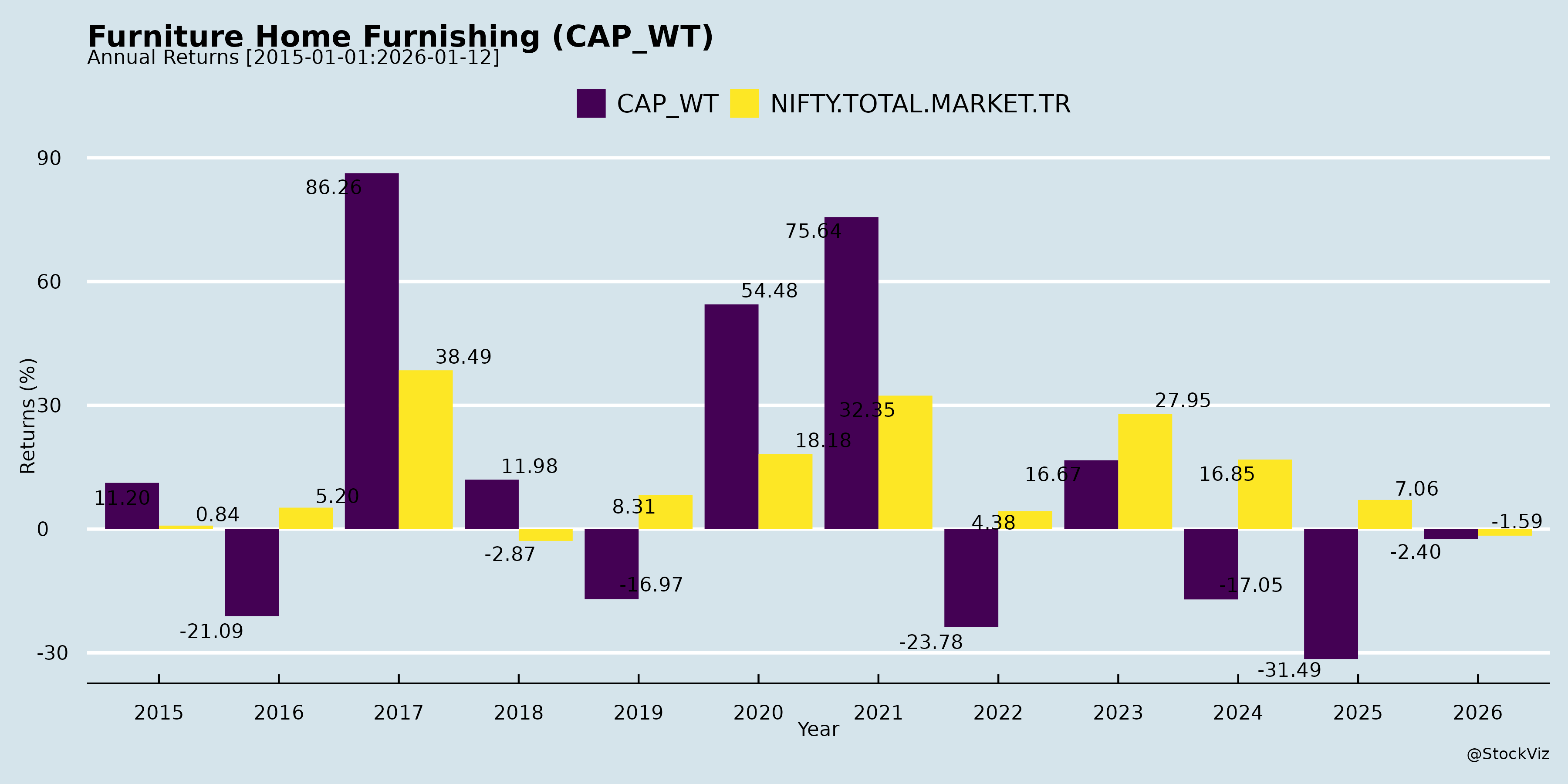
Annual Returns
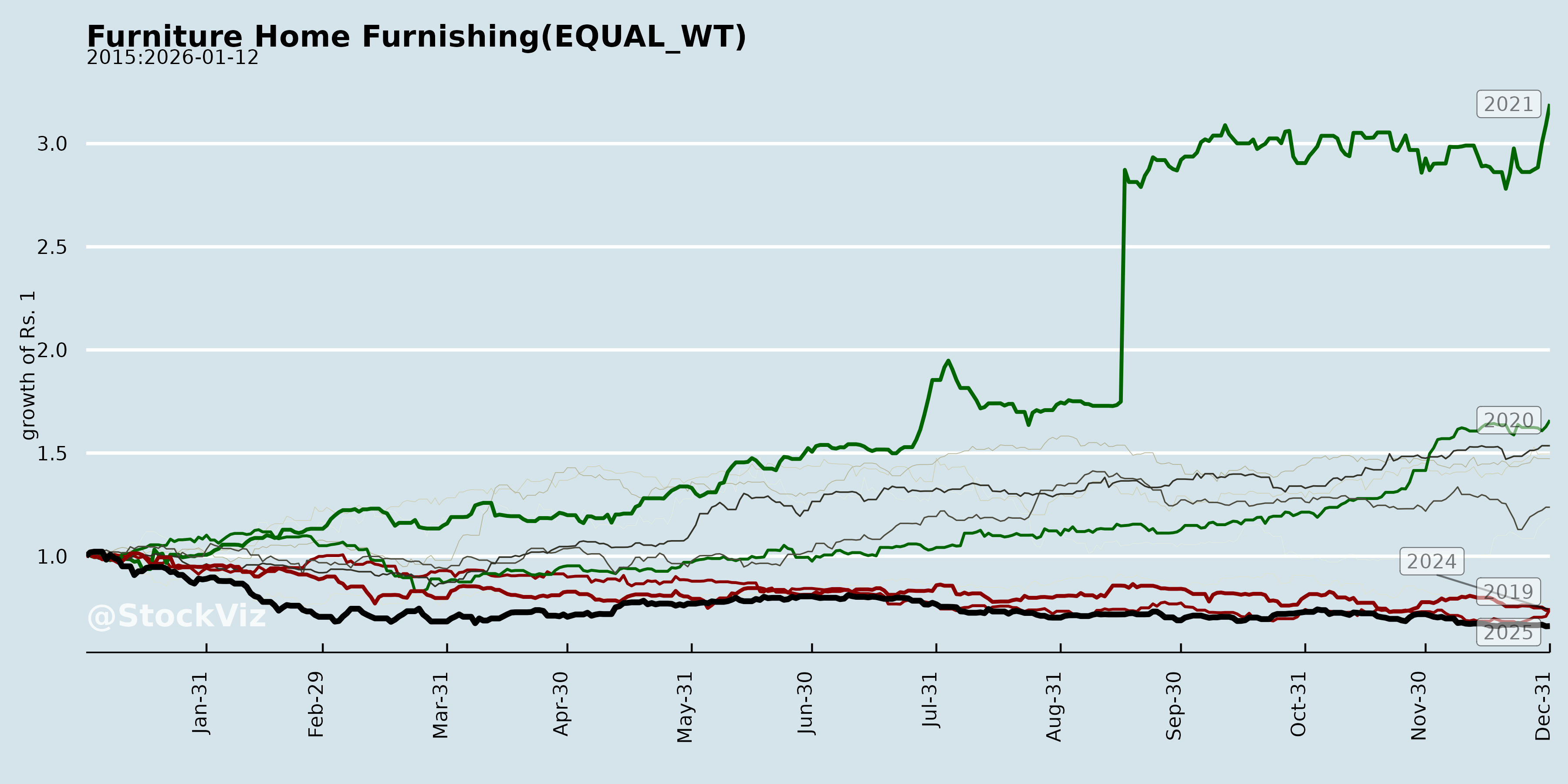
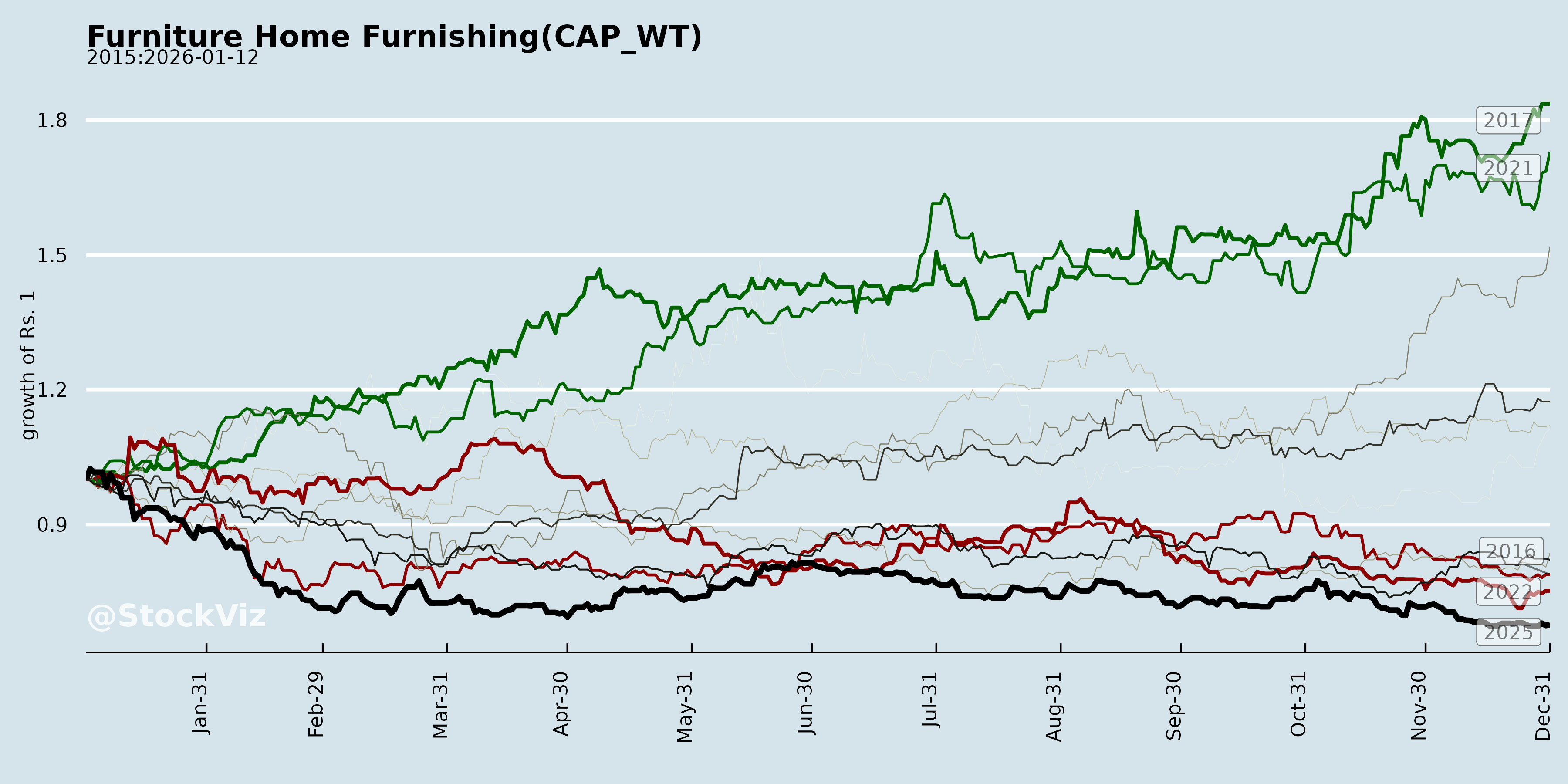

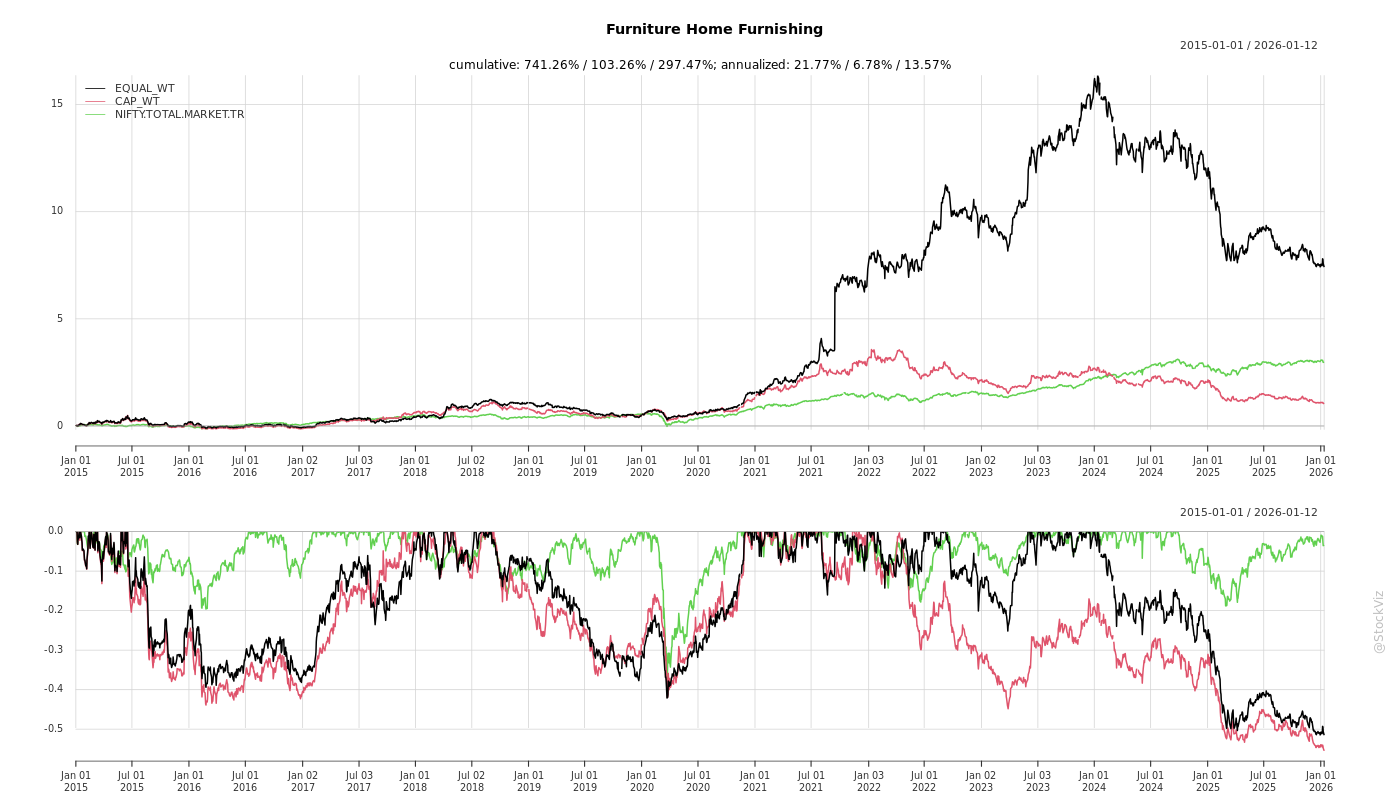
Cumulative Returns and Drawdowns
SMA Scenarios
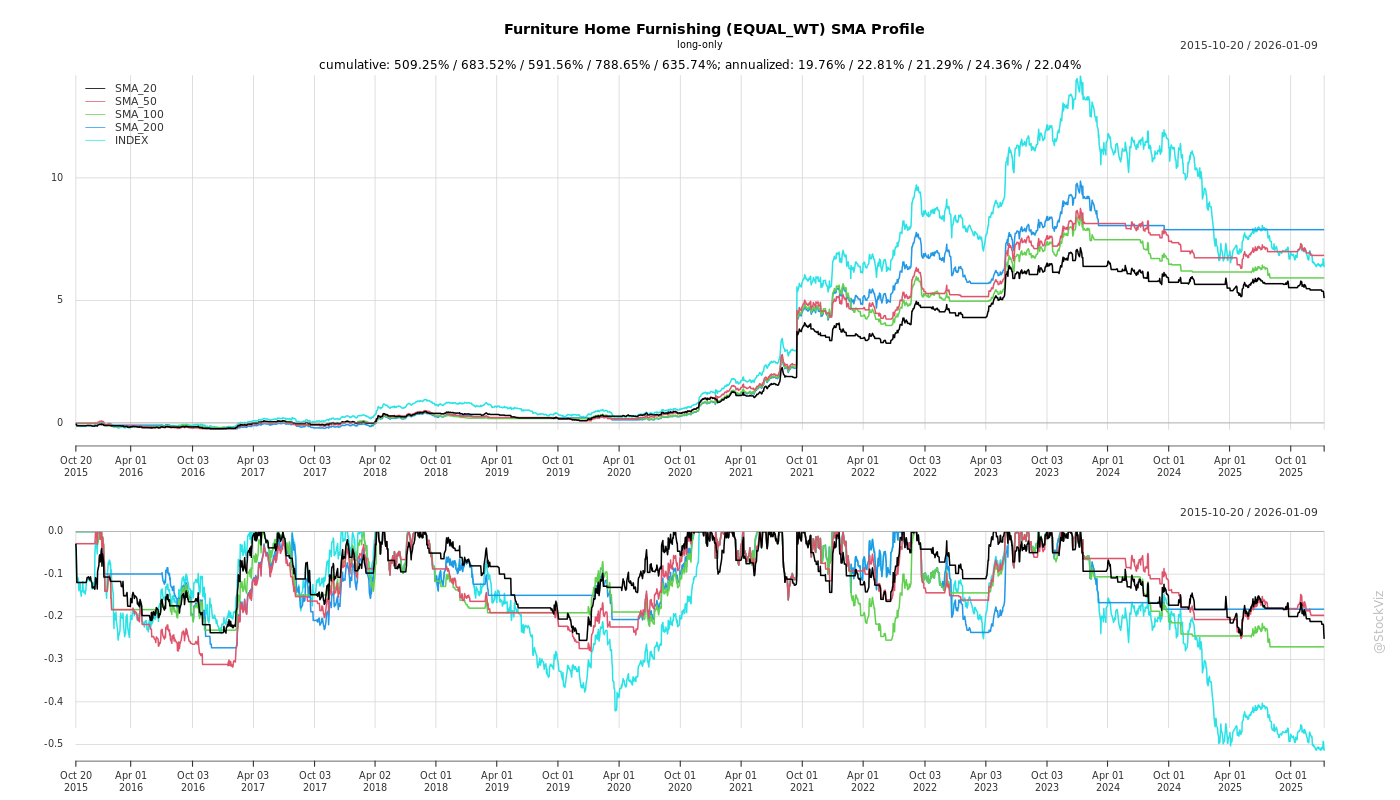
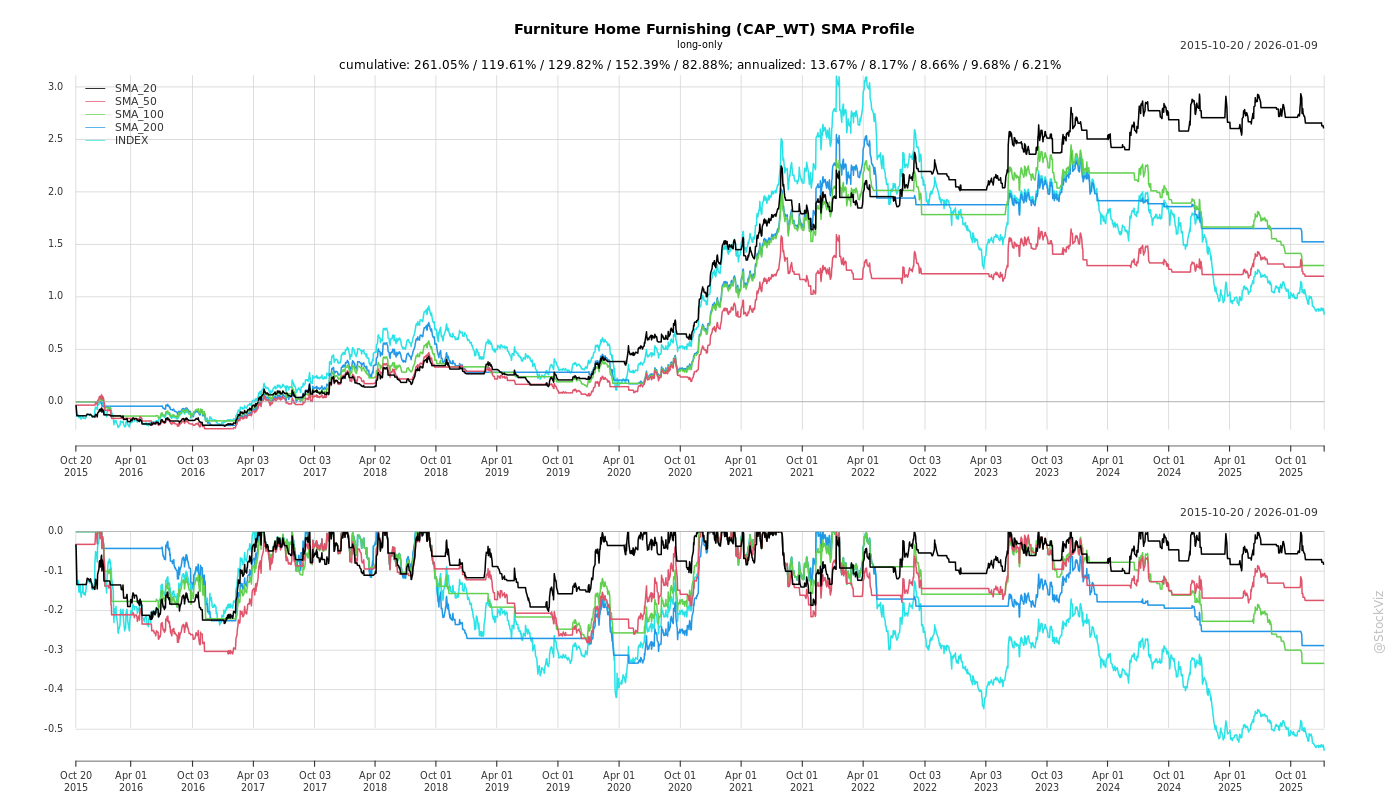
Current Distance from SMA
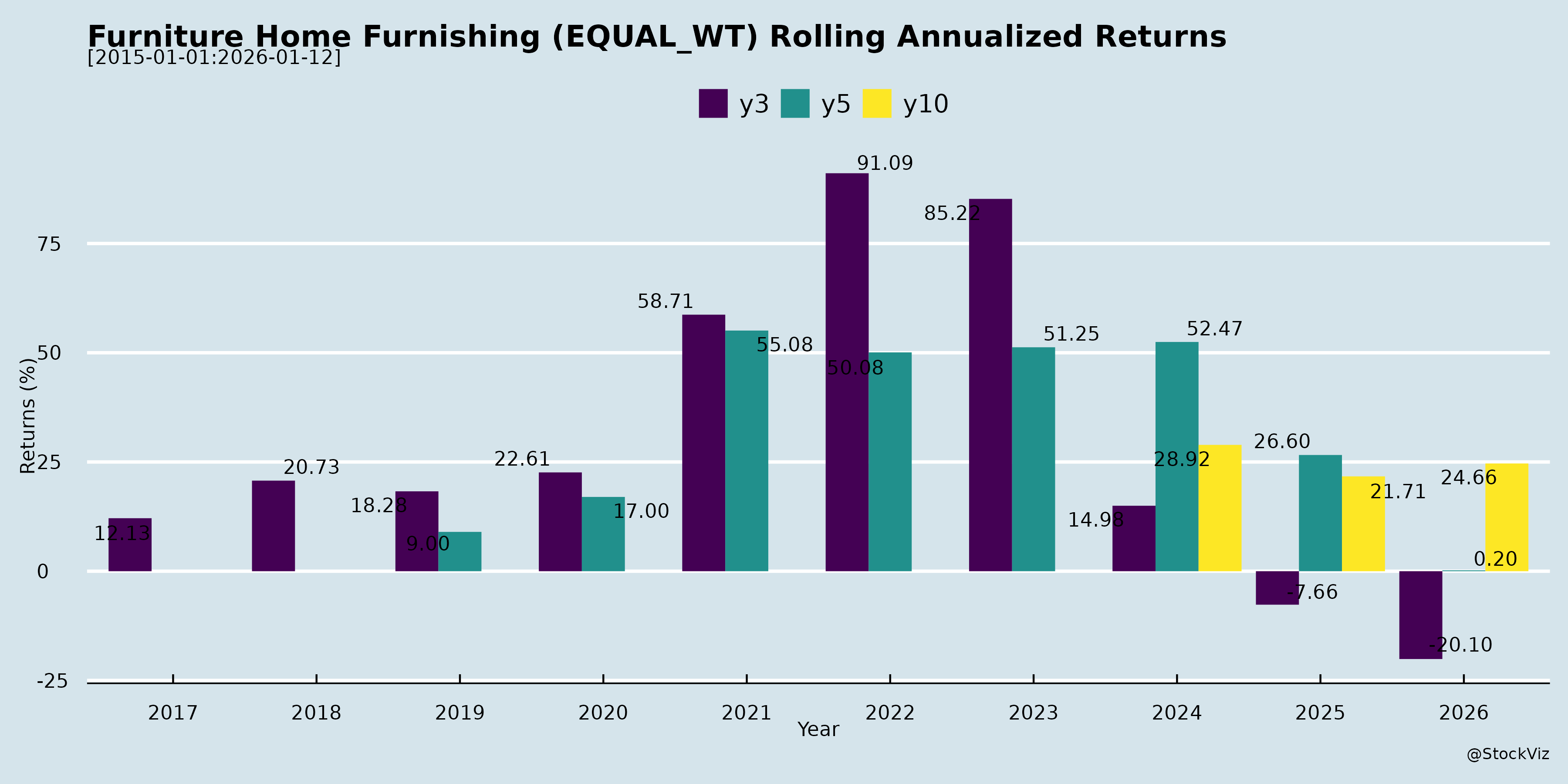
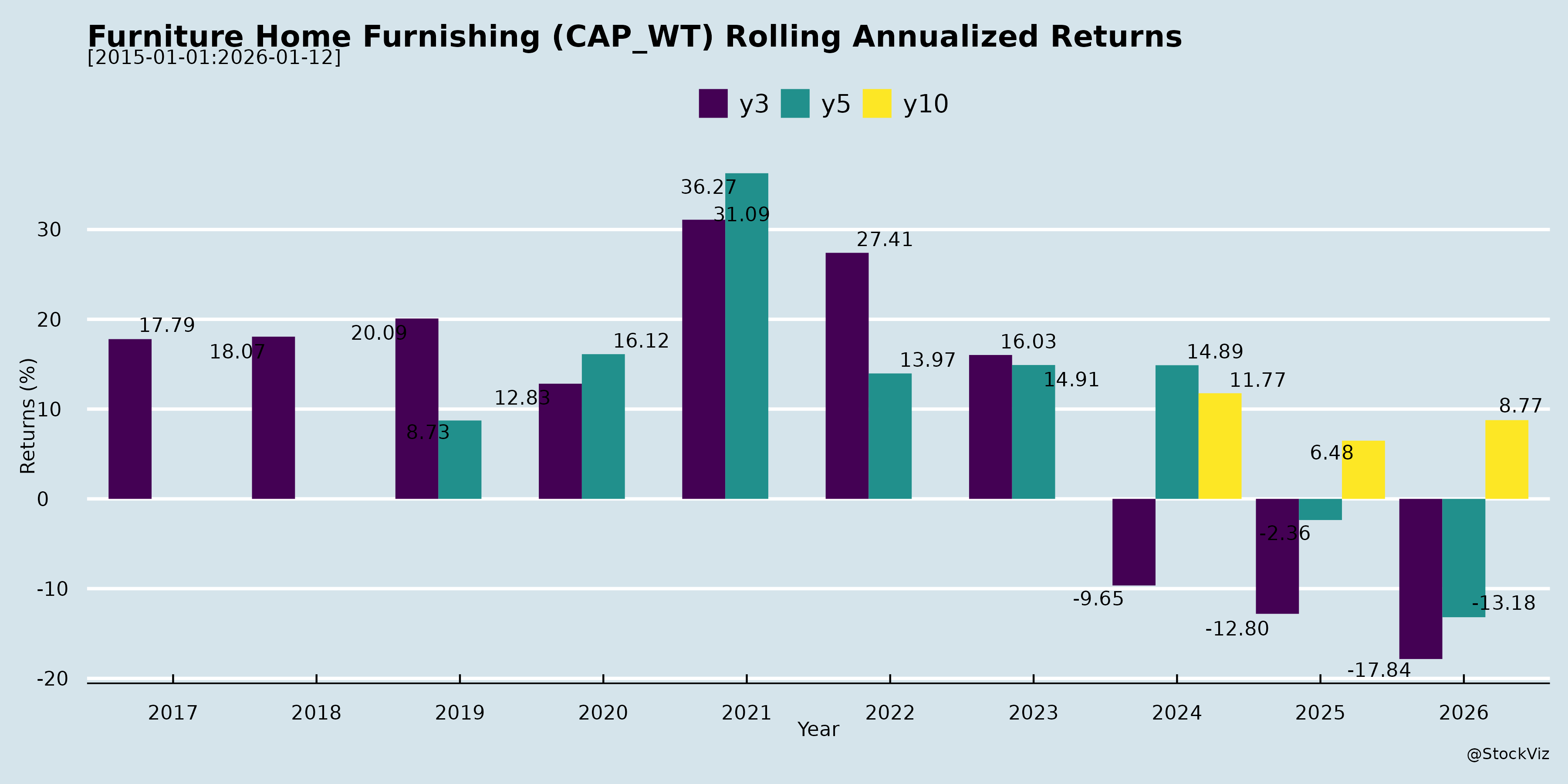
Rolling Returns
Fundamental Ratios
AI Summaries
How have the challenges and oppurtunities evolved over time?
asof: 2026-04-15
The evolution of challenges over time has been primarily driven by macroeconomic softness, regulatory shifts, and intense pricing pressures, while opportunities have expanded through strategic acquisitions, portfolio premiumization, and regulatory tailwinds.
Evolution of Challenges
- Macroeconomic and Demand Softness: Companies have consistently faced subdued discretionary demand and global macro uncertainties. For instance, Stanley Lifestyles noted that consumer preferences evolved with a visible shift toward value-oriented products, while delays in premium residential project handovers temporarily impacted order executions [1-3]. Wakefit experienced a temporary shift in consumer purchasing behavior because GST norms for their major product categories remained unchanged at 18%, causing wallets to shift toward categories that benefited from tax reductions [4, 5]. Additionally, external factors like extended monsoons and lower government infrastructure spending negatively impacted volume growth in segments like pipes and roofing [6, 7].
- Intense Pricing and Input Cost Pressures: A severely soft pricing environment has pressured margins across multiple industries. BirlaNu dealt with decadal low resin prices that caused revenue declines in its Pipe segment, alongside general price erosions of 3% to 7% across most of its product categories [7, 8]. Internationally, BirlaNu’s Parador business faced intense pricing pressures, rising input costs, and tariff-related uncertainties [9, 10]. Similarly, Responsive Industries experienced temporary profitability impacts due to higher import tariffs imposed by the United States on specific product categories exported from India [11, 12]. Elevated marketing and advertising expenditures due to high competitive intensity have also weighed on margins [13, 14].
- Operational Expansion and Regulatory Compliance Costs: The costs of scaling operations and shifting to institutional leadership have diluted near-term profitability. Stanley Lifestyles reported increased short-term costs due to an overlap in senior management roles during its leadership transition [15, 16]. Furthermore, rapid store expansion has required heavy capital investments, with new stores typically yielding significantly lower margins in their first 36 months of operation [17, 18]. Regulatory adjustments, specifically the notification of new Indian Labour Codes, forced companies to take one-time and recurring hits to their employee benefits expenses to account for revised gratuity and compensated absence calculations [19-22].
Evolution of Opportunities
- Strategic Acquisitions to Accelerate Growth: To bypass lengthy development cycles and expand geographically, companies have actively pursued targeted acquisitions. BirlaNu’s acquisition of Clean Coats allows it to leapfrog 5 to 7 years of product development, providing immediate access to a lucrative portfolio of high-performance B2B construction chemicals and a footprint in over 27 countries [23-25]. Euro Pratik acquired Chawla Brothers to establish a strong stronghold in North India, successfully complementing its previous acquisition of URO Veneer World in the southern market [26, 27]. Sheela Foam utilized its acquisition of Kurlon to drive a business turnaround, enabling double-digit volume growth across its mattress and foam segments [28].
- Pivoting to Full-Home and Premium Solutions: Businesses are seizing the opportunity to maximize customer lifetime value by transitioning from single-product specialists into comprehensive home solution providers. Wakefit transformed from a sleep solutions player into a one-stop destination, capitalizing on a furniture market that is nearly 10 times the size of the mattress market [29-31]. Stanley Lifestyles successfully pivoted from a loose leather furniture brand to a full-home luxury provider—integrating kitchen and cabinetry verticals—which is expected to increase average customer ticket sizes six to seven folds [32, 33]. Up-selling innovative, premium products has also driven higher annual realizations [34, 35].
- Favorable Regulatory Tailwinds: Structural policy shifts are creating distinct competitive advantages for organized, compliant players. The implementation of Bureau of Indian Standards (BIS) certifications and the Furniture Quality Control Order (QCO) restricts non-certified importers and unorganized market players. This regulatory shift allows early-movers like Stanley Lifestyles to capture greater market share from imported foreign competitors [32, 36-38]. Responsive Industries also expects upcoming policy developments and tariff rationalizations to restore export competitiveness in the US [12].
- Omnichannel Network Expansion and Structural Optimizations: Companies are heavily investing in Direct-to-Consumer (D2C) and omnichannel models through Company-Owned Company-Operated (COCO) and multi-brand outlet (MBO) networks, providing total control over customer experience and cross-selling [39-41]. To safeguard profitability amidst these expansions, companies are executing value-enhancement exercises. BirlaNu partnered with the Boston Consulting Group (BCG) to identify and implement large margin-improvement pools across its P&L, expecting full savings by FY27 [42-44]. Stanley Lifestyles adopted a Best Cost Country (BCC) strategic sourcing model to localize manufacturing, protect margins, and mitigate foreign exchange volatility [45, 46]. Furthermore, a significant projected acceleration in premium housing deliveries starting in 2026 is poised to unlock immense demand for interior fit-outs and furniture [36, 47].
What are the headwinds affecting this industry?
asof: 2026-04-15
The industries represented in the sources—spanning building materials, home furnishings, and decorative products—are facing a variety of interconnected headwinds:
Macroeconomic and Consumer Demand Challenges * Sluggish Demand: The overall demand scenario remains sluggish, driven by global macroeconomic uncertainties and subdued consumer sentiment [1-4]. * Shift to Value Products: There is a visible shift in consumer preferences toward more value-oriented products, resulting in subdued discretionary demand and the postponement of high-ticket purchases [3, 5-8]. * Liquidity Constraints: Certain segments are being negatively impacted by broader liquidity challenges [9].
Pricing Pressures and Competition * Soft Pricing: Companies are experiencing soft pricing and realization declines across multiple product categories [1, 10-12]. * Intense Competition: There is heightened competitive intensity in the market, with competitors utilizing elevated advertising and marketing spends to capture market share [13-16]. * Oversupply: Specific sectors, such as roofing, are dealing with market overcapacity stemming from capacity additions made during the COVID-19 period [17].
Government Spending and Policy Impacts * Muted Infrastructure Spending: Lower and muted government infrastructure spending is directly impacting demand for building materials like pipes and walls [9, 13, 18, 19]. * GST Shifts: Recent GST reforms temporarily shifted consumer wallets toward other discretionary product categories that benefited from tax changes [20, 21].
Tariffs and Global Trade Friction * Import Tariffs: Operations have been temporarily impacted by tariff-related uncertainties, specifically higher import tariffs imposed by the United States on select product categories exported from India, which has created margin pressures [2, 4, 7, 22, 23].
Raw Material Fluctuations * Input Costs: Companies are facing disproportionate increases in certain raw material prices [17]. Conversely, the pipes segment has been acutely challenged by decadal low resin prices [9, 18].
Real Estate and Seasonal Disruptions * Project Delays: The premium furniture sector has been impacted by delays in residential project handovers, stalling the pipeline for interior fit-outs [3]. * Weather and Timing: Extended monsoons have slowed down construction and related product uptake [9, 13, 18]. Additionally, shifts in the festive calendar—such as Diwali-related demand advancing to September instead of October—have disrupted traditional quarterly sales patterns [20, 24-26].
What are the key things to understand about this industry?
asof: 2026-04-15
The Indian home, building materials, and furnishings industry is undergoing a massive transformation driven by changing consumer preferences, stringent government regulations, and operational modernization. The market, which spans everything from luxury furniture and mattresses to construction chemicals and architectural hardware, is projected to reach $63 to $71 billion by 2030 [1].
Here are the key things to understand about the industry’s current landscape and future trajectory:
The Rise of Premiumization and Full-Home Solutions The industry is experiencing a significant shift toward premium, experiential luxury [2]. Over the past three to four years, premium and luxury housing sales (homes valued between 1.5 crores and upwards of 10 crores) have reached historic highs [3-5]. Because possession of these properties often takes several years, an enormous pipeline of demand is expected to unlock between 2026 and 2028, with deliveries of premium homes projected to scale from 109,000 units up to over 160,000 units across major metros [3, 6].
To capitalize on this, brands are pivoting from selling isolated products to becoming comprehensive full-home solution providers [7, 8]. For instance, Stanley Lifestyles is transitioning from a loose leather furniture brand into a complete home interior provider, integrating kitchen and cabinetry solutions that multiply the average customer ticket size by six to seven times [7, 9, 10]. Similarly, Wakefit evolved from a dedicated sleep solutions brand into a one-stop destination encompassing beds, sofas, wardrobes, and home furnishings [11-13]. Consumers are actively shifting their wallets toward these value-added, highly innovative products [14-16].
Regulatory Tailwinds Accelerating the Shift to Organized Retail A defining structural change in the industry is the implementation of the Furniture Quality Control Order (QCO) and mandatory Bureau of Indian Standards (BIS) certifications [17, 18]. Historically, the industry has contended with cheap, unorganized foreign imports [19, 20]. The new BIS and QCO requirements act as a strict barrier to entry for non-certified importers and unorganized domestic players [7, 18, 21].
Companies that achieve early compliance are poised to gain massive market share. Brands across the spectrum—from Stanley in luxury furniture to Hardwyn India in cabinet hinges—are securing BIS certifications to establish a competitive advantage and reinforce brand trust [17, 18, 22, 23]. As customs authorities begin to restrict non-compliant imports, organized, vertically integrated manufacturers will experience significant tailwinds [21, 24].
Omnichannel Expansion and the Evolution of D2C Models Consumer discovery habits have fundamentally changed, with the initial research phase moving from local unorganized stores to online search engines and e-commerce marketplaces [25, 26]. However, especially for premium items, the final purchase heavily relies on physical touch-and-feel [27]. Consequently, companies are investing heavily in a robust omnichannel presence, maintaining control over the customer experience through Company-Owned Company-Operated (COCO) stores, Franchisee-Owned Franchisee-Operated (FOFO) formats, and Multi-Brand Outlets (MBOs) [13, 28-31].
Operating proprietary retail channels eliminates third-party margins and allows highly trained staff to consultatively upsell customers to premium tiers, resulting in an average order value that can be 60% to 65% higher than online purchases [14, 27, 32, 33]. This strategy greatly enhances customer repeat purchase rates and maximizes overall lifetime value [32, 34, 35].
Consolidation Through Strategic Acquisitions To rapidly scale and penetrate new markets, major players are utilizing strong balance sheets to acquire specialized regional businesses. In the building materials sector, BirlaNu recently acquired Clean Coats, a manufacturer of high-performance construction chemicals and protective coatings [36, 37]. This buyout allows BirlaNu to leapfrog 5 to 7 years of organic research and development by instantly acquiring a portfolio of over 275 specialized products, global market access across 27 countries, and established credentials with major industrial and infrastructure clients [36, 38-40].
Similarly, Euro Pratik has been actively acquiring entities like Chawla Brothers and URO Veneer World to rapidly strengthen its distribution footprint across North and South India [41-43]. Leveraging these established dealer networks allows them to efficiently replace competing products with their own decorative panels and laminates, significantly accelerating revenue growth [44].
Navigating Margin Pressures Through Operational Excellence Despite the long-term growth outlook, the industry regularly faces short-term macroeconomic headwinds, including sluggish consumer demand, softer pricing environments, and raw material volatility [45-47]. To combat this, companies are rigorously optimizing their supply chains and manufacturing floors to drive operating leverage and expand EBITDA margins [48-50].
Leading firms utilize highly automated, just-in-time manufacturing models where production only begins after confirmed orders, which drastically limits inventory build-up and frees up working capital [51-53]. Businesses are continually engaging in recipe optimization, precise logistics planning, and digital transformation initiatives to extract higher yields from existing factory assets, ensuring steady profitability even in flat markets [48, 54-57].
What are the tailwinds affecting this industry?
asof: 2026-04-15
The home building, furniture, and furnishings industry is currently benefiting from several strong macroeconomic, regulatory, and consumer-driven tailwinds:
A Massive Pipeline of Premium Housing Handovers: Over the past three to four years, sales of premium housing have reached historic highs [1, 2]. While there have been delays in project handovers, this has created a massive pent-up pipeline of premium homes awaiting interior fit-outs [1, 3]. Deliveries of these homes are expected to sharply accelerate starting in 2026, unlocking significant demand for premium furniture and home solutions [1, 3, 4]. Industry estimates suggest that the delivery of homes valued above Rs. 1.5 crores across India’s top six metros will nearly double, jumping from under 60,000 in 2025 to approximately 109,000 in 2026, 150,000 in 2027, and peaking at 163,000 by 2028 [4-6].
Favorable Regulatory Shifts (BIS and QCO): The implementation of the Bureau of Indian Standards (BIS) certification and the upcoming Furniture Quality Control Order (QCO) represent a major structural advantage for organized domestic players [1, 3, 7, 8]. These strict quality regulations will restrict the influx of non-certified imported furniture—particularly from Europe and China—and create high barriers to entry for unorganized, non-compliant local players [9-13]. This regulatory shift is expected to grant early-moving, compliant companies a substantial lead in capturing market share over the next few years [13-15].
Rapid Expansion of Organized Retail and Online Penetration: The Indian home and furnishings market is projected to reach US$ 63 billion to US$ 71 billion by calendar year 2030, driven heavily by the rapid growth of organized retail and increasing online penetration [16]. Consumer behavior has fundamentally changed over the last decade, shifting away from unorganized, offline purchasing toward digital discovery and organized buying [17]. Today, the research process for items like mattresses frequently begins on search engines or major e-commerce marketplaces, funneling immense growth into the online organized sector [17, 18].
Growing Consumer Premiumization: There is a distinct and growing consumer preference for premiumization and experiential luxury across the sector [16, 19]. Consumers are increasingly seeking out innovative, bespoke, and high-performance products, which provides a strong growth lever for brands offering end-to-end luxury home solutions, premium product lines, and specialized craftsmanship [19, 20].
Rural Economy Resilience: For building products like roofing, a strong monsoon season has bolstered the rural economy [21]. This agricultural boost has resulted in robust resilience in rural markets, which is expected to drive better demand trajectories in building materials leading into upcoming seasons [21].
Normalization of Export Tariffs: For related segments like PVC-based products and specialty chemicals, easing tariff headwinds and policy normalizations in international markets are expected to restore export competitiveness, leading to improved global order inflows and margin recovery [22-24].
What is the general outlook of this industry?
asof: 2026-04-15
The general outlook for the home building, furnishings, furniture, and construction materials industry is highly optimistic for the long term, despite some near-term sluggishness. The industry is currently undergoing significant structural shifts driven by regulatory changes, a booming real estate pipeline, and evolving consumer behaviors.
Here is a detailed breakdown of the industry outlook:
1. Massive Real Estate Tailwinds and Pipeline Growth The industry is poised to benefit from a massive pipeline of residential projects. Data from the top six Indian metros indicates that premium housing sales over the past three to four years have reached historic highs [1]. Although there have been delays in project handovers, this has created a substantial backlog of premium housing awaiting interior fit-outs [1].
Industry players expect these home deliveries to accelerate starting in 2026 and peak around 2027 and 2028 [1, 2]. For context, the delivery of homes valued above Rs. 1.5 crores in these metros is expected to nearly double, jumping from less than 60,000 in 2025 to approximately 109,000 in 2026, 150,000 in 2027, and 163,000 in 2028 [2, 3]. This surge in home completions is expected to unlock immense demand for premium furniture and home solutions [1]. Overall, the Indian home and furnishings market is projected to reach US$ 63–71 billion by the calendar year 2030 [4].
2. Regulatory Shifts Favoring Organized Players A major structural shift currently unfolding is the implementation of new Quality Control Orders (QCO) and mandatory Bureau of Indian Standards (BIS) certifications for the furniture and hardware sectors [1, 5]. * Blocking Unorganized Imports: These regulations will place heavy restrictions on non-certified foreign importers and unorganized domestic players, who previously flooded the market with cheaper goods [5-7]. * Advantage for Compliant Brands: Organized, fully integrated players who are already securing these certifications are expected to gain a significant market share advantage [5, 6]. For instance, hardware companies like Hardwyn India are already launching BIS-certified products (like 3D cabinet hinges) to set new benchmarks and meet these mandates [8], while brands like Stanley Lifestyles anticipate that this will drastically reduce competition from European and Chinese imports [6, 7, 9].
3. Strategic Pivot Toward “Full Home Solutions” There is a clear industry trend of companies evolving from single-category specialists into comprehensive “one-stop destinations” for the home [5, 10]. * Wakefit has expanded from its roots as a sleep solutions (mattress) player to offering a full array of furniture and home furnishings, noting that the overall furniture market is nearly 10 times the size of the mattress market [10, 11]. * Stanley Lifestyles is pivoting from being a leather sofa manufacturer to a “full home luxury provider” by heavily integrating kitchen and cabinetry verticals alongside loose furniture [5]. By offering complete home solutions, companies are able to increase a single customer’s average ticket size by six to seven times [12, 13].
4. Changing Consumer Purchasing Behaviors Consumer buying patterns are migrating rapidly from unorganized offline retail to organized online and omnichannel discovery [14, 15]. For entry-level and mass-market products, a large portion of the market is expected to grow online [15]. Conversely, for premium and luxury products, customers are heavily relying on organized, company-owned retail stores where consultative sales staff can upsell innovative and high-quality materials [16]. This is driving brands to invest heavily in expanding their physical, company-owned store footprints across major metros to capture this premiumization trend [17-19].
5. Near-Term Headwinds and Cautious Optimism While the multi-year outlook is strong, the industry is currently navigating some short-term challenges: * Sluggish Demand and Soft Pricing: In the broader building materials sector (such as pipes, roofs, and construction chemicals), companies like BirlaNu report that the current external demand scenario remains sluggish and pricing remains soft across categories [20, 21]. * Temporary Shifts to Value Products: Luxury furniture players have also noted a recent moderation in discretionary spending and a visible, temporary consumer shift toward value-oriented products [22, 23]. * Tariffs and Input Costs: Exporters and manufacturers are dealing with tariff-led margin pressures and multi-year low resin prices, though these are largely viewed as transitory [24, 25].
Despite these immediate hurdles, early indicators from early 2026 show that customer walk-ins, resin prices, and overall demand are already beginning to bounce back [22, 26, 27]. Companies are using this period to optimize costs, rationalize their supply chains, and invest in store expansions to be fully prepared for the imminent boom in residential handovers [28-30].
Copyright © 2023 SAS Data Analytics Pvt. Ltd. All rights reserved.