Financial Technology (Fintech)
Industry Metrics
September 24, 2026
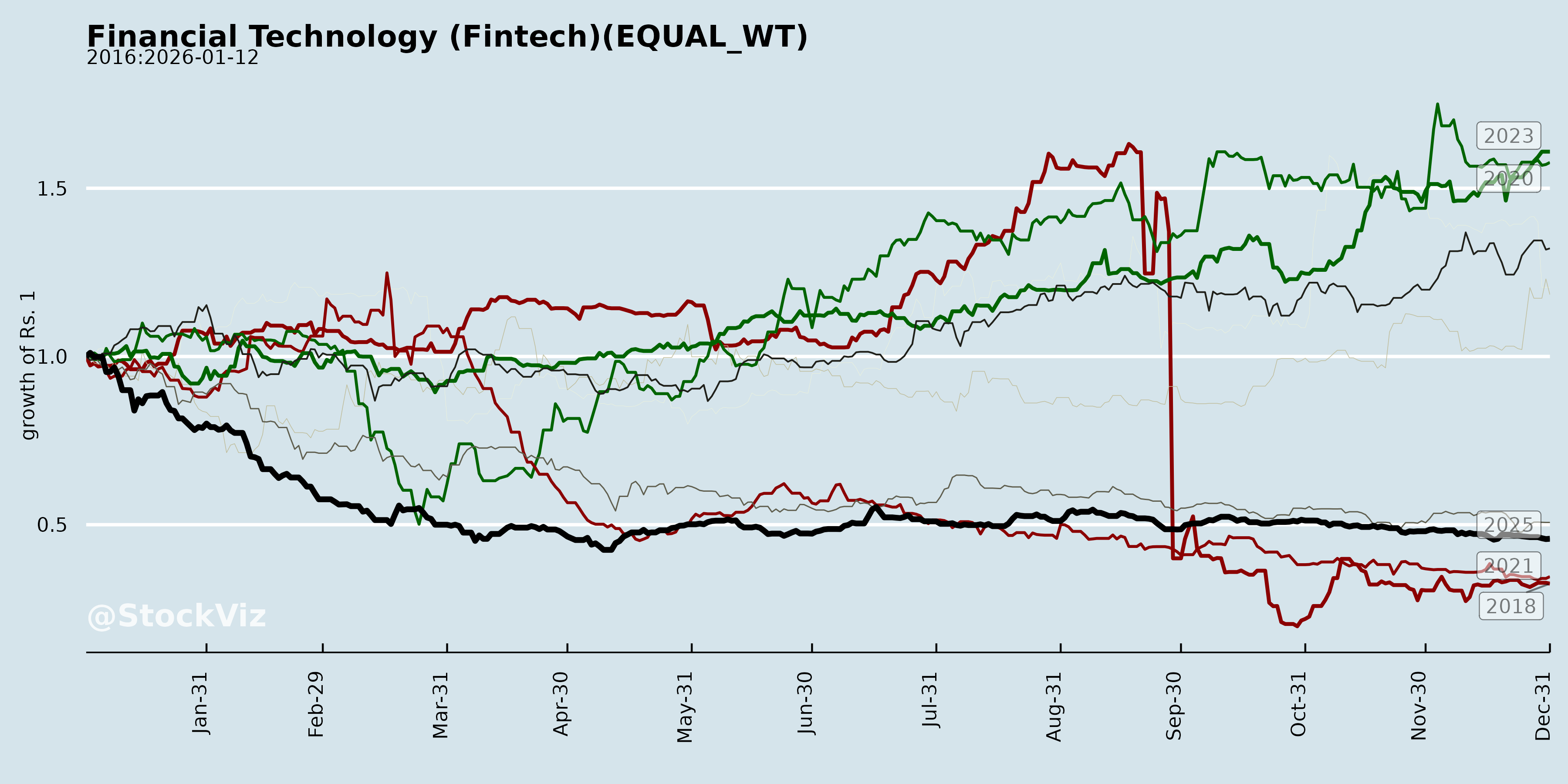
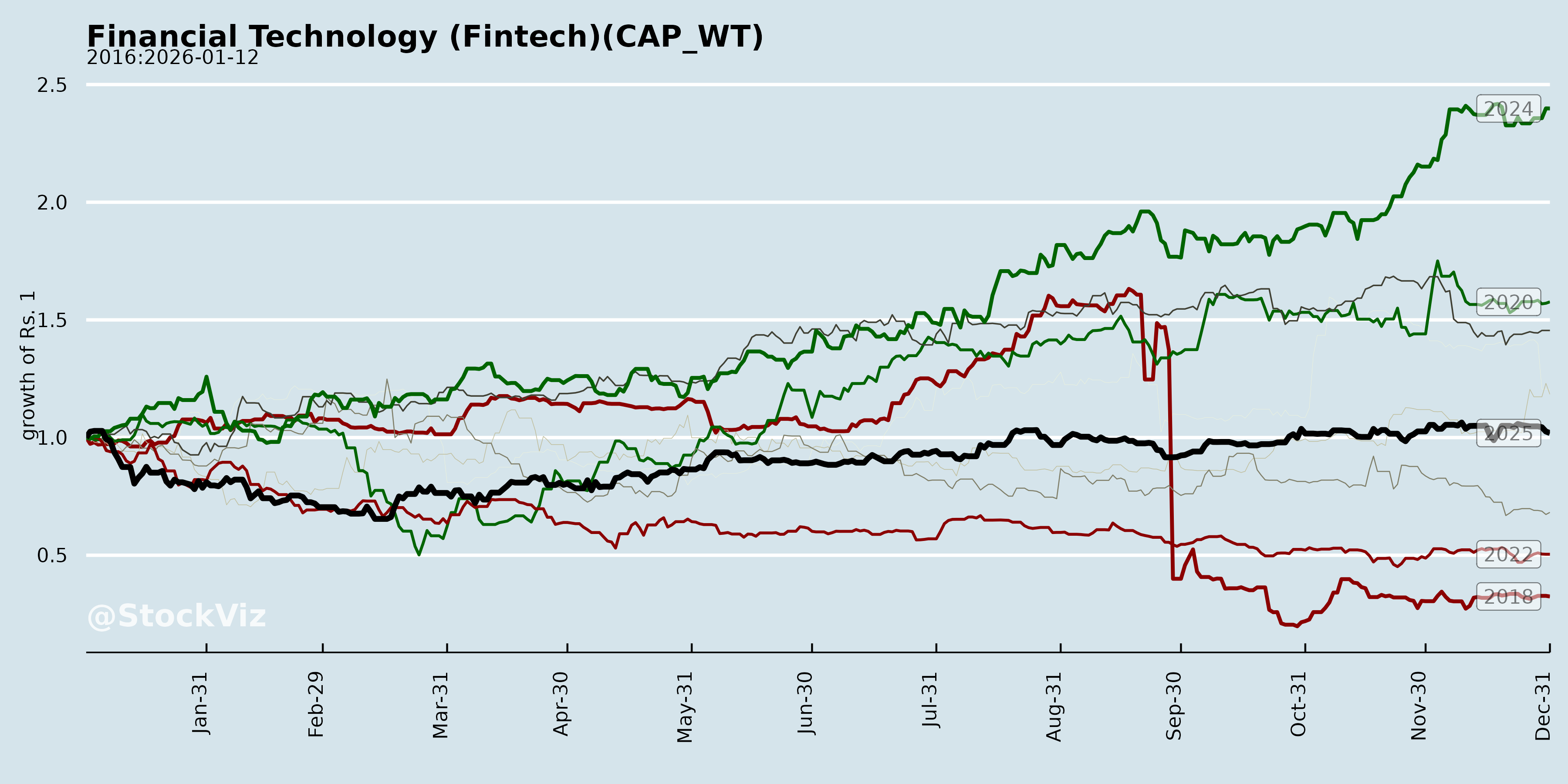
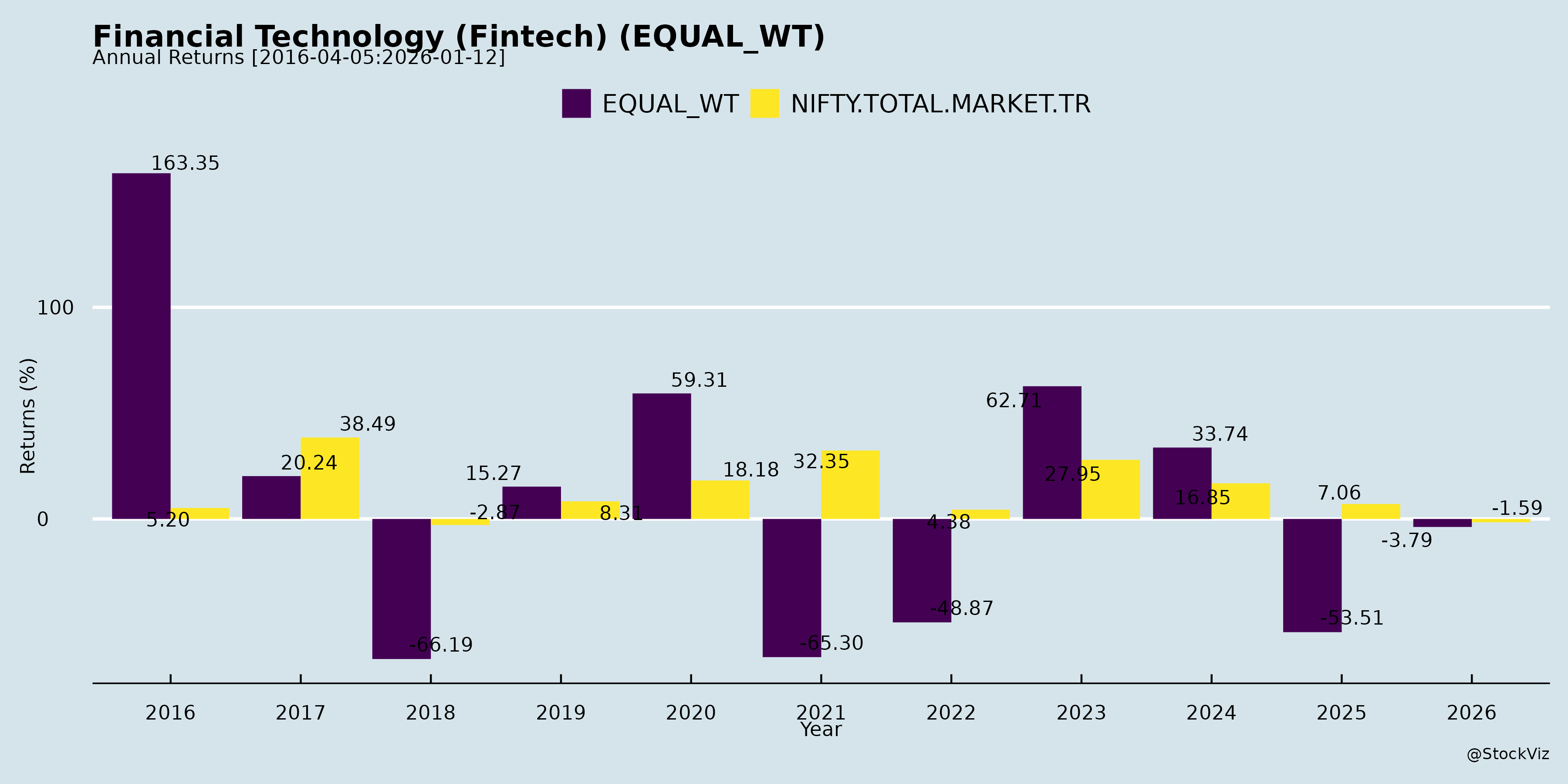
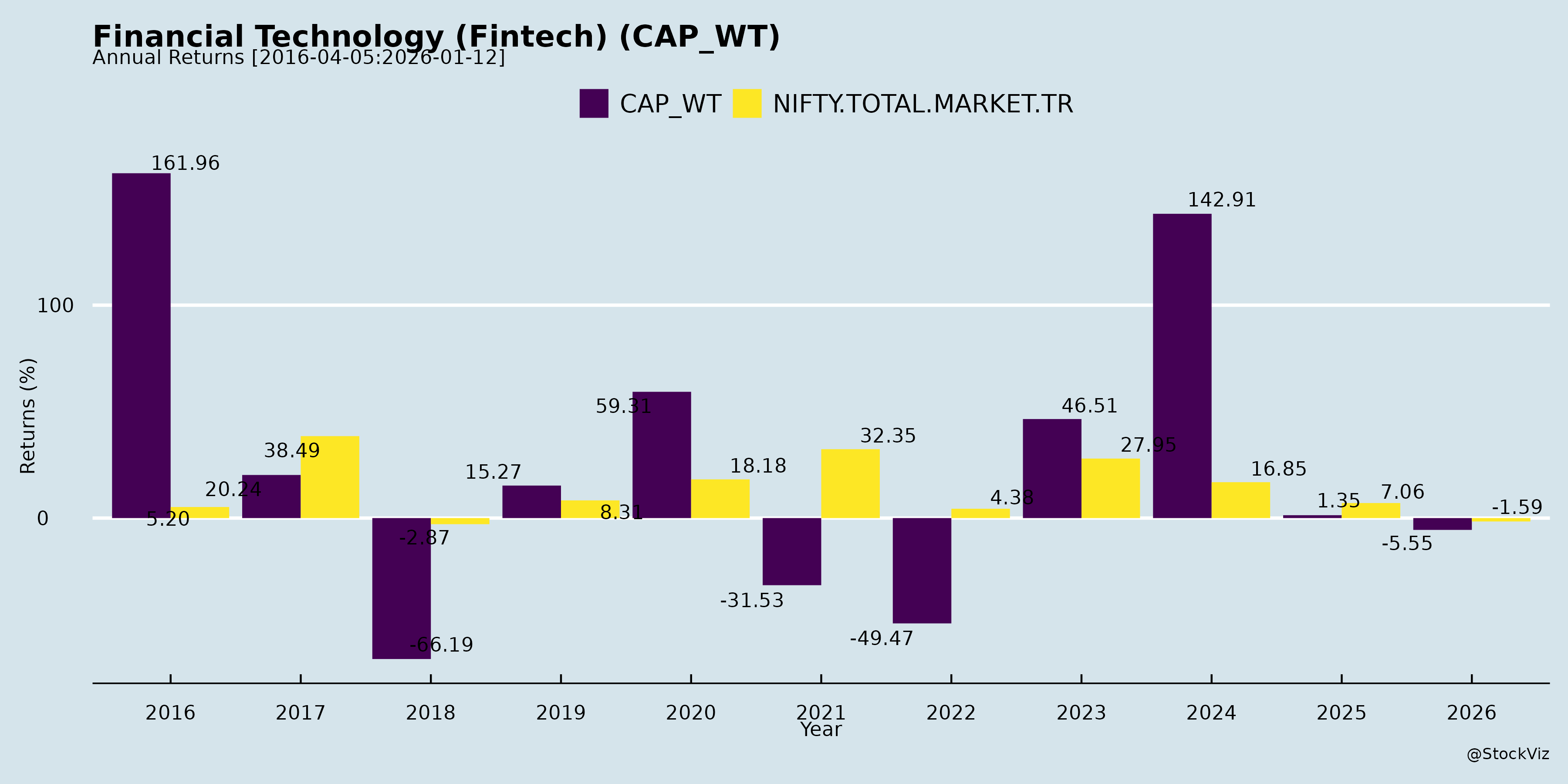
Annual Returns
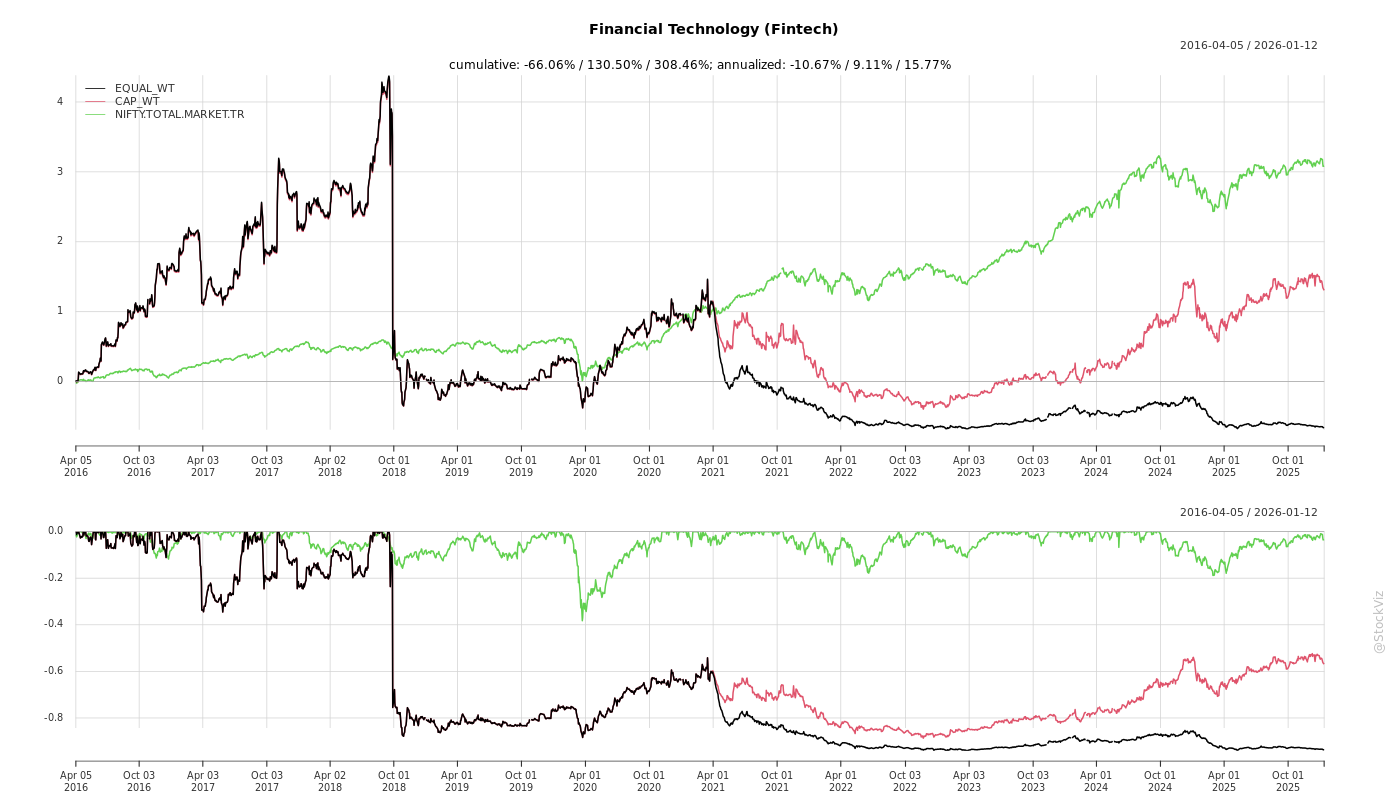
Cumulative Returns and Drawdowns
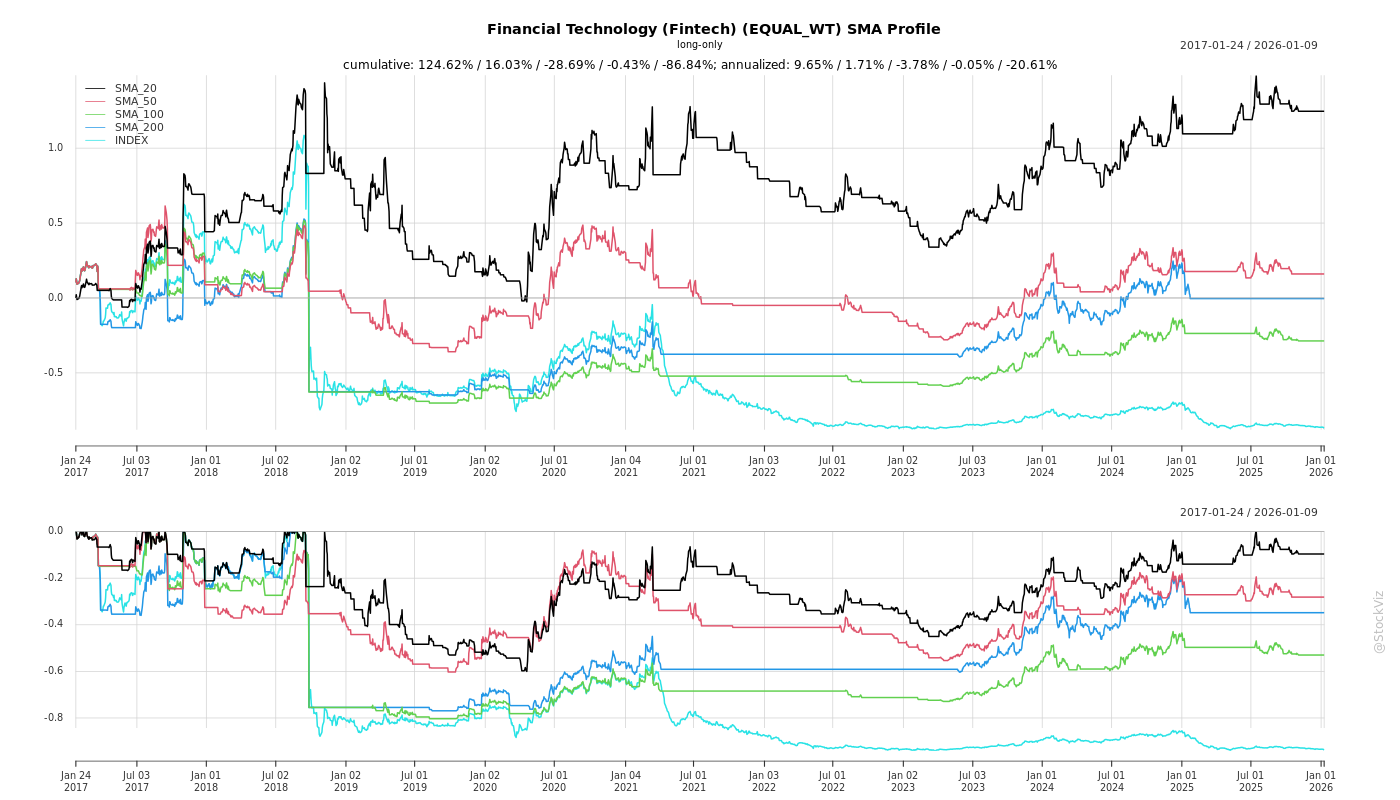
SMA Scenarios
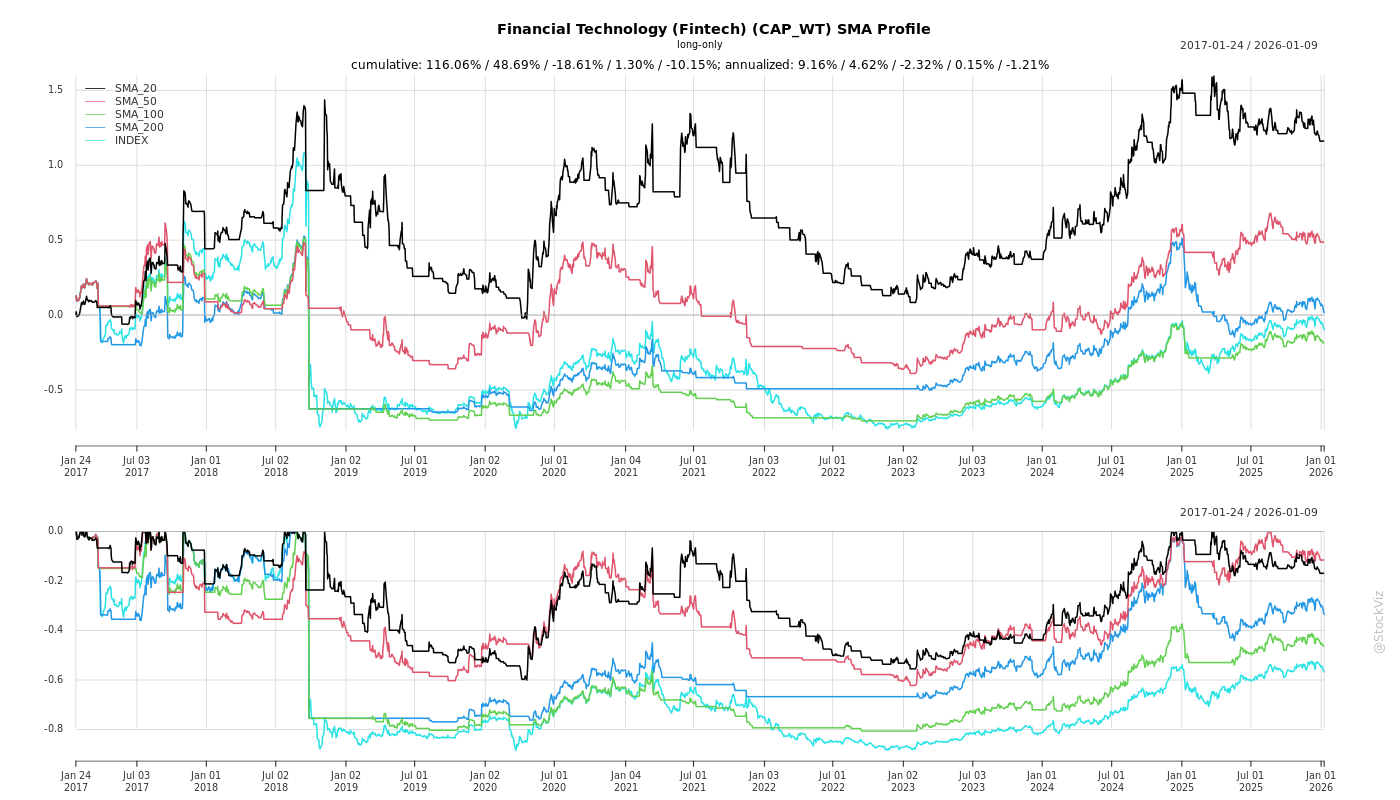
Current Distance from SMA
Rolling Returns


Fundamental Ratios
AI Summaries
How have the challenges and oppurtunities evolved over time?
asof: 2026-04-16
The challenges and opportunities across the fintech, digital payments, and insurance sectors have undergone a significant evolution. Companies have transitioned from navigating legacy infrastructure, single-threaded business models, and high customer acquisition costs to capitalizing on AI-driven orchestration, global expansion, and deeply integrated platforms.
Here is a detailed breakdown of how these challenges and opportunities have evolved over time across various organizations:
AvenuesAI: From Manual Pipelines to AI-Native Ecosystems
Evolving Challenges: Historically, offline payments were treated simply as a “basic pipe” involving a QR scan and payment completion, lacking any intelligence in pricing, routing, or credit [1, 2]. Furthermore, the industry standard for optimizing operations was merely reducing the number of manual clicks a human needed to make to close a transaction [3, 4]. Competitors in the space often relied on high-burn customer acquisition strategies [5, 6].
Evolving Opportunities: To overcome these limitations, AvenuesAI evolved its architecture into an AI-native transaction infrastructure platform [7, 8]. * AI-Driven Orchestration: The company introduced AI agents (like Phronetic AI and PayCentral.ai) that handle the entire context of a transaction—maximizing success rates, identifying unusual transaction sizes, automating collections, and routing intelligently [1, 2, 9, 10]. * Shifting Switching Costs: As businesses adopt RediffOne and CCAvenue, every transaction improves the platform’s data intelligence and automation [11, 12]. This learning loop makes merchant switching costs operationally existential rather than just contractual [13, 14]. * Workforce Evolution: Instead of facing a traditional hiring freeze, AvenuesAI is evolving its workforce. Manual, task-driven activities like onboarding and reconciliation are being automated by “task agents” and “orchestration agents,” allowing the company to structurally expand its margins over time [15-20].
Network People Services Technologies (NPST): Diversification and AI Integration
Evolving Challenges: In the past, NPST struggled with a single-threaded growth strategy that negatively impacted investor confidence during down periods [21-24]. Their Technology Service Provider (TSP) business, which comprised 85-90% of their revenue, suffered from long sales cycles that pushed deals into subsequent quarters and pressured margins [25, 26]. Additionally, they faced a reduced paying capacity among customers and a shift in the merchant profile toward banks over aggregators [27, 28].
Evolving Opportunities: NPST transformed these challenges by diversifying into multiple non-linear revenue streams and shifting their business models. * Business Model Shift: NPST moved from a predominantly license-based approach to a lightweight, hosted SaaS (subscription) model, helping to tap into a wider range of mid-to-small-sized banks [29-32]. * RegTech as a Standalone Stream: Originally built as a core component of their payment platform, NPST realized the broader industry demand for compliance and risk tools. They spun their RegTech offering into a separate enterprise solution, featuring an AI-based risk intelligence and predictive fraud analytics platform with over 90% accuracy [33-37]. * Global Expansion: Overcoming earlier geographical constraints, NPST actively expanded into emerging global markets, including the Middle East, Africa, and Latin America [38, 39].
Pine Labs: Complex Merchant Needs and Asset-Light Strategies
Evolving Challenges: Merchants have increasingly complex payment requirements beyond basic processing, demanding various value-added services [40, 41]. Additionally, scaling the business historically required a capital-intensive balance sheet due to the cost of deploying point-of-sale (POS) devices [42, 43].
Evolving Opportunities: * Asset-Light Operations: Pine Labs adapted by directly selling devices to merchants and large banking partners, transitioning into a pure technology platform and lightening its balance sheet [42-45]. * Value-Added Services: By offering affordability services like “buy now, pay later” (BNPL), the activation of digital touchpoints for value-added services has grown from 21% to 28%, significantly boosting transaction volumes [46-49]. * AI in Operations: Pine Labs is leveraging AI not only for merchant fraud prevention but also internally, with approximately 21% of all company code now written using AI [50, 51]. They are also building innovative use cases, such as integrating bill payments with ChatGPT-like interfaces [52, 53].
Policybazaar & Paisabazaar (PB Fintech): From Traditional Channels to a “Phygital” Ecosystem
Evolving Challenges: In the early 2000s, insurance distribution relied heavily on physical branches and offline agents, contributing to India’s abysmally low insurance penetration (hovering between 3.7% and 4.2%) [54, 55]. Customers faced challenges in securing adequate retirement solutions due to delayed planning, underestimation of healthcare costs, and a lack of accessible platforms [56]. Furthermore, a significant portion of digital payments and insurance faced high risks of fraud.
Evolving Opportunities: * Digital Public Infrastructure (DPI): The evolution of internet infrastructure, rising smartphone usage (projected to hit 75% by 2024), and government DPI (like UPI, Aadhaar, and Account Aggregators) allowed PB Fintech to build seamless, scaled digital journeys [57, 58]. * The “Phygital” Approach: To bridge the trust gap, PB Fintech evolved beyond purely digital models by integrating on-ground sales support across more than 200 cities. This hybrid approach adds a human touch, improving conversions, checking mis-selling, and driving higher ticket sizes [59, 60]. * App-First Engagement: To solve the issue of insurance being an infrequent “episodic” purchase, the company introduced everyday financial use cases—like PB Wallet, PB Money, and BBPS-enabled bill payments—to increase daily user engagement, retention, and repeat conversions [61]. * Enterprise-Wide AI Utilization: AI has radically transformed their risk management and operational efficiency. They implemented AI video verification, proprietary speech-to-text models for call compliance, intent analysis, and a fraud detection framework that successfully canceled 3.7% of high-risk policies before issuance [62-65].
What are the headwinds affecting this industry?
asof: 2026-04-16
Regulatory and Policy Uncertainties The industry is facing potential shifts in government and regulatory policies. There are media reports indicating that the regulator’s PIDF (Payments Infrastructure Development Fund) incentive income scheme might be discontinued [1], [2], [3], [4]. Additionally, there is speculation around the upcoming union budget potentially introducing MDR (Merchant Discount Rate) charges targeting the organized sector [5], [6], [7], [8]. Currently, the MDR for UPI remains at zero, which restricts direct margins on these transactions, forcing players to rely on alternative revenue streams [9], [10]. Furthermore, evolving regulatory and market dynamics have brought the long-term viability and industry support for Buy Now, Pay Later (BNPL) products into question, pushing companies to favor more stable products like credit cards [11]. Recent changes in labor laws have also introduced financial impacts that companies have had to account for in their bottom lines [12], [13].
Market Growth Deceleration and Changing Client Profiles There are indications of moderating growth in key payment instruments. For example, credit card spending has not been rising as rapidly, and general UPI growth has been hovering in a more moderate 22% to 25% range [1], [3]. Certain payment platform opportunities have taken a hit recently due to reduced paying capacity among customers and a distinct shift in the merchant profile towards banks rather than aggregators [14], [15]. This shift has proven time-consuming to adapt to, requiring platforms to revise their product lines to capture the changing audience [14], [15]. Additionally, the industry is operating in a highly competitive pricing environment, which limits pricing power and places pressure on businesses to prioritize volume over headline take rates [16], [17].
Margin Compression and Escalating Operational Costs Fintech and payment companies are experiencing notable margin compressions. Net take rates have declined significantly—in some cases halving from 11 bps to 6 bps—largely driven by a business mix that leans heavily toward credit card and enterprise-led volumes, which typically carry lower take rates despite generating higher absolute contributions [18], [19], [20], [21], [22], [23]. There are also internal cost pressures; some operations have seen operational costs increase from 34% to 40% as they invest in delivering global technology service provider (TSP) projects [24], [25]. Moreover, businesses relying heavily on these TSP models suffer from longer sales cycles, causing expected revenue realizations to frequently spill over into subsequent quarters if deals fail to close promptly [26], [27]. Companies have also reported an increase in Customer Acquisition Costs (CAC), although this is partially attributed to a conscious strategy of spending more upfront to target higher-quality, deeply engaged users [28], [29].
Rising Sophistication of Fraud The threat of fraud is a structural headwind, particularly with a high propensity for application-level fraud affecting credit risk mitigation [30]. Merchant fraud in digital payments has evolved considerably; it does not simply appear during the onboarding process but creeps in post-activation through behavioral deviations that traditional static checks fail to catch [31]. The sheer volume and sophistication of these threats have outgrown the conventional tools and post-incident reporting methods that most banks and platforms traditionally rely on, necessitating heavy investments in continuous, AI-driven risk visibility [31].
Consumer Awareness and Investor Confidence Challenges In the insurance and wealth segments, structural challenges like information asymmetry and blanket portfolio underwriting persist [32]. Consumers frequently struggle with delayed financial planning, with over 90% of individuals aged 50 and above regretting postponing their retirement planning, which inherently results in insufficient financial corpuses [33]. Consumers also continually underestimate inflation, healthcare, and lifestyle costs when calculating adequate coverage [33]. Finally, on the corporate side, unexpected growth slumps in specific business threads have previously impacted investor confidence, creating scenarios where market valuations lag behind or fail to fully reflect the companies’ underlying business fundamentals [34], [35], [36], [37].
What are the key things to understand about this industry?
asof: 2026-04-16
1. Massive Growth Potential in an Underpenetrated Market The industry operates in a highly underpenetrated environment with tremendous scope for sustained, long-term growth, particularly in developing markets like India [1, 2]. For example, insurance density and credit card penetration are abysmally low compared to global averages, and the household debt-to-GDP ratio remains significantly below global benchmarks [1-4]. This vast, untapped market provides a massive opportunity for digital financial services, with digital lending and fintech solutions poised to grow at a rapid, non-linear pace over the coming years [2, 5].
2. Reliance on Digital Public Infrastructure (DPI) The foundation of this industry’s rapid expansion is built upon world-class Digital Public Infrastructure (DPI) and strong regulatory support [1, 6]. Government and regulatory interventions (such as those by the RBI, NPCI, and SEBI) have established crucial rails for data exchange, identity verification, and payments [1]. Systems like Aadhaar, e-KYC, UPI, Account Aggregators, and the Bharat Bill Payment System (BBPS) allow fintechs to operate with highly efficient, scalable, and secure end-to-end digital journeys [1, 7, 8].
3. Deep AI Integration and “Agentic” Workflows Artificial Intelligence is no longer just a supportive feature; it has become the core orchestrator of operations across the industry. Organizations are deploying AI comprehensively for: * Autonomous Payments and Orchestration: AI is acting as the “invisible orchestrator” that converts data into immediate actions—approving, routing, predicting, and automating reconciliation [9, 10]. AI agents are increasingly managing end-to-end money flows, executing transactions in seconds, and turning off-line payments into highly intelligent decision engines [11-13]. * Underwriting and Fraud Detection: Machine learning and generative AI models are crucial for spotting behavioral anomalies, verifying documents via computer vision, and conducting remote video inspections [14, 15]. Advanced voice analytics are even used to analyze customer conversation tones to reduce false positives and ensure sharp risk assessment [16]. * Operational Productivity: Beyond customer-facing tools, AI is heavily utilized internally for automated code generation, faster debugging, and improving sales effectiveness [17, 18].
4. Evolution Towards SaaS, Platformization, and Infrastructure Provision Business models are maturing from simple transaction processing or single-product offerings to complex, multi-product ecosystems [19, 20]. * Holistic Financial Wellness Platforms: Platforms are expanding to offer a one-stop-shop encompassing payments, insurance, personal loans, secured credit, and wealth management tools (like fixed deposits and corporate bonds) to deepen consumer engagement and retention [21-23]. * Shift to SaaS and Recurring Revenue: Technology Service Providers (TSPs) are actively moving away from traditional, one-time turnkey licenses toward hosted, subscription-based Software-as-a-Service (SaaS) models, which generate highly reliable and scalable recurring revenues [24-26]. * Fintech Infrastructure as a Service: Companies are leveraging their proprietary tech stacks to act as infrastructure providers for banks, enterprises, and other fintechs, offering services like Payment Platform-as-a-Service (PPaaS), white-label lending platforms, and unified UPI switches [27-30].
5. Proactive Risk Management and the Rise of RegTech As the volume of digital transactions scales, traditional post-incident reporting has become insufficient. The industry is shifting toward continuous, AI-driven preventative controls [31]. * Continuous Monitoring: Modern platforms utilize automated tools (like web crawling) to continuously monitor merchants and transactions for compliance deviations, scheme violations, and fraudulent behavior long after initial onboarding [32]. * RegTech as a Standalone Vertical: Because banks and aggregators desperately require AI-based fraud prediction and immutable audit trails to comply with evolving regulations, Regulatory Technology (RegTech) has emerged as a distinct, highly demanded enterprise revenue stream [33-36].
6. The “Phygital” and Omnichannel Approach Despite the digital-first nature of the industry, human interaction remains a critical component, leading to a “Phygital” (physical + digital) strategy [37]. The industry balances high-tech, self-aided unassisted digital journeys with offline agent networks, tele-assistance, and physical stores [22, 38-40]. This hybrid approach is essential for building local brand trust, driving financial inclusion in Tier 2 and Tier 3 cities, and fulfilling complex, high-value financial products like home loans [22, 37, 41].
What are the tailwinds affecting this industry?
asof: 2026-04-16
Strong Government Support and Digital Public Infrastructure (DPI) The government and regulators continue to be extremely supportive of expanding digital payments and financial inclusion across the country [1, 2]. This is evidenced by proactive fiscal measures, such as the government allocating INR 2,000 crores to incentivize low-value BHIM-UPI and RuPay card P2M (person-to-merchant) transactions, creating a highly lucrative revenue source for ecosystem players [3, 4]. Furthermore, the continuous development of India’s world-class Digital Public Infrastructure (DPI)—including UPI, Aadhaar, e-KYC, FASTag, Account Aggregators, and ONDC—has created a highly conducive environment for fintech innovation [5-7]. Open, interoperable, and API-driven rails like UPI, combined with the country’s massive scale, are forcing significant innovation in the sector [8, 9].
Vastly Underpenetrated Financial Services Market A massive structural tailwind is the sheer underpenetration of financial services in India, which leaves an enormous runway for long-term growth [5, 10]. * Credit Deficit: Credit card penetration sits at a mere 5%, and retail lending as a percentage of GDP remains much lower than global benchmarks [6]. Furthermore, household debt-to-GDP is remarkably lower than in peer nations, positioning the industry to drive credit access for the next 200 million underserved Indians [6, 10]. * Insurance Gap: Insurance penetration remains abysmally low, with India’s life insurance density at just US$ 74 compared to the global average of US$ 361 [5, 11]. Collectively, these gaps present a generational opportunity for digital platforms to unlock India’s protection and wealth gaps through strategic BFSI (Banking, Financial Services, and Insurance) partnerships [6].
Favorable Macroeconomic and Demographic Shifts The industry is directly benefiting from broader macroeconomic and societal changes. There is a rapidly rising base of smartphone and internet users in the country, which acts as the foundational driver pushing the adoption of digital transactions [12, 13]. Additionally, demographic evolutions—such as increasing migration to urban centers for employment and a notable rise in women’s participation in the labor force (growing from 23% in FY2018 to 37% in FY2023)—are rapidly expanding the addressable consumer base with disposable income for financial products [12].
Widespread Merchant Digitization and Evolving Consumer Behavior A massive merchant digitization wave is actively playing out, with over 60 million small merchants in India now utilizing digital QR codes [8, 9, 14, 15]. This shift digitizes supply chains and turns everyday offline transactions into valuable data for intelligent decision engines and merchant financial operating systems [6, 16, 17]. On the consumer side, the usage of prepaid cards and digital instruments for storing currency continues to rise steadily, driving an overall increase in transaction volumes across both closed-loop and open-loop prepaid systems [18-21].
Artificial Intelligence as a Structural Catalyst AI is no longer just an overlay but is fundamentally reshaping the landscape, transitioning companies from standard gateway providers into AI-native transaction infrastructure platforms [22, 23]. AI is being deeply embedded across core functions like intelligent payment routing, predictive fraud detection, risk management, and operational automation [22-25]. For example, AI-based risk intelligence platforms can achieve over 90% accuracy in predictive fraud analytics, helping regulated entities control losses and safeguard their reputations [26, 27]. This technological leap significantly improves delivery capabilities, automates complex reconciliations, structurally expands operating margins, and lowers customer acquisition costs across the industry [28-31].
What is the general outlook of this industry?
asof: 2026-04-16
The digital payments and fintech industry is currently in a strong growth curve rather than a maturity phase, with some companies setting conservative targets to grow at double the overall industry rate [1-4]. Overall transaction volumes are continuously increasing across platforms, reflecting a highly positive economic and market environment [5, 6].
Macroeconomic and Demographic Tailwinds This sustained expansion is driven by strong macroeconomic fundamentals in India, including a growing middle class, rising incomes, migration to urban centers, and increased female labor participation [7, 8]. Coupled with a multi-fold increase in smartphone penetration and internet users, these demographic shifts are actively pushing the rapid adoption of digital transactions [8, 9].
Regulatory and Infrastructure Enablers Government interventions have successfully created a robust Digital Public Infrastructure (DPI) featuring components like UPI, Aadhaar, FASTag, and Account Aggregators, which provide a highly conducive environment for ongoing fintech innovation [10, 11]. Supported by these world-class rails, India has emerged as the largest real-time payment market globally [12, 13].
Massive Scope in Underpenetrated Markets Despite rapid digitization, there remains massive scope for expansion due to the severe underpenetration of core financial services [10, 11]. Both the digital retail lending market and the insurance sector have significant long-term growth potential, as India’s household debt-to-GDP ratio, credit card penetration, and insurance density remain substantially lower than global benchmarks [10, 14, 15].
Surging Transaction Volumes The core digital payments landscape is experiencing relentless upward momentum. UPI volumes have crossed the 20 billion transactions per month barrier and show no signs of stopping [16, 17]. Simultaneously, the Prepaid Payment Instrument (PPI) transaction value for the industry has seen a massive 44% year-over-year growth [18]. Consumers are increasingly utilizing prepaid cards and instruments to store currency, driving both transaction numbers and market scale even higher [19-22].
Evolution Towards AI and Value-Added Services The industry’s future outlook is heavily defined by a structural shift from basic payment processing to intelligent, value-added services. Merchants are increasingly demanding complex solutions and supplementary services over and above standard payment platforms [19, 21]. With over 60 million small merchants in India, the ongoing merchant digitization wave presents lucrative opportunities for technology systems that sit between the merchant and the payment rail [23-26].
Artificial Intelligence is positioned as the “next value layer”, with AI-led decisioning, predictive analytics, and automation fundamentally reshaping the digital payments landscape [12, 13, 27]. Rather than acting as a threat to tech product companies, AI is viewed as a critical enabler that improves operational efficiency, enhances delivery capabilities, reduces payment failures, and creates autonomous financial workflows for better customer satisfaction [23, 25, 28-31]. Whoever successfully owns this intelligence layer will ultimately control merchant financial workflows, credit insights, and ecosystem orchestration [23, 25].
Copyright © 2023 SAS Data Analytics Pvt. Ltd. All rights reserved.