Financial Institution
Industry Metrics
October 23, 2026
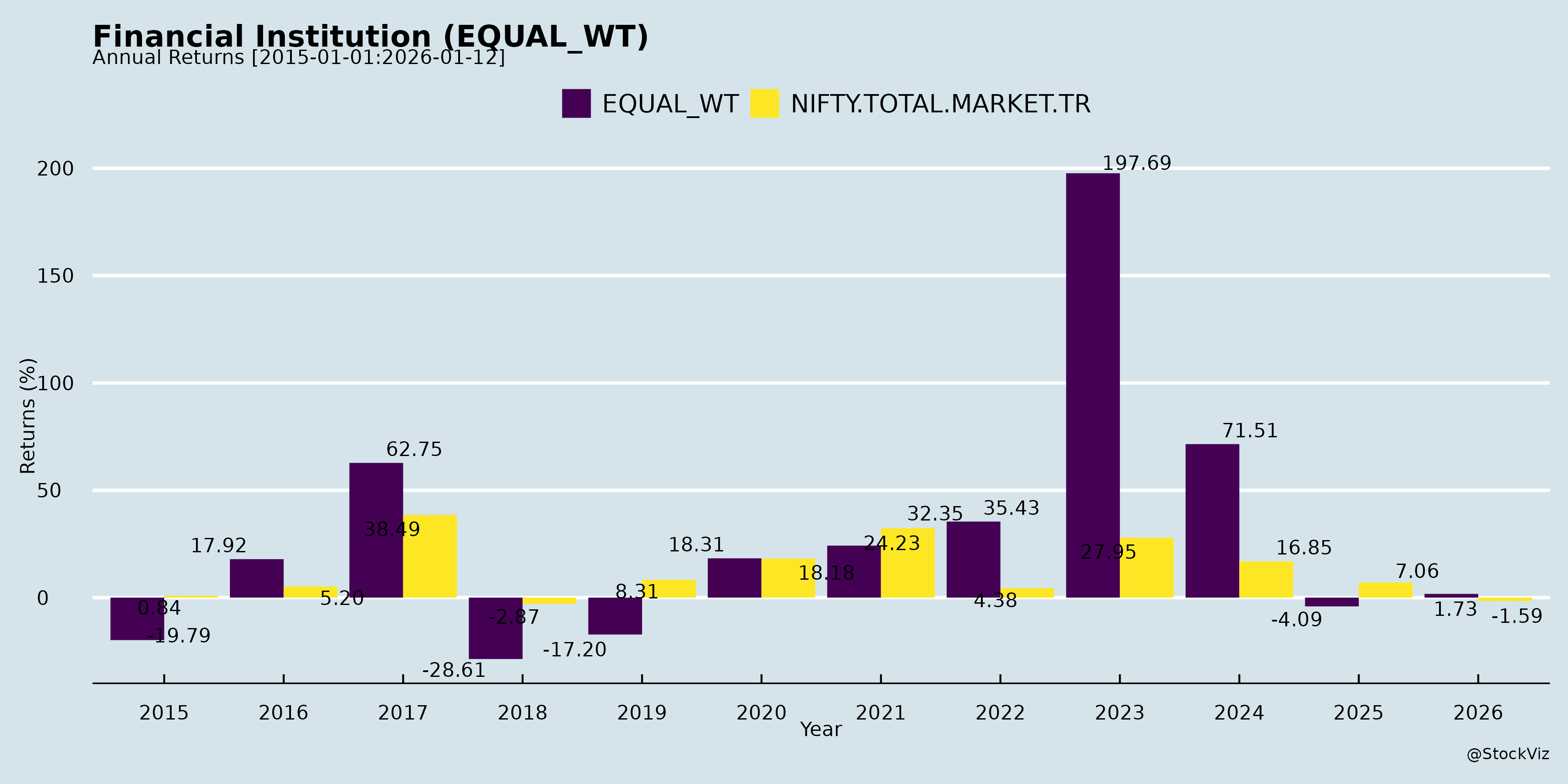
Annual Returns
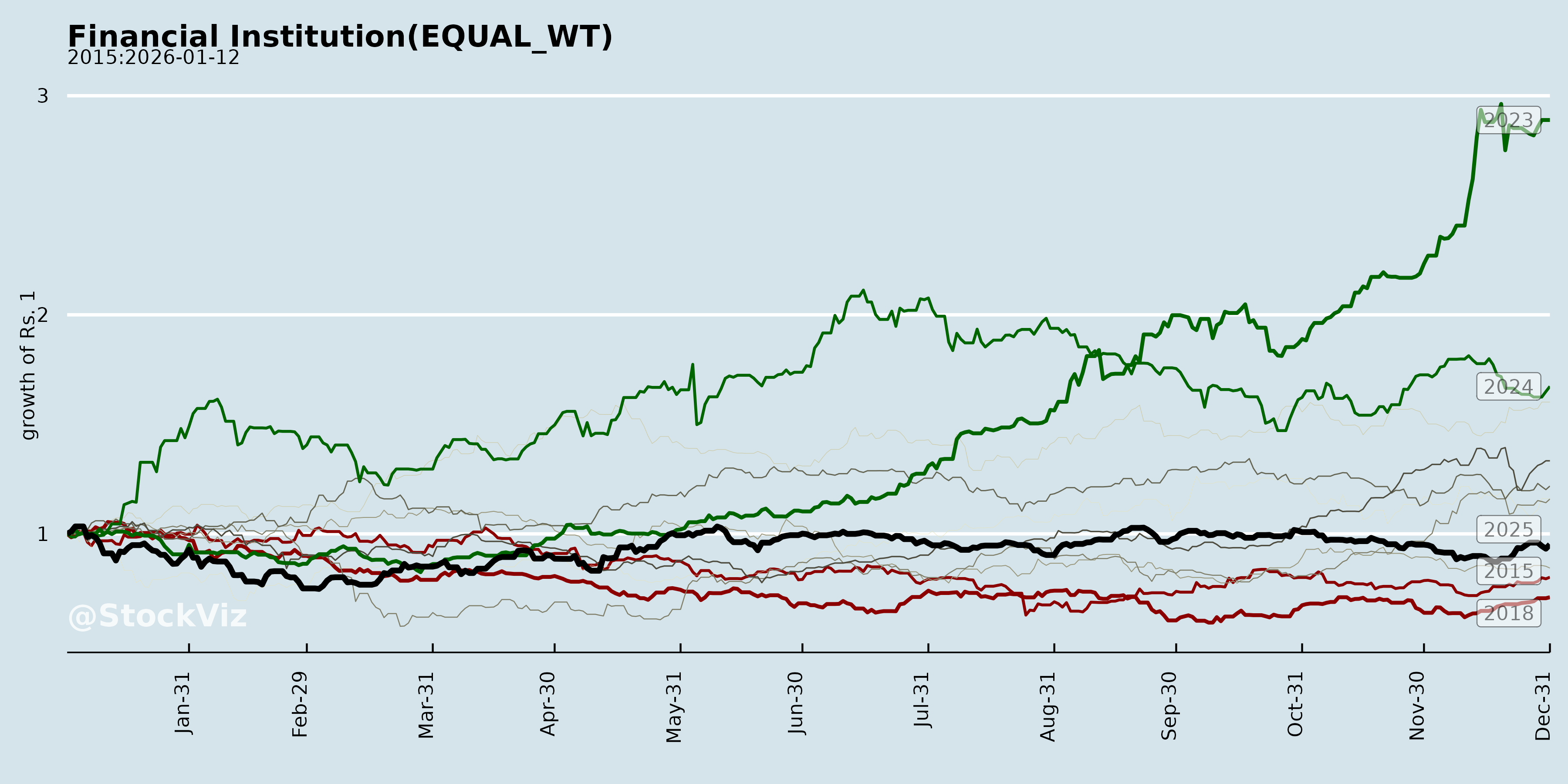
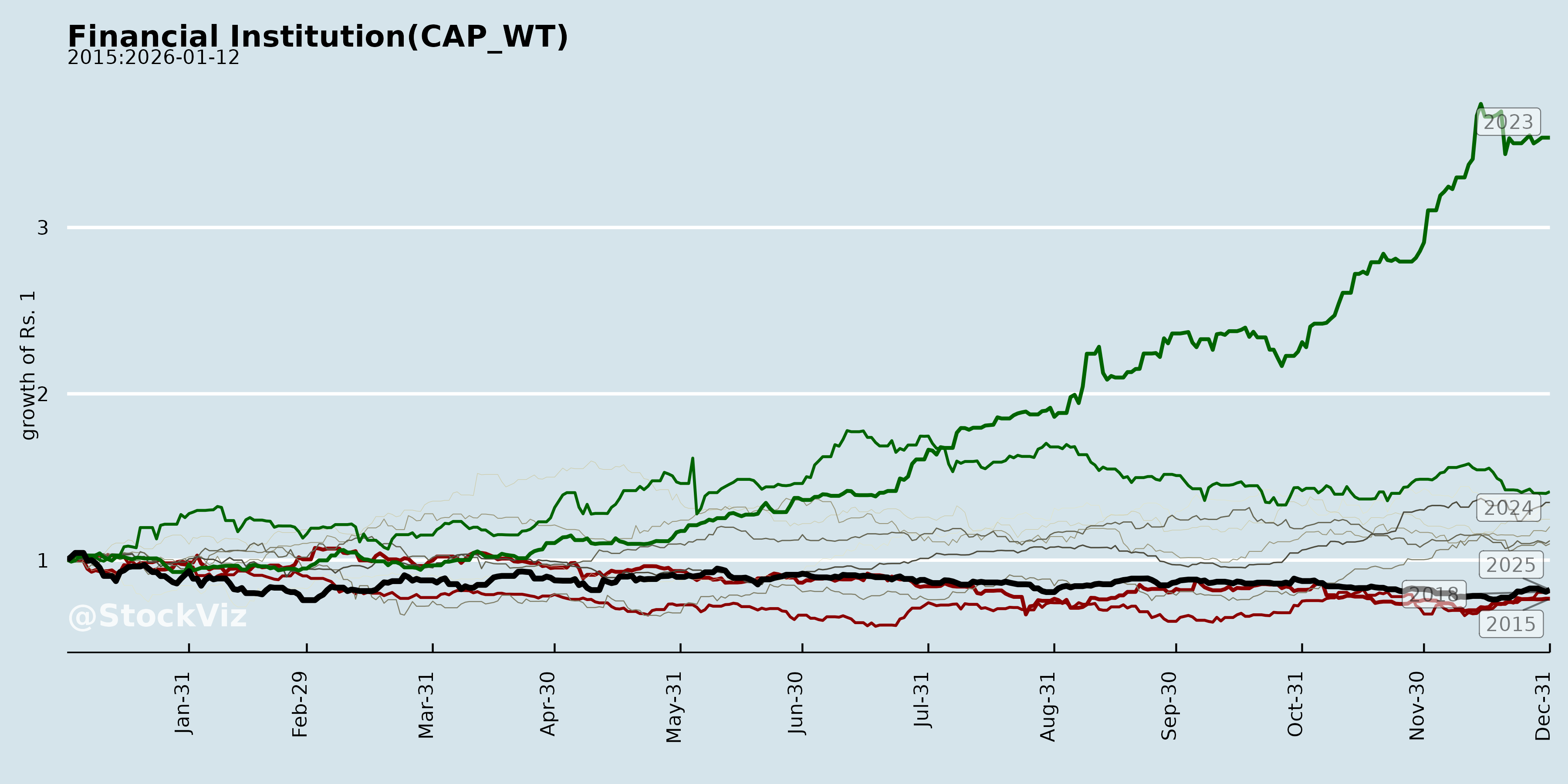

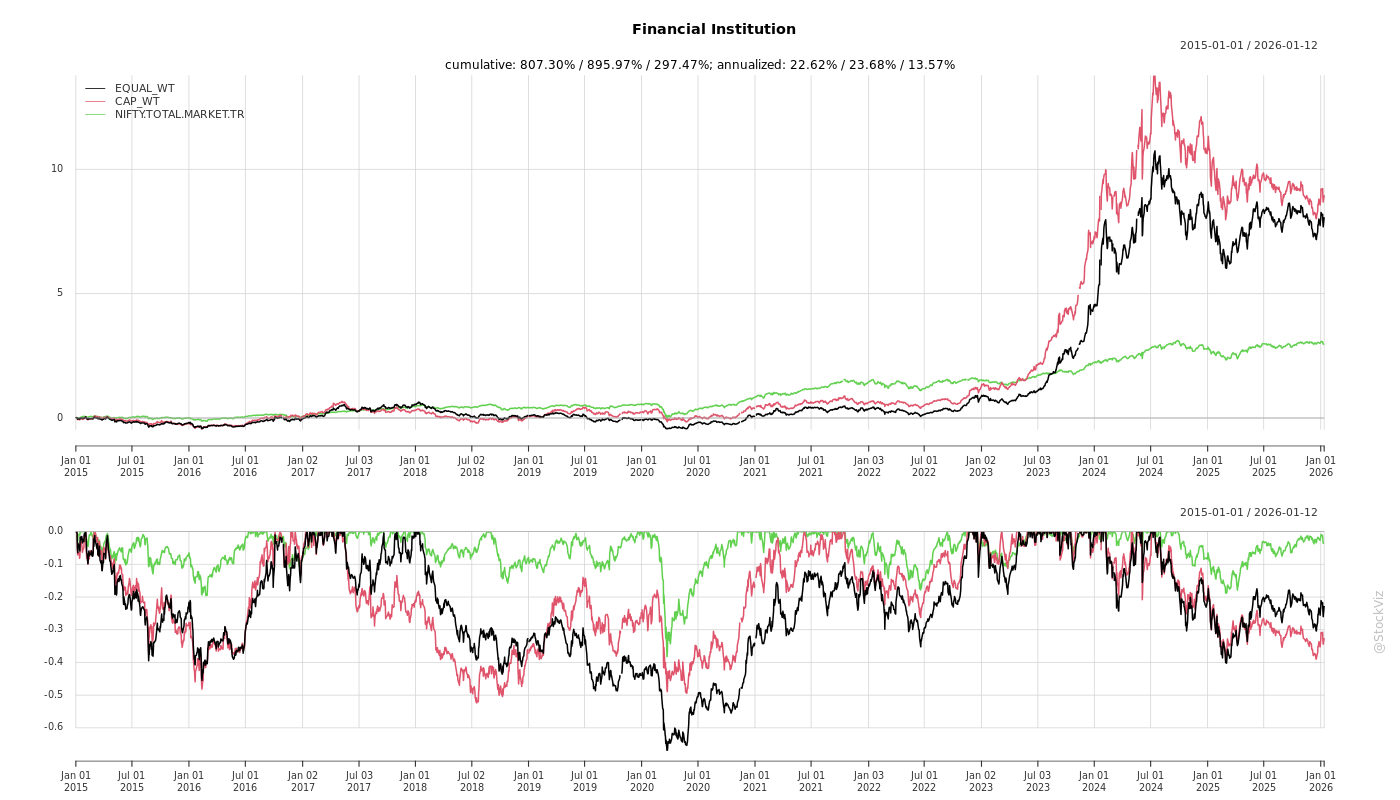
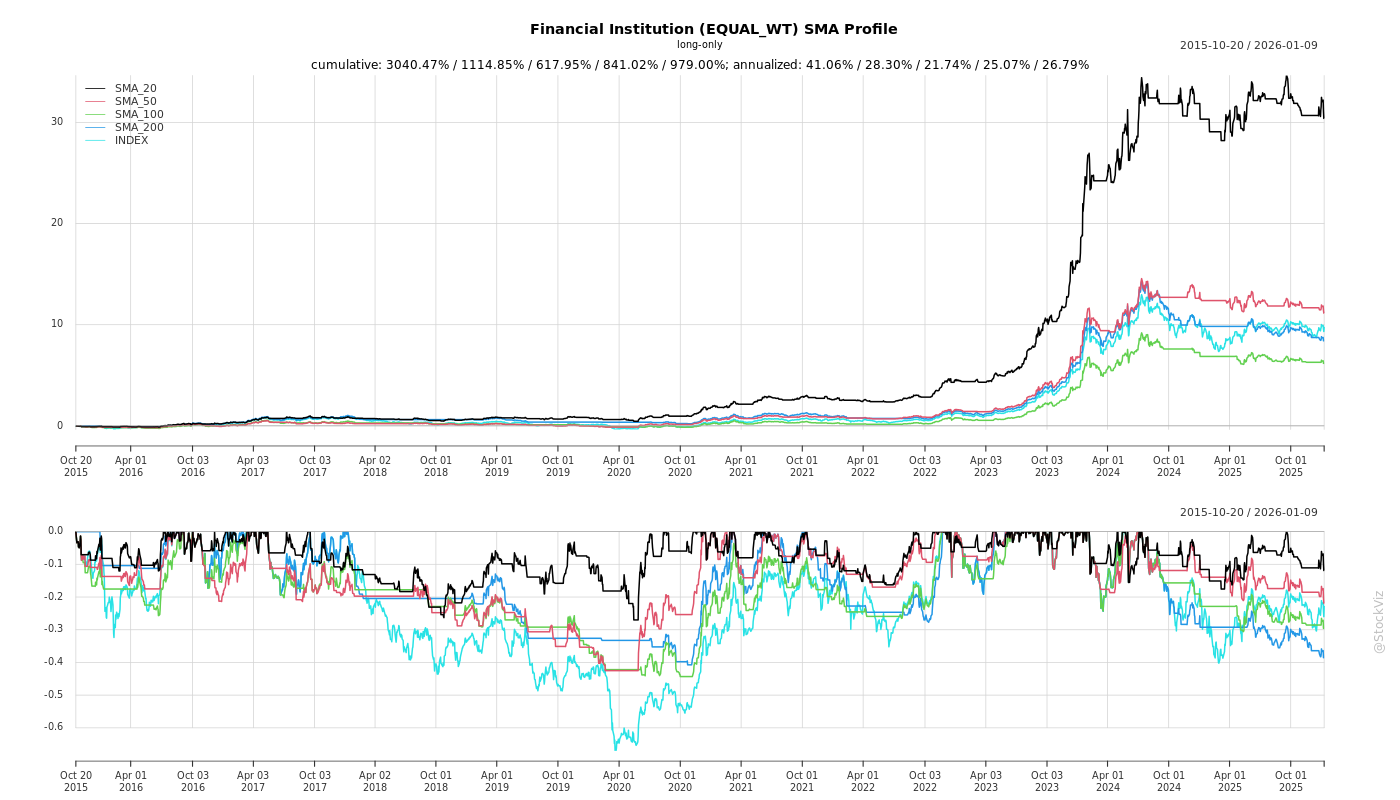
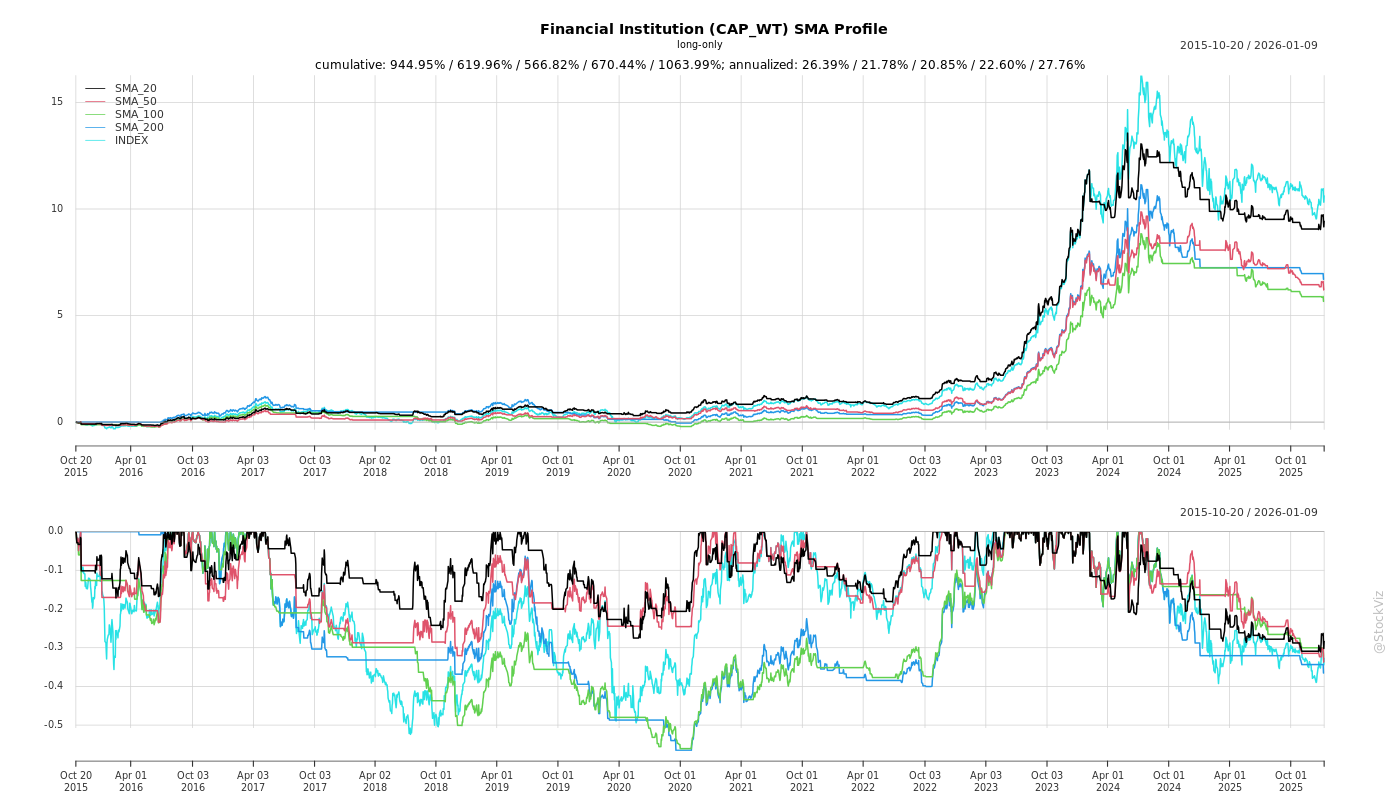
Cumulative Returns and Drawdowns
SMA Scenarios
Current Distance from SMA
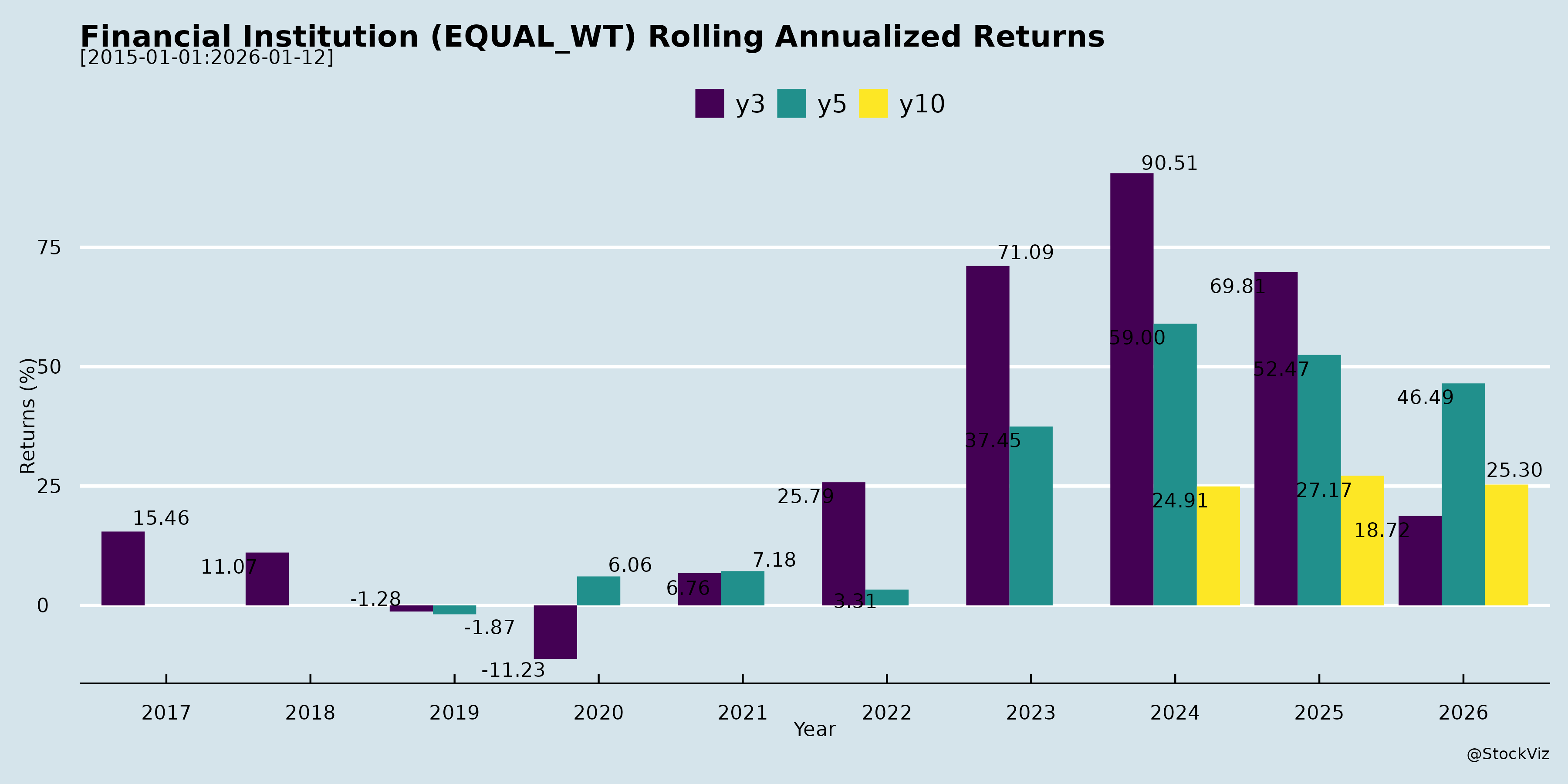
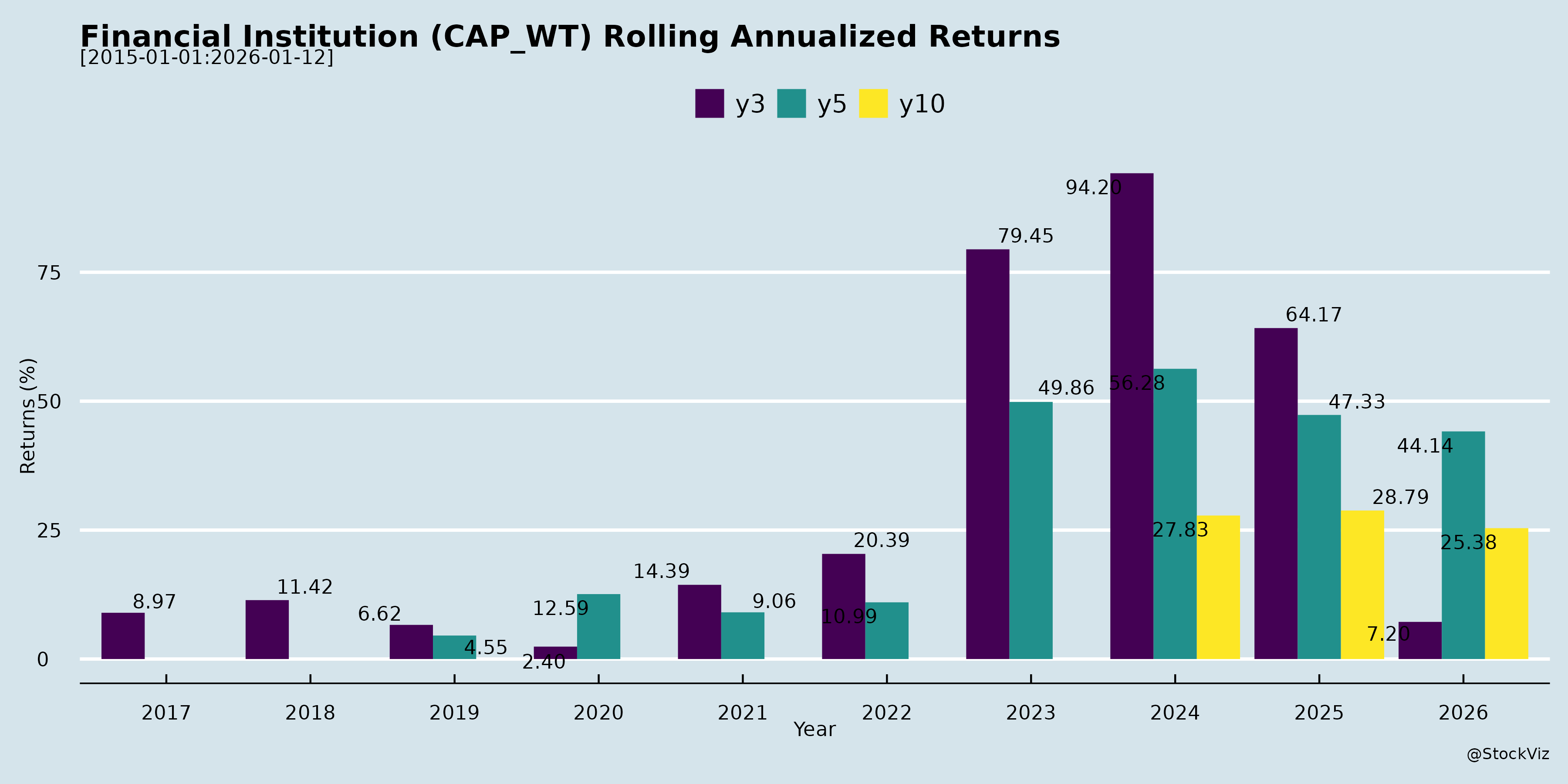
Rolling Returns
Fundamental Ratios
AI Summaries
How have the challenges and oppurtunities evolved over time?
asof: 2026-04-16
The challenges and opportunities for public sector financial institutions (such as HUDCO, IRFC, IREDA, TFCI, REC, and PFC) have evolved significantly over time. These organizations have transitioned from niche, single-mandate roles into diversified, multi-client financiers, navigating complex financial challenges while capitalizing on massive national infrastructure and green energy goals.
Here is a detailed breakdown of how their challenges and opportunities have evolved:
The Evolution of Challenges
1. Foreign Exchange Volatility and Hedging Risks A major historical and ongoing challenge for these institutions has been managing foreign currency borrowing risks. * HUDCO experienced a net loss of INR 470 crores on fair value changes in the nine months of FY26 due to severe currency fluctuations on its Foreign Currency Non-Resident (FCNR) borrowings, which breached hedging limits [1, 2]. To mitigate this evolving challenge, HUDCO has decided to stop taking 1-year FCNR loans, meaning the fourth quarter of FY26 will be the last to reflect these forex impacts [3, 4]. * Conversely, IREDA addresses this challenge through disciplined risk management, keeping approximately 75% of its outstanding foreign currency borrowings fully hedged through swaps and structured products, with an additional 4% partially hedged [5].
2. Regulatory Provisioning and Asset Quality Pressures As loan books grow, regulatory compliance and asset quality management have presented new hurdles. * IRFC recently faced the challenge of adjusting to new RBI guidelines mandating standard asset provisioning starting October 1, 2025. Even though IRFC maintains a pristine “zero NPA” (Non-Performing Asset) record, these mandatory provisions have visibly impacted their immediate profit lines, though management emphasizes this is not an actual cash hit [6-8]. * HUDCO has had to aggressively tackle legacy bad debts. Through concerted efforts, they have successfully resolved most of their NPAs—resolving INR 500 crores in the previous financial year and INR 385 crores in the current year, bringing their net NPA down to just 0.06% [9, 10]. However, they are still working to liquidate or resolve the remaining gross NPAs of around INR 1,600 crores [11].
3. Intense Market Competition As state-backed entities diversify their portfolios, they have entered spaces crowded by aggressive commercial banks and other Non-Banking Financial Companies (NBFCs). * IRFC is facing steep competition from banks offering deep-cut repo rates, resulting in the company losing out on certain bids despite its traditionally low cost of funds [12, 13]. * HUDCO also faces overlapping competition in the urban infrastructure space from large organizations like NaBFID, NABARD, REC, and PFC [14, 15]. However, management views this competition as healthy and often collaborates with banks in public-private partnership (PPP) models [16, 17].
4. Capital Adequacy and Debt-to-Equity Constraints Rapid growth demands massive capital, straining balance sheets. HUDCO’s debt-to-equity ratio reached 7.28x by the end of December 2025 [18, 19]. To sustain its targeted growth, the company is pressured to improve this ratio to below 6 within the coming months, primarily by planning to issue slightly costlier perpetual debt instruments that qualify as Tier 1 capital [20, 21].
The Evolution of Opportunities
1. Mandate Expansion and Strategic Diversification The most profound evolution for these entities has been breaking out of their historical silos to tap into much broader, highly profitable sectors. * IRFC (Transition to “IRFC 2.0”): For nearly 38 years, IRFC operated in a single-client system, lending exclusively to Indian Railways with thin margins of around 40 basis points (bps) [22-24]. The company has now pivoted to a multi-client model, lending to the broader railway ecosystem (e.g., NTPC, DFCCIL) [25]. This evolution has increased their margins by 2x to 3x, allowing them to earn 100 to 120 bps [23, 26]. They aim for a 60:40 portfolio mix by 2030 (60% Railways, 40% railway ecosystem) and target an immense Asset Under Management (AUM) of over INR 5 lakh crores by adding just 20 new high-ticket entities [27-29]. * HUDCO: Originally focused primarily on housing, HUDCO received an RBI mandate to become an Infrastructure Finance Company [9]. They are now extensively funding sector-agnostic, large-scale projects like metro rail networks, airports, water supply projects, transit-oriented development, and tourism infrastructure [30-32]. * TFCI: Tourism Finance Corporation of India is seizing alternative investment opportunities. Its Board recently approved co-sponsoring Category II Alternative Investment Funds (AIFs) for the Hospitality and Real Estate sectors, notably acting as an anchor investor for the Holystone Hospitality Fund and Certus Real Estate Fund [33, 34].
2. Massive National Infrastructure and Green Energy Goals Government-led macro initiatives for a “Viksit Bharat” (Developed India) have created an unprecedented pipeline of bankable projects. * Urban Infrastructure: The High-Level Committee estimates that India requires a staggering INR 80 lakh crores in urban investment between 2021 and 2036 [14, 35]. The government is actively stimulating this by allocating INR 2 trillion to states via 50-year long-term SASCI loans and rolling out the Urban Challenge Fund to upgrade implementation capacities [35-38]. HUDCO anticipates that it will be the premier beneficiary of these reforms, targeting an AUM of INR 3 lakh crores by 2030 [39, 40]. * Renewable Energy Expansion: India’s renewable energy capacity has grown ~3.2x since FY14 and is targeted to double by FY30, demanding an estimated investment of INR 31.6 lakh crores [41, 42]. This presents a massive growth runway for IREDA, which has been upgraded to a ‘Navratna’ CPSE in FY26 and has broadened its financing to include solar, wind, battery energy storage, green hydrogen, and electric vehicles [42-44].
3. Access to Cheaper, Global Funding Innovations To fund these massive opportunities, companies have actively evolved their borrowing profiles to tap into diverse domestic and international markets. * IRFC recently accessed the External Commercial Borrowing (ECB) market for the first time in three years, securing a highly attractive Japanese Yen facility (JPY 46.458 billion) [45, 46]. They also successfully tested zero-coupon (deep discount) bonds in 2025, lowering their overall weighted average cost of borrowing to roughly 7%, and remaining cheaper than peers [47-49]. * IREDA established a subsidiary in GIFT City to handle overseas operations [43]. Furthermore, its subsidiary IGGEFIL was assigned a ‘BBB+/Stable’ Long-Term Foreign Currency Issuer Rating (at par with India’s sovereign rating), which strategically positions them to access international capital markets for clean energy financing at a reduced borrowing cost [50]. * PFC and REC have consistently expanded their resource bases by raising funds through green bonds, tax-free bonds, perpetual debt instruments, and foreign currency bonds to finance domestic power transitions [51-54]. Additionally, REC and PFC Consulting Limited leverage opportunities by acting as Bid Process Coordinators, forming SPVs (like Babai Transmission Limited and Bikaner Transmission Limited), and transferring them to successful developers through tariff-based competitive bidding [55-58].
What are the headwinds affecting this industry?
asof: 2026-04-16
Intense Competition from Banks and NBFCs: The infrastructure and renewable energy financing space is becoming increasingly crowded with aggressive commercial banks and other Non-Banking Financial Companies (NBFCs) [1, 2]. Commercial banks are often willing to drastically cut their repo rates to gain exposure to new, pristine assets, which has led to highly aggressive quoting that causes specialized infrastructure finance companies to lose out on competitive bids [3, 4].
Currency Fluctuations and Foreign Exchange Losses: Reliance on External Commercial Borrowings (ECBs) and Foreign Currency Non-Resident (FCNR) loans exposes these companies to severe exchange rate volatility. In some instances, severe currency fluctuations have breached established hedging limits, forcing companies to absorb massive fair value translation losses—such as a reported net loss of INR 470 crores over a nine-month period due to FCNR borrowings [5-8]. Additionally, while companies attempt to mitigate this through swaps and structured products, a portion of foreign currency borrowings frequently remains unhedged or only partially hedged [9, 10].
Asset Quality Issues and High Non-Performing Assets (NPAs): While some firms have effectively resolved their distressed assets, others in the sector are severely burdened by them. A lack of fresh loan exposure in some companies has concentrated the risk, driving gross NPA ratios to staggering levels as high as 96.31%, with net credit-impaired asset ratios exceeding 81% [11-13]. Resolving these stressed assets is often a protracted process requiring significant legal recourse through the National Company Law Tribunal (NCLT), Debt Recovery Tribunals (DRT), and SARFAESI actions [14, 15].
Capital Adequacy and Debt-to-Equity Pressures: Rapid growth in loan disbursements puts immense upward pressure on leverage. Certain institutions have seen their debt-to-equity ratios rise above 7.28x, forcing them to consider costlier financial instruments, such as perpetual debt, to shore up their Tier 1 capital [16-19]. In the most severe cases, struggling companies have reported a negative Capital Risk Adequacy Ratio (CRAR) of -16.51%, which violates the Reserve Bank of India’s (RBI) minimum regulatory thresholds [20, 21].
Regulatory, Governance, and Legal Challenges: * Provisioning Shortfalls: Companies occasionally face regulatory friction where the required provisions under the RBI’s Prudential (IRACP) Norms significantly exceed their existing impairment allowances (e.g., a reported shortfall of INR 89.10 crores), creating balance sheet strain [21, 22]. * Conflicts of Interest: Auditors have highlighted severe governance headwinds in instances where a financing company simultaneously acts as a paid consultant assisting applicants with their proposals, while also acting as the independent government nodal agency evaluating those exact same applications. This dual role severely undermines the credibility of project appraisals and compromises institutional independence [23-26]. * Litigation and Tax Disputes: The industry must frequently navigate prolonged litigation and unexpected tax demands, such as regulatory authorities reducing a company’s brought-forward losses and issuing demands for additional tax [12, 26-28].
What are the key things to understand about this industry?
asof: 2026-04-16
Massive Market Potential and Capital Demand The infrastructure and specialized financing industry in India is characterized by an enormous demand for capital to support national development goals. For example, the renewable energy sector expects a required investment of approximately INR 31.6 lakh crore by FY30 to double the country’s renewable capacity [1]. Similarly, urban infrastructure requires an estimated INR 80 lakh crore in investments between 2021 and 2036, which translates to an annual requirement of INR 7 to 8 lakh crore [2, 3]. To meet this demand, financial institutions are setting aggressive growth targets, such as anticipating a 25% growth in loan books and aiming for significant milestones like an INR 3 lakh crore loan book [4-7].
Strategic Diversification of Portfolios Companies in this industry are aggressively pivoting from traditional, single-domain lending to highly diversified portfolios to capture higher margins. * Indian Railway Finance Corporation (IRFC) is transitioning from serving Indian Railways as its single client to a “2.0 version,” targeting a 60:40 portfolio mix where 40% of funding goes to the broader railway ecosystem (such as Dedicated Freight Corridors and NTPC) [8-13]. This diversification allows them to capture margins that are nearly 2x to 3x better than their traditional railway lending [10, 13-15]. * HUDCO is expanding its footprint beyond housing by financing private sector Public-Private Partnership (PPP) models across real estate, roads, ports, airports, and energy transition projects [16-19]. * Tourism Finance Corporation of India (TFCI) is acting as an anchor investor and co-sponsor for Alternative Investment Funds (AIFs) focused on the hospitality and real estate sectors [20, 21].
Sophisticated Liability Management and Low Cost of Funds A core competitive advantage in this industry is the ability to secure highly cost-effective, long-term borrowing. Institutions utilize a diverse mix of domestic and international financial instruments to maintain a low cost of funds. They actively tap into fixed and floating rate bank loans, zero-coupon bonds, FCNR (Foreign Currency Non-Resident) borrowings, and perpetual debt instruments [22-31]. For instance, entities are securing External Commercial Borrowings (ECBs) in Japanese Yen at highly attractive rates, effectively keeping their weighted average cost of borrowing cheaper than their peers (often under 7%) [32-35]. Furthermore, companies like Power Finance Corporation (PFC) utilize highly specialized instruments, including capital gain bonds, inflation-indexed bonds, and Green/Social/ESG bonds to continuously optimize their capital structure [36].
Pristine Asset Quality and Rigorous Risk Mitigation Because these companies handle massive balance sheets, maintaining excellent asset quality is paramount. * Cherry-picking assets: Lenders strictly target “pristine” assets, predominantly focusing on A, AA, and AAA-rated entities that feature strong balance sheets and robust cash flows [37-44]. This selective approach allows institutions like IRFC to maintain a “zero NPA” (Non-Performing Asset) track record [37, 41, 45, 46]. * End-to-End Governance: Organizations like IREDA enforce comprehensive end-to-end loan management frameworks. This includes proprietary credit rating models, three-tier internal validations, continuous oversight utilizing Early Warning Signals (EWS), and dedicated stressed asset divisions to handle NCLT (National Company Law Tribunal) or SARFAESI recovery tracks [47-49].
Strong Government Linkages and Policy Alignment The industry operates in lockstep with national policy, heavily benefiting from a “whole of Government of India approach” [45, 46]. These financial institutions provide critical debt financing to supplement government visions like “Viksit Bharat” [50, 51]. State-level lending is heavily stimulated by central government incentives, such as the SASCI (Special Assistance to States for Capital Investment) loans, which provide 50-year funds to states for reform-based infrastructure development [52-55]. Furthermore, specialized NBFCs act as implementing agencies for massive central schemes, such as the Production Linked Incentive (PLI) for Solar PV modules and the National Bioenergy Programme [56].
Navigating Competition through Co-Financing and Collaboration While there is healthy and aggressive competition from commercial banks cutting repo rates to win bids, the capital requirements of the industry are too vast for any single institution to monopolize [57-64]. Consequently, the industry is highly collaborative. Institutions like HUDCO, REC, PFC, and NaBFID frequently form consortiums or co-finance massive infrastructure projects (like metro systems and green energy transitions) to share the financial load and risk [16, 18, 60, 61, 63-67].
What are the tailwinds affecting this industry?
asof: 2026-04-16
Massive Infrastructure Investment Requirements The sheer scale of capital required to build India’s future infrastructure presents a massive growth runway and Total Addressable Market (TAM) for financing institutions: * Urban Infrastructure: According to a high-level committee report, urban investment requires approximately INR 80 lakh crores between 2021 and 2036, which translates to an annual requirement of INR 7 lakh to 8 lakh crores [1, 2]. Currently, the annual investment is only around INR 2 to 2.5 lakh crores, indicating a massive gap that institutions like HUDCO are gearing up to fill [2]. * Renewable Energy (RE): India’s installed RE capacity is projected to double by FY30, necessitating an estimated investment of INR 31.6 lakh crores across various RE sectors such as solar, wind, hydro, and battery energy storage systems [3].
Increased Government Allocations and Long-Term Loans The government is heavily stimulating infrastructure growth through direct financial support to states. In recent budgets, the government authorized a 33% increase in capital allocation to states, amounting to INR 2 trillion [4, 5]. These funds are being deployed as 50-year long-term SASCI (Special Assistance to States for Capital Investment) loans, which are tied to implementing specific urban and sustainable infrastructure reforms [6, 7].
Favorable Policies, Grants, and Strategic Initiatives Government schemes are actively de-risking and incentivizing projects across sectors: * Urban & Rural Reforms: The 16th Finance Commission and broader economic policies are highly focused on creating “sustainable, bankable, and viable” urban cities globally [8, 9]. The government has introduced performance-based incentives, such as a grant of INR 56,000 crores for water recycling projects and a specific grant of INR 100 crores for every INR 1,000 crores of municipal bonds issued [7, 10]. * Renewable Energy Incentives: The RE sector benefits from deep government backing, including the Production Linked Incentive (PLI) scheme for Solar PV modules, the CPSU Scheme Phase-II, Solar and Wind Generation Based Incentives (GBI), and the National Bioenergy Programme [11].
State-Level Push and Rising Public Aspirations A significant tailwind is the competitive drive among Indian states to develop and monetize their unique geographical and economic assets [12, 13]. States are launching targeted development roadmaps (e.g., “Swarnim Andhra Pradesh” or “Viksit Rajasthan”) to attract Foreign Direct Investment (FDI), which is flowing in continuously [13, 14]. Furthermore, rising public aspirations for basic rights—such as quality roads, tap water, sewerage, and green energy—are putting immense pressure on the system to accelerate infrastructure creation [14].
Lucrative Diversification Opportunities Public finance companies are finding new avenues for higher-yielding growth by diversifying their portfolios: * Railway Ecosystem: Indian Railway Finance Corporation (IRFC) is transitioning from serving a single client (Indian Railways) to funding the broader railway ecosystem [15, 16]. This diversification into “IRFC 2.0” allows the company to secure margins that are 2x to 3x higher than their traditional railway loans, significantly boosting their Net Interest Margins (NIM) [17-19]. * New Urban Sectors: HUDCO is diversifying its asset base beyond housing into core infrastructure projects like airports, metros, water desalination, and transit-oriented development [20-23]. They are also moving into private sector Public-Private Partnership (PPP) models across real estate, roads, ports, and energy transition [24, 25].
Access to Cost-Effective Capital To fund this growth, these institutions are successfully accessing cheap capital, giving them a competitive edge. For instance, IRFC’s inherent strength lies in its low overhead costs and the ability to garner cheaper borrowing rates—such as highly attractive Japanese Yen ECB loans and zero-coupon bonds [26]. This allows them to pass on benefits to customers while still increasing their own profitability and outbidding commercial banks [26, 27].
What is the general outlook of this industry?
asof: 2026-04-16
The general outlook for the infrastructure, urban development, and renewable energy financing industry is exceptionally positive and is characterized by a massive demand for capital, strong government backing, and rapid strategic diversification across institutions.
Massive Investment Demand & Capital Requirements There is a staggering demand for infrastructure funding across the country. The urban investment requirement alone is estimated to be around INR 80 lakh crores between 2021 and 2036, which translates to an annual requirement of INR 7 lakh crores to INR 8 lakh crores [1, 2]. Currently, the industry is only financing a small fraction of this, indicating that a massive scale-up is required to bridge the gap [1, 2]. To meet this demand, institutions will increasingly rely on multilateral loans, foreign direct investment (FDI), and private investors [3, 4].
Similarly, the renewable energy (RE) financing sector is looking at a massive growth runway. With India’s renewable energy capacity projected to double by FY30, there is an expected investment requirement of approximately INR 31.6 lakh crores across various RE sectors over the same period [5].
Strong Government Push and State-Level Reforms The central government and the 16th Finance Commission are placing a heavy emphasis on rural development and urban reforms [6, 7]. The primary focus is on creating sustainable, viable, and bankable urban projects to build “cities of the global standard” [8, 9]. Key catalysts for the industry’s growth include: * A 33% increase in budget allocations to states, which is expected to heavily stimulate infrastructure growth [10-13]. * The extension of 50-year long-term SASCI (Special Assistance to States for Capital Investment) loans by the Government of India, which currently stand at INR 2 lakh crores [14, 15]. * The introduction of the Urban Challenge Fund, a program designed to upgrade and enhance the project implementation capacity of Urban Local Bodies (ULBs) [16, 17].
Diversification and Expansion into New Ecosystems Financial institutions in this space are aggressively diversifying beyond their traditional single-client or narrow-sector models to capture higher yields and mitigate risks. For instance, the railway financing sector is targeting a new portfolio mix by 2030, with 40% of its loans allocated to the broader infrastructure ecosystem (including metro rail, renewable energy, logistics, and ports), where profit margins are nearly three times higher than traditional railway lending [18-20].
In the renewable sector, companies are expanding their product suites to finance emerging technologies alongside traditional solar and wind projects. This includes funding for Battery Energy Storage Systems (BESS), green hydrogen and derivatives, and electric vehicles (EVs) and charging infrastructure [21].
Rising Public Aspirations and Matured Execution Models There is a nationwide push for localized development, with almost all states formulating distinct investment roadmaps—such as “Swarnim Andhra Pradesh” or “Viksit Rajasthan”—to monetize their geographical and land assets [22, 23]. This is heavily driven by rising public aspirations, as citizens increasingly demand basic rights like high-quality roads, proper sewerage, tap water, and green energy, thereby putting pressure on the system to rapidly deliver this infrastructure [24, 25].
Furthermore, project execution models such as BOT (Build-Operate-Transfer), EPC (Engineering, Procurement, and Construction), and HAM (Hybrid Annuity Model) have matured significantly, ensuring better project viability and implementation [26, 27].
Overall, the industry is entering a definitive era of development that is expected to sustain a strong growth trajectory for the next 20 to 22 years leading up to 2047, fundamentally transforming the nation’s economic and physical landscape [26, 27].
Copyright © 2023 SAS Data Analytics Pvt. Ltd. All rights reserved.