Diversified Retail
Industry Metrics
September 24, 2026
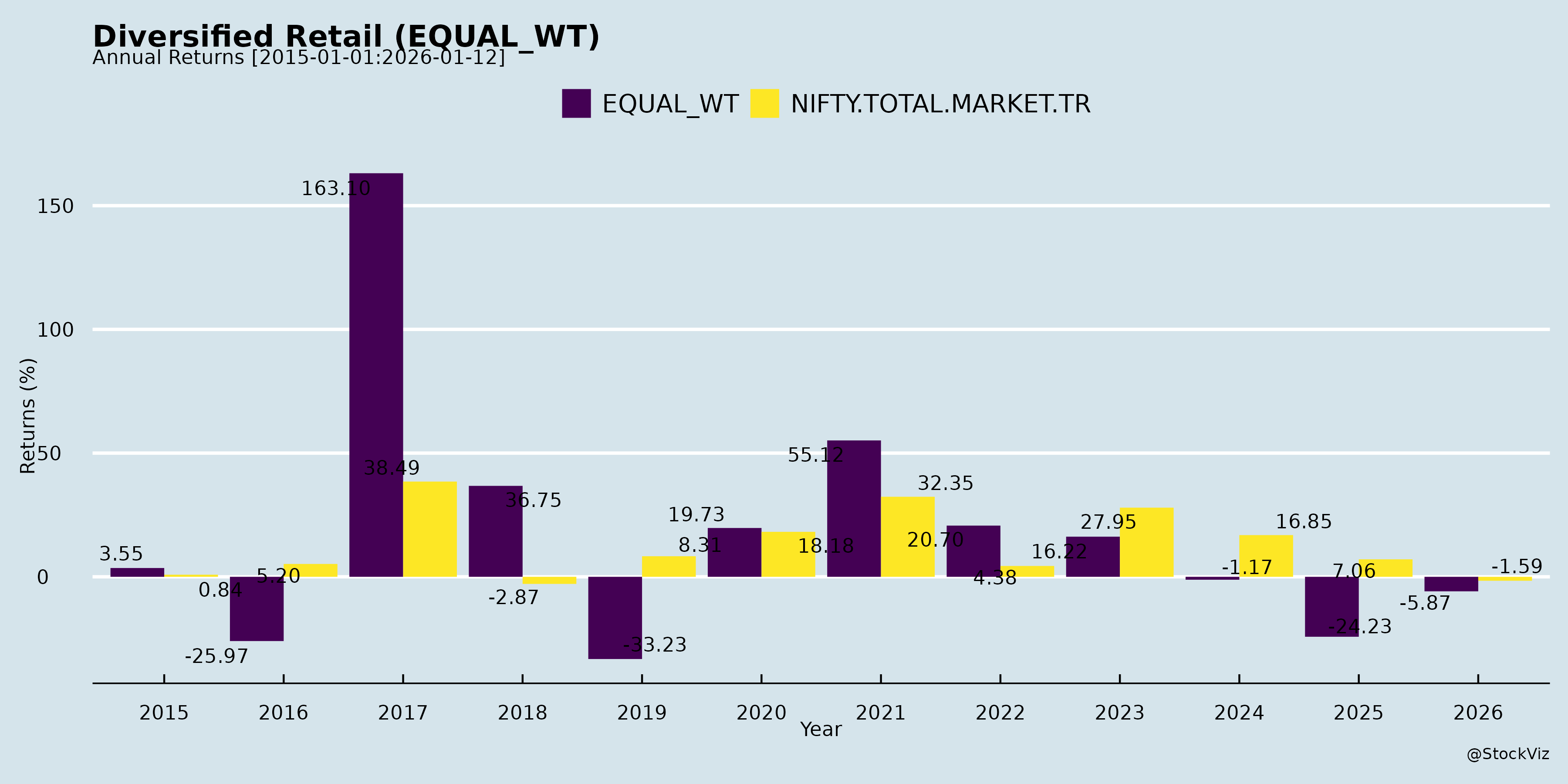
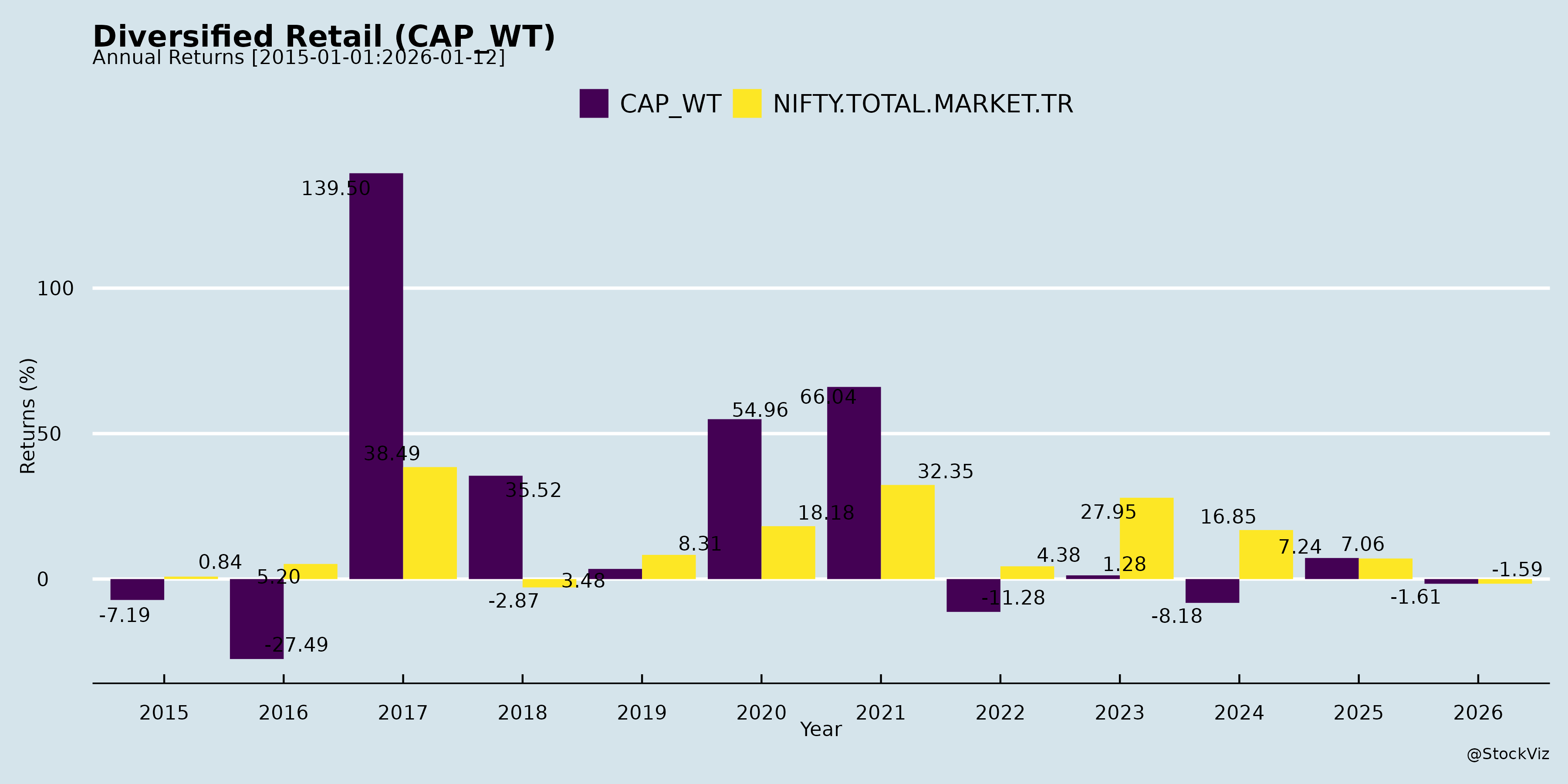
Annual Returns
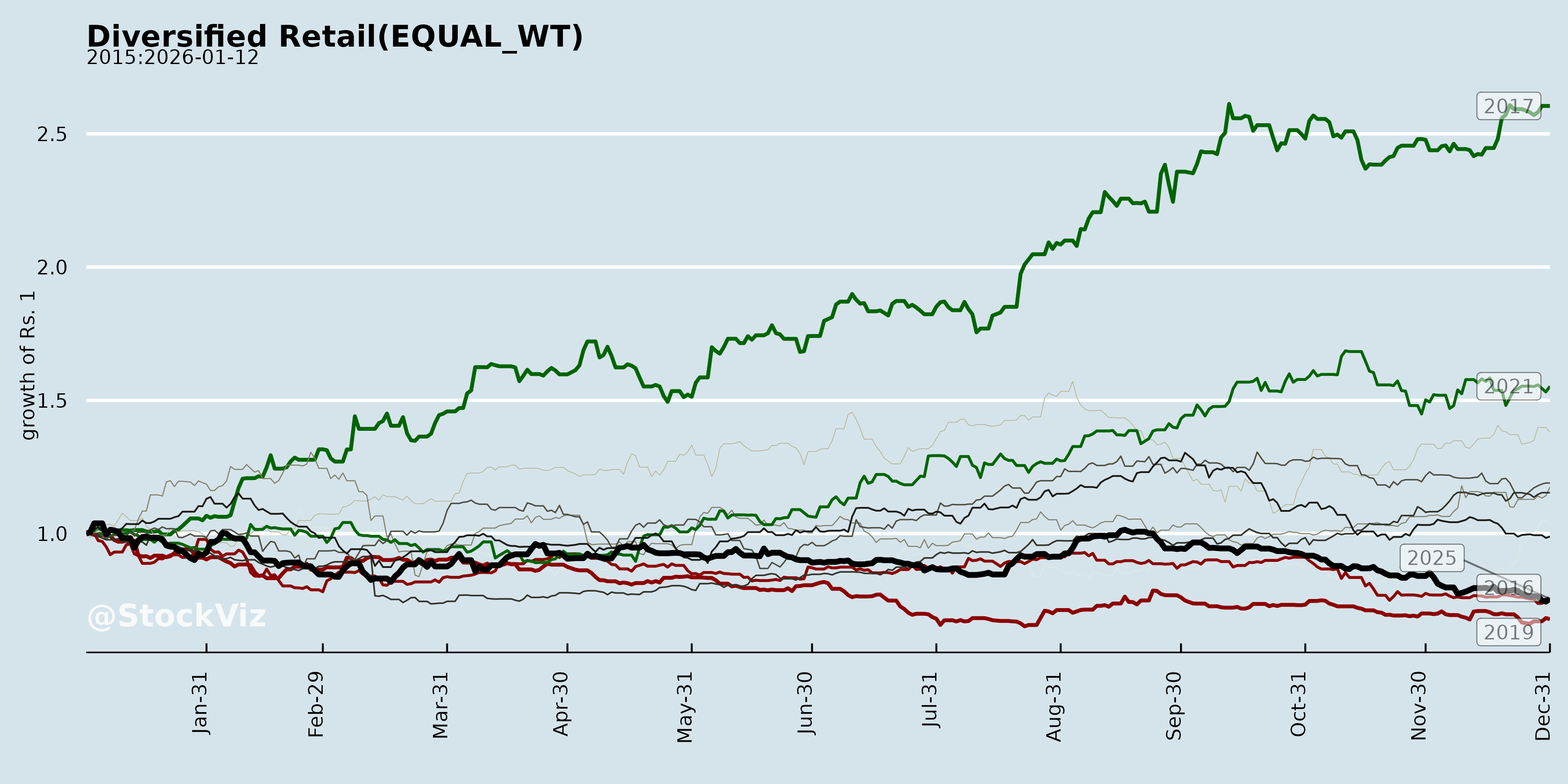
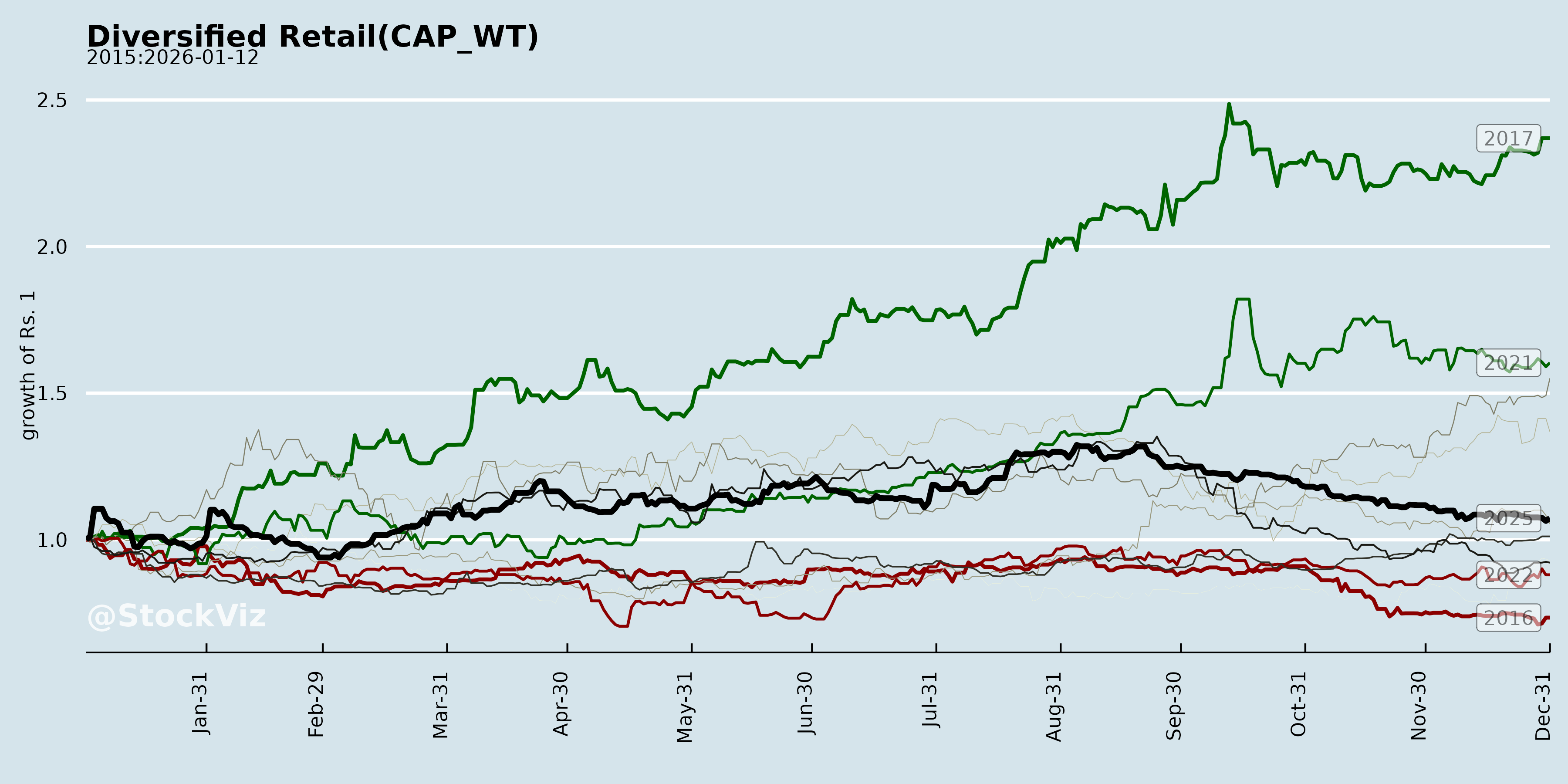
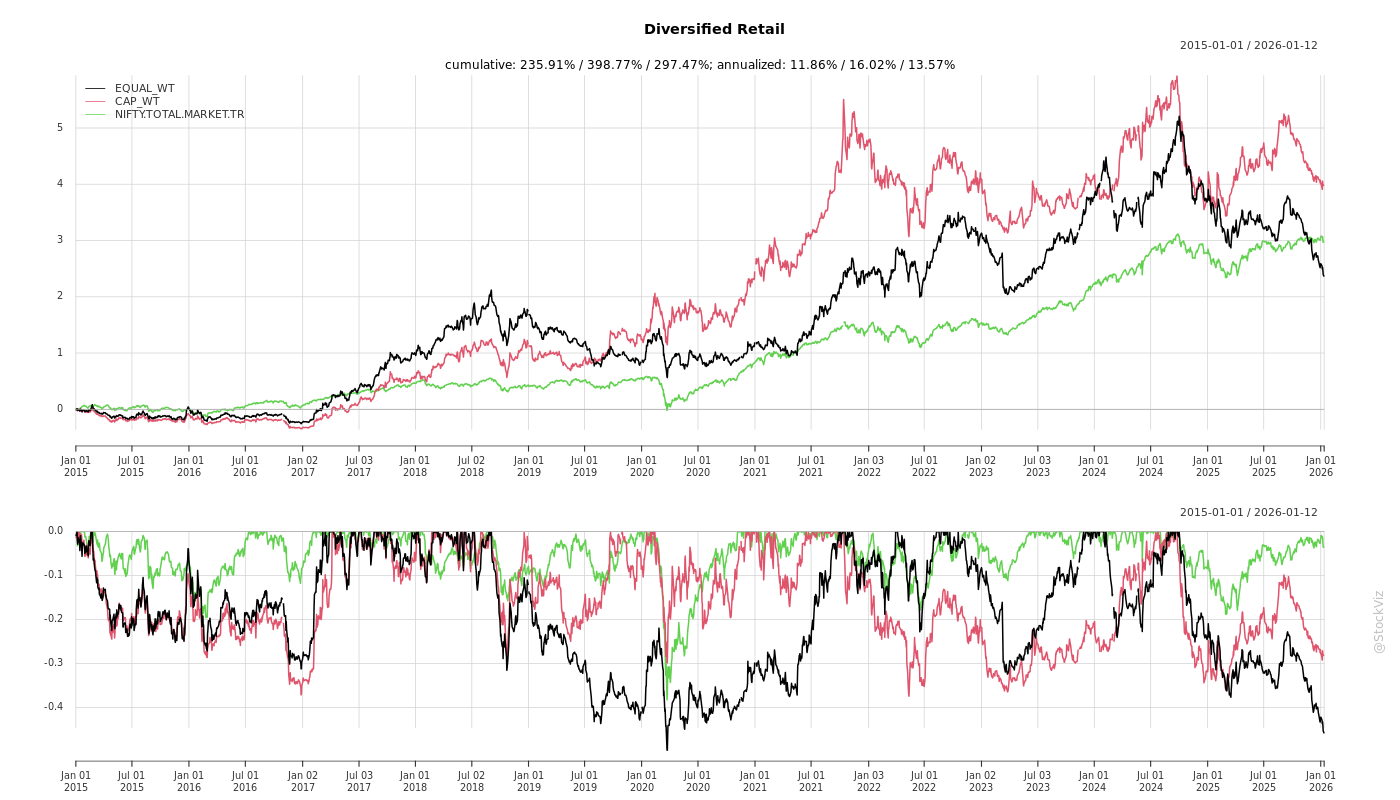
Cumulative Returns and Drawdowns
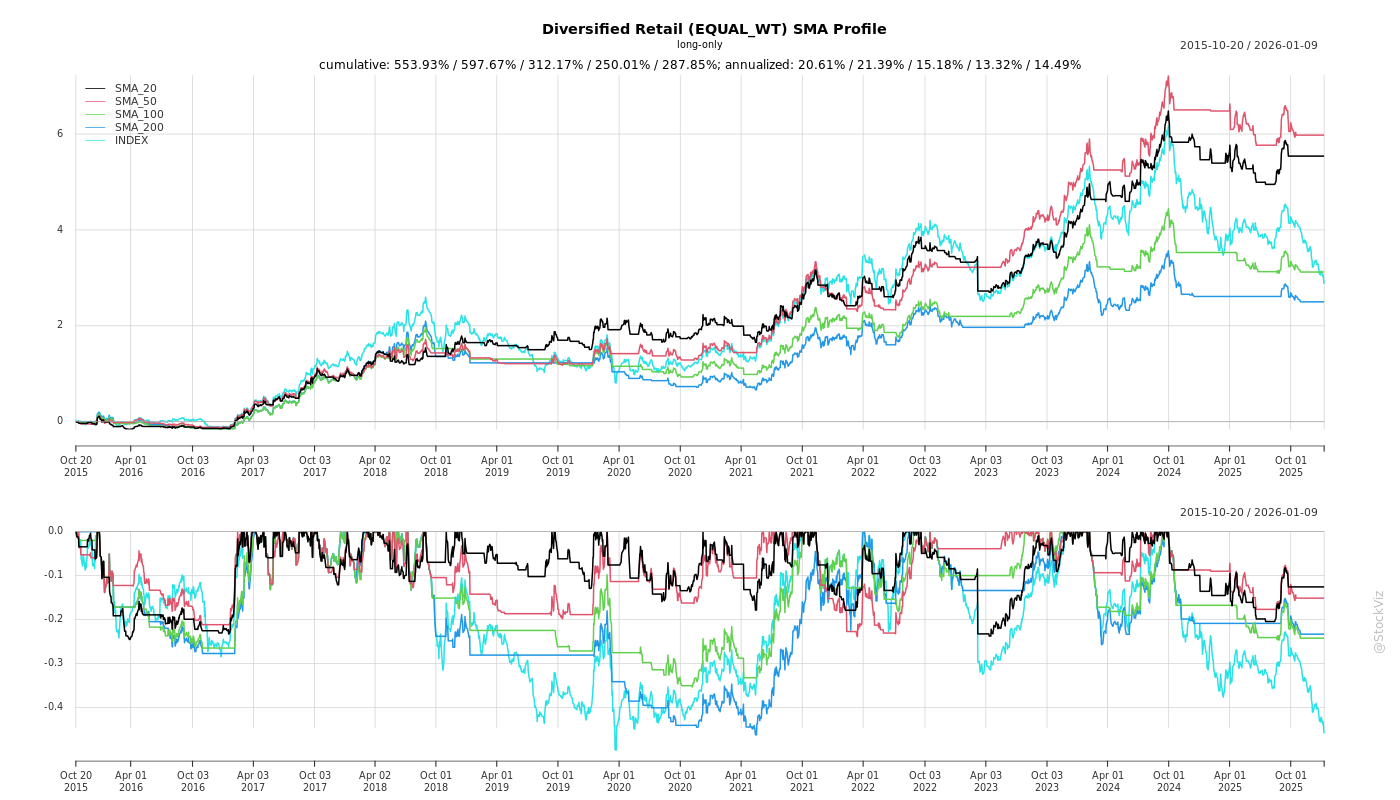
SMA Scenarios
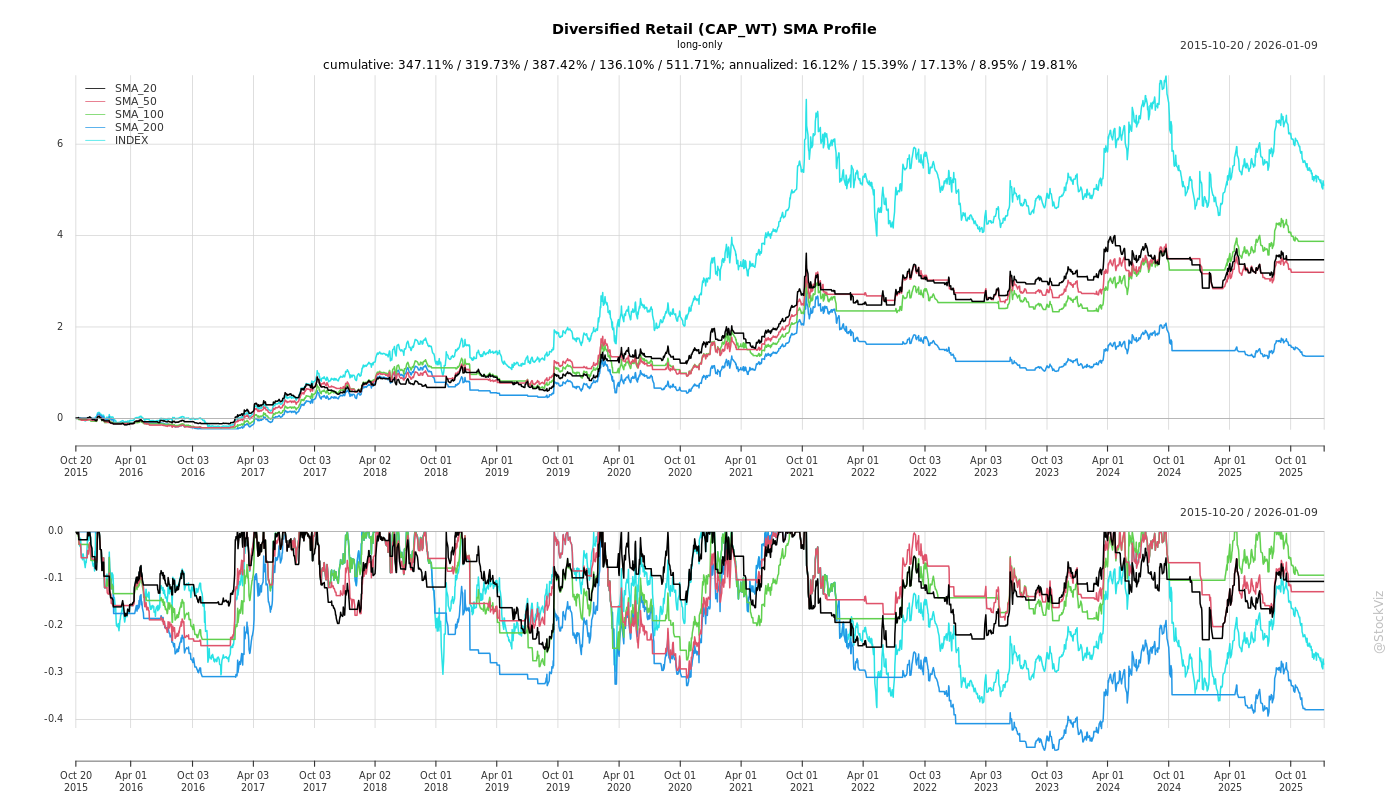
Current Distance from SMA
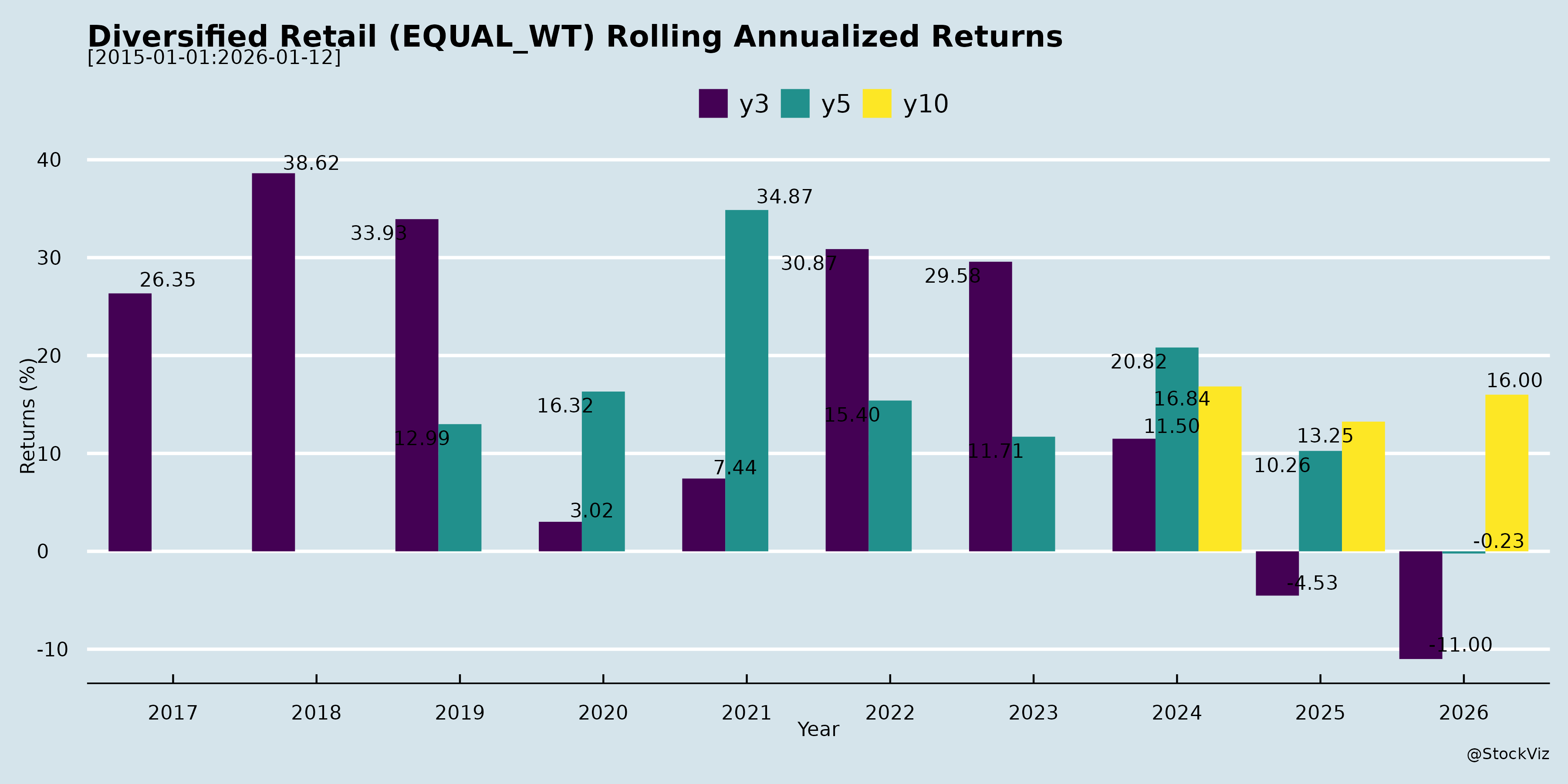
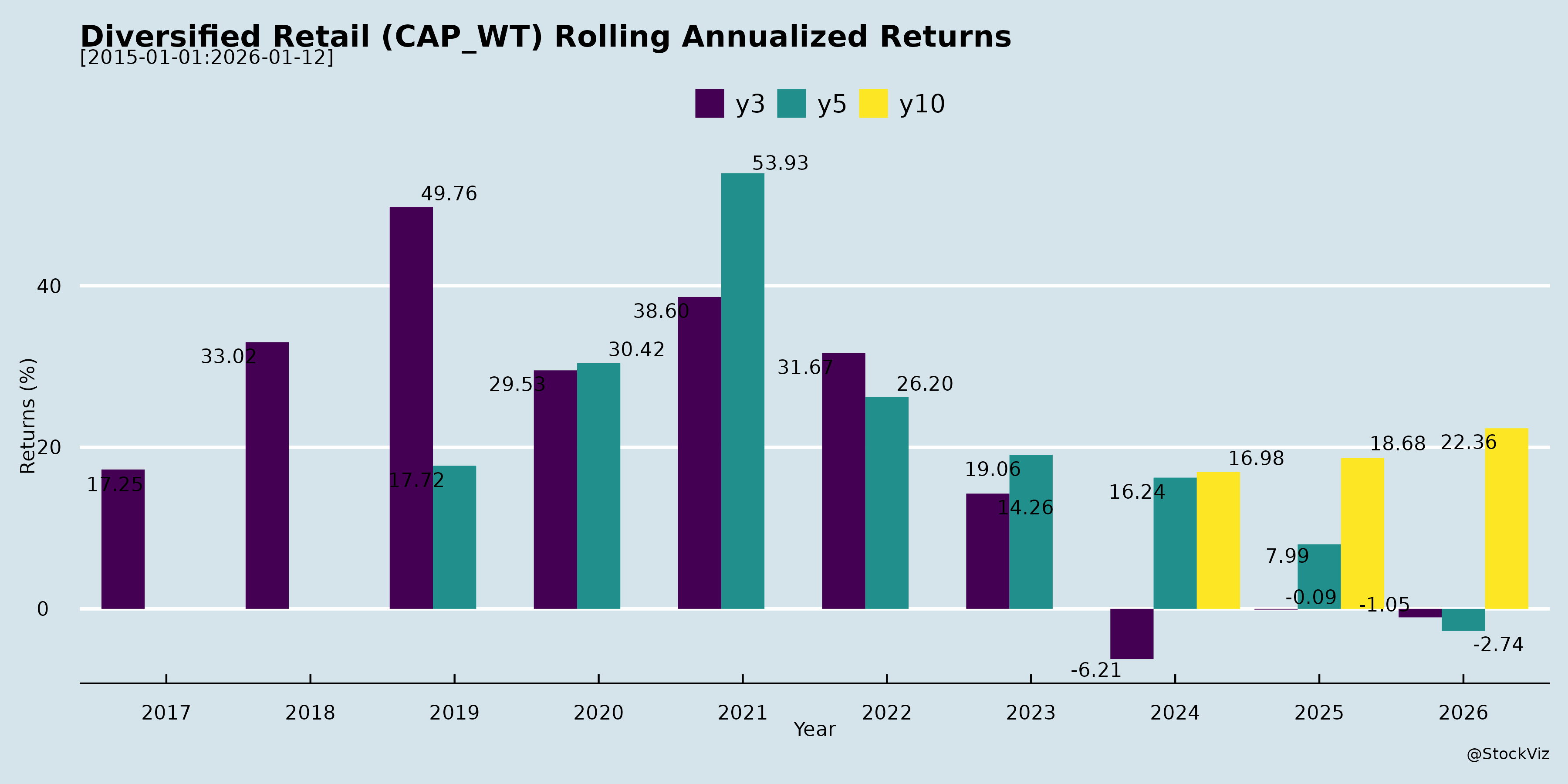
Rolling Returns
Fundamental Ratios
AI Summaries
How have the challenges and oppurtunities evolved over time?
asof: 2026-04-16
The Evolution of Market Challenges
Retailers have faced a shifting landscape of macro-environmental, competitive, and operational hurdles that have continuously tested their resilience.
Macro-Environmental and Consumer Sentiment Shifts: Over time, unpredictable environmental and economic factors have visibly impacted consumer behavior. For instance, high pollution levels, particularly in North India, have occasionally kept customers indoors, directly impacting footfalls and discretionary spending in key markets [1]. Additionally, while regulatory changes like GST reductions were expected to spur demand, the resulting uplift has sometimes been temporary, failing to sustain momentum beyond the initial period [2]. The shifting of major festive seasons, such as Diwali splitting between September and October, has also disrupted seasonal sales momentum, resulting in sharp drop-offs in conversion rates post-festivity [2-4].
Intensifying Competitive Landscape: The rise of large-scale quick commerce and e-commerce players has fundamentally altered the competitive landscape. Retailers are now facing intense pressure from quick commerce platforms that offer 10-minute delivery conveniences, backed by massive scale and the ability to sustain high cash burns [5, 6]. In the fast-moving consumer goods (FMCG) space, the environment has been characterized by continuous, price-led discounting, which puts pressure on gross margins [7, 8]. In the value fashion segment, retailers have had to navigate a challenging marketing environment marked by higher noise and deeper discounts [9].
Regulatory and Compliance Burdens: Recent regulatory shifts have introduced sudden financial burdens. The Government of India’s consolidation of various labor laws into the unified “New Labour Codes” has required companies to recognize significant one-time provisions for employee benefit obligations, such as gratuity and leave encashment [10-13]. This has temporarily inflated operating expenses across the sector [10, 12].
Operational and Supply Chain Hurdles: On the operational front, acquiring high-quality real estate at reasonable costs remains a persistent bottleneck for physical store expansion [14, 15]. In addition, retailers have grappled with severe wage inflation in warehousing and fulfillment centers [16, 17]. Inventory management has also presented distinct challenges; for instance, legacy inventory accumulation in formats like INTUNE severely hindered the ability to launch fresh merchandise, which is the core promise of the value fashion business [18-20]. Similarly, inefficiencies in the supply chain for private apparel brands have led to stock availability issues during crucial festive periods [21, 22].
The Evolution of Strategic Opportunities
In response to these challenges, companies have pivoted their strategies, uncovering new avenues for sustained growth and profitability.
Premiumization and Experiential Retail: There has been a distinct shift toward elevating the customer experience and catering to an increasingly aspirational consumer base. Retailers are focusing heavily on premiumization, transitioning their brand mix to include more premium and bridge-to-luxury international brands [23-25]. To facilitate this, companies are moving away from compact stores in favor of larger formats (35,000 to 40,000 sq. ft.) that allow for dedicated experience zones, such as personal shopper lounges, kids’ play areas, and gaming zones [26-28]. Additionally, non-apparel categories like beauty, fragrances, handbags, and watches have emerged as powerful growth engines, with beauty distribution businesses scaling rapidly [24, 29, 30].
Omnichannel Integration and Rationalized E-commerce: Rather than competing directly with the cash-burning models of pure-play quick commerce, traditional retailers are carving out their own profitable digital niches. By utilizing their existing brick-and-mortar networks as fulfillment centers, companies are achieving positive unit economics on their online orders [31, 32]. The focus has shifted from expensive inorganic customer acquisition to high-quality organic recruitment and delivering reliable service, such as sub-30-minute or structured home deliveries, which cater to a slightly higher socioeconomic strata seeking convenience alongside value [33-36].
High-Impact Loyalty and Membership Programs: Customer retention has been revolutionized through the introduction of robust, often paid, loyalty programs. These memberships create significant “skin in the game” for consumers, leading to dramatically altered shopping behaviors [37]. Data shows that program members can exhibit an 80% plus retention rate, shop with twice the frequency of non-members, and spend up to three times as much monthly [38-40]. These programs are critical levers in arresting offline footfall erosion and driving a substantial portion of overall sales [41-43].
Private Labels and Category Expansion: Developing strong private brands remains a massive long-term margin opportunity. Retailers are deploying calculated strategies, such as the “20-20-20 principle,” where they only launch a private label if they can capture a 20% market share, offer the product at a 20% lower price than the leading brand, and still earn a 20% higher margin [44, 45]. As the broader economy and GDP grow, retailers are well-positioned to continually expand their horizontal offerings, adding new product sub-segments to capture a larger share of the household pantry and lifestyle spend [46, 47]. Focusing on fresh produce and daily staples has also proven to be a highly effective differentiator that consistently drives consumers back to physical stores [48, 49]
What are the headwinds affecting this industry?
asof: 2026-04-16
The retail industry is currently navigating a complex mix of competitive, economic, operational, and environmental headwinds.
Intense Quick Commerce and E-commerce Competition The rapid expansion of quick commerce (QC) and online platforms is significantly disrupting traditional brick-and-mortar retail [1, 2]. These platforms capitalize on the arbitrage of lower rental costs compared to physical retail operators [3]. By offering unmatched convenience, quick commerce has altered consumer expectations, particularly habituating time-starved nuclear families in large metro cities to 30-to-40-minute delivery cycles for unplanned and top-up shopping [4, 5]. This competition frequently arrives in intense waves of heavy discounting and pricing pressure, which directly impacts the same-store sales growth of physical retailers and takes market share away from both modern trade and traditional kirana stores [2, 6]. Additionally, Direct-to-Consumer (D2C) brands have become highly innovative and are severely disrupting specific categories, such as apparel and liquid detergents, by targeting segmented markets with razor-sharp focus [7, 8].
Sluggish Consumer Sentiment and Economic Pressures Consumer sentiment has been noticeably cautious, leading to muted discretionary spending and a sluggish overall operating environment [9]. Indian consumers remain highly value-conscious, making them highly sensitive to price fluctuations [10]. When inflation spikes to double digits, it causes dramatic swings in shopping behavior; for example, a 50% inflation in coconut prices led to a 20-25% drop in consumption volumes as shoppers looked for substitutes [10, 11]. Conversely, while deflation in staple categories results in volume pickups, it simultaneously drags down overall revenue growth for retailers [12, 13]. Furthermore, in non-FMCG segments, there is a distinct consumer shift toward lower-priced products, which creates adverse margin-mix impacts [14]. Even targeted economic stimuli, such as demand uplifts expected from GST reductions, have proven to be short-lived without sustained momentum [15, 16].
Escalating Operational and Real Estate Costs Retailers are facing significant hurdles in expanding their physical footprints due to the scarcity of high-quality real estate and consistently rising property prices [17, 18]. General infrastructure challenges and traffic congestion in metropolitan areas also act as limiting factors for physical retail expansion [19]. On the operational side, the industry is grappling with unprecedented wage inflation, particularly concerning warehousing rentals and warehouse personnel [20]. Regulatory changes have further strained financials, with new Labour Codes requiring companies to absorb significant one-time expenses and provisions to account for employee benefit liabilities like gratuity and leave encashment [21, 22].
Calendar Shifts and Environmental Disruptions Retail performance has been artificially depressed by anomalous calendar shifts, specifically the preponement of the festive season [15, 23]. With major shopping events like Durga Puja and Diwali splitting across different months or arriving earlier than the previous year, retailers experienced a sharp drop-off in demand immediately after the festivals concluded [23, 24]. Compounding these scheduling issues are severe environmental factors; elevated pollution levels, especially in Northern India, have forced consumers to stay indoors, severely curtailing store footfalls and discretionary spending [9, 25].
Supply Chain and Inventory Bottlenecks Certain retail segments, notably value fashion, are highly dependent on the continuous rotation of fresh merchandise [26]. However, subdued demand has led to the accumulation of legacy inventory, which in turn has choked the supply chain and restricted the launch of fresh assortments [27, 28]. Because the promise of value fashion heavily relies on newness, this inventory buildup has directly impacted conversion rates and top-line performance [26, 28].
What are the key things to understand about this industry?
asof: 2026-04-16
The retail industry is dynamic and highly segmented, characterized by distinct consumer behaviors, varying operational models, and strategic pivots. Based on the provided sources, here are the key things to understand about the industry:
1. Extreme Value-Consciousness and the Brick-and-Mortar “Moat” Indian consumers are highly price-sensitive. When inflation is moderate (5-7%), consumption trends remain relatively stable, but double-digit inflation causes significant shifts. For instance, a 50% inflation in coconut prices led to a 20-25% drop in volume consumption as consumers sought substitutes [1-3]. Conversely, deflation in staples leads to huge volume pickups [4, 5]. Because of this deep value-seeking behavior, physical value retailers possess a tremendous economic “moat.” Their operating costs are significantly lower than quick-commerce platforms, allowing them to offer deep discounts that easily justify the consumer’s effort to travel to a physical store [6-8].
2. The Divide Between Quick Commerce (QC) and Value Retail Quick commerce has emerged as a disruptive force, heavily relying on an arbitrage of lower rent and solving infrastructure/travel bottlenecks in congested cities [9-12]. However, the industry sees a clear divide in its impact: * Urban vs. Non-Metro: The impact of QC is primarily felt in large metro areas among time-starved, nuclear families looking for unplanned “top-up” shopping [13-15]. In smaller towns and non-metros, traditional retail remains highly resilient; consumers have more time, parking is easier, and physical retail stores provide a pleasurable shopping experience without the added cart, delivery, and platform fees associated with QC apps [14-17]. * Unit Economics over Cash Burn: Traditional retailers are developing omnichannel models (e-commerce and home delivery), but they refuse to participate in the “growth at any cost” cash-burn model of QC startups. Instead, they focus on positive unit economics—ensuring that the gross margin per order covers the fulfillment cost before marketing expenses [18-21].
3. Premiumization and Experiential Retail At the opposite end of the value spectrum, there is a clear bifurcation in consumer spending with strong growth in premium categories [22]. * Category Shifts: Retailers are seeing steady increases in the share of non-apparel categories like Beauty, Fragrances, Watches, and Handbags [23-26]. * Upsizing for Experience: To properly serve premium brands and improve customer experience, retailers are moving away from smaller, compact stores (e.g., 18,000–20,000 sq. ft.) that limit throughput and clog aisles. Instead, they are focusing on larger formats (35,000–40,000 sq. ft.) that allow for personal shopper lounges, play areas, and adequate brand expression [27-31].
4. Real Estate Challenges and Expansion Strategies Securing high-quality real estate is one of the biggest bottlenecks and cost drivers in the industry [9, 11, 32]. Real estate costs are continuously rising [33, 34]. * Ownership vs. Leasing: Some highly successful value retailers deliberately pursue an ownership model (owning ~88% of their properties) to insulate themselves from rent inflation and ensure the business survives for generations [35-37]. * Measured Expansion: A standard healthy expansion metric in physical retail is adding 10% to 15% (or up to 20%) of the base store count annually to ensure a consistent compound annual growth rate (CAGR) [38, 39]. Growth is also being driven by expanding into emerging urban, suburban, and highly populated geographies like North India (e.g., Uttar Pradesh) [40-42].
5. Inventory Freshness, Staples, and Private Labels * The Freshness Promise: In value fashion, inventory “freshness” is the ultimate driver of sales. A build-up of legacy/old inventory severely chokes the system, leading to sharp drops in conversion and top-line performance [43-46]. * Footfall Drivers: In grocery retail, fresh produce and staples are the core footfall drivers for planned, monthly “pantry loading” [47-49]. * Private Labels: Retailers use private labels to expand margins, especially in highly commoditized categories like staples and cleaning supplies, where private label penetration can reach 35% [50, 51]. However, building private brands in FMCG requires a strict framework. For example, a successful private label strategy often relies on the “20-20-20 principle”: only entering a category if there is an opportunity to gain a 20% market share, offering the product at a 20% lower price than the leading brand, while retaining a 20% higher margin for the retailer [52-54].
6. The Power of Customer Loyalty Programs Loyalty and membership programs drastically alter consumer behavior and are massive growth levers. Members exhibit significantly higher engagement: they can spend up to 3 times more on average per month, shop twice as frequently, and show retention rates of 80% or more [55-57]. In highly premium retail segments, loyalty members can contribute as much as 84% of the company’s total revenue [58].
What are the tailwinds affecting this industry?
asof: 2026-04-16
Macro-Economic and Demographic Shifts The retail industry is benefiting significantly from India’s overarching macro-economic growth. As the country’s GDP continues to grow at an estimated 7% to 8%, rising prosperity is leading to deeper product segmentation, giving retailers the opportunity to expand horizontally into new categories and improve margins [1, 2]. Furthermore, expectations of lower inflation levels are anticipated to gradually improve the consumer outlook and support a long-term demand recovery [3].
Demographically, the rise of nuclear families and dual-income households, particularly in large metro cities, is driving a structural, permanent trend toward online grocery shopping and out-of-store convenience delivery [4-7].
Premiumization and Aspirational Spending There is a clear bifurcation in consumer spending behavior, with a strong trend toward premiumization as customer aspirations grow [3, 8, 9]. Retailers are seeing premium and premium-plus brands deliver steady like-for-like growth, with these premium segments consistently increasing their overall share of total sales [10-12].
Deflation-Led Volume Surges In certain fundamental categories like staples and fresh produce, deflation is acting as a powerful tailwind. Because the Indian consumer is highly value-conscious, price deflation in staples leads to a massive volume pickup and a surge in consumption, as buyers increase their purchases or substitute items within their baskets [13-16].
Category-Specific Growth Engines Several specific merchandise categories are acting as massive tailwinds for the industry: * Beauty and Non-Apparel: Categories such as beauty, fragrances, watches, and handbags are emerging as highly robust growth engines, consistently delivering double-digit growth rates [17-19]. The beauty segment is particularly lucrative, driven by the rapid expansion of global luxury brand distribution and strong consumer demand for makeup and fragrances [20-22]. * Value Fashion and Retail: The value fashion space is recognized as a very large, underpenetrated, and highly lucrative market in both the near and long term [23-26]. Furthermore, brick-and-mortar value retailers enjoy a tremendous economic moat and structural advantage due to their low operating costs compared to high-burn quick commerce models [27, 28]. * Fresh Food and Staples: For grocery retailers, high-quality fresh assortments and value-priced staples serve as the primary “hook” that captures the planned monthly shopping basket and keeps consumers repeatedly coming back to physical stores [29-34].
High-Impact Loyalty and Membership Programs The successful implementation of loyalty and membership programs is acting as a massive growth lever. Giving customers added incentives and “skin in the game” dramatically alters their shopping behavior [35, 36]. Retailers report that program members shop twice as frequently and spend up to three times more per month compared to non-members [37-40]. These programs also boast exceptional retention rates of over 80% and are helping stem the erosion of offline store footfalls [37, 39, 41, 42]. Premium loyalty tiers, such as “Black Card” memberships, are simultaneously seeing record enrollments and driving a disproportionately high percentage of total sales [22, 43].
Innovation from D2C Brands Direct-to-Consumer (D2C) brands are heavily disrupting the market and acting as a tailwind by driving product innovation at a much faster pace than incumbent, large FMCG companies [44, 45]. The influx of these successful, innovative brands helps modernize retail shelves, making store formats more aspirational for shoppers and forcing traditional brands to be more competitive [46-49].
What is the general outlook of this industry?
asof: 2026-04-16
The general outlook for the retail and grocery industry in India is highly optimistic and expansive, characterized by a massive, underpenetrated market capable of sustaining multiple business models, though it is currently navigating a period of significant structural transformation.
The Coexistence of Brick-and-Mortar and Quick Commerce The industry is experiencing a notable channel shift with the rapid rise of quick commerce and online delivery, particularly in large metro cities among time-starved consumers seeking convenience for unplanned or top-up shopping trips [1-3]. While online platforms are capturing market share at the expense of both modern trade and traditional kirana stores, the overall retail pie is simultaneously expanding [4].
Despite this digital disruption, value brick-and-mortar retailers retain a tremendous economic moat [5]. This advantage is primarily driven by their significantly lower operating costs—especially regarding real estate—compared to the high cash-burn models of quick commerce platforms [5, 6]. Physical stores continue to be the primary destination for value-conscious consumers conducting their monthly “pantry loading” or bulk shopping, while online channels are utilized more for mid-month replenishments [7-9]. Industry leaders anticipate that a “level of sanity” and pragmatism will eventually return to the quick commerce sector, as the necessity for sustainable profitability and the pressures of public markets curb “growth at any cost” strategies [10-12].
Aggressive Physical Expansion and Sustainable Omnichannel Growth To effectively compete, traditional retailers are actively adopting omnichannel strategies, recognizing that the best way to counter quick commerce is to double down on physical store expansion while offering complementary digital convenience [13]. Retailers are accelerating their footprint expansions, viewing non-metro, Tier 2, and Tier 3 cities as massive white spaces where offline retail remains highly resilient and the demand for instant 10-minute delivery is less pronounced [2, 7, 14].
Simultaneously, traditional retailers are building out their own e-commerce and home-delivery platforms, but with a strict focus on profitability. Rather than engaging in expensive inorganic customer acquisition or opening thousands of unprofitable dark stores, they are leveraging their existing store networks as fulfillment centers to ensure positive unit economics [15-17]. The focus is on measured, organic online growth that does not compromise the bottom line [18-20].
Dual Consumer Trends: Value-Consciousness and Premiumization The Indian consumer remains deeply price-sensitive. Consumption volumes are heavily dictated by inflation; for instance, high inflation in specific commodities drastically reduces consumption, while deflationary environments lead to substantial volume pickups [21-23].
However, there is a clear bifurcation in consumer spending behavior [24]. On one end, there is a strong and consistent trend toward premiumization. Retailers are successfully elevating their portfolios, with premium and “bridge-to-luxury” brands driving significant sales growth and improved profit margins, particularly in non-apparel categories like beauty, fragrances, and watches [25-27]. On the other end, the value fashion and general merchandise segment is identified as a highly lucrative, deeply underpenetrated market for the long term [28, 29]. Retailers are curating specialized value formats to serve the aspirational needs of middle and lower-middle-income demographics, establishing these formats as major strategic growth engines [30].
Macro-Economic Tailwinds and Short-Term Sensitivities The long-term structural growth of the industry is firmly supported by India’s broader economic trajectory. As the country maintains a 7-8% GDP growth rate and overall prosperity improves, retailers foresee infinite opportunities for horizontal expansion, allowing them to introduce more sub-categories and segmented products to their shelves [31, 32].
Nevertheless, the industry remains sensitive to short-term, external shocks. Factors such as shifting festive calendars, uneven discretionary demand, and even environmental disruptions—like elevated pollution levels keeping consumers indoors—can temporarily weigh heavily on footfalls and overall sales growth [24, 33, 34]. Despite these occasional hurdles, players who successfully optimize their inventory, maintain fair pricing, and deliver a mix of fresh assortments and convenience are expected to thrive in this evolving landscape [35-37].
Copyright © 2023 SAS Data Analytics Pvt. Ltd. All rights reserved.