Computers - Software & Consulting
Industry Metrics
September 24, 2026
Annual Returns
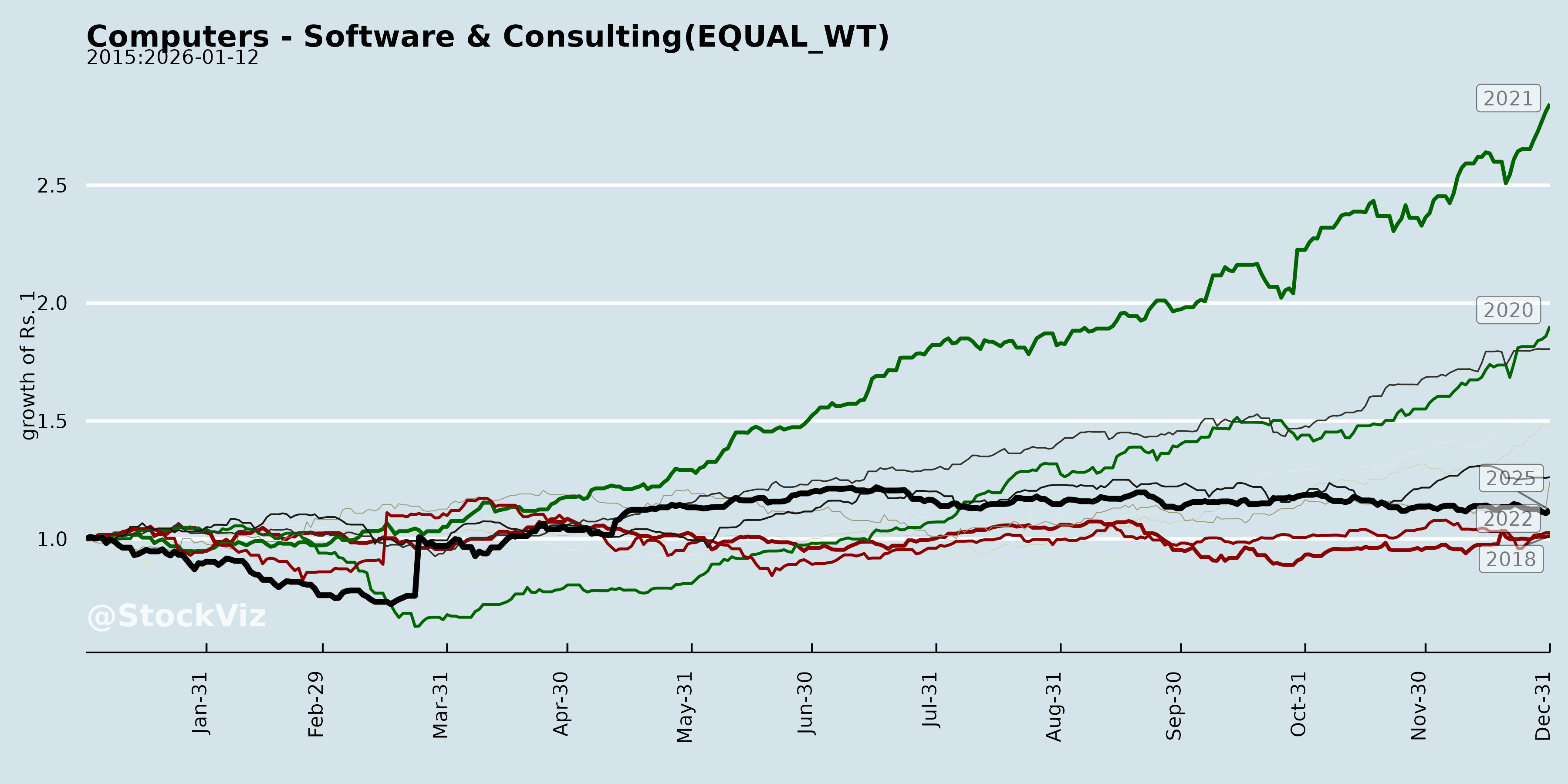
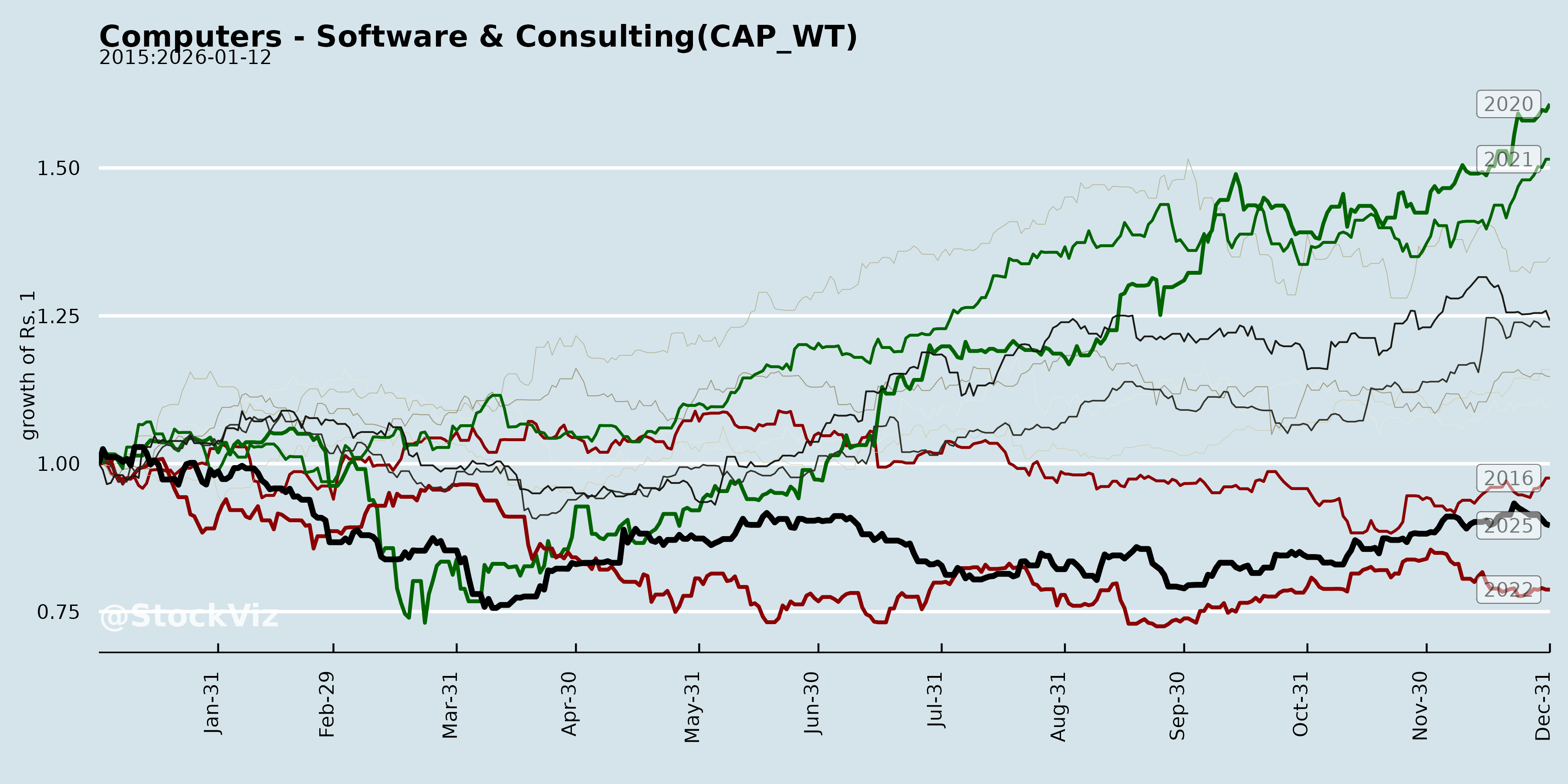
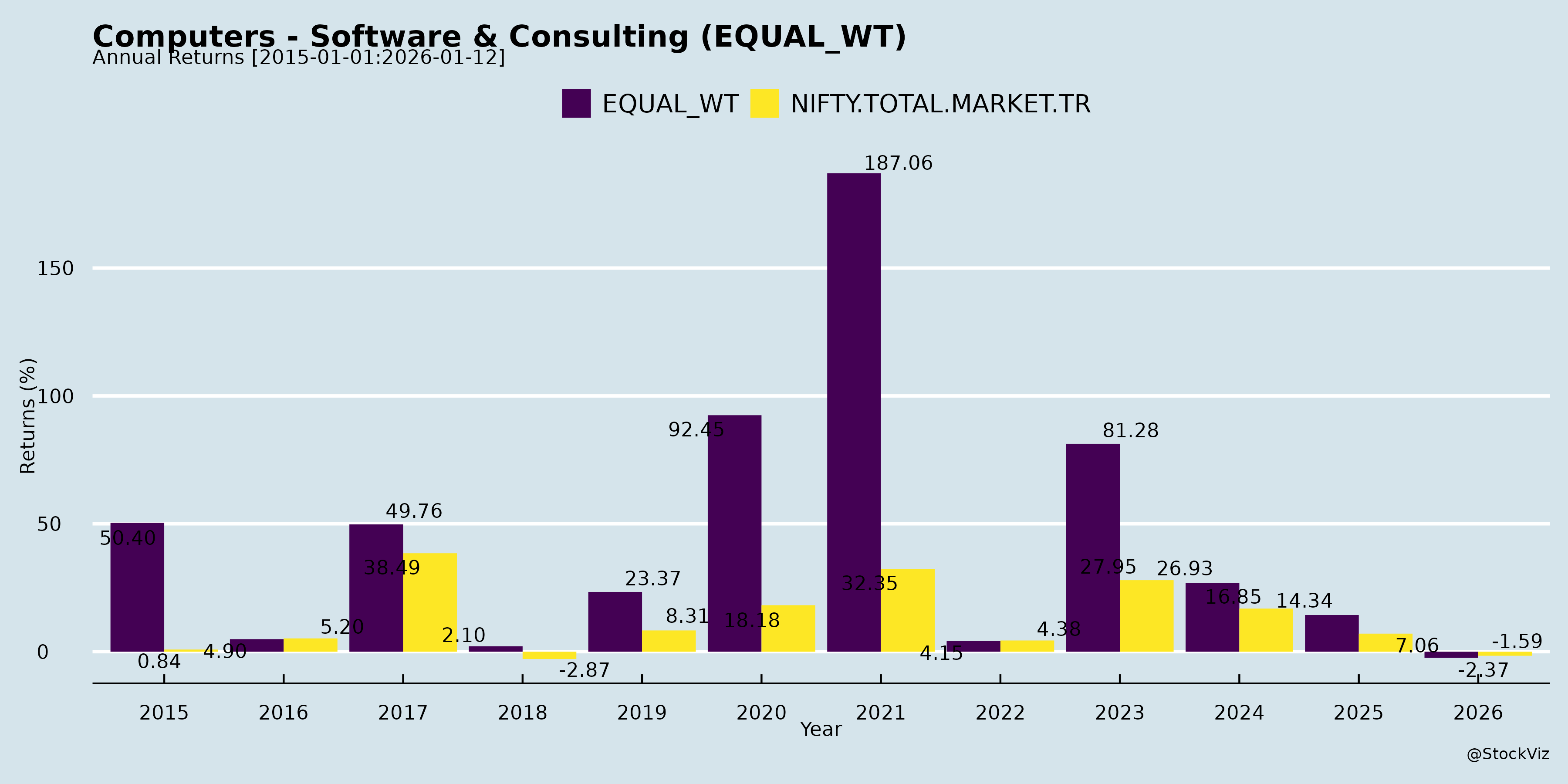
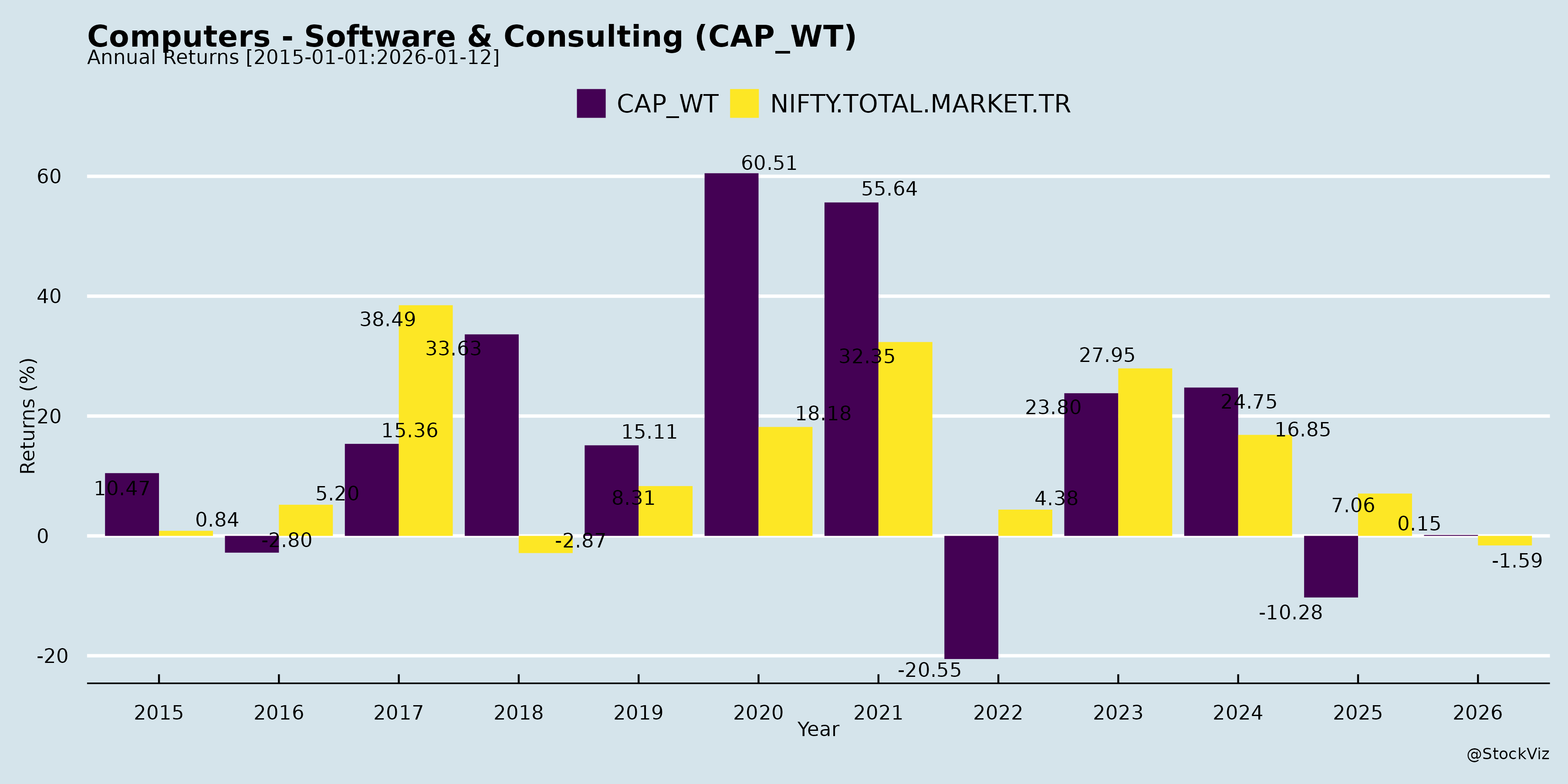
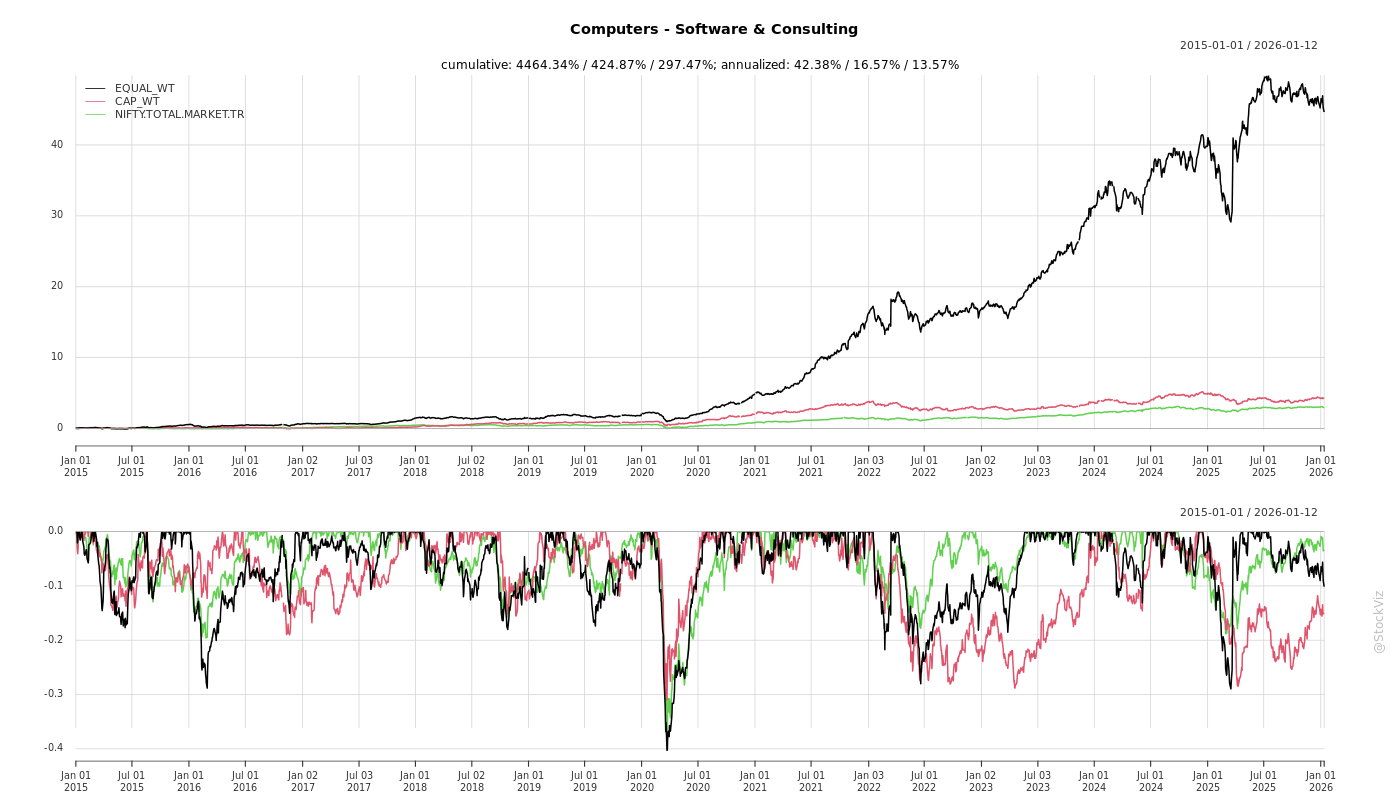
Cumulative Returns and Drawdowns
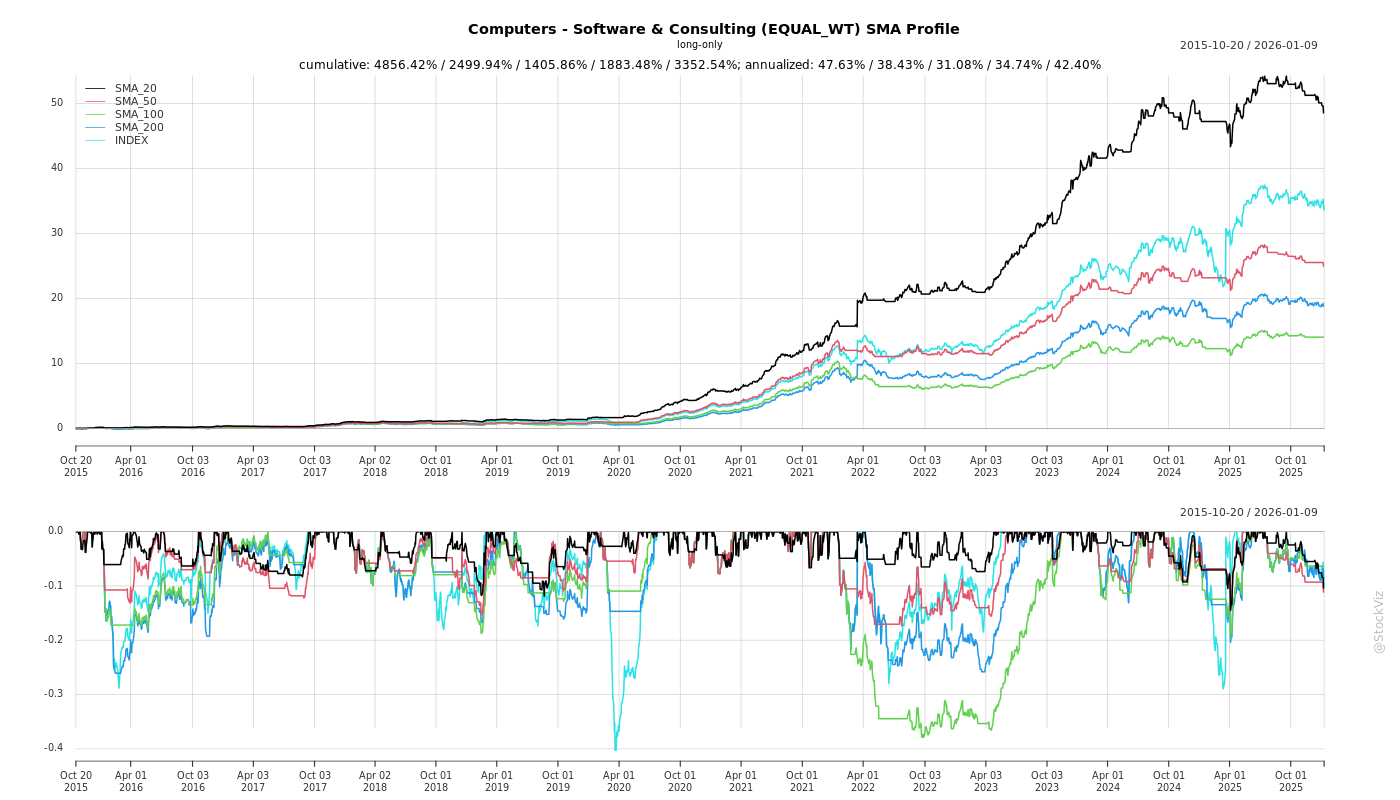
SMA Scenarios

Current Distance from SMA
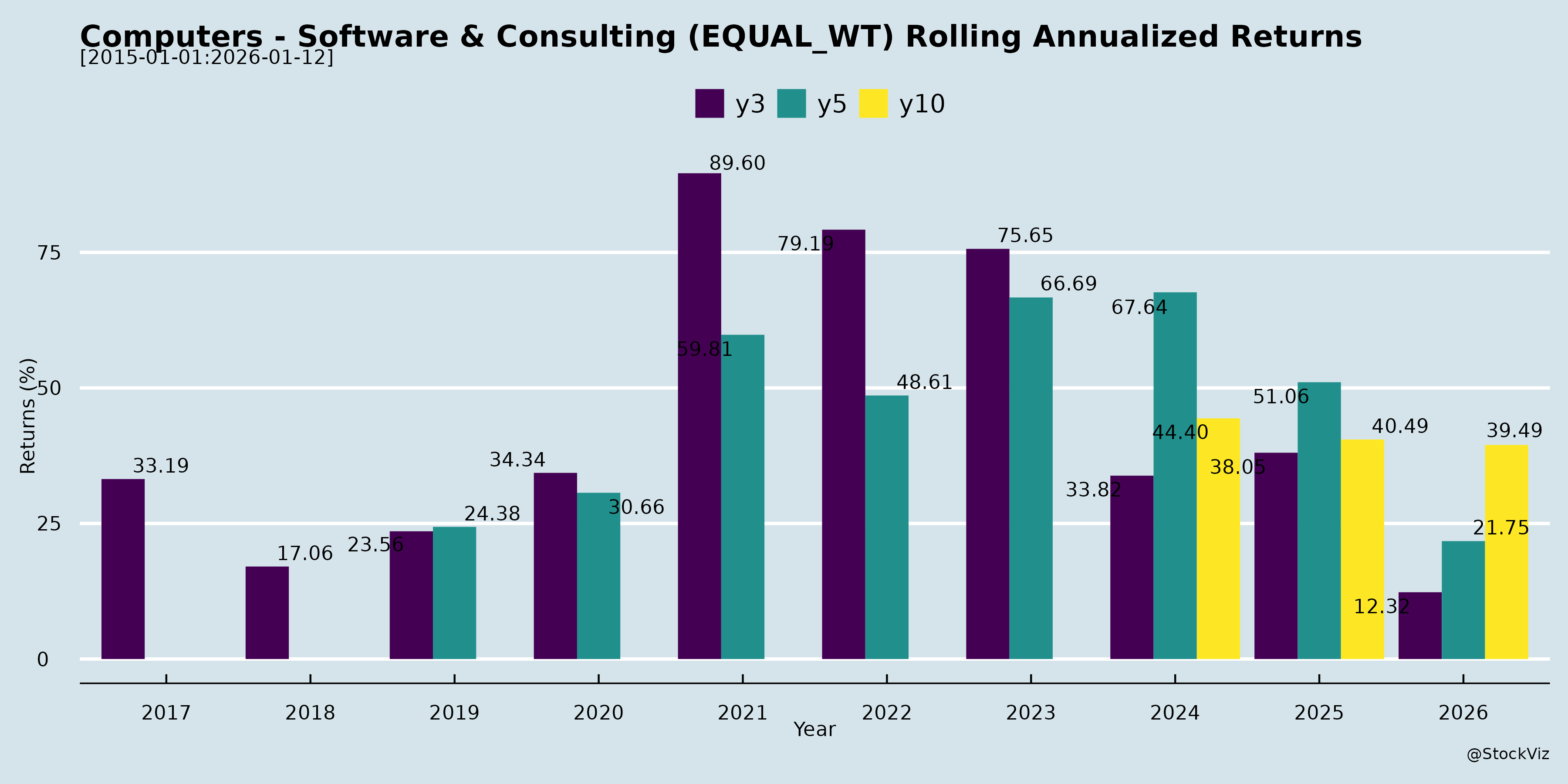
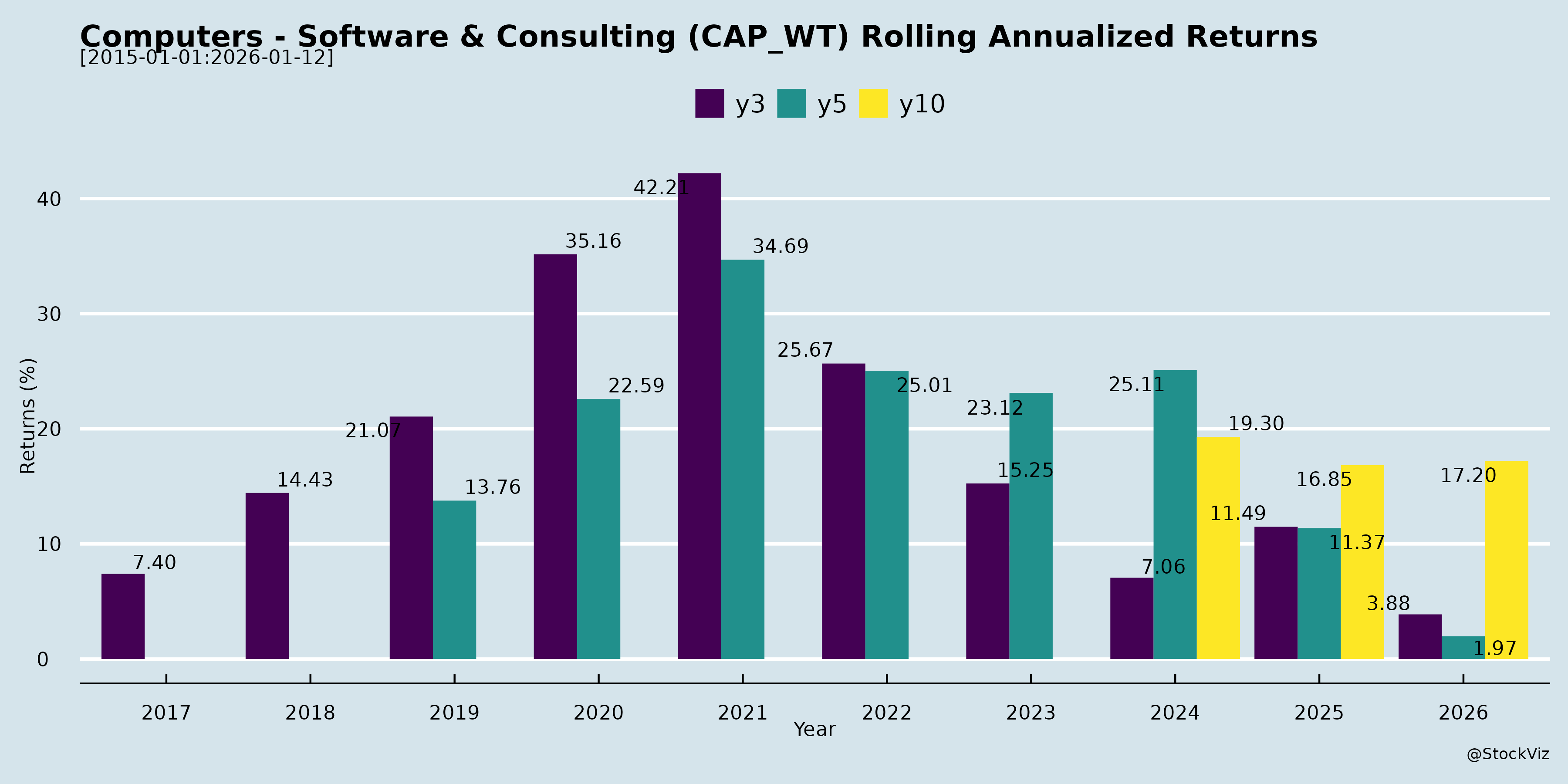
Rolling Returns
Fundamental Ratios
AI Summaries
How have the challenges and oppurtunities evolved over time?
asof: 2026-04-15
For decades, competitive advantage in the technology sector came from execution speed—how fast organizations could build, deliver, and scale—but that constraint is now breaking [1]. Because Artificial Intelligence (AI) can execute faster than organizations can keep up, the primary challenges and opportunities have fundamentally shifted away from execution speed toward clarity, governance, and the ability to define intent with precision [1].
How Challenges Have Evolved
1. The Shift from Technological Adoption to Governance and Accountability Earlier technological waves, such as cloud computing and mobile-first initiatives, arrived with clear business cases and predictable paths to adoption [2]. However, autonomous systems are moving faster than the governance frameworks designed to manage them, transforming theoretical questions into urgent board-level issues [2, 3]. Today, the primary challenge is no longer whether to adopt AI, but rather how to deploy it securely at scale, who owns the outcomes, and who is accountable for machine-driven decisions [3, 4]. Enterprises are unwilling to surrender accountability for what AI systems decide, requiring organizations to meticulously govern how training data is sourced and navigate the liabilities of agents making consequential errors without human review [3, 5].
2. Escalating Security Perimeters and Regulatory Complexity As AI agents and workflows operate increasingly without human intervention, they create entirely new access paths [6]. Consequently, identity and access management (IAM) has replaced traditional network boundaries as the most consequential security perimeter an enterprise must manage [6]. At the same time, businesses must navigate evolving and complex global regulations, such as the EU AI Act applicable in 2026, which introduces stringent governance standards regarding data protection and AI usage that extend globally [6, 7].
3. Talent Scarcity and the Rising Cost of Expertise The workforce dynamics have evolved into a severe challenge on two fronts. First, the specialist workforce capable of sustaining older, legacy IT environments continues to shrink rapidly [8]. Second, acquiring and retaining high-level talent for modern needs—such as AI, cloud, and security—is becoming fiercely competitive and expensive [9, 10]. The high cost of talent often precedes revenue, causing earnings volatility and requiring heavy investments in continuous employee upskilling and the development of internal capabilities [10-12].
4. Commercial Pressures and the Death of “Staff Augmentation” The market is experiencing a structural business model transition. Historically, many tech services relied on “providing bodies” or staff augmentation, which sits at the lowest end of the value chain [13, 14]. Clients are now demanding outcome-based contracts and challenging vendors to deliver fixed-price, productivity-driven results rather than just hourly labor [15, 16]. Alongside this, macroeconomic uncertainty has led to longer decision cycles, budget constraints, intense pricing pressures, and a trend toward vendor consolidation [17-19].
How Opportunities Have Evolved
1. The “Zero License” Movement and Open Architectures A massive emerging opportunity is the shift away from expensive, proprietary Software as a Service (SaaS) and Commercial Off-The-Shelf (COTS) products [20, 21]. Because AI makes custom coding and learning-agentic workflows dramatically cheaper and faster to build, enterprises can now adopt “Zero License” models—replacing high-cost third-party platforms with custom agentic workflows built on open-source architectures [20-22]. This fundamentally reshapes enterprise cost structures by freeing them from spiraling licensing fees [20, 21].
2. Accelerated Legacy Modernization For years, boards deferred legacy modernization projects due to the immense manual effort required, resulting in technical debt consuming up to 40% to 50% of total IT budgets [8]. The tools available to modernize these legacy systems are now materially better, allowing AI to reverse-engineer decades-old code and extract business logic in days rather than years [8, 20, 23]. AI-led modernization helps clients clear technical debt much faster and is driving significant new revenue streams [24, 25].
3. Moving from AI Pilots to Enterprise-Wide Agentic Workflows The industry has moved past the experimentation phase and is now focused on scaling AI reliably into core production processes [26, 27]. By the end of 2026, it is projected that 40% of enterprise applications will feature embedded, task-specific AI agents [5]. To achieve this without the high costs and hallucination risks of generic Large Language Models (LLMs), service providers are finding lucrative opportunities in building highly differentiated Small Language Models (SLMs) tuned specifically to an enterprise’s private data [28, 29].
4. The Strategic Evolution of Global Capability Centers (GCCs) Global Capability Centers in regions like India have evolved significantly. They are no longer viewed merely as offshore cost-saving centers; instead, they are being leveraged for strategic, high-value capabilities such as product engineering, AI, and cybersecurity [30]. This shift has opened up massive opportunities for IT partners to help global enterprises build, operate, and transform these hubs [31, 32].
5. Preparing for the Trillion-Dollar Robotics Market Looking slightly further ahead, robotics is anticipated to be the bridge that connects advanced AI software capabilities with real-world, physical use cases [33]. The total addressable market for this convergence is expected to reach into the trillions of dollars, prompting forward-looking organizations to make early investments in this space [33].
What are the headwinds affecting this industry?
asof: 2026-04-15
The IT services industry is currently navigating a complex set of macroeconomic, operational, and technological headwinds. Organizations across the sector are experiencing shifts in client behavior, evolving market dynamics, and operational pressures that are impacting revenue growth and margins.
Here is a detailed breakdown of the primary headwinds affecting the industry:
1. Macroeconomic and Geopolitical Volatility The broader global economy continues to present significant challenges. Firms are dealing with an environment characterized by inflation, shifting trade relationships, rising trade barriers, and uncertainty around interest rates and central bank actions. [1-3]. Furthermore, intensifying geopolitical conflicts, particularly those in the Middle East, have injected volatility into specific segments like travel, transportation, and regional operations [4, 5]. These global economic vulnerabilities have influenced client sentiment, leading to an environment where technology budgets face harder questions than in prior years [6].
2. Cautious Enterprise Spending and Longer Decision Cycles A direct consequence of the macroeconomic uncertainty is a noticeable shift in how clients allocate their budgets. There is a pervasive trend of cautious enterprise spending, with clients deliberately constraining discretionary investments. [7, 8]. Companies are experiencing longer decision-making cycles, deferred spending on projects, and a general reluctance by clients to commit to new technological initiatives without an immediate, clear return on investment [8-10].
3. Client Concentration, Budget Cuts, and Insourcing The industry remains highly sensitive to disruptions within its top customer bases. Many firms are experiencing sudden project ramp-downs, budget constraints, and organizational changes within their largest clients, particularly in the Banking, Financial Services, and Insurance (BFSI) and Technology, Media, and Telecom (TMT) verticals [11-13]. Additionally, some organizations are bringing previously outsourced work back in-house or expanding their own Global Capability Centers (GCCs), which alters how scope is distributed and threatens traditional vendor revenue streams [14, 15].
4. Sector-Specific Softness and Tariff Pressures Certain industry verticals are facing distinct, acute headwinds: * Manufacturing and Automotive: This sector is dealing with tariff volatility, disruptions to global supply chains, a recalibration of Electric Vehicle (EV) demand, and severe restraints on capital expenditure [16, 17]. * Retail and Life Sciences: Retail segments and medical device manufacturers (a subset of Life Sciences) have also been under stress due to unexpected ramp-downs, shifting government spending, and the direct impact of international tariffs [12, 18-20].
5. Pricing Pressures and Margin Compression As clients seek more value at lower costs, there is intense pricing pressure across the board [15, 21]. Clients are increasingly demanding higher productivity—often expecting vendors to pass on the efficiency gains generated by AI and automation—which leads to existing contracts renewing at lower margins. [21, 22]. Additionally, the trend of vendor consolidation forces IT providers to be highly cost-competitive, sometimes requiring them to offer substantial upfront discounts to win or retain long-term contracts [23, 24].
6. Talent Scarcity and Rising Costs Despite advances in automation, the IT services model heavily relies on human capital. Finding, retaining, and upskilling highly qualified talent—especially in niche areas like AI, cloud, and security—remains a major and expensive challenge. [25, 26]. The rising cost of senior talent and specialized engineers often hits the balance sheet before corresponding revenue is realized [26]. Furthermore, companies must navigate wage increases and potential restrictions on immigration, which can impact offshore and onshore delivery capabilities [27, 28].
7. Technological Complexity and Regulatory Risks The rapid adoption of artificial intelligence and cloud technologies introduces new operational headwinds. As AI becomes embedded in service delivery, errors, hallucinations, or weak controls can create significant operational, reputational, or regulatory issues. [29, 30]. Alongside this, the complexity of data protection regulations, digital sovereignty requirements, and rising cybersecurity threats forces companies to continuously invest heavily in compliance monitoring, robust security capabilities, and risk management frameworks [30, 31].
What are the key things to understand about this industry?
asof: 2026-04-15
The central role of Artificial Intelligence (AI) AI has moved from the periphery to the absolute center of enterprise technology strategy [1]. The industry is rapidly shifting toward “AI-native” engineering and “AI-first” operating models, where AI is the foundation for designing, building, and delivering intelligent solutions [2, 3]. The adoption of generative and agentic AI (autonomous systems that manage complex, multi-step workflows) is creating massive opportunities to augment or replace traditional processes, drastically reducing the effort needed for commoditized tasks [4-6]. In fact, AI is increasingly viewed as a necessary “hygiene factor” or “table stakes” for IT providers, rather than just a buzzword; if service providers do not integrate AI to deliver efficiencies, they risk losing their relevance to clients [7, 8].
Cloud Modernization and Data Readiness Legacy modernization and cloud migration remain foundational pillars of the industry. However, the conversation has matured from whether to move to the cloud, to how to optimize it through hybrid and multi-cloud architectures, cost management (FinOps), and sustainable operations [9-11]. Crucially, companies are investing heavily in modernizing their data estates, because organized, high-quality enterprise data is a mandatory prerequisite for deploying effective AI at scale [4, 9].
A Paradox of Growth Amidst Macroeconomic Caution The global technology landscape is experiencing significant growth, with Gartner projecting worldwide IT spending to cross the $6 trillion mark in 2026 [12]. Despite this overall growth, the environment is marked by macroeconomic uncertainty, geopolitical volatility, and cautious enterprise spending [13-15]. Clients are subjecting technology budgets to harder questions and extending their decision-making cycles, especially for discretionary projects [13, 14, 16]. As a result, IT spending is currently hyper-focused on initiatives that guarantee clear business value, near-term cost optimization, operational resilience, and immediate productivity gains [14, 17].
Vendor Consolidation Enterprises are actively consolidating their vendor ecosystems to reduce costs, integrate fragmented data, and minimize the number of SaaS tools they use [18-20]. This trend presents a major opportunity for capable IT service providers to win large, multi-year mega-deals and capture market share from competitors [17, 21]. While winning these consolidation deals sometimes requires offering significant pricing discounts upfront, it allows IT firms to drastically scale their team sizes and secure long-term revenue [22, 23].
The Shift to Outcome-Based Business Models There is a deliberate structural shift away from traditional “staff augmentation”—simply providing bodies or hourly labor, which is viewed as the lowest end of the value chain [24, 25]. IT firms are mentoring their sales and delivery teams to sell outcome-based solutions tied to specific business KPIs and service-level agreements (SLAs) [26-28]. By utilizing AI and automation, providers can deliver the same output with smaller teams, improving margins while fulfilling client expectations for continuous efficiency [29, 30].
Talent Scarcity and Reskilling As the industry scales to meet complex technological demands, acquiring and retaining top-tier talent remains one of the biggest challenges [31, 32]. There is high demand for specialized skills in AI, cloud computing, cybersecurity, and modern engineering [33]. Because this talent is becoming increasingly expensive, IT firms are investing heavily in massive internal training and continuous learning programs to reskill their existing workforces for an AI-driven future [34-36].
Cybersecurity and Identity as Foundational Elements As digital estates expand and AI integrations increase, the security baseline for enterprises has to be significantly stronger. Identity and Access Management (IAM) is no longer seen as a mere compliance checkbox; it is the structural anchor for secure operations across multiple clouds and devices [9, 37]. The IAM market is projected to approach $100 billion by 2033, driving immense demand for advisory, implementation, and managed cybersecurity operations [10].
The Rise of Global Capability Centers (GCCs) Enterprises worldwide are expanding their in-house Global Capability Centers, particularly in talent-rich regions like India [37-39]. This has created a lucrative sub-industry for IT service providers who offer end-to-end “build-operate-transfer” services—helping clients design, set up, manage, and scale these captive centers utilizing proven AI-first models [38, 40].
What are the tailwinds affecting this industry?
asof: 2026-04-15
Artificial Intelligence and Generative AI (GenAI) Adoption AI has moved from the edge to the center of enterprise technology strategies, creating a massive tailwind for the industry [1, 2]. Organizations are rapidly shifting from experimental pilots to scaled, production-grade AI and GenAI deployments [3, 4]. This transition includes the widespread adoption of agentic AI, coding agents, and AI-led engineering, which are revolutionizing software development, legacy modernization, and IT operations [3, 5, 6]. AI is also being utilized to dramatically reduce technical debt, a priority that enterprises previously deferred due to high costs and extended time requirements [7, 8]. Furthermore, AI-driven solutions are gaining global traction in mission-critical applications, such as claims automation, advanced underwriting, and fraud detection in the insurance sector [9, 10]. As AI scales globally, there is also a parallel surge in demand for responsible AI governance, security frameworks, and compliance services to ensure transparency, human oversight, and bias control [3, 11].
Cloud Modernization and Data Readiness Cloud computing remains a central pillar of growth, but the conversation has evolved from simple migrations to optimizing how the cloud operates [12]. Enterprises are heavily investing in hybrid and multi-cloud modernization to balance workloads across public, private, and edge environments while controlling costs and maintaining compliance [4]. Crucially, the success of enterprise AI is entirely dependent on data, which has sparked a massive push for data estate transformation and data readiness [12, 13]. Clients are increasingly demanding data analytics foundations and platforms, such as Microsoft Fabric, to prepare and clean their data for the AI era [14].
Vendor Consolidation and Cost Optimization In an environment marked by macroeconomic caution, enterprises are tightly aligning their spending with initiatives that deliver near-term efficiency, cost control, and operational resilience [15, 16]. A significant tailwind emerging from this trend is vendor consolidation [13, 17, 18]. Enterprises are actively reducing their reliance on fragmented SaaS tools and seeking to consolidate their data with fewer, trusted partners who can provide end-to-end accountability, deep technology excellence, and integrated AI solutions [19-22]. This consolidation creates opportunities for IT service providers to win larger, multi-year, multi-million-dollar transformation contracts and expand their market share [23-25]. Additionally, businesses are seeking structural efficiency through enterprise Robotic Process Automation (RPA), intelligent workflows, and Accounts Payable (AP) automation [26, 27].
Evolution of Global Capability Centers (GCCs) and Offshoring Global Capability Centers (GCCs) are experiencing rapid expansion and a strategic shift in their fundamental purpose [28]. Enterprises no longer view GCCs merely as cost-saving centers; instead, they are leveraging them as strategic hubs for high-value capabilities such as product engineering, data and AI, cybersecurity, and enterprise operations [29, 30]. Concurrently, there is a boom in offshore outsourcing for specific functions like HR, finance, and accounting [31]. For example, talent shortages and restrictions limiting the ability of U.S. companies to hire skilled accountants have driven a significant shift of these functions to offshore locations like India, creating highly profitable revenue streams for IT and BPO providers [31].
Legacy System Modernization and Digital Transformation Despite broader economic uncertainties, global spending on digital transformation remains a top priority and is projected to reach massive scale [26, 32, 33]. Companies are aggressively undertaking core and legacy modernization to address the technical debt that consumes up to 40% to 50% of their total IT budgets [13, 34]. This includes modernizing enterprise systems like SAP S/4HANA and Salesforce, shifting from deeply entrenched legacy platforms to browser-based or agentic AI-driven architectures, and improving the overall digital customer experience [6, 7, 35, 36].
Cybersecurity and Identity Modernization As digital estates expand, workloads move to the cloud, and AI systems are brought online, the need for robust security baselines has intensified [12]. Identity and Access Management (IAM) is becoming the foundational anchor for secure operations across multiple clouds, devices, and user groups [12]. This dynamic is driving strong demand for advisory, implementation, and managed cybersecurity operations [4, 12].
Sustainability and Green IT The transition to clean energy and the rising importance of Environmental, Social, and Governance (ESG) commitments are actively shaping technology investments [37]. Organizations are increasingly factoring environmental impact alongside cost and performance into their strategic decision-making [30]. This structural theme is creating new opportunities for IT providers to develop and deliver climate and ESG digital analytics platforms, green IT architecture, and sustainable operating models that optimize data center energy consumption [30, 38, 39].
What is the general outlook of this industry?
asof: 2026-04-15
The IT and software services industry is currently navigating a dual environment marked by cautious macroeconomic conditions alongside robust, transformative technological investments. Enterprises are operating with measured spending and longer decision-making cycles, particularly regarding discretionary projects, driven by geopolitical volatility, inflation, and interest rate uncertainties [1-4]. Customers are heavily focused on cost control, near-term efficiency, and operational resilience [5-7].
Despite these near-term headwinds, the long-term general outlook remains highly positive due to sustained, structural demand for digital transformation. Worldwide IT spending is forecast to have reached USD 5.54 trillion in CY25, representing a 10% growth, and is projected to cross the USD 6 trillion mark in CY26 [8-10]. Furthermore, the global IT services outsourcing market is expected to expand from USD 662 billion in CY25 to USD 1.35 trillion by CY34 [11].
The industry’s growth is being propelled by several key strategic drivers:
- The Shift to Scaled, Production-Grade AI: A major structural change is the transition of Artificial Intelligence (AI) from experimental pilots to core, production-grade enterprise deployments [12-14]. AI is no longer viewed as a novelty but as a mandatory “hygiene factor” and a must-have for business operations [15-18]. Technologies like Generative AI and Agentic AI are being embedded to radically transform software development life cycles, automate business workflows, and modernize legacy applications [12, 15, 17, 19, 20].
- Cloud Migration and Modernization: Clients are aggressively pursuing cloud-first strategies, hybrid/multi-cloud modernization, and data estate transformations to ensure systems are resilient and scalable [3, 4, 13].
- Vendor Consolidation to Fund Innovation: Vendor consolidation is a dominant trend across the board [21, 22]. Enterprises are reducing their number of suppliers and software-as-a-service (SaaS) tools to simplify technology landscapes and achieve structural efficiencies [6, 7, 23, 24]. The cost savings generated from this rationalization are being directly reinvested into scaling AI across their core operations and product portfolios [6, 7].
- Expansion of Global Capability Centers (GCCs): The role of GCCs is evolving rapidly. Organizations are no longer viewing them merely as cost centers, but are increasingly leveraging them for strategic, high-value capabilities such as product engineering, data, AI, and enterprise operations [25]. The GCC market in India alone is projected to reach approximately USD 100 billion by CY30 [26, 27].
- Cybersecurity and Digital Sovereignty: With the rise of AI and complex digital environments, security remains paramount. The Identity and Access Management (IAM) market is expected to reach approximately USD 100 billion by CY33, driving demand for advisory, implementation, and cybersecurity programs [13].
Vertical and Geographic Outlook: * BFSI (Banking, Financial Services, and Insurance): While experiencing cautious investment decision-making, the sector remains one of the steadiest, prioritizing legacy modernization, data transformation, operating model transformation, and scaled AI deployments [3, 4, 28, 29]. * Manufacturing: This vertical is currently facing headwinds due to tariff volatility, a recalibration of EV demand, and restrained capital expenditure [5, 30-32]. However, sustained investments are still being directed toward AI-led productivity (such as predictive maintenance) and cloud modernization, with a sustainable turnaround anticipated in the upcoming financial quarters [5, 32-34]. * Healthcare and Life Sciences (HLS): The sector is navigating pricing pressures and regulatory burdens, but organizations are selectively modernizing to boost efficiency, streamline pharmaceutical pipelines, and adopt AI to tackle growth pressures [35-38]. * Geographies: The Americas region remains the largest and most mature market for IT outsourcing, requiring partners who can deliver measurable results [39-41]. The Australian IT services sector presents a significant emerging opportunity, expected to reach USD 80 billion by 2033 fueled by rapid digital transformation [42]. Meanwhile, India continues to serve as the preferred destination and backbone for global technology delivery, offering a vast pool of skilled tech talent and critical cost efficiencies [43, 44].
Challenges and Threats: To capture these opportunities, IT service providers must navigate several ongoing threats. These include sustained macroeconomic uncertainty that elongates deal cycles, heightened pricing pressures resulting from vendor consolidation, the risk of clients insourcing work to their own expanded GCCs, and the critical challenge of continuously reskilling talent to keep pace with rapid advancements in AI, cloud, and modern engineering [45-47]. Success in the industry will increasingly belong to companies that provide genuine capability, take end-to-end accountability for business outcomes, and deploy AI responsibly [48-51].
Copyright © 2023 SAS Data Analytics Pvt. Ltd. All rights reserved.