Computers Hardware & Equipments
Industry Metrics
September 24, 2026
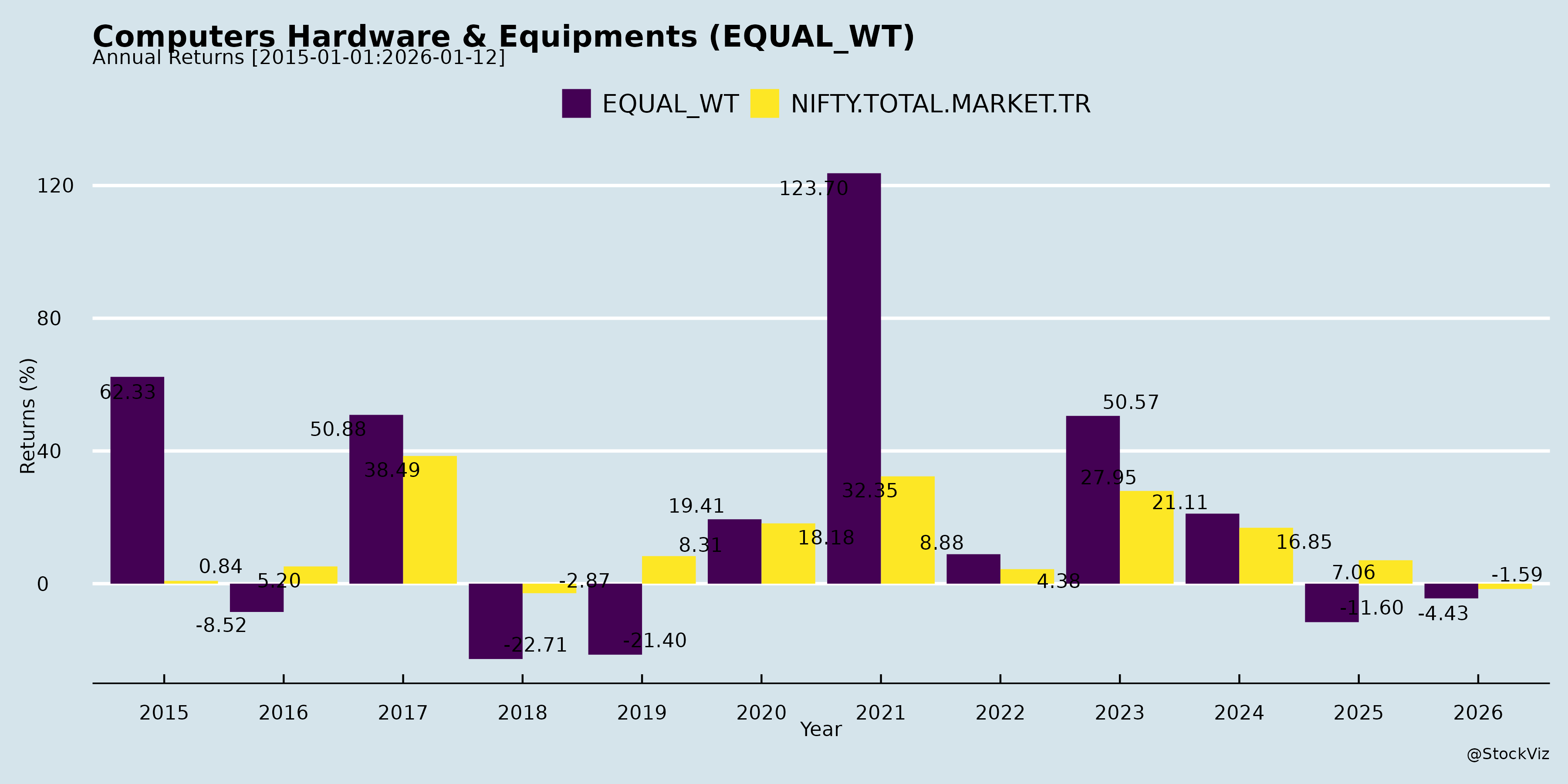
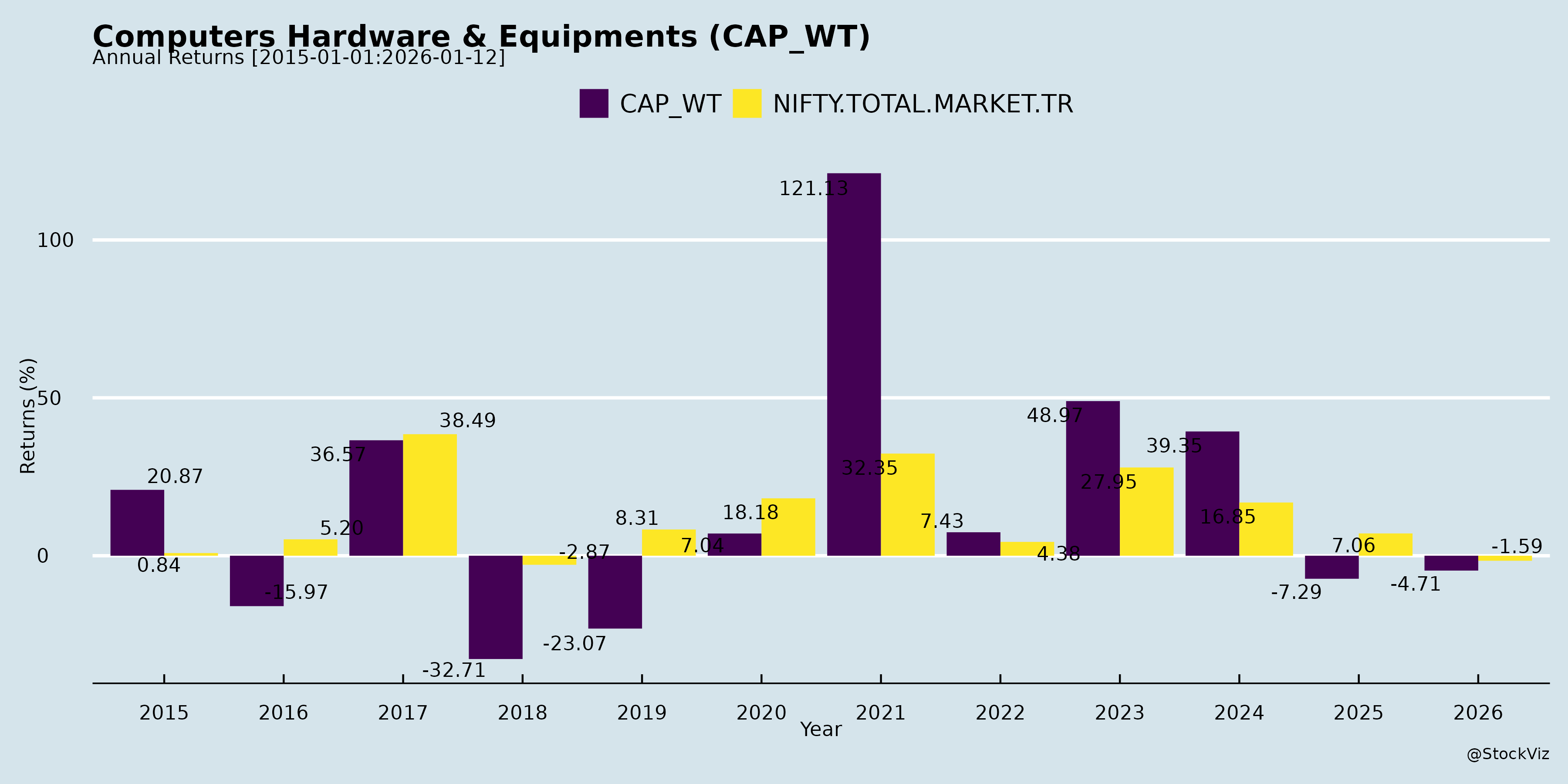
Annual Returns
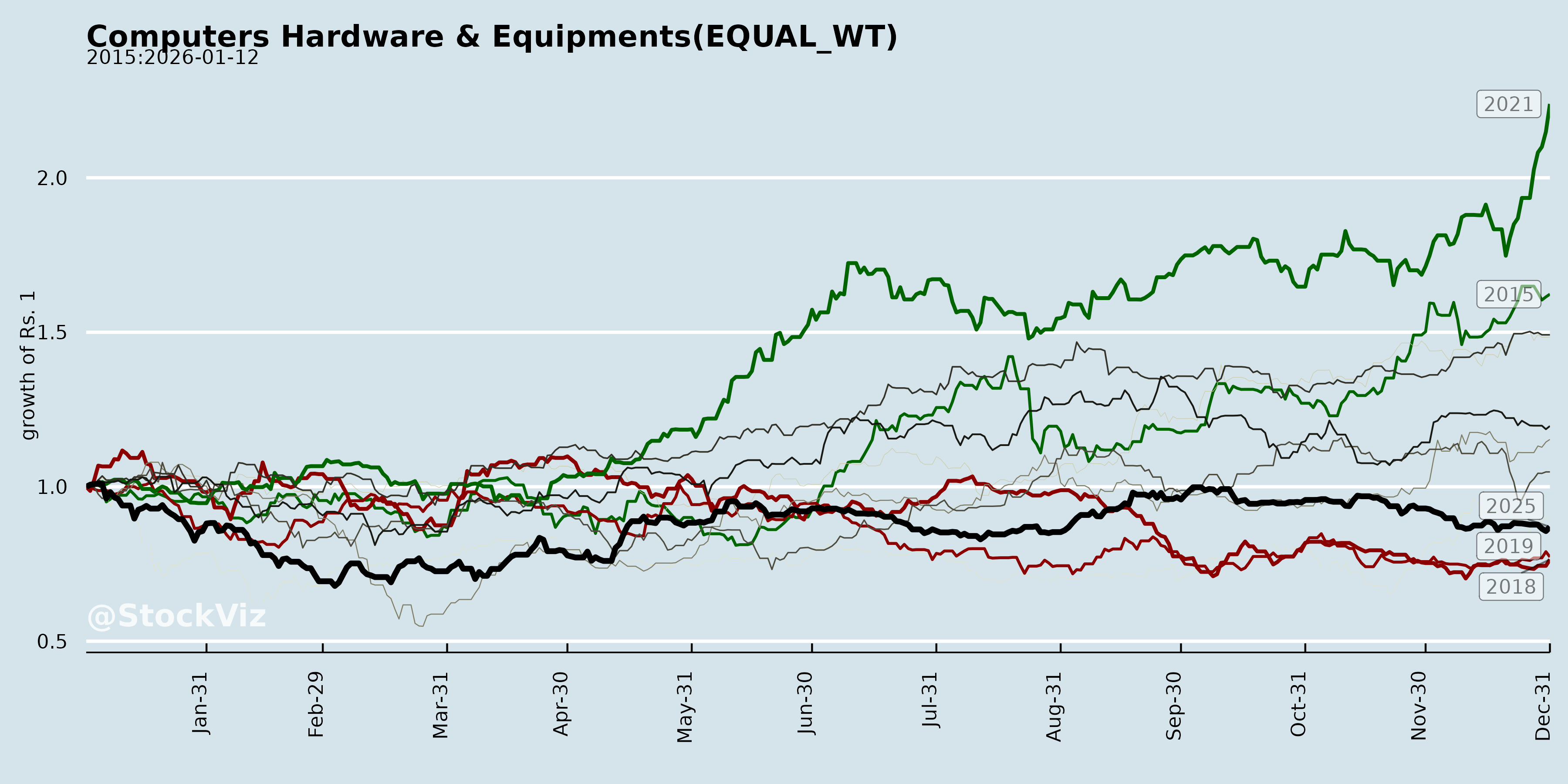
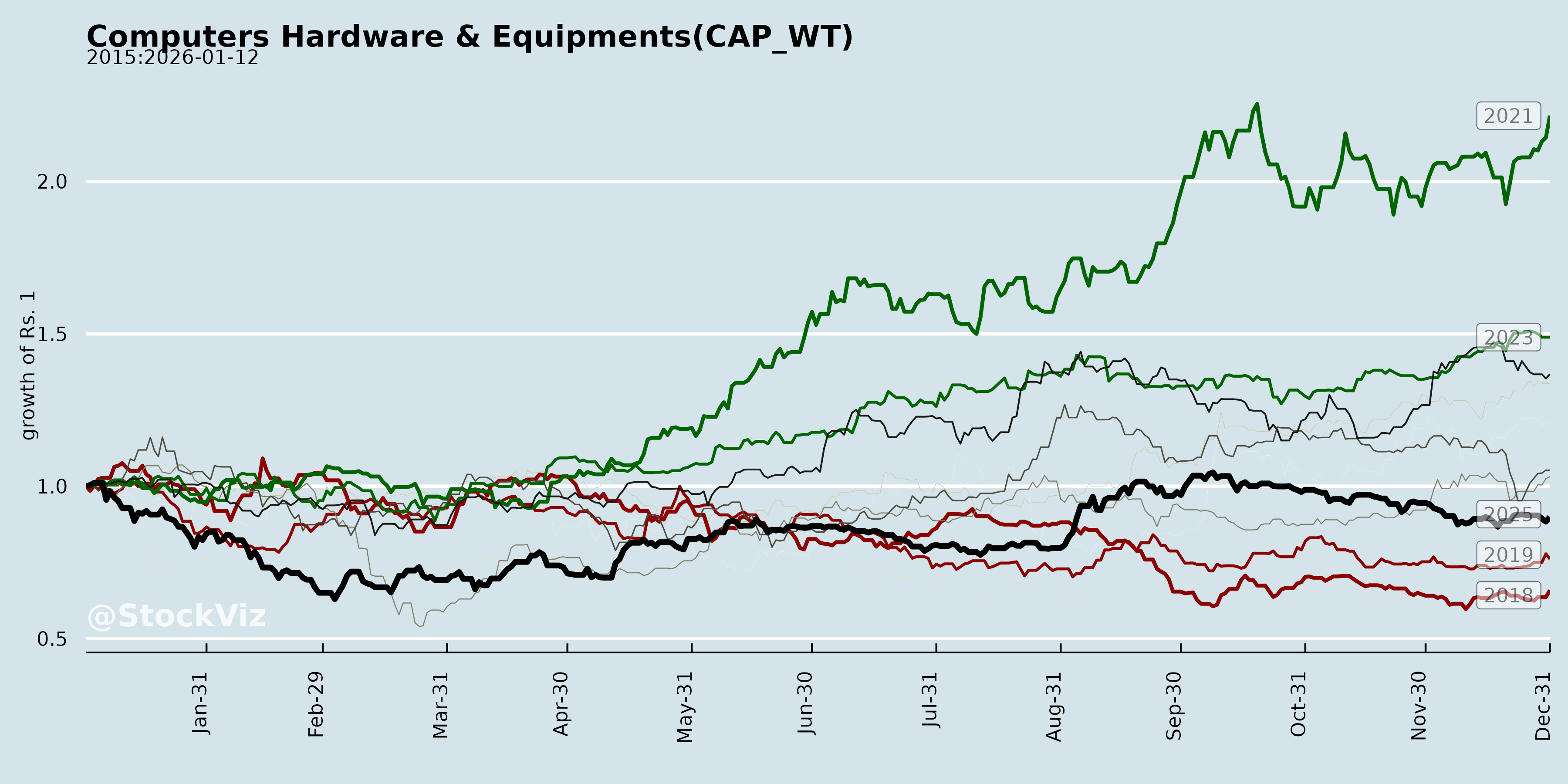
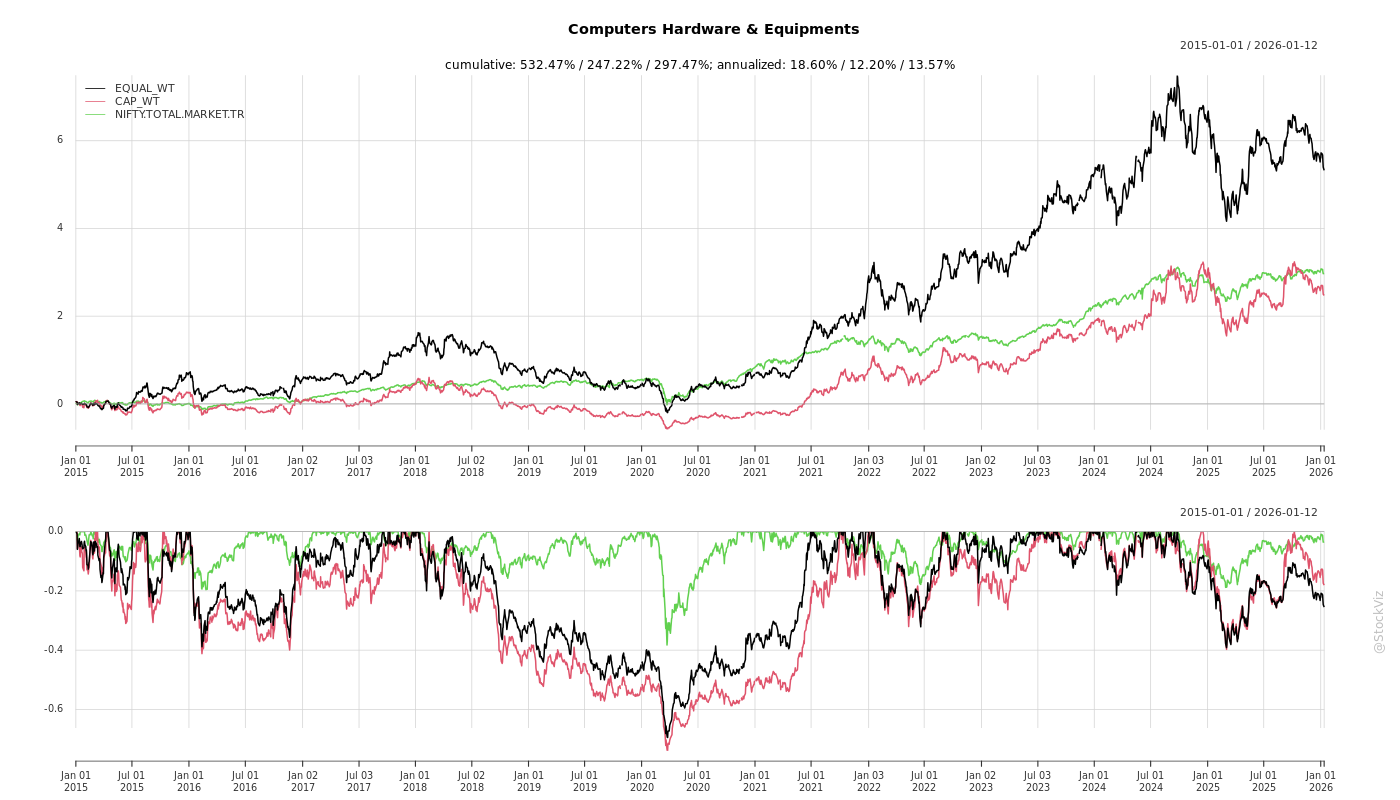
Cumulative Returns and Drawdowns
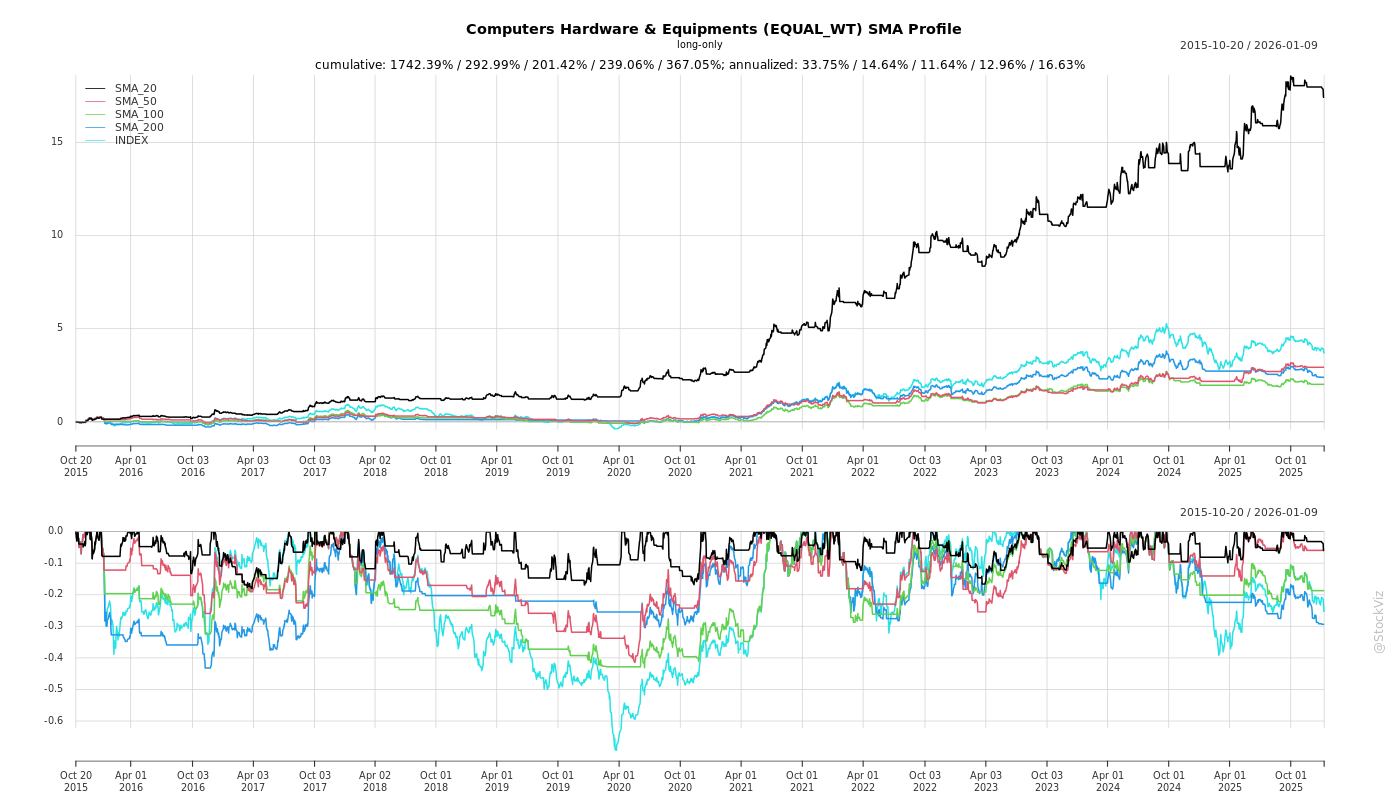
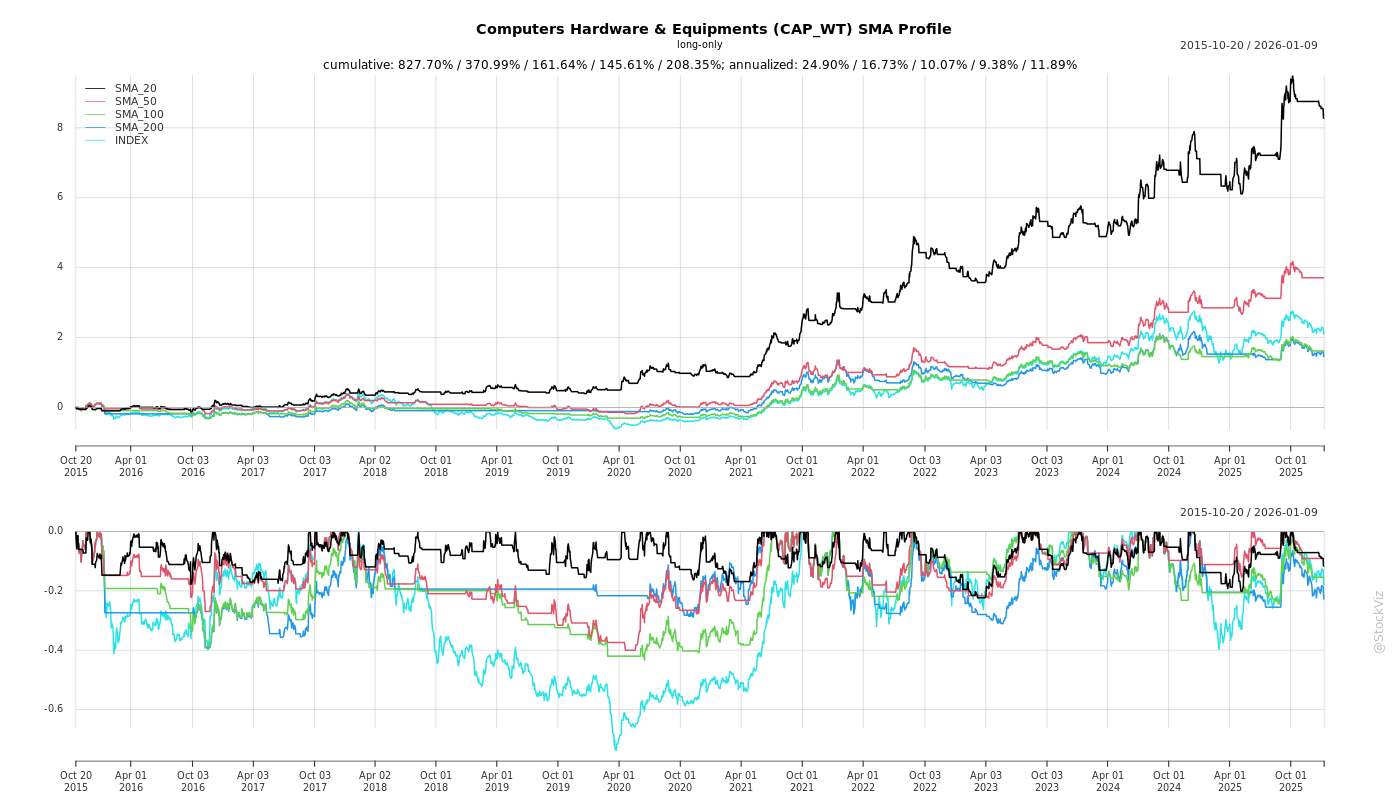
SMA Scenarios
Current Distance from SMA
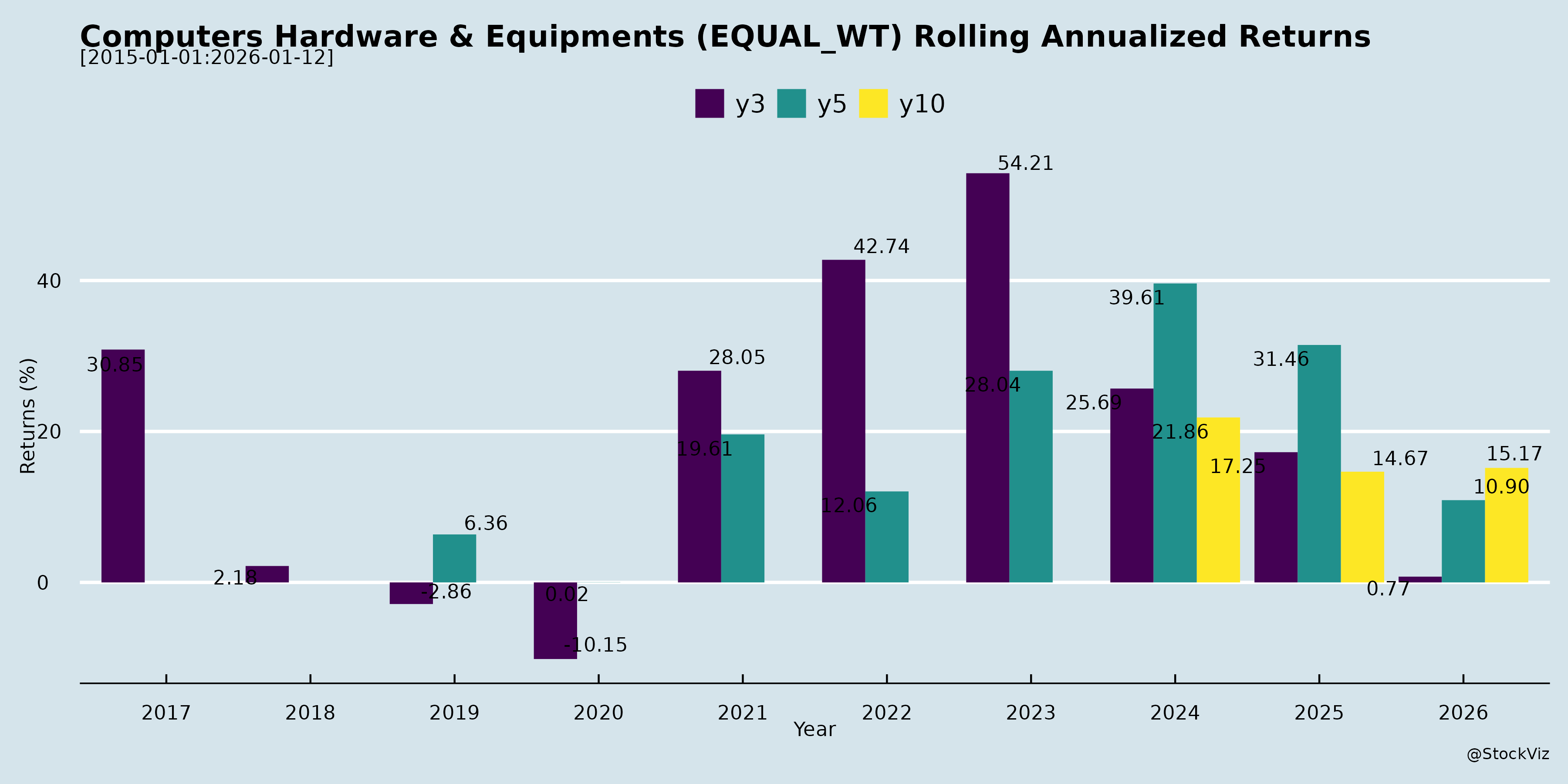
Rolling Returns
Fundamental Ratios
AI Summaries
How have the challenges and oppurtunities evolved over time?
asof: 2026-04-16
Based on the provided sources, challenges and opportunities across the technology and electronics sectors have evolved significantly over time, transitioning from temporary event-based disruptions to structural, long-term market shifts.
Here is a detailed breakdown of how these dynamics have evolved:
1. The Evolution of Component Shortages and Price Hikes * Past Event-Based Challenges: Historically, spikes in memory prices were often tied to specific, short-term events. For example, during the 1999 Taiwan earthquake, memory prices surged but returned to normal levels once factory production stabilized [1, 2]. * Current Structural Challenges: The current global technology landscape has evolved to face a more fundamental and sustained challenge driven by massive, long-term investments in AI infrastructure (estimated at around US $7 trillion globally) [2, 3]. Manufacturing capacity, particularly for High Bandwidth Memory (HBM), is being heavily diverted to AI and data centers [4, 5]. This shift has severely tightened the supply of conventional DRAM and storage used in new PCs [5]. Consequently, component prices have skyrocketed—for instance, DDR5 16GB RAM prices saw a 3.4x increase over just a few months [5]. This dynamic, coupled with dollar appreciation and general global market volatility, has driven up the cost of brand-new PCs globally by roughly 20% [6-8]. * Resulting Opportunities: Companies have actively turned these supply-chain and pricing challenges into major growth opportunities: * Refurbished Market Boom: For companies like GNG Electronics, rising new PC prices have shifted customer preference toward refurbished devices due to affordability and availability [6, 9]. To capitalize on this, GNG has strategically maintained elevated inventory levels, securing supplies in advance of further price hikes to drive both sales volume and margin expansion [10-12]. Furthermore, unorganized manufacturers (making up 20-25% of the market) are struggling to access memory even at elevated prices, creating a massive void that organized refurbished players can capture [6, 9, 13]. * Strategic Stocking: Distributors like RP Tech (Rashi Peripherals) leveraged anticipated price hikes caused by component shortages by allowing partners to stock up, transforming a potential supply constraint into their highest-ever third-quarter sales [14, 15].
2. Forex Volatility and Economic Uncertainties * The Challenge: Companies that rely heavily on importing electronic products in foreign currencies while generating revenue in Indian Rupees (INR) face constant exposure to foreign exchange risk and currency volatility, which can severely impact profit margins [16]. * The Opportunity/Response: Businesses have evolved their risk management strategies over time. RP Tech, for instance, manages this through a conservative hedging approach—using forward exchange contracts aligned with inventory cycles—and by utilizing pricing pass-through mechanisms and fast inventory turnover to protect margins in a volatile currency environment [16, 17].
3. Navigating Import Competition and Domestic Manufacturing * The Challenge: The influx of cheap imports, particularly from China, has historically been a significant competitive challenge for domestic electronics businesses [18]. * The Opportunity/Response: Companies like TVS Electronics have countered this by enhancing their domestic manufacturing capabilities under the “Make in India” initiative [19, 20]. Instead of competing purely on price against imports, they rely on unique go-to-market strategies, quality focus, and an unparalleled service reach to win over business-to-business (B2B) customers and government contracts [18].
4. Evolving Regulatory Challenges: The New Labour Codes * The Challenge: A recent widespread operational challenge is the Government of India’s consolidation of 29 existing labour laws into four unified “New Labour Codes” (effective November 21, 2025) [21-23]. This regulatory shift has forced companies across the board to reassess their employee benefit policies, resulting in incremental financial impacts [24, 25]. Due to the revised definition of wages, multiple companies have had to recognize significant sudden expenses related to past service costs for gratuity and leave encashment [26-30].
5. Long-Term Industry Tailwinds * The Opportunity: Over the long term, structural shifts in digitization have created vast opportunities. India’s IT device spending is on a steady upcycle driven by enterprise hardware refresh cycles, government digitalization, and increasing adoption in Tier-2 and Tier-3 cities [31, 32]. Additionally, the Indian semiconductor market is scaling rapidly, projected to reach $80–100 billion by the end of the decade, presenting a multi-billion-dollar, long-duration growth opportunity for tech distributors and engineering firms [31].
6. Legacy Operational Challenges * The Challenge: Some older technology companies continue to be bogged down by long-standing historical challenges. For example, HCL Infosystems is dealing with the prolonged drain of managing legacy issues and multiple legal arbitration proceedings required to recover long-overdue receivables, costing them hundreds of lakhs per quarter in legal expenses [33, 34].
What are the headwinds affecting this industry?
asof: 2026-04-16
The technology, electronics, and IT distribution sectors detailed in the sources are currently navigating several significant macroeconomic, supply-chain, and regulatory headwinds.
Supply Chain Constraints and Component Shortages The industry is facing severe supply chain bottlenecks, which are largely driven by the accelerated adoption of artificial intelligence and the resulting surge in AI infrastructure investments [1, 2]. A growing share of global memory manufacturing capacity, particularly for High Bandwidth Memory (HBM), is actively being diverted away from consumer electronics and towards AI and data centers [3, 4]. This massive shift has tightened the global supply for conventional DRAM and storage used in everyday PCs and hardware [3, 4]. Consequently, the industry is dealing with broader global shortages of IT products [5]. Manufacturers that sit outside the top five global brands are especially vulnerable to these dynamics, as they are likely to face significant challenges in accessing memory, potentially leading to outright supply shortages for new computers [6, 7].
Surging Material Costs and Price Inflation Directly tied to these supply constraints is a massive escalation in the cost of components and finished goods. The tightening supply of memory has caused prices to rise sharply; for instance, the price of DDR5 8GB RAM surged by nearly 270% over a three-month period, while DDR5 16GB RAM saw a staggering 3.4x price increase [3, 4]. These surging material costs are materially impacting the cost structures of manufacturers [1, 2]. As a result, the prices of brand-new PCs have already increased by roughly 20%, and further price hikes are expected [8, 9]. Furthermore, the appreciation of the dollar is exacerbating this uptrend in overall IT product prices [5]. Because devices are becoming significantly more expensive, market analysts at IDC estimate that global shipments of new PCs could decline by up to 8.9% in 2026 [6, 7].
Foreign Exchange Risks and Currency Volatility For distributors and manufacturers that rely heavily on international imports, currency volatility remains a major headwind [10]. Because these companies import products that are denominated in foreign currencies but primarily earn their revenues in local currencies (such as the Indian Rupee), exchange rate fluctuations pose a severe risk [10]. This volatility can negatively impact the cost of goods sold, gross margins, and overall profitability, especially for businesses operating on tightly defined distribution margins [10].
Regulatory Burdens and Operational Costs Recent regulatory shifts are adding unexpected financial and administrative burdens to organizations. The implementation of the New Labour Codes by the Government of India has forced multiple companies to recognize incremental, non-recurring financial impacts [11-13]. Specifically, companies have had to increase provisions for past service costs related to gratuity and leave encashment liabilities due to a revised legal definition of wages and enhanced employee benefits [13-15]. Additionally, some businesses in the sector are facing significant financial drains due to the costs and efforts required to navigate legacy issues, prolonged legal arbitration proceedings, and ongoing regulatory compliance [16].
Inherent Industry Cyclicality and Talent Retention The semiconductor and wider electronics ecosystems continue to be hindered by the cyclical nature of global technology markets, which creates unavoidable periods of volatile demand [17]. Companies are also highly dependent on third-party subcontractors to maintain a steady supply and quality of raw materials, leaving them exposed to external operational failures [17]. Finally, as the industry evolves and requires more advanced engineering, attracting and retaining highly skilled technical manpower serves as an ongoing structural challenge [17].
What are the key things to understand about this industry?
asof: 2026-04-16
The Information and Communication Technology (ICT) and electronics industry is currently undergoing significant structural shifts driven by global technological advancements, supply chain dynamics, and evolving consumer behavior. To truly understand this industry, one must look at the macro drivers of demand, the impact of component pricing, the rise of the circular economy (refurbishment), and the unique operational and financial models that govern these companies.
Here are the key things to understand about this industry:
1. Massive Headroom for Growth and Digital Transformation The foundation of the ICT industry’s growth is the ongoing digital transformation across multiple sectors, including government, BFSI (Banking, Financial Services, and Insurance), education, and manufacturing [1, 2]. India’s IT device spending is on a steady upcycle, driven by enterprise hardware refresh cycles, digital infrastructure build-outs, and increasing technology adoption beyond metropolitan areas into Tier-2 and Tier-3 markets [2, 3]. Furthermore, structural PC penetration in India remains remarkably low compared to developed markets, leaving a massive runway for future volume growth [3]. This is compounded by an expanding semiconductor market, driven by automotive, mobility, and data centers, which is positioned as a multi-billion-dollar, long-duration growth theme supported by government policies [3].
2. Severe Supply Chain Disruptions and Surging Component Costs The global technology landscape is currently facing supply-side challenges, heavily influenced by the artificial intelligence (AI) boom. As AI adoption accelerates, a growing share of global memory manufacturing capacity is being diverted to High Bandwidth Memory to support AI infrastructure [4, 5]. This shift has caused severe shortages and price spikes for traditional memory and storage components, which directly impacts the cost structure and availability of new PCs [4-7]. Consequently, the prices of brand-new PCs have surged by approximately 20%, and this upward pricing trend is expected to continue for an extended period [8-11].
3. The Rapid Expansion of the Refurbished Secondary Market The combination of rising new PC prices and supply shortages is fundamentally altering customer preferences, leading to a massive expansion in the total addressable market for refurbished devices [8, 10]. Refurbished PCs are transitioning from a niche segment to a mainstream enterprise solution, much like the trajectory seen in the used car and refurbished smartphone markets [12-17]. Key drivers of this segment include: * Cost Efficiency with Uncompromised Quality: Professionally refurbished devices deliver an experience that is aesthetically and functionally “as good as new” but at roughly one-third of the price of a new device [18, 19]. * Trust and Warranty: To overcome historical hesitations, industry players are offering robust frameworks, such as providing up to 3-year warranties on refurbished computers, which has significantly driven repeat business and institutional adoption [20, 21]. * Wider Acceptance: Customers, including large enterprises, institutions, and major technology distributors, are increasingly integrating refurbished ICT devices into their structured procurement frameworks due to faster deployment and cost advantages [12, 15, 22-24].
4. High Working Capital Intensity Operating in the ICT distribution and refurbishment space requires highly disciplined financial management. The industry is heavily dependent on working capital, as inventory and accounts receivable are the primary drivers of growth [25, 26]. Because of the ongoing component shortages and rising prices, companies find it strategically necessary to maintain elevated inventory levels [14, 17, 27, 28]. Securing supplies well in advance acts as a hedge against future price increases and ensures supply continuity for customers, which ultimately aids in margin expansion [27-30].
5. Foreign Exchange Risks and Global Market Exposure Because a vast majority of ICT products and components are imported in foreign currencies (like USD) while revenues are often generated in local currencies (like INR), companies are highly exposed to foreign exchange volatility [31]. Currency fluctuations can severely impact the cost of goods sold and gross margins within these fine-margin distribution models [31]. Consequently, successful companies rely on conservative risk management strategies, such as using forward exchange contracts aligned with their inventory cycles, rather than engaging in currency speculation [31].
6. Transition to “Make in India” and Service-Led Models There is a strategic pivot toward local manufacturing and service-oriented models to capture higher margins and ensure business stability: * Electronics Manufacturing Services (EMS): Companies are investing in local manufacturing capabilities (like Surface Mount Technology lines) to support global OEMs and capitalize on the “Make in India” initiative [32, 33]. However, it is important to note that the EMS business requires a long gestation period, often taking three to four quarters just to onboard a new customer [34]. * Annuity and Software Services: To reduce the volatility of hardware sales, businesses are focusing on software, hybrid-cloud environments, and IT infrastructure managed services [35-38]. Increasing the share of annuity-led business improves revenue predictability and the overall quality of cash flow [39]. * Semiconductor Volatility: While the semiconductor and hardware design space is growing, it remains highly cyclical and deeply reliant on highly skilled technical manpower and external subcontractors [40].
What are the tailwinds affecting this industry?
asof: 2026-04-16
Based on the provided sources, the Information and Communication Technology (ICT) industry—encompassing both new IT infrastructure distribution and the refurbished electronics market—is currently benefiting from several powerful tailwinds. These growth drivers range from macroeconomic digitalization trends to unique supply-chain dynamics.
Here is a detailed breakdown of the major tailwinds affecting this industry:
1. The AI Boom and Component Supply Constraints A massive structural shift is occurring due to the rapid acceleration of Artificial Intelligence (AI). As global investments in AI infrastructure and data centers surge, a growing share of global memory manufacturing capacity—particularly High Bandwidth Memory (HBM)—is being diverted away from conventional PCs and toward AI applications [1, 2]. * Soaring Component Prices: This diversion has tightened the supply of conventional DRAM and storage used in new PCs, causing prices to skyrocket [3, 4]. For example, between October 2025 and January 2026, the price of DDR5 8GB RAM increased by nearly 270%, while DDR5 16GB RAM prices surged by 3.4x [3, 4]. * Supply Shortages for Smaller Brands: Manufacturers outside the top five global brands (which account for nearly a quarter of global PC shipments) are facing significant challenges in accessing memory, which is expected to lead to outright supply shortages in the new PC market [5, 6].
2. Accelerated Demand for Refurbished IT Equipment The aforementioned supply constraints and rising component costs are naturally driving higher acceptance and market penetration for the refurbished PC segment [5, 6]. * Price Arbitrage: The component shortages have driven the prices of brand-new PCs up by roughly 20%, with global new PC shipments estimated to decline by up to 8.9% in 2026 [5-8]. In contrast, professionally refurbished devices offer an experience that is aesthetically and functionally “as good as new” at roughly one-third of the price [9, 10]. * Enterprise Acceptance and Longevity: Enterprises and institutions are increasingly turning to refurbished systems because they value faster deployment, cost efficiency, and reliable performance [11, 12]. The industry is also successfully building trust by offering robust, extended warranties of up to 3 years, which encourages repeat business and long-term enterprise deployment [9, 10, 13, 14]. * Maturing Product Lifecycles: Similar to the automotive and smartphone industries—where used and refurbished sales now capture massive market shares—PCs are becoming technologically stable and longer-lasting, making secondary use highly viable [11, 12, 15, 16].
3. Structural Underpenetration and the Hardware Upgrade Cycle In developing markets like India, the overall ICT distribution space is on a steady upcycle driven by a massive headroom for growth [17]. * Low Household Penetration: PC penetration in India remains structurally underpenetrated compared to developed markets, providing a massive runway for volume growth as digital adoption scales across education, MSMEs, and enterprises [17]. * Hybrid Work and Non-Metro Growth: Rising device penetration, hybrid work models, and technological expansion into Tier-2 and Tier-3 cities are creating sustained demand beyond major metropolitan areas [18].
4. Large-Scale Digitalization Across Key Sectors The continued digitalization of the global and Indian economies is serving as a broad tailwind across multiple enterprise verticals [18]: * Government and Public Sector: Large-scale government digitalization programs and compliance with data localization and transparency norms are driving huge demand for compute, storage, networking, and security infrastructure [18]. * BFSI and IT Services: The Banking, Financial Services, and Insurance (BFSI) sector continues to spend heavily on IT to support digital transactions, analytics, and cybersecurity [18]. Simultaneously, the expansion of Global Capability Centers (GCCs) and IT services is accelerating the need for high-performance servers and networks [18]. * Data Centers and Telecom: Cloud computing adoption, data localization, and AI workloads are forcing accelerated infrastructure investments in telecommunications and data centers [18]. * Manufacturing and Healthcare: Industrial enterprises are modernizing their operations with “digital factories” and edge computing, while healthcare networks are shifting toward integrated digital platforms [18].
5. Semiconductor Policy and Supply-Chain Diversification The semiconductor and embedded electronics market is experiencing significant growth, with consumption in markets like India projected to cross USD 80–100 billion by the end of the decade [17]. This is being catalyzed by global supply-chain diversification and massive domestic policy tailwinds, such as India’s INR 76,000+ crore incentive program aimed at boosting investments across semiconductor fabrication, design, and assembly [17].
What is the general outlook of this industry?
asof: 2026-04-16
The general outlook for the technology, PC, and broader ICT (Information and Communication Technology) industry is highly dynamic, characterized by a rapid boom in the refurbished device market, structural supply constraints and price hikes in the new PC sector, and massive long-term growth opportunities driven by AI, semiconductor expansion, and digitalization initiatives.
Here is a detailed breakdown of the industry’s general outlook:
Component Shortages and Rising Prices for New PCs The global technology landscape is currently experiencing a period of severe supply constraints and elevated component pricing, particularly impacting the new PC market [1, 2]. As global AI adoption accelerates, investments in AI infrastructure have surged to approximately $7 trillion globally [1, 3-5]. Because a growing share of global memory manufacturing capacity—especially High Bandwidth Memory (HBM)—is being diverted toward data centers and AI, the supply for conventional DRAM and storage used in personal computers has significantly tightened [1, 4, 6, 7].
This shift has caused steep price increases. For example, DDR5 8GB RAM prices increased by nearly 270%, and 16GB RAM prices rose 3.4 times between October 2025 and January 2026 [6, 7]. These elevated component costs have inevitably flowed into the pricing of brand-new PCs, which have seen price increases of roughly 20% [8, 9]. As a result, the IDC estimates that global new PC shipments could decline by up to 8.9% in 2026 [10, 11]. Additionally, manufacturers outside the top five brands (who make up nearly a quarter of global PC shipments) are likely to face significant challenges accessing memory, potentially leading to outright supply shortages for new PCs [8-11].
Booming Demand for Refurbished Devices The challenges facing the new PC market have created highly favorable tailwinds for the secondary reuse and refurbished PC industry [8, 9]. The secondary reuse market is growing rapidly across the globe as consumer and enterprise preferences shift toward more affordable and readily available alternatives [12, 13].
This segment is expanding its total addressable market and is following a structural trajectory similar to mature industries like used cars and smartphones, where refurbished devices have transitioned from a niche segment into holding a meaningful share of global shipments [8, 9, 14-16]. Refurbished ICT devices are now being integrated into mainstream procurement cycles [17, 18]. Enterprises and institutions increasingly recognize that professionally refurbished systems deliver reliable performance, cost efficiency, and faster deployment without compromising on quality [14, 16, 18].
Strong Structural IT and Semiconductor Growth in India Regionally, the Indian ICT market presents massive, long-duration growth opportunities: * Low PC Penetration and Steady Upcycles: India’s IT device spending is on a steady upcycle, driven by enterprise hardware refreshes, digital infrastructure build-outs, and rising technology adoption outside of major metropolitan areas [19]. Because PC penetration in India remains structurally low compared to developed markets, there is significant headroom for growth, with laptop and desktop penetration expected to grow at 12-15% between FY24 and FY27E [19]. * The Semiconductor Boom: India’s semiconductor opportunity is scaling fast. With the domestic electronics market exceeding $150 billion, semiconductor consumption is projected to cross $80 to $100 billion by 2030 [19]. This growth is heavily supported by massive policy tailwinds, such as a semiconductor incentive program exceeding INR 76,000 crores, as well as rising demand from automotive, mobility, and industrial electronics sectors [19].
Digitalization and Local Manufacturing Technology adoption is scaling rapidly across multiple enterprise and public sectors [20]. Large-scale government digitalization programs are setting digital standards and accelerating IT infrastructure spending nationwide [20]. The Banking, Financial Services, and Insurance (BFSI) sectors maintain resilient spending driven by cybersecurity and digital transactions, while the expansion of IT services and Global Capability Centers (GCCs) is driving high demand for servers, high-performance computing, and networking [20].
Finally, the industry is seeing a major push toward domestic manufacturing. Strategic initiatives like “Make in India” are promoting local manufacturing and creating significant growth opportunities for Electronics Manufacturing Services (EMS), as global tech brands look to bring their products to market more cost-effectively by leveraging local manufacturing capabilities [21].
Copyright © 2023 SAS Data Analytics Pvt. Ltd. All rights reserved.