Cables - Electricals
Industry Metrics
September 24, 2026
Annual Returns
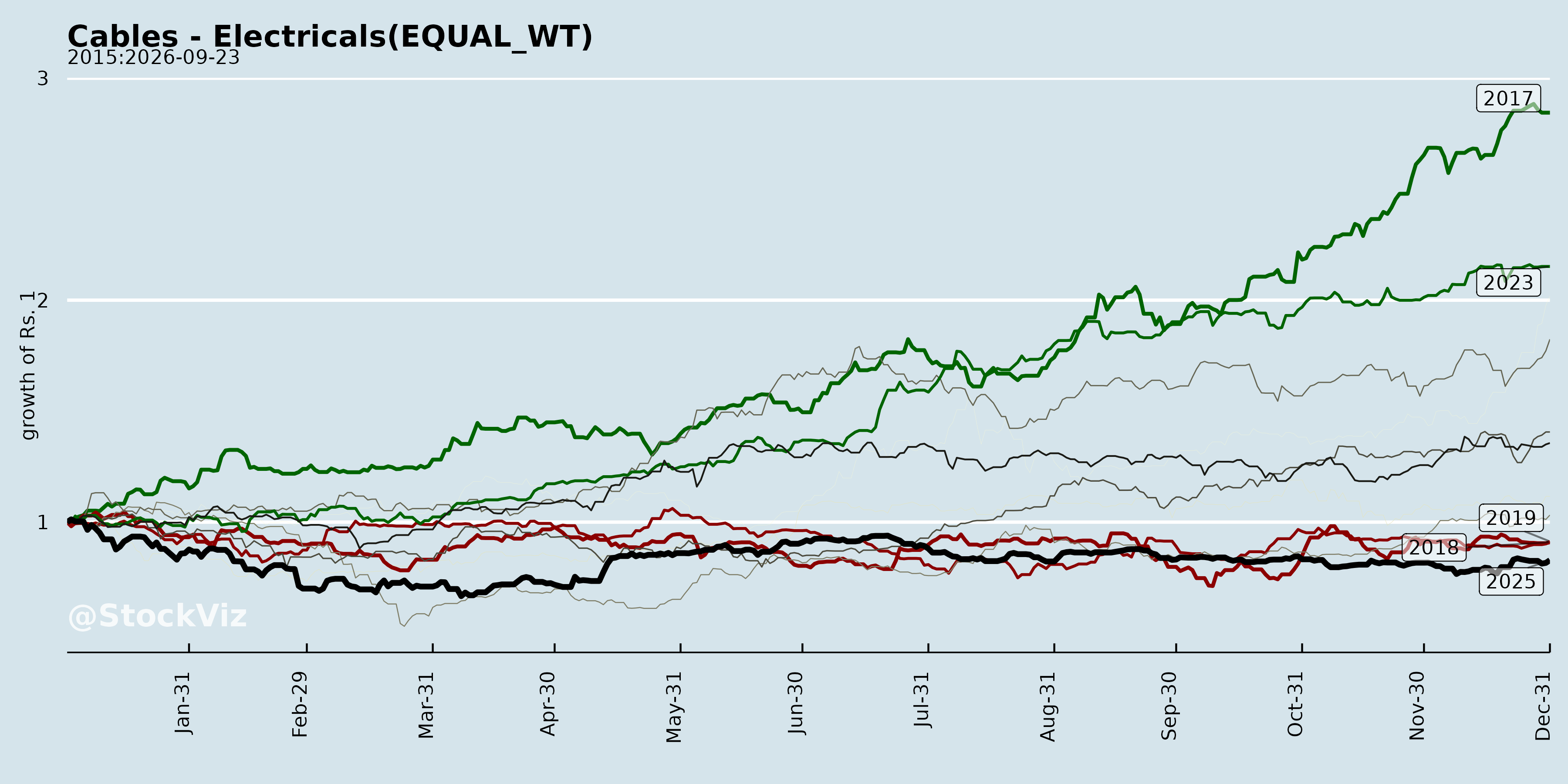
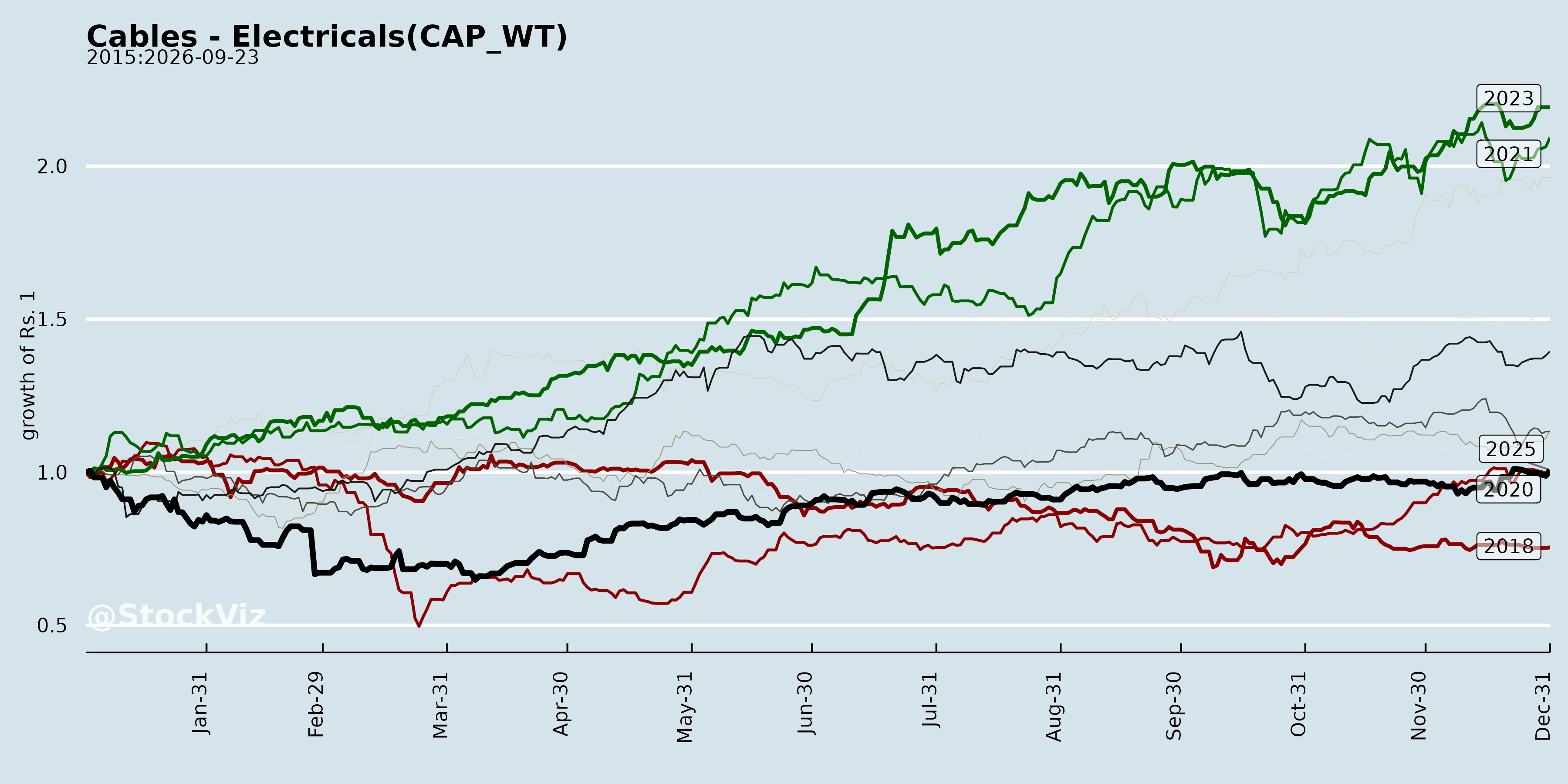
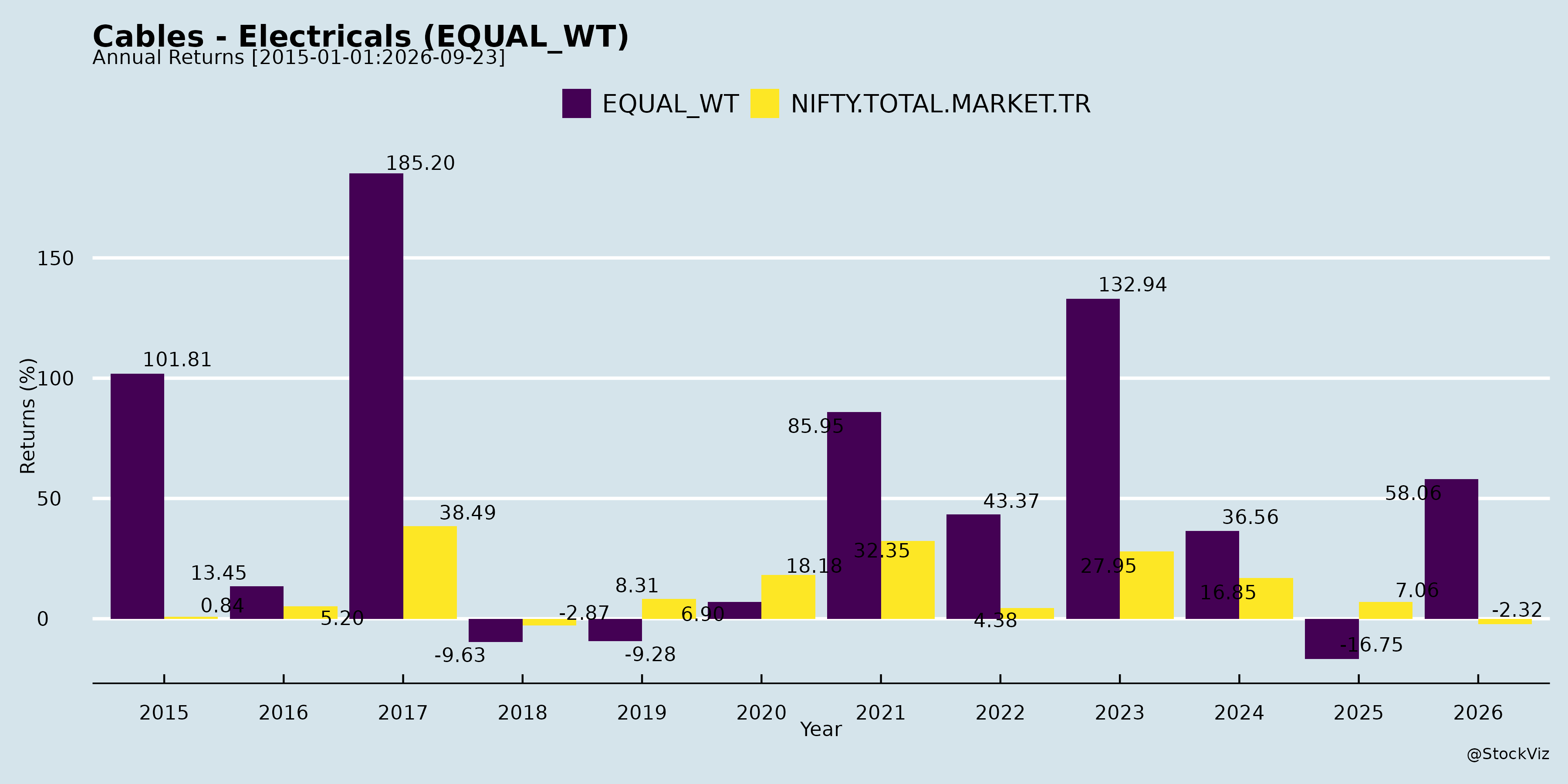
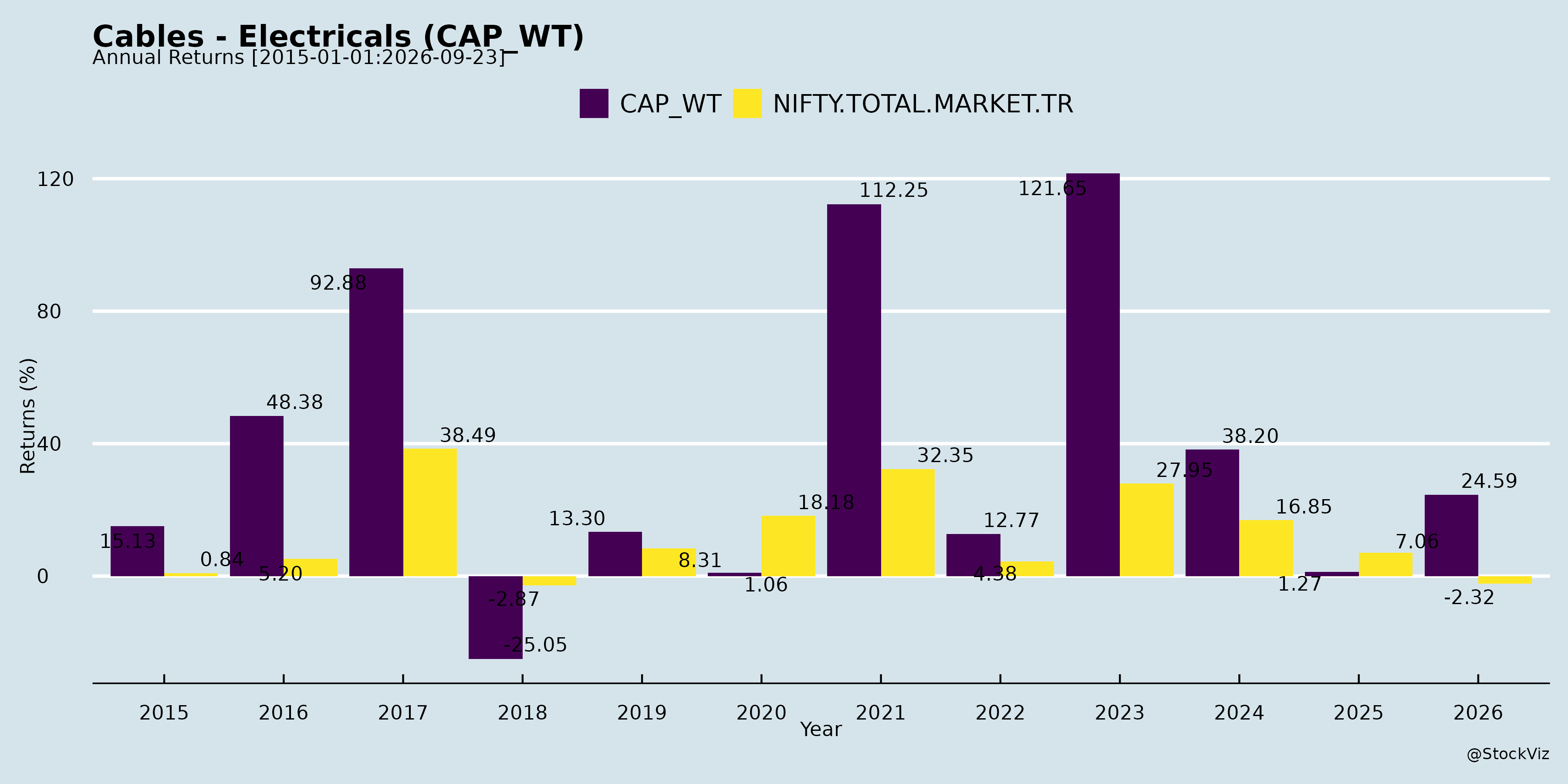
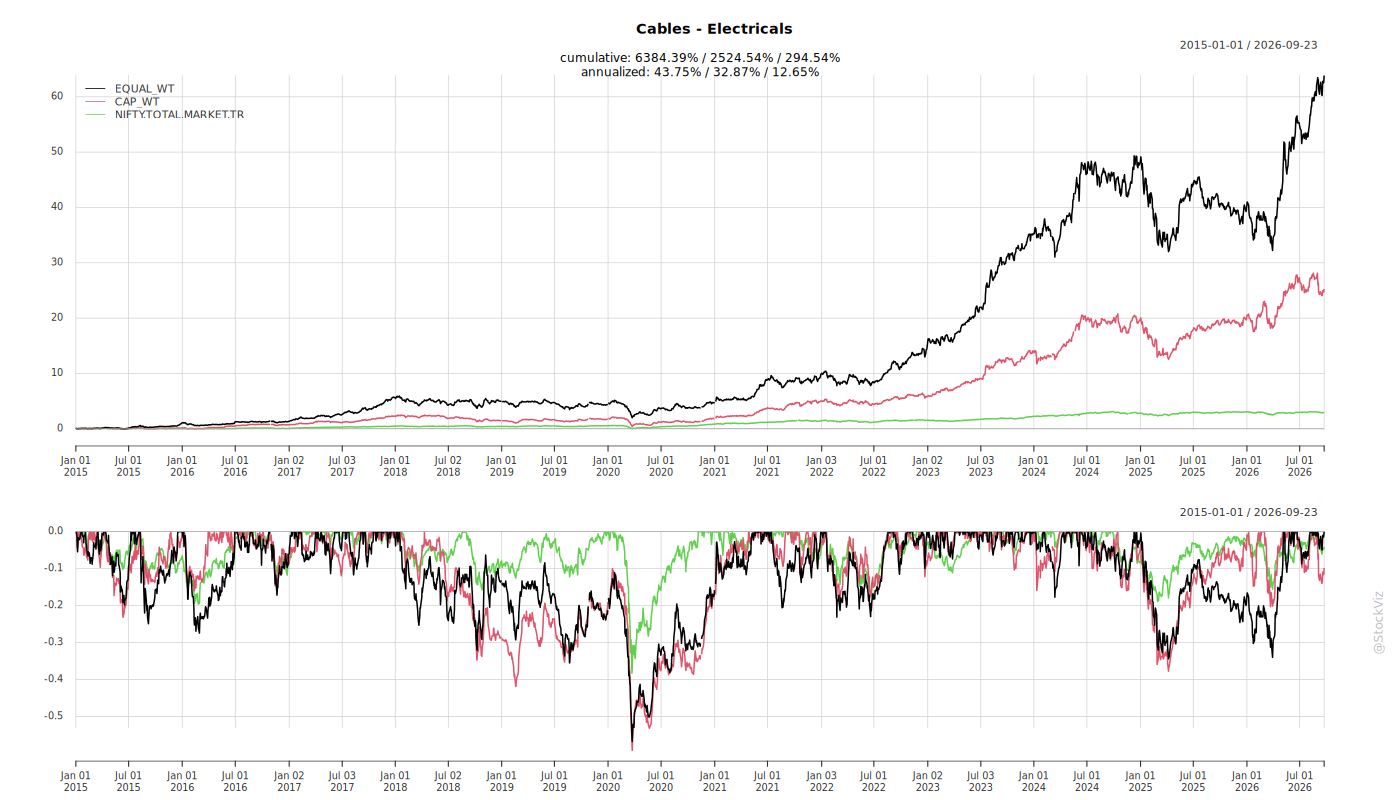
Cumulative Returns and Drawdowns
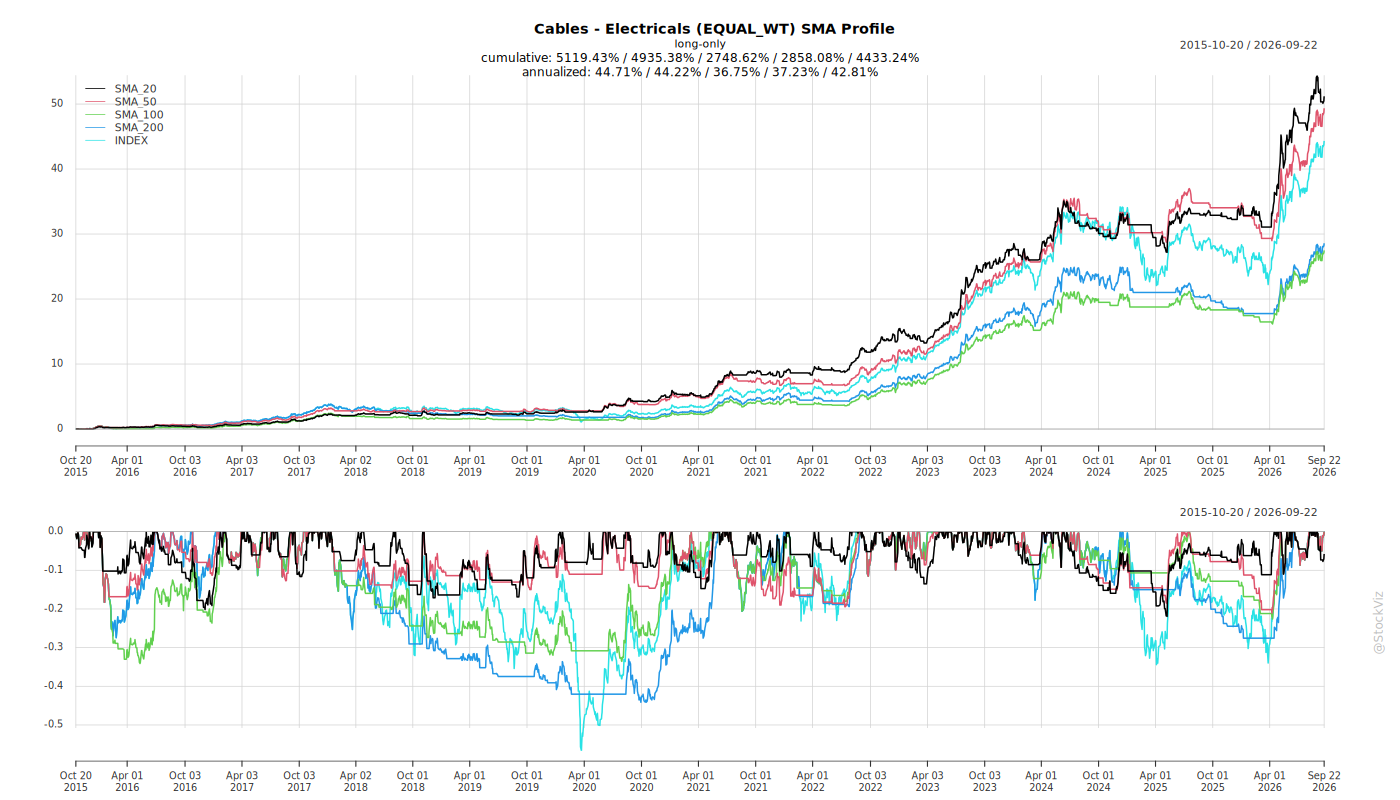
SMA Scenarios
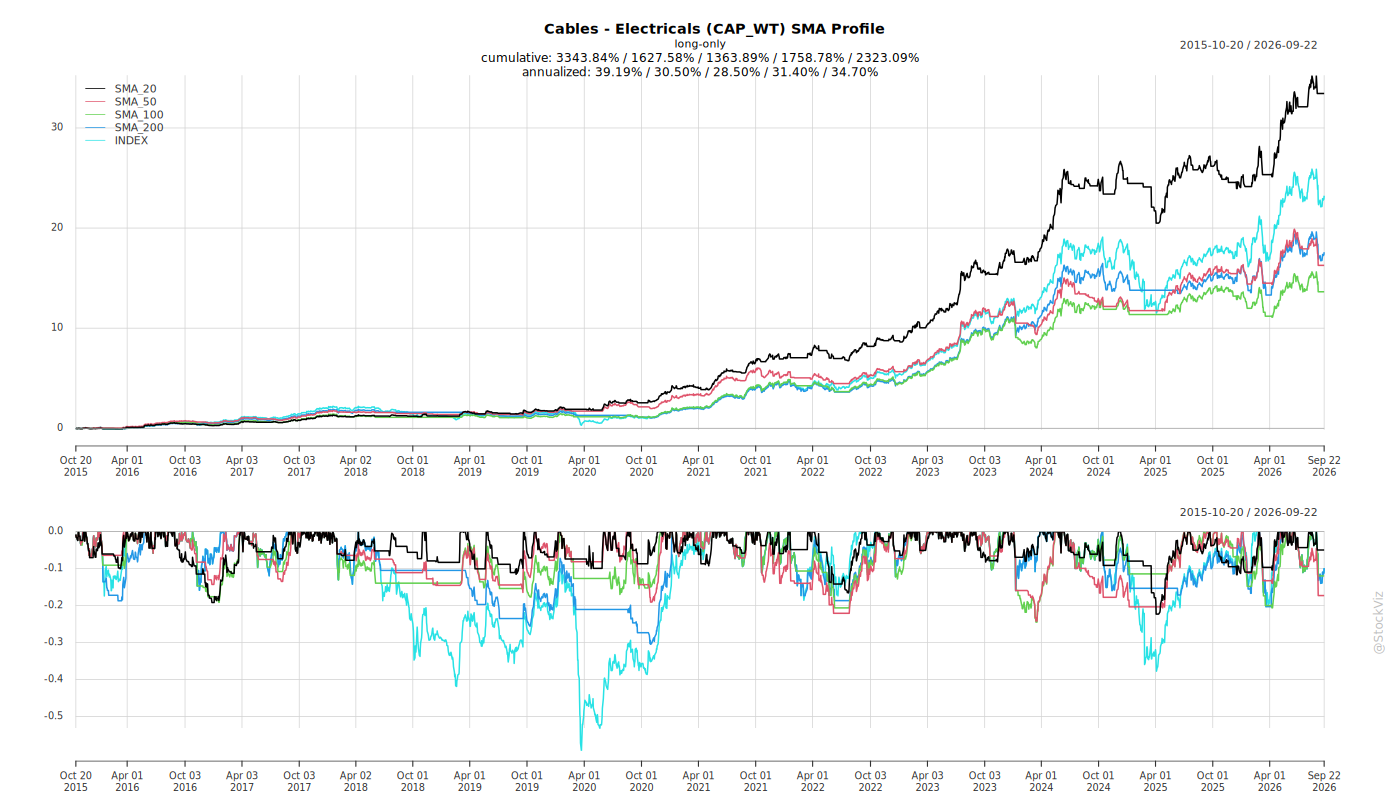
Current Distance from SMA
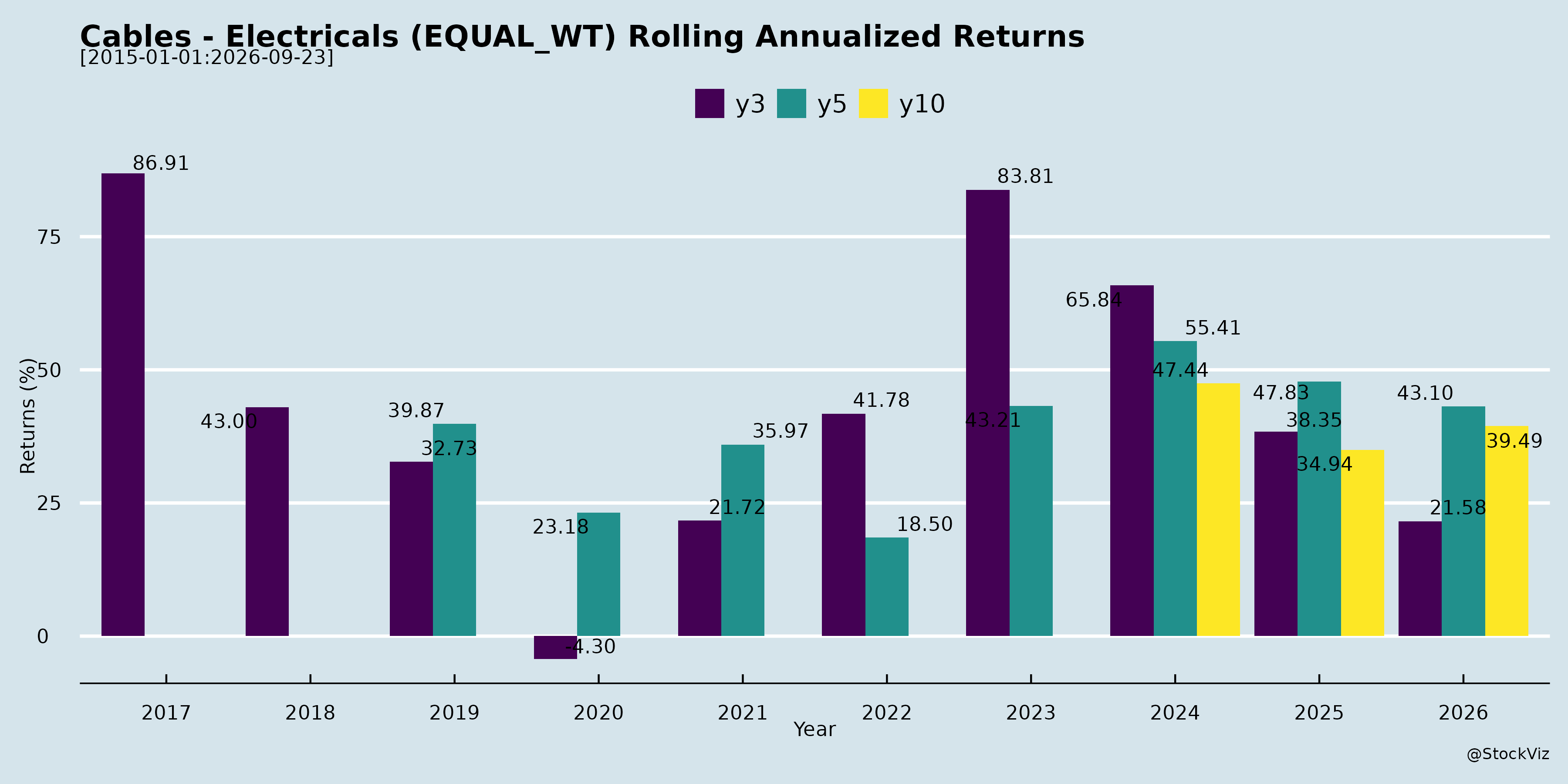
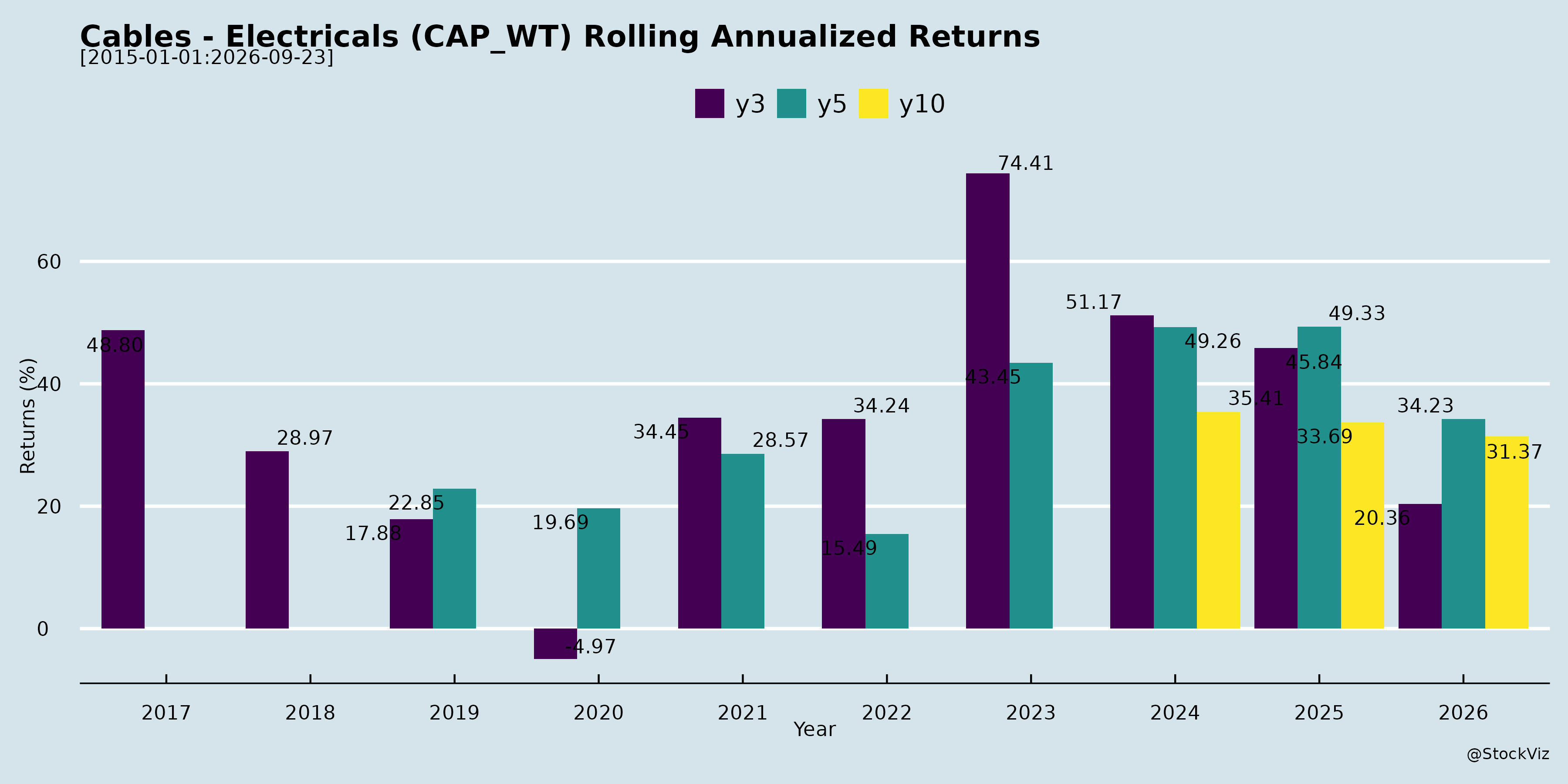
Rolling Returns
Fundamental Ratios
AI Summaries
How have the challenges and oppurtunities evolved over time?
asof: 2026-04-16
The wire and cable industry has undergone a significant transformation over recent years, navigating a complex landscape of shifting macroeconomic hurdles and emerging sectoral tailwinds. Over time, companies have had to adapt to severe commodity price volatility, evolving global trade dynamics, and regulatory shifts, while simultaneously capitalizing on historic infrastructure investments, the green energy transition, and rapid technological modernization.
Here is a detailed breakdown of how the challenges and opportunities have evolved:
The Evolution of Challenges
1. Extreme Volatility in Commodity Prices and Margin Pressures The most persistent challenge for the sector has been the erratic movement of raw material costs, particularly copper and aluminum, which have swung dramatically over the past few years. * Deflationary Realization Pressures (FY23-FY24): Companies like Paramount Cables noted that commodity prices peaked in FY23 and subsequently followed a downward trend for two years. As a result, companies had to manufacture and sell significantly higher volumes of metal just to achieve modest revenue growth, diluting their overall realization [1-4]. * Sharp Inflationary Spikes (FY25-FY26): More recently, the trend reversed aggressively. Polycab reported an unusually sharp escalation in input costs, with copper rising by 50% year-over-year (and 21% sequentially) and aluminum rising by 25% year-over-year, compounded by a depreciating Indian Rupee [5-8]. Finolex Cables similarly faced continuous commodity price hikes requiring multiple selling price corrections, including a 12% adjustment in a single quarter [9-11]. * Margin Contraction: To prevent demand destruction, market leaders like Polycab took the strategic decision to stagger their price hikes—passing on only 75% to 80% of the inflation immediately—which successfully protected consumer demand and market share but led to a near-term drop in EBITDA margins [12-15].
2. Global Supply Chain Disruptions and Trade Tariffs International export markets, particularly the United States, have presented evolving headwinds. Historically a lucrative market, the U.S. removed India’s MFN status under the GSP in 2019, subjecting Indian exporters to a 4%-5% customs duty while competitors enjoyed zero tariffs [16, 17]. Recently, the imposition of broad 10% tariffs and the threat of reciprocal duties have caused global overhangs and transitionary supply chain pain. For instance, Paramount Cables saw its U.S. export revenues drop from 50% in FY23 to 35% in FY24 due to weak markets and tariff implementations [18-22]. Polycab also cited tariff-related issues as a primary reason for recent weakness in its U.S. export numbers [23, 24].
3. Intensifying Competition The profitability of the sector has attracted deep-pocketed new entrants. Finolex Cables highlighted that major conglomerates, including the Birla and Adani groups, have announced entries into the wire and cable manufacturing space. As these new capacities come online, competition is expected to intensify, placing structural caps on sustainable long-term margins [25-28].
4. Rigorous Certification and Regulatory Hurdles As companies attempt to move up the value chain into specialized, safety-critical sectors, the barrier to entry has proven costly and time-consuming. Quadrant Future Tek, in its pursuit of Indian Railways’ KAVACH (Train Collision Avoidance System) contracts, faced significant operating losses during the R&D phase [29, 30]. The evolution of KAVACH standards from version 3.2 to 4.0 requires rigorous Safety Integrity Level 4 (SIL4) documentation, complex lab tests, and 5,000-kilometer field trials before final revenue-generating approvals are granted [31-35]. Additionally, new government Labour Codes have forced companies like Polycab to reassess their liabilities, resulting in incremental expenses for gratuity and leave encashment [36].
The Evolution of Opportunities
1. The Infrastructure and Real Estate Boom A massive, sustained push in capital expenditure has provided a robust baseline for volume growth. Polycab reported a 28.2% year-over-year surge in government capex (reaching ₹6.6 trillion in the first eight months of FY26) alongside a recovering private capex cycle and thriving real estate sales in top-tier cities [37-40]. This macroeconomic tailwind allowed Polycab to achieve an exceptional 40% domestic volume growth and a 59% jump in domestic wire and cable revenues, consistently outperforming the industry average [41-43].
2. Renewable Energy and the Electric Vehicle (EV) Transition The global shift toward non-fossil fuels has opened highly lucrative product avenues. * Solar Power: Solar cables and solar inverters have become standout performers. Polycab’s solar business grew more than 2x year-over-year due to strong uptake under government rooftop solar schemes [44-46]. Quadrant recently secured BIS approval for solar cables, enabling full-scale entry into captive solar projects, EV charging stations, and green hydrogen plants [47-49]. * E-Beam Technology: To cater to EVs, aerospace, and submarines, companies are investing in Electron Beam (E-beam) irradiated cables. These cables offer superior fire safety, heat resistance, and lightweight construction compared to traditional chemical cross-linking. Finolex recently commissioned an E-beam plant, and Quadrant views this technology as a cornerstone for capturing global EV and defense markets [50-54].
3. Telecom Expansion, Data Centers, and Fiber Optic Revival Following a 2.5-year slump where global optic fiber prices dropped to roughly $2, the market is experiencing a massive reversal [55, 56]. Driven by hyperscale data centers, 5G rollouts, AI infrastructure, and defense applications, fiber prices have surged to approximately $5 amidst global shortages of preforms and fiber [57-59]. * Backward Integration: To capitalize on this, Finolex is commissioning its own glass preform factory to eliminate import dependence on Sterlite and improve its telecom EBIT margins back to historic highs of 8%-9% [60-62]. * Universal Cables’ joint venture, Birla Furukawa, is also posting stellar performance entirely driven by hyperscale data center and ISP network expansions [63, 64].
4. The KAVACH Railway Modernization Initiative The Indian government’s mandate to install the KAVACH safety system across 15,512 kilometers of railway track with a massive budgetary allocation represents a multi-year supercycle [65]. While technologically challenging, the opportunity is immense. Quadrant Future Tek leveraged its R&D to secure a ₹829 crore order for 1,200 locomotives and a ₹155 crore trackside order, forming an exclusive MoU with RailTel to deploy these systems domestically and internationally [66-69].
5. Strategic Product Diversification (FMEG and B2B Expansion) To mitigate the cyclicality of industrial cables, companies are evolving their portfolios: * RR Kabel is expanding its Fast-Moving Electrical Goods (FMEG) line by launching kitchen appliances (induction cooktops, mixer grinders) and high-capacity industrial air coolers, tapping into the rising demand for electric cooking and climate control [70-72]. * Dynamic Cables has announced a strategic entry into the Copper Building Wires segment with eco-friendly, lead-free (FR-LSH and HR-FRLSH) wires, utilizing a strictly B2B model targeting EPC contractors, real estate developers, and institutional buyers rather than the fragmented retail market [73]. * Universal Cables is stepping into the High Performance Conductors (HTLS) space through a technical agreement with TS Conductor Corp, USA, aiming to capture demand in transmission grid upgrades [74, 75].
What are the headwinds affecting this industry?
asof: 2026-04-16
The wires, cables, and fast-moving electrical goods (FMEG) industry is currently navigating a complex array of global and domestic headwinds. These challenges span volatile commodity markets, shifting geopolitical trade policies, intense competition, and supply chain disruptions.
Here is a detailed breakdown of the primary headwinds affecting the industry:
1. Severe Commodity Price Volatility and Currency Depreciation The industry relies heavily on base metals like copper and aluminum, making it highly sensitive to commodity inflation. Companies have reported unprecedented escalations in input costs, with copper prices rising by almost 50% and aluminum by 25% year-over-year in rupee terms [1]. This surge is further compounded by the depreciation of the Indian Rupee against the dollar [2, 3]. To prevent demand disruption at the consumer level, companies are often forced to take a strategic decision to pass on these costs in a staggered, delayed manner rather than all at once [4, 5]. While this approach helps retain market share and protects channel partner relationships, it places immediate downward pressure on corporate gross and EBITDA margins [4, 6, 7]. Furthermore, commodity prices have exhibited a “yoyo” effect, making it incredibly difficult for management to predict swings and optimize procurement [8, 9]. Conversely, when metal prices have occasionally trended downward from their peaks, manufacturers have had to push significantly higher production volumes (e.g., 57% volume growth) just to achieve comparatively lower revenue growth (e.g., 47%), indicating weakened price realizations [10-12].
2. Supply Chain Bottlenecks and Raw Material Shortages In the communication and optical fiber cable (OFC) segments, the industry is suffering from acute global supply shortages. The demand for optical fiber—fueled by defense applications and data center expansions—has outstripped supply, leading to a severe scarcity of both glass preforms and drawn fiber [13-15]. The situation has reached a point where core materials are largely unavailable “for literally any amount of money,” driving the average cost of fiber up from under $3 to nearly $5 [13, 14, 16].
3. International Tariffs and Geopolitical Trade Barriers Global trade dynamics and elevated tariffs are disrupting established supply chains and moderating global growth [17, 18]. Export-heavy segments are facing distinct regional barriers: * United States: The U.S. market has seen the imposition of new tariffs and reciprocal duties. Companies exporting to the U.S. have faced sudden 10% tariff hikes, with effective import duties ranging between 14% and 15% [19, 20]. This forces Indian exporters to negotiate with buyers to share the pain of these costs or risk losing market competitiveness to countries like Vietnam or South Korea [21, 22]. The uncertainty regarding further reciprocal tariffs remains a significant overhang [23, 24]. * European Union: The European Commission recently imposed a definitive Countervailing Duty (CVD) of 5.40% and an anti-dumping duty of 2.90% (a combined penalty of 8.30%) on imports of single-mode optical fiber cables originating from India, creating direct financial hurdles for telecom cable exporters [25].
4. Unfavorable Shifts in Product and Business Mix Changes in the types of products sold and the clients buying them are depressing overall profitability. For instance, institutional and project-led sales have outpaced traditional retail distributor sales [26-28]. Institutional sales often carry different margin profiles than consumer retail. Additionally, an increase in the sales of industrial and automotive cables, which inherently carry lower margins compared to standard construction wires, has dragged down blended profitability [29, 30]. Furthermore, a marginal decline in the overall contribution of highly profitable exports to the total revenue mix has also negatively impacted margins [31, 32].
5. Intensifying Competition from Deep-Pocketed Conglomerates The competitive landscape is becoming increasingly aggressive with the entry of massive corporate conglomerates. Notable groups with deep pockets, such as the Birla Group (originating from the cement sector) and the Adani Group, have announced their entry into the wire and cables manufacturing space [33-36]. This intensification of competition is expected to put a ceiling on sustainable profit margins, capping them at around 11% to 12% for legacy players as they are forced to surrender margin to motivate distribution channels and fend off new rivals [37, 38].
6. Dependency on Unpredictable Government Funding The telecom cable and railway infrastructure segments rely heavily on government-funded initiatives (such as BharatNet for telecom or KAVACH for railway safety). A major challenge in this space is the inconsistency of funding and the notorious time lags between project announcements, the floating of tenders, and actual on-the-ground execution [39-42]. This reliance creates unpredictable “blips” in demand [40].
7. Stringent Regulatory and Compliance Hurdles Firms providing safety-critical infrastructure, such as the Train Collision Avoidance Systems (KAVACH), face massively high barriers to entry due to regulatory compliance. The approval process is agonizingly slow because the systems must meet CENELEC SIL-4 (Safety Integrity Level 4) international standards [43]. Securing approvals from bodies like the RDSO involves multiple rigorous laboratory tests and extensive field trials (e.g., demonstrating capabilities over thousands of kilometers), which can bottleneck the timeline between developing a product and generating revenue from it [44-46]. Additionally, regulatory changes such as the implementation of new Indian Labor Codes have forced companies to recognize significant non-recurring expenses related to increased gratuity and leave encashment provisions [47-49].
What are the key things to understand about this industry?
asof: 2026-04-16
The wires, cables, and fast-moving electrical goods (FMEG) industry is currently navigating a period of rapid expansion fueled by structural tailwinds, alongside complex challenges related to supply chains and raw materials. To deeply understand this sector, several key dynamics must be examined:
1. Severe Commodity Price Volatility and Strategic Margin Pressures A defining characteristic of the current industry landscape is the sharp inflation in core raw materials, particularly metals. For instance, copper prices have surged by nearly 50% year-over-year in rupee terms, while aluminum prices have risen by around 25% [1]. To avoid sudden demand shocks and protect market share, companies frequently adopt a strategy of passing these elevated costs to customers in a “staggered” or deferred manner [2-4]. While this approach builds loyalty among channel partners and preserves high volume growth, it inevitably creates short-term pressures on EBITDA and gross margins [4, 5]. The realization equation is highly complex, constantly fluctuating based on the average price of metals versus the actual metal content within specific cable designs [6].
2. Robust Infrastructure and Capex Demand Drivers The foundational demand in this industry is exceptionally strong, driven by broad-based economic recovery and capital expenditure. * Real Estate and Infrastructure: Demand from the real estate sector is highly robust, with project launches and sales in major cities tracking decadal highs, complemented by a reviving affordable housing segment [7-9]. * Power and Utilities: Power transmission and distribution (T&D) networks constitute a massive portion of the market—often up to 30% to 45% of cable sales—as grid modernization and electrification efforts accelerate [10, 11]. * Hyperscale Data Centers: The global boom in data centers and artificial intelligence (AI) applications is creating a massive secondary market. These facilities require extensive heavy-duty power cables for energy consumption, alongside high volumes of optic fiber cables (OFC) and LAN cables [12-15].
3. The Massive “KAVACH” Railway Modernization Opportunity A major catalyst specific to the Indian market is the deployment of KAVACH, the indigenous Train Collision Avoidance System (TCAS) mandated by the Ministry of Railways [16-18]. This represents a multi-year, large-scale investment theme aimed at safety modernization and network decongestion [19, 20]. However, the barriers to entry are incredibly high. Vendors must undergo stringent safety and quality assessments to meet CENELEC SIL-4 (Safety Integrity Level 4) international standards and secure RDSO (Research Design and Standards Organisation) approvals [20-22]. The approval process requires comprehensive laboratory tests of hardware and software, followed by extensive real-world field trials spanning thousands of kilometers on operational locomotives [22-24].
4. Transition Toward Specialty, Green, and High-Performance Products The industry is pivoting away from commoditized wires toward highly engineered, value-added products that offer superior durability, fire safety, and efficiency [25, 26]. * Electron Beam (E-Beam) Irradiated Cables: Using advanced electron beam accelerators, companies are manufacturing cables with enhanced cross-linking. These cables require no chemical additives and possess superior resistance to heat, abrasion, and deformation [26, 27]. They are highly sought after in demanding environments like solar power plants, electric vehicles (EVs), naval defense, and submarines [26, 28, 29]. * Eco-Friendly Building Wires: There is an increasing focus on consumer safety and environmental compliance, resulting in the launch of Flame Retardant Low Smoke and Halogen (FR-LSH) and Heat-Resistant (HR-FRLSH) green building wires that utilize lead-free compounds [30].
5. Global Trade Dynamics and Tariff Impacts The industry is heavily exposed to international trade policies. Elevated U.S. tariffs and shifting geopolitical trade dynamics have disrupted established supply chains and impacted export revenues for several players [31, 32]. Adjustments such as reciprocal duties or the removal of specific tariffs can drastically alter the competitive disadvantage or advantage of regional exporters [33-35]. Conversely, in the optical fiber segment, global supply shortages of preforms and fiber have hardened international prices, driving strong export demand for manufacturers capable of scaling up their draw tower capacities [36, 37].
6. Working Capital Optimization and Channel Pre-Stocking Because metal prices are continuously rising, distribution channel partners frequently engage in “pre-stocking”—purchasing excess inventory (particularly in the wires segment) to lock in lower prices before manufacturers implement further hikes [8, 38, 39]. To manage the heavy cash flow requirements of this high-volume, commodity-heavy business, manufacturers are aggressively optimizing their working capital cycles. Strategies include targeting customers with faster payment cycles, restricting excess inventory build-up, and reducing debtor days, allowing companies to circulate capital faster and achieve higher absolute profitability without requiring excessive external debt [40, 41]
What are the tailwinds affecting this industry?
asof: 2026-04-16
Government Capital Expenditure and Infrastructure Growth The industry is experiencing a robust demand environment driven by significantly increased government capital expenditure and a strong emphasis on infrastructure development [1, 2]. Government capex surged by nearly 28.2% year-over-year in the first eight months of FY26, alongside loans released to states specifically for capital expenditures [2, 3]. This includes sustained public investments in network expansion, decongestion, and transmission infrastructure [4]. Furthermore, the “Make in India” and indigenization drives, alongside domestic procurement policies, are serving as major structural growth drivers for local manufacturers [5, 6].
Railway Safety and Modernization A major tailwind is the Indian Railways’ multi-year investment in safety, modernization, and the deployment of next-generation signaling networks [1, 4, 7]. The government has allocated significant budgetary outlays, including ~₹1.2 lakh crore to enhance railway safety and ~₹7,500 crore specifically for Signalling and Telecommunication in FY2026-27 [8]. This includes the widespread implementation of the KAVACH train collision avoidance system across a 15,512 km network, with a full rollout expected over the next 6-8 years, as well as the requirement for new semi-high-speed fleets to be KAVACH 4.0 compliant [8]. Additional growth is supported by further expansion in metro railway networks [9].
Power Sector, Renewable Energy, and Electrification India’s power sector is undergoing a period of strong growth driven by rising energy demand, distribution reforms, and new capital investments across the electricity value chain [9, 10]. There is a pronounced shift towards clean energy, heavily supported by India’s target to generate 500GW of non-fossil fuel by 2030 and its massive solar potential [5, 9]. This energy transition is spurring demand for specialized cables used in photovoltaic (PV) solar projects, green hydrogen plants, and robust power transmission and distribution (T&D) infrastructure [9, 11].
Data Centers, AI, and Telecommunication The rapid expansion of hyperscale data centers, driven by new loads like Artificial Intelligence (AI) and Digital Public Infrastructure (DPI), is acting as a massive catalyst [9, 10, 12]. Data centers are highly energy-intensive and require heavy-sized pipes for power consumption as well as vast amounts of optic fiber cables [12]. Globally, optic fiber prices are hardening due to heightened demand from overseas data centers and the defense industry, while domestic programs like BharatNet are expected to provide adequate long-term business [13-15].
Real Estate and Domestic Consumption The real estate sector remains exceptionally healthy, with property launches and sales across top cities closely tracking decadal highs [16, 17]. A notable recovery in the affordable housing segment, aided by lower borrowing costs and rising household incomes, is generating renewed momentum for building wires and electrical goods [16, 18, 19]. Additionally, a broad revival in domestic consumption and commercial and industrial (C&I) activity is supporting sustained private capex [9, 20, 21].
Electric Vehicle (EV) Ecosystem The global and domestic transition towards electric mobility is a critical growth vector. Increasing sales of electric cars, two-wheelers, and three-wheelers, supported by government incentives, decreasing battery costs, and the frequent launch of new EV models, are driving demand [5]. This directly benefits the industry through the need for specialized EV cables, lightweight wire harnesses, and the build-out of a comprehensive EV charging infrastructure [5, 9, 22].
Defense and Marine Upgrades Increased naval capital expenditure is providing long-term visibility for specialty cable manufacturers [5]. The defense industry requires highly specialized, DGQA-approved marine and submarine cables that can withstand harsh underwater environments, shocks, and extreme temperatures, ensuring multi-decade reliability for the national fleet [4, 5, 22].
Consumer Appliances and FMEG Trends In the Fast-Moving Electrical Goods (FMEG) sector, evolving climate conditions—such as intensifying summers year on year—are driving higher demand for effective performance cooling solutions like industrial and semi-commercial air coolers [23, 24]. Similarly, global LPG pricing and supply dynamics are influencing consumers to shift toward efficient, precise, and safe electric cooking solutions, driving a surge in the adoption of induction and infra-red cooktops [25].
What is the general outlook of this industry?
asof: 2026-04-16
The general outlook for the cables, wires, and fast-moving electrical goods (FMEG) industry is highly optimistic and robust, driven by a favorable macroeconomic environment, strong capital expenditure, and technological transitions across multiple sectors.
Favorable Macroeconomic Environment The industry’s growth is heavily supported by India’s position as a standout outperformer in the global economy, boasting a remarkable 8.2% GDP growth in Q2 FY26 [1, 2]. Domestic consumption is seeing a notable revival, supported by strong credit growth and moderation in core inflation [3-6]. The Union Budget and favorable monetary policies, including cautious rate cuts, have laid a strong foundation for sustained public and private investment, further reinforcing a constructive demand environment [7-11].
Key Growth Drivers and Sectoral Demand The industry is experiencing surging demand propelled by widespread infrastructure and technological developments: * Power and Infrastructure: The power sector is undergoing a period of massive growth driven by rising energy demand, clean energy initiatives, and robust Power Transmission & Distribution (T&D) capex [12, 13]. Significant government and private capex are flowing into manufacturing, utilities, and infrastructure [14, 15]. Additionally, digital public infrastructure and new loads from AI-driven grid management and expanding commercial and industrial activity are accelerating demand for electrical goods [12, 13, 16, 17]. * Real Estate Boom: The real estate market remains remarkably strong, with property launches and sales across top cities closely tracking previous decadal highs [18-23]. Furthermore, the affordable housing segment is witnessing renewed momentum supported by lower borrowing costs, which continues to drive structural demand for house wires [18, 21, 24, 25]. * Railways and Defense: A massive national agenda for railway safety modernization, decongestion, and electrification is underway. Projects like the KAVACH system (Train Collision Avoidance System) and Electronic Interlocking are creating a vast, multi-year pipeline for specialty cables and signaling equipment [11, 26-28]. Naval and defense capex also offer a strong avenue for advanced, safety-critical cables [26]. * Renewables and Electric Vehicles (EVs): Energy transition is a major catalyst. The push for 500GW of non-fossil fuel energy by 2030 is driving demand for solar and wind installations, while the rapid expansion of the EV ecosystem (including EV charging stations) is opening entirely new, high-growth corridors for specialized Electron Beam cables [29-31]. * Telecom and Data Centers: The optic fiber and communication cables segment is witnessing a powerful demand pull globally and domestically. Fiber prices have hardened significantly (rising from under $3 to around $5 recently) due to a surge in hyperscale data centers, AI applications, defense needs, and large government initiatives like the BharatNet project [32-43]. Data centers are also slated to be massive consumers of heavy-sized power cables [44, 45].
Industry Challenges and Dynamics While the demand outlook is exceptionally strong, the industry is navigating a few near-term challenges: * Commodity Price Inflation: The industry is currently facing an unusually sharp escalation in raw material costs, with copper and aluminum prices rising drastically (copper rose by up to 50% YoY in some periods) [46-51]. Companies are actively managing this by taking staggered price hikes to protect demand volumes and market share, which has led to temporary pressures on profit margins [47, 50, 52-55]. However, underlying demand remains largely unaffected and easily absorbs these price increases [56-59]. * Intensifying Competition: Competition is expected to heighten with the entry of deep-pocketed conglomerates (such as the Birla and Adani groups) into the wire and cable space over the next few years [60-65]. Despite this, existing players believe the market opportunity is vast enough for multiple participants to coexist [62, 65]. * Geopolitical and Tariff Uncertainties: Elevated U.S. tariffs and shifting trade dynamics have occasionally disrupted supply chains and softened specific export segments [66-71]. To counter this, companies are actively diversifying their export footprints to markets across Europe, Latin America, the Middle East, and Australia [12, 13, 72, 73]. Furthermore, expected reductions in reciprocal tariffs may significantly boost future export revenues [74].
In summary, the industry is poised for sustained, long-term value creation. Backed by solid order books, manufacturers are heavily investing in capacity expansions to capitalize on the structural growth spanning real estate, green energy, railways, and digitalization [12, 13, 75-80].
Copyright © 2023 SAS Data Analytics Pvt. Ltd. All rights reserved.